



OGT
O-linked N-acetylglucosaminyltransferase; O-GlcNAc transferase
OGT (O-GlcNAc transferase) catalyzes the addition of the O-GlcNAc post-translational modification to proteins. O-GlcNAcylation is a dynamic form of protein glycosylation which involves the addition of β-d-N-acetylglucosamine (GlcNAc) via an O-linkage to serine or threonine residues of nuclear, cytoplasmic, mitochondrial and transmembrane proteins.
All Product Categories
-
OGT Related Products (19)
Related Products (19)

- 1
-
UDP-GalNAz disodium
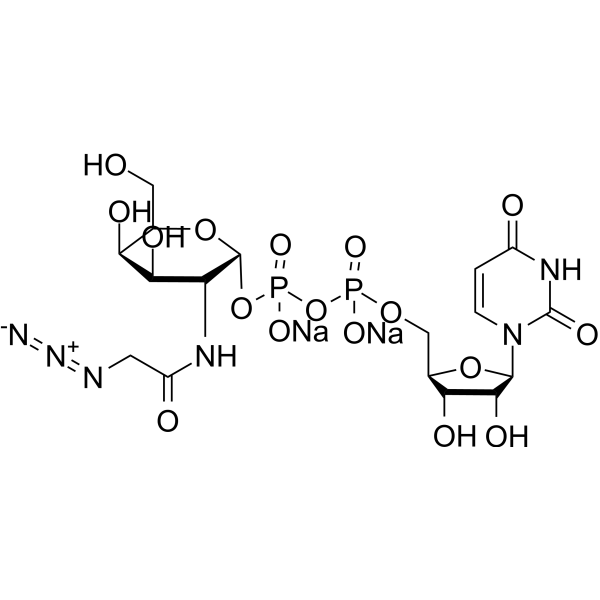 0 ImagesSynonyms: UDP-N-azidoacetylgalactosamine disodiumUDP-GalNAz (UDP-N-azidoacetylgalactosamine) disodium is the analogue of UDP-GalNAc disodium (HY-114365). UDP-GalNAc disodium is the donor substrate of many N-acetylgalactosaminyltransferases, enzymes which transfer GalNAc from the nucleotide sugar to a saccharide or peptide acceptor. UDP-GalNAz disodium is a click chemistry reagent, it contains an Azide group and can undergo copper-catalyzed azide-alkyne cycloaddition reaction (CuAAc) with molecules containing Alkyne groups. It can also undergo strain-promoted alkyne-azide cycloaddition (SPAAC) reactions with molecules containing DBCO or BCN groups.
-
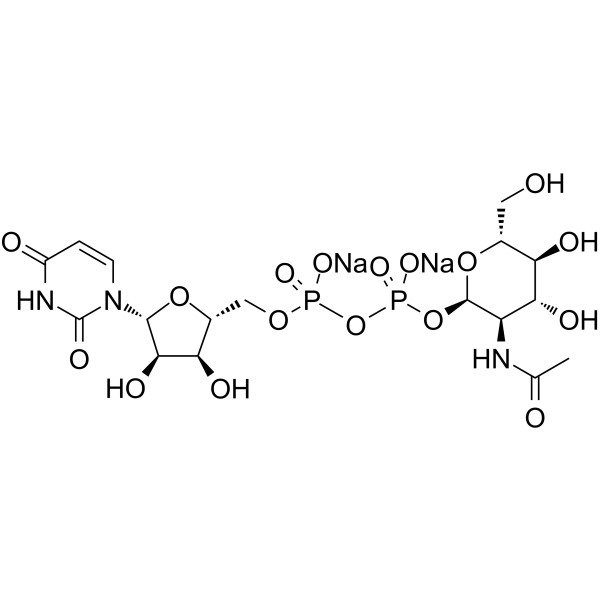
UDP-GlcNAz disodium
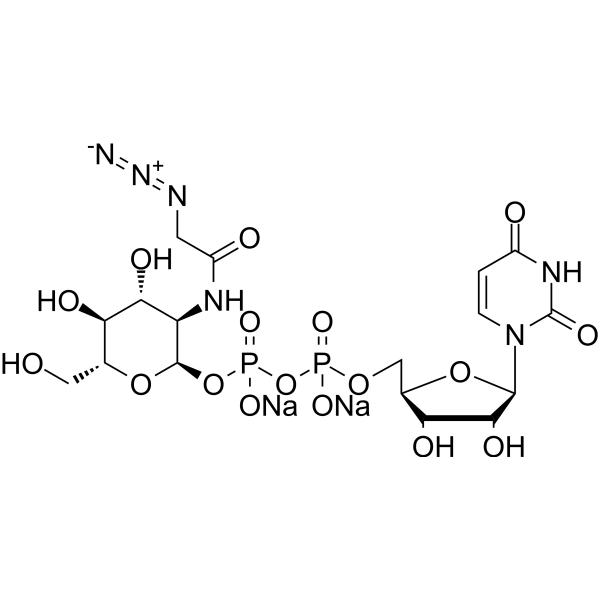 0 ImagesUDP-GlcNAz disodium is the analogue of UDP-GlcNAc disodium (HY-112174). UDP-GlcNAc disodium is the donor substrate of many N-acetylgalactosaminyltransferases, enzymes which transfer GlcNAc from the nucleotide sugar to a saccharide or peptide acceptor. UDP-GlcNAc disodium is a click chemistry reagent, it contains an Azide group and can undergo copper-catalyzed azide-alkyne cycloaddition reaction (CuAAc) with molecules containing Alkyne groups. It can also undergo strain-promoted alkyne-azide cycloaddition (SPAAC) reactions with molecules containing DBCO or BCN groups.
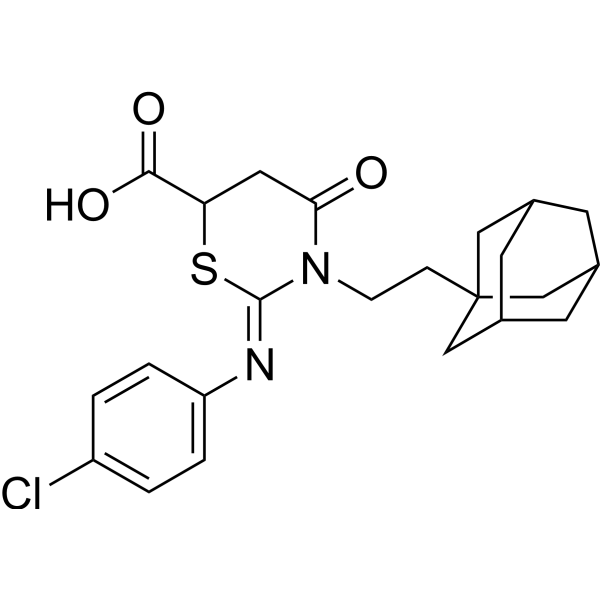
-
Dammarenediol II
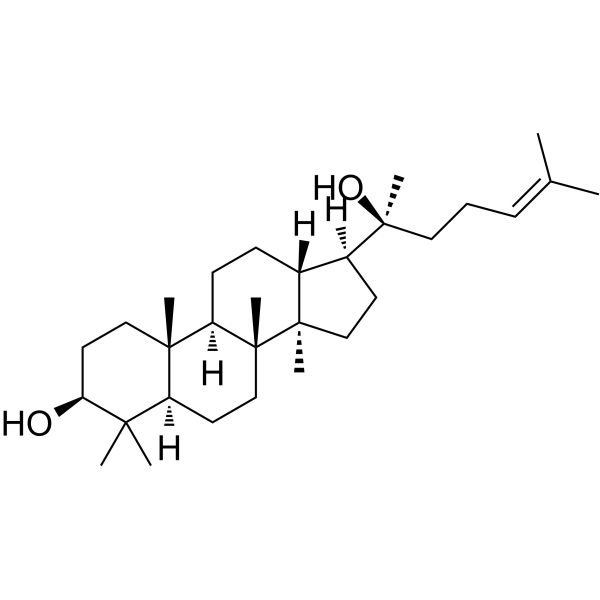 0 ImagesDammarenediol II is a ginsenoside precursor. Dammarenediol II reduces the activity of O-GlcNAc transferase (OGT) and downregulates the global O-GlcNAcylation level. Dammarenediol II inhibits the phosphorylation of Akt, mTOR and GSK3β. Dammarenediol II inhibits human carboxylesterase activity, VEGF-induced ROS production, stress fiber formation and vascular endothelial cadherin disruption. Dammarenediol II promotes cell apoptosis (apoptosis), increases the levels of cleaved PARP1 and p53, and inhibits retinal microvascular leakage. Dammarenediol II can be used in studies related to liver cancer and diabetic retinopathy.
-
UDP-glucosamine disodium
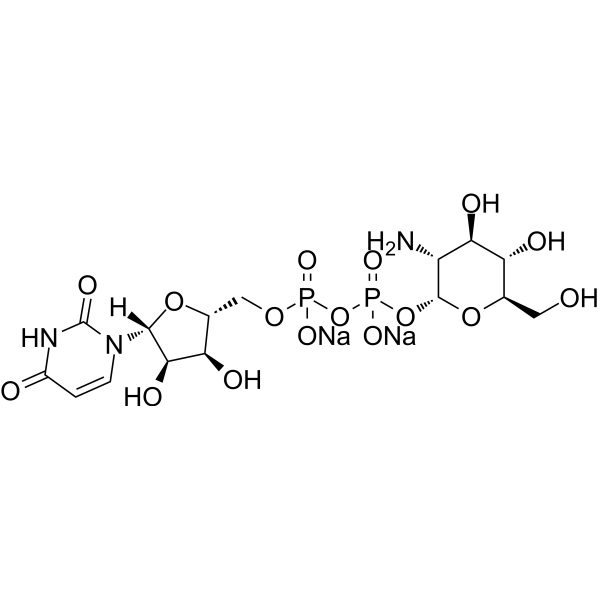 0 ImagesUDP-glucosamine (UDP-GlcNAc) disodium is a substrate for O-GlcNAc transferase, which catalyzes the attachment of O-GlcNAc to proteins. O-GlcNAcase catalyzes the removal of O-GlcNAc from proteins. UDP-glucosamine (UDP-GlcNAc) disodium is the end product of the hexosamine biosynthesis pathway, which is regulated primarily by glucose-6-phosphate-Glutamine:fructose-6-phosphate amidotransferase (GFAT).

-
2-Azido-2-deoxy-D-glucose, 98%
 0 ImagesSynonyms: 2-ADG, 98%2-Azido-2-deoxy-D-glucose, 98% (2-ADG, 98%) is a substrate of O-GlcNAc transferase (OGT). 2-Azido-2-deoxy-D-glucose, 98% can be transferred from UDP-GlcAz to proteins in vitro via OGT mediation. When delivered as AcGlcAz, 2-Azido-2-deoxy-D-glucose, 98% enables the labeling and investigation of O-GlcNAc-modified nuclear and cytoplasmic proteins in cells. 2-Azido-2-deoxy-D-glucose, 98% undergoes strain-promoted [3+2] azide-alkyne cycloaddition (SPAAC) with technetium-99m-labeled dibenzocyclooctyne derivatives in vivo. 2-Azido-2-deoxy-D-glucose, 98% can be used in sarcoma-related research.
-
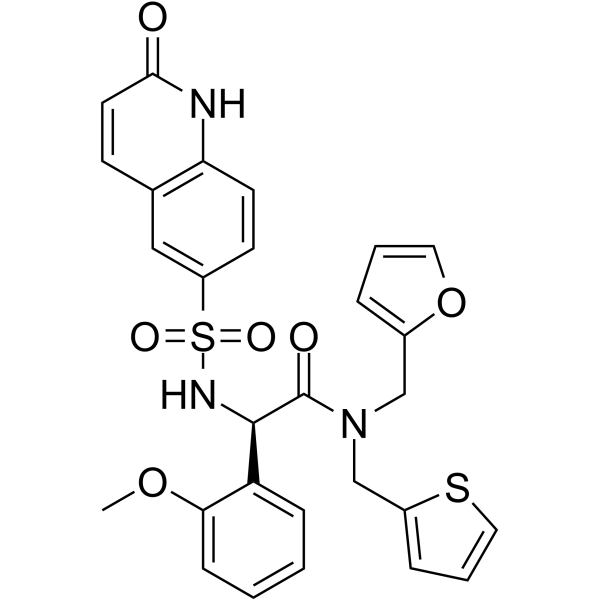
(Rac)-OSMI-1
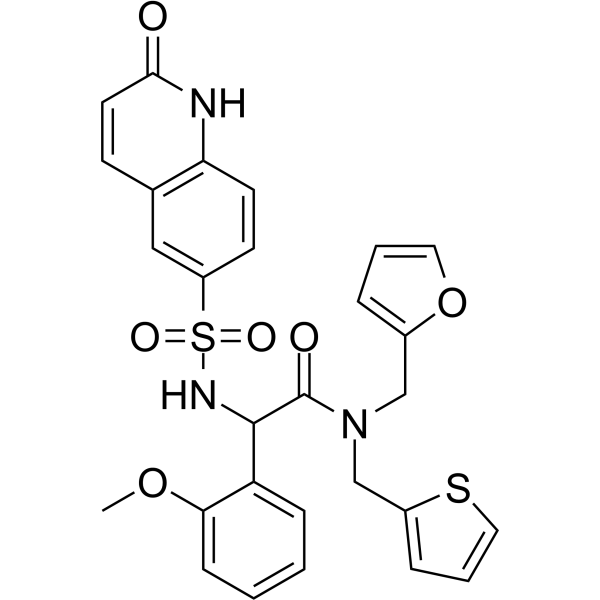 0 ImagesCat. No.: HY-119738ACAS No.: 2748153-92-4(Rac)-OSMI-1 is the racemate of OSMI-1. OSMI-1 is a cell-permeable O-GlcNAc transferase (OGT) inhibitor with an IC50 value of 2.7 μM. OSMI-1 inhibits protein O-linked N-acetylglucosamine (O-GlcNAcylation) in several mammalian cell lines without qualitatively altering cell surface N- or O-linked glycans.
-
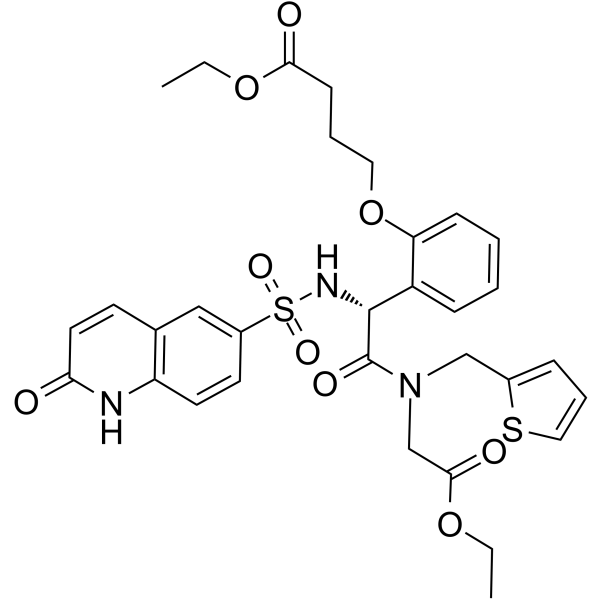
UDP-GlcNAz
 0 ImagesCat. No.: HY-145934BCAS No.: 608514-41-6UDP-GlcNAz is a UDP sugar. UDP-GlcNAz transfers GlcNAz to serine and threonine residues during O-GlcNAcylation and causes GlcNAz modification of substrate proteins (including recombinant mouse iNOS), which can be detected via Staudinger ligation with biotin-phosphine. UDP-GlcNAz provides a click chemistry handle through its azide group for the enrichment and fluorescence detection of O-GlcNAcylated proteins.

-
Ac4-5SGlcNAc
 0 ImagesCat. No.: HY-149552CAS No.: 67561-97-1Ac4-5SGlcNAc is an O-GlcNAc transferase (OGT) inhibitor. Ac4-5SGlcNAc converts intracellularly to UDP-5SGlcNAc, which competes with native UDP-GlcNAc (HY-148596) to block OGT catalytic activity, reduces cellular UDP-GlcNAc pools, and limits global protein O-GlcNAcylation. Ac4-5SGlcNAc reduces OGA levels via feedback, alters lectin signal intensities and glycan-related band masses. Ac4-5SGlcNAc can be used for the research of breast cancer.
-
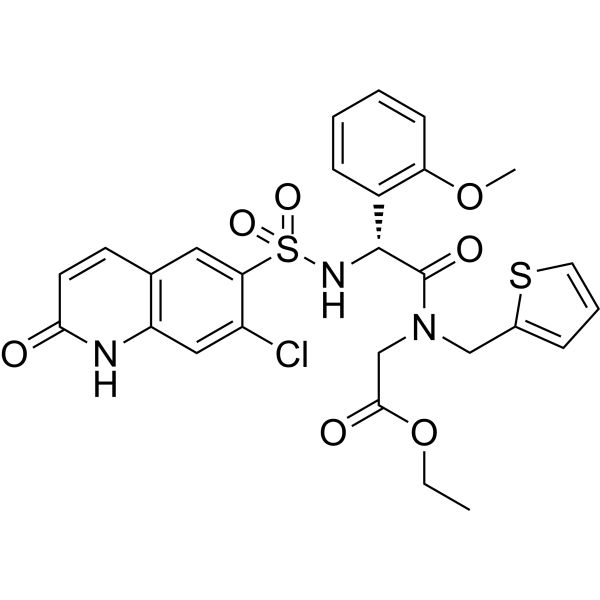
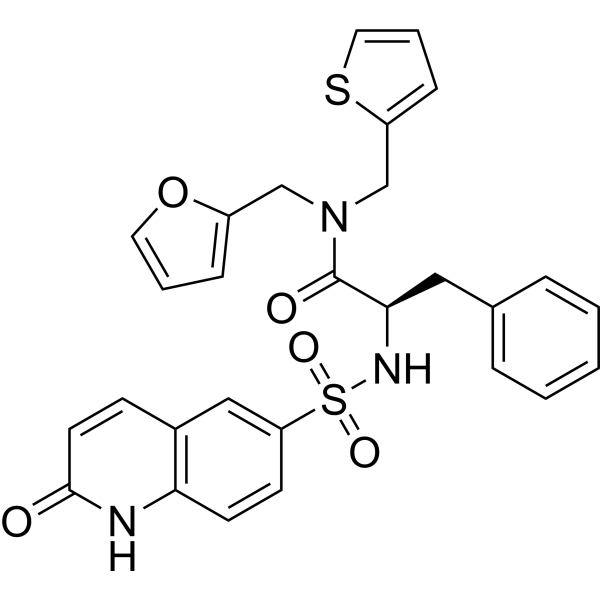
OSMI-1 (Standard)
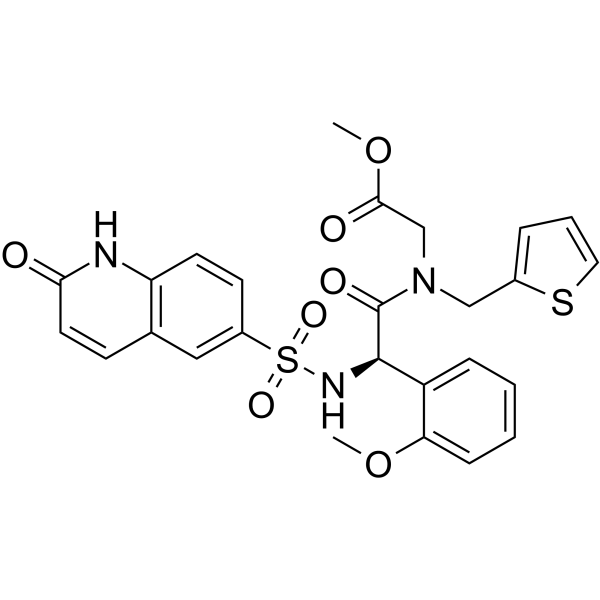
 0 ImagesCat. No.: HY-119738RCAS No.: 1681056-61-0OSMI-1 (Standard) is the analytical standard of OSMI-1 (HY-119738). This product is intended for research and analytical applications. OSMI-1 is a cell-permeable O-GlcNAc transferase (OGT) inhibitor with an IC50 value of 2.7 μM. OSMI-1 inhibits protein O-linked N-acetylglucosamine (O-GlcNAcylation) in several mammalian cell lines without qualitatively altering cell surface N- or O-linked glycans.
-
BZX2
 0 ImagesCat. No.: HY-W477597CAS No.: 1349070-58-1BZX2 is an irreversible covalent inhibitor of O-GlcNAc transferase (OGT) with an IC50 of <10 µM. BZX2 is cell-permeable but exhibits multiple off-target effects.
- 1



