Search Result
Results for "
estrogen+receptor+α
" in MedChemExpress (MCE) Product Catalog:
5
Isotope-Labeled Compounds
| Cat. No. |
Product Name |
Target |
Research Areas |
Chemical Structure |
-
- HY-14590
-
-
-
- HY-138642
-
|
ARV-471
|
PROTACs
Estrogen Receptor/ERR
|
Cancer
|
|
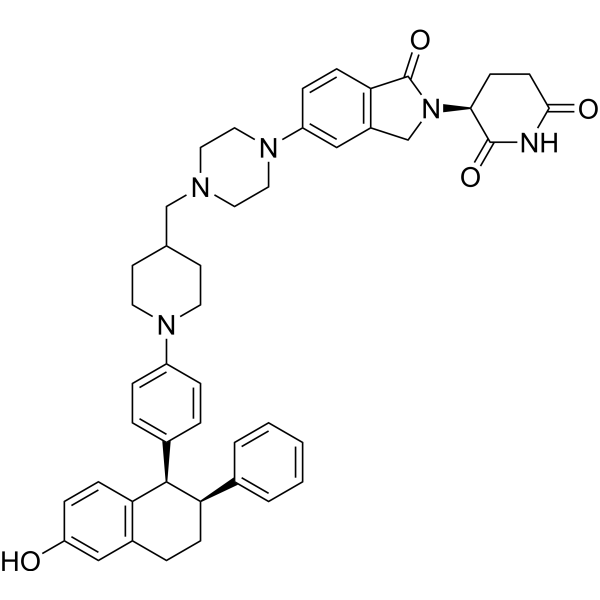
Vepdegestrant (ARV-471) is an orally active PROTAC estrogen receptor degrader against breast cancer. Vepdegestrant is a hetero-bifunctional molecule that facilitates the interactions between estrogen receptor alpha and an intracellular E3 ligase complex. Vepdegestrant leads to the ubiquitylation and subsequent degradation of estrogen receptors via the proteasome. Vepdegestrant robustly degrades ER in ER-positive breast cancer cell lines with a half-maximal degradation concentration (DC50) of about 2 nM .
|
-
-
- HY-100689
-
|
PPT
|
Estrogen Receptor/ERR
|
Cancer
|
|
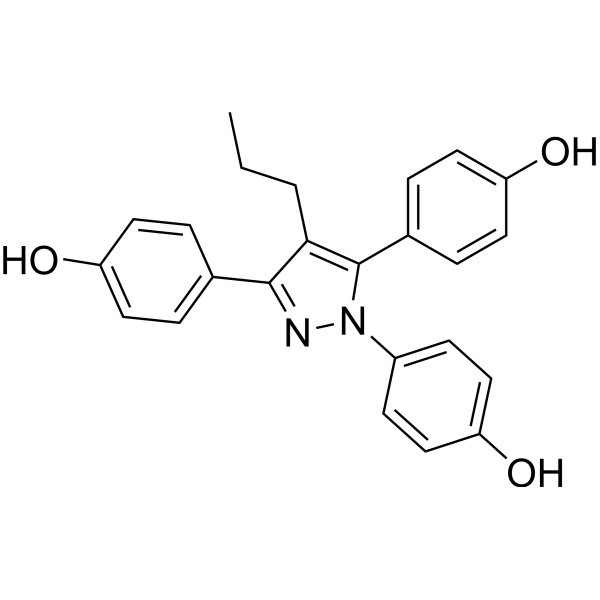
Propyl pyrazole triol (PPT) is a selective estrogen receptor alpha (ERα) agonist. The relative binding affinity of Propyl pyrazole triol for ERα (ERα: 49%) around 410 times higher compared with estrogen receptor beta (ERβ: 0.12%) .
|
-
-
- HY-B0723
-
|
FC-1271a
|
Estrogen Receptor/ERR
Caspase
|
Neurological Disease
Endocrinology
Cancer
|
|
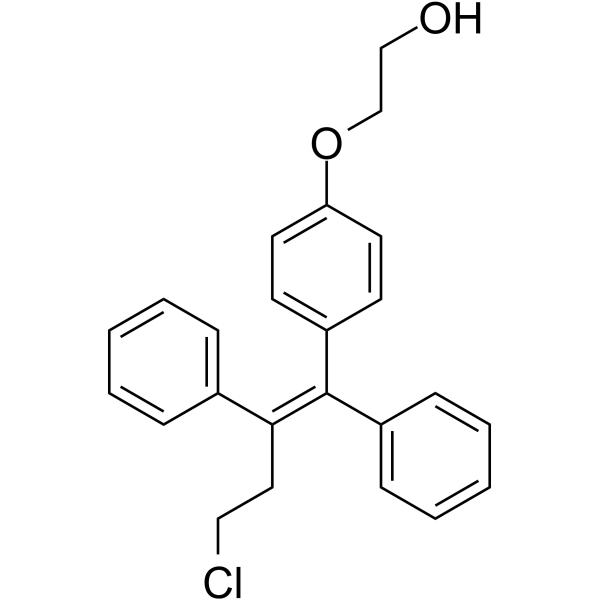
Ospemifene (FC-1271a) is an orally active and non-estrogenic selective estrogen receptor modulator (SERM) with Ki values of 380 and 410 nM for estrogen receptor α (ERα) and ERβ, respectively. Ospemifene inhibits caspase-3 activity. Ospemifene inhibits neuronal degeneration, prevents bone loss, and increases vaginal weight and vaginal epithelial height. Ospemifene has anticancer activity against breast cancer .
|
-
-
- HY-14590R
-
|
Kempferol(Standard); Robigenin (Standard)
|
Reference Standards
Estrogen Receptor/ERR
Autophagy
Mitophagy
Apoptosis
HIV
Parasite
Endogenous Metabolite
|
Cancer
|
|
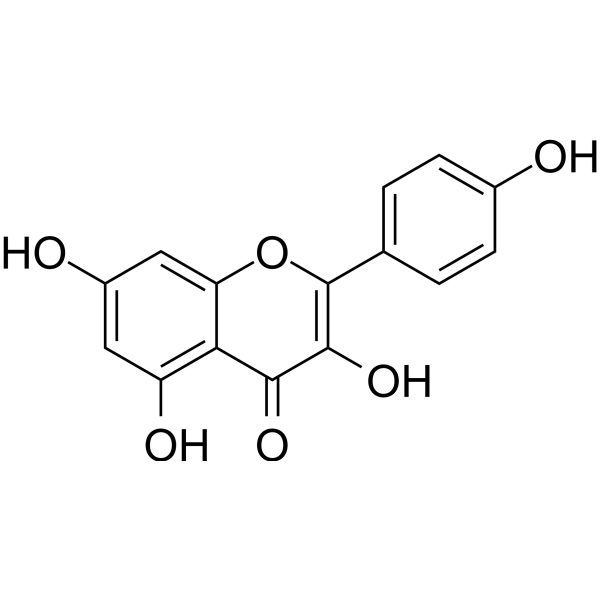
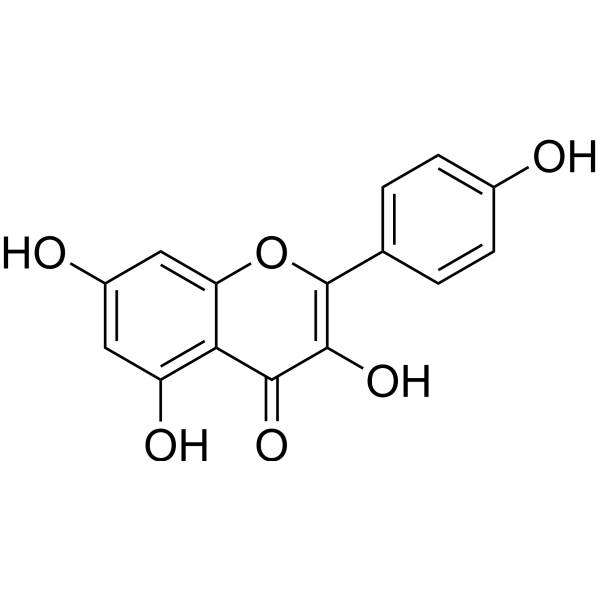
Kaempferol (Standard) is the analytical standard of Kaempferol. This product is intended for research and analytical applications. Kaempferol (Kempferol), a flavonoid found in many edible plants, inhibits estrogen receptor α expression in breast cancer cells and induces apoptosis in glioblastoma cells and lung cancer cells by activation of MEK-MAPK. Kaempferol can be uesd for the research of breast cancer .
|
-
-
- HY-B1662
-
|
|
Estrogen Receptor/ERR
|
Endocrinology
|
|
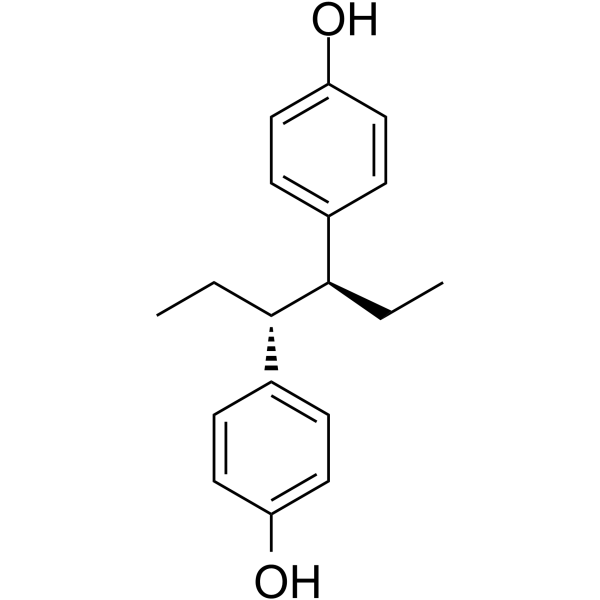
Hexestrol is a nonsteroidal synthetic estrogen, with a Ki of 0.06 and 0.06 nM for estrogen receptor alpha (ERα) and ERβ. Hexestrol can be used for the research of the diseases caused by estrogen deficiencym, and it also can increase the weight of cattle .
|
-
-
- HY-153468
-
|
TEQ103; Sera2
|
Sodium Channel
TRP Channel
|
Cancer
|
|
ErSO-TFPy (TEQ103) is an ERα+ tumor cell inhibitor with low nanomolar cytotoxic activity against ERα+ breast cancer cells. ErSO-TFPy activates the sodium channel TRPM4, causes an imbalance of intracellular calcium and sodium ions. ErSO-TFPy dysregulates calcium homeostasis in ERα+ tumor cells, triggers the anticipatory unfolded protein response, and induces rapid immune cell-independent necrotic cell death. ErSO-TFPy can be used for the research of estrogen receptor alpha positive breast cancer .
|
-

-
- HY-112100
-
|
|
PROTAC-Linker Conjugates for PAC
Estrogen Receptor/ERR
|
Cancer
|
|
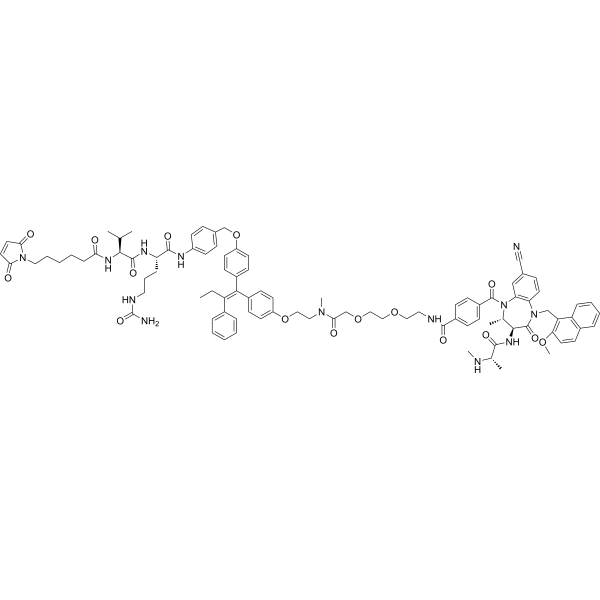
MC-Val-Cit-PAB-PROTAC ERα Degrader-1 (compound LP2) consists an ADC linker and a PROTAC, whcih can be conjugated to an antibody to form PACs. MC-Val-Cit-PAB-PROTAC ERα Degrader-1 conjugated to an antibody is a more marked estrogen receptor-alpha (ERα) degrader compared to PROTAC (without Ab) .
|
-
-
- HY-110193
-
SPP-86
2 Publications Verification
|
RET
|
Cancer
|
|
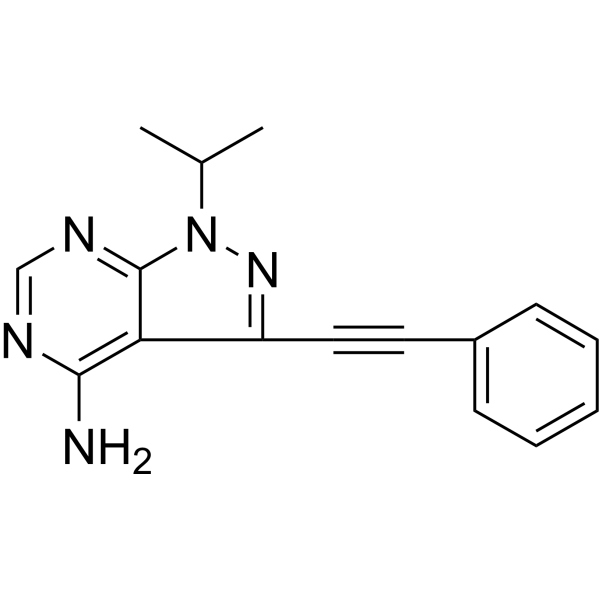
SPP-86 is a potent and selective cell permeable inhibitor of RET tyrosine kinase, with an IC50 of 8 nM. SPP-86 inhibits RET-induced phosphatidylinositide 3-kinases (PI3K)/Akt and MAPK signaling, also inhibits RET-induced estrogen receptorα (ERα) phosphorylation in MCF7 cells . SPP-86 is a click chemistry reagent, it contains an Alkyne group and can undergo copper-catalyzed azide-alkyne cycloaddition (CuAAc) with molecules containing Azide groups.
|
-
-
- HY-N4121
-
|
|
Estrogen Receptor/ERR
Apoptosis
|
Cancer
|
|
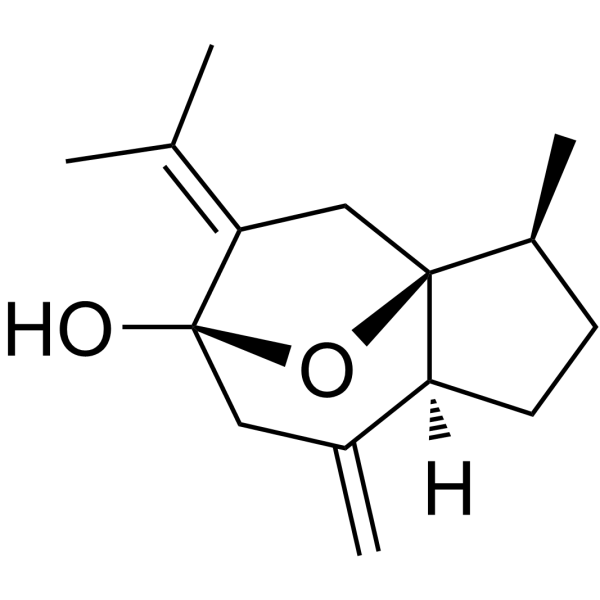
Isocurcumenol, an estrogen receptor alpha (ERα) inhibitor isolated from Curcuma zedoaria Rhizomes, possesses anti-tumor acticity, with IC50 values of 99.1μg/mL and 178.2 μg/mL in DLA and KB cells, respectively .
|
-
-
- HY-150803
-
|
|
Ligands for E3 Ligase
|
Cancer
|
|
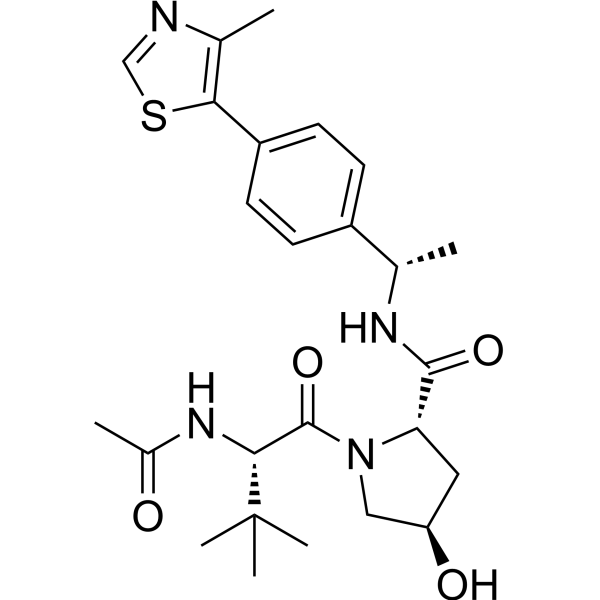
VHL Ligand 14 (Compound 11) is a VHL ligand for design of PROTAC estrogen receptor α (ERα) degraders, with a binding affinity IC50 of 196 nM .
|
-
-
- HY-145341
-
|
|
Estrogen Receptor/ERR
|
Cancer
|
|
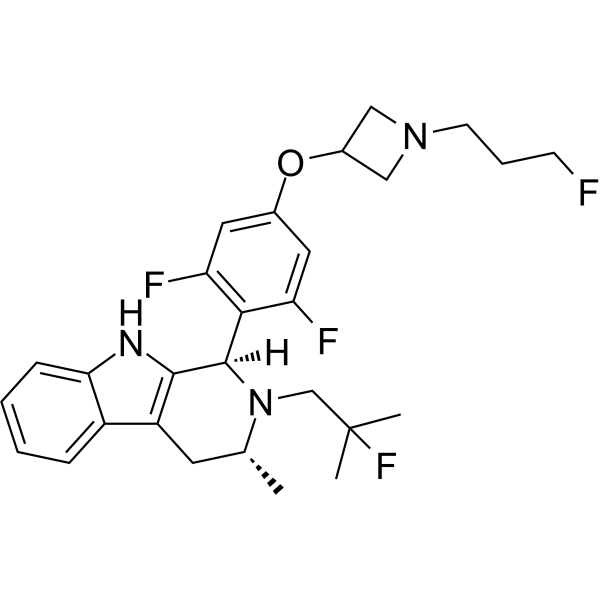
GNE-149 is an orally bioavailable full antagonist of estrogen receptor α (ERα; IC50=0.053 nM). GNE-149 is a selective estrogen receptor degrader (SERD). GNE-149 can be used for the research of breast cancer .
|
-
-
- HY-135312
-
|
|
Estrogen Receptor/ERR
PROTACs
|
Cancer
|
|
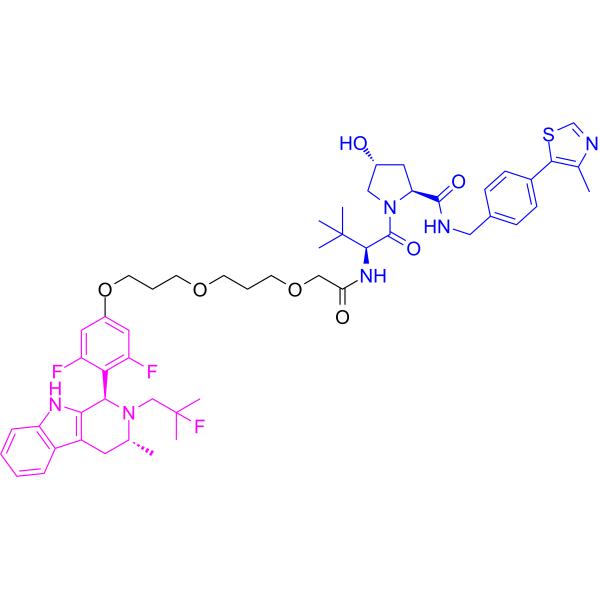
AZ'6421 acts as Protcolysis Targeting Chimera (PROTAC) to selectively degrade estrogen receptor alpha. AZ'6421 has a potent anti-tumour effect to inhibit the uncontrolled cellular proliferation which arises from malignant disease. AZ'6421 can be used for the research of cancer such as breast cancer .
|
-
-
- HY-112098
-
|
|
PROTACs
Estrogen Receptor/ERR
|
Cancer
|
|
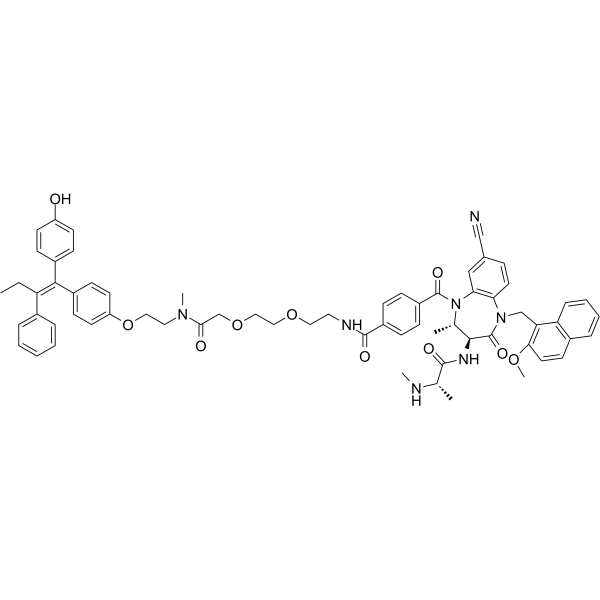
PROTAC ERα Degrader-1 comprises an ubiquitin E3 ligase binding group, a linker and a protein binding group. PROTAC ERα Degrader-1 extracts from patent WO2017201449A1, compound P1. PROTAC ERα Degrader-1 is an estrogen receptor-alpha (ERα) degrader.
|
-
-
- HY-107835
-
|
FCR 2769
|
Environmental Pollutants
Apoptosis
Bcl-2 Family
Parasite
Insecticide
|
Infection
Cancer
|
|
Flumethrin (FCR 2769) is a pyrethroid insecticide and acaricide . Flumethrin targets voltage-gated sodium channels and estrogen receptor α (ERα). Flumethrin induces cytotoxicity, apoptosis, genotoxicity and DNA damage in breast cancer cells by regulating the expression of BCL2, BAX, TP53 and P21 genes. Flumethrin is applicable to relevant studies on ectoparasite infections (tick and flea burdens) in dogs and cats, as well as breast cancer .
|
-

-
- HY-150692
-
|
|
Estrogen Receptor/ERR
|
Cancer
|
|
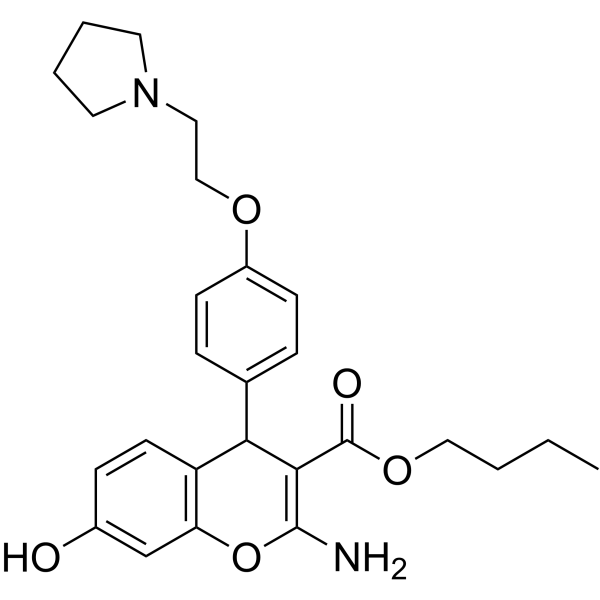
Estrogen receptor α antagonist 1 (compound 35) is a highly selective antagonist of estrogen receptor α, with IC50s of 0.02, 6.55 and 7.73 μM for estrogen receptor α, estrogen receptor β and MCF-7 cells, respectively. Estrogen receptor α antagonist 1 can be used for the research of cancer .
|
-
-
- HY-129619
-
|
|
SNIPERs
Estrogen Receptor/ERR
|
Cancer
|
|
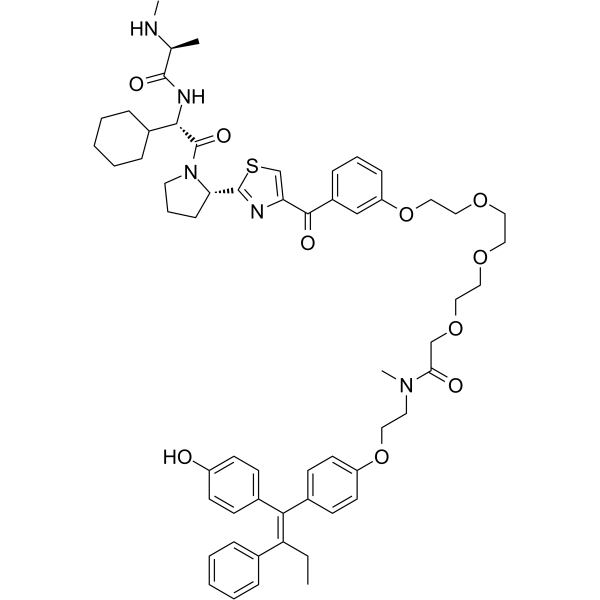
SNIPER(ER)-87 consists of an inhibitor of apoptosis protein (IAP) ligand LCL161 derivative that is conjugated to the estrogen receptor α (ERα) ligand 4-hydroxytamoxifen by a PEG linker, and efficiently degrades the ERα protein (IC50=0.097 μM). SNIPER(ER)-87 preferentially recruits XIAP to ERα in the cells, and XIAP is the primary E3 ubiquitin ligase responsible for the SNIPER(ER)-87-induced ERα degradation .
|
-
-
- HY-179433
-
|
|
PROTACs
Androgen Receptor
Estrogen Receptor/ERR
Src
|
Cancer
|
|
PROTAC AR Degrader-12 is a highly efficient PROTAC targeting AR coactivator binding site (AR-CBS). PROTAC AR Degrader-12 induces AR degradation in a ubiquitin proteasome system (UPS) pathway-dependent manner. PROTAC AR Degrader-12 inhibits tumor cell growth by affecting DNA replication and cell division PROTAC AR Degrader-12 could not only effectively degrade AR, but also potently inhibit the proliferation of MCF-7 and multiple mutant or resistant BC cells. PROTAC AR Degrader-12 effectively blocked estrogen receptor α (ERα) signaling through a dual mechanism involving ERα protein downregulation and suppression of its transcriptional activity. PROTAC AR Degrader-12 significantly inhibits the mRNA expression of FOXA1, GREB1, SRC, and PELP1. PROTAC AR Degrader-12 can be used for the study of breast cancer .
|
-

-
- HY-128527
-
|
|
PROTAC-Linker Conjugates for PAC
Estrogen Receptor/ERR
|
Cancer
|
|
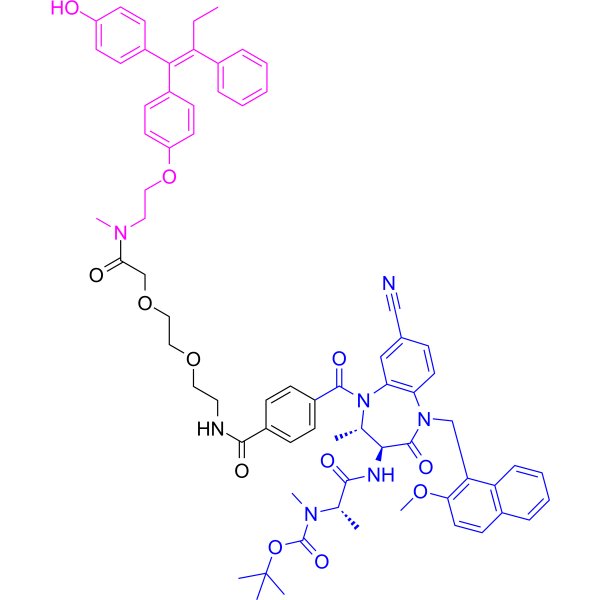
PROTAC ER Degrader-3 is an intermediate for synthesis of PAC. PAC, consists the ADCs linker and PROTACs, conjugated to an antibody. PAC extracts from patent WO2017201449A1, compound LP2. PAC conjugated to an antibody is a more marked estrogen receptor-alpha (ERα) degrader compared to PROTAC (without Ab) .
|
-
-
- HY-138642S
-
|
ARV-471-d5
|
Isotope-Labeled Compounds
|
Cancer
|
|
Vepdegestrant-d5 (ARV-471-d5) is the deuterium labeled Vepdegestrant (HY-138642). Vepdegestrant (ARV-471) is an orally active PROTAC estrogen receptor degrader against breast cancer. Vepdegestrant is a hetero-bifunctional molecule that facilitates the interactions between estrogen receptor alpha and an intracellular E3 ligase complex. Vepdegestrant leads to the ubiquitylation and subsequent degradation of estrogen receptors via the proteasome. Vepdegestrant robustly degrades ER in ER-positive breast cancer cell lines with a DC50 of about 2 nM .
|
-

-
- HY-135590
-
|
|
Estrogen Receptor/ERR
|
Endocrinology
|
|
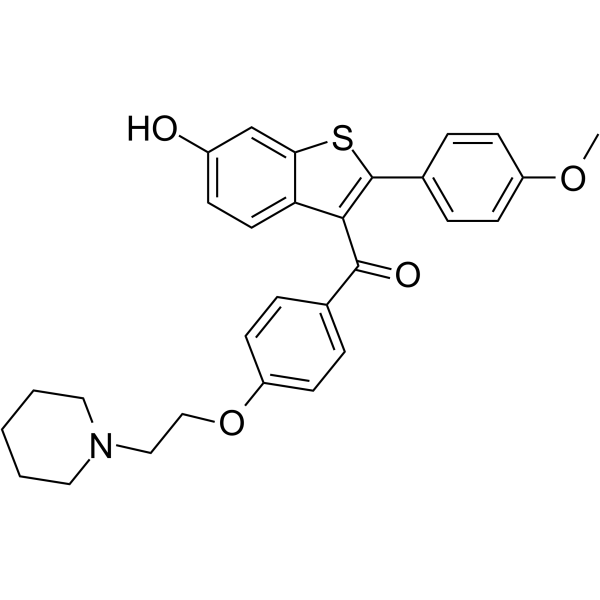
Raloxifene 4-Monomethyl Ether (Compound 37) is a Raloxifene derivative that inhibits estrogen receptor α. Raloxifene 4-Monomethyl Ether inhibits MCF-7 cells with an IC50 of 1 μM and a pIC50 of 6 .
|
-
-
- HY-144733
-
|
|
Estrogen Receptor/ERR
Apoptosis
|
Cancer
|
|
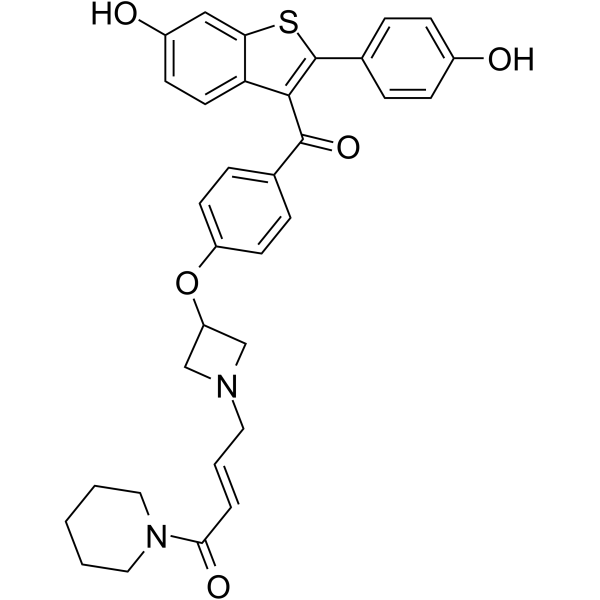
ERα antagonist 1 (Compound 19d) is a potent, selective, covalent estrogen receptor α (ERα) antagonist. ERα antagonist 1 induces apoptosis and cell cycle G0/G1 phase arrest in MCF-7 cells .
|
-
-
- HY-128528
-
|
|
PROTAC-Linker Conjugates for PAC
Estrogen Receptor/ERR
|
Cancer
|
|
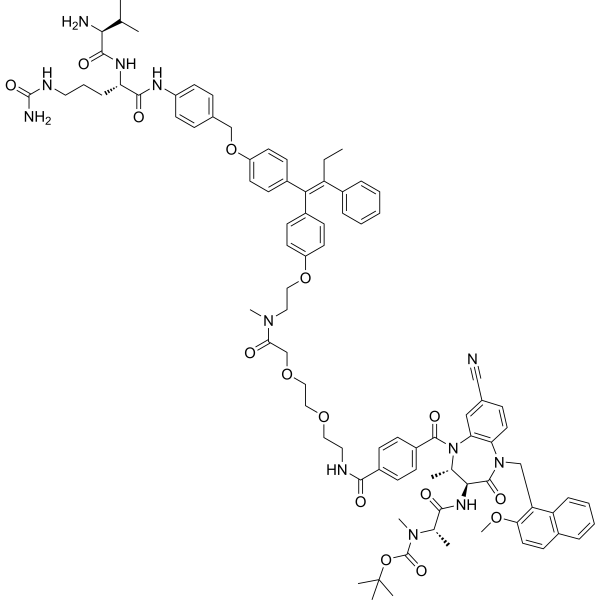
PROTAC ER Degrader-2 is an intermediate for synthesis of PAC. PAC, consists the ADCs linker and PROTACs, conjugated to an antibody. PAC extracts from patent WO2017201449A1, compound LP2. PAC conjugated to an antibody is a more marked estrogen receptor-alpha (ERα) degrader compared to PROTAC (without Ab) .
|
-
-
- HY-W114419
-
|
|
Estrogen Receptor/ERR
mTOR
|
Cardiovascular Disease
Metabolic Disease
|
|
Bisphenol C is an estrogen receptor-α (ERα) agonist and an ERβ antagonist, with IC50 values of 2.65 nM for ERα and 1.94 nM for ERβ. Bisphenol C is a material of manufacturing polyester polymers like polycarbonate, is widely used in daily items like water bottles, food packaging, textile and so on .
|
-

-
- HY-168869
-
|
|
PROTACs
Estrogen Receptor/ERR
|
Cancer
|
|
Tamoxifen-PEG-Clozapine is an estrogen receptor α (ERα) PROTAC degrader. Tamoxifen-PEG-Clozapine degrades ERα via a ubiquitin-proteasome system that uses the ubiquitin protein ligase E3 component N-recognin 5. Tamoxifen-PEG-Clozapine can be used for the research of cancer . (Pink: ERα inhibitor (HY-W271653); Black: linker (HY-168870); Blue: CRBN Ligand (HY-G0021))
|
-

-
- HY-138642A
-
|
(Rac)-ARV-471
|
Estrogen Receptor/ERR
PROTACs
|
Cancer
|
|
(Rac)-Vepdegestrant is the isomer of Vepdegestrant (HY-138642). Vepdegestrant ((R)-Lavandulol) is an orally active PROTAC estrogen receptor degrader against breast cancer. Vepdegestrant is a hetero-bifunctional molecule that facilitates the interactions between estrogen receptor alpha and an intracellular E3 ligase complex. Vepdegestrant leads to the ubiquitylation and subsequent degradation of estrogen receptors via the proteasome. Vepdegestrant robustly degrades ER in ER-positive breast cancer cell lines with a half-maximal degradation concentration (DC50) of about 2 nM .
|
-

-
- HY-131404
-
TPBM
2 Publications Verification
|
Estrogen Receptor/ERR
|
Cancer
|
|
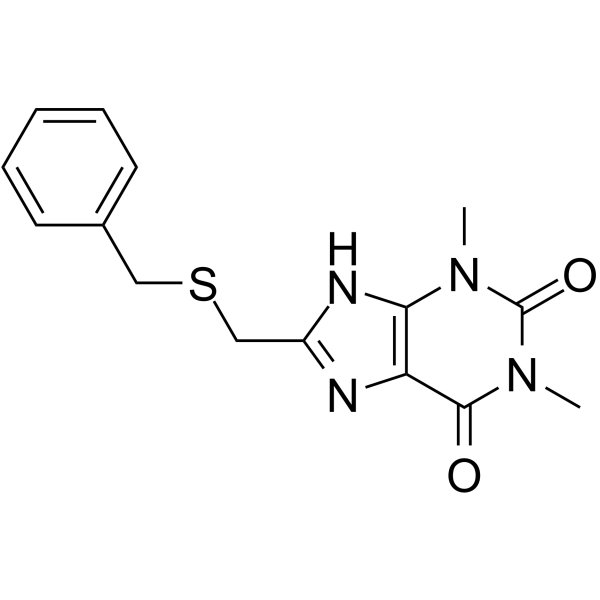
TPBM is a potent estrogen receptor α (ERα) inhibitor with an IC50 value of 9 μM for 17β-estradiol (E2)-ERα. TPBM reduces E2·ERα recruitment to an endogenous estrogen-responsive gene. TPBM inhibits E2-dependent growth of ERα-positive cancer cells (IC50=5 μM). TPBM is not toxic to cells and does not affect estrogen-independent cell growth .
|
-
-
- HY-163467
-
-

-
- HY-146424
-
-
-
- HY-119418
-
|
|
Estrogen Receptor/ERR
|
Cancer
|
|
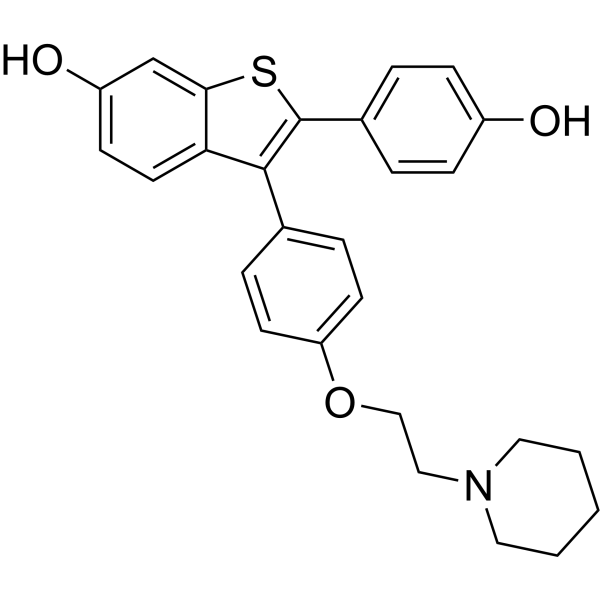
Desketoraloxifene is an estrogen receptors alpha (ERα) activator at an AP-1 site. Desketoraloxifene can be used for the research of osteoporosis and breast cancer .
|
-
-
- HY-107045
-
|
|
Estrogen Receptor/ERR
|
Endocrinology
|
|
CHF 4227 free base is an orally active and selective estrogen receptor modulator (SERM) with high affinity to the human estrogen receptor-α and -β (Ki values of 0.017 nM and 0.099 nM, respectively) .
|
-

-
- HY-135584
-
|
|
Estrogen Receptor/ERR
|
Endocrinology
|
|
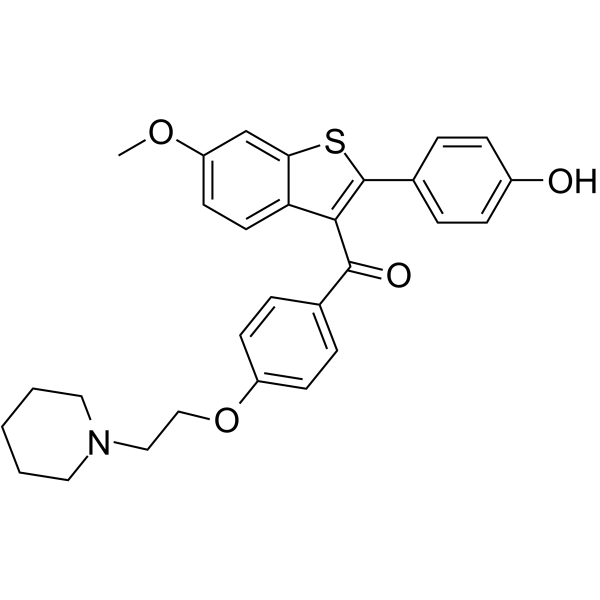
Raloxifene 6-Monomethyl Ether (Compound 7) is a Raloxifene derivative that inhibits estrogen receptor α. Raloxifene 4-Monomethyl Ether inhibits MCF-7 cells with an IC50 of 250 nM and a pIC50 of 6.6 .
|
-
-
- HY-163680
-
|
|
Estrogen Receptor/ERR
Cytochrome P450
|
Cancer
|
|
ERα degrader 9 is a dual targeting ligand for estrogen receptor α (ERα) and aromatase (ARO). ERα degrader 9 can be utilized for synthesis of PROTAC ERα Degrader-9 (HY-163679) .
|
-

-
- HY-B0723S
-
|
FC-1271a-d4
|
Isotope-Labeled Compounds
Estrogen Receptor/ERR
|
Cancer
|
|
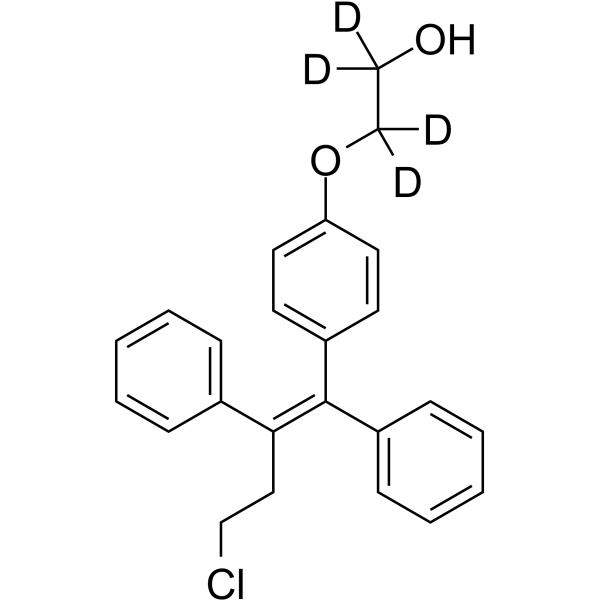
Ospemifene-d4 is a deuterium labeled Ospemifene. Ospemifene is a selective and orally active estrogen receptor modulator for the prevention of osteoporosis with IC50 values of 827 nM and 1633 nM for estrogen receptor α (ERα) and ERβ, respectively. Ospemifene has bone-sparing, antitumor, and cholesterol-lowering effects .
|
-
-
- HY-B1662R
-
|
|
Reference Standards
Estrogen Receptor/ERR
|
Endocrinology
|
|
Hexestrol (Standard) is the analytical standard of Hexestrol. This product is intended for research and analytical applications. Hexestrol is a nonsteroidal synthetic estrogen, with a Ki of 0.06 and 0.06 nM for estrogen receptor alpha (ERα) and ERβ. Hexestrol can be used for the research of the diseases caused by estrogen deficiencym, and it also can increase the weight of cattle .
|
-

-
- HY-178463
-
|
|
Estrogen Receptor/ERR
|
Cancer
|
|
F0840-0093 is a highly selective estrogen receptor α (ERα) degrader. F0840-0093 exhibits potent antiproliferative activity against T47D cells with an IC50 value of 4.65 μM. F0840-0093 is promising for research of estrogen receptor-positive (ER+) breast cancer .
|
-

-
- HY-B0723S2
-
|
FC-1271a-d5
|
Isotope-Labeled Compounds
Estrogen Receptor/ERR
|
Cancer
|
|
Ospemifene-d5 (FC-1271a-d5) is deuterium labeled Ospemifene. Ospemifene is a non-estrogen selective estrogen receptor modulator (SERM), with Kis of 380 and 410 nM for estrogen receptor α (ERα) and ERβ, respectively. Ospemifene can be used for the research of vaginal atrophy and breast cancer .
|
-

-
- HY-111845
-
-
-
- HY-100689R
-
|
PPT (Standard)
|
Reference Standards
Estrogen Receptor/ERR
|
Cancer
|
|
Propyl pyrazole triol (Standard) is the analytical standard of Propyl pyrazole triol. This product is intended for research and analytical applications. Propyl pyrazole triol (PPT) is a selective estrogen receptor alpha (ERα) agonist. The relative binding affinity of Propyl pyrazole triol for ERα (ERα: 49%) around 410 times higher compared with estrogen receptor beta (ERβ: 0.12%) .
|
-

-
- HY-121372
-
|
|
Estrogen Receptor/ERR
|
Cancer
|
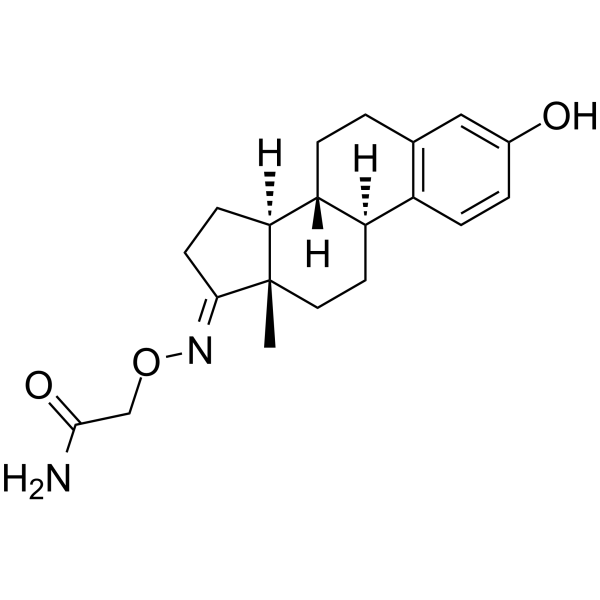
Lactandrate is a D-high nitrogen steroid alkylating agent. It can interact with the ligand-binding domain (LBD) of estrogen receptor-alpha (ERα). Lactandrate has a growth inhibitory effect on breast cancer cells, with a GI50 value ranging from 5 to 65 μM. It shows anti-tumor activity in mouse breast tumors (MXT and CD8F1) as well as in human xenograft MX-1 .
|
-

-
- HY-174131
-
|
|
Estrogen Receptor/ERR
|
Cancer
|
|
PVTX-321 (Compound 16a) is an orally active estrogen receptor α (ERα) degrader. PVTX-321 can potently degrade ERα (DC50=0.15 nM in MCF-7 cells) and also has inhibitory activity against mutant ERα (IC50=59 nM). PVTX-321 is promising for research of ER+/HER2- breast cancer .
|
-

-
- HY-145071
-
|
|
PROTACs
Estrogen Receptor/ERR
|
Cancer
|
|
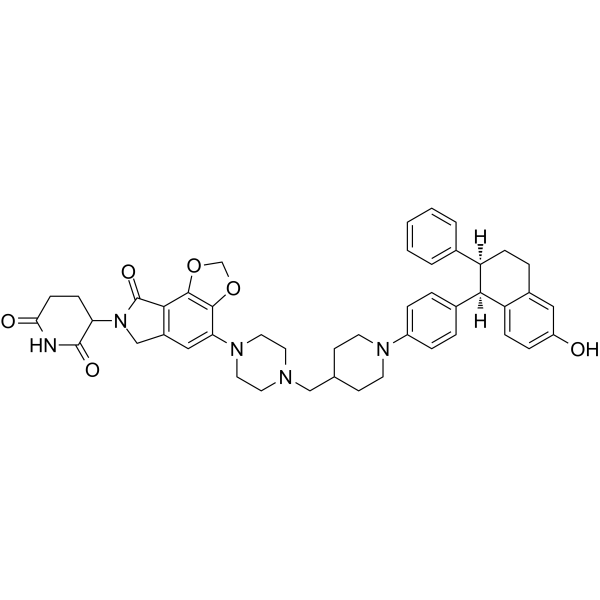
PROTAC ERα Y537S degrader-1 comprises a ubiquitin E3 ligase binding group, a linker and a protein binding group. PROTAC ERα Y537S degrader-1 extracts from patent WO2021143822, example 12. PROTAC ERα Y537S degrader-1 is an estrogen receptor-alpha (ERα) Y537S degrader .
|
-
-
- HY-144306
-
|
|
Estrogen Receptor/ERR
Apoptosis
|
Cancer
|
|
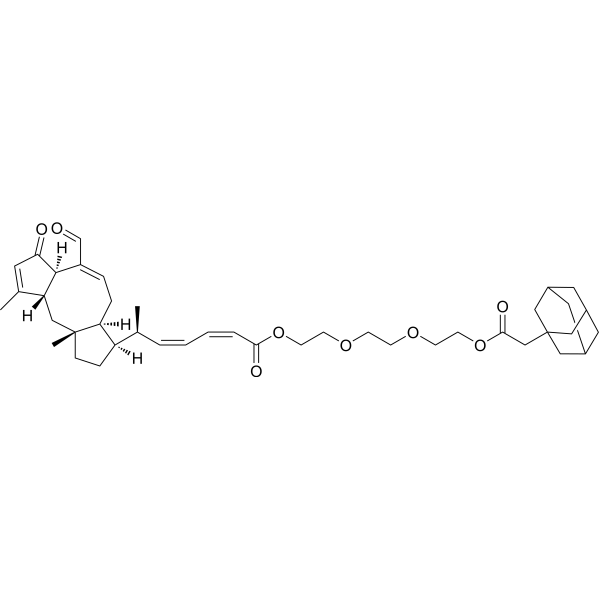
ERα degrader 4 is an excellent and selective estrogen receptor α (ERα) degrader (IC50 of 0.31, 0.41 and 0.48 μM in MDA-MB-231, MCF-7 and MCF-7/ADR cells, respectively). ERα degrader 4 has potent inhibitory activity against MCF-7 cell lines. ERα degrader 4 is a potential SERDs candidate for the research of breast cancer .
|
-
-
- HY-170382
-
|
|
Estrogen Receptor/ERR
Apoptosis
|
Cancer
|
|
ER covalent antagonist-1 (Compound 39D) is the antagonist for estrogen receptor α (ERα). ER covalent antagonist-1 inhibits the proliferation of ERα-positive cell MCF-7 with an IC50 of 0.98 μM, arrests the cell cycle at G0/G1 phase, and induces apoptosis. ER covalent antagonist-1 exhibits antitumor efficacy in mouse model .
|
-

-
- HY-164924
-
|
|
PROTACs
Estrogen Receptor/ERR
|
Cancer
|
|
ERD-12310A is a PROTAC targeting Estrogen Receptor α (ERα) with a ED50 value of 47 pM. ERD-12310A has oral activity. ERD-12310A is composed of PROTAC target protein ligand ER ligand-4 (HY-164925) (red part), E3 ligase ligand (S)-Deoxy-thalidomide (HY-168055) (blue part). ERD-12310A can be used in the research of ER + breast cancer .
|
-

-
- HY-107835R
-
|
FCR 2769 (Standard)
|
Reference Standards
Insecticide
Parasite
Apoptosis
Bcl-2 Family
|
Infection
Cancer
|
|
Flumethrin (Standard) (FCR 2769 (Standard)) is the analytical standard of Flumethrin (HY-107835). This product is intended for research and analytical applications. Flumethrin (FCR 2769) is a pyrethroid insecticide and acaricide. Flumethrin targets voltage-gated sodium channels and estrogen receptor α (ERα). Flumethrin induces cytotoxicity, apoptosis, genotoxicity and DNA damage in breast cancer cells by regulating the expression of BCL2, BAX, TP53 and P21 genes. Flumethrin is applicable to relevant studies on ectoparasite infections (tick and flea burdens) in dogs and cats, as well as breast cancer.
|
-

-
- HY-114631
-
|
|
Estrogen Receptor/ERR
|
Cancer
|
|
EM-800, an orally active anti-estrogen, serves as an antagonist to the transcriptional functions of estrogen receptors α (ERα) and β (ERβ). EM-800 possesses anticancer activity, capable of inhibiting the growth of breast cancer induced by 7,12-Dimethylbenz[a]anthracene (DMBA) (HY-W011845). Furthermore, in ovariectomized animals, EM-800 effectively slows down bone loss. Additionally, EM-800 shows potential in the research of breast and endometrial cancers, while exerting beneficial effects on bone and lipid metabolism .
|
-

-
- HY-P10393
-
|
ERα (295-311)
|
Apoptosis
|
Cancer
|
|
ERα17p (ERα 295-311) is the epitope of the CaM binding site on the estrogen receptor α (ER), which interacts with calmodulin (CaM) in a calcium-dependent manner. ERα17p regulates the migration of cancer cells MCF-7, SK-BR-3, T47D, and MDA-MB-231 through Rho/ROCK and PI3K/Akt signaling pathways. ERα17p inhibits proliferations of breast cancer cells, induces apoptosis, and inhibits tumor growth in mouse models .
|
-

-
- HY-138089
-
|
|
Androgen Receptor
Estrogen Receptor/ERR
LDLR
|
Metabolic Disease
Cancer
|
|
17β-Hydroxy exemestane (17-H-EXE) is the primary active metabolite of Exemestane (HY-13632). 17β-Hydroxy exemestane is an aromatase inhibitor (IC50 = 69 nM) and an androgen receptor (AR) agonist (IC50 = 39.6 nM) that is selective for AR over estrogen receptor α (ERα; IC50 = 21.2 μM). 17β-Hydroxy exemestane stimulates growth of AR- and ERα-positive MCF-7 (EC50= 2.7 μM) and T47D breast cancer cells (EC50s = 0.43 and 1500 nM for AR- and ER-mediated growth, respectively) and inhibits proliferation of testosterone-treated aromatase-overexpressing MCF-7 cells. 17β-Hydroxy exemestane inhibits increases in serum cholesterol and LDL levels and prevents decreases in bone mineral density in the lumbar vertebrae and femur, as well as femoral bending strength and compressive strength of the fifth lumbar vertebrae in ovariectomized rats .
|
-

-
- HY-163679
-
|
|
Estrogen Receptor/ERR
Cytochrome P450
PROTACs
Apoptosis
|
Cancer
|
|
PROTAC ERα Degrader-9 (Compound 18c) is a dual-targeting PROTAC degrader, which degrades estrogen receptor α (ERα) and aromatase (ARO). PROTAC ERα Degrader-9 binds to ERα with a Ki of 0.25 μM, inhibits ARO with an IC50 of 4.6 μM. PROTAC ERα Degrader-9 inhibits the proliferation of MCF-7 wildtype (IC50=0.54 μM) and ERα mutants MCF-7 EGFR (IC50=0.075 μM), MCF-7 D538G (IC50=0.31 μM), MCF-7 Y537S (IC50=2.3 μM), downregulates the expressions of ERS1 and MYC. PROTAC ERα Degrader-9 arrests the cell cycle at G2/M, induces apoptosis in MCF-7. PROTAC ERα Degrader-9 exhibits antitumor efficacy in mouse models. (Pink: ligand for target protein (HY-163680); Black: linker (HY-W007559); Blue: ligand for E3 ligase (HY-112078))
|
-

- HY-168644
-
-

- HY-170806
-
|
|
Estrogen Receptor/ERR
|
Cancer
|
|
ERα degrader 12 (Compound RA3) is an estrogen receptor α (ERα) degrader with antitumor properties. ERα degrader 12 induces pronounced tumor growth inhibition in a breast cancer xenograft mouse model .
|
-

- HY-181172
-
|
|
Estrogen Receptor/ERR
|
Cancer
|
|
FRAGHIT-4 is an estrogen receptor alpha (ERα) inhibitor. FRAGHIT-4 exhibits antineoplastic activity against breast cancer via targeting ER signaling. FRAGHIT-4 can be used for the research of breast cancer .
|
-

- HY-B1662S3
-
|
|
Isotope-Labeled Compounds
MEK
Autophagy
Apoptosis
|
Cancer
|
|
Hexestrol-d4 is the deuterium labeled Hexestrol (HY-B1662). Hexestrol is a nonsteroidal synthetic estrogen, with a Ki of 0.06 and 0.06 nM for estrogen receptor alpha (ERα) and ERβ. Hexestrol can be used for the research of the diseases caused by estrogen deficiencym, and it also can increase the weight of cattle .
|
-

- HY-163766
-
|
|
Estrogen Receptor/ERR
|
Cancer
|
|
Antiproliferative agent-51 (Compound 18h) exhibits inhibitory efficacy against estrogen receptor α (ERα) mediated transcription, with an IC50 of 1.6 nM. Antiproliferative agent-51 inhibits the proliferation of cancer cell ZR-75, with an IC50 of 0.031 μM. Antiproliferative agent-51 exhibits antitumor efficacy in mouse models .
|
-

- HY-168099
-
|
|
Estrogen Receptor/ERR
|
Cancer
|
|
ERα degrader 10 is a selective and orally active estrogen receptor α (ERα) degrader. ERα degrader 10 exhibits potent ERα binding affinity (IC50 of 24.0 nM) and degradation ability (EC50 of 5.3 nM). ERα degrader 10 degrades ERα through the proteasome-mediated pathway. ERα degrader 10 can be used for the study of breast cancer .
|
-

- HY-125675
-
|
|
Estrogen Receptor/ERR
|
Cancer
|
|
VPC-16606 is a selective inhibitor targeting the activation function 2 (AF2) domain of estrogen receptor α (ERα). VPC-16606 blocks the interaction between ERα and coactivators, inhibits the activity of both wild-type and clinically drug-resistant mutant ERα, and exerts inhibitory effects on hormone-resistant breast cancer cells. VPC-16606 can be used in breast cancer research .
|
-

- HY-179510
-
|
|
Estrogen Receptor/ERR
|
Cancer
|
|
CDD-1274 is an ERα (Estrogen receptor α) variant inhibitor. CDD-1274 induces proteasomal degradation of ERα variants in breast cancer cell lines and causes Y537S ERα degradation. CDD-1274 potently blocks ligand-dependent and ligand-independent ER signaling in endocrine-resistant breast cancer cells. CDD-1274 can be used for the study of breast cancer .
|
-

- HY-181171
-
|
|
Estrogen Receptor/ERR
|
Cancer
|
|
HIT-2 is an estrogen receptor alpha (ERα) inhibitor that can bind to the ERα ligand binding domain. HIT-2 forms stable interactions including hydrogen bonds, π-π stacking, and hydrophobic contacts to disrupt ERα-driven signaling. HIT-2 exhibits antineoplastic activity against breast cancer. HIT-2 can be used for the research of breast cancer .
|
-

- HY-107835S
-
|
FCR 2769-d5
|
Isotope-Labeled Compounds
Insecticide
Apoptosis
Environmental Pollutants
Parasite
Bcl-2 Family
|
Infection
Cancer
|
|
Flumethrin-d5 (FCR 2769-d5) is the deuterium labeled Flumethrin (HY-107835). Flumethrin (FCR 2769) is a pyrethroid insecticide and acaricide . Flumethrin targets voltage-gated sodium channels and estrogen receptor α (ERα). Flumethrin induces cytotoxicity, apoptosis, genotoxicity and DNA damage in breast cancer cells by regulating the expression of BCL2, BAX, TP53 and P21 genes. Flumethrin is applicable to relevant studies on ectoparasite infections (tick and flea burdens) in dogs and cats, as well as breast cancer .
|
-

| Cat. No. |
Product Name |
Target |
Research Area |
-
- HY-P10393
-
|
ERα (295-311)
|
Apoptosis
|
Cancer
|
|
ERα17p (ERα 295-311) is the epitope of the CaM binding site on the estrogen receptor α (ER), which interacts with calmodulin (CaM) in a calcium-dependent manner. ERα17p regulates the migration of cancer cells MCF-7, SK-BR-3, T47D, and MDA-MB-231 through Rho/ROCK and PI3K/Akt signaling pathways. ERα17p inhibits proliferations of breast cancer cells, induces apoptosis, and inhibits tumor growth in mouse models .
|
| Cat. No. |
Product Name |
Category |
Target |
Chemical Structure |
| Cat. No. |
Product Name |
Chemical Structure |
-
- HY-138642S
-
|
|
|
Vepdegestrant-d5 (ARV-471-d5) is the deuterium labeled Vepdegestrant (HY-138642). Vepdegestrant (ARV-471) is an orally active PROTAC estrogen receptor degrader against breast cancer. Vepdegestrant is a hetero-bifunctional molecule that facilitates the interactions between estrogen receptor alpha and an intracellular E3 ligase complex. Vepdegestrant leads to the ubiquitylation and subsequent degradation of estrogen receptors via the proteasome. Vepdegestrant robustly degrades ER in ER-positive breast cancer cell lines with a DC50 of about 2 nM .
|
-
-
- HY-B0723S
-
|
|
|
Ospemifene-d4 is a deuterium labeled Ospemifene. Ospemifene is a selective and orally active estrogen receptor modulator for the prevention of osteoporosis with IC50 values of 827 nM and 1633 nM for estrogen receptor α (ERα) and ERβ, respectively. Ospemifene has bone-sparing, antitumor, and cholesterol-lowering effects .
|
-
-
- HY-B0723S2
-
|
|
|
Ospemifene-d5 (FC-1271a-d5) is deuterium labeled Ospemifene. Ospemifene is a non-estrogen selective estrogen receptor modulator (SERM), with Kis of 380 and 410 nM for estrogen receptor α (ERα) and ERβ, respectively. Ospemifene can be used for the research of vaginal atrophy and breast cancer .
|
-
-
- HY-B1662S3
-
|
|
|
Hexestrol-d4 is the deuterium labeled Hexestrol (HY-B1662). Hexestrol is a nonsteroidal synthetic estrogen, with a Ki of 0.06 and 0.06 nM for estrogen receptor alpha (ERα) and ERβ. Hexestrol can be used for the research of the diseases caused by estrogen deficiencym, and it also can increase the weight of cattle .
|
-
-
- HY-107835S
-
|
|
|
Flumethrin-d5 (FCR 2769-d5) is the deuterium labeled Flumethrin (HY-107835). Flumethrin (FCR 2769) is a pyrethroid insecticide and acaricide . Flumethrin targets voltage-gated sodium channels and estrogen receptor α (ERα). Flumethrin induces cytotoxicity, apoptosis, genotoxicity and DNA damage in breast cancer cells by regulating the expression of BCL2, BAX, TP53 and P21 genes. Flumethrin is applicable to relevant studies on ectoparasite infections (tick and flea burdens) in dogs and cats, as well as breast cancer .
|
-
Your information is safe with us. * Required Fields.
Inquiry Information
- Product Name:
- Cat. No.:
- Quantity:
- MCE Japan Authorized Agent:











