Search Result
Results for "
hypertrophied hearts
" in MedChemExpress (MCE) Product Catalog:
| Cat. No. |
Product Name |
Target |
Research Areas |
Chemical Structure |
-
- HY-139665
-
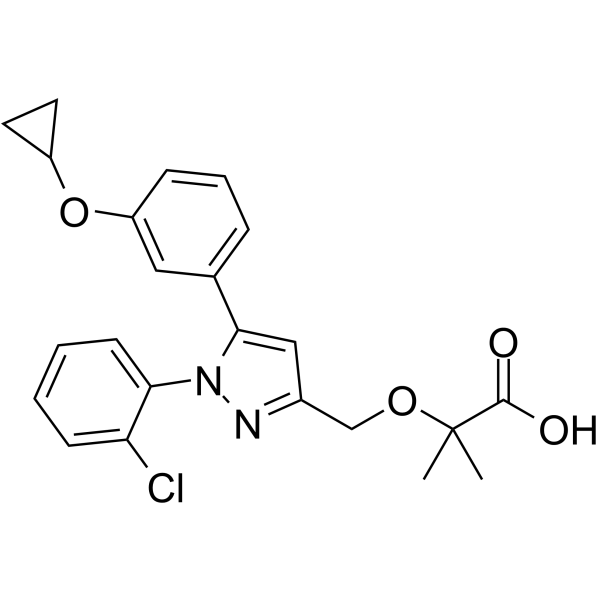
VB124
Maximum Cited Publications
7 Publications Verification
|
Monocarboxylate Transporter
|
Cardiovascular Disease
|
|
VB124 is an orally active, potent, and selective MCT4 inhibitor. VB124 can specifically inhibit lactate efflux with IC50s of 8.6 nM and 19 nM for lactate import and export in MDA-MB-231 cells, respectively. VB124 is highly selective for MCT4 over MCT1. VB124 can be used for the research of cardiac hypertrophy, heart failure, and metabolism .
|
-
-
- HY-158426
-
2-APQC
1 Publications Verification
|
Sirtuin
|
Cardiovascular Disease
|
|
2-APQC is an orally active and selective agonist of Sirtuin-3 (SIRT3) (Kd=2.756 μM), antagonizes Isoproterenol/ISO (HY-B0468)-induced cytotoxicity. 2-APQC activates the SIRT3-PYCR1 axis to enhance mitochondrial proline metabolism and inhibit the ROS-p38MAPK pathway by inhibiting signaling pathways such as mTOR-p70S6K, JNK, and TGF-β/Smad3. 2-APQC also activates the AMPK-Parkin axis to alleviate myocardial hypertrophy and fibrosis and protect cardiac function. 2-APQC can be used in the study of heart failure .
|
-

-
- HY-B0592
-
|
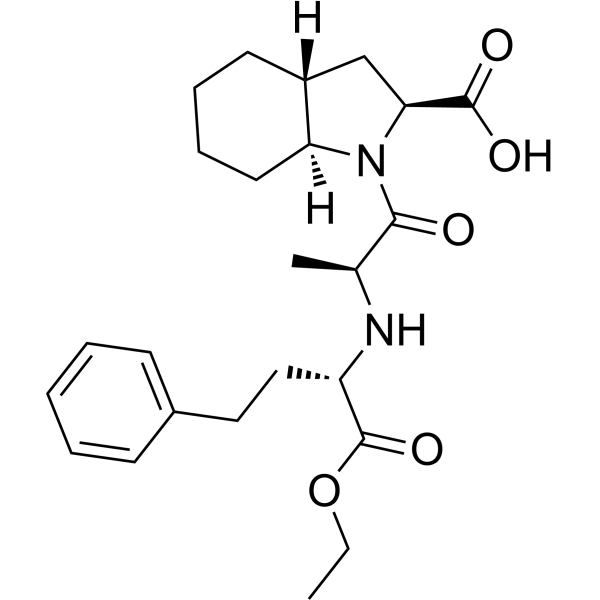
RU44570
|
Angiotensin-converting Enzyme (ACE)
|
Cardiovascular Disease
|
|
Trandolapril (RU44570) is a nonsulfhydryl proagent that is hydrolysed to the active diacid Trandolaprilat. Trandolapril is an orally administered angiotensin converting enzyme (ACE) inhibitor that has been used in the treatment of hypertension and congestive heart failure (CHF), and after myocardial infarction (MI) .
|
-
-
- HY-P1237
-
|
|
Histamine Receptor
|
Cardiovascular Disease
Neurological Disease
Metabolic Disease
|
|
C-Type Natriuretic Peptide (CNP) (1-22), human, a 1-22 fragment of CNP, is a natriuretic peptide receptor B (NPR-B) agonist. C-Type Natriuretic Peptide (CNP) (1-22), human inhibits cAMP synthesis stimulated by the physiological agonists histamine and 5-HT or directly by Forskolin. CNP is a potent, endothelial-derived relaxant and growthinhibitory factor .
|
-

-
- HY-128483
-
|
|
TGF-beta/Smad
PI3K
NF-κB
Akt
Apoptosis
Dopamine β-hydroxylase
mTOR
Adrenergic Receptor
|
Cardiovascular Disease
Endocrinology
Cancer
|
|
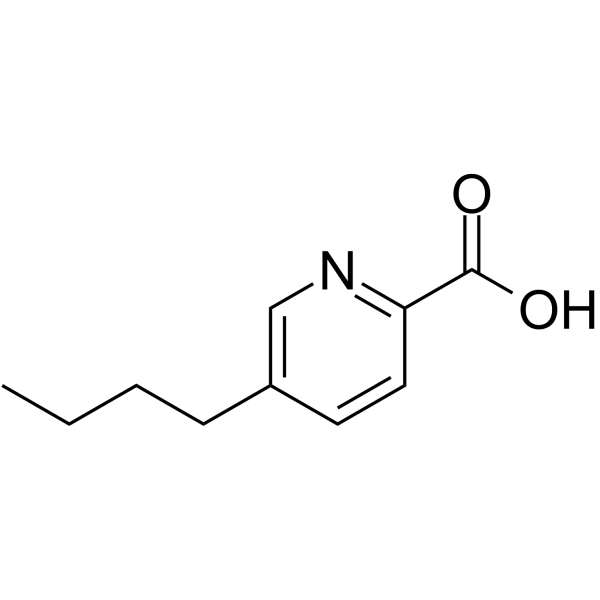
Fusaric acid is an orally active multi-pathway inhibitor with the activity of inducing oxidative stress and apoptosis. Fusaric acid can chelate divalent metal cations, damage mitochondrial membrane structure, and activate apoptosis-related proteases such as Caspase-3/7, -8, and -9. Fusaric acid also regulates Bax/Bcl-2 protein, inhibits fibrosis-related signaling pathways such as NF-κB, TGF-β1/SMADs, and PI3K/AKT/mTOR, and reduces collagen deposition. Fusaric acid is also a dopamine β-hydroxylase inhibitor, which reduces endogenous levels of norepinephrine and epinephrine in the brain, heart, spleen, and adrenal glands. Fusaric acid can play a role in myocardial fibrosis and improve cardiac hypertrophy in heart disease, and can also be used in the study of esophageal cancer and liver cancer .
|
-
-
- HY-143248
-
|
|
G Protein-coupled Receptor Kinase (GRK)
HDAC
|
Cardiovascular Disease
|
|
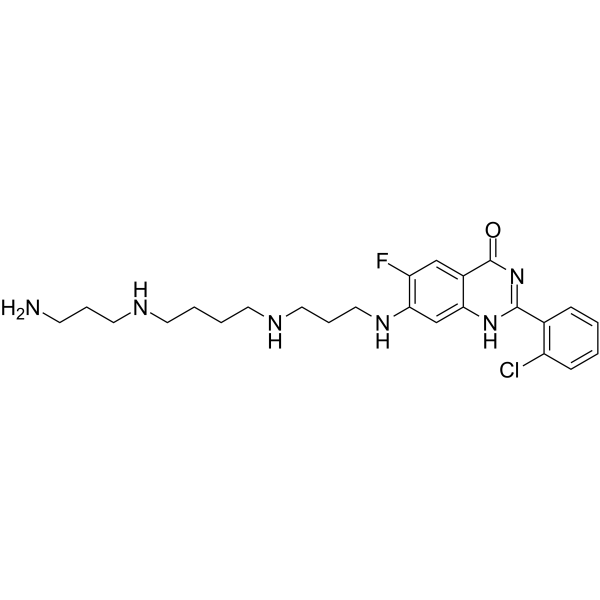
KR-39038 is an orally active and potent GRK5 (G protein-coupled receptor kinase 5) inhibitor, with an IC50 of 0.02 μM. KR-39038 significantly inhibits angiotensin II-induced cellular hypertrophy through suppression of HDAC5 pathway in neonatal cardiomyocytes. KR-39038 shows profound anti-hypertrophic effects and improved cardiac function. KR-39038 can be used for heart failure research .
|
-
-
- HY-168894
-
|
|
Ferroptosis
JAK
STAT
p38 MAPK
AMPK
GSK-3
Apoptosis
HSP
TNF Receptor
|
Cardiovascular Disease
Neurological Disease
Metabolic Disease
Cancer
|
|
CT-1 is a secreted protein belonging to the IL-6 cytokine family. Overexpression of CT-1 enhances cell proliferation, migration and angiogenesis via the ADMA/DDAH pathway. CT-1 inhibits the growth of triple-negative breast cancer cells by simultaneously inducing Ferroptosis in N2-type tumor-associated neutrophils and cancer cells. CT-1 activates the Jak/STAT-3, p42/p44 MAPK and AMPK pathways, and inhibits GSK-3β activity through phosphorylation to induce cardiomyocyte hypertrophy. CT-1 enhances the viability of cardiomyocytes and neurons, reduces cell Apoptosis, induces the expression of heat shock proteins (HSP) and BNP, and inhibits TNF levels. CT-1 exerts anti-tumor activity in mouse models of triple-negative breast cancer. CT-1 improves cognitive impairment in mice. CT-1 is applicable to the research of ischemic heart disease, triple-negative breast cancer, myocardial hypertrophy, Parkinson's disease, hypertensive heart disease, myocardial infarction, acute Chagas cardiomyopathy, high-fat diet-induced cognitive impairment and diabetes-related cognitive impairment .
|
-

-
- HY-W042301
-
|
|
Anion Exchangers
Carbonic Anhydrase
Endothelin Receptor
|
Cardiovascular Disease
|
|
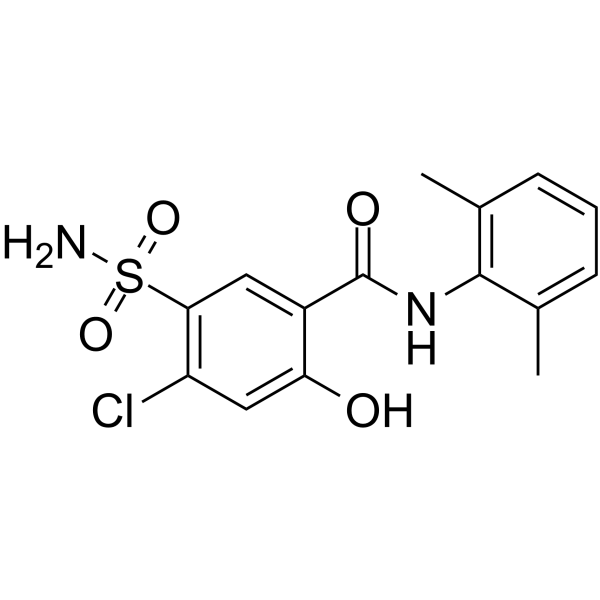
Xipamide is an orally active carbonic anhydrase (CA) inhibitor and Na +/Cl --potassium transporter inhibitor with diuretic and antihypertensive effects. Xipamide reduces NaCl reabsorption by inhibiting the Cl -/NaCO3 - anion exchanger, and increases calcium reabsorption while promoting potassium and magnesium excretion. Xipamide is mainly cleared via the renal pathway and causes a temporary decrease in glomerular filtration rate under specific conditions. Xipamide does not affect Ca 2+ signaling induced by endothelin-1 and other factors, nor does it inhibit various ion cotransport or pump activities in red blood cells. Xipamide can be used in researches related to cardiovascular diseases, hypertension (especially with left ventricular hypertrophy), advanced renal failure, and liver cirrhosis with ascites .
|
-
-
- HY-N2000
-
|
|
STAT
PI3K
mTOR
Akt
|
Neurological Disease
Inflammation/Immunology
Cancer
|
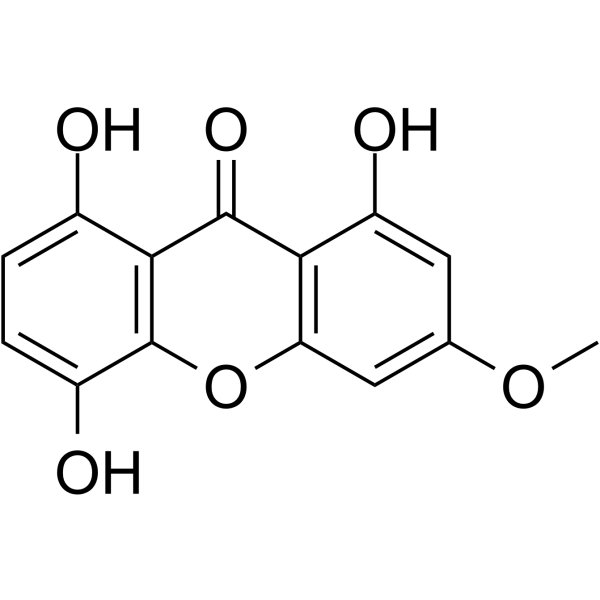
Bellidifolin is an orally active compound with antiproliferative, anti-inflammatory and antioxidant properties. Bellidifolin modulates key signaling pathways including STAT3, PI3K-Akt, mTOR and BRD4, and inhibits the viral protein R (Vpr). Bellidifolin induces cell cycle arrest and apoptosis, exerts significant antifibrotic effects, and protects the heart, liver and nervous system. Bellidifolin is applicable to the research of various diseases such as lung cancer, non-alcoholic fatty liver disease, myocardial hypertrophy and ischemic cranial nerve injury .
|
-
-
- HY-P1237A
-
-

-
- HY-P10641
-
|
|
Exosomes
STAT
ERK
Akt
|
Cardiovascular Disease
|
|
Heart-homing peptide is a heart-targeting peptide with the sequence CRPPR that mediates cardiac endothelial targeting and accumulates in cardiac tissues. Heart-homing peptide mediates the translocation of liposomal and exosomal cargos across cardiac endothelium into interstitial tissues, enhances the accumulation of exosomes in the heart, and inhibits the GP130-STAT3/ERK1/2/AKT pathway. Heart-homing peptide accumulates at sites of ischemia/reperfusion, myocardial infarction and hypertrophy in mice. Heart-homing peptide can be used for the research of cardiovascular diseases .
|
-

-
- HY-W414915
-
|
CGP 48933 methyl ester
|
Drug Derivative
Angiotensin Receptor
|
Cardiovascular Disease
Cancer
|
|
Valsartan (CGP 48933) methyl ester is the methyl ester derivative of Valsartan (HY-18204). Valsartan is a selective and orally active angiotensin II type 1 (AT1) receptor blocker (ARB) with potent antihypertensive and cardioprotective effects. Valsartan competitively binds to AT1 receptors, inhibiting the binding of angiotensin II to AT1 receptors, thereby blocking angiotensin II-mediated vasoconstriction, sodium retention, and myocardial hypertrophy signaling pathways. Valsartan reduces systolic blood pressure in L-NAME-induced hypertensive rats. Valsartan can be used for the study and treatment of arterial hypertension, hypertensive heart disease, and heart failure .
|
-

-
- HY-N6065
-
|
(+)-Praeruptorin A
|
Calcium Channel
Drug Isomer
Cytochrome P450
iGluR
Apoptosis
|
Cardiovascular Disease
Neurological Disease
|
|
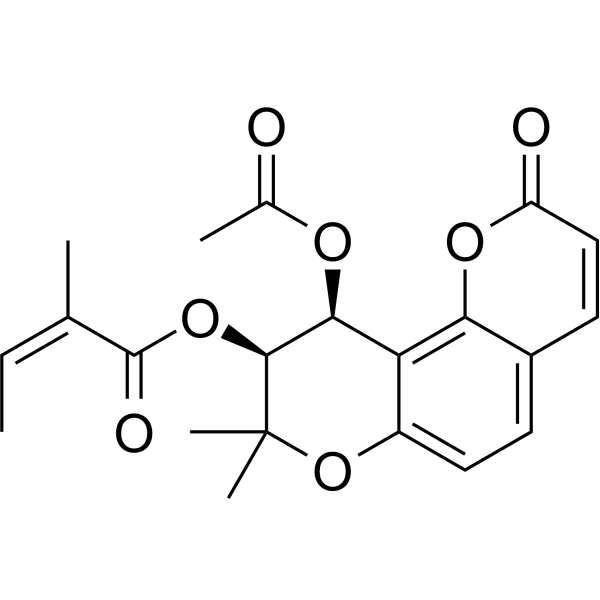
Praeruptorin A ((+)-Praeruptorin A) is an orally active isomer of (±)-Praeruptorin A (HY-N0081). Praeruptorin A also acts as a Calcium channel blocker. Praeruptorin A can be isolated from Peucedanum. Praeruptorin A serves as a substrate for CYP3A4. Praeruptorin A downregulates NMDA receptors containing GluN2B and inhibits neuronal Apoptosis. Praeruptorin A mediates vasodilation, inhibits vascular hypertrophy and reduces blood pressure. Praeruptorin A can be used in research related to neurological diseases, myocardial ischemia, heart failure, exertional angina, renovascular hypertension and spontaneous hypertension .
|
-
-
- HY-132187
-
|
|
TGF-beta/Smad
TRP Channel
Apoptosis
PAI-1
|
Cardiovascular Disease
Neurological Disease
Metabolic Disease
Inflammation/Immunology
Cancer
|
|
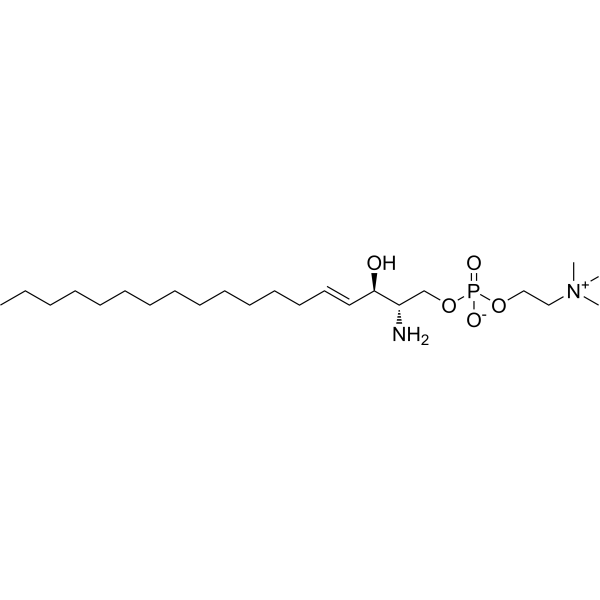
Sphingosylphosphorylcholine is a bioactive lipid and a major component of plasma high-density lipoprotein that binds to OGR1 with a Kd of 33.3 nM. Sphingosylphosphorylcholine triggers delayed phosphorylation of Smad2, upregulates α-SMA expression, and activates TRPM3. Sphingosylphosphorylcholine reduces Apoptosis and upregulates the expression of uPA and its receptor uPA-R. Sphingosylphosphorylcholine exerts anti-apoptotic, anti-cardiac hypertrophy and pro-wound healing effects. Sphingosylphosphorylcholine induces scratching behavior in mice. Sphingosylphosphorylcholine is used in studies related to atopic dermatitis, promyelocytic leukemia, heart failure, myocardial ischemia/reperfusion injury, ovarian cancer, breast cancer, pancreatic cancer, and skin wound healing disorders in genetically impaired healing diabetes .
|
-
-
- HY-128142
-
|
|
PKD
PKC
|
Cardiovascular Disease
|
|
PKC/PKD-IN-1 (Compound 13C) is an orally active dual protein kinase C/D (PKC/PKD) inhibitor with an IC50 value of 0.6 nM for PKD1. PKC/PKD-IN-1 can attenuate high-salt diet-induced cardiac hypertrophy and can be used in the study of heart failure .
|
-

-
- HY-160706
-
|
|
Drug Derivative
|
Cardiovascular Disease
|
|
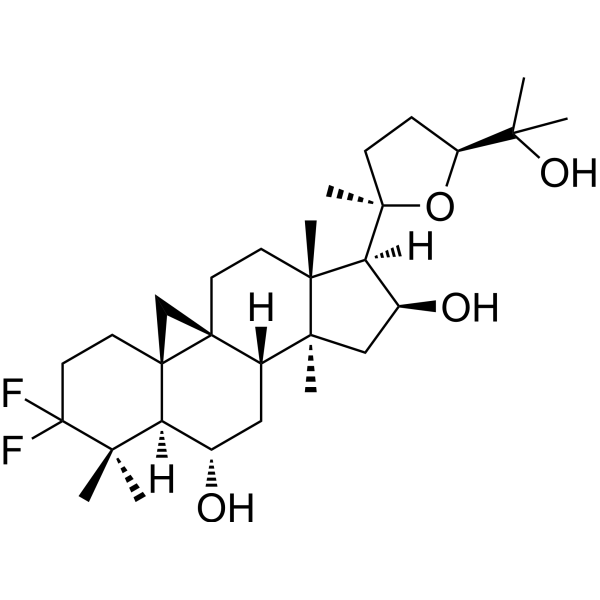
HHQ16 is an orally active derivative of Astragaloside IV (HY-N0431). HHQ16 effectively reverses infarction-induced hypertrophy and heart failure by targeted degrading lnc4012/lnc9456 and antagonizing their effects on G3BP2/NF-κB signaling .
|
-
-
- HY-114683
-
|
|
TGF-beta/Smad
|
Cardiovascular Disease
|
|
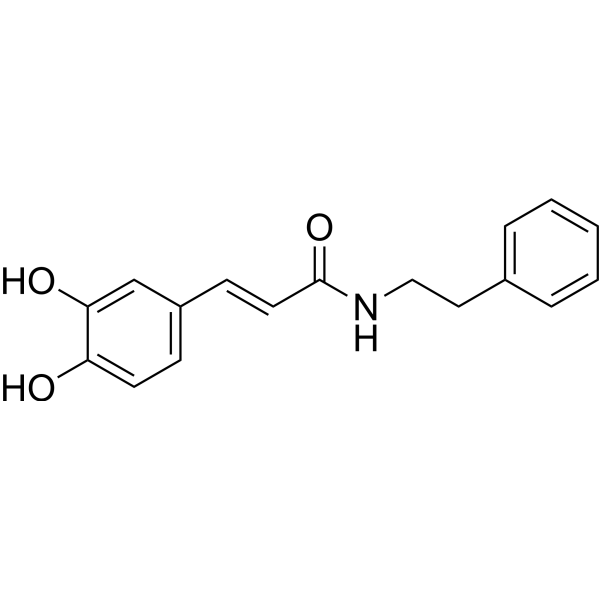
KS370G is an orally active hypoglycemic and cardiovascular protective agent. KS370G improves left ventricular hypertrophy and function in pressure-overload mice heart. KS370G reduces renal obstructive nephropathy .
|
-
-
- HY-106994A
-
|
YM598
|
Endothelin Receptor
|
Cardiovascular Disease
Inflammation/Immunology
Cancer
|
|
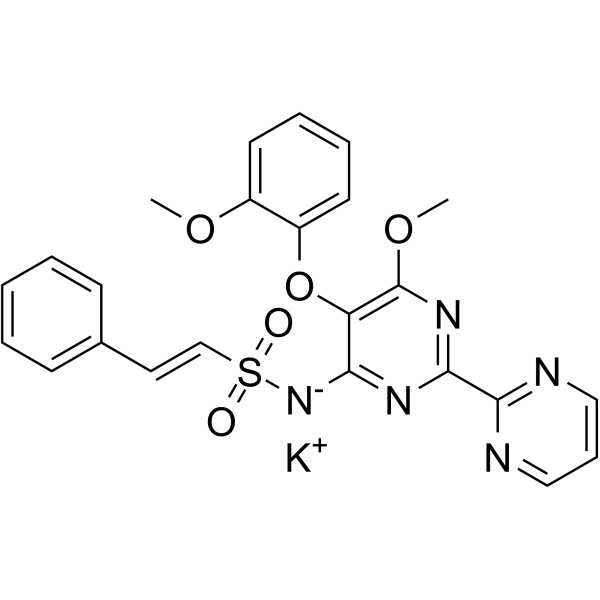
Nebentan potassium (YM598) is a potent, selective and orally active non-peptide endothelin ETA receptor antagonist through the modification of Bosentan (HY-A0013). Nebentan potassium inhibits [ 125I] endothelin-1 binding to cloned human endothelin ETA and ETB receptor, with Ki of 0.697 nM and 569 nM, respectively . YM598 can ameliorate the progression of cor pulmonale and myocardial infarction in vivo .
|
-
-
- HY-P11297
-
|
|
Angiotensin-converting Enzyme (ACE)
|
Cardiovascular Disease
|
|
AC-SDKP-NH2 is a substrate peptide of Angiotensin converting enzyme (ACE). AC-SDKP-NH2 has anti-inflammatory and anti-fibrotic activities. AC-SDKP-NH2 directly acts on tissues and prevents or reverses them from excessive fibrosis, but fails to reduce blood pressure and left ventricular hypertrophy (LVH). AC-SDKP-NH2 attenuates inflammation and cell differentiation, proliferation and migration, therefore reducing fibrosis in the heart, vessels and kidneys in mice model. AC-SDKP-NH2 can be used for cardiovascular diseases such as hypertension research .
|
-

-
- HY-114941
-
|
BP1137
|
Angiotensin-converting Enzyme (ACE)
Neprilysin
|
Cardiovascular Disease
|
|
Aladotril (BP1137) is the inhibitor for neutral endopeptidase (NEP) and angiotensin-converting enzyme (ACE), that ameliorates the cardiac hypertrophy in rats, without decreasing the blood pressure. Aladotril can be used in research about heart failure and cardiac remodeling after myocardial infarction .
|
-

-
- HY-173005
-
|
|
PI3K
Akt
GSK-3
Apoptosis
|
Cardiovascular Disease
|
|
JZ19 reduces the LDH and ROS levels, and exhibits antioxidant activity against oxygen-glucose deprivation (OGD)-induced cardiomyocyte injury. JZ19 reverses Isoproterenol (HY-B0468)-induced cardiomyocyte hypertrophy and apoptosis through PI3K-AKT-GSK3β signaling pathway. JZ19 alleviates Isoproterenol (HY-B0468)-induced heart failure in mouse models .
|
-

-
- HY-W414915R
-
|
CGP 48933 methyl ester (Standard)
|
Reference Standards
Drug Derivative
Angiotensin Receptor
|
Cardiovascular Disease
|
|
Valsartan (CGP 48933) methyl ester (Standard) is the analytical standard of Valsartan methyl ester (HY-W414915). This product is intended for research and analytical applications. Valsartan methyl ester is the methyl ester derivative of Valsartan (HY-18204). Valsartan is a selective angiotensin II type 1 (AT1) receptor blocker (ARB) with potent antihypertensive and cardioprotective effects. Valsartan competitively binds to AT1 receptors, inhibiting the binding of angiotensin II to AT1 receptors, thereby blocking angiotensin II-mediated vasoconstriction, sodium retention, and myocardial hypertrophy signaling pathways. Valsartan reduces systolic blood pressure in L-NAME-induced hypertensive rats. Valsartan can be used for the study and treatment of arterial hypertension, hypertensive heart disease, and heart failure .
|
-

-
- HY-128483R
-
|
|
TGF-beta/Smad
PI3K
NF-κB
Akt
Apoptosis
Dopamine β-hydroxylase
mTOR
Adrenergic Receptor
Reference Standards
|
Cardiovascular Disease
Endocrinology
Cancer
|
|
Fusaric acid (Standard) is the analytical standard of Fusaric acid (HY-128483). This product is intended for research and analytical applications. Fusaric acid is an orally active multi-pathway inhibitor with the activity of inducing oxidative stress and apoptosis. Fusaric acid can chelate divalent metal cations, damage mitochondrial membrane structure, and activate apoptosis-related proteases such as Caspase-3/7, -8, and -9. Fusaric acid also regulates Bax/Bcl-2 protein, inhibits fibrosis-related signaling pathways such as NF-κB, TGF-β1/SMADs, and PI3K/AKT/mTOR, and reduces collagen deposition. Fusaric acid is also a dopamine β-hydroxylase inhibitor, which reduces endogenous levels of norepinephrine and epinephrine in the brain, heart, spleen, and adrenal glands. Fusaric acid can play a role in myocardial fibrosis and improve cardiac hypertrophy in heart disease, and can also be used in the study of esophageal cancer and liver cancer .
|
-

-
- HY-106994
-
|
YM598 free base
|
Endothelin Receptor
|
Cardiovascular Disease
Inflammation/Immunology
Cancer
|
|
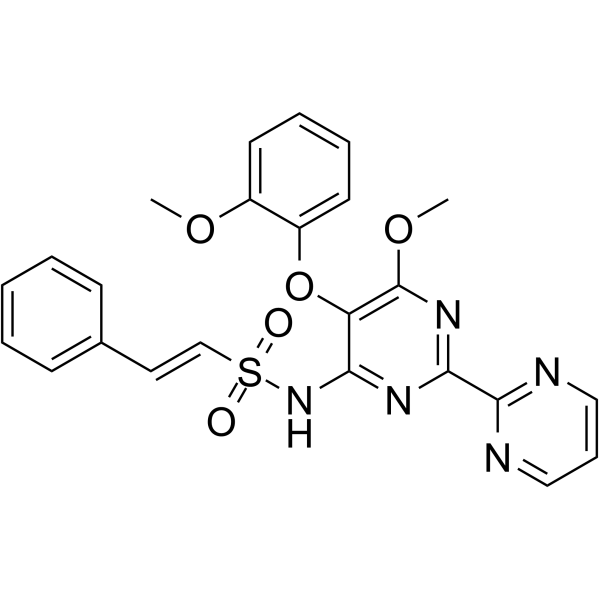
Nebentan (YM598 free base) is a potent, selective and orally active non-peptide endothelin ETA receptor antagonist through the modification of Bosentan (HY-A0013). Nebentan inhibits [ 125I] endothelin-1 binding to cloned human endothelin ETA and ETB receptor, with Ki of 0.697 nM and 569 nM, respectively . YM598 can ameliorate the progression of cor pulmonale and myocardial infarction in vivo .
|
-
-
- HY-B0592R
-
|
RU44570 (Standard)
|
Reference Standards
Angiotensin-converting Enzyme (ACE)
|
Cardiovascular Disease
|
|
Trandolapril (Standard) is the analytical standard of Trandolapril. This product is intended for research and analytical applications. Trandolapril (RU44570) is a nonsulfhydryl proagent that is hydrolysed to the active diacid Trandolaprilat. Trandolapril is an orally administered angiotensin converting enzyme (ACE) inhibitor that has been used in the treatment of hypertension and congestive heart failure (CHF), and after myocardial infarction (MI) .
|
-

-
- HY-B0592A
-
|
RU44570 hydrochloride
|
Angiotensin-converting Enzyme (ACE)
|
Cardiovascular Disease
|
|
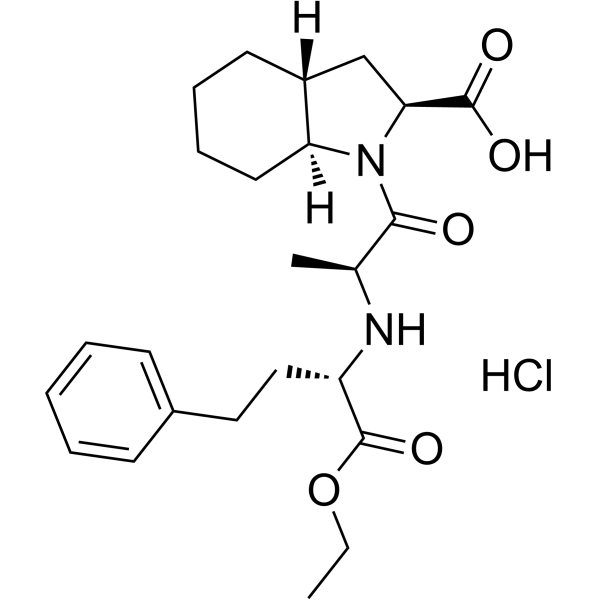
Trandolapril (RU44570) hydrochloride is a nonsulfhydryl proagent that is hydrolysed to the active diacid Trandolapril hydrochlorideat. Trandolapril hydrochloride is an orally active angiotensin converting enzyme (ACE) inhibitor that has been used in the treatment of hypertension and congestive heart failure (CHF), and after myocardial infarction (MI) .
|
-
-
- HY-120168
-
|
|
G Protein-coupled Receptor Kinase (GRK)
|
Cardiovascular Disease
|
|
CCG 258001 is a GRK inhibitor with IC50 values of 0.29, 51.8, and 33 µM against GRK2, GRK1, and GRK5, respectively. CCG 258001 inhibits GRK activity in cardiomyocytes and other muscle cells. CCG 258001 is applicable to the research of heart diseases, including heart failure, myocardial hypertrophy, and hypertension .
|
-

-
- HY-120718
-
|
|
G Protein-coupled Receptor Kinase (GRK)
|
Cardiovascular Disease
|
|
CCG 224061 is a G protein-coupled receptor kinase 2 (GRK2) inhibitor with a IC50 of 0.066 μM. CCG 224061 inhibits GRK activity in cardiomyocytes . CCG 224061 is applicable to research related to heart disease, heart failure, myocardial hypertrophy and hypertension .
|
-

-
- HY-107155
-
|
|
Adrenergic Receptor
Ornithine decarboxylase (ODC)
|
Cardiovascular Disease
|
|
β-Blocker B-24/76 is a beta adrenoceptor blocker. β-Blocker B-24/76 exhibits beta 1-adrenoceptor blocking and beta 2-adrenoceptor stimulating properties. β-Blocker B-24/76 can suppress the increased ornithine decarboxylase activity in hypertrophied hearts. β-Blocker B-24/76 can be used for the research of cardiovascular disease .
|
-

-
- HY-P992108
-
|
RELAX10
|
RXFP Receptor
Akt
NO Synthase
VEGFR
|
Cardiovascular Disease
|
|
Efadirelaxin alfa (RELAX10) is a highly selective agonist of relaxin/insulin-like family peptide receptor RXFP1. After subcutaneous administration in animal experiments, Efadirelaxin alfa exhibits a significantly prolonged terminal half-life (7 days in mice, 3.75 days in rats), and shows no activity against related receptors such as RXFP2 and RXFP3. Efadirelaxin alfa has significant anti-cardiac hypertrophy and anti-fibrotic effects. Efadirelaxin alfa effectively attenuates and reverses cardiac hypertrophy and collagen deposition by regulating the TGF-β1/Smad2 and AKT/eNOS signaling pathways. Efadirelaxin alfa improves cardiac systolic function without causing fluctuations in blood pressure or heart rate, demonstrating favorable safety. Efadirelaxin alfa is currently mainly used in studies related to heart failure .
|
-

-
- HY-106994AR
-
|
YM598 (Standard)
|
Reference Standards
Endothelin Receptor
|
Cardiovascular Disease
Inflammation/Immunology
Cancer
|
|
Nebentan potassium (Standard) (GT-2331 maleate (Standard)) is the analytical standard of Nebentan (potassium) (HY-106994A). This product is intended for research and analytical applications. Nebentan potassium (YM598) is a potent, selective and orally active non-peptide endothelin ETA receptor antagonist through the modification of Bosentan (HY-A0013). Nebentan potassium inhibits [125I] endothelin-1 binding to cloned human endothelin ETA and ETB receptor, with Ki of 0.697 nM and 569 nM, respectively . YM598 can ameliorate the progression of cor pulmonale and myocardial infarction in vivo .
|
-

-
- HY-182642
-
|
|
P2X Receptor
Nucleoside Antimetabolite/Analog
|
Cardiovascular Disease
|
|
MRS2339 is a ribose-modified nucleotide and a nucleotidase-resistant P2 receptor agonist. MRS2339 activates P2X4R. MRS2339 induces ionic currents via P2X receptors, reduces cardiomyocyte cross-sectional area and heart weight/body weight ratio, lacks vasodilatory activity, and extends the lifespan of mice with cardiomyopathy. MRS2339 can be used in research related to heart failure and cardiomyopathy .
|
-

| Cat. No. |
Product Name |
Target |
Research Area |
-
- HY-P1237
-
|
|
Histamine Receptor
|
Cardiovascular Disease
Neurological Disease
Metabolic Disease
|
|
C-Type Natriuretic Peptide (CNP) (1-22), human, a 1-22 fragment of CNP, is a natriuretic peptide receptor B (NPR-B) agonist. C-Type Natriuretic Peptide (CNP) (1-22), human inhibits cAMP synthesis stimulated by the physiological agonists histamine and 5-HT or directly by Forskolin. CNP is a potent, endothelial-derived relaxant and growthinhibitory factor .
|
-
- HY-P1237A
-
-
- HY-P10641
-
|
|
Exosomes
STAT
ERK
Akt
|
Cardiovascular Disease
|
|
Heart-homing peptide is a heart-targeting peptide with the sequence CRPPR that mediates cardiac endothelial targeting and accumulates in cardiac tissues. Heart-homing peptide mediates the translocation of liposomal and exosomal cargos across cardiac endothelium into interstitial tissues, enhances the accumulation of exosomes in the heart, and inhibits the GP130-STAT3/ERK1/2/AKT pathway. Heart-homing peptide accumulates at sites of ischemia/reperfusion, myocardial infarction and hypertrophy in mice. Heart-homing peptide can be used for the research of cardiovascular diseases .
|
-
- HY-P11297
-
|
|
Angiotensin-converting Enzyme (ACE)
|
Cardiovascular Disease
|
|
AC-SDKP-NH2 is a substrate peptide of Angiotensin converting enzyme (ACE). AC-SDKP-NH2 has anti-inflammatory and anti-fibrotic activities. AC-SDKP-NH2 directly acts on tissues and prevents or reverses them from excessive fibrosis, but fails to reduce blood pressure and left ventricular hypertrophy (LVH). AC-SDKP-NH2 attenuates inflammation and cell differentiation, proliferation and migration, therefore reducing fibrosis in the heart, vessels and kidneys in mice model. AC-SDKP-NH2 can be used for cardiovascular diseases such as hypertension research .
|
| Cat. No. |
Product Name |
Target |
Research Area |
Image |
-
- HY-P992108
-
|
RELAX10
|
RXFP Receptor
Akt
NO Synthase
VEGFR
|
Cardiovascular Disease
|
|
Efadirelaxin alfa (RELAX10) is a highly selective agonist of relaxin/insulin-like family peptide receptor RXFP1. After subcutaneous administration in animal experiments, Efadirelaxin alfa exhibits a significantly prolonged terminal half-life (7 days in mice, 3.75 days in rats), and shows no activity against related receptors such as RXFP2 and RXFP3. Efadirelaxin alfa has significant anti-cardiac hypertrophy and anti-fibrotic effects. Efadirelaxin alfa effectively attenuates and reverses cardiac hypertrophy and collagen deposition by regulating the TGF-β1/Smad2 and AKT/eNOS signaling pathways. Efadirelaxin alfa improves cardiac systolic function without causing fluctuations in blood pressure or heart rate, demonstrating favorable safety. Efadirelaxin alfa is currently mainly used in studies related to heart failure .
|
-

(5)
| Cat. No. |
Product Name |
Category |
Target |
Chemical Structure |
-
- HY-128483
-
|
|
Infection
Microorganisms
Classification of Application Fields
Ketones, Aldehydes, Acids
Disease Research Fields
Source Classification
|
TGF-beta/Smad
PI3K
NF-κB
Akt
Apoptosis
Dopamine β-hydroxylase
mTOR
Adrenergic Receptor
|
|
Fusaric acid is an orally active multi-pathway inhibitor with the activity of inducing oxidative stress and apoptosis. Fusaric acid can chelate divalent metal cations, damage mitochondrial membrane structure, and activate apoptosis-related proteases such as Caspase-3/7, -8, and -9. Fusaric acid also regulates Bax/Bcl-2 protein, inhibits fibrosis-related signaling pathways such as NF-κB, TGF-β1/SMADs, and PI3K/AKT/mTOR, and reduces collagen deposition. Fusaric acid is also a dopamine β-hydroxylase inhibitor, which reduces endogenous levels of norepinephrine and epinephrine in the brain, heart, spleen, and adrenal glands. Fusaric acid can play a role in myocardial fibrosis and improve cardiac hypertrophy in heart disease, and can also be used in the study of esophageal cancer and liver cancer .
|
-
-
- HY-N2000
-
-
-
- HY-N6065
-
-
-
- HY-132187
-
|
|
Structural Classification
Natural Products
Endogenous metabolite
Source Classification
|
TGF-beta/Smad
TRP Channel
Apoptosis
PAI-1
|
|
Sphingosylphosphorylcholine is a bioactive lipid and a major component of plasma high-density lipoprotein that binds to OGR1 with a Kd of 33.3 nM. Sphingosylphosphorylcholine triggers delayed phosphorylation of Smad2, upregulates α-SMA expression, and activates TRPM3. Sphingosylphosphorylcholine reduces Apoptosis and upregulates the expression of uPA and its receptor uPA-R. Sphingosylphosphorylcholine exerts anti-apoptotic, anti-cardiac hypertrophy and pro-wound healing effects. Sphingosylphosphorylcholine induces scratching behavior in mice. Sphingosylphosphorylcholine is used in studies related to atopic dermatitis, promyelocytic leukemia, heart failure, myocardial ischemia/reperfusion injury, ovarian cancer, breast cancer, pancreatic cancer, and skin wound healing disorders in genetically impaired healing diabetes .
|
-
-
- HY-128483R
-
|
|
Structural Classification
Microorganisms
Ketones, Aldehydes, Acids
Source Classification
|
TGF-beta/Smad
PI3K
NF-κB
Akt
Apoptosis
Dopamine β-hydroxylase
mTOR
Adrenergic Receptor
Reference Standards
|
|
Fusaric acid (Standard) is the analytical standard of Fusaric acid (HY-128483). This product is intended for research and analytical applications. Fusaric acid is an orally active multi-pathway inhibitor with the activity of inducing oxidative stress and apoptosis. Fusaric acid can chelate divalent metal cations, damage mitochondrial membrane structure, and activate apoptosis-related proteases such as Caspase-3/7, -8, and -9. Fusaric acid also regulates Bax/Bcl-2 protein, inhibits fibrosis-related signaling pathways such as NF-κB, TGF-β1/SMADs, and PI3K/AKT/mTOR, and reduces collagen deposition. Fusaric acid is also a dopamine β-hydroxylase inhibitor, which reduces endogenous levels of norepinephrine and epinephrine in the brain, heart, spleen, and adrenal glands. Fusaric acid can play a role in myocardial fibrosis and improve cardiac hypertrophy in heart disease, and can also be used in the study of esophageal cancer and liver cancer .
|
-
Your information is safe with us. * Required Fields.
Inquiry Information
- Product Name:
- Cat. No.:
- Quantity:
- MCE Japan Authorized Agent:








