



Praeruptorin A
Based on 3 publication(s) in Google Scholar
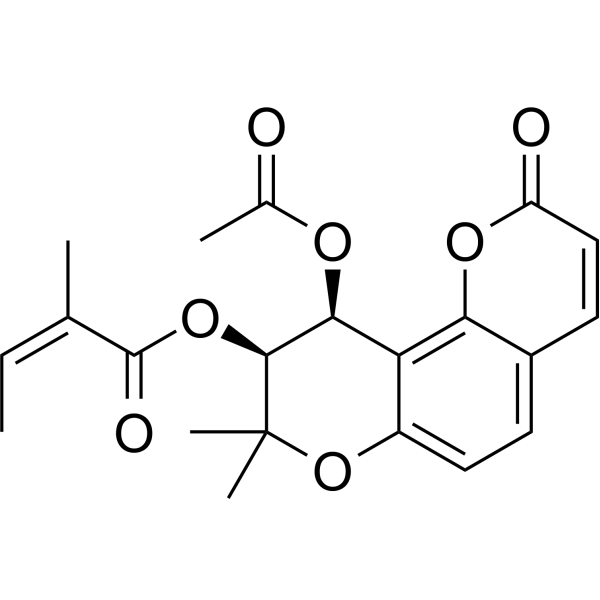
Praeruptorin A ((+)-Praeruptorin A) is an orally active isomer of (±)-Praeruptorin A (HY-N0081). Praeruptorin A also acts as a Calcium channel blocker. Praeruptorin A can be isolated from Peucedanum. Praeruptorin A serves as a substrate for CYP3A4. Praeruptorin A downregulates NMDA receptors containing GluN2B and inhibits neuronal Apoptosis. Praeruptorin A mediates vasodilation, inhibits vascular hypertrophy and reduces blood pressure. Praeruptorin A can be used in research related to neurological diseases, myocardial ischemia, heart failure, exertional angina, renovascular hypertension and spontaneous hypertension.
For research use only. We do not sell to patients.
- Purity : 99.57%
- CAS No.: 73069-27-9
- Formula: C21H22O7
- Molecular Weight:386.40
-
Storage:
4°C, protect from light
* In solvent : -80°C, 6 months; -20°C, 1 month (protect from light)

To place orders, for customer services and technical support, please contact: MedChemExpress USA
Tel: 609-228-6898 E-mail: [email protected] [email protected]


-
 Biological Activity
-
Chemical Information
-
Solvent & Solubility
- Protocols
- Purity & Documentation
- References
-
 Help & FAQs


-

HY-N6065R
Praeruptorin A (Standard)Anti-inflammatory Agent -
HY-18738
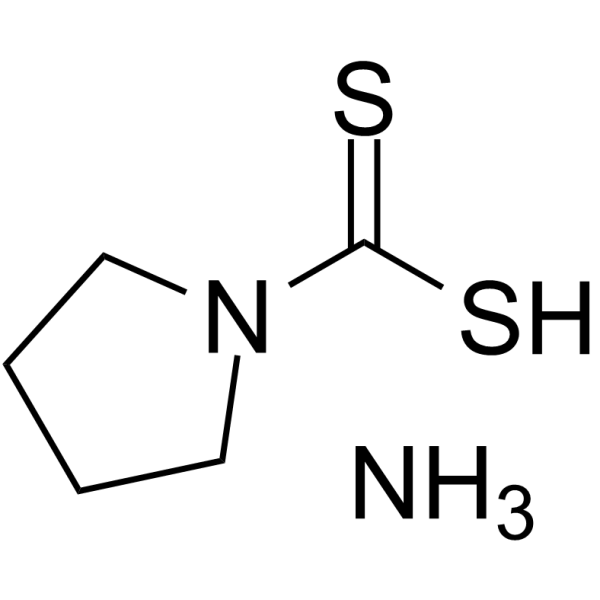
Pyrrolidinedithiocarbamate ammoniumSelective NF-κB Inhibitor -
HY-13982
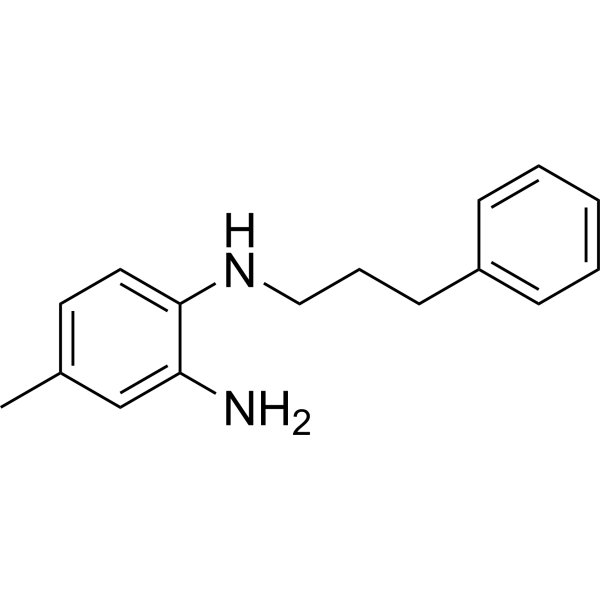
JSH-23NF-κB Inhibitor -
HY-N0191
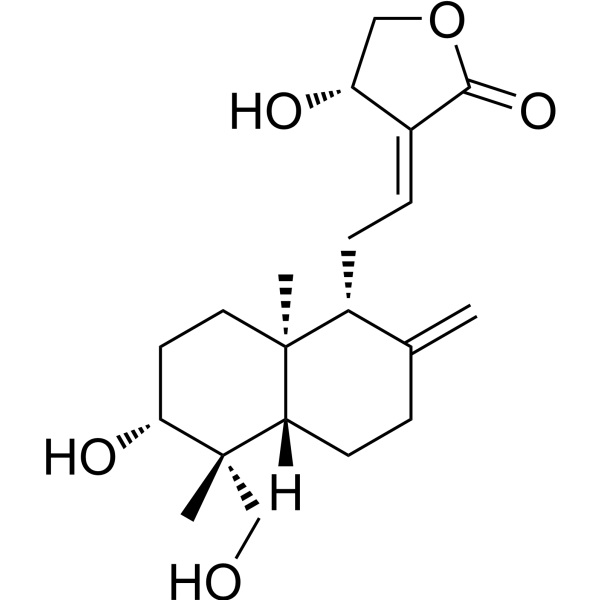
AndrographolideNF-κB Inhibitor -
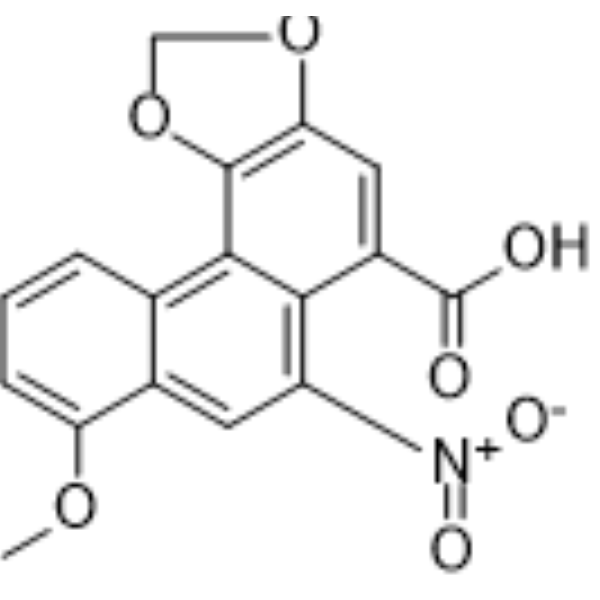
HY-N0510
Aristolochic acid ANF-κB Inhibitor -
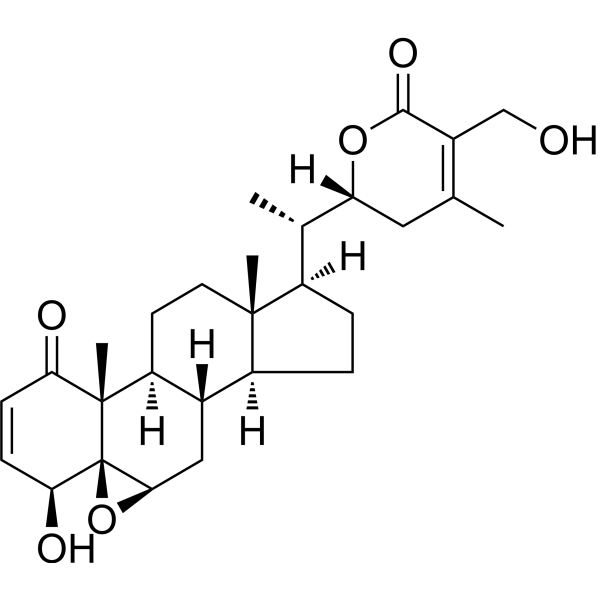
HY-N2065
Withaferin ANF-κB Inhibitor -
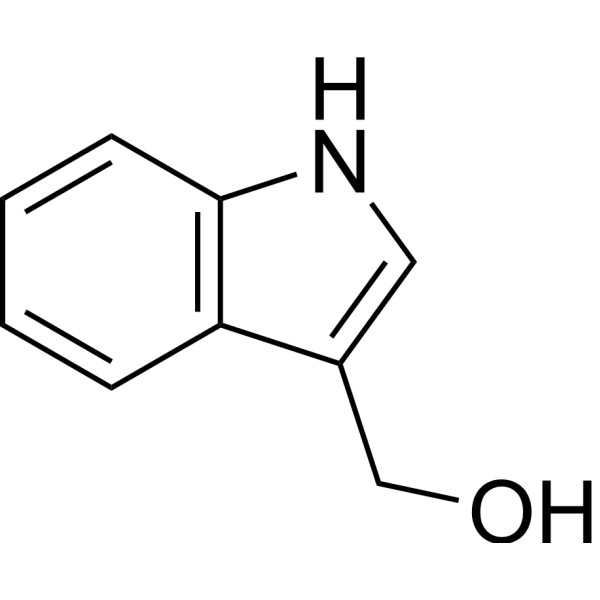
HY-N0170
Indole-3-carbinolEndogenous Metabolite -
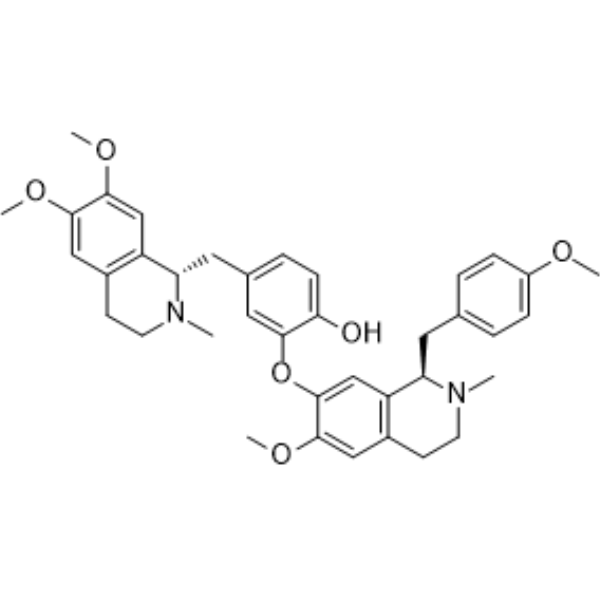
HY-N0441
NeferineAutophagy Modulator -
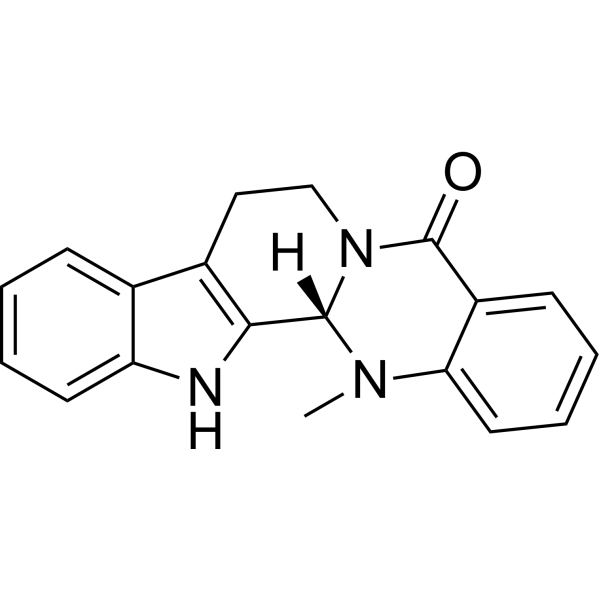
HY-N0114
EvodiamineAlkaloid -
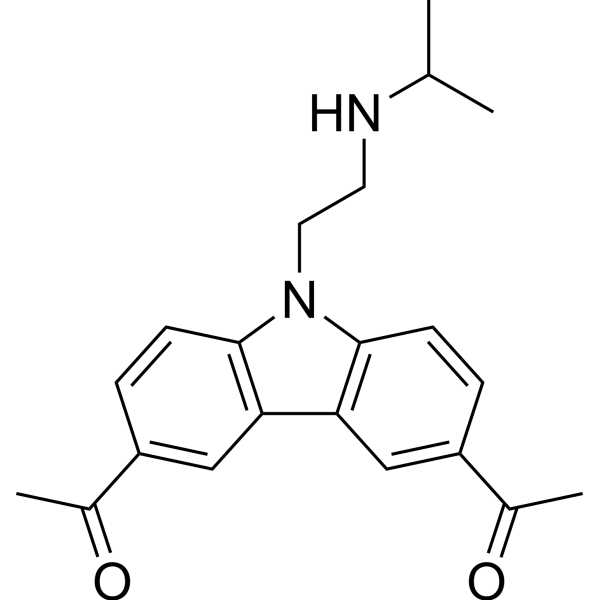
HY-18935
CBL0137FACT Inhibitor -
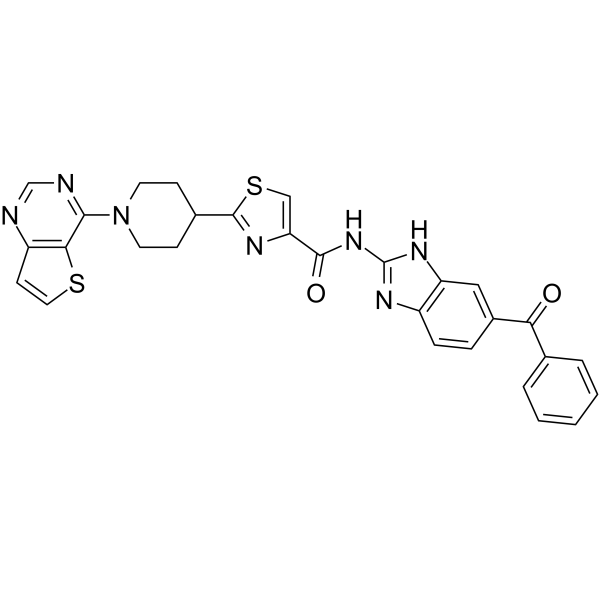
HY-10496
SC75741NF-κB Inhibitor -
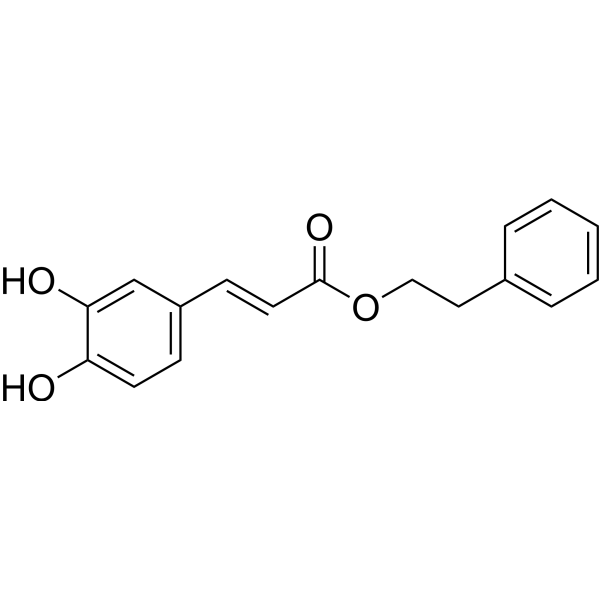
HY-N0274
Caffeic acid phenethyl esterApoptosis Inducer
Publications Citing Use of MedChemExpress (MCE) Praeruptorin A
MoreAll Calcium Channel Isoforms
MoreAll iGluR Isoforms
More

Biological Activity
Description
|
CYP3A4 |
GluN2B |
In Vitro
Praeruptorin A (0.05-30 μM; 20 min) undergoes extensive metabolism via hydrolysis and oxidation in pooled HLM, where the formation of M1 exhibits high affinity (Km1 = 0.02 μM) with an intrinsic clearance of 1.29 mL/min/mg protein[1].
The metabolism of Praeruptorin A (10 μM; 20 min) is catalyzed by multiple recombinant CYP isoenzymes, among which CYP3A4 exhibits the highest total activity[1].
Praeruptorin A (10 μM) protects primary cortical neurons against NMDA-induced excitotoxic injury by inhibiting the expression of GluN2B-containing NMDA receptors and regulating the Bcl-2 family[2].
Praeruptorin A exhibits cytotoxicity against P-388 lymphocytic leukemia cells, with an ED50 of 2.6 pg/mL[2].
Praeruptorin A exhibits stereoselective metabolism in rat liver microsomes, producing 12 metabolites via hydrolysis, oxidation and acyl migration in the presence of the NADPH regeneration system[2].
MedChemExpress (MCE) has not independently confirmed the accuracy of these methods. They are for reference only. Further protocols information, click here.
In Vivo
MedChemExpress (MCE) has not independently confirmed the accuracy of these methods. They are for reference only.
-
Animal Model:Spontaneously hypertensive rats; renovascular hypertensive rats; normotensive rats; anesthetized dogs[2]
-
Dosage:2 mg/kg (blood pressure reduction); 20 μg/kg (vascular resistance reduction); 100 μg/kg (vascular resistance reduction)
-
Administration:p.o. (single dose; blood pressure reduction); i.v. (single dose; vascular resistance reduction)
-
Result:Recovered vascular hypertrophy in renovascular and spontaneously hypertensive rats by decreasing smooth muscle cell area, collagen content, and intracellular calcium, and increasing nitric oxide production.
Reduced blood pressure in conscious normotensive and renal hypertensive rats at 2 mg/kg p.o.
Decreased vertebral, left circumflex coronary, and femoral vascular resistance in anesthetized dogs at 20 and 100 μg/kg i.v.


Chemical Information
-
CAS No. 73069-27-9
-
Appearance Solid
-
Molecular Weight 386.40
-
Formula C21H22O7
-
Color White to off-white
-
SMILES
C/C=C(C)\C(O[C@H]1[C@@H](OC(C)=O)C2=C3C(C=CC(O3)=O)=CC=C2OC1(C)C)=O
-
Synonyms
(+)-Praeruptorin A
-
Structure Classification
-
Shipping
Room temperature in continental US; may vary elsewhere.
-
Storage
4°C, protect from light
* In solvent : -80°C, 6 months; -20°C, 1 month (protect from light)


Publications (3)
-
Journal Impact Factor
-
Most Recent
-
Eur J Med Chem
Praeruptorin A screened by a ferrous ion probe inhibited DMT1 and ferroptosis to attenuate Doxorubicin-induced cardiomyopathy. [Abstract]2025 Feb 5:283:117108. PMID: 39615370 -
Chem Biol Drug Des
Investigation Into the Inhibition of Ferroptosis by Praeruptorin-A in Sepsis Based on Network Pharmacology. [Abstract]2025 Nov;106(5):e70196. PMID: 41195620 -
Chem Biol Drug Des
Praeruptorin A inhibits the activation of NF-κB pathway and the expressions of inflammatory factors in poly (I:C)-induced RAW264.7 cells. [Abstract]2023 Nov;102(5):1110-1120. PMID: 37500542


Solvent & Solubility
In Vitro:
DMSO : 33.33 mg/mL (86.26 mM; Need ultrasonic; Hygroscopic DMSO has a significant impact on the solubility of product, please use newly opened DMSO)
Please refer to the solubility information to select the appropriate solvent. Once prepared, please aliquot and store the solution to prevent product inactivation from repeated freeze-thaw cycles.
Storage method and period of stock solution: -80°C, 6 months; -20°C, 1 month (protect from light). When stored at -80°C, please use it within 6 months. When stored at -20°C, please use it within 1 month.
Please refer to the solubility information to select the appropriate solvent. Once prepared, please aliquot and store the solution to prevent product inactivation from repeated freeze-thaw cycles.
Storage method and period of stock solution: -80°C, 6 months; -20°C, 1 month (protect from light). When stored at -80°C, please use it within 6 months. When stored at -20°C, please use it within 1 month.
Concentration (start) × Volume (start) = Concentration (final) × Volume (final)
In Vivo:
Select the appropriate dissolution method based on your experimental animal and administration route.
- For the following dissolution methods, please ensure to first prepare a clear stock solution using an In Vitro approach and then sequentially add co-solvents:
- To ensure reliable experimental results, the clarified stock solution can be appropriately stored based on storage conditions. As for the working solution for In Vivo experiments, it is recommended to prepare freshly and use it on the same day.
- The percentages shown for the solvents indicate their volumetric ratio in the final prepared solution. If precipitation or phase separation occurs during preparation, heat and/or sonication can be used to aid dissolution.
Add each solvent one by one: 10% DMSO 40% PEG300 5% Tween-80 45% Saline
Solubility: ≥ 2.5 mg/mL (6.47 mM); Clear solution
This protocol yields a clear solution of ≥ 2.5 mg/mL (saturation unknown).
Taking 1 mL working solution as an example, add 100 μL DMSO stock solution (25.0 mg/mL) to 400 μL PEG300, and mix evenly; then add 50 μL Tween-80 and mix evenly; then add 450 μL Saline to adjust the volume to 1 mL.
Preparation of Saline: Dissolve 0.9 g sodium chloride in ddH₂O and dilute to 100 mL to obtain a clear Saline solution.
Add each solvent one by one: 10% DMSO 90% (20% SBE-β-CD in Saline)
Solubility: 2.5 mg/mL (6.47 mM); Suspended solution; Need ultrasonic
This protocol yields a suspended solution of 2.5 mg/mL. Suspended solution can be used for oral and intraperitoneal injection.
Taking 1 mL working solution as an example, add 100 μL DMSO stock solution (25.0 mg/mL) to 900 μL 20% SBE-β-CD in Saline, and mix evenly.
Preparation of 20% SBE-β-CD in Saline (4°C, storage for one week): 2 g SBE-β-CD powder is dissolved in 10 mL Saline, completely dissolve until clear.
In Vivo Dissolution Calculator
Please enter the basic information of animal experiments:
-
-
-
-
Recommended: Prepare an additional quantity of animals to account for potential losses during experiments.
Please enter your animal formula composition:
-
%DMSO +
Recommended: Keep the proportion of DMSO in working solution below 2% if your animal is weak.
-
%+
-
+%Tween-80 + +
-
%Saline +
The co-solvents required include: DMSO, . All of co-solvents are available by MedChemExpress (MCE). , Tween 80. All of co-solvents are available by MedChemExpress (MCE).
Working solution concentration: 0.22 mg/mL
Method for preparing stock solution: mg drug dissolved in μL DMSO. Stock solution concentration: mg/mL. * In solvent : -80°C, 6 months; -20°C, 1 month (protect from light)
1. Take μL DMSO stock solution;
2. Add μL .
μL , mix evenly;
3. Then add μL Tween 80, mix evenly;
4. Then add μL
Please ensure that the stock solution in the first step is dissolved to a clear state, and add co-solvents in sequence. You can use ultrasonic heating (ultrasonic cleaner, recommended frequency 20-40 kHz), vortexing, etc. to assist dissolution.

Protocols
-
Apoptosis
Apoptosis, also called programmed cell death, is generally characterized by distinct morphological characteristics.
-
TUNEL staining for apoptotic DNA fragmentation
TUNEL staining detects DNA strand breaks by using terminal deoxynucleotidyl transferase to add labeled nucleotides to exposed 3′-OH DNA termini, generating either microscopic staining in fixed cells or tissue sections, or fluorescence/cytometric signal in cell suspensions. TUNEL positivity reflects DNA fragmentation but should not be interpreted alone as definitive apoptosis, because TUNEL can also label necrotic, autolytic, mechanically damaged, or DNA-repair-associated DNA breaks.
-
Annexin V plus membrane-impermeant dye apoptosis staining
Annexin V-based apoptosis assays rely on the detection of phosphatidylserine (PS) externalization from the inner leaflet of the plasma membrane to the outer leaflet, an early biochemical hallmark of apoptosis. Fluorescently labeled Annexin V binds PS in a calcium-dependent manner, enabling identification of early apoptotic cells by flow cytometry or fluorescence microscopy. When combined with a membrane-impermeant DNA-binding dye (e. g. , propidium iodide), this approach allows discrimination between viable (Annexin V−/dye−), early apoptotic (Annexin V+/dye−), and late apoptotic or necrotic (Annexin V+/dye+) cell populations by assessing membrane integrity and PS exposure.
-
Apoptosis Solutions
Apoptosis is a regulated, generally non-lytic cell-death pathway that removes unwanted, damaged, infected, or abnormal cells through coordinated morphological changes, caspase activation, DNA fragmentation, and membrane remodeling. The intrinsic apoptosis pathway is controlled mainly by mitochondrial outer membrane permeabilization, BCL-2 family proteins, cytochrome c release, apoptosome formation, caspase-9 activation, and downstream executioner caspase-3/7 activation. The extrinsic apoptosis pathway is initiated by death receptors such as Fas, TNFR, and TRAIL receptors, which recruit adaptor proteins and activate caspase-8 before engaging executioner caspases or mitochondrial amplification through BID cleavage. Apoptosis is linked to many phenotypes, including cancer cell killing, tissue homeostasis, immune regulation, neurodegeneration, infection response, and treatment-induced cytotoxicity; unresolved questions include how apoptosis interacts with necroptosis, pyroptosis, ferroptos
-
Research Protocol for Cardiovascular Diseases
Cardiovascular disease can be modeled as maladaptive cardiac remodeling, where ischemic injury or pressure overload activates inflammatory signaling, fibroblast activation, extracellular-matrix deposition, cardiomyocyte hypertrophy, vascular remodeling, and progressive ventricular dysfunction. The TGF-β/SMAD axis is a central profibrotic pathway after myocardial injury and pressure overload, while innate immune and cytokine pathways regulate leukocyte recruitment, scar formation, and adverse remodeling. Key unresolved questions include which inflammatory signals are reparative versus harmful, when fibrosis is protective versus maladaptive, and whether pathway inhibition improves function without weakening necessary infarct healing or compensatory remodeling.


Purity & Documentation
-
Data Sheet (282 KB)
-
SDS (393 KB)
- English - EN (393 KB)
- Français - FR (393 KB)
- Deutsch - DE (393 KB)
- Norwegian - NO (393 KB)
- Español - ES (393 KB)
- Swedish - SV (393 KB)
- Italian - IT (393 KB)
- Korean - KR (393 KB)
- Portuguese - PT (393 KB)
-
Handling Instructions (2659 KB)
References
[1]. Jing WH, et al. Identification of cytochrome P450 isoenzymes involved in metabolism of (+)-praeruptorin A, a calcium channel blocker, by human liver microsomes using ultra high-performance liquid chromatography coupled with tandem mass spectrometry. J Pharm Biomed Anal. 2013;77:175-188. [Content Brief]
[2]. Sarkhail P, et al. Biological activities and pharmacokinetics of praeruptorins from Peucedanum species: a systematic review. Biomed Res Int. 2013;2013:343808. [Content Brief]


Complete Stock Solution Preparation Table
Please refer to the solubility information to select the appropriate solvent. Once prepared, please aliquot and store the solution to prevent product inactivation from repeated freeze-thaw cycles.
Storage method and period of stock solution: -80°C, 6 months; -20°C, 1 month (protect from light). When stored at -80°C, please use it within 6 months. When stored at -20°C, please use it within 1 month.
| Optional Solvent | Concentration Solvent Mass | 1 mg | 5 mg | 10 mg | 25 mg |
|---|---|---|---|---|---|
| DMSO | 1 mM | 2.5880 mL | 12.9400 mL | 25.8799 mL | 64.6998 mL |
| 5 mM | 0.5176 mL | 2.5880 mL | 5.1760 mL | 12.9400 mL | |
| 10 mM | 0.2588 mL | 1.2940 mL | 2.5880 mL | 6.4700 mL | |
| 15 mM | 0.1725 mL | 0.8627 mL | 1.7253 mL | 4.3133 mL | |
| 20 mM | 0.1294 mL | 0.6470 mL | 1.2940 mL | 3.2350 mL | |
| 25 mM | 0.1035 mL | 0.5176 mL | 1.0352 mL | 2.5880 mL | |
| 30 mM | 0.0863 mL | 0.4313 mL | 0.8627 mL | 2.1567 mL | |
| 40 mM | 0.0647 mL | 0.3235 mL | 0.6470 mL | 1.6175 mL | |
| 50 mM | 0.0518 mL | 0.2588 mL | 0.5176 mL | 1.2940 mL | |
| 60 mM | 0.0431 mL | 0.2157 mL | 0.4313 mL | 1.0783 mL | |
| 80 mM | 0.0323 mL | 0.1617 mL | 0.3235 mL | 0.8087 mL |


Praeruptorin A Related Classifications
HY-N6065 Related Classifications
 Powered by Bioz
Keywords
- Praeruptorin A
- 73069-27-9
- (+)-Praeruptorin A
- Calcium Channel
- Drug Isomer
- Cytochrome P450
- iGluR
- Apoptosis
- CYP2B6
- P-388 lymphocytic leukemia cells
- CYP1A2
- RAW264.7 murine macrophage cells
- CYP2C8
- LS174T human colon adenocarcinoma cells
- CYP3A4
- HL-60 human promyelocytic leukemia cells
- GluN2B-containing NMDA receptors
- CYP2C19
- Inhibitor
- inhibitor
- inhibit