1. Search Result
Search Result
Results for "

lactate production

" in MedChemExpress (MCE) Product Catalog:

37

Inhibitors & Agonists

2

Screening Libraries

1

Biochemical Assay Reagents

6

Natural
Products

2

Isotope-Labeled Compounds

Targets Recommended:
Cat. No. Product Name Target Research Areas Chemical Structure
  • HY-W040233
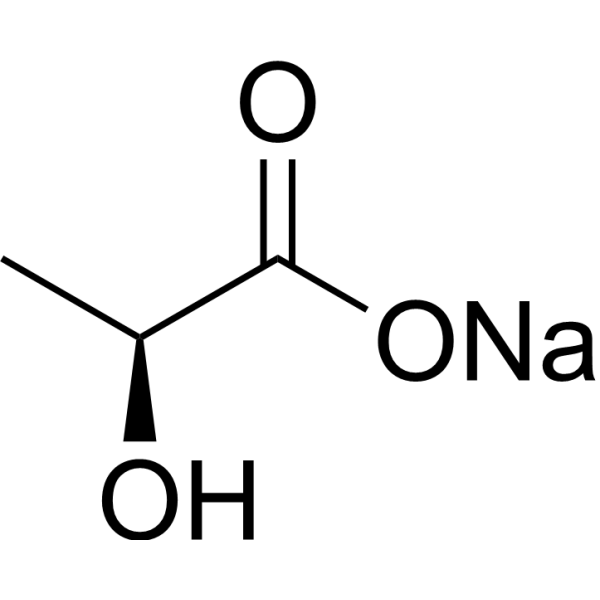
    L-Lactic acid sodium
    10+ Cited Publications

    (S)-2-Hydroxypropanoic acid sodium

    Environmental Pollutants Antibiotic Endogenous Metabolite Drug Intermediate Bacterial Infection Cancer
    L-lactate Sodium (Sodium (S)-2-hydroxypropanoate) is a buildiing block which can be used as a precursor for the production of the bioplastic polymer poly-lactic acid. L-Lactic acid Sodium has antiproliferative activity .
    L-Lactic acid sodium
  • HY-Y0445A
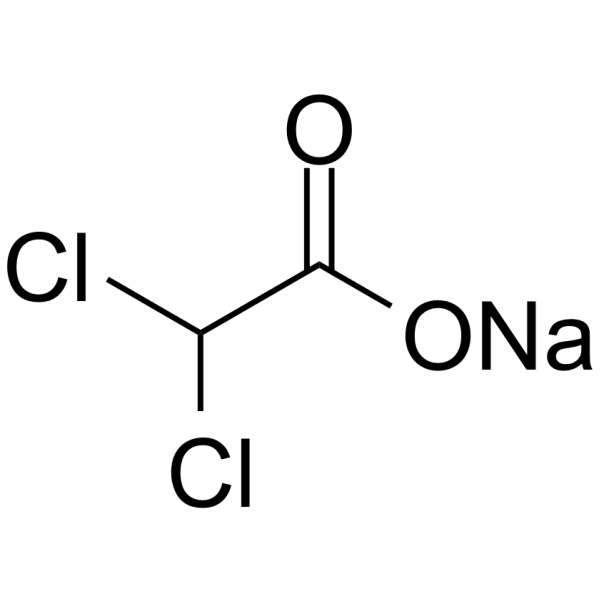
    Sodium dichloroacetate
    25+ Cited Publications

    PDK-1 NKCC PDHK Reactive Oxygen Species (ROS) Apoptosis Cancer
    Sodium dichloroacetate is an orally active pyruvate dehydrogenase kinase (PDK) inhibitor. Sodium dichloroacetate also stimulates pyruvate dehydrogenase (PDH) activity and works as a Na +-K +-2Cl cotransporter (NKCC) inhibitor. Sodium dichloroacetate prevents the phosphorylation of the E1α subunit of PDC, promoting the entry of pyruvate into the mitochondria for oxidative metabolism, reducing lactate production, and simultaneously increasing the production of reactive oxygen species (ROS). Sodium dichloroacetate inhibits tumor cell proliferation and induces apoptosis. Sodium dichloroacetate is promising for research of cancers .
    Sodium dichloroacetate
  • HY-16214
    FX-11
    25+ Cited Publications

    LDHA Inhibitor FX11

    Lactate Dehydrogenase Apoptosis Reactive Oxygen Species (ROS) Cancer
    FX-11 is a potent, selective, reversible and competitive lactate dehydrogenase A (LDHA) inhibitor, with a Ki of 8 μM. FX-11 reduces ATP levels and induces oxidative stress, ROS production and cell death. FX-11 shows antitumor activity in lymphoma and pancreatic cancer xenografts .
    FX-11
  • HY-W040118
    Galloflavin
    10+ Cited Publications

    Lactate Dehydrogenase Cancer
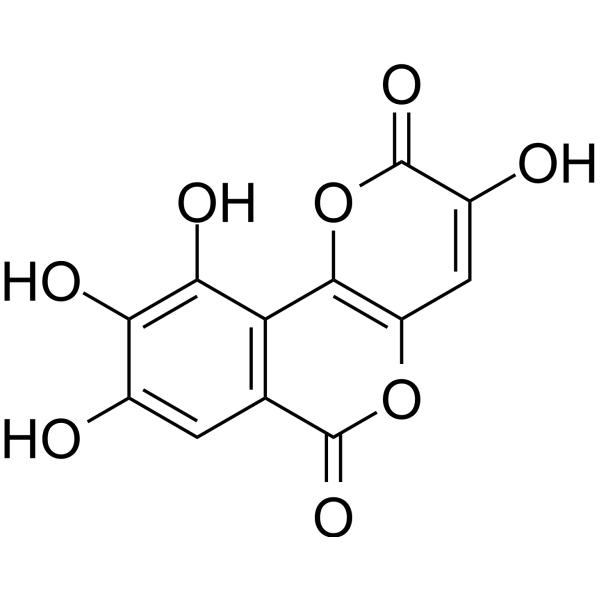
    Galloflavin is a potent lactate dehydrogenase (LDH) inhibitor. The calculated Kis for pyruvate are 5.46 μM (LDH-A) and 15.06 μM (LDH-B). Galloflavin hinders the proliferation of cancer cells by blocking glycolysis and ATP production .
    Galloflavin
  • HY-N10574
    Queuine
    1 Publications Verification

    Bacterial Metabolic Disease Cancer
    Queuine is a selective substrate for tRNA guanine transglycosylase (TGT) and can be incorporated into eukaryotic tRNA. Queuine promotes tRNA modification, affecting mitochondrial function and Warburg metabolic phenotype. If Queuine is deficient, aerobic glycolysis can be enhanced, oxidative phosphorylation can be inhibited, and Warburg metabolism can be promoted, accompanied by increased ammonia and lactate production and increased lactate dehydrogenase activity. Queuine can be used for autoimmune diseases (such as experimental models of multiple sclerosis) and cancer metabolic regulation, and its deficiency is associated with low tRNA modification in tumor cells .
    Queuine
  • HY-12203
    PFK-158
    10+ Cited Publications

    Autophagy Apoptosis Cancer
    PFK-158 is a potent and selective PFKFB3 inhibitor with an IC50 value 137 nM. PFK-158 reduces glucose uptake, ATP production, lactate release, and induces apoptosis and autophagy in cancer cells. PFK-158 has broad anti-tumor activity. PFK-158 can also enhance Colistin's resistance to bacteria .
    PFK-158
  • HY-N1511
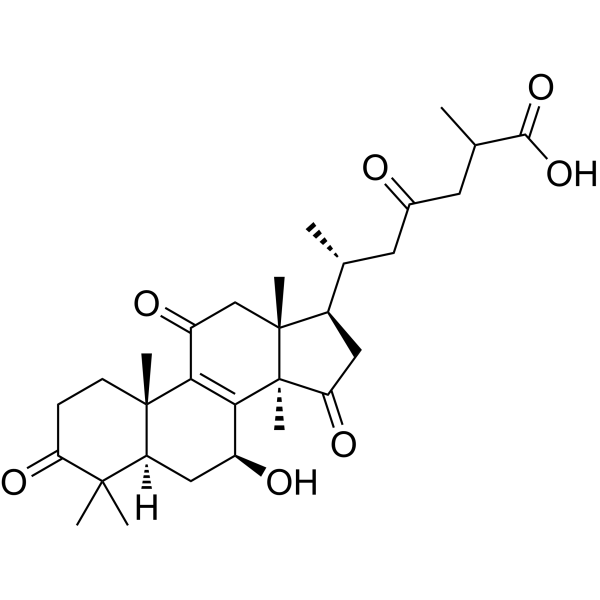
    Ganoderic acid D
    2 Publications Verification

    Sirtuin Apoptosis Cancer
    Ganoderic acid D, a highly oxygenated tetracyclic triterpenoid, is the major active component of Ganoderma lucidum. Ganoderic acid D upregulates the protein expression of SIRT3 and induces the deacetylated cyclophilin D (CypD) by SIRT3. Ganoderic acid D inhibits the energy reprogramming of colon cancer cells including glucose uptake, lactate production, pyruvate and acetyl-coenzyme production in colon cancer cells . Ganoderic acid D induces HeLa human cervical carcinoma apoptosis .
    Ganoderic acid D
  • HY-124113

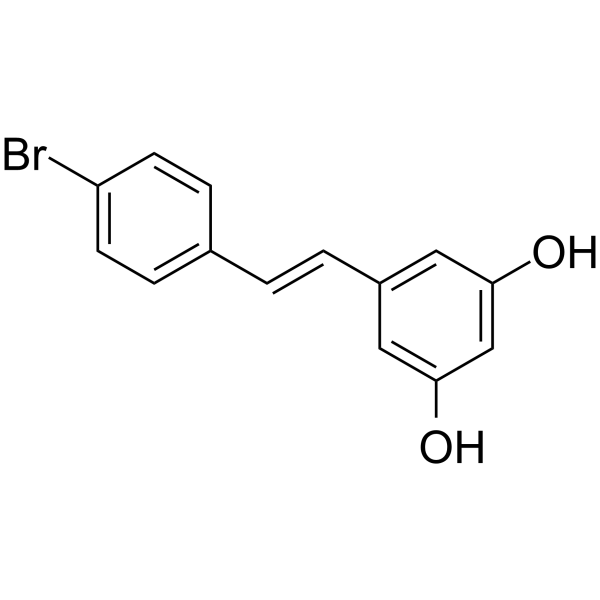
    4′‐BR

    Sirtuin Apoptosis Caspase Lactate Dehydrogenase GLUT Metabolic Disease Inflammation/Immunology Cancer
    4'-Bromo-resveratrol (4′‐BR) is a dual SIRT1/SIRT3 inhibitor with an IC50 of 0.2 mM for both targets. 4'-Bromo-resveratrol induces caspase-dependent apoptosis, induces G0/G1 cell cycle arrest, and inhiibits proliferation. 4'-Bromo-resveratrol reduces lactate production, glucose uptake, and NAD +/NADH ratio, and downregulates lactate dehydrogenase A and glucose transporter 1 (GLUT1). 4'-Bromo-resveratrol can be used for the research of melanoma .
    4'-Bromo-resveratrol
  • HY-B2227BS3

    L-E-270-13C-1 sodium

    Isotope-Labeled Compounds Bacterial Drug Intermediate Endogenous Metabolite Infection Cancer
    L-Lactic acid- 13C1 (L-E-270- 13C1) sodium (20% in water) is the 13C-labeled L-Lactic acid sodium (HY-W040233). L-lactate Sodium is a buildiing block which can be used as a precursor for the production of the bioplastic polymer poly-lactic acid. L-Lactic acid Sodium has antiproliferative activityy .
    L-Lactic acid-13C-1 sodium (20% w/w in water)
  • HY-152670
    JC2-11
    1 Publications Verification

    NOD-like Receptor (NLR) AIM2 Inflammation/Immunology
    JC2-11 is an inhibitor of inflammatory corpuscles. JC2-11 inhibits domain-containing protein NLRC 4, absent in melanoma 2 (AIM 2) and non-canonical (NC) inflammatory corpuscles. JC2-11 reduces the secretion of caspase-1 (p20), the cleavage of gasdermin D (GSDMD), and the releases of IL-1β and lactate dehydrogenases (LDH) in inflammatory bodies. JC2-11 inhibits the activation of inflammatory bodies by destroying the production of reactive oxygen species and the activity of caspase-1 .
    JC2-11
  • HY-124309

    Lactate Dehydrogenase Apoptosis Cancer
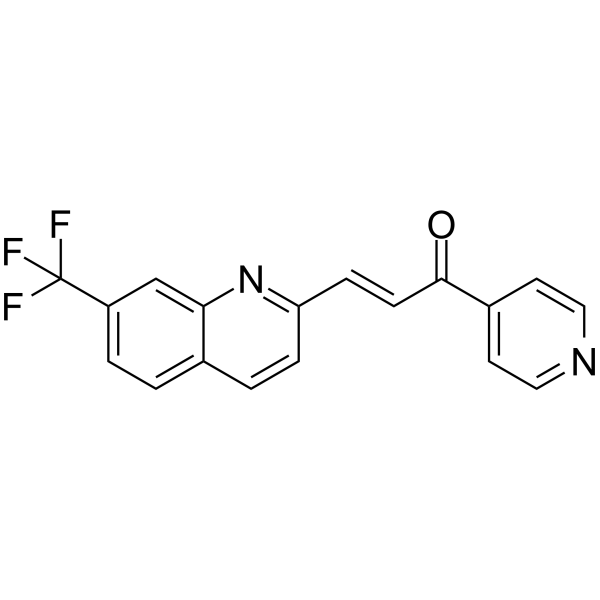
    NHI-2 is a lactate dehydrogenase A (LDHA) inhibitor with an IC50 of 14.7 µM. NHI-2 shows selective for LDHA over LDHB (IC50 = 55.8 µM). NHI-2 is an efficient anti-glycolytic agent. NHI-2 enhances apoptosis, induces cell cycle arrest at S and G2 phases. NHI-2 has a broad spectrum anti-proliferative activity in cancer cells. NHI-2 affects extracellular acidification rate and ATP production. NHI-2 suppresses tumor growth in murine B78 melanoma tumor model .
    NHI-2
  • HY-Y0479AS2
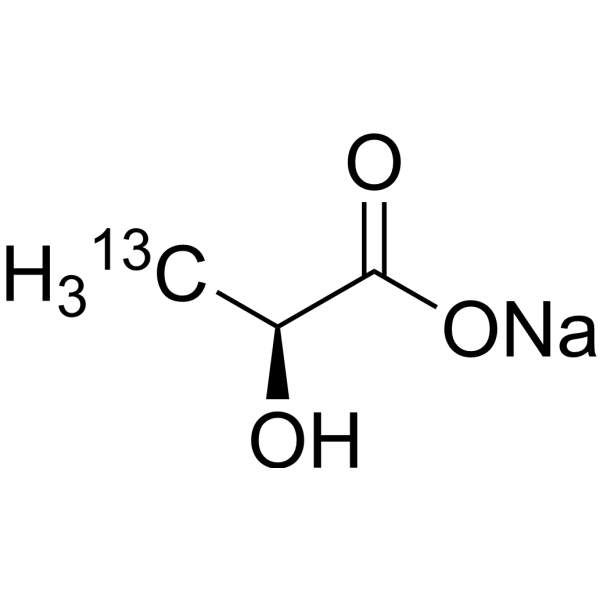
    L-Lactate-13C sodium (20% in water)
    1 Publications Verification

    (S)-2-Hydroxypropanoic acid-13C sodium

    Isotope-Labeled Compounds Drug Intermediate Antibiotic Bacterial Endogenous Metabolite Infection Cancer
    L-Lactate- 13C ((S)-2-Hydroxypropanoic acid- 13C) sodium is the 13C-labeled L-Lactic acid sodium (HY-W040233). L-lactate Sodium is a buildiing block which can be used as a precursor for the production of the bioplastic polymer poly-lactic acid. L-Lactic acid Sodium has antiproliferative activity .
    L-Lactate-13C sodium (20% in water)
  • HY-156683

    Lactate Dehydrogenase Metabolic Disease
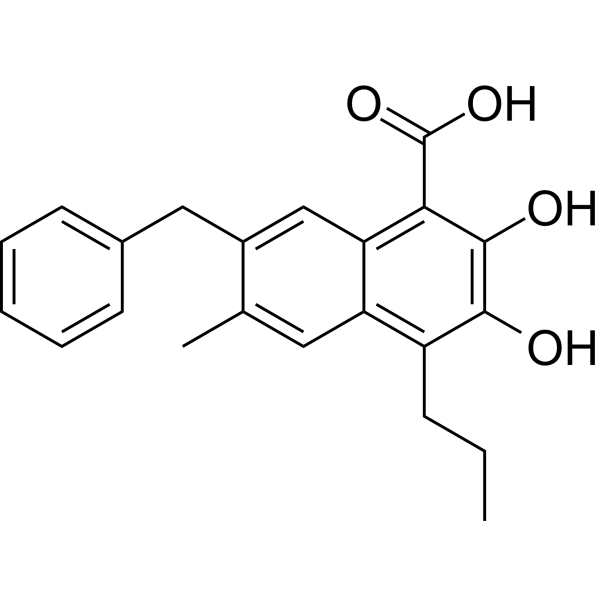
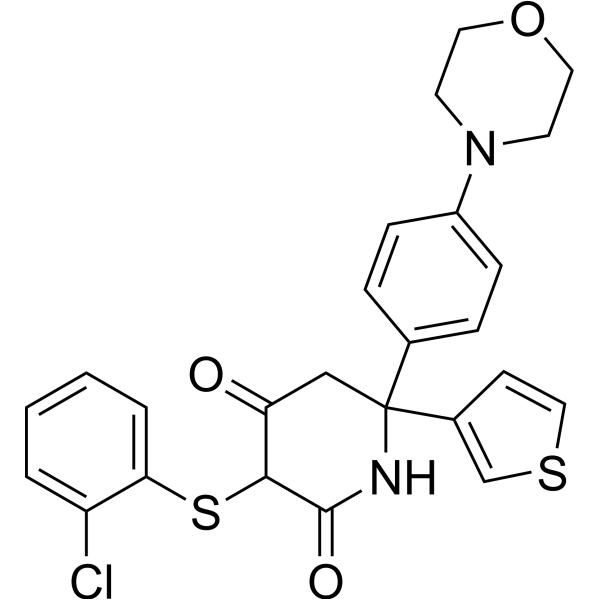
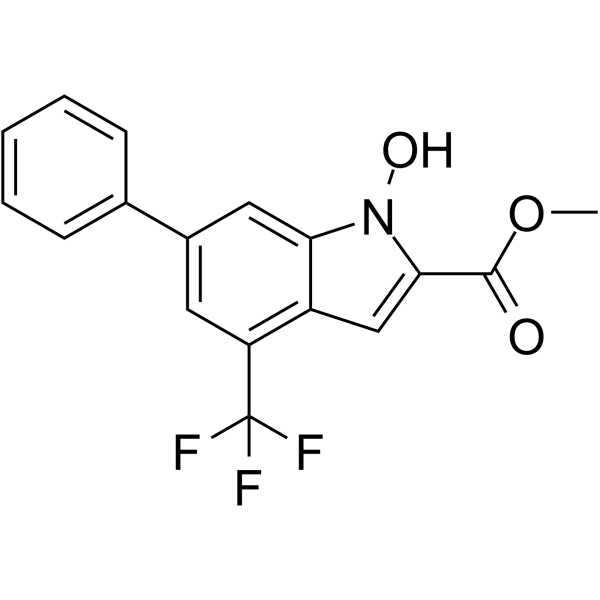
    CHK-336 (Example 1) is an orally active LDHA inhibitor (IC50<1 nM). CHK-336 inhibits lactate production in mouse hepatocytes. CHK-336 can be used in the study of hyperoxaluria .
    CHK-336
  • HY-N10574A
    Queuine dihydrochloride
    1 Publications Verification

    Others Metabolic Disease Cancer
    Queuine dihydrochloride is a selective substrate for tRNA guanine transglycosylase (TGT) and can be incorporated into eukaryotic tRNA. Queuine dihydrochloride promotes tRNA modification, affecting mitochondrial function and Warburg metabolic phenotype. If Queuine dihydrochloride is deficient, aerobic glycolysis can be enhanced, oxidative phosphorylation can be inhibited, and Warburg metabolism can be promoted, accompanied by increased ammonia and lactate production and increased lactate dehydrogenase activity. Queuine dihydrochloride can be used for autoimmune diseases (such as experimental models of multiple sclerosis) and cancer metabolic regulation, and its deficiency is associated with low tRNA modification in tumor cells .
    Queuine dihydrochloride
  • HY-176798

    Lactate Dehydrogenase Reactive Oxygen Species (ROS) Apoptosis Cancer
    NCI-006 is an orally active lactate dehydrogenase (LDH) inhibitor (LDHA IC50 = 0.06 μM; LDHB IC50 = 0.03 μM). NCI-006 inhibits intratumoral LDH activity, lactate production, and tumor growth in a mouse pancreatic cancer model. NCI-006 inhibits glycolysis and induces apoptosis in vitro. NCI-006 enhances the radiosensitivity of glycolytic tumor cell lines while sparing non-glycolytic/normal cells (1522, skin fibroblasts) in combination with ionizing radiation (IR). NCI-006 exhibits synergistic antitumor effects in combination with IACS-010759 (HY-112037) against colorectal and gastric cancers. NCI-006 targets glycolysis by inhibiting lactate dehydrogenase impairs tumor growth in an Ewing sarcoma model .
    NCI-006
  • HY-W040233R

    (S)-2-Hydroxypropanoic acid sodium (Standard)

    Bacterial Reference Standards Infection Cancer
    Sodium (S)-2-hydroxypropanoate (Standard) is the analytical standard of Sodium (S)-2-hydroxypropanoate. This product is intended for research and analytical applications. L-lactate Sodium (Sodium (S)-2-hydroxypropanoate) is a buildiing block which can be used as a precursor for the production of the bioplastic polymer poly-lactic acid. L-Lactic acid Sodium has antiproliferative activity .
    L-Lactic acid sodium (Standard)
  • HY-178761

    Phosphoglycerate Kinase (PGK) Keap1-Nrf2 Heme Oxygenase (HO) Interleukin Related Inflammation/Immunology
    PGK1-IN-1 (Compound 6e) is a potent and selective PGK1 inhibitor (IC50: 33 nM). PGK1-IN-1 inhibits PGK1-mediated glycolytic metabolism and reduces glucose consumption/lactate production. PGK1-IN-1 enhances Nrf2 accumulation and HO-1 expression, and suppresses the transcription and protein levels of the inflammatory cytokines IL-1β and IL-6. PGK1-IN-1 ameliorates Dextran sulfate sodium (DSS) (HY-116282C)-induced experimental colitis in mice. PGK1-IN-1 can be used for research of inflammatory bowel disease (IBD) .
    PGK1-IN-1
  • HY-W039898

    1,2,3,4,6-Penta-O-acetyl-α-D-mannopyranose

    Biochemical Assay Reagents Lactate Dehydrogenase Metabolic Disease
    α-D-Mannose pentaacetate (1,2,3,4,6-Penta-O-acetyl-α-D-mannopyranose) acts as a lactate promoter. It increases lactate production in rat red blood cells .
    α-D-Mannose pentaacetate
  • HY-N8540

    Phosphoglycerate Kinase (PGK) Fungal Apoptosis Infection Cancer
    Ilicicolin H is a selective and non-ATP-competitive phosphoglycerate kinase 1 (PGK1) (IC50 = 9.02 μM) and mitochondrial cytochrome bc1 reductase (IC50 = 2-3 ng/mL) inhibitor. Ilicicolin H directly binds to PGK1 with KD of 60 μM .Ilicicolin H can inhibit cell proliferation and induce apoptosis. Ilicicolin H can inhibit the lactate production and glucose uptake of hepatocellular carcinoma (HCC) cells. Ilicicolin H has a broad antifungal spectrum including C. albicans, Cryptococcus and A. fumigatus. Ilicicolin H can be used for the researches of cancer and infection, such as hepatocellular carcinoma (HCC) and C. albicans infection .
    Ilicicolin H
  • HY-W040298

    Bay-09867 lactate

    Topoisomerase Apoptosis Antibiotic Bacterial Mitochondrial Metabolism Reactive Oxygen Species (ROS) Infection Cancer
    Ciprofloxacin (Bay-09867) lactate is a potent, orally active topoisomerase IV inhibitor. Ciprofloxacin lactate induces mitochondrial DNA and nuclear DNA damage and lead to mitochondrial dysfunction, ROS production. Ciprofloxacin lactate has anti-proliferative activity and induces apoptosis. Ciprofloxacin lactate is a fluoroquinolone antibiotic, exhibiting potent antibacterial activity .
    Ciprofloxacin lactate
  • HY-175230

    Lactate Dehydrogenase Apoptosis Cancer
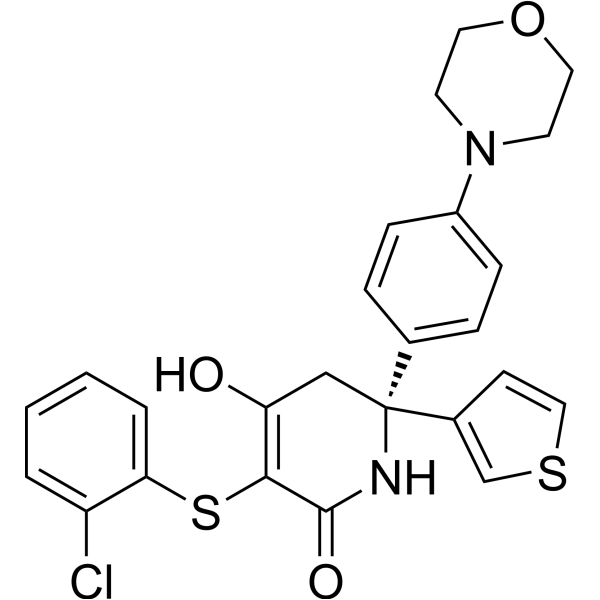
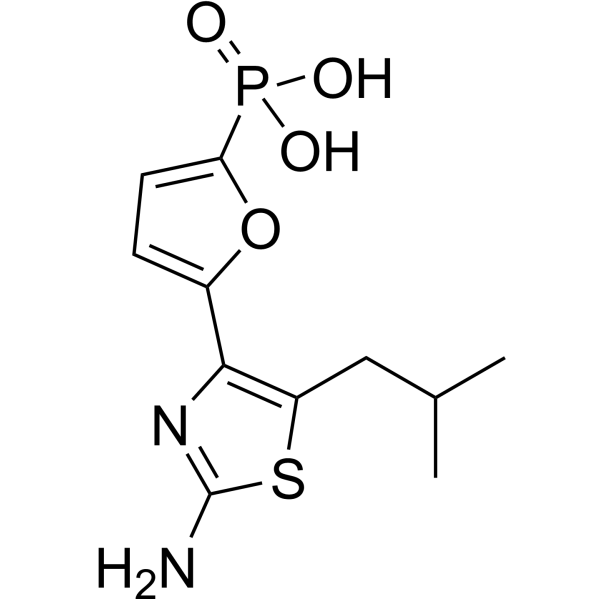
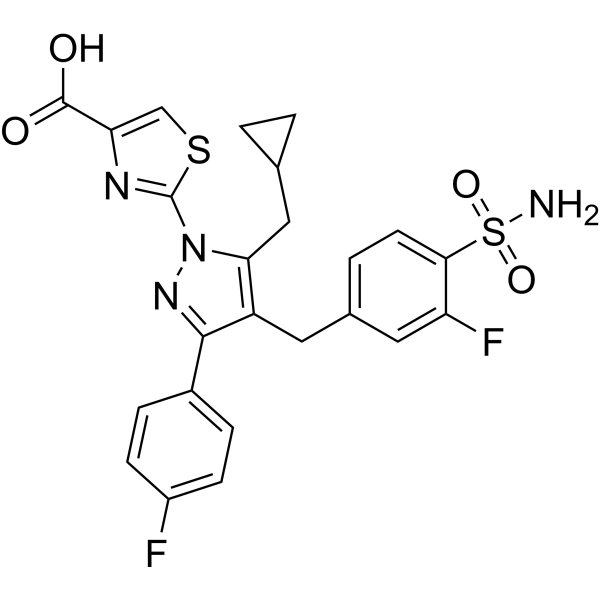
    ZG-2492 is an orally active LDHA inhibitor with an IC50 of 156 nM. ZG-2492 can reduce lactate production and induce cell cycle arrest and apoptosis in pancreatic cancer cells . ZG-2492 has antitumor activity and can be used in the research of tumors such as pancreatic cancer .
    ZG-2492
  • HY-151243

    Lactate Dehydrogenase Cancer
    NCATS-SM1441 (compound 52) is a lactate dehydrogenase (LDH) inhibitor (IC50=40 nM). By inhibiting the activity of LDH, NCATS-SM1441 is able to reduce the production of lactic acid in cancer cells, helping to slow or stop the proliferation of cancer cells. NCATS-SM1441 can be used to study cancer metabolism .
    NCATS-SM1441
  • HY-W040298R

    Bay-09867 lactate (Standard)

    Reference Standards Topoisomerase Apoptosis Antibiotic Bacterial Mitochondrial Metabolism Reactive Oxygen Species (ROS) Infection Cancer
    Ciprofloxacin (lactate) (Standard) is the analytical standard of Ciprofloxacin (lactate). This product is intended for research and analytical applications. Ciprofloxacin (Bay-09867) lactate is a potent, orally active topoisomerase IV inhibitor. Ciprofloxacin lactate induces mitochondrial DNA and nuclear DNA damage and lead to mitochondrial dysfunction, ROS production. Ciprofloxacin lactate has anti-proliferative activity and induces apoptosis. Ciprofloxacin lactate is a fluoroquinolone antibiotic, exhibiting potent antibacterial activity [4].
    Ciprofloxacin lactate (Standard)
  • HY-178461

    Lactate Dehydrogenase Cancer
    LDHA-IN-10 (Compound HP19) is a Lactate Dehydrogenase-A (LDHA) inhibitor with an IC50 value of 5.2 μM. LDHA-IN-10 reduces lactate production and ATP levels, inhibiting the proliferation of pancreatic cancer cell line PANC-1. LDHA-IN-10 induces G1/S cell cycle arrest and promotes apoptosis. LDHA-IN-10 is promising for research of pancreatic ductal adenocarcinoma (PDAC) .
    LDHA-IN-10
  • HY-162831

    Mitochondrial Metabolism Others
    MPC-IN-1 (compound 4i) is a cyanocinnamate-based, mitochondrial pyruvate transporter (MPC) inhibitor, and is a derivative of UK-5099 (HY-15475). MPC inhibitors promote the development of hair follicle stem cells without affecting normal cells. MPC-IN-1 promotes cellular lactate production and promotes significant hair growth in mice, and has the potential to be used to inhibit hair loss .
    MPC-IN-1
  • HY-179027

    Lactate Dehydrogenase Apoptosis Reactive Oxygen Species (ROS) SOD Neurological Disease
    LDH-IN-5 is a Lactate Dehydrogenase (LDH) inhibitor with neuroprotective activity. LDH-IN-5 can inhibit cell apoptosis, reduce ROS, MDA production and increases superoxide dismutase (SOD) activity. LDH-IN-5 can be used for the research of neurological disease, such as ischemic stroke .
    LDH-IN-5
  • HY-N1511R

    Reference Standards Sirtuin Apoptosis Cancer
    Ganoderic acid D (Standard) is the analytical standard of Ganoderic acid D. This product is intended for research and analytical applications. Ganoderic acid D, a highly oxygenated tetracyclic triterpenoid, is the major active component of Ganoderma lucidum. Ganoderic acid D upregulates the protein expression of SIRT3 and induces the deacetylated cyclophilin D (CypD) by SIRT3. Ganoderic acid D inhibits the energy reprogramming of colon cancer cells including glucose uptake, lactate production, pyruvate and acetyl-coenzyme production in colon cancer cells . Ganoderic acid D induces HeLa human cervical carcinoma apoptosis .
    Ganoderic acid D (Standard)
  • HY-113853

    Akt Apoptosis Others
    WF-10129 is a cytotoxic steroidal compound isolated from the plant Physalis. WF-10129 inhibits liver cancer cell proliferation, induces apoptosis, interferes with metabolism, and significantly reduces lactate production in vitro and in vivo. WF-10129 can also exert anti-tumor activity by regulating the expression of related genes and proteins through the AKT-p53 pathway.
    WF-10129
  • HY-157992

    Interleukin Related Caspase Lactate Dehydrogenase Reactive Oxygen Species (ROS) Neurological Disease Inflammation/Immunology
    LM-021 is a coumarin-chalcone derivative with anti-aggregatory, antioxidant, neuroprotective and anti-inflammatory properties which suppresses nitric oxide (NO), IL-1β, IL-6, TNF-α production, CD68 antigen (CD68) and histocompatibility-2 (MHCII) expression. LM-021 also attenuates the increase of caspase 1 activity, lactate dehydrogenase release and ROS level. LM-021 can be used for neurological research .
    LM-021
  • HY-181267

    Fructose-1,6-bisphosphate aldolase HIF/HIF Prolyl-Hydroxylase Apoptosis Cancer
    ALDOA-IN-1 is an aldolase A(ALDOA) inhibitor. ALDOA-IN-1 directly inhibits ALDOA enzymatic activity, thereby reducing lactate production, downregulating HIF-1α expression, and ultimately inducing cancer cell apoptosis. ALDOA-IN-1 can be used for research on colorectal cancer .
    ALDOA-IN-1
  • HY-W698271

    Biochemical Assay Reagents Metabolic Disease
    Ferrous lactate trihydrate is a type of iron supplement. Ferrous lactate trihydrate promotes the production of hemoglobin by providing available ferrous ions (Fe²⁺). Ferrous lactate trihydrate can be used in studies on iron-deficiency anemia .
    Ferrous lactate trihydrate
  • HY-183858

    Lactate Dehydrogenase Cancer
    NCATS-SM1440 is a glycolysis inhibitor and metabolic regulator that targets LDHA and LDHB (IC50=0.06 μM and 0.03 μM, respectively). Upon binding to LDHA, NCATS-SM1440 blocks the glycolysis pathway and reduces lactate production. NCATS-SM1440 drives the shift of pyruvate metabolism toward mitochondrial metabolism, effectively disrupting the dependence of cancer cells on aerobic glycolysis. NCATS-SM1440 can be widely used in research related to cancer, Ewing's sarcoma, and other related conditions .
    NCATS-SM1440
  • HY-118241

    Lactate Dehydrogenase Bacterial Apoptosis Reactive Oxygen Species (ROS) Cardiovascular Disease Infection Inflammation/Immunology Cancer
    GNE-140 is an orally active and selective inhibitor of lactate dehydrogenase (LDH) A, B and C, with IC50 values of 3, 5 and 5 nM against LDHA, LDHB, LDHC, respectively. GNE-140 blocks the conversion of pyruvate to lactate, reduces lactate production and histone lysine lactylation, and inhibits glycolysis. GNE-140 attenuates cardiac hypertrophy, alleviates PM2.5-induced pulmonary inflammation and fibrosis, blocks MRSA-induced Arg1 expression, regulates metabolites of glycolysis and the pentose phosphate pathway, reduces glucose uptake, increases ROS, and induces cancer cell apoptosis. GNE-140 is applicable to research related to pathological cardiac hypertrophy, pulmonary fibrosis, MRSA infection and pancreatic cancer .
    GNE-140
  • HY-181677

    Bacterial Reactive Oxygen Species (ROS) Lactate Dehydrogenase Infection
    Antibacterial agent 325 is an antibacterial agent. Antibacterial agent 325 exerts potent broad-spectrum antibacterial activity and shows bactericidal activity. Antibacterial agent induces membrane depolarization, disrupts the membrane integrity, increasess ROS production and lipid peroxidation levels. Antibacterial agent 325 inhibits the metabolic activity and Lactate Dehydrogenase (LDH) activity. Antibacterial agent 325 exhibits low drug resistance development in bacteria, low hemolysis and cytotoxicity. Antibacterial agent 325 can be used for the research of bacterial infection .
    Antibacterial agent 325
  • HY-183148

    NAMPT ATP Synthase Neurological Disease
    NAMPT activator-10 (Compound B11) is an orally active NAMPT activator with a target Kd value of 0.64 μM. NAMPT activator-10 activates the rate-limiting enzyme in NAD + biosynthesis and promotes intracellular NAD + synthesis. NAMPT activator-10 reduces lactate accumulation, enhances glycogen storage in the liver and muscle, increases tissue ATP production, improves exercise endurance and muscle strength, and exerts a protective effect against fatigue-induced muscle damage in mouse fatigue models. NAMPT activator-10 can be used in studies related to muscle fatigue .
    NAMPT activator-10
  • HY-182469

    Lactate Dehydrogenase AMPK FOXO Interleukin Related Reactive Oxygen Species (ROS) TNF Receptor Bcl-2 Family Caspase Apoptosis Neurological Disease
    FuBIG is an iminoguanidine derivative with neuroprotective effects. FuBIGL inhibits L-LDH activation and reduces lactate production. FuBIGL exerts protective effects on inflammatory nerve cells, upregulates the expressions of AMPK, pAMPK and FOXO3, and activates the AMPK pathway in cells. FuBIG exerts anti-inflammatory effects by reducing pro-inflammatory cytokines (IL-6, IL-1β, TNF-α) and increasing the anti-inflammatory cytokine IL-10. FuBIG maintains mitochondrial membrane potential, alleviates mitochondrial dysfunction, reduces ROS production, and relieves oxidative stress. FuBIG upregulates Bcl-2, downregulates Bax and Caspase-3, and inhibits cell apoptosis (apoptosis). FuBIG improves metabolic disorders in diabetic mice, decreases the levels of LDL-C, ALT and AST, and increases HDL-C level simultaneously. FuBIG can be used in the research of diabetic neuroinflammation .
    FuBIG
  • HY-182243

    Hexokinase VDAC Apoptosis AMPK Bcl-2 Family Cancer
    HK2-IN-4 is a selective hexokinase 2 (HK2) inhibitor with an IC50 value of 0.79 μM and a Kd value of 0.41 μM. HK2-IN-4 blocks the interaction between HK2 and voltage-dependent anion channel 1 (VDAC1). HK2-IN-4 reduces lactate and ATP levels in cancer cells. HK2-IN-4 induces the production of apoptosis (apoptosis) markers in cancer cells, including increased p-AMPK/AMPK ratio and Bax levels, as well as decreased Bcl2 levels. HK2-IN-4 inhibits the proliferation of cancer cells with high HK2 expression. HK2-IN-4 can be used in research related to colorectal cancer and non-small cell lung cancer .
    HK2-IN-4

Inquiry Online

Your information is safe with us. * Required Fields.

Salutation


Country or Region *

Applicant Name *


Organization Name *

Department *


Email Address *


Product Name *

Cat. No.


Requested quantity *

Phone Number *


Remarks

Inquiry Online

Inquiry Information

Product Name:
Cat. No.:
Quantity:
MCE Japan Authorized Agent:

