
1. Search Result
Search Result
Results for "

lipid transport

" in MedChemExpress (MCE) Product Catalog:

45

Inhibitors & Agonists

3

Fluorescent Dyes

7

Biochemical Assay Reagents

3

Peptides

8

Natural
Products

2

Isotope-Labeled Compounds

6

Oligonucleotides

Targets Recommended:
Cat. No. Product Name Target Research Areas Chemical Structure
  • HY-148842

    Liposome Others
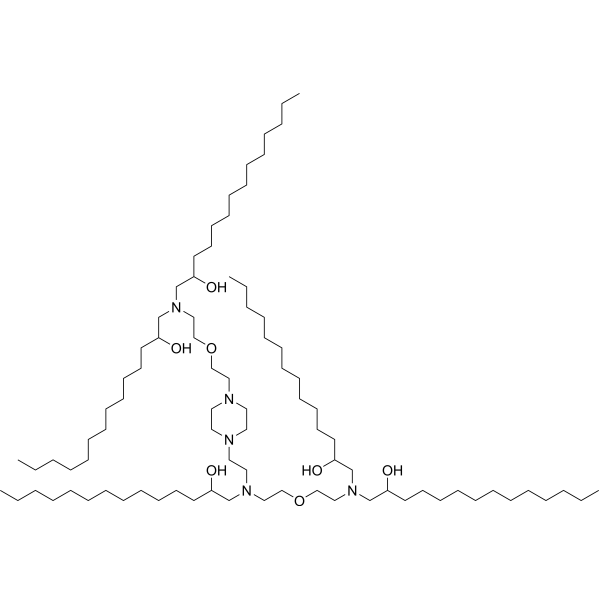
    C14-4 is an ionizable lipid utilized for the synthesis of lipid nanoparticles (LNPs). C14-4 enhances mRNA delivery, enabling the effective transport of mRNA to primary human T cells, which in turn induces functional protein expression. C14-4 demonstrates high transfection efficiency while maintaining low cytotoxicity .
    C14-4
  • HY-116767
    BLT-1
    Maximum Cited Publications
    11 Publications Verification

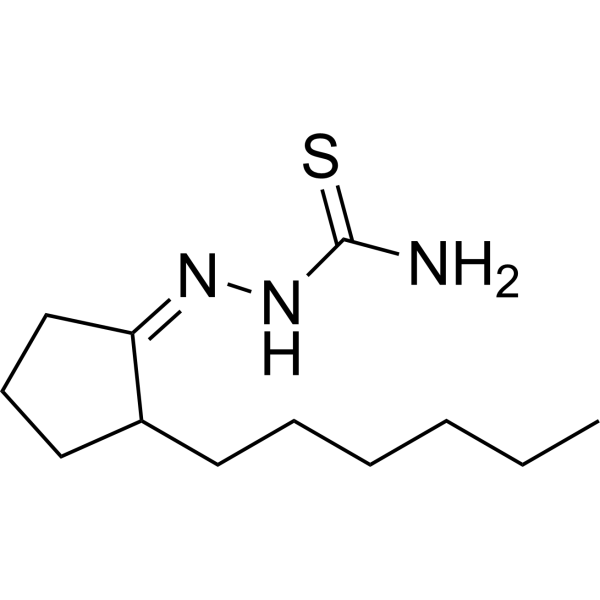
    Block lipid transport-1

    HCV Metabolic Disease Inflammation/Immunology
    BLT-1, a thiosemicarbazone copper chelator, is a selective scavenger receptor B, type 1 (SR-BI) inhibitor. BLT-1 inhibits the transfer of lipids between high-density lipoproteins (HDL) and cells mediated by SR-BI. BLT-1 is a potent HCV entry inhibitor .
    BLT-1
  • HY-113217
    Cholesteryl oleate
    1 Publications Verification

    Liposome Endogenous Metabolite Metabolic Disease Cancer
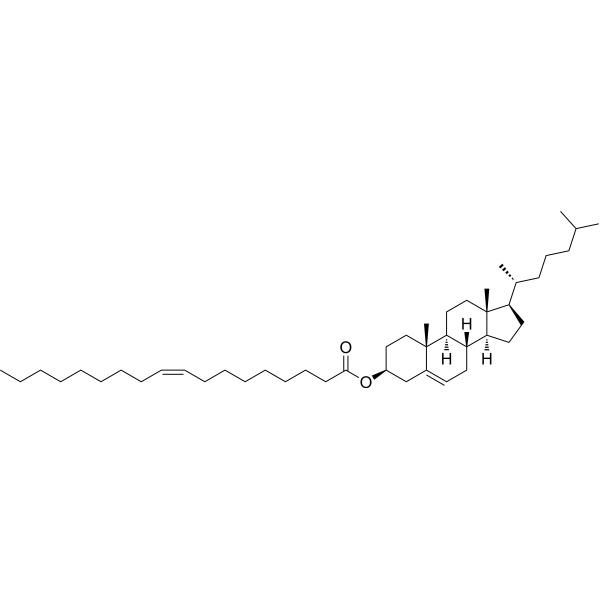
    Cholesteryl oleate is an ester compound formed from Cholesterol (HY-N0322) and Oleic acid (HY-N1446), which is involved in lipid transport, storage and cell membrane formation in living organisms. Cholesteryl oleate may serve as a potential biomarker for prostate cancer. Cholesteryl oleate can also prepare cationic solid lipid nanoparticles (SLNs) for efficient gene silencing .
    Cholesteryl oleate
  • HY-N0468
    Rebaudioside D
    1 Publications Verification

    FXR Acetyl-CoA Carboxylase Metabolic Disease
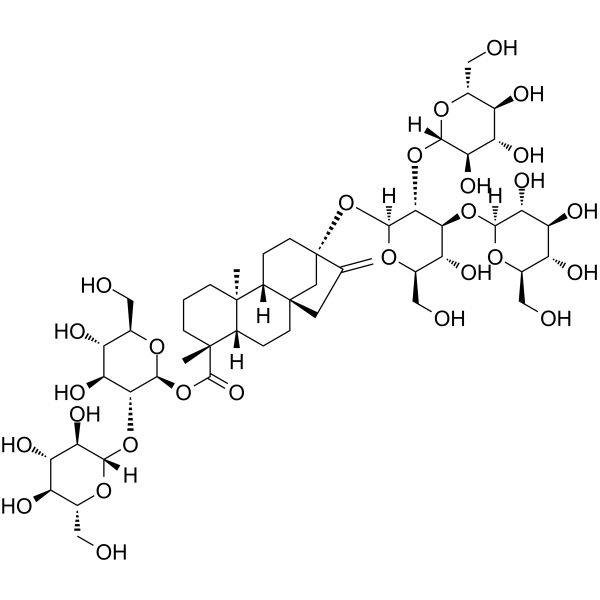
    Rebaudioside D is an orally active sweetener that targets and activates FXR, modulates Acetyl-CoA Carboxylase, and inhibits 3-hydroxy-3-methylglutaryl-CoA reductase. Rebaudioside D regulates bile acid homeostasis and lipid metabolism, reduces the synthesis rates of fatty acids and cholesterol, and exerts multiple effects including anti-adipogenesis, hepatoprotection, anti-steatosis, gut microbiota modulation, enhancement of secondary bile acid metabolism, anti-endotoxin activity, regulation of bile acid transport, and inhibition of bile acid efflux. Rebaudioside D also reduces body weight gain, visceral fat accumulation, hepatic triglyceride and cholesterol accumulation, hepatic lipid peroxidation, and decreases the circulating level of lipopolysaccharide-binding protein. Rebaudioside D additionally enhances the secondary bile acid metabolic pathway of intestinal bacteria, upregulates the gene expression of ileal organic solute transporter α, and downregulates the gene expression of hepatic bile salt export pump. Rebaudioside D does not affect glucose homeostasis, alter total caloric intake or fecal energy excretion, induce weight gain, exacerbate obesity, promote hepatic steatosis, impair brown adipose tissue function, nor change skeletal muscle metabolism-related proteins. Rebaudioside D can be used in diet-induced obesity and obesity-related research .
    Rebaudioside D
  • HY-D1617
    BODIPY 500/510 C1, C12
    2 Publications Verification

    Fluorescent Dye Others
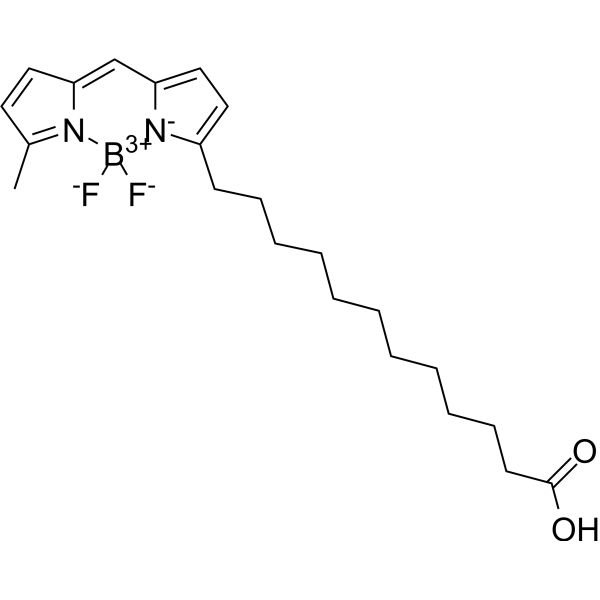
    BODIPY 500/510 C1, C12 is a BODIPY dye. BODIPY dye is a small molecule dye with strong ultraviolet absorption ability, its fluorescence peak is relatively sharp, and the quantum yield is high. They are relatively insensitive to the polarity and pH of the environment and are relatively stable under different physiological conditions. Due to its structural asymmetry, BODIPY derives a variety of structural products. BODIPY lipid droplet dyes can well pass through the cell membrane into the cell, and localize the neutral lipids in the cell to specifically stain the lipid droplets, which can be used for labeling of live cells and fixed cells . Maximum excitation/emission wavelength: 500/510 nm . Protect from light, stored at -20°C.
    BODIPY 500/510 C1, C12
  • HY-153229
    Firefly luciferase mRNA-LNP
    1 Publications Verification

    mRNA Biochemical Assay Reagents Others
    Firefly luciferase mRNA-LNP is a lipid nanoparticle (LNP) containing firefly luciferase mRNA. Firefly luciferase mRNA-LNP exhibits a stable nanostructure, in which LNP plays a key role in effectively protecting and transporting mRNA to cells. Luciferase is a bioluminescent reporter gene for gene regulation and functional studies. Firefly Luciferase mRNA-LNP expresses firefly luciferase protein after entering the cells, which is often used for promoter activity detection or dual fluorescent molecular complementation experiments. Firefly luciferase mRNA-LNP is studied in research for RNA delivery, cell viability, and translation efficiency .
    Firefly luciferase mRNA-LNP
  • HY-P3394

    CTB, from vibrio cholerae

    Biochemical Assay Reagents Others
    Cholera toxin B subunit, from vibrio cholerae (CTB, from vibrio cholerae) is non-toxic to cells and possesses no intrinsic adenylate cyclase activity. Cholera toxin B subunit, from vibrio cholerae attaches to cells by binding to ganglioside GM1.8 CTB has been shown to be a good label for microglial cells (due to the enrichment of ganglioside GM1 on their cell surface), but not for oligodendrocytes or astrocytes. Cholera toxin B subunit, from vibrio cholerae has been reported to be an excellent tracer for the study of axonal transport using immunohistochemical methods. Cholera toxin B subunit, from vibrio cholerae has been widely used as a marker of membrane lipid rafts .
    Cholera toxin B subunit, from vibrio cholerae
  • HY-18282

    LXR Cardiovascular Disease Metabolic Disease Cancer
    AZ876 is a selective, orally active agonist of liver X receptor (LXRα/β) (Ki=0.007 μM [LXRα, human], 0.011 μM [LXRβ, human]. AZ876 induces the expression of target genes such as ABCA1 and ABCG1, promotes reverse cholesterol transport (RCT) and regulates lipid metabolism and anti-inflammatory effects. AZ876 increases cardiac polyunsaturated fatty acid levels, reduces myocardial fibrosis, and reduces lesion area and monocyte adhesion in atherosclerosis models. AZ876 can be used in cardiovascular disease research, such as preventing and treating β-adrenergic-induced cardiac diastolic dysfunction and inhibiting the progression of atherosclerosis .
    AZ876
  • HY-113256

    Carnitine Palmitoyltransferase (CPT) Endogenous Metabolite Metabolic Disease
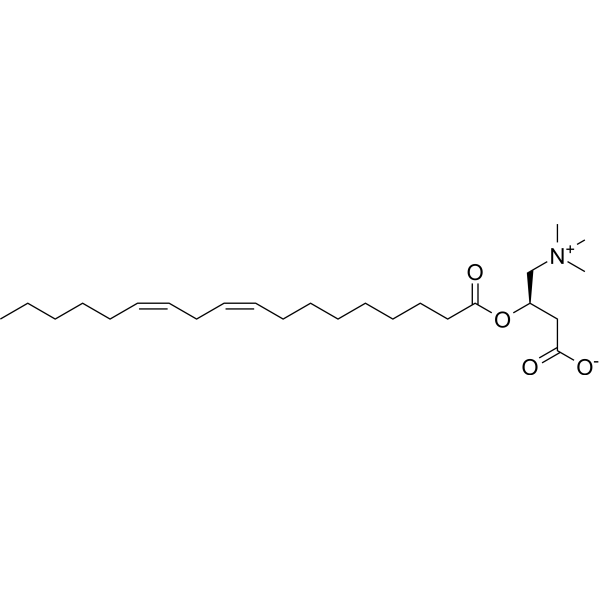
    Linoleyl carnitine is an acylcarnitine and metabolite. Linoleyl carnitine in the liver is negatively correlated with pantothenic acid and citric acid in serum. Linoleyl carnitine accumulates in mitochondrial CPT II deficiency .
    Linoleyl carnitine
  • HY-139533

    Biochemical Assay Reagents Others
    Phosphatidylinositols, soya, sodium salts is a mixture of phosphatidylinositols. Phosphoinositides are lipids involved in the vesicular transport of proteins and lipids between the different compartments of eukaryotic cells. They act by recruiting and/or activating effector proteins and thus are involved in regulating various cellular functions, such as vesicular budding, membrane fusion and cytoskeleton dynamics .
    Phosphatidylinositols, soya, sodium salts
  • HY-N2853

    α-Tocopherylquinone

    Reactive Oxygen Species (ROS) Others
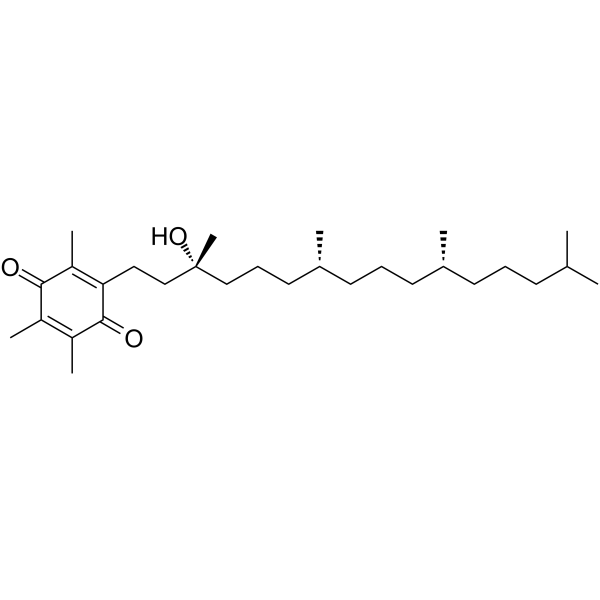
    D-α-Tocopherylquinone (α-Tocopherylquinone) is a quinone, can be isolated from Phaeodactylum tricornutum. D-α-Tocopherylquinone is an oxidation product of α-Tocopherol (vitamin E). D-α-Tocopherylquinone can act as an anticoagulant and as an antioxidant. D-α-Tocopherylquinone reduces cellular oxidative damage produced by oxidized lipids. D-α-Tocopherylquinone binds to a liver cytosolic protein with a molecular mass of about 40 kDa. D-α-Tocopherylquinone binds to glurathione-S-transferase (GST) and can be transported to the site of metabolism or excreted in the bile .
    D-α-Tocopherylquinone
  • HY-132182
    HPA-12
    1 Publications Verification

    Ceramidase Autophagy Apoptosis ATF6 Neurological Disease Cancer
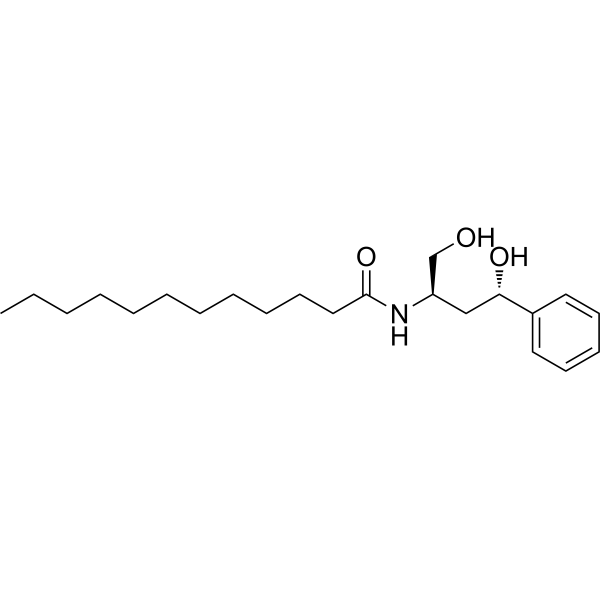
    HPA-12 is a blood-brain barrier-permeable small-molecule inhibitor of ceramide transfer protein (CERT) with four stereoisomers (the (1R,3R)-stereoisomer exhibits the highest activity). HPA-12 blocks the transport of ceramide from the endoplasmic reticulum to the Golgi apparatus by binding to the START domain of CERT, leading to intracellular ceramide accumulation and inhibition of sphingomyelin (SM) synthesis. HPA-12 induces endoplasmic reticulum stress via the GRP78/ATF6/CHOP axis and activates mitochondrial autophagy, thereby inhibiting cell growth and inducing apoptosis. In in vivo experiments, HPA-12 significantly reduces the leukemia burden and splenomegaly in mouse models of acute myeloid leukemia (AML) and prolongs survival. HPA-12 is applicable for the research of lipid metabolism in acute myeloid leukemia and Alzheimer's disease .
    HPA-12
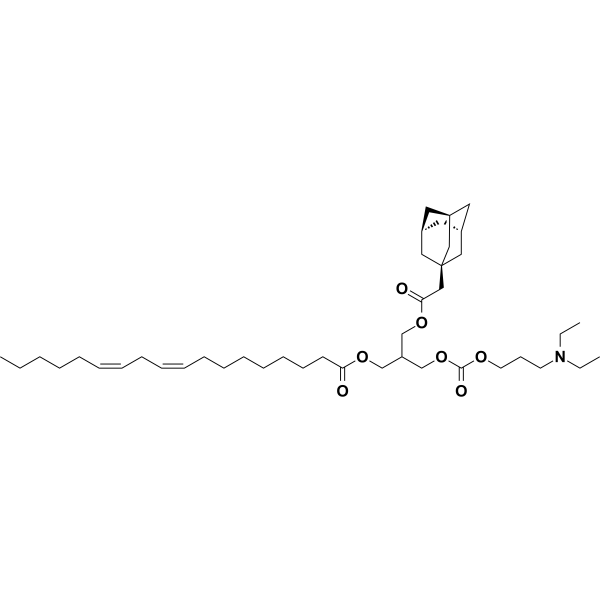
  • HY-154974

    Liposome Cancer
    LNP Lipid-8 (11-A-M) is an ionizable single-tail multi-head lipid that can be used as a lipid nanoparticle (LNP) to deliver siRNA to T cells without targeting ligands. LNP Lipid-8 is more selective for T cells than other cell types such as hepatocytes. LNP Lipid-8 selectively delivers siRNA/sgRNA to T cells (especially CD8+ T cells) through endogenous lipid transport pathways, and can enter cells and release RNA through endocytosis to achieve gene silencing. LNP Lipid-8 loaded with GFP siRNA (siGFP) significantly led to GFP gene silencing in mouse models. LNP Lipid-8 showed good efficacy and safety in both cells and animals, without obvious liver targeting and toxicity. LNP Lipid-8 can be used for RNA delivery research in the fields of tumor immunotherapy and T cell-mediated autoimmune diseases .
    LNP Lipid-8
  • HY-120103
    PF-06649298
    1 Publications Verification

    Sodium Channel Metabolic Disease
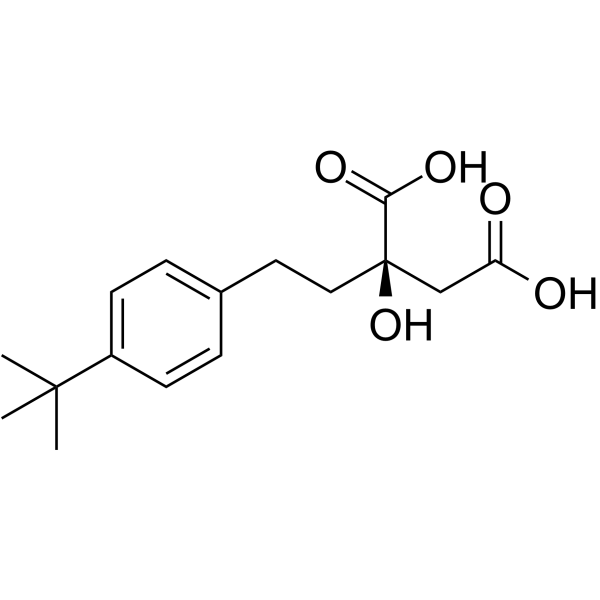
    PF-06649298 is a sodium-coupled citrate transporter (NaCT or SLC13A5) inhibitor. PF-06649298 specifically interacts with NaCT with an IC50 value of 16.2 μM to inhibits the transport of citrate in human hepatocytes. PF-06649298 can be used for the research of regulating glucose metabolism and lipid metabolism .
    PF-06649298
  • HY-126912A

    Biochemical Assay Reagents Endogenous Metabolite Others
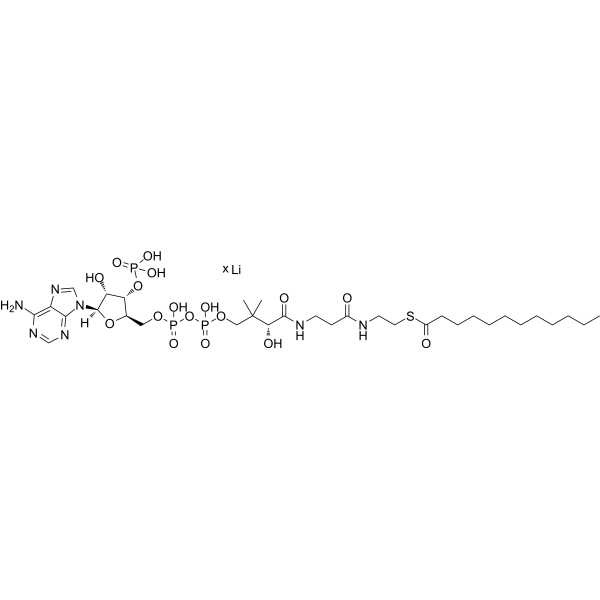
    Lauroyl coenzyme A lithium salt is an intermediary in fatty acid synthesis or metabolism, formed by combining long-chain fatty acids (or lauric acid) with coenzyme A. Lauroyl coenzyme A lithium salt is involved in lipid biosynthesis and fatty acid transport, in which coenzyme A acts as a transport molecule to help move and target specific compounds.
    Lauroyl coenzyme A lithium
  • HY-B2119

    Tauroglycocholic acid sodium salt

    Biochemical Assay Reagents Metabolic Disease
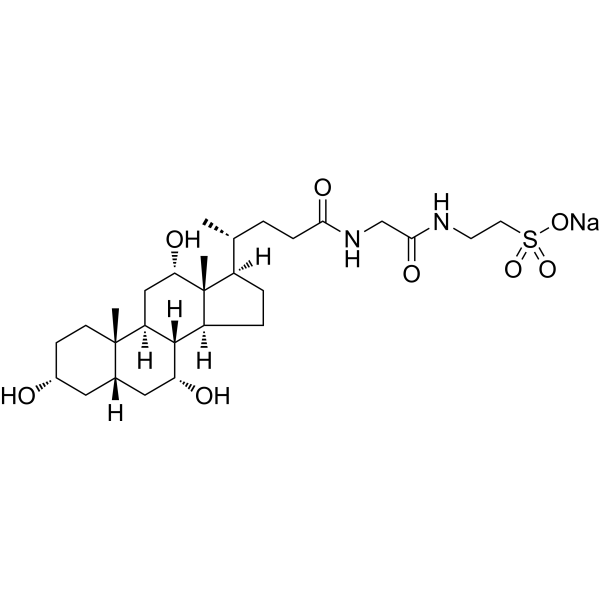
    Sodium tauroglycocholate (Tauroglycocholic acid sodium salt) is a multifunctional surfactant and penetration enhancer that can serve as a cholegraphic contrast agent. In organic solvents, Sodium tauroglycocholate embeds and stabilizes invertase by forming reverse micelles, and prolongs its active lifespan. In terms of transdermal absorption, Sodium tauroglycocholate effectively regulates the flux of aminophylline through snake slough by binding to keratin filaments, disrupting keratinocytes and altering lipid components of the stratum corneum. It exhibits rapid penetration characteristics without lag time at a concentration of 100 μg/mL. Sodium tauroglycocholate does not interfere with the hepatic uptake of Gd-EOB-DTPA by the bile acid transport system in rat hepatocytes .
    Sodium tauroglycocholate
  • HY-113217S

    Isotope-Labeled Compounds Endogenous Metabolite Others
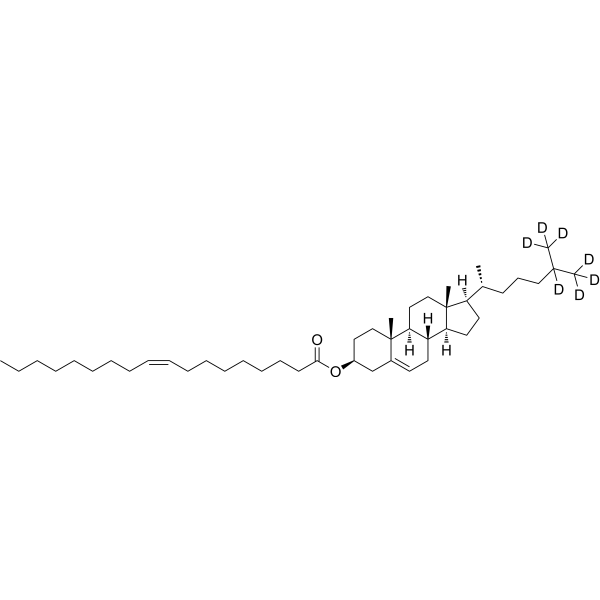
    Cholesteryl oleate-d7 is deuterium labeled Cholesteryl oleate. Cholesteryl oleate is an ester compound formed from Cholesterol (HY-N0322) and Oleic acid (HY-N1446), which is involved in lipid transport, storage and cell membrane formation in living organisms. Cholesteryl oleate may serve as a potential biomarker for prostate cancer. Cholesteryl oleate can also prepare cationic solid lipid nanoparticles (SLNs) for efficient gene silencing .
    Cholesteryl oleate-d7
  • HY-167548

    PKC Potassium Channel Others
    L-α-Phosphatidylinositol-4,5-bisphosphate ammonium is a key signaling lipid. L-α-Phosphatidylinositol-4,5-bisphosphate ammonium is an activator of PKC in the presence of calcium ions and phospholipid serine. L-α-Phosphatidylinositol-4,5-bisphosphate ammonium is also an antagonist of the KIR3.4 (ATP-sensitive potassium, KATP) channel. L-α-Phosphatidylinositol-4,5-bisphosphate ammonium can be used in research related to signal transduction, ion channel regulation, and membrane transport.
    L-α-Phosphatidylinositol-4,5-bisphosphate ammonium
  • HY-156237
    Beclin1-ATG14L interaction inhibitor 1
    2 Publications Verification

    Autophagy Others
    Beclin1-ATG14L interaction inhibitor 1 (com 19) is a selective Beclin1-ATG14L interaction inhibitor. This protein interaction mechanism specifically targets complex I of the lipid kinase VPS34 without affecting complex II. Because the integrity of VPS34 complex II depends on the Beclin 1-UVRAG interaction. Beclin1-ATG14L interaction inhibitor 1 can disrupt the formation of VPS34 complex I and inhibit autophagy, but does not affect complex II-related vesicle transport .
    Beclin1-ATG14L interaction inhibitor 1
  • HY-N9610

    Ubiquinone 30

    Endogenous Metabolite Inflammation/Immunology
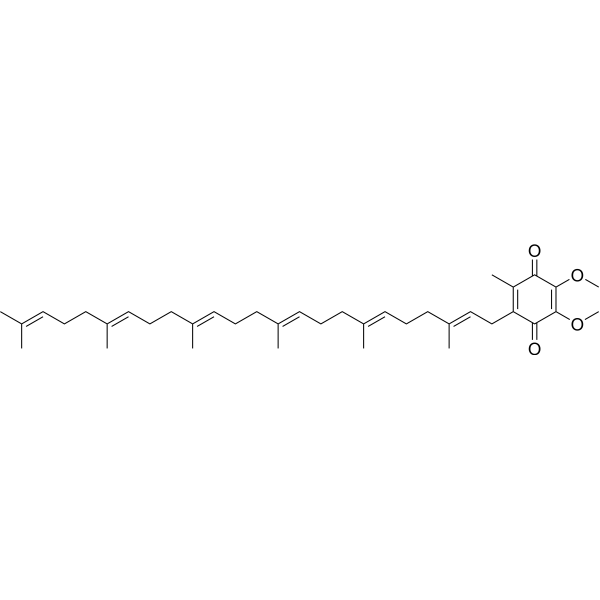
    Coenzyme Q6 (Ubiquinone 30) is an isoprenylated benzoquinone lipid. Coenzyme Q6 exhibits functions in respiratory electron transport and as a lipid antioxidant. Coenzyme Q6 also has antioxidant effects, which can prevent the production of free radicals and oxidative damage .
    Coenzyme Q6
  • HY-153136

    Liposome Others
    LNP Lipid-1 (Method B) is a lipid compound. LNP Lipid-1 is involved in the synthesis of lipid nanoparticles compositions. LNP Lipid-1 has potential applications in the transport of biologically active substances such as small molecule agents, proteins, and nucleic acids .
    LNP Lipid-1
  • HY-D1595

    Fluorescent Dye Others
    BODIPY FL Cholesterol is a green fluorescent, lipophilic probe. BODIPY FL Cholesterol can be used for the research of lipid transport processes and lipid-protein interactions .
    BODIPY FL Cholesterol
  • HY-113736

    Amino Acid Derivatives Others
    Glycyllysine is a polypeptide that can be used in the synthesis of antibodies and amino acid type gemini surfactants. Glycyllysine has potential applications in modifying plasmid/gemini/lipid (P/G/L) nanoparticles transport carriers .
    Glycyllysine
  • HY-179571

    PPTD

    Reactive Oxygen Species (ROS) Ferroptosis Cancer
    ZIP 14-IN-1 (PPTD) is a selective and orally active ZIP14 inhibitor. ZIP 14-IN-1 inhibits ZIP14 while sparing ZIP8 (SLC39A8). ZIP 14-IN-1 efficiently blocks ZIP14-mediated uptake of multiple divalent metals (zinc, iron, manganese and cadmium). ZIP 14-IN-1 binds to a pocket formed at the dimer interface of ZIP14, obstructing the metal transport pathway. ZIP 14-IN-1 effectively reverses the consequent elevation of reactive oxygen species (ROS) and lipid peroxidation, attenuating metal-induced cytotoxicity. ZIP 14-IN-1 can be uses for cancer cachexia research .
    ZIP14-IN-1
  • HY-B2078

    Neurokinin Receptor Inflammation/Immunology
    Eprazinone can enhance lung function and arterial oxygen levels and can be used in the study of chronic bronchitis. Higher doses of eprazinone increased phospholipid levels and decreased neutral lipid content in bronchoalveolar lavage (BAL) fluid, but had no effect on protein and cell levels in BAL. Eprazinone dose-dependently reduced short-circuit current (Isc), primarily by reducing chloride secretion at lower concentrations and affecting sodium and chloride transport at higher doses. Eprazinone may exert its anti-inflammatory effects by regulating BAL lipid composition and airway ion transport .
    Eprazinone
  • HY-113217F

    Fluorescent Dye Liposome Metabolic Disease
    BODIPY 480/508-cholesteryl oleate is a fluorescently tagged derivative of Cholesteryl oleate (HY-113217). BODIPY 480/508-cholesteryl oleate can be used to monitor lipid transport mechanisms in mammalian cells (Ex/Em = 480/508 nm) .
    BODIPY 480/508-cholesteryl oleate
  • HY-129990

    Liposome Cancer
    Dios-Arg diTFA, a cationic lipid with an arginine-bearing headgroup, shows obvious double bond proton signals at around 5.2-5.3 ppm. Dios-Arg diTFA is used, coupled to DOPE, to bind siRNA and plasmid to for cationic LNPs for intracellular transport .
    Dios-Arg diTFA
  • HY-175038

    Fungal Infection
    Oomycete-IN-1 (Compound X4) is a selective inhibitor targeting the PH domain of PcORP1 in Phytophthora species. Oomycete-IN-1 shows EC50 values ranging from 1 to 4 μg/mL against six oomycetes. Oomycete-IN-1 disrupts lipid transport and metabolism, leading to mycelium hyperplasia and cell membrane ruffling in P. capsici. Oomycete-IN-1 can be used in the research of preventing and controlling oomycete diseases (such as P. capsici infection) .
    Oomycete-IN-1
  • HY-185104

    LXR Cardiovascular Disease
    Ginsenoside C-K hexapropionate ester (Structure 2) is a selective agonist of LXRα, with no significant activation effect on LXRβ. Ginsenoside C-K hexapropionate ester upregulates the expression of downstream genes such as ABCA1 by activating LXRα, promoting reverse cholesterol transport, and reducing lipid deposition in macrophage-derived foam cells. It can be used in the research of atherosclerosis. Ginsenoside C-K hexapropionate ester is a derivative synthesized from ginsenoside Compound K, an active metabolite of Panax notoginseng saponins, by modification with propionic anhydride .
    Ginsenoside C-K hexapropionate ester
  • HY-18282R

    LXR Cardiovascular Disease Metabolic Disease Cancer
    AZ876 (Standard) is the analytical standard of AZ876. This product is intended for research and analytical applications. AZ876 is a selective, orally active agonist of liver X receptor (LXRα/β) (Ki=0.007 μM [LXRα, human], 0.011 μM [LXRβ, human]. AZ876 induces the expression of target genes such as ABCA1 and ABCG1, promotes reverse cholesterol transport (RCT) and regulates lipid metabolism and anti-inflammatory effects. AZ876 increases cardiac polyunsaturated fatty acid levels, reduces myocardial fibrosis, and reduces lesion area and monocyte adhesion in atherosclerosis models. AZ876 can be used in cardiovascular disease research, such as preventing and treating β-adrenergic-induced cardiac diastolic dysfunction and inhibiting the progression of atherosclerosis .
    AZ876 (Standard)
  • HY-N0468R

    Reference Standards Acetyl-CoA Carboxylase FXR Metabolic Disease
    Rebaudioside D (Standard) is the analytical standard of Rebaudioside D. This product is intended for research and analytical applications. Rebaudioside D is an orally active sweetener that targets and activates FXR, modulates Acetyl-CoA Carboxylase, and inhibits 3-hydroxy-3-methylglutaryl-CoA reductase. Rebaudioside D regulates bile acid homeostasis and lipid metabolism, reduces the synthesis rates of fatty acids and cholesterol, and exerts multiple effects including anti-adipogenesis, hepatoprotection, anti-steatosis, gut microbiota modulation, enhancement of secondary bile acid metabolism, anti-endotoxin activity, regulation of bile acid transport, and inhibition of bile acid efflux. Rebaudioside D also reduces body weight gain, visceral fat accumulation, hepatic triglyceride and cholesterol accumulation, hepatic lipid peroxidation, and decreases the circulating level of lipopolysaccharide-binding protein. Rebaudioside D additionally enhances the secondary bile acid metabolic pathway of intestinal bacteria, upregulates the gene expression of ileal organic solute transporter α, and downregulates the gene expression of hepatic bile salt export pump. Rebaudioside D does not affect glucose homeostasis, alter total caloric intake or fecal energy excretion, induce weight gain, exacerbate obesity, promote hepatic steatosis, impair brown adipose tissue function, nor change skeletal muscle metabolism-related proteins. Rebaudioside D can be used in diet-induced obesity and obesity-related research .
    Rebaudioside D (Standard)
  • HY-119770

    SDZ-HDL 376

    Scavenger Receptor Class B type I (SR-BI) Cardiovascular Disease
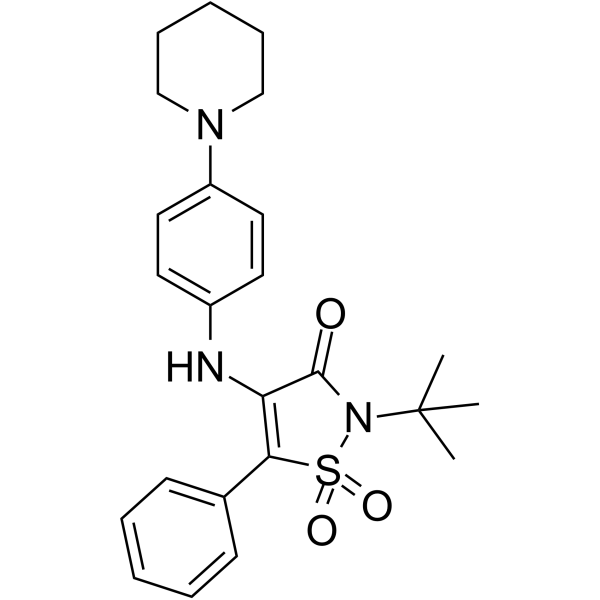
    HDL376 is a scavenger receptor class B type I (SR-BI) inhibitor. HDL376 directly inhibits SR-BI-mediated lipid transport in cells and in liposomes reconstituted with purified SR-BI (IC50 = 0.22 μM). HDL376 can be used for the research of atherosclerotic coronary artery disease .
    HDL376
  • HY-E70256

    Lauroyl coenzyme A triammonium; S-Dodecanoate-CoA triammonium; S-Dodecanoate-CoA triammonium

    Biochemical Assay Reagents Endogenous Metabolite Others
    12:0 Coenzyme A (Lauroyl coenzyme A triammonium) is an intermediary in fatty acid synthesis or metabolism, formed by combining long-chain fatty acids (or lauric acid) with coenzyme A. 12:0 Coenzyme A is involved in lipid biosynthesis and fatty acid transport, in which coenzyme A acts as a transport molecule to help move and target specific compounds .
    12:0 Coenzyme A triammonium
  • HY-118534

    BRN-2209058

    Endogenous Metabolite Endocrinology
    Cyclobutyrol is a potent choleretic agent. Cyclobutyrol also inhibits biliary lipid secretion. Cyclobutyrol induces choleretic is unrelated to bile acids. Cyclobutyrol and bile acids do not compete for the hepatobiliar transport mechanisms[1]
    Cyclobutyrol
  • HY-113217S1

    Isotope-Labeled Compounds Endogenous Metabolite Others
    Cholesteryl oleate-d7-1 is deuterium labeled Cholesteryl oleate. Cholesteryl oleate is an ester compound formed from Cholesterol (HY-N0322) and Oleic acid (HY-N1446), which is involved in lipid transport, storage and cell membrane formation in living organisms. Cholesteryl oleate may serve as a potential biomarker for prostate cancer. Cholesteryl oleate can also prepare cationic solid lipid nanoparticles (SLNs) for efficient gene silencing .
    Cholesteryl oleate-d7-1
  • HY-N2853R

    α-Tocopherylquinone (Standard)

    Reference Standards Reactive Oxygen Species (ROS) Others
    D-α-Tocopherylquinone (α-Tocopherylquinone) (Standard) is the analytical standard of D-α-Tocopherylquinone. This product is intended for research and analytical applications. D-α-Tocopherylquinone is a quinone, can be isolated from Phaeodactylum tricornutum. D-α-Tocopherylquinone is an oxidation product of α-Tocopherol (vitamin E). D-α-Tocopherylquinone can act as an anticoagulant and as an antioxidant. D-α-Tocopherylquinone reduces cellular oxidative damage produced by oxidized lipids. D-α-Tocopherylquinone binds to a liver cytosolic protein with a molecular mass of about 40 kDa. D-α-Tocopherylquinone binds to glurathione-S-transferase (GST) and can be transported to the site of metabolism or excreted in the bile .
    D-α-Tocopherylquinone (Standard)
  • HY-179760

    Others Others
    16:0-7 Doxyl PC is a phosphocholine with a Doxyl group, which can be used as a membrane probe and a fluorescence quencher in the study of lipid bilayer structures, and is employed to study the membrane transport mediated by phosphatidylinositol translocase.
    16:0-7 Doxyl PC
  • HY-179883

    Others Others
    16:0-5 Doxyl PC is a phosphocholine with a Doxyl group, which can be used as a membrane probe and a fluorescence quencher in the study of lipid bilayer structures, and is employed to study the membrane transport mediated by phosphatidylinositol translocase.
    16:0-5 Doxyl PC
  • HY-179879

    Others Others
    16:0-16 Doxyl PC is a phosphocholine with a Doxyl group, which can be used as a membrane probe and a fluorescence quencher in the study of lipid bilayer structures, and is employed to study the membrane transport mediated by phosphatidylinositol translocase.
    16:0-16 Doxyl PC
  • HY-118534A

    BRN-2209058 sodium

    Endogenous Metabolite Endocrinology
    Cyclobutyrol sodium is a potent choleretic agent. Cyclobutyrol sodium also inhibits biliary lipid secretion. Cyclobutyrol sodium induces choleretic is unrelated to bile acids. Cyclobutyrol sodium and bile acids do not compete for the hepatobiliar transport mechanisms[1]
    Cyclobutyrol sodium
  • HY-120433

    Scavenger Receptor Class B type I (SR-BI) Inflammation/Immunology
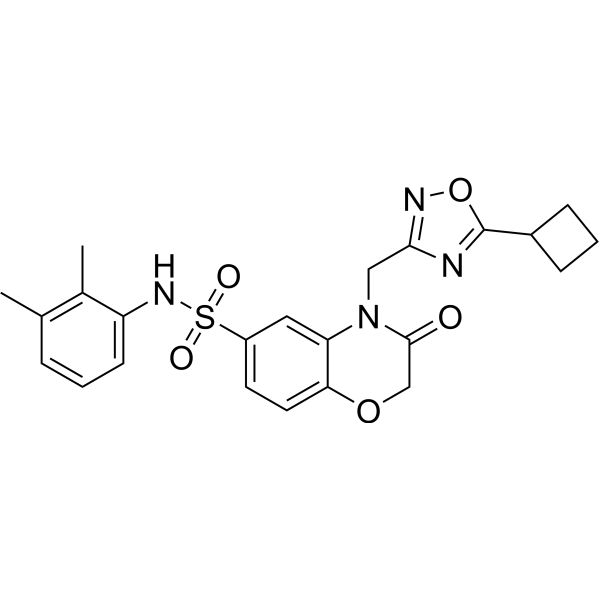
    BLT-3 is an inhibitor of scavenger receptor class B type I (SR-BI) that exerts reversible, non-cell-type-specific inhibitory effects on SR-BI-mediated lipid transport. BLT-3 inhibits SR-BI-mediated selective lipid uptake from HDL as well as cholesterol efflux from cells to HDL. BLT-3 enhances the binding of HDL to SR-BI. BLT-3 is applicable to research related to atherosclerosis and coronary heart disease .
    BLT-3
  • HY-N12630

    Mycosporine-Gly

    Mitochondrial Metabolism Bacterial Others
    Mycosporine glycine (Mycosporine-Gly) is a potent singlet oxygen quencher. Mycosporine glycine can effectively suppress various detrimental effects of the Type-II photosensitization in biological systems, such as inactivation of mitochondrial electron transport, lipid peroxidation of microsomes, hemolysis of erythrocytes and growth inhibition of E.coli. Mycosporine glycine can be used for protecting marine organisms against sunlight damage .
    Mycosporine glycine
  • HY-182014

    LXR Cardiovascular Disease Metabolic Disease
    TLC-2716 is an orally available, gut- and liver-restricted inhibitor against LXRα and LXRβ, with EC50 values of 7 nM and 15 nM, respectively. TLC-2716 represses LXRα/β transcriptional activity, downregulates genes involved in lipogenesis, lipid absorption and lipoprotein metabolism, and preserves peripheral reverse cholesterol transport. TLC-2716 reduces lipid accumulation, suppresses inflammation and fibrotic gene expression, enhances triglyceride-rich lipoprotein clearance, and improves glucose homeostasis and insulin sensitivity. TLC-2716 lowers serum and hepatic triglycerides, plasma cholesterol and other atherogenic lipid profiles in experimental models and humanized liver mice. TLC-2716 can be used for the research of dyslipidemia and related cardiometabolic disorders .
    TLC-2716
  • HY-P11475

    Bacterial Reactive Oxygen Species (ROS) Infection
    DD-S067 is an antibacterial peptide. DD-S067 exhibits multiple antibacterial mechanisms, including disrupting both the outer and inner bacterial membranes, and inducing ROS that trigger lipid peroxidation. DD-S067 inhibits the electron transport chain. DD-S067 demonstrates potent antibacterial activity, achieving a GM value of 4.1 μM against 27 MDR bacteria. DD-S067 exhibits significant protective effects in a CRAB-induced septic shock mouse model .
    DD-S067
  • HY-W008927

    Fungal Reactive Oxygen Species (ROS) DNA/RNA Synthesis Apoptosis Infection
    Fluoxastrobin is a fungicide. By binding to NAD-dependent epimerase/dehydratase, Fluoxastrobin interferes with electron transport, reduces ATP production and inhibits mycelial growth, thereby effectively controlling foliar diseases of tea plants. Fluoxastrobin induces oxidative stress by increasing ROS levels and lipid peroxidation, causes DNA damage and promotes apoptosis; meanwhile, it shows high acute toxicity to Danio rerio embryos and larvae. Fluoxastrobin can be used in research related to tea foliar diseases (including tea red leaf spot and tea gray leaf spot) .
    Fluoxastrobin

Inquiry Online

Your information is safe with us. * Required Fields.

Salutation


Country or Region *

Applicant Name *


Organization Name *

Department *


Email Address *


Product Name *

Cat. No.


Requested quantity *

Phone Number *


Remarks

Inquiry Online

Inquiry Information

Product Name:
Cat. No.:
Quantity:
MCE Japan Authorized Agent:

