


1. Search Result
Search Result
Pathways Recommended: Metabolic Enzyme/Protease
Results for "

metabolic marker

" in MedChemExpress (MCE) Product Catalog:

39

Inhibitors & Agonists

1

Screening Libraries

1

Fluorescent Dyes

1

Inhibitory Antibodies

15

Natural
Products

4

Isotope-Labeled Compounds

1

Click Chemistry

1

Oligonucleotides

Cat. No. 상품명 Target 연구분야 Chemical Structure
  • HY-113131

    DHAP

    Endogenous Metabolite Biochemical Assay Reagents Metabolic Disease
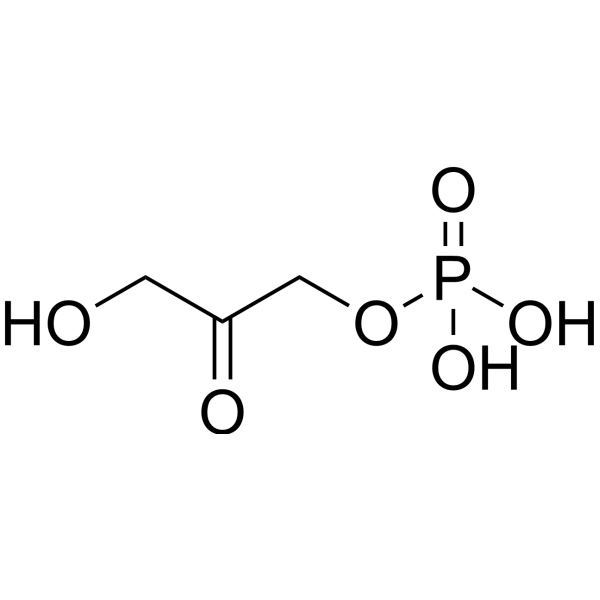
    Dihydroxyacetone phosphate (DHPA), a derivative of Dihydroxyacetone (DHA), is an important intermediate that participates in key pathways including glycolysis, lipid biosynthesis, and the plant Calvin cycle. Dihydroxyacetone phosphate can be used as a substrate and metabolic marker in biochemical research .
    Dihydroxyacetone phosphate
  • HY-113284
    Succinyladenosine
    1 Publications Verification

    N6-Succinyl adenosine

    Endogenous Metabolite Metabolic Disease
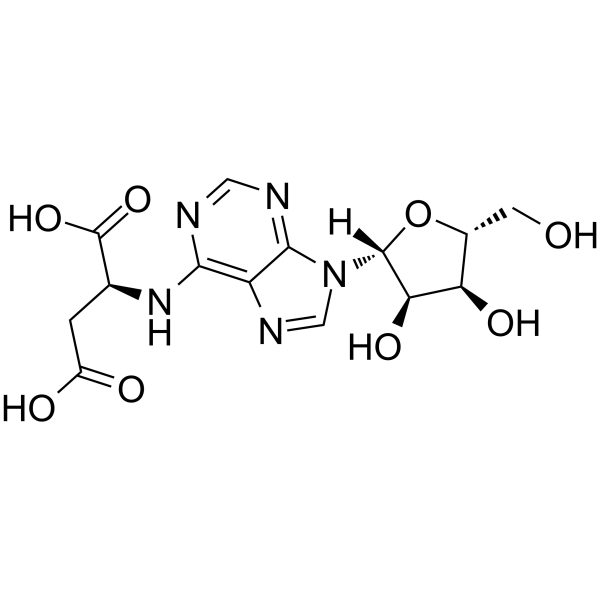
    Succinyladenosine, the metabolic product of dephosphorylation of intracellular adenylosuccinic acid (S-AMP) by cytosolic 5-nucleotidase, is a biochemical marker of adenylosuccinase (ASL) deficiency .
    Succinyladenosine
  • HY-N16308

    Fluorescent Dye Others
    ER-Laurdan is a derivative of the membrane-permeable fluorescent probe Laurdan (HY-D0080) that targets the endoplasmic reticulum (ER). As a membrane fluidity reporter, ER-Laurdan specifically localizes to the ER luminal membrane, and exhibits a prominent solvatochromic response to fluidity changes caused by membrane packing and exogenous saturated fatty acid stress. ER-Laurdan shows no overlapping localization with mitochondria, enables quantitative analysis of ER membrane fluidity via generalized polarization ratio measurement, and allows automatic signal masking with the help of ER markers. With high specificity and quantitative capability, ER-Laurdan serves as an important tool for investigating metabolic disorders and associated changes in the physical properties of cell membranes .
    ER-Laurdan
  • HY-113131A

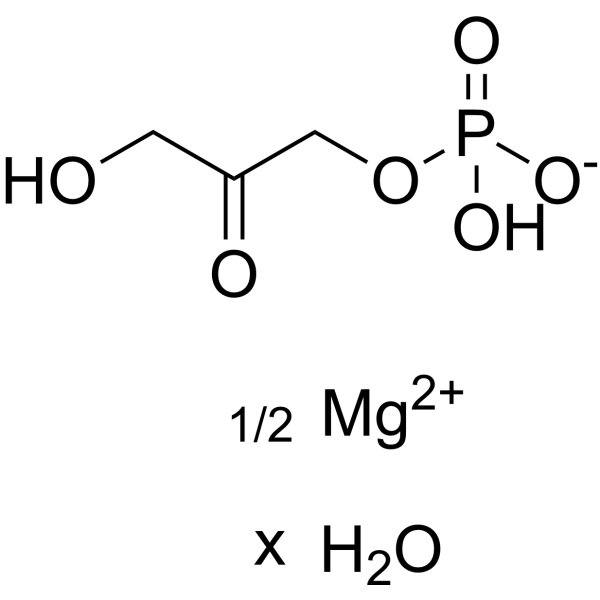
    DHAP hemimagnesium hydrate

    Endogenous Metabolite Biochemical Assay Reagents Metabolic Disease
    Dihydroxyacetone phosphate (DHPA) hemimagnesium hydrate, a derivative of Dihydroxyacetone (DHA), is an important intermediate that participates in key pathways including glycolysis, lipid biosynthesis, and the plant Calvin cycle. Dihydroxyacetone phosphate hemimagnesium hydrate can be used as a substrate and metabolic marker in biochemical research .
    Dihydroxyacetone phosphate hemimagnesium hydrate
  • HY-P3016A

    EC 2.6.1.1, porcine heart; GOT, porcine heart; AST, porcine heart

    Aminotransferases (Transaminases) Cardiovascular Disease
    Aspartate aminotransferase (EC 2.6.1.1), porcine heart is a metabolic regulator with the highest activity in the heart, liver and skeletal muscle. Aspartate aminotransferase, porcine heart comprises two isozymes: the cytoplasmic form (AST1) and the mitochondrial form (AST2). By catalyzing reversible transamination reactions between oxaloacetate, L-glutamate and other substances, it is deeply involved in key physiological processes such as amino acid metabolism, the tricarboxylic acid cycle and neurotransmitter synthesis. Aspartate aminotransferase, porcine heart also provides substrate support for the synthesis of urea and purines/pyrimidines. Aspartate aminotransferase, porcine heart is a serum marker reflecting cardiac and hepatic injury, and its abnormal levels are also closely associated with myocardial infarction, cardiovascular diseases and various cancers .
    Aspartate aminotransferase, porcine heart
  • HY-W251393

    β-Isobuteine

    Endogenous Metabolite Metabolic Disease
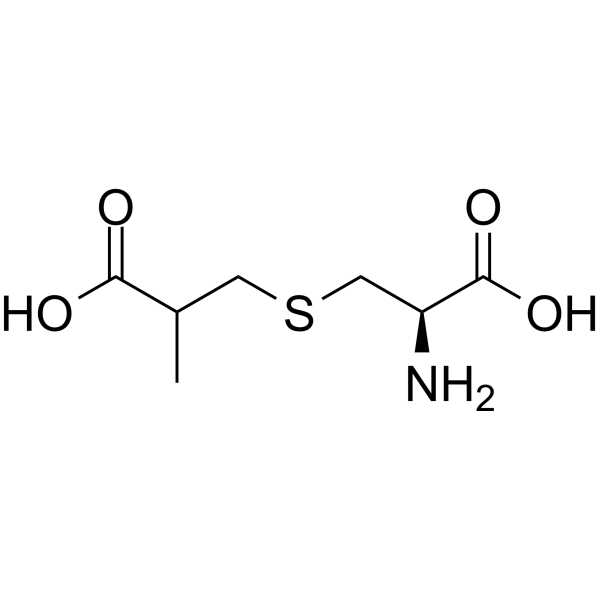
    S-(2-Carboxypropyl)-L-cysteine (β-Isobuteine) is a urine metabolite, a metabolic marker of leigh-like syndrome .
    S-(2-Carboxypropyl)-L-cysteine
  • HY-126359

    SLPC; 18:0-18:2 PC

    Endogenous Metabolite Cardiovascular Disease Metabolic Disease
    1-Stearoyl-2-linoleoyl-sn-glycero-3-phosphocholine (SLPC; 18:0-18:2 PC) is an endogenous phospholipid marker molecule in the glycerophospholipid metabolic pathway. 1-Stearoyl-2-linoleoyl-sn-glycero-3-phosphocholine is a core component of the phospholipid bilayer of biological membranes and a key responsive lipid for radiation injury and cardiometabolic diseases. 1-Stearoyl-2-linoleoyl-sn-glycero-3-phosphocholine constitutes the phospholipid bilayers of cell membranes and high-density lipoprotein (HDL), and regulates the core activity of lipoprotein functional homeostasis. The content of 1-Stearoyl-2-linoleoyl-sn-glycero-3-phosphocholine in mouse serum shows a significant dose-dependent decrease with increasing ionizing radiation dose, and its level in human HDL also decreases significantly in metabolic syndrome. 1-Stearoyl-2-linoleoyl-sn-glycero-3-phosphocholine can serve as a biological dosimeter marker for ionizing radiation injury, and is used for rapid and accurate assessment of radiation absorbed dose in exposed individuals. 1-Stearoyl-2-linoleoyl-sn-glycero-3-phosphocholine can also act as a lipidomics research target for cardiometabolic diseases such as lipid metabolic syndrome and early-onset coronary heart disease .
    1-Stearoyl-2-linoleoyl-sn-glycero-3-phosphocholine
  • HY-N0899

    JAK STAT Wnt β-catenin Inflammation/Immunology Cancer
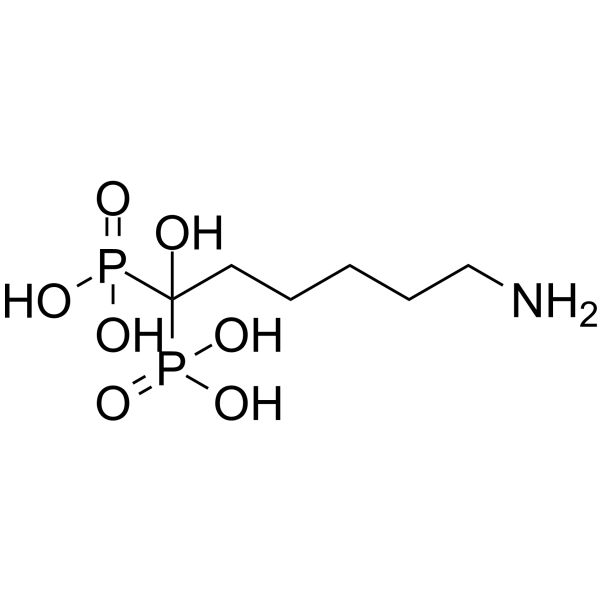
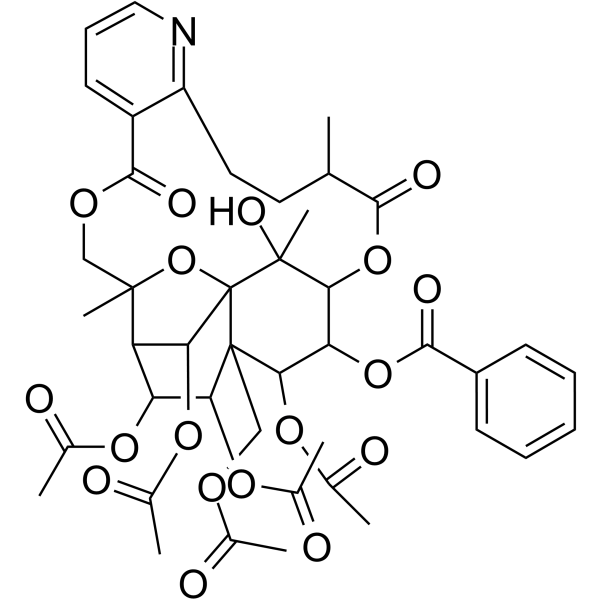
    Wilforine is an orally active JAK-STAT pathway inhibitor with immunomodulatory effects and the ability to inhibit osteoclast fusion. Wilforine disrupts lipid raft integrity, reprograms cholesterol and glycosphingolipid metabolic pathways, regulates NF-κB and the complement system, and modulates the expression of various interleukins. Wilforine also inhibits the Wnt11/β-catenin signaling pathway and suppresses the proliferation of fibroblast-like synoviocytes. Wilforine can serve as a quality and pharmacokinetic marker for Tripterygium glycoside tablets, and can be applied to research on related diseases such as rheumatoid arthritis, inflammatory osteolysis, and SAPHO syndrome .
    Wilforine
  • HY-128578
    KPLH1130
    2 Publications Verification

    PDHK NO Synthase Interleukin Related HIF/HIF Prolyl-Hydroxylase Metabolic Disease Inflammation/Immunology
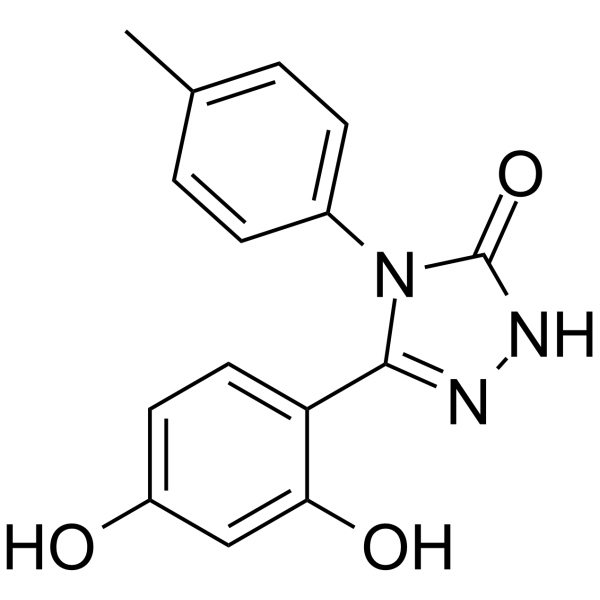
    KPLH1130 is a pyruvate dehydrogenase kinase (PDK) inhibitor. KPLH1130 potently inhibits M1 macrophage polarization by reducing the expression of pro-inflammatory cytokines, decreasing the levels of M1 phenotype markers (HIF-1α, iNOS) and nitric oxide (NO) production. KPLH1130 prevents the reduction of mitochondrial oxygen consumption rate (OCR) induced by inflammatory stimuli (LPS ((HY-D1056) + IFN-γ) in various macrophage types. KPLH1130 improves glucose tolerance in HFD-fed mice. KPLH1130 can be used for the study of obesity-associated metabolic disorders and other inflammatory conditions .
    KPLH1130
  • HY-P3016

    EC 2.6.1.1; GOT; AST

    Aminotransferases (Transaminases) Cardiovascular Disease
    Aspartate aminotransferase (EC 2.6.1.1), Genetically engineered bacteria is a metabolic regulator with the highest activity in the heart, liver and skeletal muscle. Aspartate aminotransferase, Genetically engineered bacteria comprises two isozymes: the cytoplasmic form (AST1) and the mitochondrial form (AST2). By catalyzing reversible transamination reactions between oxaloacetate, L-glutamate and other substances, it is deeply involved in key physiological processes such as amino acid metabolism, the tricarboxylic acid cycle and neurotransmitter synthesis. Aspartate aminotransferase, Genetically engineered bacteria also provides substrate support for the synthesis of urea and purines/pyrimidines. Aspartate aminotransferase, Genetically engineered bacteria is a serum marker reflecting cardiac and hepatic injury, and its abnormal levels are also closely associated with myocardial infarction, cardiovascular diseases and various cancers .
    Aspartate aminotransferase, Genetically engineered bacteria
  • HY-113131B

    DHAP dilithium

    Biochemical Assay Reagents Endogenous Metabolite Metabolic Disease
    Dihydroxyacetone phosphate (DHPA) dilithium, a derivative of Dihydroxyacetone (DHA), is an important intermediate that participates in key pathways including glycolysis, lipid biosynthesis, and the plant Calvin cycle. Dihydroxyacetone phosphate dilithium can be used as a substrate and metabolic marker in biochemical research .
    Dihydroxyacetone phosphate dilithium
  • HY-W015466

    Endogenous Metabolite Metabolic Disease
    Acetylvaline is an amino acid derivative belonging to the N-acetylated amino acid family. Acetylvaline can be detected in small quantities in the urine of healthy individuals but shows significantly abnormal excretion in the urine of patients with maple syrup urine disease (MSUD). Acetylvaline can be used to detect MSUD .
    Acetylvaline
  • HY-128421

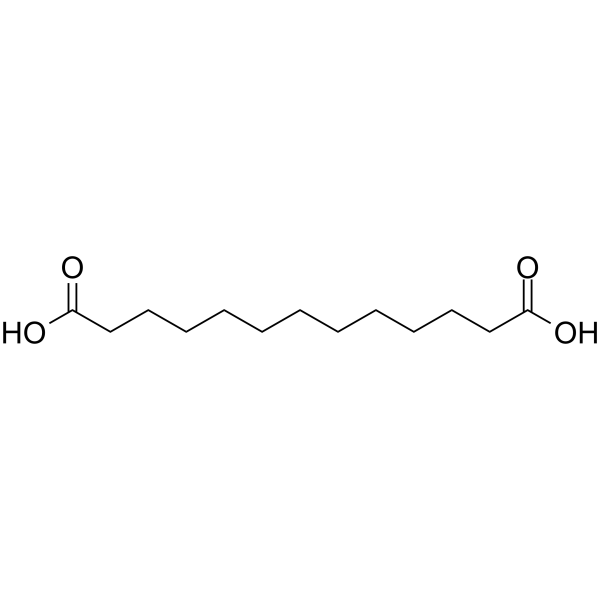
    Brassylic Acid

    Endogenous Metabolite Parasite Infection Metabolic Disease
    Tridecanedioic acid is an endogenous metabolite. Tridecanedioic acid is an endogenous metabolite. Tridecanedioic acid is related to the metabolic regulation of non-alcoholic fatty liver disease (NASH) and may be an important node molecule in the intestinal microbiota-host metabolism interaction network. Tridecanedioic acid is significantly accumulated in tolerant cabbage-type rapeseed varieties and has a lower content in sensitive varieties. It plays an important role in the defense response against the infection of the small cabbage moth (Plutella xylostella). Tridecanedioic acid can be used as a biomarker for plant insect resistance or a diagnostic marker for metabolic diseases .
    Tridecanedioic acid
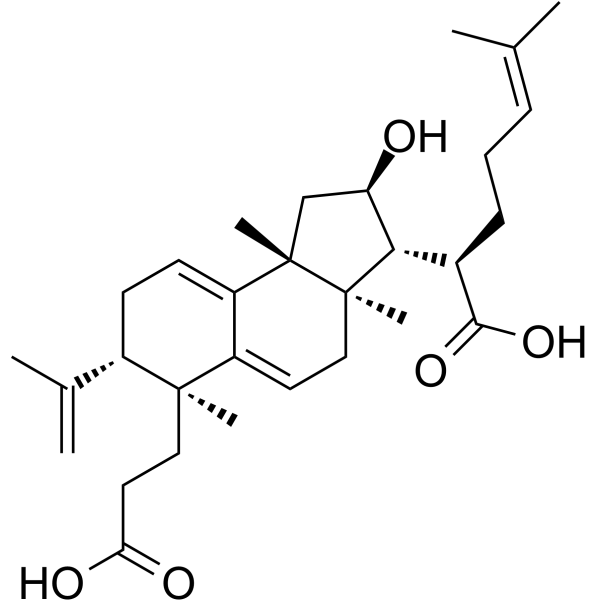
  • HY-N4124

    NO Synthase TNF Receptor Interleukin Related Metabolic Disease Inflammation/Immunology
    Poricoic acid B is a triterpenoid compound that can be isolated from Poria cocos. Poricoic acid B inhibits intracellular lipid accumulation and reduces the levels of hepatocyte injury markers. Poricoic acid B inhibits the production of NO, TNF-α, IL-1β and IL-6, thereby exerting anti-inflammatory activity. Poricoic acid B can be used in the research of metabolic dysfunction-associated fatty liver disease and inflammatory diseases [3].
    Poricoic acid B
  • HY-P2961

    Glutathione S-transferase Cancer
    Glutathione S-transferase is a phase II metabolic enzyme consisting of three superfamilies: cytosolic, mitochondrial, and microsomal. Glutathione S-transferase possesses various catalytic activities such as catalytic detoxification and thiol transfer, as well as chaperone function. GSTP1, a subtype of Glutathione S-transferase, is highly expressed in malignant tissues and serves as a tumor marker .
    Glutathione S-transferase
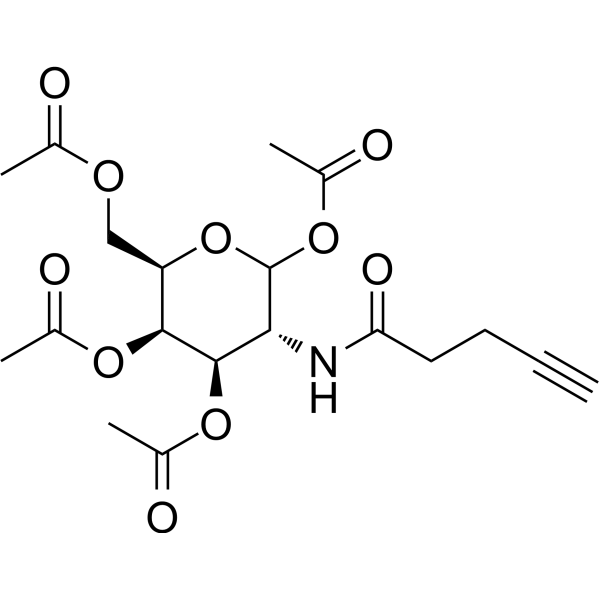
  • HY-W415798

    Endogenous Metabolite Others
    Ac4GalNAlk is a weakly alkyne-labeled reagent for metabolic oligosaccharide engineering (MOE) that can be used to detect protein glycosylation. MOE reagents can be activated by cellular biosynthetic machinery into nucleotide sugars, which can be further traced through the introduction of glycoproteins in bioorthogonal chemistry. Ac4GalNAlk promotes nucleotide-sugar biosynthesis and increases bioorthogonal cell surface markers .
    Ac4GalNAlk
  • HY-128421R

    Brassylic Acid (Standard)

    Reference Standards Endogenous Metabolite Parasite Infection Metabolic Disease
    Tridecanedioic acid (Standard) is the analytical standard of Tridecanedioic acid (HY-128421). This product is intended for research and analytical applications. Tridecanedioic acid is an endogenous metabolite. Tridecanedioic acid is an endogenous metabolite. Tridecanedioic acid is related to the metabolic regulation of non-alcoholic fatty liver disease (NASH) and may be an important node molecule in the intestinal microbiota-host metabolism interaction network. Tridecanedioic acid is significantly accumulated in tolerant cabbage-type rapeseed varieties and has a lower content in sensitive varieties. It plays an important role in the defense response against the infection of the small cabbage moth (Plutella xylostella). Tridecanedioic acid can be used as a biomarker for plant insect resistance or a diagnostic marker for metabolic diseases.
    Tridecanedioic acid (Standard)
  • HY-P3016B

    EC 2.6.1.1, Human liver; GOT, Human liver; AST, Human liver

    Aminotransferases (Transaminases) Cardiovascular Disease
    Aspartate aminotransferase (EC 2.6.1.1), Human liver is a metabolic regulator with the highest activity in the heart, liver and skeletal muscle. Aspartate aminotransferase, Human liver comprises two isozymes: the cytoplasmic form (AST1) and the mitochondrial form (AST2). By catalyzing reversible transamination reactions between oxaloacetate, L-glutamate and other substances, it is deeply involved in key physiological processes such as amino acid metabolism, the tricarboxylic acid cycle and neurotransmitter synthesis. Aspartate aminotransferase, Human liver also provides substrate support for the synthesis of urea and purines/pyrimidines. Aspartate aminotransferase, Human liver is a serum marker reflecting cardiac and hepatic injury, and its abnormal levels are also closely associated with myocardial infarction, cardiovascular diseases and various cancers .
    Aspartate aminotransferase, Human liver
  • HY-105047

    NRL972

    Biochemical Assay Reagents Metabolic Disease
    Fluorescein lisicol is a fluorescent-labelled bile salt and a marker of hepatic biliary transporter function. Fluorescein lisicol can be used for metabolic research .
    Fluorescein lisicol
  • HY-W020576

    NAP 226-90

    Drug Metabolite Others Neurological Disease
    Rivastigmine metabolite (NAP 226-90) is a metabolite produced by the hydrolysis of Rivastigmine (HY-17368) . Rivastigmine metabolite serves as a surrogate marker to track the bioavailability, metabolic extent, and transdermal patch delivery rate of Rivastigmine .
    Rivastigmine metabolite
  • HY-149540

    Fatty Acid Synthase (FASN) Cancer
    CTL-06 is an inhibitor of Fatty Acid Synthase (FASN) (IC50: 3 μM) and can induce apoptosis. CTL-12 blocks the cell cycle in the Sub-G1/S phase, upregulates the expression of caspase-9 and the apoptosis marker Bax, and downregulates the anti-apoptotic marker Bcl-xL. CTL-12 inhibits de novo lipogenesis, blocks the metabolic demands of tumor cells, and is commonly used in breast and colorectal cancer research .
    CTL-06
  • HY-149541

    Fatty Acid Synthase (FASN) Cancer
    CTL-12 is an inhibitor of fatty acid synthase (FASN) (IC50: 2.5 μM) and can induce apoptosis. CTL-12 blocks the cell cycle in the Sub-G1/S phase, upregulates the expression of caspase-9 and the apoptosis marker Bax, and downregulates the anti-apoptotic marker Bcl-xL. CTL-12 inhibits de novo lipogenesis, blocks the metabolic demands of tumor cells, and is commonly used in breast and colorectal cancer research .
    CTL-12
  • HY-W015466S

    Endogenous Metabolite Metabolic Disease
    Acetylvaline- 15N is the 15N-labeled Acetylvaline (HY-W015466). Acetylvaline is an amino acid derivative belonging to the N-acetylated amino acid family. Acetylvaline can be detected in small quantities in the urine of healthy individuals but shows significantly abnormal excretion in the urine of patients with maple syrup urine disease (MSUD). Acetylvaline can be used to detect MSUD.
    Acetylvaline-15N
  • HY-W015466R

    Reference Standards Endogenous Metabolite Metabolic Disease
    Acetylvaline (Standard) is an analytical standard for acetylvaline (HY-W015466). This product is intended for research and analytical applications. Acetylvaline is an amino acid derivative that belongs to the N-acetylated amino acid family. Acetylvaline is detected in low levels in the urine of healthy individuals, but significant abnormal excretion is observed in the urine of individuals with maple syrup urine disease (MSUD). Acetylvaline can be used to detect MSUD.
    Acetylvaline (Standard)
  • HY-W015466S1

    Isotope-Labeled Compounds Endogenous Metabolite Metabolic Disease
    Acetylvaline-13C2 is the 13C-labeled Acetylvaline (HY-W015466). Acetylvaline is an amino acid derivative belonging to the N-acetylated amino acid family. Acetylvaline can be detected in small quantities in the urine of healthy individuals but shows significantly abnormal excretion in the urine of patients with maple syrup urine disease (MSUD). Acetylvaline can be used to detect MSUD.
    Acetylvaline-13C2
  • HY-W752476

    N6-Succinyl adenosine-13C4

    Isotope-Labeled Compounds Endogenous Metabolite Metabolic Disease
    Succinyladenosine- 13C4 (N6-Succinyl adenosine- 13C4) is the 13C-labeled Succinyladenosine (HY-113284). Succinyladenosine, the metabolic product of dephosphorylation of intracellular adenylosuccinic acid (S-AMP) by cytosolic 5-nucleotidase, is a biochemical marker of adenylosuccinase (ASL) deficiency .
    Succinyladenosine-13C4
  • HY-W020576R

    NAP 226-90 (Standard)

    Reference Standards Drug Metabolite Neurological Disease
    Rivastigmine metabolite (Standard) is the analytical standard of Rivastigmine metabolite. This product is intended for research and analytical applications. Rivastigmine metabolite (NAP 226-90) is a metabolite produced by the hydrolysis of Rivastigmine (HY-17368) . Rivastigmine metabolite serves as a surrogate marker to track the bioavailability, metabolic extent, and transdermal patch delivery rate of Rivastigmine .
    Rivastigmine metabolite (Standard)
  • HY-162122

    PPAR Inflammation/Immunology
    PPARα/γ agonist 3 (Compound 4) is a dual agonist of PPARα/γ. PPARα/γ agonist 3 has anti-inflammatory activity, significantly reducing inflammatory markers such as IL-6 and MCP-1 on THP-1 macrophages through NF-κB activation. PPARα/γ agonist 3 can be used in the study of metabolic syndrome and metabolic dysfunction-related fatty liver disease (MAFLD) .
    PPARα/γ agonist 3
  • HY-W438351

    RANKL/RANK Metabolic Disease
    1,3-Dibenzyl-5-fluorouracil is a chemical inhibitor of osteoclastogenesis. 1,3-Dibenzyl-5-fluorouracil inhibits the expression of osteoclast markers by downregulating the receptor activator of NF-κB ligand (RANKL) and macrophage colony-stimulating factor (M-CSF) signaling pathways. 1,3-Dibenzyl-5-fluorouracil can be used in the study of metabolic bone diseases .
    1,3-Dibenzyl-5-fluorouracil
  • HY-W517092

    1,2,3,4,7,8,9-HpCDF

    Aryl Hydrocarbon Receptor Cytochrome P450 Metabolic Disease Inflammation/Immunology
    1,2,3,4,7,8,9-Heptachlorodibenzofuran (1,2,3,4,7,8,9-HpCDF) is a compound that induces the expression of CYP1A1 and CYP1B1 genes in human peripheral blood lymphocytes, while also promoting the expression of the aryl hydrocarbon receptor repressor (AhRR). 1,2,3,4,7,8,9-Heptachlorodibenzofuran can increase ethoxyresorufin-O-deethylase (EROD) activity in isolated human peripheral blood lymphocytes in a concentration-dependent manner, which serves as a marker of CYP1A1 activity. Furthermore, 1,2,3,4,7,8,9-Heptachlorodibenzofuran exhibits immunosuppressive effects by reducing the number of splenic plaque-forming cells in mice and increasing aryl hydrocarbon hydroxylase (AHH) activity in liver microsomes of mice injected with sheep red blood cells. 1,2,3,4,7,8,9-Heptachlorodibenzofuran can be used in research in the fields of immunology, metabolic diseases, and environmental toxicology .
    1,2,3,4,7,8,9-Heptachlorodibenzofuran
  • HY-W251393R

    β-Isobuteine (Standard)

    Reference Standards Endogenous Metabolite Metabolic Disease
    S-(2-Carboxypropyl)-L-cysteine (β-Isobuteine) (Standard) is the analytical standard of S-(2-Carboxypropyl)-L-cysteine (HY-W251393). This product is intended for research and analytical applications. S-(2-Carboxypropyl)-L-cysteine is a sulfur-containing amino acid derivative. S-(2-Carboxypropyl)-L-cysteine is excreted in urine within 24 hours after acute ingestion of black garlic by humans.
    S-(2-Carboxypropyl)-L-cysteine (Standard)
  • HY-W738465

    N-Carbonylguanidine

    Endogenous Metabolite Metabolic Disease
    N,N-Dimethylamidino Urea (N-Carbonylguanidine) is an intermediate in the electrochemical oxidation of Metformin (HY-B0627). Metformin can be used in the study of type 2 diabetes. N,N-Dimethylamidino Urea can be used as a marker to study the metabolic pathway of metformin in vivo .
    N,N-Dimethylamidino Urea
  • HY-N18530

    Endogenous Metabolite Bacterial Infection
    N-Myristoyl-D-asparagine is a key metabolic marker in the biosynthesis and maturation of colibactin. N-Myristoyl-D-asparagine acts as a biomarker for detecting colibactin. N-Myristoyl-D-asparagine exhibits mild growth inhibitory activity against Bacillus subtilis NCIB 3610 .
    N-Myristoyl-D-asparagine
  • HY-N17269

    Endogenous Metabolite Inflammation/Immunology
    3,4-Dimethyl-5-pentyl-2-furanpentadecanoic acid is a serum metabolic marker. Pre-treatment with lauric acid (HY-Y0366) can specifically increase the level of 3,4-Dimethyl-5-pentyl-2-furanpentadecanoic acid in the serum .
    3,4-Dimethyl-5-pentyl-2-furanpentadecanoic acid
  • HY-W020576S

    NAP 226-90-d6

    Isotope-Labeled Compounds Drug Metabolite Others
    Rivastigmine metabolite-d6 (NAP 226-90-d6) is a deuterated form of Rivastigmine metabolite. Rivastigmine metabolite (NAP 226-90) is a metabolite produced by the hydrolysis of Rivastigmine (HY-17368) . Rivastigmine metabolite serves as a surrogate marker to track the bioavailability, metabolic extent, and transdermal patch delivery rate of Rivastigmine .
    Rivastigmine metabolite-d6
  • HY-181709

    TG062

    GLP Receptor GCGR Metabolic Disease Inflammation/Immunology
    TPM003 (TG062) is a triple agonist of GLP-1R, GIPR and GCGR, with EC50 values of 33.9, 12.5 and 92.9 pM, respectively. TPM003 suppresses appetite, regulates blood glucose, enhances insulin sensitivity, reduces gastrointestinal intolerance, promotes hepatic lipid mobilization and increases energy expenditure. TPM003 induces weight loss, improves metabolic parameters, reverses hepatic steatosis and optimizes liver function markers. TPM003 is applicable for research on obesity and non-alcoholic steatohepatitis .
    TPM003
  • HY-P991998

    Fc Receptor (FcR) Inflammation/Immunology Cancer
    Anti-Human/Monkey CD16a Antibody (3G8) is a monoclonal antibody targeting CD16a. Anti-Human/Monkey CD16a Antibody (3G8) blocks FcγRIII/CD16a, upregulates the metabolic activity of CD16+ cells, downregulates CD87, a poor prognostic marker, and inhibits the engraftment and growth of leukemia cells in acute myeloid leukemia, and rapidly increases platelet counts in immune thrombocytopenia. Anti-Human/Monkey CD16a Antibody (3G8) is applicable to research related to tumor immunology .
    Anti-Human/Monkey CD16a Antibody (3G8)
  • HY-W750419

    Palmitoleoylcarnitine (C16:1)

    Endogenous Metabolite Metabolic Disease Inflammation/Immunology
    cis-9-Hexadecenoylcarnitine inner salt (Palmitoleoylcarnitine (C16:1)) is a long-chain acylcarnitine controlling fatty acid metabolism and mitochondrial function. cis-9-Hexadecenoylcarnitine inner salt accumulates in colorectal cancer cells. cis-9-Hexadecenoylcarnitine inner salt exists in plants and mediates lipid anabolic development. cis-9-Hexadecenoylcarnitine inner salt acts as a metabolic marker for type 1 diabetes and inflammatory bowel disease plasma. cis-9-Hexadecenoylcarnitine inner salt can be used for research on diabetes, metabolism, and inflammatory bowel disease .
    cis-9-Hexadecenoylcarnitine inner salt
  • HY-P3016C

    EC 2.6.1.1, Human (HEK293); GOT, Human (HEK293); AST, Human (HEK293)

    Aminotransferases (Transaminases) Cardiovascular Disease
    Aspartate aminotransferase (EC 2.6.1.1), Human (HEK293) is a metabolic regulator with the highest activity in the heart, liver and skeletal muscle. Aspartate aminotransferase, Human (HEK293) comprises two isozymes: the cytoplasmic form (AST1) and the mitochondrial form (AST2). By catalyzing reversible transamination reactions between oxaloacetate, L-glutamate and other substances, it is deeply involved in key physiological processes such as amino acid metabolism, the tricarboxylic acid cycle and neurotransmitter synthesis. Aspartate aminotransferase, Human (HEK293) also provides substrate support for the synthesis of urea and purines/pyrimidines. Aspartate aminotransferase, Human (HEK293) is a serum marker reflecting cardiac and hepatic injury, and its abnormal levels are also closely associated with myocardial infarction, cardiovascular diseases and various cancers .
    Aspartate aminotransferase, Human (HEK293)

온라인 문의

Your information is safe with us. * Required Fields.

호칭


Country or Region *

고객명 *


회사명 *

Department *


메일주소 *


상품명 *

Cat. No.


Requested quantity *

전화번호 *


비고

온라인 문의

Inquiry Information

상품명:
Cat. No.:
수량:
MCE Japan Authorized Agent:

