Search Result
Results for "
muscle disorders
" in MedChemExpress (MCE) Product Catalog:
1
Biochemical Assay Reagents
8
Isotope-Labeled Compounds
| Cat. No. |
Product Name |
Target |
Research Areas |
Chemical Structure |
-
- HY-B0504S
-
|
NSC13123-d3
|
Isotope-Labeled Compounds
Endogenous Metabolite
iGluR
GABA Receptor
|
Metabolic Disease
Cancer
|
|
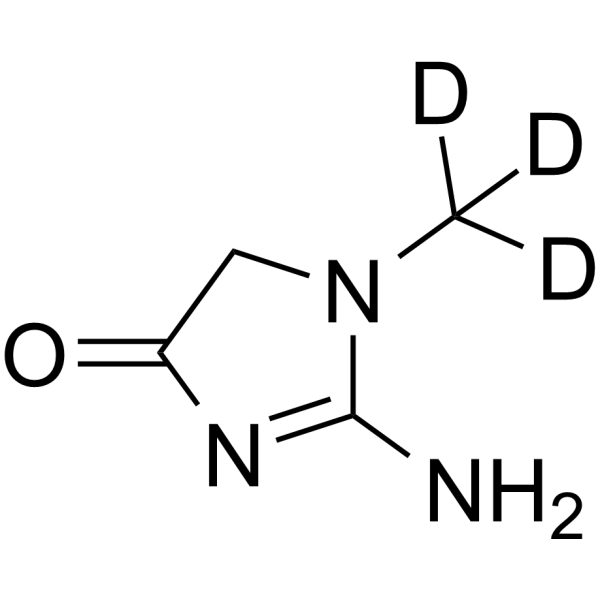
Creatinine-d3 is a deuterium labeled Creatinine. Creatinine (NSC13123) is an orally active, blood-brain barrier-permeable modulator of GABAA and NMDA receptors, with activities of antioxidation and metabolic regulation. Creatinine is generated via non-enzymatic conversion of creatine and phosphocreatine in muscle. Creatinine serum levels correlate with muscle mass, glomerular filtration rate, and extrarenal clearance, serving as an evaluation biomarker for renal function, muscle mass, and clinical outcomes, and used for perioperative renal risk assessment. In addition, Creatinine can induce specific Cryptococcus species to produce creatinine deiminase and act as their nitrogen source, while it can be secreted via renal tubules. Creatinine is widely used in research related to various diseases such as neurodegenerative diseases, psychiatric disorders, acute kidney injury, chronic kidney disease, and renal failure .
|
-
-
- HY-B0504
-
Creatinine
Maximum Cited Publications
6 Publications Verification
NSC13123
|
Endogenous Metabolite
GABA Receptor
iGluR
|
Infection
Neurological Disease
Metabolic Disease
Cancer
|
|
Creatinine (NSC13123) is an orally active, blood-brain barrier-permeable modulator of GABAA and NMDA receptors, with activities of antioxidation and metabolic regulation. Creatinine is generated via non-enzymatic conversion of creatine and phosphocreatine in muscle. Creatinine serum levels correlate with muscle mass, glomerular filtration rate, and extrarenal clearance, serving as an evaluation biomarker for renal function, muscle mass, and clinical outcomes, and used for perioperative renal risk assessment. In addition, Creatinine can induce specific Cryptococcus species to produce creatinine deiminase and act as their nitrogen source, while it can be secreted via renal tubules. Creatinine is widely used in research related to various diseases such as neurodegenerative diseases, psychiatric disorders, acute kidney injury, chronic kidney disease, and renal failure .
|
-
-
- HY-W012734
-
|
H-HoPro-OH
|
Endogenous Metabolite
|
Metabolic Disease
|
|
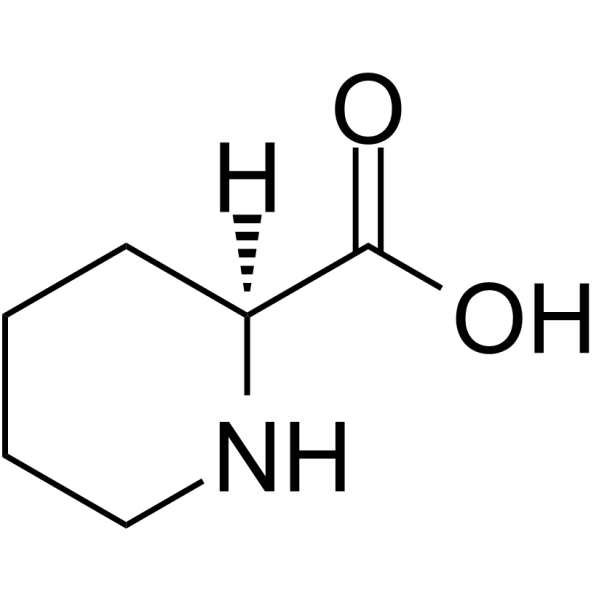
L-Pipecolic acid (H-HoPro-OH) is an oral active metabolite of Lysine and can accumulate in the bodily fluids of infants with autosomal inherited diseases, such as Zellweger syndrome and neonatal adrenal insufficiency. L-Pipecolic acid can promote muscle cell health and growth by enhancing protein synthesis, and plays a role in promoting gut health. L-Pipecolic acid holds promise for research in the fields of metabolic disorders, muscle growth disorders, and intestinal diseases .
|
-
-
- HY-B0740
-
|
MK130 hydrochloride
|
5-HT Receptor
Parasite
|
Infection
Neurological Disease
|
|
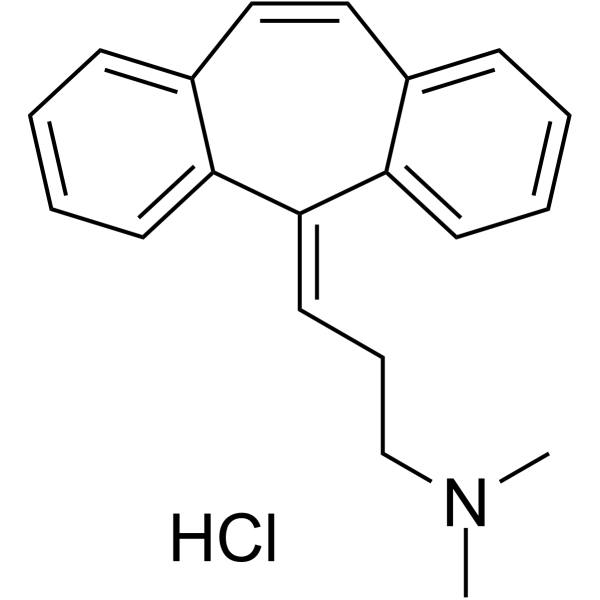
Cyclobenzaprine (MK130) hydrochloride is an orally active 5-HT2 receptor antagonist. Cyclobenzaprine hydrochloride acts centrally, providing skeletal muscle relaxation, alleviating muscle spasms, and reducing pain. Cyclobenzaprine hydrochloride also possesses antiparasitic activity. Cyclobenzaprine hydrochloride holds promise for research in the fields of acute, painful skeletal muscle disorders and infectious diseases .
|
-
-
- HY-W012980
-
|
|
Environmental Pollutants
Endogenous Metabolite
PKA
AMPK
|
Metabolic Disease
|
|
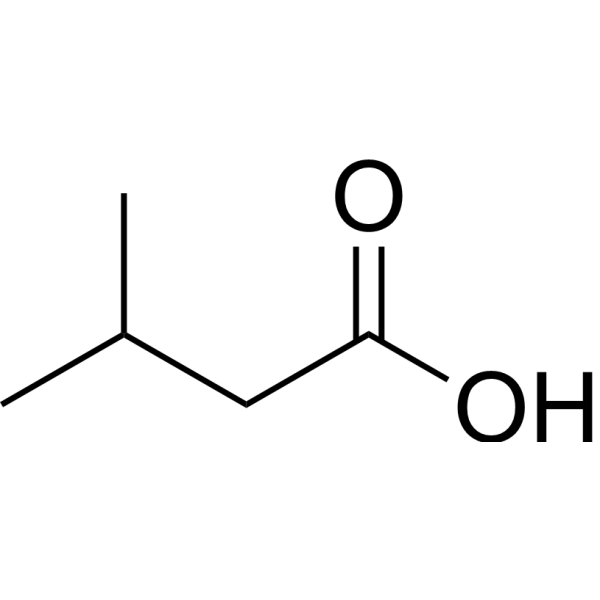
Isovaleric acid is an oral active short-chain fatty acid that inhibits osteoclast differentiation by stimulating AMPK phosphorylation and promotes colonic smooth muscle relaxation by activating the cAMP/PKA pathway. Isovaleric acid can be used in research on skeletal diseases (such as osteoporosis) and intestinal disorders .
|
-
-
- HY-176803
-
|
|
15-PGDH
|
Neurological Disease
|
|
MF-DH-300 is a 15-PGDH inhibitor that can be applicable to the research of muscle disorders such as spinal muscular atrophy (SMA).
|
-

-
- HY-B1139
-
|
|
Apoptosis
|
Neurological Disease
|
|
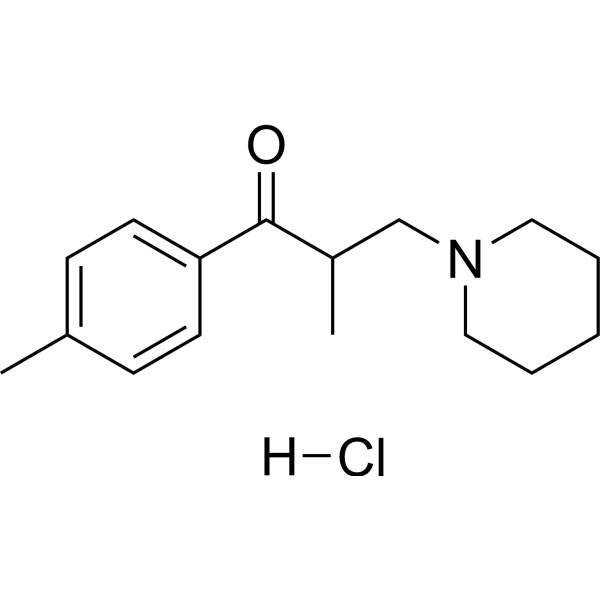
Tolperisone hydrochloride is a centrally acting muscle relaxant studied in neurological disorders causing pathological rhabdomyosclerosis (pyramidal tract injury, multiple sclerosis, myelopathy, encephalomyelitis), spastic paralysis, and other muscle dystonia-related Encephalopathy. Tolperisone hydrochloride also has antiviral activity .
|
-
-
- HY-B0504S2
-
|
NSC13123-d5
|
Isotope-Labeled Compounds
Endogenous Metabolite
iGluR
GABA Receptor
|
Metabolic Disease
|
|
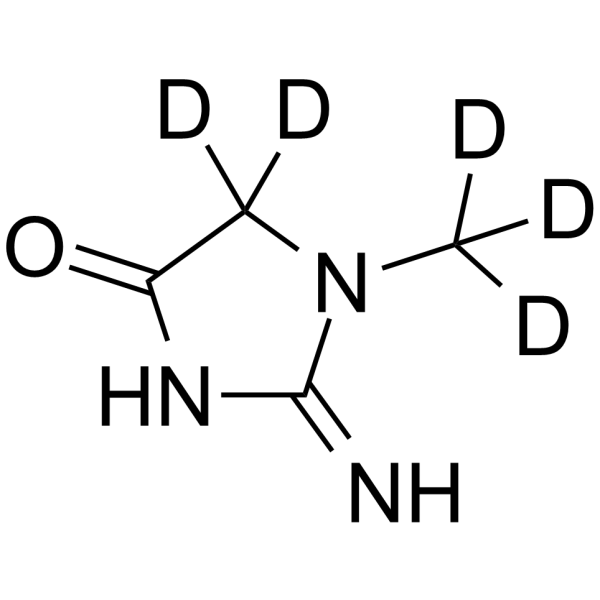
Creatinine-d5 is the deuterium labeled Creatinine. Creatinine (NSC13123) is an orally active, blood-brain barrier-permeable modulator of GABAA and NMDA receptors, with activities of antioxidation and metabolic regulation. Creatinine is generated via non-enzymatic conversion of creatine and phosphocreatine in muscle. Creatinine serum levels correlate with muscle mass, glomerular filtration rate, and extrarenal clearance, serving as an evaluation biomarker for renal function, muscle mass, and clinical outcomes, and used for perioperative renal risk assessment. In addition, Creatinine can induce specific Cryptococcus species to produce creatinine deiminase and act as their nitrogen source, while it can be secreted via renal tubules. Creatinine is widely used in research related to various diseases such as neurodegenerative diseases, psychiatric disorders, acute kidney injury, chronic kidney disease, and renal failure .
|
-
-
- HY-175188
-
|
BPN-0027490
|
Myosin
|
Neurological Disease
|
MT-110 (BPN-0027490) is a non-muscle myosin NMIIB-selective inhibitor with high brain penetration and favorable safety profile. MT-110 specifically disrupts NMIIB-dependent actin dynamics in dendritic spines, while it exerts no significant adverse effects on cardiac myosin II and cardiac functions (such as cardiac output and heart rate) at tested concentrations. A single administration of MT-110 produces long-lasting (sustained for several weeks) blockade of methamphetamine motivation associated with environmental cues. MT-110 exhibits extremely high specificity, with no interference with cocaine motivation, hippocampus-dependent memory, fear memory, or locomotor and anxiety-like behaviors. MT-110 serves as a valuable tool compound for investigating the mechanisms of methamphetamine use disorder .
|
-

-
- HY-175199
-
|
BPN-0026709
|
Myosin
|
Neurological Disease
|
|
MT-228 (BPN-0026709) is a selective and blood-brain barrier permeable non-muscle myosin II inhibitor. MT-228 markedly improves tolerability by selectively targeting NMIIB (KI = 1.5 μM) over CMII (KI = 17 μM), and the sequence of SmMll MD is 83.6% identical to that of NMllB. MT-228 shows long-lasting efficacy in animal models of stimulant use disorder .
|
-

-
- HY-147332
-
|
|
Liposome
|
Neurological Disease
|
|
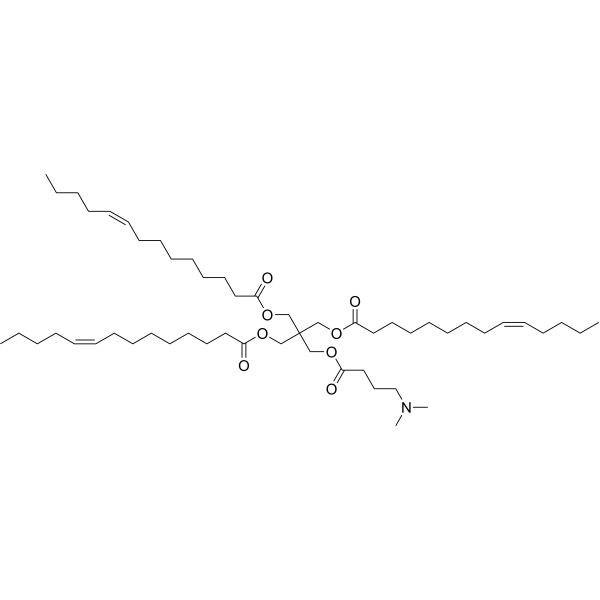
TCL053 is an ionizable lipid carrier and used to introduce active components, in particular nucleic acids, into cells with excellent efriciency. TCL053, together with DPPC (Dipalmitoylphosphatidylcholine), PEG-DMG (Polyethylene glycoldimyristoyl glycerol), and cholesterol, forms lipid nanoparticle (LNP) which is able to deliver Cas9 mRNA and sgRNA into skeletal muscle .
|
-
-
- HY-P10476
-
|
|
TGF-beta/Smad
|
Others
|
|
Myostatin inhibitory peptide 2 (compd 2) is a myostatin inhibitor with a Kd of 35.9 nM. Myostatin inhibitory peptide 2 can be used for researches of muscle atrophic disorders .
|
-

-
- HY-122697
-
-
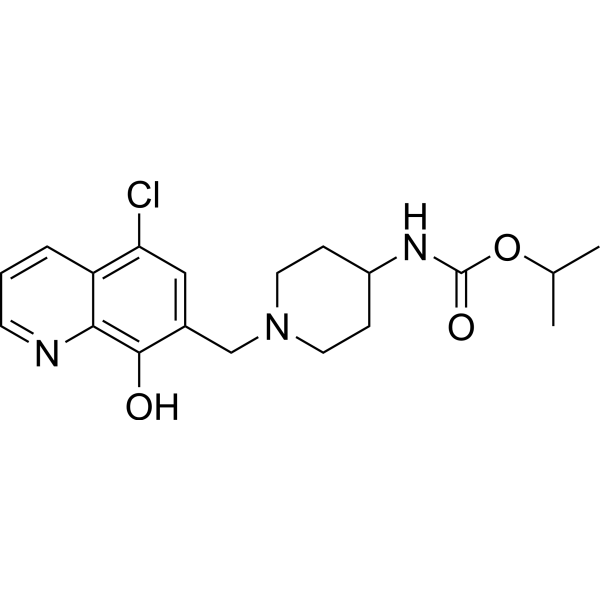
-
- HY-B0416
-
|
|
mAChR
Adrenergic Receptor
|
Neurological Disease
|
|
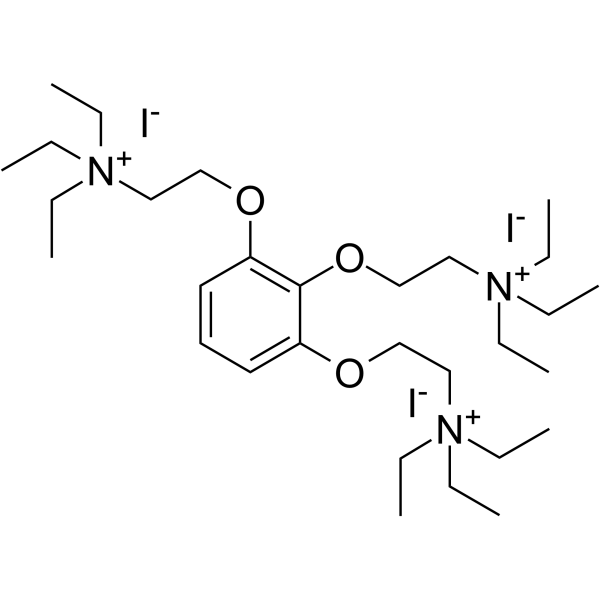
Gallamine Triethiodide is a blood-brain barrier-permeable skeletal muscle relaxant. Gallamine Triethiodide induces skeletal muscle paralysis by blocking acetylcholine. Gallamine Triethiodide directly stimulates intracardiac β receptors. Gallamine Triethiodide prolongs the duration of afterdischarge in the cat cerebral cortex. Gallamine Triethiodide can be used in studies related to convulsive disorders .
|
-
-
- HY-15847
-
HS38
3 Publications Verification
|
DAPK
|
Cardiovascular Disease
|
|
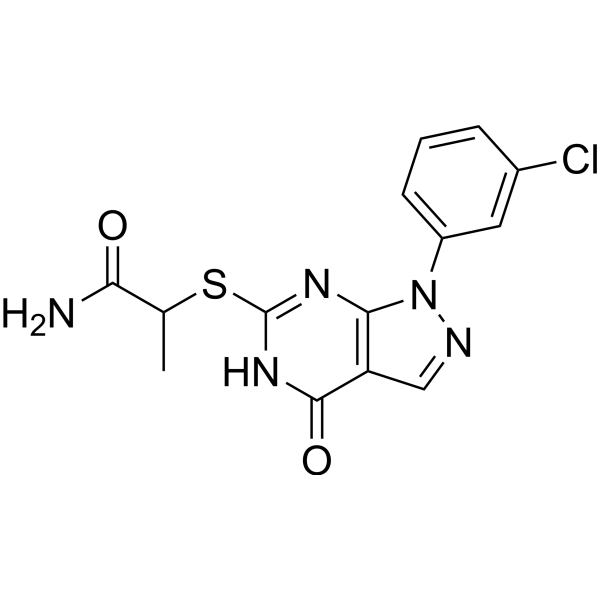
HS38 is a potent, selective, and ATP-competitive inhibitor of death-associated protein kinase 1 (DAPK1) and zipper-interacting protein kinase (ZIPK, also called DAPK3), with Kds of 300 nM and 280 nM, respectively. HS38 is also a PIM3 inhibitor with an IC50 of 200 nM. HS38 can be used for the research of smooth muscle related disorders .
|
-
-
- HY-B0504R
-
|
NSC13123 (Standard)
|
Reference Standards
Endogenous Metabolite
iGluR
GABA Receptor
|
Metabolic Disease
Cancer
|
|
Creatinine (Standard) is the analytical standard of Creatinine. This product is intended for research and analytical applications. Creatinine (NSC13123) is an orally active, blood-brain barrier-permeable modulator of GABAA and NMDA receptors, with activities of antioxidation and metabolic regulation. Creatinine is generated via non-enzymatic conversion of creatine and phosphocreatine in muscle. Creatinine serum levels correlate with muscle mass, glomerular filtration rate, and extrarenal clearance, serving as an evaluation biomarker for renal function, muscle mass, and clinical outcomes, and used for perioperative renal risk assessment. In addition, Creatinine can induce specific Cryptococcus species to produce creatinine deiminase and act as their nitrogen source, while it can be secreted via renal tubules. Creatinine is widely used in research related to various diseases such as neurodegenerative diseases, psychiatric disorders, acute kidney injury, chronic kidney disease, and renal failure .
|
-

-
- HY-B0380A
-
|
|
Opioid Receptor
Toll-like Receptor (TLR)
Calcium Channel
Potassium Channel
IRAK
ERK
JNK
NF-κB
Akt
Apoptosis
|
Neurological Disease
Metabolic Disease
Inflammation/Immunology
Cancer
|
|
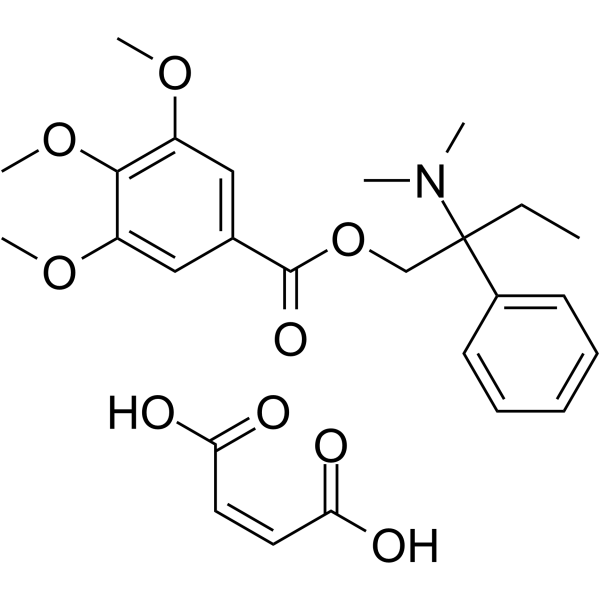
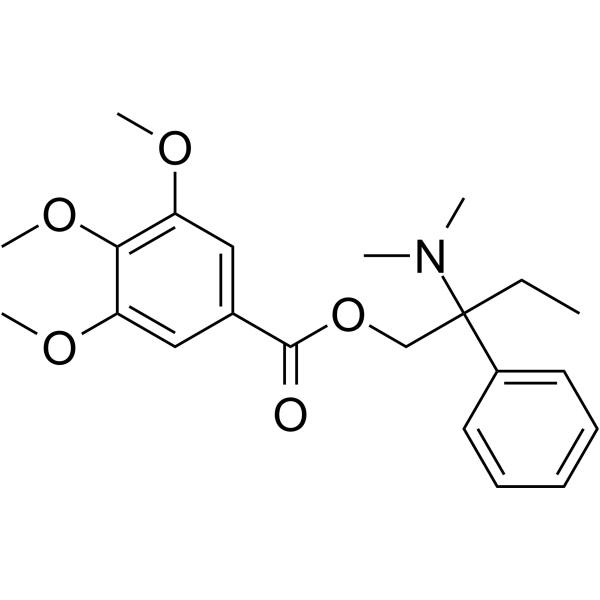
Trimebutine maleate is a multi-target inhibitor and opioid receptor agonist with antimuscarinic activity. Trimebutine maleate inhibits L-type Ca 2+ channels and large-conductance calcium-activated potassium channels (BKCa channels), thereby inhibiting extracellular calcium influx and potassium ion efflux. Trimebutine maleate also targets Toll-like receptors, inhibits Toll-like receptor 2/4/7/8/9 signals, and inhibits LPS-induced IRAK1 activation, as well as ERK1/2, JNK and NF-κB activation, thereby exerting anti-inflammatory effects. Trimebutine maleate also induces tumor cell apoptosis by inhibiting the AKT/ERK pathway. Trimebutine maleate also inhibits excessive contraction of smooth muscle and can be used in the study of gastrointestinal disorders such as irritable bowel syndrome (IBS) .
|
-
-
- HY-B0380
-
|
|
Opioid Receptor
Toll-like Receptor (TLR)
Calcium Channel
Potassium Channel
IRAK
ERK
JNK
NF-κB
Akt
Apoptosis
|
Neurological Disease
Metabolic Disease
Inflammation/Immunology
Cancer
|
|
Trimebutine is a multi-target inhibitor and opioid receptor agonist with antimuscarinic activity. Trimebutine inhibits L-type Ca 2+ channels and large-conductance calcium-activated potassium channels (BKCa channels), thereby inhibiting extracellular calcium influx and potassium ion efflux. Trimebutine also targets Toll-like receptors, inhibits Toll-like receptor 2/4/7/8/9 signals, and inhibits LPS-induced IRAK1 activation, as well as ERK1/2, JNK and NF-κB activation, thereby exerting anti-inflammatory effects. Trimebutine also induces tumor cell apoptosis by inhibiting the AKT/ERK pathway. Trimebutine also inhibits excessive contraction of smooth muscle and can be used in the study of gastrointestinal disorders such as irritable bowel syndrome (IBS) .
|
-
-
- HY-P10242
-
|
|
TGF-beta/Smad
|
Others
|
|
Myostatin inhibitory peptide 7 is a 23 amino acids peptide, which is derived from amino acids 21 to 43 of the mouse myostatin prodomain. Myostatin inhibitory peptide 7 inhibits myostatin with a Kd of 29.7 nM. Myostatin inhibitory peptide 7 can be used for researches of muscle atrophic disorders .
|
-

-
- HY-B0504S1
-
|
NSC13123-13C
|
Isotope-Labeled Compounds
Endogenous Metabolite
iGluR
GABA Receptor
|
Metabolic Disease
|
|
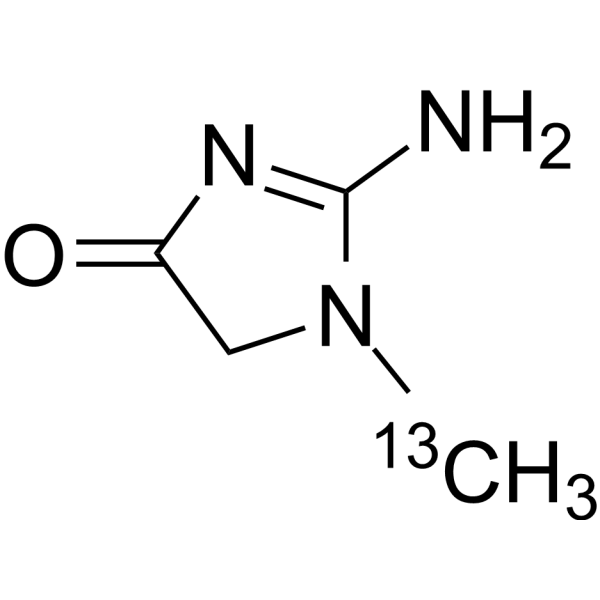
Creatinine- 13C is the 13C-labeled Creatinine. Creatinine (NSC13123) is an orally active, blood-brain barrier-permeable modulator of GABAA and NMDA receptors, with activities of antioxidation and metabolic regulation. Creatinine is generated via non-enzymatic conversion of creatine and phosphocreatine in muscle. Creatinine serum levels correlate with muscle mass, glomerular filtration rate, and extrarenal clearance, serving as an evaluation biomarker for renal function, muscle mass, and clinical outcomes, and used for perioperative renal risk assessment. In addition, Creatinine can induce specific Cryptococcus species to produce creatinine deiminase and act as their nitrogen source, while it can be secreted via renal tubules. Creatinine is widely used in research related to various diseases such as neurodegenerative diseases, psychiatric disorders, acute kidney injury, chronic kidney disease, and renal failure .
|
-
-
- HY-173527
-
|
|
Mitochondrial Metabolism
|
Metabolic Disease
|
|
PSSI-51 is an orally active, peripherally selective inhibitor of succinyl-CoA:3-ketoacid-CoA transferase (SCOT). PSSI-51 inhibits SCOT activity in peripheral tissues (such as muscle and kidney) but does not affect SCOT activity in brain tissue. PSSI-51 reduces ketone body oxidation by inhibiting SCOT, thereby improving obesity-related hyperglycemia. PSSI-51 can be used in the study of type 2 diabetes (T2D) and has the potential to improve obesity-related metabolic disorders .
|
-

-
- HY-108283
-
|
AA 149; Supacal
|
Calcium Channel
|
Inflammation/Immunology
|
|
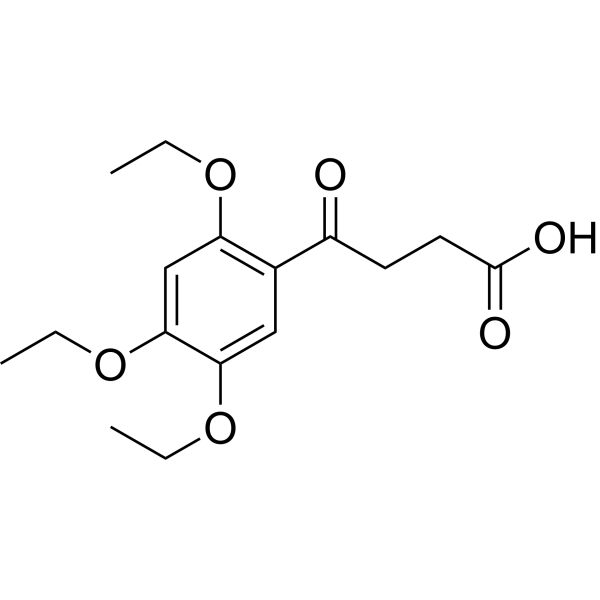
Trepibutone (AA 149) increases secretion of bile and pancreatic juice, and accelerates flaccidity of the smooth muscle in the gastrointestinal tract. Trepibutone can be used for the research of cholecystitis and functional gastrointestinal disorders .
|
-
-
- HY-W012980R
-
|
|
Reference Standards
Endogenous Metabolite
AMPK
PKA
|
Metabolic Disease
|
|
Isovaleric acid (Standard) is the analytical standard of Isovaleric acid. This product is intended for research and analytical applications. Isovaleric acid is an oral active short-chain fatty acid that inhibits osteoclast differentiation by stimulating AMPK phosphorylation and promotes colonic smooth muscle relaxation by activating the cAMP/PKA pathway. Isovaleric acid can be used in research on skeletal diseases (such as osteoporosis) and intestinal disorders .
|
-

-
- HY-W012734R
-
|
H-HoPro-OH (Standard)
|
Reference Standards
Endogenous Metabolite
|
Metabolic Disease
|
|
L-Pipecolic acid (Standard) is an analytical standard of L-Pipecolic acid. This product is used for research and analytical applications. L-Pipecolic acid (H-HoPro-OH) is an oral active metabolite of Lysine and can accumulate in the bodily fluids of infants with autosomal inherited diseases, such as Zellweger syndrome and neonatal adrenal insufficiency. L-Pipecolic acid can promote muscle cell health and growth by enhancing protein synthesis, and plays a role in promoting gut health. L-Pipecolic acid holds promise for research in the fields of metabolic disorders, muscle growth disorders, and intestinal diseases .
|
-

-
- HY-B0504S5
-
|
NSC13123-15N
|
Isotope-Labeled Compounds
Endogenous Metabolite
iGluR
GABA Receptor
|
Metabolic Disease
Cancer
|
|
Creatinine- 15N (NSC13123- 15N) is the 15N-labeled Creatinine (HY-B0504). Creatinine (NSC13123) is an orally active, blood-brain barrier-permeable modulator of GABAA and NMDA receptors, with activities of antioxidation and metabolic regulation. Creatinine is generated via non-enzymatic conversion of creatine and phosphocreatine in muscle. Creatinine serum levels correlate with muscle mass, glomerular filtration rate, and extrarenal clearance, serving as an evaluation biomarker for renal function, muscle mass, and clinical outcomes, and used for perioperative renal risk assessment. In addition, Creatinine can induce specific Cryptococcus species to produce creatinine deiminase and act as their nitrogen source, while it can be secreted via renal tubules. Creatinine is widely used in research related to various diseases such as neurodegenerative diseases, psychiatric disorders, acute kidney injury, chronic kidney disease, and renal failure .
|
-

-
- HY-121020
-
|
|
SARS-CoV
|
Infection
Others
Inflammation/Immunology
|
|
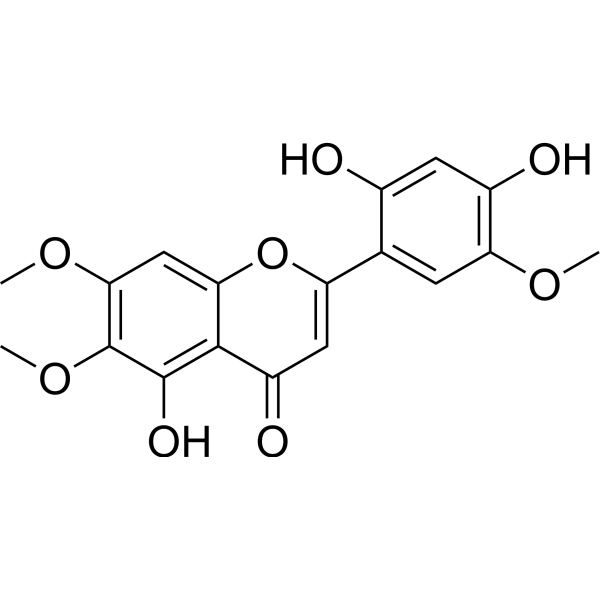
Arcapillin is a flavonoid that can be isolated from Artemisia capillaris Thunb. Arcapillin induces dose-dependent relaxation of ileum and pulmonary artery smooth muscle, causes slight urinary bladder smooth muscle contraction at highest tested concentrations. Arcapillin binds to the active site of SARS-CoV-2 Mpro via interactions with Gln139, His163, and His164, exhibits antiviral activity against SARS-CoV-2 and MERS-CoV. Arcapillin can be used for the research of gastrointestinal disorders, COVID-19, and Middle East respiratory syndrome (MERS) .
|
-
-
- HY-165440
-
|
MK130
|
5-HT Receptor
Parasite
|
Infection
Neurological Disease
|
|
Cyclobenzaprine (MK130) is an orally active 5-HT2 receptor antagonist. Cyclobenzaprine acts centrally, providing skeletal muscle relaxation, alleviating muscle spasms, and reducing pain. Cyclobenzaprine also possesses antiparasitic activity. Cyclobenzaprine holds promise for research in the fields of acute, painful skeletal muscle disorders and infectious diseases .
|
-

-
- HY-P10476A
-
|
|
TGF-beta/Smad
|
Others
|
|
Myostatin inhibitory peptide 2 (compd 2) TFA is a myostatin inhibitor with a Kd of 35.9 nM. Myostatin inhibitory peptide 2 TFA can be used for researches of muscle atrophic disorders .
|
-

-
- HY-B0007A
-
|
|
GABA Receptor
|
Neurological Disease
|
|
(S)-Baclofen hydrochloride is a GABAB receptor agonist that crosses the blood-brain barrier and is orally active, with IC50 values of 1.77 μM for GABAB and 1564 μM for GABAA. (S)-Baclofen hydrochloride can be used in research on muscle disorders such as spasticity .
|
-

-
- HY-P10242A
-
|
|
TGF-beta/Smad
|
Others
|
|
Myostatin inhibitory peptide 7 TFA is a 23 amino acids peptide, which is derived from amino acids 21 to 43 of the mouse myostatin prodomain. Myostatin inhibitory peptide 7 TFA inhibits myostatin with a Kd of 29.7 nM. Myostatin inhibitory peptide 7 TFA can be used for researches of muscle atrophic disorders .
|
-

-
- HY-W153897
-
|
|
Adrenergic Receptor
|
Metabolic Disease
|
|
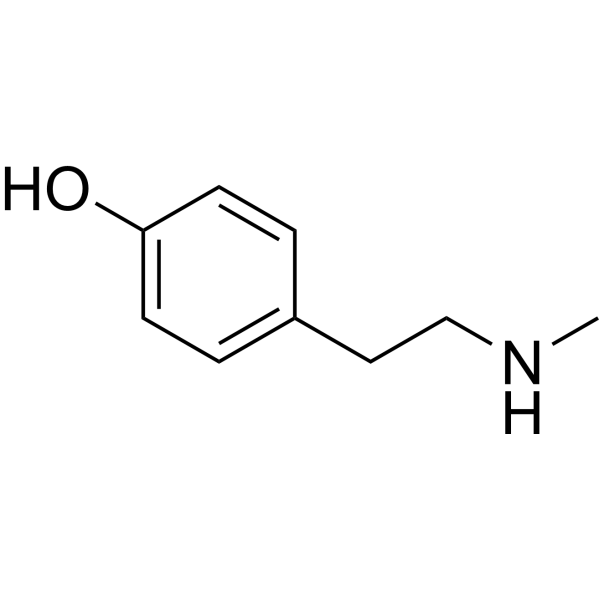
N-Methyltyramine is a protoalkaloid that can be isolated from various plant species. N-Methyltyramine is an α2-adrenoreceptor antagonist. N-Methyltyramine enhances appetite and digestion of foods by stimulating gastrin and pancreatic secretions. N-Methyltyramine can relax mouse small intestinal smooth muscle and inhibits small intestinal propulsion .
|
-
-
- HY-108433
-
|
Carnitine palmitoyltransferase 2
|
Apoptosis
MDM-2/p53
|
Metabolic Disease
Cancer
|
|
CPT2 (Carnitine palmitoyltransferase 2), an enzyme that participates in fatty acid oxidation, also is a colorectal cancer (CRC) prognostic biomarker. CPT2 overexpression can activate p-p53 to increase p53 expression, thereby inhibiting tumor proliferation and promoting apoptosis. CPT2 deficiency results in the most common inherited disorder of long-chain fatty acid oxidation affecting skeletal muscle. Downregulation of CPT2 is also highly correlated with the progression of various cancers and has potential for cancer research .
|
-

-
- HY-B0380S1
-
|
|
Isotope-Labeled Compounds
Opioid Receptor
Toll-like Receptor (TLR)
Calcium Channel
Potassium Channel
IRAK
ERK
JNK
NF-κB
Akt
Apoptosis
|
Neurological Disease
Metabolic Disease
Inflammation/Immunology
Cancer
|
|
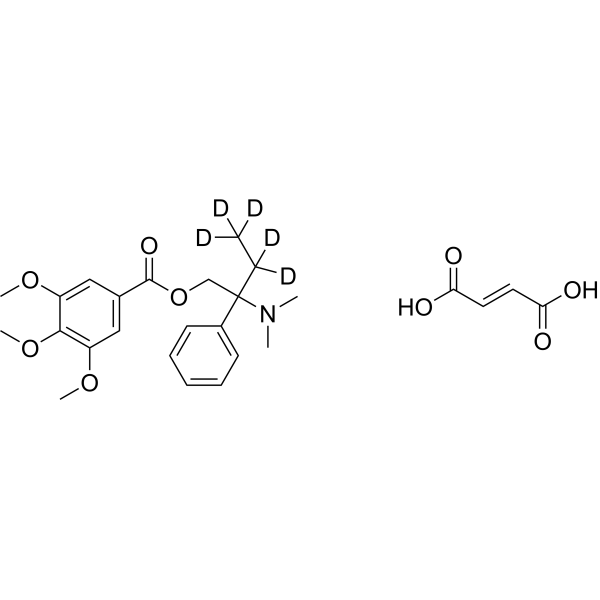
Trimebutine-d5 fumarate is deuterium labeled Trimebutine fumarate. Trimebutine fumarate is a multi-target inhibitor and opioid receptor agonist with antimuscarinic activity. Trimebutine fumarate inhibits L-type Ca 2+ channels and large-conductance calcium-activated potassium channels (BKCa channels), thereby inhibiting extracellular calcium influx and potassium ion efflux. Trimebutine fumarate also targets Toll-like receptors, inhibits Toll-like receptor 2/4/7/8/9 signals, and inhibits LPS-induced IRAK1 activation, as well as ERK1/2, JNK and NF-κB activation, thereby exerting anti-inflammatory effects. Trimebutine fumarate also induces tumor cell apoptosis by inhibiting the AKT/ERK pathway. Trimebutine fumarate also inhibits excessive contraction of smooth muscle and can be used in the study of gastrointestinal disorders such as irritable bowel syndrome (IBS) .
|
-
-
- HY-B0380AR
-
|
|
Reference Standards
Opioid Receptor
Apoptosis
Potassium Channel
NF-κB
Akt
IRAK
JNK
Toll-like Receptor (TLR)
ERK
Calcium Channel
|
Neurological Disease
Metabolic Disease
Inflammation/Immunology
Cancer
|
|
Trimebutine maleate (Standard) is the analytical standard of Trimebutine maleate (HY-B0380A). This product is intended for research and analytical applications. Trimebutine maleate is a multi-target inhibitor and opioid receptor agonist with antimuscarinic activity. Trimebutine maleate inhibits L-type Ca 2+ channels and large-conductance calcium-activated potassium channels (BKCa channels), thereby inhibiting extracellular calcium influx and potassium ion efflux. Trimebutine maleate also targets Toll-like receptors, inhibits Toll-like receptor 2/4/7/8/9 signals, and inhibits LPS-induced IRAK1 activation, as well as ERK1/2, JNK and NF-κB activation, thereby exerting anti-inflammatory effects. Trimebutine maleate also induces tumor cell apoptosis by inhibiting the AKT/ERK pathway. Trimebutine maleate also inhibits excessive contraction of smooth muscle and can be used in the study of gastrointestinal disorders such as irritable bowel syndrome (IBS) .
|
-

-
- HY-108283R
-
|
AA 149 (Standard); Supacal (Standard)
|
Calcium Channel
Reference Standards
|
Inflammation/Immunology
|
|
Trepibutone (Standard) is the analytical standard of Trepibutone. This product is intended for research and analytical applications. Trepibutone (AA 149) increases secretion of bile and pancreatic juice, and accelerates flaccidity of the smooth muscle in the gastrointestinal tract. Trepibutone can be used for the research of cholecystitis and functional gastrointestinal disorders .
|
-

-
- HY-106885
-
|
|
Drug Derivative
|
Neurological Disease
|
|
F 2692 is an orally effective derivative of pyridazine. F 2692 has significant anti anxiety effects. F 2692 also has activities such as anticonvulsant, sedative, and muscle relaxant. F 2692 can be used for research on neurological disorders such as anxiety disorders .
|
-

-
- HY-122991
-
|
|
Histone Methyltransferase
|
Neurological Disease
|
|
Prospasmine hydrochloride is an anticholinergic drug that has the activity of inhibiting glandular secretions and relaxing smooth muscles. Prospasmine hydrochloride is mainly used to inhibit certain types of gastrointestinal disorders. Prospasmine hydrochloride helps relieve pain caused by smooth muscle spasms. Prospasmine hydrochloride is also used as an anesthetic adjuvant in some cases .
|
-

-
- HY-B1139R
-
|
|
Reference Standards
Apoptosis
|
Neurological Disease
|
|
Tolperisone (hydrochloride) (Standard) is the analytical standard of Tolperisone (hydrochloride). This product is intended for research and analytical applications. Tolperisone hydrochloride is a centrally acting muscle relaxant studied in neurological disorders causing pathological rhabdomyosclerosis (pyramidal tract injury, multiple sclerosis, myelopathy, encephalomyelitis), spastic paralysis, and other muscle dystonia-related Encephalopathy. Tolperisone hydrochloride also has antiviral activity .
|
-

-
- HY-B0740R
-
|
MK130 hydrochloride (Standard)
|
Reference Standards
5-HT Receptor
|
Neurological Disease
|
|
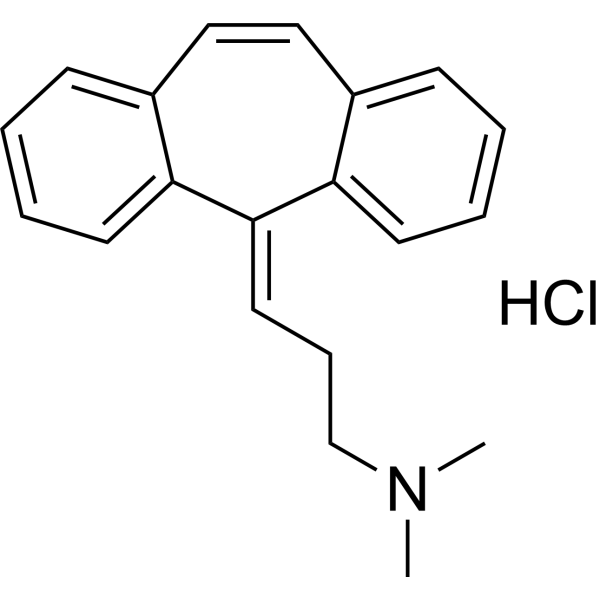
Cyclobenzaprine (MK130) hydrochloride (Standard) is the analytical standard of Cyclobenzaprine (MK130) hydrochloride. This product is intended for research and analytical applications. Cyclobenzaprine hydrochloride is an orally active 5-HT2 receptor antagonist. Cyclobenzaprine hydrochloride acts centrally, providing skeletal muscle relaxation, alleviating muscle spasms, and reducing pain. Additionally, Cyclobenzaprine hydrochloride has antiprotozoal activity. Additionally, Cyclobenzaprine hydrochloride also possesses antiparasitic activity. Cyclobenzaprine hydrochloride holds promise for research in the fields of acute, painful skeletal muscle disorders and infectious diseases
|
-
-
- HY-B0007B
-
|
|
GABA Receptor
|
Neurological Disease
|
|
(S)-Baclofen is a GABAB receptor agonist that crosses the blood-brain barrier and is orally active, with IC50 values of 1.77 μM for GABAB and 1564 μM for GABAA. (S)-Baclofen can be used in research on muscle disorders such as spasticity .
|
-

-
- HY-B0740S3
-
|
MK130-d3-1 hydrochloride
|
Isotope-Labeled Compounds
5-HT Receptor
Parasite
|
Infection
Neurological Disease
|
|
Cyclobenzaprine-d3-1 hydrochloride (MK130-d3-1 hydrochloride) is the deuterium labeled Cyclobenzaprine hydrochloride (HY-B0740). Cyclobenzaprine (MK130) hydrochloride is an orally active 5-HT2 receptor antagonist. Cyclobenzaprine hydrochloride acts centrally, providing skeletal muscle relaxation, alleviating muscle spasms, and reducing pain. Additionally, Cyclobenzaprine hydrochloride has antiprotozoal activity. Additionally, Cyclobenzaprine hydrochloride also possesses antiparasitic activity. Cyclobenzaprine hydrochloride holds promise for research in the fields of acute, painful skeletal muscle disorders and infectious diseases
|
-

-
- HY-B0416R
-
|
|
Reference Standards
mAChR
|
Cardiovascular Disease
|
|
Gallamine Triethiodide (Standard) is the analytical standard of Gallamine Triethiodide. This product is intended for research and analytical applications. Gallamine Gallamine Triethiodide is a blood-brain barrier-permeable skeletal muscle relaxant. Gallamine Triethiodide induces skeletal muscle paralysis by blocking acetylcholine. Gallamine Triethiodide directly stimulates intracardiac β receptors. Gallamine Triethiodide prolongs the duration of afterdischarge in the cat cerebral cortex. Gallamine Triethiodide can be used in studies related to convulsive disorders .
|
-

-
- HY-P2436
-
|
|
Neurokinin Receptor
|
Neurological Disease
|
|
L-659837 is a NK2 receptor antagonist, and can antagonize GR 64349 (HY-P1278)-induced contraction. L-659837 can be used for study of urinary bladder disorders .
|
-

-
- HY-11032
-
|
|
Others
|
Metabolic Disease
|
|
SM-350300 is a glucoprotein. SM-350300 stimulates lipolysis in white adipocytes by activating the cyclic AMP (cAMP) pathway, and upregulates the expression of lipolytic enzymes and uncoupling proteins (UCP1, UCP3) in brown adipose tissue (BAT) and white adipose tissue (WAT). SM-350300 reduces body weight by decreasing carcass fat while increasing lean muscle mass in metabolic disorder models. SM-350300 can be used for the study of metabolic disorders including obesity, type 2 diabetes, and cachexia .
|
-

-
- HY-W153897R
-
|
|
Adrenergic Receptor
Reference Standards
|
Metabolic Disease
|
|
N-Methyltyramine (Standard) is the analytical standard of N-Methyltyramine. This product is intended for research and analytical applications. N-Methyltyramine is a protoalkaloid that can be isolated from various plant species. N-Methyltyramine is an α2-adrenoreceptor antagonist. N-Methyltyramine enhances appetite and digestion of foods by stimulating gastrin and pancreatic secretions. N-Methyltyramine can relax mouse small intestinal smooth muscle and inhibits small intestinal propulsion .
|
-

-
- HY-137312
-
|
SKF 40383-A
|
Adrenergic Receptor
|
Inflammation/Immunology
|
|
Carbuterol (SKF 40383-A) is a selective β2-adrenergic receptor agonist that primarily targets bronchial smooth muscle, exhibiting significant bronchodilatory and anti-allergic activity. Carbuterol can directly inhibit the immunologically induced release of histamine and slow-reacting substance of anaphylaxis (SRS-A), thereby alleviating allergic responses. Carbuterol exerts mild β1-mediated cardiac stimulation and is applicable to studies related to respiratory and immune-related diseases such as asthma and allergic disorders .
|
-

-
- HY-137312A
-
|
SKF 40383-A hydrochloride
|
Adrenergic Receptor
|
Inflammation/Immunology
|
|
Carbuterol (SKF 40383-A) hydrochloride is a selective β2-adrenergic receptor agonist that primarily targets bronchial smooth muscle, exhibiting significant bronchodilatory and anti-allergic activity. Carbuterol hydrochloride can directly inhibit the immunologically induced release of histamine and slow-reacting substance of anaphylaxis (SRS-A), thereby alleviating allergic responses. In addition, it exerts mild β1-mediated cardiac stimulation and is applicable to studies related to respiratory and immune-related diseases such as asthma and allergic disorders .
|
-

-
- HY-B0380S2
-
|
|
Isotope-Labeled Compounds
Opioid Receptor
Toll-like Receptor (TLR)
Calcium Channel
Potassium Channel
IRAK
ERK
JNK
NF-κB
Akt
Apoptosis
|
Neurological Disease
Metabolic Disease
Inflammation/Immunology
Cancer
|
|
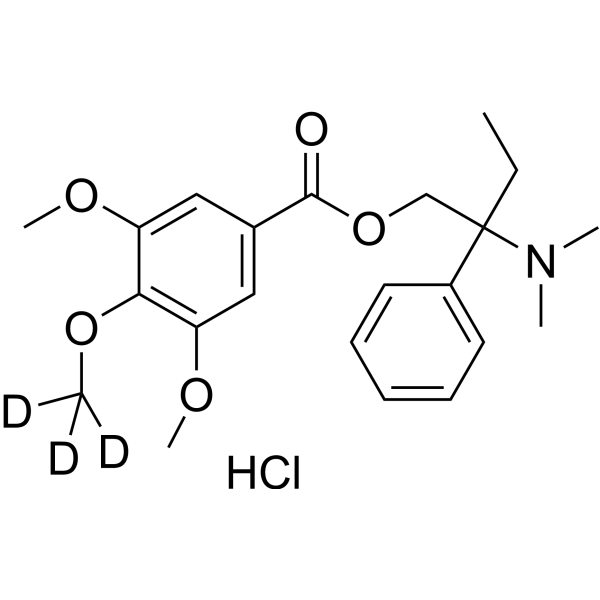
Trimebutine-d3 hydrochloride is deuterium labeled Trimebutine hydrochloride. Trimebutine hydrochloride is a multi-target inhibitor and opioid receptor agonist with antimuscarinic activity. Trimebutine hydrochloride inhibits L-type Ca 2+ channels and large-conductance calcium-activated potassium channels (BKCa channels), thereby inhibiting extracellular calcium influx and potassium ion efflux. Trimebutine hydrochloride also targets Toll-like receptors, inhibits Toll-like receptor 2/4/7/8/9 signals, and inhibits LPS-induced IRAK1 activation, as well as ERK1/2, JNK and NF-κB activation, thereby exerting anti-inflammatory effects. Trimebutine hydrochloride also induces tumor cell apoptosis by inhibiting the AKT/ERK pathway. Trimebutine hydrochloride also inhibits excessive contraction of smooth muscle and can be used in the study of gastrointestinal disorders such as irritable bowel syndrome (IBS) .
|
-
-
- HY-B0380R
-
|
|
Opioid Receptor
Toll-like Receptor (TLR)
Calcium Channel
Potassium Channel
IRAK
ERK
JNK
NF-κB
Akt
Apoptosis
Reference Standards
|
Neurological Disease
Metabolic Disease
Inflammation/Immunology
Cancer
|
|
Trimebutine (Standard) is the analytical standard of Trimebutine (HY-B0380). This product is intended for research and analytical applications. Trimebutine is a multi-target inhibitor and opioid receptor agonist with antimuscarinic activity. Trimebutine inhibits L-type Ca 2+ channels and large-conductance calcium-activated potassium channels (BKCa channels), thereby inhibiting extracellular calcium influx and potassium ion efflux. Trimebutine also targets Toll-like receptors, inhibits Toll-like receptor 2/4/7/8/9 signals, and inhibits LPS-induced IRAK1 activation, as well as ERK1/2, JNK and NF-κB activation, thereby exerting anti-inflammatory effects. Trimebutine also induces tumor cell apoptosis by inhibiting the AKT/ERK pathway. Trimebutine also inhibits excessive contraction of smooth muscle and can be used in the study of gastrointestinal disorders such as irritable bowel syndrome (IBS) .
|
-

-
- HY-19138
-
|
|
Potassium Channel
|
Cardiovascular Disease
|
|
SR 47063 is an ATP-sensitive potassium channel (KATP) agonist. SR 47063 selectively activates KATP channels in vascular smooth muscle cells (IC50: 8.1 nM in human saphenous vein, 3.86 nM in rat aorta). SR 47063 promotes potassium efflux and cellular hyperpolarization to induce vasorelaxation. SR 4706 is promising for research of hypertension and related cardiovascular disorders .
|
-

- HY-W751350
-
|
|
Isotope-Labeled Compounds
5-HT Receptor
Parasite
|
Infection
Neurological Disease
|
|
Cyclobenzaprine-d6 is the deuterium labeled Cyclobenzaprine. Cyclobenzaprine (MK130) hydrochloride is an orally active 5-HT2 receptor antagonist. Cyclobenzaprine hydrochloride acts centrally, providing skeletal muscle relaxation, alleviating muscle spasms, and reducing pain. Cyclobenzaprine hydrochloride also possesses antiparasitic activity. Cyclobenzaprine hydrochloride holds promise for research in the fields of acute, painful skeletal muscle disorders and infectious diseases .
|
-

- HY-135446
-
|
|
Endothelin Receptor
|
Cardiovascular Disease
Endocrinology
|
|
BQ-610 is a selective antagonist of the endothelin A receptor (ETA receptor). BQ-610 specifically blocks the ETA receptor, competitively inhibiting the binding of endothelin-1 (ET-1) (a vasoconstrictive peptide) to the receptor, thereby blocking the effects of ET-1 such as vascular smooth muscle contraction, cell mitosis, and inhibition of hormone secretion. BQ-610 significantly alleviates cerebral vasospasm in rabbits. BQ-610 blocks the bronchial epithelial and pulmonary vascular cell proliferation caused by cigarette smoke in rat models. BQ-610 can delay the natural luteal regression in the cow's uterus. BQ-610 can be used for research on vasospasm, abnormal cell proliferation, and reproductive endocrine disorders .
|
-

- HY-156184
-
|
|
Endogenous Metabolite
|
Neurological Disease
Metabolic Disease
Cancer
|
|
Octanoylcarnitine is an orally active medium-chain acylcarnitine transport intermediate in fatty acid β-oxidation. Octanoylcarnitine is converted to octanoyl-CoA by carnitine acetyltransferase (CrAT), which then generates energy via β-oxidation in mitochondria of the heart and skeletal muscle. Octanoylcarnitine enhances grip strength and treadmill endurance, alleviates lactic acidosis, distributes in muscle and heart tissues, increases free carnitine levels, and mitigates mitochondrial stress. Octanoylcarnitine is associated with long-chain fatty acid metabolism, shows a positive correlation with subcutaneous fat area in patients with metastatic pancreatic ductal adenocarcinoma, and is closely related to central retinal artery occlusion (CRAO) .
|
-

| Cat. No. |
Product Name |
Type |
-
- HY-147332
-
|
|
Biochemical Assay Reagents
|
|
TCL053 is an ionizable lipid carrier and used to introduce active components, in particular nucleic acids, into cells with excellent efriciency. TCL053, together with DPPC (Dipalmitoylphosphatidylcholine), PEG-DMG (Polyethylene glycoldimyristoyl glycerol), and cholesterol, forms lipid nanoparticle (LNP) which is able to deliver Cas9 mRNA and sgRNA into skeletal muscle .
|
| Cat. No. |
Product Name |
Target |
Research Area |
-
- HY-P10476
-
|
|
TGF-beta/Smad
|
Others
|
|
Myostatin inhibitory peptide 2 (compd 2) is a myostatin inhibitor with a Kd of 35.9 nM. Myostatin inhibitory peptide 2 can be used for researches of muscle atrophic disorders .
|
-
- HY-P10242
-
|
|
TGF-beta/Smad
|
Others
|
|
Myostatin inhibitory peptide 7 is a 23 amino acids peptide, which is derived from amino acids 21 to 43 of the mouse myostatin prodomain. Myostatin inhibitory peptide 7 inhibits myostatin with a Kd of 29.7 nM. Myostatin inhibitory peptide 7 can be used for researches of muscle atrophic disorders .
|
-
- HY-P10476A
-
|
|
TGF-beta/Smad
|
Others
|
|
Myostatin inhibitory peptide 2 (compd 2) TFA is a myostatin inhibitor with a Kd of 35.9 nM. Myostatin inhibitory peptide 2 TFA can be used for researches of muscle atrophic disorders .
|
-
- HY-P10242A
-
|
|
TGF-beta/Smad
|
Others
|
|
Myostatin inhibitory peptide 7 TFA is a 23 amino acids peptide, which is derived from amino acids 21 to 43 of the mouse myostatin prodomain. Myostatin inhibitory peptide 7 TFA inhibits myostatin with a Kd of 29.7 nM. Myostatin inhibitory peptide 7 TFA can be used for researches of muscle atrophic disorders .
|
-
- HY-P2436
-
|
|
Neurokinin Receptor
|
Neurological Disease
|
|
L-659837 is a NK2 receptor antagonist, and can antagonize GR 64349 (HY-P1278)-induced contraction. L-659837 can be used for study of urinary bladder disorders .
|
| Cat. No. |
Product Name |
Category |
Target |
Chemical Structure |
-
- HY-B0504
-
Creatinine
Maximum Cited Publications
6 Publications Verification
NSC13123
|
Infection
Structural Classification
Natural Products
Classification of Application Fields
Disease markers
Endocrine diseases
Metabolic Disease
Nervous System Disorder
Endogenous metabolite
Disease Research Fields
Source Classification
|
Endogenous Metabolite
GABA Receptor
iGluR
|
|
Creatinine (NSC13123) is an orally active, blood-brain barrier-permeable modulator of GABAA and NMDA receptors, with activities of antioxidation and metabolic regulation. Creatinine is generated via non-enzymatic conversion of creatine and phosphocreatine in muscle. Creatinine serum levels correlate with muscle mass, glomerular filtration rate, and extrarenal clearance, serving as an evaluation biomarker for renal function, muscle mass, and clinical outcomes, and used for perioperative renal risk assessment. In addition, Creatinine can induce specific Cryptococcus species to produce creatinine deiminase and act as their nitrogen source, while it can be secreted via renal tubules. Creatinine is widely used in research related to various diseases such as neurodegenerative diseases, psychiatric disorders, acute kidney injury, chronic kidney disease, and renal failure .
|
-
-
- HY-W012734
-
-
-
- HY-W012980
-
-
-
- HY-B0504R
-
|
NSC13123 (Standard)
|
Infection
Structural Classification
Natural Products
Microorganisms
Disease markers
Endocrine diseases
Nervous System Disorder
Endogenous metabolite
Source Classification
|
Reference Standards
Endogenous Metabolite
iGluR
GABA Receptor
|
|
Creatinine (Standard) is the analytical standard of Creatinine. This product is intended for research and analytical applications. Creatinine (NSC13123) is an orally active, blood-brain barrier-permeable modulator of GABAA and NMDA receptors, with activities of antioxidation and metabolic regulation. Creatinine is generated via non-enzymatic conversion of creatine and phosphocreatine in muscle. Creatinine serum levels correlate with muscle mass, glomerular filtration rate, and extrarenal clearance, serving as an evaluation biomarker for renal function, muscle mass, and clinical outcomes, and used for perioperative renal risk assessment. In addition, Creatinine can induce specific Cryptococcus species to produce creatinine deiminase and act as their nitrogen source, while it can be secreted via renal tubules. Creatinine is widely used in research related to various diseases such as neurodegenerative diseases, psychiatric disorders, acute kidney injury, chronic kidney disease, and renal failure .
|
-
-
- HY-W012980R
-
-
-
- HY-W012734R
-
-
-
- HY-121020
-
|
|
Structural Classification
Flavonoids
Flavones
Plants
Compositae
Artemisia capillaris Thunb.
Source Classification
|
SARS-CoV
|
|
Arcapillin is a flavonoid that can be isolated from Artemisia capillaris Thunb. Arcapillin induces dose-dependent relaxation of ileum and pulmonary artery smooth muscle, causes slight urinary bladder smooth muscle contraction at highest tested concentrations. Arcapillin binds to the active site of SARS-CoV-2 Mpro via interactions with Gln139, His163, and His164, exhibits antiviral activity against SARS-CoV-2 and MERS-CoV. Arcapillin can be used for the research of gastrointestinal disorders, COVID-19, and Middle East respiratory syndrome (MERS) .
|
-
-
- HY-W153897
-
-
-
- HY-W153897R
-
-
| Cat. No. |
Product Name |
Chemical Structure |
-
- HY-B0504S
-
5 Publications Verification
|
|
Creatinine-d3 is a deuterium labeled Creatinine. Creatinine (NSC13123) is an orally active, blood-brain barrier-permeable modulator of GABAA and NMDA receptors, with activities of antioxidation and metabolic regulation. Creatinine is generated via non-enzymatic conversion of creatine and phosphocreatine in muscle. Creatinine serum levels correlate with muscle mass, glomerular filtration rate, and extrarenal clearance, serving as an evaluation biomarker for renal function, muscle mass, and clinical outcomes, and used for perioperative renal risk assessment. In addition, Creatinine can induce specific Cryptococcus species to produce creatinine deiminase and act as their nitrogen source, while it can be secreted via renal tubules. Creatinine is widely used in research related to various diseases such as neurodegenerative diseases, psychiatric disorders, acute kidney injury, chronic kidney disease, and renal failure .
|
-
-
- HY-B0504S2
-
|
|
|
Creatinine-d5 is the deuterium labeled Creatinine. Creatinine (NSC13123) is an orally active, blood-brain barrier-permeable modulator of GABAA and NMDA receptors, with activities of antioxidation and metabolic regulation. Creatinine is generated via non-enzymatic conversion of creatine and phosphocreatine in muscle. Creatinine serum levels correlate with muscle mass, glomerular filtration rate, and extrarenal clearance, serving as an evaluation biomarker for renal function, muscle mass, and clinical outcomes, and used for perioperative renal risk assessment. In addition, Creatinine can induce specific Cryptococcus species to produce creatinine deiminase and act as their nitrogen source, while it can be secreted via renal tubules. Creatinine is widely used in research related to various diseases such as neurodegenerative diseases, psychiatric disorders, acute kidney injury, chronic kidney disease, and renal failure .
|
-
-
- HY-B0504S1
-
|
|
|
Creatinine- 13C is the 13C-labeled Creatinine. Creatinine (NSC13123) is an orally active, blood-brain barrier-permeable modulator of GABAA and NMDA receptors, with activities of antioxidation and metabolic regulation. Creatinine is generated via non-enzymatic conversion of creatine and phosphocreatine in muscle. Creatinine serum levels correlate with muscle mass, glomerular filtration rate, and extrarenal clearance, serving as an evaluation biomarker for renal function, muscle mass, and clinical outcomes, and used for perioperative renal risk assessment. In addition, Creatinine can induce specific Cryptococcus species to produce creatinine deiminase and act as their nitrogen source, while it can be secreted via renal tubules. Creatinine is widely used in research related to various diseases such as neurodegenerative diseases, psychiatric disorders, acute kidney injury, chronic kidney disease, and renal failure .
|
-
-
- HY-B0504S5
-
|
|
|
Creatinine- 15N (NSC13123- 15N) is the 15N-labeled Creatinine (HY-B0504). Creatinine (NSC13123) is an orally active, blood-brain barrier-permeable modulator of GABAA and NMDA receptors, with activities of antioxidation and metabolic regulation. Creatinine is generated via non-enzymatic conversion of creatine and phosphocreatine in muscle. Creatinine serum levels correlate with muscle mass, glomerular filtration rate, and extrarenal clearance, serving as an evaluation biomarker for renal function, muscle mass, and clinical outcomes, and used for perioperative renal risk assessment. In addition, Creatinine can induce specific Cryptococcus species to produce creatinine deiminase and act as their nitrogen source, while it can be secreted via renal tubules. Creatinine is widely used in research related to various diseases such as neurodegenerative diseases, psychiatric disorders, acute kidney injury, chronic kidney disease, and renal failure .
|
-
-
- HY-B0380S1
-
|
|
|
Trimebutine-d5 fumarate is deuterium labeled Trimebutine fumarate. Trimebutine fumarate is a multi-target inhibitor and opioid receptor agonist with antimuscarinic activity. Trimebutine fumarate inhibits L-type Ca 2+ channels and large-conductance calcium-activated potassium channels (BKCa channels), thereby inhibiting extracellular calcium influx and potassium ion efflux. Trimebutine fumarate also targets Toll-like receptors, inhibits Toll-like receptor 2/4/7/8/9 signals, and inhibits LPS-induced IRAK1 activation, as well as ERK1/2, JNK and NF-κB activation, thereby exerting anti-inflammatory effects. Trimebutine fumarate also induces tumor cell apoptosis by inhibiting the AKT/ERK pathway. Trimebutine fumarate also inhibits excessive contraction of smooth muscle and can be used in the study of gastrointestinal disorders such as irritable bowel syndrome (IBS) .
|
-
-
- HY-B0740S3
-
|
|
|
Cyclobenzaprine-d3-1 hydrochloride (MK130-d3-1 hydrochloride) is the deuterium labeled Cyclobenzaprine hydrochloride (HY-B0740). Cyclobenzaprine (MK130) hydrochloride is an orally active 5-HT2 receptor antagonist. Cyclobenzaprine hydrochloride acts centrally, providing skeletal muscle relaxation, alleviating muscle spasms, and reducing pain. Additionally, Cyclobenzaprine hydrochloride has antiprotozoal activity. Additionally, Cyclobenzaprine hydrochloride also possesses antiparasitic activity. Cyclobenzaprine hydrochloride holds promise for research in the fields of acute, painful skeletal muscle disorders and infectious diseases
|
-
-
- HY-B0380S2
-
|
|
|
Trimebutine-d3 hydrochloride is deuterium labeled Trimebutine hydrochloride. Trimebutine hydrochloride is a multi-target inhibitor and opioid receptor agonist with antimuscarinic activity. Trimebutine hydrochloride inhibits L-type Ca 2+ channels and large-conductance calcium-activated potassium channels (BKCa channels), thereby inhibiting extracellular calcium influx and potassium ion efflux. Trimebutine hydrochloride also targets Toll-like receptors, inhibits Toll-like receptor 2/4/7/8/9 signals, and inhibits LPS-induced IRAK1 activation, as well as ERK1/2, JNK and NF-κB activation, thereby exerting anti-inflammatory effects. Trimebutine hydrochloride also induces tumor cell apoptosis by inhibiting the AKT/ERK pathway. Trimebutine hydrochloride also inhibits excessive contraction of smooth muscle and can be used in the study of gastrointestinal disorders such as irritable bowel syndrome (IBS) .
|
-
-
- HY-W751350
-
|
|
|
Cyclobenzaprine-d6 is the deuterium labeled Cyclobenzaprine. Cyclobenzaprine (MK130) hydrochloride is an orally active 5-HT2 receptor antagonist. Cyclobenzaprine hydrochloride acts centrally, providing skeletal muscle relaxation, alleviating muscle spasms, and reducing pain. Cyclobenzaprine hydrochloride also possesses antiparasitic activity. Cyclobenzaprine hydrochloride holds promise for research in the fields of acute, painful skeletal muscle disorders and infectious diseases .
|
-
| Cat. No. |
Product Name |
|
Classification |
-
- HY-147332
-
|
|
|
Cationic Lipids
|
|
TCL053 is an ionizable lipid carrier and used to introduce active components, in particular nucleic acids, into cells with excellent efriciency. TCL053, together with DPPC (Dipalmitoylphosphatidylcholine), PEG-DMG (Polyethylene glycoldimyristoyl glycerol), and cholesterol, forms lipid nanoparticle (LNP) which is able to deliver Cas9 mRNA and sgRNA into skeletal muscle .
|
Your information is safe with us. * Required Fields.
Inquiry Information
- Product Name:
- Cat. No.:
- Quantity:
- MCE Japan Authorized Agent:








