Search Result
Results for "
nucleus translocation
" in MedChemExpress (MCE) Product Catalog:
5
Biochemical Assay Reagents
| Cat. No. |
Product Name |
Target |
Research Areas |
Chemical Structure |
-
- HY-16950
-
|
(Z)-4-Hydroxytamoxifen; trans-4-Hydroxytamoxifen; (Z)-Afimoxifene
|
Estrogen Receptor/ERR
|
Cancer
|
|
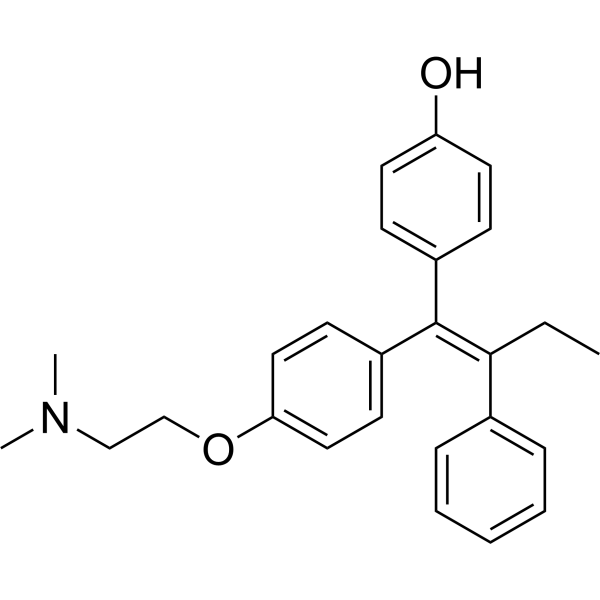
4-Hydroxytamoxifen ((Z)-4-Hydroxytamoxifen) is an orally active, selective estrogen receptor modulator (SERM). 4-Hydroxytamoxifen ((Z)-4-Hydroxytamoxifen) is also the active metabolic form of Tamoxifen (HY-13757A) in vivo and can be used to induce gene knockout in transgenic mice expressing CreER .
|
-
-
- HY-12238
-
IWR-1
Maximum Cited Publications
61 Publications Verification
endo-IWR 1; IWR-1-endo
|
Organoid
Wnt
|
Inflammation/Immunology
Cancer
|
|
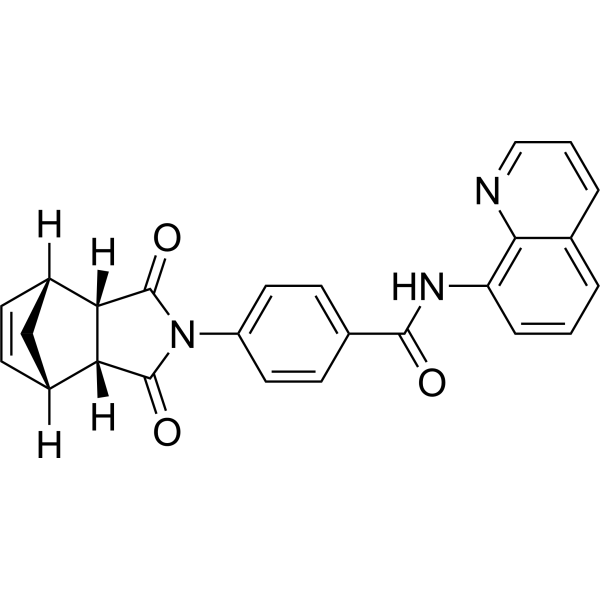
IWR-1 (IWR-1-endo) is a tankyrase inhibitor targeting Wnt/β-catenin (IC50 = 180 nM). IWR-1 compromises critical steps of the canonical Wnt signaling, namely translocation of β-catenin to the nucleus and subsequent TCF/LEF activation and expression of Wnt/β-catenin downstream targets. IWR-1 promotes β-catenin phosphorylation by promoting stability of Axin-scaffolded destruction complexes. IWR-1 can be studied in research for anti-tumor purposes, and diseases such as osteosarcoma, colorectal cancer and psoriasis .
|
-
-
- HY-126389
-
|
|
Environmental Pollutants
Endogenous Metabolite
Fungal
NF-κB
Biochemical Assay Reagents
|
Infection
Inflammation/Immunology
|
|
Chitin, from crab carapace (powder),biomedical research grade is a long-chain polymer of N-acetylglucosamine with β-(1-4) linkages. Chitin, from crab carapace (powder),biomedical research grade is found in the exoskeleton of crabs. Chitin, from crab carapace (powder),biomedical research grade inhibits the activation of NF-κB p65, alters the translocation of NF-κB p65 to the nucleus, and interacts with the cell wall of Candida species. Chitin, from crab carapace (powder),biomedical research grade exerts antifungal and anti-inflammatory effects. Chitin, from crab carapace (powder),biomedical research grade can be used in the research of gastric ulcer and candidiasis .
|
-
-
- HY-N0694
-
|
Gomisin-C; Schizantherin-A; Wuweizi ester-A
|
NF-κB
|
Inflammation/Immunology
|
|
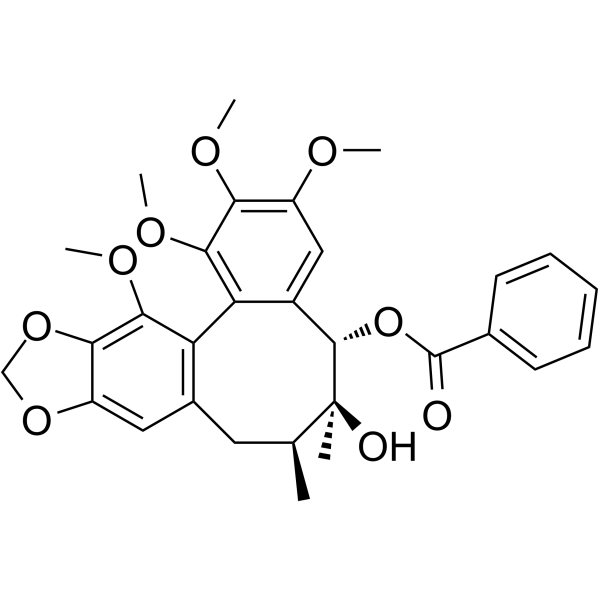
Schisantherin A is a dibenzocyclooctadiene lignan. Schisantherin A inhibits p65-NF-κB translocation into the nucleus by IκBα degradation.
|
-
-
- HY-126389B
-
|
|
Endogenous Metabolite
NF-κB
Fungal
|
Infection
Inflammation/Immunology
|
|
Chitin, from shrimp shells (chitinase substrate) serves as a substrate for chitinase. Chitin, from shrimp shells (chitinase substrate) is a long-chain polymer of N-acetylglucosamine with β-(1-4) linkages. Chitin, from shrimp shells (chitinase substrate) is found in the exoskeleton of crabs. Chitin, from shrimp shells (chitinase substrate) inhibits the activation of NF-κB p65, alters the translocation of NF-κB p65 to the nucleus, and interacts with the cell wall of Candida species. Chitin, from shrimp shells (chitinase substrate) exerts antifungal and anti-inflammatory effects. Chitin, from shrimp shells (chitinase substrate) can be used in the research of gastric ulcer and candidiasis .
|
-
-
- HY-W097625
-
|
|
Toll-like Receptor (TLR)
MyD88
p38 MAPK
NF-κB
Heme Oxygenase (HO)
|
Neurological Disease
Inflammation/Immunology
Cancer
|
|
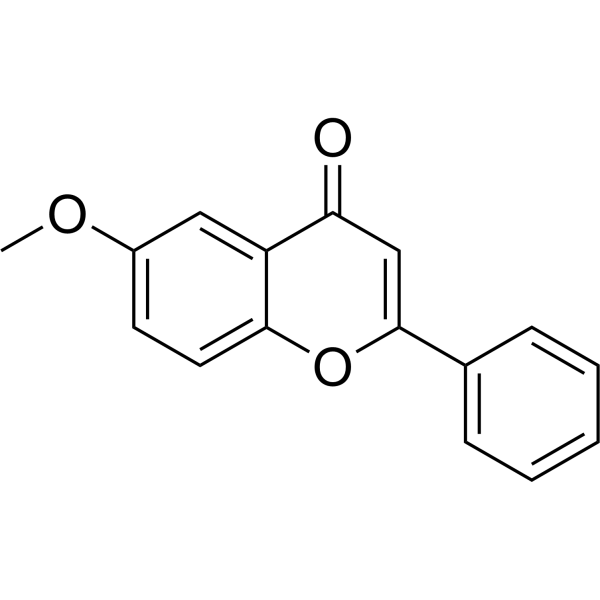
6-Methoxyflavone is an orally active methoxyflavone. 6-Methoxyflavone suppresses neuroinflammation in microglia through the inhibition of TLR4/MyD88/p38 MAPK/NF-κB dependent pathways and the activation of HO-1/NQO-1 signaling. 6-Methoxyflavone induces S-phase arrest through the CCNA2/CDK2/p21CIP1 signaling pathway in HeLa cells. 6-Methoxyflavone inhibits NFAT Translocation into the nucleus and suppresses T cell activation. 6-Methoxyflavone partially restores chronic ethanol-induced behavioral deficits in mice. 6-Methoxyflavone antagonizes chronic constriction injury and diabetes associated neuropathic nociception expression. 6-Methoxyflavone can be used for the study of cancer, inflammation and neurological diseases .
|
-
-
- HY-126389C
-
|
|
Endogenous Metabolite
NF-κB
Fungal
|
Infection
Inflammation/Immunology
|
|
Chitin, from crab carapace is a long-chain polymer of N-acetylglucosamine with β-(1-4) linkages. Chitin, from crab carapace is found in the exoskeleton of crabs. Chitin, from crab carapace inhibits the activation of NF-κB p65, alters the translocation of NF-κB p65 to the nucleus, and interacts with the cell wall of Candida species. Chitin, from crab carapace exerts antifungal and anti-inflammatory effects. Chitin, from crab carapace can be used in the research of gastric ulcer and candidiasis .
|
-
-
- HY-144634
-
|
|
Keap1-Nrf2
|
Neurological Disease
Inflammation/Immunology
|
|
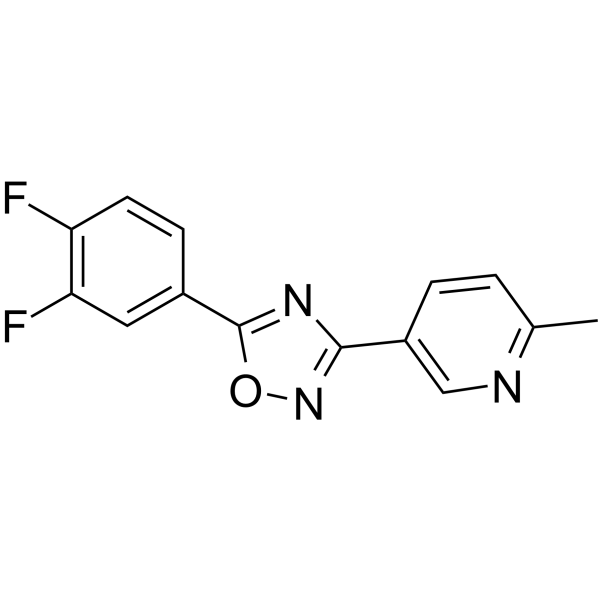
DDO-7263, a 1,2,4-Oxadiazole derivative, is a potent Nrf2-ARE activator. DDO-7263 upregulates Nrf2 through binding to Rpn6 to block the assembly of 26S proteasome and the subsequent degradation of ubiquitinated Nrf2. DDO-7263 induces Nrf2 translocation into the nucleus. DDO-7263 inhibits of NLRP3 inflammasome activation. DDO-7263 exerts anti-inflammatory activity and has the potential for neurodegenerative diseases research, such as Parkinson's disease (PD) .
|
-
-
- HY-123554
-
|
|
Apoptosis
|
Cancer
|
|
Flavagline FL3 is a flavagline with potent and selective cytotoxicity in cancer cells.Flavagline FL3 induces apoptosis of HL60 and Hela cells by triggering the translocation of Apoptosis Inducing Factor (AIF) and caspase-12 to the nucleus .
|
-
-
- HY-118618
-
|
Hiyodorilactone A; Schkuhrin I
|
STAT
|
Cancer
|
|
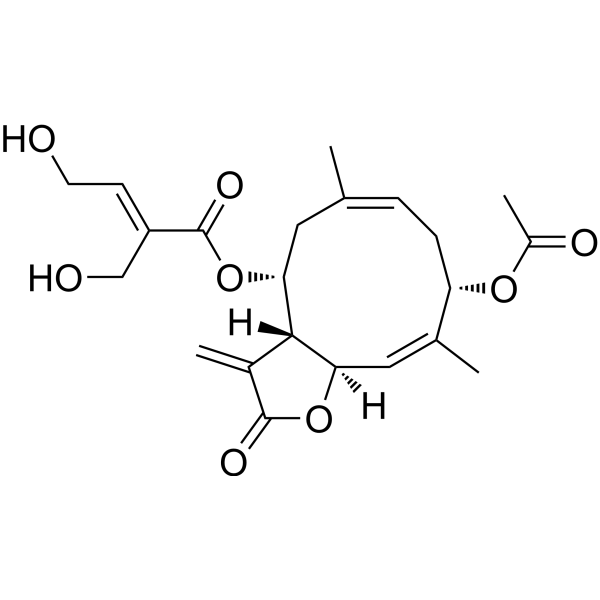
Eucannabinolide is a STAT3 inhibitor. Eucannabinolide suppresses STAT3 activation at tyrosine 705, inhibiteds its translocation to nucleus, and decreases its DNA binding capacity. Eucannabinolide can be used for triple negative breast cancer (TNBC) diseases research .
|
-
-
- HY-126389A
-
|
|
Endogenous Metabolite
NF-κB
Fungal
|
Infection
Inflammation/Immunology
|
|
Chitin, from shrimp shells (powder) is a long-chain polymer of N-acetylglucosamine with β-(1-4) linkages. Chitin, from shrimp shells (powder) is found in the exoskeleton of crabs. Chitin, from shrimp shells (powder) inhibits the activation of NF-κB p65, alters the translocation of NF-κB p65 to the nucleus, and interacts with the cell wall of Candida species. Chitin, from shrimp shells (powder) exerts antifungal and anti-inflammatory effects. Chitin, from shrimp shells (powder) can be used in the research of gastric ulcer and candidiasis .
|
-
-
- HY-N1902R
-
|
|
Reference Standards
Keap1-Nrf2
Endogenous Metabolite
|
Metabolic Disease
|
|
4-Hydroxyphenylacetic acid (Standard) is the analytical standard of 4-Hydroxyphenylacetic acid. This product is intended for research and analytical applications. 4-hydroxyphenylacetic acid, a major microbiota-derived metabolite of polyphenols, is involved in the antioxidative action. 4-hydroxyphenylacetic acid induces expression of Nrf2 .
IC50 & Target:Nrf2
In Vivo: 4-Hydroxyphenylacetic acid (6, 12, or 25 mg/kg) increases Nrf2 translocation to the nucleus and enhances the activity of phase II and antioxidant enzymes. The protein levels of nuclear Nrf2 are increased by 170% and 230% in pre-treated 12 and 25 mg/kg 4-Hydroxyphenylacetic acid groups, respectively, compared with the control group.The 4-Hydroxyphenylacetic acid pretreatment at a final dose of 25 mg/kg markedly and selectively up-regulated the target genes of phase II enzymes and resulted in higher up-regulation than that of the control group by 270%, 400%, and 500% or UGT1A1, UGT1A9, and SULT2A1, respectively. 4-Hydroxyphenylacetic acid also suppresses the expression of CYP2E1 .
|
-
-
- HY-W072940
-
|
|
Phosphatase
FOXO
|
Cancer
|
|
Anticancer agent 7 (Example 5) modulates PP2A, and induces FOXOl transcription factor translocation to the nucleus. Anticancer agent 7 inhibits the proliferation of H1650 lung cancer cell with an IC50 of 5 μM .
|
-
-
- HY-16950R
-
|
(Z)-4-Hydroxytamoxifen (Standard); trans-4-Hydroxytamoxifen (Standard); (Z)-Afimoxifene (Standard)
|
Estrogen Receptor/ERR
Reference Standards
|
Cancer
|
|
4-Hydroxytamoxifen (Standard) is the analytical standard of 4-Hydroxytamoxifen. This product is intended for research and analytical applications. 4-Hydroxytamoxifen ((Z)-4-Hydroxytamoxifen) is an orally active, selective estrogen receptor modulator (SERM). 4-Hydroxytamoxifen ((Z)-4-Hydroxytamoxifen) is also the active metabolic form of Tamoxifen (HY-13757A) in vivo and can be used to induce gene knockout in transgenic mice expressing CreER .
|
-
-
- HY-N10009
-
|
|
NF-κB
TNF Receptor
COX
ERK
p38 MAPK
Sirtuin
|
Inflammation/Immunology
|
|
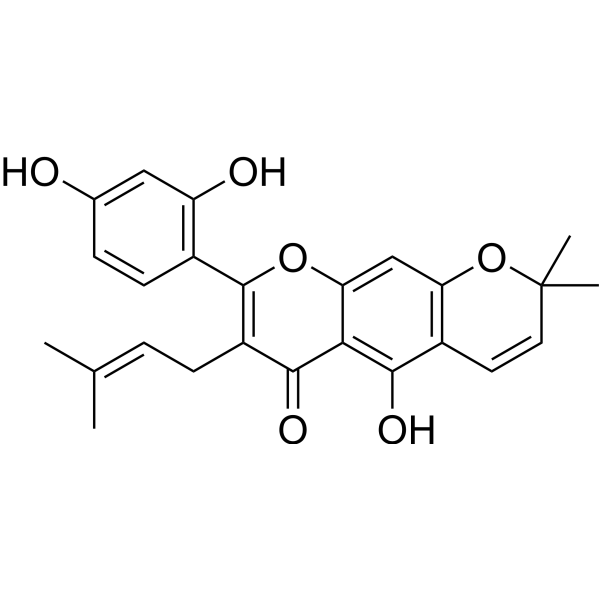
Cudraflavone B is a prenylated flavonoid with anti-inflammatory and anti-tumor properties. Cudraflavone B is also a dual inhibitor of COX-1 and COX-2. Cudraflavone B blocks the translocation of nuclear factor κB (NF-κB) from the cytoplasm to the nucleus in macrophages. Thus, Cudraflavone B inhibits tumor necrosis factor α (TNFα) gene expression and secretion. Cudraflavone B also triggers the mitochondrial apoptotic pathway, activates NF-κB, the MAPK p38, and ERK, and induced the expression of SIRT1. Thus Cudraflavone B inhibits the growth of human oral squamous cell carcinoma cells .
|
-
-
- HY-12238G
-
|
endo-IWR 1; IWR-1-endo
|
Organoid
Wnt
|
Inflammation/Immunology
Cancer
|
|
IWR-1 (IWR-1-endo) (GMP) is the IWR-1 (HY-12238) produced by using GMP guidelines. GMP small molecules work appropriately as an auxiliary reagent for cell therapy manufacture. IWR-1 (IWR-1-endo) is a tankyrase inhibitor targeting Wnt/β-catenin (IC50 = 180 nM). IWR-1 compromises critical steps of the canonical Wnt signaling, namely translocation of β-catenin to the nucleus and subsequent TCF/LEF activation and expression of Wnt/β-catenin downstream targets. IWR-1 promotes β-catenin phosphorylation by promoting stability of Axin-scaffolded destruction complexes. IWR-1 can be studied in research for anti-tumor purposes, and diseases such as osteosarcoma, colorectal cancer and psoriasis .
|
-
-
- HY-N0694R
-
|
Gomisin-C (Standard); Schizantherin-A (Standard); Wuweizi ester-A (Standard)
|
Reference Standards
NF-κB
|
Inflammation/Immunology
|
|
Schisantherin A (Standard) is the analytical standard of Schisantherin A. This product is intended for research and analytical applications. Schisantherin A is a dibenzocyclooctadiene lignan. Schisantherin A inhibits p65-NF-κB translocation into the nucleus by IκBα degradation.
|
-
-
- HY-N10458
-
|
|
NF-κB
|
Inflammation/Immunology
|
|
Asperbisabolane L, a sesquiterpenoid, exerts the anti-inflammatory activity by inhibiting the NF-κB-activated pathway. Asperbisabolane L inhibits the translocation of NF-κB from cytoplasm to the nucleus. Asperbisabolane L also inhibits NO production in LPS-activated BV-2 microglia cells .
|
-
-
- HY-119009
-
|
|
JAK
STAT
NF-κB
Bcl-2 Family
|
Cancer
|
|
TM-233 is an inhibitor of the JAK/STAT and NF-κB signaling pathways, exhibiting significant antitumor activity. TM-233 reduces the expression of the anti-apoptotic protein Mcl-1 by inhibiting the phosphorylation of JAK2 and STAT3, and regulates its transcription by directly binding to the Mcl-1 gene promoter. Additionally, TM-233 prevents the translocation of NF-κB from the cytoplasm to the nucleus by inhibiting its DNA-binding activity, thereby reducing nuclear NF-κB expression. TM-233 shows potential in overcoming Bortezomib (HY-10227) resistance and can be applied in research related to multiple myeloma .
|
-
-
- HY-123929
-
|
|
MDM-2/p53
Wnt
IKK
Apoptosis
Caspase
|
Cancer
|
|
PAWI-2 is a p53-Activator and Wnt Inhibitor. PAWI-2 inhibits β3-KRAS signaling independent of KRAS. PAWI-2 selectively inhibits phosphorylation of TBK1. PAWI-2 activates apoptosis (activation of caspase-3/7), and induces PARP cleavage. PAWI-2 promotes optineurin translocation into the nucleus and causes G2/M arrest. PAWI-2 reverses cancer stemness and overcomes drug resistance in an integrin β3 KRAS-dependent human pancreatic cancer stem cells (hPCSCs). PAWI-2 inhibits growth of tumors from hPCSCs in orthopic xenograft mice model .
|
-
-
- HY-403733C
-
|
|
Androgen Receptor
|
Cancer
|
|
JJ-450 is a non-competitive antagonist androgen receptor (AR) that inhibits the transcriptional activity of wild-type AR and mutant AR F876L. JJ-450 has an IC50 of approximately 1-10 μM in inhibiting AR transcriptional activity in PC3 cells. It is selective for AR binding and does not compete with androgens for binding to the ligand binding domain (LBD) of AR. JJ-450 inhibits the transcriptional activity of AR and its splice variants (such as AR F876L) by inhibiting AR nuclear translocation and promoting the degradation of unliganded AR in the nucleus. JJ-450 can be used in castration-resistant prostate cancer (CRPC) studies that are resistant to Enzalutamide (MDV3100) (HY-70003) .
|
-
-
- HY-185344
-
|
TRX01
|
NF-κB
|
Cancer
|
|
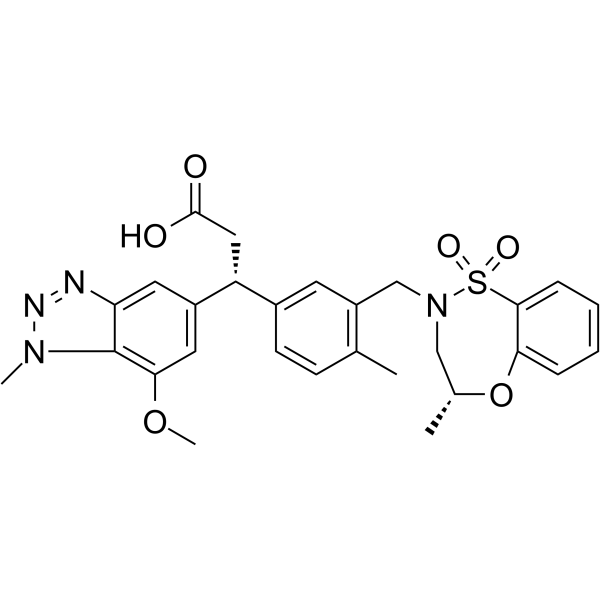
Ratutrelvir is a NF-κB p65 inhibitor. Ratutrelvir blocks the translocation of NF-κB p65 from the cytoplasm to the nucleus, reduces the phosphorylation levels of NF-κB p65 and IκBα, and inhibits the DNA-binding activity of NF-κB p65. Ratutrelvir inhibits the migration and invasion abilities of breast cancer cells, and reduces their viability and colony-forming capacity. Ratutrelvir can be used for the research of luminal A breast cancer .
|
-
-
- HY-181560
-
|
|
Wnt
β-catenin
|
Metabolic Disease
|
|
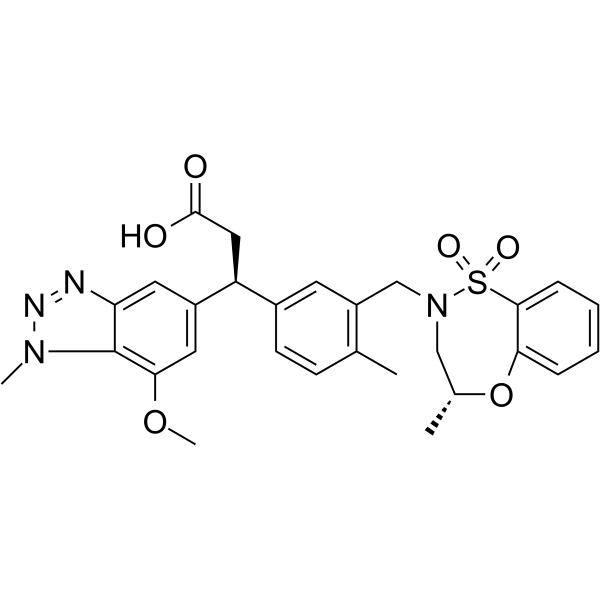
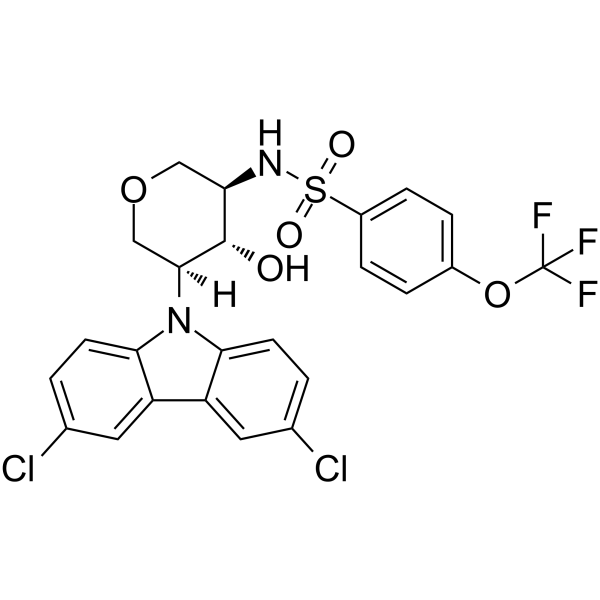
SLD1121 is an agonist of the Wnt/β-catenin signaling pathway that enhances Wnt signaling by targeting LRP6 (Kd: 4.52-7.49 nM). SLD1121 interacts with the intracellular domain of LRP6, stabilizes LRP6, promotes its nuclear translocation, and facilitates its binding to β-catenin, TCF4 or LEF1 in the nucleus, thereby inducing the expression of Wnt-regulated genes and stem cell-related genes. SLD1121 induces the transition of hair follicles from telogen to anagen in the mouse hair growth cycle and promotes hair growth in mice. SLD1121 is applicable to hair loss-related research .
|
-
-
- HY-N9541
-
|
|
Others
|
Inflammation/Immunology
|
|
Chaetoglobosin Vb is a novel cytotoxic alkaloid with anti-inflammatory and antioxidant activities. Chaetoglobosin Vb can inhibit oxidative stress induced by LPS stimulation, reduce the production of reactive oxygen species and increase the expression of the antioxidant enzyme superoxide dismutase (SOD). Chaetoglobosin Vb significantly reduced the gene and protein expression of inducible nitric oxide synthase (iNOS) and cyclooxygenase-2 (COX-2) induced by LPS, and alleviated the production of proinflammatory cytokines such as TNF-α, IL-6 and IL-1β. Chaetoglobosin Vb exerts its biological activity through the TLR4-mediated MyD88-dependent signaling pathway and the TRIF-dependent signaling pathway, which is specifically manifested by inhibiting the phosphorylation of p38, ERK, and JNK MAPK and the translocation of NF-κB p65 subunit to the nucleus. Chaetoglobosin Vb showed no cytotoxic effect in the concentration range of 25-100 μM and promoted SOD enzyme activity and phosphorylation of p38, ERK1/2 and JNK in a dose-dependent manner .
|
-
-
- HY-W097625R
-
|
|
Toll-like Receptor (TLR)
MyD88
p38 MAPK
NF-κB
Heme Oxygenase (HO)
Reference Standards
PERK
|
Neurological Disease
Metabolic Disease
Inflammation/Immunology
Cancer
|
|
6-Methoxyflavone (Standard) is the analytical standard of 6-Methoxyflavone (HY-W097625). This product is intended for research and analytical applications. 6-Methoxyflavone is an orally active methoxyflavone. 6-Methoxyflavone suppresses neuroinflammation in microglia through the inhibition of TLR4/MyD88/p38 MAPK/NF-κB dependent pathways and the activation of HO-1/NQO-1 signaling. 6-Methoxyflavone induces S-phase arrest through the CCNA2/CDK2/p21CIP1 signaling pathway and activates the PERK/EIF2a/ATF4/CHOP pathway in HeLa cells. 6-Methoxyflavone acts as a Flumazenil (HY-B0009)-insensitive positive allosteric modulator at human recombinant α1β2γ2L and α2β2γ2L GABAα receptors. 6-Methoxyflavone inhibits NFAT Translocation into the nucleus and suppresses T cell activation. 6-Methoxyflavone partially restores chronic ethanol-induced behavioral deficits in mice. 6-Methoxyflavone antagonizes chronic constriction injury and diabetes associated neuropathic nociception expression. 6-Methoxyflavone can be used for the study of cancer, inflammation and neurological diseases .
|
-
| Cat. No. |
Product Name |
Type |
-
- HY-12238G
-
|
endo-IWR 1; IWR-1-endo
|
Fluorescent Dyes
|
|
IWR-1 (IWR-1-endo) (GMP) is the IWR-1 (HY-12238) produced by using GMP guidelines. GMP small molecules work appropriately as an auxiliary reagent for cell therapy manufacture. IWR-1 (IWR-1-endo) is a tankyrase inhibitor targeting Wnt/β-catenin (IC50 = 180 nM). IWR-1 compromises critical steps of the canonical Wnt signaling, namely translocation of β-catenin to the nucleus and subsequent TCF/LEF activation and expression of Wnt/β-catenin downstream targets. IWR-1 promotes β-catenin phosphorylation by promoting stability of Axin-scaffolded destruction complexes. IWR-1 can be studied in research for anti-tumor purposes, and diseases such as osteosarcoma, colorectal cancer and psoriasis .
|
| Cat. No. |
Product Name |
Type |
-
- HY-126389
-
|
|
Biochemical Assay Reagents
|
|
Chitin, from crab carapace (powder),biomedical research grade is a long-chain polymer of N-acetylglucosamine with β-(1-4) linkages. Chitin, from crab carapace (powder),biomedical research grade is found in the exoskeleton of crabs. Chitin, from crab carapace (powder),biomedical research grade inhibits the activation of NF-κB p65, alters the translocation of NF-κB p65 to the nucleus, and interacts with the cell wall of Candida species. Chitin, from crab carapace (powder),biomedical research grade exerts antifungal and anti-inflammatory effects. Chitin, from crab carapace (powder),biomedical research grade can be used in the research of gastric ulcer and candidiasis .
|
-
- HY-126389B
-
|
|
Biochemical Assay Reagents
|
|
Chitin, from shrimp shells (chitinase substrate) serves as a substrate for chitinase. Chitin, from shrimp shells (chitinase substrate) is a long-chain polymer of N-acetylglucosamine with β-(1-4) linkages. Chitin, from shrimp shells (chitinase substrate) is found in the exoskeleton of crabs. Chitin, from shrimp shells (chitinase substrate) inhibits the activation of NF-κB p65, alters the translocation of NF-κB p65 to the nucleus, and interacts with the cell wall of Candida species. Chitin, from shrimp shells (chitinase substrate) exerts antifungal and anti-inflammatory effects. Chitin, from shrimp shells (chitinase substrate) can be used in the research of gastric ulcer and candidiasis .
|
-
- HY-126389C
-
|
|
Biochemical Assay Reagents
|
|
Chitin, from crab carapace is a long-chain polymer of N-acetylglucosamine with β-(1-4) linkages. Chitin, from crab carapace is found in the exoskeleton of crabs. Chitin, from crab carapace inhibits the activation of NF-κB p65, alters the translocation of NF-κB p65 to the nucleus, and interacts with the cell wall of Candida species. Chitin, from crab carapace exerts antifungal and anti-inflammatory effects. Chitin, from crab carapace can be used in the research of gastric ulcer and candidiasis .
|
-
- HY-126389A
-
|
|
Biochemical Assay Reagents
|
|
Chitin, from shrimp shells (powder) is a long-chain polymer of N-acetylglucosamine with β-(1-4) linkages. Chitin, from shrimp shells (powder) is found in the exoskeleton of crabs. Chitin, from shrimp shells (powder) inhibits the activation of NF-κB p65, alters the translocation of NF-κB p65 to the nucleus, and interacts with the cell wall of Candida species. Chitin, from shrimp shells (powder) exerts antifungal and anti-inflammatory effects. Chitin, from shrimp shells (powder) can be used in the research of gastric ulcer and candidiasis .
|
-
- HY-12238G
-
|
endo-IWR 1; IWR-1-endo
|
Biochemical Assay Reagents
|
|
IWR-1 (IWR-1-endo) (GMP) is the IWR-1 (HY-12238) produced by using GMP guidelines. GMP small molecules work appropriately as an auxiliary reagent for cell therapy manufacture. IWR-1 (IWR-1-endo) is a tankyrase inhibitor targeting Wnt/β-catenin (IC50 = 180 nM). IWR-1 compromises critical steps of the canonical Wnt signaling, namely translocation of β-catenin to the nucleus and subsequent TCF/LEF activation and expression of Wnt/β-catenin downstream targets. IWR-1 promotes β-catenin phosphorylation by promoting stability of Axin-scaffolded destruction complexes. IWR-1 can be studied in research for anti-tumor purposes, and diseases such as osteosarcoma, colorectal cancer and psoriasis .
|
| Cat. No. |
Product Name |
Category |
Target |
Chemical Structure |
-
- HY-N0694
-
-
-
- HY-W097625
-
|
|
Flavonoids
Flavones
Thymelaeaceae
Plants
Pimelea simplex F.Muell.
Source Classification
|
Toll-like Receptor (TLR)
MyD88
p38 MAPK
NF-κB
Heme Oxygenase (HO)
|
|
6-Methoxyflavone is an orally active methoxyflavone. 6-Methoxyflavone suppresses neuroinflammation in microglia through the inhibition of TLR4/MyD88/p38 MAPK/NF-κB dependent pathways and the activation of HO-1/NQO-1 signaling. 6-Methoxyflavone induces S-phase arrest through the CCNA2/CDK2/p21CIP1 signaling pathway in HeLa cells. 6-Methoxyflavone inhibits NFAT Translocation into the nucleus and suppresses T cell activation. 6-Methoxyflavone partially restores chronic ethanol-induced behavioral deficits in mice. 6-Methoxyflavone antagonizes chronic constriction injury and diabetes associated neuropathic nociception expression. 6-Methoxyflavone can be used for the study of cancer, inflammation and neurological diseases .
|
-
-
- HY-118618
-
-
-
- HY-N1902R
-
|
|
Structural Classification
Human Gut Microbiota Metabolites
Monophenols
Phenols
Plants
Compositae
Endogenous metabolite
Erythrina latissima E. Mey.
Source Classification
|
Reference Standards
Keap1-Nrf2
Endogenous Metabolite
|
|
4-Hydroxyphenylacetic acid (Standard) is the analytical standard of 4-Hydroxyphenylacetic acid. This product is intended for research and analytical applications. 4-hydroxyphenylacetic acid, a major microbiota-derived metabolite of polyphenols, is involved in the antioxidative action. 4-hydroxyphenylacetic acid induces expression of Nrf2 .
IC50 & Target:Nrf2
In Vivo: 4-Hydroxyphenylacetic acid (6, 12, or 25 mg/kg) increases Nrf2 translocation to the nucleus and enhances the activity of phase II and antioxidant enzymes. The protein levels of nuclear Nrf2 are increased by 170% and 230% in pre-treated 12 and 25 mg/kg 4-Hydroxyphenylacetic acid groups, respectively, compared with the control group.The 4-Hydroxyphenylacetic acid pretreatment at a final dose of 25 mg/kg markedly and selectively up-regulated the target genes of phase II enzymes and resulted in higher up-regulation than that of the control group by 270%, 400%, and 500% or UGT1A1, UGT1A9, and SULT2A1, respectively. 4-Hydroxyphenylacetic acid also suppresses the expression of CYP2E1 .
|
-
-
- HY-N10009
-
|
|
Brosimopsis oblongifolia
Phenols
Polyphenols
Plants
Moraceae
Source Classification
|
NF-κB
TNF Receptor
COX
ERK
p38 MAPK
Sirtuin
|
|
Cudraflavone B is a prenylated flavonoid with anti-inflammatory and anti-tumor properties. Cudraflavone B is also a dual inhibitor of COX-1 and COX-2. Cudraflavone B blocks the translocation of nuclear factor κB (NF-κB) from the cytoplasm to the nucleus in macrophages. Thus, Cudraflavone B inhibits tumor necrosis factor α (TNFα) gene expression and secretion. Cudraflavone B also triggers the mitochondrial apoptotic pathway, activates NF-κB, the MAPK p38, and ERK, and induced the expression of SIRT1. Thus Cudraflavone B inhibits the growth of human oral squamous cell carcinoma cells .
|
-
-
- HY-N0694R
-
-
-
- HY-N10458
-
-
-
- HY-N9541
-
|
|
Alkaloids
Microorganisms
Pyrrole Alkaloids
Source Classification
|
Others
|
|
Chaetoglobosin Vb is a novel cytotoxic alkaloid with anti-inflammatory and antioxidant activities. Chaetoglobosin Vb can inhibit oxidative stress induced by LPS stimulation, reduce the production of reactive oxygen species and increase the expression of the antioxidant enzyme superoxide dismutase (SOD). Chaetoglobosin Vb significantly reduced the gene and protein expression of inducible nitric oxide synthase (iNOS) and cyclooxygenase-2 (COX-2) induced by LPS, and alleviated the production of proinflammatory cytokines such as TNF-α, IL-6 and IL-1β. Chaetoglobosin Vb exerts its biological activity through the TLR4-mediated MyD88-dependent signaling pathway and the TRIF-dependent signaling pathway, which is specifically manifested by inhibiting the phosphorylation of p38, ERK, and JNK MAPK and the translocation of NF-κB p65 subunit to the nucleus. Chaetoglobosin Vb showed no cytotoxic effect in the concentration range of 25-100 μM and promoted SOD enzyme activity and phosphorylation of p38, ERK1/2 and JNK in a dose-dependent manner .
|
-
-
- HY-W097625R
-
|
|
Structural Classification
Flavonoids
Flavones
Thymelaeaceae
Plants
Pimelea simplex F.Muell.
Source Classification
|
Toll-like Receptor (TLR)
MyD88
p38 MAPK
NF-κB
Heme Oxygenase (HO)
Reference Standards
PERK
|
|
6-Methoxyflavone (Standard) is the analytical standard of 6-Methoxyflavone (HY-W097625). This product is intended for research and analytical applications. 6-Methoxyflavone is an orally active methoxyflavone. 6-Methoxyflavone suppresses neuroinflammation in microglia through the inhibition of TLR4/MyD88/p38 MAPK/NF-κB dependent pathways and the activation of HO-1/NQO-1 signaling. 6-Methoxyflavone induces S-phase arrest through the CCNA2/CDK2/p21CIP1 signaling pathway and activates the PERK/EIF2a/ATF4/CHOP pathway in HeLa cells. 6-Methoxyflavone acts as a Flumazenil (HY-B0009)-insensitive positive allosteric modulator at human recombinant α1β2γ2L and α2β2γ2L GABAα receptors. 6-Methoxyflavone inhibits NFAT Translocation into the nucleus and suppresses T cell activation. 6-Methoxyflavone partially restores chronic ethanol-induced behavioral deficits in mice. 6-Methoxyflavone antagonizes chronic constriction injury and diabetes associated neuropathic nociception expression. 6-Methoxyflavone can be used for the study of cancer, inflammation and neurological diseases .
|
-
| Cat. No. |
Product Name |
Target |
Research Areas |
Chemical Structure |
-
- HY-12238G
-
|
endo-IWR 1; IWR-1-endo
|
Organoid
Wnt
|
Inflammation/Immunology
Cancer
|
|
IWR-1 (IWR-1-endo) (GMP) is the IWR-1 (HY-12238) produced by using GMP guidelines. GMP small molecules work appropriately as an auxiliary reagent for cell therapy manufacture. IWR-1 (IWR-1-endo) is a tankyrase inhibitor targeting Wnt/β-catenin (IC50 = 180 nM). IWR-1 compromises critical steps of the canonical Wnt signaling, namely translocation of β-catenin to the nucleus and subsequent TCF/LEF activation and expression of Wnt/β-catenin downstream targets. IWR-1 promotes β-catenin phosphorylation by promoting stability of Axin-scaffolded destruction complexes. IWR-1 can be studied in research for anti-tumor purposes, and diseases such as osteosarcoma, colorectal cancer and psoriasis .
|
-
Your information is safe with us. * Required Fields.
Inquiry Information
- Product Name:
- Cat. No.:
- Quantity:
- MCE Japan Authorized Agent:

