Search Result
Results for "
organic dye
" in MedChemExpress (MCE) Product Catalog:
-
- HY-D0819
-
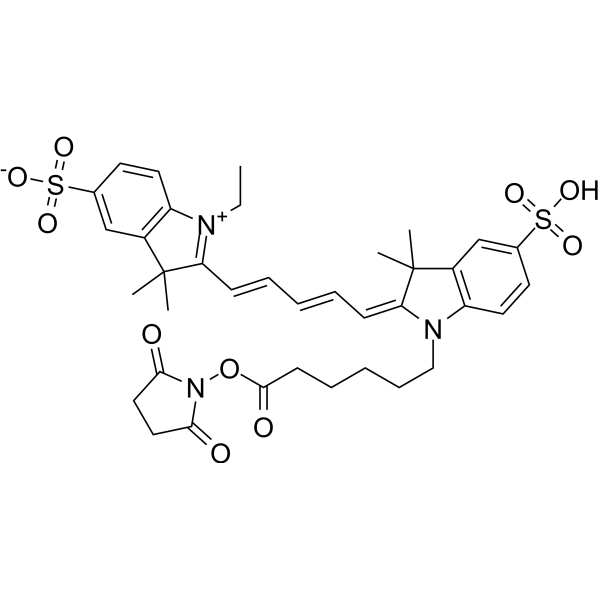
CY5-SE
Maximum Cited Publications
37 Publications Verification
Cy5 NHS Ester; Sulfo-Cyanine5 Succinimidyl Ester
|
Fluorescent Dye
|
Others
|
|
Cy5-SE (Cy5 NHS Ester) is a reactive dye for the labeling of amino-groups in peptides, proteins, and oligonucleotides. This dye requires small amount of organic co-solvent (such as DMF or DMSO) to be used in labeling reaction. This reagent is ideal for very cost-efficient labeling of soluble proteins, as well as all kinds of peptides and oligonucleotides. This reagent also works well in organic solvents for small molecule labeling.
Excitation (nm):649, Emission (nm): 670.
|
-
-
- HY-D0505
-
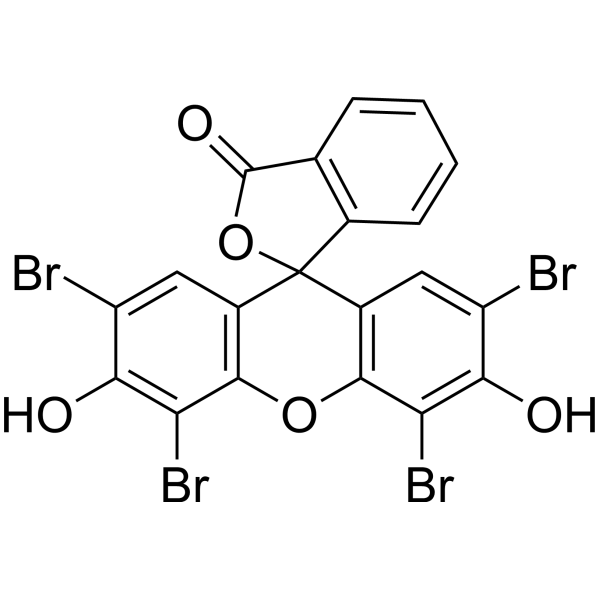
Eosin Y
3 Publications Verification
Acid Red 87 free base
|
Fluorescent Dye
|
Others
|
|
Eosin Y (Acid Red 87 free base) is a soluble acid red dye molecule. Eosin Y has a wide application in organic synthesis as a photoredox catalyst .
|
-
-
- HY-W014449
-
|
|
Biochemical Assay Reagents
|
Others
|
|
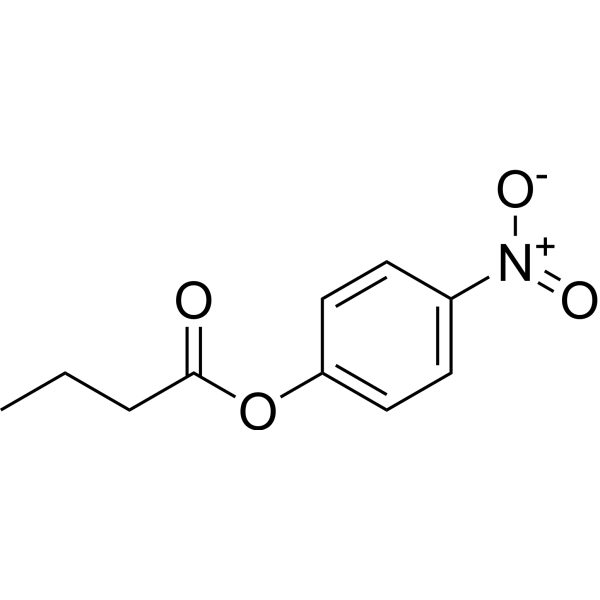
4-Nitrophenyl butyrate consists of butyric acid chains esterified with 4-nitrophenol groups, thus giving it a yellow color. This compound is commonly used as a substrate in enzyme assays to measure esterase and lipase activity. When these enzymes cleave the ester bond, the nitrophenol group is released and the color changes from yellow to orange. Thus, the rate of color change can be used to determine enzyme activity. In addition, 4-Nitrophenyl butyrate can also be used as organic synthesis reagent and dye intermediate.
|
-
-
- HY-133852
-
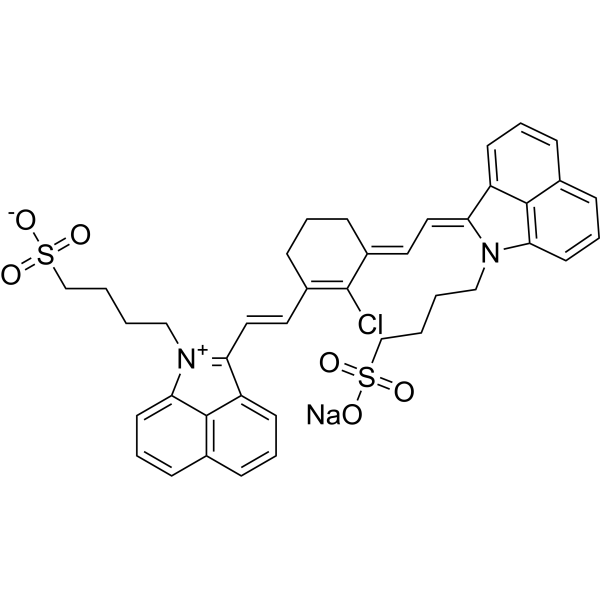
FD-1080
1 Publications Verification
|
Fluorescent Dye
MOFs
|
Others
|
|
FD-1080 is a fluorophore with both excitation and emission in the NIR-II region (Ex=1064 nm, Em=1080 nm). FD-1080 can be used for in vivo imaging .
|
-
-
- HY-D0286
-
|
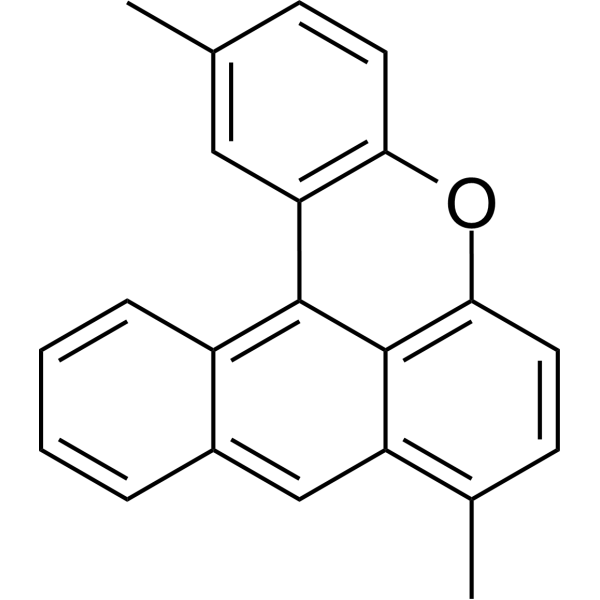
2,8-Dimethylnaphtho[3,2,1-kl]xanthene
|
Fluorescent Dye
|
Others
|
|
Fluorol Yellow 088 is a fluorescent dye that can be used as a biological material or an organic compound for life science research. Fluorol Yellow 088 is suitable for lipid staining in plant tissues, particularly for the fluorescence imaging of suberized cell walls and hydrophobic structures, with an excitation wavelength of 365 nm and an emission wavelength of ≥420 nm .
|
-
-
- HY-133852A
-
|
|
Fluorescent Dye
|
Others
|
|
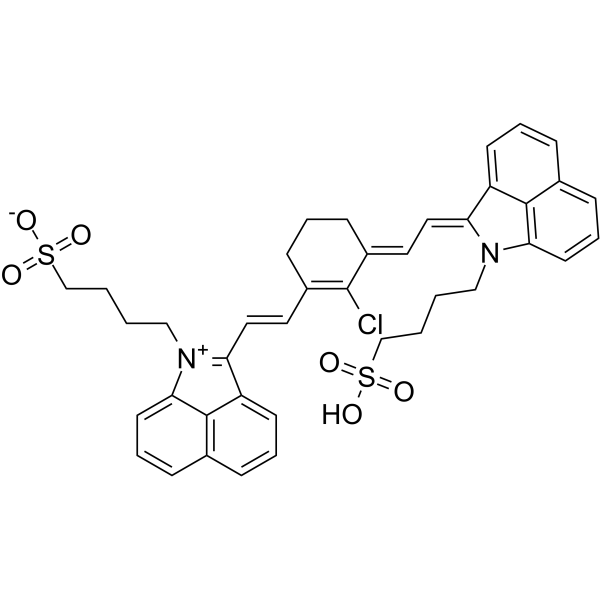
FD-1080 free acid is a fluorophore with both excitation and emission in the NIR-II region (Ex=1064 nm, Em=1080 nm). FD-1080 free acid can be used for in vivo imaging .
|
-
-
- HY-D0166A
-
|
|
Biochemical Assay Reagents
|
Others
|
|
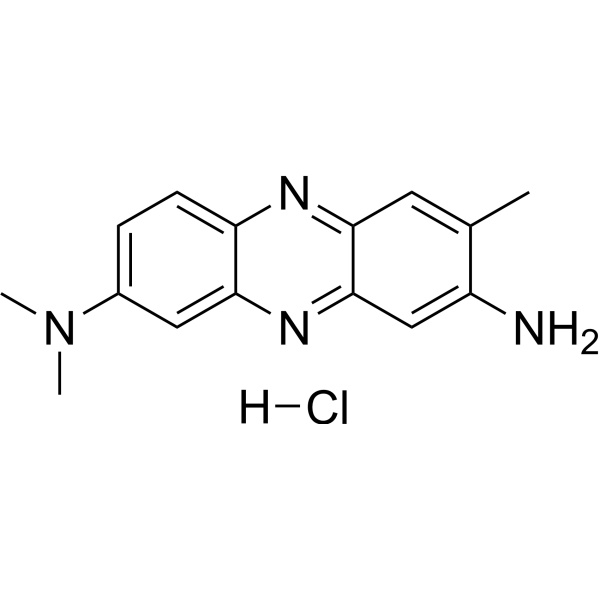
Neutral Red (IND) is an organic dye commonly used in biology and cytology laboratories. It can be used to stain living cells, secreted proteins and other molecular structures, etc., and has a wide range of applications in cell imaging and staining. In addition, Neutral Red (IND) is widely used in industrial fields such as water treatment, food processing and paper manufacturing, for example as an indicator or colorant. Although the compound has no direct medical application, it has important application value in the fields of biology, chemistry and industry.
|
-
-
- HY-D0168
-
|
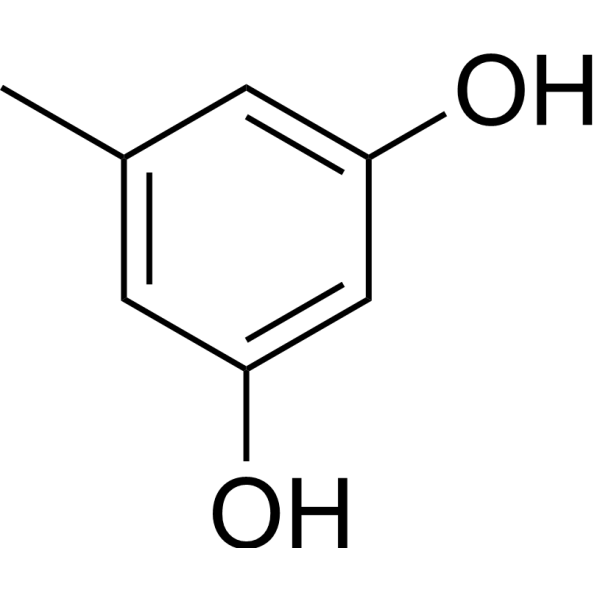
3,5-Dihydroxytoluene
|
Fluorescent Dye
Tyrosinase
p38 MAPK
ERK
|
Metabolic Disease
Cancer
|
|
Orcinol (3,5-Dihydroxytoluene) is an organic compound used in biological dyeing and proteomics research. Orcinol inhibits melanogenesis in B16F10 cells by upregulating the MAPK/ERK signaling pathway, and suppresses the expression of MITF, tyrosinase (TYR), TRP1, and DCT. Orcinol exhibits certain DPPH radical scavenging activity. In addition, Orcinol can alter nitrogen balance in animals. Orcinol holds promise for research in cancer and metabolic diseases .
|
-
-
- HY-D0505A
-
|
Acid Red 87
|
Fluorescent Dye
|
Others
|
|
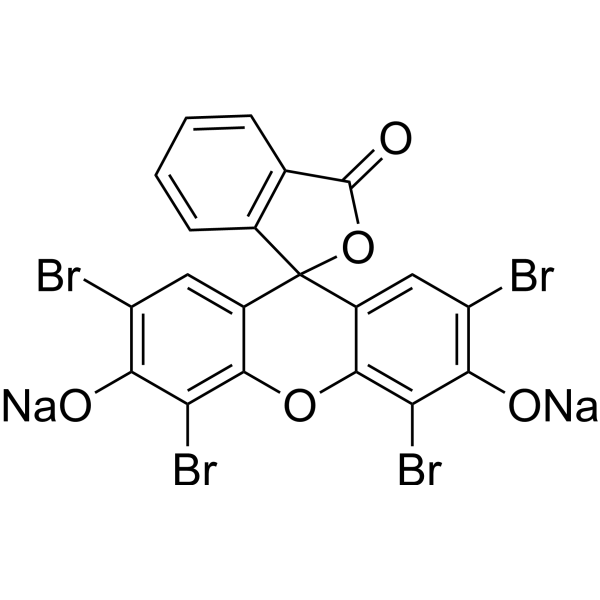
Eosin Y disodium (Acid Red 87) is a soluble acid red dye molecule. Eosin Y disodium has a wide application in organic synthesis as a photoredox catalyst .
|
-
-
- HY-118907
-
|
|
Fluorescent Dye
|
Others
|
|
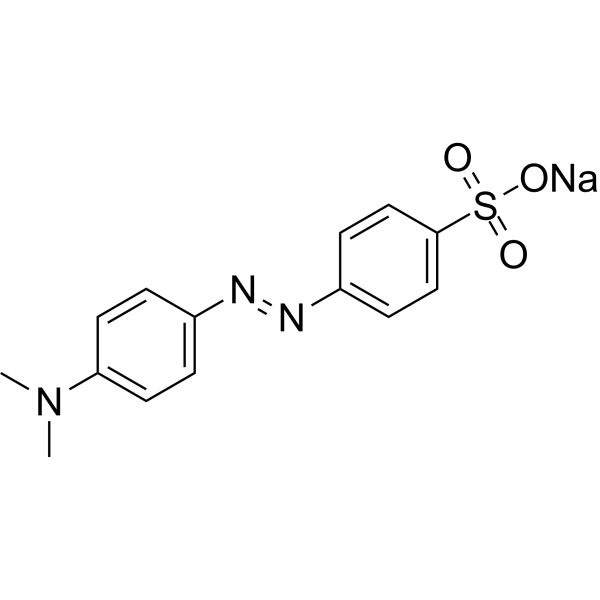
Methyl Orange is a soluble azo dye commonly used as an acid-base indicator and for staining cells and tissue sections, as well as for dyeing textiles. Methyl Orange appears red at a pH of 3.1 and changes to bright yellow as the pH increases to 4.4. Methyl Orange (500 mg/L) exhibits cytotoxicity and can cause DNA damage .
|
-
-
- HY-W009938
-
|
Anthracen-9(10H)-one
|
Biochemical Assay Reagents
|
Others
|
|
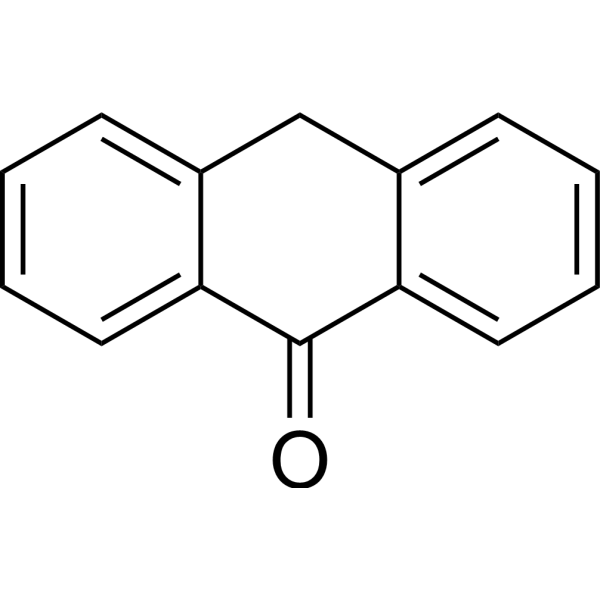
Anthrone is an organic compound commonly used as a dye and intermediate. It can be used to make products such as pigments, dyes and fluorescent whitening agents, and is widely used in certain industrial production fields such as textile manufacturing, soap making and paper making. In addition, this compound is also used as a reagent and catalyst in some organic synthesis reactions.
|
-
-
- HY-D1449
-
-
-
- HY-D0307A
-
-
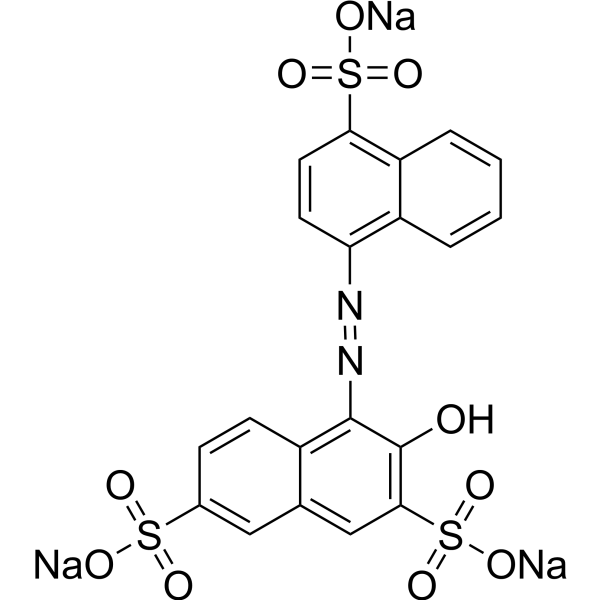
-
- HY-D0284
-
|
|
Fluorescent Dye
|
Others
|
|
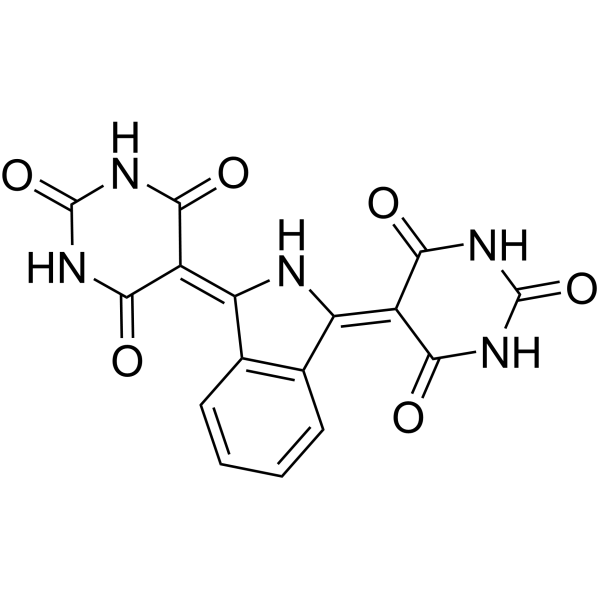
Pigment Yellow 139 is a biological dye and indicator. Pigment Yellow 139 is an organic pigment and an additive for color filters of liquid crystal displays. When formulated in a dye-pigment hybrid system, Pigment Yellow 139 can form color filters with specific chromaticity coordinates, brightness, contrast, and average particle size .
|
-
-
- HY-Y1024
-
|
2,6-Pyridinedicarboxylic acid
|
Environmental Pollutants
MOFs
|
Others
|
|
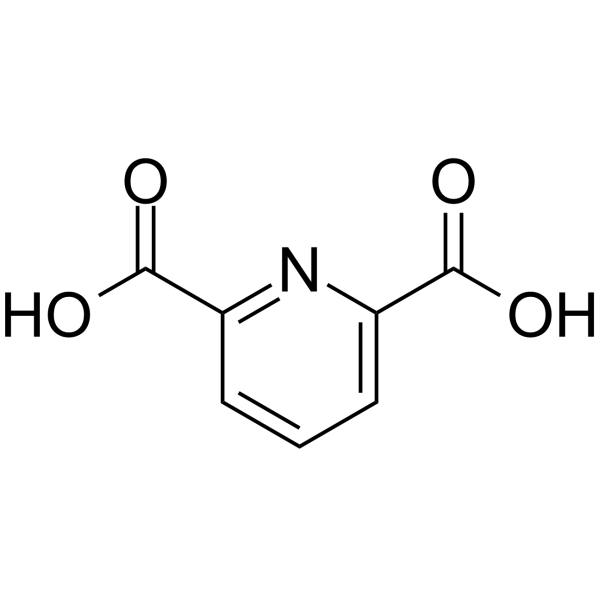
Pyridine-2,6-dicarboxylic acid is a dicarboxylic acid containing a pyridine ring with unique chemical properties that make it an important ingredient in a variety of industrial processes. Pyridine-2,6-dicarboxylic acid is commonly used as a ligand for metal ions, a building block in the synthesis of pharmaceuticals and organic compounds, and a precursor in the production of pigments and dyes.
|
-
-
- HY-W021005
-
|
Silver triflimide
|
Biochemical Assay Reagents
|
Others
|
|
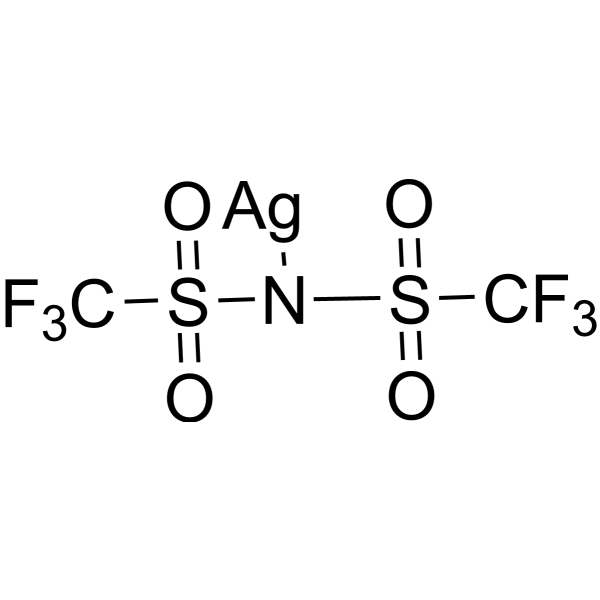
Silver bis(trifluoromethanesulfonyl)imide is a kind of silver salt and is widely used as an organic synthesis catalyst. Silver bis(trifluoromethanesulfonyl)imide is used for the C-3 regioselective alkylation of indole derivatives with α,β -enones through conjugated addition reactions. Silver bis(trifluoromethanesulfonyl)imide can also be used as a highly efficient and stable solid-state dye sensitization and P-type dopant for perovskite solar cells .
|
-
-
- HY-N1442
-
|
Orange II; D&C Orange NO. 4
|
Environmental Pollutants
Biochemical Assay Reagents
|
Others
|
|
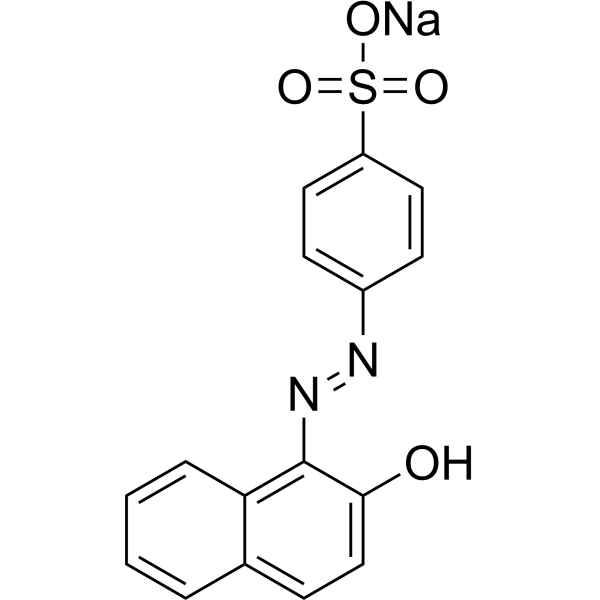
Acid Orange 7 (Orange II; D&C Orange NO. 4) is an azo dye widely used in the textile, food and cosmetic industries. Acid Orange 7 is mainly used as a colorant by combining with fibers and other substances through azo bonds. Acid Orange 7 has a maximum absorption wavelength at 484-485 nm, and the concentration is measured using a UV-visible spectrophotometer. Acid Orange 7 is difficult to degrade and has a certain degree of toxicity. It is often used to study various sewage treatment technologies and photocatalytic degradation reactions, and to evaluate the removal effects of different treatment methods on organic pollutants .
|
-
-
- HY-D0217
-
|
Bromosulfophthalein disodium salt
|
Fluorescent Dye
|
Metabolic Disease
|
|
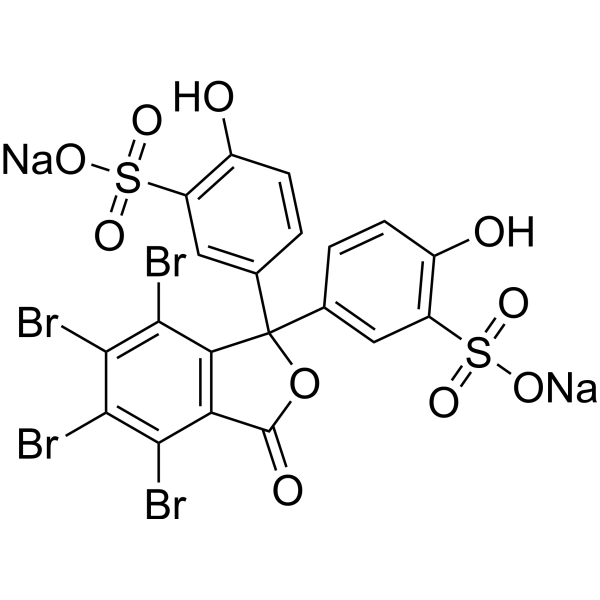
Sulfobromophthalein (Bromosulfophthalein) disodium salt is an organic anion dye used in the study of a variety of membrane carriers expressed in animal tissues and involved in transport of agents and metabolites .
|
-
-
- HY-D0176
-
|
(3-Chloro-2-hydroxypropyl)trimethylammonium chloride
|
Biochemical Assay Reagents
|
Others
|
|
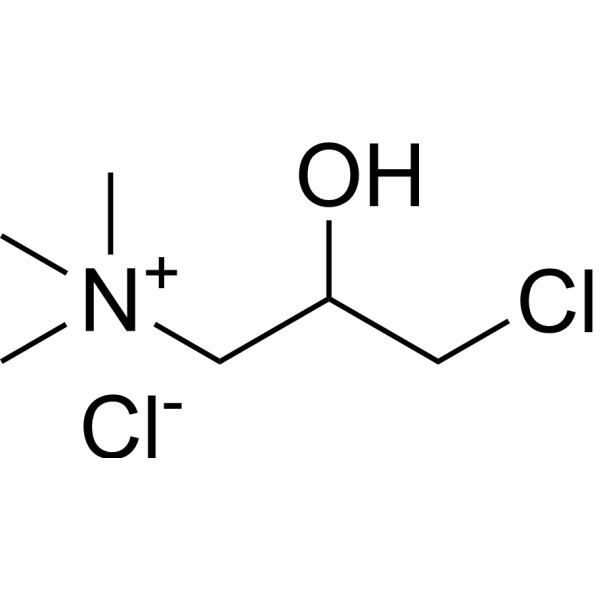
Dextrosil KA ((3-Chloro-2-hydroxypropyl) trimethylammonium (chloride)) is a biological dye and indicator that can be used as a biomaterial or organic compound in life science-related research .
|
-
-
- HY-W115738
-
|
|
Biochemical Assay Reagents
|
Others
|
|
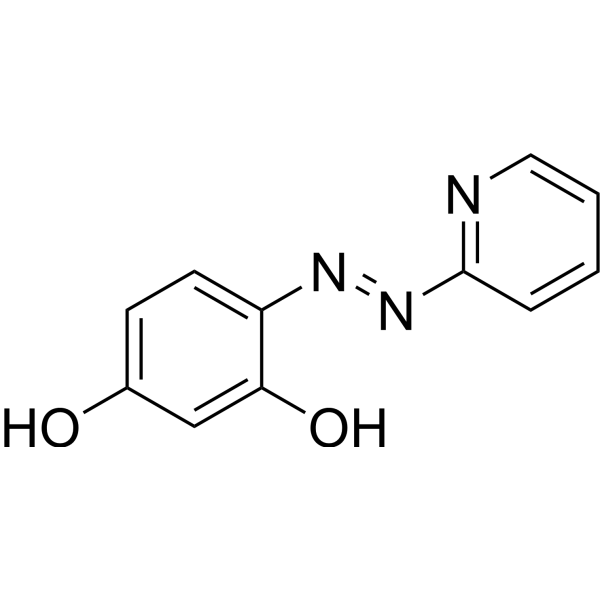
PAR is an azo dye widely used as a colorimetric reagent for metal ions. PAR forms stable chelates with different metal ions. PAR can also complex with heavy metal ions in polar organic solvents, such as ethanol .
|
-
-
- HY-135712
-
|
Acid Orange GG
|
Environmental Pollutants
Biochemical Assay Reagents
|
Others
|
|
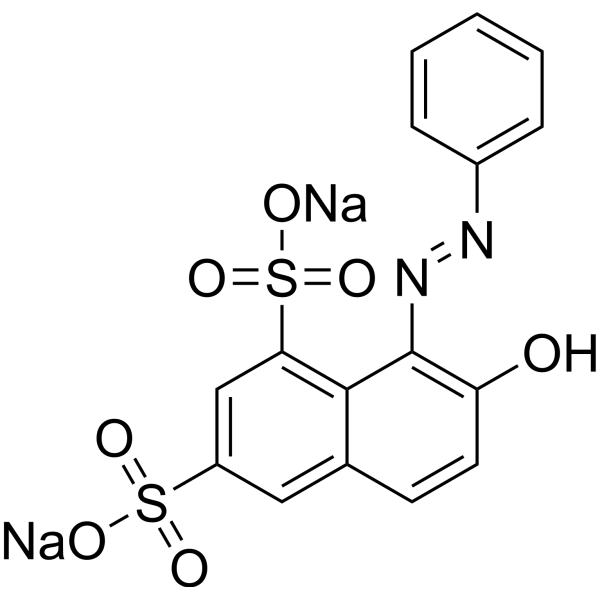
Orange G is an azo dye commonly found in textile wastewater and is mainly used for textile dyeing. Orange G has a coloring function and can give textiles a specific color. The stability and potential hazards of Orange G in the environment are often used to study the removal effects of various wastewater treatment technologies on difficult-to-degrade organic pollutants, especially the degradation of azo dyes. Related research focuses on how to destroy the azo bond of Orange G through chemical, physical or biological methods to achieve harmless treatment to solve the problem of textile wastewater pollution .
|
-
-
- HY-15929
-
TBHBA
1 Publications Verification
2,4,6-Tribromo-3-hydroxybenzoic acid
|
Biochemical Assay Reagents
|
Others
|
|
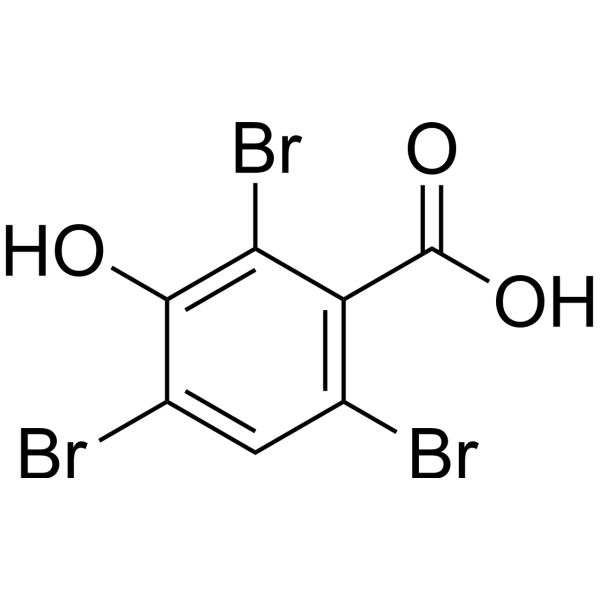
TBHBA (2,4,6-Tribromo-3-hydroxybenzoic acid) is a chemical colorimetric agent and nanomaterial surface modifier. TBHBA can react with some oxidants (such as H2O2) to generate high-absorbance quinoneimine dyes, which enhance the sensitivity of HDL cholesterol enzymatic determination. TBHBA can be used as a bromine-containing coupling agent to modify the surface of silica nanoparticles through esterification reaction. Thereby, organic flame retardant groups are introduced to improve the thermal stability and flame retardant properties of nanocomposites. TBHBA can be used in clinical biochemical testing (such as serum lipoprotein analysis) and the preparation of flame-retardant polymer nanocomposites .
|
-
-
- HY-D0376
-
|
C.I. 48160
|
Fluorescent Dye
|
Others
|
|
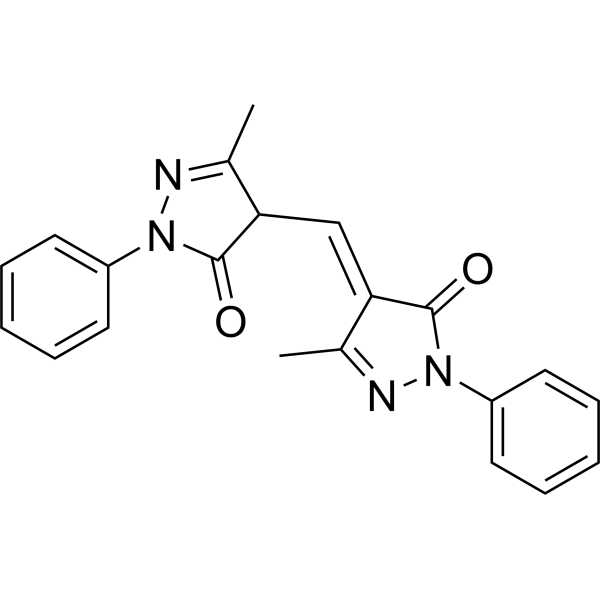
Solvent Yellow 93 (C.I. 48160) is an azomethine dye. Solvent Yellow 93 is used as a colorant of toner. Solvent Yellow 93 is used for the coloring of polyester fiber pulp and is also used to make polyester masterbatch .
|
-
-
- HY-D0285
-
|
PTCDI
|
Fluorescent Dye
|
Others
|
|
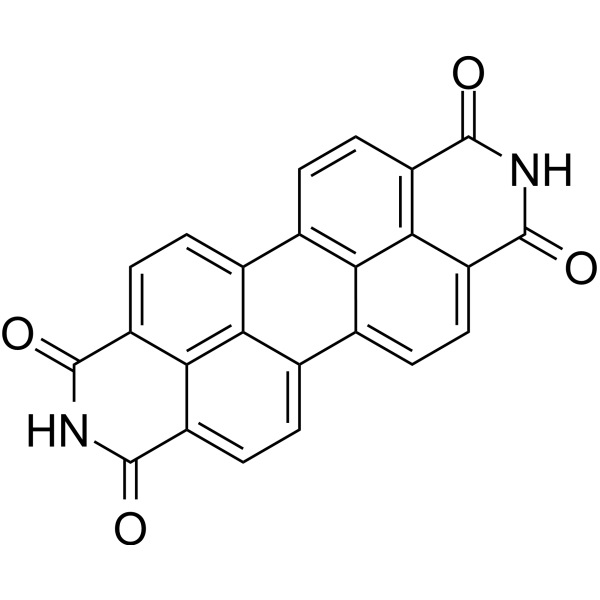
3,4,9,10-Perylenetetracarboxylic-diimide (PTCDI), an organic heteropolycyclic compound, is a dimethylimine that can be used in biological dyes and indicators[1][2].
|
-
-
- HY-D1543
-
|
|
DNA Stain
|
Infection
|
|
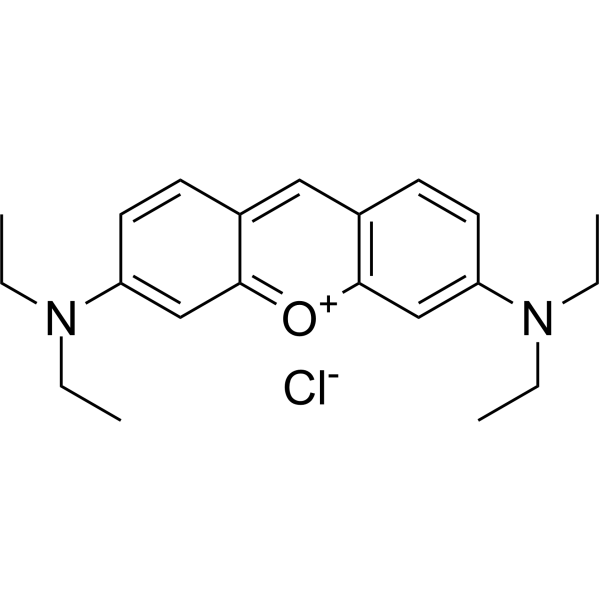
Pyronin B is an organic cationic dye used for the staining of bacteria, mycobacteria and ribonucleic acids. Pyronin B is also used as a small hydrophobic (SH) protein channel inhibitor .
|
-
-
- HY-W005355
-
|
|
Biochemical Assay Reagents
|
Others
|
|
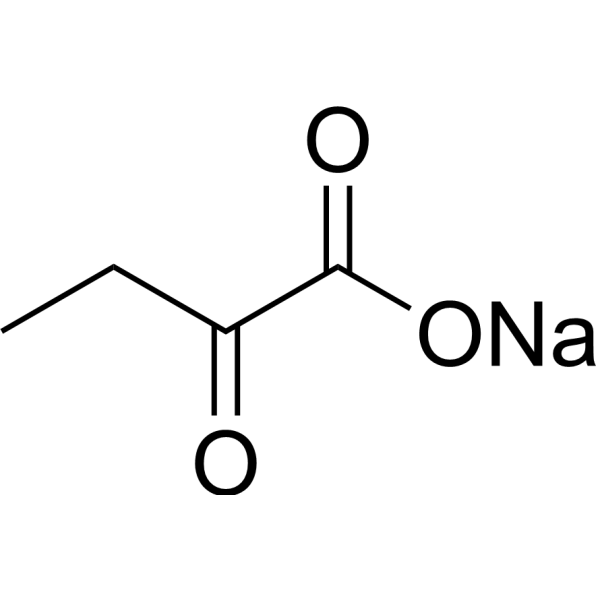
Sodium 2-oxobutanoate is an organic compound commonly used as a food additive and industrial raw material. It can be used as an acidity regulator, leavening agent and preservative, and is often used in the fields of bread, baked goods and canning. In addition, the compound is used in the production of certain industrial products, such as in plastics, textiles and dyes.
|
-
-
- HY-D1623
-
|
|
Fluorescent Dye
|
Others
|
|
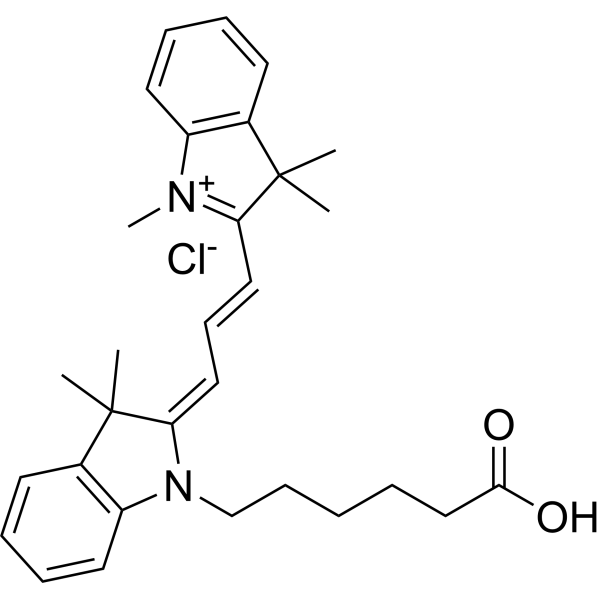
Cyanine3 carboxylic acid chloride is a non-toxic red fluorescent dye with good solubility in organic solvents. Cyanine3 carboxylic acid chloride can be used as a non-reactive fluorophore for experimental control and calibration. Cyanine3 carboxylic acid chloride can also be synthesized with targeted agents as fluorescent probes for rapid detection of agent reactions .
|
-
-
- HY-50938
-
|
D149; Indoline dye D149
|
Fluorescent Dye
|
Others
|
|
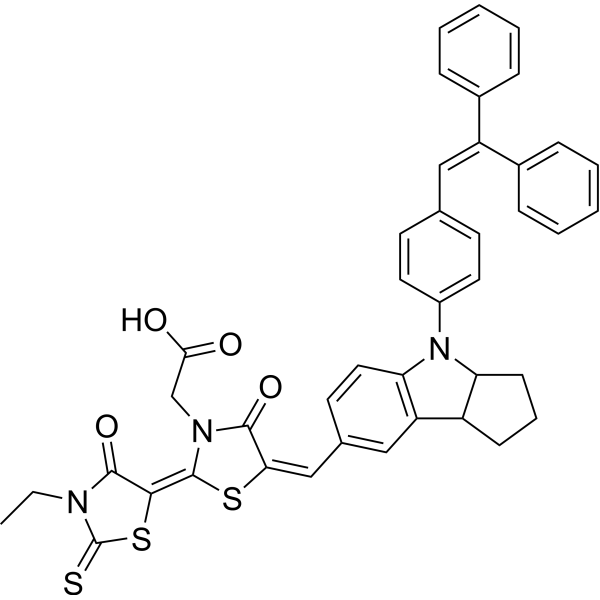
D149 Dye is an indoline-based dye, which is a high-extinction-coefficient metal-free organic sensitizer.
|
-
-
- HY-W008145
-
|
|
Biochemical Assay Reagents
|
Others
|
|
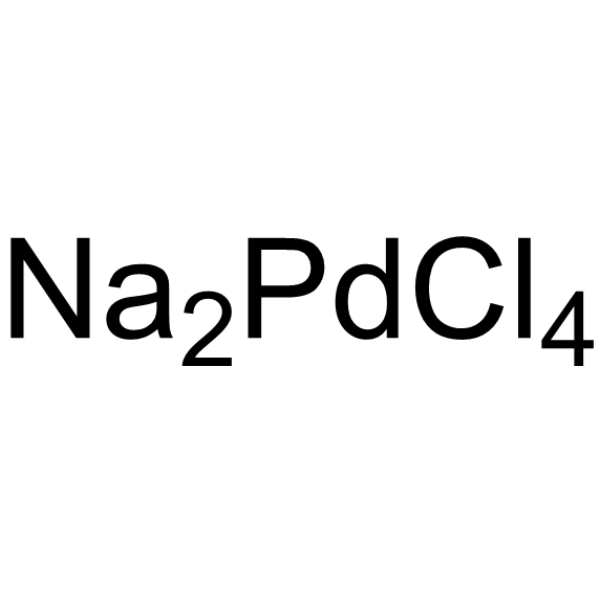
Sodium tetrachloropalladate(II) is an organic compound commonly used as a catalyst and as a raw material for dye production. It can be used to catalyze or promote reactions in certain chemical reactions, and is widely used in the fields of organic synthesis and dye preparation. In addition, the compound is also used for metallization, silver plating and electroplating of circuit boards.
|
-
-
- HY-D0142
-
|
|
Fluorescent Dye
|
Others
|
|
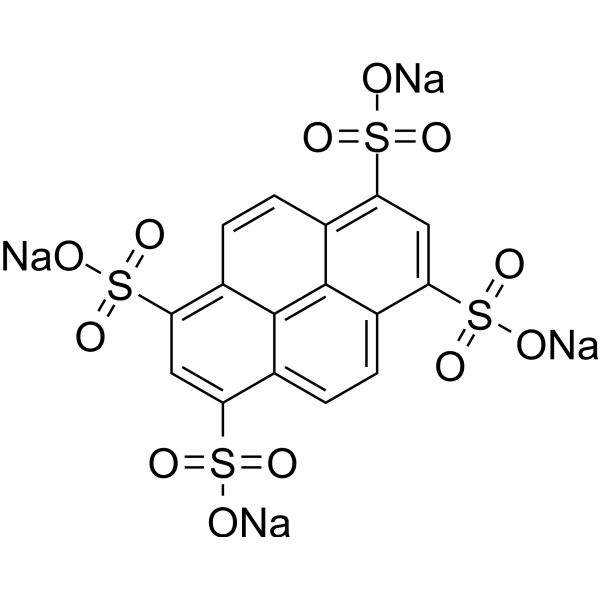
Pyrene-1,3,6,8-tetrasulfonic acid tetrasodium is a fluorescent dye and pH indicator, also as a ligand of multifunctional metal-organic framework. Pyrene-1,3,6,8-tetrasulfonic acid tetrasodium has been used to detect CO2 release. Pyrene-1,3,6,8-tetrasulfonic acid tetrasodium acts as a water-soluble fluorescent dye for fluorescence quenching assays monitoring gramicidin ion-channel activity .
|
-
-
- HY-W110898
-
|
|
Fluorescent Dye
|
Others
|
|
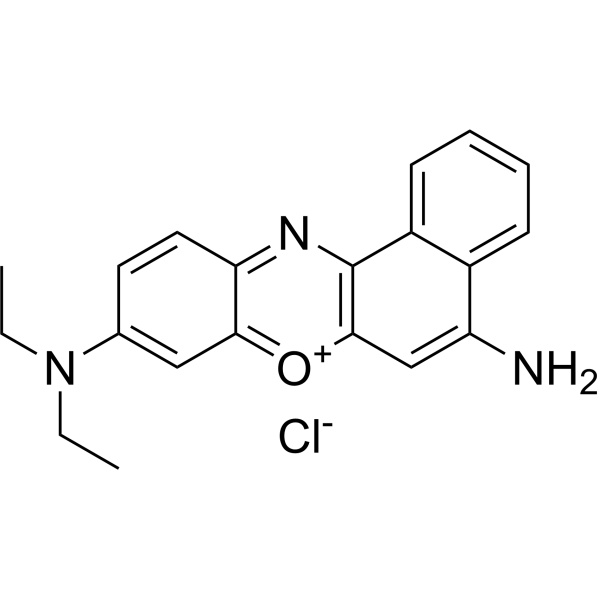
Nile blue chloride is a highly fluorescent and photostable organic dye. Nile blue chloride and fluorescein isothiocyanate (FITC) can be used to construct a ratiometric pH sensitive probe for tracking the pH of the extracellular fluid between cancer cells in realtime. Nile Blue chloride has the potential for the research of nonlinear optics .
|
-
-
- HY-59303
-
|
|
Biochemical Assay Reagents
|
Others
|
|
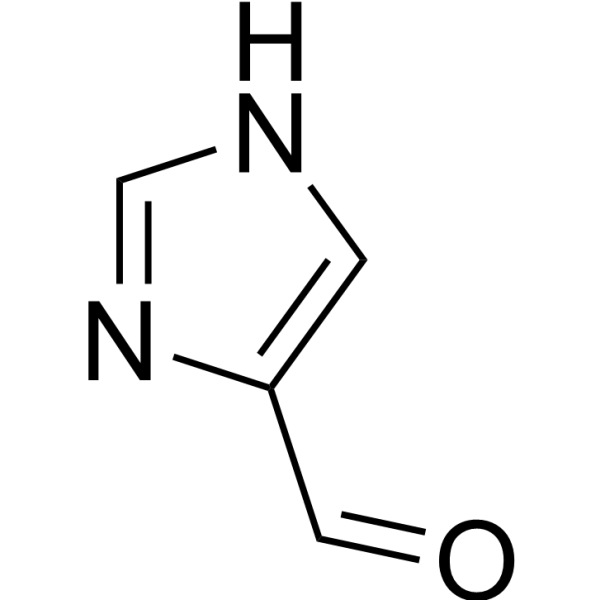
1H-Imidazole-5-carboxaldehyde can be used as a chemical reagent in organic synthesis reactions. 1H-Imidazole-5-carboxaldehyde can be used to prepare other imidazole compounds, such as imidazole pyrimidine and imidazolone. 1H-Imidazole-5-carboxaldehyde can also be used as biochemical dyes and fluorescent probes.
|
-
-
- HY-W011009
-
-
-
- HY-D0929
-
|
α-Naphthol Orange
|
Fluorescent Dye
|
Others
|
|
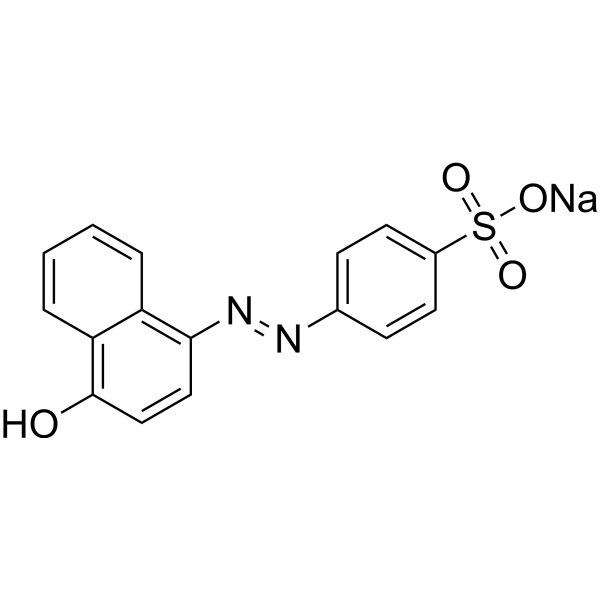
Orange I (α-Naphthol Orange) is an anionic azo dye that can form a complex with Methylene blue (HY-14536) and cause fluorescence quenching. The equilibrium constant of the complex of Orange I and Methylene blue is 79900 mol -1·dm 3. Orange I can change the absorption spectrum of itself and Methylene blue .
|
-
-
- HY-W778240
-
|
Naphthalene-2-carboxylic acid-13C6
|
Isotope-Labeled Compounds
Biochemical Assay Reagents
|
Others
|
|
2-Naphthoic acid- 13C6 (Naphthalene-2-carboxylic acid- 13C6) is the 13C-labeled 2-Naphthoic acid (HY-W007437). 2-Naphthoic acid is an organic compound commonly used as a raw material for dyes and the production of other chemicals. It can form dyes with other organic substances and is widely used in textile, printing and manufacturing fields. In addition, the compound is also used as a photosensitive material and a lubricant.
|
-

-
- HY-DY1063
-
|
|
Fluorescent Dye
|
Others
|
Cy5-SE (Cy5 NHS Ester) (solution) is a reactive dye for the labeling of amino-groups in peptides, proteins, and oligonucleotides. This dye requires small amount of organic co-solvent (such as DMF or DMSO) to be used in labeling reaction. This reagent is ideal for very cost-efficient labeling of soluble proteins, as well as all kinds of peptides and oligonucleotides. This reagent also works well in organic solvents for small molecule labeling.
Excitation (nm) :649, Emission (nm) : 670.
Solvent and concentration: DMSO: 10 mM
|
-

-
- HY-W035133
-
|
5,10,15,20-Tetra-p-tolyl-21H,23H-porphine
|
MOFs
|
Others
|
|
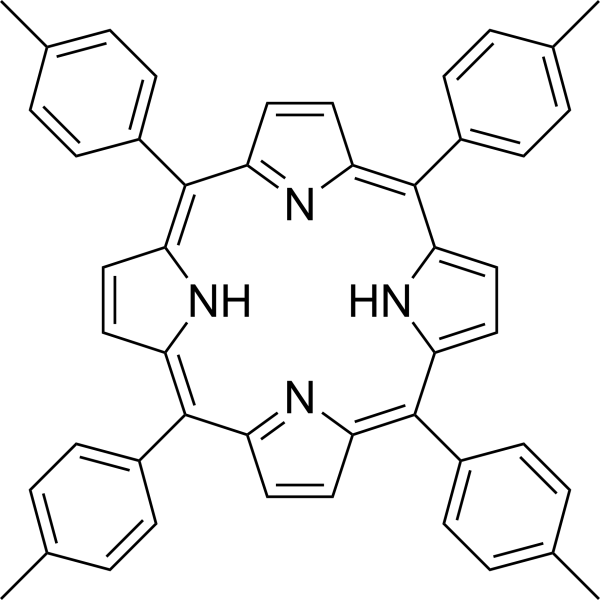
5,10,15,20-Tetrakis(p-tolyl)porphyrin (TTP) is an organic compound belonging to the class of porphyrins, a cyclic molecule composed of four pyrrole rings linked together. TTP is a synthetic porphyrin commonly used as a sensitizer for dye-sensitized solar cells and a catalyst for organic reactions. Due to its unique structure, TTP has a series of interesting properties, including at specific wavelengths and its potential as a catalyst for various chemical reactions. In dye-sensitized solar cells, TTPs help convert sunlight into electricity by absorbing photons and transferring electrons to the semiconductor layer of the device. In organic chemistry, TTP is often used as a catalyst for various organic compounds in reactions such as oxidation and reduction. Its ability to selectively bind certain substrates makes it a useful tool for synthesizing complex molecules and studying their properties.
|
-
-
- HY-Y0024
-
|
|
Environmental Pollutants
Drug Intermediate
|
Others
|
|
4-Methoxyacetophenone is a versatile aromatic ketone that is widely used in the synthesis of various organic compounds. 4-Methoxyacetophenone has a pleasant aroma and can be used to create scents. 4-Methoxyacetophenone can also be used to make dyes and pigments .
|
-

-
- HY-32100
-
|
Quinolin-5(1H)-one
|
Biochemical Assay Reagents
|
Others
|
|
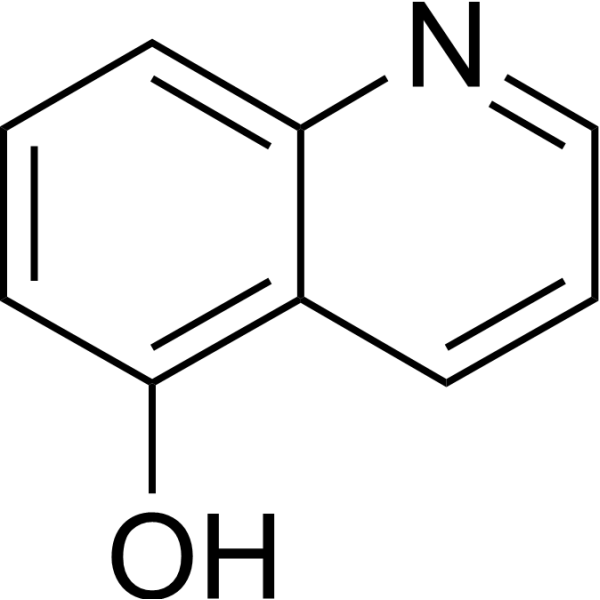
5-Hydroxyquinoline is an organic compound commonly used in certain chemical reactions and biological research. It can be used in the manufacture of dyes, cellulase, oxidants and passivators, etc., and is widely used in the pigment, paint and rubber industries. In addition, the compound is also used as the precursor, intermediate and metal ion complexing agent of certain drugs.
|
-
-
- HY-Y0198
-
|
|
Biochemical Assay Reagents
Drug Intermediate
|
Neurological Disease
|
|
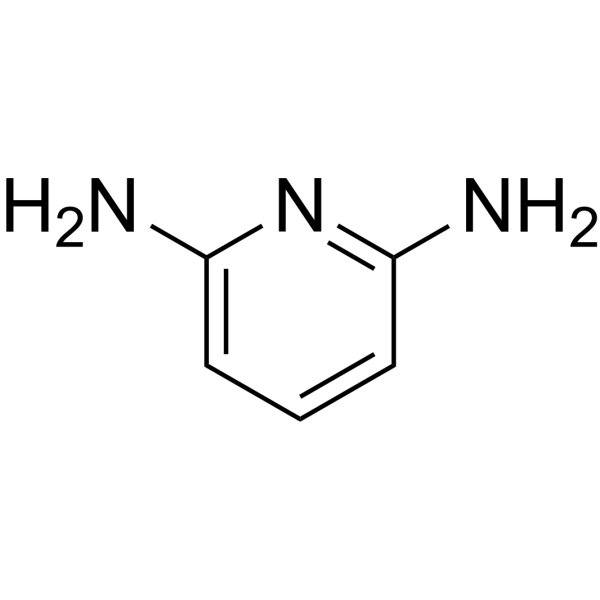
2,6-Diaminopyridine is an intermediate and coupling agent for hair dyes. 2,6-Diaminopyridine participates in organic synthesis reactions such as N-methylation and can bind metal ions by forming macrocyclic ligands through condensation with aldehydes. 2,6-Diaminopyridine can be used to synthesize the analgesic phenazopyridine hydrochloride (HY-B0985) .
|
-
-
- HY-W040209
-
|
α-NPO
|
Fluorescent Dye
|
Others
|
|
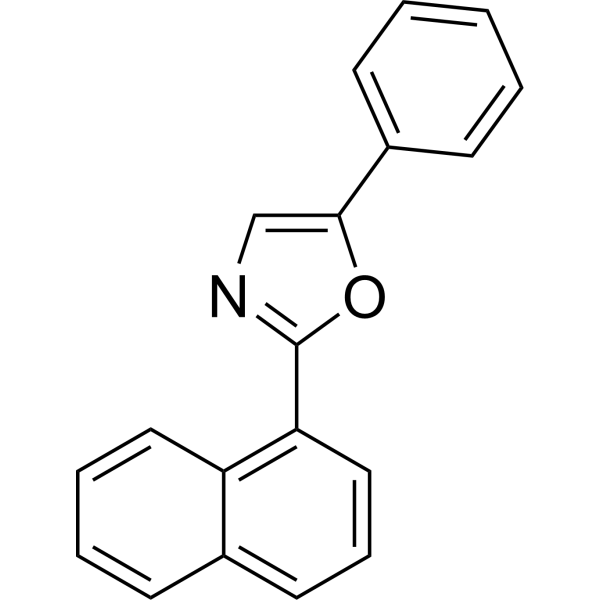
2-(Naphthalen-1-yl)-5-phenyloxazole (α-NPO) is an organic fluorescent dye. 2-(Naphthalen-1-yl)-5-phenyloxazole has a nitrogen atom in its structure that can interfere with the nitrogen content from the amination step .
|
-
-
- HY-W007437
-
|
Naphthalene-2-carboxylic acid
|
Biochemical Assay Reagents
|
Others
|
|
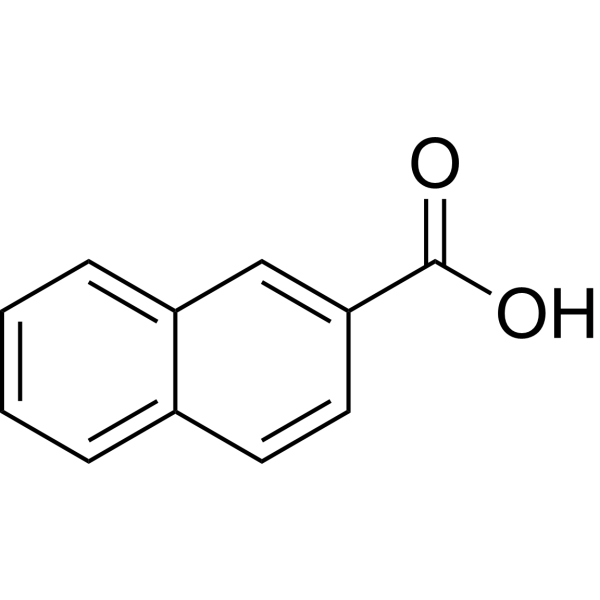
2-Naphthoic acid is an organic compound commonly used as a raw material for dyes and the production of other chemicals. It can form dyes with other organic substances and is widely used in textile, printing and manufacturing fields. In addition, the compound is also used as a photosensitive material and a lubricant.
|
-
-
- HY-W008992
-
|
8-Hydroxyquinoline sulfate hydrate
|
Biochemical Assay Reagents
|
Others
|
|
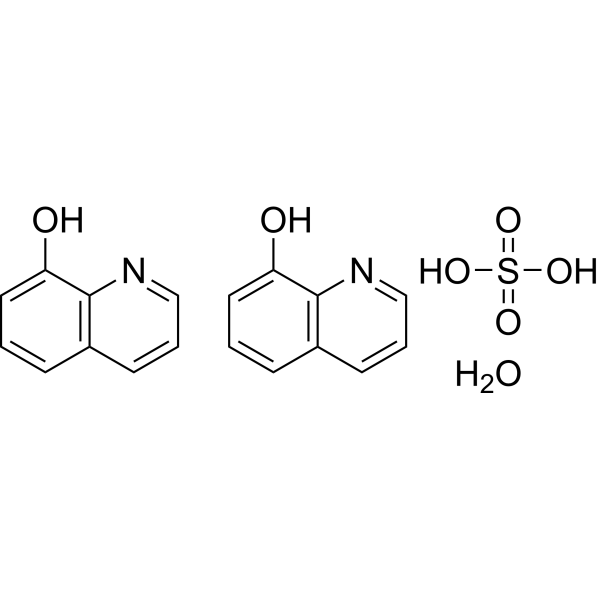
Quinolin-8-ol sulfate hydrate is an organic compound commonly used in dyes and as a raw material for chemical analysis. It can cooperate with metal ions to form dyes, and is widely used in the fields of dyes, printing and textile manufacturing. In addition, the compound also has good toxicity and biocompatibility, and is also used in some medical fields.
|
-
-
- HY-W017077
-
|
4-Phenyltoluene
|
Drug Intermediate
|
Inflammation/Immunology
|
|
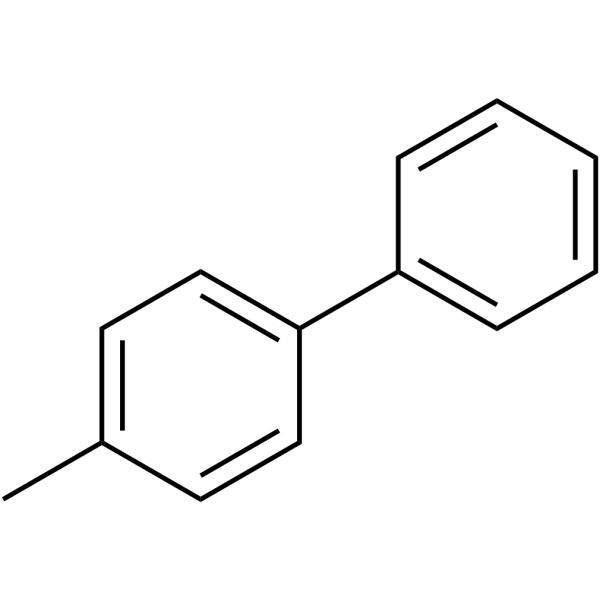
4-Methylbiphenyl (4-Phenyltoluene) is an organic compound. 4-Methylbiphenyl has excellent chemical stability and antioxidant properties, and is widely used in industry. 4-Methylbiphenyl can serve as a solvent, coating additive, plastic additive and dye intermediate .
|
-
-
- HY-W250148
-
|
Spirit nigrosine
|
Biochemical Assay Reagents
|
Others
|
|
Solvent black 5 (Spirit nigrosine) is a synthetic dye belonging to the family of azo dyes. Also known as oil black or naphthol black, it is dark blue-black and has excellent solubility in organic solvents. Solvent black 5 is commonly used as a colorant in various industrial applications such as printing inks, coatings and plastics. It can also be used as an indicator dye to detect the presence of metals in solution. Furthermore, due to its high absorption and emission properties in the near-infrared region, it has been used in scientific research as a fluorescent biomarker for tissues and cells. However, Solvent black 5 has been reported to have potentially toxic effects on human health and the environment and its use is therefore regulated in some countries.
|
-
-
- HY-W998687
-
|
|
Fluorescent Dye
|
Others
|
|
Cy5 dimethyl is a free non-activated dye. This dye has limited water solubility, but can be dissolved in mixtures of water with organic phase (DMF, DMSO, alcohols) to obtain useful concentrations of the material in solution. This molecule can be considered non-reactive dye for the use in control samples, and for instrument calibration.
|
-

-
- HY-D1346
-
|
|
Fluorescent Dye
|
Others
|
|
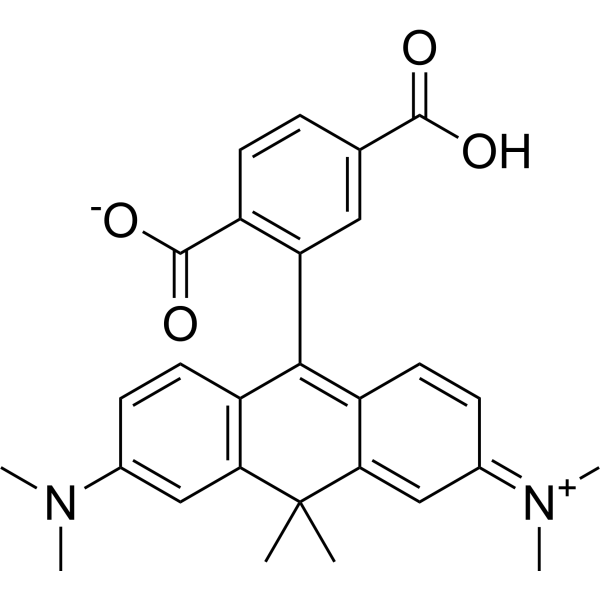
610CP is a new type of actin labeling dye. It dissolves in organic solvents. In DMSO the 610CP excitation/emission wavelength is between 609 and 634 nm. 610CP is a fluorescent dye that penetrates living cells. Upon cell entry, 610CP binds to Bromo-des-methyl-Jasplakinolide Therefore, 610CP dye can be used to stain actin fluorescence images with low background and high resolution.
|
-
-
- HY-I0607A
-
|
|
Biochemical Assay Reagents
|
Others
|
|
(1-Ethoxy-1-oxopropan-2-yl)triphenylphosphonium bromide is an important raw material and intermediate in organic synthesis, pharmaceuticals, agrochemicals, and dyes. (1-Ethoxy-1-oxopropan-2-yl)triphenylphosphonium bromide is widely used as an organophosphorus catalyst .
|
-

-
- HY-78315
-
|
|
Fluorescent Dye
|
Infection
|
|
2',3',4'-Trimethoxyacetophenone is an organic compound with a benzene ring and an acetyl group. 2',3',4'-Trimethoxyacetophenone can be used as a raw material for synthesizing dyes, fragrances, and certain pesticides .
|
-

-
- HY-D0898
-
|
|
Biochemical Assay Reagents
|
Others
|
|
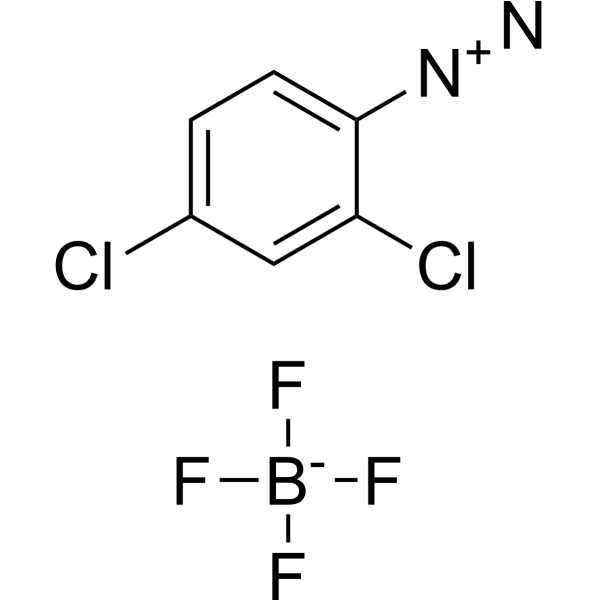
2,4-Dichlorobenzenediazonium tetrafluoroborate is an organic compound commonly used in organic synthesis and dye preparation reactions. It can be used as an azotating agent to form azo dyes with other organic substances, and can be used in coatings, pigments and paints and other industries. In addition, the compound is widely used in certain chemical analysis and detection methods, such as in scientific instruments such as electron microscopes and mass spectrometers. Although the compound has no direct medical applications, it plays an important role in chemical research and laboratory studies.
|
-
- HY-W013140A
-
|
Azomethine-H monosodium salt hydrate
|
Biochemical Assay Reagents
|
Others
|
|
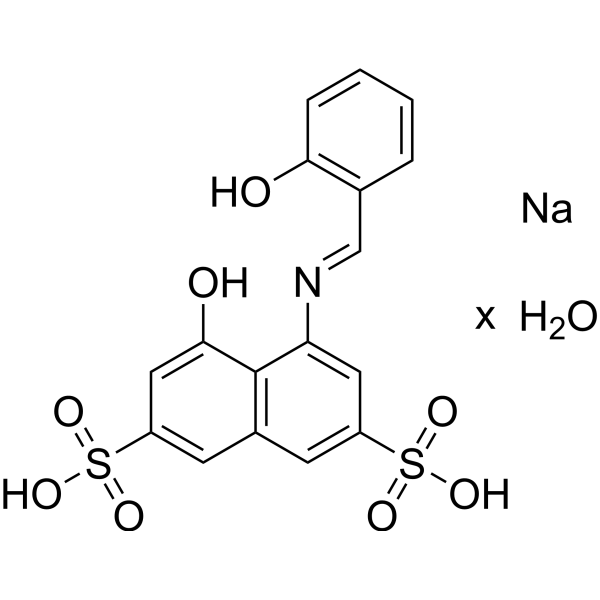
Azomethine-H sodium hydrate is a compound belonging to the class of organic compounds. It is a derivative of hydrazine and is commonly used as a reducing agent in various industrial and biomedical applications. Azomethine-H sodium hydrate is particularly suitable for the reduction of ketones and aldehydes, making it valuable in organic synthesis reactions. It is also used in the production of medicines, dyes, and other chemical products.
|
-
- HY-W325356
-
|
|
Fluorescent Dye
|
Cancer
|
|
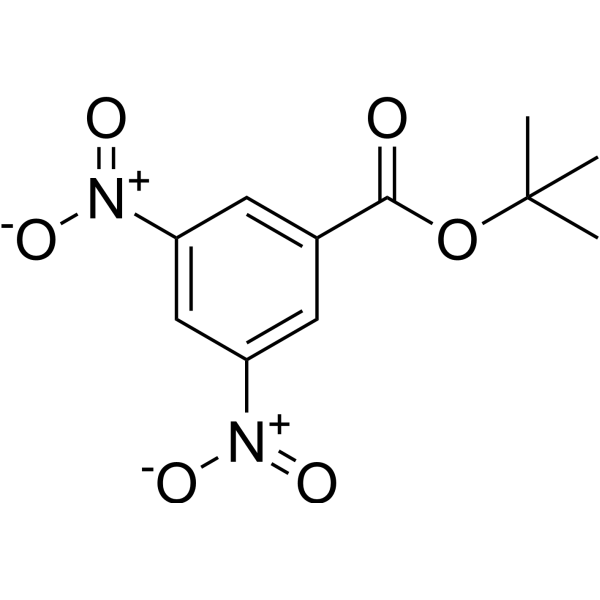
Tert-butyl 3,5-dinitrobenzoate is an intermediate or reactant in organic synthesis and can also play a role in drug synthesis, dye preparation and other chemical fields.The nitro functional group of Tert-butyl 3,5-dinitrobenzoate has certain reactivity in organic chemistry and can participate in various reactions, such as electrophilic substitution, aromatic amine reaction, etc .
|
-
- HY-W242709
-
|
|
Biochemical Assay Reagents
|
Others
|
|
4-Chloroquinolin-8-ol (compound 1) is an Alq3-derived aluminum ligand. Alq3 is an organometallic molecule widely used as electron transport layer and light-emitting layer in organic LEDs, and also as a host for fluorescent and phosphorescent dyes .
|
-

- HY-147690
-
|
|
Photosensitizer
|
Cancer
|
|
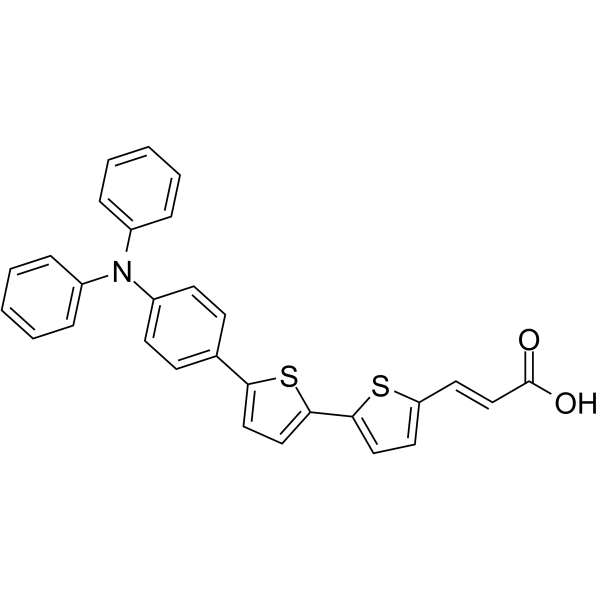
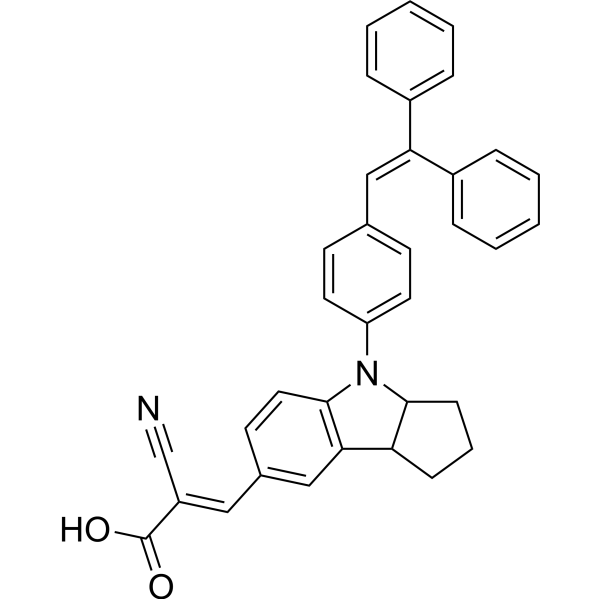
Photosensitizer-2 (compound 1) is a organic D-π-A sensitizer against phototoxicity. Photosensitizer-2 contains an acrylic acid moiety that exerts high levels of phototoxicity. Photosensitizer-2 shows antitumor activity against HeLa cells, with IC50 values of 20.9 ± 4.5 μM (dark) and 0.046 ± 0.012 μM (irradiation), respectively .
|
-
- HY-D0949
-
|
|
Fluorescent Dye
|
Others
|
|
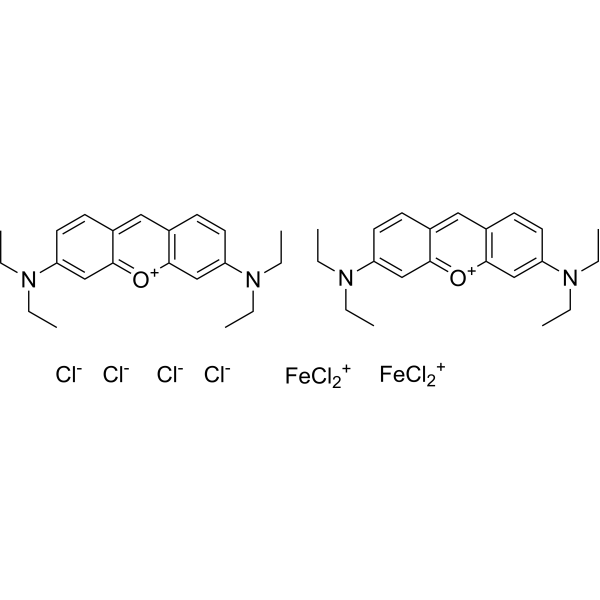
Pyronine B is an organic cationic dye. Pyronin B as a solution-processable and heating-free n-type dopant can be used for soft electronics .
|
-
- HY-W247103
-
|
|
Fluorescent Dye
|
Others
|
|
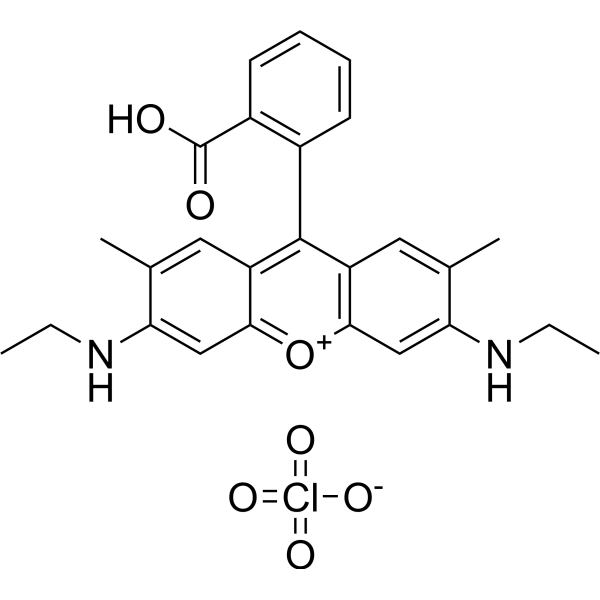
Rhodamine 19 perchlorate is a metal free organic dye for dye sensitized solar cells.
|
-
- HY-118907R
-
|
|
Fluorescent Dye
Reference Standards
|
Others
|
|
Methyl Orange (Standard) is the analytical standard of Methyl Orange. This product is intended for research and analytical applications. Methyl Orange is a soluble azo dye commonly used as an acid-base indicator and for staining cells and tissue sections, as well as for dyeing textiles. Methyl Orange appears red at a pH of 3.1 and changes to bright yellow as the pH increases to 4.4. Methyl Orange (500 mg/L) exhibits cytotoxicity and can cause DNA damage .
|
-

- HY-W127720
-
|
|
Biochemical Assay Reagents
|
Others
|
|
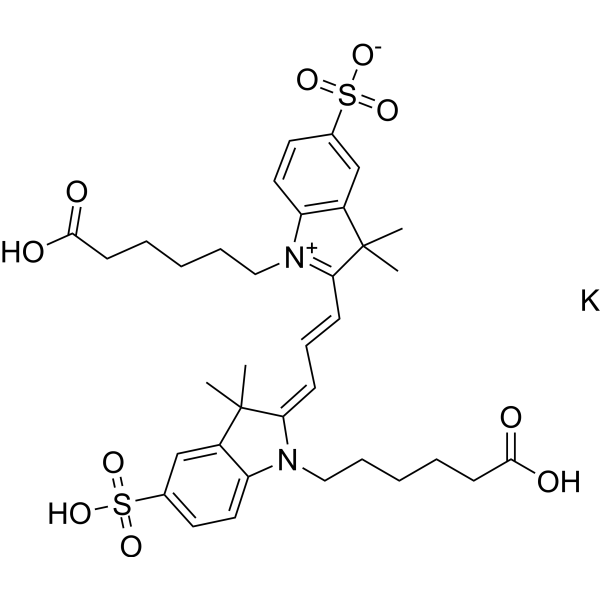
Cyanine 3 Bihexanoic Acid Dye, Potassium Salt is a biochemical reagent that can be used as a biological material or organic compound for life science related research.
|
-
- HY-D2770
-
|
|
Fluorescent Dye
|
Others
|
|
Cyanine3.5 dimethyl is a non-sulfonated cyanine dye with good solubility in organic solvents and bright fluorescence in the yellow-orange spectrum range. The dye can be used as a non-reactive fluorophore for control experiments, calibration, and other technical applications.
|
-

- HY-W414447
-
|
DB1
|
Biochemical Assay Reagents
|
Others
|
|
Disperse blue 1 is an organic dye. Disperse blue 1 can be used in staining experiments in biology to stain cells and tissues .
|
-

- HY-W247614
-
|
|
Fluorescent Dye
|
Others
|
|
D 131 is an orange organic indoline dye. The absorption maxima of D131 in solution is λ=425 nm .
|
-
- HY-W127721
-
|
Phthalocyanine tetrasulfonic acid
|
Biochemical Assay Reagents
|
Others
|
|
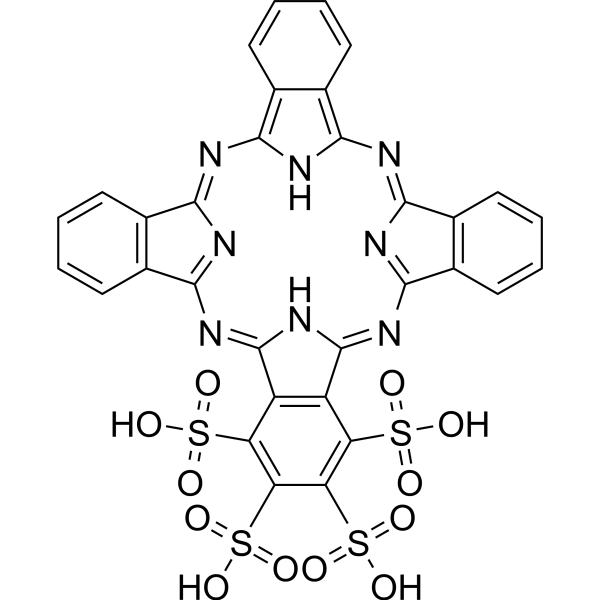
Tetrasulfophthalocyanine is an organic compound commonly used as dyes, photosensitive materials and catalysts. It can be used in certain organic batteries, solar cells, and laser printing, and is widely used in chemical analysis, biotechnology, and environmental monitoring. In addition, this compound is also used as a substrate or catalyst in certain biochemical reactions.
|
-
- HY-D2231
-
|
|
ADC Payload
|
Others
|
|
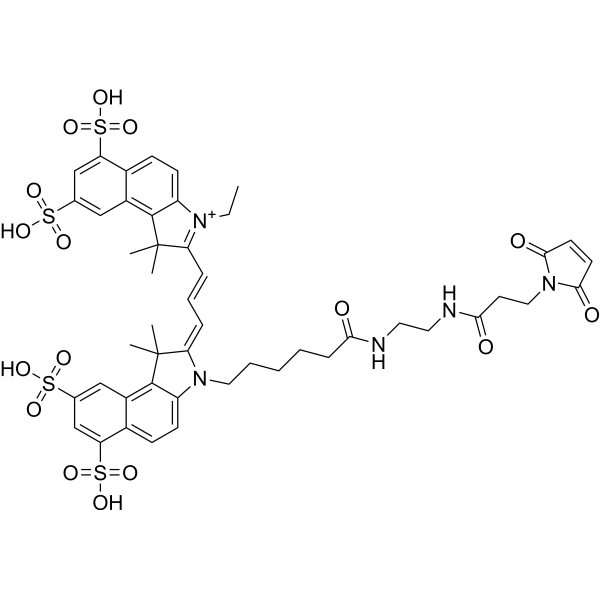
Cy3.5 maleimide is a relatively water-soluble fluorescent dye. Cy3.5 maleimide is soluble in organic solvents, including DMF, DMSO and acetonitrile and so on .
|
-
- HY-W008709
-
|
|
Biochemical Assay Reagents
|
Others
|
|
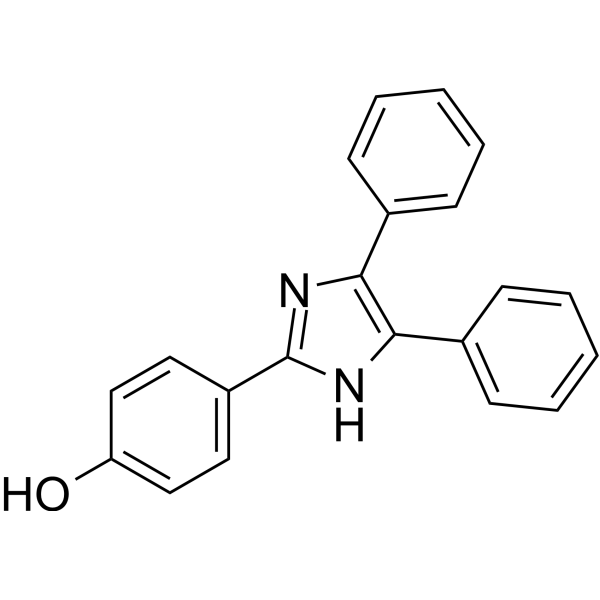
4-(4,5-Diphenyl-1H-imidazol-2-yl)phenol is an organic compound commonly used in fluorescent dyes and catalysts. It can be used to prepare some organic light-emitting diodes (OLEDs) and organic solar cells, and is widely used in chemical sensors and analytical instruments. In addition, this compound is used as a catalyst or buffer in certain chemical reactions.
|
-
- HY-D2752
-
|
|
Fluorescent Dye
|
Others
|
|
Cy5.5 dimethyl is a free non-activated dye and can be used as a non-reactive fluorophore for experiment controls and instrument calibration. It is a non-sulfonated reagent with good solubility in organic solvents and limited aquous solubility.
|
-

- HY-D2759
-
|
|
Fluorescent Dye
|
Others
|
|
Cyanine3B azide for click chemistry conjugation with terminal alkynes via a copper-catalyzed click reaction or strained cyclooctynes via a copper-free click reaction.
Cyanine3B is a yellow-emitting cyanine dye that is an improved version of the Cyanine3 fluorophore with significantly higher fluorescence quantum yield and photostability. Due to the fixed conformation, Cyanine3B has the highest emission quantum yield compared to other dyes of this wavelength.
This is a non-sulfonated dye that requires an organic co-solvent (DMF, DMSO, or other) for efficient labeling in water.
|
-

- HY-Y0024R
-
|
|
Biochemical Assay Reagents
Drug Intermediate
|
Others
|
|
4-Methoxyacetophenone (Standard) is the analytical standard of 4-Methoxyacetophenone (HY-Y0024). This product is intended for research and analytical applications. 4-Methoxyacetophenone is a versatile aromatic ketone that is widely used in the synthesis of various organic compounds. 4-Methoxyacetophenone has a pleasant aroma and can be used to create scents. 4-Methoxyacetophenone can also be used to make dyes and pigments.
|
-

- HY-Y0198R
-
|
|
Biochemical Assay Reagents
Reference Standards
Drug Intermediate
|
Neurological Disease
|
|
2,6-Diaminopyridine (Standard) is the analytical standard of 2,6-Diaminopyridine (HY-Y0198). This product is intended for research and analytical applications. 2,6-Diaminopyridine is an intermediate and coupling agent for hair dyes. 2,6-Diaminopyridine participates in organic synthesis reactions such as N-methylation and can bind metal ions by forming macrocyclic ligands through condensation with aldehydes. 2,6-Diaminopyridine can be used to synthesize the analgesic phenazopyridine hydrochloride (HY-B0985) .
|
-

- HY-W750212
-
|
Orange II-13C6; D&C Orange NO. 4-13C6
|
Isotope-Labeled Compounds
Biochemical Assay Reagents
|
Others
|
|
Acid Orange 7- 13C6 (Orange II- 13C6) is the 13C-labeled Acid orange 7 (HY-N1442). Acid Orange 7 (Orange II; D&C Orange NO. 4) is an azo dye widely used in the textile, food and cosmetic industries. Acid Orange 7 is mainly used as a colorant by combining with fibers and other substances through azo bonds. Acid Orange 7 has a maximum absorption wavelength at 484-485 nm, and the concentration is measured using a UV-visible spectrophotometer. Acid Orange 7 is difficult to degrade and has a certain degree of toxicity. It is often used to study various sewage treatment technologies and photocatalytic degradation reactions, and to evaluate the removal effects of different treatment methods on organic pollutants .
|
-

- HY-N1442R
-
|
Orange II (Standard); D&C Orange NO. 4 (Standard)
|
Biochemical Assay Reagents
Reference Standards
|
Others
|
|
Acid orange 7 (Standard) is the analytical standard of Acid orange 7 (HY-1442). This product is intended for research and analytical applications. Acid Orange 7 (Orange II; D&C Orange NO. 4) is an azo dye widely used in the textile, food and cosmetic industries. Acid Orange 7 is mainly used as a colorant by combining with fibers and other substances through azo bonds. Acid Orange 7 has a maximum absorption wavelength at 484-485 nm, and the concentration is measured using a UV-visible spectrophotometer. Acid Orange 7 is difficult to degrade and has a certain degree of toxicity. Acid Orange 7 is often used to study various sewage treatment technologies and photocatalytic degradation reactions, and to evaluate the removal effects of different treatment methods on organic pollutants .
|
-

- HY-D3242
-
|
FD-1080-MAL
|
Fluorescent Dye
|
Others
|
|
FD-1080 Maleimide (FD-1080-MAL) is a fluorophore with both excitation and emission in the NIR-II region (Ex=1064 nm, Em=1080 nm). FD-1080 can be used for in vivo imaging .
|
-

- HY-125749
-
|
|
Fluorescent Dye
|
Others
|
|
Coumarin-30 is a coumarin-based fluorescent dye and environment-sensitive fluorescent probe (in aqueous medium, λex = 430 nm, λem = 495 nm). Coumarin-30 serves as a dopant for organic light-emitting diodes .
|
-

- HY-W017077S
-
|
4-Phenyltoluene-d3
|
Isotope-Labeled Compounds
Drug Intermediate
|
Inflammation/Immunology
|
|
4-Methylbiphenyl (4-Phenyltoluene)-d3 is the deuterium labeled 4-Methylbiphenyl (HY-W017077). 4-Methylbiphenyl is an organic compound. 4-Methylbiphenyl has excellent chemical stability and antioxidant properties, and is widely used in industry. 4-Methylbiphenyl can serve as a solvent, coating additive, plastic additive and dye intermediate .
|
-

- HY-W017077R
-
|
4-Phenyltoluene (Standard)
|
Reference Standards
Drug Intermediate
|
Inflammation/Immunology
|
|
4-Methylbiphenyl (4-Phenyltoluene) (Standard) is an analytical standard of 4-Methylbiphenyl (HY-W017077). This product is intended for research and analytical applications. 4-Methylbiphenyl is an organic compound. 4-Methylbiphenyl has excellent chemical stability and antioxidant properties, and is widely used in industry. 4-Methylbiphenyl can serve as a solvent, coating additive, plastic additive and dye intermediate .
|
-

- HY-W005355S12
-
|
|
Isotope-Labeled Compounds
Biochemical Assay Reagents
|
Others
|
|
Sodium 2-oxobutanoate-d5 is the deuterium labeled Sodium 2-oxobutanoate (HY-W005355). Sodium 2-oxobutanoate is an organic compound commonly used as a food additive and industrial raw material. It can be used as an acidity regulator, leavening agent and preservative, and is often used in the fields of bread, baked goods and canning. In addition, the compound is used in the production of certain industrial products, such as in plastics, textiles and dyes.
|
-

-
- HY-D0819
-
CY5-SE
Maximum Cited Publications
37 Publications Verification
Cy5 NHS Ester; Sulfo-Cyanine5 Succinimidyl Ester
|
蛍光色素
|
|
Cy5-SE (Cy5 NHS Ester) is a reactive dye for the labeling of amino-groups in peptides, proteins, and oligonucleotides. This dye requires small amount of organic co-solvent (such as DMF or DMSO) to be used in labeling reaction. This reagent is ideal for very cost-efficient labeling of soluble proteins, as well as all kinds of peptides and oligonucleotides. This reagent also works well in organic solvents for small molecule labeling.
Excitation (nm):649, Emission (nm): 670.
|
-
- HY-133852
-
FD-1080
1 Publications Verification
|
蛍光色素
|
|
FD-1080 is a fluorophore with both excitation and emission in the NIR-II region (Ex=1064 nm, Em=1080 nm). FD-1080 can be used for in vivo imaging .
|
-
- HY-D0286
-
|
2,8-Dimethylnaphtho[3,2,1-kl]xanthene
|
蛍光色素
|
|
Fluorol Yellow 088 is a fluorescent dye that can be used as a biological material or an organic compound for life science research. Fluorol Yellow 088 is suitable for lipid staining in plant tissues, particularly for the fluorescence imaging of suberized cell walls and hydrophobic structures, with an excitation wavelength of 365 nm and an emission wavelength of ≥420 nm .
|
-
- HY-D0166A
-
|
|
蛍光色素
|
|
Neutral Red (IND) is an organic dye commonly used in biology and cytology laboratories. It can be used to stain living cells, secreted proteins and other molecular structures, etc., and has a wide range of applications in cell imaging and staining. In addition, Neutral Red (IND) is widely used in industrial fields such as water treatment, food processing and paper manufacturing, for example as an indicator or colorant. Although the compound has no direct medical application, it has important application value in the fields of biology, chemistry and industry.
|
-
- HY-D0168
-
|
3,5-Dihydroxytoluene
|
蛍光色素
|
|
Orcinol (3,5-Dihydroxytoluene) is an organic compound used in biological dyeing and proteomics research. Orcinol inhibits melanogenesis in B16F10 cells by upregulating the MAPK/ERK signaling pathway, and suppresses the expression of MITF, tyrosinase (TYR), TRP1, and DCT. Orcinol exhibits certain DPPH radical scavenging activity. In addition, Orcinol can alter nitrogen balance in animals. Orcinol holds promise for research in cancer and metabolic diseases .
|
-
- HY-D0307A
-
|
Acid Red 27; Azorubin S; FD & C Red dye No. 2
|
蛍光色素
|
|
Amaranth is an organic azo dye. Amaranth inhibits cellular immune response. Amaranth can be used as a food additive .
|
-
- HY-D0284
-
|
|
蛍光色素
|
|
Pigment Yellow 139 is a biological dye and indicator. Pigment Yellow 139 is an organic pigment and an additive for color filters of liquid crystal displays. When formulated in a dye-pigment hybrid system, Pigment Yellow 139 can form color filters with specific chromaticity coordinates, brightness, contrast, and average particle size .
|
-
- HY-N1442
-
|
Orange II; D&C Orange NO. 4
|
蛍光色素
|
|
Acid Orange 7 (Orange II; D&C Orange NO. 4) is an azo dye widely used in the textile, food and cosmetic industries. Acid Orange 7 is mainly used as a colorant by combining with fibers and other substances through azo bonds. Acid Orange 7 has a maximum absorption wavelength at 484-485 nm, and the concentration is measured using a UV-visible spectrophotometer. Acid Orange 7 is difficult to degrade and has a certain degree of toxicity. It is often used to study various sewage treatment technologies and photocatalytic degradation reactions, and to evaluate the removal effects of different treatment methods on organic pollutants .
|
-
- HY-D0217
-
|
Bromosulfophthalein disodium salt
|
蛍光色素
|
|
Sulfobromophthalein (Bromosulfophthalein) disodium salt is an organic anion dye used in the study of a variety of membrane carriers expressed in animal tissues and involved in transport of agents and metabolites .
|
-
- HY-135712
-
|
Acid Orange GG
|
蛍光色素
|
|
Orange G is an azo dye commonly found in textile wastewater and is mainly used for textile dyeing. Orange G has a coloring function and can give textiles a specific color. The stability and potential hazards of Orange G in the environment are often used to study the removal effects of various wastewater treatment technologies on difficult-to-degrade organic pollutants, especially the degradation of azo dyes. Related research focuses on how to destroy the azo bond of Orange G through chemical, physical or biological methods to achieve harmless treatment to solve the problem of textile wastewater pollution .
|
-
- HY-D0376
-
|
C.I. 48160
|
蛍光色素
|
|
Solvent Yellow 93 (C.I. 48160) is an azomethine dye. Solvent Yellow 93 is used as a colorant of toner. Solvent Yellow 93 is used for the coloring of polyester fiber pulp and is also used to make polyester masterbatch .
|
-
- HY-D0285
-
|
PTCDI
|
蛍光色素
|
|
3,4,9,10-Perylenetetracarboxylic-diimide (PTCDI), an organic heteropolycyclic compound, is a dimethylimine that can be used in biological dyes and indicators[1][2].
|
-
- HY-D1543
-
|
|
蛍光色素
|
|
Pyronin B is an organic cationic dye used for the staining of bacteria, mycobacteria and ribonucleic acids. Pyronin B is also used as a small hydrophobic (SH) protein channel inhibitor .
|
-
- HY-D1623
-
|
|
蛍光色素
|
|
Cyanine3 carboxylic acid chloride is a non-toxic red fluorescent dye with good solubility in organic solvents. Cyanine3 carboxylic acid chloride can be used as a non-reactive fluorophore for experimental control and calibration. Cyanine3 carboxylic acid chloride can also be synthesized with targeted agents as fluorescent probes for rapid detection of agent reactions .
|
-
- HY-50938
-
|
D149; Indoline dye D149
|
蛍光色素
|
|
D149 Dye is an indoline-based dye, which is a high-extinction-coefficient metal-free organic sensitizer.
|
-
- HY-D0142
-
|
|
蛍光色素
|
|
Pyrene-1,3,6,8-tetrasulfonic acid tetrasodium is a fluorescent dye and pH indicator, also as a ligand of multifunctional metal-organic framework. Pyrene-1,3,6,8-tetrasulfonic acid tetrasodium has been used to detect CO2 release. Pyrene-1,3,6,8-tetrasulfonic acid tetrasodium acts as a water-soluble fluorescent dye for fluorescence quenching assays monitoring gramicidin ion-channel activity .
|
-
- HY-DY1063
-
|
|
蛍光色素
|
Cy5-SE (Cy5 NHS Ester) (solution) is a reactive dye for the labeling of amino-groups in peptides, proteins, and oligonucleotides. This dye requires small amount of organic co-solvent (such as DMF or DMSO) to be used in labeling reaction. This reagent is ideal for very cost-efficient labeling of soluble proteins, as well as all kinds of peptides and oligonucleotides. This reagent also works well in organic solvents for small molecule labeling.
Excitation (nm) :649, Emission (nm) : 670.
Solvent and concentration: DMSO: 10 mM
|
-
- HY-W040209
-
|
α-NPO
|
蛍光色素
|
|
2-(Naphthalen-1-yl)-5-phenyloxazole (α-NPO) is an organic fluorescent dye. 2-(Naphthalen-1-yl)-5-phenyloxazole has a nitrogen atom in its structure that can interfere with the nitrogen content from the amination step .
|
-
- HY-W250148
-
|
Spirit nigrosine
|
蛍光色素
|
|
Solvent black 5 (Spirit nigrosine) is a synthetic dye belonging to the family of azo dyes. Also known as oil black or naphthol black, it is dark blue-black and has excellent solubility in organic solvents. Solvent black 5 is commonly used as a colorant in various industrial applications such as printing inks, coatings and plastics. It can also be used as an indicator dye to detect the presence of metals in solution. Furthermore, due to its high absorption and emission properties in the near-infrared region, it has been used in scientific research as a fluorescent biomarker for tissues and cells. However, Solvent black 5 has been reported to have potentially toxic effects on human health and the environment and its use is therefore regulated in some countries.
|
-
- HY-W998687
-
|
|
蛍光色素
|
|
Cy5 dimethyl is a free non-activated dye. This dye has limited water solubility, but can be dissolved in mixtures of water with organic phase (DMF, DMSO, alcohols) to obtain useful concentrations of the material in solution. This molecule can be considered non-reactive dye for the use in control samples, and for instrument calibration.
|
-
- HY-D1346
-
|
|
蛍光色素
|
|
610CP is a new type of actin labeling dye. It dissolves in organic solvents. In DMSO the 610CP excitation/emission wavelength is between 609 and 634 nm. 610CP is a fluorescent dye that penetrates living cells. Upon cell entry, 610CP binds to Bromo-des-methyl-Jasplakinolide Therefore, 610CP dye can be used to stain actin fluorescence images with low background and high resolution.
|
-
- HY-W247103
-
|
|
蛍光色素
|
|
Rhodamine 19 perchlorate is a metal free organic dye for dye sensitized solar cells.
|
-
- HY-W127720
-
|
|
蛍光色素
|
|
Cyanine 3 Bihexanoic Acid Dye, Potassium Salt is a biochemical reagent that can be used as a biological material or organic compound for life science related research.
|
-
- HY-D2770
-
|
|
蛍光色素
|
|
Cyanine3.5 dimethyl is a non-sulfonated cyanine dye with good solubility in organic solvents and bright fluorescence in the yellow-orange spectrum range. The dye can be used as a non-reactive fluorophore for control experiments, calibration, and other technical applications.
|
-
- HY-W247614
-
|
|
蛍光色素
|
|
D 131 is an orange organic indoline dye. The absorption maxima of D131 in solution is λ=425 nm .
|
-
- HY-W127721
-
|
Phthalocyanine tetrasulfonic acid
|
蛍光色素
|
|
Tetrasulfophthalocyanine is an organic compound commonly used as dyes, photosensitive materials and catalysts. It can be used in certain organic batteries, solar cells, and laser printing, and is widely used in chemical analysis, biotechnology, and environmental monitoring. In addition, this compound is also used as a substrate or catalyst in certain biochemical reactions.
|
-
- HY-D2231
-
|
|
蛍光色素
|
|
Cy3.5 maleimide is a relatively water-soluble fluorescent dye. Cy3.5 maleimide is soluble in organic solvents, including DMF, DMSO and acetonitrile and so on .
|
-
- HY-D2752
-
|
|
蛍光色素
|
|
Cy5.5 dimethyl is a free non-activated dye and can be used as a non-reactive fluorophore for experiment controls and instrument calibration. It is a non-sulfonated reagent with good solubility in organic solvents and limited aquous solubility.
|
-
- HY-D2759
-
|
|
蛍光色素
|
|
Cyanine3B azide for click chemistry conjugation with terminal alkynes via a copper-catalyzed click reaction or strained cyclooctynes via a copper-free click reaction.
Cyanine3B is a yellow-emitting cyanine dye that is an improved version of the Cyanine3 fluorophore with significantly higher fluorescence quantum yield and photostability. Due to the fixed conformation, Cyanine3B has the highest emission quantum yield compared to other dyes of this wavelength.
This is a non-sulfonated dye that requires an organic co-solvent (DMF, DMSO, or other) for efficient labeling in water.
|
-
- HY-N1442R
-
|
Orange II (Standard); D&C Orange NO. 4 (Standard)
|
蛍光色素
|
|
Acid orange 7 (Standard) is the analytical standard of Acid orange 7 (HY-1442). This product is intended for research and analytical applications. Acid Orange 7 (Orange II; D&C Orange NO. 4) is an azo dye widely used in the textile, food and cosmetic industries. Acid Orange 7 is mainly used as a colorant by combining with fibers and other substances through azo bonds. Acid Orange 7 has a maximum absorption wavelength at 484-485 nm, and the concentration is measured using a UV-visible spectrophotometer. Acid Orange 7 is difficult to degrade and has a certain degree of toxicity. Acid Orange 7 is often used to study various sewage treatment technologies and photocatalytic degradation reactions, and to evaluate the removal effects of different treatment methods on organic pollutants .
|
-
- HY-D3242
-
|
FD-1080-MAL
|
蛍光色素
|
|
FD-1080 Maleimide (FD-1080-MAL) is a fluorophore with both excitation and emission in the NIR-II region (Ex=1064 nm, Em=1080 nm). FD-1080 can be used for in vivo imaging .
|
-
- HY-125749
-
|
|
蛍光色素
|
|
Coumarin-30 is a coumarin-based fluorescent dye and environment-sensitive fluorescent probe (in aqueous medium, λex = 430 nm, λem = 495 nm). Coumarin-30 serves as a dopant for organic light-emitting diodes .
|
-
- HY-W014449
-
|
|
生化学アッセイ試薬
|
|
4-Nitrophenyl butyrate consists of butyric acid chains esterified with 4-nitrophenol groups, thus giving it a yellow color. This compound is commonly used as a substrate in enzyme assays to measure esterase and lipase activity. When these enzymes cleave the ester bond, the nitrophenol group is released and the color changes from yellow to orange. Thus, the rate of color change can be used to determine enzyme activity. In addition, 4-Nitrophenyl butyrate can also be used as organic synthesis reagent and dye intermediate.
|
-
- HY-D0286
-
|
2,8-Dimethylnaphtho[3,2,1-kl]xanthene
|
生化学アッセイ試薬
|
|
Fluorol Yellow 088 is a fluorescent dye that can be used as a biological material or an organic compound for life science research. Fluorol Yellow 088 is suitable for lipid staining in plant tissues, particularly for the fluorescence imaging of suberized cell walls and hydrophobic structures, with an excitation wavelength of 365 nm and an emission wavelength of ≥420 nm .
|
-
- HY-W009938
-
|
Anthracen-9(10H)-one
|
生化学アッセイ試薬
|
|
Anthrone is an organic compound commonly used as a dye and intermediate. It can be used to make products such as pigments, dyes and fluorescent whitening agents, and is widely used in certain industrial production fields such as textile manufacturing, soap making and paper making. In addition, this compound is also used as a reagent and catalyst in some organic synthesis reactions.
|
-
- HY-Y1024
-
|
2,6-Pyridinedicarboxylic acid
|
生化学アッセイ試薬
|
|
Pyridine-2,6-dicarboxylic acid is a dicarboxylic acid containing a pyridine ring with unique chemical properties that make it an important ingredient in a variety of industrial processes. Pyridine-2,6-dicarboxylic acid is commonly used as a ligand for metal ions, a building block in the synthesis of pharmaceuticals and organic compounds, and a precursor in the production of pigments and dyes.
|
-
- HY-W021005
-
|
Silver triflimide
|
生化学アッセイ試薬
|
|
Silver bis(trifluoromethanesulfonyl)imide is a kind of silver salt and is widely used as an organic synthesis catalyst. Silver bis(trifluoromethanesulfonyl)imide is used for the C-3 regioselective alkylation of indole derivatives with α,β -enones through conjugated addition reactions. Silver bis(trifluoromethanesulfonyl)imide can also be used as a highly efficient and stable solid-state dye sensitization and P-type dopant for perovskite solar cells .
|
-
- HY-D0176
-
|
(3-Chloro-2-hydroxypropyl)trimethylammonium chloride
|
生化学アッセイ試薬
|
|
Dextrosil KA ((3-Chloro-2-hydroxypropyl) trimethylammonium (chloride)) is a biological dye and indicator that can be used as a biomaterial or organic compound in life science-related research .
|
-
- HY-15929
-
TBHBA
1 Publications Verification
2,4,6-Tribromo-3-hydroxybenzoic acid
|
生化学アッセイ試薬
|
|
TBHBA (2,4,6-Tribromo-3-hydroxybenzoic acid) is a chemical colorimetric agent and nanomaterial surface modifier. TBHBA can react with some oxidants (such as H2O2) to generate high-absorbance quinoneimine dyes, which enhance the sensitivity of HDL cholesterol enzymatic determination. TBHBA can be used as a bromine-containing coupling agent to modify the surface of silica nanoparticles through esterification reaction. Thereby, organic flame retardant groups are introduced to improve the thermal stability and flame retardant properties of nanocomposites. TBHBA can be used in clinical biochemical testing (such as serum lipoprotein analysis) and the preparation of flame-retardant polymer nanocomposites .
|
-
- HY-W005355
-
|
|
生化学アッセイ試薬
|
|
Sodium 2-oxobutanoate is an organic compound commonly used as a food additive and industrial raw material. It can be used as an acidity regulator, leavening agent and preservative, and is often used in the fields of bread, baked goods and canning. In addition, the compound is used in the production of certain industrial products, such as in plastics, textiles and dyes.
|
-
- HY-W008145
-
|
|
生化学アッセイ試薬
|
|
Sodium tetrachloropalladate(II) is an organic compound commonly used as a catalyst and as a raw material for dye production. It can be used to catalyze or promote reactions in certain chemical reactions, and is widely used in the fields of organic synthesis and dye preparation. In addition, the compound is also used for metallization, silver plating and electroplating of circuit boards.
|
-
- HY-59303
-
|
|
生化学アッセイ試薬
|
|
1H-Imidazole-5-carboxaldehyde can be used as a chemical reagent in organic synthesis reactions. 1H-Imidazole-5-carboxaldehyde can be used to prepare other imidazole compounds, such as imidazole pyrimidine and imidazolone. 1H-Imidazole-5-carboxaldehyde can also be used as biochemical dyes and fluorescent probes.
|
-
- HY-W011009
-
|
|
生化学アッセイ試薬
|
|
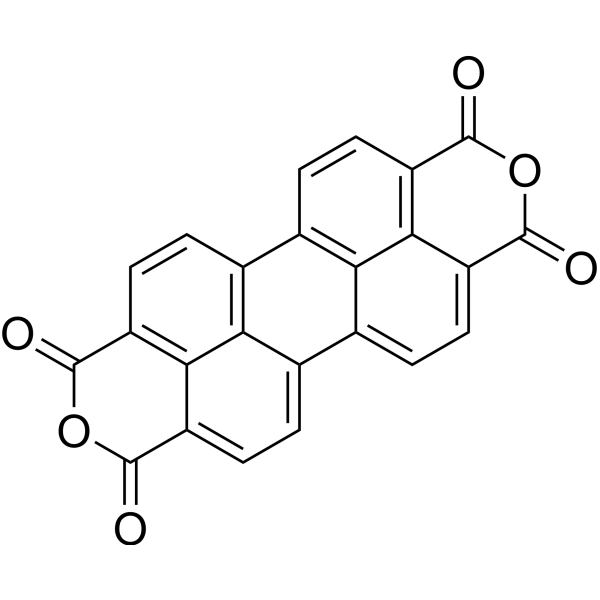
PTCDA is an organic dye molecule and an organic semiconductor .
|
-
- HY-W035133
-
|
5,10,15,20-Tetra-p-tolyl-21H,23H-porphine
|
生化学アッセイ試薬
|
|
5,10,15,20-Tetrakis(p-tolyl)porphyrin (TTP) is an organic compound belonging to the class of porphyrins, a cyclic molecule composed of four pyrrole rings linked together. TTP is a synthetic porphyrin commonly used as a sensitizer for dye-sensitized solar cells and a catalyst for organic reactions. Due to its unique structure, TTP has a series of interesting properties, including at specific wavelengths and its potential as a catalyst for various chemical reactions. In dye-sensitized solar cells, TTPs help convert sunlight into electricity by absorbing photons and transferring electrons to the semiconductor layer of the device. In organic chemistry, TTP is often used as a catalyst for various organic compounds in reactions such as oxidation and reduction. Its ability to selectively bind certain substrates makes it a useful tool for synthesizing complex molecules and studying their properties.
|
-
- HY-Y0024
-
|
|
生化学アッセイ試薬
|
|
4-Methoxyacetophenone is a versatile aromatic ketone that is widely used in the synthesis of various organic compounds. 4-Methoxyacetophenone has a pleasant aroma and can be used to create scents. 4-Methoxyacetophenone can also be used to make dyes and pigments .
|
-
- HY-32100
-
|
Quinolin-5(1H)-one
|
生化学アッセイ試薬
|
|
5-Hydroxyquinoline is an organic compound commonly used in certain chemical reactions and biological research. It can be used in the manufacture of dyes, cellulase, oxidants and passivators, etc., and is widely used in the pigment, paint and rubber industries. In addition, the compound is also used as the precursor, intermediate and metal ion complexing agent of certain drugs.
|
-
- HY-Y0198
-
|
|
生化学アッセイ試薬
|
|
2,6-Diaminopyridine is an intermediate and coupling agent for hair dyes. 2,6-Diaminopyridine participates in organic synthesis reactions such as N-methylation and can bind metal ions by forming macrocyclic ligands through condensation with aldehydes. 2,6-Diaminopyridine can be used to synthesize the analgesic phenazopyridine hydrochloride (HY-B0985) .
|
-
- HY-W007437
-
|
Naphthalene-2-carboxylic acid
|
生化学アッセイ試薬
|
|
2-Naphthoic acid is an organic compound commonly used as a raw material for dyes and the production of other chemicals. It can form dyes with other organic substances and is widely used in textile, printing and manufacturing fields. In addition, the compound is also used as a photosensitive material and a lubricant.
|
-
- HY-W008992
-
|
8-Hydroxyquinoline sulfate hydrate
|
生化学アッセイ試薬
|
|
Quinolin-8-ol sulfate hydrate is an organic compound commonly used in dyes and as a raw material for chemical analysis. It can cooperate with metal ions to form dyes, and is widely used in the fields of dyes, printing and textile manufacturing. In addition, the compound also has good toxicity and biocompatibility, and is also used in some medical fields.
|
-
- HY-I0607A
-
|
|
生化学アッセイ試薬
|
|
(1-Ethoxy-1-oxopropan-2-yl)triphenylphosphonium bromide is an important raw material and intermediate in organic synthesis, pharmaceuticals, agrochemicals, and dyes. (1-Ethoxy-1-oxopropan-2-yl)triphenylphosphonium bromide is widely used as an organophosphorus catalyst .
|
-
- HY-D0898
-
|
|
生化学アッセイ試薬
|
|
2,4-Dichlorobenzenediazonium tetrafluoroborate is an organic compound commonly used in organic synthesis and dye preparation reactions. It can be used as an azotating agent to form azo dyes with other organic substances, and can be used in coatings, pigments and paints and other industries. In addition, the compound is widely used in certain chemical analysis and detection methods, such as in scientific instruments such as electron microscopes and mass spectrometers. Although the compound has no direct medical applications, it plays an important role in chemical research and laboratory studies.
|
-
- HY-W013140A
-
|
Azomethine-H monosodium salt hydrate
|
生化学アッセイ試薬
|
|
Azomethine-H sodium hydrate is a compound belonging to the class of organic compounds. It is a derivative of hydrazine and is commonly used as a reducing agent in various industrial and biomedical applications. Azomethine-H sodium hydrate is particularly suitable for the reduction of ketones and aldehydes, making it valuable in organic synthesis reactions. It is also used in the production of medicines, dyes, and other chemical products.
|
-
- HY-W008709
-
|
|
生化学アッセイ試薬
|
|
4-(4,5-Diphenyl-1H-imidazol-2-yl)phenol is an organic compound commonly used in fluorescent dyes and catalysts. It can be used to prepare some organic light-emitting diodes (OLEDs) and organic solar cells, and is widely used in chemical sensors and analytical instruments. In addition, this compound is used as a catalyst or buffer in certain chemical reactions.
|
-
- HY-Y0024R
-
|
|
生化学アッセイ試薬
|
|
4-Methoxyacetophenone (Standard) is the analytical standard of 4-Methoxyacetophenone (HY-Y0024). This product is intended for research and analytical applications. 4-Methoxyacetophenone is a versatile aromatic ketone that is widely used in the synthesis of various organic compounds. 4-Methoxyacetophenone has a pleasant aroma and can be used to create scents. 4-Methoxyacetophenone can also be used to make dyes and pigments.
|
-
- HY-Y0198R
-
|
|
生化学アッセイ試薬
|
|
2,6-Diaminopyridine (Standard) is the analytical standard of 2,6-Diaminopyridine (HY-Y0198). This product is intended for research and analytical applications. 2,6-Diaminopyridine is an intermediate and coupling agent for hair dyes. 2,6-Diaminopyridine participates in organic synthesis reactions such as N-methylation and can bind metal ions by forming macrocyclic ligands through condensation with aldehydes. 2,6-Diaminopyridine can be used to synthesize the analgesic phenazopyridine hydrochloride (HY-B0985) .
|
| 製品番号 |
製品名 |
Category |
Target |
構造式 |
-
- HY-W778240
-
|
|
|
2-Naphthoic acid- 13C6 (Naphthalene-2-carboxylic acid- 13C6) is the 13C-labeled 2-Naphthoic acid (HY-W007437). 2-Naphthoic acid is an organic compound commonly used as a raw material for dyes and the production of other chemicals. It can form dyes with other organic substances and is widely used in textile, printing and manufacturing fields. In addition, the compound is also used as a photosensitive material and a lubricant.
|
-
-
- HY-W750212
-
|
|
|
Acid Orange 7- 13C6 (Orange II- 13C6) is the 13C-labeled Acid orange 7 (HY-N1442). Acid Orange 7 (Orange II; D&C Orange NO. 4) is an azo dye widely used in the textile, food and cosmetic industries. Acid Orange 7 is mainly used as a colorant by combining with fibers and other substances through azo bonds. Acid Orange 7 has a maximum absorption wavelength at 484-485 nm, and the concentration is measured using a UV-visible spectrophotometer. Acid Orange 7 is difficult to degrade and has a certain degree of toxicity. It is often used to study various sewage treatment technologies and photocatalytic degradation reactions, and to evaluate the removal effects of different treatment methods on organic pollutants .
|
-
-
- HY-W017077S
-
|
|
|
4-Methylbiphenyl (4-Phenyltoluene)-d3 is the deuterium labeled 4-Methylbiphenyl (HY-W017077). 4-Methylbiphenyl is an organic compound. 4-Methylbiphenyl has excellent chemical stability and antioxidant properties, and is widely used in industry. 4-Methylbiphenyl can serve as a solvent, coating additive, plastic additive and dye intermediate .
|
-
-
- HY-W005355S12
-
|
|
|
Sodium 2-oxobutanoate-d5 is the deuterium labeled Sodium 2-oxobutanoate (HY-W005355). Sodium 2-oxobutanoate is an organic compound commonly used as a food additive and industrial raw material. It can be used as an acidity regulator, leavening agent and preservative, and is often used in the fields of bread, baked goods and canning. In addition, the compound is used in the production of certain industrial products, such as in plastics, textiles and dyes.
|
-
-
- HY-D2759
-
|
|
|
Azide
|
|
Cyanine3B azide for click chemistry conjugation with terminal alkynes via a copper-catalyzed click reaction or strained cyclooctynes via a copper-free click reaction.
Cyanine3B is a yellow-emitting cyanine dye that is an improved version of the Cyanine3 fluorophore with significantly higher fluorescence quantum yield and photostability. Due to the fixed conformation, Cyanine3B has the highest emission quantum yield compared to other dyes of this wavelength.
This is a non-sulfonated dye that requires an organic co-solvent (DMF, DMSO, or other) for efficient labeling in water.
|
入力情報は安全に管理されます. ※ 必須入力項目.
Inquiry Information
- 製品名:
- 製品番号:
- 数量:
- MCE 日本正規代理店:





