Search Result
Results for "
phototoxic
" in MedChemExpress (MCE) Product Catalog:
1
Biochemical Assay Reagents
2
Isotope-Labeled Compounds
| Cat. No. |
Product Name |
Target |
Research Areas |
Chemical Structure |
-
- HY-128973
-
|
|
Reactive Oxygen Species (ROS)
|
Cancer
|
|
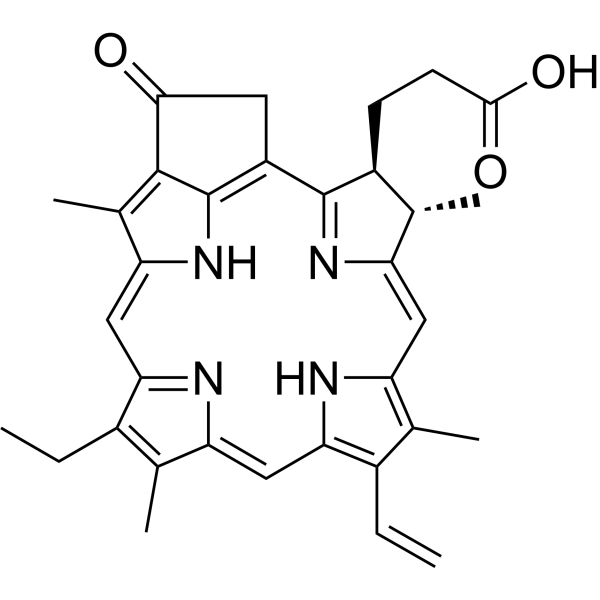
Pyropheophorbide-a (Ppa) is a photosensitizer used in photodynamic therapy (PDT) for tumors. Pyropheophorbide-a exhibits phototoxic effects on tumor cells, such as cervical cancer cells, and also has anti-lipogenesis activity. Pyropheophorbide-a shows potential for research in the fields of cancer and age-related macular degeneration (AMD). Pyropheophorbide-a derivatives also demonstrate inhibitory activity against tumor cells .
|
-
-
- HY-10015
-
|
5-(4-Phenoxybutoxy)psoralen
|
Potassium Channel
|
Inflammation/Immunology
|
|
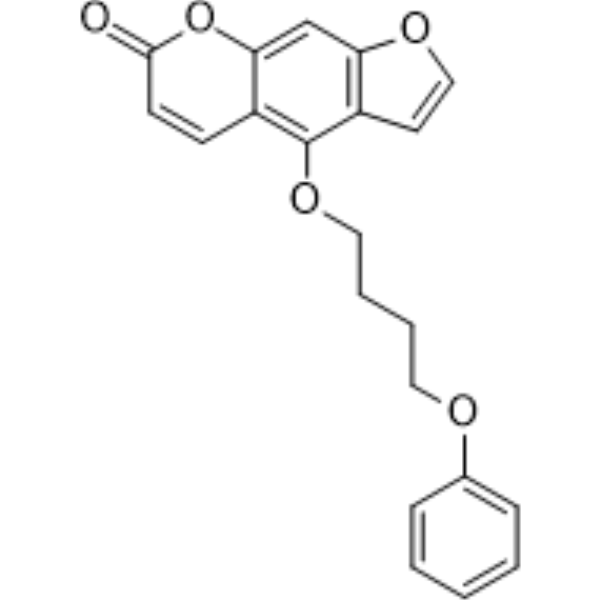
PAP-1 (5-(4-Phenoxybutoxy)psoralen) is a potent, selective, and orally active Kv1.3 blocker (EC50=2 nM). PAP-1 blocks Kv1.3 in a use-dependent manner and acts by preferentially binding to the C-type inactivated state of the channel. PAP-1 exhibits 23-fold selectivity over Kv1.5 (EC50=45 nM), and further displays 33- to 125-fold selectivity over all other Kv1-family channels. PAP-1 does not exhibit cytotoxic or phototoxic effects .
|
-
-
- HY-13568
-
|
LRCL 3794
|
Cytochrome P450
COX
Lipoxygenase
PGE synthase
|
Inflammation/Immunology
|
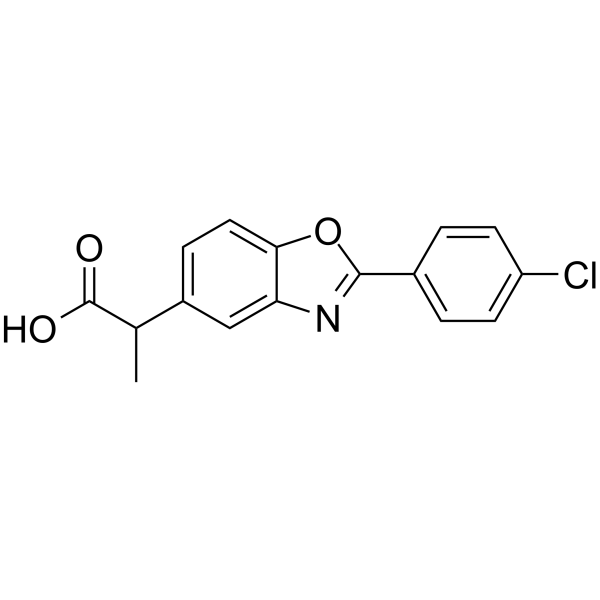
Benoxaprofen (LRCL 3794) is a nonsteroidal anti-inflammatory agent that blocks the biosynthesis of inflammatory mediators such as leukotrienes and prostaglandins by inhibiting 5-LOX, PGH2 synthase and cytochrome P-450. Benoxaprofen exhibits significant toxicity: it not only alters cellular redox status, uncouples oxidative phosphorylation and disrupts calcium ion homeostasis, but also causes liver injury through the formation of covalent adducts between its active metabolites and hepatic proteins. Benoxaprofen shows strong phototoxicity under ultraviolet irradiation, and induces erythrocyte lysis, mast cell degranulation and histamine release. Benoxaprofen is widely used in studies of urticaria and related phototoxic mechanisms .
|
-
-
- HY-120870
-
|
|
Myosin
|
Metabolic Disease
|
|
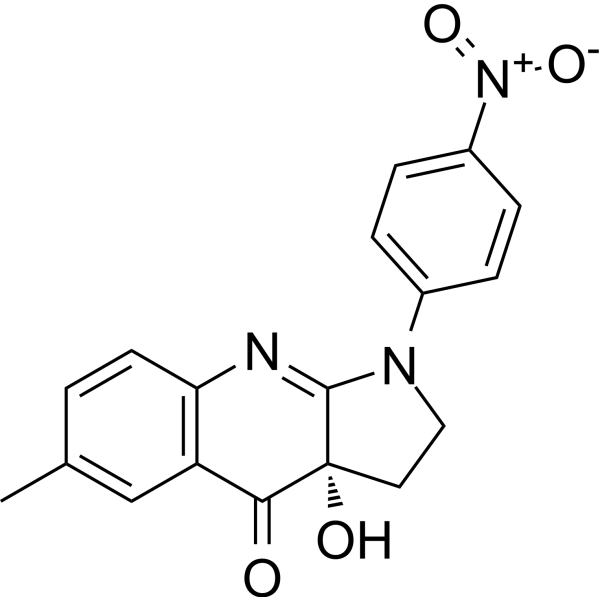
para-Nitroblebbistatin is a derivative of Blebbistatin (HY-13813) and an inhibitor of myosin II. para-Nitroblebbistatin is photostable, non-cytotoxic, and non-phototoxic. para-Nitroblebbistatin can serve as an ideal substitute for Blebbistatin (HY-13813) to study the role of myosin II in physiology, development, and cell biology .
|
-
-
- HY-D2318
-
|
|
Fluorescent Dye
|
Others
|
|
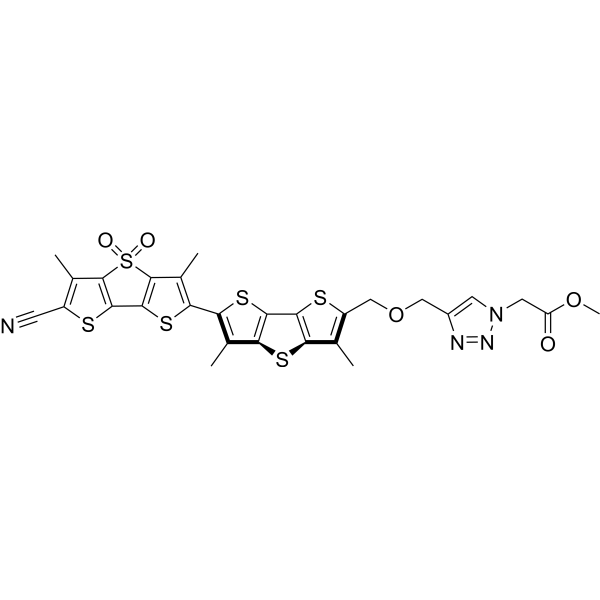
Flipper-TR 5 is a Flipper probe containing a terminal carboxylate for retention on the plasma membrane. Flipper-TR 5 selectively labels the cytoplasmic membrane, and exhibits excellent mechanical sensitivity, negligible cytotoxicity and controllable phototoxicity .
|
-
-
- HY-N4139
-
|
|
Drug Intermediate
|
Cancer
|
|
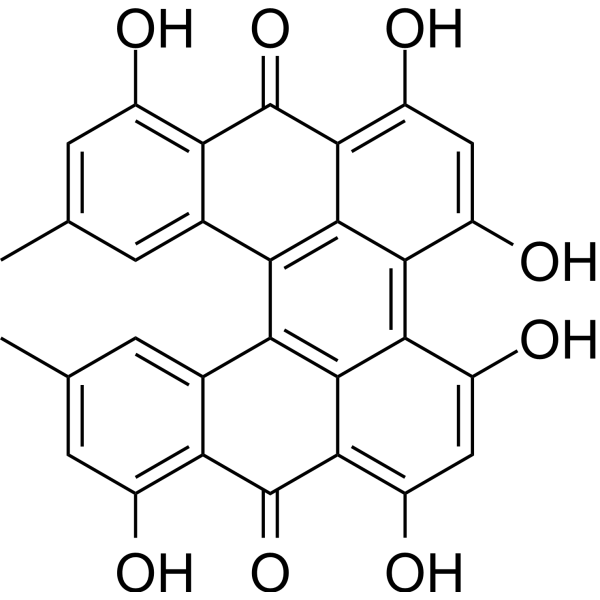
Protohypericin is a compound that can be extracted from Hypericum perforatum. Protohypericin has low photocytotoxicity but can be efficiently photoconverted into Hypericin (HY-N0453) with high phototoxicity under visible light. Protohypericin can be used in cancer research .
|
-
-
- HY-101259
-
-
-
- HY-W854659
-
|
Ce6 trisodium
|
Photosensitizer
|
Cancer
|
|
Chlorin e6 Ce6 (trisodium) is a water-soluble derivative of chlorophyll, belonging to the chlorin class of photosensitizers with an absorption wavelength range of 600-670 nm. Chlorin e6 trisodium emits characteristic red fluorescence upon light excitation, enabling real-time identification of tumor boundaries and progression. Chlorin e6 trisodium can be used for the study of photodynamic therapy (PDT) of cancers (bladder cancer) and fluorescence diagnosis of neoplastic lesions .
|
-

-
- HY-W013521
-
|
|
Environmental Pollutants
|
Others
|
|
Hexyl Salicylate is a commonly used fragrance component, widely applied in cosmetics, perfumes, cleaning products, etc. Hexyl Salicylate has low acute toxicity, no irritation to human skin, no phototoxicity and no photosensitization .
|
-

-
- HY-W587892
-
|
1-Methoxydecane
|
Biochemical Assay Reagents
|
Others
|
|
Decyl methyl ether is a new type of strong fatty ether. Decyl methyl ether is non-genotoxic and phototoxic/photosensitizing .
|
-

-
- HY-W026842
-
|
o-Benzoylbenzoic acid
|
Drug Derivative
|
Others
|
|
2-Benzoylbenzoic acid is a Benzophenone (HY-Y0546) analog. 2-Benzoylbenzoic acid is non-phototoxic due to the alteration of the functional groups. 2-Benzoylbenzoic acid can be used to study the mechanism of phototoxicit .
|
-

-
- HY-148949A
-
|
|
Kallikrein
|
Others
|
|
Kallikrein 5-IN-2 TFA is the TFA salt form of Kallikrein 5-IN-2 (HY-148949). Kallikrein 5-IN-2 TFA is a selective inhibitor for kallikrein 5 (KLK5) with pIC50 of 7.1. Kallikrein 5-IN-2 TFA is non-phototoxic (100 μg/mL) and non-irritant. Kallikrein 5-IN-2 is stable at pH 4-pH 8 under non-oxidative condition. Kallikrein 5-IN-2 is potent in ameliorating the Netherton syndrome .
|
-

-
- HY-10015R
-
|
5-(4-Phenoxybutoxy)psoralen (Standard)
|
Reference Standards
Potassium Channel
|
Inflammation/Immunology
|
|
PAP-1 (Standard) is the analytical standard of PAP-1. This product is intended for research and analytical applications. PAP-1 (5-(4-Phenoxybutoxy)psoralen) is a potent, selective, and orally active Kv1.3 blocker (EC50=2 nM). PAP-1 blocks Kv1.3 in a use-dependent manner and acts by preferentially binding to the C-type inactivated state of the channel. PAP-1 exhibits 23-fold selectivity over Kv1.5 (EC50=45 nM), and further displays 33- to 125-fold selectivity over all other Kv1-family channels. PAP-1 does not exhibit cytotoxic or phototoxic effects .
|
-

-
- HY-178152
-
-

-
- HY-147690
-
|
|
Photosensitizer
|
Cancer
|
|
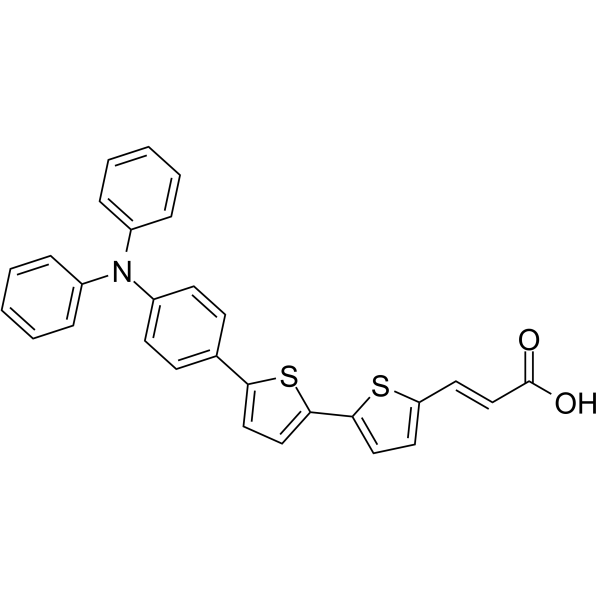
Photosensitizer-2 (compound 1) is a organic D-π-A sensitizer against phototoxicity. Photosensitizer-2 contains an acrylic acid moiety that exerts high levels of phototoxicity. Photosensitizer-2 shows antitumor activity against HeLa cells, with IC50 values of 20.9 ± 4.5 μM (dark) and 0.046 ± 0.012 μM (irradiation), respectively .
|
-
-
- HY-137989
-
|
Voriconazole oxynitride
|
Fungal
|
Infection
|
|
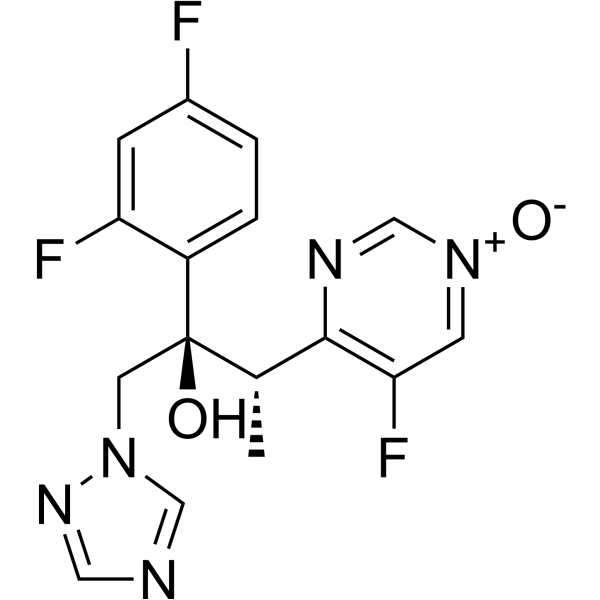
Voriconazole N-oxide (Voriconazole oxynitride) is a potent antifungal agent. Voriconazole N-oxide has phototoxicity and photocarcinogenicity. Voriconazole N-oxide does not sensitize keratinocytes to ultraviolet B (UVB) .
|
-
-
- HY-N10611
-
|
|
Reactive Oxygen Species (ROS)
Apoptosis
Autophagy
Fungal
Fluorescent Dye
|
Infection
Cancer
|
|
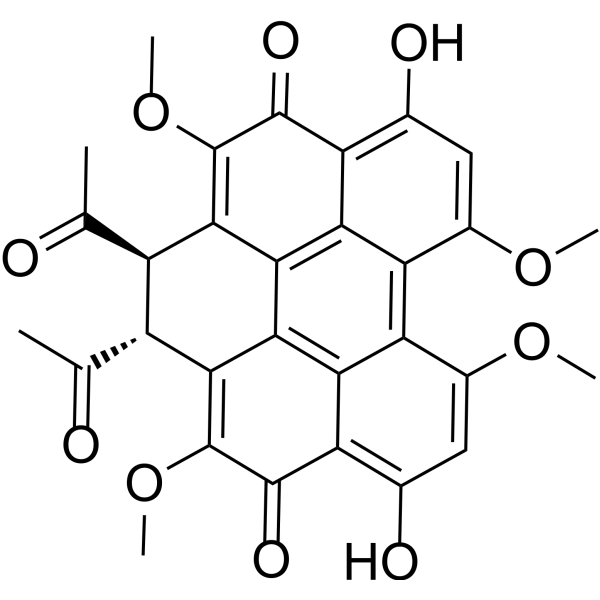
Elsinochrome A is a perylene quinone photosensitizer, and can generate reactive oxygen species (ROS) to induce apoptosis and autophagy under light excitation. Elsinochrome A also shows antifungal activity against C. albicans biofilm through photodynamic antimicrobial chemotherapy (PACT). Elsinochrome A can be used for research of photodynamic therapy (PDT) (Ex: 460 nm) .
|
-
-
- HY-N3491
-
|
|
Bacterial
|
Others
|
|
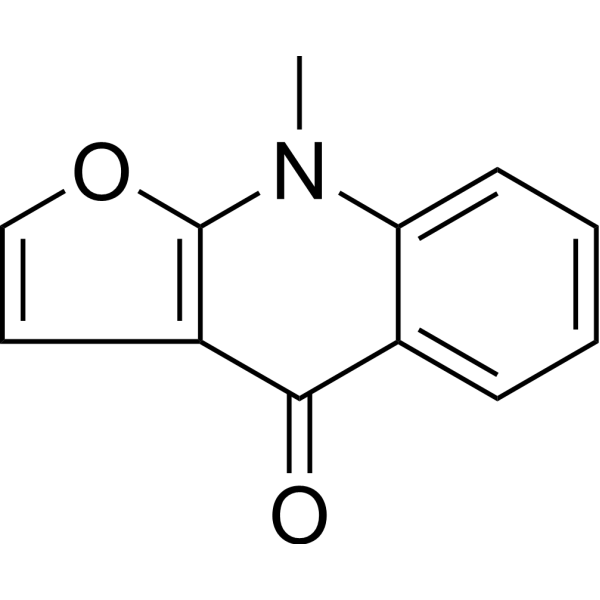
Isodictamnine is a phototoxic furoquinoline compound of the Turnipaceae family. Isodictamnine is phototoxic to certain bacteria and yeasts under long-wave UV light .
|
-
-
- HY-N7402
-
|
|
Others
|
Others
|
|
Hexyl hexanoate is a fruit aroma component with potential food and beverage additive activity. Hexyl hexanoate is found in alcoholic beverages and is used to blend fruit flavors. Hexyl hexanoate is present in many fruits, Parmesan cheese, alcoholic beverages, and black tea. Hexyl hexanoate is a volatile component produced as a result of fruit ripening. Toxicity assessments of hexyl hexanoate showed that it is not mutagenic and that exposure is below safety thresholds for repeated dose, reproduction, and local respiratory toxicity. Hexyl hexanoate is also below thresholds in skin sensitization assessments, and for phototoxicity and photosensitization, the results showed that it does not present a relevant risk. Hexyl hexanoate is considered non-persistent, non-bioaccumulative, and non-toxic according to the environmental criteria of the International Fragrance Association .
|
-

-
- HY-108053
-
|
|
Parasite
Apoptosis
|
Infection
|
|
CDRI-97/78 is an antimalarial agent. CDRI-97/78 has phototoxicity and can induce cell apoptosis and G2/M phase arrest. CDRI-97/78 can be used for the research of infection .
|
-

-
- HY-170396
-
|
|
BCRP
|
Inflammation/Immunology
|
|
ABCG2-IN-4 (Compound K31) is an orally active inhibitor for ABCG2, which reduces the release of Protoporphyrin IX (PPIX) (HY-B1247) from erythrocytes into plasma, and prevents the reduces phototoxicity. ABCG2-IN-4 exhibits anti-inflammatory and antioxidant activity in mouse models .
|
-

-
- HY-W112239
-
|
|
Reactive Oxygen Species (ROS)
Fluorescent Dye
|
Cancer
|
|
BDPI is the a BODIPY derivative. BDPI reveals a high O2 quantum yield and exhibits phototoxicity that inhibits HeLa with an IC50 of 0.6 µg/mL. BDPI nanoarticles can be taken up by HeLa, producing fluorescence signals in the cells, and can be used as cell imaging agent. BDPI nanoarticles exhibit antitumor efficacy in mouse models .
|
-

-
- HY-16403
-
|
|
Sodium Channel
|
Cardiovascular Disease
|
|
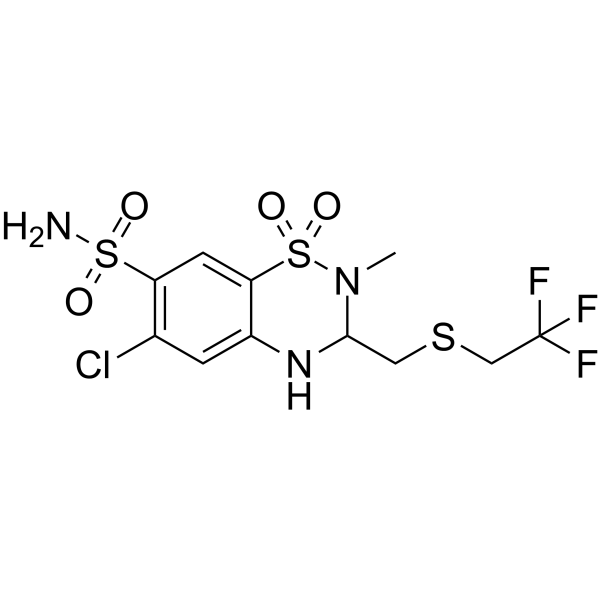
Polythiazide is a potent and orally active thiazide diuretic agent that has antihypertensive effect. Polythiazide can decrease edema and decrease blood pressure. Polythiazide also has phototoxicity .
|
-
-
- HY-146416
-
|
|
Photosensitizer
|
Cancer
|
|
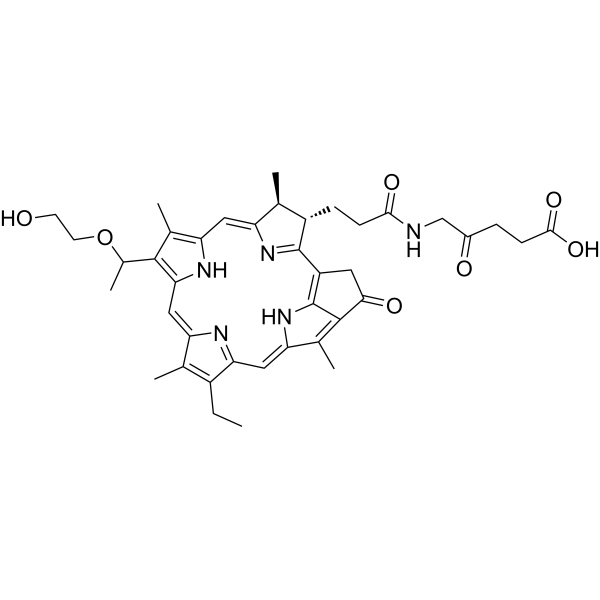
Antitumor photosensitizer-2 (Compound 11) is a potent photosensitizer. Antitumor photosensitizer-2 has outstanding photodynamic anti-tumor effects without obvious skin photo-toxicity, and can act as new agent candidates for photodynamic research .
|
-
-
- HY-146414
-
|
|
Photosensitizer
|
Cancer
|
|
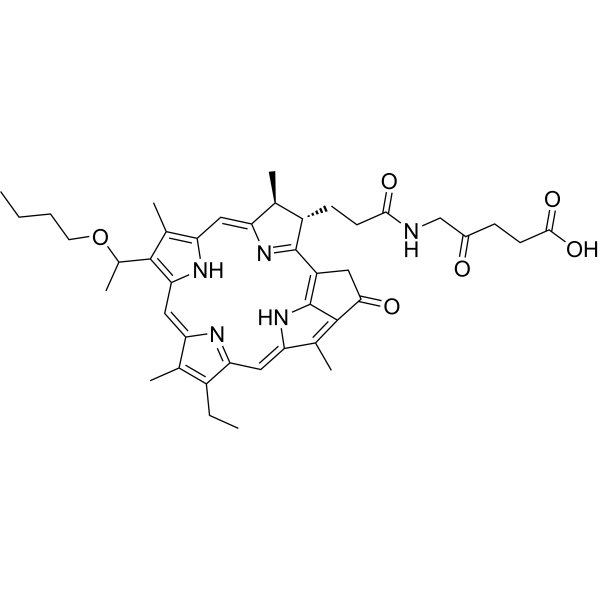
Antitumor photosensitizer-1 (Compound 8) is a potent photosensitizer. Antitumor photosensitizer-1 has outstanding photodynamic anti-tumor effects without obvious skin photo-toxicity, and can act as new agent candidates for photodynamic research .
|
-
-
- HY-W778179
-
|
LRCL 3794-13C,d3
|
Isotope-Labeled Compounds
COX
Cytochrome P450
Lipoxygenase
PGE synthase
|
Inflammation/Immunology
|
|
Benoxaprofen- 13C, d3 is the 13C-labeled Benoxaprofen (HY-13568). Benoxaprofen (LRCL 3794) is a nonsteroidal anti-inflammatory agent that blocks the biosynthesis of inflammatory mediators such as leukotrienes and prostaglandins by inhibiting 5-LOX, PGH2 synthase and cytochrome P-450. Benoxaprofen exhibits significant toxicity: it not only alters cellular redox status, uncouples oxidative phosphorylation and disrupts calcium ion homeostasis, but also causes liver injury through the formation of covalent adducts between its active metabolites and hepatic proteins. Benoxaprofen shows strong phototoxicity under ultraviolet irradiation, and induces erythrocyte lysis, mast cell degranulation and histamine release. Benoxaprofen is widely used in studies of urticaria and related phototoxic mechanisms .
|
-

-
- HY-13568R
-
|
LRCL 3794 (Standard)
|
Reference Standards
COX
Cytochrome P450
Lipoxygenase
PGE synthase
|
Inflammation/Immunology
|
|
Benoxaprofen (Standard) is the analytical standard of Benoxaprofen. This product is intended for research and analytical applications. Benoxaprofen (LRCL 3794) is a nonsteroidal anti-inflammatory agent that blocks the biosynthesis of inflammatory mediators such as leukotrienes and prostaglandins by inhibiting 5-LOX, PGH2 synthase and cytochrome P-450. Benoxaprofen exhibits significant toxicity: it not only alters cellular redox status, uncouples oxidative phosphorylation and disrupts calcium ion homeostasis, but also causes liver injury through the formation of covalent adducts between its active metabolites and hepatic proteins. Benoxaprofen shows strong phototoxicity under ultraviolet irradiation, and induces erythrocyte lysis, mast cell degranulation and histamine release. Benoxaprofen is widely used in studies of urticaria and related phototoxic mechanisms .
|
-

-
- HY-147521
-
|
|
Necroptosis
|
Cancer
|
|
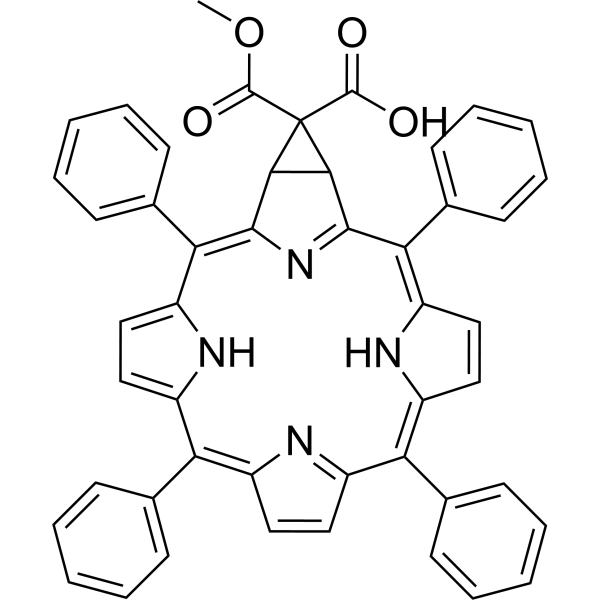
Antitumor photosensitizer-3 (Compound I) is a chlorin derivative. Antitumor photosensitizer-3 induces tumor cells apoptosis and necrosis under 650 nm laser irradiation. Antitumor photosensitizer-3 exhibits lower skin photo-toxicity than positive reference m-THPC in vivo .
|
-
-
- HY-137989S
-
|
Voriconazole oxynitride-d3
|
Isotope-Labeled Compounds
Fungal
|
Infection
|
|
Voriconazole N-oxide-d3 (Voriconazole oxynitride-d3) is deuterium labeled Voriconazole N-oxide. Voriconazole N-oxide (Voriconazole oxynitride) is a potent antifungal agent. Voriconazole N-oxide has phototoxicity and photocarcinogenicity. Voriconazole N-oxide does not sensitize keratinocytes to ultraviolet B (UVB) .
|
-

-
- HY-D2953
-
|
CLIP-CPY
|
Fluorescent Dye
|
Others
|
|
BC-CPY is a CLIP-tagged probe based on the pyridine-benzoanthrone (CPY) fluorophore (Ex/Em: 580 nm/610 nm). BC-CPY has excellent cell membrane permeability, enabling deep imaging, low phototoxicity and high signal-to-noise ratio. BC-CPY can be used for super-resolution microscopy imaging of living cells .
|
-

-
- HY-D2620
-
|
|
Photosensitizer
Reactive Oxygen Species (ROS)
Ferroptosis
|
Cancer
|
|
CAR-2 is a BODIPY-based photosensitizer that induces ferroptosis in photodynamic therapy (PDT) by targeting the endoplasmic reticulum (ER) and lipid droplets (LDs). CAR-2 exhibits phototoxicity in breast cancer cells with IC50 of 0.01-0.02 μM. CAR-2 exhibits antitumor efficacy in 4T1 xenograft mouse models .
|
-

-
- HY-168260
-
|
|
Apoptosis
Ferroptosis
MMP
|
Cancer
|
|
CQ-Mito is a Coumarin-Quinazolinone (CQ)-based derivative that targets mitochondria and exhibits profound phototherapeutic performances with an Phototoxic Index (PI) value of 167. CQ-Mito causes cell death by both apoptosis and ferroptosis. CQ-Mito mediates mitochondrial dysfunction, including mitochondrial morphology changed and the loss of MMP. CQ-Mito can efficiently inhibit the tumor growth in organoid tumor models .
|
-

-
- HY-156092
-
|
|
BCRP
Apoptosis
|
Cancer
|
|
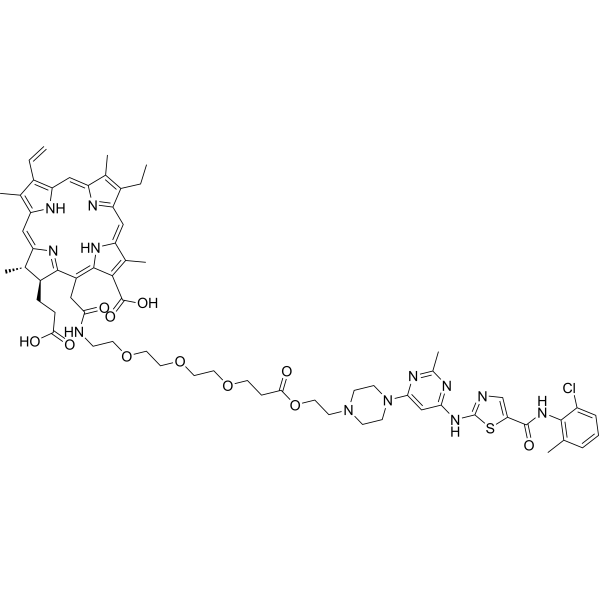
Antitumor photosensitizer-4 (compound 10b) is a potent tyrosine kinase inhibitor (TKI) targeting ABCG2. Antitumor photosensitizer-4 is a photosensitizer (PS) consisting of a conjugate of dasatinib (HY-10181) and imatinib (HY-15463). Antitumor photosensitizer-4 induces apoptosis and ROS production and exhibits strong phototoxicity to HepG2 and B16-F10 cells .
|
-
-
- HY-128973R
-
|
|
Reactive Oxygen Species (ROS)
Reference Standards
|
Cancer
|
|
Pyropheophorbide-a (Standard) is the analytical standard of Pyropheophorbide-a. This product is intended for research and analytical applications. Pyropheophorbide-a (Ppa) is a photosensitizer used in photodynamic therapy (PDT) for tumors. Pyropheophorbide-a exhibits phototoxic effects on tumor cells, such as cervical cancer cells, and also has anti-lipogenesis activity. Pyropheophorbide-a shows potential for research in the fields of cancer and age-related macular degeneration (AMD). Pyropheophorbide-a derivatives also demonstrate inhibitory activity against tumor cells .
|
-

-
- HY-175214
-
|
|
Reactive Oxygen Species (ROS)
Photosensitizer
|
Cancer
|
|
Antitumor photosensitizer-9 is a near-infrared Photosensitizer (PS) with a high singlet oxygen production rate (relative rate = 1.79). Antitumor photosensitizer-9 exhibits strong phototoxicity against various cancer cells and induces ROS generation under light irradiation. Antitumor photosensitizer-9 inhibits tumor growth in vivo and exhibits excellent anticancer photodynamic therapy (PDT) efficacy at low drug and light doses. Antitumor photosensitizer-9 can be used in photodynamic therapy research .
|
-

-
- HY-157053
-
|
|
Biochemical Assay Reagents
|
Cancer
|
|
[Ru(dppn)2phen](PF6)2 (compound 4) is a polypyridylruthenium compound used in photodynamic therapy (PDT). [Ru(dppn)2phen](PF6)2 is normally nontoxic under dark conditions and induces mitochondrial respiratory damage upon light exposure. [Ru(dppn)2phen](PF6)2 exhibits high levels of singlet oxygen quantum yield and phototoxicity against cancer cells .
|
-
2](//file.medchemexpress.com/product_pic/hy-157053.gif)
-
- HY-163034
-
|
|
Apoptosis
Reactive Oxygen Species (ROS)
|
Cancer
|
|
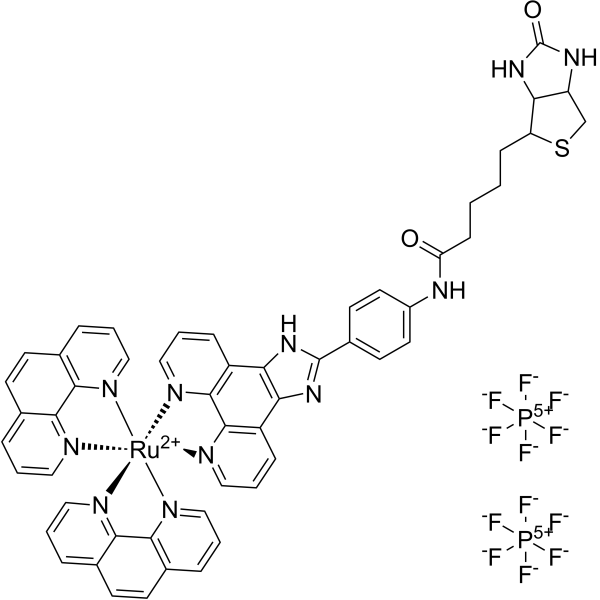
Antitumor photosensitizer-5 (Ru2) is a photosensitizer which effectively target tumor mitochondria with an IC50 of 0.3 μM for phototoxicity to A549 cells. Under 460 nm light irradiation, antitumor photosensitizer-5 induces the generation of reactive oxygen species and NADH depletion, causes mitochondrial damage and activation of caspase-3, inducing apoptosis and suppressing cell migration. Antitumor photosensitizer-5 has the potential to prevent the growth of malignant tumors, therefore, shows the potential to be applied to photodynamic therapy .
|
-
-
- HY-W587755
-
|
|
Sodium Channel
|
Cardiovascular Disease
|
|
Benzylhydrochlorothiazide is an orally active thiazide diuretic. Benzylhydrochlorothiazide acts on the distal convoluted tubules of the kidneys, inhibiting the reabsorption of sodium chloride, thereby increasing urine output and reducing the body's fluid volume. Benzylhydrochlorothiazide has phototoxicity and a potential risk of skin reactions. Benzylhydrochlorothiazide can cause cell death when exposed to UVA radiation. Benzylhydrochlorothiazide is used in research on hypertension and edema .
|
-

-
- HY-W142457
-
|
|
Biochemical Assay Reagents
Fungal
|
Infection
Inflammation/Immunology
|
|
Dihydromyrcenol is an orally active flavor ingredient and Antifungal agent. Dihydromyrcenol acts as a toxicant. Dihydromyrcenol induces phototoxicity-related growth inhibition in Bakers' Yeast. In pregnant rats, Dihydromyrcenol causes threshold maternal toxicity by reducing feed consumption and body weight gain, and also induces threshold developmental toxicity by decreasing fetal body weight, inhibiting ossification of metatarsal bones in the hind paws, increasing the number of extra thoracic vertebrae ribs, and altering vertebral counts .
|
-

-
- HY-B1644
-
|
|
Bacterial
|
Inflammation/Immunology
|
|
Fenticlor is a topical antibacterial agent that can be used for treating acne. Fenticlor can cause photosensitivity reactions and is a known cause of phototoxic dermatitis .
|
-

-
- HY-106849
-
|
|
Drug Derivative
|
Inflammation/Immunology
|
|
Y-26611 is an orally active new type of quinolone derivative. Y-26611 exhibits strong phototoxicity under UV irradiation and can significantly induce lipid peroxidation of human red blood cell membrane .
|
-

-
- HY-N4139R
-
|
|
Reference Standards
Drug Intermediate
|
Cancer
|
|
Protohypericin is a compound that can be extracted from Hypericum perforatum. Protohypericin has low photocytotoxicity but can be efficiently photoconverted into Hypericin (HY-N0453) with high phototoxicity under visible light. Protohypericin can be used in cancer research .
|
-

-
- HY-153271
-
|
|
Bacterial
|
Infection
|
|
Antifungal agent 147 (compound 2) is a lipophilic antibacterial agent with dark toxicity. Antifungal agent 147 shows a phototoxic effect on S. aureus and E. coli. Antifungal agent 147 can penetrate the bacterial cell membrane and disturb its structure, leading to dark toxicity. Antifungal agent 147 can be used for bacteria infection research .
|
-

-
- HY-W720550
-
|
5,6-Epoxy-RP
|
DNA/RNA Synthesis
Drug Metabolite
|
Cancer
|
|
5,6-Epoxyretinyl palmitate (5,6-Epoxy-RP) is one of the main photodegradation products of Retinyl palmitate (HY-B1384) produced under UVA light irradiation. 5,6-Epoxyretinyl palmitate exhibits phototoxicity to cells and causes significant DNA single-strand breaks, DNA damage, and chromosomal mutations under light conditions .
|
-

-
- HY-182066
-
|
|
PANoptosis
|
Cancer
|
|
Photosensitizer-9 is an iridium (III)-based photosensitizer with anti-melanoma activity. Photosensitizer-9 exhibits significant phototoxicity (IC50=0.98 μM) and an ideal phototoxicity index (PI=3.05). Under light irradiation, Photosensitizer-9 generates large amounts of intracellular •OH in an oxygen-independent manner. Photosensitizer-9 mediates photodynamic therapy under hypoxic conditions and synergistically activates PANoptosis (by upregulating cleaved Caspase-3, GSDMD-N, p-MLKL), ferroptosis (by disrupting the GSH-GPX4-LPO axis), apoptosis, pyroptosis and necroptosis in melanoma cells. Photosensitizer-9 induces immunogenic cell death by promoting the release of damage-associated molecular patterns under hypoxic conditions and increases the maturation rate of dendritic cells. Photosensitizer-9 reduces tumor volume in melanoma-bearing mice. Photosensitizer-9 is applicable to relevant studies on melanoma .
|
-

-
- HY-170883
-
|
|
Photosensitizer
|
Cancer
|
|
Type-I/-II Photosensitizer-1 (compound 8b) is a photosensitizer with anticancer activity. Type-I/-II Photosensitizer-1 exhibits significant phototoxicity against both A549 and 4T1 tumor cells. Type-I/-II Photosensitizer-1 shows a strong oxygen-independent antitumor effect under laser irradiation (IC50=1.50-1.76 μM) .
|
-

-
- HY-176859
-
|
|
Apoptosis
|
Cancer
|
|
[Ru(dpp)(bpy)(mtmp)](PF6)2 (Compound 5) is a trisheteroleptic ruthenium complex. [Ru(dpp)(bpy)(mtmp)](PF6)2 has a light-activated anticancer activity. [Ru(dpp)(bpy)(mtmp)](PF6)2 can selectively cleave off upon green light irradiation, thereby releasing a phototoxic ruthenium-based photoproduct that binds to nuclear DNA, induces DNA damage and apoptosis in cancer cells. [Ru(dpp)(bpy)(mtmp)](PF6)2 can be used for phototherapy of cancers like conjunctival melanoma research .
|
-
2](//file.medchemexpress.com/product_pic/hy-176859.gif)
-
- HY-D1737
-
|
|
Bacterial
|
Infection
|
|
RADA is a fluorescent D-amino acid (FDAA) with high photostability and thermostability, which emits yellow-to-orange fluorescence. RADA shows low outer membrane permeability in wild-type Gram-negative Escherichia coli, but it targets penicillin-binding proteins and L,D-transpeptidases, mimics the interaction between acyl acceptors and enzyme intermediates, and integrates into peptidoglycan during biosynthesis. As a peptidoglycan labeling reagent, RADA metabolically integrates into the nascent peptidoglycan of live bacterial cells, labels the peptidoglycan at the poles and lateral walls of mycobacteria, and enables visualization of peptidoglycan synthesis and remodeling processes. RADA serves as a non-specific stain for fixed cells, is non-toxic to bacterial cells, and its red-shifted excitation/emission spectra reduce phototoxicity. RADA also supports virtual pulse-chase labeling experiments and stochastic optical reconstruction microscopy for sub-diffraction-limited imaging of bacterial cell walls .
|
-

| Cat. No. |
Product Name |
Type |
-
- HY-D2318
-
|
|
Fluorescent Dyes
|
|
Flipper-TR 5 is a Flipper probe containing a terminal carboxylate for retention on the plasma membrane. Flipper-TR 5 selectively labels the cytoplasmic membrane, and exhibits excellent mechanical sensitivity, negligible cytotoxicity and controllable phototoxicity .
|
-
- HY-D2953
-
|
CLIP-CPY
|
Fluorescent Dyes
|
|
BC-CPY is a CLIP-tagged probe based on the pyridine-benzoanthrone (CPY) fluorophore (Ex/Em: 580 nm/610 nm). BC-CPY has excellent cell membrane permeability, enabling deep imaging, low phototoxicity and high signal-to-noise ratio. BC-CPY can be used for super-resolution microscopy imaging of living cells .
|
-
- HY-D2620
-
|
|
Fluorescent Dyes
|
|
CAR-2 is a BODIPY-based photosensitizer that induces ferroptosis in photodynamic therapy (PDT) by targeting the endoplasmic reticulum (ER) and lipid droplets (LDs). CAR-2 exhibits phototoxicity in breast cancer cells with IC50 of 0.01-0.02 μM. CAR-2 exhibits antitumor efficacy in 4T1 xenograft mouse models .
|
-
- HY-D1737
-
|
|
Fluorescent Dyes
|
|
RADA is a fluorescent D-amino acid (FDAA) with high photostability and thermostability, which emits yellow-to-orange fluorescence. RADA shows low outer membrane permeability in wild-type Gram-negative Escherichia coli, but it targets penicillin-binding proteins and L,D-transpeptidases, mimics the interaction between acyl acceptors and enzyme intermediates, and integrates into peptidoglycan during biosynthesis. As a peptidoglycan labeling reagent, RADA metabolically integrates into the nascent peptidoglycan of live bacterial cells, labels the peptidoglycan at the poles and lateral walls of mycobacteria, and enables visualization of peptidoglycan synthesis and remodeling processes. RADA serves as a non-specific stain for fixed cells, is non-toxic to bacterial cells, and its red-shifted excitation/emission spectra reduce phototoxicity. RADA also supports virtual pulse-chase labeling experiments and stochastic optical reconstruction microscopy for sub-diffraction-limited imaging of bacterial cell walls .
|
| Cat. No. |
Product Name |
Type |
-
- HY-W854659
-
|
Ce6 trisodium
|
Biochemical Assay Reagents
|
|
Chlorin e6 Ce6 (trisodium) is a water-soluble derivative of chlorophyll, belonging to the chlorin class of photosensitizers with an absorption wavelength range of 600-670 nm. Chlorin e6 trisodium emits characteristic red fluorescence upon light excitation, enabling real-time identification of tumor boundaries and progression. Chlorin e6 trisodium can be used for the study of photodynamic therapy (PDT) of cancers (bladder cancer) and fluorescence diagnosis of neoplastic lesions .
|
| Cat. No. |
Product Name |
Category |
Target |
Chemical Structure |
| Cat. No. |
Product Name |
Chemical Structure |
-
- HY-W778179
-
|
|
|
Benoxaprofen- 13C, d3 is the 13C-labeled Benoxaprofen (HY-13568). Benoxaprofen (LRCL 3794) is a nonsteroidal anti-inflammatory agent that blocks the biosynthesis of inflammatory mediators such as leukotrienes and prostaglandins by inhibiting 5-LOX, PGH2 synthase and cytochrome P-450. Benoxaprofen exhibits significant toxicity: it not only alters cellular redox status, uncouples oxidative phosphorylation and disrupts calcium ion homeostasis, but also causes liver injury through the formation of covalent adducts between its active metabolites and hepatic proteins. Benoxaprofen shows strong phototoxicity under ultraviolet irradiation, and induces erythrocyte lysis, mast cell degranulation and histamine release. Benoxaprofen is widely used in studies of urticaria and related phototoxic mechanisms .
|
-
-
- HY-137989S
-
|
|
|
Voriconazole N-oxide-d3 (Voriconazole oxynitride-d3) is deuterium labeled Voriconazole N-oxide. Voriconazole N-oxide (Voriconazole oxynitride) is a potent antifungal agent. Voriconazole N-oxide has phototoxicity and photocarcinogenicity. Voriconazole N-oxide does not sensitize keratinocytes to ultraviolet B (UVB) .
|
-
Your information is safe with us. * Required Fields.
Inquiry Information
- Product Name:
- Cat. No.:
- Quantity:
- MCE Japan Authorized Agent:





2](http://file.medchemexpress.com/product_pic/hy-157053.gif)


2](http://file.medchemexpress.com/product_pic/hy-176859.gif)





