



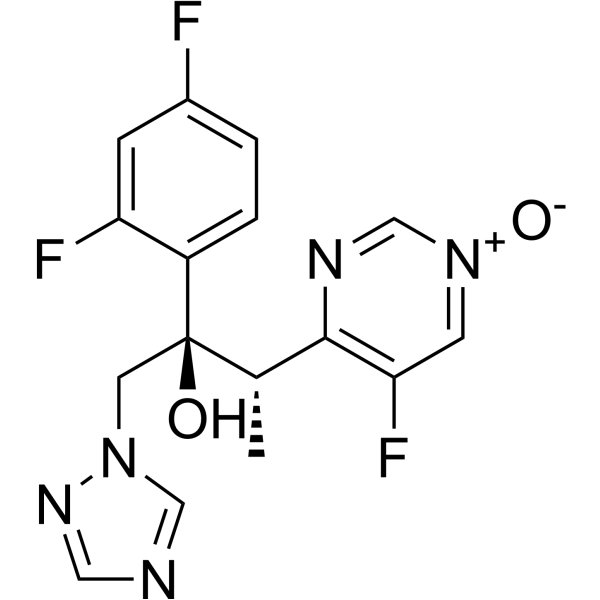
Voriconazole N-oxide
Voriconazole N-oxide (Voriconazole oxynitride) is a metabolite of Voriconazole (HY-76200) and lacks antifungal activity. Voriconazole N-oxide inhibits human CYP2C9- and CYP3A4-mediated metabolism (IC50 = 11.2 μM and 8.7 μM, respectively). Voriconazole N-oxide shows no significant inhibition of CYP1A2/2B6/2C8/2C19/2D6. Voriconazole N-oxide decreases SOD1 and induces oxidative stress, ROS generation, oxidative DNA damage, and UVA photosensitization. Voriconazole N-oxide can be used in research on skin cancer, Voriconazole-induced liver injury, and squamous cell carcinoma.
For research use only. We do not sell to patients.
- CAS No.: 618109-05-0
- Formula: C16H14F3N5O2
- Molecular Weight:365.31
-
Storage:
Please store the product under the recommended conditions in the Certificate of Analysis.

To place orders, for customer services and technical support, please contact: MedChemExpress USA
Tel: 609-228-6898 E-mail: [email protected] [email protected]


-
 Biological Activity
-
Chemical Information
- Protocols
- Purity & Documentation
- References
-
 Help & FAQs


-
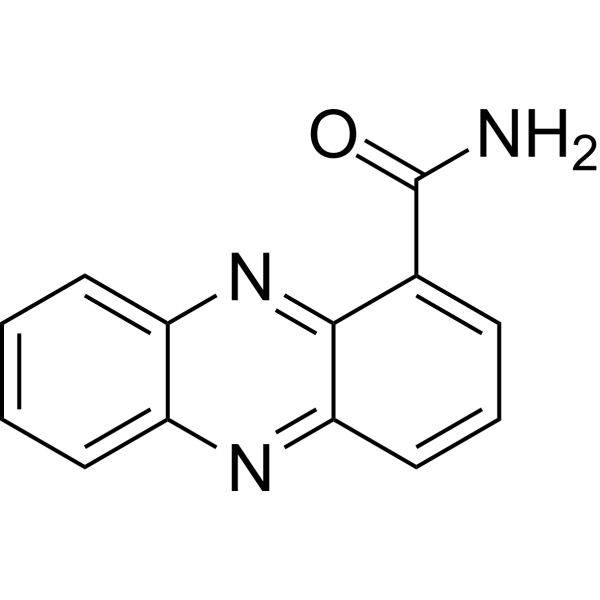
HY-W042191
OxychlororaphineAntifungal Agent -
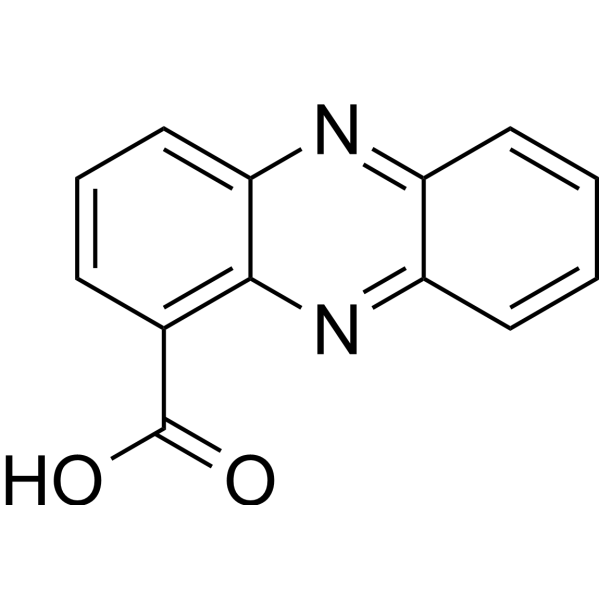
HY-33037
Phenazine-1-carboxylic acidFungal Inhibitor -

HY-33037R
Phenazine-1-carboxylic acid (Standard)Fungal Inhibitor -
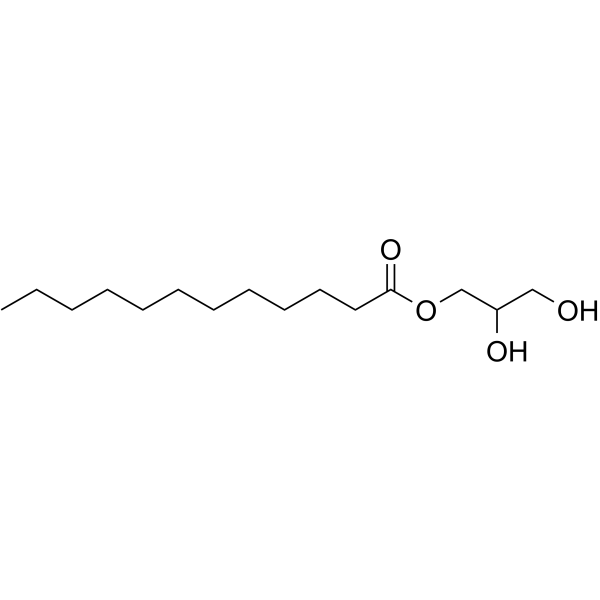
HY-121620
MonolaurinAntimicrobial Agent -

HY-W042191R
Oxychlororaphine (Standard)Antifungal Agent -
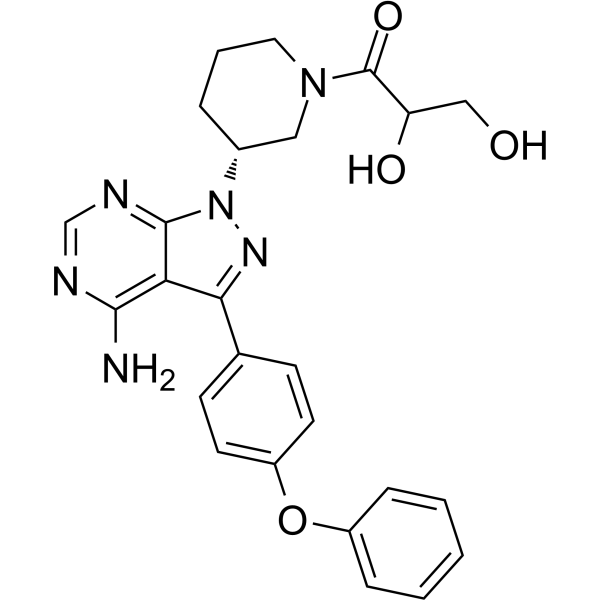
HY-100659
Dihydrodiol-IbrutinibBTK Inhibitor -
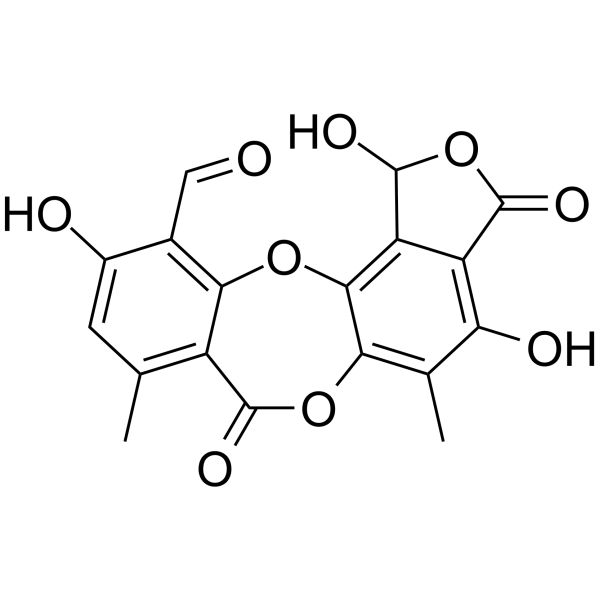
HY-N10457
Norstictic acidAllossteric Transcriptional Regulator -
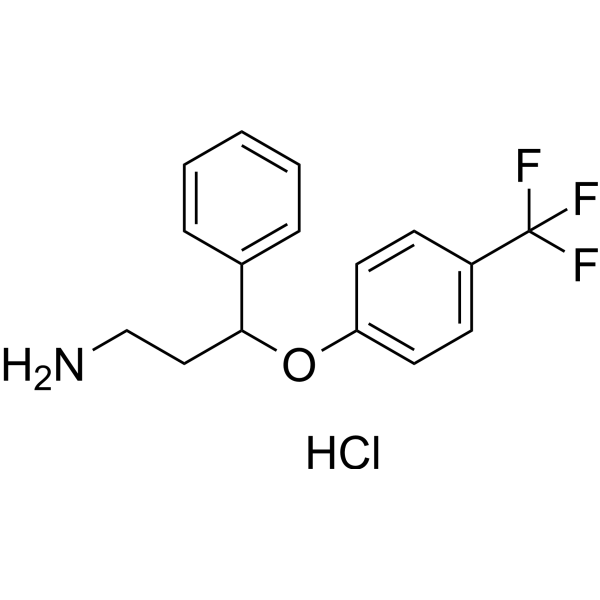
HY-W011235
Norfluoxetine hydrochlorideMetabolite of Fluoxetine -
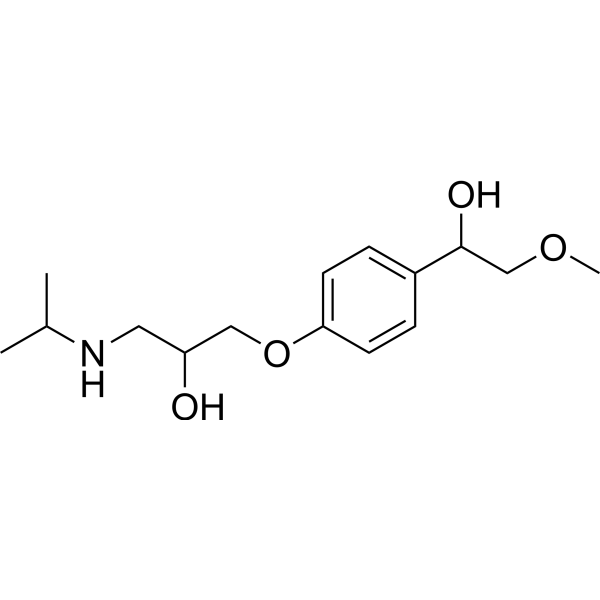
HY-134670
a-HydroxymetoprololMetabolite -

HY-131630
O-DesmethylmetoprololDrug Metabolite -
HY-135556AS
Norfluoxetine-d5Stable Isotope -

HY-122508
HydroxyebastineEbastine Metabolite


Biological Activity
Description
IC50 & Target
others
In Vitro
Voriconazole N-oxide (400 μg/mL; 6 h) induces ROS accumulation and increases superoxide and H2O2 while decreasing CAT activity in HepG2 cells[5].
Voriconazole N-oxide (200-800 μg/mL; 6 h) inhibits SOD1 protein levels in HepG2 cells[5].
Voriconazole N-oxide (30 min; UVA 5 J cm−2) induces 8-oxoguanine oxidative DNA damage in normal human epidermal keratinocytes[7].
Voriconazole N-oxide (UVB 0-300 mJ/cm2) is converted to photo-modified Voriconazole N-oxide in a UVB dose-dependent manner[2].
Voriconazole N-oxide (0.015-0.15 mM) is not glucuronidated by recombinant UGT2B10 or UGT1A6[3].
Voriconazole N-oxide (0-100 μM; 5-40 min) inhibits CYP2C9 and CYP3A4 (probe substrate) in human liver microsomes with IC50 values of 11.2 μM and 8.7 μM, respectively, while showing minimal inhibition of the other tested CYP isoforms[4].
Voriconazole N-oxide (1 μM; 0-60 min) is metabolically stable in recombinant human CYP1A2, 2C9, 2C19, 2D6, and 3A4, with ≥95.8% remaining after 60 min[4].
Voriconazole N-oxide inhibits BSEP-mediated taurocholic acid transport with an IC50 of 237.65 μg/mL in the BSEP transport assay[5].
Voriconazole N-oxide (30 μM; 24 h before irradiation; 5-7 days post-irradiation) sensitizes normal human epidermal keratinocytes to UVA, with a greater than three-fold reduction in survival at 10 J cm−2, but does not sensitize them to UVB[7].
Voriconazole N-oxide h(2 µM; 0-60 min) is formed from Voriconazole with CYP2C19 and CYP3A4 as major contributors in liver microsomes from healthy and CIA DBA/1J mice, while Voriconazole remained stable over 60 min[8].
MedChemExpress (MCE) has not independently confirmed the accuracy of these methods. They are for reference only.


Chemical Information
-
CAS No. 618109-05-0
-
Molecular Weight 365.31
-
Formula C16H14F3N5O2
-
SMILES
O[C@@](CN1N=CN=C1)(C2=CC=C(F)C=C2F)[C@@H](C)C3=C(F)C=[N+]([O-])C=N3
-
Synonyms
Voriconazole oxynitride
-
Shipping
Room temperature in continental US; may vary elsewhere.
-
Storage
Please store the product under the recommended conditions in the Certificate of Analysis.


Purity & Documentation
-
Data Sheet (292 KB)
-
SDS (252 KB)
- Français - FR (252 KB)
- Deutsch - DE (252 KB)
- Norwegian - NO (252 KB)
- Español - ES (252 KB)
- Swedish - SV (252 KB)
- Italian - IT (252 KB)
- Korean - KR (252 KB)
- Portuguese - PT (252 KB)
-
Handling Instructions (2659 KB)
References
[4]. Giri P, et al. Evaluation of In Vitro Cytochrome P450 Inhibition and In Vitro Fate of Structurally Diverse N-Oxide Metabolites: Case Studies with Clozapine, Levofloxacin, Roflumilast, Voriconazole and Zopiclone. European journal of drug metabolism and pharmacokinetics. 2017 Aug;42(4):677-688. [Content Brief]
[7]. Ona K, et al. Voriconazole N-oxide and its ultraviolet B photoproduct sensitize keratinocytes to ultraviolet A. The British journal of dermatology. 2015 Sep;173(3):751-9. [Content Brief]

Calculators
Concentration (start) × Volume (start) = Concentration (final) × Volume (final)


Voriconazole N-oxide Related Classifications
HY-137989 Related Classifications
 Powered by Bioz
Keywords
- Voriconazole N-oxide
- 618109-05-0
- Voriconazole oxynitride
- Drug Metabolite
- Cytochrome P450
- Reactive Oxygen Species (ROS)
- SOD
- CYPs
- Superoxide Dismutase
- BSEP
- CYP2C9
- CYP3A4
- cholestasis
- hepatocyte death
- oxidative DNA damage
- oxidative stress
- reactive oxygen species
- skin cancer
- squamous cell carcinoma
- Inhibitor
- inhibitor
- inhibit