1. Search Result
Search Result
Results for "

pressor

" in MedChemExpress (MCE) Product Catalog:

57

Inhibitors & Agonists

6

Peptides

5

Natural
Products

4

Isotope-Labeled Compounds

Cat. No. Product Name Target Research Areas Chemical Structure
  • HY-108652
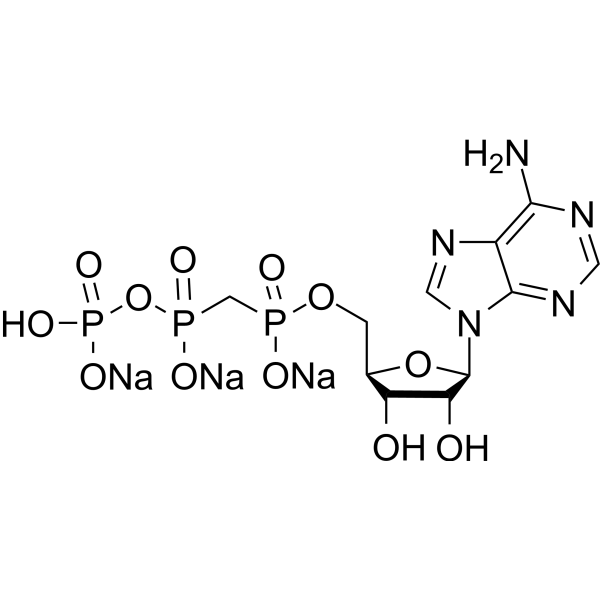
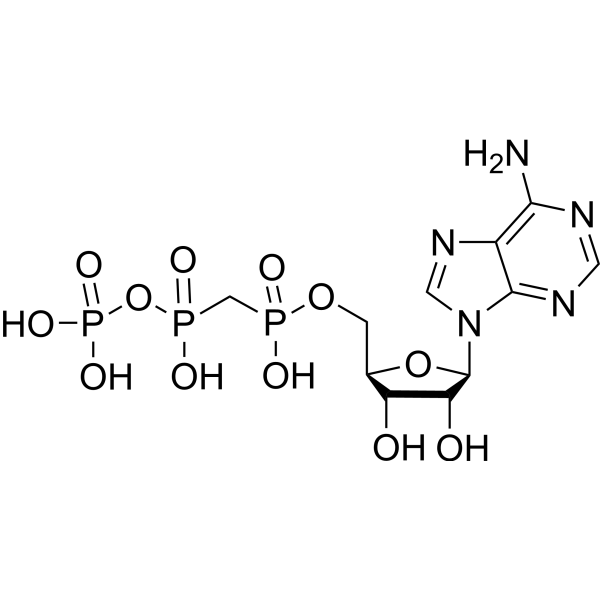
    α,β-Methylene-ATP trisodium
    1 Publications Verification

    P2X Receptor Inflammation/Immunology
    α,β-Methylene-ATP trisodium is an agonist of P2X1 and P2X3 receptors and can cross the blood-brain barrier. α,β-Methylene-ATP trisodium can trigger a reflex pressor response by activating P2X receptors in peripheral muscles and the central locus coeruleus (LC); this effect can be blocked by the P2X antagonist PPADS (HY-108960). α,β-Methylene-ATP trisodium also activates noradrenergic neurons in the central locus coeruleus, mediating antinociceptive effects; this effect can be attenuated by the locus coeruleus damaging agent DSP-4 (HY-103210/HY-121602). α,β-Methylene-ATP trisodium can be used to study the pathological mechanisms of neuropathic pain, cardiovascular reflex regulation, and antinociceptive effects of the central nervous system .
    α,β-Methylene-ATP trisodium
  • HY-B1277
    Trihexyphenidyl hydrochloride
    3 Publications Verification

    mAChR Cholinesterase (ChE) Neurological Disease
    Trihexyphenidyl hydrochloride is a selective and orally active M1 muscarinic receptor antagonist with an IC50 of 3.7 nM for rat cerebral cortex M1 muscarinic receptors. Trihexyphenidyl hydrochloride modulates cholinergic activity, countering acetylcholine supersensitivity in neural pathways. Trihexyphenidyl hydrochloride improves movement disorder, inhibits McN-A-343 (HY-107648)-induced pressor responses, vagally-induced bradycardia and vasodilatation. Trihexyphenidyl hydrochloride can be used for the research of Parkinson's disease. .
    Trihexyphenidyl hydrochloride
  • HY-12765

    E-3174; EXP-3174

    Drug Metabolite Angiotensin Receptor Cardiovascular Disease
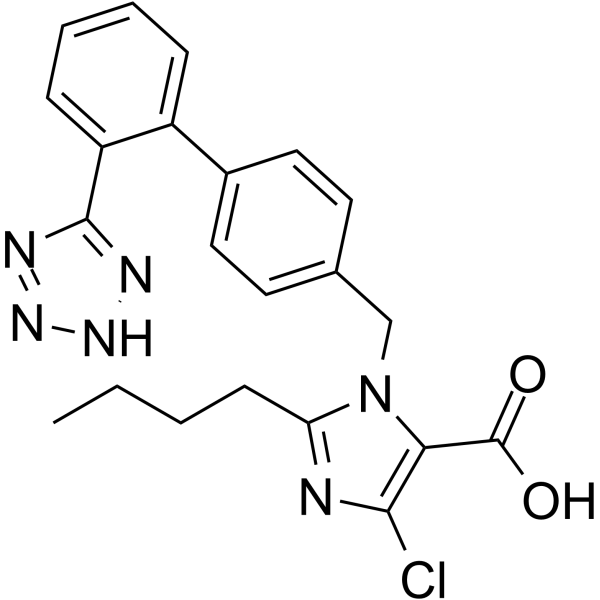
    Losartan Carboxylic Acid (E-3174), an active carboxylic acid metabolite of Losartan, is an angiotensin II receptor type 1 (AT1) antagonist. The Ki values are 0.97, 0.57, 0.67 nM for rat AT1B/AT1A and human AT1, respectively. Losartan Carboxylic Acid blocks the angiotensin II-induced responses in vascular smoothmuscle cells (VSMC). Losartan Carboxylic Acid elevates plasma renin activities and reduces mean arterial pressure .
    Losartan Carboxylic Acid
  • HY-76547
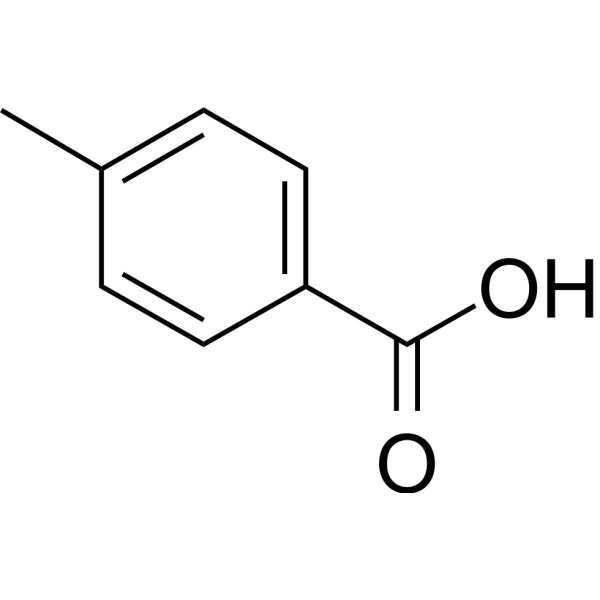
    p-Toluic acid
    1 Publications Verification

    4-Methylbenzoic acid

    Endogenous Metabolite Metabolic Disease
    p-Toluic acid (4-Methylbenzoic acid), coumarin, is a substituted benzoic acid. p-Toluic acidis synthetic p-aminomethylbenzoic acid (PAMBA), intermediates such as p-toluonitrile. p-Toluic acidMay have potential reproductive toxicity, press 1g/kgRepeated administration of doses can produce a variety of adverse effects on the epididymis .
    p-Toluic acid
  • HY-B1199

    Monoamine Oxidase Reactive Oxygen Species (ROS) Cardiovascular Disease Neurological Disease Inflammation/Immunology
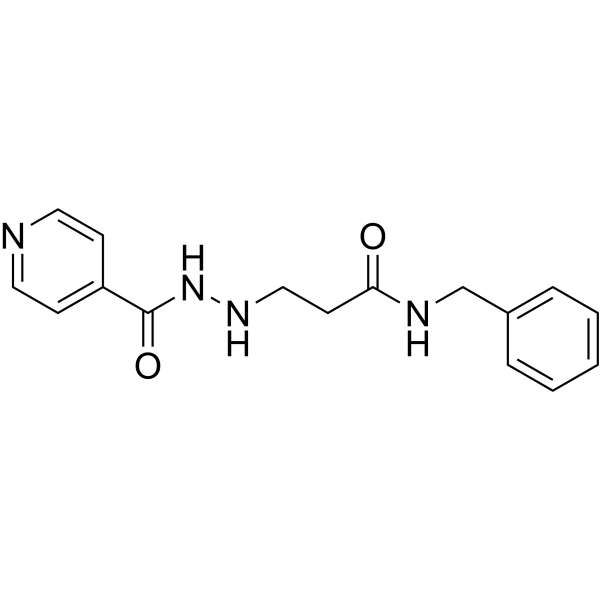
    Nialamide is a non-selective monoamine oxidase (MAO) inhibitor. Nialamide inhibits MAO and regulates ROS production. Nialamide induces hyperkinesis in animals, enhances the anticonvulsant effect of Diphenylhydantoin in mice, increases rectal temperature, and enhances the pressor effect of Norepinephrine. Nialamide can be used in the research of depression, inflammatory diseases, neurodegenerative diseases, and hypertension .
    Nialamide
  • HY-110261
    GS143
    2 Publications Verification

    IKK E1/E2/E3 Enzyme NF-κB Inflammation/Immunology
    GS143 is a selec­tive IκBα ubiquitination inhibitor with an IC50 of 5.2 μM for SCF βTrCP1-mediated IκBα ubiquitylation. GS143 sup­presses NF-κB acti­va­tion and tran­scrip­tion of tar­get genes and does not inhibit proteasome activity. GS143 has anti-asthma effect .
    GS143
  • HY-113248

    Endogenous Metabolite Adrenergic Receptor Reactive Oxygen Species (ROS) Cardiovascular Disease Inflammation/Immunology
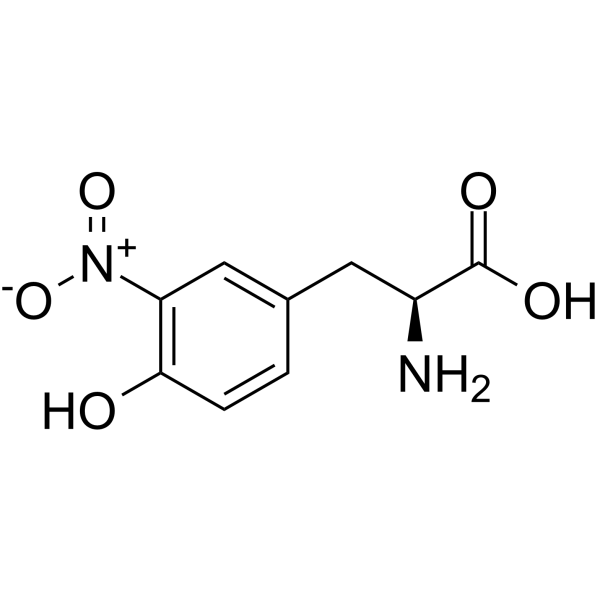
    3-Nitro-L-tyrosine serves as a biomarker of oxidative stress. 3-Nitro-L-tyrosine attenuates the pressor and vasoconstrictive effects of angiotensin II by inhibiting the α1-adrenergic receptor-mediated signaling pathway, and participates in hemodynamic regulation under pathological conditions such as inflammation and ischemia. 3-Nitro-L-tyrosine can be used in studies related to atherosclerosis, ischemia-reperfusion and sepsis .
    3-Nitro-L-tyrosine
  • HY-P1770

    CGRP Receptor Cardiovascular Disease
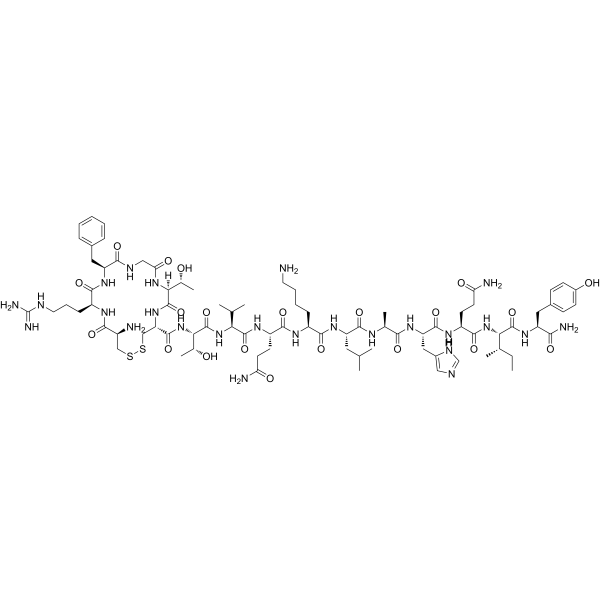
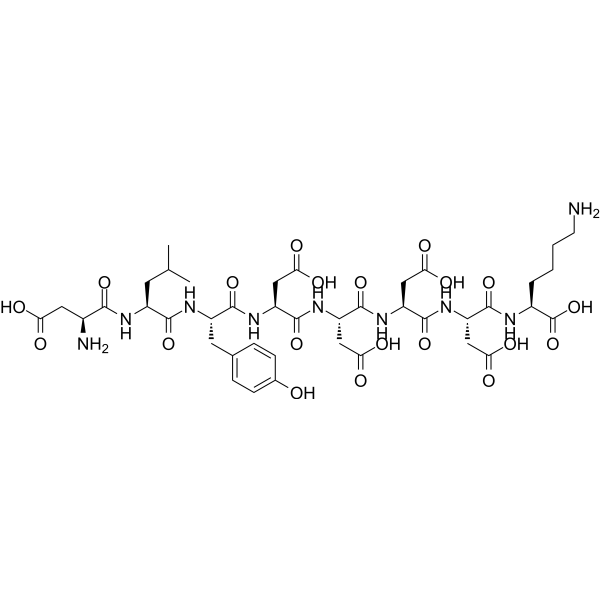
    Adrenomedullin (16-31), human is amino acid residues 16-31 fragment of human adrenomedullin (hADM). Adrenomedullin has appreciable affinity for the CGRP1 receptor. Adrenomedullin (16-31), human possesses pressor activity in the systemic vascular bed of the rat, but not the cat .
    Adrenomedullin (16-31), human
  • HY-113248S

    Endogenous Metabolite Cardiovascular Disease Inflammation/Immunology
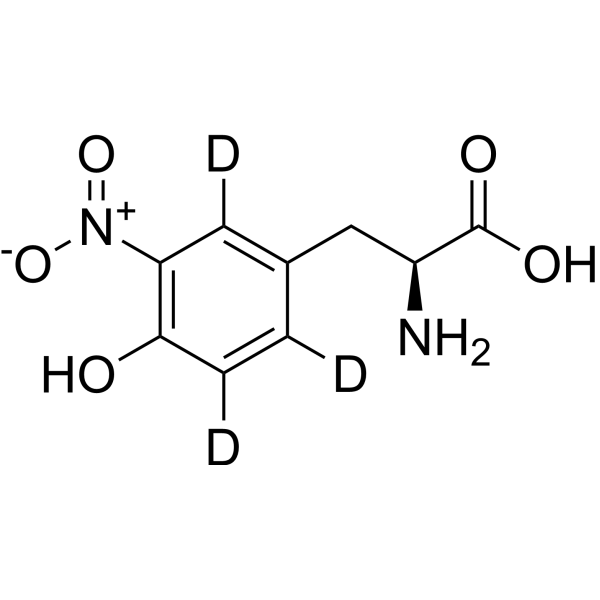
    3-Nitro-L-tyrosine-d3 is the deuterium labeled 3-Nitro-L-tyrosine (HY-113248). 3-Nitro-L-tyrosine serves as a biomarker of oxidative stress. 3-Nitro-L-tyrosine attenuates the pressor and vasoconstrictive effects of angiotensin II by inhibiting the α1-adrenergic receptor-mediated signaling pathway, and participates in hemodynamic regulation under pathological conditions such as inflammation and ischemia. 3-Nitro-L-tyrosine can be used in studies related to atherosclerosis, ischemia-reperfusion and sepsis .
    3-Nitro-L-tyrosine-d3
  • HY-134440A

    P2X Receptor Inflammation/Immunology
    α,β-Methylene-ATP is an agonist of P2X1 and P2X3 receptors and can cross the blood-brain barrier. α,β-Methylene-ATP can trigger a reflex pressor response by activating P2X receptors in peripheral muscles and the central locus coeruleus (LC); this effect can be blocked by the P2X antagonist PPADS (HY-108960). α,β-Methylene-ATP also activates noradrenergic neurons in the central locus coeruleus, mediating antinociceptive effects; this effect can be attenuated by the locus coeruleus damaging agent DSP-4 (HY-103210/HY-121602). α,β-Methylene-ATP can be used to study the pathological mechanisms of neuropathic pain, cardiovascular reflex regulation, and antinociceptive effects of the central nervous system .
    α,β-Methylene-ATP
  • HY-W103463

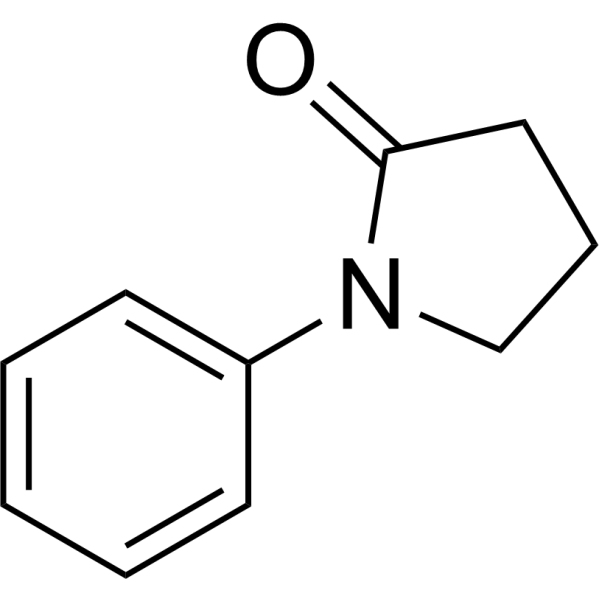
    1-Phenylpyrrolidin-2-one

    GABA Receptor Neurological Disease
    1-Phenyl-2-pyrrolidinone (1-Phenylpyrrolidin-2-one) is a phenyl analogue of GABA with sedative effect, decreasing the exploratory behavior of rats at 50-100 mg/kg (i.v.). 1-Phenyl-2-pyrrolidinone also has been proved to inhibit emotional reactions in dogs and cats. 1-Phenyl-2-pyrrolidinone induces decreases in the pressor reaction to emotional stress without accompanied by normalization of the function of baroreceptor reflexes .
    1-Phenyl-2-pyrrolidinone
  • HY-W685943

    Adrenergic Receptor Cardiovascular Disease Neurological Disease
    Heptaminol is a fatty amine with pressor properties and a potential antihypotension agent. Heptaminol is also a competitive inhibitor of norepinephrine uptake and an inhibitor of nicotine-induced catecholamine release (IC50: 650 μM). Heptaminol does not inhibit norepinephrine release induced by 59 mM K + but rather inhibits high-affinity Na +-dependent norepinephrine uptake .
    Heptaminol
  • HY-B1277A

    mAChR Cholinesterase (ChE) Cardiovascular Disease Neurological Disease
    Trihexyphenidyl is a selective and orally active M1 muscarinic receptor antagonist with an IC50 of 3.7 nM for rat cerebral cortex M1 muscarinic receptors. Trihexyphenidyl modulates cholinergic activity, countering acetylcholine supersensitivity in neural pathways. Trihexyphenidyl improves movement disorder, inhibits McN-A-343 (HY-107648)-induced pressor responses, vagally-induced bradycardia and vasodilatation. Trihexyphenidyl can be used for the research of Parkinson's disease. .
    Trihexyphenidyl
  • HY-113248R

    Endogenous Metabolite Reference Standards Cardiovascular Disease Inflammation/Immunology
    3-Nitro-L-tyrosine (Standard) is the analytical standard of 3-Nitro-L-tyrosine (HY-113248). This product is intended for research and analytical applications. 3-Nitro-L-tyrosine serves as a biomarker of oxidative stress. 3-Nitro-L-tyrosine attenuates the pressor and vasoconstrictive effects of angiotensin II by inhibiting the α1-adrenergic receptor-mediated signaling pathway, and participates in hemodynamic regulation under pathological conditions such as inflammation and ischemia. 3-Nitro-L-tyrosine can be used in studies related to atherosclerosis, ischemia-reperfusion and sepsis .
    3-Nitro-L-tyrosine (Standard)
  • HY-124234

    Endothelin Receptor Cardiovascular Disease
    TA-0201 is a novel orally active, competitive, non-peptide endothelin receptor antagonist. TA-0201 antagonizes the specific binding of [ 125I]ET-1 to cloned human receptors of ETA and ETB with Ki values of 15 pM and 41 nM, respectively. TA-0201 inhibits the pressor response to the exogenous big ET-1 .
    TA-0201
  • HY-15402

    BMS 207940

    Endothelin Receptor Cardiovascular Disease
    Edonentan (BMS 207940) is an antagonist for endothelin receptor (ETA receptor), with a Ki of 10 pM. Edonentan is metabolic stable, exhibits good pharmakokinetic characters in rats. Edonentan regulates the endothelin system, blocks the big Endothelin-induced pressor response in rats model .
    Edonentan
  • HY-135283

    A-216546

    Endothelin Receptor Cardiovascular Disease Endocrinology
    ABT-546 (A-216546), a chemical probe, is a potent, highly selective and active endothelin ETA receptor antagonist with a Ki of 0.46 nM for [ 125I]endothelin-1 binding to cloned human endothelin ETA. ABT-546 is >25,000-fold more selective for the ETA receptor than for the ETB receptor. ABT-546 blocks endothelin-1-induced arachidonic acid release and phosphatidylinositol hydrolysis with IC50 of 0.59 nM and 3 nM, respectively .
    ABT-546
  • HY-158014

    Dopamine Transporter Neurological Disease
    JJC8-089 is a dopamine transporter (DAT) inhibitor that may improve motivational dysfunction and increase effortful behavior in goal-directed activities. JJC8-089 significantly reversed the low-effort effects induced by the VMAT-2 inhibitor Tetrabenazine (HY-B0590) in rats and increased the choice of high-effort fixed-ratio 5-bar presses versus food intake. .
    JJC8-089
  • HY-W752502

    Dopamine Receptor Vasopressin Receptor Adrenergic Receptor Cardiovascular Disease
    Docarpamine is an orally active dopamine prodrug that can be hydroxylated in the small intestine and liver to form active dopamine. Docarpamine mainly activates D1-like receptors in peripheral blood vessels to lower blood pressure and heart rate in a state of spontaneous hypertension. Docarpamine exerts a pressor and tachycardic effect by activating D1-like receptors, vasopressin V1 receptors, and α-adrenergic receptors in normal blood pressure conditions. Docarpamine can be used for research on renal vascular dilation and diuresis .
    Docarpamine
  • HY-135004

    Adrenergic Receptor Endocrinology
    Su-4029 is an agent that interacts with alpha receptors. It negates the blockade of norepinephrine by the reversible adrenergic blocker phentolamine but not by the irreversible blocker Dibenamine, suggesting Su-4029 acts at the same site as these blockers. Su-4029 pretreatment results in three categories of responses to pressor phenylalkylamines: irreversible blockade of amines with no or only p-hydroxylation, reversible blockade of amines with beta-carbon hydroxylation, and no blockade or augmentation of amines with m and p-hydroxylation or m or p plus beta-hydroxylation. Su-4029 may deform the alpha receptor site affected by adrenergic blocking agents .
    SU-4029 dihydrochloride
  • HY-U00244

    P2647; BZQ; Benzoquinamide

    Adrenergic Receptor Dopamine Receptor Metabolic Disease
    Benzquinamide (P2647; BZQ; Benzoquinamide) is an orally active binder of dopamine receptors and adrenergic receptors. Benzquinamide specifically targets dopamine D2, D3, D4 receptors and α-2A, α-2B, α-2C adrenergic receptors. Benzquinamide regulates blood pressure and heart rate, attenuates the pressor effect of adrenaline, and exhibits activities such as antiemesis, anxiolysis, and reduction of histamine-induced bronchoconstriction. Benzquinamide has good safety and does not deplete serotonin or norepinephrine in the brain. Benzquinamide can be used in studies related to nausea/vomiting, mental disorders, anxiety states, neurosis, and psychosis .
    Benzquinamide
  • HY-134440

    P2X Receptor Inflammation/Immunology
    α,β-Methylene-ATP dilithium is an agonist of P2X1 and P2X3 receptors and can cross the blood-brain barrier. α,β-Methylene-ATP dilithium can trigger a reflex pressor response by activating P2X receptors in peripheral muscles and the central locus coeruleus (LC); this effect can be blocked by the P2X antagonist PPADS (HY-108960). α,β-Methylene-ATP dilithium also activates noradrenergic neurons in the central locus coeruleus, mediating antinociceptive effects; this effect can be attenuated by the locus coeruleus damaging agent DSP-4 (HY-103210/HY-121602). α,β-Methylene-ATP dilithium can be used to study the pathological mechanisms of neuropathic pain, cardiovascular reflex regulation, and antinociceptive effects of the central nervous system .
    α,β-Methylene-ATP dilithium
  • HY-P1703

    Endogenous Metabolite Others
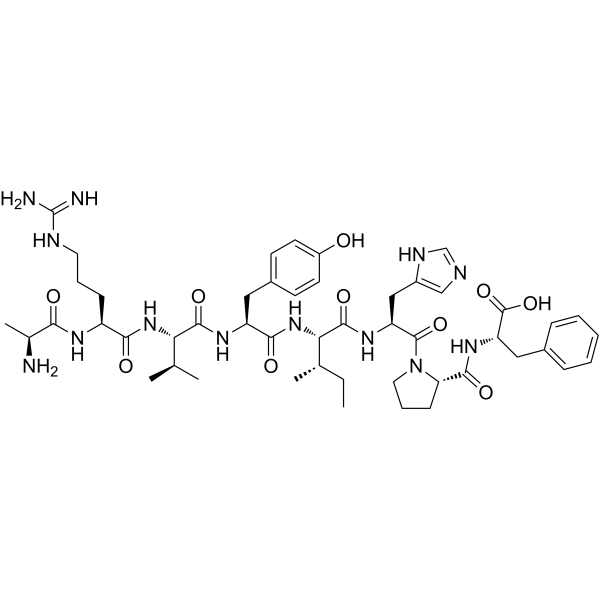
    Avellanin B is a fungal metabolite with pressor effect .
    Avellanin B
  • HY-125386

    Cathepsin Cardiovascular Disease
    SQ 32056 is a cathepsin E inhibitor. SQ 32056 can block the pressor response to endothelin .
    SQ 32056
  • HY-129206

    RU-24476

    Angiotensin Receptor Cardiovascular Disease
    Locicortolone (RU-24476) is a synthetic steroid compound. Locicortolone inhibits Angiotensin I (AI) induced pressor response. Locicortolone can be used in antihypertensive studies .
    Locicortolone
  • HY-117814

    Endothelin Receptor Cardiovascular Disease
    BMS-187308 is an orally active endothelin-A (ETA) antagonist, with Kis of 4.7 nM for ETA and 1.7 μM for ETB. BMS-187308 inhibits the pressor response to ET-1 (ED25: 1.2 µmol/kg; iv). BMS-187308 is a suitable tool for investigating the role of endothelin .
    BMS-187308
  • HY-107354

    Drug Derivative Cardiovascular Disease
    Gepefrine is an orally active pressor agent and sympathomimetic agent. Gepefrine improves the early orthostatic disregulation of the arterial pressure .
    Gepefrine
  • HY-139801

    CI-907

    Angiotensin-converting Enzyme (ACE) Cardiovascular Disease Metabolic Disease
    Indolapril hydrochloride (CI-907) is an orally active nonsulfhydryl angiotensin converting enzyme (ACE) inhibitor. Indolapril hydrochloride is highly specific in suppressing the contractile or pressor responses to Angiotensin I. Indolapril hydrochloride is a potent antihypertensive agent .
    Indolapril hydrochloride
  • HY-114283

    Angiotensin Receptor Cardiovascular Disease
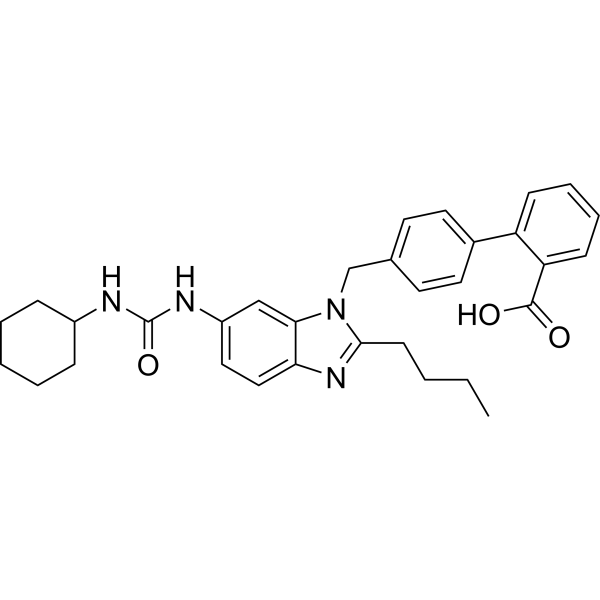
    L-163017 is a potent, orally active and nonpeptide angiotensin II receptor (AT) antagonist. L-163017 can inhibit prevent the pressor response to angiotensin II and reduce blood pressure. L-163017 can be used for the research of cardiovascular disease, such as hypertension .
    L-163017
  • HY-113695

    Angiotensin-converting Enzyme (ACE) Adrenergic Receptor Cardiovascular Disease
    BW A575C is a dual inhibitor against angiotensin converting enzyme (ACE) and β-adrenoceptor. BW A575C produces a competitive blockade of Isoprenaline (HY-108353)-induced tachycardia in a guinea-pig right atrial. BW A575C also inhibits Angiotensin I (HY-P1032)-induced pressor responses in rats. BW A575C is promising for research of hypertensive diseases .
    BW A575C
  • HY-126826

    Antibiotic Angiotensin-converting Enzyme (ACE) Cardiovascular Disease
    Antibiotic K 4 is an inhibitor of angiotensin I converting enzyme (ACE) (Ki: 0.18 μM). Antibiotic K 4 inhibits pressor response to angiotensin I in rats .
    Antibiotic K 4
  • HY-P4201

    Vasopressin Receptor Cardiovascular Disease
    JKC 301 is a selective Endothelin A receptor antagonist. JKC 301 attenuates the pressor effects of nicotine in rats. JKC 301 can be used to study cardiovascular disease caused by smoking .
    JKC 301
  • HY-114536

    NSC 104800

    Angiotensin Receptor Others
    Mitolactol (NSC 104800) is an angiotensin converting enzyme (ACE) inhibitor with the activity of inhibiting ACE (IC50 of 1.4×10 M) and inhibiting the pressor response of angiotensin I when administered intravenously at 0.3 mg/kg in rats.
    Mitolactol
  • HY-P2539

    Vasopressin Receptor Cardiovascular Disease
    Big Endothelin-1 (1-39), porcine is the precursor of endothelin-1. Endothelin-1 (ET-1) is a potent vasopressor peptide. Big Endothelin-1 (1-39), porcine has similar pressor effects in vivo .
    Big Endothelin-1 (1-39), porcine
  • HY-P1770A

    CGRP Receptor Cardiovascular Disease
    Adrenomedullin (16-31), human TFA is amino acid residues 16-31 fragment of human adrenomedullin (hADM). Adrenomedullin has appreciable affinity for the CGRP1 receptor. Adrenomedullin (16-31), human TFA possesses pressor activity in the systemic vascular bed of the rat, but not the cat .
    Adrenomedullin (16-31), human TFA
  • HY-167886

    Angiotensin Receptor Cardiovascular Disease
    GA 0113 is a potent and orally active angiotensin II (Ang II) AT1-receptor antagonist. GA 0113 inhibits the Ang II (HY-13948)-induced pressor response with ID50 of 0.032 mg/kg and dose-dependently increases plasma renin activity for 48 h .
    GA 0113
  • HY-B1199A

    Monoamine Oxidase Reactive Oxygen Species (ROS) Cardiovascular Disease Neurological Disease Inflammation/Immunology
    Nialamide hydrochloride is a non-selective monoamine oxidase (MAO) inhibitor. Nialamide hydrochloride inhibits MAO and regulates ROS production. Nialamide hydrochloride induces hyperkinesis in animals, enhances the anticonvulsant effect of Diphenylhydantoin in mice, increases rectal temperature, and enhances the pressor effect of Norepinephrine. Nialamide hydrochloride can be used in the research of depression, inflammatory diseases, neurodegenerative diseases, and hypertension .
    Nialamide hydrochloride
  • HY-103459

    PD156707

    Endothelin Receptor Cardiovascular Disease
    CI-1020 (PD156707) is an orally active and selective antagonist targeting endothelin (ETA) with an IC50 value of 0.3 nM. CI-1020 blocks intimal hyperplasia in human saphenous veins completely in organ culture. CI 1020 inhibits hypoxic pulmonary hypertension and blocks ET-1-induced pressor responses following oral administration .
    CI-1020
  • HY-19454

    GHSR Cardiovascular Disease
    CP-464709 is a Ghrelin receptor agonist that can penetrate the blood-brain barrier. CP-464709 causes an increase in blood pressure by activating pre sympathetic neurons in the spinal cord. CP-464709 causes biphasic blood pressure response when administered intravenously, while intrathecal administration only causes pressor. CP-464709 can be used for research on cardiovascular conditions .
    CP-464709
  • HY-76547R

    4-Methylbenzoic acid (Standard)

    Endogenous Metabolite Reference Standards Metabolic Disease
    p-Toluic acid (Standard) is the analytical standard of p-Toluic acid. This product is intended for research and analytical applications. p-Toluic acid (4-Methylbenzoic acid), coumarin, is a substituted benzoic acid. p-Toluic acidis synthetic p-aminomethylbenzoic acid (PAMBA), intermediates such as p-toluonitrile. p-Toluic acidMay have potential reproductive toxicity, press 1g/kgRepeated administration of doses can produce a variety of adverse effects on the epididymis .
    p-Toluic acid (Standard)
  • HY-18211

    Angiotensin-converting Enzyme (ACE) Cardiovascular Disease
    CGS 35601 is the inhibitor for endothelin-converting enzyme-1 (ECE-1), neutral endopeptidase 24.11 (NEP), and angiotensin-converting enzyme (ACE), with IC50s of 55, 2, and 22 nM, respectively. CGS 35601 suppresses the big endothelin-1 (big ET-1)- and angiotensin I-induced pressor response, and enhances circulation of atrial natriuretic peptide (ANP), regulates the cardiovascular function in SD rats .
    CGS 35601
  • HY-121550

    Angiotensin-converting Enzyme (ACE) Cardiovascular Disease
    ME3221 is an angiotensin AT1 receptor antagonist that effectively antagonizes the pressor response to angiotensin II in rats and marmosets without affecting the hypotensive response to bradykinin. It demonstrates potent antihypertensive effects in renal hypertensive rats and spontaneously hypertensive rats (SHR). ME3221's repeated administration in SHR results in sustained and stable hypotensive effects without affecting heart rate, indicating its potential for studying both renal and essential hypertension .
    ME3221
  • HY-119379

    HOE-720 free acid

    Angiotensin Receptor Cardiovascular Disease
    Fonsartan (HOE-720) free acid is an orally active angiotensin II receptor (AT1R) antagonist with an IC50 value of 0.48 nM, exhibiting potent antihypertensive activity. Fonsartan free acid dose-dependently inhibits angiotensin II-induced pressor response in rats (ID50 = 0.11 mg/kg) and shows significant long-lasting blood pressure-lowering effects in high-renin animal models. Fonsartan free acid is primarily used in research on hypertension and cardiovascular diseases .
    Fonsartan free acid
  • HY-12765R

    E-3174 (Standard); EXP-3174 (Standard)

    Drug Metabolite Reference Standards Angiotensin Receptor Cardiovascular Disease
    Losartan Carboxylic Acid (Standard) is the analytical standard of Losartan Carboxylic Acid. This product is intended for research and analytical applications. Losartan Carboxylic Acid (E-3174), an active carboxylic acid metabolite of Losartan, is an angiotensin II receptor type 1 (AT1) antagonist. The Ki values are 0.97, 0.57, 0.67 nM for rat AT1B/AT1A and human AT1, respectively. Losartan Carboxylic Acid blocks the angiotensin II-induced responses in vascular smoothmuscle cells (VSMC). Losartan Carboxylic Acid elevates plasma renin activities and reduces mean arterial pressure [4].
    Losartan Carboxylic Acid (Standard)
  • HY-121670

    Others Neurological Disease
    Ambenoxan is a central nervous system-acting skeletal muscle relaxant that is effective in mice, rats, rabbits, dogs, and monkeys without loss of the righting reflex. It has no peripheral neuromuscular blocking effects and significantly reduces or eliminates decerebrate rigidity in rabbits, but does not antagonize the effects of strychnine, leptazol, or tremorine. Like other central nervous system depressants, ambenoxan prolongs sleep duration with hexobarbitone, but it has no local anesthetic effects. In anesthetized cats, the agent lowers blood pressure and reduces the pressor response to epinephrine, but has no effect on norepinephrine.
    Ambenoxan
  • HY-121670A

    Adrenergic Receptor Neurological Disease
    Ambenoxan hydrochloride is a central nervous system-acting skeletal muscle relaxant that is effective in mice, rats, rabbits, dogs, and monkeys without loss of the righting reflex. It has no peripheral neuromuscular blocking effects and significantly reduces or eliminates decerebrate rigidity in rabbits, but does not antagonize the effects of strychnine, leptazol, or tremorine. Like other central nervous system depressants, ambenoxan prolongs sleep duration with hexobarbitone, but it has no local anesthetic effects. In anesthetized cats, the agent lowers blood pressure and reduces the pressor response to epinephrine, but has no effect on norepinephrine.
    Ambenoxan hydrochloride
  • HY-B1277AS

    Isotope-Labeled Compounds mAChR Cholinesterase (ChE) Neurological Disease
    Trihexyphenidyl-d5 is deuterium labeled Trihexyphenidyl (HY-B1277A). Trihexyphenidyl is a selective and orally active M1 muscarinic receptor antagonist with an IC50 of 3.7 nM for rat cerebral cortex M1 muscarinic receptors. Trihexyphenidyl modulates cholinergic activity, countering acetylcholine supersensitivity in neural pathways. Trihexyphenidyl improves movement disorder, inhibits McN-A-343 (HY-107648)-induced pressor responses, vagally-induced bradycardia and vasodilatation. Trihexyphenidyl can be used for the research of Parkinson's disease. .
    Trihexyphenidyl-d5
  • HY-B1277S

    Isotope-Labeled Compounds mAChR Cholinesterase (ChE) Neurological Disease
    Trihexyphenidyl-d5 hydrochloride is deuterium labeled Trihexyphenidyl hydrochloride (HY-B1277). Trihexyphenidyl hydrochloride is a selective and orally active M1 muscarinic receptor antagonist with an IC50 of 3.7 nM for rat cerebral cortex M1 muscarinic receptors. Trihexyphenidyl hydrochloride modulates cholinergic activity, countering acetylcholine supersensitivity in neural pathways. Trihexyphenidyl hydrochloride improves movement disorder, inhibits McN-A-343 (HY-107648)-induced pressor responses, vagally-induced bradycardia and vasodilatation. Trihexyphenidyl hydrochloride can be used for the research of Parkinson's disease. .
    Trihexyphenidyl-d5 hydrochloride
  • HY-113248S1

    Endogenous Metabolite Cardiovascular Disease Inflammation/Immunology
    3-Nitro-L-tyrosine- 13C6 is the 13C labeled 3-Nitro-L-tyrosine (HY-113248). 3-Nitro-L-tyrosine serves as a biomarker of oxidative stress. 3-Nitro-L-tyrosine attenuates the pressor and vasoconstrictive effects of angiotensin II by inhibiting the α1-adrenergic receptor-mediated signaling pathway, and participates in hemodynamic regulation under pathological conditions such as inflammation and ischemia. 3-Nitro-L-tyrosine can be used in studies related to atherosclerosis, ischemia-reperfusion and sepsis .
    3-Nitro-L-tyrosine-13C6
  • HY-B1277R

    Reference Standards mAChR Cholinesterase (ChE) Neurological Disease
    Trihexyphenidyl hydrochloride (Standard) is the analytical standard of Trihexyphenidyl hydrochloride (HY-B1277). This product is intended for research and analytical applications. Trihexyphenidyl is a selective and orally active M1 muscarinic receptor antagonist with an IC50 of 3.7 nM for rat cerebral cortex M1 muscarinic receptors. Trihexyphenidyl modulates cholinergic activity, countering acetylcholine supersensitivity in neural pathways. Trihexyphenidyl improves movement disorder, inhibits McN-A-343 (HY-107648)-induced pressor responses, vagally-induced bradycardia and vasodilatation. Trihexyphenidyl can be used for the research of Parkinson's disease. .
    Trihexyphenidyl hydrochloride (Standard)

Inquiry Online

Your information is safe with us. * Required Fields.

Salutation


Country or Region *

Applicant Name *


Organization Name *

Department *


Email Address *


Product Name *

Cat. No.


Requested quantity *

Phone Number *


Remarks

Inquiry Online

Inquiry Information

Product Name:
Cat. No.:
Quantity:
MCE Japan Authorized Agent:

