Search Result
Results for "
short peptide
" in MedChemExpress (MCE) Product Catalog:
5
Biochemical Assay Reagents
3
Isotope-Labeled Compounds
| Cat. No. |
상품명 |
Target |
연구분야 |
Chemical Structure |
-
- HY-127090
-
|
MDP
|
p38 MAPK
NOD-like Receptor (NLR)
|
Inflammation/Immunology
Cancer
|
|
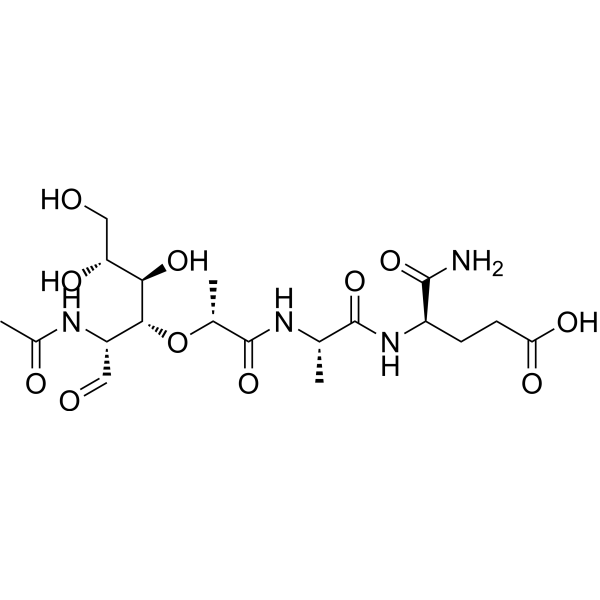
Muramyl dipeptide (MDP) is a synthetic immunoreactive peptide, consisting of N-acetyl muramic acid attached to a short amino acid chain of L-Ala-D-isoGln. Muramyl dipeptide is an inducer of bone formation through induction of Runx2. Muramyl dipeptide directly enhances osteoblast differentiation by up-regulating Runx2 gene expression through MAPK pathways. Muramyl dipeptide is a NLRP1 agonist .
|
-
-
- HY-P1563
-
-
-
- HY-14369
-
-
-
- HY-14789
-
-
-
- HY-N7122
-
|
|
Endogenous Metabolite
|
Inflammation/Immunology
Cancer
|
|
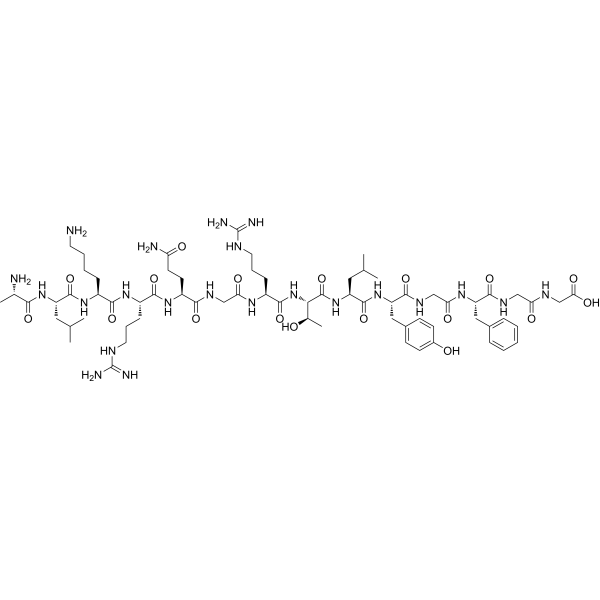
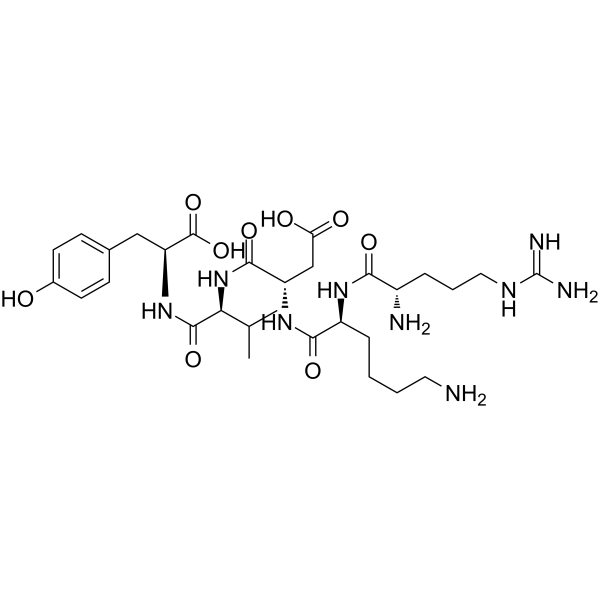
Thymopentin is a biologically active peptide secreted mainly by the epithelial cells of thymic cortex and medulla. Thymopentin is an effective immunomodulatory agent with a short plasma half-life of 30 seconds. Thymopentin enhances the generation of T-cell lineage derived from human embryonic stem cells (hESCs) .
|
-
-
- HY-126404
-
|
|
Environmental Pollutants
Interleukin Related
Angiotensin-converting Enzyme (ACE)
|
Cardiovascular Disease
|
|
Casein hydrolysate is an orally effective, multi-functional mixture of bioactive peptides, a hydrolysis product of casein (HY-125865), containing ACE inhibitors and immunomodulatory target regulators, among others. Casein hydrolysate releases short-chain bioactive peptides through enzymatic hydrolysis of casein, increasing cellular glutathione and catalase levels, enhancing ConA-induced IL-2 production, and exhibiting metal ion chelation, free radical scavenging, antibacterial, and mineral absorption-promoting effects. Casein hydrolysate lowers blood pressure by inhibiting angiotensin-converting enzyme (ACE) and reducing bradykinin degradation .
|
-

-
- HY-P1714
-
|
FE 203799
|
GLP Receptor
|
Metabolic Disease
|
|
Apraglutide (FE 203799), a synthetic 33-amino-acid peptide and a long-acting GLP-2 analogue, enhances adaptation and linear intestinal growth in a neonatal piglet model of short bowel syndrome with total resection of the ileum .
|
-

-
- HY-P3291
-
|
ZP7570
|
GCGR
|
Metabolic Disease
|
|
Dapiglutide (ZP7570) is a long-acting glucagon-like peptide-1 receptor 1R (GLP-1R)/Glucagon-like peptide-2 receptor (GLP-2R) dual agonist. Dapiglutide alleviates intestinal dysfunction in a mouse short bowel model and has anti-obesity effects .
|
-

-
- HY-P10633
-
|
|
Amino Acid Derivatives
|
Others
|
|
SmBiT Tag is an 11-amino-acid short peptide with extremely low natural affinity for LgBiT, with a Kd value of approximately 190 μM. It serves as a core component of the NanoLuc Binary Technology (NanoBiT) system. NanoBiT is a bioluminescent reporter system based on protein fragment complementation technology, which is used to monitor dynamic protein-protein interactions in live cells and in vitro .
|
-

-
- HY-P10953
-
|
PSP 29-mer, anti-inflammatory peptide
|
ERK
STAT
|
Inflammation/Immunology
|
|
Fulipiftide is a short peptide derived from pigment epithelium-derived factor (PEDF). Fulipiftide induces the expansion of nuclear stem cell factor +TSPC by activating ERK2 and STAT3 signaling pathways. Fulipiftide has anti-inflammatory activity and can be used in the study of acute tendon injury .
|
-

-
- HY-P1629
-
|
|
Bacterial
Fungal
Antibiotic
|
Infection
|
|
Temporin A is a short alpha-helical antimicrobial peptide isolated from the skin of the frog Rana temporaria. Temporin A is effective against a broad spectrum of Gram-positive bacteria. Temporin A interacts directly with the cell membrane of the microorganism and it is non-toxic to erythrocytes at concentrations that are antimicrobial. Temporin A also has antifungal activities (against yeast-like Candida albicans) .
|
-

-
- HY-P2738A
-
|
|
MMP
|
Inflammation/Immunology
|
|
Type I collagen peptide is a fibrillar form of collagen that promotes the activation and growth of epithelial cells . This product is an enzymatically hydrolyzed collagen short peptide.
|
-

-
- HY-126488
-
-
-
- HY-P10709A
-
|
|
Biochemical Assay Reagents
|
Cardiovascular Disease
Cancer
|
|
CREKA peptide acetate is a short peptide sequence, belonging to self-assembling peptides (SAPs), which can self-assemble into functional nanostructures, typically nanofibers, under physiological conditions. CREKA peptide acetate can be used to target tumor cells and tumor vasculature, exhibiting antitumor activity .
|
-

-
- HY-W736950A
-
|
|
Amino Acid Derivatives
|
Others
|
|
H-L-Cys(MDNPE)-OH hydrochloride is a cysteine derivative with a short peptide sequence attached to the thiol group of cysteine.
|
-

-
- HY-N7122A
-
|
|
Endogenous Metabolite
|
Inflammation/Immunology
Cancer
|
|
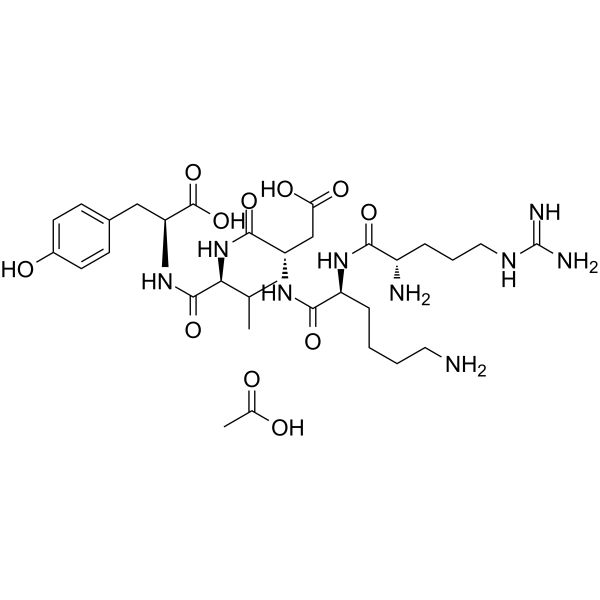
Thymopentin acetate is a biologically active peptide secreted mainly by the epithelial cells of thymic cortex and medulla. Thymopentin acetate is an effective immunomodulatory agent with a short plasma half-life of 30 seconds. Thymopentin acetate enhances the generation of T-cell lineage derived from human embryonic stem cells (hESCs) .
|
-
-
- HY-P3320
-
|
PC 3
|
Biochemical Assay Reagents
|
Others
|
|
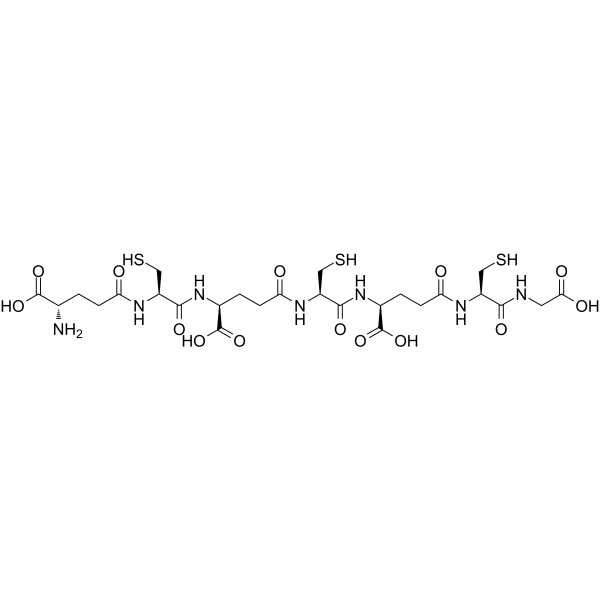
Phytochelatin 3 (PC 3) is the small metal chelating peptide that can be used for chelating heavy metals. Phytochelatin 3 is a short metal detoxification peptide made from the sulfur-rich molecule glutathione. Phytochelatin 3 can be found in different sources including plant, fungal, algal, and bacterial species, as a detoxification mechanism in response to heavy metal exposure. Phytochelatin 3 plays an important metabolic role in plants .
|
-
-
- HY-P3526
-
-

-
- HY-P3326A
-
|
|
Bacterial
|
Infection
|
|
Targeting the bacterial sliding clamp peptide 46 TFA is a short peptide targeting the bacterial sliding clamp(SC), inhibiting SC-dependent DNA synthesis .
|
-

-
- HY-P2299A
-
|
|
HPV
|
Cancer
|
|
Protein E7(43-62) TFA is an E7-derived peptide with anti-tumor effects (short peptide spanning the 43th to 62th amino acid residues in the E7 protein) .
|
-

-
- HY-P1714A
-
|
FE 203799 TFA
|
GLP Receptor
|
Metabolic Disease
|
|
Apraglutide TFA (FE 203799 TFA), a synthetic 33-amino-acid peptide and a long-acting GLP-2 analogue, enhances adaptation and linear intestinal growth in a neonatal piglet model of short bowel syndrome with total resection of the ileum .
|
-

-
- HY-P11012
-
|
|
SARS-CoV
|
Infection
|
|
EK1 is a peptide-based fusion inhibitor of coronaviruses (CoVs) with broad spectrum inhibition to a number of CoV species. EK1 shows substantially improved pan-CoV fusion inhibitory activity. EK1 potently inhibits SARS-CoV-2. EK1 can form a stable six-helix bundle (6HB) structure with both short α-hCoV and long β-hCoV N-terminal heptad repeats .
|
-

-
- HY-P1512
-
|
|
SOD
|
Cancer
|
|
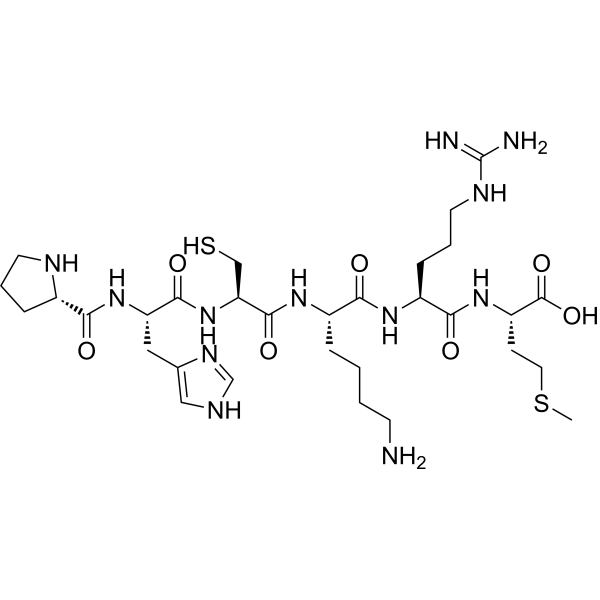
Antioxidant peptide A is a short peptide, which contains alternative aromatic or sulfur-containing amino acid. The side chains of Antioxidant peptide A are believed to contribute to strong radical scavenging activities of peptides in the cancer cell.
|
-
-
- HY-P3326
-
|
|
Bacterial
|
Infection
|
|
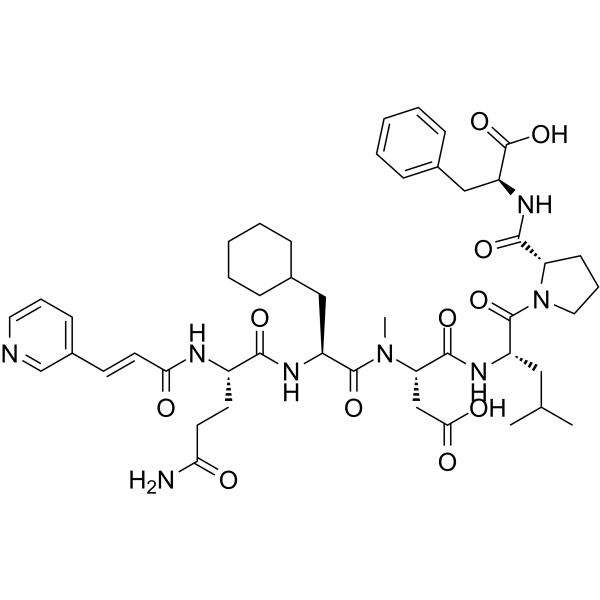
Targeting the bacterial sliding clamp peptide 46 is a short peptide targeting the bacterial sliding clamp(SC), inhibiting SC-dependent DNA synthesis.
|
-
-
- HY-P10541
-
|
|
HSP
|
Others
|
|
HSP70/DnaK substrate peptide is a short peptide that the HSP70/DnaK molecular chaperone can bind and act on. HSP70/DnaK substrate peptide can be used to study the mechanism of action of HSP70/DnaK in molecular chaperone function .
|
-

-
- HY-P10541A
-
|
|
HSP
|
Others
|
|
HSP70/DnaK substrate peptide TFA is a short peptide that the HSP70/DnaK molecular chaperone can bind and act on. HSP70/DnaK substrate peptide TFA can be used to study the mechanism of action of HSP70/DnaK in molecular chaperone function .
|
-

-
- HY-P10704
-
|
|
Integrin
|
Cancer
|
|
C16Y is a short peptide and an inhibitor of integrins αvβ3 and α5β1. C16Y acts on the cell membrane and exerts its anticancer activity by inhibiting angiogenesis .
|
-

-
- HY-P5520
-
|
|
Bombesin Receptor
Radionuclide-Drug Conjugates (RDCs)
|
Cancer
|
|
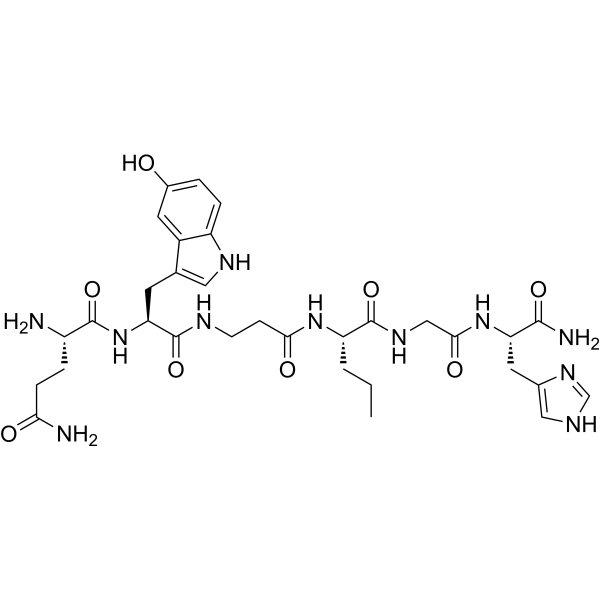
GB-6 is a short linear peptide that targets the gastrin releasing peptide receptor (GRPR). GRPR is overexpressed in pancreatic cancer. Based on the tumor selectivity and tumor-specific accumulation properties of GB-6, GB-6 labeled with near infrared (NIR) fluorescent dyes or radionuclide netium-99m (99mTc) can be used as a high-contrast imaging probe. GB-6 has excellent in vivo stability, with tumor to pancreatic and intestinal fluorescence signal ratios of 5.2 and 6.3, respectively, in SW199 0 subcutaneous xenograft models. GB-6 can rapidly target tumors and accurately delineate tumor boundaries, which has broad application prospects .
|
-
-
- HY-103303
-
|
|
CGRP Receptor
|
Metabolic Disease
|
|
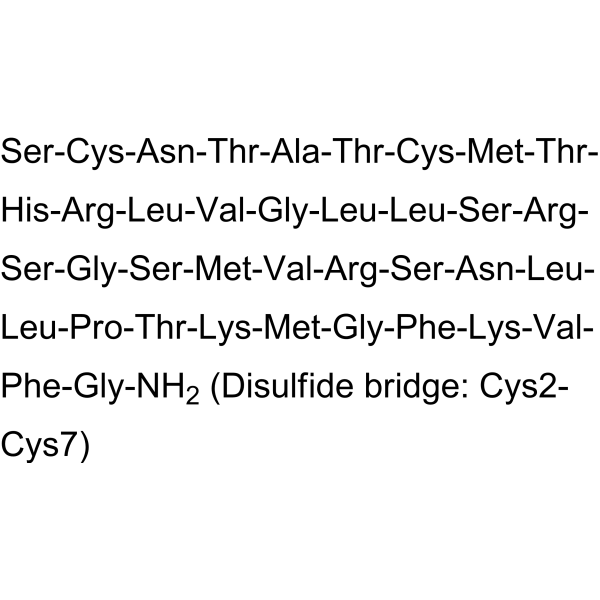
CRSP-1 is short for calcitonin receptor-stimulating peptide-1. CRSP-1 inhibits osteoclast formation by inhibiting the formation and activity of multinucleated osteoclast .
|
-
-
- HY-P1593
-
-

-
- HY-P1734
-
|
|
PKC
|
Neurological Disease
|
|
Ac-MBP 1-11, a short peptide sequence, is the major encephalitogenic epitope in myelin basic protein (MBP) .
|
-

-
- HY-134578
-
|
|
Drug Intermediate
|
Others
|
|
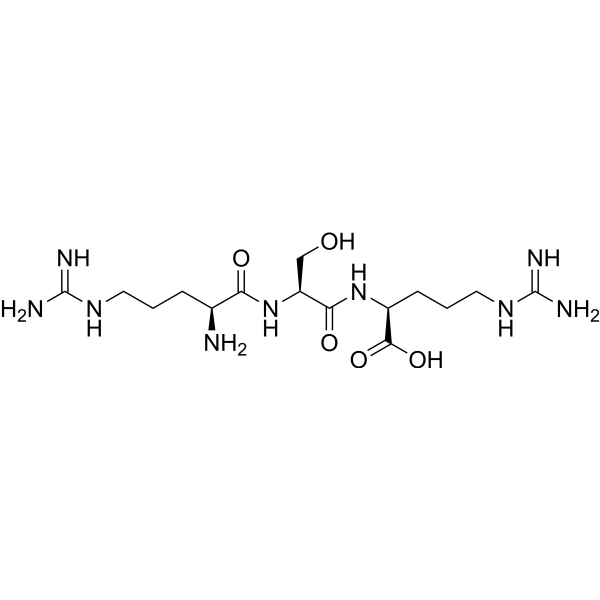
H-Arg-Ser-Arg-OH is a short peptide. H-Arg-Ser-Arg-OH is a motif of di-leucine and RSRR, it can be used to design larger peptides and compound .
|
-
-
- HY-P1593A
-
-

-
- HY-P3321A
-
-

-
- HY-P2299
-
|
|
HPV
|
Cancer
|
|
Protein E7(43-62) is an E7-derived peptide with anti-tumor effects (short peptide spanning the 43th to 62th amino acid residues in the E7 protein) .
|
-

-
- HY-151496
-
|
|
Others
|
Others
|
|
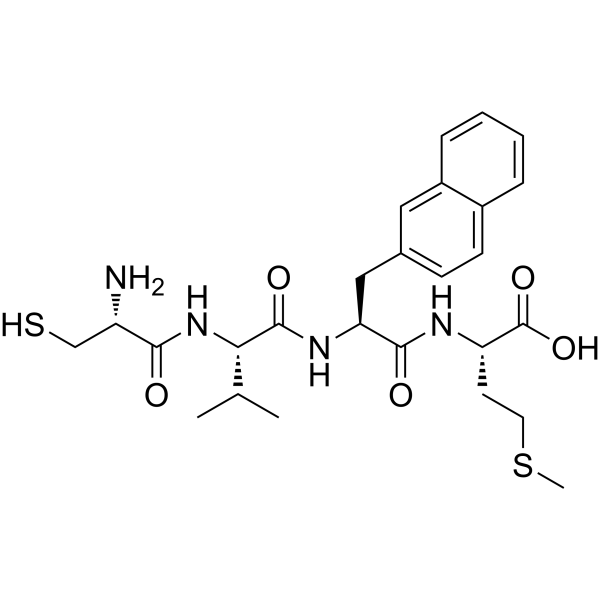
H-Cys-Val-2-Nal-Met-OH is a peptide. H-Cys-Val-2-Nal-Met-OH is a peptidomimetic derivative that can be used to label short peptide sequences .
|
-
-
- HY-P10705
-
|
|
Biochemical Assay Reagents
|
Cancer
|
|
KGFRWR is a short peptide sequence, belonging to self-assembling peptides (SAPs), which can self-assemble into functional nanostructures, typically nanofibers, under physiological conditions. KGFRWR can be used to target tumor cells and tumor vasculature, exhibiting antitumor activity .
|
-

-
- HY-106428
-
|
ITF1697
|
P-selectin
|
Cardiovascular Disease
Inflammation/Immunology
|
|
Icrocaptide (ITF1697) is a stable Lys-Pro-containing peptide that inhibits the intracellular Ca 2+-dependent fusion of Weibel-Palade bodies with the plasma membrane. Icrocaptide exerts its activity at the early stages of endothelial activation and inhibits P-selectin and von Willebrand factor secretion. Icrocaptide can be used for the study of a variety of microvascular disorders .
|
-

-
- HY-103276
-
-
-
- HY-161394
-
-
-
- HY-P11169
-
|
|
Bacterial
|
Infection
|
|
Decoralin is a short cationic alpha-helical antimicrobial peptide that can be isolated from the venom of Oreumenes decorates wasps. Decoralin exhibits selective and rapid activity against bacteria by destroying membranes. Decoralin can be used for antimicrobial research .
|
-

-
- HY-172714A
-
|
|
Liposome
|
Infection
|
|
DSPE-PEG3400-MPG is a PEG compound which composed of DSPE and a peptide vector (MPG). MPG is derived from both the nuclear localisation sequence (NLS) of SV40 large T antigen and the fusion peptide domain of HIV-1 gp41. MPG could deliver short oligonucleotides into cells efficiently and independently of the endosomal pathway .
|
-

-
- HY-172713
-
|
|
Liposome
|
Infection
|
|
DSPE-PEG1000-MPG is a PEG compound which composed of DSPE and a peptide vector (MPG). MPG is derived from both the nuclear localisation sequence (NLS) of SV40 large T antigen and the fusion peptide domain of HIV-1 gp41. MPG could deliver short oligonucleotides into cells efficiently and independently of the endosomal pathway .
|
-

-
- HY-172715
-
|
|
Liposome
|
Infection
|
|
DSPE-PEG5000-MPG is a PEG compound which composed of DSPE and a peptide vector (MPG). MPG is derived from both the nuclear localisation sequence (NLS) of SV40 large T antigen and the fusion peptide domain of HIV-1 gp41. MPG could deliver short oligonucleotides into cells efficiently and independently of the endosomal pathway .
|
-

-
- HY-P10251
-
|
|
HIV
|
Infection
|
|
HIV gp120 (318-327) is a short sequence of the HIV-1 strain IIIB envelope peptide (rgpgrafvti) that corresponds to the conserved C-terminal region of the glycoprotein. HIV gp120 (318-327) is part of the HIV vaccine V3 peptide epitope, also known as the I10 peptide. However, HIV gp120 (318-327) lacks the A2 anchor residues recognized by epitope-specific CTLs but has structural features that confer promiscuous A2 binding .
|
-

-
- HY-N7122R
-
|
|
Reference Standards
Endogenous Metabolite
|
Inflammation/Immunology
Cancer
|
|
Thymopentin is a biologically active peptide secreted mainly by the epithelial cells of thymic cortex and medulla. Thymopentin is an effective immunomodulatory agent with a short plasma half-life of 30 seconds. Thymopentin enhances the generation of T-cell lineage derived from human embryonic stem cells (hESCs) .
|
-

-
- HY-16707
-
|
Z-Ile-Glu-Pro-Phe-Ome
|
Proteasome
|
Inflammation/Immunology
|
|
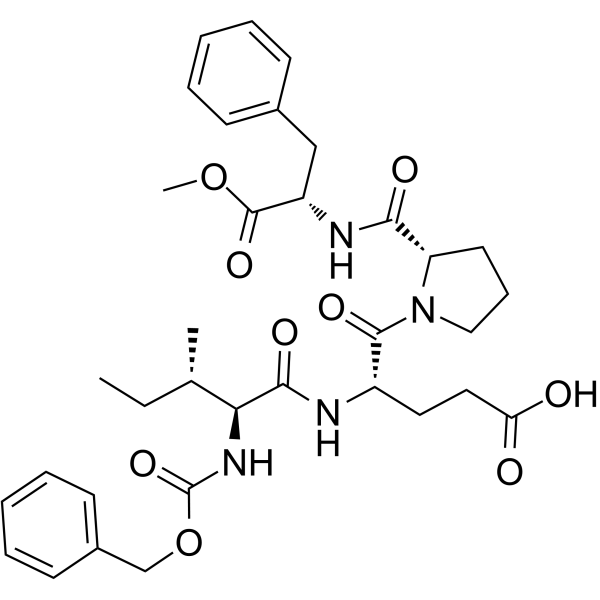
CH 5450 (Z-Ile-Glu-Pro-Phe-Ome) is a selective short peptide human cardiac chymase inhibitor. CH-5450 inhibits the action of rat MAB elastase 2 on substrate Ang I with an IC50 value of 49 µM and N-succinyl-Ala-Ala-Pro-Phe-p-nitroanilide with an IC50 value of 4.8 µM .
|
-
-
- HY-14789R
-
|
NBI-56418 (Standard)
|
GnRH Receptor
Nuclear Factor of activated T Cells (NFAT)
Reference Standards
|
Endocrinology
Cancer
|
|
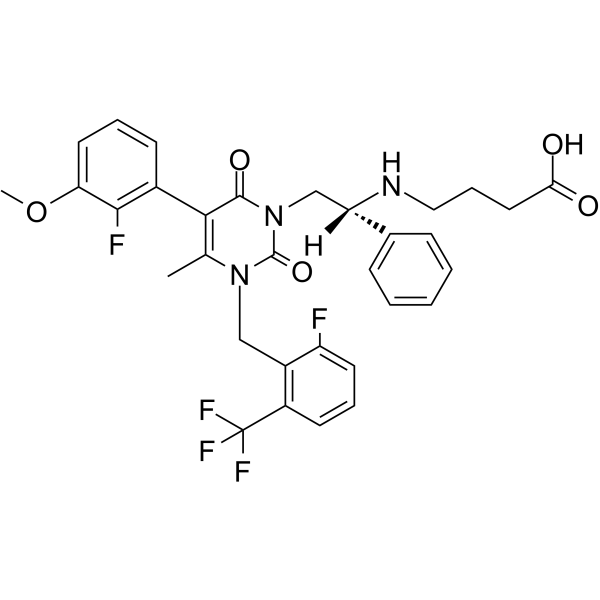
(R)-Elagolix (Standard) is the analytical standard of (R)-Elagolix. This product is intended for research and analytical applications. Elagolix is a highly effective, selective, oral-active, short-term, non-peptide gonadotropin-releasing hormone receptor (GnRH receptor) antagonist (KD = 54 pM) and NFAT inhibitor, which can be used to study pain related to endometriosis. .
|
-

-
- HY-135773
-
|
|
Prostaglandin Receptor
PDK-1
|
Cardiovascular Disease
Inflammation/Immunology
|
|
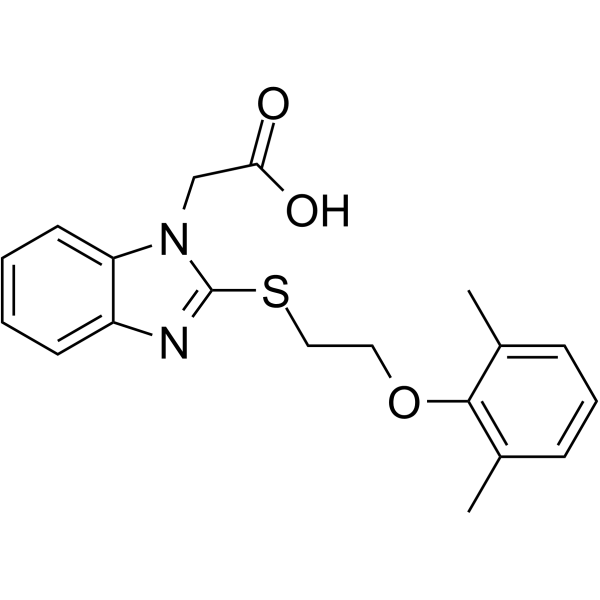
CRTh2 antagonist 3 is a potent chemoattractant receptor-homologous molecule expressed on Th2 cells (CRTh2) antagonist . CRTh2 antagonist 3 enhances the activity of PDK1 toward a short peptide substrate, with an EC50 of 2 μM and a Kd of 8.4 μM. CRTh2 antagonist 3 has the potential for cardiovascular inflammation .
|
-
-
- HY-W751574
-
-

- HY-112295
-
|
|
Biochemical Assay Reagents
|
Infection
|
|
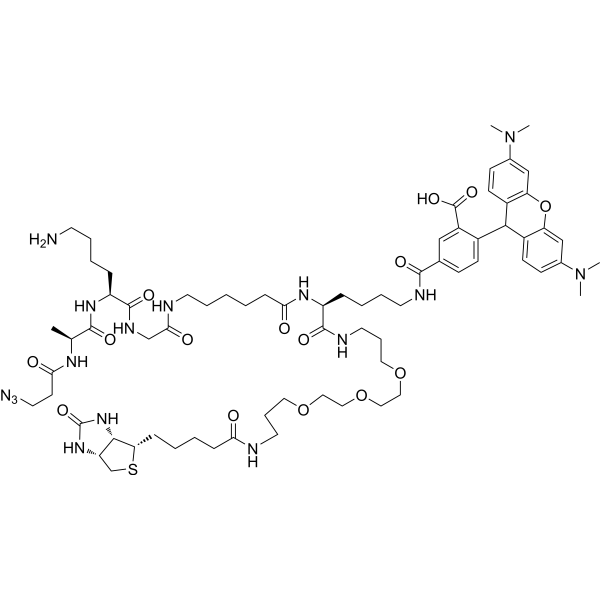
AzKTB is a capture reagent which bears a short trypsin-cleavable peptide sequence between the azide module and the TAMRA/PEG-biotin labels. AzKTB is a click chemistry reagent, it contains an Azide group and can undergo copper-catalyzed azide-alkyne cycloaddition reaction (CuAAc) with molecules containing Alkyne groups. It can also undergo strain-promoted alkyne-azide cycloaddition (SPAAC) reactions with molecules containing DBCO or BCN groups.
|
-
- HY-155992
-
|
|
Sigma Receptor
|
Neurological Disease
|
|
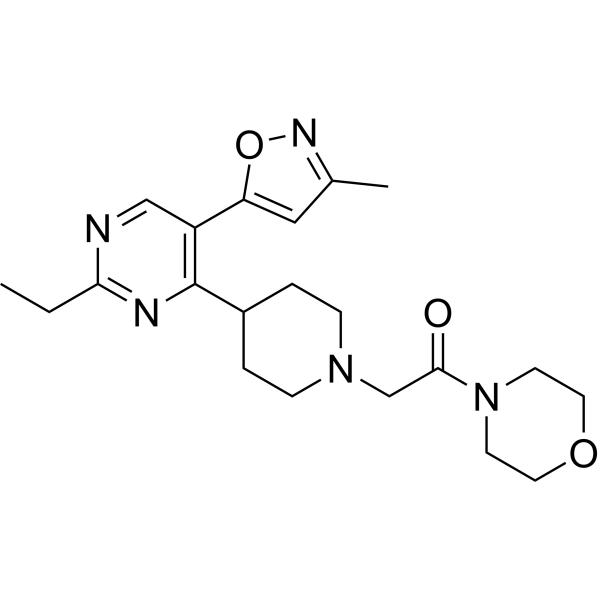
WLB-89462 (Compound 20c) is a selective σ2 receptor ligand (Ki: 13 nM). WLB-89462 has neuroprotective activity. WLB-89462 improves short-term memory impairment induced by Aβ peptide in rats. WLB-89462 has good ADMET profile (good solubility, no CYP inhibition, good metabolic stability, high permeability, brain penetration, and high oral exposure in rodents) .
|
-
- HY-P4610
-
|
|
GLP Receptor
|
Metabolic Disease
|
|
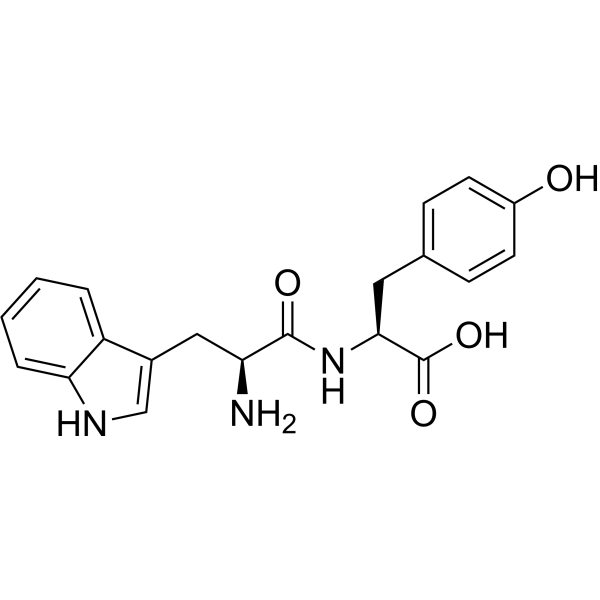
H-Trp-Tyr-OH is an orally active tryptophan-tyrosine dipeptide with blood-brain barrier permeability. H-Trp-Tyr-OH exerts physiological regulatory effects by stimulating enteroendocrine cells to secrete glucagon-like peptide GLP-1. In mouse models of tauopathies, H-Trp-Tyr-OH inhibits tau phosphorylation, reduces the level of neurofibrillary tangles, increases dopamine turnover, upregulates synapsin expression, and elevates cecal short-chain fatty acid levels, thereby improving behavioral deficits and extending lifespan. H-Trp-Tyr-OH can be used in research related to impaired glucose tolerance and tauopathies .
|
-
- HY-P11798
-
|
|
P-selectin
|
Cardiovascular Disease
Inflammation/Immunology
Cancer
|
|
P‑Selectin binding peptide is a short peptide that specifically targets P‑selectin. P‑Selectin binding peptide binds with high affinity to P‑selectin, which is highly expressed on activated platelets, inflamed endothelium, and in the tumor microenvironment. P‑Selectin binding peptide is used for precise targeted delivery and intervention in inflammation, thrombosis, and tumors .
|
-

- HY-126488R
-
|
|
Endogenous Metabolite
|
Metabolic Disease
|
|
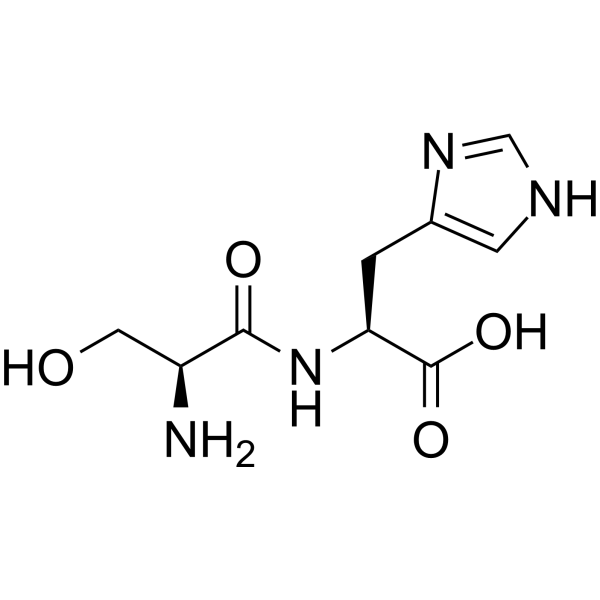
H-Ser-His-OH (Standard) is the analytical standard of H-Ser-His-OH. This product is intended for research and analytical applications. H-Ser-His-OH is a short peptide with hydrolysis cleavage activity, an endogenous metabolite .
|
-

- HY-P10704A
-
|
|
Integrin
|
Cancer
|
|
C16Y acetate is a short peptide and an inhibitor of integrins αvβ3 and α5β1. C16Y acetate acts on the cell membrane and exerts its anticancer activity by inhibiting angiogenesis .
|
-

- HY-172714
-
|
|
Liposome
|
Infection
|
|
DSPE-PEG2000-MPG is a PEG compound which composed of DSPE and a peptide vector (MPG). MPG is derived from both the nuclear localisation sequence (NLS) of SV40 large T antigen and the fusion peptide domain of HIV-1 gp41. MPG could deliver short oligonucleotides into cells efficiently and independently of the endosomal pathway .
|
-

- HY-P11652
-
|
|
Biochemical Assay Reagents
|
Others
|
|
Cardiogen is a short biologically active peptide (Ala-Glu-Asp-Arg) that does not bind single-stranded deoxyribooligonucleotides, slightly quenches fluorescence of some double-stranded deoxyribooligonucleotides, strongly quenches fluorescence of methylated and unmethylated λ phage DNA-ethidium bromide complexes .
|
-

- HY-P11785
-
|
|
Claudin
|
Cancer
|
|
Cpe30 MT2 is a short peptide that binds tightly junction protein Claudin‑4 (CLDN4) with high affinity, with a Kd value of 1.97 nM. Cpe30 MT2 can be used for the synthesis of PET molecular imaging probes targeting pancreatic cancer .
|
-

- HY-P11141
-
|
|
Bacterial
Fungal
|
Infection
|
|
Jelleine-II is a short chain antibacterial peptide derived from royal jelly, with broad-spectrum antibacterial activity. Jelleine-II has antibacterial activity against yeast, fungi, Gram positive bacteria, and Gram negative bacteria. Jelleine-II can be used in the study of infectious conditions .
|
-

- HY-115633S
-
-

- HY-P992232
-
|
|
RET
|
Inflammation/Immunology
|
|
Anti-GFRA4 Antibody (scFv) is a recombinant single-chain antibody fragment targeting GFRA4. Anti-GFRA4 Antibody (scFv) is formed by connecting the variable region of the heavy chain (VH) and the variable region of the light chain (VL) through a flexible short peptide (Linker), without the Fc segment, while maintaining the antigen-binding specificity.
|
-

- HY-N7122AR
-
|
|
Reference Standards
Endogenous Metabolite
|
Inflammation/Immunology
Cancer
|
|
Thymopentin (acetate) (Standard) is the analytical standard of Thymopentin (acetate) (HY-N7122A). This product is intended for research and analytical applications. Thymopentin acetate is a biologically active peptide secreted mainly by the epithelial cells of thymic cortex and medulla. Thymopentin acetate is an effective immunomodulatory agent with a short plasma half-life of 30 seconds. Thymopentin acetate enhances the generation of T-cell lineage derived from human embryonic stem cells (hESCs) .
|
-

- HY-P11458
-
|
Nlp24
|
Reactive Oxygen Species (ROS)
|
Inflammation/Immunology
|
|
Hanlp24 (Nlp24) is an immunogenic short peptide derived from plant pathogenic microorganisms. Hanlp24 can be recognized by the immune system of the model plant Arabidopsis thaliana and effectively induces the production of reactive oxygen species (ROS) in Arabidopsis thaliana. Hanlp24 is not the key factor that triggers plant defense and leads to the loss of pathogen virulence in the interaction system between cucumber and anthracnose pathogen. Hanlp24 can be used for the study of the plant immune system .
|
-

- HY-182611
-
|
|
TGF-β Receptor
|
Inflammation/Immunology
Cancer
|
|
SRI-31277 is a thrombospondin 1 (TSP-1) inhibitor with a human target pIC50 of 8.28 nM and in vivo activity, and exhibits a very short plasma half-life with intravenous administration.SRI-31277 inhibits interaction between TSP-1 and the latency-associated peptide (LAP) of latent TGF-β, blocking TSP-1-mediated TGF-β activation.SRI-31277 can be used for the research of multiple myeloma and fibrotic conditions .
|
-

- HY-127090S
-
|
MDP-d3
|
Isotope-Labeled Compounds
p38 MAPK
NOD-like Receptor (NLR)
|
Others
|
|
Muramyl dipeptide-d3 (MDP-d3) is the deuterium labeled Muramyl dipeptide. Muramyl dipeptide (MDP) is a synthetic immunoreactive peptide, consisting of N-acetyl muramic acid attached to a short amino acid chain of L-Ala-D-isoGln. Muramyl dipeptide is an inducer of bone formation through induction of Runx2. Muramyl dipeptide directly enhances osteoblast differentiation by up-regulating Runx2 gene expression through MAPK pathways. Muramyl dipeptide is a NLRP1 agonist .
|
-

-
- HY-P2738A
-
|
|
Biochemical Assay Reagents
|
|
Type I collagen peptide is a fibrillar form of collagen that promotes the activation and growth of epithelial cells . This product is an enzymatically hydrolyzed collagen short peptide.
|
-
- HY-172714A
-
|
|
Biochemical Assay Reagents
|
|
DSPE-PEG3400-MPG is a PEG compound which composed of DSPE and a peptide vector (MPG). MPG is derived from both the nuclear localisation sequence (NLS) of SV40 large T antigen and the fusion peptide domain of HIV-1 gp41. MPG could deliver short oligonucleotides into cells efficiently and independently of the endosomal pathway .
|
-
- HY-172713
-
|
|
Biochemical Assay Reagents
|
|
DSPE-PEG1000-MPG is a PEG compound which composed of DSPE and a peptide vector (MPG). MPG is derived from both the nuclear localisation sequence (NLS) of SV40 large T antigen and the fusion peptide domain of HIV-1 gp41. MPG could deliver short oligonucleotides into cells efficiently and independently of the endosomal pathway .
|
-
- HY-172715
-
|
|
Biochemical Assay Reagents
|
|
DSPE-PEG5000-MPG is a PEG compound which composed of DSPE and a peptide vector (MPG). MPG is derived from both the nuclear localisation sequence (NLS) of SV40 large T antigen and the fusion peptide domain of HIV-1 gp41. MPG could deliver short oligonucleotides into cells efficiently and independently of the endosomal pathway .
|
-
- HY-172714
-
|
|
Biochemical Assay Reagents
|
|
DSPE-PEG2000-MPG is a PEG compound which composed of DSPE and a peptide vector (MPG). MPG is derived from both the nuclear localisation sequence (NLS) of SV40 large T antigen and the fusion peptide domain of HIV-1 gp41. MPG could deliver short oligonucleotides into cells efficiently and independently of the endosomal pathway .
|
| Cat. No. |
상품명 |
Target |
Research Area |
-
- HY-P1563
-
-
- HY-N7122
-
|
|
Endogenous Metabolite
|
Inflammation/Immunology
Cancer
|
|
Thymopentin is a biologically active peptide secreted mainly by the epithelial cells of thymic cortex and medulla. Thymopentin is an effective immunomodulatory agent with a short plasma half-life of 30 seconds. Thymopentin enhances the generation of T-cell lineage derived from human embryonic stem cells (hESCs) .
|
-
- HY-P1714
-
|
FE 203799
|
GLP Receptor
|
Metabolic Disease
|
|
Apraglutide (FE 203799), a synthetic 33-amino-acid peptide and a long-acting GLP-2 analogue, enhances adaptation and linear intestinal growth in a neonatal piglet model of short bowel syndrome with total resection of the ileum .
|
-
- HY-P3291
-
|
ZP7570
|
GCGR
|
Metabolic Disease
|
|
Dapiglutide (ZP7570) is a long-acting glucagon-like peptide-1 receptor 1R (GLP-1R)/Glucagon-like peptide-2 receptor (GLP-2R) dual agonist. Dapiglutide alleviates intestinal dysfunction in a mouse short bowel model and has anti-obesity effects .
|
-
- HY-P4116
-
|
pHLIP
|
Peptides
|
Metabolic Disease
Cancer
|
|
pH-Low Insertion Peptide (pHLIP) is a short, pH-responsive peptide capable of inserting across a cell membrane to form a transmembrane helix at acidic pH. pH-Low Insertion Peptide targets the acidic tumor microenvironment for tumors at early and metastatic stages with high specificity, used as a specific ligand. pH-Low Insertion Peptide successfully modify polylysine polymers to have the pH-responsive capability. pH-Low Insertion Peptide-based targeting of cancer presents an opportunity to monitor metabolic changes, and to selectively deliver imaging and therapeutic agents to tumors .
|
-
- HY-P10633
-
|
|
Amino Acid Derivatives
|
Others
|
|
SmBiT Tag is an 11-amino-acid short peptide with extremely low natural affinity for LgBiT, with a Kd value of approximately 190 μM. It serves as a core component of the NanoLuc Binary Technology (NanoBiT) system. NanoBiT is a bioluminescent reporter system based on protein fragment complementation technology, which is used to monitor dynamic protein-protein interactions in live cells and in vitro .
|
-
- HY-P2193
-
|
|
Peptides
|
Infection
|
|
TAT-amide is a cell penetrating peptide. Cell-penetrating peptides (CPPs) are short amino acid sequences able to enter different cells .
|
-
- HY-P10953
-
|
PSP 29-mer, anti-inflammatory peptide
|
ERK
STAT
|
Inflammation/Immunology
|
|
Fulipiftide is a short peptide derived from pigment epithelium-derived factor (PEDF). Fulipiftide induces the expansion of nuclear stem cell factor +TSPC by activating ERK2 and STAT3 signaling pathways. Fulipiftide has anti-inflammatory activity and can be used in the study of acute tendon injury .
|
-
- HY-P1629
-
|
|
Bacterial
Fungal
Antibiotic
|
Infection
|
|
Temporin A is a short alpha-helical antimicrobial peptide isolated from the skin of the frog Rana temporaria. Temporin A is effective against a broad spectrum of Gram-positive bacteria. Temporin A interacts directly with the cell membrane of the microorganism and it is non-toxic to erythrocytes at concentrations that are antimicrobial. Temporin A also has antifungal activities (against yeast-like Candida albicans) .
|
-
- HY-P10709A
-
|
|
Biochemical Assay Reagents
|
Cardiovascular Disease
Cancer
|
|
CREKA peptide acetate is a short peptide sequence, belonging to self-assembling peptides (SAPs), which can self-assemble into functional nanostructures, typically nanofibers, under physiological conditions. CREKA peptide acetate can be used to target tumor cells and tumor vasculature, exhibiting antitumor activity .
|
-
- HY-P3321
-
|
PC 4
|
Peptides
|
Others
|
|
Phytochelatin 4 (PC 4) is a short Cys-rich peptide with repeating γ-Glu-Cys motifs found in plants .
|
-
- HY-P4116A
-
|
pHLIP TFA
|
Peptides
|
Metabolic Disease
Cancer
|
|
pH-Low Insertion Peptide TFA (pHLIP TFA) is a short, pH-responsive peptide capable of inserting across a cell membrane to form a transmembrane helix at acidic pH. pH-Low Insertion Peptide TFA targets the acidic tumor microenvironment for tumors at early and metastatic stages with high specificity, used as a specific ligand. pH-Low Insertion Peptide TFA successfully modifys polylysine polymers to have the pH-responsive capability. pH-Low Insertion Peptide TFA -based targeting of cancer presents an opportunity to monitor metabolic changes and to selectively deliver imaging and therapeutic agents to tumors .
|
-
- HY-P3869
-
|
[D-Arg2]Dermorphin-(1-4) amide
|
Peptides
|
Neurological Disease
|
|
Lumekefamide ([D-Arg2]Dermorphin-(1-4) amide) is a N-terminal shorter peptide amide of [D-Arg2]dermorphin with the hypothermic effect. Lumekefamide shows analgesic activity and degradation in soluble mouse liver and brain extracts .
|
-
- HY-N7122A
-
|
|
Endogenous Metabolite
|
Inflammation/Immunology
Cancer
|
|
Thymopentin acetate is a biologically active peptide secreted mainly by the epithelial cells of thymic cortex and medulla. Thymopentin acetate is an effective immunomodulatory agent with a short plasma half-life of 30 seconds. Thymopentin acetate enhances the generation of T-cell lineage derived from human embryonic stem cells (hESCs) .
|
-
- HY-P3320
-
|
PC 3
|
Biochemical Assay Reagents
|
Others
|
|
Phytochelatin 3 (PC 3) is the small metal chelating peptide that can be used for chelating heavy metals. Phytochelatin 3 is a short metal detoxification peptide made from the sulfur-rich molecule glutathione. Phytochelatin 3 can be found in different sources including plant, fungal, algal, and bacterial species, as a detoxification mechanism in response to heavy metal exposure. Phytochelatin 3 plays an important metabolic role in plants .
|
-
- HY-P3526
-
-
- HY-P11282
-
|
|
Peptides
|
Others
|
|
ST-tag peptide is a short peptide light label with intrinsic binding affinity to streptavidin and is used as an affinity tag for recombinant proteins .
|
-
- HY-P1512A
-
|
|
Peptides
|
Cancer
|
|
Antioxidant peptide A TFA is a short peptide, which contains alternative aromatic or sulfur-containing amino acid. The side chains of Antioxidant peptide A are believed to contribute to strong radical scavenging activities of peptides in the cancer cell .
|
-
- HY-P3326A
-
|
|
Bacterial
|
Infection
|
|
Targeting the bacterial sliding clamp peptide 46 TFA is a short peptide targeting the bacterial sliding clamp(SC), inhibiting SC-dependent DNA synthesis .
|
-
- HY-P2299A
-
|
|
HPV
|
Cancer
|
|
Protein E7(43-62) TFA is an E7-derived peptide with anti-tumor effects (short peptide spanning the 43th to 62th amino acid residues in the E7 protein) .
|
-
- HY-P1714A
-
|
FE 203799 TFA
|
GLP Receptor
|
Metabolic Disease
|
|
Apraglutide TFA (FE 203799 TFA), a synthetic 33-amino-acid peptide and a long-acting GLP-2 analogue, enhances adaptation and linear intestinal growth in a neonatal piglet model of short bowel syndrome with total resection of the ileum .
|
-
- HY-P11012
-
|
|
SARS-CoV
|
Infection
|
|
EK1 is a peptide-based fusion inhibitor of coronaviruses (CoVs) with broad spectrum inhibition to a number of CoV species. EK1 shows substantially improved pan-CoV fusion inhibitory activity. EK1 potently inhibits SARS-CoV-2. EK1 can form a stable six-helix bundle (6HB) structure with both short α-hCoV and long β-hCoV N-terminal heptad repeats .
|
-
- HY-P1512
-
|
|
SOD
|
Cancer
|
|
Antioxidant peptide A is a short peptide, which contains alternative aromatic or sulfur-containing amino acid. The side chains of Antioxidant peptide A are believed to contribute to strong radical scavenging activities of peptides in the cancer cell.
|
-
- HY-P3326
-
|
|
Bacterial
|
Infection
|
|
Targeting the bacterial sliding clamp peptide 46 is a short peptide targeting the bacterial sliding clamp(SC), inhibiting SC-dependent DNA synthesis.
|
-
- HY-P3599
-
|
|
Peptides
|
Others
|
|
P-T-P-S-NH2 is a short-chain peptide with an N-terminal proline .
|
-
- HY-P10541
-
|
|
HSP
|
Others
|
|
HSP70/DnaK substrate peptide is a short peptide that the HSP70/DnaK molecular chaperone can bind and act on. HSP70/DnaK substrate peptide can be used to study the mechanism of action of HSP70/DnaK in molecular chaperone function .
|
-
- HY-P10541A
-
|
|
HSP
|
Others
|
|
HSP70/DnaK substrate peptide TFA is a short peptide that the HSP70/DnaK molecular chaperone can bind and act on. HSP70/DnaK substrate peptide TFA can be used to study the mechanism of action of HSP70/DnaK in molecular chaperone function .
|
-
- HY-P2512
-
|
|
Peptides
|
Others
|
|
Phytochelatin 2, a short phytochelatin, is a key plant peptide binding heavy metals. Phytochelatins are a diverse set of plant compounds that chelate metals, protect against metal toxicity and function in metal homeostasis .
|
-
- HY-P10704
-
|
|
Integrin
|
Cancer
|
|
C16Y is a short peptide and an inhibitor of integrins αvβ3 and α5β1. C16Y acts on the cell membrane and exerts its anticancer activity by inhibiting angiogenesis .
|
-
- HY-P4793
-
|
|
Peptides
|
Metabolic Disease
|
|
Acetyl-Heme-Binding Protein 1 (1-21) (human) is a short peptide. It consists of the first 21 amino acids of the hemopexin Acetyl-Heme-Binding Protein 1. Acetyl-Heme-Binding Protein 1 can bind to heme and play a role in heme metabolism and hemoglobin release .
|
-
- HY-P5520
-
|
|
Bombesin Receptor
Radionuclide-Drug Conjugates (RDCs)
|
Cancer
|
|
GB-6 is a short linear peptide that targets the gastrin releasing peptide receptor (GRPR). GRPR is overexpressed in pancreatic cancer. Based on the tumor selectivity and tumor-specific accumulation properties of GB-6, GB-6 labeled with near infrared (NIR) fluorescent dyes or radionuclide netium-99m (99mTc) can be used as a high-contrast imaging probe. GB-6 has excellent in vivo stability, with tumor to pancreatic and intestinal fluorescence signal ratios of 5.2 and 6.3, respectively, in SW199 0 subcutaneous xenograft models. GB-6 can rapidly target tumors and accurately delineate tumor boundaries, which has broad application prospects .
|
-
- HY-P2665
-
|
|
Peptides
|
Others
|
|
Lymphocyte activating pentapeptide is a short peptide sequence found in the Fc region of human IgG1 that has the ability to activate lymphocytes. Lymphocyte activating pentapeptide can be used to study the activation mechanisms of B cells and T cells, and their role in immune responses .
|
-
- HY-P1965
-
|
|
Peptides
|
Cancer
|
|
Ac-IEVDIDV TFA is a short peptide sequence with Ac at the end.
|
-
- HY-P1963
-
|
|
Peptides
|
Cancer
|
|
Ac-IEVDIDVEH TFA is a short peptide sequence with Ac at the end.
|
-
- HY-P1964
-
|
|
Peptides
|
Cancer
|
|
Ac-IEVDIDVE TFA is a short peptide sequence with Ac at the end.
|
-
- HY-P1966
-
|
|
Peptides
|
Cancer
|
|
Ac-IEVDID TFA is a short peptide sequence with Ac at the end.
|
-
- HY-P1967
-
|
|
Peptides
|
Cancer
|
|
Ac-VDID TFA is a short peptide sequence with Ac at the end.
|
-
- HY-P2193A
-
|
|
Peptides
|
Infection
|
|
TAT-amide TFA is a cell penetrating peptide. Cell-penetrating peptides (CPPs) are short amino acid sequences able to enter different cells .
|
-
- HY-103303
-
|
|
CGRP Receptor
|
Metabolic Disease
|
|
CRSP-1 is short for calcitonin receptor-stimulating peptide-1. CRSP-1 inhibits osteoclast formation by inhibiting the formation and activity of multinucleated osteoclast .
|
-
- HY-P1593
-
-
- HY-P1734
-
|
|
PKC
|
Neurological Disease
|
|
Ac-MBP 1-11, a short peptide sequence, is the major encephalitogenic epitope in myelin basic protein (MBP) .
|
-
- HY-134578
-
|
|
Drug Intermediate
|
Others
|
|
H-Arg-Ser-Arg-OH is a short peptide. H-Arg-Ser-Arg-OH is a motif of di-leucine and RSRR, it can be used to design larger peptides and compound .
|
-
- HY-P1593A
-
-
- HY-P3321A
-
-
- HY-P2299
-
|
|
HPV
|
Cancer
|
|
Protein E7(43-62) is an E7-derived peptide with anti-tumor effects (short peptide spanning the 43th to 62th amino acid residues in the E7 protein) .
|
-
- HY-P10705
-
|
|
Biochemical Assay Reagents
|
Cancer
|
|
KGFRWR is a short peptide sequence, belonging to self-assembling peptides (SAPs), which can self-assemble into functional nanostructures, typically nanofibers, under physiological conditions. KGFRWR can be used to target tumor cells and tumor vasculature, exhibiting antitumor activity .
|
-
- HY-106428
-
|
ITF1697
|
P-selectin
|
Cardiovascular Disease
Inflammation/Immunology
|
|
Icrocaptide (ITF1697) is a stable Lys-Pro-containing peptide that inhibits the intracellular Ca 2+-dependent fusion of Weibel-Palade bodies with the plasma membrane. Icrocaptide exerts its activity at the early stages of endothelial activation and inhibits P-selectin and von Willebrand factor secretion. Icrocaptide can be used for the study of a variety of microvascular disorders .
|
-
- HY-103276
-
-
- HY-P11169
-
|
|
Bacterial
|
Infection
|
|
Decoralin is a short cationic alpha-helical antimicrobial peptide that can be isolated from the venom of Oreumenes decorates wasps. Decoralin exhibits selective and rapid activity against bacteria by destroying membranes. Decoralin can be used for antimicrobial research .
|
-
- HY-P10496A
-
|
|
Peptides
|
Cancer
|
|
MAGE-A1-derived peptide acetate is a short peptide sequence derived from MAGE-A1 protein. As a tumor-specific antigen, MAGE-A1-derived peptide acetate can be recognized and activated by cytotoxic T lymphocytes (CTLs), thereby generating an immune response to tumor cells expressing MAGE-A1. This immune response can lead to the lysis and death of tumor cells. MAGE-A1-derived peptide acetate can be used in the study of tumor immunity .
|
- HY-P10496
-
|
|
Peptides
|
Cancer
|
|
MAGE-A1-derived peptide is a short peptide sequence derived from MAGE-A1 protein. As a tumor-specific antigen, MAGE-A1-derived peptide can be recognized and activated by cytotoxic T lymphocytes (CTLs), thereby generating an immune response to tumor cells expressing MAGE-A1. This immune response can lead to the lysis and death of tumor cells. MAGE-A1-derived peptide can be used in the study of tumor immunity .
|
- HY-P10251
-
|
|
HIV
|
Infection
|
|
HIV gp120 (318-327) is a short sequence of the HIV-1 strain IIIB envelope peptide (rgpgrafvti) that corresponds to the conserved C-terminal region of the glycoprotein. HIV gp120 (318-327) is part of the HIV vaccine V3 peptide epitope, also known as the I10 peptide. However, HIV gp120 (318-327) lacks the A2 anchor residues recognized by epitope-specific CTLs but has structural features that confer promiscuous A2 binding .
|
- HY-N7122R
-
|
|
Reference Standards
Endogenous Metabolite
|
Inflammation/Immunology
Cancer
|
|
Thymopentin is a biologically active peptide secreted mainly by the epithelial cells of thymic cortex and medulla. Thymopentin is an effective immunomodulatory agent with a short plasma half-life of 30 seconds. Thymopentin enhances the generation of T-cell lineage derived from human embryonic stem cells (hESCs) .
|
- HY-16707
-
|
Z-Ile-Glu-Pro-Phe-Ome
|
Proteasome
|
Inflammation/Immunology
|
|
CH 5450 (Z-Ile-Glu-Pro-Phe-Ome) is a selective short peptide human cardiac chymase inhibitor. CH-5450 inhibits the action of rat MAB elastase 2 on substrate Ang I with an IC50 value of 49 µM and N-succinyl-Ala-Ala-Pro-Phe-p-nitroanilide with an IC50 value of 4.8 µM .
|
- HY-P4610
-
|
|
GLP Receptor
|
Metabolic Disease
|
|
H-Trp-Tyr-OH is an orally active tryptophan-tyrosine dipeptide with blood-brain barrier permeability. H-Trp-Tyr-OH exerts physiological regulatory effects by stimulating enteroendocrine cells to secrete glucagon-like peptide GLP-1. In mouse models of tauopathies, H-Trp-Tyr-OH inhibits tau phosphorylation, reduces the level of neurofibrillary tangles, increases dopamine turnover, upregulates synapsin expression, and elevates cecal short-chain fatty acid levels, thereby improving behavioral deficits and extending lifespan. H-Trp-Tyr-OH can be used in research related to impaired glucose tolerance and tauopathies .
|
- HY-P11798
-
|
|
P-selectin
|
Cardiovascular Disease
Inflammation/Immunology
Cancer
|
|
P‑Selectin binding peptide is a short peptide that specifically targets P‑selectin. P‑Selectin binding peptide binds with high affinity to P‑selectin, which is highly expressed on activated platelets, inflamed endothelium, and in the tumor microenvironment. P‑Selectin binding peptide is used for precise targeted delivery and intervention in inflammation, thrombosis, and tumors .
|
- HY-P11283
-
|
|
Peptides
|
Others
|
|
Avi tag is a short peptide tag commonly used in protein expression and biotin labeling .
|
- HY-P11063
-
|
|
Peptides
|
Cancer
|
|
AcfffGk is a short peptide with the ability to self-assemble into helical nanofibers, forming non-covalently cross-linked hydrogels that serve as scaffolds for 3D cell culture .
|
- HY-P11662
-
|
|
Peptides
|
Cancer
|
|
NLS peptide is a nuclear localization signal peptide, a short amino acid sequence that can be recognized by nuclear transport machinery (such as the Importin protein complex). NLS peptide can directionally transport the molecules or nanoparticles linked to it into the nucleus, and the N-terminal Cys terminus can be used for subsequent coupling. NLS peptide can be used to construct nucleus-specific imaging probes and nucleus-targeted nanoparticles
|
- HY-P10704A
-
|
|
Integrin
|
Cancer
|
|
C16Y acetate is a short peptide and an inhibitor of integrins αvβ3 and α5β1. C16Y acetate acts on the cell membrane and exerts its anticancer activity by inhibiting angiogenesis .
|
- HY-P11652
-
|
|
Biochemical Assay Reagents
|
Others
|
|
Cardiogen is a short biologically active peptide (Ala-Glu-Asp-Arg) that does not bind single-stranded deoxyribooligonucleotides, slightly quenches fluorescence of some double-stranded deoxyribooligonucleotides, strongly quenches fluorescence of methylated and unmethylated λ phage DNA-ethidium bromide complexes .
|
- HY-P10989
-
|
|
Peptides
|
Cancer
|
|
NG2 binding peptide is a short peptide that specifically recognizes NG2 proteoglycan and can be obtained by phage screening technology. NG2 binding peptide interacts with NG2 binding sites to achieve precise targeting of tumor angiogenesis in vitro and in vivo. NG2 binding peptide exhibits significant homing ability in wild-type tumor-bearing mice, but has no localization effect in NG2 knockout mice. Due to the tissue specificity of NG2 expression, NG2 binding peptide can be used in scenarios such as tumor targeted therapy, drug delivery, and molecular imaging diagnosis .
|
- HY-P11785
-
|
|
Claudin
|
Cancer
|
|
Cpe30 MT2 is a short peptide that binds tightly junction protein Claudin‑4 (CLDN4) with high affinity, with a Kd value of 1.97 nM. Cpe30 MT2 can be used for the synthesis of PET molecular imaging probes targeting pancreatic cancer .
|
- HY-P11141
-
|
|
Bacterial
Fungal
|
Infection
|
|
Jelleine-II is a short chain antibacterial peptide derived from royal jelly, with broad-spectrum antibacterial activity. Jelleine-II has antibacterial activity against yeast, fungi, Gram positive bacteria, and Gram negative bacteria. Jelleine-II can be used in the study of infectious conditions .
|
- HY-P3869A
-
|
[D-Arg2]Dermorphin-(1-4) amide TFA
|
Peptides
|
Neurological Disease
|
|
Lumekefamide TFA ([D-Arg2]Dermorphin-(1-4) amide TFA) is a N-terminal shorter peptide amide of [D-Arg2]dermorphin with the hypothermic effect. Lumekefamide shows analgesic activity and degradation in soluble mouse liver and brain extracts .
|
- HY-N7122AR
-
|
|
Reference Standards
Endogenous Metabolite
|
Inflammation/Immunology
Cancer
|
|
Thymopentin (acetate) (Standard) is the analytical standard of Thymopentin (acetate) (HY-N7122A). This product is intended for research and analytical applications. Thymopentin acetate is a biologically active peptide secreted mainly by the epithelial cells of thymic cortex and medulla. Thymopentin acetate is an effective immunomodulatory agent with a short plasma half-life of 30 seconds. Thymopentin acetate enhances the generation of T-cell lineage derived from human embryonic stem cells (hESCs) .
|
- HY-P11458
-
|
Nlp24
|
Reactive Oxygen Species (ROS)
|
Inflammation/Immunology
|
|
Hanlp24 (Nlp24) is an immunogenic short peptide derived from plant pathogenic microorganisms. Hanlp24 can be recognized by the immune system of the model plant Arabidopsis thaliana and effectively induces the production of reactive oxygen species (ROS) in Arabidopsis thaliana. Hanlp24 is not the key factor that triggers plant defense and leads to the loss of pathogen virulence in the interaction system between cucumber and anthracnose pathogen. Hanlp24 can be used for the study of the plant immune system .
|
| Cat. No. |
상품명 |
Target |
Research Area |
Image |
-
- HY-P992232
-
|
|
RET
|
Inflammation/Immunology
|
|
Anti-GFRA4 Antibody (scFv) is a recombinant single-chain antibody fragment targeting GFRA4. Anti-GFRA4 Antibody (scFv) is formed by connecting the variable region of the heavy chain (VH) and the variable region of the light chain (VL) through a flexible short peptide (Linker), without the Fc segment, while maintaining the antigen-binding specificity.
|
-

(5)
| Cat. No. |
상품명 |
Category |
Target |
Chemical Structure |
| Cat. No. |
상품명 |
Chemical Structure |
-
- HY-W751574
-
|
|
|
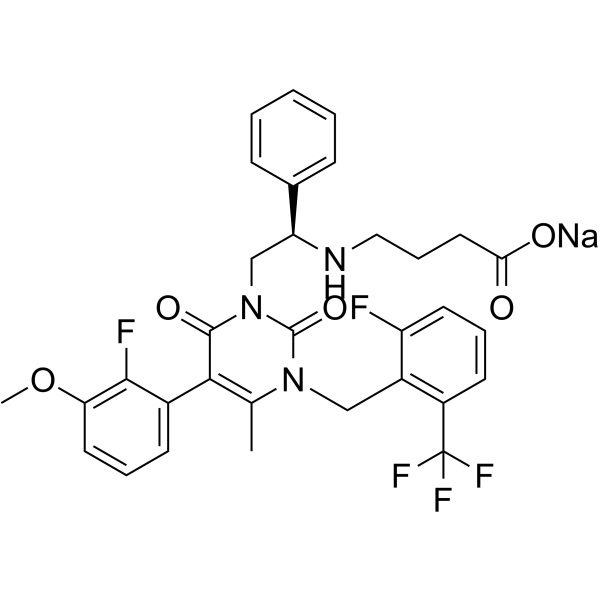
Elagolix-d6 (sodium) (NBI-56418-d6 (sodium)) is deuterium labeled Elagolix sodium. Elagolix sodium is a highly effective, selective, oral-active, short-term, non-peptide gonadotropin-releasing hormone receptor (GnRH receptor) antagonist (KD = 54 pM) and NFAT inhibitor, which can be used to study pain related to endometriosis. .
|
-
-
- HY-115633S
-
|
|
|
Elagolix-d9 is the deuterium labeled Elagolix. Elagolix sodium is a highly effective, selective, oral-active, short-term, non-peptide gonadotropin-releasing hormone receptor (GnRH receptor) antagonist (KD = 54 pM) and NFAT inhibitor, which can be used to study pain related to endometriosis. .
|
-
-
- HY-127090S
-
|
|
|
Muramyl dipeptide-d3 (MDP-d3) is the deuterium labeled Muramyl dipeptide. Muramyl dipeptide (MDP) is a synthetic immunoreactive peptide, consisting of N-acetyl muramic acid attached to a short amino acid chain of L-Ala-D-isoGln. Muramyl dipeptide is an inducer of bone formation through induction of Runx2. Muramyl dipeptide directly enhances osteoblast differentiation by up-regulating Runx2 gene expression through MAPK pathways. Muramyl dipeptide is a NLRP1 agonist .
|
-
| Cat. No. |
상품명 |
|
Classification |
-
- HY-112295
-
|
|
|
Azide
|
|
AzKTB is a capture reagent which bears a short trypsin-cleavable peptide sequence between the azide module and the TAMRA/PEG-biotin labels. AzKTB is a click chemistry reagent, it contains an Azide group and can undergo copper-catalyzed azide-alkyne cycloaddition reaction (CuAAc) with molecules containing Alkyne groups. It can also undergo strain-promoted alkyne-azide cycloaddition (SPAAC) reactions with molecules containing DBCO or BCN groups.
|
| Cat. No. |
상품명 |
|
Classification |
-
- HY-172713
-
|
|
|
Pegylated Lipids
|
|
DSPE-PEG1000-MPG is a PEG compound which composed of DSPE and a peptide vector (MPG). MPG is derived from both the nuclear localisation sequence (NLS) of SV40 large T antigen and the fusion peptide domain of HIV-1 gp41. MPG could deliver short oligonucleotides into cells efficiently and independently of the endosomal pathway .
|
-
- HY-172715
-
|
|
|
Pegylated Lipids
|
|
DSPE-PEG5000-MPG is a PEG compound which composed of DSPE and a peptide vector (MPG). MPG is derived from both the nuclear localisation sequence (NLS) of SV40 large T antigen and the fusion peptide domain of HIV-1 gp41. MPG could deliver short oligonucleotides into cells efficiently and independently of the endosomal pathway .
|
-
- HY-172714
-
|
|
|
Pegylated Lipids
|
|
DSPE-PEG2000-MPG is a PEG compound which composed of DSPE and a peptide vector (MPG). MPG is derived from both the nuclear localisation sequence (NLS) of SV40 large T antigen and the fusion peptide domain of HIV-1 gp41. MPG could deliver short oligonucleotides into cells efficiently and independently of the endosomal pathway .
|
Your information is safe with us. * Required Fields.
Inquiry Information
- 상품명:
- Cat. No.:
- 수량:
- MCE Japan Authorized Agent:








