1. Search Result
Search Result
Results for "

terminal alkynes

" in MedChemExpress (MCE) Product Catalog:

84

Inhibitors & Agonists

1

Screening Libraries

20

Fluorescent Dyes

14

Biochemical Assay Reagents

4

Natural
Products

48

Click Chemistry

2

Oligonucleotides

Targets Recommended:
Cat. No. Product Name Target Research Areas Chemical Structure
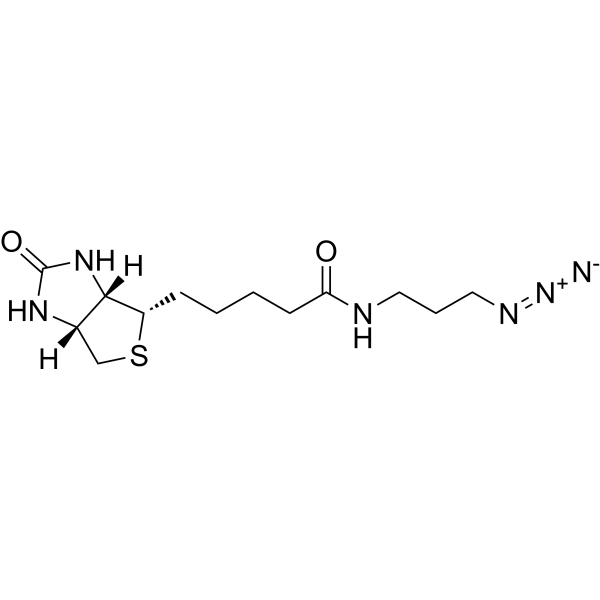
  • HY-129832
    Biotin-azide
    Maximum Cited Publications
    8 Publications Verification

    N-(3-Azidopropyl)biotinamide

    Biochemical Assay Reagents Others
    Biotin-azide (N-(3-Azidopropyl)biotinamide) is a form of biotin with a terminal azide group. Biotin-azide can be used to prepare various biotinylated conjugates via Click Chemistry . Biotin-azide is a click chemistry reagent, it contains an Azide group and can undergo copper-catalyzed azide-alkyne cycloaddition reaction (CuAAc) with molecules containing Alkyne groups. It can also undergo strain-promoted alkyne-azide cycloaddition (SPAAC) reactions with molecules containing DBCO or BCN groups.
    Biotin-azide
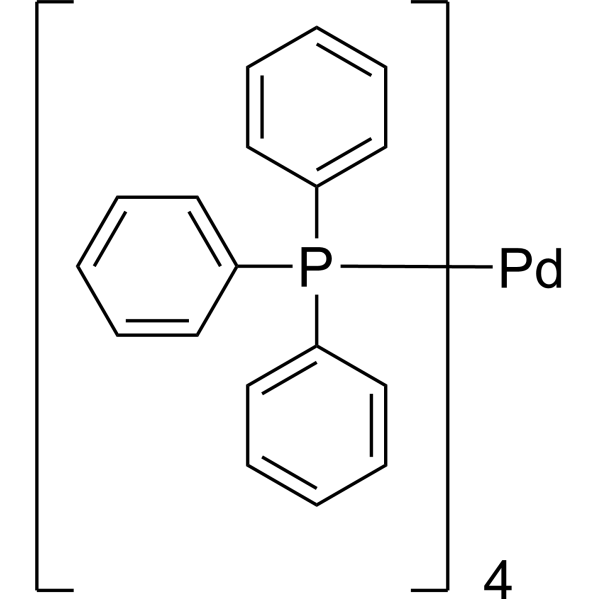
  • HY-Y1738

    Tetrakis(triphenylphosphine)palladium(0)

    Biochemical Assay Reagents Others
    Tetrakis(triphenylphosphine)palladium is a catalyst. Tetrakis(triphenylphosphine)palladium catalyzes the highly regioselective addition of phenyl thiocyanate (PhSCN) to terminal alkynes .
    Tetrakis(triphenylphosphine)palladium
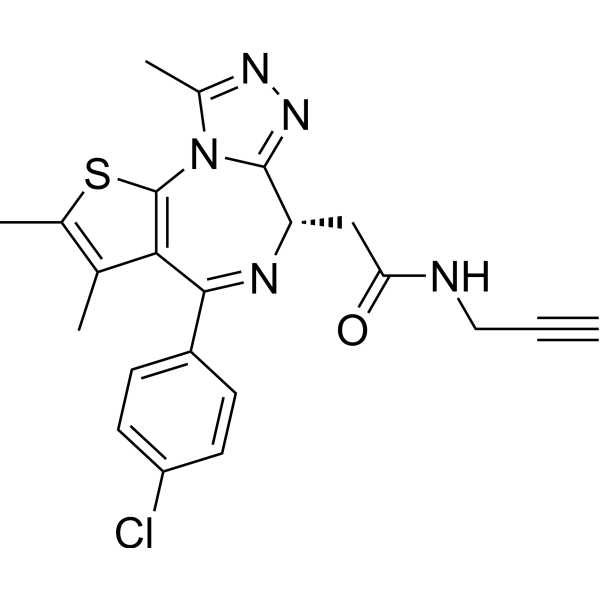
  • HY-112789
    (+)-JQ1 PA
    1 Publications Verification

    Epigenetic Reader Domain Cancer
    (+)-JQ1 PA is a derivative of the Bromodomain and extra-terminal (BET) inhibitor JQ1, with an IC50 of 10.4 nM. (+)-JQ1 PA is a click chemistry reagent, it contains an Alkyne group and can undergo copper-catalyzed azide-alkyne cycloaddition (CuAAc) with molecules containing Azide groups.
    (+)-JQ1 PA
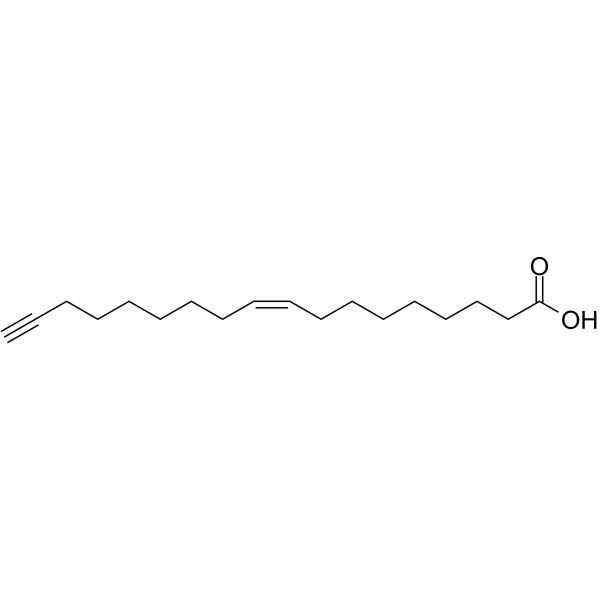
  • HY-127112

    Drug Derivative Others
    Oleic acid alkyne is Oleic acid (HY-N1446) with an acetylene group. The terminal alkyne group can be used for click chemical ligation reactions. Oleic acid can be hydroxylated by a microsomal cytochrome P-450-dependent system (ω-OAH). Through click chemistry reactions, fluorescent or biotin-labeled oleic acid can be introduced to analyze its metabolism and biological activity.
    Oleic acid alkyne
  • HY-129084
    Propargylcholine bromide
    1 Publications Verification

    Biochemical Assay Reagents Others
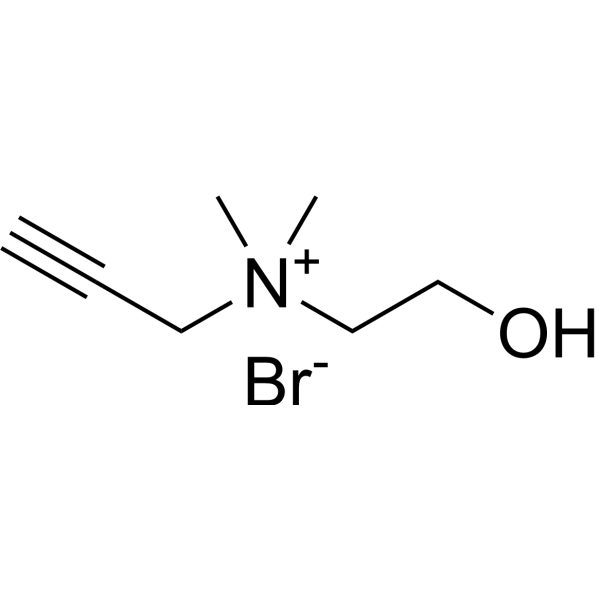
    Propargylcholine bromide is a choline analogue containing terminal propargyl that can be incorporated into all classes of Choline-containing phospholipids such as phosphatidylcholine and sphingomyelin, labeling Choline-containing phospholipids. Propargylcholine bromide-labeled phospholipid molecules can be visualized in cells with high sensitivity and spatial resolution. Propargylcholine bromide can be used as a molecular tool to study the biochemical and metabolic processes of Choline-containing phospholipids in cells . Propargylcholine (bromide) is a click chemistry reagent, it contains an Alkyne group and can undergo copper-catalyzed azide-alkyne cycloaddition (CuAAc) with molecules containing Azide groups.

    Propargylcholine bromide
  • HY-151705
    Alkyne Cholesterol
    2 Publications Verification

    Liposome Metabolic Disease
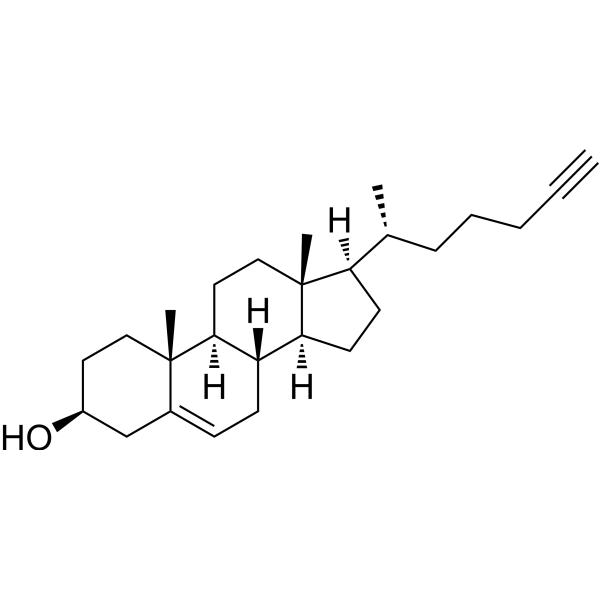
    Alkyne Cholesterol, a modified lipid, is a click chemistry reagent containing an alkyne group. The terminal alkyne group can be used in a highly specific linking reaction with azide-containing reagents in the presence of a copper (Cu)-containing catalyst. Alkyne Cholesterol can be used for tracking cellular cholesterol metabolism and localization .
    Alkyne Cholesterol
  • HY-D1321
    Cy 5 amine hydrochloride
    1 Publications Verification

    Cyanine5 amine hydrochloride

    Fluorescent Dye Others
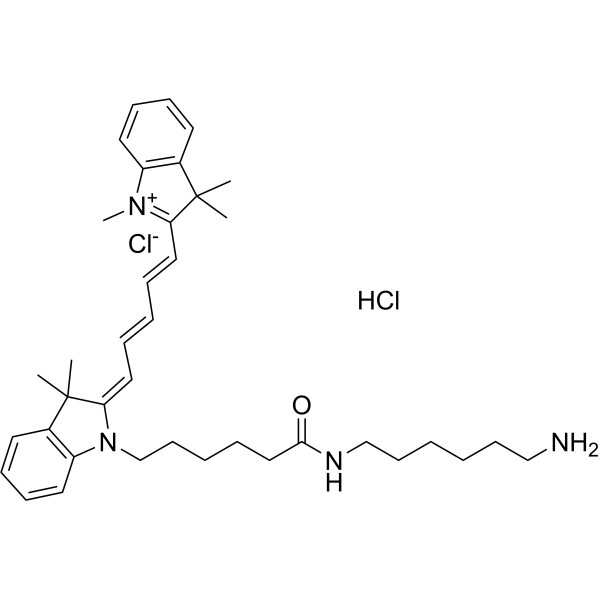
    Cyanine5 amine hydrochloride is a potent fluorescent dye. Cyanine5 amine hydrochloride can be reacted with terminal alkynes via a copper-catalyzed click reaction (CuAAC). (λex=646 nm, λem=662 nm) .
    Cy 5 amine hydrochloride
  • HY-D2769

    Difluorocarboxyfluorescein azide, 6-isomer

    Fluorescent Dye Others
    Oregon green 488 azide (Difluorocarboxyfluorescein azide, 6-isomer) is a bright green fluorescent azide-activated probe that reacts with terminal alkynes via copper-catalyzed azide-alkyne cycloaddition (CuAAC). Oregon green 488 azide can label goat anti-mouse IgG and exhibits excellent luminescence efficiency. Oregon green 488 azide, as a streptavidin conjugate, is used for flow cytometry staining of macrophages .
    Oregon green 488 azide
  • HY-N1455
    Falcarinol
    1 Publications Verification

    Panaxynol; Carotatoxin

    HSP Apoptosis Cancer
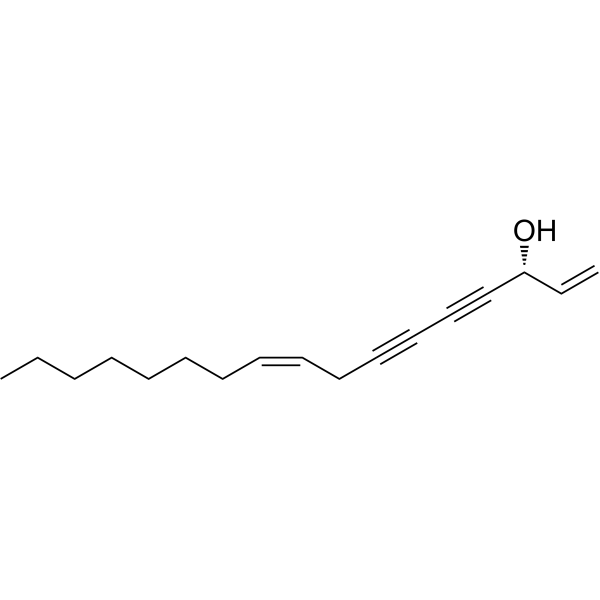
    Falcarinol (Panaxynol) is a natural, orally active Hsp90 inhibitor targeting both the N-terminal and C-terminal of Hsp90 with limited toxicities. Falcarinol (Panaxynol) induces apoptosis . Falcarinol is a click chemistry reagent, it contains an Alkyne group and can undergo copper-catalyzed azide-alkyne cycloaddition (CuAAc) with molecules containing Azide groups.
    Falcarinol
  • HY-D1320

    Fluorescent Dye Others
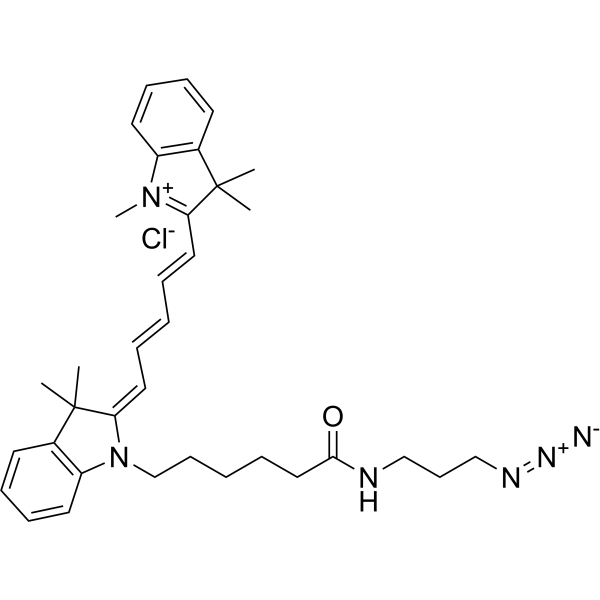
    Cyanine5 azide chloride is a potent fluorescent dye. Cyanine5 azide chloride can be reacted with terminal alkynes via a copper-catalyzed click reaction (CuAAC). (λex=646 nm, λem=662 nm) . It contains an azide group and can undergo copper-catalyzed azide-alkyne cycloaddition (CuAAc) with molecules containing alkyne groups. It can also undergo ring strain-promoted alkyne-azide cycloaddition (SPAAC) with molecules containing DBCO or BCN groups.
    Cyanine5 azide chloride
  • HY-W588704

    Biochemical Assay Reagents Others
    4-Azidobutyric acid is a small molecule featuring an azide and a carboxylic acid. Carboxylic acids can be linked with alcohols or amides while azides can be used as click chemistry handles to react with terminal alkynes or strained cyclooctynes.
    4-Azidobutyric acid
  • HY-D2161A

    Fluorescent Dye Others
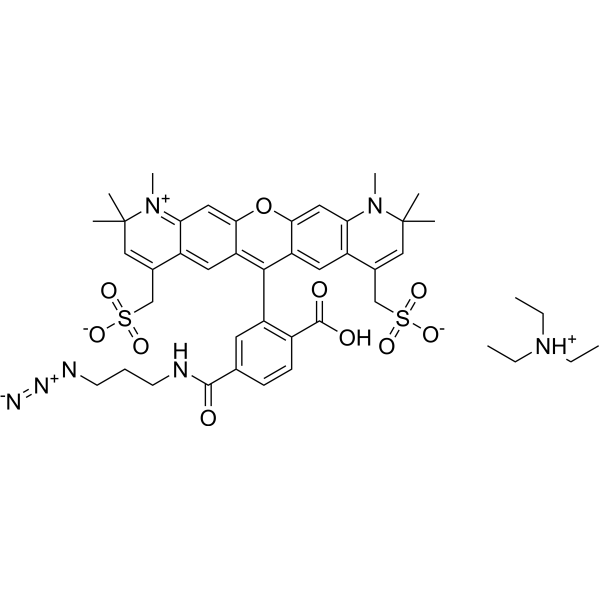
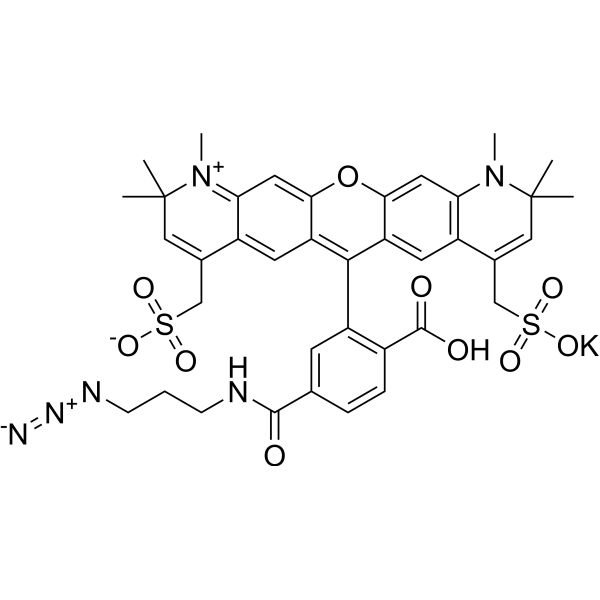
    AF 594 azide (triethylamine) is an azide derivative of the red fluorescent dye AF 594, which has high fluorescence quantum yield and high photostability (maximum absorption wavelength of 586 nm, maximum emission wavelength of 613 nm). AF 594 azide (triethylamine) forms stable adducts by reaction of the azide group with alkynyl derivatives (terminal alkynes and cyclooctyne) .
    AF 594 azide triethylamine
  • HY-147097A

    Bacterial Infection
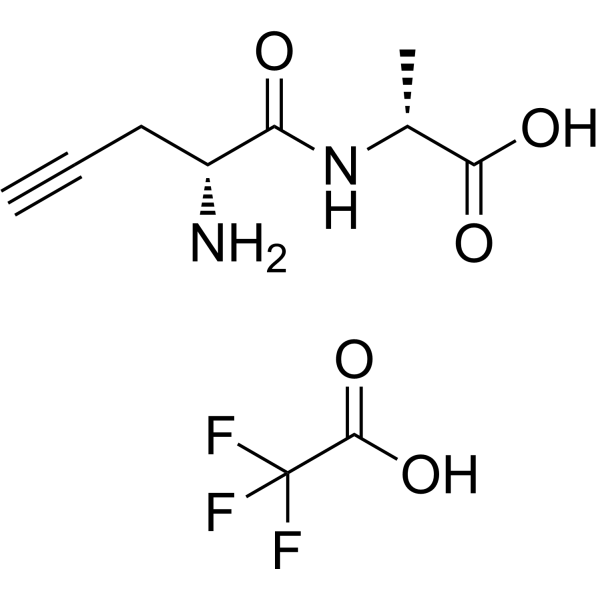
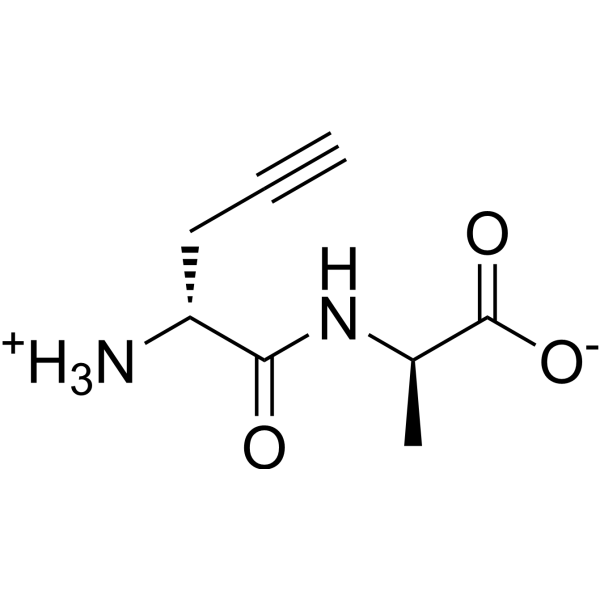
    EDA-DA is a N-terminally tagged dipeptide probe, can be used to label Peptidoglycan (PG) of bacteria. EDA-DA is a click chemistry reagent, it contains an Alkyne group and can undergo copper-catalyzed azide-alkyne cycloaddition (CuAAc) with molecules containing Azide groups .
    EDA-DA TFA
  • HY-42045

    Drug Derivative Others
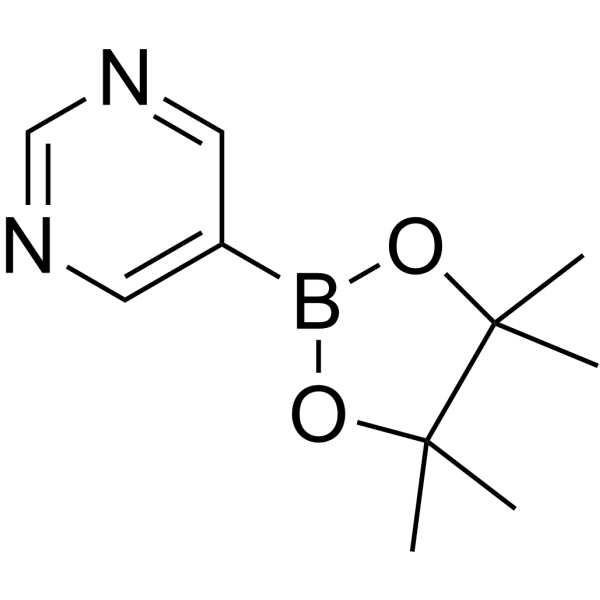
    Pyrimidine-5-boronic acid pinacol ester is a derivative of Boronic acid. Boronic acid is an intermediate commonly used in organic synthesis reactions and can be used as a key reagent in the Suzuki-Miyaura reaction. It generates organic free radicals through oxygen-mediated oxidation and exhibits potential mutagenic activity. Boronic acid is mainly used in research in the fields of drug synthesis and catalytic reactions. Pyrimidine-5-boronic acid pinacol ester serves as a building block in DNA-compatible one-pot click chemistry for synthesis of DNA-encoded libraries .
    Pyrimidine-5-boronic acid pinacol ester
  • HY-D1726

    Deubiquitinase Cancer
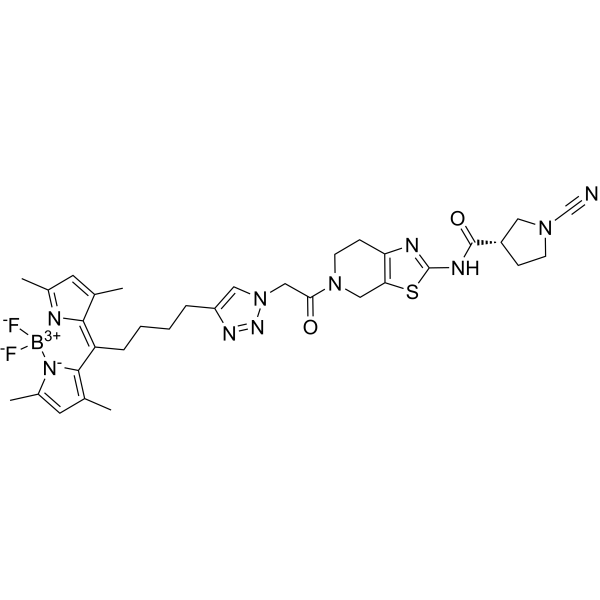
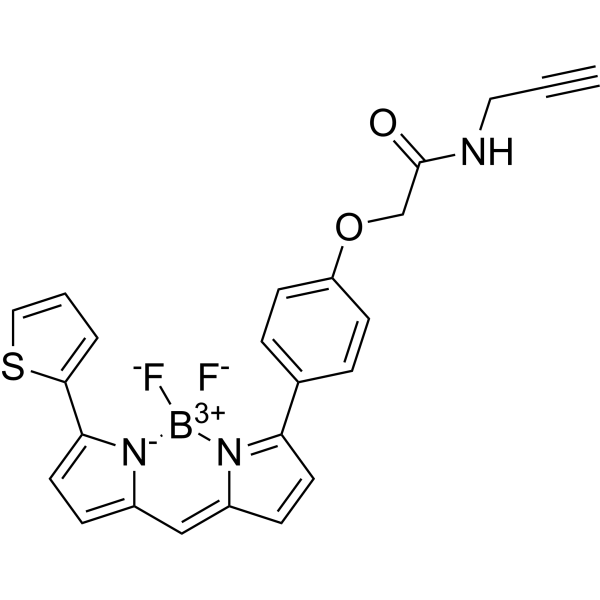
    8RK59, a Bodipy probe, is a potent UCHL1 (ubiquitin C-terminal hydrolase L1) inhibitor, with an IC50 close to 1 μM. 8RK59 could penetrate and label living cells. BodipyFL-alkyne is coupled to the azide of 8RK64 (HY-148254) using copper(I)-mediated click chemistry, resulting in compound 8RK59 .
    8RK59
  • HY-W014785

    Drug Intermediate Cancer
    1,4-Diphenylbuta-1,3-diyne (Compound 2a) is a synthetic symmetrical 1,3-diene derivative. 1,4-Diphenylbuta-1,3-diyne exhibits significant selective anti-proliferative activity against HeLa cells. 1,4-Diphenylbuta-1,3-diyne can be utilized in cervical cancer research .
    1,4-Diphenylbuta-1,3-diyne
  • HY-151678

    ADC Linker Others
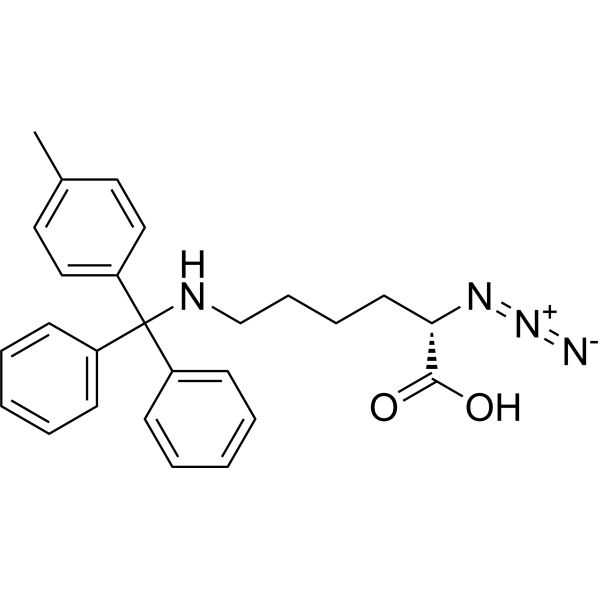
    N3-L-Lys(Mtt)-OH is a click chemistry reagent containing an azide group. N3-L-Lys(Mtt)-OH can introduce azide functions into the amino acid building block of peptide sequences at the N-terminal position. It contains an azide group and can undergo copper-catalyzed azide-alkyne cycloaddition (CuAAc) with molecules containing alkyne groups. It can also undergo ring strain-promoted alkyne-azide cycloaddition (SPAAC) with molecules containing DBCO or BCN groups.
    N3-L-Lys(Mtt)-OH
  • HY-W598198

    Biochemical Assay Reagents Others
    Ethyl 3-azidopropanoate comprises an ethyl ester and a terminal azide group with a 2-carbon linker. The azide can react with alkyne, BCN, DBCO via Click Chemistry to yield a stable triazole linkage. The methyl ester groups can be hydrolyzed, reduced, or substituted under different conditions.
    Ethyl 3-azidopropanoate
  • HY-D2750

    Fluorescent Dye Others
    Sulfo-Cy5 Picolyl Azide is a fluorophore featuring a sulfonate group and an azide. Azide groups are click chemistry handles which are reactive towards terminal alkynes and strained cyclooctynes such as BCN or DBCO. Cy5 is a cyanine dye with excitation and emission maxima at 651 nm and 670 nm respectively. The sulfonate group on the Cy5 dye increases this compound’s water solubility.
    Sulfo-Cy5 picolyl azide
  • HY-W615095

    Biochemical Assay Reagents Others
    Biotin-PEG2-alkyne is a short PEG linker featuring a biotin group and a terminal alkyne. Biotin is useful for affinity-based applications such as pull-down assays while terminal alkynes are used in copper (I) click chemistry with azides.
    Biotin-PEG2-alkyne
  • HY-132273

    Biochemical Assay Reagents Others
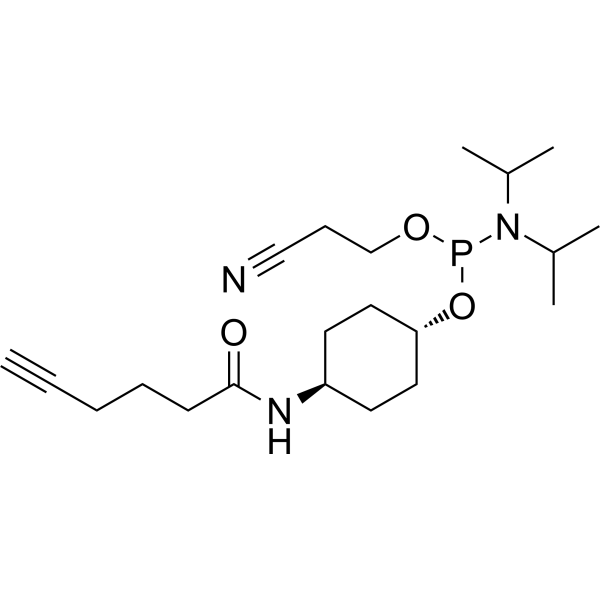
    Alkyne Phosphoramidite, 5'-terminal (Compound 2) can be used for synthesis of oligo-nucleotides.
    Alkyne Phosphoramidite, 5'-terminal
  • HY-W674324

    E3 Ligase Ligand-Linker Conjugates Cancer
    Thalidomide-5-NH-C-alkyne contains an E3 ligase ligand with a terminal alkyne. Thalidomide-5-NH-C-alkyne is ready for conjugation to target proteins for PROTAC.
    Thalidomide-5-NH-C-alkyne
  • HY-N16015

    Biochemical Assay Reagents Others
    C16:0(Alkyne) L-carnitine is a acyl carnitine lipid. C16:0(Alkyne) L-carnitine is a click chemistry reagent containing an alkyne group. The terminal alkyne group can be used in a highly specific linking reaction with azide-containing reagents in the presence of a copper (Cu)-containing catalyst.
    C16:0(Alkyne) L-carnitine
  • HY-115715A

    Fluorescent Dye Cancer
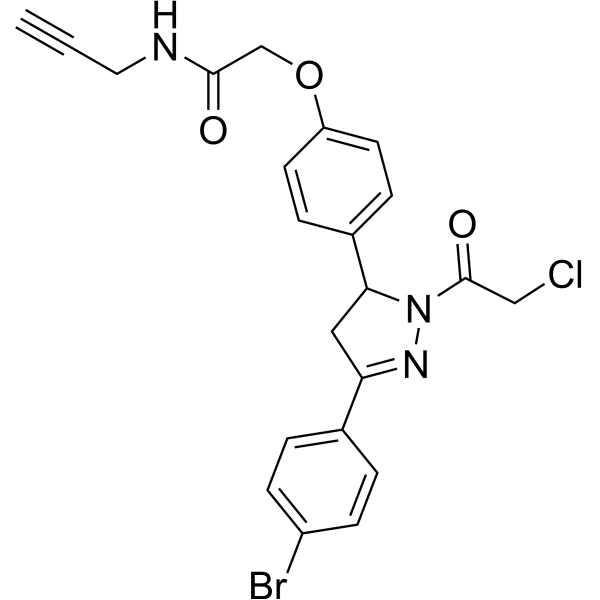
    EN219-alkyne is an alkyne-functionalized EN219 probe. EN219 (HY-P0287A) is a moderately selective synthetic covalent ligand against an N-terminal cysteine (C8) of RNF114 with an IC50 of 470 nM. EN219 inhibits RNF114-mediated autoubiquitination and p21 ubiquitination . EN219-alkyne is a click chemistry reagent, it contains an Alkyne group and can undergo copper-catalyzed azide-alkyne cycloaddition (CuAAc) with molecules containing Azide groups.
    EN219-alkyne
  • HY-D2161

    Fluorescent Dye Others
    AF 594 azide is an azide derivative of the red fluorescent dye AF 594, which has high fluorescence quantum yield and high photostability (maximum absorption wavelength of 586 nm, maximum emission wavelength of 613 nm). AF 594 azide forms stable adducts by reaction of the azide group with alkynyl derivatives (terminal alkynes and cyclooctyne). It contains an azide group and can undergo copper-catalyzed azide-alkyne cycloaddition (CuAAc) with molecules containing alkyne groups. It can also undergo ring strain-promoted alkyne-azide cycloaddition (SPAAC) with molecules containing DBCO or BCN groups .
    AF 594 azide
  • HY-147097

    Bacterial Infection
    EDA-DA, a N-terminally tagged dipeptide probe, can be used to label Peptidoglycan (PG) of bacteria. Peptidoglycan (PG), an essential structure in the cell walls of the vast majority of bacteria, is critical for division and maintaining cell shape and hydrostatic pressure . EDA-DA is a click chemistry reagent, itcontains an Alkyne group and can undergo copper-catalyzed azide-alkyne cycloaddition (CuAAc) with molecules containing Azide groups.
    EDA-DA
  • HY-151774

    Fluorescent Dye Others
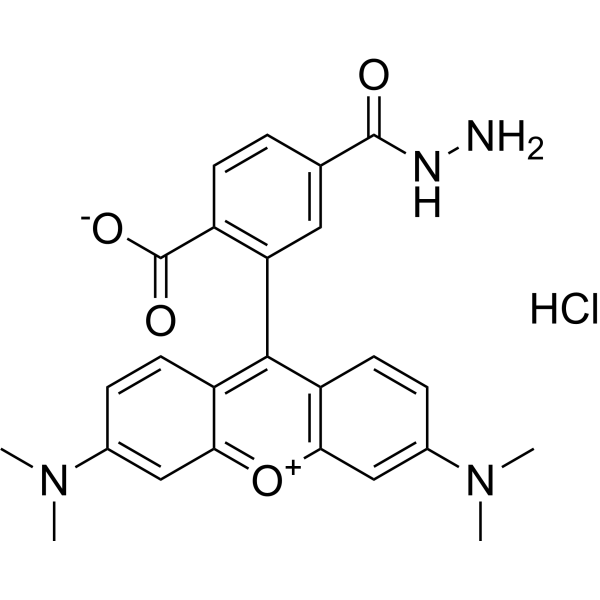
    TAMRA hydrazide (6-isomer) is a click chemistry reagent that can be coupled to carbonyl compounds. The dye hydrazide in TAMRA hydrazide (6-isomer) labels carbonyl compounds such as aldehydes and ketones. TAMRA in TAMRA hydrazide (6-isomer) is a xanthene red fluorophore that reacts with terminal alkynes .
    TAMRA hydrazide (6-isomer)
  • HY-130312

    PROTAC Linkers Cancer
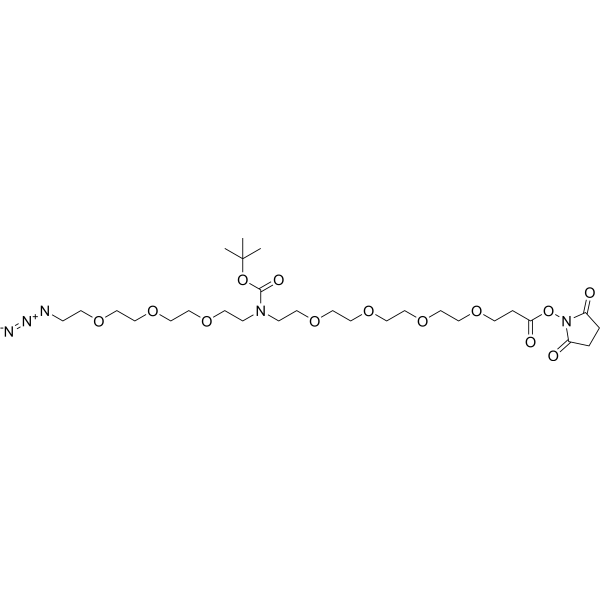
    N-(Azido-PEG4)-N-Boc-PEG4-NHS ester is a PEG-based PROTAC linker with a terminal azide group. N-(Azido-PEG4)-N-Boc-PEG4-NHS ester is used in the synthesis of PROTACs N-(Azido-PEG4)-N-Boc-PEG4-NHS ester is a click chemistry reagent, it contains an Azide group and can undergo copper-catalyzed azide-alkyne cycloaddition reaction (CuAAc) with molecules containing Alkyne groups. It can also undergo strain-promoted alkyne-azide cycloaddition (SPAAC) reactions with molecules containing DBCO or BCN groups.
    N-(Azido-PEG4)-N-Boc-PEG4-NHS ester
  • HY-159708

    Liposome Others
    Ionizable lipid Az1is an ionizable lipid which can react with a variety of terminal alkynes under the CuAAC standard condition .
    Ionizable lipid Az1
  • HY-151665

    ADC Linker Others
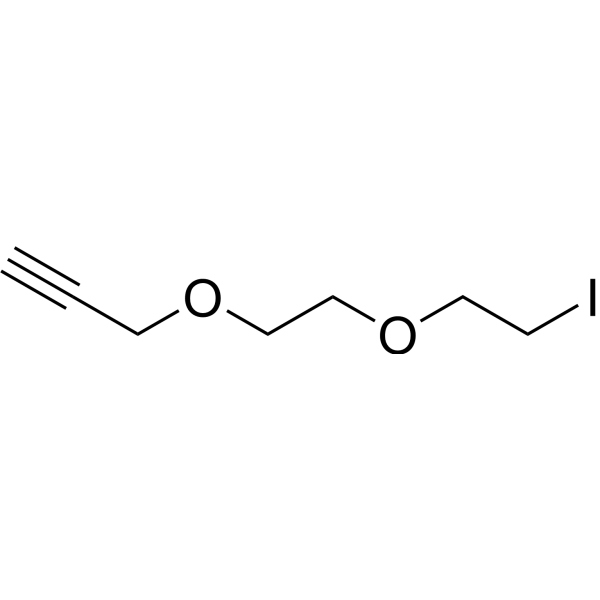
    Alkyne-PEG2-iodide is a click chemistry reagent with terminal alkyne and alkyl iodide groups.
    Alkyne-PEG2-iodide
  • HY-W800840

    Biochemical Assay Reagents Others
    Alkyne Sphinganine a metabolic labeling reagent that contains a terminal alkyne moiety that allows for the subsequent tagging of protein?lipid complexes by click chemistry. The terminal alkyne group can be used in a highly specific linking reaction with azide-containing reagents, known as ‘click chemistry’, in the presence of a copper (Cu)-containing catalyst allowing for the visualization and proteomic profiling of protein?sphingolipid complexes in living cells.
    Alkyne sphinganine
  • HY-D1307A

    Fluorescent Dye
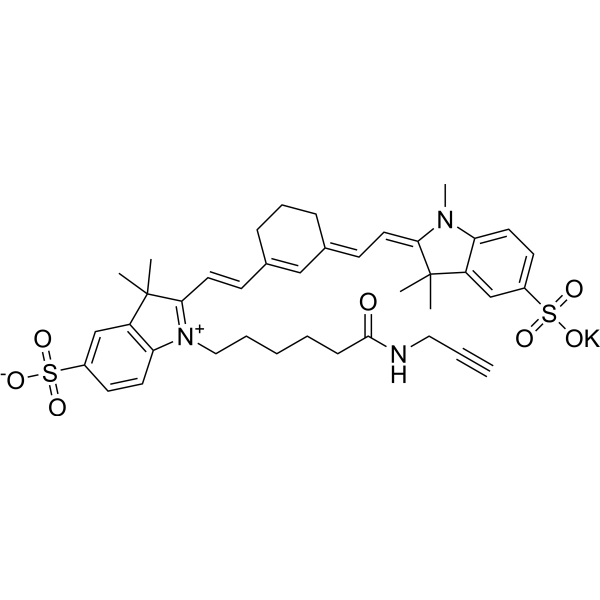
    Sulfo-cyanine7 alkyne potassium is a water-soluble near-infrared dye with a sulfonated terminal alkyne that can be used in copper-catalyzed click chemistry reactions to conjugate with azides in an aqueous environment.
    Sulfo-cyanine7 alkyne potassium
  • HY-D1307

    Fluorescent Dye
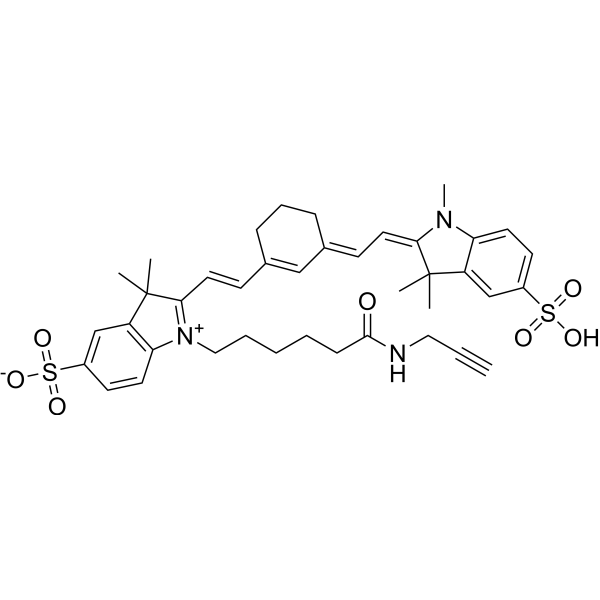
    Sulfo-cyanine7 alkyne is a water-soluble near-infrared dye with a sulfonated terminal alkyne that can be used in copper-catalyzed click chemistry reactions to conjugate with azides in an aqueous environment.
    Sulfo-cyanine7 alkyne
  • HY-140020

    Biochemical Assay Reagents Others
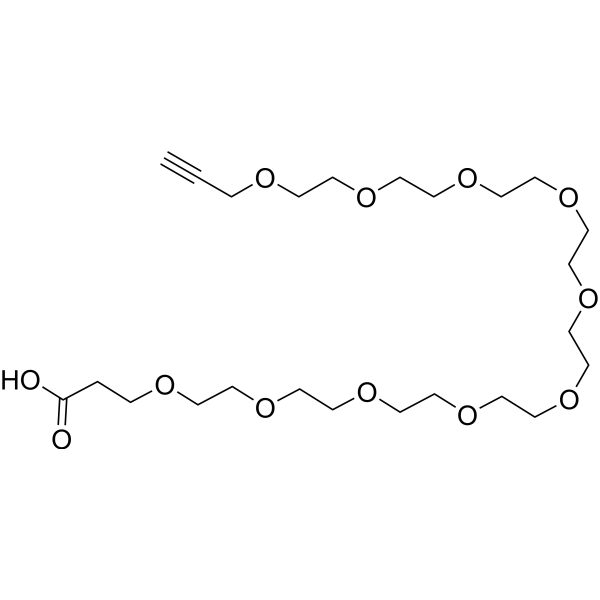
    Propargyl-PEG10-acid is a PEG derivative containing a propargyl group with a terminal carboxylic acid. Propargyl-PEG10-acid is a click chemistry reagent, it contains an Alkyne group and can undergo copper-catalyzed azide-alkyne cycloaddition (CuAAc) with molecules containing Azide groups.
    Propargyl-PEG10-acid
  • HY-D1349

    Fluorescent Dye
    Bodipy TR alkyneis one of a boron dipyrromethene fluorophore for the ROX (Texas Red) channel. This is a versatile fluorophore that can be used in microscopy, fluorescence polarization measurements, and other applications. This derivative is a terminal alkyne of copper-catalyzed click chemistry.
    Bodipy TR alkyne
  • HY-W190786

    Biochemical Assay Reagents Others
    Bromoacetamido-PEG2-azide is a heterobifunctional PEG linker containing a reactive bromoacetamido and a terminal azide.The bromoacetamidogroup is a very reactive group for nucleophilic substitution. The azide group can react with alkyne, BCN, DBCO via Click Chemistry.
    Bromoacetamido-PEG2-azide
  • HY-W190836

    Biochemical Assay Reagents Others
    Azide-PEG2-Tos is a small PEG linker featuring an azide and a tosylate. Tosylates are good leaving groups which are easily displaced by nucleophiles while azide is a click chemistry handle which is used to react with terminal alkynes or strained cyclooctynes.
    N3-PEG2-Tos
  • HY-W591975

    Biochemical Assay Reagents Others
    Alkyne maleimide is a bifunctional linker reagent with a terminal malimide group and a propargyl group. The maleimide group will react with a thiol group to form a covalent bond, enabling the connection of biomolecule with a thiol. The propargyl group can be linked to azide-containing biomolecules via Click Chemistry.
    Alkyne maleimide
  • HY-130598

    PROTAC Linkers Cancer
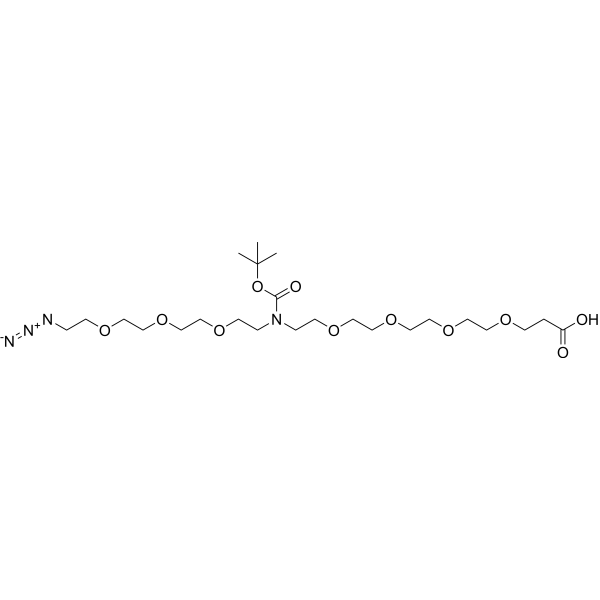
    N-(Azido-PEG3)-N-Boc-PEG4-acid is a PEG-based PROTAC linker with a terminal azide group and is used in the synthesis of PROTACs N-(Azido-PEG3)-N-Boc-PEG4-acid is a click chemistry reagent, it contains an Azide group and can undergo copper-catalyzed azide-alkyne cycloaddition reaction (CuAAc) with molecules containing Alkyne groups. It can also undergo strain-promoted alkyne-azide cycloaddition (SPAAC) reactions with molecules containing DBCO or BCN groups.
    N-(Azido-PEG3)-N-Boc-PEG4-acid
  • HY-W591962

    1-Pentanol, 5-azido-

    Biochemical Assay Reagents Others
    5-Azidopentan-1-ol (1-Pentanol, 5-azido-) is a linker containing an azide group and a terminal hydroxyl group. The azide group can react with alkyne, BCN, DBCO via Click Chemistry to yield a stable triazole linkage. The hydroxyl group enables further derivatization or replacement with other reactive functional groups.
    5-Azidopentan-1-ol
  • HY-W800696

    Fluorescent Dye Others
    BP Fluor 430 Azide is a water-soluble, green-fluorescent, azide-activated probe that reacts with terminal alkynes via a copper-catalyzed click reaction (CuAAC). It also reacts with strained cyclooctyne via a copper-free click chemistry reaction to form a stable triazole and does not require a Cu-catalyst or elevated temperatures. BP Fluor 430 is a bright, photostable, green-fluorescent probe with excitation near its absorption maximum at 432 nm and emission maximum at 539 nm. This probe is water soluble and pH-insensitive from pH 4 to pH 10. A next generation probe, BP Fluor 430 Picolyl Azide, is also available for detection of low abundance alkyne-tagged biomolecules.
    BP Fluor 430 azide
  • HY-D2759

    Fluorescent Dye Others
    Cyanine3B azide for click chemistry conjugation with terminal alkynes via a copper-catalyzed click reaction or strained cyclooctynes via a copper-free click reaction. Cyanine3B is a yellow-emitting cyanine dye that is an improved version of the Cyanine3 fluorophore with significantly higher fluorescence quantum yield and photostability. Due to the fixed conformation, Cyanine3B has the highest emission quantum yield compared to other dyes of this wavelength. This is a non-sulfonated dye that requires an organic co-solvent (DMF, DMSO, or other) for efficient labeling in water.
    Cyanine3B azide
  • HY-W800692

    Fluorescent Dye Others
    BP Fluor 350 Azide is a blue-fluorescent, azide-activated probe that reacts with terminal alkynes via a copper-catalyzed click reaction (CuAAC). It also reacts with strained cyclooctyne via a copper-free click chemistry reaction to form a stable triazole and does not require Cu-catalyst or elevated temperatures. BP Fluor 350 is a water-soluble, moderately photostable, blue-fluorescent probe optimally excited by the 350 nm laser line. It is routinely used for generation of stable signal in imaging and flow cytometry. The brightness and photostability of blue dyes are best suited to direct imaging of high-abundance targets.
    BP Fluor 350 azide
  • HY-W591390

    Biochemical Assay Reagents Others
    6-Azidohexanoic Acid STP Ester is an amine-reactive, water-soluble labeling reagent with an azide group and a terminal 4-Sulfo-2,3,5,6-tetrafluorophenyl (STP) group. 6-Azidohexanoic Acid STP Ester is used to modify proteins, antibodies, and other amine-containing biopolymers in aqueous media. The azide group can react with alkyne, BCN, DBCO via Click Chemistry to yield a stable triazole linkage. STP esters can react with primary amines, forming covalent amide bonds, and typically display much better stability toward hydrolysis in aqueous media, resulting in more efficiency and better reproducible labeling of biopolymers.
    6-Azidohexanoic acid STP ester
  • HY-W800702

    Fluorescent Dye Others
    BP Fluor 555 Azide is a water-soluble, bright orange-fluorescent dye with excitation ideally suited for the 532 nm or 555 nm laser lines and visualized with TRITC (tetramethylrhodamine) filter sets. BP Fluor 555 conjugates of antibodies, peptides, and proteins are pH insensitive from pH 4 to pH 10. AF 555 conjugates ideally suited for detection of low abundance targets. BP Fluor 555 Azide can be reacted with terminal alkynes via a copper-catalyzed click reaction (CuAAC). It also reacts with strained cyclooctyne via a copper-free “click chemistry” reaction to form a stable triazole and does not require Cu-catalyst or elevated temperatures. The brightness and photostability of this dye are best suited to direct imaging of low-abundance targets.
    BP Fluor 555 azide
  • HY-137018

    Biochemical Assay Reagents Others
    27-Alkyne cholesterol is a modified lipid containing an omega-terminal alkyne. The terminal alkyne group can be used in a highly specific linking reaction with azide-containing reagents, known as click chemistry, in the presence of a copper-containing catalyst. Alkyne cholesterol represents a versatile, sensitive, and easy-to-use tool for tracking cellular cholesterol metabolism and localization as it allows for manifold detection methods including mass spectrometry, and fluorescence microscopy.
    27-Alkyne cholesterol
  • HY-W615166

    E3 Ligase Ligand-Linker Conjugates Cancer
    Thalidomide-NH-C2-alkyne contains an E3 ligase ligand with an alkyl linker, and a terminal alkyne. Thalidomide-NH-C2-alkyne is ready for conjugation to target proteins for PROTAC R&D.
    Thalidomide-NH-C2-alkyne
  • HY-D3265

    Fluorescent Dye Others
    IR 650 Alkyne is a near-infrared fluorescent probe. The click chemistry reaction handle of IR 650 Alkyne is a terminal alkyne, which can undergo a 'copper-catalyzed alkyne-azide cycloaddition' reaction. Ex = 651nm, Em = 668nm.
    IR 650 alkyne
  • HY-183172A

    Biochemical Assay Reagents Others
    DSG-PEG2000-Alkyne is a conjugate composed of DSG, a PEG chain, and a terminal alkyne group. DSG-PEG2000-Alkyne combines the membrane compatibility of phospholipids with the high reactivity of the alkyne group in click chemistry, making it suitable for research in biomaterial construction and drug delivery.
    DSG-PEG2000-Alkyne
  • HY-183172B

    Biochemical Assay Reagents Others
    DSG-PEG3400-Alkyne is a conjugate composed of DSG, a PEG chain, and a terminal alkyne group. DSG-PEG3400-Alkyne combines the membrane compatibility of phospholipids with the high reactivity of the alkyne group in click chemistry, making it suitable for research in biomaterial construction and drug delivery.
    DSG-PEG3400-Alkyne

Inquiry Online

Your information is safe with us. * Required Fields.

Salutation


Country or Region *

Applicant Name *


Organization Name *

Department *


Email Address *


Product Name *

Cat. No.


Requested quantity *

Phone Number *


Remarks

Inquiry Online

Inquiry Information

Product Name:
Cat. No.:
Quantity:
MCE Japan Authorized Agent: