1. Search Result
Search Result
Pathways Recommended: Antibody-drug Conjugate/ADC Related
Results for "

water-soluble drugs

" in MedChemExpress (MCE) Product Catalog:

90

Inhibitors & Agonists

1

Screening Libraries

17

Biochemical Assay Reagents

2

Peptides

3

Natural
Products

67

Oligonucleotides

Cat. No. Product Name Target Research Areas Chemical Structure
  • HY-148033

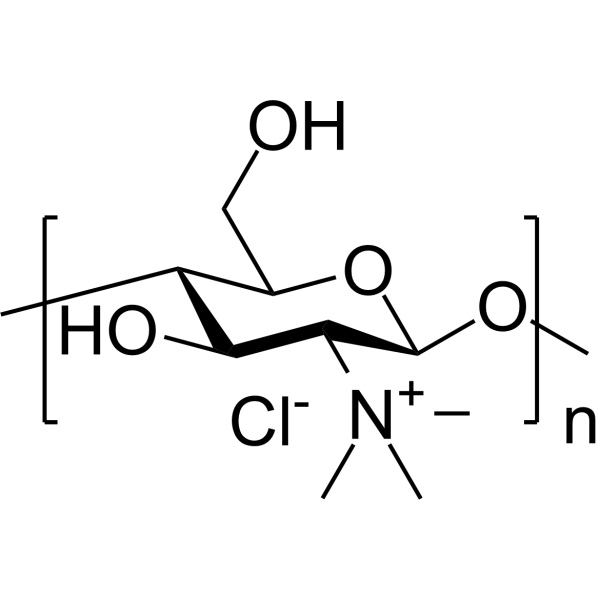
    N,N,N-Trimethylchitosan

    Drug Derivative Others
    Trimethyl chitosan (N,N,N-Trimethylchitosan) is a multifunctional polymer and a derivative of Chitosan (HY-B2144A). Trimethyl chitosan targets the absorption enhancing proteins of tight junctions of intestinal and mucosal epithelial cells, induces tight junction protein rearrangement, and increases intercellular permeability. Trimethyl chitosan can stimulate the activity of promoting transmembrane transport of hydrophilic drugs (such as peptides and proteins) and can be used for drug delivery and synthesis of nanoparticles .
    Trimethyl chitosan
  • HY-42990

    HSPC; Hydrogenated soybean phosphatidylcholine

    Liposome Metabolic Disease
    Hydrogenated soya phosphatidylcholine (hydrogenated soybean phosphatidylcholine) is a natural product. Hydrogenated soya phosphatidylcholine can extend drug release in regard to drug loading and solubility for oral drug delivery of watersoluble drugs .
    Hydrogenated soya phosphatidylcholine
  • HY-113011
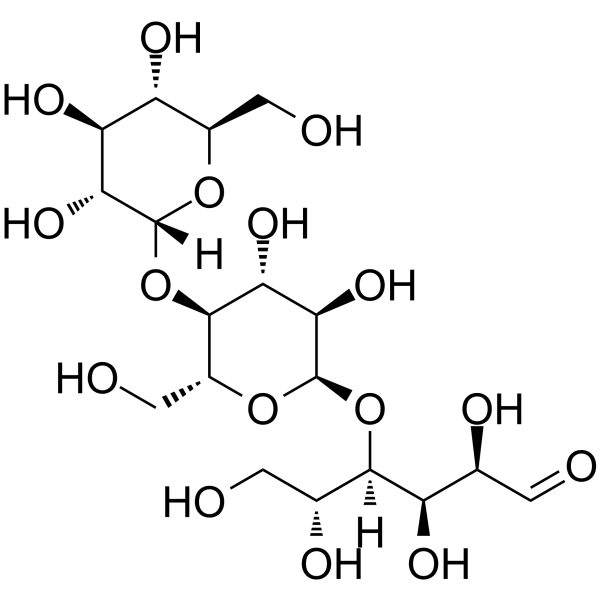
    Maltotriose
    1 Publications Verification

    Endogenous Metabolite Others
    Maltotriose is a maltooligosaccharide and a specific inducer of the Escherichia coli maltose operon. The oligosaccharide structure of Maltotriose acts as a highly efficient drug delivery carrier, which significantly enhances the targeting ability and water solubility of photosensitizers in photodynamic therapy for pancreatic cancer .
    Maltotriose
  • HY-155882

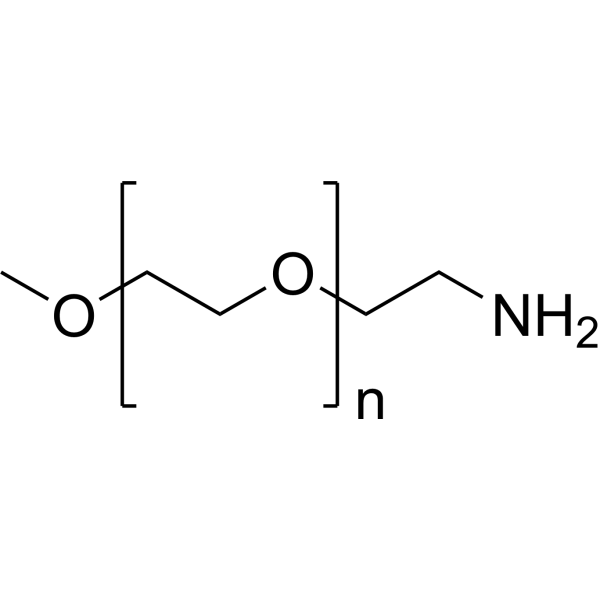
    mPEG750-NH2

    Biochemical Assay Reagents Cancer
    mPEG750-amine (mPEG750-NH2) is a chemical modification reagent for nanoparticles, capable of covalently binding to Ad-PVA to form Ad-PVA-PEG polymers. mPEG750-amine stabilizes gene delivery complexes by providing steric hindrance, reducing particle aggregation, while enhancing the water solubility and serum stability of the complex, reducing carrier cytotoxicity, and assisting in the efficient condensation of pDNA by cationic components to form nanoparticles that can be endocytosed by cells. mPEG750-amine can also be used to synthesize folate-conjugated polymer micelles for encapsulating the anticancer agent Camptothecin (HY-16560). Folate-conjugated polymer micelles are effective carriers for poorly soluble anticancer drugs, capable of avoiding macrophages and acting through folate receptor (FR)-mediated endocytosis to target tumor cells. mPEG750-amine can be applied to research in the field of non-viral gene delivery, as a component of gene delivery vectors, facilitating the safe and efficient delivery of nucleic acid drugs to target cells .
    mPEG750-amine
  • HY-12758

    BCRP Cancer
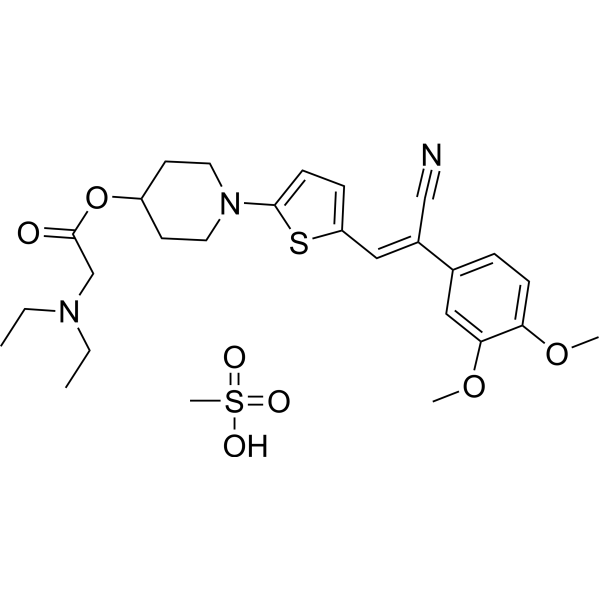
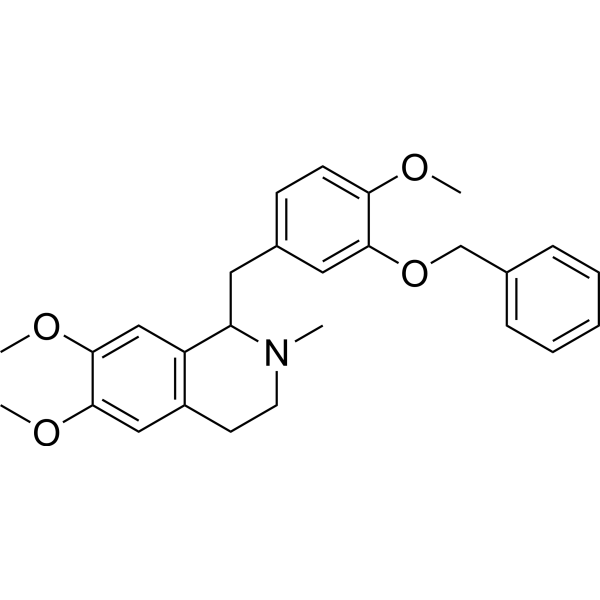
    YHO-13351 is an orally active ABCG2 inhibitor . YHO-13351 modulates the function of ABCG2, blocks BCRP-mediated compound efflux, downregulates the expression of breast cancer resistance protein at the post-transcriptional level, and reverses ABCG2-associated tolerance. YHO-13351 restores the toxicity of SN-38 to SN-38-resistant cancer cells and sensitizes cancer cells to Irinotecan. YHO-13351 is a water-soluble prodrug that is rapidly converted to YHO-13177 (HY-12757) in mice. YHO-13351 prolongs the median survival time of mice bearing cancer cell xenografts when combined with IMMU-132. YHO-13351 extends the survival time of tumor-bearing mice and inhibits the growth of xenograft tumors when combined with Irinotecan. YHO-13351 can be used for the research of breast cancer, gastric cancer, BCRP-mediated drug-resistant cancers, and cervical cancer .
    YHO-13351
  • HY-34643

    Hept-6-ynoic acid

    Drug Intermediate Others
    Hexanoylic acid (Hex-6-ynoic acid) is a drug intermediate. Hexanoylic acid can be functionalized by esterification reaction to paclitaxel (HY-B0015), enabling it to undergo an efficient ring addition reaction with β-cyclodextrin, thereby enhancing its water solubility, stability and targeting properties .
    6-Heptynoic acid
  • HY-155902

    Maleimide-PEG5000-Hydroxy

    Biochemical Assay Reagents Others
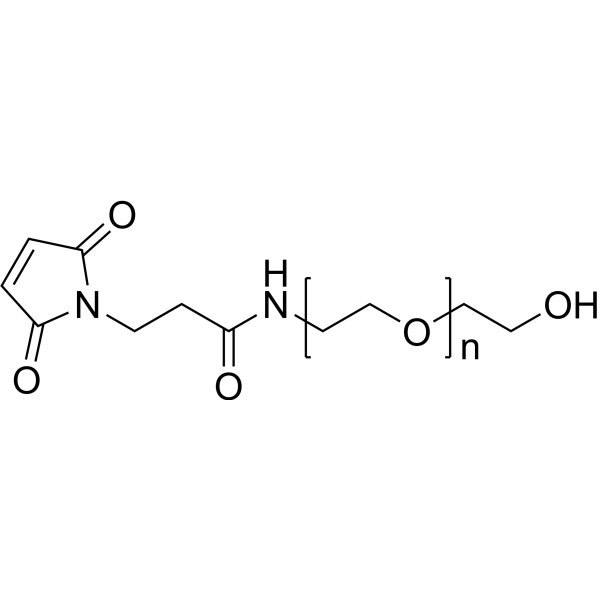
    Mal-PEG5000-OH can be used as a macroinitiator to obtain amphiphilic diblock copolymers by ring-opening polymerization of LA. Nanoparticles prepared using amphiphilic block copolymers can form active drug delivery systems. Nanoparticles encapsulate Triptolide (HY-32735), which can avoid the disadvantage of Triptolide’s poor water solubility and reduce its toxicity.
    Mal-PEG5000-OH
  • HY-115435

    DMPS-Na; Dimyristoyl phosphatidylserine sodium

    Liposome Cancer
    1,2-Dimyristoyl-sn-glycero-3-phospho-L-serine sodium is an anionic phospholipid with myristic acid tails (14:0) and contains a carboxylic acid (COOH) and amine (NH2) in their head group. It has been used in the preparation of liposome.
    1,2-Dimyristoyl-sn-glycero-3-phospho-L-serine sodium
  • HY-W440719

    Liposome Cancer
    Cholesterol-PEG2000-MAL is a PEG derivative and can be used to prepare liposome or nanoparticle due to its ability to self-assemble in water. The maleimide moiety is reactive with thiol molecule to form a covalent thioether bond.
    Cholesterol-PEG2000-MAL
  • HY-W440690

    Liposome Cancer
    Cholesterol-PEG2000-amine is a pegylated lipids which can be used for preparation of liposome or nanoparticle. The lipophilic moiety can encapsulate hydrophobic drugs whereas the hydrophilic PEG chain helps the overal water solubility of the micelles.
    Cholesterol-PEG2000-amine
  • HY-W440706

    Liposome Cancer
    Cholesterol-PEG2000-alcohol is a pegylated lipids which can be used for preparation of liposome or nanoparticle. The lipophilic moiety can encapsulate hydrophobic drugs whereas the hydrophilic PEG chain helps the overal water solubility of the micelles. The amine can react with an activated NHS ester to form a stable amide bond.
    Cholesterol-PEG2000-alcohol
  • HY-157624

    18:0-22:6 PE

    Liposome Others
    1-Stearoyl-2-docosahexaenoyl-sn-glycero-3-phosphoethanolamine (18:0-22:6 PE) is a lipid compound that can be used for liposome preparation. Liposomes are the main component of vesicles with concentric phospholipid bilayer membranes, which can be used to construct drug delivery systems for anti-cancer and anti-infection fields. Highly polar water-soluble loads can be captured in the internal aqueous space of liposomes, while lipophilic loads can be distributed into the lipid bilayer and become part of the lipid bilayer. Especially for the delivery of antisense oligonucleotides, it can overcome the problems of inefficient cellular uptake and rapid loss in the body.
    1-Stearoyl-2-docosahexaenoyl-sn-glycero-3-phosphoethanolamine
  • HY-156829A

    Biochemical Assay Reagents Cancer
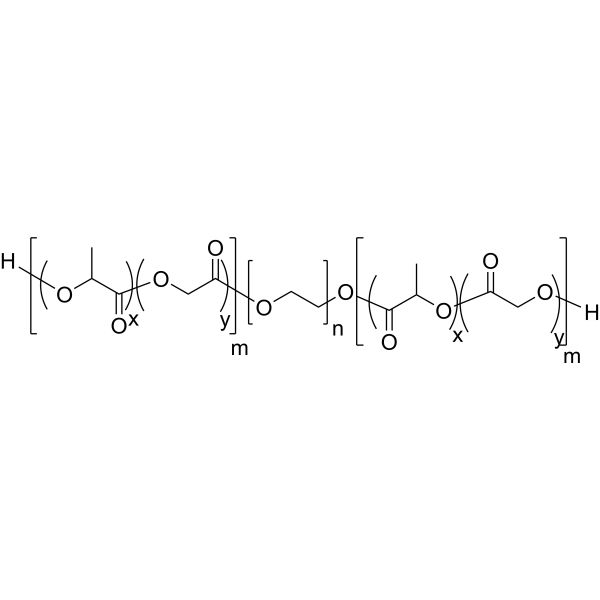
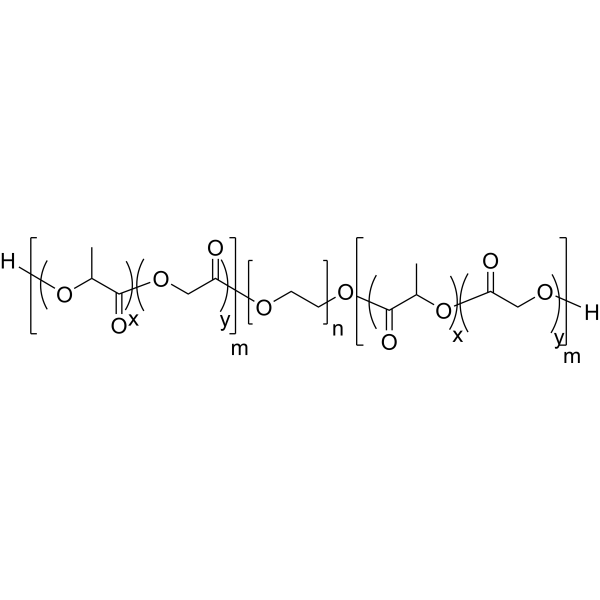
    PLGA-PEG-PLGA (1500-1500-1500) (LA/GA 15:1) is a matrix materia, with lactic acid (LA):glycolic acid (GA) = 15:1, that acts as anti-cancer drug delivery. PLGA-PEG-PLGA (1500-1500-1500) (LA/GA 15:1) can improve a drug's bioavailability, efficacy, water solubility, drug encapsulation efficiency, sustained drug release, and to minimize undesirable toxicity .
    PLGA-PEG-PLGA (1500-1500-1500) (LA/GA 15:1)
  • HY-155902A

    Maleimide-PEG2000-Hydroxy

    Biochemical Assay Reagents Others
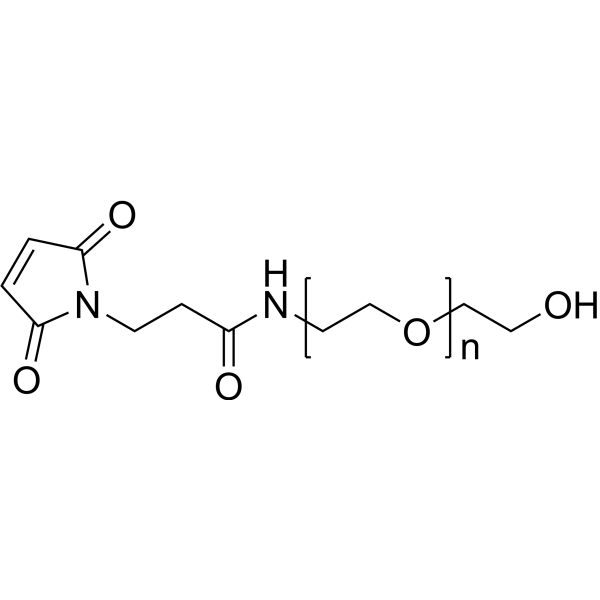
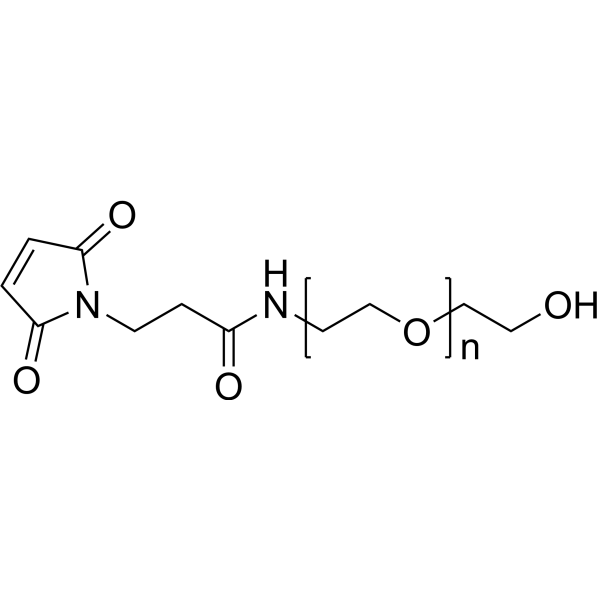
    Mal-PEG2000-OH can be used as a macroinitiator to obtain amphiphilic diblock copolymers by ring-opening polymerization of LA. Nanoparticles prepared using amphiphilic block copolymers can form active drug delivery systems. Nanoparticles encapsulate Triptolide (HY-32735), which can avoid the disadvantage of Triptolide’s poor water solubility and reduce its toxicity.
    Mal-PEG2000-OH
  • HY-W591461
    DSPE-PEG-COOH, MW 2000
    1 Publications Verification

    Liposome Cancer
    DSPE-PEG-COOH, MW 2000 is a phospholipid polyPEG which can be used to prepare liposomes or nanoparticles. The terminal carboxylic acid can react with primary amine groups to form a stable amide bond.
    DSPE-PEG-COOH, MW 2000
  • HY-W440711

    Liposome Cancer
    Cholesterol-PEG-Biotin (MW 2000) is a pegylated lipids which has strong binding to avidin or streptavidin.
    Cholesterol-PEG-Biotin (MW 2000)
  • HY-W800793

    1,2-dipalmitoyl-sn-glycero-3-phosphoethanolamine-N-(succinyl)

    Liposome Cancer
    16:0 Succinyl PE is a carboxylic acid-functionalized lipid with a two carbon linker to a phosphoethanolamine bound to two palmitic acid tails.
    16:0 Succinyl PE
  • HY-W800805

    Liposome Cancer
    DOPE-Mal is a synthetic analog of naturally-occurring PE containing 18:1 fatty acids at the sn-1 and sn-2 positions with a terminal maliemide group. The maleimide group will react with a thiol group to form a covalent bond. The hydrophilic PEG spacer increases solubility in aqueous media.
    DOPE-Mal
  • HY-W800797

    1,2-dipalmitoyl-sn-glycero-3-phosphoethanolamine-N-(biotinyl)

    Liposome Cancer
    16:0 Biotinyl PE is a biotin-functionalized lipid attached to a phosphoethanolamine linked to two palmitic acid groups.
    16:0 Biotinyl PE
  • HY-W440981

    1-Stearoyl-2-palmitoyl-sn-glycero-3-phosphocholine

    Liposome Cancer
    SPPC is a phospholipid with different length of fatty acid. The sn-1 position contains a stearic acid (18:0) while the sn-2 position is occupied by a palmitic acid (16:0).
    SPPC
  • HY-141615

    PDME; 16:0 Dimethyl PE

    Liposome Cancer
    1,2-Dipalmitoyl-sn-glycero-3-phospho-N,N-dimethylethanolamine has been used in the generation of liposomes and monolayers for use in the study of membrane permeability and monolayer viscosity, respectively.
    1,2-Dipalmitoyl-sn-glycero-3-phospho-N,N-dimethylethanolamine
  • HY-W339838

    14:0 Lyso PG

    Liposome Cancer
    1-Myristoyl-2-hydroxy-sn-glycero-3-PG sodium is a lysophospholipid containing myristic acid (14:0) at the sn-1 position. It has been used in the generation of micelles, liposomes, and other types of artificial membranes, including lipid-based drug carrier systems.
    1-Myristoyl-2-hydroxy-sn-glycero-3-PG sodium
  • HY-Y0850U5

    Polyvinyl alcohol (Mw 27000, 98-99% hydrolyzed, ~600 polymerization); Poly(Ethenol) (Mw 27000, 98-99% hydrolyzed, ~600 polymerization)

    Biochemical Assay Reagents Fungal Infection
    PVA (Polyvinyl alcohol) (Mw 27000, 98-99% hydrolyzed, ~600 polymerization) is a nonionic ethanol homopolymer with hydrophilicity, water solubility and biodegradability. PVA (Mw 27000, 98-99% hydrolyzed, ~600 polymerization) exhibits biocompatibility, non-toxicity and non-carcinogenicity, as well as antibacterial activity against Gram-positive bacteria, Gram-negative bacteria and fungal strains. PVA (Mw 27000, 98-99% hydrolyzed, ~600 polymerization) can serve as a solubilizer, stabilizer, mucoadhesive agent and sustained-release agent, and has a synergistic solubilizing effect on voriconazole/sulfobutyl ether β-cyclodextrin complexes. By stabilizing such complexes, PVA (Mw 27000, 98-99% hydrolyzed, ~600 polymerization) forms freeze-thaw hydrogels with high mucoadhesion, sustained drug release and ex vivo corneal permeability. When compounded with hyaluronic acid hydrogels, PVA (Mw 27000, 98-99% hydrolyzed, ~600 polymerization) supports chondrocyte growth in vitro, and also forms complexes with Cu 2+, Co 2+, Ni 2+ and Zn 2+ ions. PVA (Mw 27000, 98-99% hydrolyzed, ~600 polymerization) can be used in studies related to fungal keratitis, bacterial infections and fungal infections .
    PVA (Mw 27000, 98-99% hydrolyzed, ~600 polymerization)
  • HY-D1005A7

    PEG-PPG-PEG, 2400 (Average)

    Biochemical Assay Reagents Others
    Poloxamer 125 (L45) (PEG-PPG-PEG, 2400 (Average)) is a block polymer of polyoxyethylene and polyoxypropylene, belonging to water-soluble non-ionic biosurfactants with properties such as emulsification and wetting. Poloxamer 125 (L45) has thermosensitive characteristics and can form thermoreversible hydrogels in aqueous solutions, presenting a fluid state at room temperature and transforming into a viscous gel under body temperature conditions; when its concentration is higher than the critical micelle concentration, it can also self-assemble into micelles in aqueous systems. Poloxamer 125 (L45) enables controlled drug release, prolongs the local retention time of drugs, and is often used as a drug delivery carrier. Poloxamer 125 (L45) can be applied in the fields of cosmetics, biomedicine and tissue engineering .
    Poloxamer 125 (L45)
  • HY-156829

    Biochemical Assay Reagents Cancer
    PLGA-PEG-PLGA (1500-1500-1500) (LA/GA 1:1) is a matrix materia, with lactic acid (LA):glycolic acid (GA) = 1:1, that acts as anti-cancer drug delivery. PLGA-PEG-PLGA (1500-1500-1500) (LA/GA 1:1) can improve a drug's bioavailability, efficacy, water solubility, drug encapsulation efficiency, sustained drug release, and to minimize undesirable toxicity .
    PLGA-PEG-PLGA (1500-1500-1500) (LA/GA 1:1)
  • HY-176509A

    Liposome Others
    DSPE-PEG2000-CHO is a linear heterobifunctional PEGylation reagent with DSPE phospholipids and aldehyde groups. PEG linkers have good hydrophilicity and water solubility. Aldehyde-polyethylene glycol (DSPE) is one of the most commonly used reactive phospholipids to bind antibodies, peptides or other ligands to the surface of liposomes and other lipid-polyethylene glycol nanoparticles. DSPE-PEG2000-CHO can be used for drug delivery .
    DSPE-PEG2000-CHO
  • HY-W440995

    Liposome Cancer
    DOPE-PEG2000-Mal is a phospholipid polyPEG which can be used to prepare liposomes or nanoparticles. It is also reactive with thiol at pH 6.5 tp 7.5 to form a stable thioether bond.
    DOPE-PEG2000-Mal
  • HY-W440958

    PSPC; PC(16:0-18:0)

    Liposome Cancer
    1-Palmitoyl-2-stearoyl-sn-glycero-3-phosphocholine is an assymetrical phospholipid containing saturated palmitic and stearic acid at the sn-1 and sn-2 position respectively. The phosphate group is attached to choline.
    1-Palmitoyl-2-stearoyl-sn-glycero-3-phosphocholine
  • HY-W250181

    Octyl β-D-thiomaltopyranoside

    Biochemical Assay Reagents Others
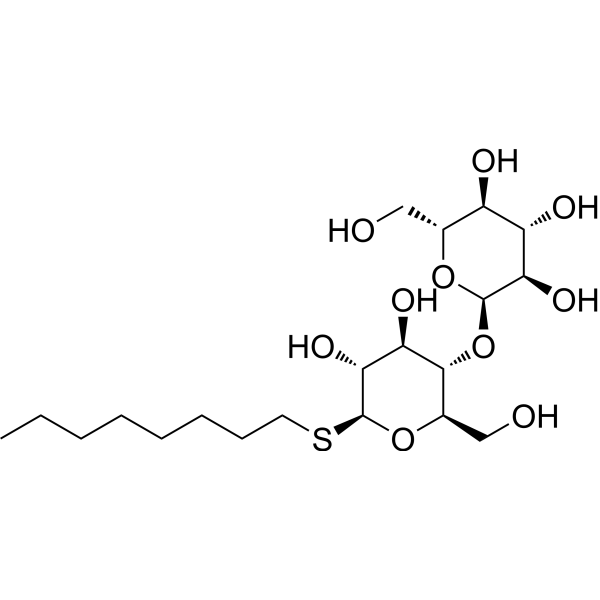
    Octyl thiomaltoside (OTM) is a nonionic detergent commonly used in the purification and crystallization of membrane proteins. It belongs to the family of maltoside detergents and has a hydrophilic head group and a lipophilic tail group, enabling it to interact with water-soluble and membrane-bound proteins. OTMs are known for their ability to solubilize integral membrane proteins without disrupting their structure or function, making them an invaluable tool in biochemical and biophysical research. In addition to protein research, OTMs are used in a variety of other applications, including drug delivery systems, nanotechnology, and diagnostic analysis.
    Octyl thiomaltoside
  • HY-176509C

    Liposome Others
    DSPE-PEG5000-CHO is a linear heterobifunctional PEGylation reagent with DSPE phospholipids and aldehyde groups. PEG linkers have good hydrophilicity and water solubility. Aldehyde-polyethylene glycol (DSPE) is one of the most commonly used reactive phospholipids to bind antibodies, peptides or other ligands to the surface of liposomes and other lipid-polyethylene glycol nanoparticles. DSPE-PEG5000-CHO can be used for drug delivery .
    DSPE-PEG5000-CHO
  • HY-176509

    Liposome Others
    DSPE-PEG1000-CHO is a linear heterobifunctional PEGylation reagent with DSPE phospholipids and aldehyde groups. PEG linkers have good hydrophilicity and water solubility. Aldehyde-polyethylene glycol (DSPE) is one of the most commonly used reactive phospholipids to bind antibodies, peptides or other ligands to the surface of liposomes and other lipid-polyethylene glycol nanoparticles. DSPE-PEG1000-CHO can be used for drug delivery .
    DSPE-PEG1000-CHO
  • HY-W343736

    1,3-DPPE; 1,3-Dipalmitoyl-sn-glycero-2-PE

    Liposome Cancer
    1,3-Dipalmitoyl-glycero-2-phosphoethanolamine is a phospholipid containing the saturated long-chain (16:0) stearic acid inserted at the sn-1 and sn-3 positions and PE at the sn-2 site. It can be used in the generation of micelles, liposomes, and other types of artificial membranes.
    1,3-Dipalmitoyl-glycero-2-phosphoethanolamine
  • HY-W591449

    Liposome Cancer
    DOPE-PEG2000-Azide is a liposome to simulate biological phospholipid membrane. Liposomes are the main component of vesicles with concentric phospholipid bilayer membranes, which can be used to construct drug delivery systems for anti-cancer and anti-infection fields. Highly polar water-soluble payloads can be trapped in the internal aqueous space of liposomes, while lipophilic payloads can partition into and become part of the lipid bilayer. Especially for delivering antisense oligonucleotides, it can overcome problems such as inefficient cellular uptake and rapid loss in the body .
    DOPE-PEG2000-Azide
  • HY-156207

    AdaGb3; Adamantyl Gb3; C2 Adamantanyl Ceramide Trihexoside (d18:1/2:0)

    P-glycoprotein Cancer
    C2 Adamantanyl globotriaosylceramide (d18:1/2:0) (AdaGb3), a water-soluble globotriaosylceramide analog, is a bioactive sphingolipid. C2 Adamantanyl globotriaosylceramide (d18:1/2:0) reverses MDR1-MDCK cell drug resistance. C2 Adamantanyl globotriaosylceramide (d18:1/2:0) has high affinity for verotoxin (VT) .
    C2 Adamantanyl globotriaosylceramide (d18:1/2:0)
  • HY-40118

    Boc-L-proline methyl ester

    Liposome Others
    Boc-Pro-OMe (Boc-L-proline methyl ester) is a lipid compound that can be used for liposome preparation. Liposomes are the main component of vesicles with concentric phospholipid bilayer membranes, which can be used to construct drug delivery systems for anti-cancer and anti-infection fields. Highly polar water-soluble loads can be captured in the internal aqueous space of liposomes, while lipophilic loads can be distributed into the lipid bilayer and become part of the lipid bilayer. Especially for the delivery of antisense oligonucleotides, it can overcome the problems of inefficient cellular uptake and rapid loss in the body.
    Boc-Pro-OMe
  • HY-165975

    (2S)-3-Keto-C6-dihydrosphingosine hydrochloride

    Liposome Others
    (2S)-3-Keto sphinganine (d6:0) ((2S)-3-Keto-C6-dihydrosphingosine) hydrochloride is a lipid compound that can be used for liposome preparation. Liposomes are the main component of vesicles with concentric phospholipid bilayer membranes, which can be used to construct drug delivery systems for anti-cancer and anti-infection fields. Highly polar water-soluble loads can be captured in the internal aqueous space of liposomes, while lipophilic loads can be distributed into the lipid bilayer and become part of the lipid bilayer. Especially for the delivery of antisense oligonucleotides, it can overcome the problems of inefficient cellular uptake and rapid loss in the body.
    (2S)-3-Keto sphinganine (d6:0) hydrochloride
  • HY-113011R

    Reference Standards Endogenous Metabolite Others
    Maltotriose (Standard) is the analytical standard of Maltotriose (HY-13011). This product is intended for research and analytical applications. Maltotriose is a maltooligosaccharide and a specific inducer of the Escherichia coli maltose operon. The oligosaccharide structure of Maltotriose acts as a highly efficient drug delivery carrier, which significantly enhances the targeting ability and water solubility of photosensitizers in photodynamic therapy for pancreatic cancer.
    Maltotriose (Standard)
  • HY-155902B

    Maleimide-PEG1000-Hydroxy

    Biochemical Assay Reagents Others
    Mal-PEG1000-OH was used as a macroinitiator to obtain amphiphilic diblock copolymers by ring-opening polymerization of LA. Nanoparticles prepared using amphiphilic block copolymers can form active drug delivery systems. Nanoparticles encapsulate Triptolide (HY-32735), which can avoid the disadvantage of Triptolide’s poor water solubility and reduce its toxicity.
    Mal-PEG1000-OH
  • HY-W800794

    DPPE-NG; 1,2-dipalmitoyl-sn-glycero-3-phosphoethanolamine-N-(glutaryl)

    Liposome Cancer
    16:0 Glutaryl PE is is a carboxylic acid-functionalized lipid with a three carbon linker to a phosphoethanolamine bound to two palmitic acid tails.
    16:0 Glutaryl PE
  • HY-W590536

    1-Palmitoyl-2-Lauroyl-sn-glycero-3-Phosphatidylcholine; 1-Palmitoyl-2-Lauroyl-sn-glycero-3-Phosphocholine

    Liposome Cancer
    1,2-PLPC is a phospholipid containing palmitoyl (16:0) and lauryl (12:0) acyl substituents at the sn-1 and sn-2 positions, respectively. It can be used in the generation of micelles, liposomes, and other types of artificial membranes.
    1,2-PLPC
  • HY-W591332

    Liposome Cancer
    mPEG2000-DMPE is a PEGylated 1,2-Dimyristoyl-sn-glycero-3-phosphoethanolamine (14:0 PE) compound with a methyl group at the other end of the PEG chain. The PEG polymer exhibits amphiphatic behavior and helps to form stable micelles in an aqueous solution. It can be used to prepare nanoparticles or liposomes for targeted drug delivery applications.
    mPEG2000-DMPE
  • HY-W440957

    PC(16:0/14:0); 1-palmitoyl-2-myristoyl-sn-glycero-3-phosphocholine

    Liposome Cancer
    PMPC is a phosphatidylcholine with asymmetrical fatty acid. Palmitic acid occupies sn-1 position while myristic acid is placed at the sn-2 position.
    PMPC
  • HY-W590555

    Liposome Cancer
    Thiol-PEG2000-DMG is a phospholipid polyPEG which can be used to prepare liposomes or nanoparticles. The terminal thiol group reacts with maleimide, OPSS, vinylsulfone and transition metal surfaces including gold, silver, etc.
    Thiol-PEG2000-DMG
  • HY-W800796

    1,2-dioleoyl-sn-glycero-3-phosphoethanolamine-N-(biotinyl)

    Liposome Cancer
    18:1 Biotinyl PE is a biotin-functionalized lipid attached to a phosphoethanolamine linked to two oleic acid groups.
    18:1 Biotinyl PE
  • HY-W800787

    Liposome Cancer
    18:1 PE MCC is a maleimide-functionalized thiol-reactive lipid with a phosphoethanolamine linked to two oleic acid tails and a maleimide group.
    18:1 PE MCC
  • HY-W440985

    1,2-dilauroyl-sn-glycero-3-phospho-L-serine

    Liposome Cancer
    DLPS is an anionic phospholipid with lauric acid tails (12:0) and contains a carboxylic acid (COOH) and amine (NH2) in their head group. It has been used in the preparation of lipid-mixing vesicles, liposome, or artificial membrane. Due to the medium size of fatty acid chain, DLPS is used to form thinner membranes/walls.
    DLPS
  • HY-W800733

    1,2-Dilauroyl-sn-glycero-3-phosphorylglycerol; PG(12:0/12:0)

    Liposome Cancer
    DLPG is a phospholipid containing lauric acid (12 chain fatty acid) inserted at the sn-1 and sn-2 positions. Its phosphate group is attached to glycerol. It is used in the generation of micelles, liposomes, and other artificial membranes.
    DLPG
  • HY-153725

    Liposome Cancer
    17:1 Lyso PC is a liposome to simulate biological phospholipid membrane. Liposomes are the main component of vesicles with concentric phospholipid bilayer membranes, which can be used to construct drug delivery systems for anti-cancer and anti-infection fields. Highly polar water-soluble payloads can be trapped in the internal aqueous space of liposomes, while lipophilic payloads can partition into and become part of the lipid bilayer. Especially for delivering antisense oligonucleotides, it can overcome problems such as inefficient cellular uptake and rapid loss in the body .
    17:1 Lyso PC
  • HY-W590593

    Liposome Cancer
    mPEG-Cholesterol,MW 2000 is a PEG derivative which self-assembles in water to form micelle-like structure. The cholesterol tail can be used to encapsulate hydrophobic drugs while the PEG chain ehances the water solubility of the micelles.
    mPEG-Cholesterol (MW 2000)
  • HY-W591913

    Liposome Cancer
    Cholesterol-PEG2000-methoxy is a PEG derivative which self-assembles in water to form micelle-like structure. The cholesterol tail can be used to encapsulate hydrophobic drugs while the PEG chain ehances the water solubility of the micelles.
    Cholesterol-PEG2000-methoxy

Inquiry Online

Your information is safe with us. * Required Fields.

Salutation


Country or Region *

Applicant Name *


Organization Name *

Department *


Email Address *


Product Name *

Cat. No.


Requested quantity *

Phone Number *


Remarks

Inquiry Online

Inquiry Information

Product Name:
Cat. No.:
Quantity:
MCE Japan Authorized Agent: