Search Result
Results for "
2-o-methyl-
" in MedChemExpress (MCE) Product Catalog:
14
Biochemical Assay Reagents
5
Isotope-Labeled Compounds
| Cat. No. |
Product Name |
Target |
Research Areas |
Chemical Structure |
-
- HY-134124
-
|
|
Reactive Oxygen Species (ROS)
|
Metabolic Disease
|
|
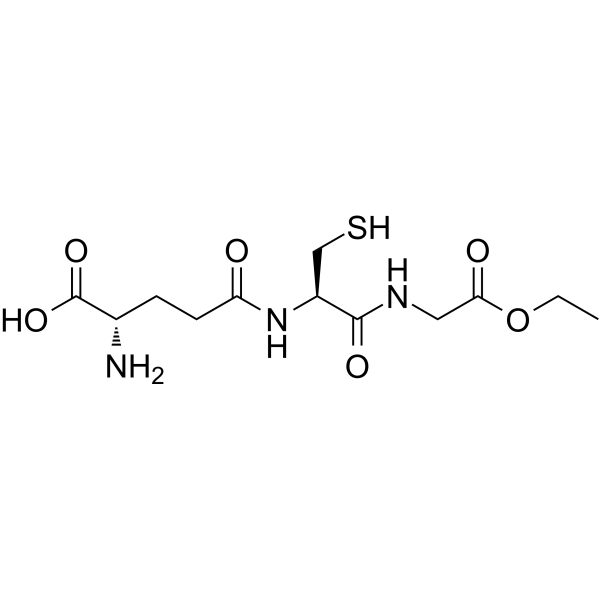
Glutathione ethyl ester is a cell-permeable GSH donor and provides an efficient supply of GSH to the oocyte. Glutathione ethyl ester shows positive effect on the in vitro production of embryos by enhancement of the antioxidative defense .
|
-
-
- HY-138579
-
-
-
- HY-P10272
-
|
PTG-300
|
Ferroportin
|
Others
|
|
Rusfertide is a peptide mimetic of natural hepcidin, which targets and degrades ferroportin, reduces serum iron and transferrin-saturation, and thus regulates the production of red blood cells. Rusfertide ameliorates the polycythemia vera, β-thalassemia and hereditary hemochromatosis [2].
|
-

-
- HY-A0248A
-
|
|
Bacterial
|
Infection
|
|
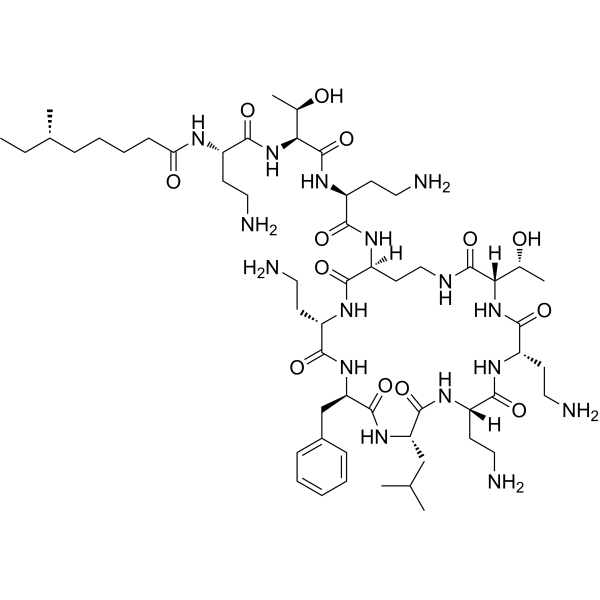
Polymyxin B1 is a potent antimicrobial lipopeptide first derived from Bacilus polymyxa. Polymyxin B1 is the major component in Polymyxin B (HY-A0248). Polymyxin B1 can induce lysis of bacterial cells through interaction with their membranes. Polymyxin B1 has the potential for multidrug-resistant Gram-negative bacterial infections treatment [2].
|
-
-
- HY-W101391
-
|
2'-O-Me-U Phosphoramidite
|
Phosphoramidites
DNA/RNA Synthesis
|
Others
|
|
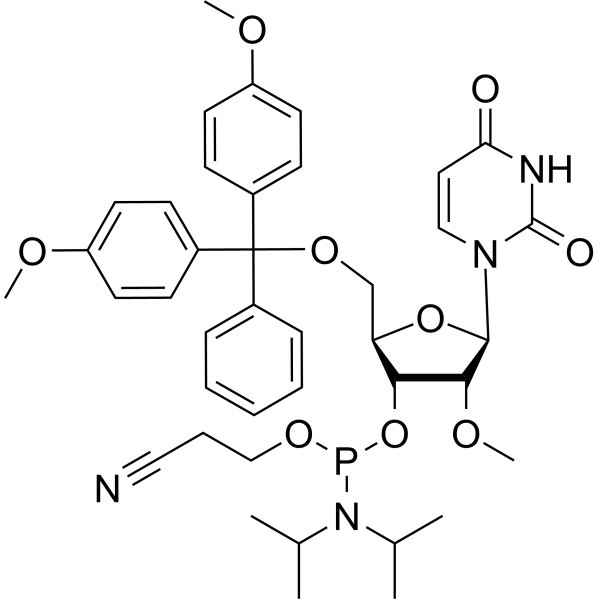
DMT-2'O-Methyl-rU Phosphoramidite (2'-O-Me-U Phosphoramidite) is a 2'-O-Me derivative, and can be used for oligonucleotide synthesis [2].
|
-
-
- HY-145724
-
|
Kyndrisa; GSK2402968A; PRO051
|
DNA/RNA Synthesis
Dystrophin
|
Neurological Disease
|
|
Drisapersen (Kyndrisa) is a 2 '-O-methyl phosphorothioate RNA antisense oligonucleotide that induces exon 51 skipping. Drisapersen induces skipping of exon 51 during Dystrophin pre-mRNA splicing, allowing the synthesis of partially functional Dystrophin. Drisapersen can be used in research related to Duchenne muscular dystrophy [2].
|
-

-
- HY-P1108A
-
|
|
CRFR
|
Neurological Disease
Inflammation/Immunology
|
Astressin 2B TFA is a blood-brain barrier-impermeable, highly selective CRFR2 antagonist (rCRFR2, IC50=0.57 nM). Astressin 2B TFA blocks the protective effects mediated by CRFR2, thereby exacerbating indomethacin (HY-14397)-induced hemorrhagic intestinal injury in rats. Astressin 2B TFA reverses the protective effects of Urocortin 1 against intestinal hypermotility, bacterial invasion and upregulation of inflammatory mediators. Astressin 2B TFA also blocks the anxiogenic effect of Urocortin 2 and attenuates stress-induced anxiety-related behaviors. In the Clostridioides difficile toxin A (C. difficile toxin A)-mediated enteritis model, Astressin 2B TFA mimics the phenotype of CRFR2-deficient mice, significantly exacerbating intestinal epithelial damage, edema, neutrophil migration and the expression of multiple proinflammatory cytokines. Astressin 2B TFA is an important tool molecule for investigating the intestinal protective mechanisms of CRFR2 [2] .
|
-

-
- HY-P1108
-
|
|
CRFR
|
Neurological Disease
Inflammation/Immunology
|
Astressin 2B is a blood-brain barrier-impermeable, highly selective CRFR2 antagonist (rCRFR2, IC50=0.57 nM). Astressin 2B blocks the protective effects mediated by CRFR2, thereby exacerbating indomethacin (HY-14397)-induced hemorrhagic intestinal injury in rats. Astressin 2B reverses the protective effects of Urocortin 1 against intestinal hypermotility, bacterial invasion and upregulation of inflammatory mediators. Astressin 2B also blocks the anxiogenic effect of Urocortin 2 and attenuates stress-induced anxiety-related behaviors. In the Clostridioides difficile toxin A (C. difficile toxin A)-mediated enteritis model, Astressin 2B mimics the phenotype of CRFR2-deficient mice, significantly exacerbating intestinal epithelial damage, edema, neutrophil migration and the expression of multiple proinflammatory cytokines. Astressin 2B is an important tool molecule for investigating the intestinal protective mechanisms of CRFR2 [2] .
|
-

-
- HY-W100234
-
|
2'-O-methyl-5-methyluridine
|
Nucleoside Antimetabolite/Analog
|
Cancer
|
|
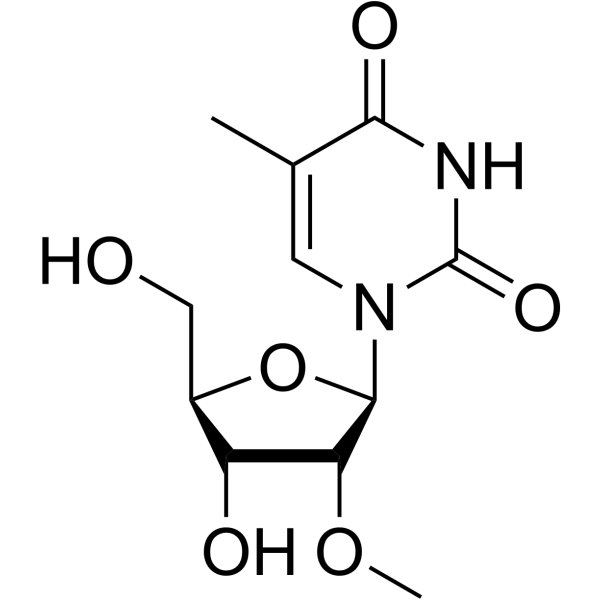
5-Methyl-2’-O-methyl-uridine (2'-O-methyl-5-methyluridine) is a thymidine analog. Analogs of this series have insertional activity towards replicated DNA. They can be used to label cells and track DNA synthesis. 5-Methyl-2’-O-methyl-uridine is a modified nucleoside that can be found in tRNA isolated from rabbit liver [2].
|
-
-
- HY-P10143
-
|
Ac-Pro-Leu-Gly-[(S)-2-mercapto-4-methyl-pentanoyl]-Leu-Gly-OEt
|
MMP
|
Others
|
|
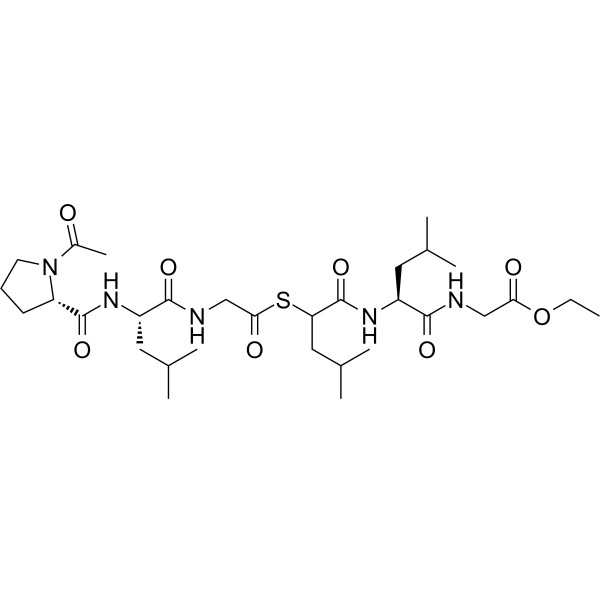
MMP-2/MMP-9 Substrate (Ac-Pro-Leu-Gly-[(S)-2-mercapto-4-methyl-pentanoyl]-Leu-Gly-OEt) is a synthetic chromogenic polypeptide substrate whose core structure mimics the cleavage sites of MMP-2 and MMP-9 (gelatinase A and B) in collagen. After being hydrolyzed by collagenase, MMP-2/MMP-9 Substrate reacts with 4,4'-dithiodipyridine or Ellman's Reagent via its thiol fragment to produce a product with ultraviolet absorption properties [2].
|
-
-
- HY-A0248AS
-
|
|
Isotope-Labeled Compounds
Bacterial
|
Infection
|
|
Polymyxin B1-d7 TFA is the deuterium labeled Polymyxin B1 TFA (HY-A0248A). Polymyxin B1 is a potent antimicrobial lipopeptide first derived from Bacilus polymyxa. Polymyxin B1 is the major component in Polymyxin B (HY-A0248). Polymyxin B1 can induce lysis of bacterial cells through interaction with their membranes. Polymyxin B1 has the potential for multidrug-resistant Gram-negative bacterial infections treatment [2].
|
-

-
- HY-157504
-
-
-
- HY-152693
-
|
|
Nucleoside Antimetabolite/Analog
|
Others
|
|
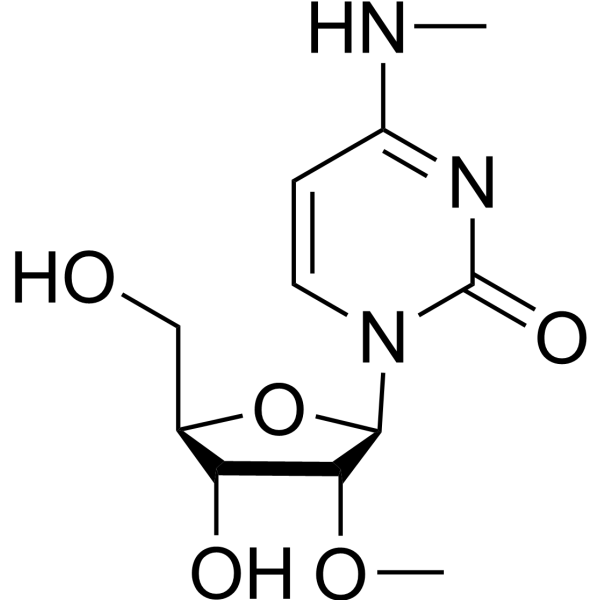
N4-Methyl-2’-O-methyl-cytidine is a purine nucleoside analogue. Purine nucleoside analogs have broad antitumor activity targeting indolent lymphoid malignancies. Anticancer mechanisms in this process rely on inhibition of DNA synthesis, induction of apoptosis, etc .
|
-
-
- HY-21286
-
|
|
Drug Intermediate
|
Others
|
|
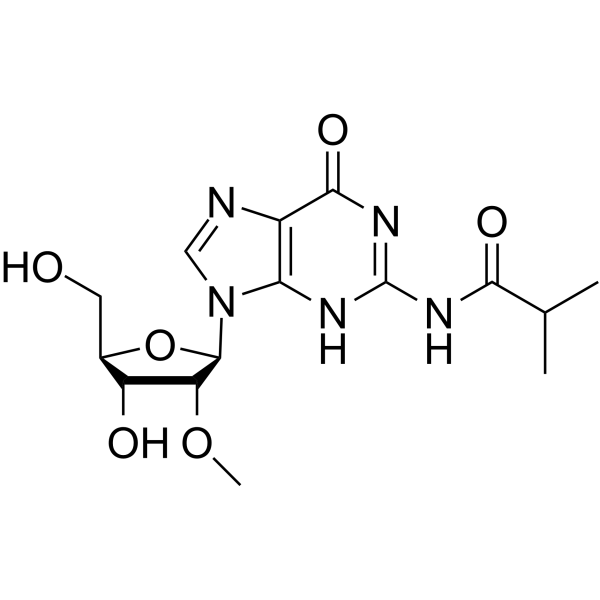
N2-Isobutyryl-2'-O-methylguanosine is a nucleic acid synthesis intermediate (e.g., used in antisense oligonucleotides, mRNA modification), for example, it is a key monomer for the synthesis of 2'-O-methyl oligoribonucleotides. N2-Isobutyryl-2'-O-methylguanosine enables the final product to form stable double strands with complementary RNA and is not easily degraded by nucleases. N2-Isobutyryl-2'-O-methylguanosine is mainly used in molecular biology research, and can be used to prepare RNA hybridization probes or participate in related biochemical research such as pre-mRNA splicing mechanisms .
|
-
-
- HY-P10563
-
|
BHV-1100
|
CD38
|
Cancer
|
|
Noraramtide (BHV-1100) is an antibody recruitment molecule. Noraramtide can specifically bind to CD38 molecules to recruit natural killer (NK) cells. Noraramtide enhances the ability of NK cells to kill tumor cells through antibody-dependent cellular cytotoxicity (ADCC). This mechanism allows NK cells to more effectively recognize and eliminate tumor cells while avoiding mutual killing between NK cells. Noraramtide can be used for the study of autologous cancer immunity .
|
-

-
- HY-108987
-
|
|
Biochemical Assay Reagents
|
Others
|
|
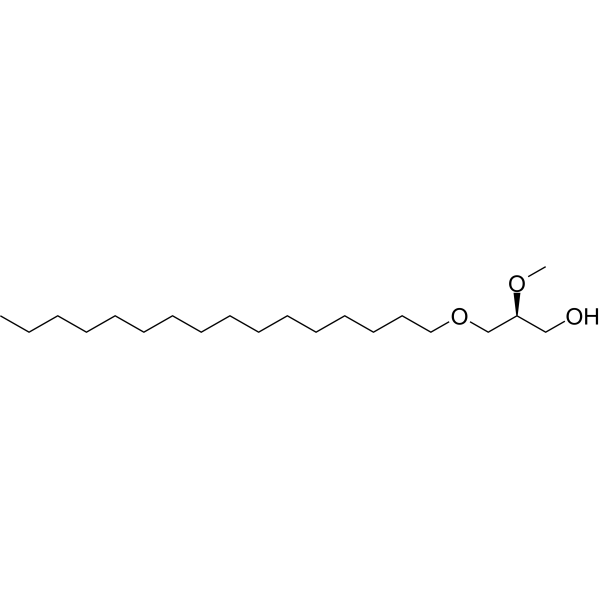
1-O-hexadecyl-2-O-methyl-sn-glycerol (PMG) is a biochemical reagent that can be used as a biological material or organic compound for life science related research.
|
-
-
- HY-152706
-
|
|
Nucleoside Antimetabolite/Analog
|
Others
|
|
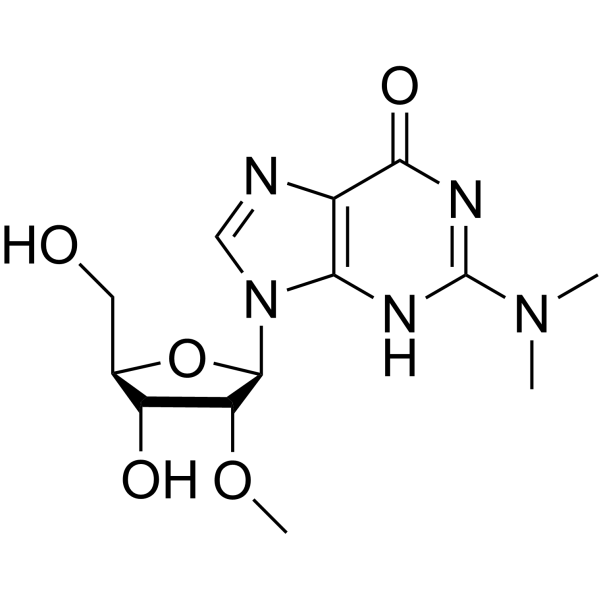
2’-O-Methyl-N2,N2-dimethyl-guanosine is a purine nucleoside analogue. Purine nucleoside analogs have broad antitumor activity targeting indolent lymphoid malignancies. Anticancer mechanisms in this process rely on inhibition of DNA synthesis, induction of apoptosis, etc .
|
-
-
- HY-W340190
-
|
5-Iodo-2'-O-methyluridine
|
Nucleoside Antimetabolite/Analog
DNA/RNA Synthesis
Apoptosis
|
Cancer
|
|
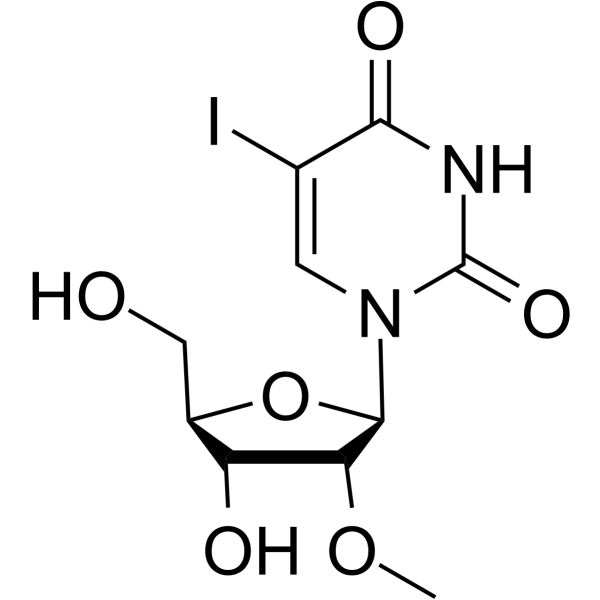
2’-O-Methyl-5-iodouridine (5-Iodo-2'-O-methyluridine) is a purine nucleoside analog. Purine nucleoside analogs have broad antitumor activity targeting indolent lymphoid malignancies. Anticancer mechanisms in this process rely on inhibition of DNA synthesis, induction of apoptosis, etc .
|
-
-
- HY-154223
-
|
|
Nucleoside Antimetabolite/Analog
Phosphoramidites
|
Cancer
|
|
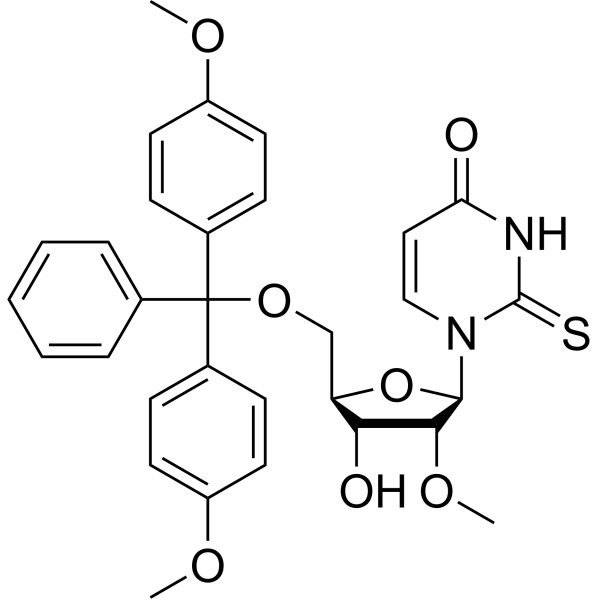
5'-O-(4,4'-Dimethoxytrityl)-2'-O-methyl-2-thiouridine is a purine nucleoside analog. Purine nucleoside analogs have broad antitumor activity targeting indolent lymphoid malignancies. Anticancer mechanisms in this process rely on inhibition of DNA synthesis, induction of apoptosis, etc .
|
-
-
- HY-154490
-
|
|
Nucleoside Antimetabolite/Analog
|
Cancer
|
|
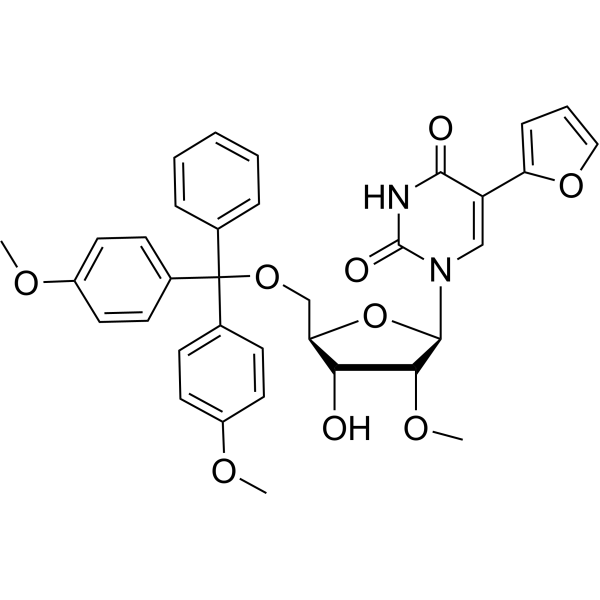
5-(Furan-2-yl)-2’-O-methyl-5’-O-DMTr-uridine is a purine nucleoside analog. Purine nucleoside analogs have broad antitumor activity targeting indolent lymphoid malignancies. Anticancer mechanisms in this process rely on inhibition of DNA synthesis, induction of apoptosis, etc .
|
-
-
- HY-154582
-
|
|
Nucleoside Antimetabolite/Analog
|
Others
|
|
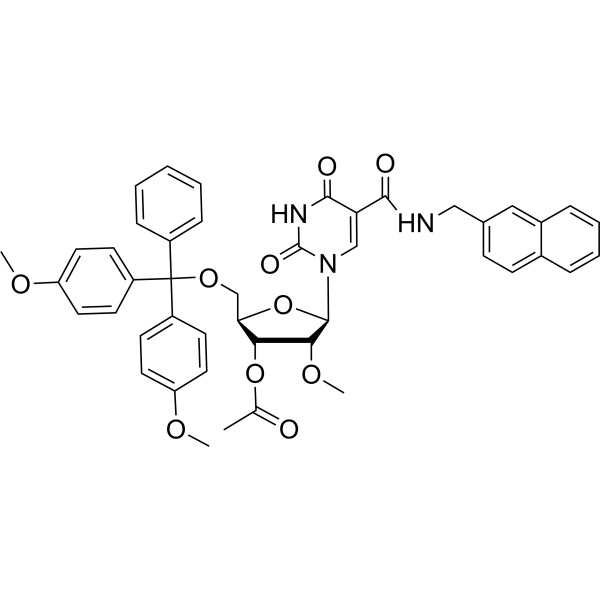
5-Naphthyl-beta-methylaminocarbony-3’-O-acetyl-2’-O-methyl-5’-O-DMTr-uridine is a uridine analog. Uridine has potential antiepileptic effects, and its analogs can be used to study anticonvulsant and anxiolytic activities, as well as to develop new antihypertensive agents .
|
-
-
- HY-154485
-
|
|
Nucleoside Antimetabolite/Analog
Phosphoramidites
|
Cancer
|
|
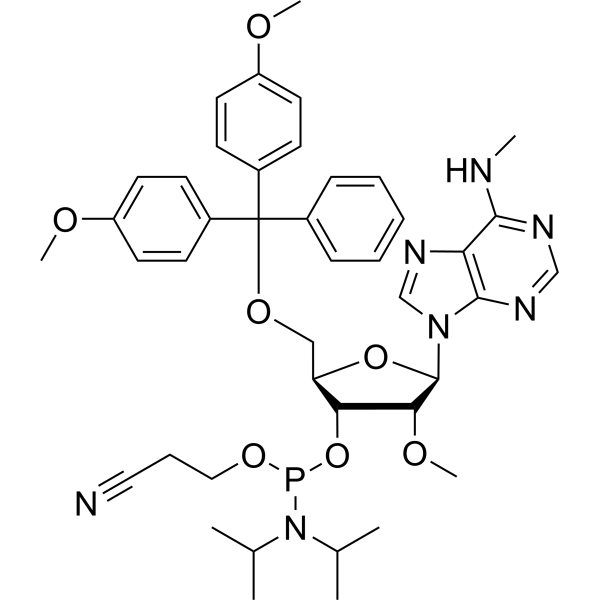
5'-O-DMTr-2'-O-methyl-N6-methyl adenosine 3'-CED phosphoramidite is an adenosine analog. Adenosine analogs mostly act as smooth muscle vasodilators and have also been shown to inhibit cancer progression. Its popular products are adenosine phosphate, Acadesine (HY-13417), Clofarabine (HY-A0005), Fludarabine phosphate (HY-B0028) and Vidarabine (HY-B0277) .
|
-
-
- HY-154380
-
|
|
Nucleoside Antimetabolite/Analog
|
Cancer
|
|
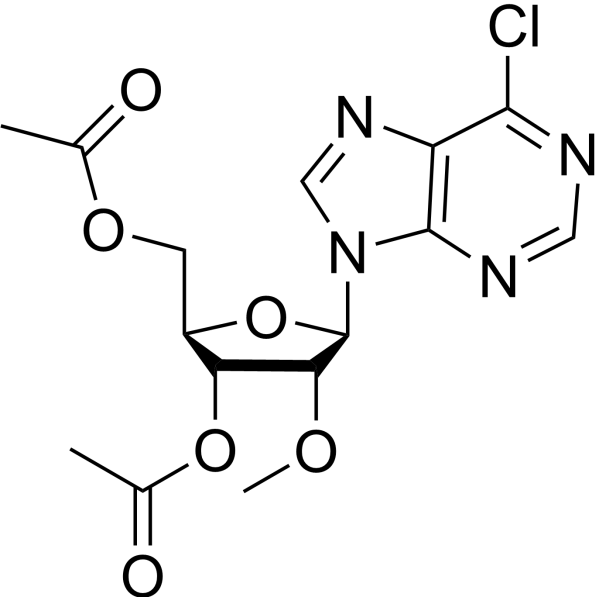
6-Chloro-9-(3,5-di-O-acetyl-2-O-methyl-β-D-ribofuranosyl)-9H-purine is a purine nucleoside analog. Purine nucleoside analogs have broad antitumor activity targeting indolent lymphoid malignancies. Anticancer mechanisms in this process rely on inhibition of DNA synthesis, induction of apoptosis, etc .
|
-
-
- HY-W127608
-
|
|
Biochemical Assay Reagents
|
Others
|
|
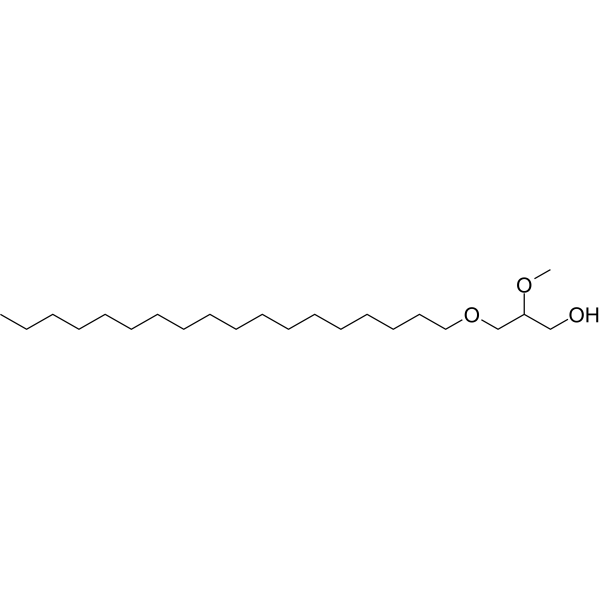
1-O-Octadecyl-2-O-methyl-rac-glycerol is a biochemical reagent that can be used as a biological material or organic compound for life science related research.
|
-
-
- HY-134070
-
|
ET-18-O-OCH3
|
TNF Receptor
|
Inflammation/Immunology
|
|
2-O-Methyl PAF C-16 (ET-18-O-OCH3), a structural analog of the mediator of inflammation platelet-activating factor (PAF), is a cytotoxic ether lipid. 2-O-Methyl PAF C-16 stimulates TNF-α release in murine macrophages .
|
-

-
- HY-167925S
-
-

-
- HY-P3066
-
|
d(CH2)5Tyr(Et)VAVP
|
Vasopressin Receptor
|
Metabolic Disease
|
|
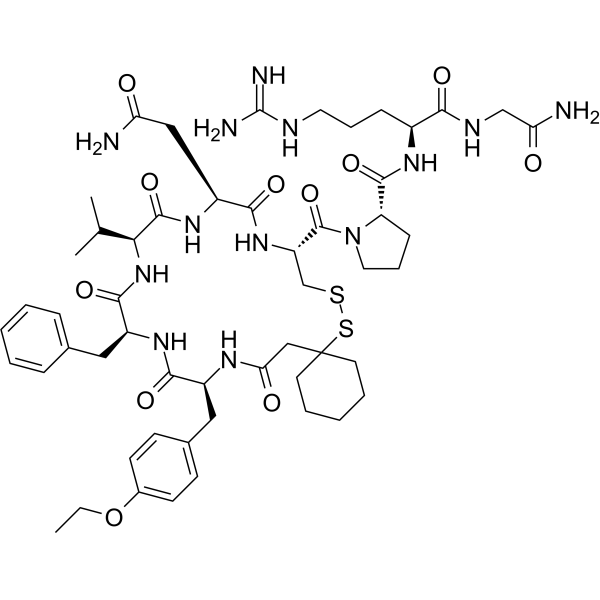
SKF 100398 (d(CH2)5Tyr(Et)VAVP), an arginine vasopressin (AVP) analogue, is a specific antagonist of the antidiuretic effect of exogenous and endogenous AVP .
|
-
-
- HY-W1119957
-
|
|
Biochemical Assay Reagents
|
Others
|
|
5'-VP-2'-OMe-U phosphoramidite is a phosphoramidite that contains 5’ DMT and uridine with 2’-O-methyl protection. 5'-VP-2'-OMe-U Phosphoramidite can be used to synthesize oligonucleotide.
|
-

-
- HY-W091754
-
|
|
Nucleoside Antimetabolite/Analog
Phosphoramidites
|
Others
|
|
5'-O-Dmt-n2-isobutyryl-2'-o-methyl-d-guanosine is a nucleoside that is made using an oxime opening of the 5' position and a methylation at the 2' position. 5'-O-Dmt-n2-isobutyryl-2'-o-methyl-d-guanosine has been shown to have an affinity for tissues in a chemotactic assay.
|
-

-
- HY-W744002
-
-

-
- HY-154375
-
|
|
Nucleoside Antimetabolite/Analog
|
Cancer
|
|
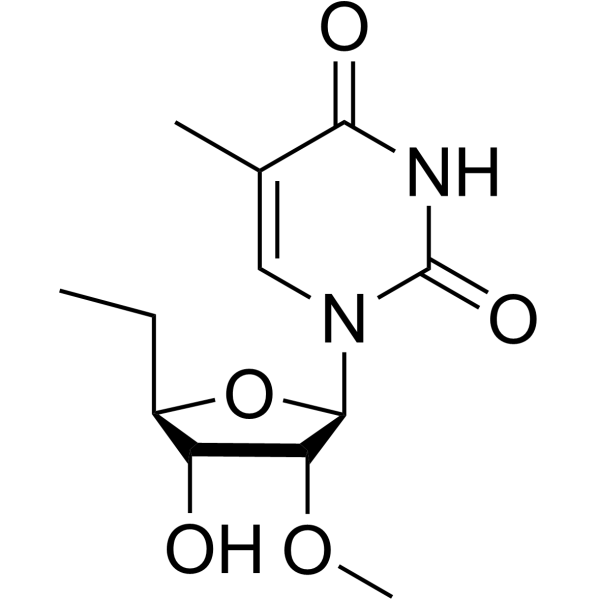
5’-Deoxy-5’-iodo-2’-O-methyl-5-methyluridine is a purine nucleoside analog. Purine nucleoside analogs have broad antitumor activity targeting indolent lymphoid malignancies. Anticancer mechanisms in this process rely on inhibition of DNA synthesis, induction of apoptosis, etc .
|
-
-
- HY-W392836
-
|
|
Nucleoside Antimetabolite/Analog
Xanthine Oxidase
Phosphoramidites
|
Cancer
|
|
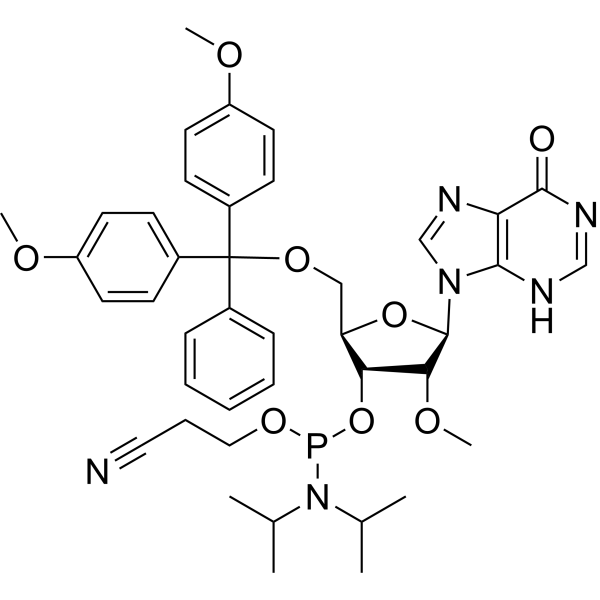
2'-O-Methyl-5'-O-dmt-inosine-3'-CE-phosphoramidite is a hypoxanthine analog. Hypoxanthine is a kind of purine base mainly present in muscle tissue. And it is a metabolite produced by purine oxidase acting on xanthine. Hypoxanthine has typical anti-inflammatory effects and is a potential endogenous poly(ADP-ribose) polymerase (PARP) inhibitor. It is cytoprotective by inhibiting PAPR activity, inhibiting peroxynitrite-induced mitochondrial depolarization and secondary superoxide production. Hypoxanthine can also be used as an indicator of hypoxia [2].
|
-
-
- HY-W753672
-
|
|
Isotope-Labeled Compounds
|
Cardiovascular Disease
|
|
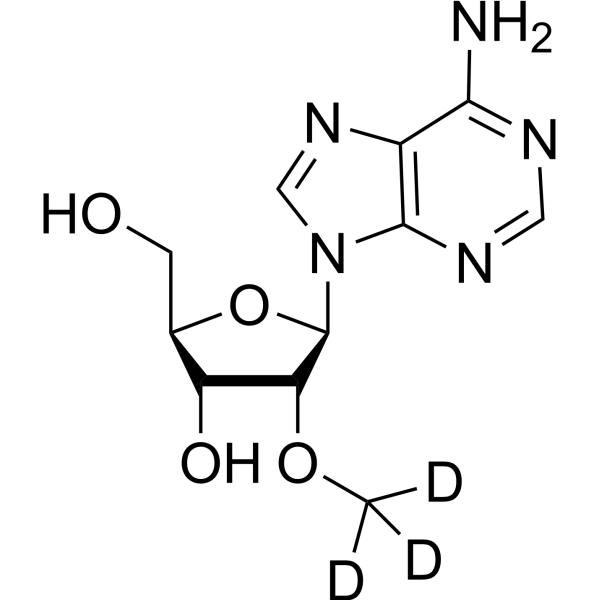
2'-O-Methyl Adenosine-d3 is deuterium labeled 2'-O-Methyl Adenosine. 2'-O-Methyl Adenosine, a methylated adenine residue is found in urine of normals as well as in urine of adenosine deaminase (ADA) deficient patients. 2'-O-Methyl Adenosine exhibits unique hypotensive activities [2].
|
-
-
- HY-P10828
-
|
|
Virus Protease
|
Infection
Inflammation/Immunology
|
|
MAPI is a polypeptide irreversible 3C cysteine protease (SV3CP) inhibitor. MAPI inhibits SV3CP by covalently binding its C-terminal Michael-acceptor extension to the active site thiol of SV3CP Cys 139. MAPI is promising for research of noroviruses infection .
|
-

-
- HY-21713
-
-
-
- HY-177371
-
|
|
Nucleoside Antimetabolite/Analog
|
Cancer
|
|
CEBPA-51 saRNA, a double-stranded RNA oligo duplex to specifically upregulate the transcription of the CEBPA gene. CEBPA-51 saRNA contains multiple 2′-O-methyl modified bases to prevent nonspecific immunostimulatory activity .
|
-

-
- HY-150017
-
-
-
- HY-152513
-
|
|
Nucleoside Antimetabolite/Analog
|
Others
|
|
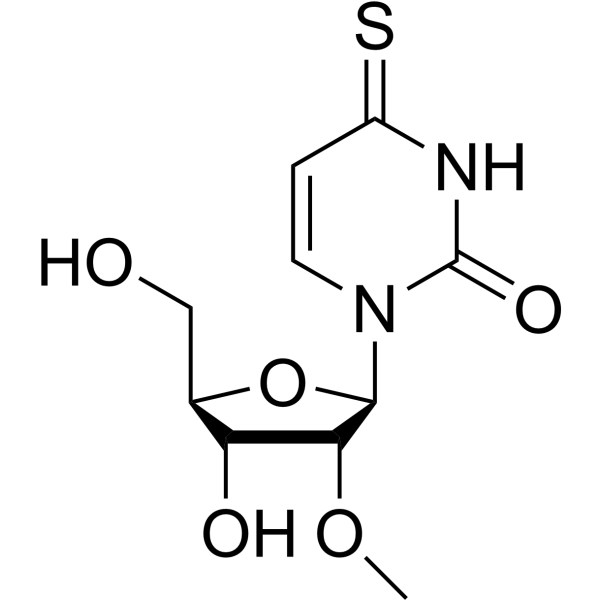
2’-O-Methyl-4-thiouridine is a purine nucleoside analogue. Purine nucleoside analogs have broad antitumor activity targeting indolent lymphoid malignancies. Anticancer mechanisms in this process rely on inhibition of DNA synthesis, induction of apoptosis, etc .
|
-
-
- HY-152836
-
|
|
Nucleoside Antimetabolite/Analog
|
Others
|
|
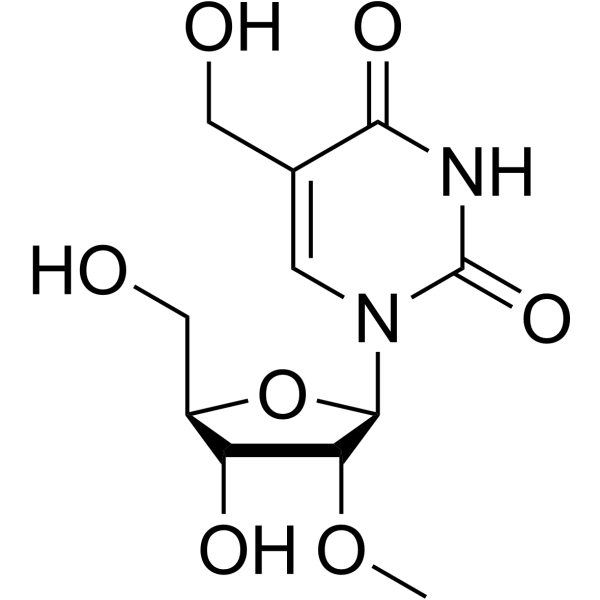
2’-O-Methyl-5-hydroxymethyluridine is a purine nucleoside analogue. Purine nucleoside analogs have broad antitumor activity targeting indolent lymphoid malignancies. Anticancer mechanisms in this process rely on inhibition of DNA synthesis, induction of apoptosis, etc .
|
-
-
- HY-152717
-
|
|
Nucleoside Antimetabolite/Analog
|
Others
|
|
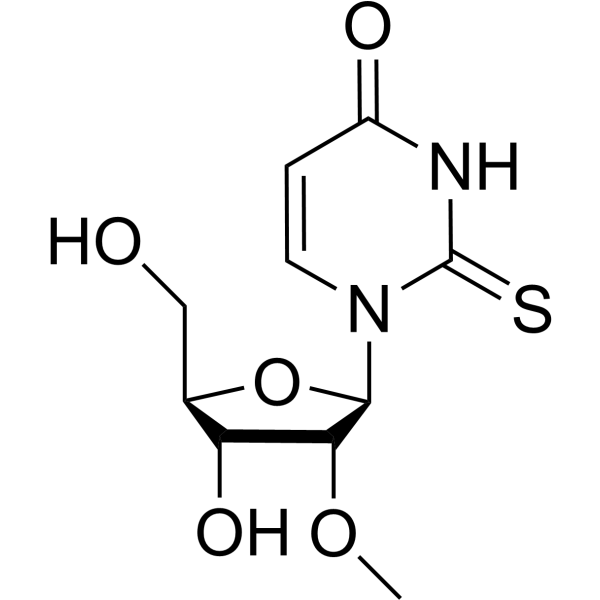
2’-O-Methyl-2-thiouridine is a purine nucleoside analogue. Purine nucleoside analogs have broad antitumor activity targeting indolent lymphoid malignancies. Anticancer mechanisms in this process rely on inhibition of DNA synthesis, induction of apoptosis, etc .
|
-
-
- HY-152635
-
|
|
Nucleoside Antimetabolite/Analog
|
Cancer
|
|
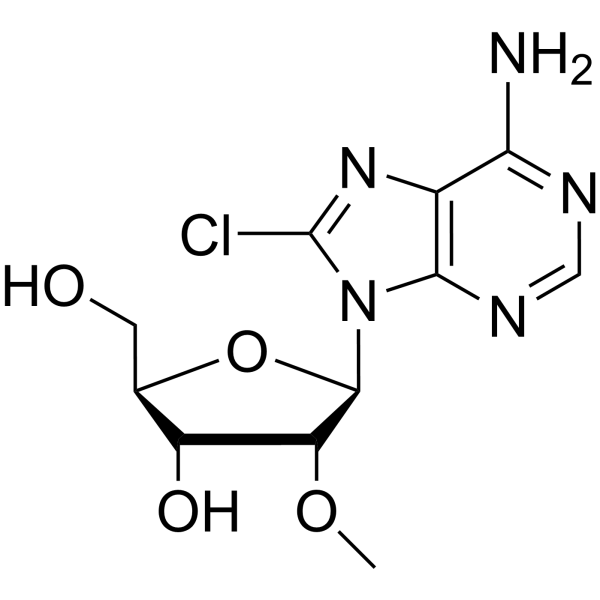
8-Chloro-2’-O-methyl adenosine is a purine nucleoside analog. Purine nucleoside analogs have broad antitumor activity targeting indolent lymphoid malignancies. Anticancer mechanisms in this process rely on inhibition of DNA synthesis, induction of apoptosis, etc .
|
-
-
- HY-152501
-
|
|
Nucleoside Antimetabolite/Analog
|
Cancer
|
|
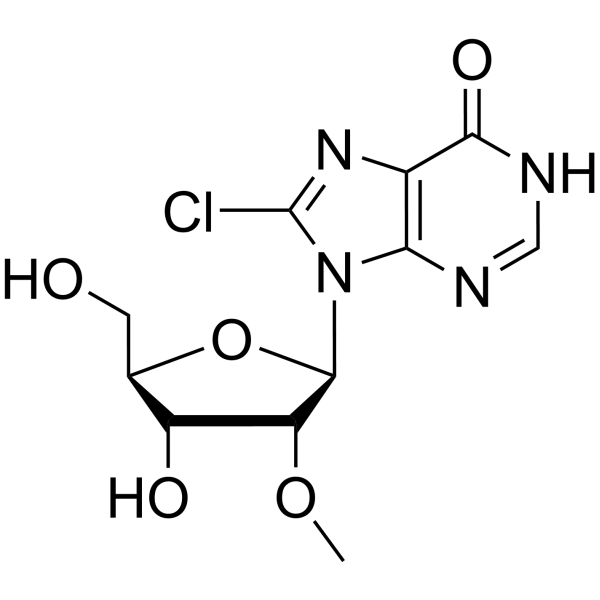
8-Chloro-2’-O-methyl inosine is a purine nucleoside analog. Purine nucleoside analogs have broad antitumor activity targeting indolent lymphoid malignancies. Anticancer mechanisms in this process rely on inhibition of DNA synthesis, induction of apoptosis, etc .
|
-
-
- HY-152466
-
|
|
Nucleoside Antimetabolite/Analog
|
Cancer
|
|
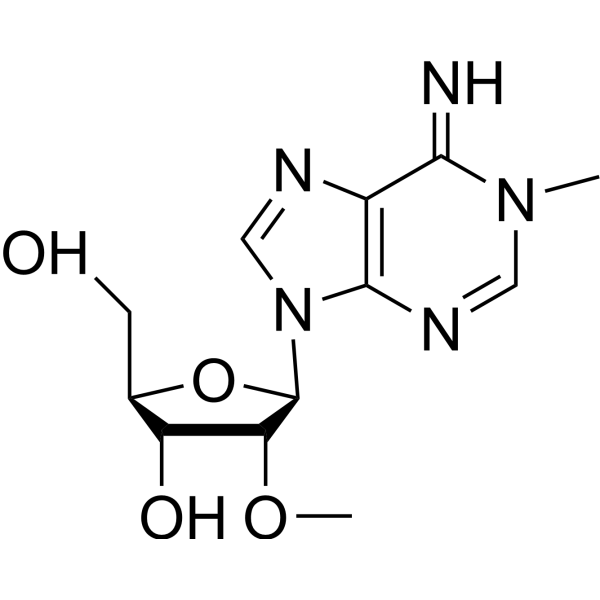
2’-O-Methyl-N1-methyladenosine is a purine nucleoside analog. Purine nucleoside analogs have broad antitumor activity targeting indolent lymphoid malignancies. Anticancer mechanisms in this process rely on inhibition of DNA synthesis, induction of apoptosis, etc .
|
-
-
- HY-W776852
-
|
|
Biochemical Assay Reagents
|
Others
|
|
2-O-Methyl-β-neuraminic acid is a class of biochemical reagents used in glycobiology research. Glycobiology studies the structure, synthesis, biology, and evolution of sugars. It involves carbohydrate chemistry, enzymology of glycan formation and degradation, protein-glycan recognition, and the role of glycans in biological systems. This field is closely related to basic research, biomedicine, and biotechnology .
|
-

-
- HY-154317
-
|
|
Nucleoside Antimetabolite/Analog
|
Cancer
|
|
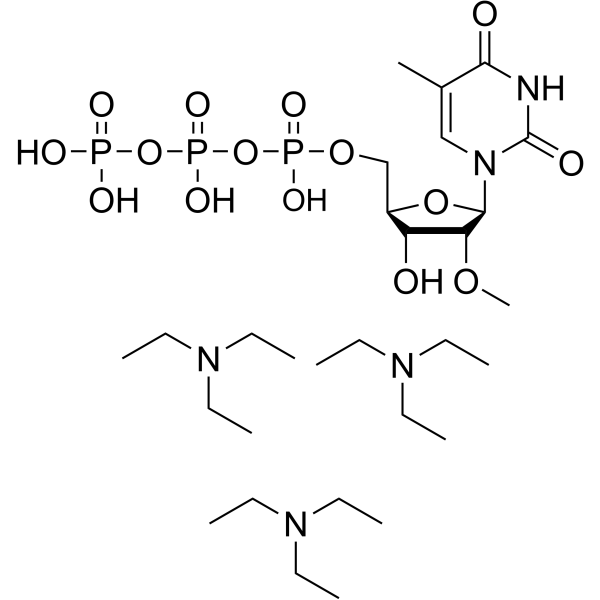
2’-O-Methyl-5-methyluridine 5’-triphosphate (triethylammonium) is a thymidine analog. Analogs of this series have insertional activity towards replicated DNA. They can be used to label cells and track DNA synthesis .
|
-
-
- HY-157339
-
-
-
- HY-152518
-
|
|
Nucleoside Antimetabolite/Analog
|
Others
|
|
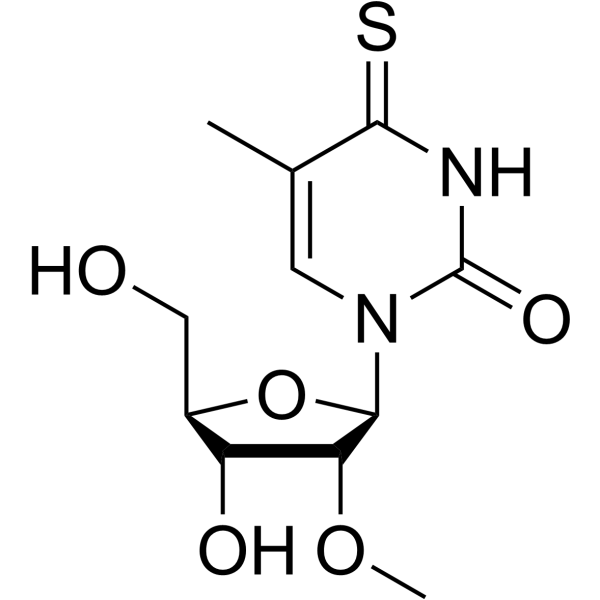
2’-O-Methyl-5-methyl-4-thiouridine is a purine nucleoside analogue. Purine nucleoside analogs have broad antitumor activity targeting indolent lymphoid malignancies. Anticancer mechanisms in this process rely on inhibition of DNA synthesis, induction of apoptosis, etc .
|
-
-
- HY-W342904
-
|
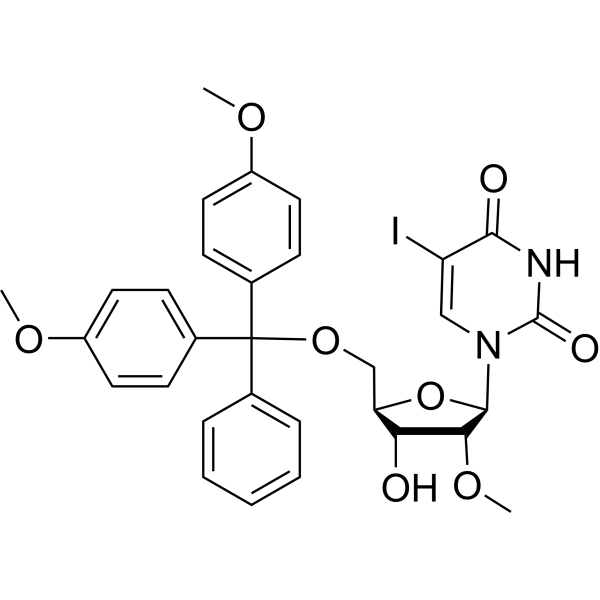
5'-O-[Bis(4-methoxyphenyl)phenylmethyl]-5-iodo-2'-O-methyl-uridine
|
Nucleoside Antimetabolite/Analog
|
Cancer
|
|
2’-O-Methyl-5’-O-DMTr-5-iodouridine is a purine nucleoside analog. Purine nucleoside analogs have broad antitumor activity targeting indolent lymphoid malignancies. Anticancer mechanisms in this process rely on inhibition of DNA synthesis, induction of apoptosis, etc .
|
-
-
- HY-154376
-
|
|
Nucleoside Antimetabolite/Analog
|
Cancer
|
|
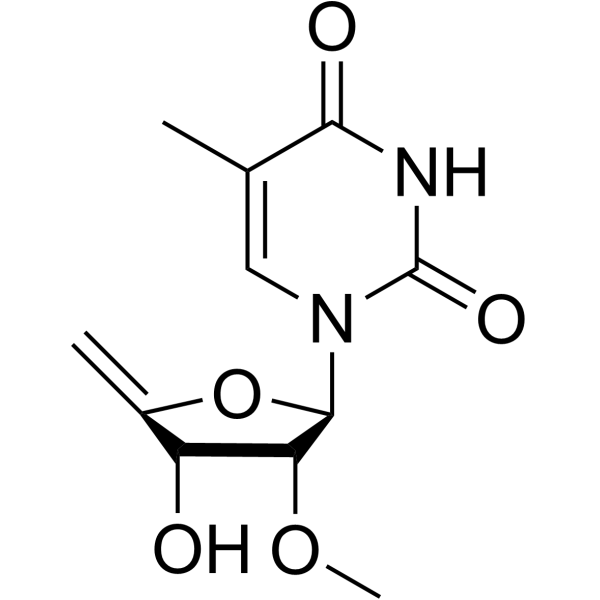
4’,5’-Didehydro-2’-O-methyl-5-methyluridine is a purine nucleoside analog. Purine nucleoside analogs have broad antitumor activity targeting indolent lymphoid malignancies. Anticancer mechanisms in this process rely on inhibition of DNA synthesis, induction of apoptosis, etc .
|
-
-
- HY-152796
-
|
|
Nucleoside Antimetabolite/Analog
|
Others
|
|
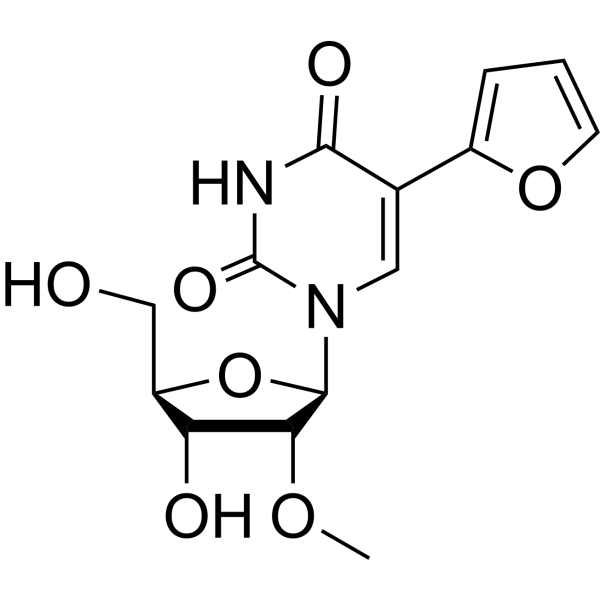
5-Furan-2-yl-2’-O-methyl uridine is a purine nucleoside analogue. Purine nucleoside analogs have broad antitumor activity targeting indolent lymphoid malignancies. Anticancer mechanisms in this process rely on inhibition of DNA synthesis, induction of apoptosis, etc .
|
-
- HY-154377
-
|
|
Nucleoside Antimetabolite/Analog
|
Cancer
|
|
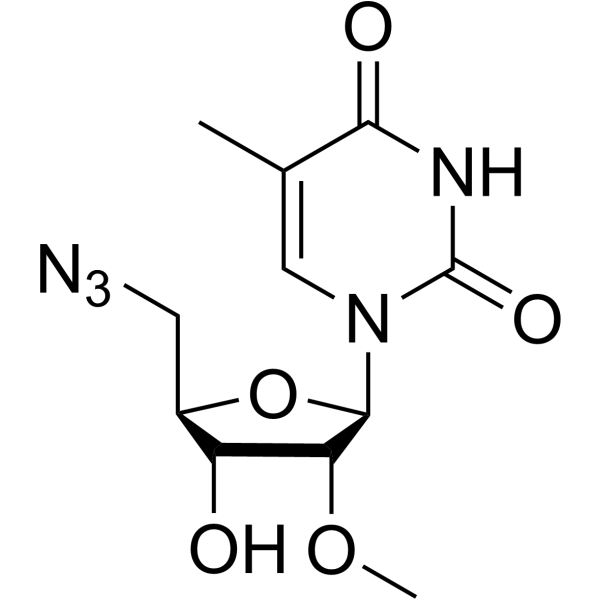
5’-Azido-5’-deoxy-2’-O-methyl-5-methyluridine is a purine nucleoside analog. Purine nucleoside analogs have broad antitumor activity targeting indolent lymphoid malignancies. Anticancer mechanisms in this process rely on inhibition of DNA synthesis, induction of apoptosis, etc . 5'-Azido-5'-deoxy-2'-O-methyl-5-methyluridine is a click chemistry reagent, it contains an Azide group and can undergo copper-catalyzed azide-alkyne cycloaddition reaction (CuAAc) with molecules containing Alkyne groups. It can also undergo strain-promoted alkyne-azide cycloaddition (SPAAC) reactions with molecules containing DBCO or BCN groups.
|
-
- HY-W698881
-
|
|
Biochemical Assay Reagents
|
Others
|
|
Methyl N-acetyl-2-O-methyl-β-neuraminate is a class of biochemical reagents used in glycobiology research. Glycobiology studies the structure, synthesis, biology, and evolution of sugars. It involves carbohydrate chemistry, enzymology of glycan formation and degradation, protein-glycan recognition, and the role of glycans in biological systems. This field is closely related to basic research, biomedicine, and biotechnology .
|
-

- HY-152876
-
|
|
Nucleoside Antimetabolite/Analog
|
Others
|
|
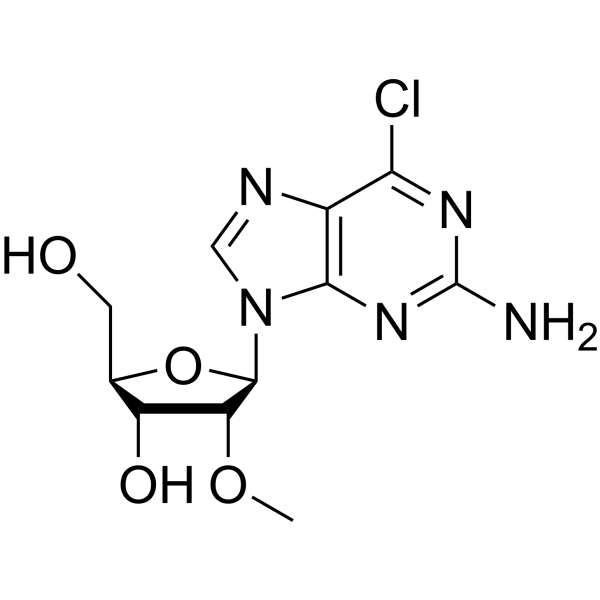
6-Chloro-9-(2-O-methyl-beta-D-ribofuranosyl)-9H-purin-2-amine is a purine nucleoside analogue. Purine nucleoside analogs have broad antitumor activity targeting indolent lymphoid malignancies. Anticancer mechanisms in this process rely on inhibition of DNA synthesis, induction of apoptosis, etc .
|
-
- HY-152660
-
|
|
Nucleoside Antimetabolite/Analog
|
Cancer
|
|
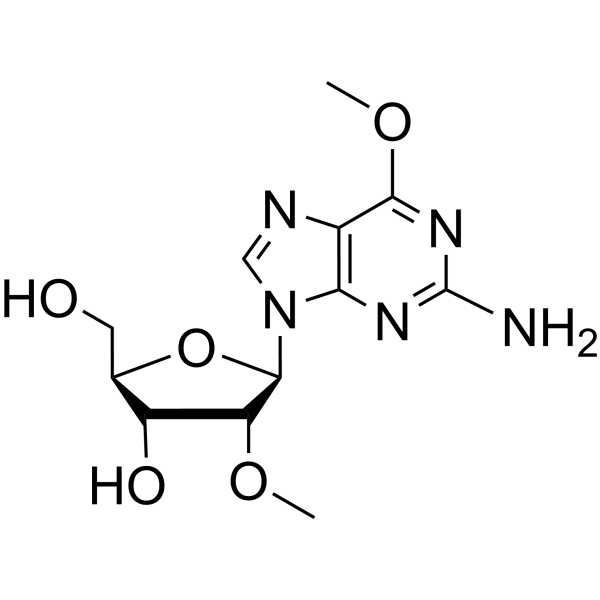
2-Amino-6-O-methyl-2’-O-methyl purine riboside is a purine nucleoside analog. Purine nucleoside analogs have broad antitumor activity targeting indolent lymphoid malignancies. Anticancer mechanisms in this process rely on inhibition of DNA synthesis, induction of apoptosis, etc .
|
-
- HY-W794623
-
|
|
Biochemical Assay Reagents
|
Others
|
|
Methyl 6-deoxy-2-O-methyl-α-D-galactopyranoside is a class of biochemical reagents used in glycobiology research. Glycobiology studies the structure, synthesis, biology, and evolution of sugars. It involves carbohydrate chemistry, enzymology of glycan formation and degradation, protein-glycan recognition, and the role of glycans in biological systems. This field is closely related to basic research, biomedicine, and biotechnology .
|
-

- HY-154587
-
|
|
Nucleoside Antimetabolite/Analog
|
Cancer
|
|
1-[6-(Diethoxyphosphinyl)-2-O-methyl-β-D-ribo-hexofuranosyl]uracil is a purine nucleoside analog. Purine nucleoside analogs have broad antitumor activity targeting indolent lymphoid malignancies. Anticancer mechanisms in this process rely on inhibition of DNA synthesis, induction of apoptosis, etc .
|
-
![1-[6-(Diethoxyphosphinyl)-2-O-methyl-β-D-ribo-hexofuranosyl]uracil](//file.medchemexpress.com/product_pic/hy-154587.gif)
- HY-154588
-
|
|
Nucleoside Antimetabolite/Analog
|
Cancer
|
|
1-[6-Phosphono-2-O-methyl-β-D-ribo-hexofuranosyl]uracil is a purine nucleoside analog. Purine nucleoside analogs have broad antitumor activity targeting indolent lymphoid malignancies. Anticancer mechanisms in this process rely on inhibition of DNA synthesis, induction of apoptosis, etc .
|
-
![1-[6-Phosphono-2-O-methyl-β-D-ribo-hexofuranosyl]uracil](//file.medchemexpress.com/product_pic/hy-154588.gif)
- HY-154000
-
|
|
Nucleoside Antimetabolite/Analog
|
Cancer
|
|
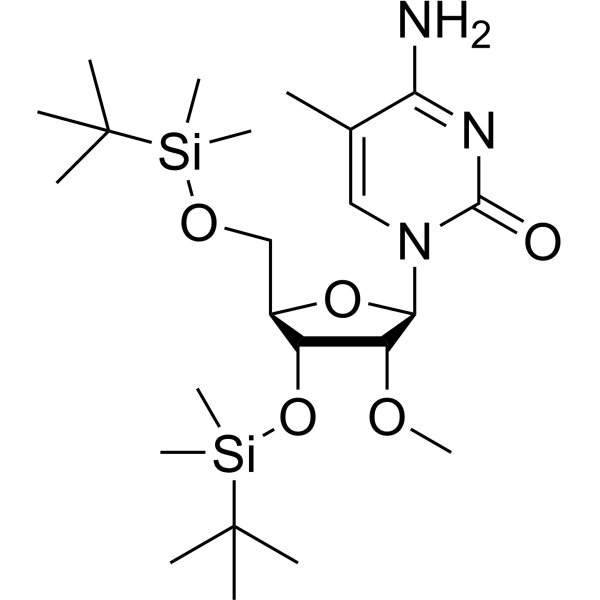
3,5’-Bis(O-t-butyldimethylsilyl)-2’-O-methyl-5-methyl cytidine is a cytidine analog. Cytidine analogs have a mechanism of inhibiting DNA methyltransferases (such as Zebularine, HY-13420), and have potential anti-metabolic and anti-tumor activities .
|
-
- HY-154581
-
|
|
Nucleoside Antimetabolite/Analog
|
Cancer
|
|
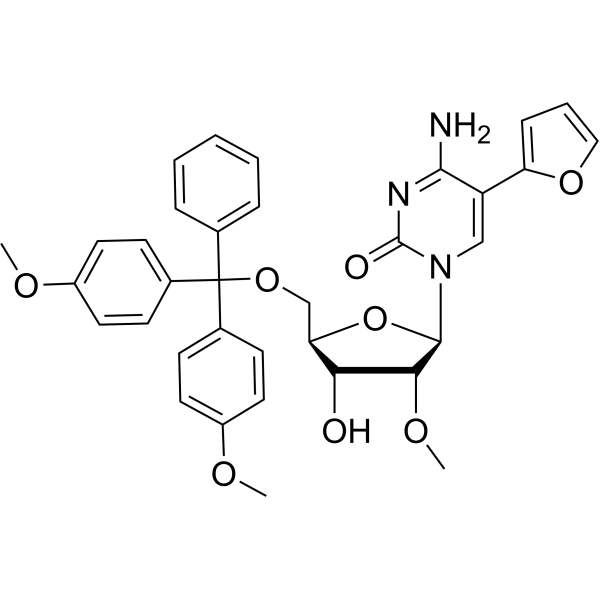
5-(Furan-2-yl)-2’-O-methyl-5’-O-DMTr-cytidine is a purine nucleoside analog. Purine nucleoside analogs have broad antitumor activity targeting indolent lymphoid malignancies. Anticancer mechanisms in this process rely on inhibition of DNA synthesis, induction of apoptosis, etc .
|
-
- HY-154684
-
|
|
Nucleoside Antimetabolite/Analog
|
Cancer
|
|
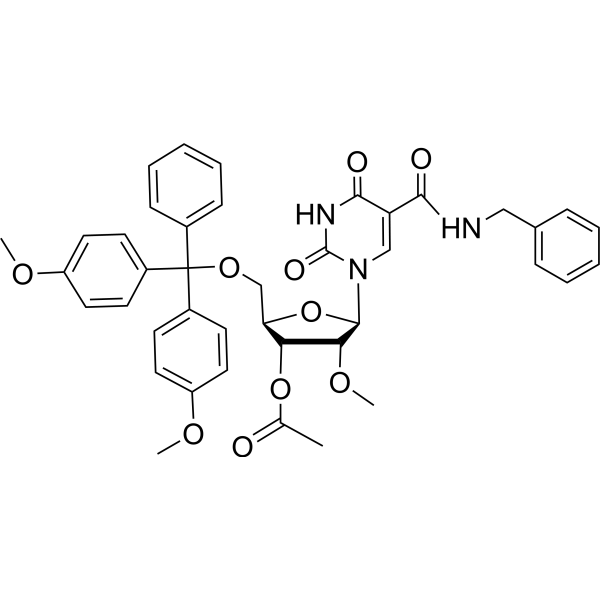
5-Benzylamino carbonyl-3’-O-acetyl-2’-O-methyl-5’-O-DMTr-uridine is a thymidine analog. Analogs of this series have insertional activity towards replicated DNA. They can be used to label cells and track DNA synthesis .
|
-
- HY-154379
-
|
|
Nucleoside Antimetabolite/Analog
|
Cancer
|
|
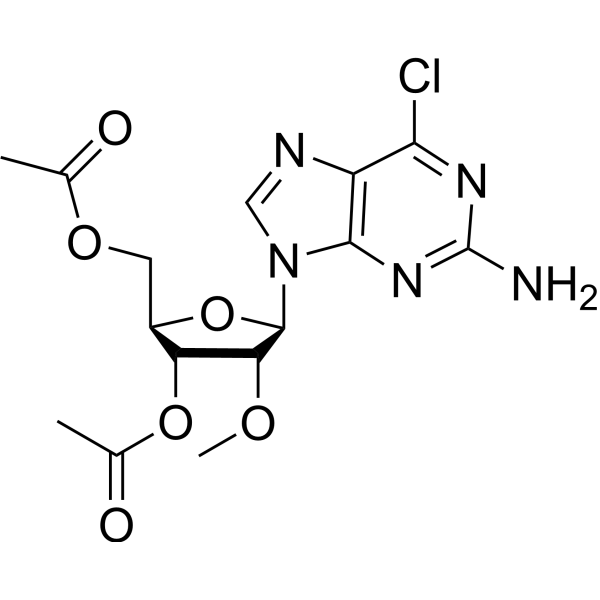
3',5'-Di-O-acetyl-2'-O-methyl-6-chloro-2-aminopurine riboside is a purine nucleoside analog. Purine nucleoside analogs have broad antitumor activity targeting indolent lymphoid malignancies. Anticancer mechanisms in this process rely on inhibition of DNA synthesis, induction of apoptosis, etc .
|
-
- HY-W395015
-
|
5'-O-(DIMETHOXYTRITYL)-2'-O-methylINOSINE
|
Nucleoside Antimetabolite/Analog
Phosphoramidites
|
Cancer
|
|
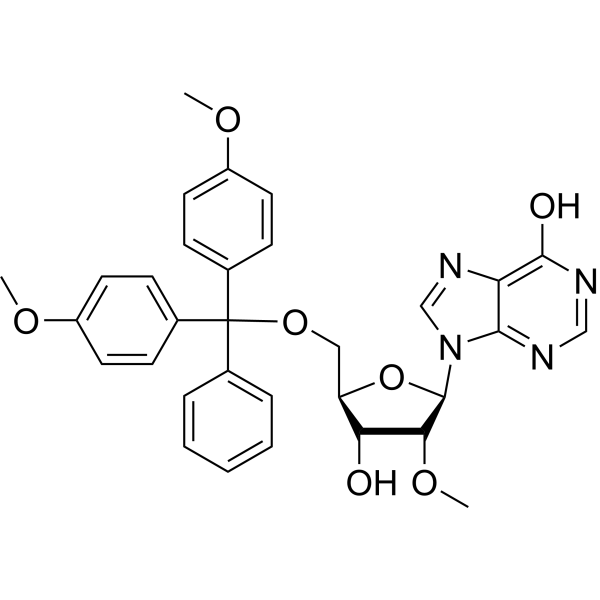
5’-O-(4,4-Dimethoxytrityl)-2’-O-methyl inosine is a purine nucleoside analog. Purine nucleoside analogs have broad antitumor activity targeting indolent lymphoid malignancies. Anticancer mechanisms in this process rely on inhibition of DNA synthesis, induction of apoptosis, etc .
|
-
- HY-W700524
-
|
|
Biochemical Assay Reagents
|
Others
|
|
Methyl 6-deoxy-2-O-methyl-3-O-benzyl-α-D-galactopyranoside is a class of biochemical reagents used in glycobiology research. Glycobiology studies the structure, synthesis, biology, and evolution of sugars. It involves carbohydrate chemistry, enzymology of glycan formation and degradation, protein-glycan recognition, and the role of glycans in biological systems. This field is closely related to basic research, biomedicine, and biotechnology .
|
-

- HY-W740309
-
|
|
Biochemical Assay Reagents
|
Others
|
|
Methyl 6-deoxy-2-O-methyl-3,4-O-(1-methylethylidene)-α-D-galactopyranoside is a class of biochemical reagents used in glycobiology research. Glycobiology studies the structure, synthesis, biology, and evolution of sugars. It involves carbohydrate chemistry, enzymology of glycan formation and degradation, protein-glycan recognition, and the role of glycans in biological systems. This field is closely related to basic research, biomedicine, and biotechnology .
|
-

- HY-W777374
-
-

- HY-W436265
-
|
O-methyl-N-acetyl-2-deoxy-a-D-galactosamine
|
Biochemical Assay Reagents
|
|
|
O-Methyl-N-acetyl-2-deoxy-α-D-galactosamine (O-Methyl-N-acetyl-2-deoxy-a-D-galactosamine) is a class of biochemical reagents used in the study of glycobiology. Glycobiology studies the structure, synthesis, biology, and evolution of sugars. It deals with carbohydrate chemistry, glycan formation and degradation enzymology, protein-glycan recognition, and the role of glycans in biological systems. The field is closely related to basic research, biomedicine and biotechnology .
|
-

- HY-134080
-
|
1-O-Hexadecyl-2-O-methyl-rac-glycerol
|
Biochemical Assay Reagents
|
Others
|
|
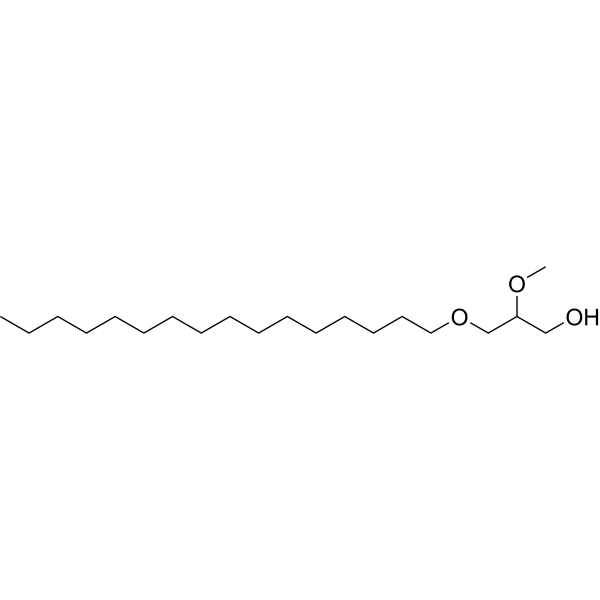
1-O-Hexadecyl-2-O-methylglycerol is a biochemical reagent that can be used as a biological material or organic compound for life science related research.
|
-
- HY-152770
-
|
|
Nucleoside Antimetabolite/Analog
|
Others
|
|
6-((2R,3R,4R,5R)-4-Hydroxy-5-(hydroxymethyl)-3-methoxytetrahydrofuran-2-yl)-3-(2-oxopropyl)imidazo[1,2-c]pyrimidin-5(6H)-one is a purine nucleoside analogue. Purine nucleoside analogs have broad antitumor activity targeting indolent lymphoid malignancies. Anticancer mechanisms in this process rely on inhibition of DNA synthesis, induction of apoptosis, etc .
|
-
![6-(2-O-Methyl-beta-D-ribofuranosyl)-3-(2-oxo-propyl)-6H-imidazo[1,2-c]pyrimidin-5-one](//file.medchemexpress.com/product_pic/hy-152770.gif)
- HY-P2592
-
-
- HY-125628
-
|
|
Endogenous Metabolite
|
Infection
|
|
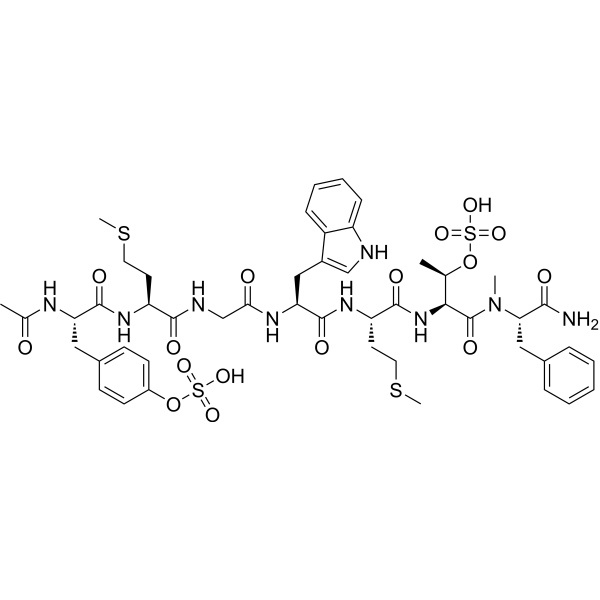
Kahalalide A is an anti-mycobacterial compound with antimicrobial activity. Kahalalide A is derived from the marine mollusk Elysia rufescens. Kahalalide A has attracted extensive attention in natural product research due to its potential medicinal value .
|
-

- HY-N17786
-
|
|
Drug Derivative
|
Others
|
|
2-O-Methyl-D-xylose is a derivative of Xylose (HY-N0537). 2-O-Methyl-D-xylose can be used as a biomarker for the cell wall polysaccharide RG-II, and changes in its content reveal the destructive effect of gene silencing on the cell wall structure .
|
-

- HY-W751672
-
|
hm5Cm
|
Nucleoside Antimetabolite/Analog
|
Others
|
|
2′-O-Methyl-5-hydromethylcytidine (hm5Cm) is a 5-hydroxymethylcytidine (HY-152854) derivative. 2′-O-Methyl-5-hydromethylcytidine has also been detected in tRNA .
|
-

- HY-N17785
-
|
|
Drug Derivative
|
Others
|
|
2-Methyl-2-O-methyl-L-fucose, a derivative of L-fucose (HY-W854443), is a natural sugar that can be found in Taxus cuspidata .
|
-

- HY-167813
-
|
|
Biochemical Assay Reagents
|
|
|
1-O-Palmityl-2-O-methyl-rac-glycero-3-phosphocholine is a synthetic phospholipid analogue with activity in studying lipid interactions and membrane asymmetry. 1-O-Palmityl-2-O-methyl-rac-glycero-3-phosphocholine is used to explore the overall stability of lipid bilayers. 1-O-Palmityl-2-O-methyl-rac-glycero-3-phosphocholine is of great significance for the study of membrane structure and function.
|
-

- HY-200316
-
-

- HY-W698718
-
|
|
Biochemical Assay Reagents
|
Others
|
|
N-Acetyl-2-O-methyl-β-neuraminic acid is a class of biochemical reagents used in glycobiology research. Glycobiology studies the structure, synthesis, biology, and evolution of sugars. It involves carbohydrate chemistry, enzymology of glycan formation and degradation, protein-glycan recognition, and the role of glycans in biological systems. This field is closely related to basic research, biomedicine, and biotechnology .
|
-

- HY-W700861
-
|
|
Biochemical Assay Reagents
|
Others
|
|
N-Acetyl-2-O-methyl-α-neuraminic acid methyl ester 4,7,8,9-tetraacetateis a class of biochemical reagents used in glycobiology research. Glycobiology studies the structure, synthesis, biology, and evolution of sugars. It involves carbohydrate chemistry, enzymology of glycan formation and degradation, protein-glycan recognition, and the role of glycans in biological systems. This field is closely related to basic research, biomedicine, and biotechnology .
|
-

- HY-W777372
-
|
|
Biochemical Assay Reagents
|
Others
|
|
Methyl 4-azido-4,6-dideoxy-2-O-methyl-3-O-(phenylmethyl)-α-D-glucopyranoside is a class of biochemical reagents used in glycobiology research. Glycobiology studies the structure, synthesis, biology, and evolution of sugars. It involves carbohydrate chemistry, enzymology of glycan formation and degradation, protein-glycan recognition, and the role of glycans in biological systems. This field is closely related to basic research, biomedicine, and biotechnology .
|
-

- HY-W714955
-
|
|
DNA/RNA Synthesis
Phosphoramidites
|
Others
|
|
(2R,3R,4R,5R)-2-((Bis(4-methoxyphenyl)(phenyl)methoxy)methyl)-4-methoxy-5-(6-methyl-2-oxo-2,7-dihydro-3H-pyrrolo[2,3-d]pyrimidin-3-yl)tetrahydrofuran-3-yl (2-cyanoethyl) diisopropylphosphoramidite is a phosphoramidite that can be used in the synthesis of oligonucleotides.
|
-

- HY-200335
-
|
|
DNA/RNA Synthesis
Phosphoramidites
|
Others
|
|
Uridine, 5′-O-[bis(4-methoxyphenyl)phenylmethyl]-2′-O-methyl-5-iodo-, 3′-[2-cyanoethyl N,N-bis(1-methylethyl)phosphoramidite] is a phosphoramidite that can be used in the synthesis of oligonucleotides.
|
-

- HY-200336
-
|
|
DNA/RNA Synthesis
Phosphoramidites
|
Others
|
|
Uridine, 5′-O-[bis(4-methoxyphenyl)phenylmethyl]-5-bromo-2′-O-methyl-, 3′-[2-cyanoethyl N,N-bis(1-methylethyl)phosphoramidite] is a phosphoramidite that can be used in the synthesis of oligonucleotides.
|
-

- HY-A0248AS1
-
|
|
Isotope-Labeled Compounds
Bacterial
|
Infection
|
|
Polymyxin B1-D-Leu-d7 TFA is the deuterium labeled Polymyxin B1 (HY-A0248A). Polymyxin B1 is a potent antimicrobial lipopeptide first derived from Bacilus polymyxa. Polymyxin B1 is the major component in Polymyxin B (HY-A0248). Polymyxin B1 can induce lysis of bacterial cells through interaction with their membranes. Polymyxin B1 has the potential for multidrug-resistant Gram-negative bacterial infections treatment [2].
|
-

| Cat. No. |
Product Name |
Type |
-
- HY-108987
-
|
|
Biochemical Assay Reagents
|
|
1-O-hexadecyl-2-O-methyl-sn-glycerol (PMG) is a biochemical reagent that can be used as a biological material or organic compound for life science related research.
|
-
- HY-W127608
-
|
|
Biochemical Assay Reagents
|
|
1-O-Octadecyl-2-O-methyl-rac-glycerol is a biochemical reagent that can be used as a biological material or organic compound for life science related research.
|
-
- HY-W776852
-
|
|
Biochemical Assay Reagents
|
|
2-O-Methyl-β-neuraminic acid is a class of biochemical reagents used in glycobiology research. Glycobiology studies the structure, synthesis, biology, and evolution of sugars. It involves carbohydrate chemistry, enzymology of glycan formation and degradation, protein-glycan recognition, and the role of glycans in biological systems. This field is closely related to basic research, biomedicine, and biotechnology .
|
-
- HY-W698881
-
|
|
Biochemical Assay Reagents
|
|
Methyl N-acetyl-2-O-methyl-β-neuraminate is a class of biochemical reagents used in glycobiology research. Glycobiology studies the structure, synthesis, biology, and evolution of sugars. It involves carbohydrate chemistry, enzymology of glycan formation and degradation, protein-glycan recognition, and the role of glycans in biological systems. This field is closely related to basic research, biomedicine, and biotechnology .
|
-
- HY-W794623
-
|
|
Biochemical Assay Reagents
|
|
Methyl 6-deoxy-2-O-methyl-α-D-galactopyranoside is a class of biochemical reagents used in glycobiology research. Glycobiology studies the structure, synthesis, biology, and evolution of sugars. It involves carbohydrate chemistry, enzymology of glycan formation and degradation, protein-glycan recognition, and the role of glycans in biological systems. This field is closely related to basic research, biomedicine, and biotechnology .
|
-
- HY-W700524
-
|
|
Biochemical Assay Reagents
|
|
Methyl 6-deoxy-2-O-methyl-3-O-benzyl-α-D-galactopyranoside is a class of biochemical reagents used in glycobiology research. Glycobiology studies the structure, synthesis, biology, and evolution of sugars. It involves carbohydrate chemistry, enzymology of glycan formation and degradation, protein-glycan recognition, and the role of glycans in biological systems. This field is closely related to basic research, biomedicine, and biotechnology .
|
-
- HY-W740309
-
|
|
Biochemical Assay Reagents
|
|
Methyl 6-deoxy-2-O-methyl-3,4-O-(1-methylethylidene)-α-D-galactopyranoside is a class of biochemical reagents used in glycobiology research. Glycobiology studies the structure, synthesis, biology, and evolution of sugars. It involves carbohydrate chemistry, enzymology of glycan formation and degradation, protein-glycan recognition, and the role of glycans in biological systems. This field is closely related to basic research, biomedicine, and biotechnology .
|
-
- HY-W777374
-
-
- HY-W436265
-
|
O-methyl-N-acetyl-2-deoxy-a-D-galactosamine
|
Biochemical Assay Reagents
|
|
O-Methyl-N-acetyl-2-deoxy-α-D-galactosamine (O-Methyl-N-acetyl-2-deoxy-a-D-galactosamine) is a class of biochemical reagents used in the study of glycobiology. Glycobiology studies the structure, synthesis, biology, and evolution of sugars. It deals with carbohydrate chemistry, glycan formation and degradation enzymology, protein-glycan recognition, and the role of glycans in biological systems. The field is closely related to basic research, biomedicine and biotechnology .
|
-
- HY-134080
-
|
1-O-Hexadecyl-2-O-methyl-rac-glycerol
|
Biochemical Assay Reagents
|
|
1-O-Hexadecyl-2-O-methylglycerol is a biochemical reagent that can be used as a biological material or organic compound for life science related research.
|
-
- HY-167813
-
|
|
Biochemical Assay Reagents
|
|
1-O-Palmityl-2-O-methyl-rac-glycero-3-phosphocholine is a synthetic phospholipid analogue with activity in studying lipid interactions and membrane asymmetry. 1-O-Palmityl-2-O-methyl-rac-glycero-3-phosphocholine is used to explore the overall stability of lipid bilayers. 1-O-Palmityl-2-O-methyl-rac-glycero-3-phosphocholine is of great significance for the study of membrane structure and function.
|
-
- HY-W698718
-
|
|
Biochemical Assay Reagents
|
|
N-Acetyl-2-O-methyl-β-neuraminic acid is a class of biochemical reagents used in glycobiology research. Glycobiology studies the structure, synthesis, biology, and evolution of sugars. It involves carbohydrate chemistry, enzymology of glycan formation and degradation, protein-glycan recognition, and the role of glycans in biological systems. This field is closely related to basic research, biomedicine, and biotechnology .
|
-
- HY-W700861
-
|
|
Biochemical Assay Reagents
|
|
N-Acetyl-2-O-methyl-α-neuraminic acid methyl ester 4,7,8,9-tetraacetateis a class of biochemical reagents used in glycobiology research. Glycobiology studies the structure, synthesis, biology, and evolution of sugars. It involves carbohydrate chemistry, enzymology of glycan formation and degradation, protein-glycan recognition, and the role of glycans in biological systems. This field is closely related to basic research, biomedicine, and biotechnology .
|
-
- HY-W777372
-
|
|
Biochemical Assay Reagents
|
|
Methyl 4-azido-4,6-dideoxy-2-O-methyl-3-O-(phenylmethyl)-α-D-glucopyranoside is a class of biochemical reagents used in glycobiology research. Glycobiology studies the structure, synthesis, biology, and evolution of sugars. It involves carbohydrate chemistry, enzymology of glycan formation and degradation, protein-glycan recognition, and the role of glycans in biological systems. This field is closely related to basic research, biomedicine, and biotechnology .
|
| Cat. No. |
Product Name |
Target |
Research Area |
-
- HY-134124
-
|
|
Reactive Oxygen Species (ROS)
|
Metabolic Disease
|
|
Glutathione ethyl ester is a cell-permeable GSH donor and provides an efficient supply of GSH to the oocyte. Glutathione ethyl ester shows positive effect on the in vitro production of embryos by enhancement of the antioxidative defense .
|
-
- HY-P10272
-
|
PTG-300
|
Ferroportin
|
Others
|
|
Rusfertide is a peptide mimetic of natural hepcidin, which targets and degrades ferroportin, reduces serum iron and transferrin-saturation, and thus regulates the production of red blood cells. Rusfertide ameliorates the polycythemia vera, β-thalassemia and hereditary hemochromatosis [2].
|
-
- HY-A0248A
-
|
|
Bacterial
|
Infection
|
|
Polymyxin B1 is a potent antimicrobial lipopeptide first derived from Bacilus polymyxa. Polymyxin B1 is the major component in Polymyxin B (HY-A0248). Polymyxin B1 can induce lysis of bacterial cells through interaction with their membranes. Polymyxin B1 has the potential for multidrug-resistant Gram-negative bacterial infections treatment [2].
|
-
- HY-P1108A
-
|
|
CRFR
|
Neurological Disease
Inflammation/Immunology
|
Astressin 2B TFA is a blood-brain barrier-impermeable, highly selective CRFR2 antagonist (rCRFR2, IC50=0.57 nM). Astressin 2B TFA blocks the protective effects mediated by CRFR2, thereby exacerbating indomethacin (HY-14397)-induced hemorrhagic intestinal injury in rats. Astressin 2B TFA reverses the protective effects of Urocortin 1 against intestinal hypermotility, bacterial invasion and upregulation of inflammatory mediators. Astressin 2B TFA also blocks the anxiogenic effect of Urocortin 2 and attenuates stress-induced anxiety-related behaviors. In the Clostridioides difficile toxin A (C. difficile toxin A)-mediated enteritis model, Astressin 2B TFA mimics the phenotype of CRFR2-deficient mice, significantly exacerbating intestinal epithelial damage, edema, neutrophil migration and the expression of multiple proinflammatory cytokines. Astressin 2B TFA is an important tool molecule for investigating the intestinal protective mechanisms of CRFR2 [2] .
|
-
- HY-P1108
-
|
|
CRFR
|
Neurological Disease
Inflammation/Immunology
|
Astressin 2B is a blood-brain barrier-impermeable, highly selective CRFR2 antagonist (rCRFR2, IC50=0.57 nM). Astressin 2B blocks the protective effects mediated by CRFR2, thereby exacerbating indomethacin (HY-14397)-induced hemorrhagic intestinal injury in rats. Astressin 2B reverses the protective effects of Urocortin 1 against intestinal hypermotility, bacterial invasion and upregulation of inflammatory mediators. Astressin 2B also blocks the anxiogenic effect of Urocortin 2 and attenuates stress-induced anxiety-related behaviors. In the Clostridioides difficile toxin A (C. difficile toxin A)-mediated enteritis model, Astressin 2B mimics the phenotype of CRFR2-deficient mice, significantly exacerbating intestinal epithelial damage, edema, neutrophil migration and the expression of multiple proinflammatory cytokines. Astressin 2B is an important tool molecule for investigating the intestinal protective mechanisms of CRFR2 [2] .
|
-
- HY-P10143
-
|
Ac-Pro-Leu-Gly-[(S)-2-mercapto-4-methyl-pentanoyl]-Leu-Gly-OEt
|
MMP
|
Others
|
|
MMP-2/MMP-9 Substrate (Ac-Pro-Leu-Gly-[(S)-2-mercapto-4-methyl-pentanoyl]-Leu-Gly-OEt) is a synthetic chromogenic polypeptide substrate whose core structure mimics the cleavage sites of MMP-2 and MMP-9 (gelatinase A and B) in collagen. After being hydrolyzed by collagenase, MMP-2/MMP-9 Substrate reacts with 4,4'-dithiodipyridine or Ellman's Reagent via its thiol fragment to produce a product with ultraviolet absorption properties [2].
|
-
- HY-A0248AS
-
|
|
Isotope-Labeled Compounds
Bacterial
|
Infection
|
|
Polymyxin B1-d7 TFA is the deuterium labeled Polymyxin B1 TFA (HY-A0248A). Polymyxin B1 is a potent antimicrobial lipopeptide first derived from Bacilus polymyxa. Polymyxin B1 is the major component in Polymyxin B (HY-A0248). Polymyxin B1 can induce lysis of bacterial cells through interaction with their membranes. Polymyxin B1 has the potential for multidrug-resistant Gram-negative bacterial infections treatment [2].
|
-
- HY-P10563
-
|
BHV-1100
|
CD38
|
Cancer
|
|
Noraramtide (BHV-1100) is an antibody recruitment molecule. Noraramtide can specifically bind to CD38 molecules to recruit natural killer (NK) cells. Noraramtide enhances the ability of NK cells to kill tumor cells through antibody-dependent cellular cytotoxicity (ADCC). This mechanism allows NK cells to more effectively recognize and eliminate tumor cells while avoiding mutual killing between NK cells. Noraramtide can be used for the study of autologous cancer immunity .
|
-
- HY-P3066
-
|
d(CH2)5Tyr(Et)VAVP
|
Vasopressin Receptor
|
Metabolic Disease
|
|
SKF 100398 (d(CH2)5Tyr(Et)VAVP), an arginine vasopressin (AVP) analogue, is a specific antagonist of the antidiuretic effect of exogenous and endogenous AVP .
|
-
- HY-P10828
-
|
|
Virus Protease
|
Infection
Inflammation/Immunology
|
|
MAPI is a polypeptide irreversible 3C cysteine protease (SV3CP) inhibitor. MAPI inhibits SV3CP by covalently binding its C-terminal Michael-acceptor extension to the active site thiol of SV3CP Cys 139. MAPI is promising for research of noroviruses infection .
|
-
- HY-P4756
-
|
|
Peptides
|
Others
|
|
N-(2-Carbamoyl-ethyl)-Val-Leu-anilide is a polypeptide that can be found by peptide screening. Peptide screening is a research tool that pools active peptides primarily by immunoassay. Peptide screening can be used for protein interaction, functional analysis, epitope screening, especially in the field of agent research and development .
|
-
- HY-P2592
-
-
- HY-125628
-
|
|
Endogenous Metabolite
|
Infection
|
|
Kahalalide A is an anti-mycobacterial compound with antimicrobial activity. Kahalalide A is derived from the marine mollusk Elysia rufescens. Kahalalide A has attracted extensive attention in natural product research due to its potential medicinal value .
|
-
- HY-A0248AS1
-
|
|
Isotope-Labeled Compounds
Bacterial
|
Infection
|
|
Polymyxin B1-D-Leu-d7 TFA is the deuterium labeled Polymyxin B1 (HY-A0248A). Polymyxin B1 is a potent antimicrobial lipopeptide first derived from Bacilus polymyxa. Polymyxin B1 is the major component in Polymyxin B (HY-A0248). Polymyxin B1 can induce lysis of bacterial cells through interaction with their membranes. Polymyxin B1 has the potential for multidrug-resistant Gram-negative bacterial infections treatment [2].
|
| Cat. No. |
Product Name |
Category |
Target |
Chemical Structure |
| Cat. No. |
Product Name |
Chemical Structure |
-
- HY-A0248AS
-
|
|
|
Polymyxin B1-d7 TFA is the deuterium labeled Polymyxin B1 TFA (HY-A0248A). Polymyxin B1 is a potent antimicrobial lipopeptide first derived from Bacilus polymyxa. Polymyxin B1 is the major component in Polymyxin B (HY-A0248). Polymyxin B1 can induce lysis of bacterial cells through interaction with their membranes. Polymyxin B1 has the potential for multidrug-resistant Gram-negative bacterial infections treatment [2].
|
-
-
- HY-167925S
-
|
|
|
2'-O-Methyl Uridine-d3 is the deuterium labeled Rec 15/2615 (HY-167925). Rec 15/2615 is a potent α(1)-adrenergic agonist that stimulates small cholangiocyte proliferation through the activation of calcium-dependent signaling pathways.
|
-
-
- HY-W744002
-
|
|
|
2'-O-Methyl-d3 Paclitaxel is the deuterium labeled 2'-O-Methyl Paclitaxel (HY-W741186).
|
-
-
- HY-W753672
-
|
|
|
2'-O-Methyl Adenosine-d3 is deuterium labeled 2'-O-Methyl Adenosine. 2'-O-Methyl Adenosine, a methylated adenine residue is found in urine of normals as well as in urine of adenosine deaminase (ADA) deficient patients. 2'-O-Methyl Adenosine exhibits unique hypotensive activities [2].
|
-
-
- HY-A0248AS1
-
|
|
|
Polymyxin B1-D-Leu-d7 TFA is the deuterium labeled Polymyxin B1 (HY-A0248A). Polymyxin B1 is a potent antimicrobial lipopeptide first derived from Bacilus polymyxa. Polymyxin B1 is the major component in Polymyxin B (HY-A0248). Polymyxin B1 can induce lysis of bacterial cells through interaction with their membranes. Polymyxin B1 has the potential for multidrug-resistant Gram-negative bacterial infections treatment [2].
|
-
| Cat. No. |
Product Name |
|
Classification |
-
- HY-154377
-
|
|
|
Azide
|
|
5’-Azido-5’-deoxy-2’-O-methyl-5-methyluridine is a purine nucleoside analog. Purine nucleoside analogs have broad antitumor activity targeting indolent lymphoid malignancies. Anticancer mechanisms in this process rely on inhibition of DNA synthesis, induction of apoptosis, etc . 5'-Azido-5'-deoxy-2'-O-methyl-5-methyluridine is a click chemistry reagent, it contains an Azide group and can undergo copper-catalyzed azide-alkyne cycloaddition reaction (CuAAc) with molecules containing Alkyne groups. It can also undergo strain-promoted alkyne-azide cycloaddition (SPAAC) reactions with molecules containing DBCO or BCN groups.
|
| Cat. No. |
Product Name |
|
Classification |
-
- HY-138579
-
|
DMT-2'-O-methyl-rG(ib) Phosphoramidite
|
|
Phosphoramidites
Guanine
|
|
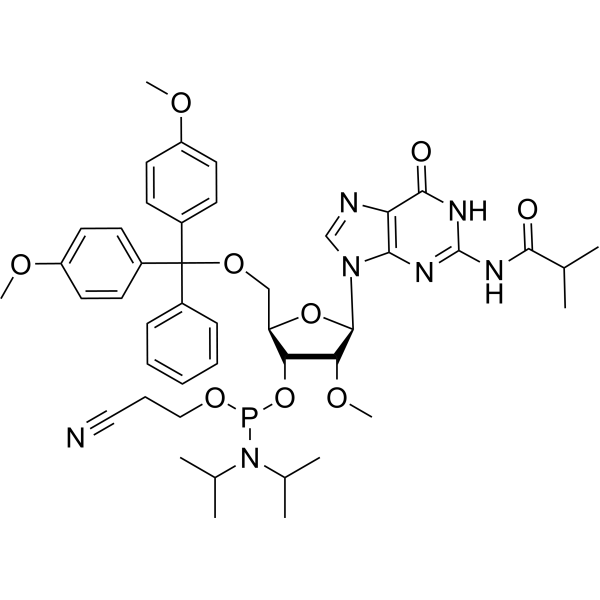
2'-OMe-G(ibu) Phosphoramidite (DMT-2'-O-Methyl-rG(ib) Phosphoramidite) is a modified phosphoramidite monomer that can be used for the oligonucleotide synthesis .
|
-
- HY-W101391
-
|
2'-O-Me-U Phosphoramidite
|
|
Phosphoramidites
Uracil
|
|
DMT-2'O-Methyl-rU Phosphoramidite (2'-O-Me-U Phosphoramidite) is a 2'-O-Me derivative, and can be used for oligonucleotide synthesis [2].
|
-
- HY-145724
-
|
Kyndrisa; GSK2402968A; PRO051
|
|
Antisense Oligonucleotides
|
|
Drisapersen (Kyndrisa) is a 2 '-O-methyl phosphorothioate RNA antisense oligonucleotide that induces exon 51 skipping. Drisapersen induces skipping of exon 51 during Dystrophin pre-mRNA splicing, allowing the synthesis of partially functional Dystrophin. Drisapersen can be used in research related to Duchenne muscular dystrophy [2].
|
-
- HY-145998
-
|
m8Gm
|
|
Nucleoside Analogs
Guanosine
|
|
2′-O-Methyl-8-methyl guanosine (m8Gm) is a Z-form RNA stabilizer. 2′-O-Methyl-8-methyl guanosine can markedly stabilize the Z-RNA at low salt conditions . m8Gm-contained oligonucleotides stabilize
the Z-DNA under low salt conditions [2].
|
-
- HY-W100234
-
|
2'-O-methyl-5-methyluridine
|
|
Nucleoside Analogs
Uridine
|
|
5-Methyl-2’-O-methyl-uridine (2'-O-methyl-5-methyluridine) is a thymidine analog. Analogs of this series have insertional activity towards replicated DNA. They can be used to label cells and track DNA synthesis. 5-Methyl-2’-O-methyl-uridine is a modified nucleoside that can be found in tRNA isolated from rabbit liver [2].
|
-
- HY-152693
-
|
|
|
Nucleoside Analogs
Cytidine
|
|
N4-Methyl-2’-O-methyl-cytidine is a purine nucleoside analogue. Purine nucleoside analogs have broad antitumor activity targeting indolent lymphoid malignancies. Anticancer mechanisms in this process rely on inhibition of DNA synthesis, induction of apoptosis, etc .
|
-
- HY-21286
-
|
|
|
Nucleoside Analogs
Guanosine
|
|
N2-Isobutyryl-2'-O-methylguanosine is a nucleic acid synthesis intermediate (e.g., used in antisense oligonucleotides, mRNA modification), for example, it is a key monomer for the synthesis of 2'-O-methyl oligoribonucleotides. N2-Isobutyryl-2'-O-methylguanosine enables the final product to form stable double strands with complementary RNA and is not easily degraded by nucleases. N2-Isobutyryl-2'-O-methylguanosine is mainly used in molecular biology research, and can be used to prepare RNA hybridization probes or participate in related biochemical research such as pre-mRNA splicing mechanisms .
|
-
- HY-152706
-
|
|
|
Nucleoside Analogs
Guanosine
|
|
2’-O-Methyl-N2,N2-dimethyl-guanosine is a purine nucleoside analogue. Purine nucleoside analogs have broad antitumor activity targeting indolent lymphoid malignancies. Anticancer mechanisms in this process rely on inhibition of DNA synthesis, induction of apoptosis, etc .
|
-
- HY-154223
-
|
|
|
Phosphoramidites
Uracil
|
|
5'-O-(4,4'-Dimethoxytrityl)-2'-O-methyl-2-thiouridine is a purine nucleoside analog. Purine nucleoside analogs have broad antitumor activity targeting indolent lymphoid malignancies. Anticancer mechanisms in this process rely on inhibition of DNA synthesis, induction of apoptosis, etc .
|
-
- HY-154490
-
|
|
|
Nucleoside Analogs
Uridine
|
|
5-(Furan-2-yl)-2’-O-methyl-5’-O-DMTr-uridine is a purine nucleoside analog. Purine nucleoside analogs have broad antitumor activity targeting indolent lymphoid malignancies. Anticancer mechanisms in this process rely on inhibition of DNA synthesis, induction of apoptosis, etc .
|
-
- HY-154582
-
|
|
|
Nucleoside Analogs
Uridine
|
|
5-Naphthyl-beta-methylaminocarbony-3’-O-acetyl-2’-O-methyl-5’-O-DMTr-uridine is a uridine analog. Uridine has potential antiepileptic effects, and its analogs can be used to study anticonvulsant and anxiolytic activities, as well as to develop new antihypertensive agents .
|
-
- HY-154485
-
|
|
|
Phosphoramidites
Adenine
|
|
5'-O-DMTr-2'-O-methyl-N6-methyl adenosine 3'-CED phosphoramidite is an adenosine analog. Adenosine analogs mostly act as smooth muscle vasodilators and have also been shown to inhibit cancer progression. Its popular products are adenosine phosphate, Acadesine (HY-13417), Clofarabine (HY-A0005), Fludarabine phosphate (HY-B0028) and Vidarabine (HY-B0277) .
|
-
- HY-154380
-
|
|
|
Nucleoside Analogs
|
|
6-Chloro-9-(3,5-di-O-acetyl-2-O-methyl-β-D-ribofuranosyl)-9H-purine is a purine nucleoside analog. Purine nucleoside analogs have broad antitumor activity targeting indolent lymphoid malignancies. Anticancer mechanisms in this process rely on inhibition of DNA synthesis, induction of apoptosis, etc .
|
-
- HY-W091754
-
|
|
|
Phosphoramidites
Guanine
|
|
5'-O-Dmt-n2-isobutyryl-2'-o-methyl-d-guanosine is a nucleoside that is made using an oxime opening of the 5' position and a methylation at the 2' position. 5'-O-Dmt-n2-isobutyryl-2'-o-methyl-d-guanosine has been shown to have an affinity for tissues in a chemotactic assay.
|
-
- HY-154375
-
|
|
|
Nucleoside Analogs
Uridine
|
|
5’-Deoxy-5’-iodo-2’-O-methyl-5-methyluridine is a purine nucleoside analog. Purine nucleoside analogs have broad antitumor activity targeting indolent lymphoid malignancies. Anticancer mechanisms in this process rely on inhibition of DNA synthesis, induction of apoptosis, etc .
|
-
- HY-W392836
-
|
|
|
Phosphoramidites
Hypoxanthine
|
|
2'-O-Methyl-5'-O-dmt-inosine-3'-CE-phosphoramidite is a hypoxanthine analog. Hypoxanthine is a kind of purine base mainly present in muscle tissue. And it is a metabolite produced by purine oxidase acting on xanthine. Hypoxanthine has typical anti-inflammatory effects and is a potential endogenous poly(ADP-ribose) polymerase (PARP) inhibitor. It is cytoprotective by inhibiting PAPR activity, inhibiting peroxynitrite-induced mitochondrial depolarization and secondary superoxide production. Hypoxanthine can also be used as an indicator of hypoxia [2].
|
-
- HY-21713
-
|
|
|
Phosphoramidites
Cytosine
|
|
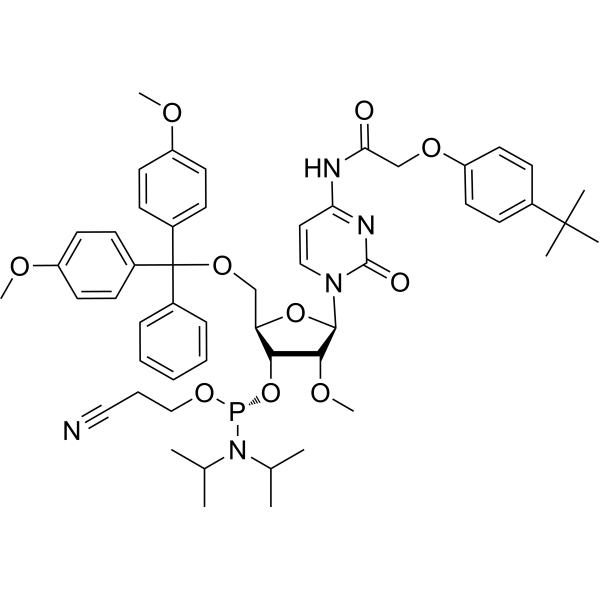
DMT-2'O-Methyl-rC(tac) Phosphoramidite is a phosphoramidite that can be used in the synthesis of oligonucleotides.
|
-
- HY-177371
-
|
|
|
saRNAs
|
|
CEBPA-51 saRNA, a double-stranded RNA oligo duplex to specifically upregulate the transcription of the CEBPA gene. CEBPA-51 saRNA contains multiple 2′-O-methyl modified bases to prevent nonspecific immunostimulatory activity .
|
-
- HY-150017
-
-
- HY-152513
-
|
|
|
Nucleoside Analogs
Uridine
|
|
2’-O-Methyl-4-thiouridine is a purine nucleoside analogue. Purine nucleoside analogs have broad antitumor activity targeting indolent lymphoid malignancies. Anticancer mechanisms in this process rely on inhibition of DNA synthesis, induction of apoptosis, etc .
|
-
- HY-152836
-
|
|
|
Nucleoside Analogs
Uridine
|
|
2’-O-Methyl-5-hydroxymethyluridine is a purine nucleoside analogue. Purine nucleoside analogs have broad antitumor activity targeting indolent lymphoid malignancies. Anticancer mechanisms in this process rely on inhibition of DNA synthesis, induction of apoptosis, etc .
|
-
- HY-152717
-
|
|
|
Nucleoside Analogs
Uridine
|
|
2’-O-Methyl-2-thiouridine is a purine nucleoside analogue. Purine nucleoside analogs have broad antitumor activity targeting indolent lymphoid malignancies. Anticancer mechanisms in this process rely on inhibition of DNA synthesis, induction of apoptosis, etc .
|
-
- HY-152635
-
|
|
|
Nucleoside Analogs
Adenosine
|
|
8-Chloro-2’-O-methyl adenosine is a purine nucleoside analog. Purine nucleoside analogs have broad antitumor activity targeting indolent lymphoid malignancies. Anticancer mechanisms in this process rely on inhibition of DNA synthesis, induction of apoptosis, etc .
|
-
- HY-152501
-
|
|
|
Nucleoside Analogs
Inosine
|
|
8-Chloro-2’-O-methyl inosine is a purine nucleoside analog. Purine nucleoside analogs have broad antitumor activity targeting indolent lymphoid malignancies. Anticancer mechanisms in this process rely on inhibition of DNA synthesis, induction of apoptosis, etc .
|
-
- HY-152466
-
|
|
|
Nucleoside Analogs
Adenosine
|
|
2’-O-Methyl-N1-methyladenosine is a purine nucleoside analog. Purine nucleoside analogs have broad antitumor activity targeting indolent lymphoid malignancies. Anticancer mechanisms in this process rely on inhibition of DNA synthesis, induction of apoptosis, etc .
|
-
- HY-154317
-
|
|
|
Nucleoside Analogs
Uridine
|
|
2’-O-Methyl-5-methyluridine 5’-triphosphate (triethylammonium) is a thymidine analog. Analogs of this series have insertional activity towards replicated DNA. They can be used to label cells and track DNA synthesis .
|
-
- HY-157339
-
|
|
|
Phosphoramidites
Adenine
|
|
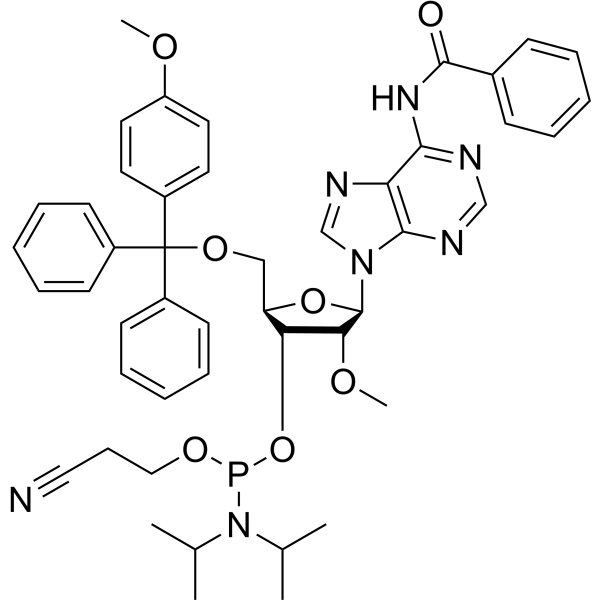
MMT-2'-O-Methyl adenosine (n-bz) CED phosphoramidite (compound 1) is a purine nucleoside analogue. Purine nucleoside analogs have broad antitumor activity targeting indolent lymphoid malignancies .
|
-
- HY-152518
-
|
|
|
Nucleoside Analogs
Uridine
|
|
2’-O-Methyl-5-methyl-4-thiouridine is a purine nucleoside analogue. Purine nucleoside analogs have broad antitumor activity targeting indolent lymphoid malignancies. Anticancer mechanisms in this process rely on inhibition of DNA synthesis, induction of apoptosis, etc .
|
-
- HY-W342904
-
|
5'-O-[Bis(4-methoxyphenyl)phenylmethyl]-5-iodo-2'-O-methyl-uridine
|
|
Nucleoside Analogs
Uridine
|
|
2’-O-Methyl-5’-O-DMTr-5-iodouridine is a purine nucleoside analog. Purine nucleoside analogs have broad antitumor activity targeting indolent lymphoid malignancies. Anticancer mechanisms in this process rely on inhibition of DNA synthesis, induction of apoptosis, etc .
|
-
- HY-154376
-
|
|
|
Nucleoside Analogs
Uridine
|
|
4’,5’-Didehydro-2’-O-methyl-5-methyluridine is a purine nucleoside analog. Purine nucleoside analogs have broad antitumor activity targeting indolent lymphoid malignancies. Anticancer mechanisms in this process rely on inhibition of DNA synthesis, induction of apoptosis, etc .
|
-
- HY-152796
-
|
|
|
Nucleoside Analogs
Uridine
|
|
5-Furan-2-yl-2’-O-methyl uridine is a purine nucleoside analogue. Purine nucleoside analogs have broad antitumor activity targeting indolent lymphoid malignancies. Anticancer mechanisms in this process rely on inhibition of DNA synthesis, induction of apoptosis, etc .
|
-
- HY-154377
-
|
|
|
Nucleoside Analogs
Uridine
|
|
5’-Azido-5’-deoxy-2’-O-methyl-5-methyluridine is a purine nucleoside analog. Purine nucleoside analogs have broad antitumor activity targeting indolent lymphoid malignancies. Anticancer mechanisms in this process rely on inhibition of DNA synthesis, induction of apoptosis, etc . 5'-Azido-5'-deoxy-2'-O-methyl-5-methyluridine is a click chemistry reagent, it contains an Azide group and can undergo copper-catalyzed azide-alkyne cycloaddition reaction (CuAAc) with molecules containing Alkyne groups. It can also undergo strain-promoted alkyne-azide cycloaddition (SPAAC) reactions with molecules containing DBCO or BCN groups.
|
-
- HY-152876
-
|
|
|
Nucleoside Analogs
|
|
6-Chloro-9-(2-O-methyl-beta-D-ribofuranosyl)-9H-purin-2-amine is a purine nucleoside analogue. Purine nucleoside analogs have broad antitumor activity targeting indolent lymphoid malignancies. Anticancer mechanisms in this process rely on inhibition of DNA synthesis, induction of apoptosis, etc .
|
-
- HY-152660
-
|
|
|
Nucleoside Analogs
|
|
2-Amino-6-O-methyl-2’-O-methyl purine riboside is a purine nucleoside analog. Purine nucleoside analogs have broad antitumor activity targeting indolent lymphoid malignancies. Anticancer mechanisms in this process rely on inhibition of DNA synthesis, induction of apoptosis, etc .
|
-
- HY-154587
-
|
|
|
Nucleoside Analogs
Uridine
|
|
1-[6-(Diethoxyphosphinyl)-2-O-methyl-β-D-ribo-hexofuranosyl]uracil is a purine nucleoside analog. Purine nucleoside analogs have broad antitumor activity targeting indolent lymphoid malignancies. Anticancer mechanisms in this process rely on inhibition of DNA synthesis, induction of apoptosis, etc .
|
-
- HY-154588
-
|
|
|
Nucleoside Analogs
Uridine
|
|
1-[6-Phosphono-2-O-methyl-β-D-ribo-hexofuranosyl]uracil is a purine nucleoside analog. Purine nucleoside analogs have broad antitumor activity targeting indolent lymphoid malignancies. Anticancer mechanisms in this process rely on inhibition of DNA synthesis, induction of apoptosis, etc .
|
-
- HY-154000
-
|
|
|
Nucleoside Analogs
Cytidine
|
|
3,5’-Bis(O-t-butyldimethylsilyl)-2’-O-methyl-5-methyl cytidine is a cytidine analog. Cytidine analogs have a mechanism of inhibiting DNA methyltransferases (such as Zebularine, HY-13420), and have potential anti-metabolic and anti-tumor activities .
|
-
- HY-154581
-
|
|
|
Nucleoside Analogs
Cytidine
|
|
5-(Furan-2-yl)-2’-O-methyl-5’-O-DMTr-cytidine is a purine nucleoside analog. Purine nucleoside analogs have broad antitumor activity targeting indolent lymphoid malignancies. Anticancer mechanisms in this process rely on inhibition of DNA synthesis, induction of apoptosis, etc .
|
-
- HY-154684
-
|
|
|
Nucleoside Analogs
Uridine
|
|
5-Benzylamino carbonyl-3’-O-acetyl-2’-O-methyl-5’-O-DMTr-uridine is a thymidine analog. Analogs of this series have insertional activity towards replicated DNA. They can be used to label cells and track DNA synthesis .
|
-
- HY-154379
-
|
|
|
Nucleoside Analogs
|
|
3',5'-Di-O-acetyl-2'-O-methyl-6-chloro-2-aminopurine riboside is a purine nucleoside analog. Purine nucleoside analogs have broad antitumor activity targeting indolent lymphoid malignancies. Anticancer mechanisms in this process rely on inhibition of DNA synthesis, induction of apoptosis, etc .
|
-
- HY-W395015
-
|
5'-O-(DIMETHOXYTRITYL)-2'-O-methylINOSINE
|
|
Phosphoramidites
Hypoxanthine
|
|
5’-O-(4,4-Dimethoxytrityl)-2’-O-methyl inosine is a purine nucleoside analog. Purine nucleoside analogs have broad antitumor activity targeting indolent lymphoid malignancies. Anticancer mechanisms in this process rely on inhibition of DNA synthesis, induction of apoptosis, etc .
|
-
- HY-152770
-
|
|
|
Nucleoside Analogs
|
|
6-((2R,3R,4R,5R)-4-Hydroxy-5-(hydroxymethyl)-3-methoxytetrahydrofuran-2-yl)-3-(2-oxopropyl)imidazo[1,2-c]pyrimidin-5(6H)-one is a purine nucleoside analogue. Purine nucleoside analogs have broad antitumor activity targeting indolent lymphoid malignancies. Anticancer mechanisms in this process rely on inhibition of DNA synthesis, induction of apoptosis, etc .
|
-
- HY-200316
-
|
|
|
Phosphoramidites
Uracil
|
|
DMTr-2'-O-(Methyl palmitate)-rU-3'-CE-phosphoramidite is a monomeric raw material that can be used for nucleic acid synthesis.
|
-
- HY-W714955
-
|
|
|
Phosphoramidites
Other Phosphoramidite
|
|
(2R,3R,4R,5R)-2-((Bis(4-methoxyphenyl)(phenyl)methoxy)methyl)-4-methoxy-5-(6-methyl-2-oxo-2,7-dihydro-3H-pyrrolo[2,3-d]pyrimidin-3-yl)tetrahydrofuran-3-yl (2-cyanoethyl) diisopropylphosphoramidite is a phosphoramidite that can be used in the synthesis of oligonucleotides.
|
-
- HY-200335
-
|
|
|
Phosphoramidites
Uracil
|
|
Uridine, 5′-O-[bis(4-methoxyphenyl)phenylmethyl]-2′-O-methyl-5-iodo-, 3′-[2-cyanoethyl N,N-bis(1-methylethyl)phosphoramidite] is a phosphoramidite that can be used in the synthesis of oligonucleotides.
|
-
- HY-200336
-
|
|
|
Phosphoramidites
Uracil
|
|
Uridine, 5′-O-[bis(4-methoxyphenyl)phenylmethyl]-5-bromo-2′-O-methyl-, 3′-[2-cyanoethyl N,N-bis(1-methylethyl)phosphoramidite] is a phosphoramidite that can be used in the synthesis of oligonucleotides.
|
Your information is safe with us. * Required Fields.
Inquiry Information
- Product Name:
- Cat. No.:
- Quantity:
- MCE Japan Authorized Agent:





![1-[6-(Diethoxyphosphinyl)-2-O-methyl-β-D-ribo-hexofuranosyl]uracil](http://file.medchemexpress.com/product_pic/hy-154587.gif)
![1-[6-Phosphono-2-O-methyl-β-D-ribo-hexofuranosyl]uracil](http://file.medchemexpress.com/product_pic/hy-154588.gif)


![6-(2-O-Methyl-beta-D-ribofuranosyl)-3-(2-oxo-propyl)-6H-imidazo[1,2-c]pyrimidin-5-one](http://file.medchemexpress.com/product_pic/hy-152770.gif)





