



Autophagy
Autophagy is a conserved cellular degradation and recycling process in the lysosome. In mammalian cells, there are three primary types of autophagy: microautophagy, macroautophagy, and chaperone-mediated autophagy (CMA). Microphagy captures cargoes by means of invaginations or protrusions of the lysosomal membrane directly, CMA uses chaperones to identify cargo proteins and then unfolds and transfers them into the lysosomal, while macroautophagy sequesters cargo by autophagosomes-de novo synthesized of double-membrane vesicles-and subsequently transport it to the lysosome.
Macroautophagy is the best studied and it occurs at a low level constitutively and can also be further induced under stress conditions, such as nutrient or energy starvation with a salient feature of autophagy protein degradation. Stress-induced macrophagy plays an important role in protein catabolism with another key protein degradation pathway, the ubiquitin–proteasome system (UPS).
As the study progressed, autophagy gains its importance under basal, nutrient-rich conditions, and is now recognized as a critical housekeeping pathway in catabolism of diverse cellular constituents, such as protein aggregates (aggrephagy), lipid droplets (lipophagy), iron complex (Ferritinophagy) and carbohydrate. Except for macromolecules, autophagy can also target several organelles and structures, such as mitochondria (mitophagy), peroxisome (pexophagy), endoplasmic reticulum (reticulophagy or ER-phagy), ribosome (ribophagy), spermatozoon-inherited organelles following fertilization (allophagy), secretory granules within pancreatic cells (zymophagy) and intracellular pathogens (xenophagy).
Autophagy and its dysfunction are associated with a variety of human pathologies, including ageing, cancer, neurodegenerative disease, heart disease and metabolic diseases, such as diabetes. Plenty of drugs and natural products are involved in autophagy modulation through multiple signaling pathways. Small molecules that can regulate autophagy seem to have great potential to intervene such diseases in animal models or clinical courses.
All Product Categories
-
Autophagy Inhibitors
(485)
View all products
-
Autophagy Agonists
(6)
View all products
-
Autophagy Activators
(124)
View all products
-
Autophagy Modulators
(59)
View all products
-
Autophagy Chemicals
(2)
View all products
-
Autophagy Inducers
(2200)
View all products
-
Autophagy Controls
(5)
View all products
-
Autophagy Ligand
(1)
View all products
-
Autophagy Related Products (3416)
Related Products (3416)

-
Antibodies (31)
-
Autophagy Signaling Pathway
-
Obeticholic acid
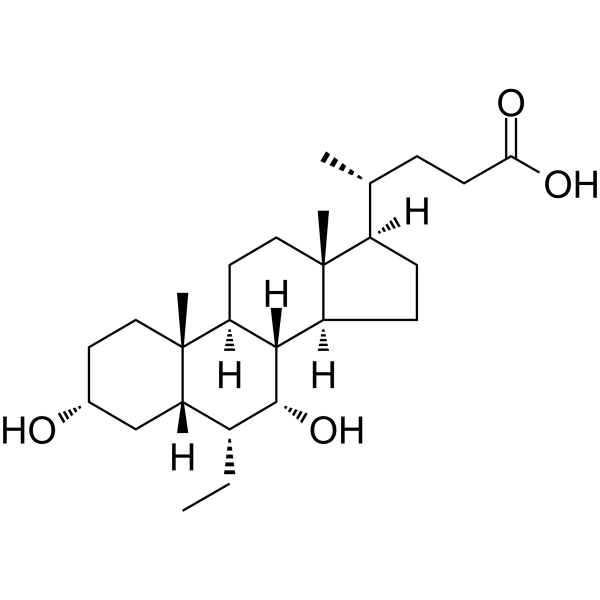 0 ImagesSynonyms: INT-747; 6-ECDCA; 6-Ethylchenodeoxycholic acid
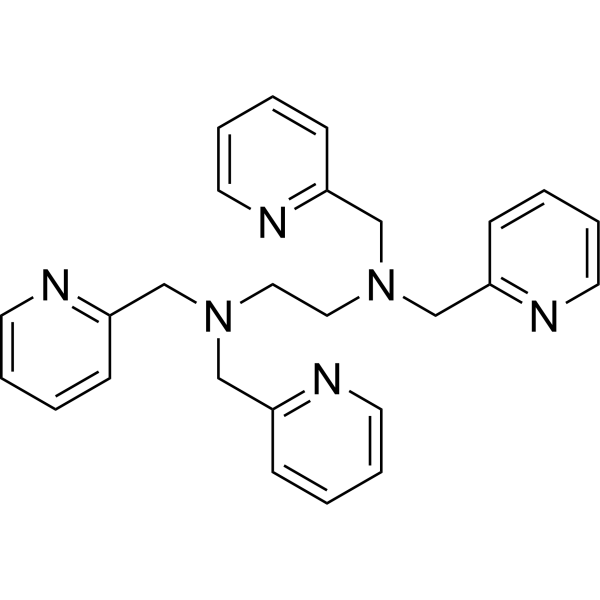
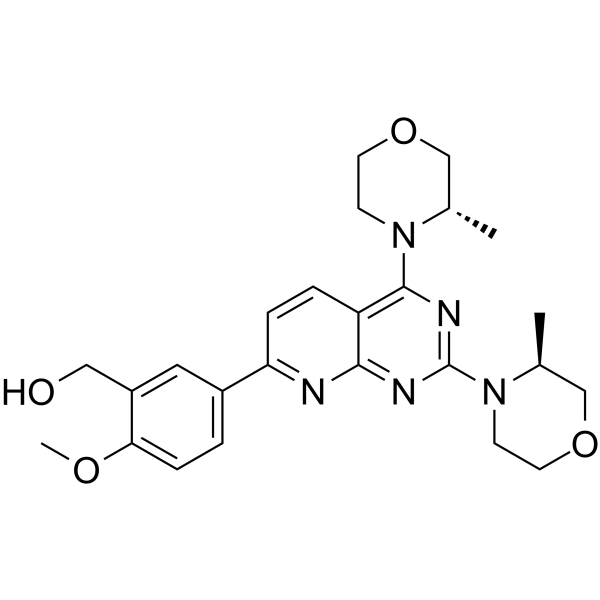
-
E-64
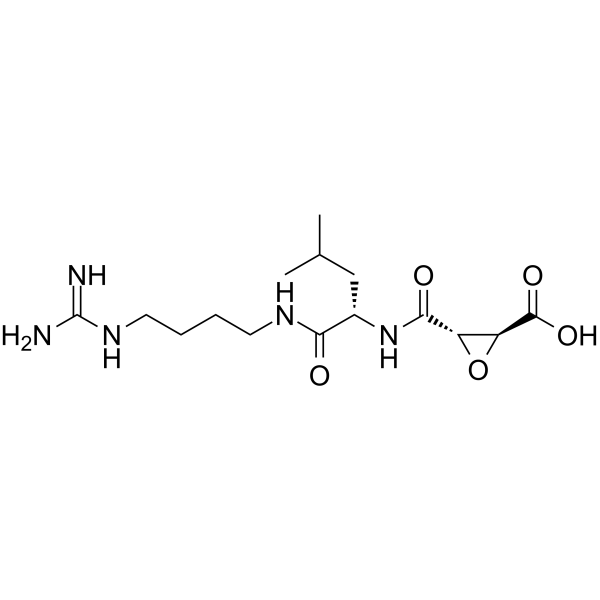 0 ImagesSynonyms: Proteinase inhibitor E 64E-64 (Proteinase inhibitor E 64) is a potent irreversible inhibitor against general cysteine proteases with IC50 of 9 nM for papain.
-
Nifedipine
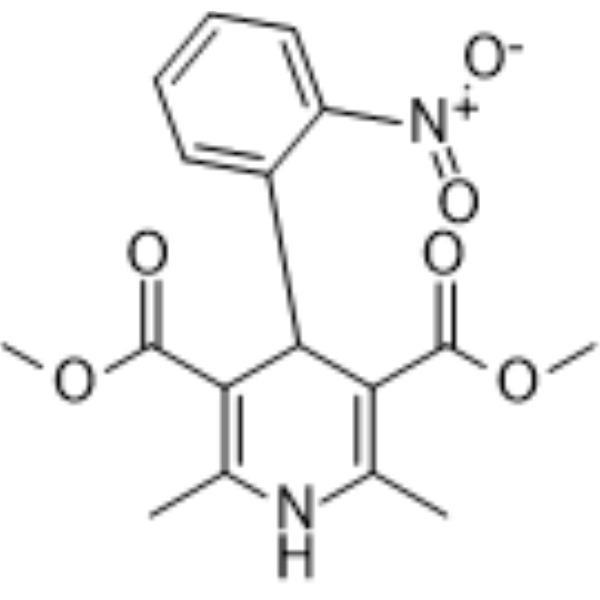 0 ImagesSynonyms: BAY-a-1040Nifedipine (BAY-a-1040) is a potent calcium channel blocker and agent of choice for cardiac insufficiencies.
-
Ivermectin
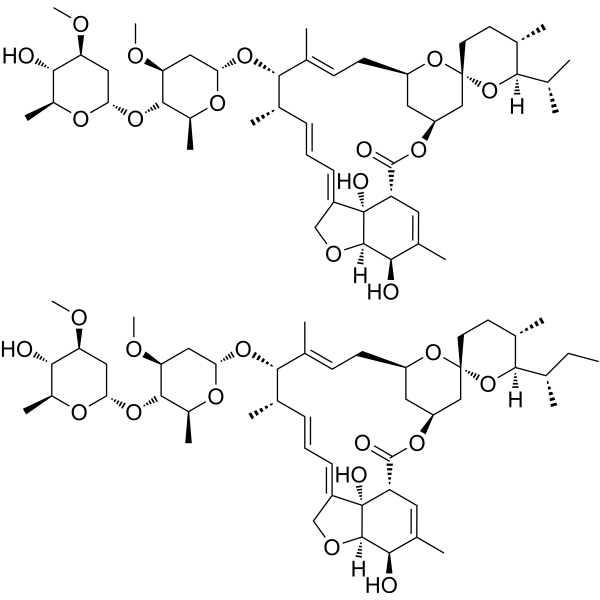 0 ImagesSynonyms: MK-933; CD-5024; K-237Ivermectin (MK-933) is a broad-spectrum anti-parasite agent. Ivermectin (MK-933) is a specific inhibitor of Impα/β1-mediated nuclear import and has potent antiviral activity towards both HIV-1 and dengue virus. It is a positive allosteric effector of P2X4 and the α7 neuronal nicotinic acetylcholine receptor (nAChRs). Ivermectin also inhibits bovine herpesvirus1 (BoHV-1) replication and inhibits BoHV-1 DNA polymerase nuclear import. Ivermectin is a candidate therapeutic against SARS-CoV-2/COVID-19.
-
Acetyl Coenzyme A trisodium
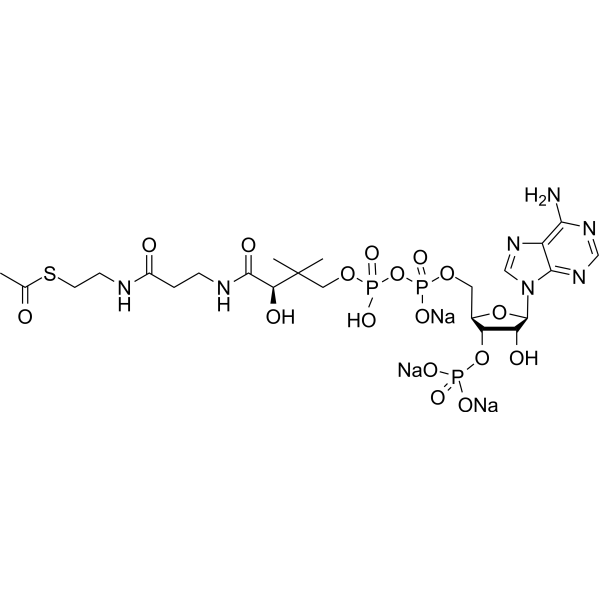 0 ImagesSynonyms: Acetyl-CoA trisodiumAcetyl-coenzyme A (Acetyl-CoA) trisodium is a membrane-impermeant central metabolic intermediate, participates in the TCA cycle and oxidative phosphorylation metabolism. Acetyl-coenzyme A trisodium, regulates various cellular mechanisms by providing (sole donor) acetyl groups to target amino acid residues for post-translational acetylation reactions of proteins. Acetyl Coenzyme A trisodium is also a key precursor of lipid synthesis.
-
Fluoxetine
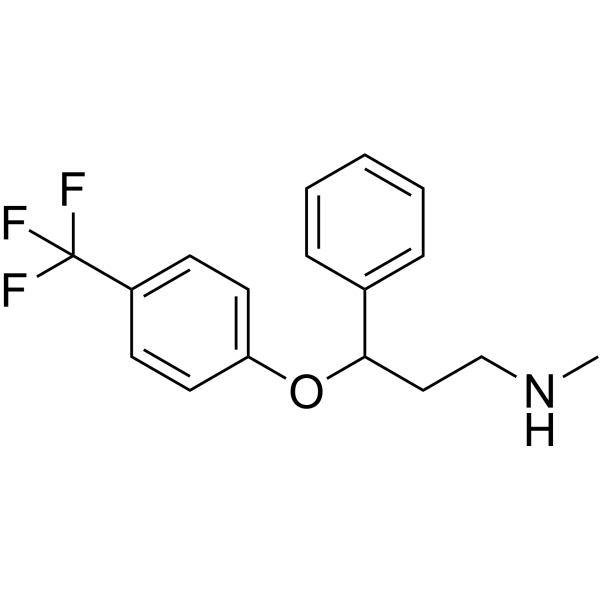 0 ImagesSynonyms: LY-110140 free baseFluoxetine (LY-110140 free base) is a selective serotonin reuptake inhibitor (SSRI) class used for antidepressant research.
-
Daunorubicin hydrochloride
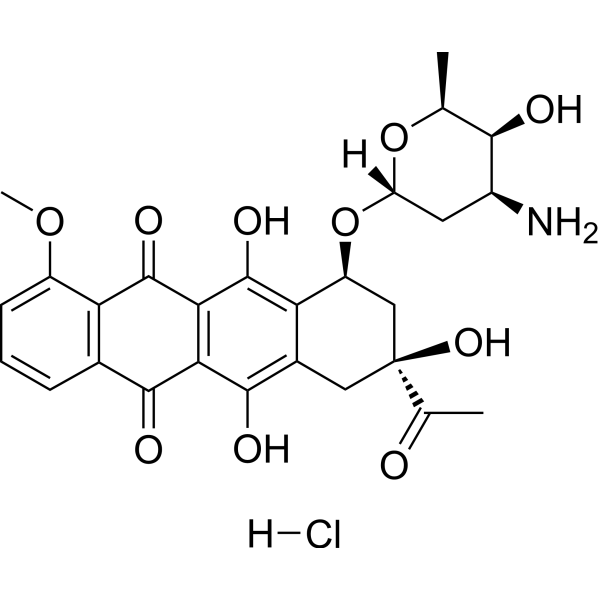 0 ImagesSynonyms: Daunomycin hydrochloride; RP 13057 hydrochloride; Rubidomycin hydrochlorideDaunorubicin (Daunomycin) hydrochloride is a topoisomerase II inhibitor with potent anti-tumor activity. Daunorubicin hydrochloride inhibits DNA and RNA synthesis. Daunorubicin hydrochloride is a cytotoxin that inhibits cancer cell viability and induces apoptosis and necrosis. Daunorubicin hydrochloride is also an anthracycline antibiotic. Daunorubicin hydrochloride can be used in the research of infection and variety of cancers, including leukemia, non-Hodgkin lymphomas, Ewing's sarcoma, Wilms' tumor.
-
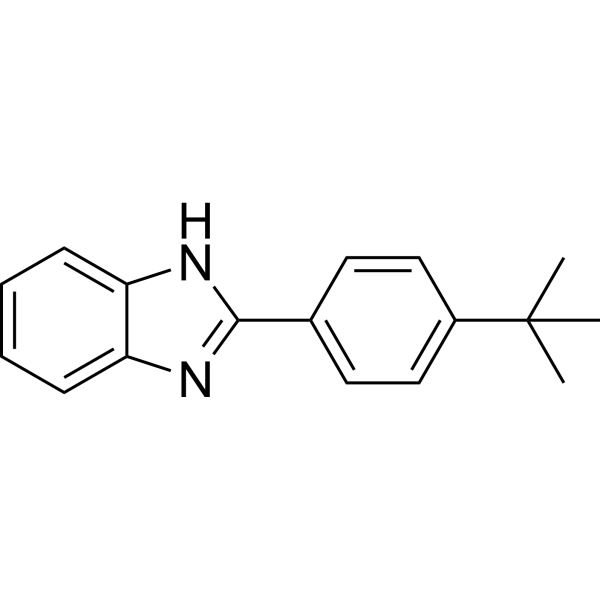
Ammonium chloride, AR, 99.5%
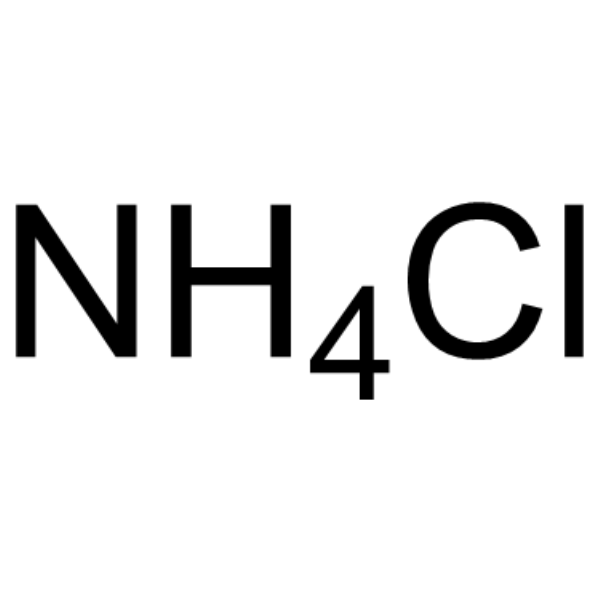 0 ImagesAmmonium chloride, as a heteropolar compound with pH value regulation, can cause intracellular alkalization and metabolic acidosis thus effecting enzymatic activity and influencing the process of biological system. Ammonium chloride is an autophagy inhibitor. Ammonium chloride is also a lysosome inhibitor.
-
Rosuvastatin Calcium
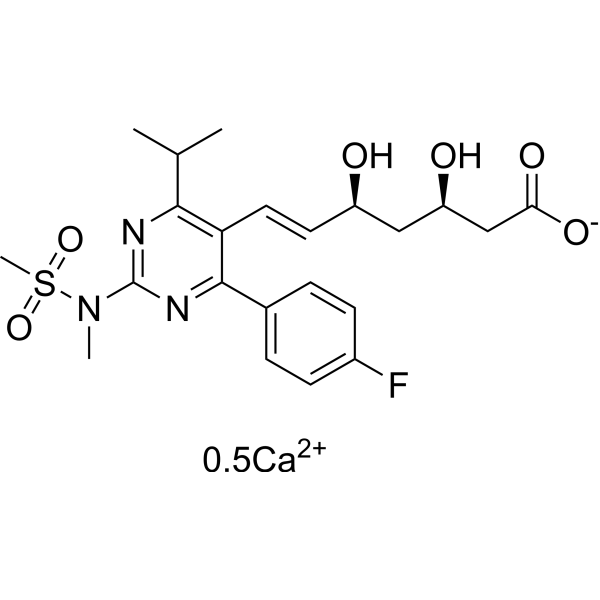 0 ImagesSynonyms: Rosuvastatin hemicalcium; ZD 4522 CalciumRosuvastatin Calcium is a competitive HMG-CoA reductase (HMGCR) inhibitor, with an IC50 of 11 nM. Rosuvastatin Calcium potently blocks hERG current with an IC50 of 195 nM. Rosuvastatin Calcium reduces the expression of the mature hERG and the interaction of heat shock protein 70 (Hsp70) with the hERG protein. Rosuvastatin Calcium effectively lowers low-density lipoprotein (LDL) cholesterol, triglycerides, and C-reactive protein levels.
-
Honokiol
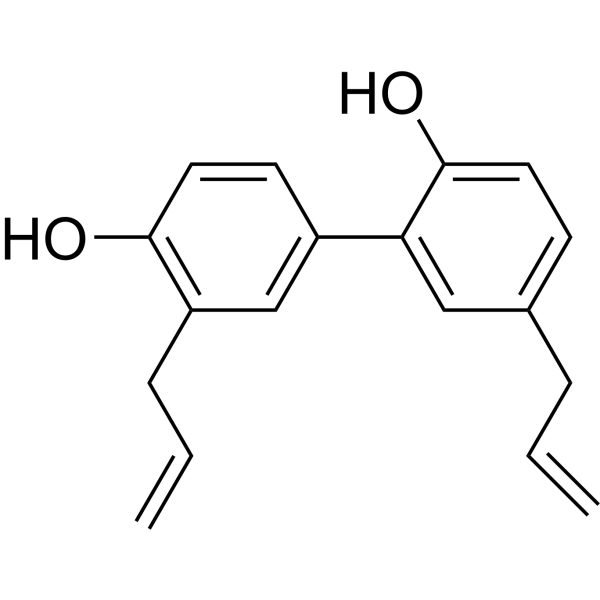 0 ImagesSynonyms: NSC 293100Honokiol is a bioactive, biphenolic phytochemical that possesses potent antioxidative, anti-inflammatory, antiangiogenic, and anticancer activities by targeting a variety of signaling molecules. It inhibits the activation of Akt. Honokiol can readily cross the blood brain barrier.
-
SR-18292
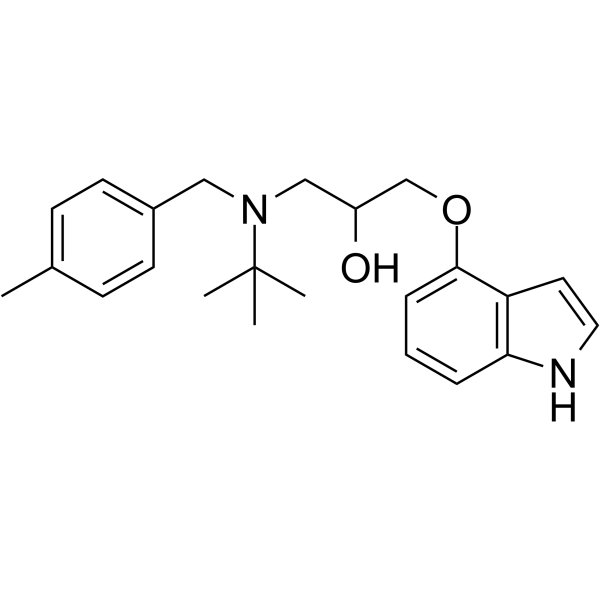 0 ImagesSR-18292 is a PPAR gamma coactivator-1α (PGC-1α) inhibitor, which increases PGC-1α acetylation, suppresses gluconeogenic gene expression and reduces glucose production in hepatocytes.




