



Caspase
Caspase is a family of cysteine proteases that play essential roles in apoptosis (programmed cell death), necrosis, and inflammation. There are two types of apoptotic caspases: initiator (apical) caspases and effector (executioner) caspases. Initiator caspases (e.g., CASP2, CASP8, CASP9, and CASP10) cleave inactive pro-forms of effector caspases, thereby activating them. Effector caspases (e.g., CASP3, CASP6, CASP7) in turn cleave other protein substrates within the cell, to trigger the apoptotic process. The initiation of this cascade reaction is regulated by caspase inhibitors. CASP4 and CASP5, which are overexpressed in some cases of vitiligo and associated autoimmune diseases caused by NALP1 variants, are not currently classified as initiator or effector in MeSH, because they are inflammatory enzymes that, in concert with CASP1, are involved in T-cell maturation.
Caspase Isoform Specific Products
-
Caspase 1
(81)
View all products
-
Caspase 2
(11)
View all products
-
Caspase 3
(563)
View all products
-
Caspase 4
(11)
View all products
-
Caspase 5
(5)
View all products
-
Caspase 6
(12)
View all products
-
Caspase 7
(110)
View all products
-
Caspase 8
(113)
View all products
-
Caspase 9
(197)
View all products
-
Caspase 10
(6)
View all products
-
Caspase 12
(3)
View all products
-
Caspase
(600)
View all products
-
Caspase 11
(2)
View all products
-
Caspase-13
(1)
View all products
All Product Categories
-
Caspase Inhibitors
(448)
View all products
-
Caspase Agonists
(41)
View all products
-
Caspase Activators
(646)
View all products
-
Caspase Modulators
(48)
View all products
-
Caspase Chemicals
(4)
View all products
-
Caspase MDM2 Inhibitor
(1)
View all products
-
Caspase Inducers
(49)
View all products
-
Caspase Degrader
(1)
View all products
-
Caspase Control
(1)
View all products
-
Caspase Substrates
(4)
View all products
-
Caspase Proteins
(10)
View all products
-
Caspase-1 Proteins
(3)
View all products
-
Caspase-3 Proteins
(3)
View all products
-
Caspase 7 Proteins
(1)
View all products
-
Caspase-8 Proteins
(1)
View all products
-
Caspase-10 Proteins
(1)
View all products
-
Caspase Related Products (1424)
Related Products (1424)

-
Recombinant Proteins (10)
-
Antibodies (35)
-
Caspase Signaling Pathway
-
Caspase Isoform Comparison
-
Trifloxystrobin (Standard)
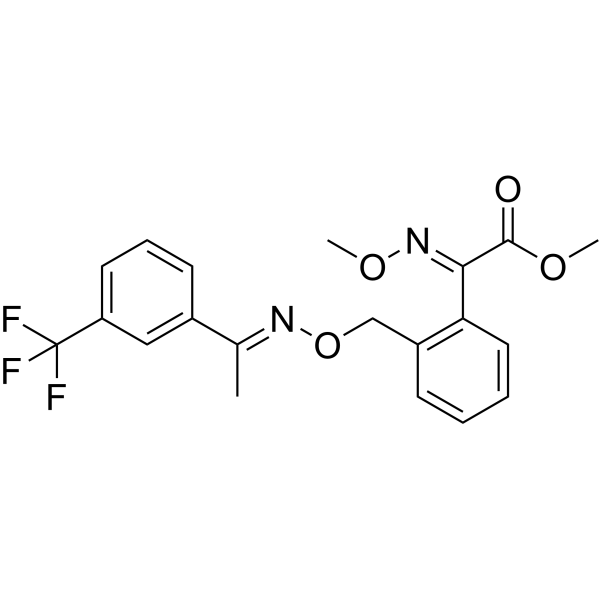 0 ImagesSynonyms: CGA 279202 (Standard)Trifloxystrobin (Standard) is the analytical standard of Trifloxystrobin. This product is intended for research and analytical applications. Trifloxystrobin (CGA 279202) is a type of fungicide. Trifloxystrobin has toxicity, antiparasitic activity and induce apoptosis, oxidative stress and DNA damage. Trifloxystrobin can be used for the reaesrch of fungal diseases.
-
Citicoline (Standard)
 0 ImagesSynonyms: Cytidine diphosphate-choline (Standard); CDP-Choline (Standard); Cytidine 5'-diphosphocholine (Standard)Citicoline (Cytidine diphosphate-choline) (Standard) is the analytical standard of Citicoline. This product is intended for research and analytical applications. Citicoline is an endogenous intermediate in the synthesis of phosphatidylcholine which is a component of cell membranes. Citicoline inhibits reactive oxygen species (ROS) and apoptosis. Citicoline can be used for neurological disease and hearing loss study.
-
GEA 3162
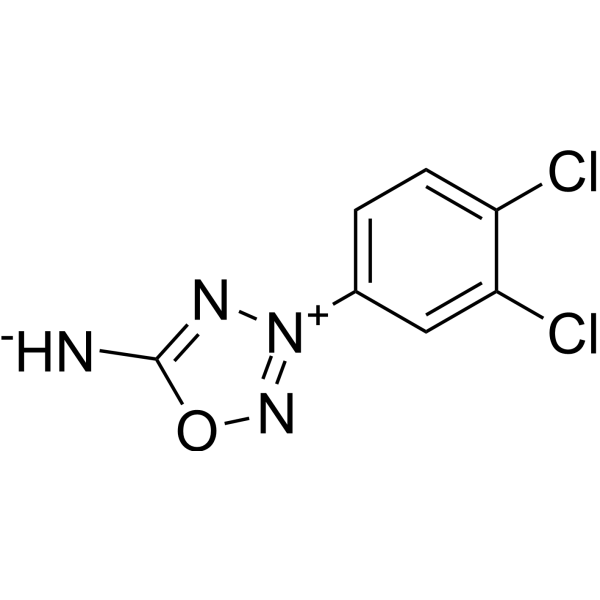 0 ImagesGEA 3162 is an orally active compound that acts as a NO/ONOO⁻ donor. GEA 3162 significantly inhibits the activation of human polymorphonuclear leukocytes (PMNs) through the cGMP pathway, inhibits the release of inflammatory mediators, and exerts anti-inflammatory and protective effects. GEA 3162 induces apoptosis of neutrophils and bone marrow cells by activating caspase-2/3/8/9 through the ONOO⁻ pathway. GEA 3162 has a bidirectional effect in the rat gastric ulcer model: at low doses, it significantly reduces gastric mucosal damage, while at high doses, it aggravates the ulcer area. GEA 3162 can be used for research on inflammatory conditions such as gastric ulcers.
-
Pipernonaline
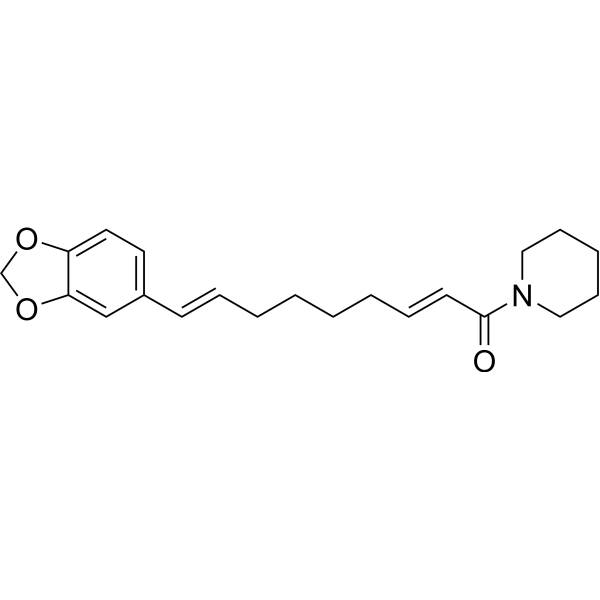 0 ImagesPipernonaline is a piperine derivative with antiprostate cancer activity. Pipernonaline inhibits the proliferation of androgen-dependent/independent LNCaP/PC-3 prostate cells. Pipernonaline activates caspase-3 and promotes procaspase-3/PARP cleavage. Pipernonaline also mediates reactive oxygen species (ROS) production, increased intracellular Ca(2+), and mitochondrial membrane depolarization.
-
SDZ 224-015
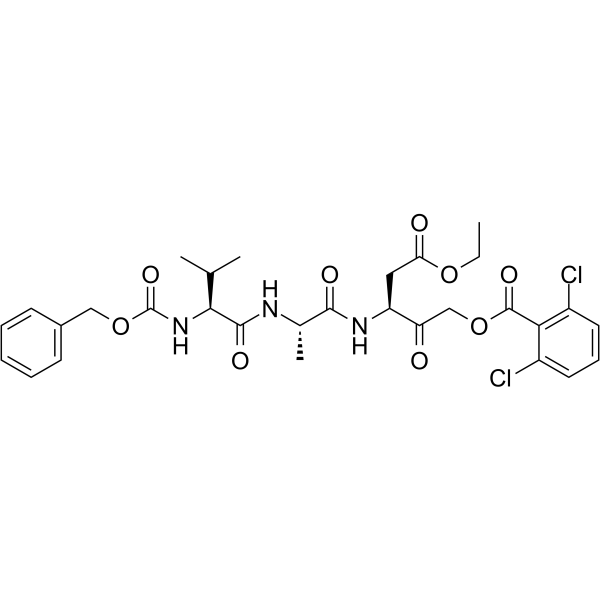 0 ImagesCat. No.: HY-141622CAS No.: 161511-45-1SDZ 224-015 is an orally active inhibitor of the interleukin-1 beta (IL-1β) converting enzyme and caspase-1. SDZ 224-015 possesses anti-COVID-19 activity, targeting Mpro (IC50 of 30 nM).
-
Aβ aggregation-IN-1
 0 ImagesAβ aggregation-IN-1 (Compound 1b) is a β-amyloid aggregation inhibitor/depolymerizer, with IC50 values of 3.92 μM and 7.19 μM, respectively. Aβ aggregation-IN-1 inhibits the activation of preformed β-amyloid fibrils, reactive oxygen species (ROS) and Caspase-3. Aβ aggregation-IN-1 can be used in research related to Alzheimer's disease.
-
Monascuspiloin
 0 ImagesCat. No.: HY-N12124CAS No.: 1011244-19-1Synonyms: MonascinolMonascuspiloin (Monascinol) is an orally active compound extracted from red mold-fermented rice, with multiple biological activities including anti-androgenic, anti-inflammatory, hypolipidemic, and anti-cancer properties. Monascuspiloin attenuates the PI3K/Akt/mTOR signaling pathway, enhances AMPK phosphorylation, downregulates FASN/SREBP2, induces apoptosis, G2/M phase arrest and autophagy in prostate cancer cells, interferes with dihydrotestosterone-receptor binding, enhances radiation-induced DNA damage, stimulates endoplasmic reticulum stress, and alleviates hepatic oxidative stress. Monascuspiloin regulates hepatic metabolic pathways and modulates the expression of genes and proteins related to hepatic lipid metabolism. Monascuspiloin can be used in studies related to prostate cancer and alcoholic liver injury.
-
Citicoline sodium (Standard)
 0 ImagesSynonyms: Cytidine diphosphate-choline sodium (Standard); CDP-Choline sodium (Standard); Cytidine 5'-diphosphocholine sodium (Standard)Citicoline sodium (Standard) is the analytical standard of Citicoline sodium. This product is intended for research and analytical applications. Citicoline sodium is an endogenous intermediate in the synthesis of phosphatidylcholine which is a component of cell membranes. Citicoline sodium inhibits reactive oxygen species (ROS) and apoptosis. Citicoline sodium can be used for neurological disease and hearing loss study.
-
SNJ-1945
 0 ImagesSNJ-1945 is an orally active, blood-brain barrier-penetrant Calpain inhibitor. SNJ-1945 inhibits Cathepsin L, Cathepsin B, and Ca2+ -independent proteases. SNJ-1945 suppresses ROS production and downregulates Cyclooxygenase-2 and Caspase-1. SNJ-1945 alleviates left ventricular systolic dysfunction, reduces cerebral ischemia-induced injury, and decreases the score of experimental autoimmune encephalomyelitis in mouse models. SNJ-1945 can be used in research related to post-cardiac arrest reperfusion injury, Parkinson's disease, multiple sclerosis, and proliferative retinopathy.
-
Q-Peptide
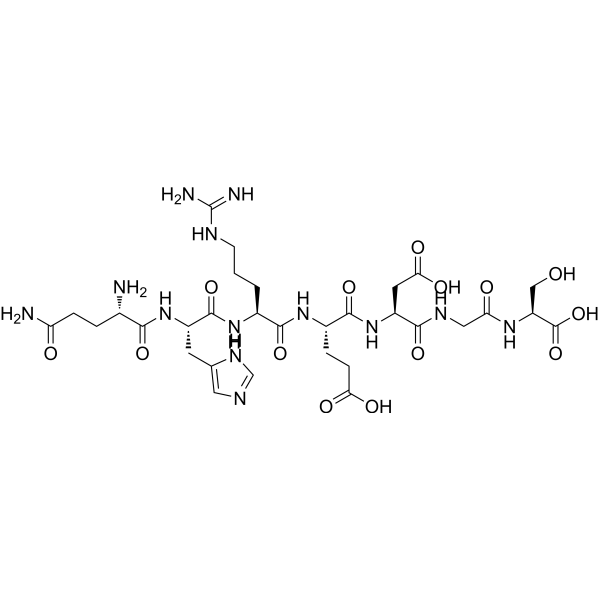 0 ImagesCat. No.: HY-P4866CAS No.: 1361235-89-3Q-Peptide is an angiopoietin-1 derived peptide (QHREDGS). Q-Peptide interacts with β1-integrin, binds to integrins on the surface of osteoblasts, and serves as an acyl donor substrate for Streptomyces mobaraensis transglutaminase. Q-Peptide activates Akt, MAPKp42/44, ILK, ERK1/2, and downregulates caspase-3/7. Q-Peptide inhibits cell apoptosis, enhances cell adhesion and migration, and promotes osteoblast differentiation, bone matrix deposition and mineralization. Q-Peptide can be used in studies related to myocardial infarction, bone regeneration, diabetic wound repair and human induced pluripotent stem cells.
-
2'-Deoxyadenosine-13C10
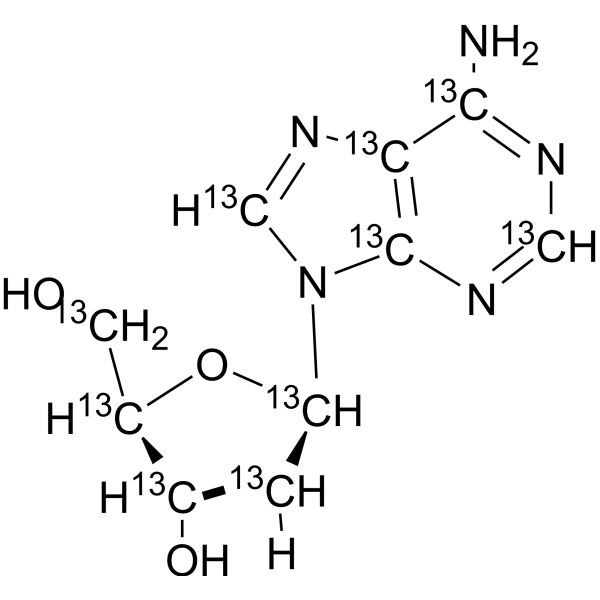 0 ImagesCat. No.: HY-W040329S1Purity: 99.0%2'-Deoxyadenosine-13C10 is 13C-labeled 2'-Deoxyadenosine (HY-W040329). 2′-Deoxyadenosine is an adenine nucleoside that inhibits glucose-stimulated insulin release. 2′-Deoxyadenosine inhibits glucose-stimulated increases seen in islet cyclic AMP (cAMP) accumulation. 2'-Deoxyadenosine activates caspase-3 and promotes apoptosis. 2'-Deoxyadenosine inhibits the activity of S-adenosyl-L-homocysteine hydrolase (SAHH). 2'-Deoxyadenosine inhibits the growth of various cells. 2'-Deoxyadenosine has an anticancer effect on colon cancer.
-
(2S,3R,4S)-ASX-173
 0 Images(2S,3R,4S)-ASX-173 is the (2S,3R,4S)-enantiomer of ASX-173 (HY-175282). ASX-173 is an orally active inhibitor of asparagine synthetase (ASNS) (IC50 = 0.113 μM, Ki = 0.4 nM). ASX-173 enhances the anticancer activity of L-asparaginase (ASNase) (HY-P1923). ASX-173 disrupts nucleotide synthesis and induces leukemia cell cycle arrest, apoptosis and autophagy in leukemia cells in combination with ASNase. ASX-173 slows the growth of OCI-AML2 xenografts in combination with ASNase. ASX-173 is indicated for the study of acute lymphoblastic leukemia, acute myeloid leukemia, colorectal cancer, and other cancers.
-
PROTAC CDK2/4/6 Degrader-2
 0 ImagesCat. No.: HY-185121CAS No.: 2541626-49-5PROTAC CDK2/4/6 Degrader-2 is a CDK2/4/6 PROTAC degrader. PROTAC CDK2/4/6 Degrader-2. PROTAC CDK2/4/6 Degrader-2 can be converted into the prodrug PROTAC CDK2/4/6 Degrader-1 (HY-171826) through a one-step reaction with chloromethyl pivalate. PROTAC CDK2/4/6 Degrader-2 degrades CDK2/4/6 and their complex in malignant melanomas cells. PROTAC CDK2/4/6 Degrader-2 induces cell cycle arrest and cell apoptosis in various cancer cells, in particular for melanomas. PROTAC CDK2/4/6 Degrader-2 can be used for malignant melanomas research.
-
AKN-028 acetate
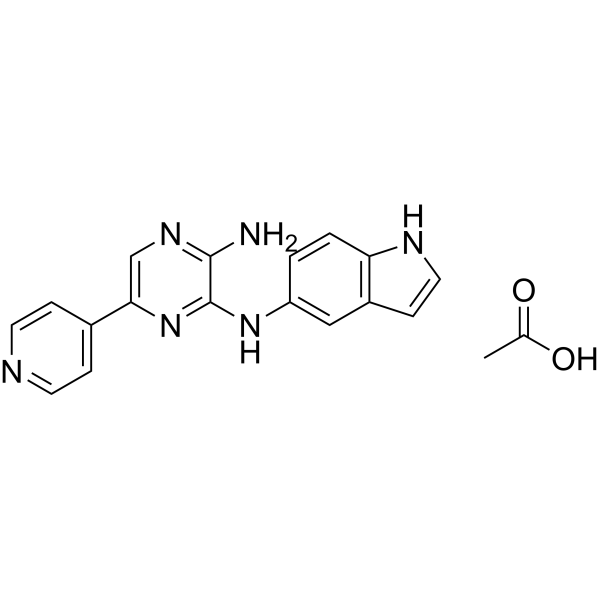 0 ImagesCat. No.: HY-118304BPurity: 98.38%AKN-028 acetate, a novel tyrosine kinase (TK) inhibitor, is a potent, orally active FMS-like receptor tyrosine kinase 3 (FLT3) inhibitor with an IC50 value of 6 nM. AKN-028 acetate inhibits FLT3 autophosphorylation. AKN-028 acetate induces dose-dependent cytotoxic response (mean IC50=1 μM). AKN-028 acetate induces apoptosisby activation of caspase 3. AKN-028 acetate can be used in research of acute myeloid leukemia (AML).
-
N-Desmethyl clomipramine-d3 hydrochloride
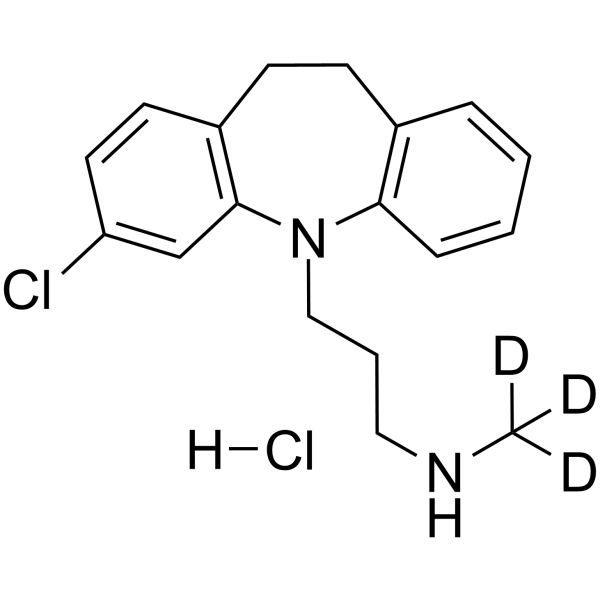 0 ImagesSynonyms: Desmethylclomipramine-d3 hydrochloride;Norclomipramine-d3 hydrochlorideN-Desmethyl clomipramine-d3 hydrochloride (Desmethylclomipramine-d3 hydrochloride; Norclomipramine-d3 hydrochloride) is the deuterated-labeled N-Desmethyl clomipramine hydrochloride (HY-12388A). N-Desmethyl clomipramine hydrochloride is the orally active major active metabolite of the tricyclic antidepressant Clomipramine (HY-B0457A), possessing multiple activities including anti-inflammatory, antioxidant, antibacterial, and antiparasitic effects. N-Desmethyl clomipramine hydrochloride blocks autophagosome-lysosome fusion, leading to the accumulation of LC3-II, p62, ATG7, WIPI2, and ATG5-12, reactivates the p53/p21 pathway, induces apoptosis through C-PARP and C-CAS3, and inhibits the proliferation, migration, and invasion of renal cancer cells. N-Desmethyl clomipramine hydrochloride inhibits LdTOPIA, inducing R-loop accumulation in the nucleus of Leishmania, ultimately causing parasite death. N-Desmethyl clomipramine hydrochloride can be used for research on depression, metastatic renal cell carcinoma, and leishmaniasis.
-
p-nitro-Pifithrin-α
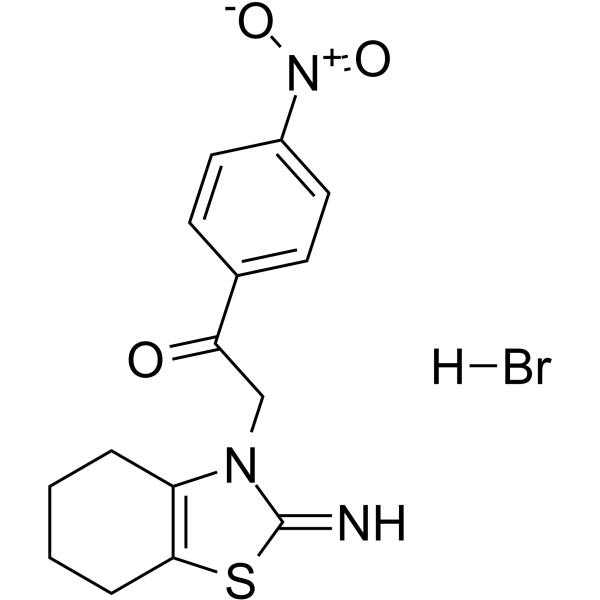 0 ImagesCat. No.: HY-130437CAS No.: 389850-21-9p-nitro-Pifithrin-α, a cell-permeable analog of pifithrin-α, is a potent p53 inhibitor. p-nitro-Pifithrin-α suppresses p53-mediated TGF-β1 expression in HK-2 cells. p-nitro-Pifithrin-α inhibits the activation of caspase-3 by Zika virus (ZIKV) strains. p-nitro-Pifithrin-α attenuates steatosis and liver injury in mice fed a high-fat diet [4]. non-alcoholic fatty liver disease.
-
Z-DEVD-AMC
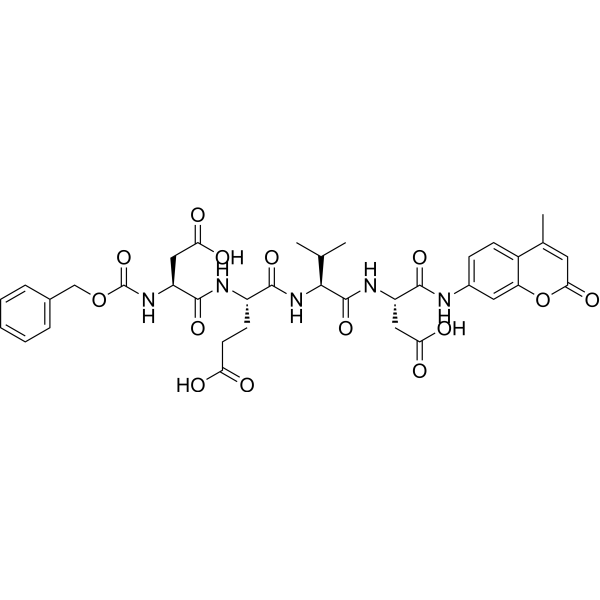 0 ImagesCat. No.: HY-P3363Purity: 98.18%Z-DEVD-AMC is a selective caspase-3 substrate that can be measured by fluorescence spectrometry. AMC can be used as a fluorescence reference standard for AMC-based enzyme substrates including AMC-based caspase substrates.
-
Anemonin
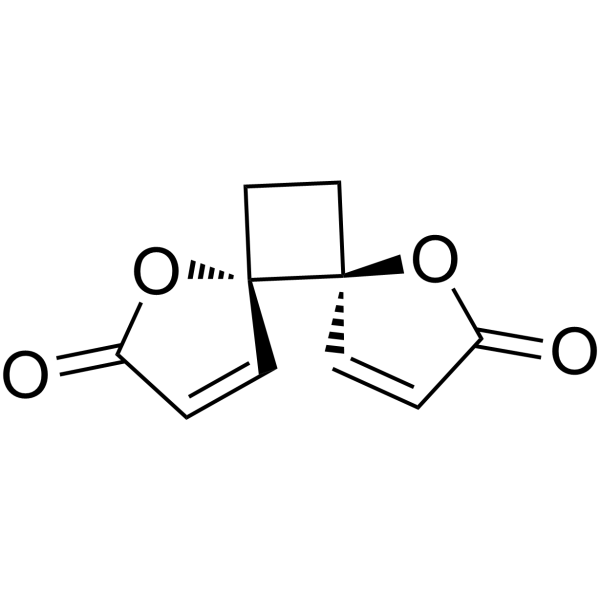 0 ImagesSynonyms: Pulsatilla camphor; Anemonine; trans-AnemoninAnemonin (Pulsatilla camphor; Anemonine; trans-Anemonin) is a naturally occurring bislactone small molecule derived from Ranunculaceae with blood-brain barrier permeability, possessing a variety of activities including anti-inflammatory, antioxidant, neuroprotective, melanogenesis-inhibiting, and antiparasitic effects. Anemonin inhibits iNOS to reduce NO release; it inhibits PKC-θ protein expression and downregulates the pro-inflammatory factors TNF-α, IL-1β, and IL-6; it enhances the activities of the antioxidant enzymes SOD, CAT, and GSH-Px, and reduces MDA and ROS levels. Anemonin modulates the Bcl-2 / Bax / caspase-3 pathway to inhibit apoptosis; it downregulates melanogenesis-related molecules including MITF, TYR, TRP1, and TRP2, thereby inhibiting melanin synthesis in human melanocytes. Anemonin inhibits Leishmania and Schistosoma mansoni. Anemonin is used in research related to diseases such as hyperpigmentation, cerebral ischemia/reperfusion injury, inflammation, sepsis-induced acute lung injury, acute ulcerative colitis, leishmaniasis, and schistosomiasis.
-
Nickel(II) oxide
 0 ImagesSynonyms: Nickel monoxideNickel(II) oxide (nickel monoxide) is a chemical warfare agent that can enter the body through the respiratory tract and other routes, distributing to organs such as the lungs and testes. The nanoparticle form of nickel(II) oxide (NiO NPs) exhibits antibacterial, anti-leishmanial, anti-diabetic, and anti-cancer activities. NiO NPs can be activated by ultraviolet and visible light, generating reactive oxygen species (ROS). Nickel(II) oxide induces oxidative stress by generating reactive oxygen species, activating the TGF-β1-mediated MAPK and PI3K/AKT pathways, disrupting the MMPs/TIMPs balance, and upregulating the expression of inflammatory factors (IL-1β, IL-6) and apoptosis-related molecules (Bax, caspase-3, p53), while inhibiting the activity of the anti-apoptotic molecule Bcl-2. Nickel(II) oxide induces cytotoxicity, promotes fibrosis, triggers inflammatory responses, and causes apoptosis. Nickel(II) oxide can be applied in research on the safety assessment of nanomaterials, such as in the context of pulmonary fibrosis and reproductive system toxicity.
-
(-)-β-Peltatin
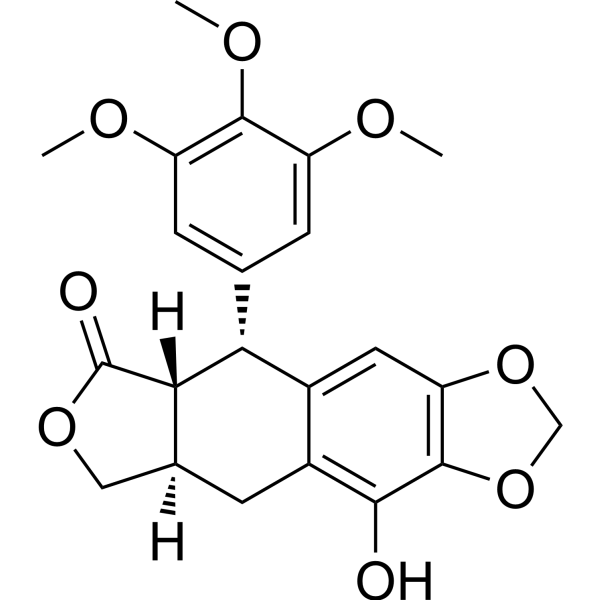 0 Images(-)-β-Peltatin is an aryltetrahydronaphthalene lignan. (-)-β-Peltatin exhibits antitumor activity and cytotoxicity against pancreatic cancer cells. (-)-β-Peltatin induces G2/M cell cycle arrest and apoptosis in pancreatic cancer cells. (-)-β-Peltatin inhibits the growth of subcutaneous xenografts of pancreatic cancer cells in nude mice. (-)-β-Peltatin can be used in pancreatic cancer-related research.




