



Keap1-Nrf2
Keap1-Nrf2 is the major regulator of cytoprotective responses to electrophilic chemicals or reactive oxygen species (ROS). Keap1 is an E3 ligase, which induces the degradation of Nrf2 by ubiquitin-proteasome system (UPS). Upregulation of Nrf2 inducing by inactivation of Keap1 is often observed in cancer cells. Aberrant activation of Nrf2 in cancer cells accelerates proliferation and metabolism. For this case, Nrf2 is an attractive molecule as a therapeutic target in cancer and a lot number of Nrf2 inhibitors are developed. What’s interesting, Nrf2 induction is also reported to be treatment strategies for accelerating the detoxification of carcinogens and protect the body from chemical carcinogenesis.
All Product Categories
-
Keap1-Nrf2 Related Products (522)
Related Products (522)

-
Antibodies (7)
-
Isosorbide di-(methyl fumarate)
 0 ImagesSynonyms: IDMFIsosorbide di-(methyl fumarate) (IDMF), topical DMF (HY-17363) derivative, is an NRF2/ARE pathway activator. Isosorbide di-(methyl fumarate) downregulates ANCR targets, modulates epithelial differentiation, represses proinflammatory cytokine genes, IL-17A- and TNF-induced keratinocyte genes, psoriatic skin lesion-specific genes, and immune response genes. Isosorbide di-(methyl fumarate) stimulates oxidative stress response gene transcription, reduces erythema and scaling in Imiquimod (HY-B0180)-induced psoriasiform lesions. Isosorbide di-(methyl fumarate) exhibits no genotoxicity or radiation sensitivity in skin fibroblasts, is nonirritating and nonsensitizing in rodent models. Isosorbide di-(methyl fumarate) can be used for the research of psoriasis vulgaris.
-
Ezetimibe (Standard)
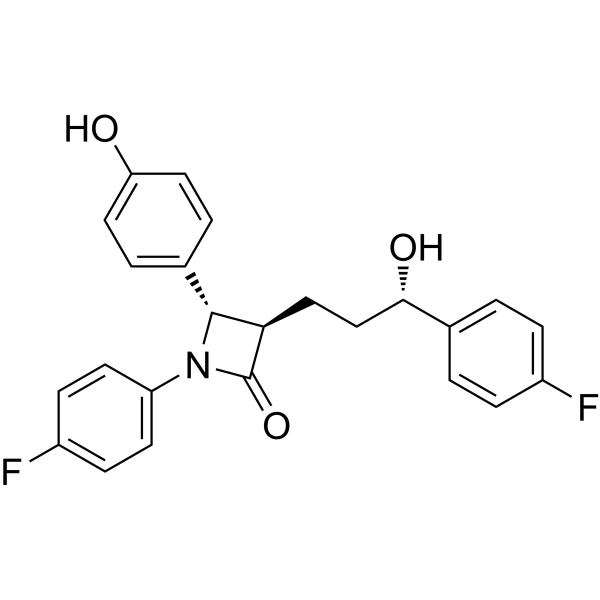 0 ImagesSynonyms: SCH 58235 (Standard)Ezetimibe (Standard) is the analytical standard of Ezetimibe. This product is intended for research and analytical applications. Ezetimibe (SCH 58235) is a potent cholesterol absorption inhibitor. Ezetimibe is a Niemann-Pick C1-like1 (NPC1L1) inhibitor, and is a potent Nrf2 activator.
-
Pongamol
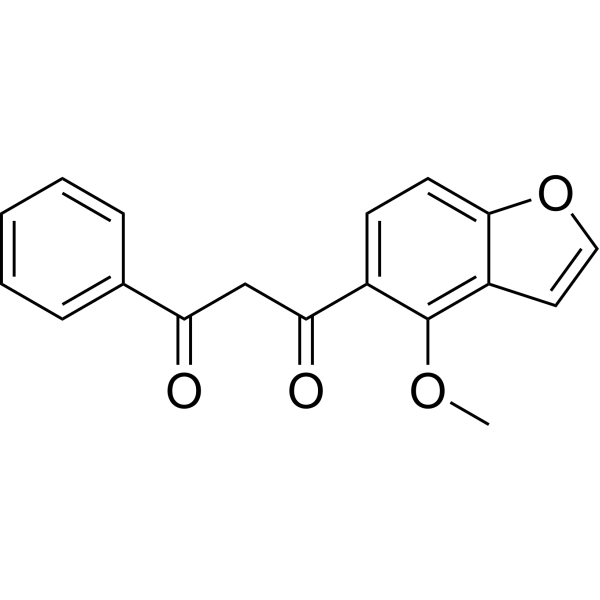 0 ImagesPongamol (Lanceolatin C) is an orally active flavonoid with an IC50 of 75 μM and a Ki of 58 μM against PTPase-1B, and an IC50 of 103.5 μM against intestinal α-Glycosidase. Pongamol reduces the release of IL‑1β, TNF‑α, COX‑2 and iNOS in cells, reverses the nuclear translocation of NF‑κB, and upregulates the levels of Beclin 1 and LC3 Ⅱ/LC3 Ⅰ. Pongamol promotes glucose uptake by increasing the level of GLUT4 on the surface of skeletal muscle cells. Pongamol inhibits epithelial-mesenchymal transition by suppressing the FAK/Akt-mTOR signaling pathway. Pongamol inhibits neuronal cytotoxicity, suppresses cell apoptosis and extends the lifespan of Caenorhabditis elegans by activating the MAPKs/Nrf2 signaling pathway. Pongamol exerts hypoglycemic effects in diabetic mouse models. Pongamol exhibits antibacterial activity. Pongamol alleviates oxidative stress, neuroinflammation, Aβ deposition and excessive phosphorylation of Tau Protein, and restores autophagy function in Alzheimer's disease mouse models by inhibiting the Akt/mTOR signaling pathway. Pongamol is applicable to research related to Alzheimer's disease, type 2 diabetes, non-small cell lung cancer and postprandial hyperglycemia.
-
(R,R)-Nrf2 activator-1
 0 ImagesCat. No.: HY-145390A(R,R)-Nrf2 activator-1 is the enantiomer of Nrf2 activator-1. Nrf2 activator-1 is a potent activator of NF-E2 related factor 2 (Nrf2). Nrf2 activator-1 has the potential for the research of COPD and other respiratory diseases, including asthma, Acute Lung Injury (ALI), Acute Respiratory Distress Syndrome (ARDS) and pulmonary fibrosis.
-
Oleocanthal
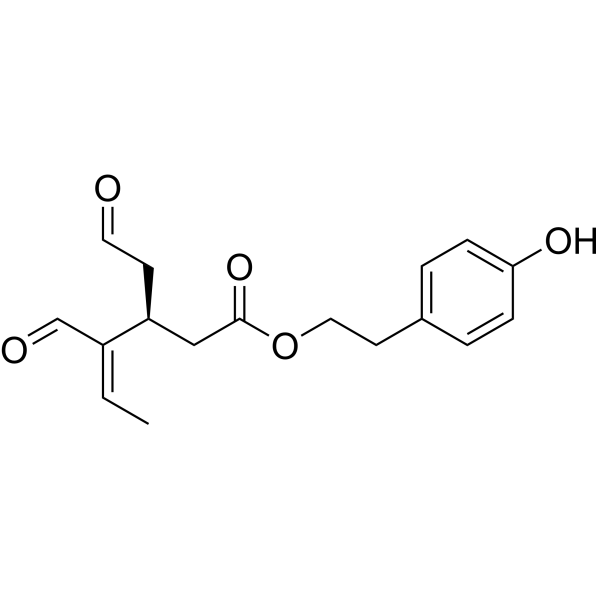 0 ImagesCat. No.: HY-124481CAS No.: 289030-99-5Oleocanthal is an orally active phenolic seciridoid compound. Oleocanthal can be extracted from olive oil. Oleocanthal inhibits COX-1 and COX-2, reduces ROS and NO, and upregulates Nrf-2 and HO-1. Oleocanthal reduces Aβ deposition. Oleocanthal exhibits anti-Leishmania activity against promastigotes and amastigotes of L. major, with IC50 values of 18.7 and 87 μg/mL, respectively. Oleocanthal exhibits anticancer activity against colon, breast, liver, and melanoma cancers. Oleocanthal also exhibits anti-inflammatory and neuroprotective properties. Oleocanthal can be used in Alzheimer's disease research.
-
Keap1-Nrf2-IN-13
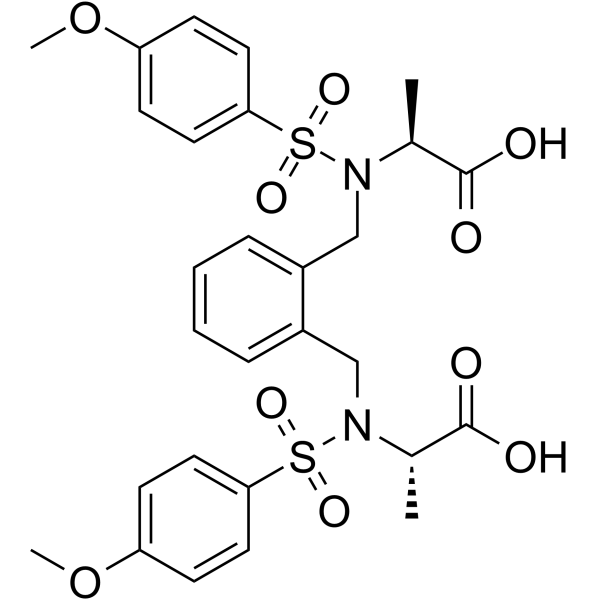 0 ImagesCat. No.: HY-150579CAS No.: 2456294-92-9Keap1-Nrf2-IN-13 is a Keap1-Nrf2 protein–protein interaction (PPI) inhibitor with an IC50 value of 0.15 μM. Keap1-Nrf2-IN-13 has strong binding affinities to the Keap1 protein by forming hydrogen bond with the key polar residues (Asn414, Arg415, Arg483, Gln530). Keap1-Nrf2-IN-13 can be used in the research of oxidative stress-related and inflammatory diseases, including pulmonary fibrosis, chronic obstructive pulmonary disorder (COPD) and cancers.
-
4-Hydroxyphenylacetic acid-d4
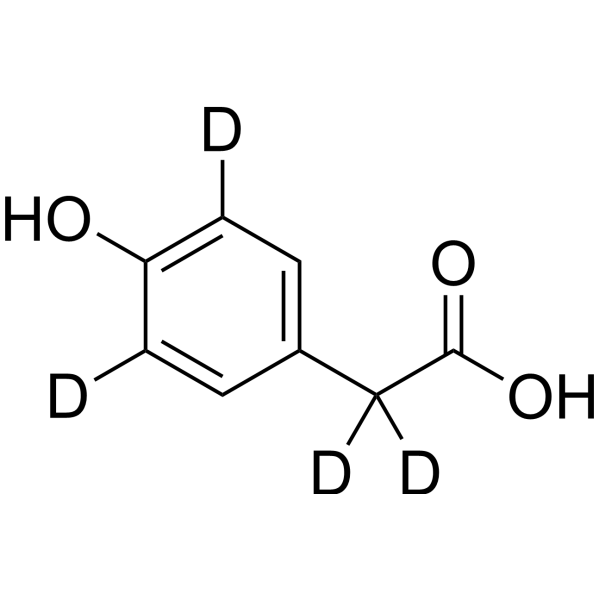 0 ImagesCat. No.: HY-N1902S1Purity: 98.75%4-Hydroxyphenylacetic acid-d4 is the deuterium labeled 4-Hydroxyphenylacetic acid. 4-hydroxyphenylacetic acid, a major microbiota-derived metabolite of polyphenols, is involved in the antioxidative action. 4-hydroxyphenylacetic acid induces expression of Nrf2.
-
Vitisin A
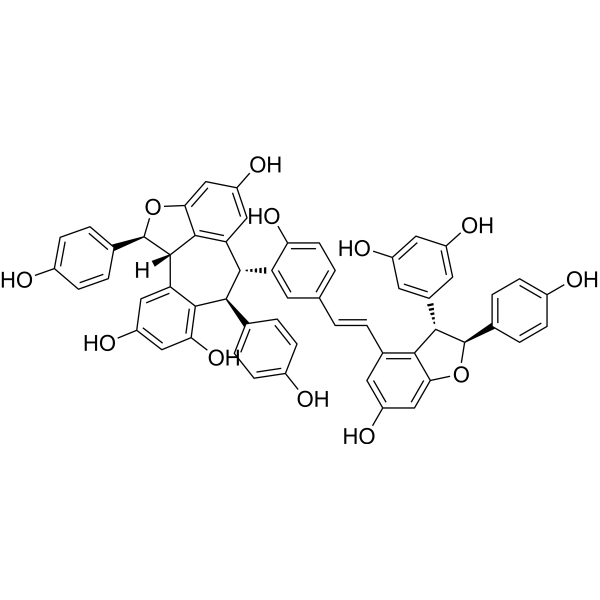 0 ImagesCat. No.: HY-142026CAS No.: 142449-89-6Synonyms: (+)-Vitisin AVitisin A ((+)-Vitisin A) is an orally active natural product with multiple pharmacological activities including anti-inflammatory, anti-tumor, anti-oxidant, anti-pathogenic microorganism, hypoglycemic and lipid-regulating, anti-osteoporotic, neuroprotective and cardiovascular protective effects. Vitisin A exhibits inhibitory effects on human AChE and MAO-B with IC50 values of 1.29 µM and 4.94 µM, respectively. Vitisin A inhibits the ERK, MAPK, NF-κB, STAT1, HMGCR and TRAF6 pathways, downregulates the related phosphorylation and protein expression, while activates the Nrf2/HO-1 pathway and upregulates p21 expression. Vitisin A induces tumor cell apoptosis and cell cycle arrest, inhibits adipogenesis and lipid accumulation, while alleviates oxidative stress, suppresses inflammatory responses, blocks hepatic fibrosis, Cuproptosis and cholesterol synthesis, and increases the expression levels of central BDNF and TrkB. Vitisin A can be used in the research of tumors, infectious diseases, metabolic diseases, bone and joint diseases, liver diseases, skin injuries, as well as neurodegenerative and cognitive dysfunction-related diseases.
-
Desfluoro-ezetimibe
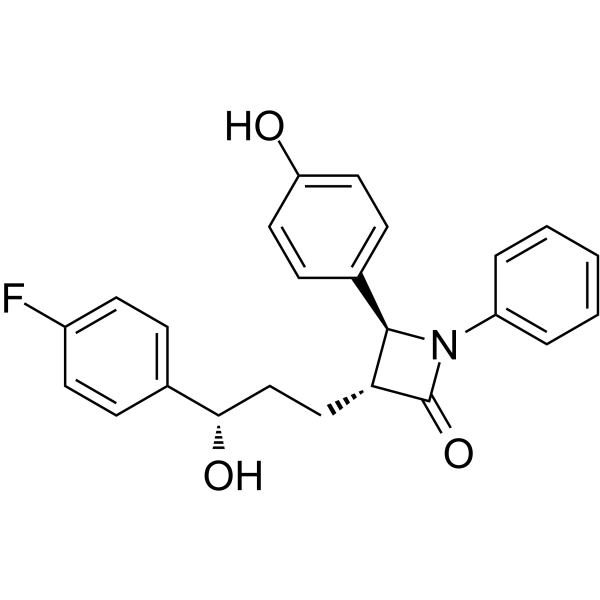 0 ImagesDesfluoro-ezetimibe is a desfluoro impurity of Ezetimibe. Ezetimibe is a potent, metabolically stable cholesterol absorption inhibitor. Ezetimibe is a Niemann-Pick C1-like1 (NPC1L1) inhibitor, and is a potent Nrf2 activator.
-
(+)-DHMEQ
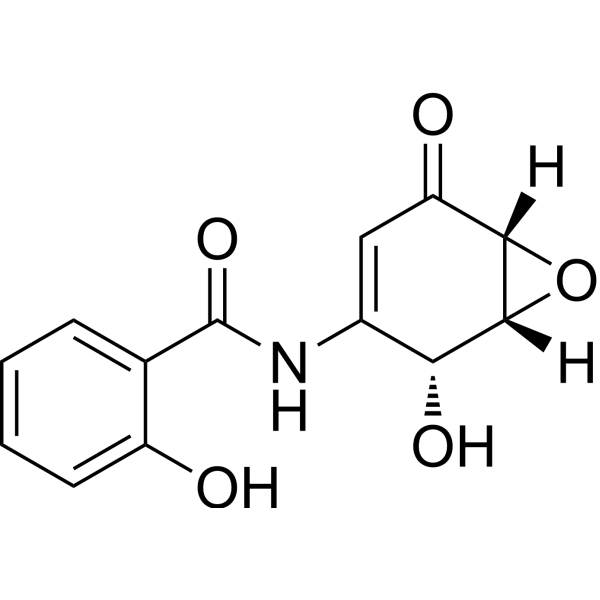 0 ImagesSynonyms: (1R,2R,6R)-Dehydroxymethylepoxyquinomicin; (1R,2R,6R)-DHMEQ(+)-DHMEQ is an activator of antioxidant transcription factor Nrf2. (+)-DHMEQ is the enantiomer of (-)-DHMEQ. (-)-DHMEQ inhibits NF-kB than its enantiomer (+)-DHMEQ.
-
Pentagalloylglucose (Standard)
 0 ImagesSynonyms: Penta-O-galloyl-β-D-glucose (Standard); 1,2,3,4,6-Pentagalloyl glucose (Standard)Pentagalloylglucose (Standard) is the analytical standard of Pentagalloylglucose. This product is intended for research and analytical applications. Pentagalloylglucose (Penta-O-galloyl-β-D-glucose) is an orally active gallic tannin compound and an inducer of apoptosis and autophagy. Pentagalloglucose induces cell apoptosis and autophagy through the GSK3β/β-catenin pathway. Pentagalloylglucose inhibits UBE2T-mediated p53 ubiquitination, upregulates p53, downregulates RRM1/RRM2 in pancreatic cancer organoids. Pentagalloglucose has antioxidant, anti mutagenic, anti-inflammatory, anticonvulsant, cardioprotective, anti allergic, cholesterol lowering, and anti-tumor activities.
-
Nrf2 activator-1
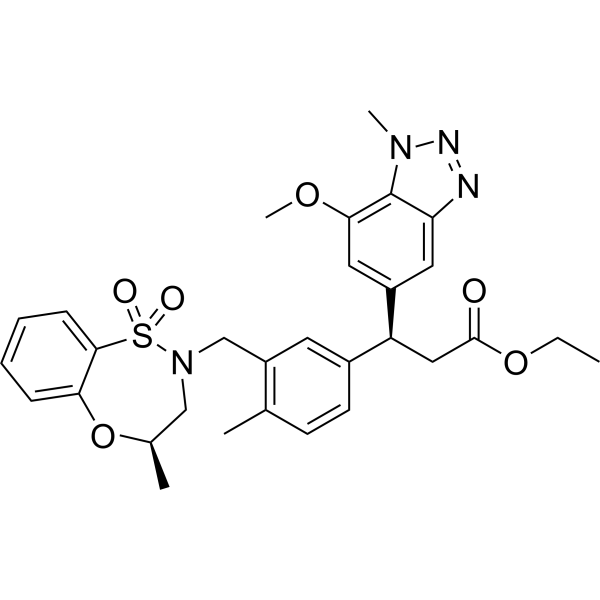 0 ImagesNrf2 activator-1 is a potent activator of NF-E2 related factor 2 (Nrf2). Nrf2 activator-1 has the potential for the research of COPD and other respiratory diseases, including asthma, Acute Lung Injury (ALI), Acute Respiratory Distress Syndrome (ARDS) and pulmonary fibrosis (extracted from patent WO2018109647A1).
-
MIND4-17
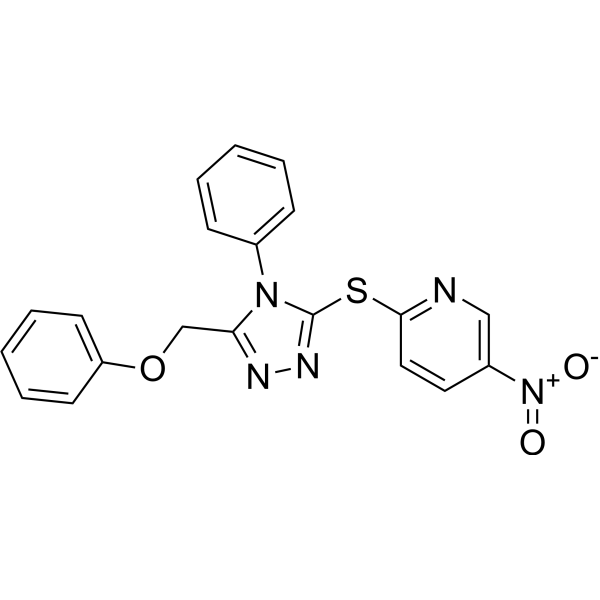 0 ImagesMIND4-17 is a potent NRF2 activator that covalently modifies a C151 residue of Keap1. MIND4-17 disrupts Keap1-Nrf2 association, leading to Nrf2 protein stabilization and nuclear translocation. MIND4‐17 exerts potent antioxidant activity.
-
12-Oxo phytodienoic acid (≥90%)
 0 ImagesCat. No.: HY-118828BCAS No.: 85551-10-6Synonyms: 12-OPDA (≥90%)12-Oxo phytodienoic acid (≥90%) (12-OPDA (≥90%)) is a plant lipid-derived anti-inflammatory compound. 12-Oxo phytodienoic acid (≥90%) induces the expression of SOCS-1 and inhibits LPS (HY-D1056)-induced activation of the NF-κB and p38 MAPK signaling pathways. 12-Oxo phytodienoic acid (≥90%) inhibits LPS-induced expression of IL-6 and TNF-α, and reduces LPS-induced NO production by decreasing iNOS levels. 12-Oxo phytodienoic acid (≥90%) induces activation of the Nrf2 signaling cascade. 12-Oxo phytodienoic acid (≥90%) can be used for the research of neurodegenerative diseases.
-
Pyridoxine-d3 hydrochloride
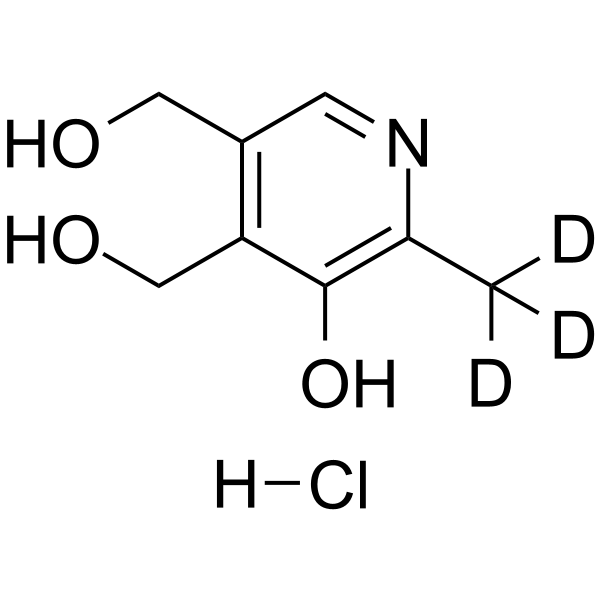 0 ImagesCat. No.: HY-N0682SCAS No.: 1189921-12-7Synonyms: Pyridoxol-d3 hydrochloride; Vitamin B6-d3 hydrochloridePyridoxine-d3 (hydrochloride) is the deuterium labeled Pyridoxine hydrochloride. Pyridoxine hydrochloride (Pyridoxol; Vitamin B6) is a pyridine derivative. Pyridoxine (Pyridoxol; Vitamin B6) exerts antioxidant effects in cell model of Alzheimer's disease via the Nrf-2/HO-1 pathway.
-
trans-Isoferulic acid
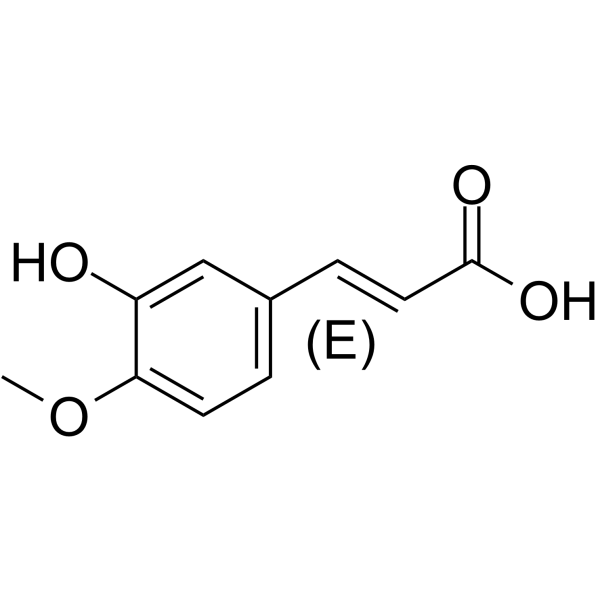 0 ImagesSynonyms: trans-3-Hydroxy-4-methoxycinnamic acidtrans-Isoferulic acid (trans-3-Hydroxy-4-methoxycinnamic acid) is an aromatic acid that exhibits anti-inflammatory activity. trans-Isoferulic acid dephosphorylates PI3K/Akt, suppresses LPS (HY-D1056)-induced NF-κB activation, enhances Nrf2 activity, downregulates iNOS and COX-2 expression, induces HO-1 expression, inhibits NO and PGE2 production, and scavenges hydroperoxyl radical. trans-Isoferulic acid can be used for research of inflammatiory diseases.
-
Momordicine I
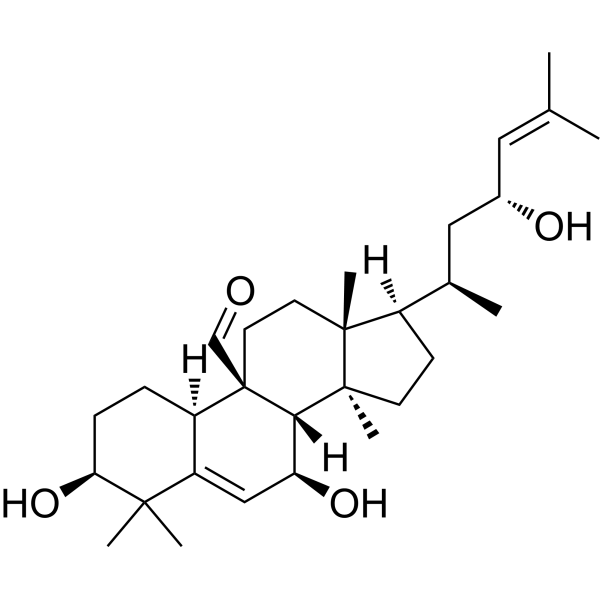 0 ImagesCat. No.: HY-122949CAS No.: 91590-76-0Momordicine I is a cucurbitane-type triterpenoids. Momordicine I suppresses glioma growth by promoting apoptosis and impairing mitochondrial oxidative phosphorylation. Momordicine I inhibits glycolysis, lipid metabolism, induces autophagy in HNC cells to suppress head and neck cancer growth. Momordicine I alleviates isoproterenol-induced cardiomyocyte hypertrophy through suppression of PLA2G6 and DGK-ζ. Momordicine I exerts its cardiovascular benefits by upregulating nitric oxide, inhibiting the activity of angiotensin-converting enzyme (ACE), activating the PI3K/Akt pathway, reducing oxidative stress and inflammation. Momordicine I inhibits AKT1, IL-6, and SRC, suggesting its potential application in type 2 diabetes.
-
Necrosulfonamide-d4
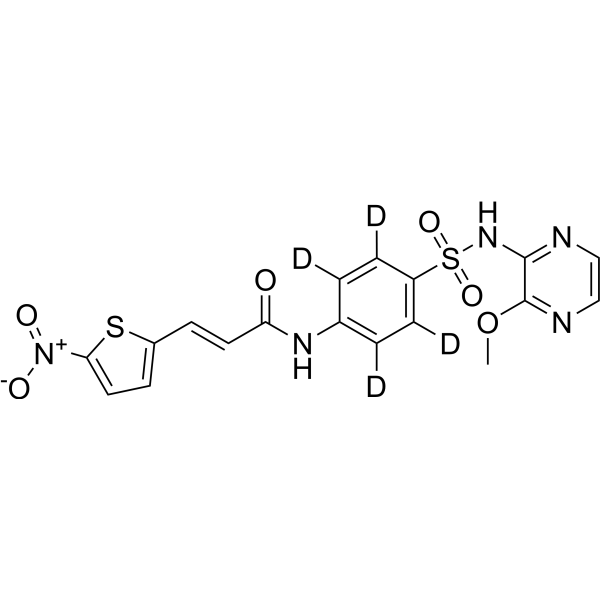 0 ImagesNecrosulfonamide-d4 is the deuterium labeled Necrosulfonamide (HY-100573). Necrosulfonamide is a MLKL and Gasdermin D (GSDMD) inhibitor, capable of separately inhibiting necroptosis and pyroptosis of cells. Necrosulfonamide does not affect the activation of upstream signals, but specifically inhibits the downstream executor oligomerization step. Necrosulfonamide reduces the expression of the key kinases NLRP3 and caspase-1 involved in necroptosis and pyroptosis, activate the Nrf2 pathway and the downstream antioxidant enzymes, and also downregulates a variety of inflammatory factors. Necrosulfonamide plays significant roles in various diseases such as neurodegenerative diseases (such as Parkinson’s disease), tissue damage and ischemia-reperfusion injury, inflammatory bowel disease, osteoarthritis and fracture repair, and hair loss by regulating two important programmed necrosis pathways.




