1. Signaling Pathways
  2. NF-κB
  3. NF-κB

NF-κB

Nuclear factor-κB; Nuclear factor-kappaB

NF-κB (Nuclear factor kappa-light-chain-enhancer of activated B cells) is a protein complex that controls transcription of DNA. NF-κB is found in almost all animal cell types and is involved in cellular responses to stimuli such as stress, cytokines, free radicals, ultraviolet irradiation, oxidized LDL, and bacterial or viral antigens. NF-κB plays a key role in regulating the immune response to infection. Incorrect regulation of NF-κB has been linked to cancer, inflammatory, and autoimmune diseases, septic shock, viral infection, and improper immune development. NF-κB has also been implicated in processes of synaptic plasticity and memory. There are five proteins in the mammalian NF-κB family: NF-κB1, NF-κB2, RelA, RelB, c-Rel.

Cat. No. Product Name Effect Purity Chemical Structure
  • HY-B0380A
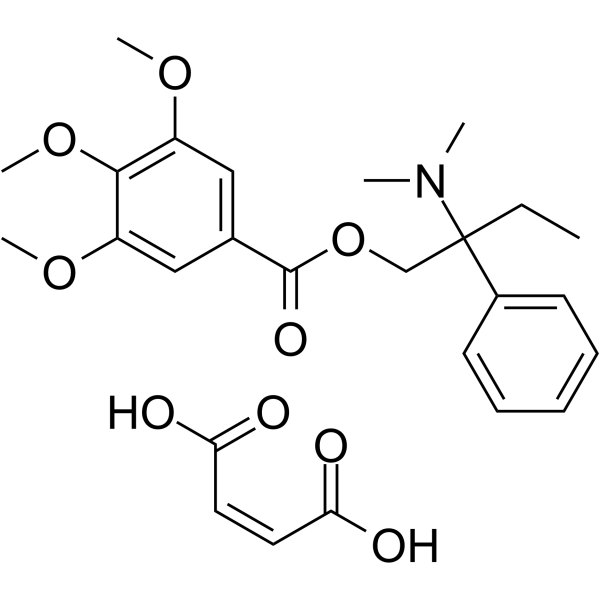
    Trimebutine maleate
    Inhibitor 99.66%
    Trimebutine maleate is a multi-target inhibitor and opioid receptor agonist with antimuscarinic activity. Trimebutine maleate inhibits L-type Ca2+ channels and large-conductance calcium-activated potassium channels (BKCa channels), thereby inhibiting extracellular calcium influx and potassium ion efflux. Trimebutine maleate also targets Toll-like receptors, inhibits Toll-like receptor 2/4/7/8/9 signals, and inhibits LPS-induced IRAK1 activation, as well as ERK1/2, JNK and NF-κB activation, thereby exerting anti-inflammatory effects. Trimebutine maleate also induces tumor cell apoptosis by inhibiting the AKT/ERK pathway. Trimebutine maleate also inhibits excessive contraction of smooth muscle and can be used in the study of gastrointestinal disorders such as irritable bowel syndrome (IBS).
    Trimebutine maleate
  • HY-14942
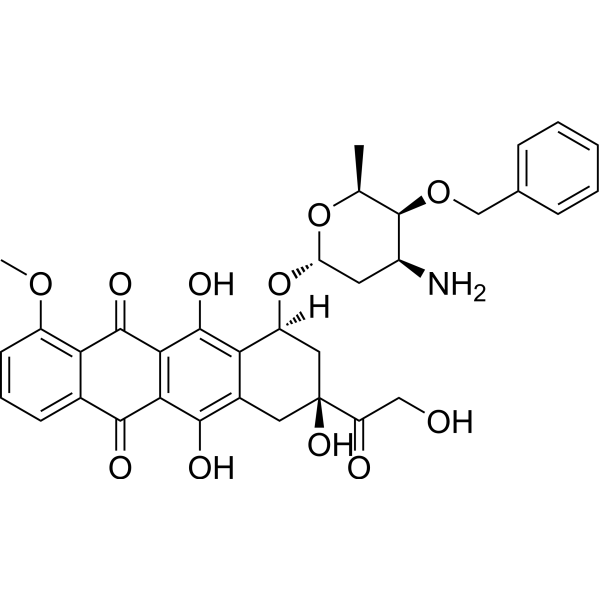
    Berubicin
    Activator
    Berubicin (RTA 744 free base) is a Doxorubicin (HY-15142A) analog that can cross the blood-brain barrier. Berubicin inhibits P-gp and MRP1-mediated efflux and suppresses glioblastoma multiforme (GBM). Berubicin exerts toxic effects on leukemia cells by activating nuclear factor κB (NF-κB) and induces apoptosis in neuroblastoma cells. Berubicin can be used in the study of tumors related to the nervous system.
    Berubicin
  • HY-123984
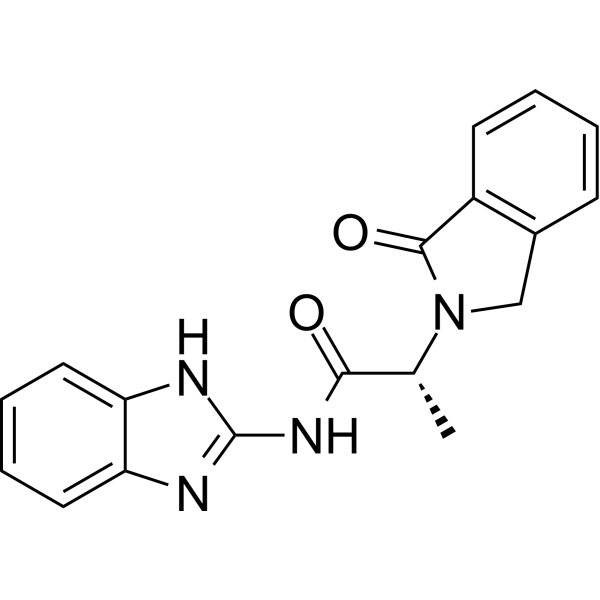
    LTβR-IN-1
    Activator 99.79%
    LTβR-IN-1 (Compound 919278) is a potent, selective lymphotoxin β receptor (LTβR) inhibitor. LTβR-IN-1 also selectively inhibits the nuclear translocation of p52 depended on TNF12A, instead of the nuclear translocation of p65 mediated by TNF-α receptor. LTβR-IN-1 regulates the NF-kB signaling pathway IN a ligand-independent manner.
    LTβR-IN-1
  • HY-144765
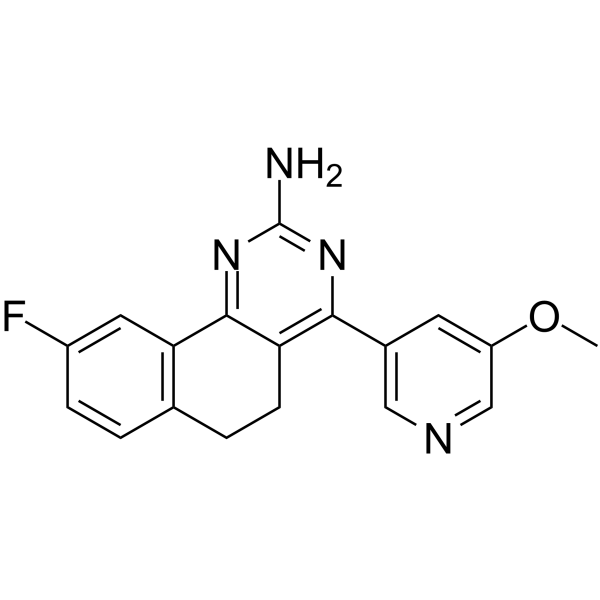
    NF-κB-IN-4
    Inhibitor 98.51%
    NF-κB-IN-4 (compound 17) is a potent NF-κB pathway inhibitor with blood brain barrier (BBB) permeability. NF-κB-IN-4 exhibits potential anti-neuroinflammatory activity with low toxicity. NF-κB-IN-4 can block the activation and phosphorylation of IκBα, reduce expression of NLRP3, and thus inhibit NF-κB activation. NF-κB-IN-4 can be used for neuroinflammation related diseases research.
    NF-κB-IN-4
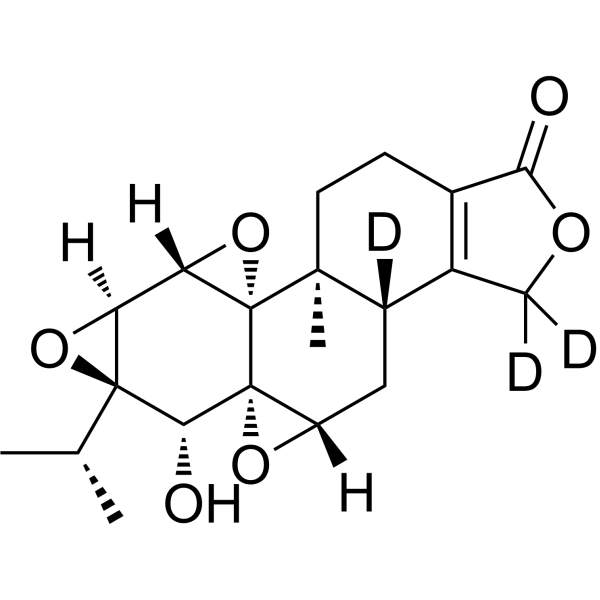
  • HY-32735S
    Triptolide-d3
    Inhibitor
    Triptolide-d3 is the deuterium labeled Triptolide. Triptolide is a diterpenoid triepoxide extracted from the root of Tripterygium wilfordii with immunosuppressive, anti-inflammatory, antiproliferative and antitumour effects. Triptolide is a NF-κB activation inhibitor.
    Triptolide-d<sub>3</sub>
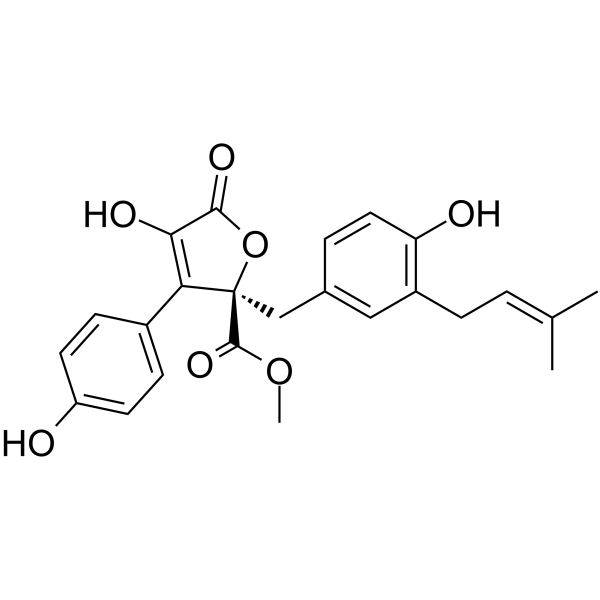
  • HY-111237
    Butyrolactone I
    Inhibitor 99.80%
    Butyrolactone I is an orally active and ATP-competitive inhibitor of CDK1. Butyrolactone I inhibits NF-κB, cdc2 kinase, Bax, ROS production, modulates the PERK/CHOP. Butyrolactone I mitigates heat-stress-induced Apoptosis. Butyrolactone I shows anti-inflammatory and intestinal protective activity. Butyrolactone I has antitumor effects against non-small cell lung, small cell lung, prostate cancer and leukemia. Butyrolactone I can be used in NASH research.
    Butyrolactone I
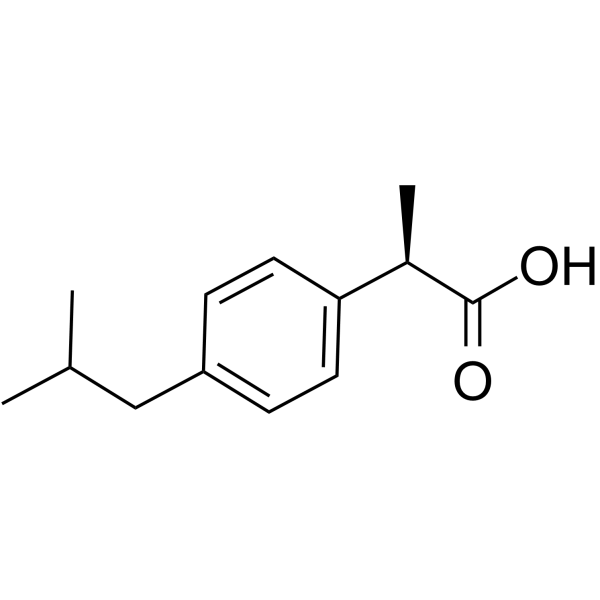
  • HY-78131B
    (R)-(-)-Ibuprofen
    Inhibitor 99.97%
    (R)-(-)-Ibuprofen is the R enantiomer of Ibuprofen, inactive on COX, inhibits NF-κB activation; (R)-(-)-Ibuprofen exhibits anti-inflammatory and antinociceptive effects.
    (R)-(-)-Ibuprofen
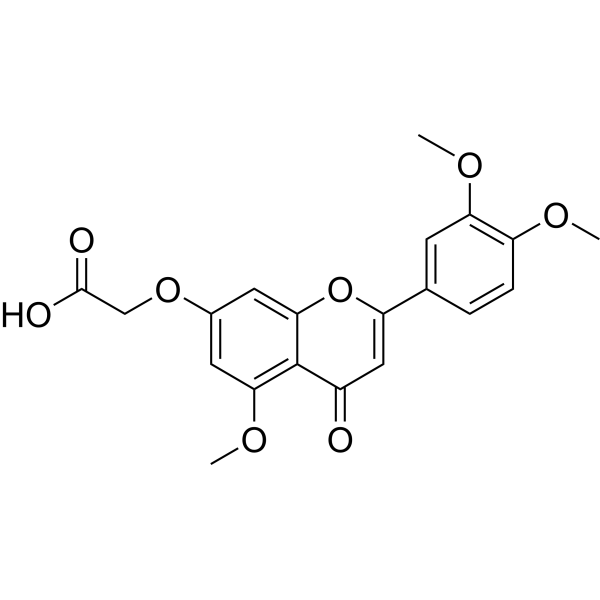
  • HY-106449
    Recoflavone
    Inhibitor 98.0%
    Recoflavone (DA-6034 (free acid)), a synthetic derivative of the flavonoid Eupatilin (HY-N0783), is orally active. Recoflavone can inhibit the NF-κB pathway and induce [Ca(2+)]i increase in epithelial cells. Recoflavone exhibits activities such as anti-inflammation, anti-tumor effects, protection of gastric and intestinal mucosa, and promotion of secretion in the ocular surface and salivary glands. Recoflavone can be used for the research of diseases such as dry eye, gastric injury, and intestinal injury.
    Recoflavone
  • HY-10529R
    Betulinic acid (Standard)
    Modulator
    Betulinic acid (Standard) is the analytical standard of Betulinic acid. This product is intended for research and analytical applications. Betulinic acid is a natural pentacyclic triterpenoid, acts as a eukaryotic topoisomerase I inhibitor, with an IC50 of 5 μM, and possesses anti-HIV, anti-malarial, anti-inflammatory and anti-tumor properties. Betulinic acid can cross the blood-brain barrier.
    Betulinic acid (Standard)
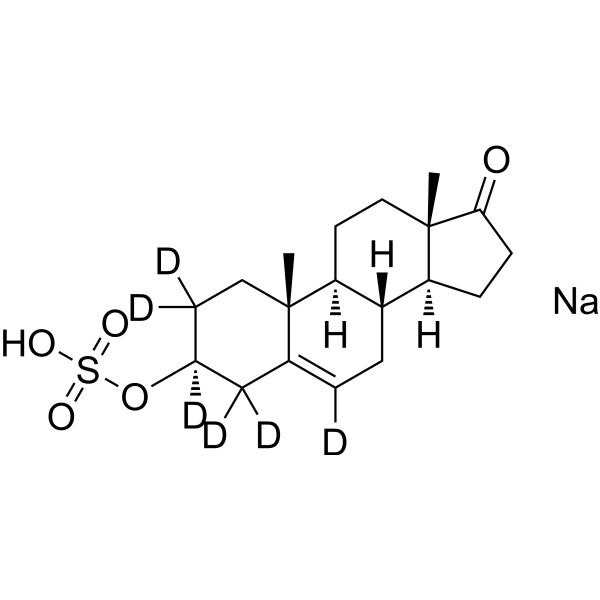
  • HY-141921S
    Dehydroepiandrosterone sulfate sodium-d6
    Inhibitor 99.61%
    Dehydroepiandrosterone sulfate sodium salt-d6 (DHEA sulfate sodium salt-d6; Prasterone sulfate sodium salt-d6) is the deuterium labeled Dehydroepiandrosterone sulfate sodium salt (HY-B0765). Dehydroepiandrosterone sulfate (DHEA sulfate; Prasterone sulfate) sodium salt is a neurosteroid and the main secretion product of the adrenal gland. Dehydroepiandrosterone sulfate sodium salt has both non-competitive antagonist activity of GABAA receptor and agonist activity of σ1 receptor. Dehydroepiandrosterone sulfate sodium salt can partially penetrate the blood-brain barrier, inhibit GABAA receptor-mediated chloride influx, enhance NMDA receptor activity through σ1 receptors, exert anti-inflammatory, anti-glucocorticoid and antidepressant effects, and increase convulsive sensitivity. Dehydroepiandrosterone sulfate sodium salt participates in neuroprotection, neurite growth regulation and catecholamine secretion regulation, and can be used in the study of depression, post-traumatic stress disorder (PTSD), Alzheimer's disease, etc. Dehydroepiandrosterone sulfate sodium salt may also be a biomarker for cardiovascular disease mortality, and its concentration is independently and negatively correlated with mortality.
    Dehydroepiandrosterone sulfate sodium-d<sub>6</sub>
  • HY-N0474R
    Tyrosol (Standard)
    Inhibitor
    Tyrosol (Standard) is the analytical standard of Tyrosol. This product is intended for research and analytical applications. Tyrosol is a derivative of phenethyl alcohol. Tyrosol attenuates pro-inflammatory cytokines from cultured astrocytes and NF-κB activation. Anti-oxidative and anti-inflammatory effects.
    Tyrosol (Standard)
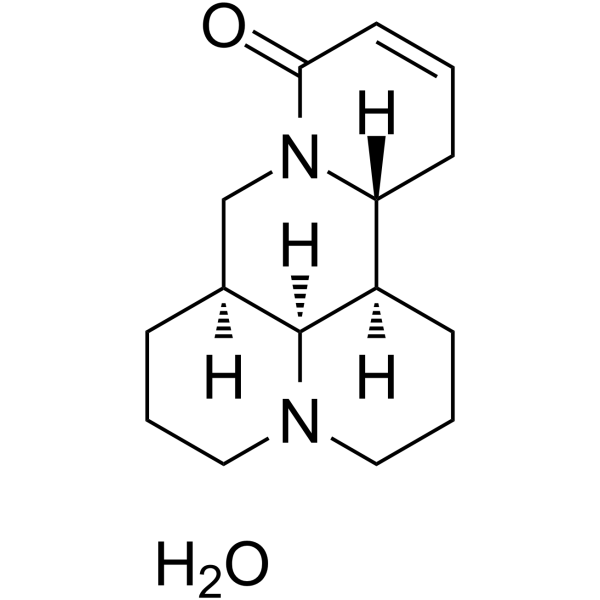
  • HY-N0103A
    Sophocarpine monohydrate
    Inhibitor 99.91%
    Sophocarpine monohydrate is a PTEN activator and an inhibitor of PI3K/Akt, MEK/ERK, and NF-κB signaling pathways. Sophocarpine monohydrate upregulates PTEN expression and inhibits PI3K/Akt phosphorylation, arrests tumor cell cycle and induces apoptosis. Sophocarpine monohydrate inhibits MEK/ERK phosphorylation and VEGF secretion, reducing tumor cell migration. Sophocarpine monohydrate can also inhibit NF-κB activation and p38 and JNK phosphorylation, reduce the expression of inflammatory factors such as iNOS and COX-2, and activate the Nrf2/HO-1 pathway to reduce oxidative stress. Sophocarpine monohydrate has anti-tumor, anti-inflammatory, antioxidant and anti-apoptotic effects, and can be used in the research of cancers such as glioblastoma and colorectal cancer, inflammation-related diseases, and Doxorubicin (HY-15142A)-induced cardiac damage.
    Sophocarpine monohydrate
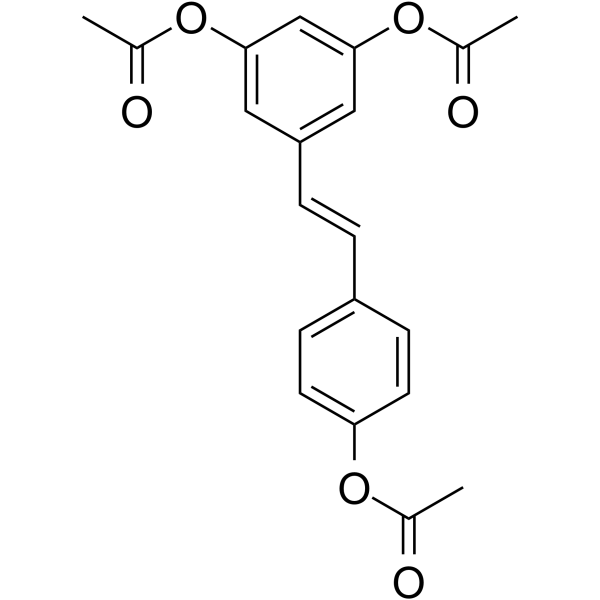
  • HY-N1410
    Triacetylresveratrol
    Inhibitor 99.11%
    Triacetylresveratrol, an acetylated analog of Resveratrol. Triacetylresveratrol decreases the phosphorylation of STAT3 and NF-κB in a dose- and time- dependent manner in PANC-1 and BxPC-3 cells. Anticancer effects.
    Triacetylresveratrol
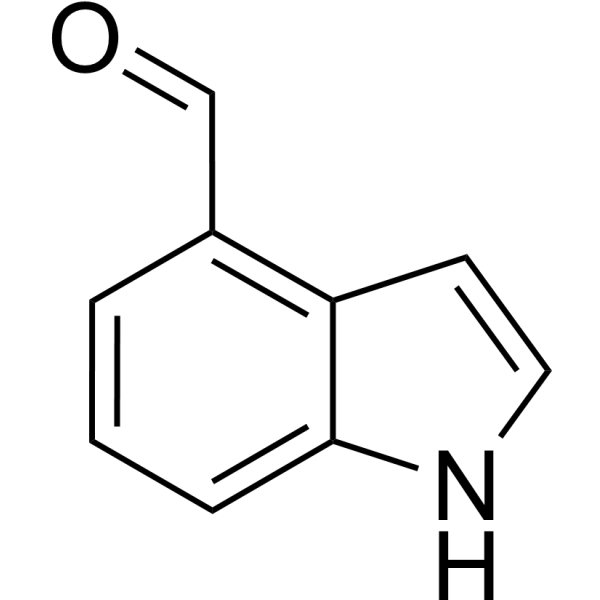
  • HY-W001288
    Indole-4-carboxaldehyde
    Activator 99.85%
    Indole-4-carboxaldehyde is an ergot alkaloid precursor. Indole-4-carboxaldehyde attenuates the methylglyoxal (MGO)-induced expression of inflammatory-related genes, such asTNF-α and IFN-γ by activating NF-κB without toxicity in HepG2 cells. Indole-4-carboxaldehyde reduces the MGO-induced AGE formation and the expression of the receptor for AGE (RAGE). Indole-4-carboxaldehyde can be used for the study of hepatic steatosis.
    Indole-4-carboxaldehyde
  • HY-N2098
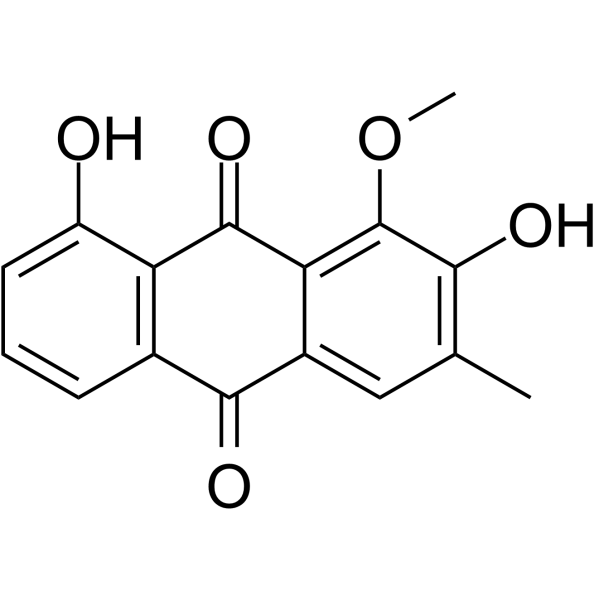
    Obtusifolin
    Inhibitor 99.91%
    Obtusifolin, isolated from the seeds of Cassia obtusifolia, regulates the gene expression and production of MUC5AC mucin in airway epithelial cells via inhibiting NF-kB pathway. Obtusifolin suppresses phthalate esters-induced breast cancer bone metastasis by targeting parathyroid hormone-related protein.
    Obtusifolin
  • HY-B0513
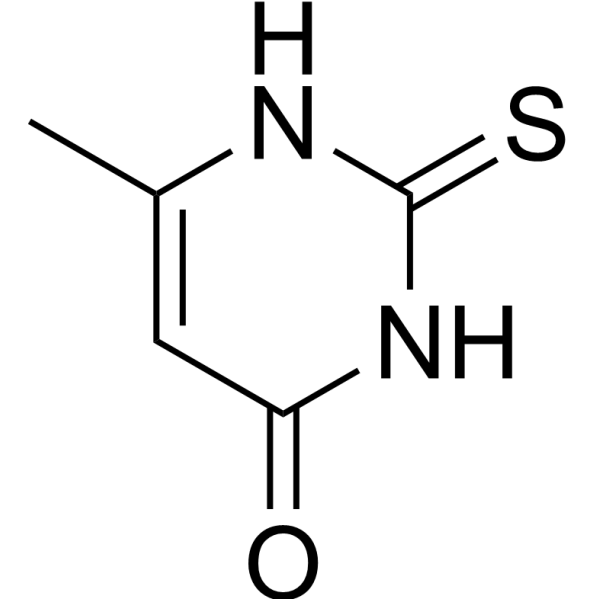
    Methylthiouracil
    Inhibitor 98.0%
    Methylthiouracil is an antithyroid agent. Methylthiouracil suppresses the production TNF-α and IL-6, and the activation of NF-κB and ERK1/2.
    Methylthiouracil
  • HY-N0191R
    Andrographolide (Standard)
    Inhibitor
    Andrographolide (Standard) is the analytical standard of Andrographolide. This product is intended for research and analytical applications. Andrographolide is a NF-κB inhibitor, which inhibits NF-κB activation through covalent modification of a cysteine residue on p50 in endothelial cells without affecting IκBα degradation or p50/p65 nuclear translocation. Andrographolide has antiviral effects.
    Andrographolide (Standard)
  • HY-N8407
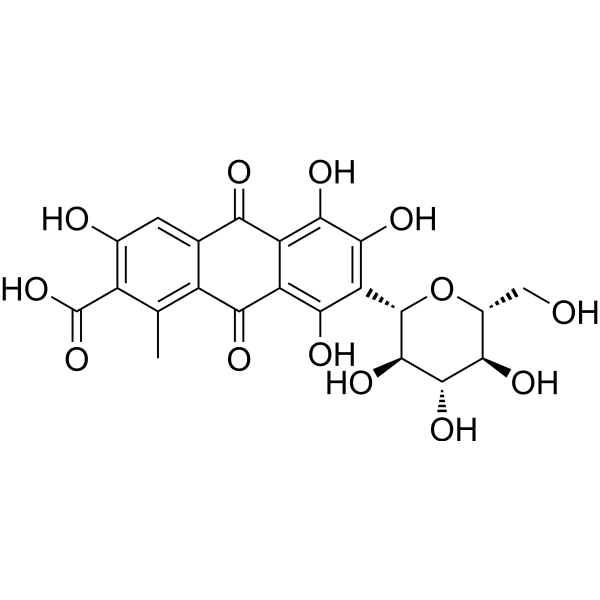
    Carminic acid
    Inhibitor
    Carminic acid is a widely used and orally active natural red pigment that can be used in industries such as food, cosmetics, and pharmaceuticals. In addition, carminic acid has anti-inflammatory and antioxidant activities.
    Carminic acid
  • HY-90003A
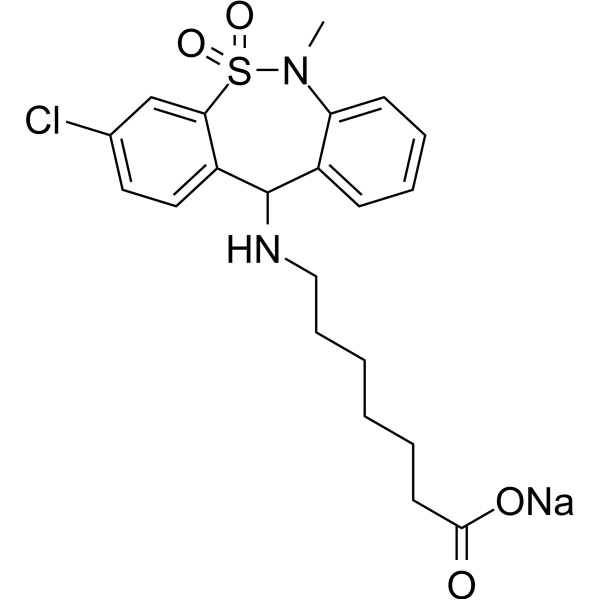
    Tianeptine sodium salt
    Inhibitor 99.90%
    Tianeptine sodium salt is an atypical antidepressant. Tianeptine sodium salt is a moderate-intensity agonist of the μ-opioid receptor (MOR), and to a lesser extent, is an agonist of the δ-opioid receptor (DOR). Tianeptine sodium salt is a glutamate modulator that can enhance AMPA receptor and antagonize NMDA receptor. Tianeptine sodium salt increases sensitivity of the α1 adrenergic receptor, which only manifests in chronic treatment. Tianeptine sodium salt exerts neuroprotective effects under stress/inflammation-induced conditions, exhibiting anti-inflammatory and antioxidant properties. Tianeptine sodium salt inhibits MMP-9 by suppressing the PI3K/Akt-mediated NF-κB pathway. Tianeptine sodium salt can be used to alleviate symptoms of depression and anxiety, but does not cause sedative effects.
    Tianeptine sodium salt
  • HY-N7102
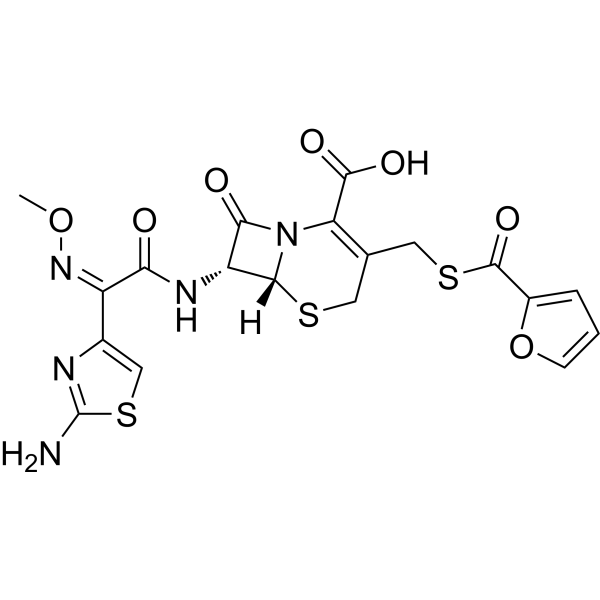
    Ceftiofur
    Inhibitor 99.81%
    Ceftiofur is a cell wall synthesis inhibitor that targets bacterial penicillin-binding proteins (PBPs) and has anti-inflammatory effects in endotoxemia. Ceftiofur exerts bactericidal effects by inhibiting the synthesis of bacterial cell wall peptidoglycan, leading to bacterial cell lysis. Ceftiofur also inhibits the activation of NF-κB and MAPKs, thereby reducing the secretion of pro-inflammatory cytokines such as TNF-α, IL-1β, and IL-6.
    Ceftiofur
Cat. No. Product Name / Synonyms Application Reactivity

NF-κB transcription factors are critical regulators of immunity, stress responses, apoptosis and differentiation. In mammals, there are five members of the transcription factor NF-κB family: RELA (p65), RELB and c-REL, and the precursor proteins NF-κB1 (p105) and NF-κB2 (p100), which are processed into p50 and p52, respectively. NF-κB transcription factors bind as dimers to κB sites in promoters and enhancers of a variety of genes and induce or repress transcription. NF-κB activation occurs via two major signaling pathways: the canonical and the non-canonical NF-κB signaling pathways[1]


The canonical NF-κB pathway is triggered by signals from a large variety of immune receptors, such as TNFR, TLR, and IL-1R, which activate TAK1. TAK1 then activates IκB kinase (IKK) complex, composed of catalytic (IKKα and IKKβ) and regulatory (NEMO) subunits, via phosphorylation of IKKβ. Upon stimulation, the IKK complex, largely through IKKβ, phosphorylates members of the inhibitor of κB (IκB) family, such as IκBα and the IκB-like molecule p105, which sequester NF-κB members in the cytoplasm. IκBα associates with dimers of p50 and members of the REL family (RELA or c-REL), whereas p105 associates with p50 or REL (RELA or c-REL). Upon phosphorylation by IKK, IκBα and p105 are degradated in the proteasome, resulting in the nuclear translocation of canonical NF-κB family members, which bind to specific DNA elements, in the form of various dimeric complexes, including RELA-p50, c-REL-p50, and p50-p50. Atypical, IKK-independent pathways of NF-κB induction also provide mechanisms to integrate parallel signaling pathways to increase NF-κB activity, such as hypoxia, UV and genotoxic stress.


The non-canonical NF-κB pathway is induced by certain TNF superfamily members, such as CD40L, BAFF and lymphotoxin-β (LT-β), which stimulates the recruitment of TRAF2, TRAF3, cIAP1/2 to the receptor complex. Activated cIAP mediates K48 ubiquitylation and proteasomal degradation of TRAF3, resulting in stabilization and accumulation of the NFκB-inducing kinase (NIK). NIK phosphorylates and activates IKKα, which in turn phosphorylates p100, triggering p100 processing, and leading to the generation of p52 and the nuclear translocation of p52 and RELB[2][3].


Reference:

[1]. Oeckinghaus A, et al. The NF-kappaB family of transcription factors and its regulation.Cold Spring Harb Perspect Biol. 2009 Oct;1(4):a000034. 
[2]. Taniguchi K, et al. NF-κB, inflammation, immunity and cancer: coming of age. Nat Rev Immunol. 2018 May;18(5):309-324.
[3]. Perkins ND,et al. Integrating cell-signalling pathways with NF-kappaB and IKK function. Nat Rev Mol Cell Biol. 2007 Jan;8(1):49-62.

Your Search Returned No Results.

Sorry. There is currently no product that acts on isoform together.

Please try each isoform separately.