



TNF Receptor
Tumor Necrosis Factor Receptor; TNFR
Tumor necrosis factor (TNF) is a major mediator of apoptosis as well as inflammation and immunity, and it has been implicated in the pathogenesis of a wide spectrum of human diseases, including sepsis, diabetes, cancer, osteoporosis, multiple sclerosis, rheumatoid arthritis, and inflammatory bowel diseases.
TNF-α is a 17-kDa protein consisting of 157 amino acids that is a homotrimer in solution. In humans, the gene is mapped to chromosome 6. Its bioactivity is mainly regulated by soluble TNF-α–binding receptors. TNF-α is mainly produced by activated macrophages, T lymphocytes, and natural killer cells. Lower expression is known for a variety of other cells, including fibroblasts, smooth muscle cells, and tumor cells. In cells, TNF-α is synthesized as pro-TNF (26 kDa), which is membrane-bound and is released upon cleavage of its pro domain by TNF-converting enzyme (TACE).
Many of the TNF-induced cellular responses are mediated by either one of the two TNF receptors, TNF-R1 and TNF-R2, both of which belong to the TNF receptor super-family. In response to TNF treatment, the transcription factor NF-κB and MAP kinases, including ERK, p38 and JNK, are activated in most types of cells and, in some cases, apoptosis or necrosis could also be induced. However, induction of apoptosis or necrosis is mainly achieved through TNFR1, which is also known as a death receptor. Activation of the NF-κB and MAPKs plays an important role in the induction of many cytokines and immune-regulatory proteins and is pivotal for many inflammatory responses.
TNF Receptor Isoform Specific Products
-
TNF Receptor
(685)
View all products
-
TNFRSF1A/CD120a
(8)
View all products
-
TNFRSF3/CD18
(1)
View all products
-
TNFRSF4
(5)
View all products
-
TNFRSF5/CD40
(105)
View all products
-
TNFRSF6/Fas/CD95
(2)
View all products
-
TNFRSF7/CD27
(2)
View all products
-
TNFRSF8/CD30
(3)
View all products
-
TNFRSF9/4-1BB/CD137
(3)
View all products
-
TNFRSF10B/DR5/CD262
(1)
View all products
-
TNFRSF12A/TWEAK
(5)
View all products
-
TNFRSF16/NGF Receptor/CD271
(1)
View all products
-
TNFRSF18/GITR/CD357
(6)
View all products
All Product Categories
-
TNF Receptor Inhibitors
(841)
View all products
-
TNF Receptor Agonists
(35)
View all products
-
TNF Receptor Antagonists
(25)
View all products
-
TNF Receptor Activators
(71)
View all products
-
TNF Receptor Modulators
(8)
View all products
-
TNF Receptor Inducers
(9)
View all products
-
TNF Receptor Controls
(4)
View all products
-
TNF Receptor Ligands
(2)
View all products
-
TNF Receptor Superfamily Proteins
(282)
View all products
-
TNF Receptor Related Products (1180)
Related Products (1180)

-
Recombinant Proteins (282)
-
Antibodies (23)
-
TNF Receptor Signaling Pathway
-
TNF Receptor Isoform Comparison
-
D-chiro-Inositol
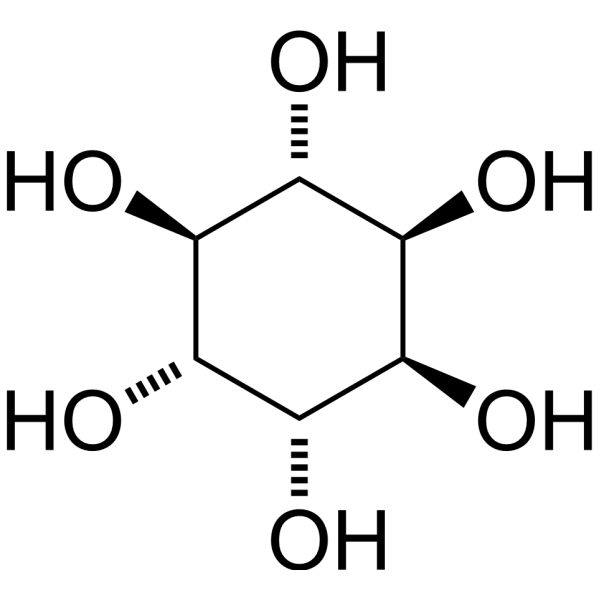 0 ImagesD-chiro-Inositol is a stereoisomer of inositol that exhibits activities such as improving glucose metabolism, anti-tumor effects, anti-inflammatory properties, and antioxidant activity. D-chiro-Inositol effectively alleviates cholestasis by enhancing bile acid secretion and reducing oxidative stress. D-chiro-Inositol improves insulin resistance, lowers hyperglycemia and circulating insulin levels, reduces serum androgen levels, and ameliorates some metabolic abnormalities associated with X syndrome by mimicking the action of insulin. Additionally, D-chiro-Inositol can induce a reduction in pro-inflammatory factors (such as Nf-κB) and cytokines (such as TNF-α), thereby exerting anti-inflammatory effects. D-chiro-Inositol may be used in the study of liver cirrhosis, breast cancer, type 2 diabetes, and polycystic ovary syndrome.
-
Taurohyodeoxycholic acid sodium
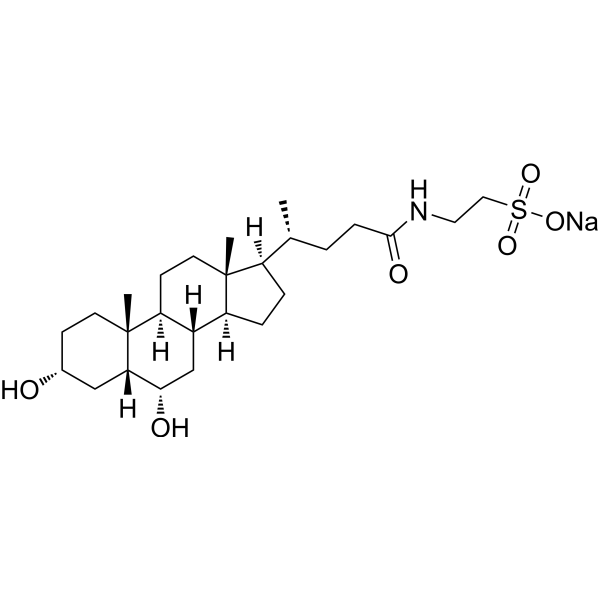 0 ImagesTaurohyodeoxycholic acid (THDCA) sodium is the taurine-conjugated form of the secondary bile acid hyodeoxycholic acid. Taurohyodeoxycholic acid can also reduce the activity and expression of myeloperoxidase TNF-α and IL-6, as well as colonic damage in TNBS-induced ulcerative colitis mouse model.
-
γ-Glutamylvaline
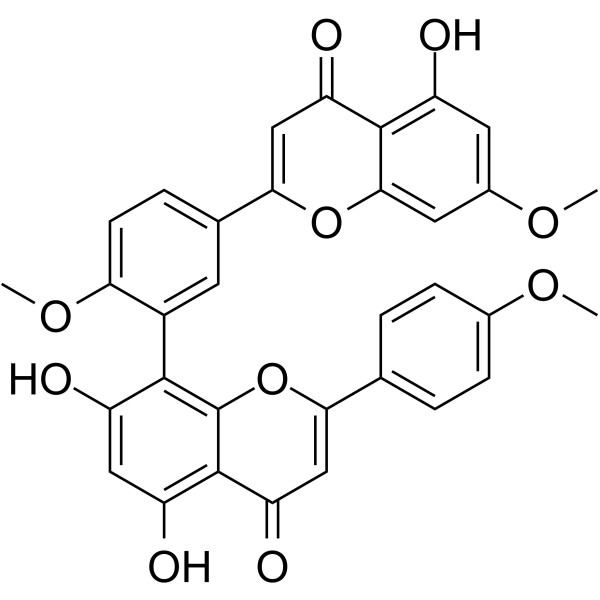
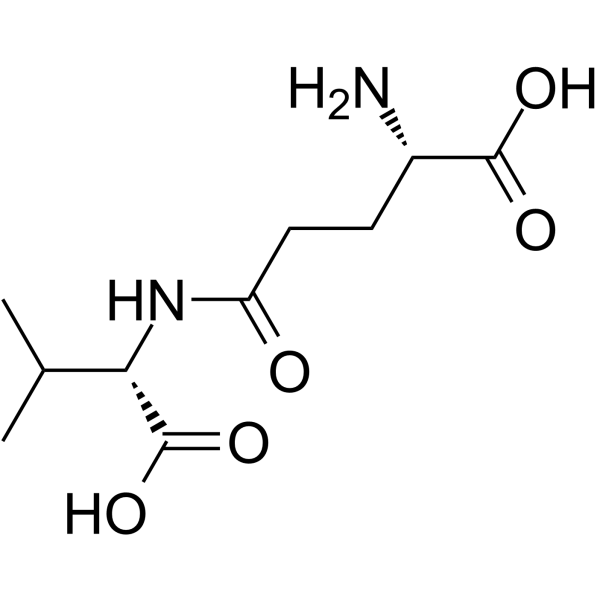 0 Imagesγ‑Glutamylvaline (γ-Glu-Val) is a calcium‑sensing receptor (CaSR) agonist. γ‑Glutamylvaline activates CaSR and facilitates its binding to β‑arrestin 2 to modulate inflammatory and metabolic homeostasis signaling. γ‑Glutamylvaline inhibits TNF‑α‑induced IL‑6/MCP‑1 and enhances adiponectin/PPARγ in adipocytes. γ‑Glutamylvaline upregulates Wnt5a, restores β‑catenin phosphorylation, and reduces serine‑phosphorylated IRS‑1 in adipocytes. γ-Glutamylvaline can be used for the research of low-grade chronic inflammation.
-
Xylobiose
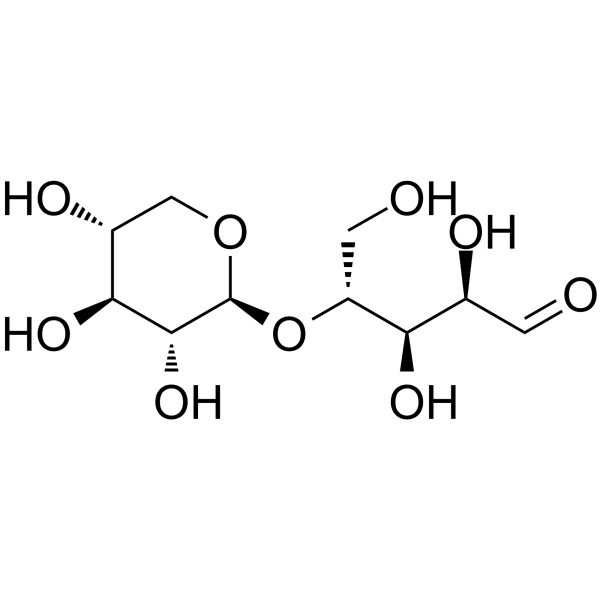 0 ImagesXylobiose (1,4-β-D-Xylobiose; 1,4-D-Xylobiose) is an orally active Claudin 2/CLDN2 inhibitor and HSP27 inducer. Xylobiose works by regulating intestinal barrier function and glucose and lipid metabolism-related signaling pathways. Xylobiose inhibits CLDN2 expression to reduce intestinal permeability, induces HSP27 to enhance cell protection, and regulates the miR-122a/miR-33a axis to inhibit liver lipid synthesis and improve insulin resistance. Xylobiose can strengthen intestinal barrier integrity, reduce blood sugar and blood lipid levels, and reduce oxidative stress and inflammatory response. Xylobiose can be used in the study of type 2 diabetes and metabolic syndrome.

-
Enavatuzumab
 0 ImagesSynonyms: PDL192; ABT-361; Anti-TNFRSF12A/TWEAKR/CD266 Reference Antibody (enavatuzumab)Enavatuzumab (PDL192; ABT-361) is a humanized IgG1 monoclonal antibody targeting the receptor of TNF-like weak inducer of apoptosis (TWEAK). TWEAK (Fn14; TNFRSF12A), the natural ligand of the TWEAK receptor (TweakR), stimulates multiple cellular responses. Enavatuzumab induces tumor growth inhibition through direct TweakR signaling and antibody dependent cell-mediated cytotoxicity (ADCC). Enavatuzumab can actively recruits and activates myeloid effectors to kill tumor cells. Enavatuzumab inhibits the growth of various human TweakR-positive cancer cell lines and xenografts in vitro and in vivo .
-
UCB-5307
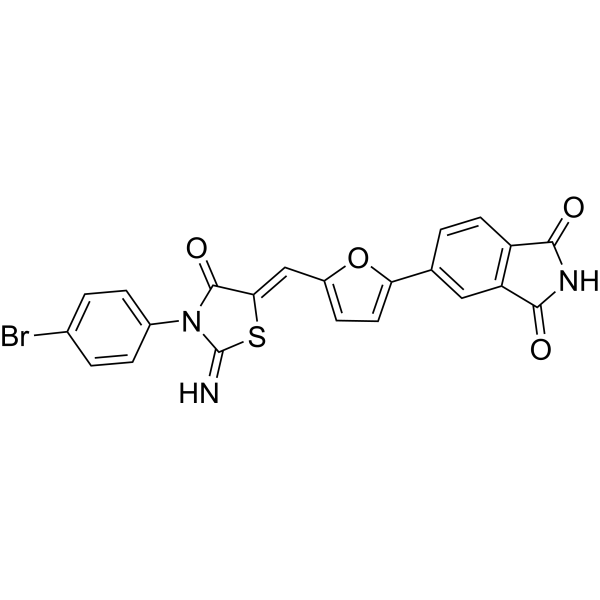
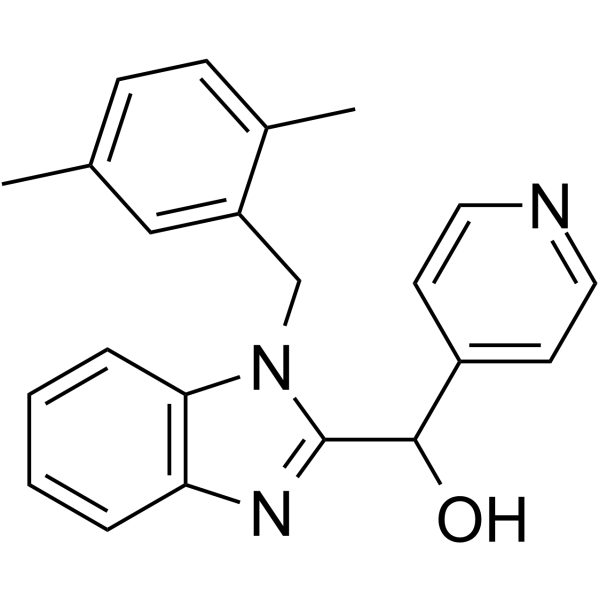 0 ImagesCat. No.: HY-147045CAS No.: 1515887-44-1UCB-5307 is a potent TNF signaling inhibitor with a KD of 9 nM for human TNFα. UCB-5307 can penetrate the preformed hTNF/hTNFR1 complex.
-
Coenzyme Q0
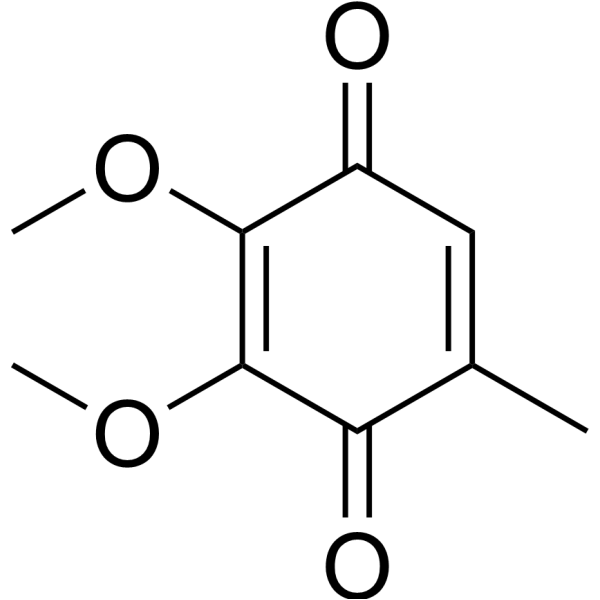 0 ImagesSynonyms: CoQ0Coenzyme Q0 (CoQ0) is a potent, oral active ubiquinone compound can be derived from Antrodia cinnamomea. Coenzyme Q0 induces apoptosis and autophagy, suppresses of HER-2/AKT/mTOR signaling to potentiate the apoptosis and autophagy mechanisms. Coenzyme Q0 regulates NFκB/AP-1 activation and enhances Nrf2 stabilization in attenuation of inflammation and redox imbalance. Coenzyme Q0 has anti-angiogenic activity through downregulation of MMP-9/NF-κB and upregulation of HO-1 signaling.
-
Eftozanermin alfa
 0 ImagesSynonyms: ABBV-621Eftozanermin alfa (ABBV-621) is a tumor necrosis factor-related apoptosis-inducing ligand receptor (TRAIL-R) agonist. Eftozanermin alfa is a fusion protein consisting of a mutant immunoglobulin G1-Fc linked to 2 single-chain trimers of TRAIL. Eftozanermin alfa induces apoptosis in tumor cells by activation of death receptors (DR4 receptor and DR5 receptor) with Kds of 780 nM and 635 nM. Eftozanermin alfa can be used for the research of multiple solid and heme malignancies.
-
Semapimod tetrahydrochloride
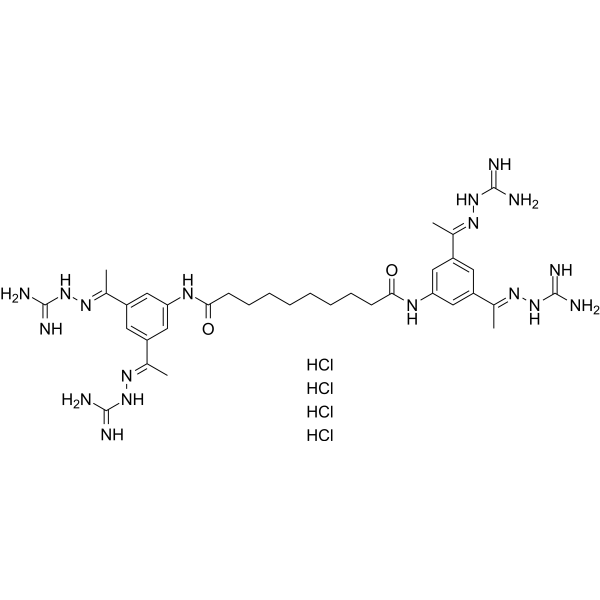 0 ImagesSynonyms: CNI-1493; CPSI-2364 tetrahydrochlorideSemapimod tetrahydrochloride (CNI-1493), an inhibitor of proinflammatory cytokine production, can inhibit TNF-α, IL-1β, and IL-6. Semapimod tetrahydrochloride inhibits TLR4 signaling (IC50≈0.3 μM). Semapimod tetrahydrochloride inhibits p38 MAPK and nitric oxide production in macrophages. Semapimod tetrahydrochloride has potential in a variety of inflammatory and autoimmune disorders.
-
Zymosan (ZM), 95%
 0 ImagesZymosan (ZM), 95% is a yeast cell wall-derived carbohydrate-rich preparation and immunomodulator. Zymosan (ZM), 95% binds to and activates TLR-2, TLR-4, and Dectin-1 receptor to trigger downstream signaling pathways. Zymosan (ZM), 95% upregulates TLR-2, TLR-4, and TNF-α mRNA expression, increases serum TNF-α levels, and stimulates splenocyte number and viability in mice. Zymosan (ZM), 95% attenuates melanoma growth progression, modulates macrophage marker gene expression, and mediates phagocytosis, ROS generation, and cytokine production. Zymosan (ZM), 95% reduces Connexin 43 protein and mRNA levels, inhibits gap junctional intercellular communication, and induces proinflammatory factor production in human corneal cells. Zymosan (ZM), 95% induces peritoneal inflammation in mice, functions as a drug carrier, and supports fibroblast cell attachment in hydrogel formulations. Zymosan (ZM), 95% can be used for the research of melanoma, tumors, fungal keratitis, ocular surface inflammatory disorders, and peritoneal inflammation.
-
MCB-36
 0 ImagesMCB-36 is a VHL-recruiting pan-KRAS PROTAC degrader without affecting KRAS transcription. MCB-36 exhibits minimal effects on HRAS and NRAS protein levels. MCB-36 binds to the GDP-loaded state of G12D, G12C, G12V, and wild-type KRAS with high affinities Kd ≈ 1 pM). MCB-36 decreases p-ERK levels, leading to cell apoptosis. MCB-36 effectively suppress KRASG12C inhibitor-resistant cancer cells and remodel the tumor immune microenvironment. MCB-36 can be used for the study of colorectal cancer and lung cancer (Pink: Target protein ligand; Blue: E3 ligand (HY-112078); Black: Linker (HY-W091879)).
-
Tegoprubart
 0 ImagesSynonyms: AT-1501Tegoprubart (AT-1501) is a CD40 ligand inhibitor (EC50=100 ng/mL) and immunosuppressant that selectively inhibits the CD40 ligand, a co-stimulatory molecule involved in T cell activation. Tegoprubart suppresses immune rejection, prevents rejection in animal transplantation models, and reduces cell-mediated and antibody-mediated immune responses to create a more immunotolerant environment. Tegoprubart preserves renal function when combined with Mycophenolate (HY-B0421) and Corticosteroids, and maintains graft function in preclinical studies. Tegoprubart is applicable to research related to kidney transplantation and kidney transplant rejection.
-
Sotigalimab
 0 ImagesSynonyms: APX005M; APX005M; EPI-0050
-
Asunercept
 0 ImagesSynonyms: APG101; CAN008Asunercept (APG101; CAN008) is a soluble CD95-Fc fusion protein (hIgG1) targeting CD95L. Asunercept disrupts CD95/CD95L signaling by selectively binding to CD95L. Asunercept can be used in the research of glioblastoma multiforme (GBM), myelodysplastic syndrome (MDS), and graft-versus-host disease (GvHD).
-
Benpyrine
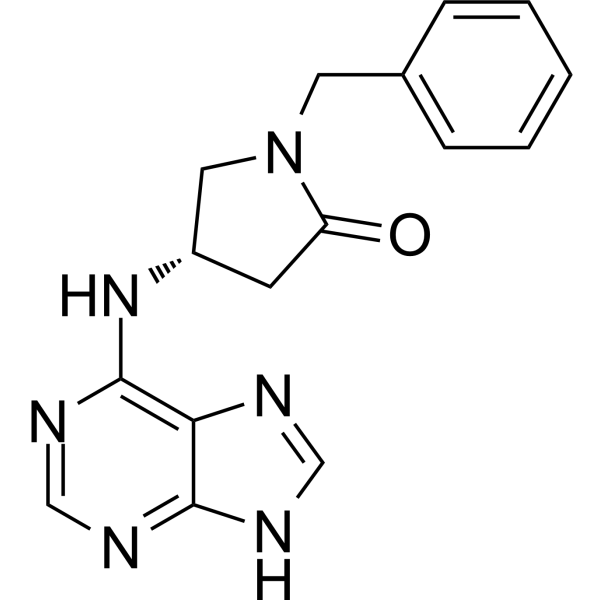 0 ImagesBenpyrine is a highly specific and orally active TNF-α inhibitor with a KD value of 82.1 μM. Benpyrine tightly binds to TNF-α and blocks its interaction with TNFR1, with an IC50 value of 0.109 µM. Benpyrine has the potential for TNF-α mediated inflammatory and autoimmune disease research.
-
Apratastat
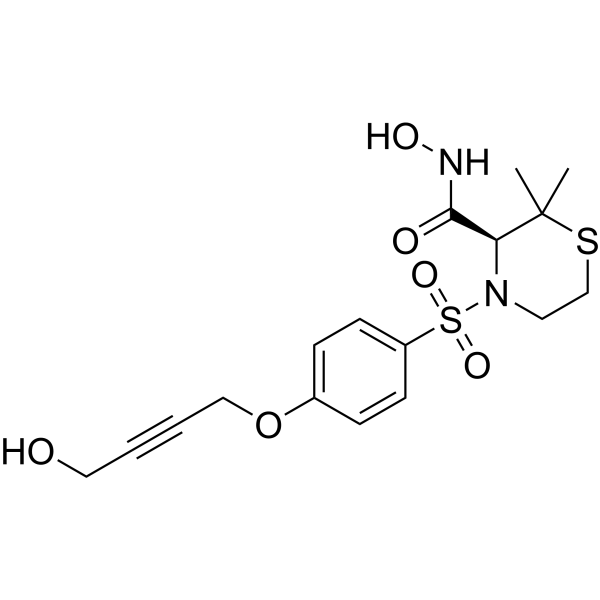 0 ImagesSynonyms: TMI-005Apratastat (TMI-005) is an orally active, non-selective and reversible TACE/MMPs inhibitor, can inhibit inhibit the release of TNF-α. Apratastat has the potential to overcome radiotherapy-resistance in non-small cell lung cancer (NSCLC). Apratastat is a click chemistry reagent, it contains an Alkyne group and can undergo copper-catalyzed azide-alkyne cycloaddition (CuAAc) with molecules containing Azide groups.




