Delivery of temperature sensitive items including proteins and kits will be paused on 6/19 for the Juneteenth holiday. For urgent orders please contact customer service.
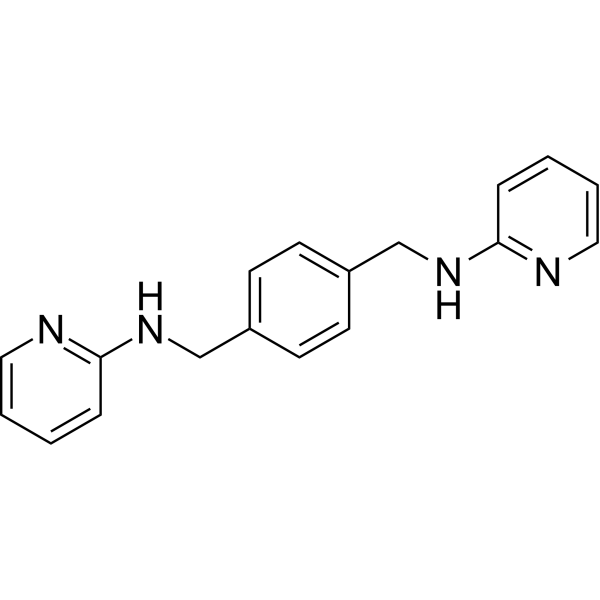
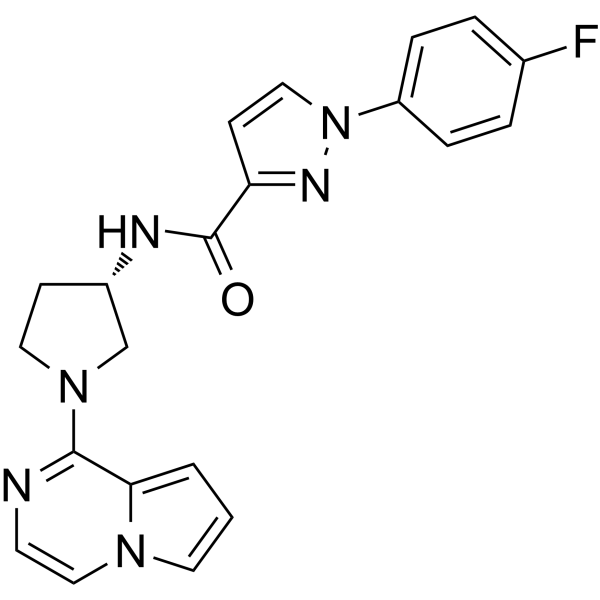
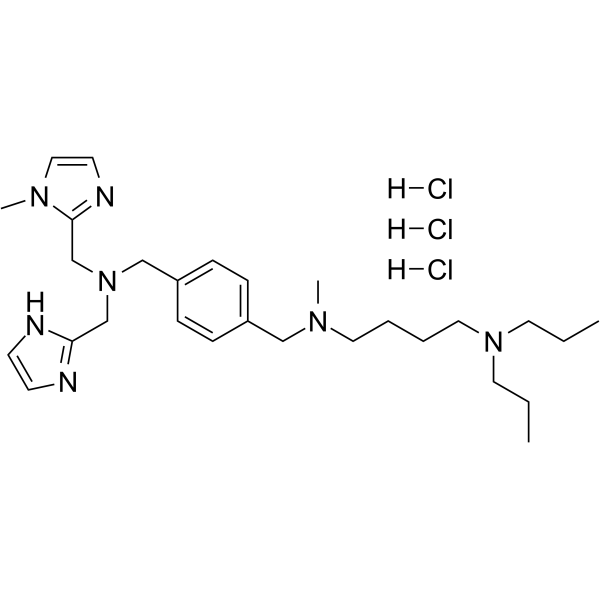
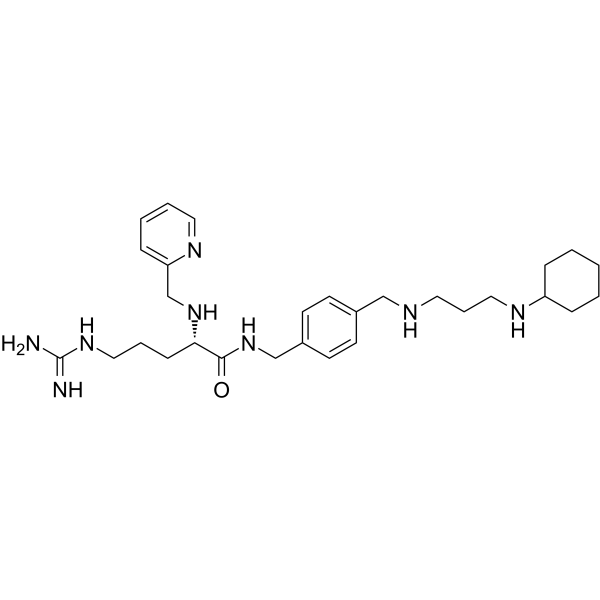
CXCR7 antagonist-1 is a CXCR7 antagonist that inhibits the binding of the SDF-1 chemokine (also known as the CXCL12 chemokine) or I-TAC (also known as CXCL11) to the chemokine receptor CXCR7. CXCR7 antagonist-1 is useful in preventing tumor cell proliferation, tumor formation, inflammatory diseases, and many other diseases [1].
CTCE-0214 is a chemokine CXC receptor 4 (CXCR4) agonist, SDF-1α (stromal cell-derived factor-1α) peptide analog. CTCE-0214 shows anti-inflammatory activity, and can be used in inflammation sepsis and systemic inflammatory syndromes research [1] .
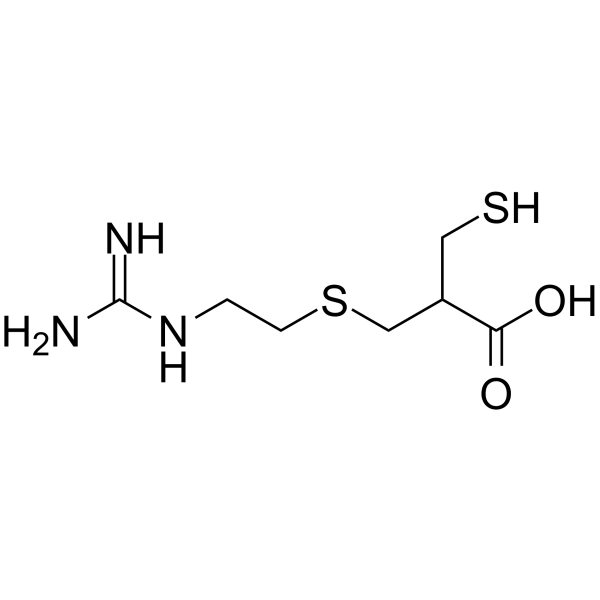
Mergetpa is a reversible Arg-carboxypeptidase inhibitor with high affinity. Mergetpa reduces B1R. Mergetpa blocks the overexpression of IL-1β protein and mRNA in glucose-fed rats. Mergetpa significantly increases the expression of IL-1β protein in the renal cortex. Mergetpa is used to block the conversion of kinins and B2 receptor antagonists into metabolites lacking the C-terminal arginine. Mergetpa inhibits the time-dependent enhancement of the response of isolated rabbit aorta to bradykinin. Mergetpa preserves the chemotactic activity of full-length SDF-1α on cells. Mergetpa reverses hyperglycemia, excessive weight gain, elevated levels of oxidative stress markers and overexpression of inflammatory markers in glucose-fed rats [1] .
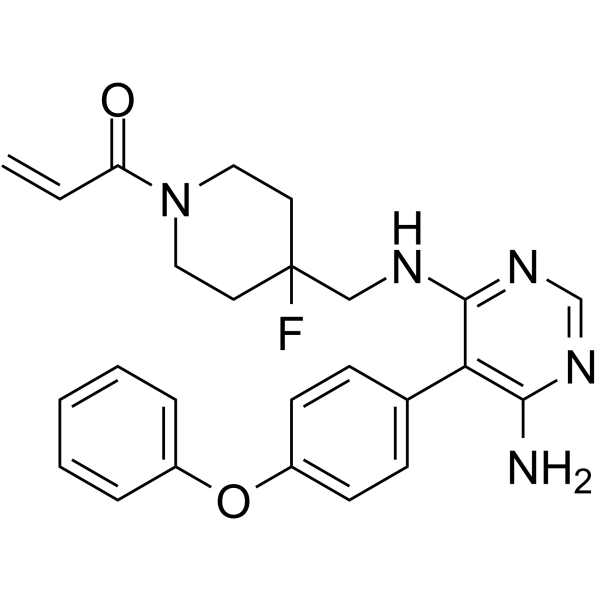
TL-895 is a potent, orally active, ATP-competitive, and highly selective irreversible BTK inhibitor. TL-895 is active against recombinant BTK (average IC50: 1.5 nM) and inhibits only three additional kinases BLK, BMX (IC50 = 1.6 nM) and TXK with IC50 within tenfold of BTK activity. TL-895 inhibits BTK auto-phosphorylation at the Y223 phosphorylation site (IC50: 1-10 nM). The TL-895 effectively inhibits the production of inflammatory factors such as IL-8, IL-1β, MCP-1 and TNF-α by monocytes or macrophages, and reduces the chemotactic migration of MF cells towards SDF-1. TL-895 is used be for studies of chronic lymphocytic leukemia (CLL), myelofibrosis (MF), and B-cell malignancies [1] .
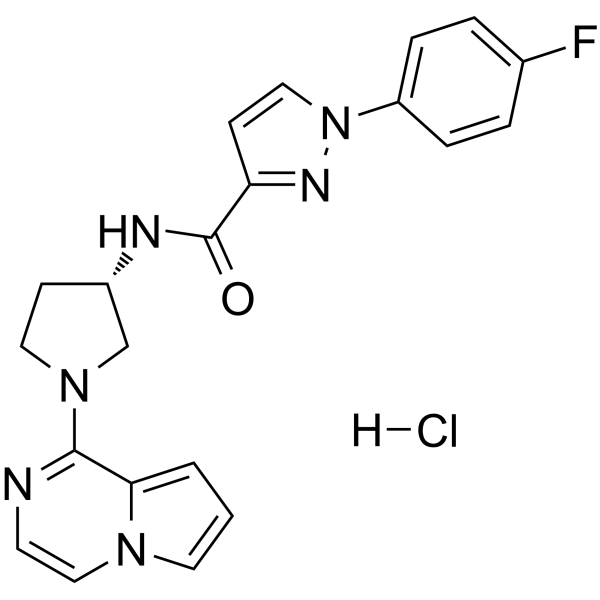
CXCR7 antagonist-1 hydrochloride is a CXCR7 antagonist that inhibits the binding of the SDF-1 chemokine (also known as the CXCL12 chemokine) or I-TAC (also known as CXCL11) to the chemokine receptor CXCR7. CXCR7 antagonist-1 hydrochloride is useful in preventing tumor cell proliferation, tumor formation, inflammatory diseases, and many other diseases [1].
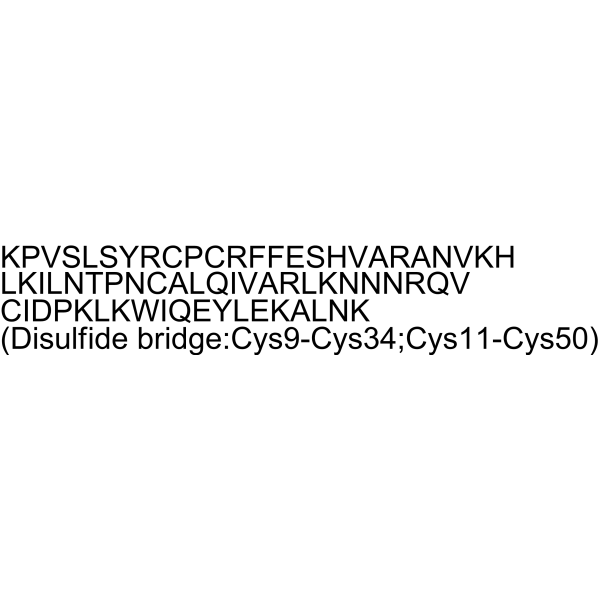
SDF-1α (human) TFA is a mononuclear cells chemoattractant that can bind to CXCR4. SDF-1α plays a central role in stem cell homing, retention, survival, proliferation, cardiomyocyte repair, angiogenesis and ventricular remodelling following myocardial infarction. SDF-1α (human) TFA can be used in cardiovascular disease research [1] .
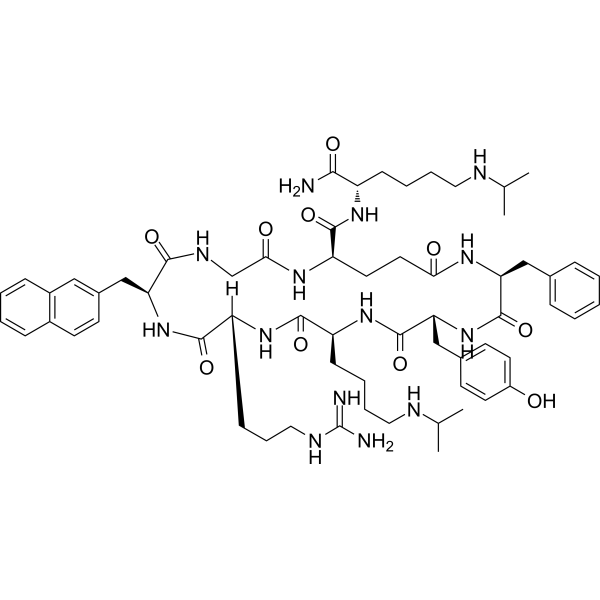
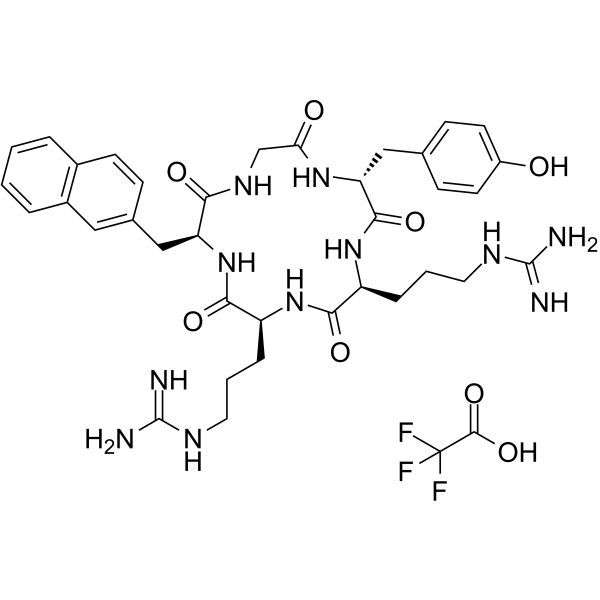
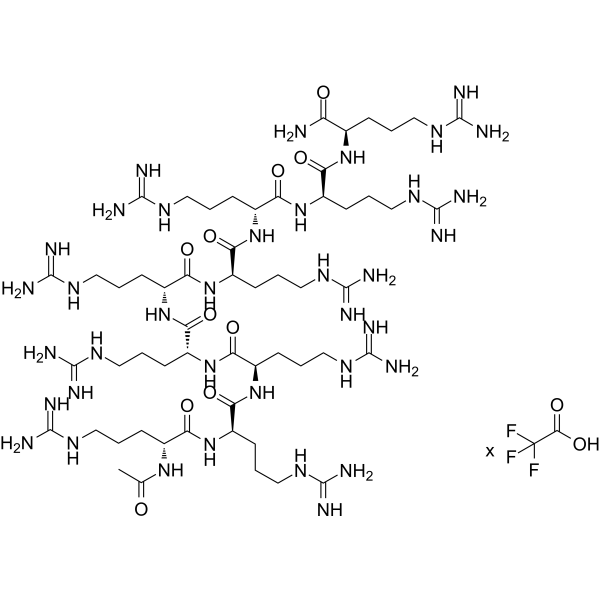
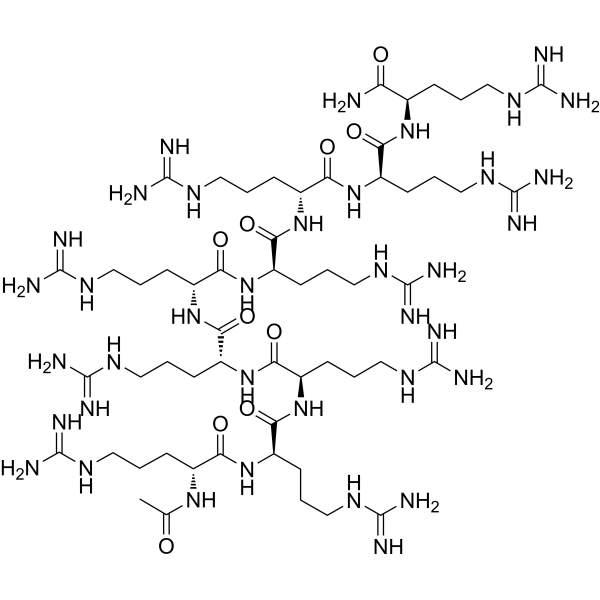
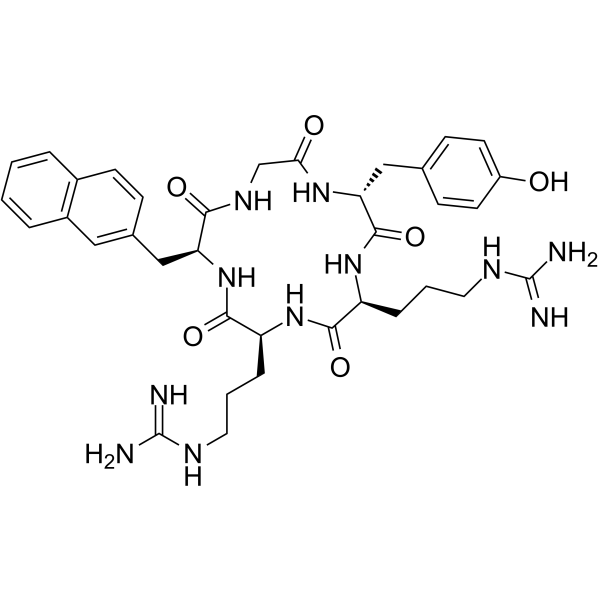
ALX 40-4C Trifluoroacetate is a small peptide inhibitor of the chemokine receptor CXCR4, inhibits SDF-1 from binding CXCR4 with a Ki of 1 μM, and suppresses the replication of X4 strains of HIV-1; ALX 40-4C Trifluoroacetate also acts as an antagonist of the APJ receptor, with an IC50 of 2.9 μM.
DV1 is a CXCR4 inhibitor with anti-proteolytic properties that specifically blocks the binding of SDF-1α to its receptor. DV1 inhibits the migration of breast cancer cells and enables the targeted delivery of avidin-PLGA nanoparticles to CXCR4-expressing cancer cells. DV1 not only effectively suppresses the progression of metastatic breast cancer in mouse models, but also preferentially accumulates in brain tumor tissues rather than normal brain tissues, showing potential for inhibiting intracranial tumor metastasis. As a humoral immune stimulant, DV1 induces the production of specific IgG, neutralizing antibodies and cellular immune responses, thereby providing the host with protection against lethal challenges. DV1 has been applied to studies on CXCR4-expressing cancers, glioblastoma, dengue fever and other related diseases [1] .
SDF-1α (human) is a mononuclear cells chemoattractant that can bind to CXCR4. SDF-1α plays a central role in stem cell homing, retention, survival, proliferation, cardiomyocyte repair, angiogenesis and ventricular remodelling following myocardial infarction. SDF-1α (human) can be used in cardiovascular disease research [1] .
Anti-CXCL12/SDF1a Antibody is a CHO-expressed human antibody that targets CXCL12/SDF1a. The Anti-CXCL12/SDF1a Antibody has a huIgG1 heavy chain and a huκ light chain, with a predicted molecular weight (MW) of 145 kDa. For the isotype control of Anti-CXCL12/SDF1a Antibody, please refer to Human IgG1 kappa, Isotype Control (HY-P99001).
KRH-3955 hydrochloride is an orally bioavailable CXCR4 antagonist. KRH-3955 hydrochloride inhibits SDF-1α binding to CXCR4 with an IC50 of 0.61 nM. KRH-3955 hydrochloride is also a highly potent and selective inhibitor of X4 HIV-1, with an EC50 of 0.3 to 1.0 nM [1].
vMIP-II (1-21) (NT21MP) is an inhibitor of CXCR4. vMIP-II (1-21) interacts broadly with CC and CXC chemokine receptors. vMIP-II (1-21) inhibits CXCR4 by competing with 125I-SDF-1R for binding sites (IC50=190 nM) [1].
DV1 TFA is a CXCR4 inhibitor with anti-proteolytic properties that specifically blocks the binding of SDF-1α to its receptor. DV1 TFA inhibits the migration of breast cancer cells and enables the targeted delivery of avidin-PLGA nanoparticles to CXCR4-expressing cancer cells. DV1 TFA not only effectively suppresses the progression of metastatic breast cancer in mouse models, but also preferentially accumulates in brain tumor tissues rather than normal brain tissues, showing potential for inhibiting intracranial tumor metastasis. As a humoral immune stimulant, DV1 TFA induces the production of specific IgG, neutralizing antibodies and cellular immune responses, thereby providing the host with protection against lethal challenges. DV1 TFA has been applied to studies on CXCR4-expressing cancers, glioblastoma, dengue fever and other related diseases [1] .
ALX 40-4C is a small peptide inhibitor of the chemokine receptor CXCR4, inhibits SDF-1 from binding CXCR4 with a Ki of 1 μM, and suppresses the replication of X4 strains of HIV-1; ALX 40-4C Trifluoroacetate also acts as an antagonist of the APJ receptor, with an IC50 of 2.9 μM.
HF51116 is a potent antagonist of CXCR4. HF51116 strongly antagonizes SDF-1α-induced cell migration, calcium mobilization, and CXCR4 internalization. HF51116 inhibits HIV-1 infection via CXCR4. HF51116 has the potential for the research of HIV-1 infection, hematopoietic stem cell mobilization, and cancer metastasis [1].
LY-2624587 is a humanized IgG4 monoclonal antibody antagonist targeting CXCR4. LY-2624587 blocks SDF-1/CXCR4 interaction and SDF-1-induced GTP binding. LY-2624587 significantly inhibits cell migration and induces apoptosis in human lymphoma and leukemia cells. LY-2624587 also inhibits CXCR4 and SDF-1 mediated cell signaling including activation of MAPK and AKT. LY-2624587 can be used for human hematological malignancies like acute myeloid leukemia (AML) research [1] .
Cxcl12 Mouse Pre-designed siRNA Set A contains three designed siRNAs for Cxcl12 gene (Mouse), as well as a negative control, a positive control, and a FAM-labeled negative control.
vMIP-II (1-21) (NT21MP) TFA is an inhibitor of CXCR4. vMIP-II (1-21) TFA interacts broadly with CC and CXC chemokine receptors. vMIP-II (1-21) TFA inhibits CXCR4 by competing with 125I-SDF-1R for binding sites (IC50=190 nM) [1].
MEDI-3185 is a potent CXCR4 antagonist. MEDI-3185 binds CXCR4 via CDR3H and ECL2 β-strand/β-strand interaction, blocks SDF-1 access and displaces SDF-1. MEDI-3185 can be used for the research of hematologic tumors, ovarian tumors .
Cxcl12 Rat Pre-designed siRNA Set A contains three designed siRNAs for Cxcl12 gene (Rat), as well as a negative control, a positive control, and a FAM-labeled negative control.
AMD 3329 octahydrobromide is a potent and selective anti-HIV-1 and HIV-2 compound with activity to inhibit viral replication. AMD 3329 blocks viral invasion by binding to the chemokine receptor CXCR4. AMD 3329 exhibits EC50 values as low as 0.8 and 1.6 nM when inhibiting HIV-1 and HIV-2 replication, showing better antiviral efficacy than AMD3100. AMD 3329 significantly inhibits the binding of specific CXCR4 monoclonal antibodies and the Ca(2+) flux induced by SDF-1alpha. AMD 3329 is also able to effectively interfere with virus-induced syncytium formation, with an EC50 value of 12 nM [1].
CXCL12 Human Pre-designed siRNA Set A contains three designed siRNAs for CXCL12 gene (Human), as well as a negative control, a positive control, and a FAM-labeled negative control.
KRH-3955 is a CXCR4 antagonist with good bioavailability and potent anti-HIV-1 activity. KRH-3955 can effectively inhibit the replication of X4 HIV-1, including clinical isolates from different donors. KRH-3955 also shows activity against recombinant X4 HIV-1 containing reverse transcriptase, protease and tyrosinase resistance mutations. KRH-3955 can inhibit the binding of SDF-1alpha to CXCR4 and calcium ion signaling through this receptor. KRH-3955 inhibits the binding of an antibody against CXCR4 to CXCR4, showing a potent antagonistic effect on CXCR4. KRH-3955 shows an oral bioavailability of 25.6% in rats and can inhibit the replication of X4 HIV-1 in vivo [1].
Herpetin is an active lignan. Herpetin acts as a bone marrow mesenchymal stem cell inducer that activates the SDF-1/CXCR4 axis and the Wnt/β-catenin pathway. Herpetin is applicable to research related to acute liver injury [1] .
Anti-Mouse/Human CXCL12 Antibody (K15C) reacts with mouse CXCL12. Anti-Mouse/Human CXCL12 Antibody (K15C) has the effect of neutralizing CXCL12/SDF-1 both in vivo and in vitro. Recommend Isotype Controls: Mouse IgG2a kappa, Isotype Control (HY-P99978) [1].
Anti-Human/Monkey CXCR4 Antibody (12G5) reacts with human and monkey CXCR4. Anti-Human/Monkey CXCR4 Antibody (12G5) blocks the cognate ligand, CXCL12/SDF-1, and gp120/160 from binding to CXCR4. Recommend Isotype Controls: Mouse IgG2a kappa, Isotype Control (HY-P99978) [1].
Anti-Mouse CXCR4 Antibody is a monoclonal antibody that specifically recognizes murine CXCR4 (C-X-C chemokine receptor 4), also known as fusin or CD184. CXCR4 is a seven-transmembrane G protein–coupled receptor whose principal endogenous ligand is CXCL12 (stromal cell–derived factor-1α, SDF-1α) and is widely expressed in hematopoietic cells, endothelial cells, neurons, as well as embryonic and adult stem cells. The CXCR4–CXCL12 signaling axis activates multiple downstream pathways, including ERK1/2, Ras, p38 MAPK, PLC/MAPK, and SAPK/JNK, thereby regulating cell survival, proliferation, migration, and stemness maintenance. Aberrant overexpression of CXCR4 is closely associated with poor prognosis and metastasis in various cancers, with CXCR4-positive tumor cells preferentially home to CXCL12-rich tissues such as the liver, bone marrow, lung, and lymph nodes. Accordingly, CXCR4 and its CXCL12-related antagonists emerge as attractive targets for experimental anticancer therapy. Anti-Mouse CXCR4 Antibody is generated using a cell-based immunization and screening strategy and exhibits high affinity for both endogenous and exogenous murine CXCR4. Anti-Mouse CXCR4 Antibody can be used for thestudy of chronic lymphocytic leukemia and multiple myeloma [1].
CTCE-0214 is a chemokine CXC receptor 4 (CXCR4) agonist, SDF-1α (stromal cell-derived factor-1α) peptide analog. CTCE-0214 shows anti-inflammatory activity, and can be used in inflammation sepsis and systemic inflammatory syndromes research [1] .
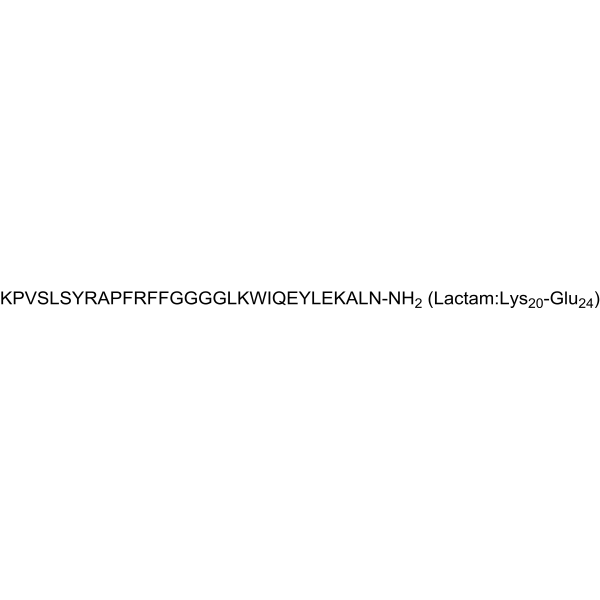
KLD-12 is a 12-residue self-assembling peptide that is used in tissue-engineering. KLD-12 combined with SDF-1 self-assembled polypeptide enhances chondrogenic differentiation of bone marrow stromal cells (BMSCs). KLD-12 hydrogel can fill full-thickness osteochondral defects in situ and improve cartilage repair [1] .
SDF-1α (human) TFA is a mononuclear cells chemoattractant that can bind to CXCR4. SDF-1α plays a central role in stem cell homing, retention, survival, proliferation, cardiomyocyte repair, angiogenesis and ventricular remodelling following myocardial infarction. SDF-1α (human) TFA can be used in cardiovascular disease research [1] .
ALX 40-4C Trifluoroacetate is a small peptide inhibitor of the chemokine receptor CXCR4, inhibits SDF-1 from binding CXCR4 with a Ki of 1 μM, and suppresses the replication of X4 strains of HIV-1; ALX 40-4C Trifluoroacetate also acts as an antagonist of the APJ receptor, with an IC50 of 2.9 μM.
DV1 is a CXCR4 inhibitor with anti-proteolytic properties that specifically blocks the binding of SDF-1α to its receptor. DV1 inhibits the migration of breast cancer cells and enables the targeted delivery of avidin-PLGA nanoparticles to CXCR4-expressing cancer cells. DV1 not only effectively suppresses the progression of metastatic breast cancer in mouse models, but also preferentially accumulates in brain tumor tissues rather than normal brain tissues, showing potential for inhibiting intracranial tumor metastasis. As a humoral immune stimulant, DV1 induces the production of specific IgG, neutralizing antibodies and cellular immune responses, thereby providing the host with protection against lethal challenges. DV1 has been applied to studies on CXCR4-expressing cancers, glioblastoma, dengue fever and other related diseases [1] .
SDF-1α (human) is a mononuclear cells chemoattractant that can bind to CXCR4. SDF-1α plays a central role in stem cell homing, retention, survival, proliferation, cardiomyocyte repair, angiogenesis and ventricular remodelling following myocardial infarction. SDF-1α (human) can be used in cardiovascular disease research [1] .
vMIP-II (1-21) (NT21MP) is an inhibitor of CXCR4. vMIP-II (1-21) interacts broadly with CC and CXC chemokine receptors. vMIP-II (1-21) inhibits CXCR4 by competing with 125I-SDF-1R for binding sites (IC50=190 nM) [1].
DV1 TFA is a CXCR4 inhibitor with anti-proteolytic properties that specifically blocks the binding of SDF-1α to its receptor. DV1 TFA inhibits the migration of breast cancer cells and enables the targeted delivery of avidin-PLGA nanoparticles to CXCR4-expressing cancer cells. DV1 TFA not only effectively suppresses the progression of metastatic breast cancer in mouse models, but also preferentially accumulates in brain tumor tissues rather than normal brain tissues, showing potential for inhibiting intracranial tumor metastasis. As a humoral immune stimulant, DV1 TFA induces the production of specific IgG, neutralizing antibodies and cellular immune responses, thereby providing the host with protection against lethal challenges. DV1 TFA has been applied to studies on CXCR4-expressing cancers, glioblastoma, dengue fever and other related diseases [1] .
ALX 40-4C is a small peptide inhibitor of the chemokine receptor CXCR4, inhibits SDF-1 from binding CXCR4 with a Ki of 1 μM, and suppresses the replication of X4 strains of HIV-1; ALX 40-4C Trifluoroacetate also acts as an antagonist of the APJ receptor, with an IC50 of 2.9 μM.
KLD-12 TFA is the TFA salt form of KLD-12 (HY-P2263). KLD-12 TFA is a self a 12-residue self-assembling peptide that is used in tissue-engineering. KLD-12 TFA combined with SDF-1 self-assembled polypeptide enhances chondrogenic differentiation of bone marrow stromal cells (BMSCs). KLD-12 TFA hydrogel can fill full-thickness osteochondral defects in situ and improve cartilage repair [1] .
vMIP-II (1-21) (NT21MP) TFA is an inhibitor of CXCR4. vMIP-II (1-21) TFA interacts broadly with CC and CXC chemokine receptors. vMIP-II (1-21) TFA inhibits CXCR4 by competing with 125I-SDF-1R for binding sites (IC50=190 nM) [1].
Anti-CXCL12/SDF1a Antibody is a CHO-expressed human antibody that targets CXCL12/SDF1a. The Anti-CXCL12/SDF1a Antibody has a huIgG1 heavy chain and a huκ light chain, with a predicted molecular weight (MW) of 145 kDa. For the isotype control of Anti-CXCL12/SDF1a Antibody, please refer to Human IgG1 kappa, Isotype Control (HY-P99001).
LY-2624587 is a humanized IgG4 monoclonal antibody antagonist targeting CXCR4. LY-2624587 blocks SDF-1/CXCR4 interaction and SDF-1-induced GTP binding. LY-2624587 significantly inhibits cell migration and induces apoptosis in human lymphoma and leukemia cells. LY-2624587 also inhibits CXCR4 and SDF-1 mediated cell signaling including activation of MAPK and AKT. LY-2624587 can be used for human hematological malignancies like acute myeloid leukemia (AML) research [1] .
MEDI-3185 is a potent CXCR4 antagonist. MEDI-3185 binds CXCR4 via CDR3H and ECL2 β-strand/β-strand interaction, blocks SDF-1 access and displaces SDF-1. MEDI-3185 can be used for the research of hematologic tumors, ovarian tumors .
Anti-Mouse/Human CXCL12 Antibody (K15C) reacts with mouse CXCL12. Anti-Mouse/Human CXCL12 Antibody (K15C) has the effect of neutralizing CXCL12/SDF-1 both in vivo and in vitro. Recommend Isotype Controls: Mouse IgG2a kappa, Isotype Control (HY-P99978) [1].
Anti-Human/Monkey CXCR4 Antibody (12G5) reacts with human and monkey CXCR4. Anti-Human/Monkey CXCR4 Antibody (12G5) blocks the cognate ligand, CXCL12/SDF-1, and gp120/160 from binding to CXCR4. Recommend Isotype Controls: Mouse IgG2a kappa, Isotype Control (HY-P99978) [1].
Anti-Mouse CXCR4 Antibody is a monoclonal antibody that specifically recognizes murine CXCR4 (C-X-C chemokine receptor 4), also known as fusin or CD184. CXCR4 is a seven-transmembrane G protein–coupled receptor whose principal endogenous ligand is CXCL12 (stromal cell–derived factor-1α, SDF-1α) and is widely expressed in hematopoietic cells, endothelial cells, neurons, as well as embryonic and adult stem cells. The CXCR4–CXCL12 signaling axis activates multiple downstream pathways, including ERK1/2, Ras, p38 MAPK, PLC/MAPK, and SAPK/JNK, thereby regulating cell survival, proliferation, migration, and stemness maintenance. Aberrant overexpression of CXCR4 is closely associated with poor prognosis and metastasis in various cancers, with CXCR4-positive tumor cells preferentially home to CXCL12-rich tissues such as the liver, bone marrow, lung, and lymph nodes. Accordingly, CXCR4 and its CXCL12-related antagonists emerge as attractive targets for experimental anticancer therapy. Anti-Mouse CXCR4 Antibody is generated using a cell-based immunization and screening strategy and exhibits high affinity for both endogenous and exogenous murine CXCR4. Anti-Mouse CXCR4 Antibody can be used for thestudy of chronic lymphocytic leukemia and multiple myeloma [1].
Herpetin is an active lignan. Herpetin acts as a bone marrow mesenchymal stem cell inducer that activates the SDF-1/CXCR4 axis and the Wnt/β-catenin pathway. Herpetin is applicable to research related to acute liver injury [1] .
SDF-1 (stromal cell-derived factor-1) is a homeostatic chemokine that binds CXCR4 and CXCR7 receptors and physiologically functions in hematopoiesis, leucocyte trafficking, cardiogenesis, and neurogenesis. SDF-1 is constitutively expressed in several organs including lung, liver, skeletal muscle, brain, kidney, heart, skin, and bone marrow. SDF-1 has an essential role in neural and vascular development, hematopoiesis, cancer and in immunity. SDF-1 Protein, Canine is produced in E. coli, and consists of 72 amino acids (K22-M93).
SDF-1 alpha (Stromal Cell-Derived Factor-1α, SDF-1α) is a member of the chemokine α subfamily that lack the ELR domain. SDF-1α works as a chemoattractant for T- and B-lymphocytes and monocytes. SDF-1α is a ligand for CXCR4. The SDF-1α/CXCR4 signaling mediates many physiological processes including cell trafficking, angiogenesis, embryogenesis, tumor invasion and metastatic. It also controls the chemotaxis of hematopoietic stem cells homing to the bone marrow. SDF-1 alpha/CXCL12 Protein, Human (His) is produced in E. coli with a N-Terminal His-tag. It consists of 68 amino acids (K22-K89).
SDF-1 beta (Stromal-derived factor-1β, SDF-1β) is a stromal derived CXC chemokine that signal through the CXCR4 receptor. SDF-1β has chemotactic activity on B and T cells. SDF-1 beta/CXCL12 Protein, Human (HEK293, Fc) is produced in HEK293 cells with a N-Terminal Fc-tag. It consists of 72 amino acids (K22-M93).
The SDF-1 alpha/CXCL12 protein is a chemoattractant for immune cells. Animal-Free SDF-1 Beta/CXCL12 Protein, Human (His) is the recombinant human-derived animal-FreeSDF-1 Beta/CXCL12 protein, expressed by E. coli , with C-His labeled tag. This product is for cell culture use only.
SDF-1 alpha (CXCL12α) belongs to the CXC chemokine family and is encoded by the CXCL12 gene. SDF-1 alpha mediates cell chemotaxis and tissue repair through CXCR4/CXCR7, activates AMPK to inhibit NLRP3 inflammasome and pyroptosis; SDF-1 alpha promotes autophagy through the PI3K-mTOR pathway, is induced by upstream inflammatory factors such as TNF-α, and recruits integrins downstream to promote cell adhesion. SDF-1 alpha/CXCL12 Protein, Human is the recombinant human-derived SDF-1 alpha/CXCL12 protein, expressed by E. coli, with tag free.
The SDF-1 α/CXCL12 protein acts as a chemoattractant with specific activity on T lymphocytes and monocytes (excluding neutrophils).It activates the CXC chemokine receptor CXCR4, inducing a rapid and transient rise in intracellular calcium ions and promoting chemotaxis.Animal-Free SDF-1 alpha/CXCL12 Protein, Mouse (His) is the recombinant mouse-derived animal-FreeSDF-1 alpha/CXCL12 protein, expressed by E.coli , with C-His labeled tag.This product is for cell culture use only.
SDF-1 alpha (Stromal Cell-Derived Factor-1α, SDF-1α) is a member of the chemokine α subfamily that lack the ELR domain. SDF-1α works as a chemoattractant for T- and B-lymphocytes and monocytes. SDF-1α is a ligand for CXCR4. The SDF-1α/CXCR4 signaling mediates many physiological processes including cell trafficking, angiogenesis, embryogenesis, tumor invasion and metastatic. It also controls the chemotaxis of hematopoietic stem cells homing to the bone marrow. SDF-1 alpha/CXCL12 Protein, Rat is produced in E. coli.
SDF-1 alpha (Stromal Cell-Derived Factor-1α, SDF-1α) is a member of the chemokine α subfamily that lack the ELR domain. SDF-1α works as a chemoattractant for T- and B-lymphocytes and monocytes. SDF-1α is a ligand for CXCR4. The SDF-1α/CXCR4 signaling mediates many physiological processes including cell trafficking, angiogenesis, embryogenesis, tumor invasion and metastatic. It also controls the chemotaxis of hematopoietic stem cells homing to the bone marrow. SDF-1 alpha/CXCL12 Protein, Mouse is produced in E. coli.
SDF-1 beta (Stromal-derived factor-1β, SDF-1β) is a stromal derived CXC chemokine that signal through the CXCR4 receptor. SDF-1β has chemotactic activity on B and T cells. SDF-1 beta/CXCL12 Protein, Mouse is produced in E. coli, and consists of 72 amino acids (K22-M93).
SDF-1 beta (Stromal-derived factor-1β, SDF-1β) is a stromal derived CXC chemokine that signal through the CXCR4 receptor. SDF-1β has chemotactic activity on B and T cells. SDF-1 beta/CXCL12 Protein, Rat is produced in E. coli.
SDF-1 beta (Stromal-derived factor-1β, SDF-1β) is a stromal derived CXC chemokine that signal through the CXCR4 receptor. SDF-1β has chemotactic activity on B and T cells. SDF-1 beta/CXCL12 Protein, Human (72a.a) is produced in E. coli, and consists of 72 amino acids (K22-M93).
SDF-1 alpha (Stromal Cell-Derived Factor-1α, SDF-1α) is a member of the chemokine α subfamily that lack the ELR domain. SDF-1α works as a chemoattractant for T- and B-lymphocytes and monocytes. SDF-1α is a ligand for CXCR4. The SDF-1α/CXCR4 signaling mediates many physiological processes including cell trafficking, angiogenesis, embryogenesis, tumor invasion and metastatic. It also controls the chemotaxis of hematopoietic stem cells homing to the bone marrow. SDF-1 alpha/CXCL12 Protein, Mouse (CHO) is produced in CHO cells.
The CXCR4 protein functions as a receptor for the CXC chemokine CXCL12/SDF-1, triggering an increase in intracellular calcium ions and activation of MAPK1/MAPK3. It is actively involved in AKT signaling, which is critical for regulating cell migration, especially in wound healing. CXCR4 Protein, Human (HEK293, Fc) is the recombinant human-derived CXCR4 protein, expressed by HEK293 , with N-hFc labeled tag.
The CXCR4 protein functions as a receptor for the CXC chemokine CXCL12/SDF-1, triggering an increase in intracellular calcium ions and activation of MAPK1/MAPK3. It is actively involved in AKT signaling, which is critical for regulating cell migration, especially in wound healing. CXCR4 Protein, Human (Cell-Free, His) is the recombinant human-derived CXCR4 protein, expressed by E. coli Cell-free , with N-6*His labeled tag.
The CXCR4 protein functions as a receptor for the CXC chemokine CXCL12/SDF-1, triggering an increase in intracellular calcium ions and activation of MAPK1/MAPK3. It is actively involved in AKT signaling, which is critical for regulating cell migration, especially in wound healing. CXCR4 Protein, Human (N-His-SUMO, C-Myc) is the recombinant human-derived CXCR4 protein, expressed by E. coli , with N-10*His, C-Myc, N-SUMO labeled tag.
The CXCR4 protein functions as a receptor for the CXC chemokine CXCL12/SDF-1, triggering an increase in intracellular calcium ions and activation of MAPK1/MAPK3. It is actively involved in AKT signaling, which is critical for regulating cell migration, especially in wound healing. CXCR4 Protein, Human (GST) is the recombinant human-derived CXCR4 protein, expressed by E. coli , with N-GST labeled tag.
CXCR4-VLP Protein, Human (HEK293, His) is recommended for animal immunization, ELISA. It is not recommended for receptor-ligand interaction detection and SPR/BLI assay since there are other irrelevant membrane proteins of the host on the VLP envelope, and the receptor-ligand interaction will have strong background interference. High requirements for chips and experimental protocols are needed for SPR/BLI assays. If VLP control is required, it is recommended HY-P701236. Tags can only be detected under denaturing conditions.
Cxcl12 Mouse Pre-designed siRNA Set A contains three designed siRNAs for Cxcl12 gene (Mouse), as well as a negative control, a positive control, and a FAM-labeled negative control.
Cxcl12 Rat Pre-designed siRNA Set A contains three designed siRNAs for Cxcl12 gene (Rat), as well as a negative control, a positive control, and a FAM-labeled negative control.
CXCL12 Human Pre-designed siRNA Set A contains three designed siRNAs for CXCL12 gene (Human), as well as a negative control, a positive control, and a FAM-labeled negative control.
Inquiry Online
Your information is safe with us. * Required Fields.
Western blot analysis of extracts from THP-1(lane 2(20μg), Jurkat (lane 3(20μg) and NIH3T3(lane 4(20μg) using FOXO1A (HY-P80132) Rabbit mAb. Proteins were transferred
to a PVDF membrane and blocked with 5% non-fat milk in TBST for 2 hour at room temperature. The primary antibody (1/1000) and Loading control antibody (Beta Actin, HY-P80438, 1/10000) was
used in 5% non-fat milk in TBST at 4°C overnight. Goat Anti-Mouse/Rabbit IgG-HRP Secondary Antibody (1/10000) was used for 1 hour at room temperature.
Western blot analysis of extracts from THP-1(lane 2(20μg), Jurkat (lane 3(20μg) and NIH3T3(lane 4(20μg) using FOXO1A (HY-P80132) Rabbit mAb. Proteins were transferred
to a PVDF membrane and blocked with 5% non-fat milk in TBST for 2 hour at room temperature. The primary antibody (1/1000) and Loading control antibody (Beta Actin, HY-P80438, 1/10000) was
used in 5% non-fat milk in TBST at 4°C overnight. Goat Anti-Mouse/Rabbit IgG-HRP Secondary Antibody (1/10000) was used for 1 hour at room temperature.
Western blot analysis of extracts from THP-1(lane 2(20μg), Jurkat (lane 3(20μg) and NIH3T3(lane 4(20μg) using FOXO1A (HY-P80132) Rabbit mAb. Proteins were transferred
to a PVDF membrane and blocked with 5% non-fat milk in TBST for 2 hour at room temperature. The primary antibody (1/1000) and Loading control antibody (Beta Actin, HY-P80438, 1/10000) was
used in 5% non-fat milk in TBST at 4°C overnight. Goat Anti-Mouse/Rabbit IgG-HRP Secondary Antibody (1/10000) was used for 1 hour at room temperature.
Western blot analysis of extracts from THP-1(lane 2(20μg), Jurkat (lane 3(20μg) and NIH3T3(lane 4(20μg) using FOXO1A (HY-P80132) Rabbit mAb. Proteins were transferred
to a PVDF membrane and blocked with 5% non-fat milk in TBST for 2 hour at room temperature. The primary antibody (1/1000) and Loading control antibody (Beta Actin, HY-P80438, 1/10000) was
MedchemExpress Validation 03
Western blot analysis of extracts from THP-1(lane 2(20μg), Jurkat (lane 3(20μg) and NIH3T3(lane 4(20μg) using FOXO1A (HY-P80132) Rabbit mAb. Proteins were transferred
MedchemExpress Validation 04
Western blot analysis of extracts from THP-1(lane 2(20μg), Jurkat (lane 3(20μg) and NIH3T3(lane 4(20μg) using FOXO1A (HY-P80132) Rabbit mAb. Proteins were transferred
to a PVDF membrane and blocked with 5% non-fat milk in TBST for 2 hour at room temperature. The primary antibody (1/1000) and Loading control antibody (Beta Actin, HY-P80438, 1/10000) was
used in 5% non-fat milk in TBST at 4°C overnight. Goat Anti-Mouse/Rabbit IgG-HRP Secondary Antibody (1/10000) was used for 1 hour at room temperature.
MedchemExpress Validation
Western blot analysis of extracts from THP-1(lane 2(20μg), Jurkat (lane 3(20μg) and NIH3T3(lane 4(20μg) using FOXO1A (HY-P80132) Rabbit mAb. Proteins were transferred
to a PVDF membrane and blocked with 5% non-fat milk in TBST for 2 hour at room temperature. The primary antibody (1/1000) and Loading control antibody (Beta Actin, HY-P80438, 1/10000) was
used in 5% non-fat milk in TBST at 4°C overnight. Goat Anti-Mouse/Rabbit IgG-HRP Secondary Antibody (1/10000) was used for 1 hour at room temperature.
Western blot analysis of extracts from THP-1(lane 2(20μg), Jurkat (lane 3(20μg) and NIH3T3(lane 4(20μg) using FOXO1A (HY-P80132) Rabbit mAb. Proteins were transferred
to a PVDF membrane and blocked with 5% non-fat milk in TBST for 2 hour at room temperature. The primary antibody (1/1000) and Loading control antibody (Beta Actin, HY-P80438, 1/10000) was
used in 5% non-fat milk in TBST at 4°C overnight. Goat Anti-Mouse/Rabbit IgG-HRP Secondary Antibody (1/10000) was used for 1 hour at room temperature.
MedchemExpress Validation
Western blot analysis of extracts from THP-1(lane 2(20μg), Jurkat (lane 3(20μg) and NIH3T3(lane 4(20μg) using FOXO1A (HY-P80132) Rabbit mAb. Proteins were transferred
to a PVDF membrane and blocked with 5% non-fat milk in TBST for 2 hour at room temperature. The primary antibody (1/1000) and Loading control antibody (Beta Actin, HY-P80438, 1/10000) was
used in 5% non-fat milk in TBST at 4°C overnight. Goat Anti-Mouse/Rabbit IgG-HRP Secondary Antibody (1/10000) was used for 1 hour at room temperature.
MedchemExpress Validation
Western blot analysis of extracts from THP-1(lane 2(20μg), Jurkat (lane 3(20μg) and NIH3T3(lane 4(20μg) using FOXO1A (HY-P80132) Rabbit mAb. Proteins were transferred
to a PVDF membrane and blocked with 5% non-fat milk in TBST for 2 hour at room temperature. The primary antibody (1/1000) and Loading control antibody (Beta Actin, HY-P80438, 1/10000) was
used in 5% non-fat milk in TBST at 4°C overnight. Goat Anti-Mouse/Rabbit IgG-HRP Secondary Antibody (1/10000) was used for 1 hour at room temperature.
MedchemExpress Validation
Western blot analysis of extracts from THP-1(lane 2(20μg), Jurkat (lane 3(20μg) and NIH3T3(lane 4(20μg) using FOXO1A (HY-P80132) Rabbit mAb. Proteins were transferred
to a PVDF membrane and blocked with 5% non-fat milk in TBST for 2 hour at room temperature. The primary antibody (1/1000) and Loading control antibody (Beta Actin, HY-P80438, 1/10000) was
used in 5% non-fat milk in TBST at 4°C overnight. Goat Anti-Mouse/Rabbit IgG-HRP Secondary Antibody (1/10000) was used for 1 hour at room temperature.
MedchemExpress Validation
Western blot analysis of extracts from THP-1(lane 2(20μg), Jurkat (lane 3(20μg) and NIH3T3(lane 4(20μg) using FOXO1A (HY-P80132) Rabbit mAb. Proteins were transferred
to a PVDF membrane and blocked with 5% non-fat milk in TBST for 2 hour at room temperature. The primary antibody (1/1000) and Loading control antibody (Beta Actin, HY-P80438, 1/10000) was
used in 5% non-fat milk in TBST at 4°C overnight. Goat Anti-Mouse/Rabbit IgG-HRP Secondary Antibody (1/10000) was used for 1 hour at room temperature.
MedchemExpress Validation
Western blot analysis of extracts from THP-1(lane 2(20μg), Jurkat (lane 3(20μg) and NIH3T3(lane 4(20μg) using FOXO1A (HY-P80132) Rabbit mAb. Proteins were transferred
to a PVDF membrane and blocked with 5% non-fat milk in TBST for 2 hour at room temperature. The primary antibody (1/1000) and Loading control antibody (Beta Actin, HY-P80438, 1/10000) was
used in 5% non-fat milk in TBST at 4°C overnight. Goat Anti-Mouse/Rabbit IgG-HRP Secondary Antibody (1/10000) was used for 1 hour at room temperature.
MedchemExpress Validation
Western blot analysis of extracts from THP-1(lane 2(20μg), Jurkat (lane 3(20μg) and NIH3T3(lane 4(20μg) using FOXO1A (HY-P80132) Rabbit mAb. Proteins were transferred
to a PVDF membrane and blocked with 5% non-fat milk in TBST for 2 hour at room temperature. The primary antibody (1/1000) and Loading control antibody (Beta Actin, HY-P80438, 1/10000) was
used in 5% non-fat milk in TBST at 4°C overnight. Goat Anti-Mouse/Rabbit IgG-HRP Secondary Antibody (1/10000) was used for 1 hour at room temperature.
MedChemExpress values your privacy and your trust is important to us. We use cookies to enhance your website experience. Some cookies are necessary to run the website.
Privacy and Cookie Policy