1. Search Result
Search Result
Results for "

α-tubulin acetylation

" in MedChemExpress (MCE) Product Catalog:

35

Inhibitors & Agonists

2

Click Chemistry

Cat. No. Product Name Target Research Areas Chemical Structure
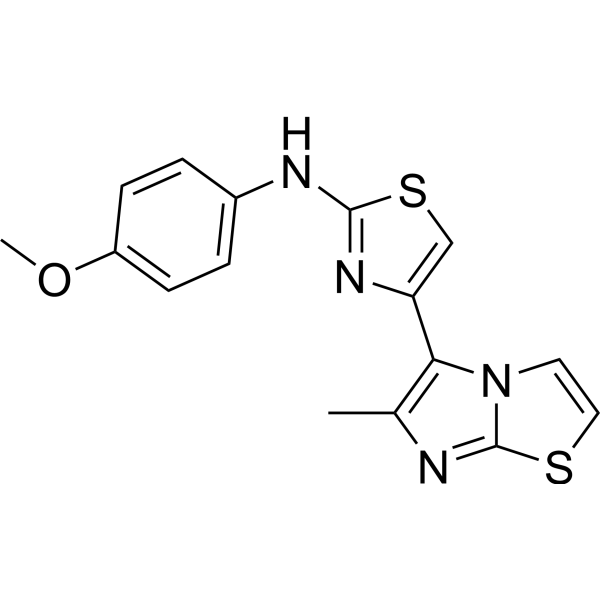
  • HY-155956
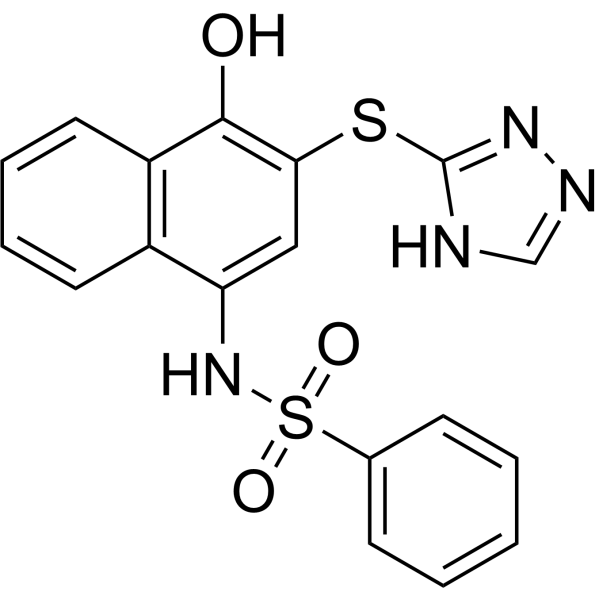
    GM-90257
    1 Publications Verification

    Microtubule/Tubulin Apoptosis Bcl-2 Family JNK PARP Cancer
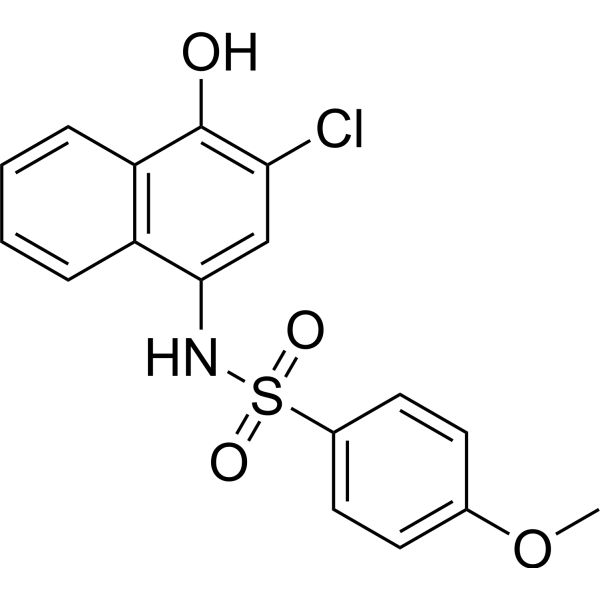
    GM-90257 is a microtubule acetylation inhibitor. GM-90257 binds directly to α-tubulin. GM-90257 prevents the recruitment of α-tubulin acetyltransferase 1 (αTAT1) to the K40 residue in α-tubulin. GM-90257 causes Apoptosis, downregulates BCl-2, and activates JNK and PARP. GM-90257 has anticancer activity against breast cancer .
    GM-90257
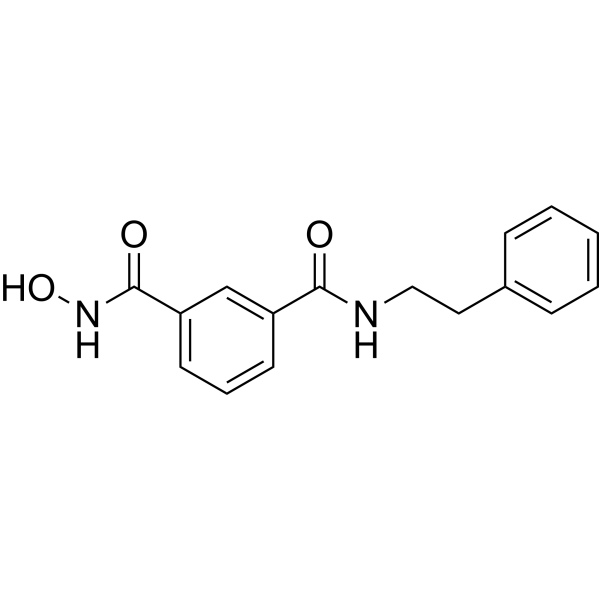
  • HY-18700
    BRD73954
    4 Publications Verification

    HDAC Cancer
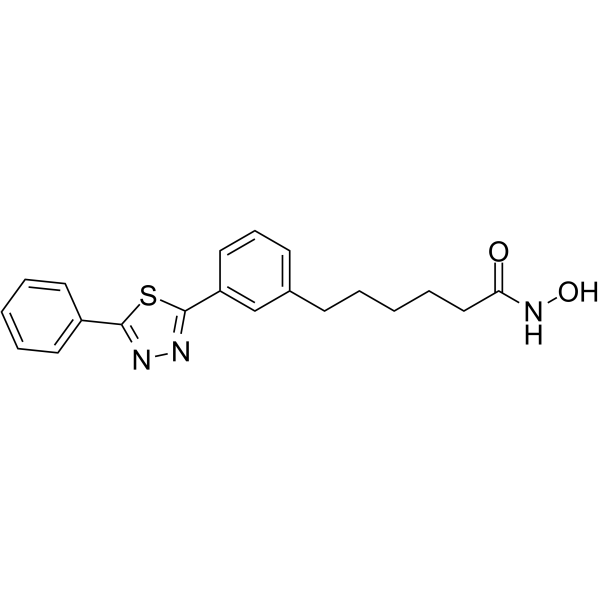
    BRD73954 is a potent HDAC inhibitor and selectively inhibiting both HDAC6 and HDAC8 with IC50 values of 0.0036, 0.12, 9, 12, 23 µM for HDAC6, HDAC8, HDAC2, HDAC1 and HDAC3, respectively. BRD73954 decreases the levels of HDAC6, associated with upregulation of Ac-Tubulin .
    BRD73954
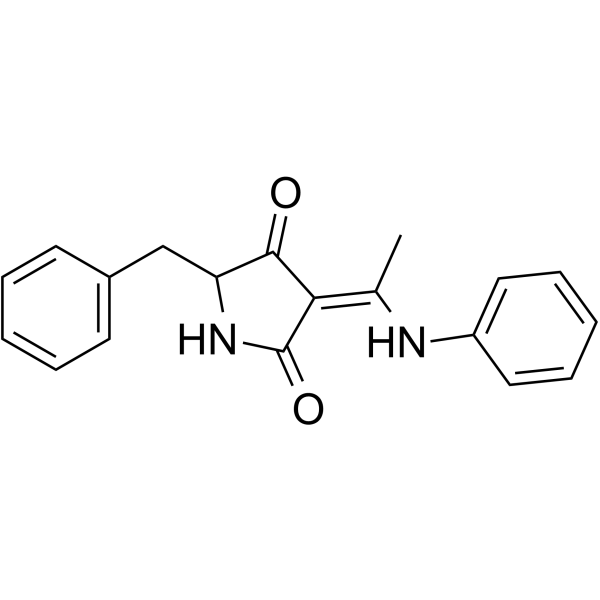
  • HY-119357

    Microtubule/Tubulin Apoptosis Autophagy Neurological Disease Cancer
    TN-16 is a Microtubule polymerization inhibitor. TN-16 induces G2/M cell cycle arrest, metaphase mitotic arrest and Apoptotic cell death in cells, and blocks late Autophagic flux by inhibiting autophagosome-lysosome fusion. TN-16 suppresses tumor growth in syngeneic mouse breast cancer models. TN-16 can be used in research related to neuroblastoma, cervical cancer, breast cancer and other tumors .
    TN-16
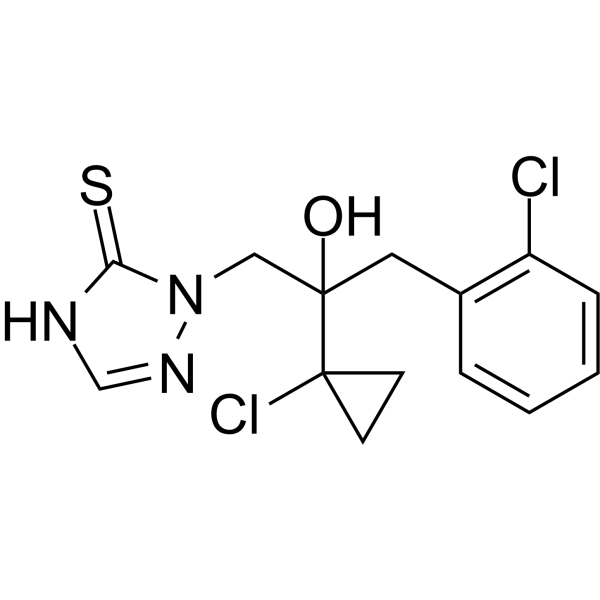
  • HY-116568

    JAU-6476

    Fungal Cytochrome P450 Microtubule/Tubulin Mitochondrial Metabolism DNA/RNA Synthesis Apoptosis Fatty Acid Synthase (FASN) Infection Metabolic Disease Endocrinology
    Prothioconazole is an orally active broad-spectrum fungicide. Prothioconazole weakly inhibits CaCYP51 activity in Candida albicans, with an apparent IC50 of approximately 120 μM. Prothioconazole disrupts Microtubule stability by reducing the acetylation level of α-tubulin. Prothioconazole induces Mitochondrial dysfunction, oxidative stress, DNA damage, and Apoptosis. Prothioconazole accumulates 14-methylated sterols and depletes ergosterol in cells, culture media, plants, and animals. Prothioconazole interferes with pyruvate metabolism and glycolysis/gluconeogenesis processes in mouse liver, downregulates Fasn mRNA expression, and induces hepatotoxicity and renal metabolic disorders. Prothioconazole reduces the fertility of female mice. Prothioconazole inhibits body weight gain and increases liver/kidney indices in mice. Prothioconazole can be used in studies related to candidiasis .
    Prothioconazole
  • HY-171140

    PROTACs HDAC Cancer
    PROTAC HDAC6 degrader 3 (Compound 4) is a selective inhibitor and degrader for HDAC6 with an IC50 of 686 nM and a DC50 of 171 nM. PROTAC HDAC6 degrader 3 promotes the acetylation of α-tubulin . (Pink: ligand for target protein (HY-171141); Blue: ligand for E3 ligase VHL (HY-150803))
    PROTAC HDAC6 degrader 3
  • HY-155727

    Sirtuin Apoptosis Cancer
    Sirt1/2-IN-2 (compound hsa55) is a dual inhibitor of SIRT1/2 with IC50s of 1.8 μM (SIRT1) and 2.4 μM (SIRT2), respsectivley. Sirt1/2-IN-2 completely blocks p53 deacetylation, and increase of p53 and α-tubulin acetylation. Sirt1/2-IN-2 induces apoptosis and shows anti-proliferation activity against human leukemia cell lines .
    Sirt1/2-IN-2
  • HY-112806

    Drug-Linker Conjugates for ADC HDAC EGFR Microtubule/Tubulin Cancer
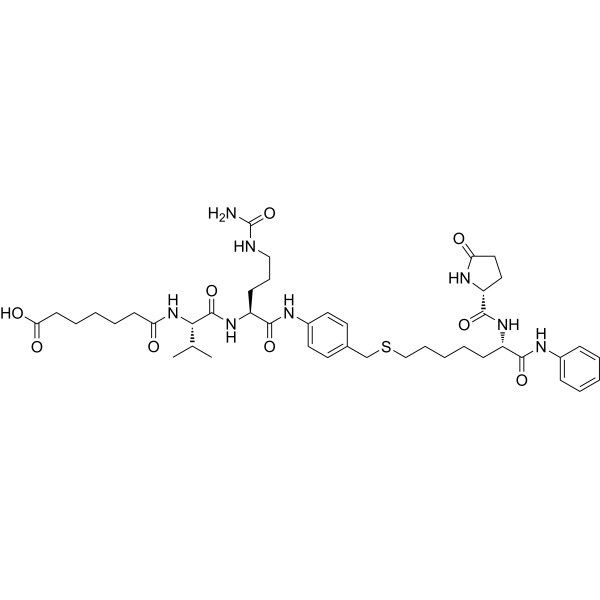
    ST8155AA1 is a part of antibody agent conjugates (ADCs) charged with HDAC inhibitor. ST8155AA1 induces α-tubulin, histone H3/H4 acetylation via direct enzymatic inhibition. ST8155AA1 recognizes and binds EGFR, undergoes internalization into EGFR-expressing tumor cells. ST8155AA1 inhibits cancer cell proliferation and exerts activity in mouse tumor models. ST8155AA1 can be used for the research of non-small cell lung cancer .
    ST8155AA1
  • HY-178333

    HDAC Cancer
    HDAC6-IN-66 is a potent and selective histone deacetylase (HDAC) 6 inhibitor with an IC50 of 1.8 nM. HDAC6-IN-66 induces α-tubulin acetylation over histone H3. HDAC6-IN-66 can be used for the research of cancer .
    HDAC6-IN-66
  • HY-178351

    HDAC Microtubule/Tubulin Apoptosis Caspase Bcl-2 Family Cancer
    HDAC6-IN-67 is a selective HDAC6 inhibitor (IC50 = 17.15 nM) that exhibits 19-fold selectivity over HDAC1. HDAC6-IN-67 selectively inhibits HDAC6 by interacting with Ser531 and His614. HDAC6-IN-67 induces apoptosis by inducing the cleavage of caspases 9, 8, 3, and PARP, upregulating Bax expression, and downregulating Bcl-2 expression. HDAC6-IN-67 effectively induces the acetylation of α-tubulin, without affecting histone H3 acetylation in MCF-7/ADR cells. HDAC6-IN-67 can be used for the study of breast cancer .
    HDAC6-IN-67
  • HY-146013

    Sirtuin Microtubule/Tubulin Cancer
    Sirt1/2-IN-1 (Compound 7) is a SIRT1 and SIRT2 inhibitor with IC50 values of 1.81, 2.10 and 20.5 µg/mL against SIRT1, SIRT2 and SIRT3, respectively. Sirt1/2-IN-1 displays activity in hyperacetylation of α-tubulin protein with an IC50 of 32.05 µg/mL. Sirt1/2-IN-1 shows prominent anticancer activity .
    Sirt1/2-IN-1
  • HY-151953

    Microtubule/Tubulin Cancer
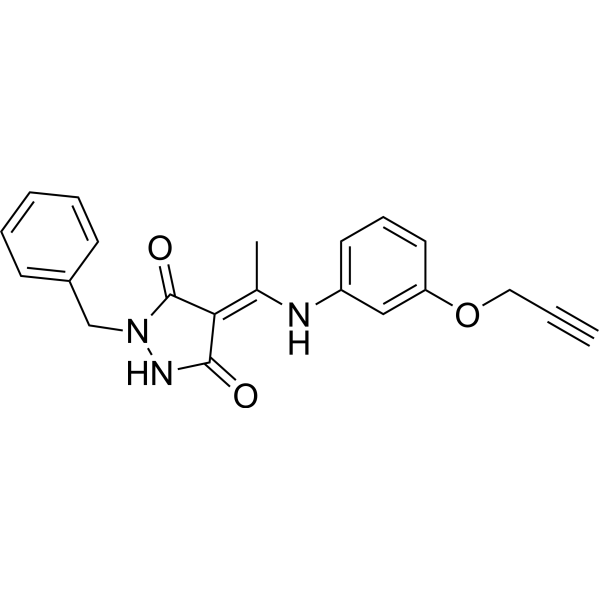
    Antitubulin agents-1 is an antitubulin agent that induces disruption of the microtubules (Microtubule/Tubulin) and increases α-tubulin acetylation. Antitubulin agents-1 has anticancer effects . Antitubulin agent 1 is a click chemistry reagent, it contains an Alkyne group and can undergo copper-catalyzed azide-alkyne cycloaddition (CuAAc) with molecules containing Azide groups.
    Antitubulin agent 1
  • HY-174396

    PI3K HDAC Bcl-2 Family Caspase Reactive Oxygen Species (ROS) Apoptosis Histone Methyltransferase Microtubule/Tubulin Cancer
    PI3Kδ/HDAC6-IN-1 (Compound 22E) is an orally active and dual inhibitor of PI3Kδ and HDAC6 with IC50 values of 2.4 nM and 6.2 nM, respectively. PI3Kδ/HDAC6-IN-1 exhibits potent antiproliferative effects on non-Hodgkin lymphoma (NHL) cells and possesses in vivo antitumor activity without significant toxicity. PI3Kδ/HDAC6-IN-1 arrests the cell cycle at the G0/G1 phase and induces apoptosis. PI3Kδ/HDAC6-IN-1 blocks the PI3K/AKT/mTOR signaling pathway and increases the acetylation levels of α-tubulin and histone H3 .
    PI3Kδ/HDAC6-IN-1
  • HY-117688

    HDAC Topoisomerase Apoptosis Cancer
    WJ35435 is a dual-targeted anticancer hybrid that induces anti-HDAC (in particular HDAC1 and HDAC6) and anti-topoisomerase I activities that causes DNA damage associated with a low DNA repair capability and induces cell cycle arrest at G1- and G2-phase to apoptosis. WJ35435 induces histone H3 acetylation and phosphorylation, α-tubulin acetylation and γ-H2AX formation to achieve anti-HDAC effect. WJ35435 is promising for research of cancer .
    WJ35435
  • HY-124946

    HDAC Sirtuin Apoptosis Cancer
    C1A is a class I/II HDACs and sirtuin inhibitor with an IC50 of 479 nM for HDAC6. C1A induces sustained acetylation of HDAC6 substrates, α-tubulin and HSP90. C1A shows srtong anticancer effcts, and induces apoptosis in cancer cells .
    C1A
  • HY-158308

    HDAC Cancer
    HDAC6-IN-41 (Compound E24) is a selective inhibitor for histone deacetylase 6 (HDAC6), with IC50 of 14 and 422 nM, for HDAC6 and HDAC8, respectively. HDAC6-IN-41 upregulates the acetylation of α-tubulin and histone site SMC3 .
    HDAC6-IN-41
  • HY-159936

    HDAC PPAR Apoptosis Cancer
    CS4 is a selective HDAC inhibitor with the IC50 values of 38 nM, 12 nM, 5.8 μM, 19 μM and 61 μM against of HDAC1, HDAC6, HDAC8, HDAC4 and HDAC11, respectively. CS4 promotes α-tubulin and histone 3 acetylation. CS4 activates PPARγ and blocks glycolysis. CS4 induces cell cycle arrest at G2 phase and apoptosis, and shows anticancer effect both in vivo and in vitro .
    CS4
  • HY-151153

    HDAC Microtubule/Tubulin Caspase Apoptosis Cancer
    HDAC1-IN-5 is a potent HDAC1 inhibitor with IC50 values of 15 nM and 20 nM for HDAC1 and HDAC6, respectively. HDAC1-IN-5 can enhance the acetylation of histone H3 and α-tubulin, as well as promote the activation of caspase 3 in cancer cells, thereby inducing apoptosis. HDAC1-IN-5 induces chromatin damage by binding with DNA. HDAC1-IN-5 has strong inhibitory activity against tumor growth in xenograft mice .
    HDAC1-IN-5
  • HY-155728

    Sirtuin Apoptosis Cancer
    Sirt1/2-IN-3 (compound PS9) is a dual inhibitor of SIRT1/2 with IC50s of 1.4 μM (SIRT1) and 2.0 μM (SIRT2), respsectivley. Sirt1/2-IN-3 completely blocks p53 deacetylation, and increase of p53 and α-tubulin acetylation. Sirt1/2-IN-3 induces apoptosis and shows anti-proliferation activity against human leukemia cell lines .
    Sirt1/2-IN-3
  • HY-123699

    HDAC Microtubule/Tubulin Cancer
    NCT-10b is a selective HDAC6 inhibitor. NCT-10b mediates preferential α-tubulin acetylation without major histone H4 acetylation.NCT-10b can be used for the research of multiple myeloma .
    NCT-10b
  • HY-151519

    Sirtuin Cancer
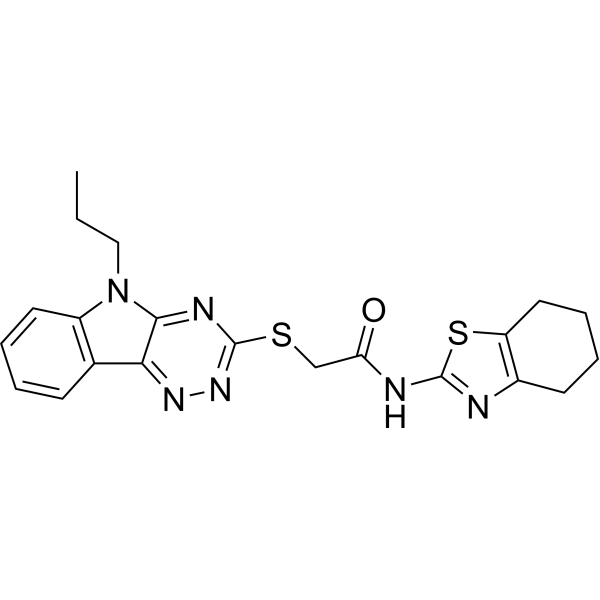
    SIRT2-IN-9 (compound 12) is a selective inhibitor of SRIT2 with an IC50 value of 1.3 μM. SIRT2-IN-9 inhibits proliferative activity of MCF-7 breast cancer cells. SIRT2-IN-9 can be used for the research of cancer .
    SIRT2-IN-9
  • HY-151896

    HDAC Cancer
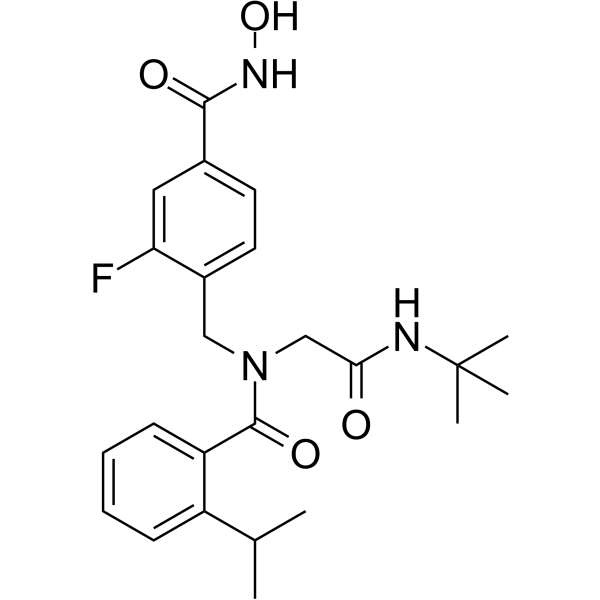
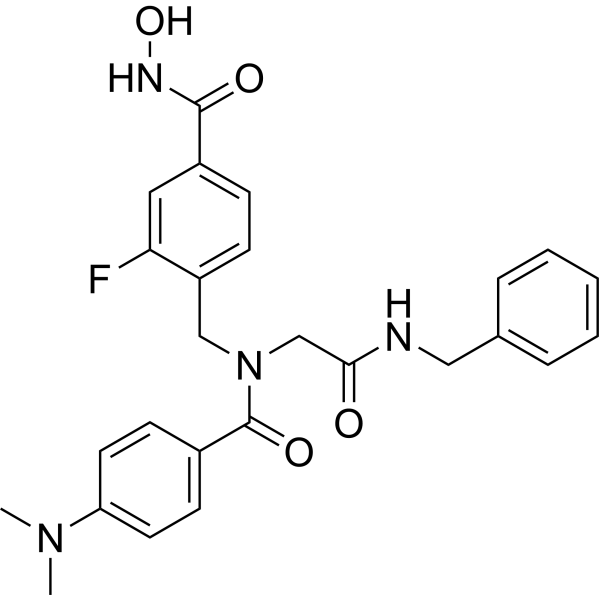
    HDAC6-IN-14 is a highly selective HDAC6 (HDAC) inhibitor with an IC50 of 42 nM. HDAC6-IN-14 displays >100-fold selectivity over HDAC1/HDAC2/HDAC3/HDAC4 .
    HDAC6-IN-14
  • HY-151897

    HDAC Cancer
    HDAC-IN-49 is a potent unselective HDAC (HDAC) inhibitor with IC50s of 13 nM, 14 nM, 21 nM, 1880 nM, and 10 nM for HDAC1, HDAC2, HDAC3, HDAC4, and HDAC6. HDAC-IN-49 demonstrates prominent antileukemic activity with low cytotoxic activity toward healthy cells .
    HDAC-IN-49
  • HY-142706

    Monoamine Oxidase HDAC Cancer
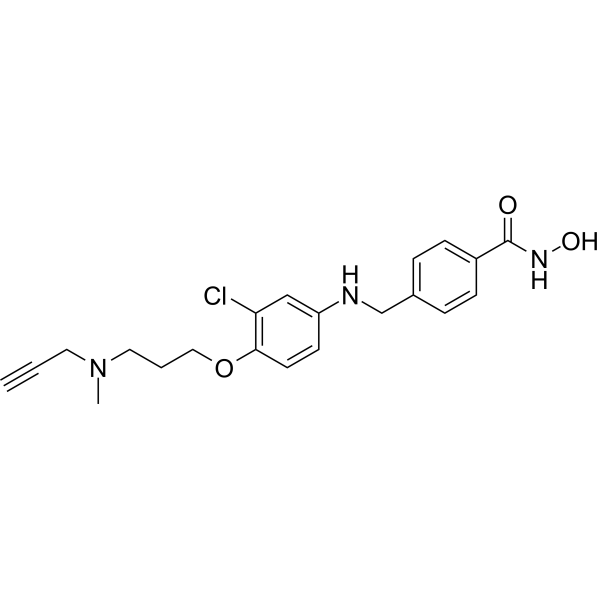
    MAO A/HDAC-IN-1 is a dual?inhibitor?of monoamine oxidase A (MAO A) and HDAC. MAO A/HDAC-IN-1 can be used for glioma research . MAO A/HDAC-IN-1 is a click chemistry reagent, it contains an Alkyne group and can undergo copper-catalyzed azide-alkyne cycloaddition (CuAAc) with molecules containing Azide groups.
    MAO A/HDAC-IN-1
  • HY-182649

    HDAC Apoptosis Microtubule/Tubulin Cancer
    NN-429 is a selective HDAC6 inhibitor. NN-429 induces apoptosis, increases the acetylation level of α-tubulin, and exhibits cytotoxicity against cancer cells. NN-429 is applicable to research related to acute myeloid leukemia, multiple myeloma and lymphoma .
    NN-429
  • HY-121009

    Histone Acetyltransferase Microtubule/Tubulin Cancer
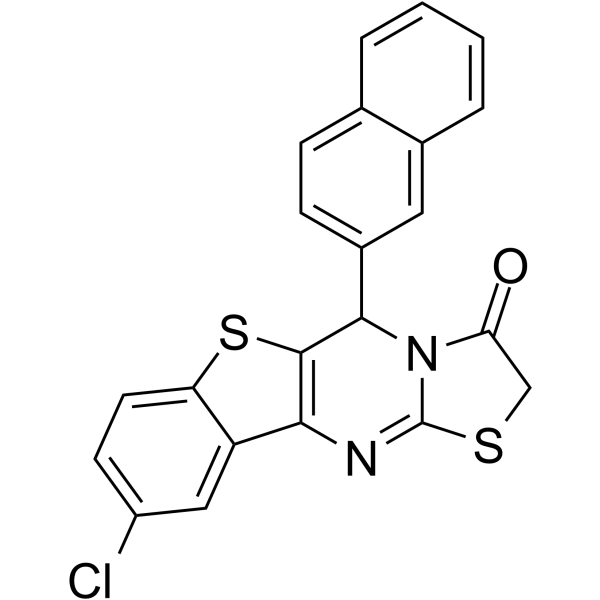
    CCT077791 is a PCAF (IC50: 7.3 μM (FlashPlate); 2.2 μM (Filter assay)) and p300 histone acetyltransferase inhibitor. CCT077791 reduces total acetylation of histones H3 and H4, levels of specific acetylated lysine marks, and acetylation of α-tubulin. CCT077791 can be used in the research of colorectal cancer .
    CCT077791
  • HY-182412

    Sirtuin Cancer
    NH4-6 is a SIRT2 inhibitor with an IC50 of 0.032 μM against SIRT2 and an IC50 of 3 μM against SIRT1. NH4-6 inhibits the deacetylase activity of SIRT1. As a cytotoxic agent, NH4-6 reduces cancer cell viability, suppresses anchorage-independent growth of cancer cells, induces acetylation of α-tubulin, and promotes acetylation of p53. NH4-6 can be used in the research of breast cancer .
    NH4-6
  • HY-182904

    HDAC Collagen Interleukin Related Microtubule/Tubulin Endocrinology
    GV-001 is a selective and orally active HDAC6 inhibitor with an IC50 of 1.18 nM against HDAC6. GV-001 selectively enhances α-tubulin acetylation, reduces sIL-6 and Collagen I levels, suppresses renal cyst growth, and upregulates PC1 expression. GV-001 can be used for the study of autosomal dominant polycystic kidney disease (ADPKD) .
    GV-001
  • HY-153514

    HDAC Microtubule/Tubulin Apoptosis Cancer
    HDAC-IN-54 is a HDAC inhibitor with an IC50 of 25 nM against human HDAC1, 66 nM against HDAC2, 6.5 nM against HDAC3, and 281 nM against HDAC6. HDAC-IN-54 induces acetylation of α-tubulin and histone H3. HDAC-IN-54 acts synergistically with cisplatin to induce cancer cell apoptosis. HDAC-IN-54 can be used in research related to head and neck cancer, ovarian cancer, and tongue squamous cell carcinoma .
    HDAC-IN-54
  • HY-182747

    HDAC Autophagy Apoptosis Cancer
    HDAC6-IN-79 is a HDAC6 inhibitor with an IC50 of 98.40 nM, and it also exhibits inhibitory activity against other HDAC subtypes (HDAC1: 639.0 nM, HDAC2: 798.9 nM, HDAC8: 865.7 nM, HDAC4: 1187 nM). HDAC6-IN-79 induces acetylation of α-tubulin and histone H3, reduces the viability of cancer cells, activates the autophagy pathway and induces apoptosis. HDAC6-IN-79 can be used for research related to urothelial carcinoma (bladder cancer) .
    HDAC6-IN-79
  • HY-181793

    VEGFR HDAC Microtubule/Tubulin Cancer
    VEGFR2/HDAC-IN-1 is a dual selective enzymatic inhibitor of VEGFR2 kinase and HDAC6 with oral activity. VEGFR2/HDAC-IN-1 has an IC50 of 19.19 nM for VEGFR2 and 0.165 μM for HDAC6. VEGFR2/HDAC-IN-1 increases α-tubulin acetylation, exerts antiproliferative effects, inhibits tumor growth, and exhibits antiangiogenic activity. VEGFR2/HDAC-IN-1 can be used for the research of colorectal carcinoma and hepatocellular carcinoma .
    VEGFR2/HDAC-IN-1
  • HY-130273

    HDAC HSP Microtubule/Tubulin PD-1/PD-L1 Cancer
    HDAC/HSP90-IN-1 (compound 20) is a potent dual inhibitor of HDAC (IC50 = 194 nM) and HSP90 (HSP90α IC50 = 153 nM). HDAC/HSP90-IN-1 induces HSP70 expression, downregulates HSP90 client proteins, and promotes acetylation of α-tubulin and histone H3 in cancer cells. HDAC/HSP90-IN-1 reduces PD-L1 expression in IFN-γ treated H1975 cells. HDAC/HSP90-IN-1 can be used for cancer research, such as lung and colon cancer .
    HDAC/HSP90-IN-1
  • HY-130274

    HDAC HSP Microtubule/Tubulin PD-1/PD-L1 Cancer
    HDAC/HSP90-IN-2 (compound 26) is a potent dual inhibitor of HDAC (IC50 = 360 nM) and HSP90 (HSP90α IC50 = 77 nM). HDAC/HSP90-IN-2 induces HSP70 expression, downregulates HSP90 client proteins, and promotes acetylation of α-tubulin and histone H3 in cancer cells. HDAC/HSP90-IN-2 reduces PD-L1 expression in IFN-γ treated H1975 cells. HDAC/HSP90-IN-2 can be used for cancer research, such as lung and colon cancer .
    HDAC/HSP90-IN-2
  • HY-183560

    HDAC Apoptosis Cancer
    HDAC6-IN-82 is a selective HDAC6 inhibitor with an IC50 of 4.9 nM against HDAC6. HDAC6-IN-82 inhibits HDAC1 (112 nM), HDAC2 (737 nM), HDAC3 (623 nM), HDAC8 (1140 nM), HDAC10 (91.4 nM) and HDAC11 (219 nM). HDAC6-IN-82 reduces cancer cell viability, induces cell cycle arrest, triggers apoptosis, and increases the acetylation levels of H3K9 and α-tubulin. HDAC6-IN-82 can be used in cancer-related research such as leukemia .
    HDAC6-IN-82
  • HY-181843

    HDAC Apoptosis Histone Acetyltransferase Microtubule/Tubulin Caspase Cancer
    HDAC-IN-99 is a histone deacetylase (HDAC) inhibitor with an IC50 of 37.73 nM, and it exhibits potent inhibitory activity against HDAC1 (IC50 = 48.09 nM), HDAC2 (IC50 = 300.28 nM) and HDAC6 (IC50 = 9.16 nM). HDAC-IN-99 exerts broad-spectrum antiproliferative activity in various cancer cell lines. HDAC-IN-99 induces S-phase cell cycle arrest and apoptosis in colon cancer cells, increases the acetylation levels of histone H3, histone H4 and α-tubulin, and upregulates the expression of p21 as well as the cleavage of caspase-3. HDAC-IN-99 displays antitumor activity in colon cancer xenograft models. HDAC-IN-99 can be used for the research of colon cancer .
    HDAC-IN-99
  • HY-181926

    COX HDAC Microtubule/Tubulin Interleukin Related Amyloid-β Tau Protein Neurological Disease
    COX-2/HDAC6-IN-1 (Compound 11e) is a dual COX-2 and HDAC6 inhibitor, with an IC50 of 0.12 μM against HDAC6 and an IC50 of 0.66 μM against COX-2. COX-2/HDAC6-IN-1 enhances the acetylation level of α-tubulin, regulates epigenetic gene expression, and inhibits the expression of pro-inflammatory mediators (COX-2, IL-1β, IL-6 and TNF-α). COX-2/HDAC6-IN-1 promotes Amyloid-β clearance and reduces excessive phosphorylation of Tau protein. COX-2/HDAC6-IN-1 maintains neuronal morphology by stabilizing MAP2, protects synaptic integrity by regulating synapsin, and restores the expression of memory-related genes. COX-2/HDAC6-IN-1 possesses neuroprotective activity and improves learning and memory abilities in Scopolamine (HY-N0296)-induced Alzheimer's disease mouse models. COX-2/HDAC6-IN-1 is applicable to research related to Alzheimer's disease .
    COX-2/HDAC6-IN-1

Inquiry Online

Your information is safe with us. * Required Fields.

Salutation


Country or Region *

Applicant Name *


Organization Name *

Department *


Email Address *


Product Name *

Cat. No.


Requested quantity *

Phone Number *


Remarks

Inquiry Online

Inquiry Information

Product Name:
Cat. No.:
Quantity:
MCE Japan Authorized Agent: