
1. Search Result
Search Result
Results for "

ARPE-19

" in MedChemExpress (MCE) Product Catalog:

23

Inhibitors & Agonists

1

Biochemical Assay Reagents

1

Peptides

1

Inhibitory Antibodies

7

Natural
Products

1

Oligonucleotides

Cat. No. Product Name Target Research Areas Chemical Structure
  • HY-10071
    Y-27632
    Maximum Cited Publications
    534 Publications Verification

    mTOR Ras ROCK NADPH Oxidase NF-κB Reactive Oxygen Species (ROS) Akt Apoptosis Autophagy PAK Cancer
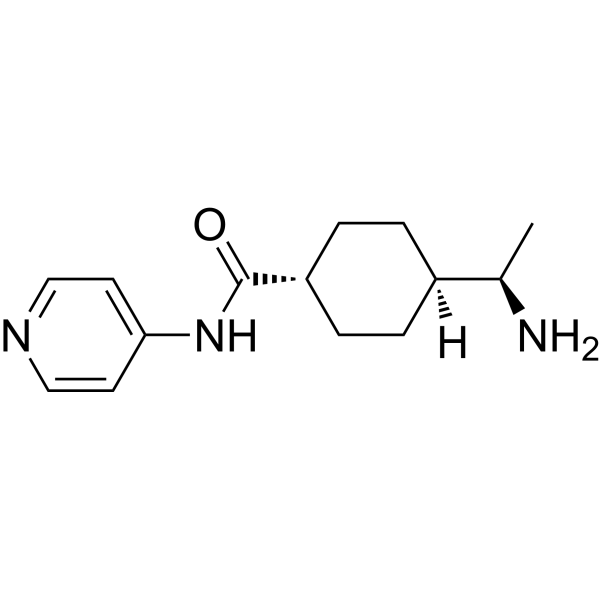
    Y-27632 is a ROCK inhibitor with Ki values of 220 nM and 300 nM for ROCK1 and ROCK2, respectively. Y-27632 exerts anti-inflammatory and immunomodulatory effects in systemic lupus erythematosus models by inhibiting the ROCK/NF-κB pathway. Y-27632 enhances autophagy by inhibiting the AKT/mTOR pathway, thereby inducing apoptosis apoptosis in oral squamous cell carcinoma. Y-27632 induces the formation of tunneling nanotubes in ARPE-19 cells and significantly enhances mitochondrial transfer through these channels. Y-27632 promotes neurite outgrowth in PC12 cells by activating the Rac1/NOX1/ROS/AKT/PAK1 signaling cascade .
    Y-27632
  • HY-B2163
    Astaxanthin
    Maximum Cited Publications
    18 Publications Verification

    PPAR Reactive Oxygen Species (ROS) STAT NF-κB Apoptosis Cardiovascular Disease Metabolic Disease Cancer
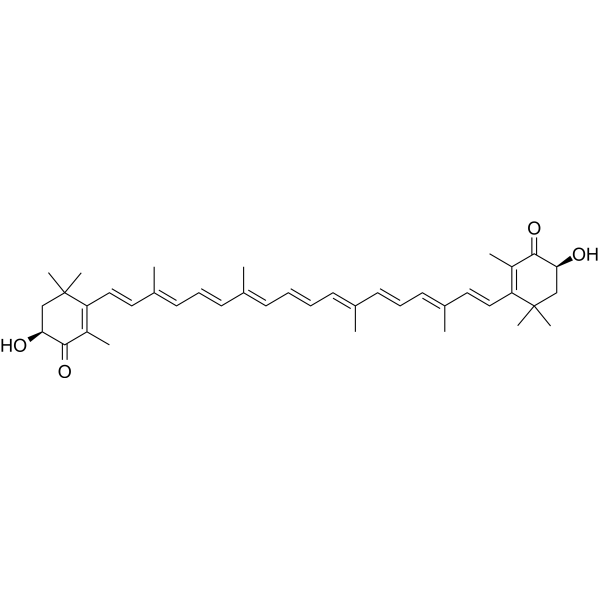
    Astaxanthin, the red dietary carotenoid, is an orally effective and potent antioxidant. Astaxanthin inhibits NF-κB and down-regulates VEGF in blood glucose. Astaxanthin exerts anti-cancer cell proliferation, increases apoptosis, impairs migration and invasion by activating PPARγ and reducing the expression of STAT3. Astaxanthin also has neuroprotective and anti-inflammatory activity and can be used in studies of cancer, diabetic retinopathy, cardiovascular disease, and in the coloring of animal feed .
    Astaxanthin
  • HY-14648A
    Dexamethasone acetate
    5+ Cited Publications

    Dexamethasone 21-acetate; Hexadecadrol acetate

    Glucocorticoid Receptor Inflammation/Immunology
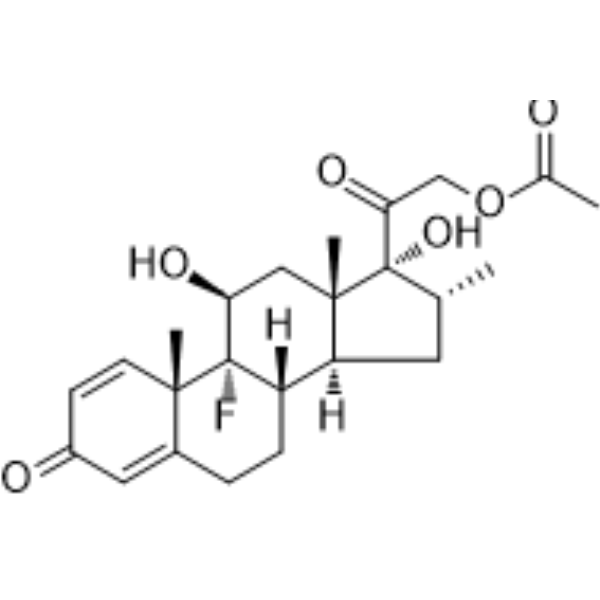
    Dexamethasone acetate (Dexamethasone 21-acetate) is the acetate form of the glucocorticoid Dexamethasone (HY-14648). Dexamethasone acetate has a longer duration of action than Dexamethasone. Dexamethasone acetate can accumulate at inflammatory sites, in mouse liver and mouse lung via nanostructured lipid carriers. Dexamethasone acetate can be used to prepare topical formulations for studies related to sensorineural hearing loss, γ-carrageenan-induced paw edema, chronic active hepatitis, pulmonary diseases, and inflammation after vitreoretinal surgery .
    Dexamethasone acetate
  • HY-133708
    β-Glucogallin
    1 Publications Verification

    Glucogallin; 1-O-Galloyl-β-D-glucose

    Aldose Reductase Reactive Oxygen Species (ROS) NF-κB PDGFR SOD Neurological Disease Metabolic Disease
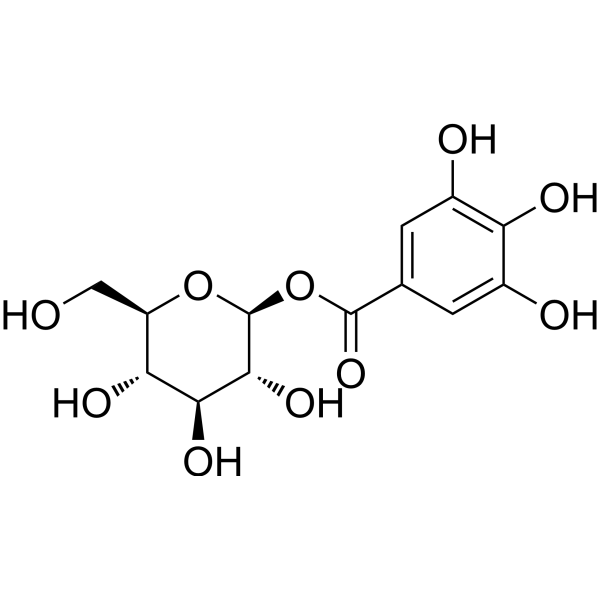
    β-Glucogallin is an orally active and selective aldose reductase (AKR1B1) inhibitor with an IC50 value of 58 μM when using Glyceraldehyde (HY-128748) as AKR1B1 substrate. β-Glucogallin reduces ROS, PDGF, RAGE, and NF-κB. β-Glucogallin increases SOD. β-Glucogallin has antioxidant and hepatoprotective effects. β-Glucogallin can be used in retinal research .
    β-Glucogallin
  • HY-N2572

    Nepetin; 6-Methoxyluteolin

    Interleukin Related Neurological Disease Inflammation/Immunology Cancer
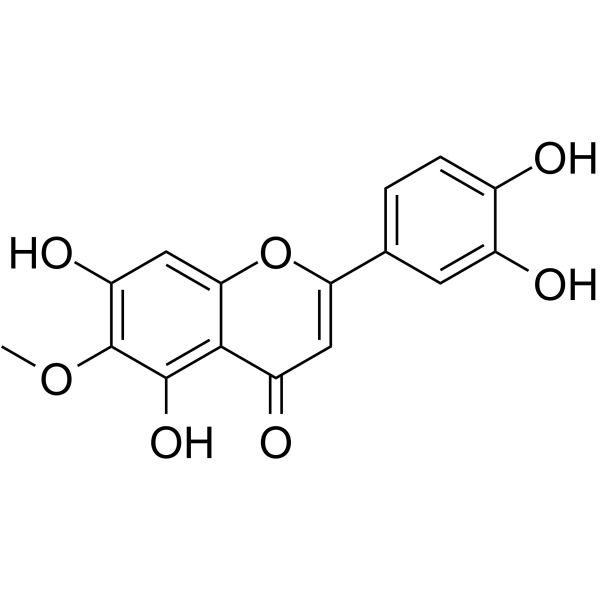
    Eupafolin (Nepetin) (6-Methoxyluteolin) is a natural flavonoid isolated from Eupatorium ballotaefolium HBK with potent anti-inflammatory activities. Eupafolin inhibits IL-6, IL-8 and MCP-1 secretion with IC50 values of 4.43 μM, 3.42 μM and 4.17 μM, respectively in ARPE-19 cells .
    Eupafolin
  • HY-108330
    AG126
    3 Publications Verification

    Tyrphostin AG126

    ERK Mitosis Inflammation/Immunology
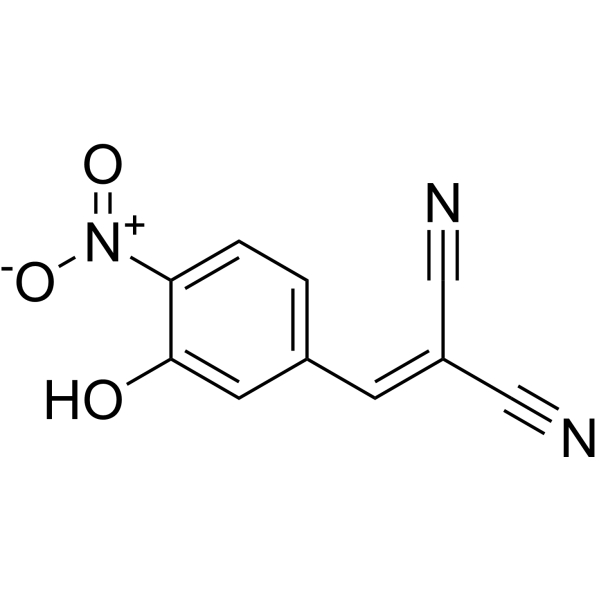
    AG126 is a tyrosine kinase inhibitor, can inhibit the phosphorylation of ERK1 and ERK2 at 25-50 μM. AG126 can be used in meiosis, mitosis, and postmitotic research .
    AG126
  • HY-30267
    4-Hydroxyphenyl acetate
    2 Publications Verification

    4-HPA; 4-Acetoxyphenol

    Quinone Reductase Endogenous Metabolite Others
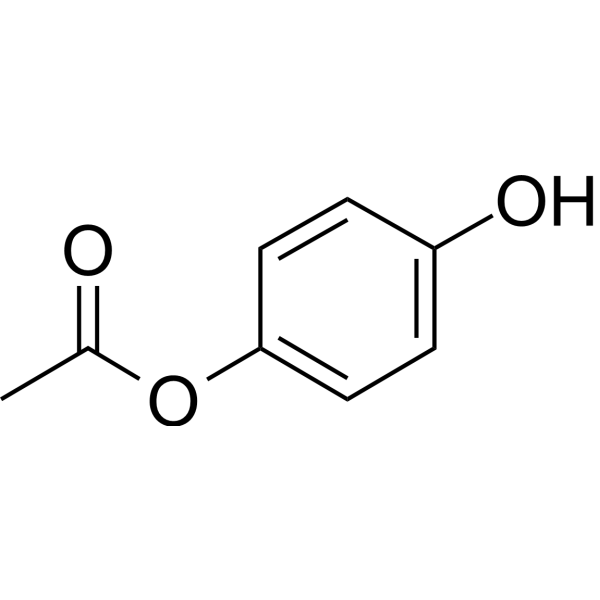
    4-Hydroxyphenyl acetate (4-HPA) is a natural antioxidant and protects cells from oxidative stress-induced necrosis. 4-Hydroxyphenyl acetate blocks the increase of cellular ROS induced by oxidative stress, and up-regulates NQO1 and HO-1 genes by stabilizing and inducing the nuclear translocation of NRF2 transcription factor .
    4-Hydroxyphenyl acetate
  • HY-145628

    Sigma Receptor Neurological Disease Inflammation/Immunology
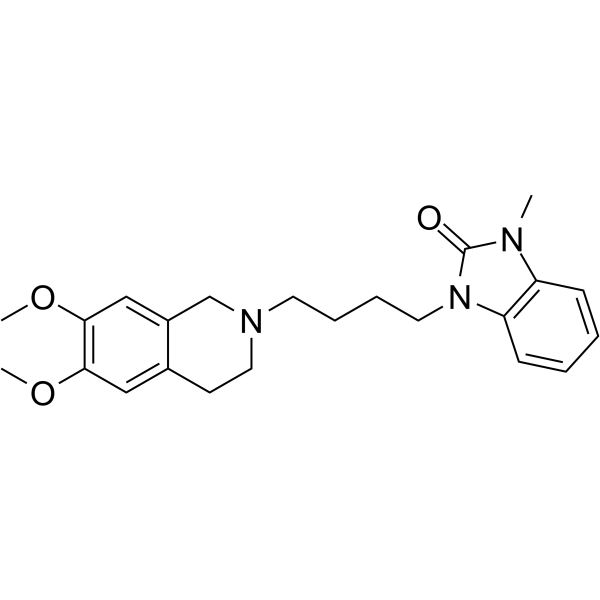
    CM398 is a highly selective, orally active Sigma-2 receptor ligand with a Ki value of 0.43 nM. CM398 ameliorates age-related macular degeneration. CM398 exerts analgesic effects on visceral pain, inflammatory pain and neuropathic pain. CM398 can be used in research related to age-related macular degeneration, neuropathic pain and inflammatory pain .
    CM398
  • HY-N2896

    Reactive Oxygen Species (ROS) Apoptosis Fungal Bacterial NF-κB SOD AMPK mTOR Notch Toll-like Receptor (TLR) Wnt MyD88 Sirtuin Infection Neurological Disease Inflammation/Immunology Cancer
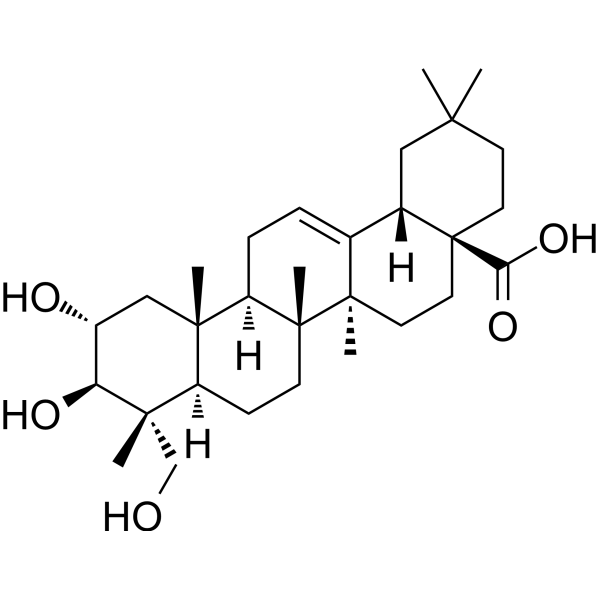
    Arjunolic acid is an orally active, multifunctional bioactive compound. Arjunolic acid exhibits free radical scavenging activity, as well as fungal and bacterial activities. Arjunolic acid induces apoptosis (Apoptosis) in various cancer cells. Arjunolic acid protects hepatocytes against induced oxidative stress and apoptosis by reducing reactive oxygen species and inhibiting NF-κB activation. Arjunolic acid regulates pancreatic dysfunction in type 2 diabetic rats by blocking the activation of the TLR-4/MyD88 and canonical Wnt pathways. Arjunolic acid inhibits neuroinflammation and ameliorates depressive behaviors via the SIRT1/AMPK/Notch1 signaling pathway in microglia. Arjunolic acid improves Crohn's disease-like colitis by restoring gut microbiota composition and inhibiting TLR4 signaling. Arjunolic acid suppresses osteosarcoma progression by inhibiting Wnt3a-mediated M2 polarization of macrophages. Arjunolic acid ameliorates diabetic retinopathy via the autophagy pathway regulated by AMPK/mTOR/HO-1. Arjunolic acid is applicable to research related to type 2 diabetes, organ toxicity, depression, Crohn's disease, osteosarcoma, diabetic retinopathy, and testicular dysfunction .
    Arjunolic acid
  • HY-147517

    Keap1-Nrf2 Neurological Disease Inflammation/Immunology
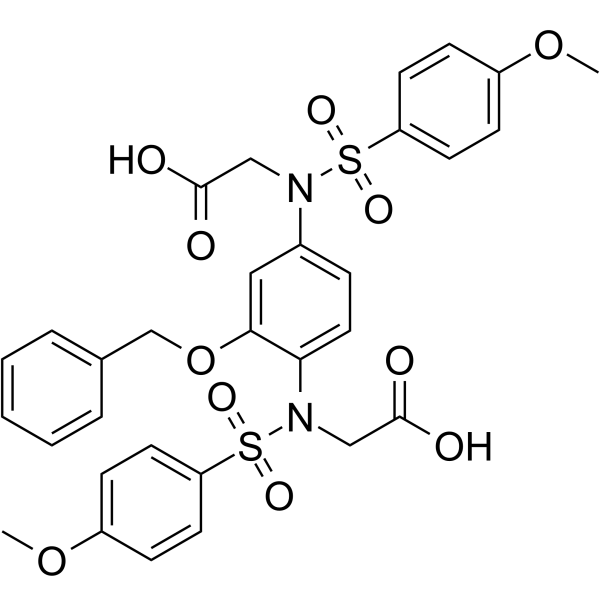
    Keap1-Nrf2-IN-9 (Compound 11) is a potent Keap1-Nrf2 PPI (Keap1-Nrf2 protein-protein interaction) inhibitor with an IC50 of 0.575 μM. Keap1-Nrf2-IN-9 increases the expression of Nrf2 target genes including heme oxygenase 1 (Hmox1), glutathione S-transferase P (GstP), and glutamate-cysteine ligase catalytic (Gclc) and modulatory (Gclm) subunits. Keap1-Nrf2-IN-9 shows no cytotoxic activity in ARPE19 cells .
    Keap1-Nrf2-IN-9
  • HY-108798

    VEGFR Cardiovascular Disease Cancer
    Ziv-aflibercept is a soluble inhibitor of vascular endothelial growth factor (VEGF). Ziv-aflibercept is an adaptive variant of Aflibercept (HY-108801), Ziv-aflibercept has a low PH value and high osmotic pressure when compared to Aflibercept. Ziv-aflibercept has potential applications in metastatic colorectal carcinoma and retinal diseases .
    Ziv-aflibercept
  • HY-109545

    Unoprostone isopropyl ester; UF-021

    Potassium Channel Others
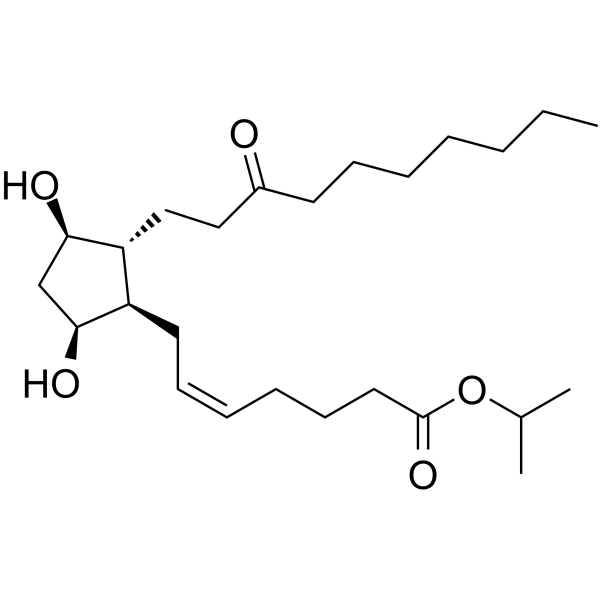
    Isopropyl unoprostone (Unoprostone isopropyl ester), an analogue of a prostaglandin metabolite, is a potent large conductance Ca 2+-activated K + (BK) channels activator. Isopropyl unoprostone has antiglaucoma effects, lowering intraocular pressure (IOP) by increasing aqueous humour outflow. Isopropyl unoprostone can improve retinal sensitivity and the protection of central retinal sensitivity .
    Isopropyl unoprostone
  • HY-10071A
    Y-27632 hydrochloride hydrate
    395+ Cited Publications

    ROCK NF-κB Apoptosis Autophagy Akt mTOR NADPH Oxidase Reactive Oxygen Species (ROS) PAK Ras Neurological Disease Inflammation/Immunology Cancer
    Y-27632 hydrochloride hydrate is a ROCK inhibitor with Ki values of 220 nM and 300 nM for ROCK1 and ROCK2, respectively. Y-27632 hydrochloride hydrate exerts anti-inflammatory and immunomodulatory effects in systemic lupus erythematosus models by inhibiting the ROCK/NF-κB pathway. Y-27632 hydrochloride hydrate enhances autophagy by inhibiting the AKT/mTOR pathway, thereby inducing apoptosis apoptosis in oral squamous cell carcinoma. Y-27632 hydrochloride hydrate induces the formation of tunneling nanotubes in ARPE-19 cells and significantly enhances mitochondrial transfer through these channels. Y-27632 hydrochloride hydrate promotes neurite outgrowth in PC12 cells by activating the Rac1/NOX1/ROS/AKT/PAK1 signaling cascade .
    Y-27632 hydrochloride hydrate
  • HY-177531

    Liposome mRNA Neurological Disease Inflammation/Immunology Cancer
    S-Ac7-DOG is a cationic lipid with biodegradability, low immunogenicity and high nucleic acid transfection capacity, which is commonly used to construct lipid nanoparticles for nucleic acid molecule delivery. S-Ac7-DOG can bind to mRNA, microRNA and self-amplifying RNA through electrostatic interaction. Lipid nanoparticles formed by S-Ac7-DOG enter cells via an energy-dependent endocytic pathway, release nucleic acid cargos, induce antigen-specific CD8 + T cell responses, promote the generation of precursor memory T cells, and regulate neuroinflammatory pathways. S-Ac7-DOG can be used in the research of retinal diseases, neuroinflammation and cancer .
    S-Ac7-DOg
  • HY-175671

    HDAC Histone Demethylase Neurological Disease
    LSD1/HDAC-IN-3 is a inhibitor targeting class I HDAC and LSD1 enzymes. LSD1/HDAC-IN-3 inhibits HDAC1, HDAC2, HDAC3, and LSD1 with IC50 values of 1702 nM, 842 nM, 358 nM, and 1074 nM, respectively. LSD1/HDAC-IN-3 exhibits antioxidant effects in H2O2-stressed ARPE-19 and 661W retinal cells, increasing levels of acetylated and methylated histone H3. LSD1/HDAC-IN-3 enhances photoreceptor survival in the rd10 mouse model of retinitis pigmentosa. LSD1/HDAC-IN-3 can be used for the study of inherited retinal diseases such as retinitis pigmentosa (RP) .
    LSD1/HDAC-IN-3
  • HY-N2572R

    Nepetin (Standard); 6-Methoxyluteolin (Standard)

    Reference Standards Interleukin Related Inflammation/Immunology
    Eupafolin (Standard) is the analytical standard of Eupafolin. This product is intended for research and analytical applications. Eupafolin (6-Methoxyluteolin) is a natural flavonoid isolated from Eupatorium ballotaefolium HBK with potent anti-inflammatory activities. Eupafolin inhibits IL-6, IL-8 and MCP-1 secretion with IC50 values of 4.43 μM, 3.42 μM and 4.17 μM, respectively in ARPE-19 cells .
    Eupafolin (Standard)
  • HY-P11150

    Biochemical Assay Reagents Others
    Human Histatin 1 is a histidine-rich peptide. Human Histatin 1can be isolated from saliva. Human Histatin 1 promotes cell-substrate and cell-cell adhesion .
    Human Histatin 1
  • HY-185048

    Drug Intermediate Neurological Disease
    PCB-OAA is a biocompatible multivinyl polycarboxybetaine macromonomer and that exhibits anti-fouling activity. PCB-OAA can form a hydrogel in vitreous cavity and shows an appealing ability to prevent significantly inflammatory response, fibrosis and complications such as raised intraocular pressure, and cataract formation. PCB-OAA can be used for the research of vitreous substitution .
    PCB-OAA
  • HY-108330R

    Tyrphostin AG126 (Standard)

    ERK Mitosis Reference Standards Inflammation/Immunology
    AG126 (Standard) is the analytical standard of AG126. This product is intended for research and analytical applications. AG126 is a tyrosine kinase inhibitor, can inhibit the phosphorylation of ERK1 and ERK2 at 25-50 μM. AG126 can be used in meiosis, mitosis, and postmitotic research .
    AG126 (Standard)
  • HY-30267R

    4-HPA (Standard); 4-Acetoxyphenol (Standard)

    Endogenous Metabolite Reference Standards Others
    4-Hydroxyphenyl acetate (Standard) is the analytical standard of 4-Hydroxyphenyl acetate. This product is intended for research and analytical applications. 4-Hydroxyphenyl acetate (4-HPA) is a natural antioxidant and protects cells from oxidative stress-induced necrosis. 4-Hydroxyphenyl acetate blocks the increase of cellular ROS induced by oxidative stress, and up-regulates NQO1 and HO-1 genes by stabilizing and inducing the nuclear translocation of NRF2 transcription factor .
    4-Hydroxyphenyl acetate (Standard)
  • HY-10071R

    Reference Standards mTOR Ras ROCK NADPH Oxidase NF-κB Reactive Oxygen Species (ROS) Akt Apoptosis Autophagy PAK Cancer
    Y-27632 (Standard) is the analytical standard of Y-27632 (HY-10071). This product is intended for research and analytical applications. Y-27632 is a ROCK inhibitor with Ki values of 220 nM and 300 nM for ROCK1 and ROCK2, respectively. Y-27632 exerts anti-inflammatory and immunomodulatory effects in systemic lupus erythematosus models by inhibiting the ROCK/NF-κB pathway. Y-27632 enhances autophagy by inhibiting the AKT/mTOR pathway, thereby inducing apoptosis apoptosis in oral squamous cell carcinoma. Y-27632 induces the formation of tunneling nanotubes in ARPE-19 cells and significantly enhances mitochondrial transfer through these channels. Y-27632 promotes neurite outgrowth in PC12 cells by activating the Rac1/NOX1/ROS/AKT/PAK1 signaling cascade .
    Y-27632 (Standard)
  • HY-160906

    GSSSG

    Interleukin Related ERK Neurological Disease Inflammation/Immunology
    Glutathione trisulfide (GSSSG) is a potent neuroprotective agent with anti-inflammatory activity. Glutathione trisulfide prevents the LPS (HY-D1056)-induced inflammatory gene expression in retinal pigment epithelial cells, which is mediated through hyperactivation of ERK signaling, independent of the NRF2/HMOX1 pathway. Glutathione trisulfide can be used for neurodegenerative diseases and ischemic spinal cord injury (SCI) research .
    Glutathione trisulfide
  • HY-W100150

    Biochemical Assay Reagents Cancer
    N-((6-Methylpyridin-2-yl) carbamothioyl) benzamide (Compound L3) is a thiourea ligand and monodentate ligand. The IC50 of N-((6-Methylpyridin-2-yl) carbamothioyl) benzamide in tested cell lines is > 100 μM. N-((6-Methylpyridin-2-yl) carbamothioyl) benzamide shows no activity against colorectal cancer cells and pancreatic cancer cells .
    N-((6-Methylpyridin-2-yl)carbamothioyl)benzamide

Inquiry Online

Your information is safe with us. * Required Fields.

Salutation


Country or Region *

Applicant Name *


Organization Name *

Department *


Email Address *


Product Name *

Cat. No.


Requested quantity *

Phone Number *


Remarks

Inquiry Online

Inquiry Information

Product Name:
Cat. No.:
Quantity:
MCE Japan Authorized Agent:

