
1. Search Result
Search Result
Results for "

ATP synthase inhibitor

" in MedChemExpress (MCE) Product Catalog:

39

Inhibitors & Agonists

1

Screening Libraries

8

Natural
Products

5

Isotope-Labeled Compounds

Cat. No. Product Name Target Research Areas Chemical Structure
  • HY-N6782
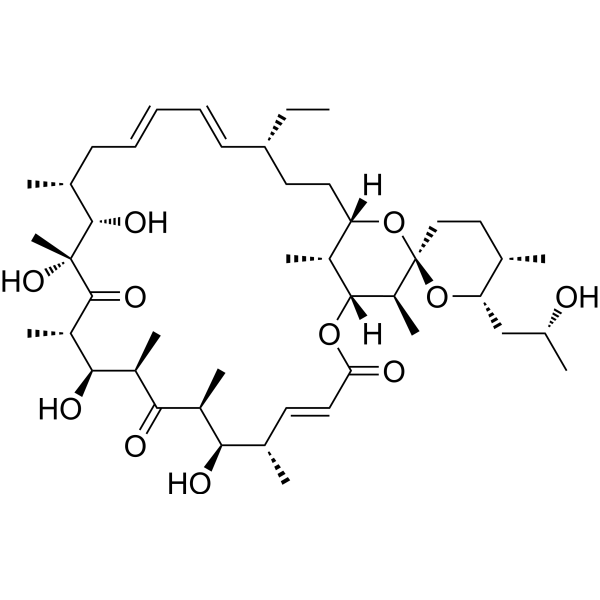
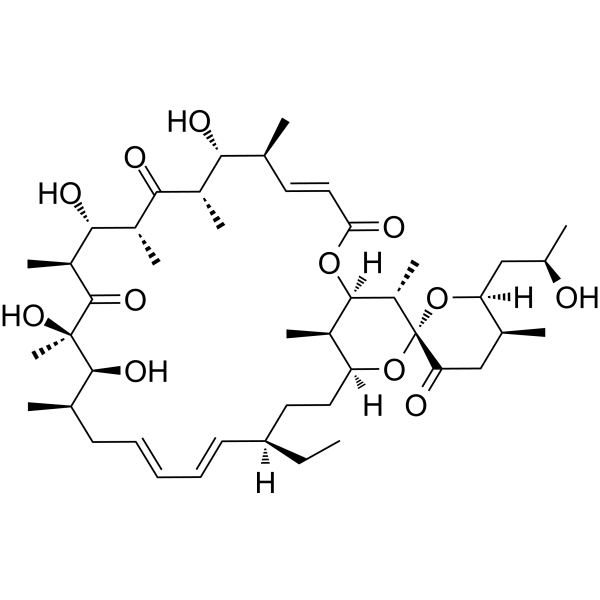
    Oligomycin
    Maximum Cited Publications
    105 Publications Verification

    Oxidative Phosphorylation ATP Synthase Fungal Antibiotic Infection Cancer
    Oligomycin, an antifungal antibiotic, is an inhibitor of H +-ATP-synthase. Oligomycin blocks oxidative phosphorylation and the electron transport chain. Oligomycin inhibits HIF-1alpha expression in hypoxic tumor cells .
    Oligomycin
  • HY-14881
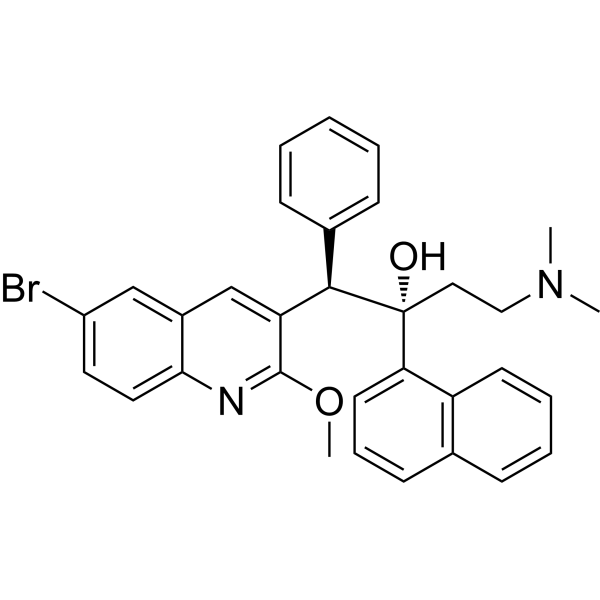
    Bedaquiline
    50+ Cited Publications

    TMC207; R207910

    Bacterial Antibiotic Infection
    Bedaquiline (TMC207) is a diarylquinoline agent and inhibits Mycobacterium tuberculosis (Mtb) F1FO-ATP synthase through targeting of both the c- and the ε-subunit . Bedaquiline has uncoupler activity. Bedaquiline is used for the multi-agent resistant tuberculosis .
    Bedaquiline
  • HY-15424
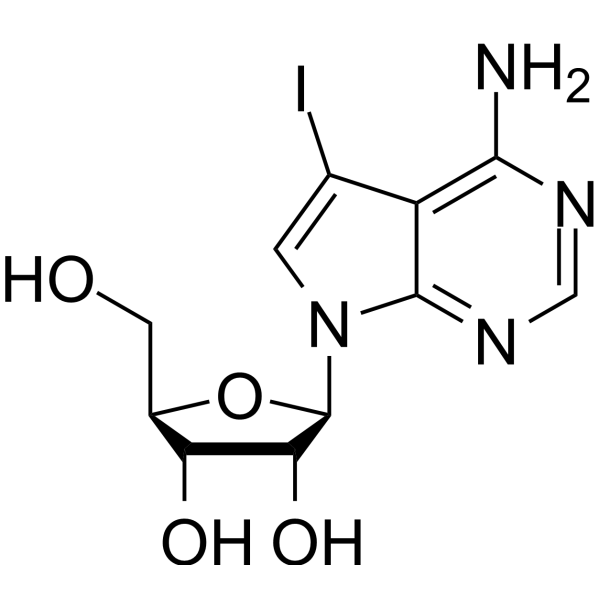
    5-Iodotubercidin
    10+ Cited Publications

    NSC 113939; 5-ITu

    Adenosine Kinase Cancer
    5-Iodotubercidin (NSC 113939), an ATP mimetic, is a potent adenosine kinase inhibitor with an IC50 of 26 nM. 5-Iodotubercidin (NSC 113939) initiates glycogen synthesis in isolated hepatocytes by causing inactivation of phosphorylase and activation of glycogen synthase. 5-Iodotubercidin (NSC 113939) also inhibits CK1, insulin receptor tyrosine kinase, phosphorylase kinase, PKA, CK2, PKC and Haspin .
    5-Iodotubercidin
  • HY-113914
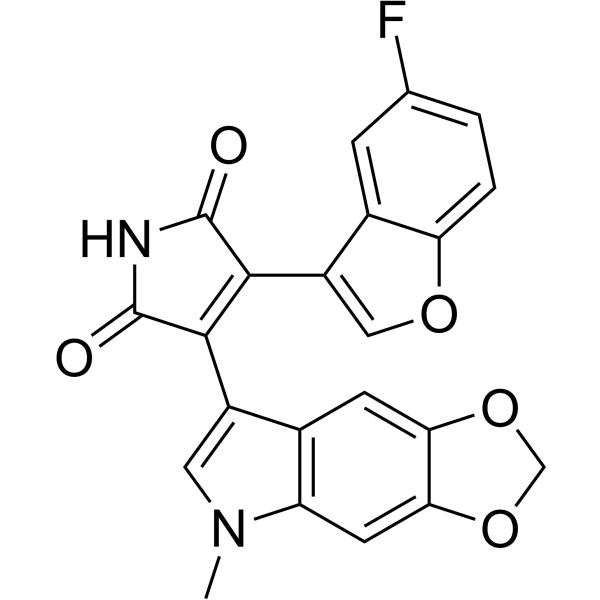
    9-ING-41
    5+ Cited Publications

    Elraglusib

    GSK-3 Apoptosis Autophagy Cancer
    9-ING-41 (Elraglusib) is a maleimide-based ATP-competitive and selective glycogen synthase kinase-3β (GSK-3β) inhibitor with an IC50 of 0.71 μM. 9-ING-41 significantly leads to cell cycle arrest, autophagy and apoptosis in cancer cells. 9-ING-41 has anticancer activity and has the potential for enhancing the antitumor effects of chemotherapeutic agents .
    9-ING-41
  • HY-59090
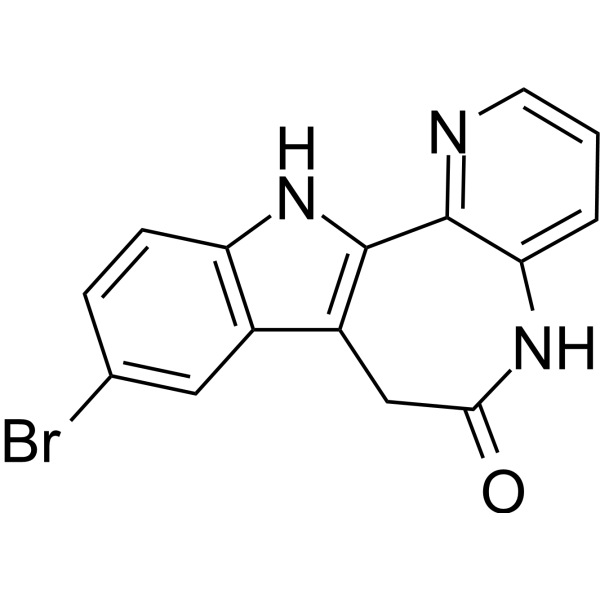
    1-Azakenpaullone
    3 Publications Verification

    1-Akp

    GSK-3 Neurological Disease Metabolic Disease
    1-Azakenpaullone (1-Akp) is a highly selective and ATP-competitive inhibitor of glycogen synthase kinase-3 β (GSK-3β), with an IC50 value of 18 nM .
    1-Azakenpaullone
  • HY-100542
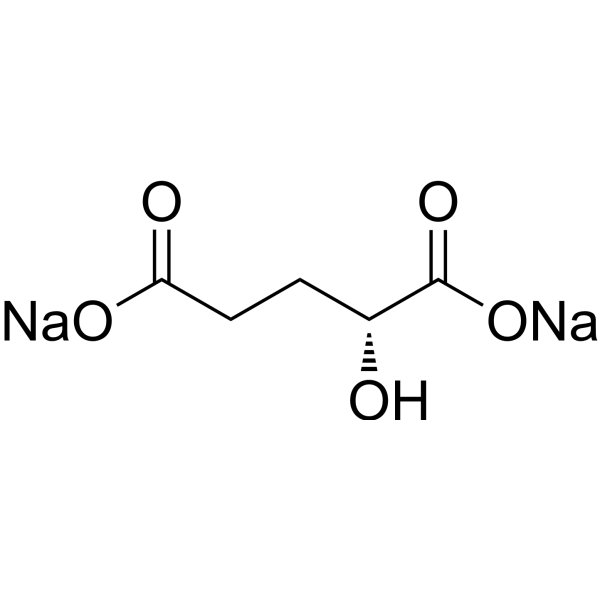
    D-α-Hydroxyglutaric acid disodium
    4 Publications Verification

    Disodium (R)-2-hydroxyglutarate

    Reactive Oxygen Species (ROS) ATP Synthase mTOR Endogenous Metabolite Neurological Disease Inflammation/Immunology Cancer
    D-α-Hydroxyglutaric acid disodium (Disodium (R)-2-hydroxyglutarate) is the principal metabolite accumulating in neurometabolic disease D-2-hydroxyglutaric aciduria. D-α-Hydroxyglutaric acid disodium is a weak competitive antagonist of α-ketoglutarate (α-KG) and inhibits multiple α-KG-dependent dioxygenases with a Ki of 10.87 mM. D-α-Hydroxyglutaric acid disodium increases reactive oxygen species (ROS) production. D-α-Hydroxyglutaric acid disodium binds and inhibits ATP synthase and inhibits mTOR signaling .
    D-α-Hydroxyglutaric acid disodium
  • HY-111651
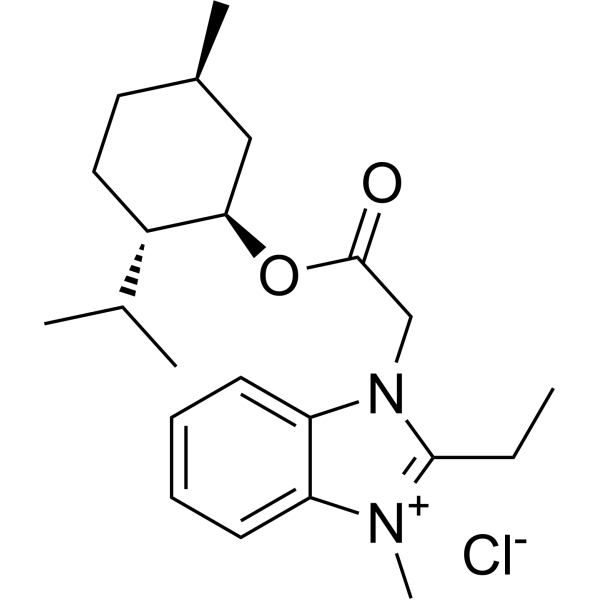
    Gboxin
    4 Publications Verification

    Oxidative Phosphorylation ATP Synthase Mitochondrial Metabolism Cancer
    Gboxin is an oxidative phosphorylation (OXPHOS) inhibitor that targets glioblastoma. Gboxin inhibits the activity of F0F1 ATP synthase. Antitumour activity .
    Gboxin
  • HY-113038
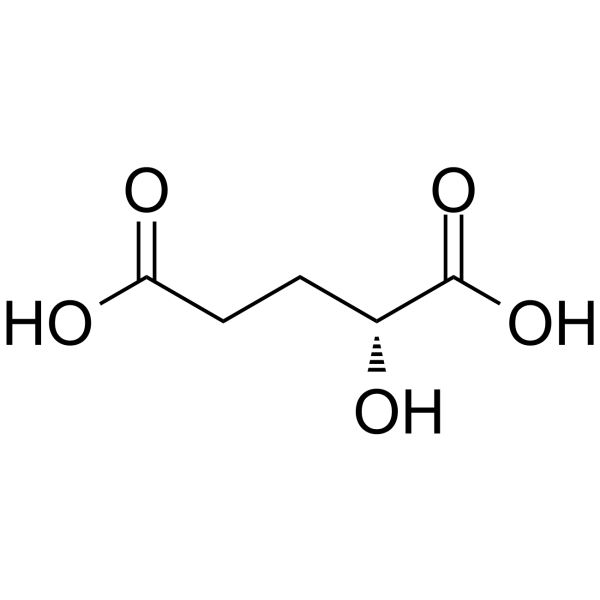
    D-α-Hydroxyglutaric acid
    4 Publications Verification

    (R)-2-Hydroxyglutarate; (R)-2-Hydroxyglutaric acid; (R)-2-Hydroxypentanedioic acid

    Reactive Oxygen Species (ROS) ATP Synthase mTOR Endogenous Metabolite Neurological Disease Inflammation/Immunology Cancer
    D-α-Hydroxyglutaric acid ((R)-2-Hydroxyglutarate) is the principal metabolite accumulating in neurometabolic disease D-2-hydroxyglutaric aciduria. D-α-Hydroxyglutaric acid is a weak competitive antagonist of α-ketoglutarate (α-KG) and inhibits multiple α-KG-dependent dioxygenases with a Ki of 10.87 mM. D-α-Hydroxyglutaric acid increases reactive oxygen species (ROS) production. D-α-Hydroxyglutaric acid binds and inhibits ATP synthase and inhibits mTOR signaling .
    D-α-Hydroxyglutaric acid
  • HY-17355A
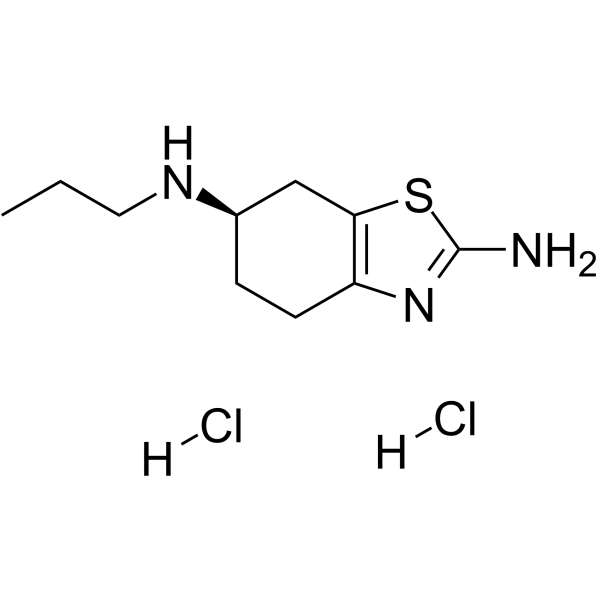
    Dexpramipexole dihydrochloride
    2 Publications Verification

    (R)-Pramipexole dihydrochloride; R-(+)-Pramipexole dihydrochloride; KNS-760704 dihydrochloride

    ATP Synthase Sodium Channel Glutathione Peroxidase NOD-like Receptor (NLR) Mitophagy Ferroptosis PINK1/Parkin Autophagy Apoptosis Reactive Oxygen Species (ROS) Cardiovascular Disease Neurological Disease Inflammation/Immunology
    Dexpramipexole ((R)-Pramipexole) dihydrochloride is an orally active, blood-brain barrier permeable mitochondrial protective agent. Dexpramipexole dihydrochloride upregulates the expression of Parkin, PINK1, GPX4 and FSP1; binds to mitochondrial F1/Fo-ATP synthase; blocks the Nav1.8 sodium channel; and inhibits the activation of the NLRP3 inflammasome. Dexpramipexole dihydrochloride induces mitophagy, inhibits ferroptosis, pyroptosis, apoptosis, neuroinflammation and eosinophilopoiesis; maintains mitochondrial function and redox homeostasis; reduces reactive oxygen species production; and decreases myocardial infarct size. Dexpramipexole dihydrochloride is applicable to studies on eosinophilic asthma, myocardial ischemia/reperfusion injury, sepsis-associated encephalopathy, analgesia, and more .
    Dexpramipexole dihydrochloride
  • HY-11001
    PHA-793887
    4 Publications Verification

    CDK Apoptosis Cancer
    PHA-793887 is a potent, ATP-competitive CDK inhibitor, can inhibit Cdk2, Cdk1, Cdk4, and Cdk9 with IC50s of 8 nM, 60 nM, 62 nM and 138 nM, respectively, and also inhibits glycogen synthase kinase 3β with an IC50 of 79 nM.
    PHA-793887
  • HY-N6784

    ATP Synthase Bacterial Apoptosis Antibiotic Infection Neurological Disease
    Oligomycin B is an antibiotic that acts as a non-selective inhibitor of ATP Synthase. Oligomycin B increases mitochondrial membrane potential. Oligomycin B induces apoptosis and necrosis. Oligomycin B impairs the motility of Plasmopara viticola zoospores and induces their lysis. Oligomycin B inhibits Magnaporthe oryzae (wheat blast fungus) and suppresses the development of wheat blast. Oligomycin B reduces hyphal growth and spore germination of Botrytis cinerea, and protects Arabidopsis thaliana against Botrytis cinerea infection. Oligomycin B exacerbates cytotoxic brain edema in rats with cerebral cortical contusion, increases intracranial pressure and brain water content, and aggravates mitochondrial damage in these rats. Oligomycin B is used in studies related to grape downy mildew, traumatic brain injury, wheat blast, and gray mold .
    Oligomycin B
  • HY-N125722

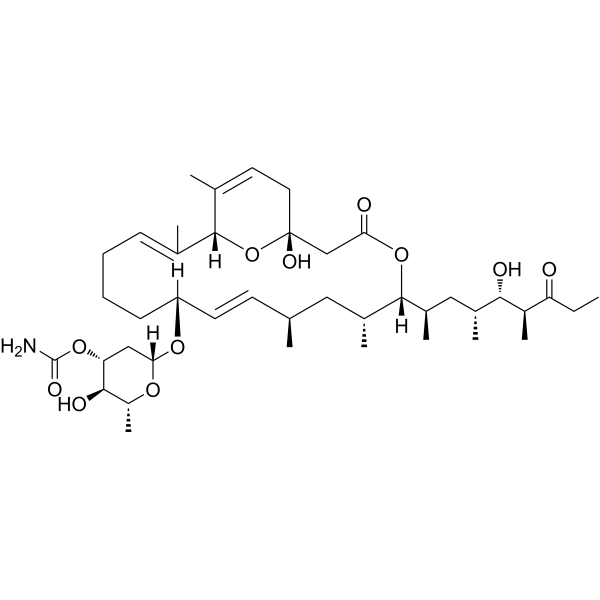
    Aabomycin A1

    ATP Synthase Antibiotic Infection
    Venturicidin A (Aabomycin A1), from actinomycetes, is a membrane-active natural product inhibitor of ATP synthase. Venturicidin A potentiates the aminoglycoside antibiotic gentamicin against multidrug-resistant clinical isolates of Staphylococcus, Enterococcus, and Pseudomonas aeruginosa. Venturicidin A shows noticeable toxicity toward human embryonic-kidney (HEK)cells with an IC50 of 31 μg/mL.
    Venturicidin A
  • HY-17355B
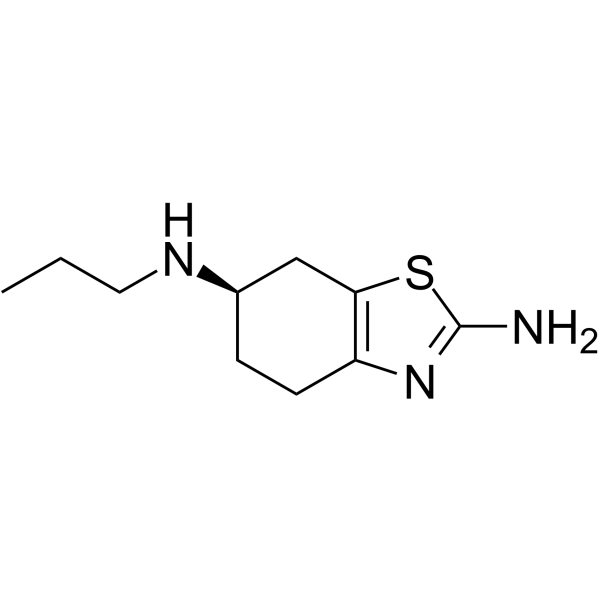
    Dexpramipexole
    2 Publications Verification

    (R)-Pramipexole; R-(+)-Pramipexole; KNS-760704

    PINK1/Parkin Glutathione Peroxidase Sodium Channel ATP Synthase NOD-like Receptor (NLR) Mitophagy Ferroptosis Autophagy Apoptosis Reactive Oxygen Species (ROS) Cardiovascular Disease Neurological Disease Inflammation/Immunology
    Dexpramipexole ((R)-Pramipexole) is an orally active, blood-brain barrier permeable mitochondrial protective agent. Dexpramipexole upregulates the expression of Parkin, PINK1, GPX4 and FSP1; binds to mitochondrial F1/Fo-ATP synthase; blocks the Nav1.8 sodium channel; and inhibits the activation of the NLRP3 inflammasome. Dexpramipexole induces mitophagy, inhibits ferroptosis, pyroptosis, apoptosis, neuroinflammation and eosinophilopoiesis; maintains mitochondrial function and redox homeostasis; reduces reactive oxygen species production; and decreases myocardial infarct size. Dexpramipexole is applicable to studies on eosinophilic asthma, myocardial ischemia/reperfusion injury, sepsis-associated encephalopathy, analgesia, and more .
    Dexpramipexole
  • HY-118960

    ATP Synthase Cardiovascular Disease
    BMS-199264 hydrochloride is an inhibitor of F1F0 ATP hydrolase (IC50=0.5 μM) without inhibitory effect on F1F0 ATP synthase. BMS-199264 hydrochloride selectively inhibits ATP decline during ischemia to reduces cardiac necrosis. BMS-199264 hydrochloride also enhances the recovery of contractile function following reperfusion .
    BMS-199264 hydrochloride
  • HY-112715

    ATP Synthase Cardiovascular Disease
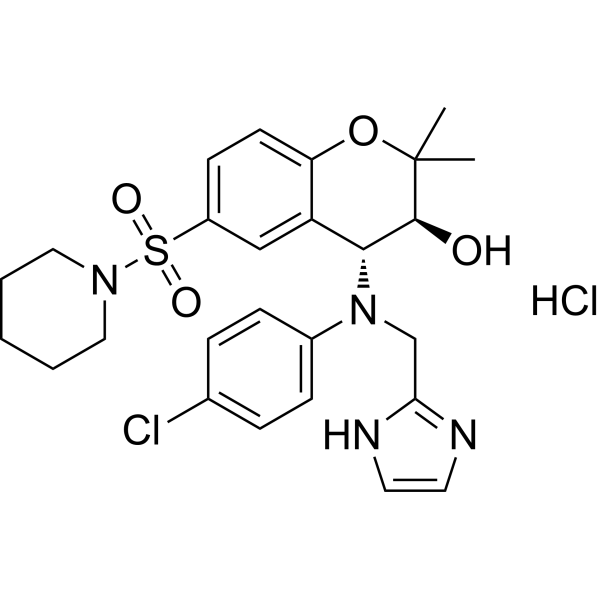
    ATP synthase inhibitor 1 is a potent inhibitor of c subunit of the F1/FO-ATP synthase complex, inhibits mitochondrial permeability transition pore (mPTP) opening, does not affect ATP levels .
    ATP synthase inhibitor 1
  • HY-W010918R

    Adenosine diphosphate (Standard); ADP (Standard)

    Reference Standards Endogenous Metabolite Others
    Adenosine 5'-diphosphate (Standard) is the analytical standard of Adenosine 5'-diphosphate. This product is intended for research and analytical applications. Adenosine 5'-diphosphate (Adenosine diphosphate) is a nucleoside diphosphate. Adenosine 5'-diphosphate is the product of ATP dephosphorylation by ATPases. Adenosine 5'-diphosphate induces human platelet aggregation and inhibits stimulated adenylate cyclase by an action at P2T-purinoceptors. In Vitro: Adenosine 5'-diphosphate consists of the pyrophosphate group, the pentose sugar ribose, and the nucleobase adenine. Adenosine 5'-diphosphate is the product of ATP dephosphorylation by ATPases. ADP is converted back to ATP by ATP synthases. ATP is an important energy transfer molecule in cells. Adenosine 5'-diphosphate is utilized in a wide number of cellular processes, including respiration, biosynthetic reactions, motility, and cell division.
    Adenosine 5'-diphosphate (Standard)
  • HY-14881R

    TMC207 (Standard); R207910 (Standard)

    Reference Standards Bacterial Antibiotic Infection
    Bedaquiline (Standard) is the analytical standard of Bedaquiline. This product is intended for research and analytical applications. Bedaquiline (TMC207) is a diarylquinoline agent and inhibits Mycobacterium tuberculosis (Mtb) F1FO-ATP synthase through targeting of both the c- and the ε-subunit . Bedaquiline has uncoupler activity. Bedaquiline is used for the multi-agent resistant tuberculosis .
    Bedaquiline (Standard)
  • HY-14881S1

    Isotope-Labeled Compounds Bacterial Antibiotic Others
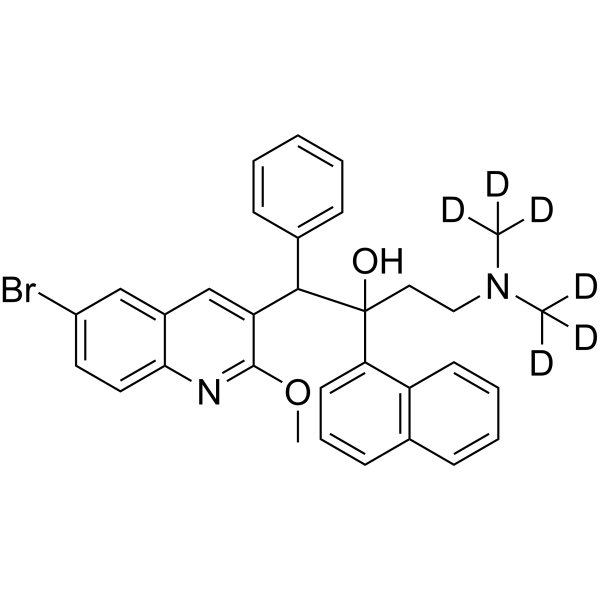
    (Rac)-Bedaquiline-d6 is the deuterium labeled Bedaquiline (HY-14881) . Bedaquiline (TMC207) is a diarylquinoline agent and inhibits Mycobacterium tuberculosis (Mtb) F1FO-ATP synthase through targeting of both the c- and the ε-subunit . Bedaquiline has uncoupler activity. Bedaquiline is used for the multi-agent resistant tuberculosis .
    (Rac)-Bedaquiline-d6
  • HY-162142

    Bacterial Succinate Dehydrogenase Reactive Oxygen Species (ROS) Infection
    BB2-50F is an antimicrobial agent and succinate dehydrogenase and F1Fo-ATP synthase inhibitor. BB2-50F induces ROS. BB2-50F inhibits succinate oxidation and reduces tricarboxylic acid (TCA) cycle activity. BB2-50F inhibits the growth of Mycobacterium tuberculosis H37Rv and its auxotrophic, attenuated derivative mc2 6230 (ΔRD1, ΔpanCD) with an MIC of 8 μM .
    BB2-50F
  • HY-W654003

    Disodium (R)-2-hydroxyglutarate-d5

    Reactive Oxygen Species (ROS) Neurological Disease Inflammation/Immunology Cancer
    D-α-Hydroxyglutaric acid-d5 disodium (Disodium (R)-2-hydroxyglutarate-d5) is the deuterium labeled D-α-Hydroxyglutaric acid disodium (HY-100542). D-α-Hydroxyglutaric acid disodium (Disodium (R)-2-hydroxyglutarate) is the principal metabolite accumulating in neurometabolic disease D-2-hydroxyglutaric aciduria. D-α-Hydroxyglutaric acid disodium is a weak competitive antagonist of α-ketoglutarate (α-KG) and inhibits multiple α-KG-dependent dioxygenases with a Ki of 10.87 mM. D-α-Hydroxyglutaric acid disodium increases reactive oxygen species (ROS) production. D-α-Hydroxyglutaric acid disodium binds and inhibits ATP synthase and inhibits mTOR signaling .
    D-α-Hydroxyglutaric acid-d5 disodium
  • HY-15424R

    NSC 113939 (Standard); 5-ITu (Standard)

    Adenosine Kinase Reference Standards Cancer
    5-Iodotubercidin (Standard) is the analytical standard of 5-Iodotubercidin. This product is intended for research and analytical applications. 5-Iodotubercidin (NSC 113939), an ATP mimetic, is a potent adenosine kinase inhibitor with an IC50 of 26 nM. 5-Iodotubercidin (NSC 113939) initiates glycogen synthesis in isolated hepatocytes by causing inactivation of phosphorylase and activation of glycogen synthase. 5-Iodotubercidin (NSC 113939) also inhibits CK1, insulin receptor tyrosine kinase, phosphorylase kinase, PKA, CK2, PKC and Haspin .
    5-Iodotubercidin (Standard)
  • HY-146388

    Bacterial ATP Synthase Infection
    Mtb ATP synthase-IN-1 (compound 6ab) is a potent Mycobacterium tuberculosis (Mtb) ATP synthase inhibitor, with MIC of 0.452-0.499 μg/mL against Mtb. Mtb ATP synthase-IN-1 has good metabolic stability, low cytotoxicity (Vero IC50 > 64 μg/mL), and acceptable oral bioavailability. Mtb ATP synthase-IN-1 can be used for researching anti-mycobacterium .
    Mtb ATP synthase-IN-1
  • HY-N12486

    Keap1-Nrf2 ATP Synthase Metabolic Disease
    Isofalcarintriol is a NRF2 activator and selective inhibitor of the mitochondrial ATP synthase. Isofalcarintriol can be used for aging study .
    Isofalcarintriol
  • HY-162804

    Bacterial ATP Synthase Infection
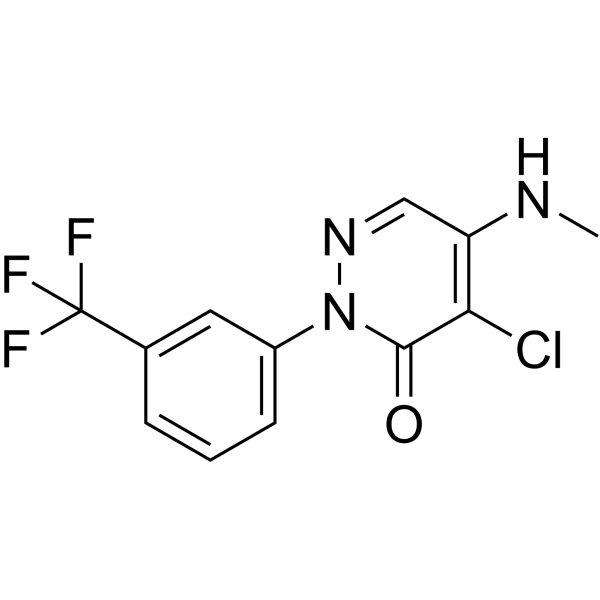
    ATP synthase inhibitor 3 (compound PT6) is an orally active inhibitor of mycobacterial F-ATP synthase (IC50=0.788 μM). ATP synthase inhibitor 3 inhibits the growth of Mycobacterium tuberculosis H37Rv strain (ATCC-27294) in vitro and depletes intracellular ATP levels at an IC50 value of 30μM .
    ATP synthase inhibitor 3
  • HY-17355BS

    (R)-Pramipexole-d3 dihydrochloride; R-(+)-Pramipexole-d3 dihydrochloride; KNS-760704-d3 dihydrochloride

    Isotope-Labeled Compounds ATP Synthase Sodium Channel Glutathione Peroxidase NOD-like Receptor (NLR) Mitophagy Ferroptosis PINK1/Parkin Autophagy Apoptosis Reactive Oxygen Species (ROS) Cardiovascular Disease Neurological Disease Inflammation/Immunology
    Dexpramipexole-d3 ((R)-Pramipexole-d3) dihydrochloride is the deuterium labeled Dexpramipexole. Dexpramipexole ((R)-Pramipexole) dihydrochloride is an orally active, blood-brain barrier permeable mitochondrial protective agent. Dexpramipexole dihydrochloride upregulates the expression of Parkin, PINK1, GPX4 and FSP1; binds to mitochondrial F1/Fo-ATP synthase; blocks the Nav1.8 sodium channel; and inhibits the activation of the NLRP3 inflammasome. Dexpramipexole dihydrochloride induces mitophagy, inhibits ferroptosis, pyroptosis, apoptosis, neuroinflammation and eosinophilopoiesis; maintains mitochondrial function and redox homeostasis; reduces reactive oxygen species production; and decreases myocardial infarct size. Dexpramipexole dihydrochloride is applicable to studies on eosinophilic asthma, myocardial ischemia/reperfusion injury, sepsis-associated encephalopathy, analgesia, and more.
    Dexpramipexole-d3 dihydrochloride
  • HY-150983

    ATP Synthase Bacterial Infection
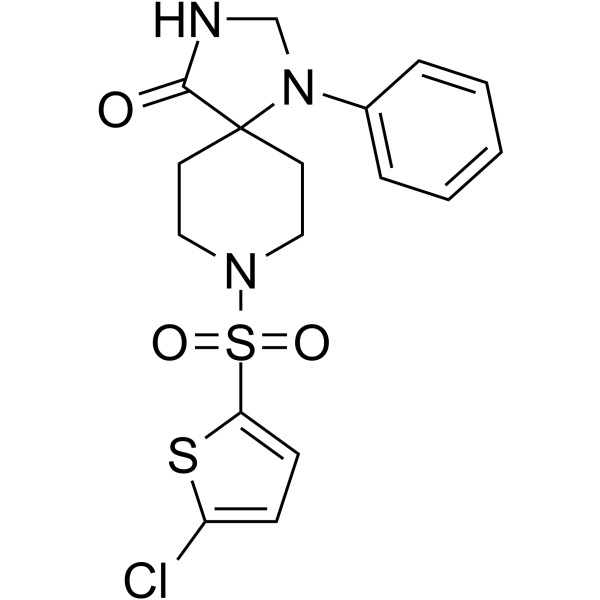
    ATP synthase inhibitor 2 is a Pseudomonas aeruginosa (PA) ATP synthase inhibitor (IC50=10 μg/mL). ATP synthase inhibitor 2 can inhibit Pseudomonas aeruginosa (PA) ATP synthesis activity completely at 128 μg/mL .
    ATP synthase inhibitor 2
  • HY-150983A

    ATP Synthase Bacterial Infection
    ATP synthase inhibitor 2 (Compound 22) TFA is a Pseudomonas aeruginosa (PA) ATP synthase inhibitor (IC50=10 μg/mL). ATP synthase inhibitor 2 TFA can inhibit Pseudomonas aeruginosa (PA) ATP synthesis activity completely at 128 μg/mL .
    ATP synthase inhibitor 2 TFA
  • HY-125637

    Aabomycin A2

    Antibiotic Fungal ATP Synthase Infection
    Venturicidin B (Aabomycin A2) is a macrolide antibiotic isolated from Streptomyces sp., used as an antifungal agent, a potent inhibitor of the mitochondrial F0-ATP synthase complex .
    Venturicidin B
  • HY-118960A

    ATP Synthase Cardiovascular Disease
    BMS-199264 is an inhibitor of F1F0 ATP hydrolase (IC50=0.5 μM) without inhibitory effect on F1F0 ATP synthase. BMS-199264 selectively inhibits ATP decline during ischemia to reduces cardiac necrosis. BMS-199264 also enhances the recovery of contractile function following reperfusion .
    BMS-199264
  • HY-172959

    Mitochondrial Metabolism Cardiovascular Disease
    mPTP-IN-1 (Compound 14e) is a mitochondrial permeability transition pore (mPTP) inhibitor. mPTP-IN-1 blocks calcium-induced mPTP opening by targeting the C subunit of ATP synthase. mPTP-IN-1 can be used to study myocardial ischemia/reperfusion injury (IRI) .
    mPTP-IN-1
  • HY-14881B

    (Rac)-TMC207; (Rac)-R207910

    Bacterial Infection
    (Rac)-Bedaquiline is the racemate of Bedaquiline. Bedaquiline (TMC207) is a diarylquinoline agent and inhibits Mycobacterium tuberculosis (Mtb) F1FO-ATP synthase through targeting both the c- and the ε-subunit. Bedaquiline has uncoupler activity. Bedaquiline is used for the multi-agent resistant tuberculosis .
    (Rac)-Bedaquiline
  • HY-162028

    Bacterial Infection
    GaMF1.39 is an antimycobacterial compound, targeting the F-ATP synthase subunit γ. GaMF1.39 displays enhanced anti-tuberculosis activity in combination with ETC inhibitors .
    GaMF1.39
  • HY-14881S2

    Isotope-Labeled Compounds Bacterial Antibiotic Infection
    Bedaquiline impurity 2-d6 is deuterium labeled Bedaquiline. Bedaquiline (TMC207) is a diarylquinoline agent and inhibits Mycobacterium tuberculosis (Mtb) F1FO-ATP synthase through targeting of both the c- and the ε-subunit . Bedaquiline has uncoupler activity. Bedaquiline is used for the multi-agent resistant tuberculosis .
    Bedaquiline impurity 2-d6
  • HY-W779800

    Isotope-Labeled Compounds Endogenous Metabolite Reactive Oxygen Species (ROS) mTOR ATP Synthase Neurological Disease
    D-α-Hydroxyglutaric acid- 13C5 disodium is the 13C-labeled D-α-Hydroxyglutaric acid (HY-113038). D-α-Hydroxyglutaric acid ((R)-2-Hydroxyglutarate) is the principal metabolite accumulating in neurometabolic disease D-2-hydroxyglutaric aciduria. D-α-Hydroxyglutaric acid is a weak competitive antagonist of α-ketoglutarate (α-KG) and inhibits multiple α-KG-dependent dioxygenases with a Ki of 10.87 mM. D-α-Hydroxyglutaric acid increases reactive oxygen species (ROS) production. D-α-Hydroxyglutaric acid binds and inhibits ATP synthase and inhibits mTOR signaling .
    D-α-Hydroxyglutaric acid-13C5 disodium
  • HY-161667

    GSK-3 HDAC Neurological Disease
    GSK-3β/HDAC-IN-1 (Compd 4) is a brain-penetrant and first in class dual non-ATP-competitive Glycogen Synthase Kinase 3β/Histone Deacetylases (GSK-3β/HDACs) Inhibitor with IC50s of 0.142, 0.03 and 0.045 μM against GSK-3β, HDAC2 and HDAC6, respectively. GSK-3β/HDAC-IN-1 can be used for Alzheimer’s disease research .
    GSK-3β/HDAC-IN-1
  • HY-100542R

    Disodium (R)-2-hydroxyglutarate (Standard)

    Reference Standards Reactive Oxygen Species (ROS) ATP Synthase mTOR Endogenous Metabolite Neurological Disease Inflammation/Immunology Cancer
    D-α-Hydroxyglutaric acid (disodium) (Standard) is the analytical standard of D-α-Hydroxyglutaric acid (disodium). This product is intended for research and analytical applications. D-α-Hydroxyglutaric acid disodium (Disodium (R)-2-hydroxyglutarate) is the principal metabolite accumulating in neurometabolic disease D-2-hydroxyglutaric aciduria. D-α-Hydroxyglutaric acid disodium is a weak competitive antagonist of α-ketoglutarate (α-KG) and inhibits multiple α-KG-dependent dioxygenases with a Ki of 10.87 mM. D-α-Hydroxyglutaric acid disodium increases reactive oxygen species (ROS) production. D-α-Hydroxyglutaric acid disodium binds and inhibits ATP synthase and inhibits mTOR signaling .
    D-α-Hydroxyglutaric acid disodium (Standard)
  • HY-17355AR

    (R)-Pramipexole dihydrochloride (Standard); R-(+)-Pramipexole dihydrochloride (Standard); KNS-760704 dihydrochloride (Standard)

    Reference Standards ATP Synthase Sodium Channel Glutathione Peroxidase NOD-like Receptor (NLR) Mitophagy Ferroptosis PINK1/Parkin Autophagy Apoptosis Cardiovascular Disease Neurological Disease Inflammation/Immunology
    Dexpramipexole ((R)-Pramipexole) dihydrochloride (Standard) is the analytical standard of Dexpramipexole (dihydrochloride). This product is intended for research and analytical applications. Dexpramipexole dihydrochloride is an orally active, blood-brain barrier permeable mitochondrial protective agent. Dexpramipexole dihydrochloride upregulates the expression of Parkin, PINK1, GPX4 and FSP1; binds to mitochondrial F1/Fo-ATP synthase; blocks the Nav1.8 sodium channel; and inhibits the activation of the NLRP3 inflammasome. Dexpramipexole dihydrochloride induces mitophagy, inhibits ferroptosis, pyroptosis, apoptosis, neuroinflammation and eosinophilopoiesis; maintains mitochondrial function and redox homeostasis; reduces reactive oxygen species production; and decreases myocardial infarct size. Dexpramipexole dihydrochloride is applicable to studies on eosinophilic asthma, myocardial ischemia/reperfusion injury, sepsis-associated encephalopathy, analgesia, and more.
    Dexpramipexole dihydrochloride (Standard)
  • HY-180149

    ATP Synthase Bacterial Infection
    PRP020 is a potent and specific inhibitor of mycobacterial ATP synthase. PRP020 does not inhibit acidification driven by succinate. PRP020 exihibits MIC95 against M. tuberculosis of 2 μM, and it remains active against most drug-resistant mutant strains. PRP020 is highly safe and can be used in anti-tuberculosis research .
    PRP020
  • HY-183249

    Acetyl-CoA synthetase Fungal Infection
    Ac-CoA Synthase-IN-2 is an Ac-CoA Synthase (ACS) inhibitor and antifungal agent. Ac-CoA Synthase-IN-2 binds in the ATP/acetyl-AMP pocket of fungal and human ACS enzymes to exert competitive inhibition with ATP, and inhibits Cryptococcus neoformans CnKbc1-mediated acetoacetate-to-aceto-acetyl CoA conversion. Ac-CoA Synthase-IN-2 can be used for the research of fungal infections .
    Ac-CoA Synthase-IN-2

Inquiry Online

Your information is safe with us. * Required Fields.

Salutation


Country or Region *

Applicant Name *


Organization Name *

Department *


Email Address *


Product Name *

Cat. No.


Requested quantity *

Phone Number *


Remarks

Inquiry Online

Inquiry Information

Product Name:
Cat. No.:
Quantity:
MCE Japan Authorized Agent:

