



Dexpramipexole dihydrochloride (Standard)
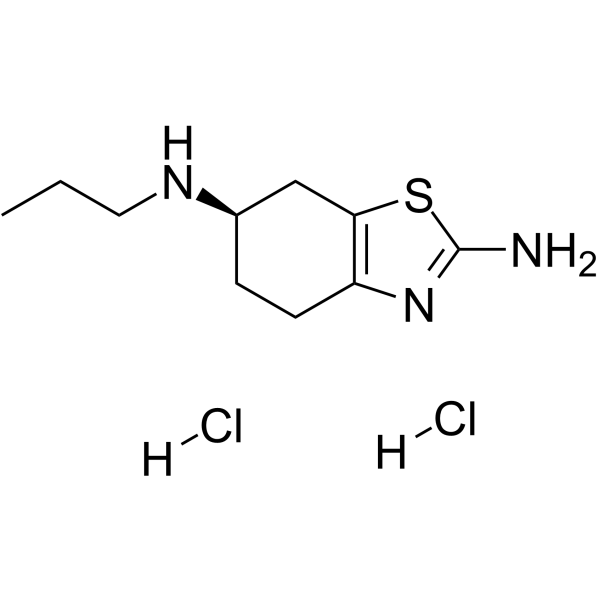
Dexpramipexole ((R)-Pramipexole) dihydrochloride (Standard) is the analytical standard of Dexpramipexole (dihydrochloride). This product is intended for research and analytical applications. Dexpramipexole dihydrochloride is an orally active, blood-brain barrier permeable mitochondrial protective agent. Dexpramipexole dihydrochloride upregulates the expression of Parkin, PINK1, GPX4 and FSP1; binds to mitochondrial F1/Fo-ATP synthase; blocks the Nav1.8 sodium channel; and inhibits the activation of the NLRP3 inflammasome. Dexpramipexole dihydrochloride induces mitophagy, inhibits ferroptosis, pyroptosis, apoptosis, neuroinflammation and eosinophilopoiesis; maintains mitochondrial function and redox homeostasis; reduces reactive oxygen species production; and decreases myocardial infarct size. Dexpramipexole dihydrochloride is applicable to studies on eosinophilic asthma, myocardial ischemia/reperfusion injury, sepsis-associated encephalopathy, analgesia, and more.
For research use only. We do not sell to patients.
- Purity : 98%
- CAS No.: 104632-27-1
- Formula: C10H19Cl2N3S
- Molecular Weight:284.25
-
Storage:
Please store the product under the recommended conditions in the Certificate of Analysis.


To place orders, for customer services and technical support, please contact: MedChemExpress USA
Tel: 609-228-6898 E-mail: [email protected] [email protected]


-
 Product Information
-
Chemical Information
- Purity & Documentation
-
 Help & FAQs


-
HY-17355A
Dexpramipexole dihydrochloride -
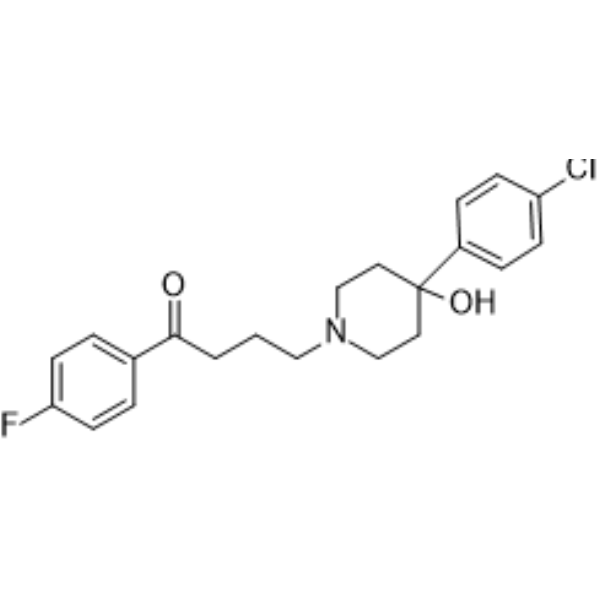
HY-14538
Haloperidol -
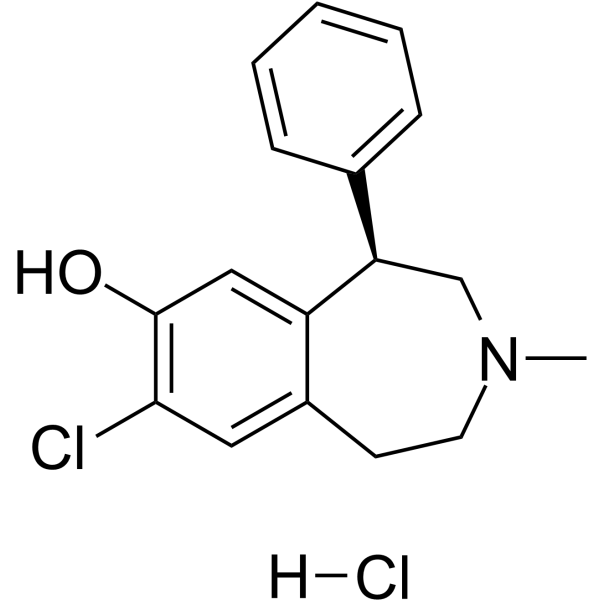
HY-19545A
SCH-23390 hydrochloride -
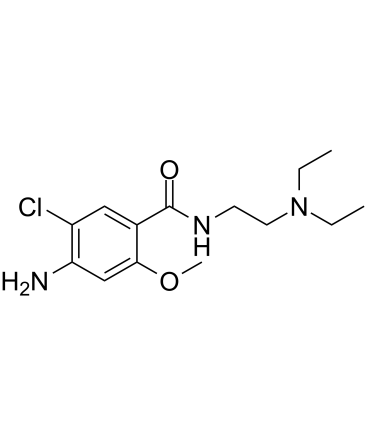
HY-17382
Metoclopramide -
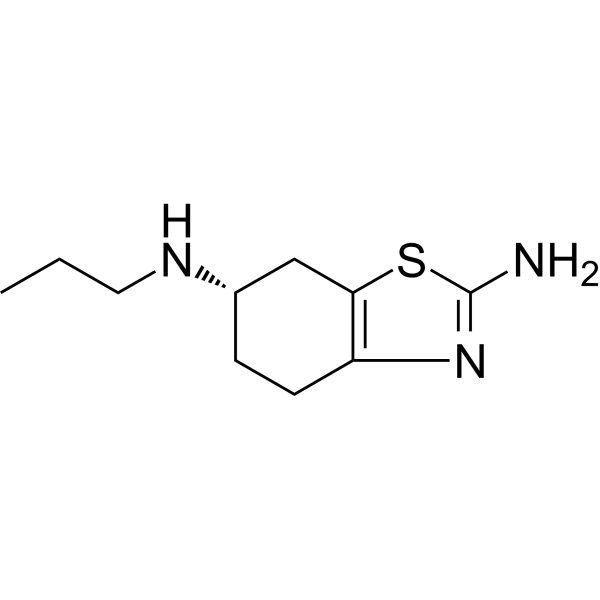
HY-B0410
Pramipexole -
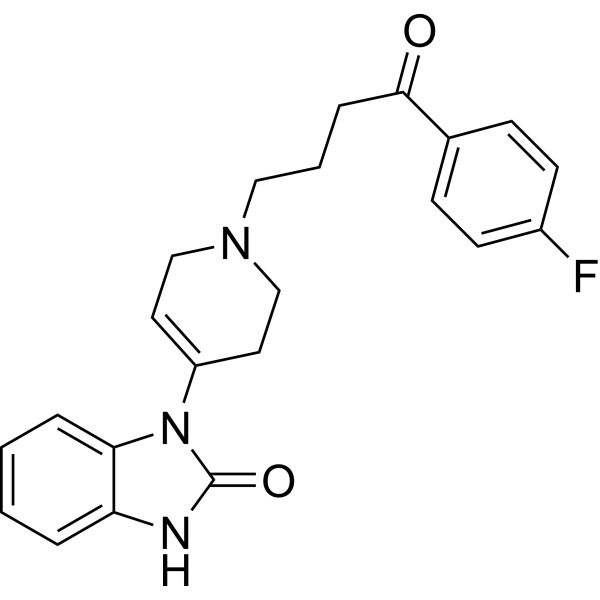
HY-B1240
Droperidol -
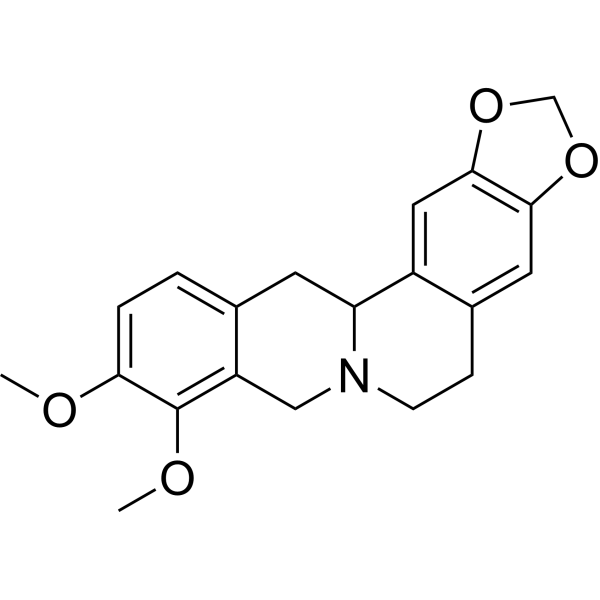
HY-N0925
Tetrahydroberberine -
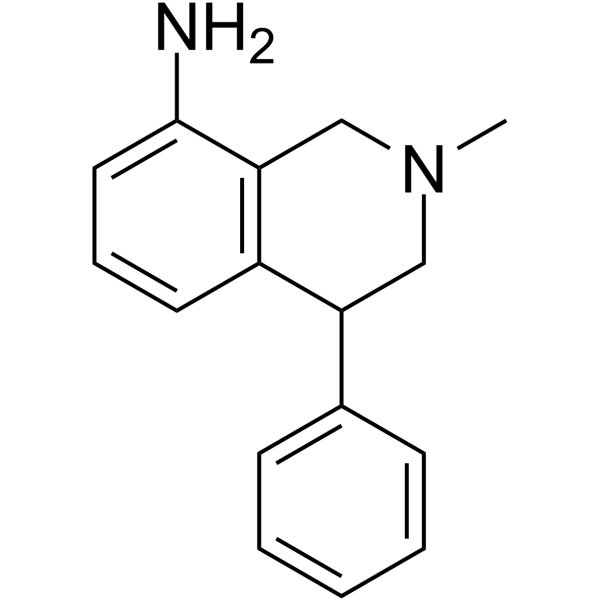
HY-B1110
Nomifensine -
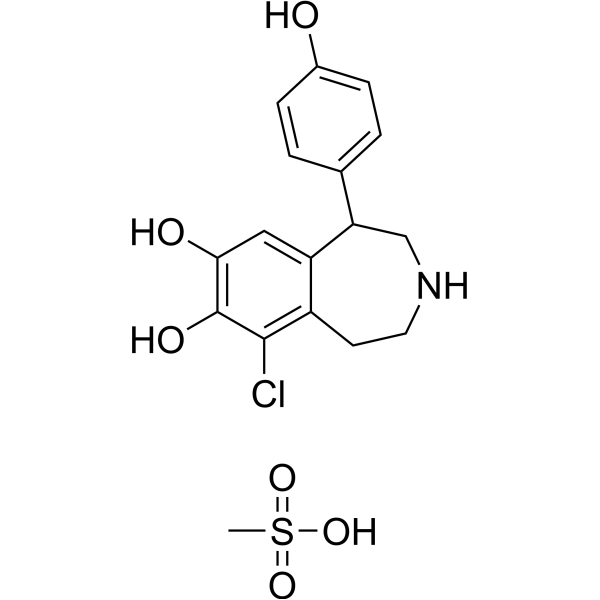
HY-B0735A
Fenoldopam mesylate -
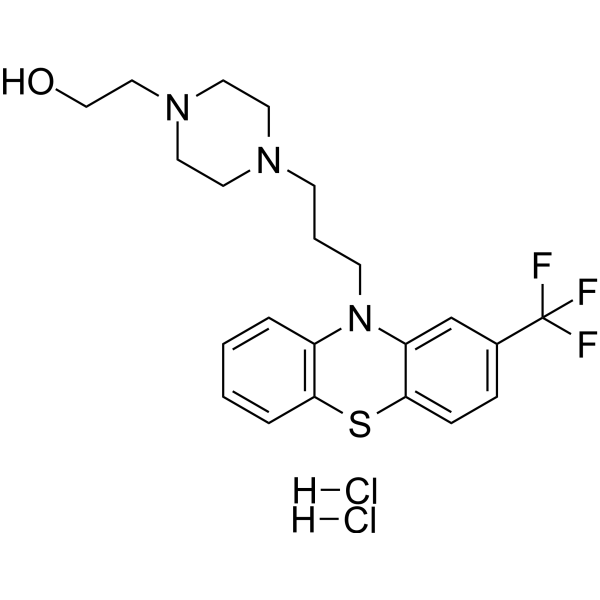
HY-A0081
Fluphenazine dihydrochloride -
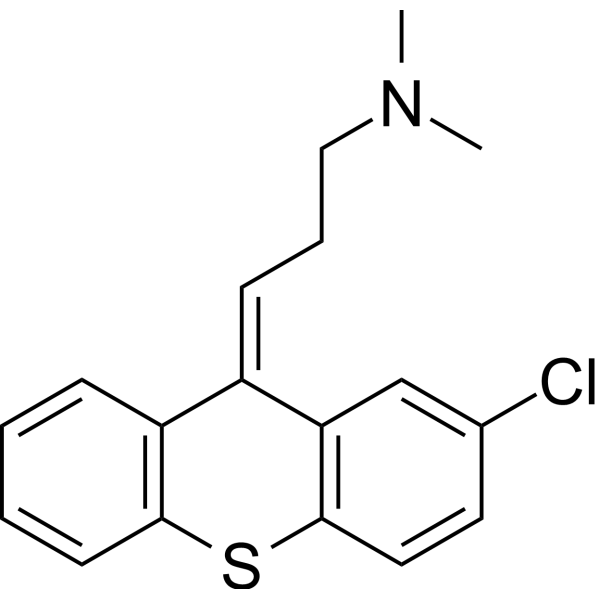
HY-B0274
Chlorprothixene -
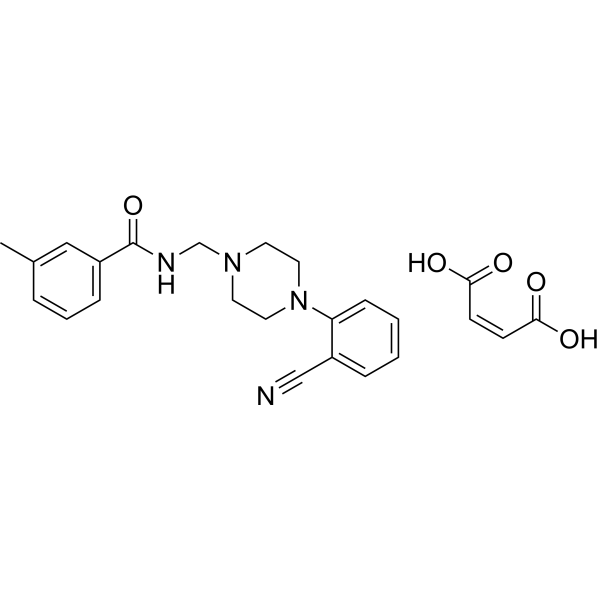
HY-21098A
PD-168077 maleate


Product Information
Information
Application
The compound is the grade of analytical standard, which is the reference standard supplied assay. It is commonly used in qualitative, quantitative and methodological research experiments in HPLC, GC and MS.


Chemical Information
-
CAS No. 104632-27-1
-
Molecular Weight 284.25
-
Formula C10H19Cl2N3S
-
SMILES
NC(S1)=NC2=C1C[C@H](NCCC)CC2.[H]Cl.[H]Cl
-
Synonyms
(R)-Pramipexole dihydrochloride (Standard); R-(+)-Pramipexole dihydrochloride (Standard); KNS-760704 dihydrochloride (Standard)
-
Shipping
Room temperature in continental US; may vary elsewhere.
-
Storage
Please store the product under the recommended conditions in the Certificate of Analysis.


Purity & Documentation
References
[1]. Rudnicki SA, Berry JD, Ingersoll E, et al. Dexpramipexole effects on functional decline and survival in subjects with amyotrophic lateral sclerosis in a Phase II study: subgroup analysis of demographic and clinical characteristics. Amyotroph Lateral Scler Frontotemporal Degener. 2013 Jan;14(1):44-51. [Content Brief]
[2]. Alavian KN, Dworetzky SI, Bonanni L, et al. Effects of dexpramipexole on brain mitochondrial conductances and cellular bioenergetic efficiency. Brain Res. 2012 Mar 29;1446:1-11. [Content Brief]
[3]. Cudkowicz M, Bozik ME, Ingersoll EW, et al. The effects of dexpramipexole (KNS-760704) in individuals with amyotrophic lateral sclerosis. Nat Med. 2011 Nov 20;17(12):1652-6. [Content Brief]
[4]. Bozik ME, Mather JL, Kramer WG, et al. Safety, tolerability, and pharmacokinetics of KNS-760704 (dexpramipexole) in healthy adult subjects. J Clin Pharmacol. 2011 Aug;51(8):1177-85. [Content Brief]
[5]. Cheah BC, Kiernan MC. Dexpramipexole, the R(+) enantiomer of pramipexole, for the potential treatment of amyotrophic lateral sclerosis. IDrugs. 2010 Dec;13(12):911-20. [Content Brief]

Calculators
Concentration (start) × Volume (start) = Concentration (final) × Volume (final)


Dexpramipexole dihydrochloride (Standard) Related Classifications
HY-17355AR Related Classifications
 Powered by Bioz
Keywords
- Dexpramipexole dihydrochloride (Standard)
- 104632-27-1
- (R)-Pramipexole dihydrochloride (Standard)
- R-(+)-Pramipexole dihydrochloride (Standard)
- KNS-760704 dihydrochloride (Standard)
- Reference Standards
- Glutathione Peroxidase
- Ferroptosis
- Apoptosis
- Sodium Channel
- Mitophagy
- Autophagy
- ATP Synthase
- NOD-like Receptor (NLR)
- PINK1/Parkin
- Inhibitor
- inhibitor
- inhibit