



SCH-23390 hydrochloride
Based on 37 publication(s) in Google Scholar
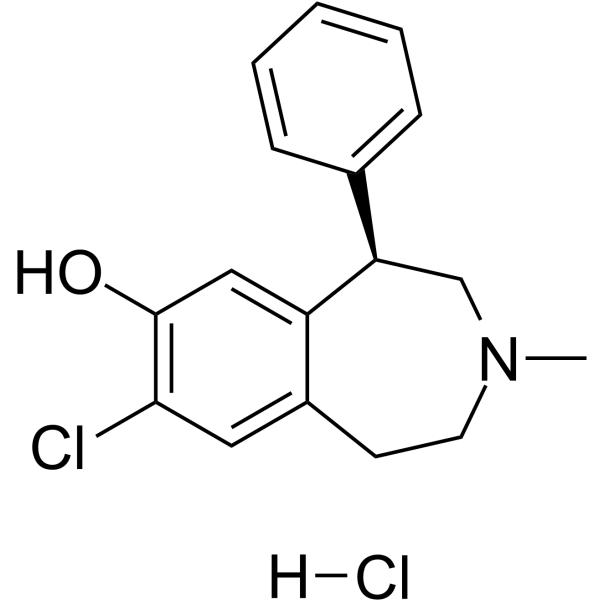
SCH-23390 hydrochloride (R-(+)-SCH-23390 hydrochloride) is a potent and selective dopamine D1-like receptor antagonist with Kis of 0.2 nM and 0.3 nM for the D1 and D5 receptor, respectively. SCH-23390 hydrochloride is a potent and high efficacy human 5-HT2C receptor agonist with a Ki of 9.3 nM. SCH-23390 hydrochloride also binds with high affinity to the 5-HT2 and 5-HT1C receptors. SCH-23390 hydrochloride inhibits G protein-coupled inwardly rectifying potassium (GIRK) channels with an IC50 of 268 nM.
For research use only. We do not sell to patients.
- Purity : 99.83%
- CAS No.: 125941-87-9
- Formula: C17H19Cl2NO
- Molecular Weight:324.24
-
Storage:
4°C, sealed storage, away from moisture
* In solvent : -80°C, 6 months; -20°C, 1 month (sealed storage, away from moisture)

To place orders, for customer services and technical support, please contact: MedChemExpress USA
Tel: 609-228-6898 E-mail: [email protected] [email protected]


-
 Biological Activity
-
Chemical Information
-
Solvent & Solubility
- Protocols
- Purity & Documentation
- References
-
 Help & FAQs


-
HY-14538
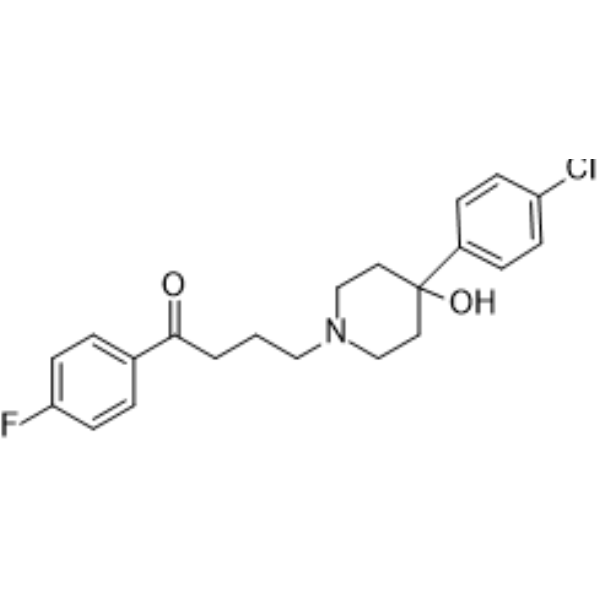
HaloperidolDopamine Receptor Antagonist -
HY-103414
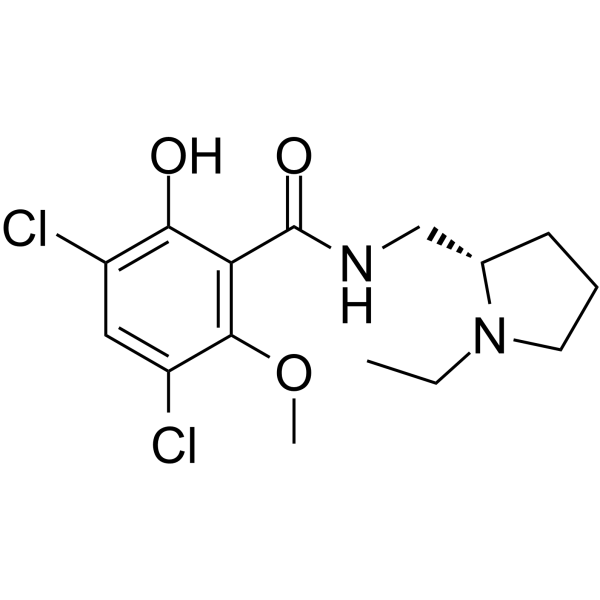
RacloprideDopamine D2/D3 Receptor Antagonist -
HY-12236
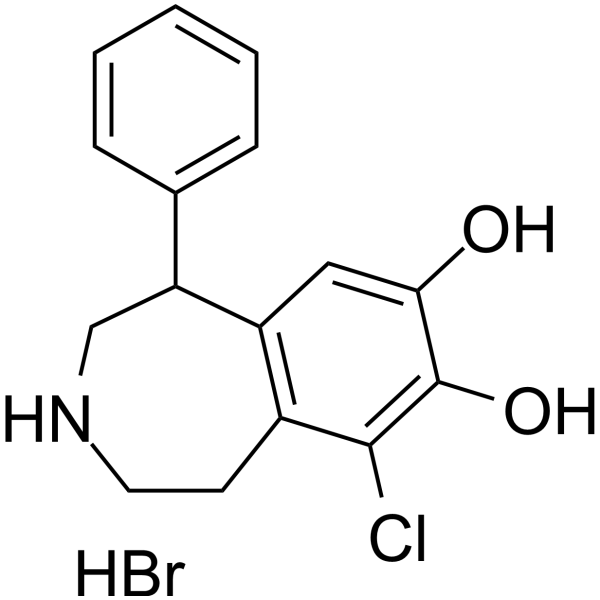
SKF 81297 hydrobromideD1 Receptor Agonist -
HY-B1752A
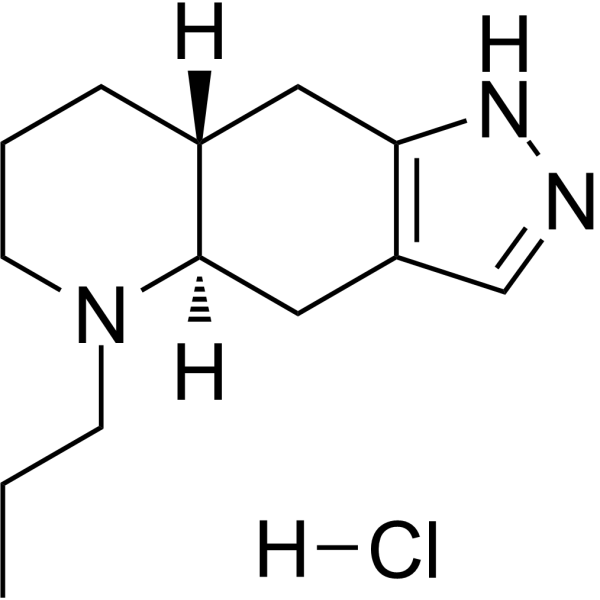
Quinpirole hydrochlorideD2/D3R Agonist -
HY-12520A
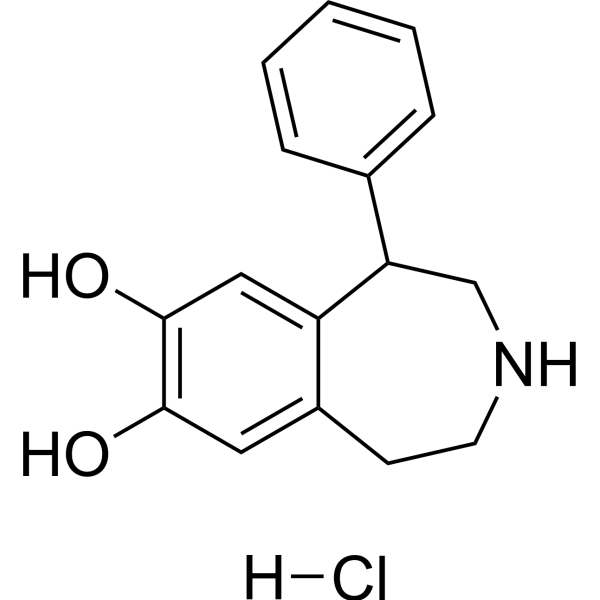
SKF 38393 hydrochlorideDopamine Receptor Agonist -
HY-B1019
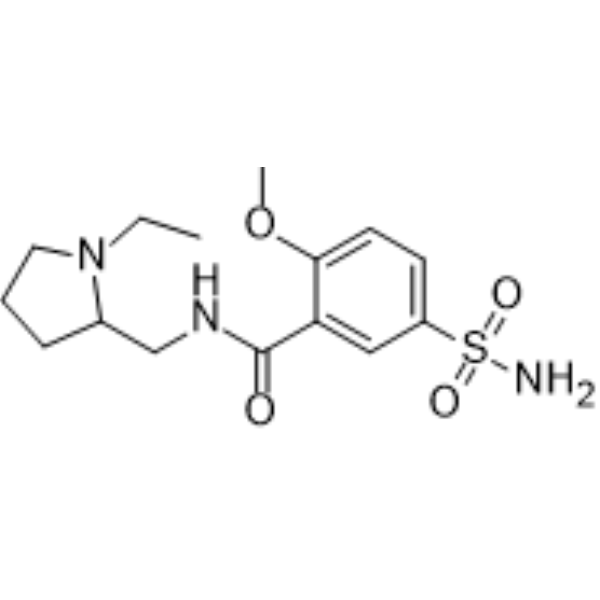
SulpirideD2/D3 Receptor Antagonist -
HY-B0411
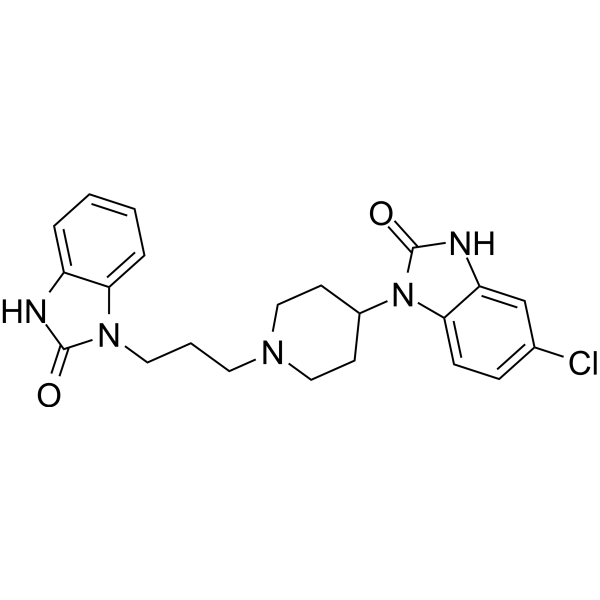
DomperidoneDopamine D2 Receptor Antagonist -
HY-70081A
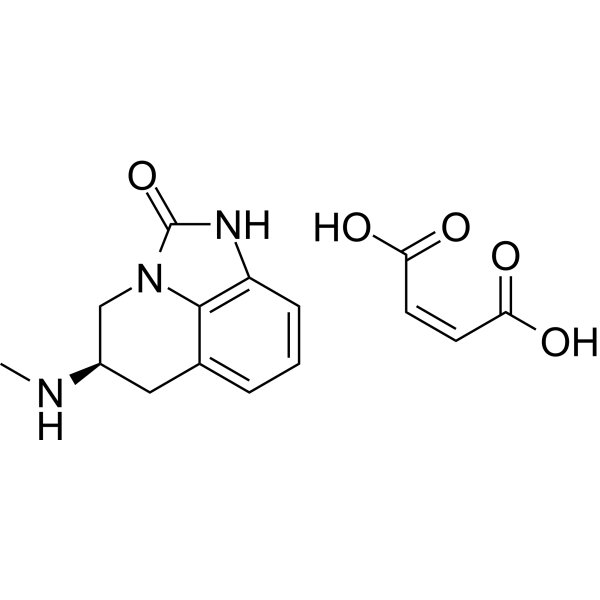
Sumanirole maleateD2 Receptor Agonist -
HY-N0304
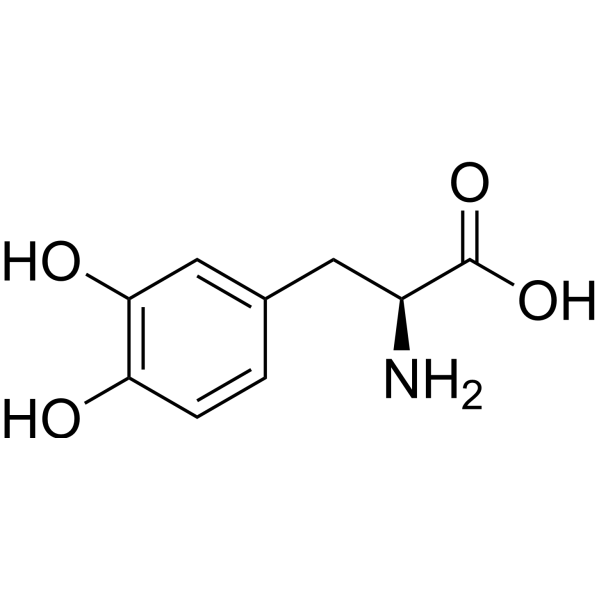
L-DOPADopamine Precursor -
HY-17382
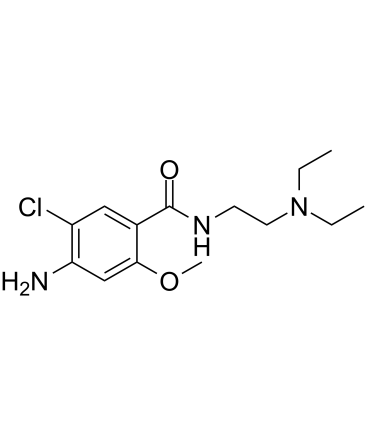
Metoclopramide5-HT3/D2 Receptor Antagonist -
HY-12236A
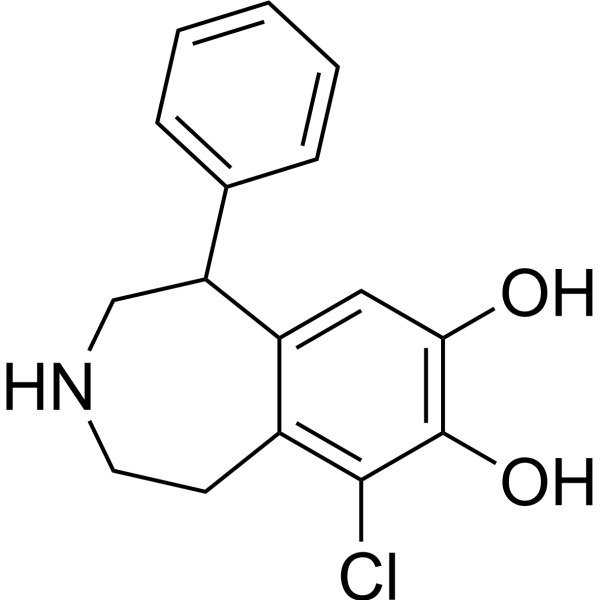
SKF 81297D1 Receptor Agonist -
HY-A0081
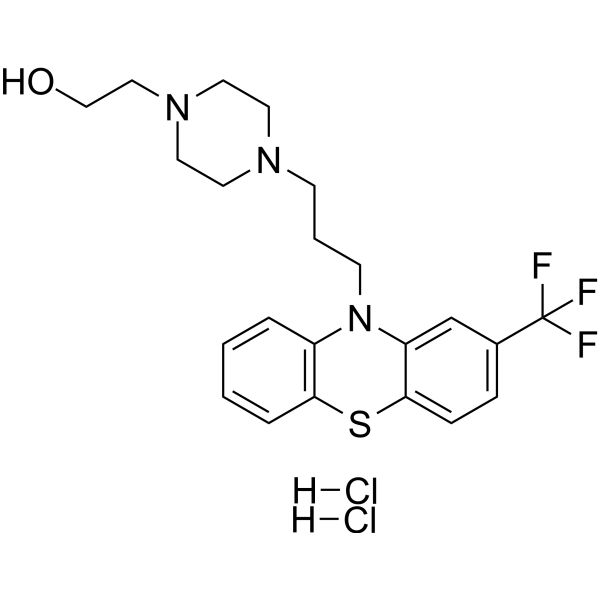
Fluphenazine dihydrochlorideDopamine Receptor Inhibitor
Publications Citing Use of MedChemExpress (MCE) SCH-23390 hydrochloride
More- Nat Commun. 2026 Jul 17;17(1):8774.
- Nat Commun. 2026 Jun 16. [Abstract]
- Nat Commun. 2024 Jun 10;15(1):4947. [Abstract]
- Nat Commun. 2024 May 1;15(1):3685. [Abstract]
- Nat Commun. 2020 Feb 18;11(1):941. [Abstract]
- Microbiome. 2020 Aug 20;8(1):120. [Abstract]
- Adv Sci (Weinh). 2025 Sep;12(33):e02276. [Abstract]
- J Neuroinflammation. 2026 Apr 23. [Abstract]
- J Hazard Mater. 2025 Sep 15:496:139466. [Abstract]
- Acta Pharmacol Sin. 2026 Apr 24. [Abstract]
- Acta Pharmacol Sin. 2024 Aug;45(8):1582-1590. [Abstract]
- Acta Pharmacol Sin. 2020 Feb;41(2):173-180. [Abstract]
- Int J Biol Macromol. 2023 Aug 30:247:125703. [Abstract]
- Cell Rep. 2024 Sep 10;43(9):114717. [Abstract]
- Neuropsychopharmacology. 2024 Aug;49(9):1468-1480. [Abstract]
- Neurosci Bull. 2026 Jul 25.
- Biochem Pharmacol. 2026 Feb:244:117576. [Abstract]
- Food Biosci. 2025 Oct.
- Eur J Pharmacol. 2024 Oct 15:981:176866. [Abstract]
- Int Immunopharmacol. 2020 Nov:88:106963. [Abstract]
- Neurochem Int. 2023 Feb:163:105479. [Abstract]
- J Psychiatry Neurosci. 2024 Feb 1;49(1):E23-E34. [Abstract]
- Brain Res Bull. 2021 Oct:175:136-149. [Abstract]
- Aquaculture. 2025 Apr 15.
- J Neurosci. 2025 Sep 3;45(36):e0382252025. [Abstract]
- Insect Biochem Mol Biol. 2025 May:180:104312. [Abstract]
- J Neurosci. 2024 Aug 21;44(34):e0740242024. [Abstract]
- Mol Brain. 2025 Jul 16;18(1):63. [Abstract]
- Viruses. 2021 Aug 3;13(8):1533. [Abstract]
- Insect Sci. 2026 Jul 20.
- Psychopharmacology (Berl). 2022 Mar;239(3):951-964. [Abstract]
- Biochem Biophys Res Commun. 2022 Nov 12:629:183-188. [Abstract]
- Biochem Biophys Res Commun. 2022 Jan 15:588:83-89. [Abstract]
- Med Sci Monit. 2021 Oct 18;27:e933278. [Abstract]
- Neurosci Lett. 2021 Aug 24:760:136102. [Abstract]
- Behav Pharmacol. 2024 Jun 1;35(4):193-200. [Abstract]
- bioRxiv. 2024 Dec 23:2024.12.22.629999. [Abstract]
 Customer Validation & Images

-
IP
-
WB
-
IF
-
Bio/Physico-chemical Assay
-
In Vivo Efficacy Study
All Dopamine Receptor Isoforms
MoreAll 5-HT Receptor Isoforms
More

Biological Activity
Description
|
5-HT1C Receptor |
5-HT2C Receptor |
D1 Receptor 0.2 nM (Ki) |
D5 Receptor 0.3 nM (Ki) |
5-HT2C Receptor 9.3 nM (Ki) |
GIRK 268 nM (IC50) |
In Vitro
SCH-23390 (1 μM) treatment reverses the inhibitory effects of Isosibiricin on NLRP3 expression and the cleavages of caspase-1 and IL-1β in the LPS-induced BV-2 cells. SCH-23390 could reverse the Isosibiricin-mediated inhibition of the NLRP3/caspase-1 inflammasome pathway[4].
MedChemExpress (MCE) has not independently confirmed the accuracy of these methods. They are for reference only. Further protocols information, click here.
In Vivo
SCH-23390 is a very short-acting compound with an elimination half-life of around 25 min following administration of 0.3 mg/kg i.p. in the rat[1].
SCH-23390 augments dopamine-induced ductus constriction in CD-1 mouse vessels under newborn O2 conditions[5].
MedChemExpress (MCE) has not independently confirmed the accuracy of these methods. They are for reference only.


Chemical Information
-
CAS No. 125941-87-9
-
Appearance Solid
-
Molecular Weight 324.24
-
Formula C17H19Cl2NO
-
Color White to light yellow
-
SMILES
OC1=C(Cl)C=C2CCN(C)C[C@H](C3=CC=CC=C3)C2=C1.[H]Cl
-
Synonyms
R-(+)-SCH-23390 hydrochloride
-
Shipping
Room temperature in continental US; may vary elsewhere.
-
Storage
4°C, sealed storage, away from moisture
* In solvent : -80°C, 6 months; -20°C, 1 month (sealed storage, away from moisture)


Publications (37)
-
Journal Impact Factor
-
Most Recent
-
-
Nat Commun
Targeting dopamine transporter for treating social transmission of depression-like behaviors in male mice. [Abstract]2026 Jun 16. PMID: 42303982 -
Nat Commun
Midbrain glutamatergic circuit mechanism of resilience to socially transferred allodynia in male mice. [Abstract]2024 Jun 10;15(1):4947. PMID: 38858350 -
Nat Commun
Large-language models facilitate discovery of the molecular signatures regulating sleep and activity. [Abstract]2024 May 1;15(1):3685. PMID: 38693116 -
Nat Commun
Pyridoxine induces glutathione synthesis via PKM2-mediated Nrf2 transactivation and confers neuroprotection. [Abstract]2020 Feb 18;11(1):941. PMID: 32071304
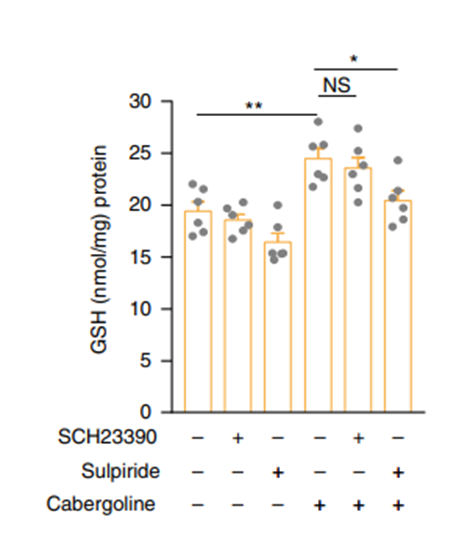
SCH-23390 hydrochloride purchased from MedChemExpress. Usage Cited in: Nat Commun. 2020 Feb 18;11(1):941. [Abstract]
GSH levels in astrocytes treated with 10 μM cabergoline for 12 h after pretreatment with SCH23390 (10 μM) or sulpiride (10 μM).
-
Microbiome
The gut microbiota regulates autism-like behavior by mediating vitamin B6 homeostasis in EphB6-deficient mice. [Abstract]2020 Aug 20;8(1):120. PMID: 32819434
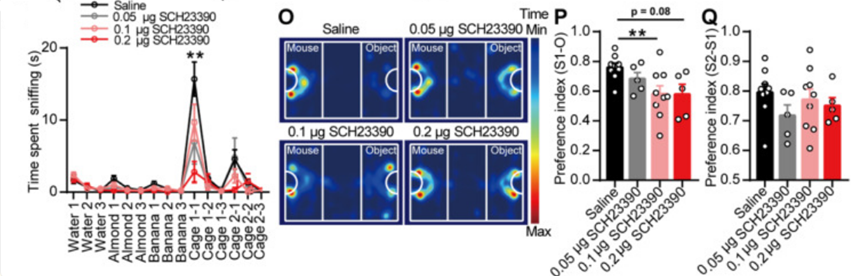
SCH-23390 hydrochloride purchased from MedChemExpress. Usage Cited in: Microbiome. 2020 Aug 20;8(1):120. [Abstract]
SCH23390 (0.05, 0.1, 0.2 μg/mouse) induced decreased social behavior in C57BL/6J mice.
-
Adv Sci (Weinh)
Dopamine D1 Receptor Contributes to Glucocorticoid-Associated Osteonecrosis of Femoral Head Protection Through the ATF3/CHOP Axis to Inhibit Osteoblastic Apoptosis. [Abstract]2025 Sep;12(33):e02276. PMID: 40583147 -
J Neuroinflammation
Dopamine signaling governs macrophage-mediated acute lung injury through JAML/IL-10-coupled mitochondrial regulation. [Abstract]2026 Apr 23. PMID: 42026623 -
J Hazard Mater
Early-life microplastic exposure elicits ADHD-like behaviors by disrupting dopaminergic neurodevelopment in zebrafish. [Abstract]2025 Sep 15:496:139466. PMID: 40779870 -
Acta Pharmacol Sin
Dopamine abrogates immunosuppression mediated by PD-L1 of cancer stem cells in a preclinical triple-negative breast cancer model. [Abstract]2026 Apr 24. PMID: 42032133 -
Acta Pharmacol Sin
The classical D1 dopamine receptor antagonist SCH23390 is a functional sigma-1 receptor allosteric modulator. [Abstract]2024 Aug;45(8):1582-1590. PMID: 38605179
SCH-23390 hydrochloride purchased from MedChemExpress. Usage Cited in: Acta Pharmacol Sin. 2024 Aug;45(8):1582-1590. [Abstract]
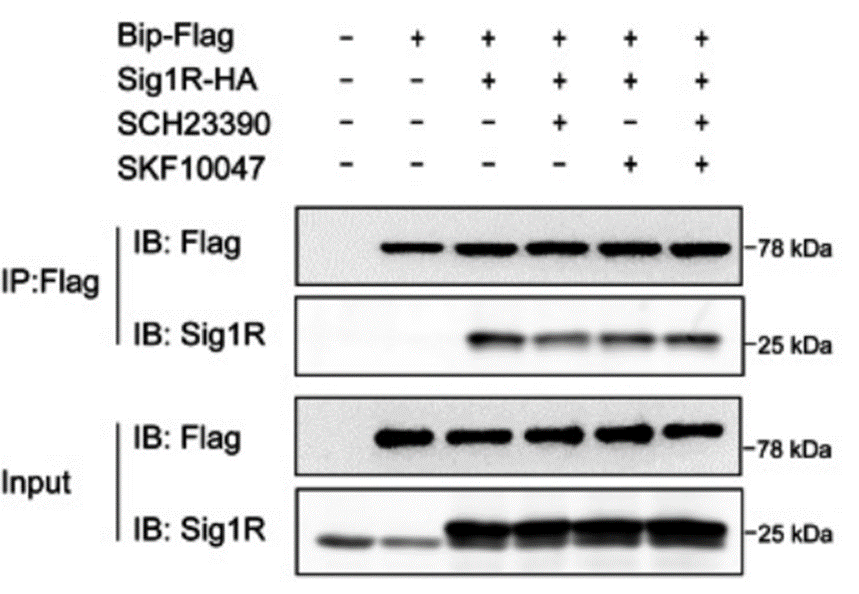
SCH23390 (10 μM, 2 h) decreased the association between Sig1R and BiP by Co-IP.
SCH-23390 hydrochloride purchased from MedChemExpress. Usage Cited in: Acta Pharmacol Sin. 2024 Aug;45(8):1582-1590. [Abstract]
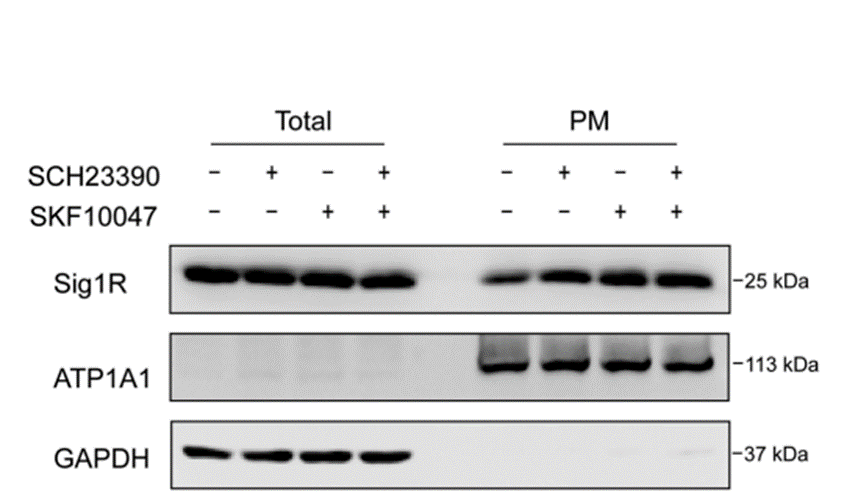
We detected increased translocation of Sig1R to plasma membrane in SH-SY5Y cells treated with SCH23390 (10 μM, 2 h).
SCH-23390 hydrochloride purchased from MedChemExpress. Usage Cited in: Acta Pharmacol Sin. 2024 Aug;45(8):1582-1590. [Abstract]
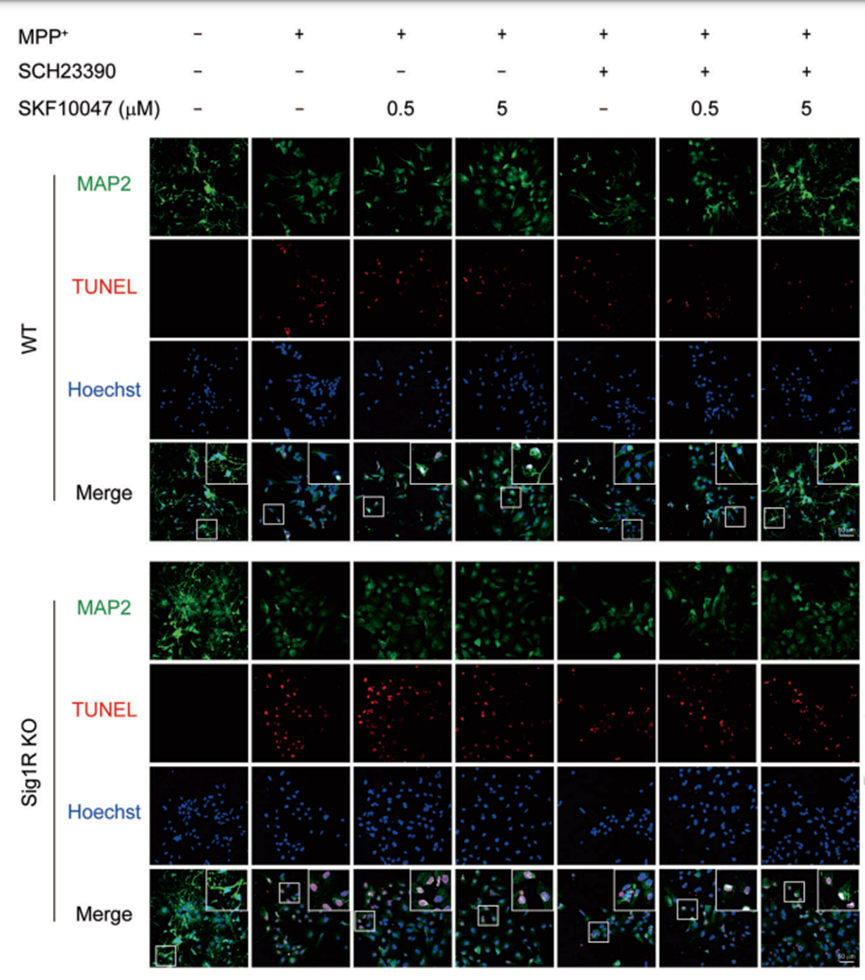
Primary neurons from WT and Sig1R KO mice were pre-treated with SCH23390 (10 μM) or SKF10047 (0.5 or 5 μM) for 30 min prior to and during treatment with MPP+ (800 μM). After incubation for 24 h, cells were fixed and subjected to immunostaining with an anti-MAP2 antibody (1:2000) as described, followed by double-staining with TUNEL (red) and Hoechst (blue). SCH23390 synergistically promotes the neuroprotective effect of the Sig1R agonist, SKF10047.
-
Acta Pharmacol Sin
Isosibiricin inhibits microglial activation by targeting the dopamine D1/D2 receptor-dependent NLRP3/caspase-1 inflammasome pathway. [Abstract]2020 Feb;41(2):173-180. PMID: 31506572 -
Int J Biol Macromol
Structural and expression analysis of the dopamine receptors reveals their crucial roles in regulating the insulin signaling pathway in oysters. [Abstract]2023 Aug 30:247:125703. PMID: 37414315 -
Cell Rep
Deletion of histamine H2 receptor in VTA dopaminergic neurons of mice induces behavior reminiscent of mania. [Abstract]2024 Sep 10;43(9):114717. PMID: 39264811 -
Neuropsychopharmacology
2024 Aug;49(9):1468-1480. PMID: 38734818 -
-
Biochem Pharmacol
2026 Feb:244:117576. PMID: 41319924 -
-
Eur J Pharmacol
The role of heterodimers formed by histamine H3 receptors and dopamine D1 receptors on the methamphetamine-induced conditioned place preference. [Abstract]2024 Oct 15:981:176866. PMID: 39089461 -
Int Immunopharmacol
Dopamine D1 receptor agonist A-68930 ameliorates Aβ1-42-induced cognitive impairment and neuroinflammation in mice. [Abstract]2020 Nov:88:106963. PMID: 33182028 -
Neurochem Int
Anti-inflammatory effects of dopamine on microglia and a D1 receptor agonist ameliorates neuroinflammation of the brain in a rat delirium model. [Abstract]2023 Feb:163:105479. PMID: 36608872 -
J Psychiatry Neurosci
Reviving: restoring depression-like behaviour through glial cell-derived neurotrophic factor treatment in the medial prefrontal cortex. [Abstract]2024 Feb 1;49(1):E23-E34. PMID: 38302136 -
Brain Res Bull
DRD1 agonist A-68930 improves mitochondrial dysfunction and cognitive deficits in a streptozotocin-induced mouse model. [Abstract]2021 Oct:175:136-149. PMID: 34284074 -
-
J Neurosci
Potentiation of Nigra-Striatal Dopaminergic Projection Underpins Core Autism-Like Behaviors in Valproate-Exposed Mice. [Abstract]2025 Sep 3;45(36):e0382252025. PMID: 40769723 -
Insect Biochem Mol Biol
Molecular and pharmacological characterization of the dopamine receptors in the oriental fruit fly, Bactrocera dorsalis. [Abstract]2025 May:180:104312. PMID: 40245998 -
J Neurosci
Acute Ongoing Nociception Delays Recovery of Consciousness from Sevoflurane Anesthesia via a Midbrain Circuit. [Abstract]2024 Aug 21;44(34):e0740242024. PMID: 39019613 -
Mol Brain
The regulation of rhythmic locomotion by motor cortical and dopaminergic inputs in the mouse striatum. [Abstract]2025 Jul 16;18(1):63. PMID: 40671088 -
Viruses
Inhibitors of Venezuelan Equine Encephalitis Virus Identified Based on Host Interaction Partners of Viral Non-Structural Protein 3. [Abstract]2021 Aug 3;13(8):1533. PMID: 34452398 -
-
Psychopharmacology (Berl)
Dopamine D1 receptors mediate methamphetamine-induced dopaminergic damage: involvement of autophagy regulation via the AMPK/FOXO3A pathway. [Abstract]2022 Mar;239(3):951-964. PMID: 35190859 -
Biochem Biophys Res Commun
Expression changes of c-Fos and D1R/p-ERK1/2 signal pathways in nucleus accumbens of rats after ketamine abuse. [Abstract]2022 Nov 12:629:183-188. PMID: 36152451 -
Biochem Biophys Res Commun
2022 Jan 15:588:83-89. PMID: 34953210 -
Med Sci Monit
Salicylate Induced GABAAR Internalization by Dopamine D1-Like Receptors Involving Protein Kinase C (PKC) in Spiral Ganglion Neurons. [Abstract]2021 Oct 18;27:e933278. PMID: 34657931 -
Neurosci Lett
D1R/PP2A/p-CaMKIIα signaling in the caudate putamen is involved in acute methamphetamine-induced hyperlocomotion. [Abstract]2021 Aug 24:760:136102. PMID: 34237414 -
Behav Pharmacol
SKF82958, a dopamine D1 receptor agonist, disrupts prepulse inhibition in the medial prefrontal cortex and nucleus accumbens in C57BL/6J mice. [Abstract]2024 Jun 1;35(4):193-200. PMID: 38567425 -
bioRxiv
In vivo multiplex imaging of dynamic neurochemical networks with designed far-red dopamine sensors. [Abstract]2024 Dec 23:2024.12.22.629999. PMID: 39763912


Solvent & Solubility
In Vitro:
DMSO : ≥ 100 mg/mL (308.41 mM; Hygroscopic DMSO has a significant impact on the solubility of product, please use newly opened DMSO)
H2O : ≥ 100 mg/mL (308.41 mM)
* "≥" means soluble, but saturation unknown.
Please refer to the solubility information to select the appropriate solvent. Once prepared, please aliquot and store the solution to prevent product inactivation from repeated freeze-thaw cycles.
Storage method and period of stock solution: -80°C, 6 months; -20°C, 1 month (sealed storage, away from moisture). When stored at -80°C, please use it within 6 months. When stored at -20°C, please use it within 1 month.
* Note: If you choose water as the stock solution, please dilute it to the working solution, then filter and sterilize it with a 0.22 μm filter before use.
Please refer to the solubility information to select the appropriate solvent. Once prepared, please aliquot and store the solution to prevent product inactivation from repeated freeze-thaw cycles.
Storage method and period of stock solution: -80°C, 6 months; -20°C, 1 month (sealed storage, away from moisture). When stored at -80°C, please use it within 6 months. When stored at -20°C, please use it within 1 month.
* Note: If you choose water as the stock solution, please dilute it to the working solution, then filter and sterilize it with a 0.22 μm filter before use.
Concentration (start) × Volume (start) = Concentration (final) × Volume (final)
In Vivo:
Select the appropriate dissolution method based on your experimental animal and administration route.
- For the following dissolution methods, please ensure to first prepare a clear stock solution using an In Vitro approach and then sequentially add co-solvents:
- To ensure reliable experimental results, the clarified stock solution can be appropriately stored based on storage conditions. As for the working solution for In Vivo experiments, it is recommended to prepare freshly and use it on the same day.
- The percentages shown for the solvents indicate their volumetric ratio in the final prepared solution. If precipitation or phase separation occurs during preparation, heat and/or sonication can be used to aid dissolution.
Add each solvent one by one: 10% DMSO 40% PEG300 5% Tween-80 45% Saline
Solubility: ≥ 2.08 mg/mL (6.42 mM); Clear solution
This protocol yields a clear solution of ≥ 2.08 mg/mL (saturation unknown).
Taking 1 mL working solution as an example, add 100 μL DMSO stock solution (20.8 mg/mL) to 400 μL PEG300, and mix evenly; then add 50 μL Tween-80 and mix evenly; then add 450 μL Saline to adjust the volume to 1 mL.
Preparation of Saline: Dissolve 0.9 g sodium chloride in ddH₂O and dilute to 100 mL to obtain a clear Saline solution.
Add each solvent one by one: 10% DMSO 90% (20% SBE-β-CD in Saline)
Solubility: ≥ 2.08 mg/mL (6.42 mM); Clear solution
This protocol yields a clear solution of ≥ 2.08 mg/mL (saturation unknown).
Taking 1 mL working solution as an example, add 100 μL DMSO stock solution (20.8 mg/mL) to 900 μL 20% SBE-β-CD in Saline, and mix evenly.
Preparation of 20% SBE-β-CD in Saline (4°C, storage for one week): 2 g SBE-β-CD powder is dissolved in 10 mL Saline, completely dissolve until clear.
In Vivo Dissolution Calculator
Please enter the basic information of animal experiments:
-
-
-
-
Recommended: Prepare an additional quantity of animals to account for potential losses during experiments.
Working solution concentration: 0.22 mg/mL
This product has good water solubility, please refer to the measured solubility data in water/PBS/Saline for details.

Protocols
-
Cell Cytotoxicity Assay
Cytotoxicity assays are usually based on the assessment of cell membrane damage, which can also be indirectly detected by measuring cell viability. Detection methods include MTT assay, CKK-8 assay, LDH assay and ATP assay, etc.


Purity & Documentation
-
Data Sheet (285 KB)
-
SDS (254 KB)
- English - EN (254 KB)
- Français - FR (254 KB)
- Deutsch - DE (254 KB)
- Norwegian - NO (254 KB)
- Español - ES (254 KB)
- Swedish - SV (254 KB)
- Italian - IT (254 KB)
- Korean - KR (254 KB)
- Portuguese - PT (254 KB)
-
Handling Instructions (2659 KB)
References
[1]. Bourne JA, et al . SCH 23390: the first selective dopamine D1-like receptor antagonist. CNS Drug Rev. 2001 Winter;7(4):399-414. [Content Brief]
[2]. Millan MJ, et al. The "selective" dopamine D1 receptor antagonist, SCH23390, is a potent and high efficacy agonist at cloned human serotonin2C receptors. Psychopharmacology (Berl). 2001 Jun;156(1):58-62. [Content Brief]
[3]. Kuzhikandathil EV, et al. Classic D1 dopamine receptor antagonist R-(+)-7-chloro-8-hydroxy-3-methyl-1-phenyl-2,3,4,5-tetrahydro-1H-3-benzazepine hydrochloride (SCH23390) directly inhibits G protein-coupledinwardly rectifying potassium channels. Mol Pharmacol. 2002 Jul;62(1):119-26. [Content Brief]
[4]. Wang YH, et al. Isosibiricin inhibits microglial activation by targeting the dopamine D1/D2 receptor-dependent NLRP3/caspase-1 inflammasome pathway. Acta Pharmacol Sin. 2020 Feb;41(2):173-180. [Content Brief]
[5]. Crockett SL, et al. Role of dopamine and selective dopamine receptor agonists on mouse ductus arteriosus tone and responsiveness. Pediatr Res. 2019 Dec 9. [Content Brief]


Complete Stock Solution Preparation Table
Please refer to the solubility information to select the appropriate solvent. Once prepared, please aliquot and store the solution to prevent product inactivation from repeated freeze-thaw cycles.
Storage method and period of stock solution: -80°C, 6 months; -20°C, 1 month (sealed storage, away from moisture). When stored at -80°C, please use it within 6 months. When stored at -20°C, please use it within 1 month.
| Optional Solvent | Concentration Solvent Mass | 1 mg | 5 mg | 10 mg | 25 mg |
|---|---|---|---|---|---|
| DMSO / H2O | 1 mM | 3.0841 mL | 15.4207 mL | 30.8414 mL | 77.1034 mL |
| 5 mM | 0.6168 mL | 3.0841 mL | 6.1683 mL | 15.4207 mL | |
| 10 mM | 0.3084 mL | 1.5421 mL | 3.0841 mL | 7.7103 mL | |
| 15 mM | 0.2056 mL | 1.0280 mL | 2.0561 mL | 5.1402 mL | |
| 20 mM | 0.1542 mL | 0.7710 mL | 1.5421 mL | 3.8552 mL | |
| 25 mM | 0.1234 mL | 0.6168 mL | 1.2337 mL | 3.0841 mL | |
| 30 mM | 0.1028 mL | 0.5140 mL | 1.0280 mL | 2.5701 mL | |
| 40 mM | 0.0771 mL | 0.3855 mL | 0.7710 mL | 1.9276 mL | |
| 50 mM | 0.0617 mL | 0.3084 mL | 0.6168 mL | 1.5421 mL | |
| 60 mM | 0.0514 mL | 0.2570 mL | 0.5140 mL | 1.2851 mL | |
| 80 mM | 0.0386 mL | 0.1928 mL | 0.3855 mL | 0.9638 mL | |
| 100 mM | 0.0308 mL | 0.1542 mL | 0.3084 mL | 0.7710 mL |
* Note: If you choose water as the stock solution, please dilute it to the working solution, then filter and sterilize it with a 0.22 μm filter before use.


SCH-23390 hydrochloride Related Classifications
HY-19545A Related Classifications
 Powered by Bioz