



D4 Receptor
The dopamine D4 receptor (D4R) is a G protein-coupled receptor (GPCR) primarily involved in modulating dopaminergic signaling in the prefrontal cortex and limbic regions[1][2]. Mechanistically, D4R influences cognitive processes and gamma oscillatory activity through interactions with parvalbumin-expressing interneurons and the neuregulin/ErbB4 pathway[3]. Distinct from the D2 and D3 receptor subtypes, D4R exhibits limited brain distribution, which supports its specialized role in executive function and behavioral flexibility[4][3]. Genetic polymorphisms of DRD4, including the 2-repeat and 7-repeat variants, alter receptor responsiveness and are associated with neuropsychiatric conditions such as ADHD and mood disorders[5][6][7]. In disease models, D4R activity has been implicated in schizophrenia-related cognitive deficits, with selective antagonists showing limited efficacy on positive symptoms but potential effects on cognition[3][8]. D4R also mediates behavioral responses relevant to substance use, particularly in relapse to stimulants, highlighting its importance in addiction research[4]. Compared with related isoforms, D4R demonstrates unique patterns of ubiquitination that may modulate receptor trafficking and signaling without inducing degradation[5]. These features make D4R a viable target for experimental modulation using selective agonists and antagonists in both in vitro and in vivo studies[9][4].
References:
- [1]. Helmeste DM, et al. Dopamine D4 receptors. Jpn J Pharmacol. 2000 Jan;82(1):1-14. [Content Brief]
- [2]. Reynolds G, et al. Are there detectable D4 receptors in the brain in schizophrenia. Schizophr Res. 1995;15:69.
- [3]. Furth KE, et al. Dopamine, cognitive function, and gamma oscillations: role of D4 receptors. Front Cell Neurosci. 2013 Jul 2;7:102. [Content Brief]
- [4]. Di Ciano P, et al. Dopamine D4 receptors in psychostimulant addiction. Adv Pharmacol. 2014;69:301-21. [Content Brief]
- [5]. Skieterska K, et al. Dopamine D4 receptor ubiquitination. Biochem Soc Trans. 2016 Apr 15;44(2):601-5. [Content Brief]
- [6]. Leung PW, et al. Dopamine receptor D4 (DRD4) gene in Han Chinese children with attention-deficit/hyperactivity disorder (ADHD): increased prevalence of the 2-repeat allele. Am J Med Genet B Neuropsychiatr Genet. 2005 Feb 5;133B(1):54-6. [Content Brief]
- [7]. Macciardi F, et al. The D4 receptor gene and mood disorders: an association study. Am J Hum Genet. 1994;55:A336.
- [8]. Kramer MS, et al. The effects of a selective D4 dopamine receptor antagonist (L-745,870) in acutely psychotic inpatients with schizophrenia. D4 Dopamine Antagonist Group. Arch Gen Psychiatry. 1997 Jun;54(6):567-72. [Content Brief]
- [9]. Ptáček R, et al. Targeted D4 dopamine receptors: implications for drug discovery and therapeutic development. Curr Drug Targets. 2013 Apr;14(4):507-12. [Content Brief]
-
D4 Receptor Related Products (92)
Related Products (92)

-
WAY-100635
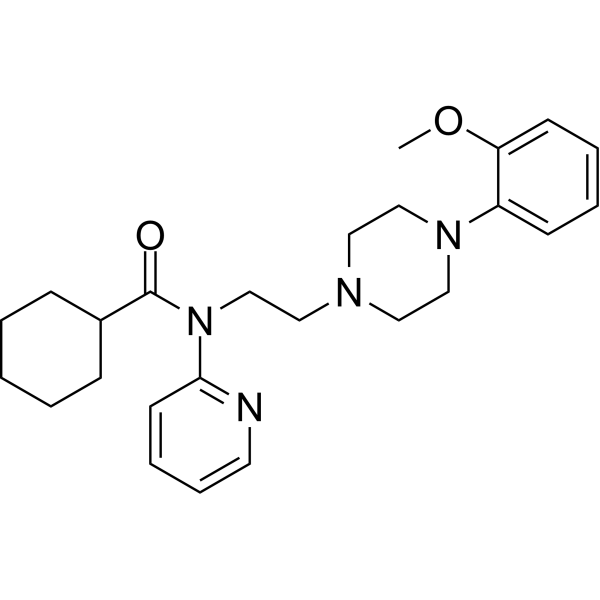 0 ImagesWAY-100635 is a potent and selective 5-HT1A Receptor antagonist with a pIC50 of 8.87, an apparent pA2 of 9.71. WAY-100635 is a potent and selective 5-hydroxytryptamine 1A (5-HT1A) receptor antagonist with an IC50 value of 0.91 nM and Ki value of 0.39 nM. WAY-100635 has pIC50 values for 5-HT1A and α1-adrenergic receptors of 8.9 and 6.6, respectively. WAY-100635 is also a potent dopamine D4 receptor agonist.
-
Aripiprazole
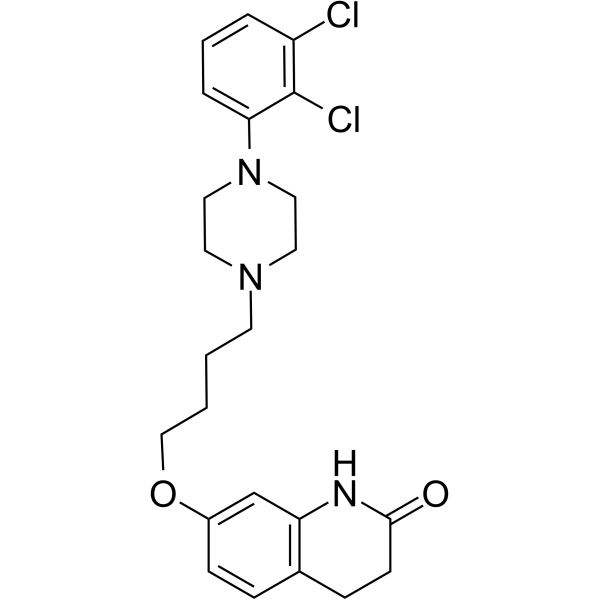 0 ImagesSynonyms: OPC-14597Aripiprazole (OPC-14597), an atypical antipsychotic, is a potent and high-affinity dopamine D2 receptor partial agonist. Aripiprazole is an inverse agonist at 5-HT2B and 5-HT2A receptors and displays partial agonist actions at 5-HT1A, 5-HT2C, D3, and D4 receptors. Aripiprazole can be used for the research of schizophrenia and COVID19.
-
Raclopride
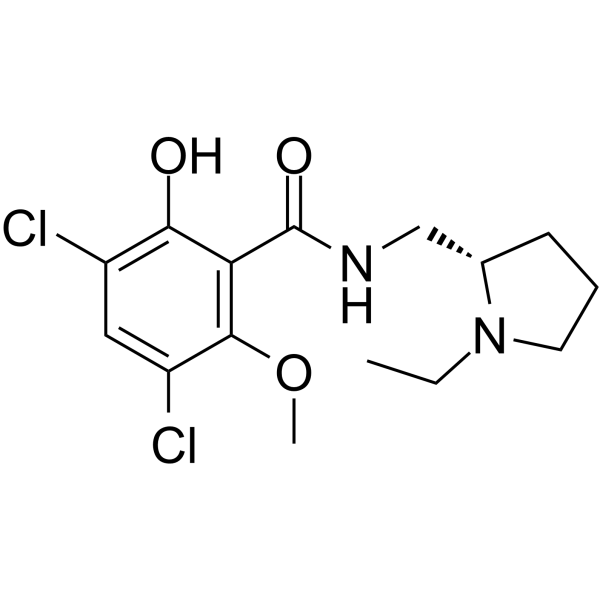 0 ImagesRaclopride is a dopamine D2/D3 receptor antagonist with potential antipsychotic effects. Raclopride binds to D2 and D3 receptors with Kis of 1.8 nM and 3.5 nM, respectively.
-
Nuciferine
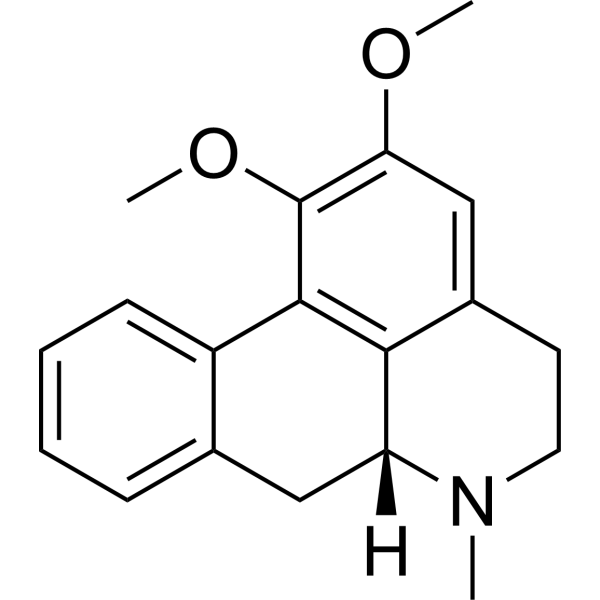 0 ImagesNuciferine is an antagonist at 5-HT2A (IC50=478 nM), 5-HT2C (IC50=131 nM), and 5-HT2B (IC50=1 μM), an inverse agonist at 5-HT7 (IC50=150 nM), a partial agonist at D2 (EC50=64 nM), D5 (EC50=2.6 μM) and 5-HT6 (EC50=700 nM), an agonist at 5-HT1A (EC50=3.2 μM) and D4 (EC50=2 μM) receptor.
-
WAY-100635 maleate
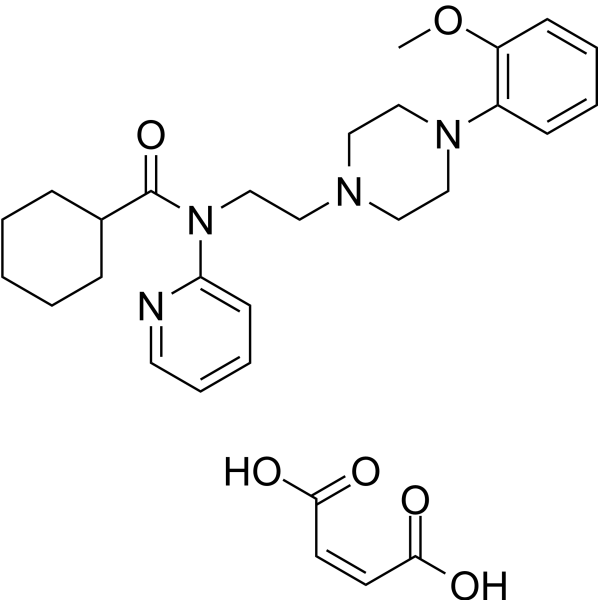 0 ImagesWAY-100635 maleate is a potent and selective 5-hydroxytryptamine 1A (5-HT1A) receptor antagonist with an IC50 value of 0.91 nM and Ki value of 0.39 nM. WAY-100635 maleate has pIC50 values for 5-HT1A and α1-adrenergic receptors of 8.9 and 6.6, respectively. WAY-100635 maleate is also a potent dopamine D4 receptor agonist.
-
Pramipexole dihydrochloride
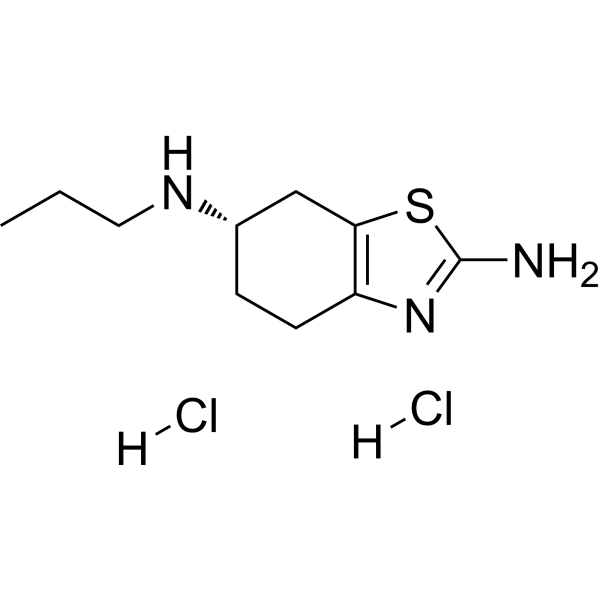 0 ImagesPramipexole dihydrochloride is a selective and blood-brain barrier (BBB) penetrant dopamine D2-type receptor agonist, with Kis of 2.2 nM, 3.9 nM, 0.5 nM and 1.3 nM for D2-type receptor, D2, D3 and D4 receptors, respectively. Pramipexole dihydrochloride can be used for the research of Parkinson's disease (PD) and restless legs syndrome (RLS).
-
NRA-0562
 0 ImagesCat. No.: HY-182504CAS No.: 244276-65-1NRA‑0562 is a dopamine antagonist with high affinities for dopamine D1/D2/D3/D4, 5‑HT2A and α1‑adrenoceptors. NRA-0562 dose‑dependently reverses induced suppression of firing activity in rat A9 and A10 midbrain dopamine neurons, with preferential potency at A10 neurons (ED50 = 0.3 mg/kg). NRA-0562 elevates Fos-like immunoreactivity in rat nucleus accumbens and dorsolateral striatum. NRA-0562 can be used for preclinical research on schizophrenia..
-
RBI257
 0 ImagesCat. No.: HY-187840CAS No.: 194038-94-3RBI257 is a selective dopamine D4R antagonist with a pKi of 8.42 for the hD4.4 receptor. RBI257 acts as a competitive antagonist at the hD4.4 receptor, blocking dopamine-stimulated G protein activation and GIRK current activation. RBI257 can be used for research on hypertension and schizophrenia.
-
Rotigotine
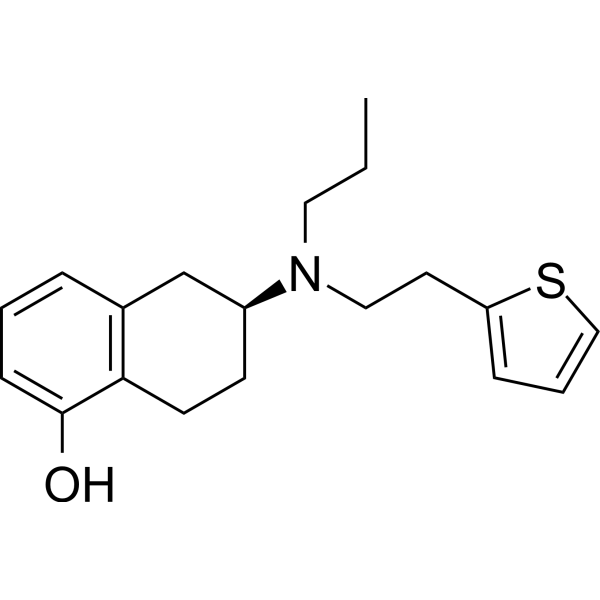 0 ImagesSynonyms: N-0923; (-)-N 0437Rotigotine is a potent dopamine receptor agonist with Ki values of 0.71 nM, 4-15 nM, and 83 nM for the dopamine D3 receptor and D2, D5, D4 receptors and dopamine D1 receptor. Rotigotine a partial agonist of the 5-HT1A receptor, and an antagonist of the α2B-adrenergic receptor. Rotigotine can be used for parkinson's disease (PD) research.
-
Ropinirole hydrochloride
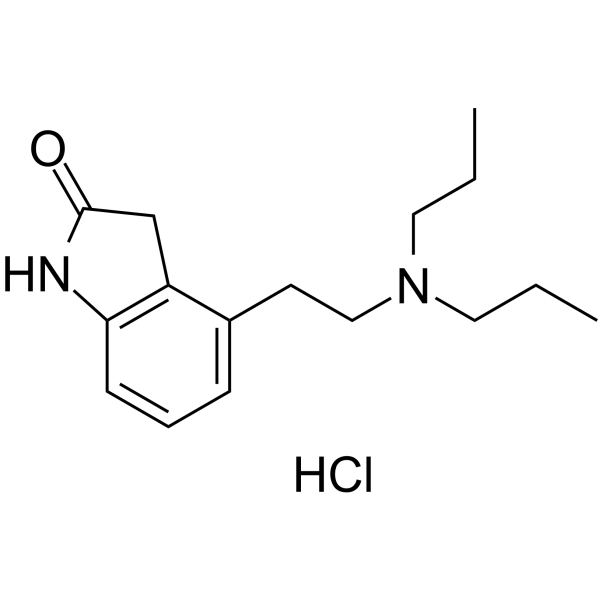 0 ImagesSynonyms: SKF 101468 hydrochlorideRopinirole (SKF 101468) hydrochloride is an orally active, potent D3/D2 receptor agonist with a Ki of 29 nM for D2 receptor. Ropinirole hydrochloride has pEC50s of 7.4, 8.4 and 6.8 for hD2, hD3 and hD4 receptors, respectively. Ropinirole hydrochloride has no affinity for the D1 receptors. Ropinirole hydrochloride has the potential for Parkinson's disease.
-
Perphenazine
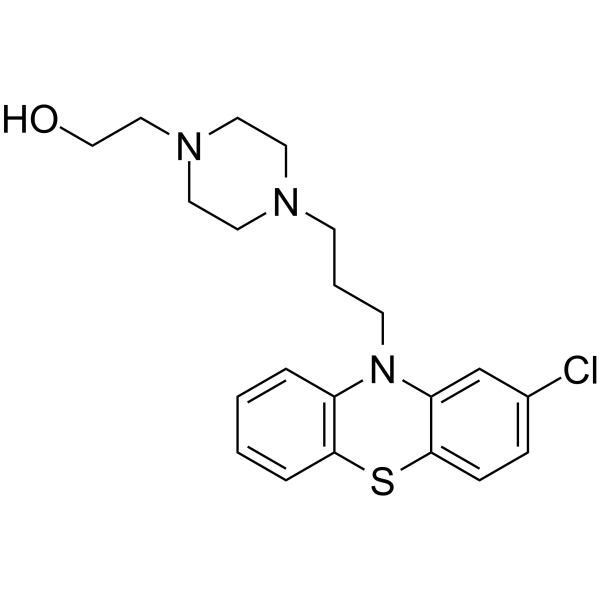 0 ImagesPerphenazine is an orally active dopamine receptor and histamine-1 receptor antagonist, with Ki values of 0.56 nM (D2), 0.43 nM (D3), 6 nM (5-HT2A), respectively. Perphenazine also binds to Alpha-1A adrenergic receptor. Perphenazine inhibits cancer cell proliferation, and induces apoptosis. Perphenazine can be used in the research of mental disease, cancer, inflammation.
-
Rotigotine Hydrochloride
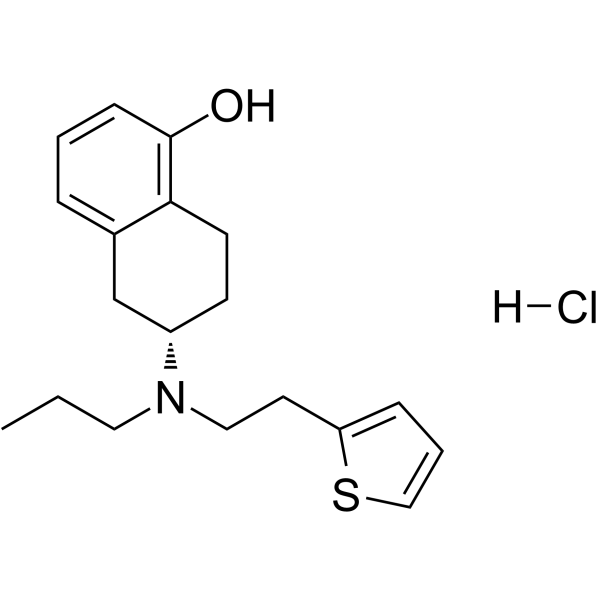 0 ImagesSynonyms: N-0923 HydrochlorideRotigotine Hydrochloride (N-0923 Hydrochloride) is a full agonist of dopamine receptor, a partial agonist of the 5-HT1A receptor, and an antagonist of the α2B-adrenergic receptor, with Ki of 0.71 nM, 4-15 nM, and 83 nM for the dopamine D3 receptor and D2, D5, D4 receptors, and dopamine D1 receptor.
-
Pramipexole
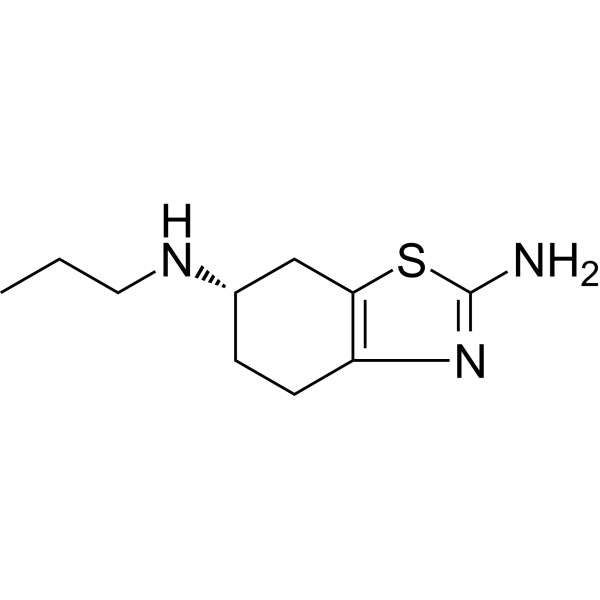 0 ImagesPramipexole is a selective and blood-brain barrier (BBB) penetrant dopamine D2-type receptor agonist, with Kis of 2.2 nM, 3.9 nM, 0.5 nM and 1.3 nM for D2-type receptor, D2, D3 and D4 receptors, respectively. Pramipexole can be used for the research of Parkinson's disease (PD) and restless legs syndrome (RLS).
-
L-741626
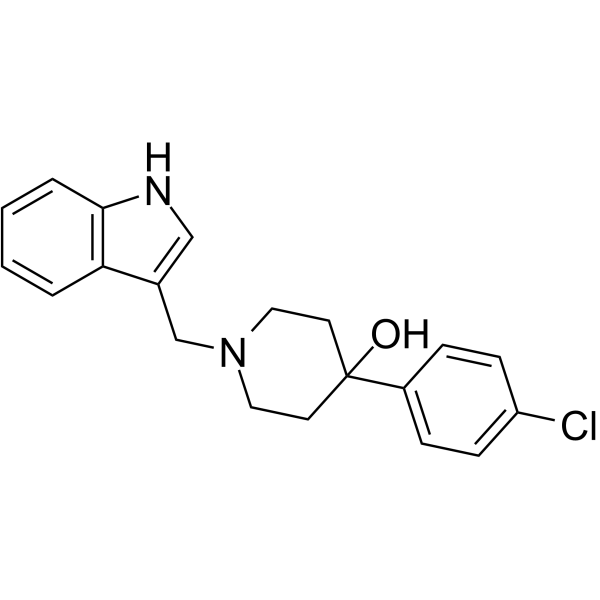 0 ImagesL-741626 is a selective D2 dopamine receptor antagonist, with the Ki values of 2.4, 100 and 220 nM for human D2, D3 and D4 receptors respectively.
-
Loxapine succinate
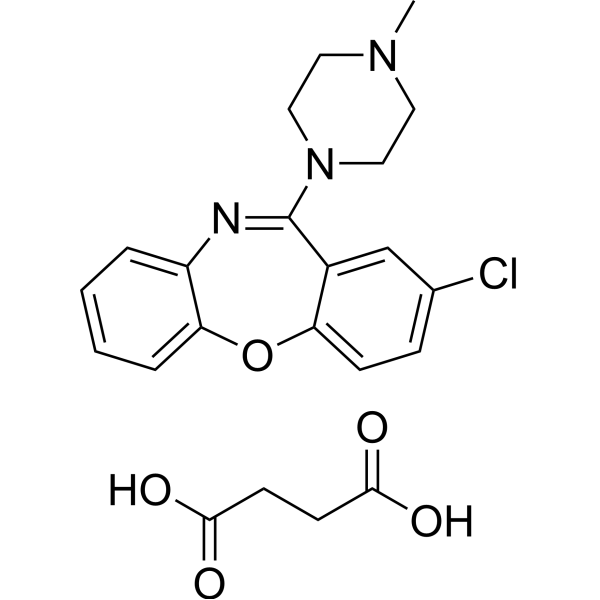 0 ImagesLoxapine succinate is an orally active dopamine inhibitor, 5-HT receptor antagonist and also a dibenzoxazepine anti-psychotic agent. Loxapine can also suppresses bacterial efflux pump activity and inhibit intracellular multiple-antibiotic-resistant Salmonella enterica serovar Typhimurium in macrophages.
-
Blonanserin
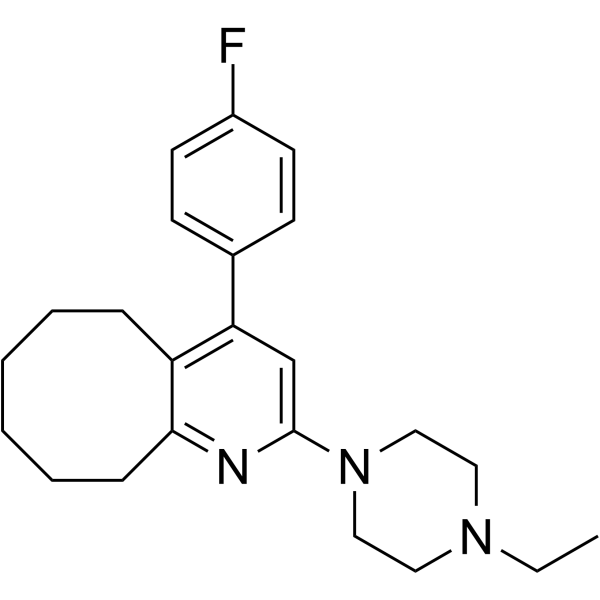 0 ImagesSynonyms: AD-5423Blonanserin (AD-5423) is a potent and orally active 5-HT2A (Ki=0.812 nM) and dopamine D2 receptor (Ki =0.142 nM) antagonist. Blonanserin is usually acts as an atypical antipsychotic agent and can be used for the research of extrapyramidal symptoms, excessive sedation, or hypotension.
-
Ecopipam hydrochloride
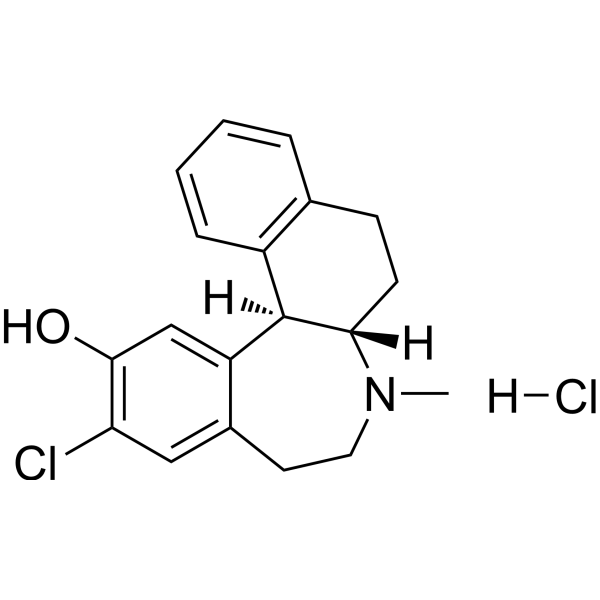 0 ImagesSynonyms: SCH 39166 hydrochlorideEcopipam (SCH 39166) hydrochloride is a potent, selective and orally active antagonist of dopamine D1/D5 receptor, with Kis of 1.2 nM and 2.0 nM, respectively. Ecopipam hydrochloride shows more than 40-flod selectivity over D2, D4, 5-HT, and α2a receptor (Ki=0.98, 5.52, 0.08, and 0.73 μM, respectively). Ecopipam hydrochloride can be used for the research of schizophrenia and obesity.
-
Loxapine
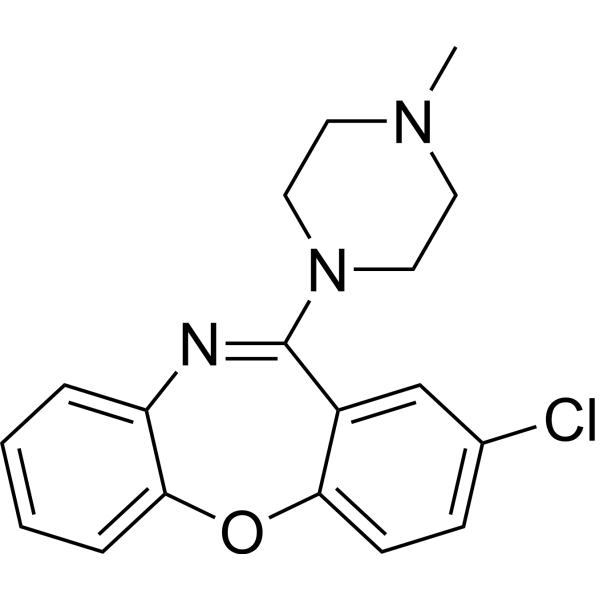 0 ImagesLoxapine is an orally active dopamine inhibitor, 5-HT receptor antagonist and also a dibenzoxazepine anti-psychotic agent.
-
L-745870
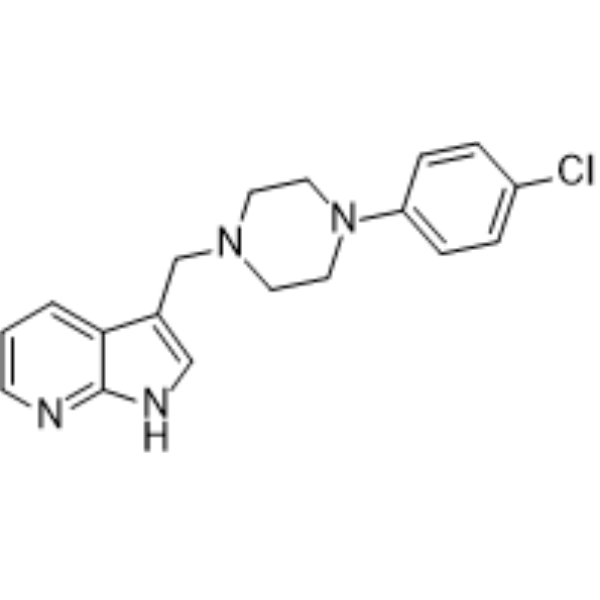 0 ImagesL-745870 is a potent, selective, brain-penetrant and orally active dopamine D4 receptor antagonist with a Ki of 0.43 nM. L-745870 shows weaker affinity for D2 (Ki of 960 nM) and D3 (Ki of 2300 nM) receptors, and exhibits moderate affinity for 5-HT2 receptors, sigma sites and α-adrenoceptors.
-
Iloperidone
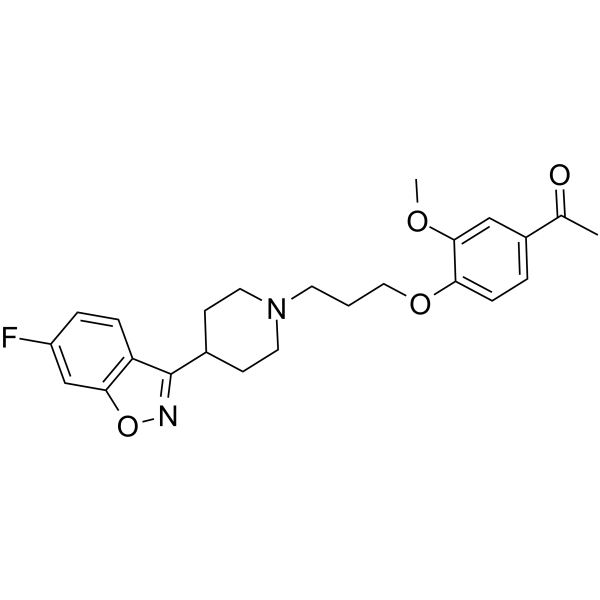 0 ImagesSynonyms: HP 873Iloperidone (HP 873) is a D2/5-HT2 receptor antagonist. Iloperidone is an atypical antipsychotic for the schizophrenia symptoms.



