





Search Result
Results for "
C-terminal peptide
" in MedChemExpress (MCE) Product Catalog:
| Cat. No. |
Product Name |
Target |
Research Areas |
Chemical Structure |
-
- HY-P2746
-
|
EC 3.4.2.2
|
Endogenous Metabolite
|
Metabolic Disease
|
|
Carboxypeptidase B, Porcine pancreas (EC 3.4.2.2) is a peptide exonuclease that can specifically degrade peptide chains. Carboxypeptidase B is progressively degraded from the C-terminal to release free amino acids. Carboxypeptidase B hydrolyzes only peptide bonds with basic amino acids (such as arginine and lysine) as C-terminal residues .
|
-
-
- HY-P1465
-
-
-
- HY-W088929
-
|
|
Amino Acid Derivatives
|
Others
|
|
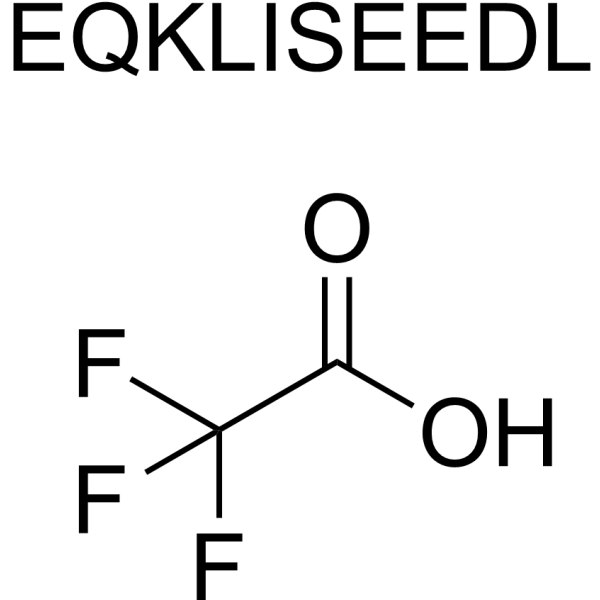
H-Glu(OtBu)-NH2 hydrochloride is a specialized amino acid derivative that is crucial for the synthesis of peptides bearing a C-terminal glutamine amide.
|
-
-
- HY-P0199
-
-
-
- HY-P2535
-
|
GLP-1 (7-36)-Lys(biotin)-amide
|
GLP Receptor
|
Metabolic Disease
|
|
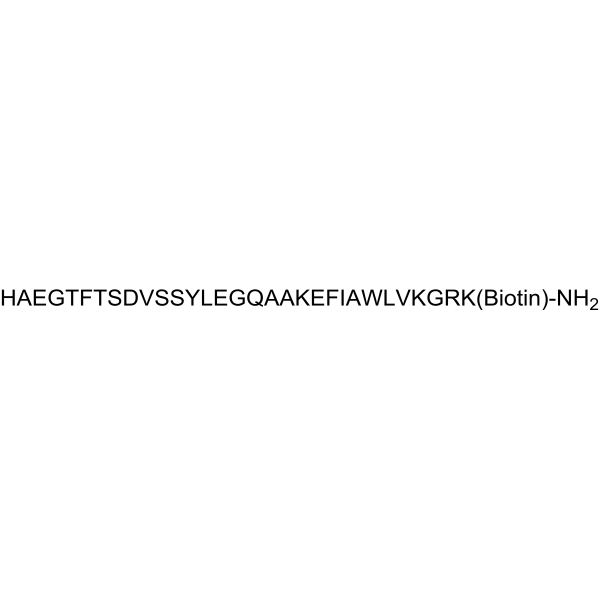
Glucagon-Like Peptide 1 (GLP-1) (7-36)-Lys (Biotin), amide, human is an C-terminal-labelled biotinylated GLP-1 (7-36) amide.
|
-
-
- HY-E70201
-
|
EC 3.4.2.2 (MS grade)
|
Endogenous Metabolite
|
Others
|
|
Carboxypeptidase B (MS grade) is a peptide exonuclease that can specifically degrade peptide chains. Carboxypeptidase B (MS grade) is progressively degraded from the C-terminal to release free amino acids. Carboxypeptidase B (MS grade) hydrolyzes only peptide bonds with basic amino acids (such as arginine and lysine) as C-terminal residues .
|
-
-
- HY-P0312
-
|
|
c-Myc
|
Cancer
|
|
c-Myc Peptide (TFA) is a synthetic peptide corresponding to the C-terminal amino acids (410-419) of human c-myc protein, and participates in regulation of growth-related gene transcription.
|
-
-
- HY-P0144
-
|
|
CD47
Apoptosis
|
Inflammation/Immunology
|
|
Thrombospondin-1 (1016-1023) (human, bovine, mouse), is the C-terminal end of the native sequence of Thrombospondin-1 (TSP-1), is a CD47 agonist peptide .
|
-
-
- HY-P5124
-
|
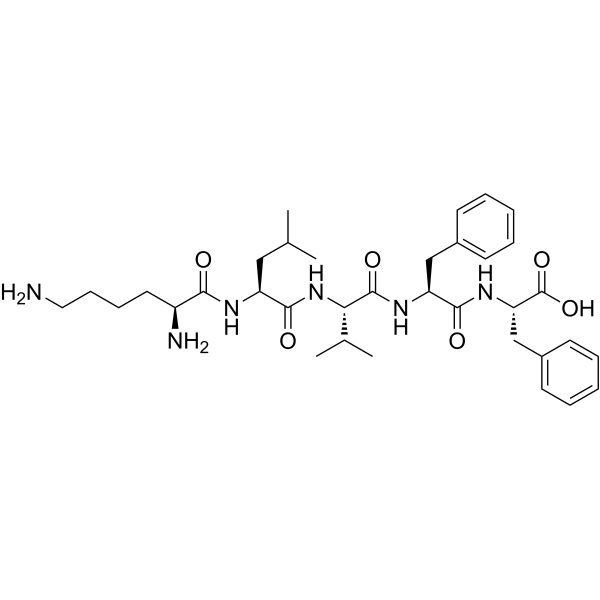
KLVFF
|
Amyloid-β
|
Neurological Disease
|
|
β-Amyloid peptide(16-20) is a amino acid sequences (KLVFF) of Amyloid-β (Abeta). β-Amyloid peptide(16-20) is an effective inhibitor of Abeta fibril formation, with RG-/-GR-NH2 residues added at N- and C-terminal ends to aid solubility) .
|
-
-
- HY-E70574
-
|
|
Biochemical Assay Reagents
|
Others
|
|
Trypsin/Lys-C complex protease (MS grade) combines Trypsin and Lys-C, two recombinant proteases, to achieve efficient peptide bond hydrolysis. Trypsin specifically cleaves the C-terminal peptide bonds of arginine (R) and lysine (K), while Lys-C specifically cleaves the C-terminal peptide bonds of lysine (K). This combination overcomes issues such as the slower digestion rate of lysine and arginine by rTrypsin, PTM changes on lysine, or hydrophobic C-termini (such as proline) that can lead to missed cleavage. Trypsin/Lys-C complex protease (MS grade) can be used to process complex protein samples that are difficult to enzymatically digest. Trypsin/Lys-C complex protease (MS grade) can be used for protein characterization, single-cell proteomics and large cohort proteomics studies.
|
-
-
- HY-P2980
-
|
EC 3.4.2.1
|
Endogenous Metabolite
|
Others
|
|
Carboxypeptidase A, Bovine pancreas (EC 3.4.2.1) is a zinc-containing metalloprotease, is often used in biochemical studies. Carboxypeptidase A catalyzes the hydrolysis of the peptide bonds that are adjacent to the C-terminal end of a polypeptide chain. Carboxypeptidase A is a prototypical enzyme for metalloproteases that plays important roles in biological systems .
|
-
-
- HY-107024
-
|
OGP(10-14); Historphin
|
Src
|
Others
|
|
Osteogenic Growth Peptide (10-14) (OGP(10-14)), the C-terminal truncated pentapeptide of osteogenic growth peptide (OGP), retains the full OGP-like activity. Osteogenic Growth Peptide (10-14) is responsible for the binding to the OGP receptor and activates an intracellular Gi-protein-MAP kinase signaling pathway. Osteogenic Growth Peptide (10-14) is a potent mitogen and stimulator of osteogenesis and hematopoiesis. Osteogenic Growth Peptide (10-14) acts as a Src inhibitor .
|
-
-
- HY-P5506
-
|
|
Complement System
|
Others
|
|
C5a Receptor agonist, W5Cha (Peptide 1) is a selective complement C5a receptor (C5aR) agonist (EC50=0.2 μM), a hexapeptide derived from the C-terminus of C5a with specific amino acid modifications. C5a Receptor agonist, W5Cha is able to interact with the Arg-206 site of the C5a receptor through its C-terminal arginine, thereby activating the receptor .
|
-
-
- HY-W015461
-
|
DL-α-Aminocaprylic acid; DL-2-Aminocaprylic acid
|
Bacterial
|
Infection
|
|
2-Aminooctanoic acid (DL-α-Aminocaprylic acid) is a fatty acid with an amino functional group that can be directly coupled at both the C-terminal and N-terminal with antimicrobial peptides (AMP) derived from lactoferrin B to enhance antibacterial activity .
|
-
-
- HY-P5391
-
|
|
Bacterial
|
Others
|
|
LL-37(17-32) is a biological active peptide. (This peptide is an active segment of LL-37, a peptide derived from the C-terminal domain of human cathelicidin antimicrobial peptide. It has been reported that the LL17-32 peptide exhibits reversal effect on ABCG2-mediated multidrug resistance in cancer cell lines.)
|
-
-
- HY-P1769
-
|
|
Angiotensin Receptor
|
Metabolic Disease
Endocrinology
|
|
Angiotensin II (5-8), human is an endogenous C-terminal fragment of the peptide vasoconstrictor angiotensin II . Angiotensin II binds the AT II type 1 (AT1) receptor, stimulating GPCRs in vascular smooth muscle cells and increasing intracellular Ca 2+ levels. Angiotensin II also acts at the Na +/H + exchanger in the proximal tubules of the kidney .
|
-
-
- HY-P3982
-
|
|
CCR
|
Inflammation/Immunology
|
|
CKLF1-C19 is the C-terminal peptide of human chemokine-like factor 1 (CKLF1). CKLF1-C19 interacts with CCR4, and inhibits chemotaxis induced by both CKLF1 and CCL17. CKLF1-C19 can suppress allergic lung inflammation via inhibiting chemotaxis mediated by CCR3 and CCR4 .
|
-
-
- HY-P3418
-
|
|
CCR
ERK
|
Inflammation/Immunology
|
|
CKLF1-C27, a C-terminal peptide of CKLF1, binds to CCR4 receptor and activates ERK1/2 pathway. CKLF1-C27 can abrogate the effect of CKLF1 on cells by competing for CCR4 receptor. CKLF1-C27 shows great effect on promoting proliferation on HUVECs. CKLF1-C27 has the potential for psoriasis research .
|
-
-
- HY-P1465A
-
-
-
- HY-P10300
-
|
IL-8 (54-72)
|
CXCR
|
Inflammation/Immunology
|
|
CXCL8 (54-72) is a C-terminal peptide based on the chemokine CXCL8. CXCL8 (54-72) has an interaction between a long and highly positively charged C-terminal region and a negative charge on the GAG that binds to the GAG. CXCL8 (54-72) can inhibit the adhesion and migration of neutrophils and adhesion of endothelial cells. CXCL8 (54-72) can be used to study chemokines in inflammatory response .
|
-
-
- HY-P5351A
-
|
|
Transmembrane Glycoprotein
|
Inflammation/Immunology
Cancer
|
|
Hyaluronan-binding peptide, biotin labeled TFA is a biological active peptide. (This peptide is a hyaluronan-binding peptide biotinylated through a C-terminal GGGSK linker. Hyaluronan (HA) is a nonsulfated glycosaminoglycan expressed in the extracellular matrix and on cell surfaces. HA plays a role in fertilization, embryonic development, wound healing, angiogenesis, leukocyte trafficking to inflamed tissues, and cancer metastasis. This peptide has been shown to block HA binding to CD44 receptors and inhibit T cell proliferation.) .
|
-
-
- HY-P4933
-
|
Tau-F protein (255-314)
|
Tau Protein
|
Neurological Disease
|
|
Tau Peptide (255-314) (Repeat 2 Domain) (human) (Tau-F protein (255-314)) is a polypeptide. Tau Peptide (255-314) (human) is the 255-314 fragment of Tau-F (also known as Tau-4, the 2N4 isoform), a major isoform of the Tau protein. Tau Peptide (255-314) (human) contains two core driving sequences for Tau aggregation, namely PHF6* (275-280, VQIINK) and PHF6 (306-311, VQIVYK), and spans the C-terminal half of repeat domain R1, the entire repeat domain R2, and the N-terminal half of repeat domain R3 within the microtubule-binding region (MTBR).
|
-
-
- HY-P11345
-
|
|
Biochemical Assay Reagents
|
Others
|
|
VPS35 c-terminal peptide is a peptide that can bind to VPS35. VPS35 c-terminal peptide can be used in immunoprecipitation experiments to specifically elute VPS35 and its interacting proteins, facilitating the identification of VPS35-interacting molecules .
|
-
-
- HY-P10247
-
|
|
Mitochondrial Metabolism
|
Neurological Disease
|
|
Amyloid precursor C-terminal peptide is cleaved from the C-terminus of Amyloid Precursor Protein (APP). Amyloid precursor C-terminal peptide accumulation causes mitochondrial morphology alteration and basal mitophagy failure, which indicates that amyloid precursor protein C-terminal peptide may correspond to an etiological trigger of Alzheimer’s disease (AD) pathology .
|
-
-
- HY-P1841
-
|
|
Endogenous Metabolite
Apoptosis
|
Metabolic Disease
|
|
Glucagon-Like Peptide (GLP) II, human is a 33-amino acid peptide derived from the C-terminal of proglucagon and mainly produced by the intestinal L cells. Glucagon-Like Peptide (GLP) II, human stimulates intestinal mucosal growth and decreases apoptosis of enterocytes .
|
-
-
- HY-P3901
-
|
|
Somatostatin Receptor
|
Neurological Disease
|
|
[Leu8,D-Trp22,Tyr25] Somatostatin-28 is the analog of Somatostatin-28. Somatostatin-28 is a intestinal peptide containing somatostatin in its C-terminal portion .
|
-
-
- HY-P11286
-
|
|
Complement System
|
Cancer
|
|
A7RC is a multifunctional peptide used in tumor-targeted therapy, with Cysteine added to the C-terminal of the A7R peptide (sequence: ATWLPPR). A7R (HY-P1663) is a ligand of the NRP-1 receptor, regulating intracellular signal transduction related to tumor vascularization and tumor growth .
|
-
-
- HY-P5182A
-
|
|
Potassium Channel
|
Inflammation/Immunology
|
|
HsTX1 (TFA) toxin, from the scorpion Heterometrus spinnifer, is a 34-residue, C-terminally amidated peptide cross-linked by four disulfide bridges. HsTX1 (TFA) is an the inhibitor of potassium channel, with IC50 for Kv1.3 of 12 pM and inhibits TEM cell activation and attenuates inflammation in autoimmunity .
|
-
-
- HY-P10612A
-
|
|
Bacterial
|
Infection
Inflammation/Immunology
|
|
Tetanus toxin (1301-1315) (C. tetani) is a C-terminal peptide fragment of tetanus toxin heavy chain from C. tetani. Tetanus toxin (1301-1315) (C. tetani) can be used for the researches of infection and immunology .
|
-
-
- HY-P5497
-
|
|
HIV
|
Others
|
|
C34 peptide is a biological active peptide. (This C34 peptide, also known as HR2, belongs to the helical region of gp41 of HIV, C-terminal heptad repeat 2 (HR2) defined as C helix or C peptide. It is known that HIV-1 enters cells by membrane fusion, C34 gp41 peptide is a potent inhibitors of HIV-1 fusion.)
|
-
-
- HY-P1257
-
|
|
Insulin Receptor
Neurotensin Receptor
|
Metabolic Disease
|
|
Xenin-8, a C-terminal octapeptide, is a biologically active fragment of Xenin. Xenin is a 25-amino acid peptide of the neurotensin/xenopsin family. Xenin-8 stimulates basal insulin secretion and potentiates the insulin response to glucose in a dose-dependent manner (EC50=0.16 nM) .
|
-
-
- HY-P3431
-
|
|
iGluR
|
Neurological Disease
|
|
VSGLNPSLWSIFGLQFILLWLVSGSRHYLW is a 30-amino-acid peptide mimicking the C-terminal domain of α2δ-1, termed as α2δ-1Tat peptide. VSGLNPSLWSIFGLQFILLWLVSGSRHYLW can effectively interrupt the α2δ-1 - NMDAR interaction in vitro and in vivo. VSGLNPSLWSIFGLQFILLWLVSGSRHYLW can be used for researching neuropathic pain .
|
-
-
- HY-P5923
-
|
|
CXCR
|
Inflammation/Immunology
|
|
E70K is a CXCL8 C-terminal peptide with a substitution of glutamic acid (E) 70 with lysine (K). E70K can reduce neutrophil adhesion and migration during inflammation .
|
-
-
- HY-P3418A
-
|
|
CCR
ERK
|
Inflammation/Immunology
|
|
CKLF1-C27, a C-terminal peptide of CKLF1, binds to CCR4 receptor and activates ERK1/2 pathway. CKLF1-C27 can abrogate the effect of CKLF1 on cells by competing for CCR4 receptor. CKLF1-C27 shows great effect on promoting proliferation on HUVECs. CKLF1-C27 has the potential for psoriasis research .
|
-
-
- HY-P11185
-
|
|
HSP
|
Cancer
|
|
Hsp90β decapeptide is a C-terminal peptide of Hsp90β, which contains conserved TPR-domain MEEVD. Hsp90β decapeptide is able to bind tightly the Tah1 protein with a Kd of 1.0 μM .
|
-
-
- HY-P5323
-
|
|
Bacterial
|
Others
|
|
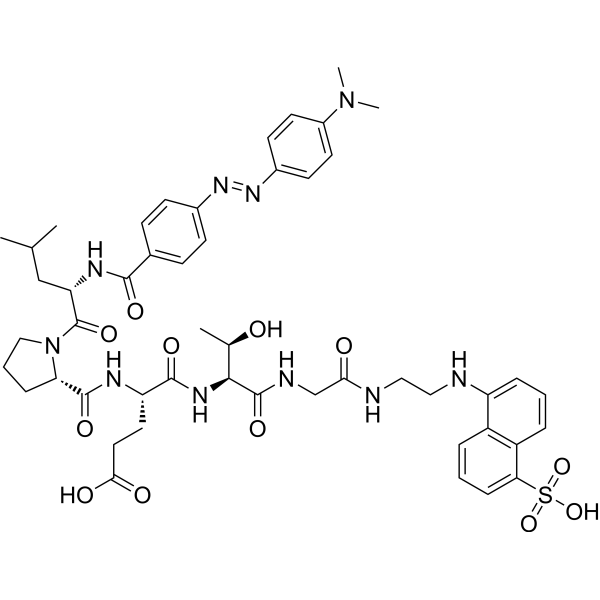
Dabcyl-AGHDAHASET-Edans is a biological active peptide. (This is a type I signal peptidase (SPase1) substrate peptide labeled with EDANS/ DABCYL FRET pair, and contains a crucial cleavage site derived from the C-terminal region of the Staphylococcus epidermidis pre-SceD protein. Abs/Em = 340/490 nm.)
|
-
-
- HY-P1191
-
|
TI-JIP; JIP-1 peptide; JIPtide
|
JNK
|
Others
|
|
JIP-1(153-163) (TI-JIP) is a peptide inhibitor of c-JNK, based on residues 153-163 of JNK-interacting protein-1 (JIP-1) (Modifications: Phe-11 = C-terminal amide) .
|
-
-
- HY-P1191A
-
|
TI-JIP TFA; JIP-1 peptide TFA; JIPtide TFA
|
JNK
|
Others
|
|
JIP-1(153-163) TFA (TI-JIP TFA) is a peptide inhibitor of c-JNK, based on residues 153-163 of JNK-interacting protein-1 (JIP-1) (Modifications: Phe-11 = C-terminal amide) .
|
-
-
- HY-P5370
-
|
|
Amyloid-β
|
Others
|
|
Scrambled β-amyloid (1-40) is a biological active peptide. (Aβ (1-40) together with Aβ (1-42) are two major C-terminal variants of the Aβ protein constituting the majority of Aβs. These undergo post-secretory aggregation and deposition in the Alzheimer’s disease brain. This peptide is the scrambled sequence of Abeta 1-40 HY-P0265)
|
-
-
- HY-P5182
-
|
|
Potassium Channel
|
Inflammation/Immunology
|
|
HsTX1, from the scorpion Heterometrus spinnifer, is a 34-residue, C-terminally amidated peptide cross-linked by four disulfide bridges. HsTX1, an the inhibitor of potassium channel, with IC50 for Kv1.3 of 12 pM inhibits TEM cell activation and attenuates inflammation in autoimmunity .
|
-
-
- HY-P1257A
-
|
|
Neurotensin Receptor
|
Metabolic Disease
|
|
Xenin-8 TFA, a C-terminal octapeptide, is a biologically active fragment of Xenin. Xenin is a 25-amino acid peptide of the neurotensin/xenopsin family. Xenin-8 TFA stimulates basal insulin secretion and potentiates the insulin response to glucose in a dose-dependent manner (EC50=0.16 nM) .
|
-
-
- HY-162832
-
|
|
Amyloid-β
|
Neurological Disease
|
|
Amyloid-β-IN-1 (compound 13) is a synthetic peptide containing the hydrophobic C-terminal region "VVIA-NH2" and its reverse sequence "AIVV-NH2" of Aβ42, which is an Aβ inhibitor. Amyloid-β-IN-1 can inhibit Aβ aggregation and has neuroprotective effects .
|
-
-
- HY-P5461
-
|
|
Bacterial
|
Others
|
|
CHRG01 is a biological active peptide. (CHRG01 is derived from human b-defensin 3 (hBD3) C-terminal amino acids 54 to 67, with all Cys residues substituted with Ser. This substitution removes all disulfide bond linkages within the sequence. CHRG01, like hBD3, displays electrostatic-dependent antimicrobial properties.)
|
-
-
- HY-P5771
-
|
|
Sodium Channel
|
Neurological Disease
|
|
Jingzhaotoxin-IX, a C-terminally amidated peptide composed of 35 amino acid residues, is a neurotoxin. Jingzhaotoxin-IX inhibits voltage-gated sodium channels (both tetrodotoxin-resistant and tetrodotoxin-sensitive isoforms) and Kv2.1 channel. Jingzhaotoxin-IX has no effect on delayed rectifier potassium channel Kv1.1, 1.2 and 1.3 .
|
-
-
- HY-P10251
-
|
|
HIV
|
Infection
|
|
HIV gp120 (318-327) is a short sequence of the HIV-1 strain IIIB envelope peptide (rgpgrafvti) that corresponds to the conserved C-terminal region of the glycoprotein. HIV gp120 (318-327) is part of the HIV vaccine V3 peptide epitope, also known as the I10 peptide. However, HIV gp120 (318-327) lacks the A2 anchor residues recognized by epitope-specific CTLs but has structural features that confer promiscuous A2 binding .
|
-
-
- HY-P3431A
-
|
|
iGluR
|
Neurological Disease
|
|
VSGLNPSLWSIFGLQFILLWLVSGSRHYLW (TFA) is a 30-amino-acid peptide mimicking the C-terminal domain of α2δ-1, termed as α2δ-1Tat peptide. VSGLNPSLWSIFGLQFILLWLVSGSRHYLW can effectively interrupt the α2δ-1 - NMDAR interaction in vitro and in vivo. VSGLNPSLWSIFGLQFILLWLVSGSRHYLW can be used for researching neuropathic pain .
|
-
-
- HY-P5693
-
|
|
Bacterial
CMV
HSV
|
Infection
|
|
HBA(111-142), an antimicrobial peptide, is a C-terminal 32-mer fragment of alpha-hemoglobin. HBA(111-142) has antibacterial activity against the ESKAPE panel of pathogens. HBA(111-142) forms amyloid fibrils, and has antiviral activities. HBA(111-142) inhibits measles and herpes viruses (HSV-1, HSV-2, HCMV) .
|
-
-
- HY-118161
-
|
beta-1-Adamantylaspartic acid
|
Biochemical Assay Reagents
|
Others
|
|
1-Adamantylaspartate is a newly developed β-β-1-imidopropionic acid used to synthesize the C-terminal octapeptide of the β subunit of human chorionic gonadotropin (hCG) and the hexadecapeptide of the α subunit of the insulin receptor (30-55) by conventional solution methods and solid phase methods, aiming to inhibit the formation of asparagine during the synthesis of asparagyl peptides. Studies have shown that β-β-1-imidopropionic acid is an effective protector of the β-carboxyl function of aspartic acid residues.
|
-
-
- HY-P1210
-
|
|
Melanocortin Receptor
|
Endocrinology
|
|
Lys-γ3-MSH(human) is a melanocortin peptide derived from the C-terminal of the fragment of pro-opiomelanocortin (POMC). Lys-γ3-MSH(human) potentiates the steroidogenic response of the rat adrenal to adrenocorticotrophin (ACTH). Lys-γ3-MSH(human) is a potent stimulator of lipolysis with an apparent EC50 of 3.56 nM. Lys-γ3-MSH(human) can activate hormone sensitive lipase (HSL) and Perilipin A resulting in lipolysis .
|
-
-
- HY-P1210A
-
|
|
Melanocortin Receptor
|
Endocrinology
|
|
Lys-γ3-MSH(human) TFA is a melanocortin peptide derived from the C-terminal of the fragment of pro-opiomelanocortin (POMC). Lys-γ3-MSH(human) TFA potentiates the steroidogenic response of the rat adrenal to adrenocorticotrophin (ACTH). Lys-γ3-MSH(human) TFA is a potent stimulator of lipolysis with an apparent EC50 of 3.56 nM. Lys-γ3-MSH(human) TFA can activate hormone sensitive lipase (HSL) and Perilipin A resulting in lipolysis .
|
-
- HY-P11092
-
|
|
Endogenous Metabolite
|
Neurological Disease
|
|
TLQP-62 (mouse,rat) is a secreted C-terminal peptide that can be derived from protein VGF. TLQP-62 activates the BDNF-TrkB signaling pathway, inducing acute, transient phosphorylation of TrkB receptor and downstream CREB (Ser133) phosphorylation. TLQP-62 demonstrates excellent efficacy in promoting long-term fear memory formationin wild-type mice and reversing memory impairment in VGF heterozygous knock-out mice. TLQP-62 can be used for the study of memory-related neurological disorders (e.g., Alzheimer’s disease, frontotemporal dementia) .
|
-
- HY-P0307B
-
|
|
Biochemical Assay Reagents
|
Neurological Disease
|
|
Penetratin-Cys is a cell-penetrating peptide derived from Antennapedia Peptide (HY-P0307) via C-terminal cysteine modification. Penetratin-Cys acts as a cytotoxin and reduces the viability of differentiated neuronal cells. Penetratin-Cys localizes to the perinuclear region and binds to the Golgi apparatus. Penetratin-Cys can be used in research related to neurological disorders .
|
-
- HY-P5423D
-
|
|
Exosomes
|
Others
|
|
Ahx-GALA-Cys is a GALA peptide (HY-P5423) derivative with an N-terminal 6-aminohexanoic acid (Ahx) linker and a C-terminal cysteine residue. Ahx-GALA-Cys possesses strong covalent coupling capacity, which can be used to conjugate fluorophores and targeting ligands for investigating the surface functionalization of small extracellular vesicles (sEV) and lysosomal escape .
|
-
- HY-P991534
-
|
|
Amyloid-β
|
Neurological Disease
|
|
PF-04382923 is a humanized IgG2Δa monoclonal antibody. PF-04382923 binds with high affinity to the free C-terminal regions of the amyloid-β peptides Aβ1-40 and Aβ1-42. PF-04382923 is indicated for the study of geographic atrophy (GA) associated with dry age-related macular degeneration (ARMD) .
|
-
- HY-P1059
-
|
|
iGluR
|
Neurological Disease
|
|
Pep2-AVKI is a selective peptide inhibitor of the binding of the AMPA receptor subunit (GluR2) at the C-terminal PDZ site to C-kinase (PICK1). Pep2-AVKI does not affect the binding of (AMPA-type glutamate receptor) GluA2 to GRIP or ABP. Pep2-AVKI does not increase the amplitude of AMPA currents. pep2-AVKI can be used to study neurological diseases .
|
-
- HY-P1056
-
|
|
iGluR
|
Neurological Disease
|
|
pep2-SVKI is a selective peptide inhibitor. pep2-SVKI inhibits the binding of AMPA-type glutamate receptor (GluA2) (C-terminal PDZ site) to glutamate receptor interacting protein (GRIP), AMPA receptor binding protein (ABP), and C-kinase interacting protein (PICK1). pep2-SVKI increases the amplitude of AMPA receptor-mediated currents and blocks long-term depression (LTD). pep2-SVKI can be used to study neurological diseases .
|
-
- HY-P991959
-
|
|
CTLA-4
|
Inflammation/Immunology
Cancer
|
|
JMW-3B3 is a humanized IgG1λ monoclonal antibody targeting CTLA-4. JMW-3B3 selectively binds the unique C-terminal sequence of sCTLA-4 to block its immunoregulatory and immunosuppressive activity without cross-reacting with full-length CTLA-4 receptor. JMW-3B3 enhances cytokine profiles in PBMC cultures responding to lupus autoantigen-derived peptides. JMW-3B3 enhances IFN-γ production in anti-CD3 stimulated PBMC from melanoma patients at low anti-CD3 doses. JMW-3B3 can be used for the research of systemic lupus erythematosus and malignant melanoma.
|
-
- HY-P11398
-
|
|
Bacterial
HIV
Fungal
DNA Alkylator/Crosslinker
|
Infection
Cancer
|
|
Tachyplesin II is a broad-spectrum cationic antimicrobial peptide. Tachyplesin II has significant inhibitory effects on Gram-positive bacteria, Gram-negative bacteria, and some fungi. Tachyplesin II binds to bacterial membrane lipopolysaccharides through its positive charge, disrupting membrane integrity and causing leakage of cellular contents. Tachyplesin II can bind to DNA grooves, inhibiting microbial replication, and also suppressing HIV-1 replication and the proliferation of liver cancer cells .
|
-
- HY-180425
-
|
|
Amylin Receptor
Apoptosis
|
Metabolic Disease
|
|
Cloridarol is a human islet amyloid peptide (hIAPP) inhibitor that prevents its abnormal misfolding and aggregation. Cloridarol can increase cell viability, inhibit apoptosis, and protect islet β-cells from hIAPP-induced cell toxicity. Cloridarol can be used for the research of type 2 diabetes (T2D) .
|
-
| Cat. No. |
Product Name |
Target |
Research Area |
-
- HY-P1465
-
-
- HY-P0199
-
-
- HY-P2535
-
|
GLP-1 (7-36)-Lys(biotin)-amide
|
GLP Receptor
|
Metabolic Disease
|
|
Glucagon-Like Peptide 1 (GLP-1) (7-36)-Lys (Biotin), amide, human is an C-terminal-labelled biotinylated GLP-1 (7-36) amide.
|
-
- HY-P0312
-
|
|
c-Myc
|
Cancer
|
|
c-Myc Peptide (TFA) is a synthetic peptide corresponding to the C-terminal amino acids (410-419) of human c-myc protein, and participates in regulation of growth-related gene transcription.
|
-
- HY-P0144
-
|
|
CD47
Apoptosis
|
Inflammation/Immunology
|
|
Thrombospondin-1 (1016-1023) (human, bovine, mouse), is the C-terminal end of the native sequence of Thrombospondin-1 (TSP-1), is a CD47 agonist peptide .
|
-
- HY-P5124
-
|
KLVFF
|
Amyloid-β
|
Neurological Disease
|
|
β-Amyloid peptide(16-20) is a amino acid sequences (KLVFF) of Amyloid-β (Abeta). β-Amyloid peptide(16-20) is an effective inhibitor of Abeta fibril formation, with RG-/-GR-NH2 residues added at N- and C-terminal ends to aid solubility) .
|
-
- HY-107024
-
|
OGP(10-14); Historphin
|
Src
|
Others
|
|
Osteogenic Growth Peptide (10-14) (OGP(10-14)), the C-terminal truncated pentapeptide of osteogenic growth peptide (OGP), retains the full OGP-like activity. Osteogenic Growth Peptide (10-14) is responsible for the binding to the OGP receptor and activates an intracellular Gi-protein-MAP kinase signaling pathway. Osteogenic Growth Peptide (10-14) is a potent mitogen and stimulator of osteogenesis and hematopoiesis. Osteogenic Growth Peptide (10-14) acts as a Src inhibitor .
|
-
- HY-P5506
-
|
|
Complement System
|
Others
|
|
C5a Receptor agonist, W5Cha (Peptide 1) is a selective complement C5a receptor (C5aR) agonist (EC50=0.2 μM), a hexapeptide derived from the C-terminus of C5a with specific amino acid modifications. C5a Receptor agonist, W5Cha is able to interact with the Arg-206 site of the C5a receptor through its C-terminal arginine, thereby activating the receptor .
|
-
- HY-P2531
-
|
|
Peptides
|
Others
|
|
OVA (329-337) is a 9-aa core epitope (329–337) located in the C-terminal end of the OVA peptide .
|
-
- HY-P5391
-
|
|
Bacterial
|
Others
|
|
LL-37(17-32) is a biological active peptide. (This peptide is an active segment of LL-37, a peptide derived from the C-terminal domain of human cathelicidin antimicrobial peptide. It has been reported that the LL17-32 peptide exhibits reversal effect on ABCG2-mediated multidrug resistance in cancer cell lines.)
|
-
- HY-P1769
-
|
|
Angiotensin Receptor
|
Metabolic Disease
Endocrinology
|
|
Angiotensin II (5-8), human is an endogenous C-terminal fragment of the peptide vasoconstrictor angiotensin II . Angiotensin II binds the AT II type 1 (AT1) receptor, stimulating GPCRs in vascular smooth muscle cells and increasing intracellular Ca 2+ levels. Angiotensin II also acts at the Na +/H + exchanger in the proximal tubules of the kidney .
|
-
- HY-P5481
-
|
|
Peptides
|
Others
|
|
DABCYL-LPETG-EDANS is a biological active peptide. (This 5-amino acid peptide is a sortase substrate, C-terminal sorting signal. Sortase cleaves surface proteins at the LPXTG motif and catalyzes the formation of an amide bond between the carboxyl group of threonine and the amino group of cell-wall crossbridges. Sortases are a family of Gram-positive transpeptidases responsible for anchoring surface protein virulence factors to the peptidoglycan cell wall layer. Cleavage of this FRET substrate by sortase reveals the fluorescent signal, Abs/Em = 340/490 nm.)
|
-
- HY-P3982
-
|
|
CCR
|
Inflammation/Immunology
|
|
CKLF1-C19 is the C-terminal peptide of human chemokine-like factor 1 (CKLF1). CKLF1-C19 interacts with CCR4, and inhibits chemotaxis induced by both CKLF1 and CCL17. CKLF1-C19 can suppress allergic lung inflammation via inhibiting chemotaxis mediated by CCR3 and CCR4 .
|
-
- HY-P3418
-
|
|
CCR
ERK
|
Inflammation/Immunology
|
|
CKLF1-C27, a C-terminal peptide of CKLF1, binds to CCR4 receptor and activates ERK1/2 pathway. CKLF1-C27 can abrogate the effect of CKLF1 on cells by competing for CCR4 receptor. CKLF1-C27 shows great effect on promoting proliferation on HUVECs. CKLF1-C27 has the potential for psoriasis research .
|
-
- HY-P1465A
-
-
- HY-P10300
-
|
IL-8 (54-72)
|
CXCR
|
Inflammation/Immunology
|
|
CXCL8 (54-72) is a C-terminal peptide based on the chemokine CXCL8. CXCL8 (54-72) has an interaction between a long and highly positively charged C-terminal region and a negative charge on the GAG that binds to the GAG. CXCL8 (54-72) can inhibit the adhesion and migration of neutrophils and adhesion of endothelial cells. CXCL8 (54-72) can be used to study chemokines in inflammatory response .
|
-
- HY-P5351A
-
|
|
Transmembrane Glycoprotein
|
Inflammation/Immunology
Cancer
|
|
Hyaluronan-binding peptide, biotin labeled TFA is a biological active peptide. (This peptide is a hyaluronan-binding peptide biotinylated through a C-terminal GGGSK linker. Hyaluronan (HA) is a nonsulfated glycosaminoglycan expressed in the extracellular matrix and on cell surfaces. HA plays a role in fertilization, embryonic development, wound healing, angiogenesis, leukocyte trafficking to inflamed tissues, and cancer metastasis. This peptide has been shown to block HA binding to CD44 receptors and inhibit T cell proliferation.) .
|
-
- HY-P4933
-
|
Tau-F protein (255-314)
|
Tau Protein
|
Neurological Disease
|
|
Tau Peptide (255-314) (Repeat 2 Domain) (human) (Tau-F protein (255-314)) is a polypeptide. Tau Peptide (255-314) (human) is the 255-314 fragment of Tau-F (also known as Tau-4, the 2N4 isoform), a major isoform of the Tau protein. Tau Peptide (255-314) (human) contains two core driving sequences for Tau aggregation, namely PHF6* (275-280, VQIINK) and PHF6 (306-311, VQIVYK), and spans the C-terminal half of repeat domain R1, the entire repeat domain R2, and the N-terminal half of repeat domain R3 within the microtubule-binding region (MTBR).
|
-
- HY-P11345
-
|
|
Biochemical Assay Reagents
|
Others
|
|
VPS35 c-terminal peptide is a peptide that can bind to VPS35. VPS35 c-terminal peptide can be used in immunoprecipitation experiments to specifically elute VPS35 and its interacting proteins, facilitating the identification of VPS35-interacting molecules .
|
-
- HY-P1509
-
|
|
Peptides
|
Neurological Disease
|
|
Rhodopsin Epitope Tag is a 9-amino acid peptide localized within the C-terminal region of bovine rhodopsin . Rhodopsin Epitope Tag is widely used as an epitope tag and can be recognized by a number of anti-rhodopsin antibodies.
|
-
- HY-P10247
-
|
|
Mitochondrial Metabolism
|
Neurological Disease
|
|
Amyloid precursor C-terminal peptide is cleaved from the C-terminus of Amyloid Precursor Protein (APP). Amyloid precursor C-terminal peptide accumulation causes mitochondrial morphology alteration and basal mitophagy failure, which indicates that amyloid precursor protein C-terminal peptide may correspond to an etiological trigger of Alzheimer’s disease (AD) pathology .
|
-
- HY-P4903
-
|
|
Peptides
|
Cancer
|
|
RGD-targeted Proapoptotic Peptide is a peptide. The C-terminal RGD-4C peptide (ACDCRGDCFC) binds preferentially to integrins at sites of tumor angiogenesis.
|
-
- HY-P1841
-
|
|
Endogenous Metabolite
Apoptosis
|
Metabolic Disease
|
|
Glucagon-Like Peptide (GLP) II, human is a 33-amino acid peptide derived from the C-terminal of proglucagon and mainly produced by the intestinal L cells. Glucagon-Like Peptide (GLP) II, human stimulates intestinal mucosal growth and decreases apoptosis of enterocytes .
|
-
- HY-P3901
-
|
|
Somatostatin Receptor
|
Neurological Disease
|
|
[Leu8,D-Trp22,Tyr25] Somatostatin-28 is the analog of Somatostatin-28. Somatostatin-28 is a intestinal peptide containing somatostatin in its C-terminal portion .
|
-
- HY-P11286
-
|
|
Complement System
|
Cancer
|
|
A7RC is a multifunctional peptide used in tumor-targeted therapy, with Cysteine added to the C-terminal of the A7R peptide (sequence: ATWLPPR). A7R (HY-P1663) is a ligand of the NRP-1 receptor, regulating intracellular signal transduction related to tumor vascularization and tumor growth .
|
-
- HY-P5182A
-
|
|
Potassium Channel
|
Inflammation/Immunology
|
|
HsTX1 (TFA) toxin, from the scorpion Heterometrus spinnifer, is a 34-residue, C-terminally amidated peptide cross-linked by four disulfide bridges. HsTX1 (TFA) is an the inhibitor of potassium channel, with IC50 for Kv1.3 of 12 pM and inhibits TEM cell activation and attenuates inflammation in autoimmunity .
|
-
- HY-P10612A
-
|
|
Bacterial
|
Infection
Inflammation/Immunology
|
|
Tetanus toxin (1301-1315) (C. tetani) is a C-terminal peptide fragment of tetanus toxin heavy chain from C. tetani. Tetanus toxin (1301-1315) (C. tetani) can be used for the researches of infection and immunology .
|
-
- HY-P5497
-
|
|
HIV
|
Others
|
|
C34 peptide is a biological active peptide. (This C34 peptide, also known as HR2, belongs to the helical region of gp41 of HIV, C-terminal heptad repeat 2 (HR2) defined as C helix or C peptide. It is known that HIV-1 enters cells by membrane fusion, C34 gp41 peptide is a potent inhibitors of HIV-1 fusion.)
|
-
- HY-P1257
-
|
|
Insulin Receptor
Neurotensin Receptor
|
Metabolic Disease
|
|
Xenin-8, a C-terminal octapeptide, is a biologically active fragment of Xenin. Xenin is a 25-amino acid peptide of the neurotensin/xenopsin family. Xenin-8 stimulates basal insulin secretion and potentiates the insulin response to glucose in a dose-dependent manner (EC50=0.16 nM) .
|
-
- HY-P5351
-
|
|
Peptides
|
Others
|
|
Hyaluronan-binding peptide, biotin labeled is a biological active peptide. (This peptide is a hyaluronan-binding peptide biotinylated through a C-terminal GGGSK linker. Hyaluronan (HA) is a nonsulfated glycosaminoglycan expressed in the extracellular matrix and on cell surfaces. HA plays a role in fertilization, embryonic development, wound healing, angiogenesis, leukocyte trafficking to inflamed tissues, and cancer metastasis. This peptide has been shown to block HA binding to CD44 receptors and inhibit T cell proliferation.)
|
-
- HY-P3431
-
|
|
iGluR
|
Neurological Disease
|
|
VSGLNPSLWSIFGLQFILLWLVSGSRHYLW is a 30-amino-acid peptide mimicking the C-terminal domain of α2δ-1, termed as α2δ-1Tat peptide. VSGLNPSLWSIFGLQFILLWLVSGSRHYLW can effectively interrupt the α2δ-1 - NMDAR interaction in vitro and in vivo. VSGLNPSLWSIFGLQFILLWLVSGSRHYLW can be used for researching neuropathic pain .
|
-
- HY-P5923
-
|
|
CXCR
|
Inflammation/Immunology
|
|
E70K is a CXCL8 C-terminal peptide with a substitution of glutamic acid (E) 70 with lysine (K). E70K can reduce neutrophil adhesion and migration during inflammation .
|
-
- HY-P10504
-
|
CEP1
|
Peptides
|
Others
|
|
C-Terminally encoded peptide 1 (CEP1) is a small secreted peptide hormone. C-Terminally encoded peptide 1 is involved in regulating plant growth and abiotic stresses through cellular communication. C-Terminally encoded peptide 1 can be used in the study of plant growth and development .
|
-
- HY-P4077
-
|
Penetratin amide
|
Peptides
|
Others
|
|
Antennapedia Peptide, amide is a C-terminal amide cell-penetrating peptide .
|
-
- HY-P3418A
-
|
|
CCR
ERK
|
Inflammation/Immunology
|
|
CKLF1-C27, a C-terminal peptide of CKLF1, binds to CCR4 receptor and activates ERK1/2 pathway. CKLF1-C27 can abrogate the effect of CKLF1 on cells by competing for CCR4 receptor. CKLF1-C27 shows great effect on promoting proliferation on HUVECs. CKLF1-C27 has the potential for psoriasis research .
|
-
- HY-P3315
-
|
RV001
|
Peptides
|
Inflammation/Immunology
Cancer
|
|
Onilcamotide (RV001) is a C-terminal peptide of RhoC protein. Onilcamotide is a cancer vaccine and has potential immunomodulating and antineoplastic activities .
|
-
- HY-P11185
-
|
|
HSP
|
Cancer
|
|
Hsp90β decapeptide is a C-terminal peptide of Hsp90β, which contains conserved TPR-domain MEEVD. Hsp90β decapeptide is able to bind tightly the Tah1 protein with a Kd of 1.0 μM .
|
-
- HY-P5323
-
|
|
Bacterial
|
Others
|
|
Dabcyl-AGHDAHASET-Edans is a biological active peptide. (This is a type I signal peptidase (SPase1) substrate peptide labeled with EDANS/ DABCYL FRET pair, and contains a crucial cleavage site derived from the C-terminal region of the Staphylococcus epidermidis pre-SceD protein. Abs/Em = 340/490 nm.)
|
-
- HY-P1191
-
|
TI-JIP; JIP-1 peptide; JIPtide
|
JNK
|
Others
|
|
JIP-1(153-163) (TI-JIP) is a peptide inhibitor of c-JNK, based on residues 153-163 of JNK-interacting protein-1 (JIP-1) (Modifications: Phe-11 = C-terminal amide) .
|
-
- HY-P1191A
-
|
TI-JIP TFA; JIP-1 peptide TFA; JIPtide TFA
|
JNK
|
Others
|
|
JIP-1(153-163) TFA (TI-JIP TFA) is a peptide inhibitor of c-JNK, based on residues 153-163 of JNK-interacting protein-1 (JIP-1) (Modifications: Phe-11 = C-terminal amide) .
|
-
- HY-P5370
-
|
|
Amyloid-β
|
Others
|
|
Scrambled β-amyloid (1-40) is a biological active peptide. (Aβ (1-40) together with Aβ (1-42) are two major C-terminal variants of the Aβ protein constituting the majority of Aβs. These undergo post-secretory aggregation and deposition in the Alzheimer’s disease brain. This peptide is the scrambled sequence of Abeta 1-40 HY-P0265)
|
-
- HY-P5182
-
|
|
Potassium Channel
|
Inflammation/Immunology
|
|
HsTX1, from the scorpion Heterometrus spinnifer, is a 34-residue, C-terminally amidated peptide cross-linked by four disulfide bridges. HsTX1, an the inhibitor of potassium channel, with IC50 for Kv1.3 of 12 pM inhibits TEM cell activation and attenuates inflammation in autoimmunity .
|
-
- HY-P1257A
-
|
|
Neurotensin Receptor
|
Metabolic Disease
|
|
Xenin-8 TFA, a C-terminal octapeptide, is a biologically active fragment of Xenin. Xenin is a 25-amino acid peptide of the neurotensin/xenopsin family. Xenin-8 TFA stimulates basal insulin secretion and potentiates the insulin response to glucose in a dose-dependent manner (EC50=0.16 nM) .
|
-
- HY-P5527F
-
|
|
Peptides
|
Others
|
|
FAM-CSKtide is a biological active peptide. (This is a FAM labeled peptide substrate (Abs/Em = 494/521 nm) for C-terminal Src kinase (Csk) and many other kinases such as Axl, cKit, ERBB4, Fes, Flt3, IGF-1 R, MET, MUSK, PYK2, Ret, TIE2, TrkA, VEGF-R1 and VEGF-R2.)
|
-
- HY-P5461
-
|
|
Bacterial
|
Others
|
|
CHRG01 is a biological active peptide. (CHRG01 is derived from human b-defensin 3 (hBD3) C-terminal amino acids 54 to 67, with all Cys residues substituted with Ser. This substitution removes all disulfide bond linkages within the sequence. CHRG01, like hBD3, displays electrostatic-dependent antimicrobial properties.)
|
-
- HY-P5771
-
|
|
Sodium Channel
|
Neurological Disease
|
|
Jingzhaotoxin-IX, a C-terminally amidated peptide composed of 35 amino acid residues, is a neurotoxin. Jingzhaotoxin-IX inhibits voltage-gated sodium channels (both tetrodotoxin-resistant and tetrodotoxin-sensitive isoforms) and Kv2.1 channel. Jingzhaotoxin-IX has no effect on delayed rectifier potassium channel Kv1.1, 1.2 and 1.3 .
|
-
- HY-P10251
-
|
|
HIV
|
Infection
|
|
HIV gp120 (318-327) is a short sequence of the HIV-1 strain IIIB envelope peptide (rgpgrafvti) that corresponds to the conserved C-terminal region of the glycoprotein. HIV gp120 (318-327) is part of the HIV vaccine V3 peptide epitope, also known as the I10 peptide. However, HIV gp120 (318-327) lacks the A2 anchor residues recognized by epitope-specific CTLs but has structural features that confer promiscuous A2 binding .
|
-
- HY-P3431A
-
|
|
iGluR
|
Neurological Disease
|
|
VSGLNPSLWSIFGLQFILLWLVSGSRHYLW (TFA) is a 30-amino-acid peptide mimicking the C-terminal domain of α2δ-1, termed as α2δ-1Tat peptide. VSGLNPSLWSIFGLQFILLWLVSGSRHYLW can effectively interrupt the α2δ-1 - NMDAR interaction in vitro and in vivo. VSGLNPSLWSIFGLQFILLWLVSGSRHYLW can be used for researching neuropathic pain .
|
-
- HY-P5693
-
|
|
Bacterial
CMV
HSV
|
Infection
|
|
HBA(111-142), an antimicrobial peptide, is a C-terminal 32-mer fragment of alpha-hemoglobin. HBA(111-142) has antibacterial activity against the ESKAPE panel of pathogens. HBA(111-142) forms amyloid fibrils, and has antiviral activities. HBA(111-142) inhibits measles and herpes viruses (HSV-1, HSV-2, HCMV) .
|
-
- HY-P1210
-
|
|
Melanocortin Receptor
|
Endocrinology
|
|
Lys-γ3-MSH(human) is a melanocortin peptide derived from the C-terminal of the fragment of pro-opiomelanocortin (POMC). Lys-γ3-MSH(human) potentiates the steroidogenic response of the rat adrenal to adrenocorticotrophin (ACTH). Lys-γ3-MSH(human) is a potent stimulator of lipolysis with an apparent EC50 of 3.56 nM. Lys-γ3-MSH(human) can activate hormone sensitive lipase (HSL) and Perilipin A resulting in lipolysis .
|
- HY-P1210A
-
|
|
Melanocortin Receptor
|
Endocrinology
|
|
Lys-γ3-MSH(human) TFA is a melanocortin peptide derived from the C-terminal of the fragment of pro-opiomelanocortin (POMC). Lys-γ3-MSH(human) TFA potentiates the steroidogenic response of the rat adrenal to adrenocorticotrophin (ACTH). Lys-γ3-MSH(human) TFA is a potent stimulator of lipolysis with an apparent EC50 of 3.56 nM. Lys-γ3-MSH(human) TFA can activate hormone sensitive lipase (HSL) and Perilipin A resulting in lipolysis .
|
- HY-P11092
-
|
|
Endogenous Metabolite
|
Neurological Disease
|
|
TLQP-62 (mouse,rat) is a secreted C-terminal peptide that can be derived from protein VGF. TLQP-62 activates the BDNF-TrkB signaling pathway, inducing acute, transient phosphorylation of TrkB receptor and downstream CREB (Ser133) phosphorylation. TLQP-62 demonstrates excellent efficacy in promoting long-term fear memory formationin wild-type mice and reversing memory impairment in VGF heterozygous knock-out mice. TLQP-62 can be used for the study of memory-related neurological disorders (e.g., Alzheimer’s disease, frontotemporal dementia) .
|
- HY-P3829
-
|
|
Peptides
|
Metabolic Disease
|
|
Beacon (47-73) is a C-terminal peptide fragment 47-73 of Beacon, and Beacon is a protein of 73 amino acid. Beacon (47-73) can be used for metabolic syndrome research .
|
- HY-P0307B
-
|
|
Biochemical Assay Reagents
|
Neurological Disease
|
|
Penetratin-Cys is a cell-penetrating peptide derived from Antennapedia Peptide (HY-P0307) via C-terminal cysteine modification. Penetratin-Cys acts as a cytotoxin and reduces the viability of differentiated neuronal cells. Penetratin-Cys localizes to the perinuclear region and binds to the Golgi apparatus. Penetratin-Cys can be used in research related to neurological disorders .
|
- HY-P5423D
-
|
|
Exosomes
|
Others
|
|
Ahx-GALA-Cys is a GALA peptide (HY-P5423) derivative with an N-terminal 6-aminohexanoic acid (Ahx) linker and a C-terminal cysteine residue. Ahx-GALA-Cys possesses strong covalent coupling capacity, which can be used to conjugate fluorophores and targeting ligands for investigating the surface functionalization of small extracellular vesicles (sEV) and lysosomal escape .
|
- HY-P1059
-
|
|
iGluR
|
Neurological Disease
|
|
Pep2-AVKI is a selective peptide inhibitor of the binding of the AMPA receptor subunit (GluR2) at the C-terminal PDZ site to C-kinase (PICK1). Pep2-AVKI does not affect the binding of (AMPA-type glutamate receptor) GluA2 to GRIP or ABP. Pep2-AVKI does not increase the amplitude of AMPA currents. pep2-AVKI can be used to study neurological diseases .
|
- HY-P5519
-
|
|
Peptides
|
Others
|
|
[Thr28, Nle31]-Cholecystokinin (25-33) is a biological active peptide. (Cholecystokinin (CCK) acts both as a hormone and a neurotransmitter and is found in the GI system and the central nervous system. It is a satiety peptide that inhibits food intake.This Cholecystokinin (CCK) analog retains all the bioactivities of CCK8, but was found to be remarkably more stable in acidic media and unaffected by air oxidation due to Met replacements (Thr 28 and Nle31 were substituted for Methionine). The predominant conformation contains a gamma-turn centered on Thr4, separated by Gly5 from a helical segment that comprises the C-terminal residues.)
|
- HY-P1056
-
|
|
iGluR
|
Neurological Disease
|
|
pep2-SVKI is a selective peptide inhibitor. pep2-SVKI inhibits the binding of AMPA-type glutamate receptor (GluA2) (C-terminal PDZ site) to glutamate receptor interacting protein (GRIP), AMPA receptor binding protein (ABP), and C-kinase interacting protein (PICK1). pep2-SVKI increases the amplitude of AMPA receptor-mediated currents and blocks long-term depression (LTD). pep2-SVKI can be used to study neurological diseases .
|
- HY-P11398
-
|
|
Bacterial
HIV
Fungal
DNA Alkylator/Crosslinker
|
Infection
Cancer
|
|
Tachyplesin II is a broad-spectrum cationic antimicrobial peptide. Tachyplesin II has significant inhibitory effects on Gram-positive bacteria, Gram-negative bacteria, and some fungi. Tachyplesin II binds to bacterial membrane lipopolysaccharides through its positive charge, disrupting membrane integrity and causing leakage of cellular contents. Tachyplesin II can bind to DNA grooves, inhibiting microbial replication, and also suppressing HIV-1 replication and the proliferation of liver cancer cells .
|
| Cat. No. |
Product Name |
Target |
Research Area |
Image |
-
- HY-P991534
-
|
|
Amyloid-β
|
Neurological Disease
|
|
PF-04382923 is a humanized IgG2Δa monoclonal antibody. PF-04382923 binds with high affinity to the free C-terminal regions of the amyloid-β peptides Aβ1-40 and Aβ1-42. PF-04382923 is indicated for the study of geographic atrophy (GA) associated with dry age-related macular degeneration (ARMD) .
|
-
(5)
-
- HY-P991959
-
|
|
CTLA-4
|
Inflammation/Immunology
Cancer
|
|
JMW-3B3 is a humanized IgG1λ monoclonal antibody targeting CTLA-4. JMW-3B3 selectively binds the unique C-terminal sequence of sCTLA-4 to block its immunoregulatory and immunosuppressive activity without cross-reacting with full-length CTLA-4 receptor. JMW-3B3 enhances cytokine profiles in PBMC cultures responding to lupus autoantigen-derived peptides. JMW-3B3 enhances IFN-γ production in anti-CD3 stimulated PBMC from melanoma patients at low anti-CD3 doses. JMW-3B3 can be used for the research of systemic lupus erythematosus and malignant melanoma.
|
-
(5)
| Cat. No. |
Product Name |
Category |
Target |
Chemical Structure |
Your information is safe with us. * Required Fields.
Inquiry Information
- Product Name:
- Cat. No.:
- Quantity:
- MCE Japan Authorized Agent:

