Search Result
Results for "
CTX
" in MedChemExpress (MCE) Product Catalog:
3
Isotope-Labeled Compounds
| Cat. No. |
Product Name |
Target |
Research Areas |
Chemical Structure |
-
- HY-14879A
-
|
NXL-104
|
Beta-lactamase
Bacterial
Antibiotic
|
Infection
|
|
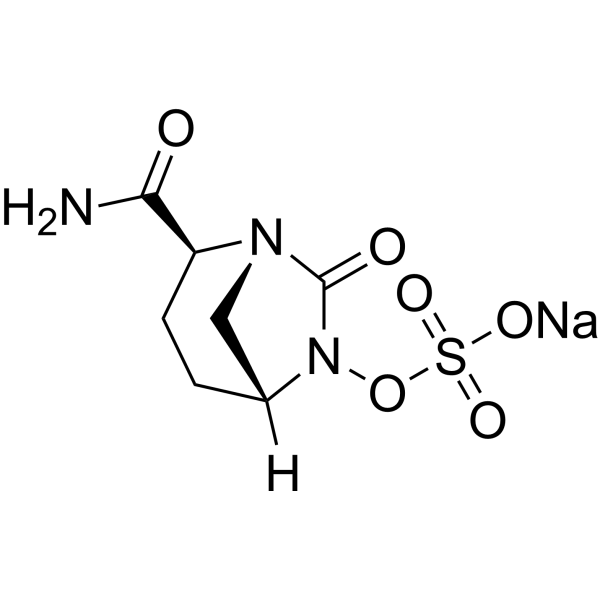
Avibactam sodium (NXL-104) is a covalent and reversible non-β-lactam β-lactamase inhibitor which inhibits β-lactamase TEM-1 and CTX-M-15 with IC50s of 8 nM and 5 nM, respectively .
|
-
-
- HY-132283
-
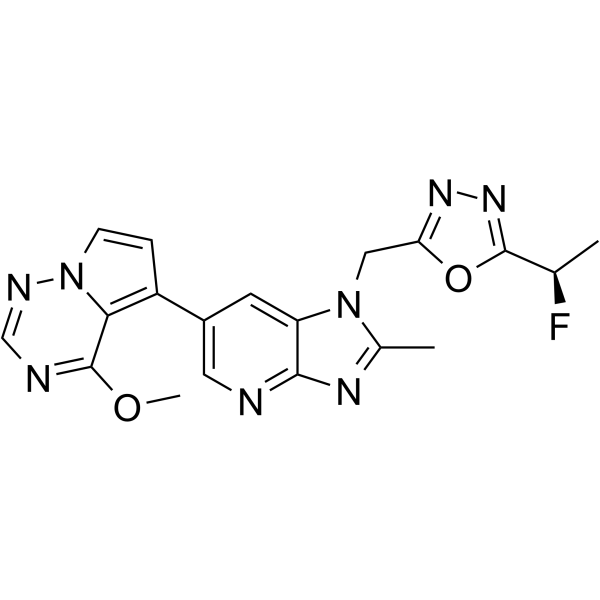
PF-9363
4 Publications Verification
CTX-648
|
Histone Acetyltransferase
|
Cancer
|
|
PF-9363 (CTx-648) is a first-in-class potent and high selective KAT6A/KAT6B inhibitor. PF-9363 can be used for the research of cancer .
|
-
-
- HY-P1902
-
|
|
Apoptosis
|
Cardiovascular Disease
|
|
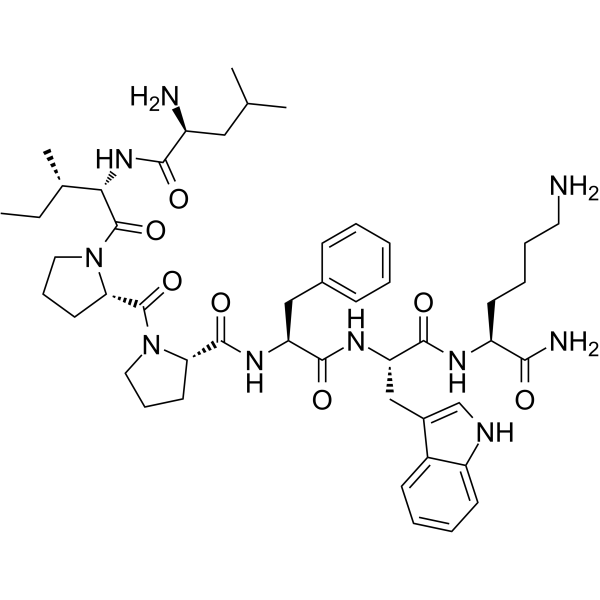
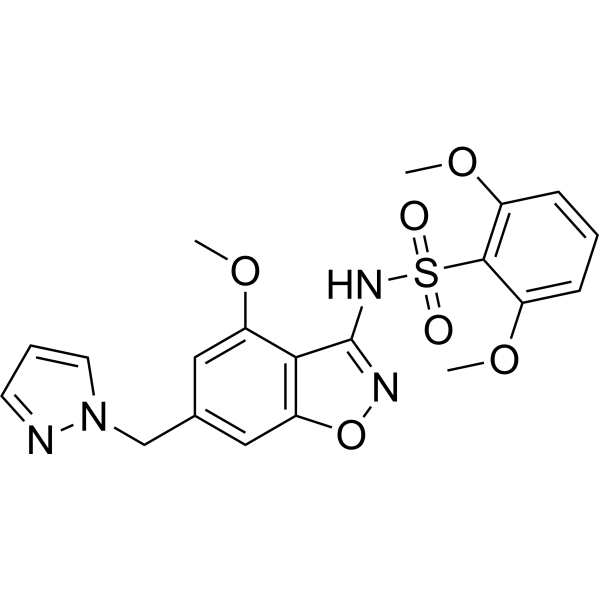
Cardiotoxin Analog (CTX) IV (6-12) is a membrane active peptide that specifically targets negatively charged phospholipid membranes (such as phosphatidylserine and phosphatidylinositol). Cardiotoxin Analog (CTX) IV (6-12) was discovered in the venom of the Taiwan cobra. Cardiotoxin Analog (CTX) IV (6-12) is a chemically synthesized snake venom cardiotoxin that binds to cell membranes and embeds into lipid bilayers through hydrophobic interactions and electrostatic attraction, thereby destroying the stability of membrane structure. Cardiotoxin Analog (CTX) IV (6-12) can induce membrane lipid disorder and cell lysis, exhibiting hemolysis and cytotoxicity .
|
-
-
- HY-109593
-
-
-
- HY-144875
-
|
CTX-712
|
CDK
|
Cancer
|
|
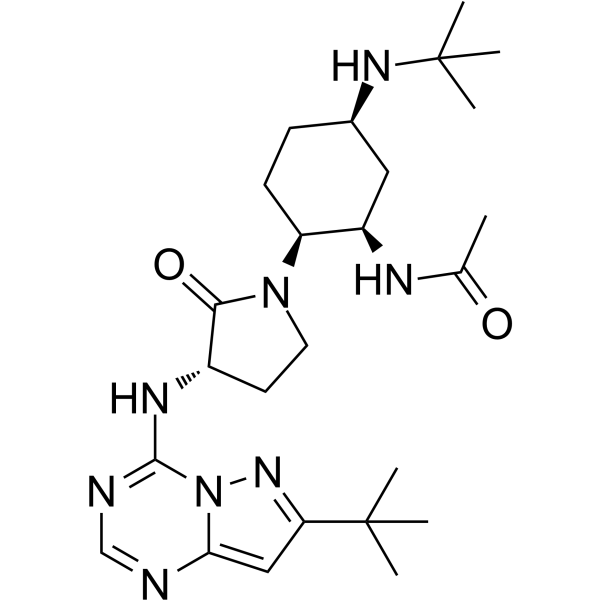
Rogocekib is an orally effective CLK 2 inhibitor, with an IC50 of 1.4 nM, showing anti-tumor activity .
|
-
-
- HY-118103
-
|
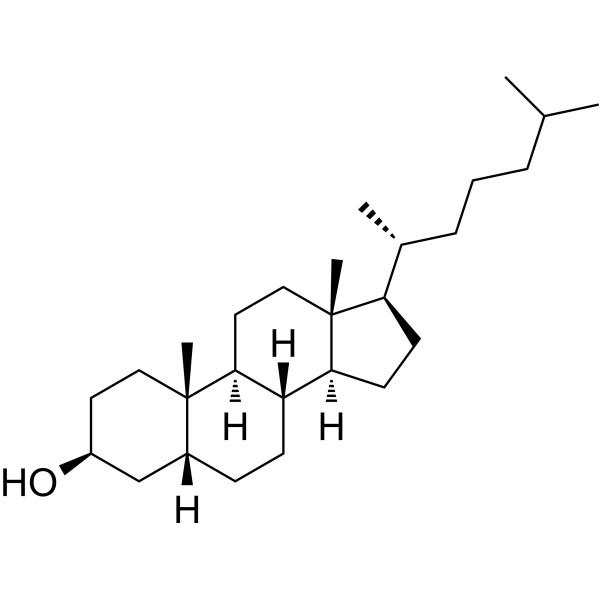
5β-Cholestan-3β-ol
|
Endogenous Metabolite
|
Neurological Disease
|
|
Coprostanol (5β-Cholestan-3β-ol) is a fecal sterol formed by microbial reduction of cholesterol in the intestines of man and higher animals. Coprostanol can be used as an indicator sterol of fecal pollution. Coprostanol has been recognized as a good indicator of pollution of water resources by sewage discharges. Coprostanol can serve as a potential biological indicator for cerebral chondrodystrophy (CTX) .
|
-
-
- HY-109008
-
|
OP0595 free acid
|
Beta-lactamase
Bacterial
|
Infection
|
|
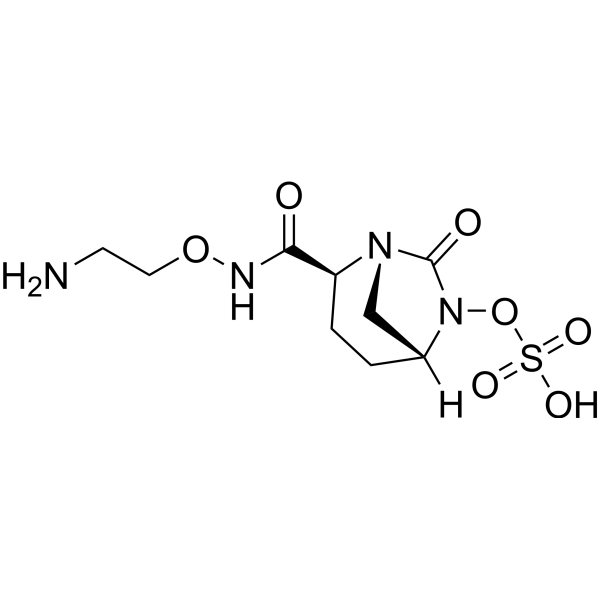
Nacubactam (OP0595 free acid) is a potent non-β-lactam-β-lactamase inhibitor with activity against class A and C β-lactamases. Nacubactam acts as a penicillin binding protein (PBP) 2-active antibacterial, and gives β-lactamase-independent potentiation of β-lactams targeting other PBPs. Nacubactam potentiates the antimicrobial activities of Piperacillin (HY-B1923), Cefepime (HY-B0692), and Meropenem (HY-13678) against CTX-M-15-positive Escherichia coli and KPC-positive Klebsiella pneumoniae .
|
-
-
- HY-P1902A
-
|
|
Apoptosis
|
Cardiovascular Disease
|
|
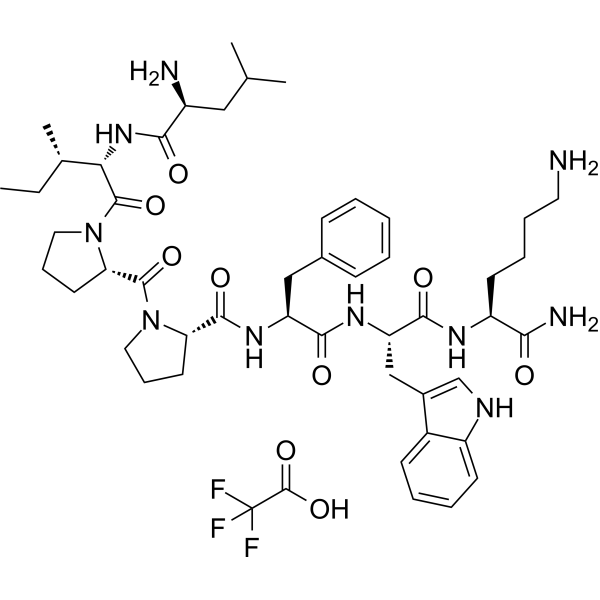
Cardiotoxin Analog (CTX) IV (6-12) TFA is a membrane active peptide that specifically targets negatively charged phospholipid membranes (such as phosphatidylserine and phosphatidylinositol). Cardiotoxin Analog (CTX) IV (6-12) TFA was discovered in the venom of the Taiwan cobra. Cardiotoxin Analog (CTX) IV (6-12) TFA is a chemically synthesized snake venom cardiotoxin that binds to cell membranes and embeds into lipid bilayers through hydrophobic interactions and electrostatic attraction, thereby destroying the stability of membrane structure. Cardiotoxin Analog (CTX) IV (6-12) TFA can induce membrane lipid disorder and cell lysis, exhibiting hemolysis and cytotoxicity .
|
-
-
- HY-14879
-
|
NXL-104 free acid
|
Beta-lactamase
Bacterial
Antibiotic
|
Infection
|
|
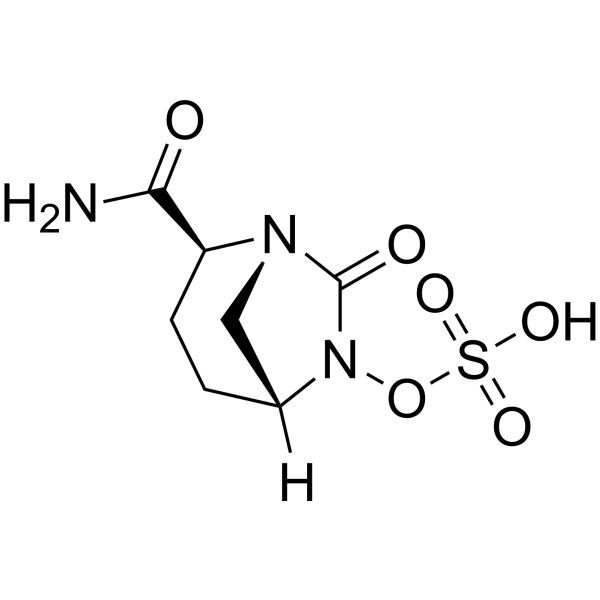
Avibactam (NXL-104) free acid is a covalent and reversible non-β-lactam β-lactamase inhibitor which inhibits β-lactamase TEM-1 and CTX-M-15 with IC50s of 8 nM and 5 nM, respectively .
|
-
-
- HY-17625
-
-
-
- HY-14879AR
-
|
NXL-104 (Standard)
|
Beta-lactamase
Reference Standards
Bacterial
Antibiotic
|
Infection
|
|
Avibactam (sodium) (Standard) is the analytical standard of Avibactam (sodium). This product is intended for research and analytical applications. Avibactam sodium (NXL-104) is a covalent and reversible non-β-lactam β-lactamase inhibitor which inhibits β-lactamase TEM-1 and CTX-M-15 with IC50s of 8 nM and 5 nM, respectively .
|
-
-
- HY-U00442
-
CTX1
1 Publications Verification
|
MDM-2/p53
E1/E2/E3 Enzyme
|
Cancer
|
|
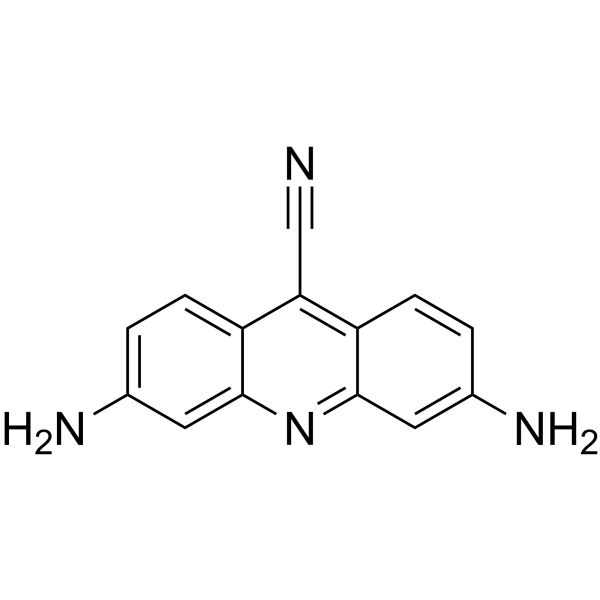
CTX1 is a p53 activator that overcomes HdmX-mediated p53 repression. CTX1 exhibits potent anti-cancer activity in a mouse acute myeloid leukemia (AML) model system .
|
-
-
- HY-15985
-
|
|
Akt
|
Metabolic Disease
Inflammation/Immunology
Cancer
|
|
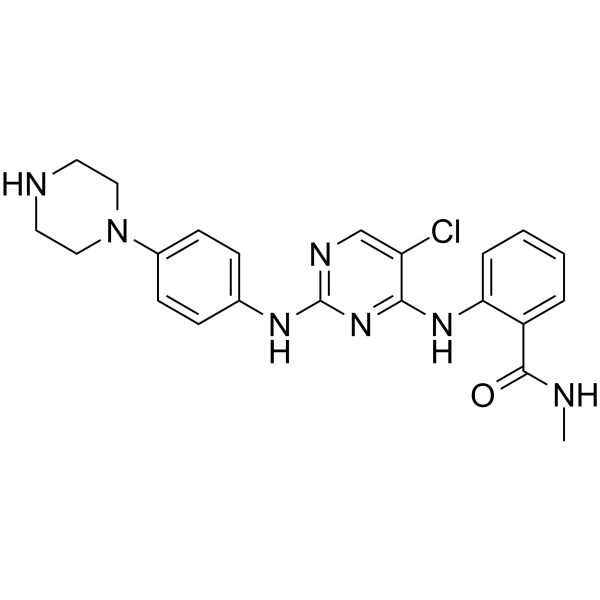
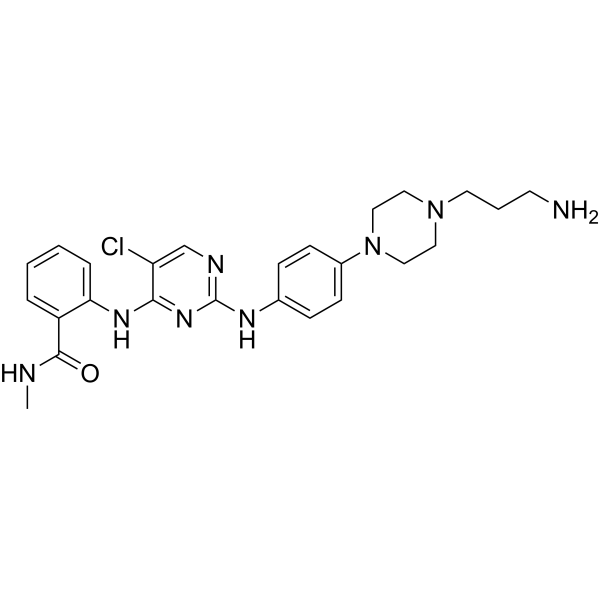
CTX-0294885 is a broad spectrum kinase inhibitor that can capture 235 kinases from MDA-MB-231 cells, and can capture all members of the AKT family. CTX-0294885 is a powerful reagent for analysis of kinome signaling networks that can be used for the research of diseases like inflammation, diabetes, and cancer .
|
-
-
- HY-P991033
-
-
-
- HY-12400
-
|
|
Akt
|
Cancer
|
|
GSK3182571 is a non-selective broad-spectrum kinase inhibitor with similar structure to CTx-0294885 (HY-15985). GSK3182571 can induce changes in the thermostability of target proteins in cells. GSK3182571 can be used to explore the effects of drugs on kinase networks and off-target effects in leukemia cell models .
|
-
-
- HY-14879B
-
|
NXL-104 hydrate
|
Beta-lactamase
Bacterial
Antibiotic
|
Infection
|
|
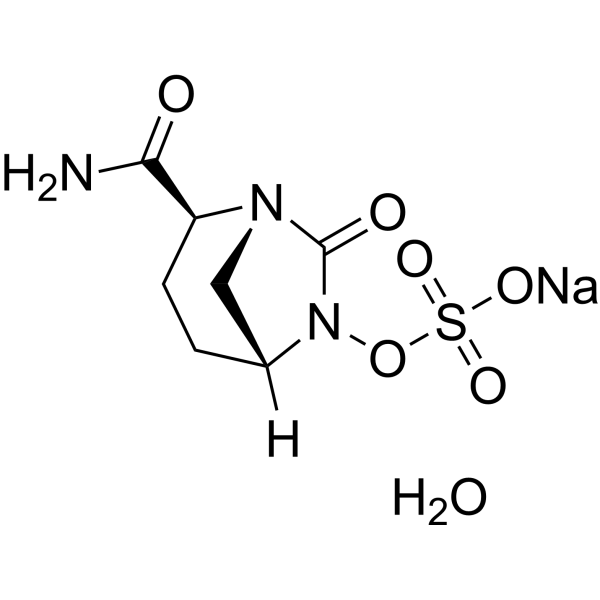
Avibactam sodium (NXL-104) hydrate is a covalent and reversible non-β-lactam β-lactamase inhibitor which inhibits β-lactamase TEM-1 and CTX-M-15 with IC50s of 8 nM and 5 nM, respectively .
|
-
-
- HY-131349
-
|
|
CCR
|
Cancer
|
|
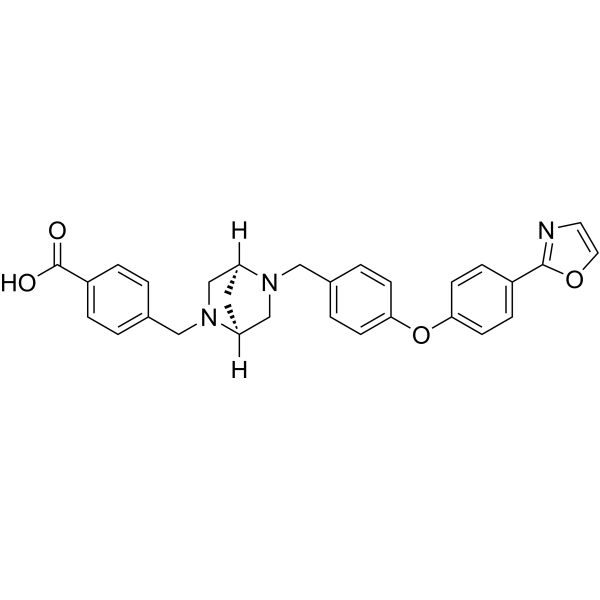
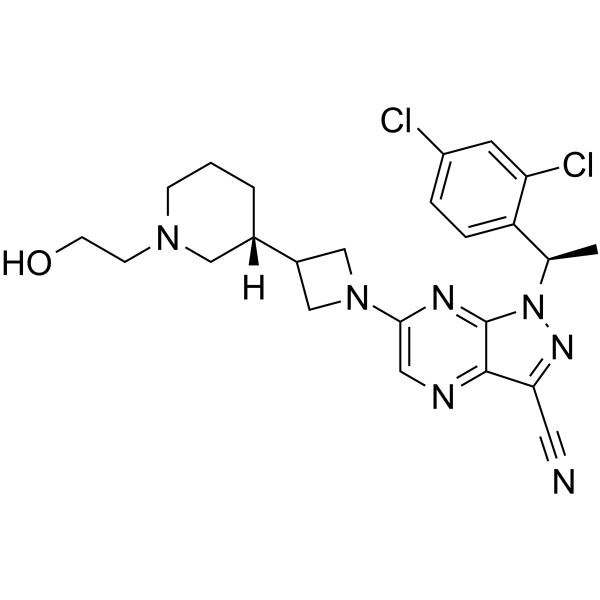
CCR4-351 is an orally active, potent and selective CCR4 antagonist. CCR4-351, featuring a novel piperidinyl-azetidine motif, has IC50s of 22 nM and 50 nM in the calcium flux and CTX assay. CCR4-351 has antitumor activity .
|
-
-
- HY-P99178
-
|
|
Interleukin Related
|
Inflammation/Immunology
Cancer
|
|
CTX-471 is a fully human monoclonal antibody of CD137. CTX-471 has bind affinity for recombinant human, cynomolgus macaque CD137 and mouse CD137 with Kd values of 50 nM, 61 nM and 748 nM, respectively. CTX-471 can be used for the research of immunomodulation and cancer .
|
-
-
- HY-14879S2
-
|
NXL-104-13C5
|
Isotope-Labeled Compounds
Antibiotic
Beta-lactamase
Bacterial
|
Infection
|
|
Avibactam sodium salt- 13C5 (NXL-104- 13C5) is 13C labeled Avibactam (sodium). Avibactam sodium (NXL-104) is a covalent and reversible non-β-lactam β-lactamase inhibitor which inhibits β-lactamase TEM-1 and CTX-M-15 with IC50s of 8 nM and 5 nM, respectively .
|
-
-
- HY-118103S
-
|
5β-Cholestan-3β-ol-d5
|
Isotope-Labeled Compounds
Endogenous Metabolite
|
Others
|
|
Coprostanol-d5 (5β-Cholestan-3β-ol-d5) is the deuterium labeled Coprostanol. Coprostanol (5β-Cholestan-3β-ol) is a fecal sterol formed by microbial reduction of cholesterol in the intestines of man and higher animals. Coprostanol can be used as an indicator sterol of fecal pollution. Coprostanol has been recognized as a good indicator of pollution of water resources by sewage discharges. Coprostanol can serve as a potential biological indicator for cerebral chondrodystrophy (CTX).
|
-
-
- HY-173191
-
|
|
Salt-inducible Kinase (SIK)
|
Endocrinology
|
|
SK-124 is an orally active, selective SIK2/SIK3 inhibitor. SK-124 inhibits SIK2 and SIK3. SK-124 increases P1NP and CTX. SK-124 increases bone formation and bone mass .
|
-
-
- HY-139745
-
|
|
Beta-lactamase
Bacterial
|
Infection
|
|
FPI-1523 sodium, a derivative of Avibactam, is a potent β-lactamase inhibitor, with Kds of 4 nM and 34 nM for CTX-M-15 and OXA-48, respectively. FPI-1523 sodium also inhibits PBP2, with an IC50 of 3.2 μM. FPI-1523 sodium exhibits considerable antimicrobial activity .
|
-
-
- HY-139744
-
-
-
- HY-15985A
-
|
|
Akt
|
Metabolic Disease
Inflammation/Immunology
Cancer
|
|
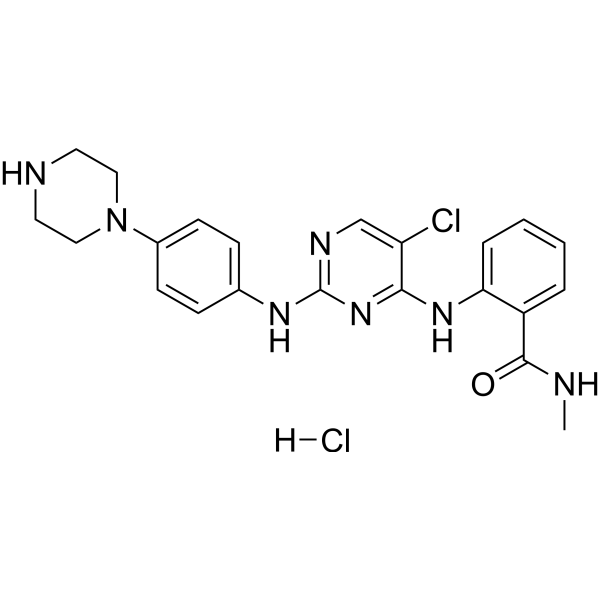
CTX-0294885 hydrochloride is a broad spectrum kinase inhibitor that can capture 235 kinases from MDA-MB-231 cells, and can capture all members of the AKT family. CTX-0294885 hydrochloride is a powerful reagent for analysis of kinome signaling networks that can be used for the research of diseases like inflammation, diabetes, and cancer .
|
-
-
- HY-131349A
-
|
|
CCR
|
Metabolic Disease
Cancer
|
|
CCR4-351 hydrochloride is an orally active, potent and selective CCR4 antagonist. CCR4-351 hydrochloride, featuring a novel piperidinyl-azetidine motif, has IC50s of 22 nM and 50 nM in the calcium flux and CTX assay. CCR4-351 hydrochloride has antitumor activity .
|
-
-
- HY-P10985
-
|
|
Melanocortin Receptor
|
Metabolic Disease
|
|
CTX-1211 is a selective, orally effective melanocortin MC4R agonist (EC50=0.38 nM). CTX-1211 can enhance the feeding suppression and weight loss effects induced by liraglutide (HY-P0014), and promote anorexia and weight loss activity. CTX-1211 is mainly used in the study of obesity and other metabolic disorders .
|
-
-
- HY-136473
-
-
-
- HY-14879BR
-
|
NXL-104 hydrate (Standard)
|
Beta-lactamase
Reference Standards
Bacterial
Antibiotic
|
Infection
|
|
Avibactam (sodium hydrate) (Standard) is the analytical standard of Avibactam (sodium hydrate). This product is intended for research and analytical applications. Avibactam sodium (NXL-104) hydrate is a covalent and reversible non-β-lactam β-lactamase inhibitor which inhibits β-lactamase TEM-1 and CTX-M-15 with IC50s of 8 nM and 5 nM, respectively[1].
|
-
-
- HY-125836
-
|
|
CCR
|
Endocrinology
Cancer
|
|
CCR4 antagonist 2 (Compound 31) is a novel potent, orally bioavailable small molecule antagonists of CC chemokine receptor 4 (CCR4) that inhibits Treg trafficking into the Tumor Microenvironment without suppressing the number of Treg in healthy tissues.
CCR4 antagonist 2 (Compound 31) exhibits IC50 values of Ca 2+flux and (chemotaxis) CTX are 40 nM and 70 nM, respectively .
|
-
-
- HY-17625R
-
|
CTX-4430 (Standard)
|
Aminopeptidase
Reference Standards
|
Inflammation/Immunology
|
|
Acebilustat (Standard) is the analytical standard of Acebilustat. This product is intended for research and analytical applications. Acebilustat (CTX-4430) is a leukotriene A4 hydrolase inhibitor, used for an oral antiinflammatory agent.
|
-
-
- HY-RS03450
-
|
|
Small Interfering RNA (siRNA)
|
Others
|
|
CYP27A1 Human Pre-designed siRNA Set A contains three designed siRNAs for CYP27A1 gene (Human), as well as a negative control, a positive control, and a FAM-labeled negative control.
|
-
CYP27A1 Human Pre-designed siRNA Set A
-
- HY-Z14061
-
-
-
- HY-126129
-
|
|
Bacterial
|
Infection
|
|
Desacetylcefotaxime, the in vivo metabolite of Cefotaxime (CTX), possesses significant in vitro antimicrobial activity similar to the parent compound against a variety of aerobic and anaerobic bacteria .
|
-
-
- HY-126129R
-
|
|
Drug Metabolite
Reference Standards
Bacterial
|
Infection
|
|
Desacetylcefotaxime (Standard) is the analytical standard of Desacetylcefotaxime. This product is intended for research and analytical applications. Desacetylcefotaxime, the in vivo metabolite of Cefotaxime (CTX), possesses significant in vitro antimicrobial activity similar to the parent compound against a variety of aerobic and anaerobic bacteria .
|
-
-
- HY-14879C
-
|
NXL-104 dihydrate
|
Beta-lactamase
Bacterial
Antibiotic
|
Infection
|
|
Avibactam sodium (NXL-104) dihydrate is a covalent and reversible non-β-lactam β-lactamase inhibitor which inhibits β-lactamase TEM-1 and CTX-M-15 with IC50s of 8 nM and 5 nM, respectively .
|
-
-
- HY-139745A
-
|
|
Beta-lactamase
Bacterial
|
Infection
|
|
FPI-1523, a derivative of Avibactam, is a potent β-lactamase inhibitor, with Kds of 4 nM and 34 nM for CTX-M-15 and OXA-48, respectively. FPI-1523 also inhibits PBP2, with an IC50 of 3.2 μM. FPI-1523 exhibits considerable antimicrobial activity .
|
-
-
- HY-14879R
-
|
NXL-104 free acid (Standard)
|
Beta-lactamase
Reference Standards
Bacterial
Antibiotic
|
Infection
|
|
Avibactam (free acid) (Standard) is the analytical standard of Avibactam (free acid). This product is intended for research and analytical applications. Avibactam (NXL-104) free acid is a covalent and reversible non-β-lactam β-lactamase inhibitor which inhibits β-lactamase TEM-1 and CTX-M-15 with IC50s of 8 nM and 5 nM, respectively[1].
|
-
-
- HY-182312
-
|
|
CDK
Apoptosis
|
Cancer
|
|
CTX-439 is an orally active, ATP-competitive small-molecule inhibitor of CDK12 and CDK13, with an IC50 of 3.1 nM and a Kd of 0.38 nM against CDK12, and an IC50 of 9.2 nM against CDK13. CTX-439 induces DNA damage and apoptosis in tumor cells. CTX-439 is applicable for the research of breast cancer and ovarian cancer .
|
-
-
- HY-118103R
-
|
5β-Cholestan-3β-ol (Standard)
|
Reference Standards
Endogenous Metabolite
|
Others
|
|
Coprostanol (5β-Cholestan-3β-ol) (Standard) is the analytical standard of Coprostanol. This product is used for research and analytical applications. Coprostanol is a fecal sterol formed by the reduction of cholesterol by microorganisms in the human and higher animal intestines. Coprostanol can be used as an indicator sterol for fecal contamination. Coprostanol has been recognized as a good indicator of water resource pollution caused by sewage discharge. Coprostanol can serve as a potential biological indicator for cerebral chondrodystrophy (CTX).
|
-
-
- HY-181829
-
|
|
EGFR
PSMA
LYTACs
|
Cancer
|
|
Ctx-L3 is a selective EGFR PTAC (PSMA-targeted chimera) degrader (DC50: 4.3 pM in LNCaP cells) and LYTAC. Ctx-L3 recruits prostate-specific membrane antigen (PSMA) and mediates lysosomal degradation of EGFR in PSMA-positive prostate cancer cells. Ctx-L3 exhibits degrading activity against EGFR in prostate cancer cells. Ctx-L3 is applicable to related research on prostate cancer .
|
-
-
- HY-171949
-
|
3α,7α,12α,25-Tetrahydroxycoprostane
|
G protein-coupled Bile Acid Receptor 1
Endogenous Metabolite
|
Metabolic Disease
|
|
5β-Cholestane-3α,7α,12α,25-tetrol (3α,7α,12α,25-Tetrahydroxycoprostane) is a bile acid alcohol. 5β-Cholestane-3α,7α,12α,25-tetrol is a GPBAR1 (also known as TGR5) activator (EC50: 1.36 μM). 5β-Cholestane-3α,7α,12α,25-tetrol is the predominant bile-alcohol disease marker present in patients with Cerebrotendinous xanthomatosis (CTX) .
|
-
-
- HY-RS20517
-
|
|
Small Interfering RNA (siRNA)
|
Others
|
|
Vsig2 Mouse Pre-designed siRNA Set A contains three designed siRNAs for Vsig2 gene (Mouse), as well as a negative control, a positive control, and a FAM-labeled negative control.
|
-
Vsig2 Mouse Pre-designed siRNA Set A
-
- HY-14879S7
-
|
NXL-104-13C5,15N sodium
|
Isotope-Labeled Compounds
Antibiotic
Beta-lactamase
Bacterial
|
Infection
|
|
Avibactam- 13C5,15N sodium (NXL-104- 13C5, 15N sodium) is the 13C- and 15N-labeled Avibactam (HY-14879). Avibactam (NXL-104) free acid is a covalent and reversible non-β-lactam β-lactamase inhibitor which inhibits β-lactamase TEM-1 and CTX-M-15 with IC50s of 8 nM and 5 nM, respectively .
|
-
-
- HY-178355
-
|
|
Drug Derivative
|
Metabolic Disease
|
|
Anti-osteoporosis agent-12 (Compound 18) is an orally active pyrazole-fused betulinic acid derivative with potent anti-osteoporosis activity. Anti-osteoporosis agent-12 exhibits a strong inhibitory effect on RANKL-induced osteoclastogenesis in RAW264.7 cells, with an IC50 of 7.96 nM. Anti-osteoporosis agent-12 can dose-dependently improve key micro-CT parameters of bone, reduce the level of serum bone resorption marker (CTx), and effectively prevent ovariectomy-induced bone loss. Anti-osteoporosis agent can be used for the study of osteoporosis .
|
-
-
- HY-109008R
-
|
OP0595 free acid (Standard)
|
Beta-lactamase
Reference Standards
Bacterial
|
Infection
|
|
Nacubactam (Standard) is the analytical standard of Nacubactam (HY-109008). This product is intended for research and analytical applications. Nacubactam (OP0595 free acid) is a potent non-β-lactam-β-lactamase inhibitor with activity against class A and C β-lactamases. Nacubactam acts as a penicillin binding protein (PBP) 2-active antibacterial, and gives β-lactamase-independent potentiation of β-lactams targeting other PBPs. Nacubactam potentiates the antimicrobial activities of Piperacillin (HY-B1923), Cefepime (HY-B0692), and Meropenem (HY-13678) against CTX-M-15-positive Escherichia coli and KPC-positive Klebsiella pneumoniae .
|
-
-
- HY-183764
-
|
|
COX
Lipoxygenase
TNF Receptor
Interleukin Related
MMP
|
Inflammation/Immunology
|
|
COX-2/5-LOX-IN-8 is an orally active dual COX-2/5-LOX inhibitor, with an IC50 of 6.30 μM against sheep-derived COX-2 and an IC50 of 8.09 μM against 5-LOX. COX-2/5-LOX-IN-8 acts as a membrane stabilizer that stabilizes erythrocyte membranes against hypotonicity-induced hemolysis. COX-2/5-LOX-IN-8 functions as a protein stabilizer that inhibits heat-induced denaturation of bovine serum albumin. COX-2/5-LOX-IN-8 reduces paw swelling, improves hind limb weight-bearing function, decreases serum levels of pro-inflammatory cytokines (TNF-α, IL-1β, IL-6, CRP), and lowers serum levels of cartilage degradation biomarkers (COMP, MMP-3, CTX-II). COX-2/5-LOX-IN-8 can be used in the research of osteoarthritis .
|
-
| Cat. No. |
Product Name |
Target |
Research Area |
-
- HY-P1902
-
|
|
Apoptosis
|
Cardiovascular Disease
|
|
Cardiotoxin Analog (CTX) IV (6-12) is a membrane active peptide that specifically targets negatively charged phospholipid membranes (such as phosphatidylserine and phosphatidylinositol). Cardiotoxin Analog (CTX) IV (6-12) was discovered in the venom of the Taiwan cobra. Cardiotoxin Analog (CTX) IV (6-12) is a chemically synthesized snake venom cardiotoxin that binds to cell membranes and embeds into lipid bilayers through hydrophobic interactions and electrostatic attraction, thereby destroying the stability of membrane structure. Cardiotoxin Analog (CTX) IV (6-12) can induce membrane lipid disorder and cell lysis, exhibiting hemolysis and cytotoxicity .
|
-
- HY-P1902A
-
|
|
Apoptosis
|
Cardiovascular Disease
|
|
Cardiotoxin Analog (CTX) IV (6-12) TFA is a membrane active peptide that specifically targets negatively charged phospholipid membranes (such as phosphatidylserine and phosphatidylinositol). Cardiotoxin Analog (CTX) IV (6-12) TFA was discovered in the venom of the Taiwan cobra. Cardiotoxin Analog (CTX) IV (6-12) TFA is a chemically synthesized snake venom cardiotoxin that binds to cell membranes and embeds into lipid bilayers through hydrophobic interactions and electrostatic attraction, thereby destroying the stability of membrane structure. Cardiotoxin Analog (CTX) IV (6-12) TFA can induce membrane lipid disorder and cell lysis, exhibiting hemolysis and cytotoxicity .
|
-
- HY-P10985
-
|
|
Melanocortin Receptor
|
Metabolic Disease
|
|
CTX-1211 is a selective, orally effective melanocortin MC4R agonist (EC50=0.38 nM). CTX-1211 can enhance the feeding suppression and weight loss effects induced by liraglutide (HY-P0014), and promote anorexia and weight loss activity. CTX-1211 is mainly used in the study of obesity and other metabolic disorders .
|
| Cat. No. |
Product Name |
Target |
Research Area |
Image |
-
- HY-P991033
-
-
(5)
-
- HY-P99178
-
|
|
Interleukin Related
|
Inflammation/Immunology
Cancer
|
|
CTX-471 is a fully human monoclonal antibody of CD137. CTX-471 has bind affinity for recombinant human, cynomolgus macaque CD137 and mouse CD137 with Kd values of 50 nM, 61 nM and 748 nM, respectively. CTX-471 can be used for the research of immunomodulation and cancer .
|
-
(5)
-
- HY-P99179
-
|
|
Inhibitory Antibodies
|
Cancer
|
|
CTX-2026 is a fully human antibody that binds to CD277. CTX-2026 shows an anti-tumor effect on ovarian tumor models. CTX-2026 can be used for the research of cancer .
|
-
(5)
| Cat. No. |
Product Name |
Category |
Target |
Chemical Structure |
-
- HY-P1902
-
|
|
Cardiovascular Disease
Natural Products
Animals
Disease Research Fields
Source Classification
|
Apoptosis
|
|
Cardiotoxin Analog (CTX) IV (6-12) is a membrane active peptide that specifically targets negatively charged phospholipid membranes (such as phosphatidylserine and phosphatidylinositol). Cardiotoxin Analog (CTX) IV (6-12) was discovered in the venom of the Taiwan cobra. Cardiotoxin Analog (CTX) IV (6-12) is a chemically synthesized snake venom cardiotoxin that binds to cell membranes and embeds into lipid bilayers through hydrophobic interactions and electrostatic attraction, thereby destroying the stability of membrane structure. Cardiotoxin Analog (CTX) IV (6-12) can induce membrane lipid disorder and cell lysis, exhibiting hemolysis and cytotoxicity .
|
-
-
- HY-118103
-
-
-
- HY-P1902A
-
|
|
Structural Classification
Pyrrole Alkaloids
Animals
Other Diseases
Disease Research Fields
Source Classification
|
Apoptosis
|
|
Cardiotoxin Analog (CTX) IV (6-12) TFA is a membrane active peptide that specifically targets negatively charged phospholipid membranes (such as phosphatidylserine and phosphatidylinositol). Cardiotoxin Analog (CTX) IV (6-12) TFA was discovered in the venom of the Taiwan cobra. Cardiotoxin Analog (CTX) IV (6-12) TFA is a chemically synthesized snake venom cardiotoxin that binds to cell membranes and embeds into lipid bilayers through hydrophobic interactions and electrostatic attraction, thereby destroying the stability of membrane structure. Cardiotoxin Analog (CTX) IV (6-12) TFA can induce membrane lipid disorder and cell lysis, exhibiting hemolysis and cytotoxicity .
|
-
-
- HY-118103R
-
|
5β-Cholestan-3β-ol (Standard)
|
Structural Classification
Endogenous metabolite
Steroids
Source Classification
|
Reference Standards
Endogenous Metabolite
|
|
Coprostanol (5β-Cholestan-3β-ol) (Standard) is the analytical standard of Coprostanol. This product is used for research and analytical applications. Coprostanol is a fecal sterol formed by the reduction of cholesterol by microorganisms in the human and higher animal intestines. Coprostanol can be used as an indicator sterol for fecal contamination. Coprostanol has been recognized as a good indicator of water resource pollution caused by sewage discharge. Coprostanol can serve as a potential biological indicator for cerebral chondrodystrophy (CTX).
|
-
| Cat. No. |
Compare |
Product Name |
Species |
Source |
Image |
Compare Products
|
| Products |
|
| Cat. No. |
|
| Species |
|
| Source |
|
| Tag |
|
| Accession |
|
| Gene ID |
|
| Molecular Weight |
|
| Purity |
|
| Endotoxin Level |
|
| Biological Activity |
|
| Appearance |
|
| Formulation |
|
| Storage & Stability |
|
| Shipping |
|
| Free Sample |
Yes
No
|
| Size |
* This product has been "discontinued".
Optimized version of product available:
|
| Cat. No. |
Product Name |
Chemical Structure |
-
- HY-14879S2
-
|
|
|
Avibactam sodium salt- 13C5 (NXL-104- 13C5) is 13C labeled Avibactam (sodium). Avibactam sodium (NXL-104) is a covalent and reversible non-β-lactam β-lactamase inhibitor which inhibits β-lactamase TEM-1 and CTX-M-15 with IC50s of 8 nM and 5 nM, respectively .
|
-
-
- HY-118103S
-
|
|
|
Coprostanol-d5 (5β-Cholestan-3β-ol-d5) is the deuterium labeled Coprostanol. Coprostanol (5β-Cholestan-3β-ol) is a fecal sterol formed by microbial reduction of cholesterol in the intestines of man and higher animals. Coprostanol can be used as an indicator sterol of fecal pollution. Coprostanol has been recognized as a good indicator of pollution of water resources by sewage discharges. Coprostanol can serve as a potential biological indicator for cerebral chondrodystrophy (CTX).
|
-
-
- HY-14879S7
-
|
|
|
Avibactam- 13C5,15N sodium (NXL-104- 13C5, 15N sodium) is the 13C- and 15N-labeled Avibactam (HY-14879). Avibactam (NXL-104) free acid is a covalent and reversible non-β-lactam β-lactamase inhibitor which inhibits β-lactamase TEM-1 and CTX-M-15 with IC50s of 8 nM and 5 nM, respectively .
|
-
| Cat. No. |
Product Name |
|
Classification |
-
- HY-RS03450
-
|
|
|
siRNAs
Human Pre-designed siRNA Sets
|
|
CYP27A1 Human Pre-designed siRNA Set A contains three designed siRNAs for CYP27A1 gene (Human), as well as a negative control, a positive control, and a FAM-labeled negative control.
|
-
- HY-RS20517
-
|
|
|
siRNAs
Mouse Pre-designed siRNA Sets
|
|
Vsig2 Mouse Pre-designed siRNA Set A contains three designed siRNAs for Vsig2 gene (Mouse), as well as a negative control, a positive control, and a FAM-labeled negative control.
|
Your information is safe with us. * Required Fields.
Inquiry Information
- Product Name:
- Cat. No.:
- Quantity:
- MCE Japan Authorized Agent:

