Search Result
Results for "
Clofenetamine (hydrochloride)
" in MedChemExpress (MCE) Product Catalog:
3
Biochemical Assay Reagents
11
Isotope-Labeled Compounds
| Cat. No. |
Nom du produit |
Target |
Áreas de investigación |
Chemical Structure |
-
- HY-100001
-
|
|
TRP Channel
CRAC Channel
Autophagy
CaMK
Akt
Apoptosis
Na+/Ca2+ Exchanger
Calcium Channel
|
Neurological Disease
Inflammation/Immunology
Cancer
|
|
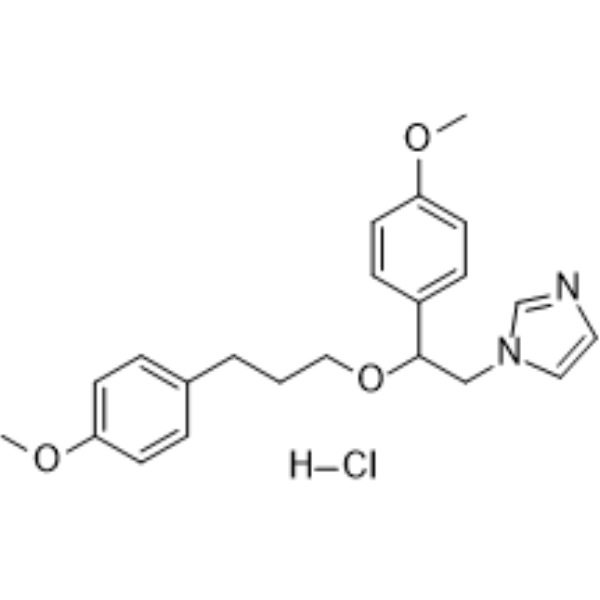
SKF-96365 hydrochloride is a TRPC channel antagonist and store-operated calcium entry (SOCE) inhibitor. SKF-96365 hydrochloride reduces calcium ion influx by inhibiting the activity and expression of TRPC6, STIM1 and Orai1. SKF-96365 hydrochloride inhibits voltage-gated sodium current (cardiac INa/NaV1.5) and slows myocardial conduction. SKF-96365 hydrochloride inhibits phosphorylation/activation of CaMKIIγ and suppresses the downstream AKT signaling pathway. SKF-96365 hydrochloride induces G2/M phase cell cycle arrest, apoptosis and cytoprotective autophagy in colorectal cancer cells. SKF-96365 hydrochloride alleviates allergic rhinitis symptoms by reducing inflammatory cytokine levels. SKF-96365 hydrochloride reduces intracellular calcium overload, inhibits Homer1 expression, prevents nuclear damage and suppresses apoptosis. SKF-96365 hydrochloride inhibits the growth of colorectal cancer xenografts in nude mice . SKF-96365 hydrochloride is applicable to research related to allergic rhinitis, colorectal cancer, Parkinson's disease, persistent spontaneous nociception and hyperalgesia .
|
-
-
- HY-17564
-
|
2'-Deoxycytidine monohydrochloride; Deoxycytidine hydrochloride; NSC 83251
|
Endogenous Metabolite
Nucleoside Antimetabolite/Analog
|
Cancer
|
|
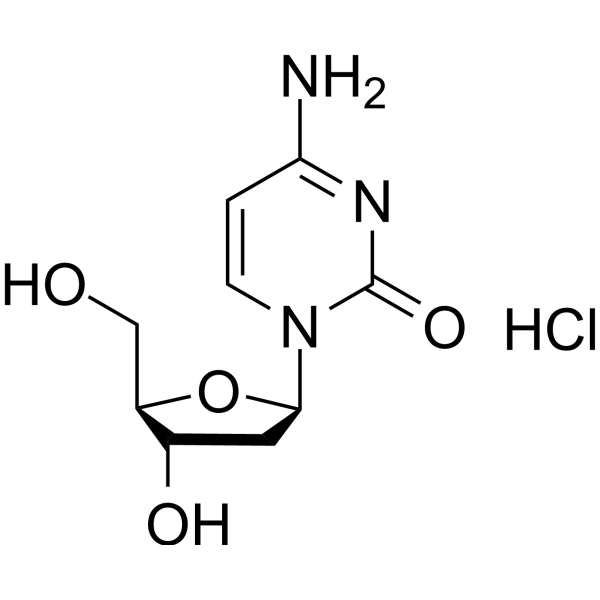
2'-Deoxycytidine hydrochloride (2'-Deoxycytidine monohydrochloride; NSC 83251) is an orally active nucleic acid biosynthesis enzyme inhibitor. 2'-Deoxycytidine hydrochloride competes with nucleic acid biosynthesis enzymes and nucleoside transporters, thereby reducing the toxicity of cytarabine. 2'-Deoxycytidine hydrochloride can be used in the research of L1210 lymphoblastic leukemia .
|
-
-
- HY-Y0258A
-
|
|
Sodium Channel
Calcium Channel
|
Neurological Disease
|
|
Benzocaine hydrochloride is an orally active local anesthetic. Benzocaine hydrochloride non-competitively inhibits the binding of Ca-ATPase to Ca 2+, with an IC50 of 47.1 mM. Benzocaine hydrochloride exerts anesthetic effects by blocking voltage-gated sodium channels. Benzocaine hydrochloride induces methemoglobinemia in various experimental animals .
|
-

-
- HY-P1876B
-
|
|
DNA/RNA Synthesis
|
Cancer
|
|
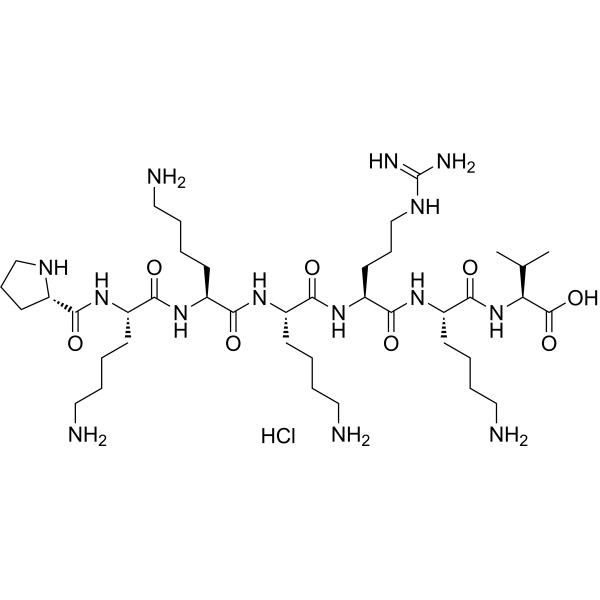
NLS (PKKKRKV) hydrochloride is the hydrochloride form of NLS (PKKKRKV) (HY-P1876). NLS (PKKKRKV) is a nuclear localization signal (NLS) derived from the simian virus 40 large tumor antigen (SV40 large T antigen), that mediates binding of the karyophilic protein to importin α. NLS (PKKKRKV) can function as a method to enhance nuclear entry in the field of gene transfer research .
|
-
-
- HY-B1149A
-
|
|
Drug Derivative
Bacterial
Antibiotic
|
Infection
|
|
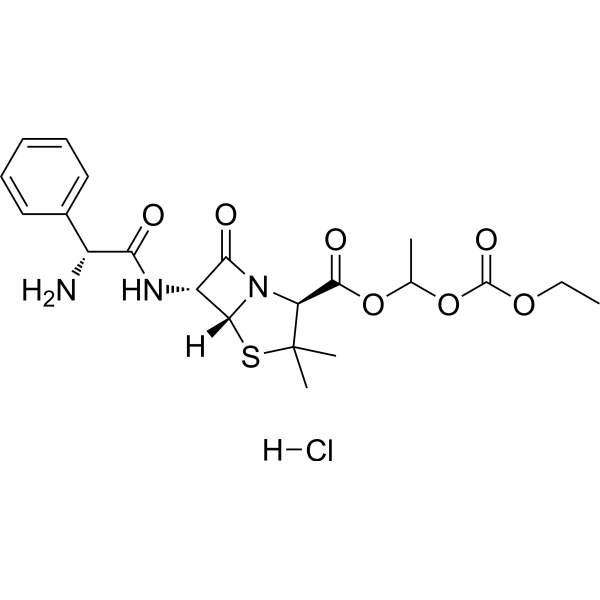
Bacampicillin hydrochloride is an orally active semi-synthetic aminopenicillin derivative, prodrug and bactericide that is readily inactivated by β-lactamases. Bacampicillin hydrochloride is hydrolyzed by carboxylester hydrolases and non-specific esterases in the gastrointestinal wall and plasma to form Ampicillin (HY-B0522), and produces higher levels of Ampicillin in rodents in vivo. Bacampicillin hydrochloride exhibits bactericidal activity against Gram-positive and Gram-negative bacteria. Bacampicillin hydrochloride can be used in studies related to bacterial infections .
|
-
-
- HY-B1017
-
|
EN-1733A
|
Dopamine Receptor
|
Neurological Disease
|
|
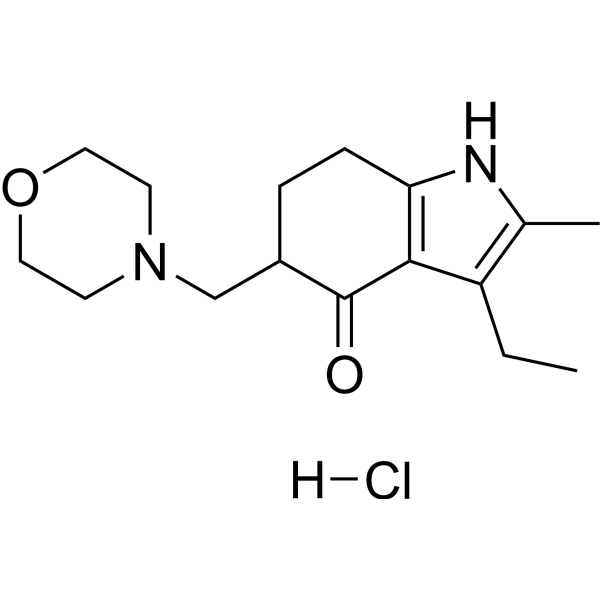
Molindone hydrochloride (EN-1733A) is an orally active and brain-penetrant dopamine D2/D5 receptor antagonist. Molindone hydrochloride shows antipsychotic and antidepressant-like activities. Molindone hydrochloride suppresses spontaneous locomotion, and antagonizes apomorphine-induced emesis. Molindone hydrochloride can be used for the research of neurological disease .
|
-
-
- HY-110082
-
|
|
Flavivirus
Dengue Virus
Parasite
Potassium Channel
|
Cardiovascular Disease
Infection
Cancer
|
|
Quinine hydrochloride is an alkaloid extracted from cinchona bark and exhibits oral activity, acting as a potassium channel inhibitor. Quinine hydrochloride modulates the tolerance of red blood cells and presents dose-dependent toxicity and embryonic effects. Quinine hydrochloride is a typical hemolysin that directly lyses red blood cells, with cellular components of red blood cell membranes as its action targets. Quinine hydrochloride disrupts red blood cell membranes and induces hemolysis at high concentrations, while merely weakening the anti-hemolytic capacity of red blood cells at low concentrations. Quinine hydrochloride continuously reduces red blood cell tolerance after in vivo administration, and high doses can also alter blood cell counts. Quinine hydrochloride can be applied to researches related to red blood cell hemolysis, cancer and malaria .
|
-

-
- HY-N0565AR
-
|
|
Reference Standards
MMP
Parasite
Bacterial
Antibiotic
Apoptosis
Akt
PI3K
|
Infection
Neurological Disease
Inflammation/Immunology
Cancer
|
|
Doxycycline hydrochloride (Standard) is the analytical standard of Doxycycline hydrochloride (HY-N0565A). This product is intended for research and analytical applications. Doxycycline hydrochloride is an orally active highly lipophilic, tissue-permeable MMP inhibitor with broad-spectrum antibacterial activity. Doxycycline hydrochloride is also a semi-synthetic antibiotic with chelating properties, which blocks bacterial protein synthesis and inhibits extracellular matrix degradation through interactions with zinc and calcium atoms. Doxycycline hydrochloride also inhibits mitochondrial biogenesis, translation, and the expression of respiratory chain proteins. Doxycycline hydrochloride induces apoptosis, inhibits autophagy and EMT, downregulates stem cell markers, and activates the PI3K-AKT pathway, thereby effectively inhibiting the viability and proliferation of cancer cells such as breast cancer cells. Doxycycline hydrochloride also promotes the survival and self-renewal of embryonic stem cells and neural stem cells, and reduces the frequency of medium changes in culture. Doxycycline hydrochloride has been applied in studies related to breast cancer, prostate cancer, bladder cancer, and other cancers .
|
-

-
- HY-W019306
-
-
![N-[(3-(Anilinomethylene)-2-chloro-1-cyclohexen-1-yl)methylene]aniline (hydrochloride)](//file.medchemexpress.com/product_pic/hy-w019306.gif)
-
- HY-B1713A
-
|
DL-(±)-Ornithine hydrochloride
|
Endogenous Metabolite
|
Metabolic Disease
|
|
DL-Ornithine (DL-(±)-Ornithine) hydrochloride is an amino acid and also a urea cycle promoter. DL-Ornithine hydrochloride has the characteristics of low metabolic rate and rapid excretion, and only the L-enantiomer undergoes decarboxylation. In mice inoculated with L-1210 leukemia cells, DL-Ornithine hydrochloride is excreted in urine in its original form, and its conversion to carbon dioxide within 24 h is negligible. DL-Ornithine hydrochloride is mainly used in the urea cycle to eliminate excess nitrogen in the body and protect the kidneys .
|
-

-
- HY-131286A
-
|
LY-544344 (hydrochloride)
|
Drug Derivative
mGluR
|
Neurological Disease
|
|
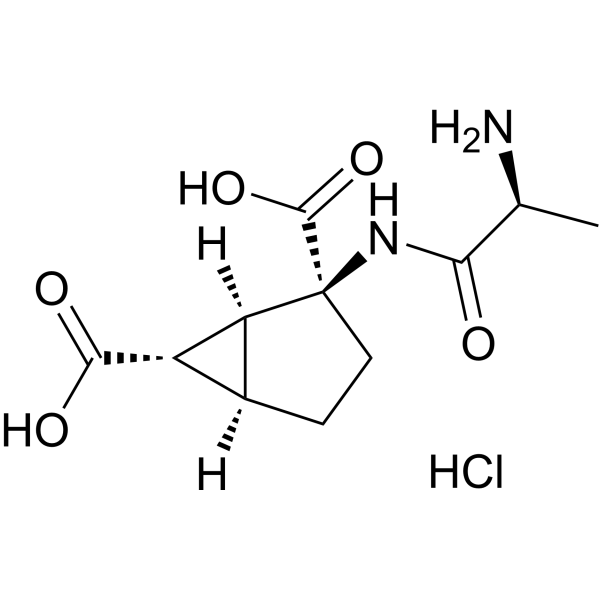
Talaglumetad hydrochloride (LY-544344 hydrochloride) is an orally active prodrug of Eglumegad (HY-18941) and a metabotropic glutamate receptor 2/3 (mGluR2/3) agonist. Talaglumetad hydrochloride undergoes transmembrane transport via the intestinal peptide transporter hPepT1, and is enzymatically hydrolyzed to produce L-alanine and the parent drug Eglumegad after entering the body. Talaglumetad hydrochloride can be used in research related to metabotropic glutamate receptor 2-associated neurological systems .
|
-
-
- HY-122142A
-
|
S-2366 (hydrochloride)
|
APC
Factor XI
Biochemical Assay Reagents
|
Others
|
|
Pyr-Pro-Arg-pNA (S-2366) hydrochloride is a chromogenic peptidyl substrate, and a noncompetitive inhibitor that occupies the active sites of FXIa and FXIa-LC to block factor IX activation. Pyr-Pro-Arg-pNA hydrochloride functions as a hydrolyzable substrate for FXIa’s catalytic domain, human APC, murine APC, and purified plasma kallikrein .
|
-

-
- HY-16713A
-
|
(5S)-Fluorowillardiine hydrochloride; (S)-5-Fluorowillardiine hydrochloride
|
iGluR
|
Neurological Disease
|
|
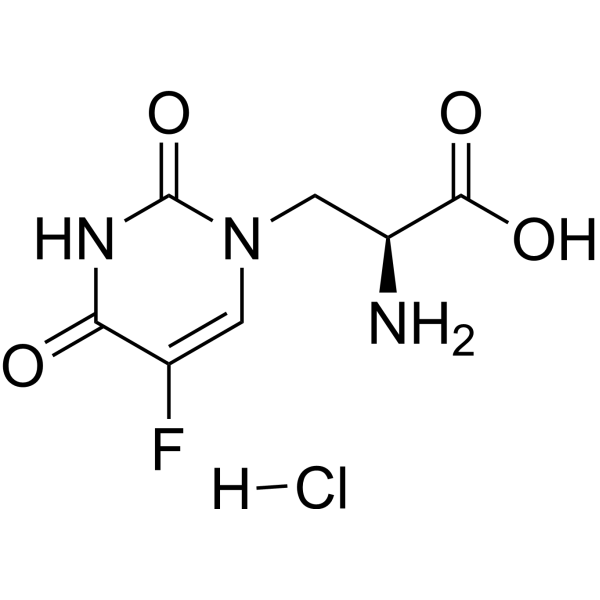
(S)-(-)-5-Fluorowillardiine ((5S)-Fluorowillardiine; (S)-5-Fluorowillardiine) hydrochloride is a potent, highly selective non-NMDA ionotropic glutamate receptor (iGluR, AMPA/Kainate receptor) agonist . (S)-(-)-5-Fluorowillardiine hydrochloride activates high-affinity AMPA-preferring receptors (EC50 = 0.70 μM) and low-affinity kainate-preferring receptors (EC50 = 170 μM), thereby inducing biphasic dose-dependent neurotoxicity/excitotoxicity. (S)-(-)-5-Fluorowillardiine hydrochloride is applicable to research related to schizophrenia, temporal lobe epilepsy, and bipolar disorder .
|
-
-
- HY-N0565AS
-
|
|
Isotope-Labeled Compounds
MMP
Parasite
Bacterial
Antibiotic
Apoptosis
Akt
PI3K
|
Infection
Neurological Disease
Inflammation/Immunology
Cancer
|
|
Doxycycline-d3 hydrochloride is deuterium labeled Doxycycline hydrochloride (HY-N0565A). Doxycycline hydrochloride is an orally active highly lipophilic, tissue-permeable MMP inhibitor with broad-spectrum antibacterial activity. Doxycycline hydrochloride is also a semi-synthetic antibiotic with chelating properties, which blocks bacterial protein synthesis and inhibits extracellular matrix degradation through interactions with zinc and calcium atoms. Doxycycline hydrochloride also inhibits mitochondrial biogenesis, translation, and the expression of respiratory chain proteins. Doxycycline hydrochloride induces apoptosis, inhibits autophagy and EMT, downregulates stem cell markers, and activates the PI3K-AKT pathway, thereby effectively inhibiting the viability and proliferation of cancer cells such as breast cancer cells. Doxycycline hydrochloride also promotes the survival and self-renewal of embryonic stem cells and neural stem cells, and reduces the frequency of medium changes in culture. Doxycycline hydrochloride has been applied in studies related to breast cancer, prostate cancer, bladder cancer, and other cancers .
|
-

-
- HY-117287A
-
|
BMS-986165 (hydrochloride)
|
IFNAR
STAT
Interleukin Related
JAK
|
Inflammation/Immunology
|
|
Deucravacitinib (BMS-986165) hydrochloride is an orally active allosteric inhibitor of tyrosine kinase 2 (TYK2), with an IC50 of 0.2 nM and a Ki of 0.02 nM against the JH2 domain of TYK2, and it exhibits selectivity over other JAK subtypes and most of the kinome. Deucravacitinib hydrochloride blocks IL-23, IL-12, p-STAT1/3 and Type I IFN signaling, and inhibits Th17/Th1-mediated psoriasis inflammation . Deucravacitinib hydrochloride can be used in research related to moderate-to-severe plaque psoriasis, inflammatory bowel disease and systemic lupus erythematosus .
|
-

-
- HY-15394S
-
|
N-0437-d7 (hydrochloride)
|
Isotope-Labeled Compounds
Dopamine Receptor
Adrenergic Receptor
5-HT Receptor
|
Neurological Disease
Endocrinology
|
|
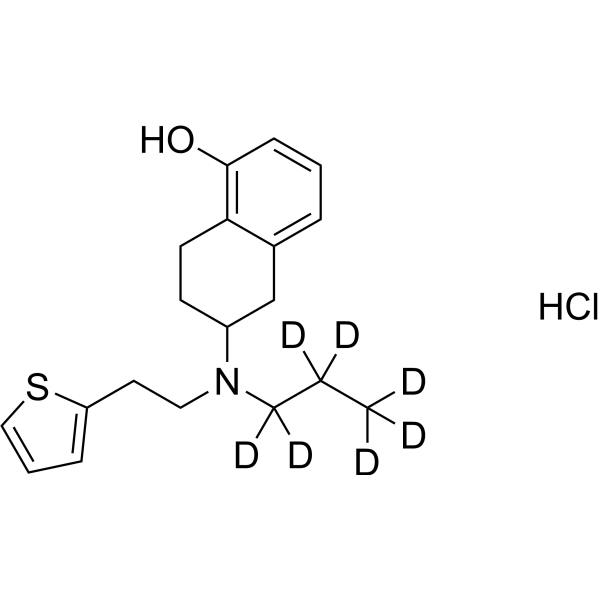
(Rac)-Rotigotine-d7 (hydrochloride) is deuterium labeled (Rac)-Rotigotine (hydrochloride). (Rac)-Rotigotine hydrochloride is a racemate of Rotigotine. Rotigotine is a full agonist of dopamine receptor, a partial agonist of the 5-HT1A receptor, and an antagonist of the α2B-adrenergic receptor, with Kis of 0.71 nM, 4-15 nM, and 83 nM for the dopamine D3 receptor and D2, D5, D4 receptors, and dopamine D1 receptor.
|
-
-
- HY-182627
-
-

-
- HY-142249S
-
-
-
- HY-76652
-
|
|
Renin
|
Cardiovascular Disease
Inflammation/Immunology
|
|
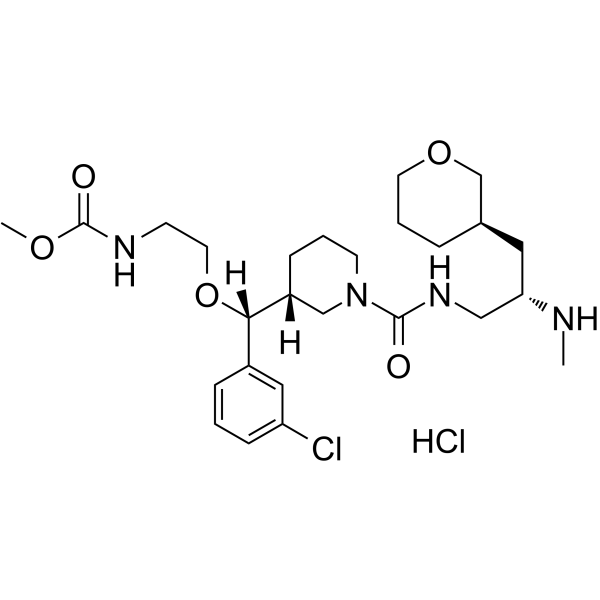
VTP-27999 Hydrochloride is an orally active renin inhibitor. VTP-27999 Hydrochloride functionally inhibits renin and acid-activated prorenin, suppresses plasma renin activity and modulates plasma and urinary aldosterone levels. VTP-27999 Hydrochloride reduces mean arterial blood pressure, induces plasma renin concentration increases, decreases plasma angiotensin II levels and enhances renin immunoreactivity. VTP-27999 (Hydrochloride) can be used for the research of hypertension and chronic renal disease .
|
-
-
- HY-B1149AR
-
|
|
Reference Standards
Drug Derivative
Bacterial
Antibiotic
|
Infection
|
|
Bacampicillin (hydrochloride) (Standard) is the analytical standard of Bacampicillin hydrochloride (HY-B1149A). This product is intended for research and analytical applications. Bacampicillin hydrochloride is an orally active semi-synthetic aminopenicillin derivative, prodrug and bactericide that is readily inactivated by β-lactamases. Bacampicillin hydrochloride is hydrolyzed by carboxylester hydrolases and non-specific esterases in the gastrointestinal wall and plasma to form Ampicillin (HY-B0522), and produces higher levels of Ampicillin in rodents in vivo. Bacampicillin hydrochloride exhibits bactericidal activity against Gram-positive and Gram-negative bacteria. Bacampicillin hydrochloride can be used in studies related to bacterial infections .
|
-

-
- HY-Y0258AR
-
|
|
Reference Standards
Bacterial
Sodium Channel
|
Neurological Disease
|
|
Benzocaine hydrochloride (Standard) is an analytical standard of Benzocaine hydrochloride (HY-Y0258A). This product is intended for research and analytical applications. Benzocaine hydrochloride is an orally active local anesthetic. Benzocaine hydrochloride non-competitively inhibits the binding of Ca-ATPase to Ca 2+, with a IC50 of 47.1 mM. Benzocaine hydrochloride exerts anesthetic effects by blocking voltage-gated sodium channels. Benzocaine hydrochloride induces methemoglobinemia in various experimental animals .
|
-

-
- HY-135336AS
-
|
(S)-(-)-Verapamil-d7 (hydrochloride)
|
Isotope-Labeled Compounds
Leukotriene Receptor
Calcium Channel
Apoptosis
|
Cancer
|
|
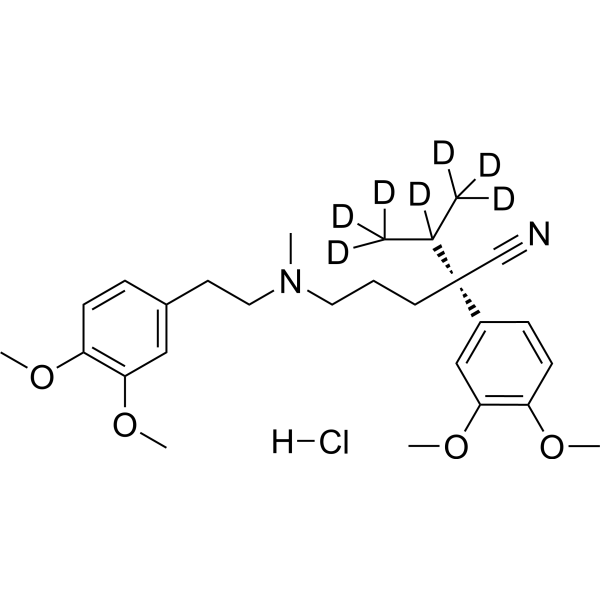
(S)-Verapamil-d7 (hydrochloride) is a deuterium labeled (S)-Verapamil hydrochloride. (S)-Verapamil hydrochloride (S(-)-Verapamil hydrochloride) inhibits leukotriene C4 (LTC4) and calcein transport by MRP1. (S)-Verapamil hydrochloride leads to the death of potentially resistant tumor cells .
|
-
-
- HY-135336AS1
-
|
(S)-(-)-Verapamil-d6 (hydrochloride)
|
Isotope-Labeled Compounds
Apoptosis
Leukotriene Receptor
Calcium Channel
|
Cancer
|
|
(S)-Verapamil-d6 ((S)-(-)-Verapamil-d6) hydrochloride is the deuterium labeled (S)-Verapamil hydrochloride. (S)-Verapamil hydrochloride (S(-)-Verapamil hydrochloride) inhibits leukotriene C4 (LTC4) and calcein transport by MRP1. (S)-Verapamil hydrochloride leads to the death of potentially resistant tumor cells .
|
-

-
- HY-135336S
-
|
(R)-(+)-Verapamil-d7 (hydrochloride)
|
P-glycoprotein
Isotope-Labeled Compounds
Apoptosis
|
Cancer
|
|
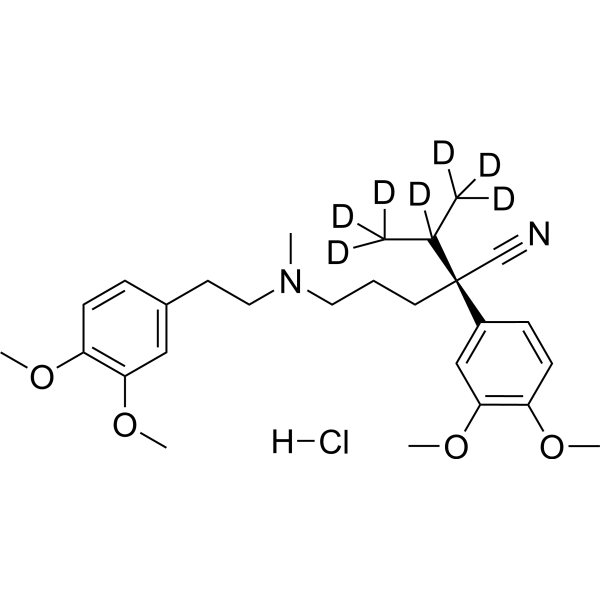
(R)-Verapamil-d7 (hydrochloride) is a deuterium labeled (R)-Verapamil hydrochloride. (R)-Verapamil hydrochloride ((R)-(+)-Verapamil hydrochloride) is a P-Glycoprotein inhibitor. (R)-Verapamil hydrochloride blocks MRP1 mediated transport, resulting in chemosensitization of MRP1-overexpressing cells to anticancer agents .
|
-
-
- HY-142856S
-
-
-
- HY-15401A
-
|
|
5-HT Receptor
|
Neurological Disease
Metabolic Disease
|
|
WAY 163909 hydrochloride is an orally active, blood-brain barrier permeable 5-HT2C receptor-selective agonist. WAY 163909 hydrochloride exhibits an EC50 of 8 nM and a Ki of 10.5 nM for h5-HT2C. Instead of triggering apoptosis, WAY 163909 hydrochloride induces anorectic, antipsychotic-like, antidepressant-like, anti-aggressive and anti-compulsive effects. WAY 163909 hydrochloride alleviates ketamine-induced hypothermia, but impairs sexual function at high doses. With rapid antidepressant-like properties, WAY 163909 hydrochloride can be used in research related to obesity, schizophrenia, depression, obsessive-compulsive disorder, and anesthesia-induced hypothermia .
|
-

-
- HY-130939
-
|
|
ADC Linker
|
Cancer
|
|
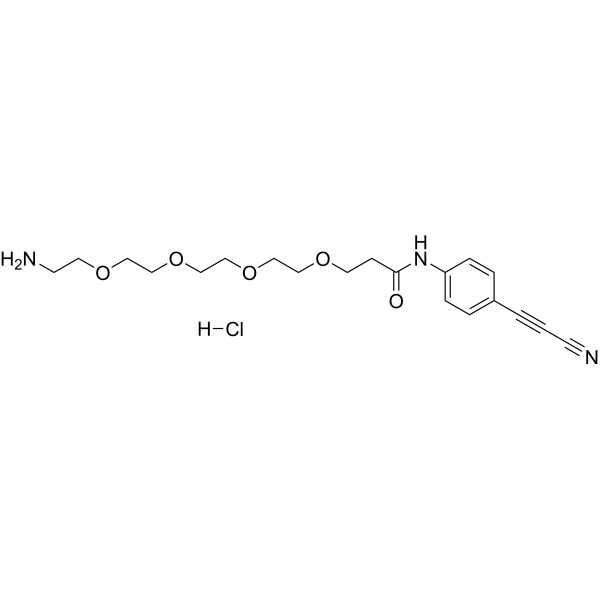
APN-PEG4-Amine (hydrochloride) is a cleavable 4 unit PEG ADC linker used in the synthesis of antibody-drug conjugates (ADCs) . APN-PEG4-Amine (hydrochloride) is a click chemistry reagent, it contains an Alkyne group and can undergo copper-catalyzed azide-alkyne cycloaddition (CuAAc) with molecules containing Azide groups.
|
-
-
- HY-132690S1
-
-
-
- HY-128816A
-
|
E3 ligase Ligand-Linker Conjugates 37 (hydrochloride)
|
E3 Ligase Ligand-Linker Conjugates
|
Cancer
|
|
cIAP1 Ligand-Linker Conjugates 2 Hydrochloride incorporates an IAP ligand for the E3 ubiquitin ligase, and a PROTAC linker. cIAP1 Ligand-Linker Conjugates 2 Hydrochloride can be used to design SNIPERs .
|
-
-
- HY-12771S1
-
-
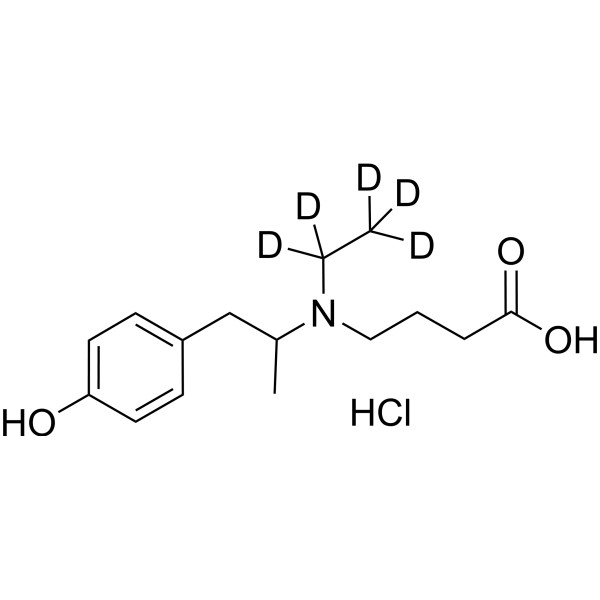
-
- HY-134984A
-
-
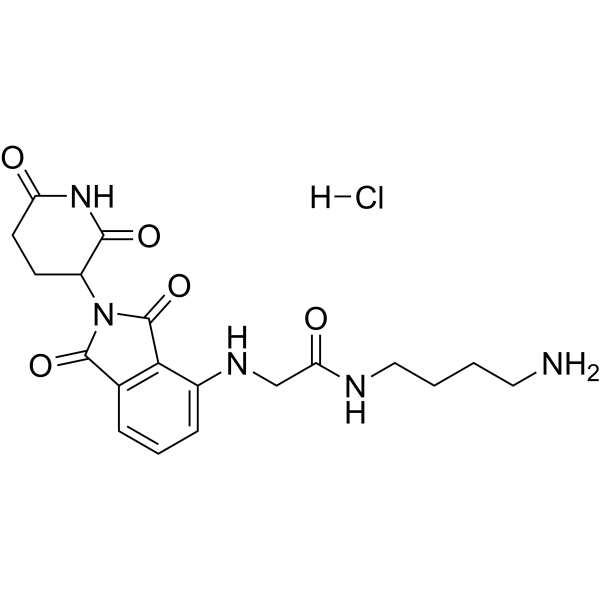
-
- HY-139689S
-
|
|
Isotope-Labeled Compounds
|
Others
|
|
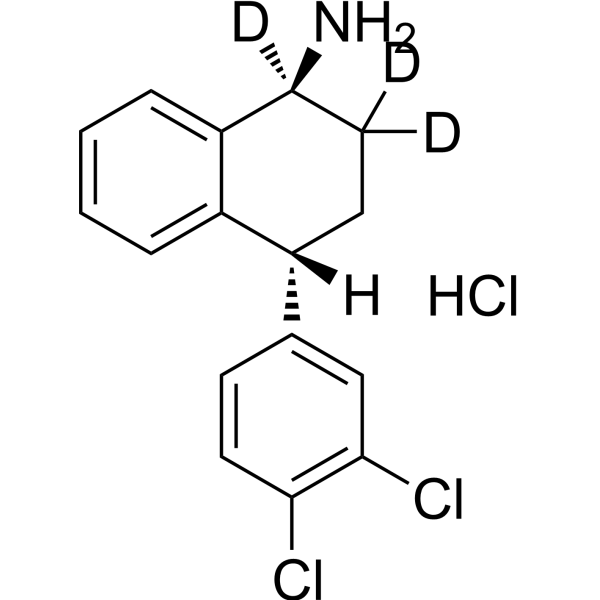
rac-trans-N-Desmethyl sertraline-d3 (hydrochloride) is the deuterium labeled rac-trans-N-Desmethyl sertraline hydrochloride .
|
-
-
- HY-138852A
-
-
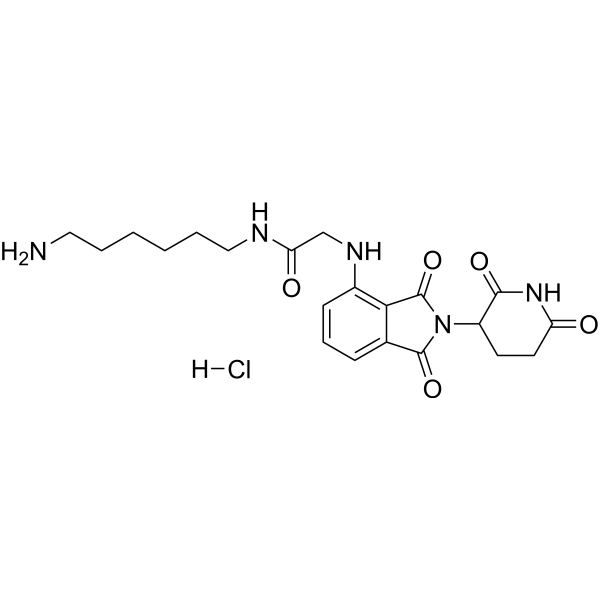
-
- HY-P10587B
-
|
JNJ-77242113 (hydrochloride); JNJ-2113 (hydrochloride); PN-235 (hydrochloride)
|
Interleukin Related
STAT
IFNAR
|
Inflammation/Immunology
|
|
Icotrokinra (JNJ-77242113) hydrochloride is an orally available, selective antagonist of the IL-23 receptor. Icotrokinra hydrochloride inhibits IL-23-induced STAT3 phosphorylation in peripheral blood mononuclear cells (IC50=5.6 pM) and inhibits IL-23-induced interferon IFN-γ production in NK cells with an IC50 of 18.4 pM. Icotrokinra hydrochloride exhibits anti-inflammatory activity in a rat TNBS-induced colitis model. Icotrokinra hydrochloride can be used in the study of psoriasis, psoriatic arthritis, and inflammatory bowel disease .
|
-

-
- HY-116228A
-
|
Caderofloxacin (hydrochloride); CS-940 (hydrochloride)
|
Bacterial
|
Infection
|
|
Cadrofloxacin (Caderofloxacin; CS-940) hydrochloride is an orally active antibacterial agent with significant bactericidal activity against quinolone-resistant Staphylococcus aureus, Gram-positive bacteria, Gram-negative bacteria and anaerobic bacteria. Cadrofloxacin hydrochloride effectively improves systemic infection and experimental Klebsiella pneumoniae pneumonia in mice. Cadrofloxacin hydrochloride can be widely used in research related to systemic bacterial infections and bacterial pneumonia .
|
-

-
- HY-W108474
-
|
Ethyl (2S)-2-aminobutanoate (hydrochloride); H-Abu-OEt (hydrochloride)
|
Dengue Virus
RSV
|
Infection
|
|
Ethyl (S)-2-aminobutanoate hydrochloride (Ethyl (2S)-2-aminobutanoate hydrochloride) is an antiviral compound. Ethyl (S)-2-aminobutanoate hydrochloride exhibits antiviral activity against RSV A2. Ethyl (S)-2-aminobutanoate hydrochloride can be used in research related to respiratory syncytial virus and DENV-2 .
|
-

-
- HY-W099812
-
|
H-DL-Nva-OMe (hydrochloride)
|
Biochemical Assay Reagents
|
Others
|
|
Methyl 2-aminopentanoate hydrochloride (H-DL-Nva-OMe hydrochloride) is a chiral α-amino ester hydrochloride precursor used for the synthesis of N-Boc-protected α-amino aldehyde 2b .
|
-

-
- HY-183664
-
|
|
Bacterial
|
Infection
|
|
Ecenofloxacin hydrochloride is a fluoroquinolone (naphthyridine) antibacterial agent with broad-spectrum activity against Gram-negative, Gram-positive, and anaerobic bacteria .
|
-

-
- HY-W611602
-
|
N-Me-His-OH (hydrochloride)
|
Amino Acid Derivatives
|
Others
|
|
N-Methyl-L-histidine (N-Me-His-OH) hydrochloride is a derivative of histidine, and a urinary metabolite with statistically significant differences in urinary secretion between male and female human .
|
-

-
- HY-14296A
-
|
|
Adrenergic Receptor
|
Inflammation/Immunology
|
|
PF-610355 hydrochloride is a β2-adrenergic receptor (β2-AR) full agonist with selectivity for β1-adrenergic receptors. PF-610355 hydrochloride increases intracellular cAMP levels, induces sustained tracheal smooth muscle relaxation, and inhibits acetylcholine-induced bronchoconstriction. PF-610355 hydrochloride can be used in research related to chronic obstructive pulmonary disease, asthma, and respiratory system diseases .
|
-

-
- HY-W794573
-
|
|
Ser/Thr Protease
|
Cancer
|
|
APC-6860 hydrochloride is a competitive, selective arylamidine Serine protease inhibitor, with a Ki of 0.44 μM for trypsin, 0.10 μM for h-uPA, and 0.082 μM for mouse uPA. APC-6860 hydrochloride inhibits urokinase-activated plasminogen-mediated degradation of Fibronectin in cancer cells. APC-6860 hydrochloride is applicable to research related to breast cancer and prostate cancer .
|
-

-
- HY-101328A
-
|
|
NO Synthase
|
Neurological Disease
Inflammation/Immunology
|
|
2-Iminopiperidine hydrochloride is an orally active inducible nitric oxide synthase inhibitor. 2-Iminopiperidine hydrochloride can be used to investigate NO-mediated arthritis, inflammatory bowel disease, diabetes, allodynia, cerebral ischemia and other central nervous system diseases .
|
-

-
- HY-113858A
-
|
Brefanolol hydrochloride
|
Adrenergic Receptor
|
Cardiovascular Disease
|
|
Brefonalol (Brefanolol) hydrochloride is an orally active, non-selective β-adrenergic receptor blocker with vasodilatory properties. Brefonalol hydrochloride exhibits an optimal balance between β-blockade and vasodilatory effects at low doses: it reduces blood pressure and slows heart rate, while increasing stroke volume instead of decreasing it, causing no significant elevation in peripheral resistance and increasing reactive hyperemia; at high doses, the β-blockade effect dominates. Brefonalol hydrochloride can be used in the research of arterial hypertension .
|
-

-
- HY-N0565AG
-
|
|
Apoptosis
MMP
Akt
PI3K
|
Infection
Neurological Disease
Inflammation/Immunology
Cancer
|
|
Doxycycline hydrochloride GMP is Doxycycline (hydrochloride) (HY-N0565A) produced by using GMP guidelines. GMP small molecules works appropriately as an auxiliary reagent for cell therapy manufacture. Doxycycline hydrochloride is an orally active highly lipophilic, tissue-permeable MMP inhibitor with broad-spectrum antibacterial activity. Doxycycline hydrochloride is also a semi-synthetic antibiotic with chelating properties, which blocks bacterial protein synthesis and inhibits extracellular matrix degradation through interactions with zinc and calcium atoms. Doxycycline hydrochloride also inhibits mitochondrial biogenesis, translation, and the expression of respiratory chain proteins. Doxycycline hydrochloride induces apoptosis, inhibits autophagy and EMT, downregulates stem cell markers, and activates the PI3K-AKT pathway, thereby effectively inhibiting the viability and proliferation of cancer cells such as breast cancer cells. Doxycycline hydrochloride also promotes the survival and self-renewal of embryonic stem cells and neural stem cells, and reduces the frequency of medium changes in culture. Doxycycline hydrochloride has been applied in studies related to breast cancer, prostate cancer, bladder cancer, and other cancers .
|
-

-
- HY-136907S
-
|
(S)-(-)-Verapamil-d3 (hydrochloride)
|
Isotope-Labeled Compounds
|
Others
|
|
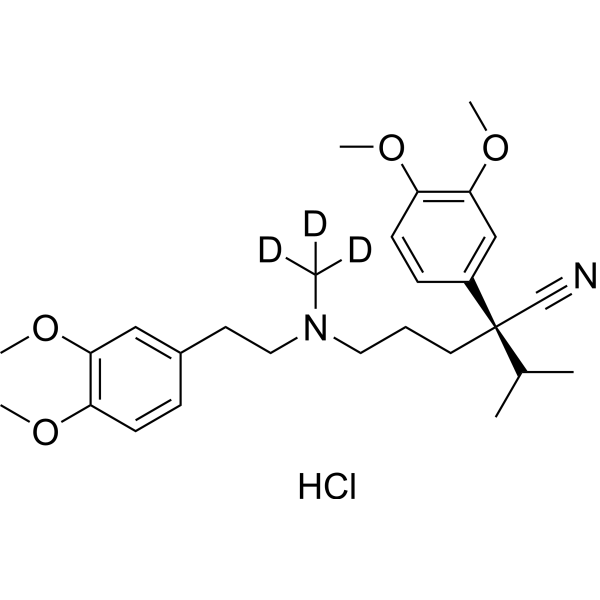
(S)-(-)-Verapamil-d3 (hydrochloride) is the deuterium labeled (S)-(-)-Verapamil hydrochloride .
|
-
-
- HY-123685
-
|
|
PAI-1
|
Cancer
|
|
UCD74A hydrochloride is a 5-substituted Amiloride (HY-B0285) analog and urokinase-type plasminogen activator (uPA) inhibitor with an IC50 of 110 μM. UCD74A hydrochloride modulates plasminogen activation cascades linked to extracellular matrix remodeling. UCD74A hydrochloride can be used for the research of tumor metastasis .
|
-

-
- HY-W736902
-
|
|
Arginase
|
Cancer
|
|
Arginase inhibitor 2 hydrochloride is an Arginase inhibitor. Arginase inhibitor 2 hydrochloride synergizes with adoptively transferred antigen- specific T cells to inhibit tumor growth .
|
-

-
- HY-W595110
-
|
|
Drug Derivative
|
Others
|
|
3-((4-(Piperidin-4-yl) phenyl) amino) piperidine-2,6-dione hydrochloride is a drug derivative .
|
-

-
- HY-W595111
-
|
|
Drug Intermediate
|
Others
|
|
3-((4-(Piperazin-1-yl)phenyl)amino)piperidine-2,6-dione hydrochloride is a molecular building block, which can be used for the synthesis of other bioactive compounds such as PROTACs.
|
-

| Cat. No. |
Nom du produit |
Type |
-
- HY-N0565AG
-
|
|
Fluorescent Dyes
|
|
Doxycycline hydrochloride GMP is Doxycycline (hydrochloride) (HY-N0565A) produced by using GMP guidelines. GMP small molecules works appropriately as an auxiliary reagent for cell therapy manufacture. Doxycycline hydrochloride is an orally active highly lipophilic, tissue-permeable MMP inhibitor with broad-spectrum antibacterial activity. Doxycycline hydrochloride is also a semi-synthetic antibiotic with chelating properties, which blocks bacterial protein synthesis and inhibits extracellular matrix degradation through interactions with zinc and calcium atoms. Doxycycline hydrochloride also inhibits mitochondrial biogenesis, translation, and the expression of respiratory chain proteins. Doxycycline hydrochloride induces apoptosis, inhibits autophagy and EMT, downregulates stem cell markers, and activates the PI3K-AKT pathway, thereby effectively inhibiting the viability and proliferation of cancer cells such as breast cancer cells. Doxycycline hydrochloride also promotes the survival and self-renewal of embryonic stem cells and neural stem cells, and reduces the frequency of medium changes in culture. Doxycycline hydrochloride has been applied in studies related to breast cancer, prostate cancer, bladder cancer, and other cancers .
|
| Cat. No. |
Nom du produit |
Type |
-
- HY-B1713A
-
|
DL-(±)-Ornithine hydrochloride
|
Biochemical Assay Reagents
|
|
DL-Ornithine (DL-(±)-Ornithine) hydrochloride is an amino acid and also a urea cycle promoter. DL-Ornithine hydrochloride has the characteristics of low metabolic rate and rapid excretion, and only the L-enantiomer undergoes decarboxylation. In mice inoculated with L-1210 leukemia cells, DL-Ornithine hydrochloride is excreted in urine in its original form, and its conversion to carbon dioxide within 24 h is negligible. DL-Ornithine hydrochloride is mainly used in the urea cycle to eliminate excess nitrogen in the body and protect the kidneys .
|
-
- HY-15401A
-
|
|
Biochemical Assay Reagents
|
|
WAY 163909 hydrochloride is an orally active, blood-brain barrier permeable 5-HT2C receptor-selective agonist. WAY 163909 hydrochloride exhibits an EC50 of 8 nM and a Ki of 10.5 nM for h5-HT2C. Instead of triggering apoptosis, WAY 163909 hydrochloride induces anorectic, antipsychotic-like, antidepressant-like, anti-aggressive and anti-compulsive effects. WAY 163909 hydrochloride alleviates ketamine-induced hypothermia, but impairs sexual function at high doses. With rapid antidepressant-like properties, WAY 163909 hydrochloride can be used in research related to obesity, schizophrenia, depression, obsessive-compulsive disorder, and anesthesia-induced hypothermia .
|
-
- HY-N0565AG
-
|
|
Biochemical Assay Reagents
|
|
Doxycycline hydrochloride GMP is Doxycycline (hydrochloride) (HY-N0565A) produced by using GMP guidelines. GMP small molecules works appropriately as an auxiliary reagent for cell therapy manufacture. Doxycycline hydrochloride is an orally active highly lipophilic, tissue-permeable MMP inhibitor with broad-spectrum antibacterial activity. Doxycycline hydrochloride is also a semi-synthetic antibiotic with chelating properties, which blocks bacterial protein synthesis and inhibits extracellular matrix degradation through interactions with zinc and calcium atoms. Doxycycline hydrochloride also inhibits mitochondrial biogenesis, translation, and the expression of respiratory chain proteins. Doxycycline hydrochloride induces apoptosis, inhibits autophagy and EMT, downregulates stem cell markers, and activates the PI3K-AKT pathway, thereby effectively inhibiting the viability and proliferation of cancer cells such as breast cancer cells. Doxycycline hydrochloride also promotes the survival and self-renewal of embryonic stem cells and neural stem cells, and reduces the frequency of medium changes in culture. Doxycycline hydrochloride has been applied in studies related to breast cancer, prostate cancer, bladder cancer, and other cancers .
|
| Cat. No. |
Nom du produit |
Target |
Research Area |
-
- HY-P1876B
-
|
|
DNA/RNA Synthesis
|
Cancer
|
|
NLS (PKKKRKV) hydrochloride is the hydrochloride form of NLS (PKKKRKV) (HY-P1876). NLS (PKKKRKV) is a nuclear localization signal (NLS) derived from the simian virus 40 large tumor antigen (SV40 large T antigen), that mediates binding of the karyophilic protein to importin α. NLS (PKKKRKV) can function as a method to enhance nuclear entry in the field of gene transfer research .
|
-
- HY-P10587B
-
|
JNJ-77242113 (hydrochloride); JNJ-2113 (hydrochloride); PN-235 (hydrochloride)
|
Interleukin Related
STAT
IFNAR
|
Inflammation/Immunology
|
|
Icotrokinra (JNJ-77242113) hydrochloride is an orally available, selective antagonist of the IL-23 receptor. Icotrokinra hydrochloride inhibits IL-23-induced STAT3 phosphorylation in peripheral blood mononuclear cells (IC50=5.6 pM) and inhibits IL-23-induced interferon IFN-γ production in NK cells with an IC50 of 18.4 pM. Icotrokinra hydrochloride exhibits anti-inflammatory activity in a rat TNBS-induced colitis model. Icotrokinra hydrochloride can be used in the study of psoriasis, psoriatic arthritis, and inflammatory bowel disease .
|
| Cat. No. |
Nom du produit |
Category |
Target |
Chemical Structure |
| Cat. No. |
Nom du produit |
Chemical Structure |
-
- HY-N0565AS
-
|
|
|
Doxycycline-d3 hydrochloride is deuterium labeled Doxycycline hydrochloride (HY-N0565A). Doxycycline hydrochloride is an orally active highly lipophilic, tissue-permeable MMP inhibitor with broad-spectrum antibacterial activity. Doxycycline hydrochloride is also a semi-synthetic antibiotic with chelating properties, which blocks bacterial protein synthesis and inhibits extracellular matrix degradation through interactions with zinc and calcium atoms. Doxycycline hydrochloride also inhibits mitochondrial biogenesis, translation, and the expression of respiratory chain proteins. Doxycycline hydrochloride induces apoptosis, inhibits autophagy and EMT, downregulates stem cell markers, and activates the PI3K-AKT pathway, thereby effectively inhibiting the viability and proliferation of cancer cells such as breast cancer cells. Doxycycline hydrochloride also promotes the survival and self-renewal of embryonic stem cells and neural stem cells, and reduces the frequency of medium changes in culture. Doxycycline hydrochloride has been applied in studies related to breast cancer, prostate cancer, bladder cancer, and other cancers .
|
-
-
- HY-15394S
-
|
|
|
(Rac)-Rotigotine-d7 (hydrochloride) is deuterium labeled (Rac)-Rotigotine (hydrochloride). (Rac)-Rotigotine hydrochloride is a racemate of Rotigotine. Rotigotine is a full agonist of dopamine receptor, a partial agonist of the 5-HT1A receptor, and an antagonist of the α2B-adrenergic receptor, with Kis of 0.71 nM, 4-15 nM, and 83 nM for the dopamine D3 receptor and D2, D5, D4 receptors, and dopamine D1 receptor.
|
-
-
- HY-142249S
-
|
|
|
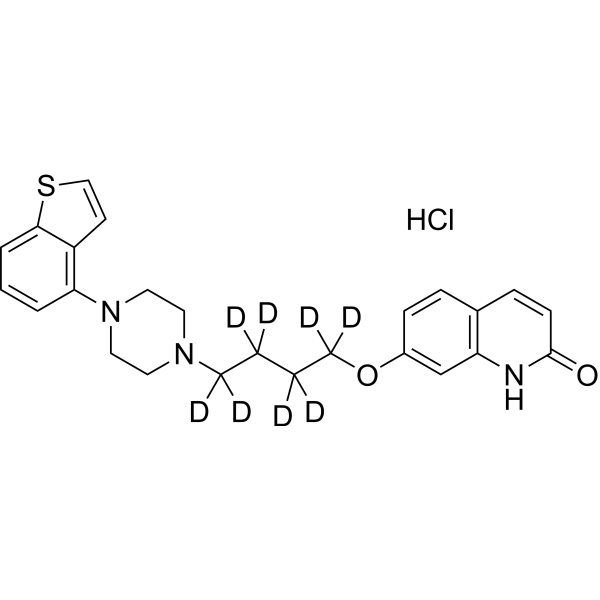
Brexpiprazole-d8 (hydrochloride) is the deuterium labeled Brexpiprazole hydrochloride .
|
-
-
- HY-135336AS
-
|
|
|
(S)-Verapamil-d7 (hydrochloride) is a deuterium labeled (S)-Verapamil hydrochloride. (S)-Verapamil hydrochloride (S(-)-Verapamil hydrochloride) inhibits leukotriene C4 (LTC4) and calcein transport by MRP1. (S)-Verapamil hydrochloride leads to the death of potentially resistant tumor cells .
|
-
-
- HY-135336AS1
-
|
|
|
(S)-Verapamil-d6 ((S)-(-)-Verapamil-d6) hydrochloride is the deuterium labeled (S)-Verapamil hydrochloride. (S)-Verapamil hydrochloride (S(-)-Verapamil hydrochloride) inhibits leukotriene C4 (LTC4) and calcein transport by MRP1. (S)-Verapamil hydrochloride leads to the death of potentially resistant tumor cells .
|
-
-
- HY-135336S
-
|
|
|
(R)-Verapamil-d7 (hydrochloride) is a deuterium labeled (R)-Verapamil hydrochloride. (R)-Verapamil hydrochloride ((R)-(+)-Verapamil hydrochloride) is a P-Glycoprotein inhibitor. (R)-Verapamil hydrochloride blocks MRP1 mediated transport, resulting in chemosensitization of MRP1-overexpressing cells to anticancer agents .
|
-
-
- HY-142856S
-
|
|
|
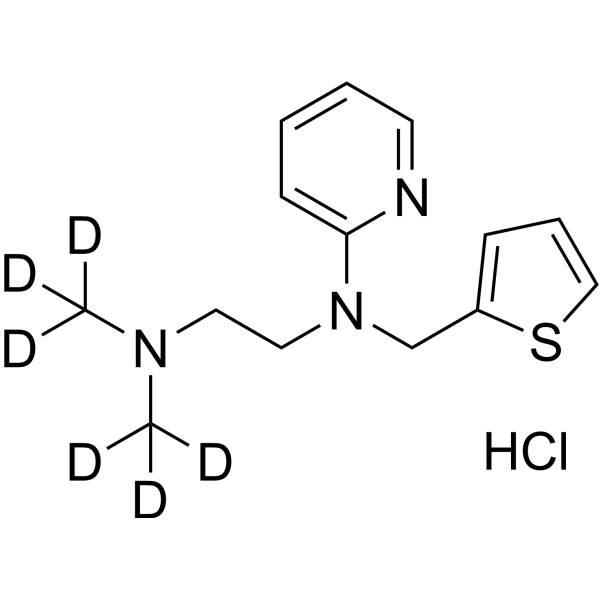
Methapyrilene-d6 (hydrochloride) is the deuterium labeled Methapyrilene hydrochloride .
|
-
-
- HY-132690S1
-
|
|
|
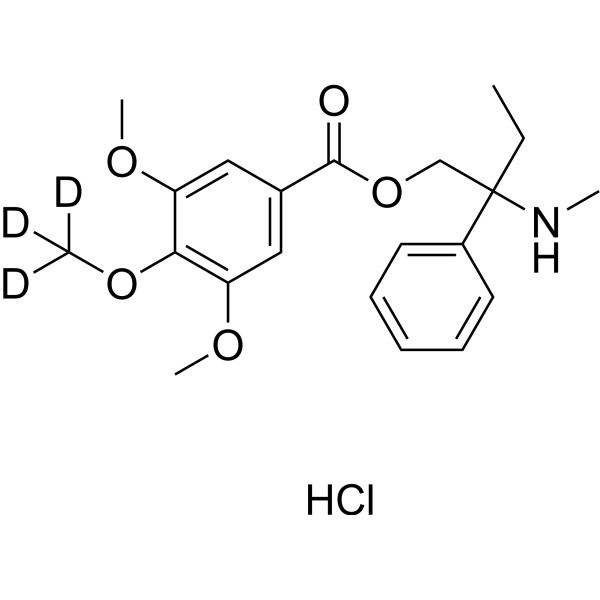
N-Demethyl Trimebutine-d3 hydrochloride is deuterated labeled N-Demethyl Trimebutine.
|
-
-
- HY-12771S1
-
|
|
|
O-desmethyl Mebeverine acid-d5 (hydrochloride) is the deuterium labeled O-desmethyl Mebeverine acid.
|
-
-
- HY-139689S
-
|
|
|
rac-trans-N-Desmethyl sertraline-d3 (hydrochloride) is the deuterium labeled rac-trans-N-Desmethyl sertraline hydrochloride .
|
-
-
- HY-136907S
-
|
|
|
(S)-(-)-Verapamil-d3 (hydrochloride) is the deuterium labeled (S)-(-)-Verapamil hydrochloride .
|
-
| Cat. No. |
Nom du produit |
|
Classification |
-
- HY-130939
-
|
|
|
ADC Synthesis
|
|
APN-PEG4-Amine (hydrochloride) is a cleavable 4 unit PEG ADC linker used in the synthesis of antibody-drug conjugates (ADCs) . APN-PEG4-Amine (hydrochloride) is a click chemistry reagent, it contains an Alkyne group and can undergo copper-catalyzed azide-alkyne cycloaddition (CuAAc) with molecules containing Azide groups.
|
| Cat. No. |
Nom du produit |
|
Classification |
-
- HY-17564
-
|
2'-Deoxycytidine monohydrochloride; Deoxycytidine hydrochloride; NSC 83251
|
|
Nucleoside Analogs
Cytidine
|
|
2'-Deoxycytidine hydrochloride (2'-Deoxycytidine monohydrochloride; NSC 83251) is an orally active nucleic acid biosynthesis enzyme inhibitor. 2'-Deoxycytidine hydrochloride competes with nucleic acid biosynthesis enzymes and nucleoside transporters, thereby reducing the toxicity of cytarabine. 2'-Deoxycytidine hydrochloride can be used in the research of L1210 lymphoblastic leukemia .
|
| Cat. No. |
Nom du produit |
Target |
Áreas de investigación |
Chemical Structure |
-
- HY-N0565AG
-
|
|
Apoptosis
MMP
Akt
PI3K
|
Infection
Neurological Disease
Inflammation/Immunology
Cancer
|
|
Doxycycline hydrochloride GMP is Doxycycline (hydrochloride) (HY-N0565A) produced by using GMP guidelines. GMP small molecules works appropriately as an auxiliary reagent for cell therapy manufacture. Doxycycline hydrochloride is an orally active highly lipophilic, tissue-permeable MMP inhibitor with broad-spectrum antibacterial activity. Doxycycline hydrochloride is also a semi-synthetic antibiotic with chelating properties, which blocks bacterial protein synthesis and inhibits extracellular matrix degradation through interactions with zinc and calcium atoms. Doxycycline hydrochloride also inhibits mitochondrial biogenesis, translation, and the expression of respiratory chain proteins. Doxycycline hydrochloride induces apoptosis, inhibits autophagy and EMT, downregulates stem cell markers, and activates the PI3K-AKT pathway, thereby effectively inhibiting the viability and proliferation of cancer cells such as breast cancer cells. Doxycycline hydrochloride also promotes the survival and self-renewal of embryonic stem cells and neural stem cells, and reduces the frequency of medium changes in culture. Doxycycline hydrochloride has been applied in studies related to breast cancer, prostate cancer, bladder cancer, and other cancers .
|
-
Your information is safe with us. * Required Fields.
Inquiry Information
- Nom du produit:
- Cat. No.:
- Quantité:
- MCE Japan Authorized Agent:





![N-[(3-(Anilinomethylene)-2-chloro-1-cyclohexen-1-yl)methylene]aniline (hydrochloride)](http://file.medchemexpress.com/product_pic/hy-w019306.gif)





