Search Result
Results for "
PI3K/Akt/NFκB phosphorylation
" in MedChemExpress (MCE) Product Catalog:
| Cat. No. |
Product Name |
Target |
Research Areas |
Chemical Structure |
-
- HY-N0103
-
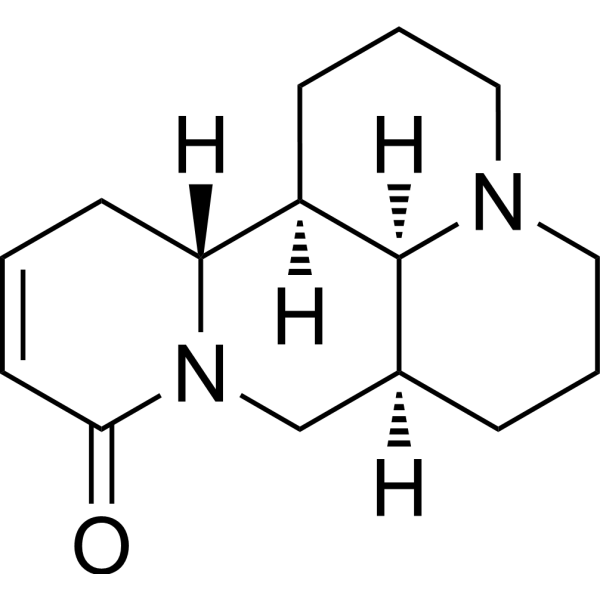
Sophocarpine
Maximum Cited Publications
11 Publications Verification
|
Autophagy
Apoptosis
NF-κB
PI3K
Akt
MEK
ERK
PTEN
|
Cardiovascular Disease
Inflammation/Immunology
Cancer
|
|
Sophocarpine is a PTEN activator and an inhibitor of PI3K/Akt, MEK/ERK, and NF-κB signaling pathways. Sophocarpine upregulates PTEN expression and inhibits PI3K/Akt phosphorylation, arrests tumor cell cycle and induces apoptosis. Sophocarpine inhibits MEK/ERK phosphorylation and VEGF secretion, reducing tumor cell migration. Sophocarpine can also inhibit NF-κB activation and p38 and JNK phosphorylation, reduce the expression of inflammatory factors such as iNOS and COX-2, and activate the Nrf2/HO-1 pathway to reduce oxidative stress. Sophocarpine has anti-tumor, anti-inflammatory, antioxidant and anti-apoptotic effects, and can be used in the research of cancers such as glioblastoma and colorectal cancer, inflammation-related diseases, and Doxorubicin (HY-15142A)-induced cardiac damage .
|
-
-
- HY-N2593
-
|
|
Carnitine Palmitoyltransferase (CPT)
Reactive Oxygen Species (ROS)
Autophagy
Apoptosis
NF-κB
PI3K
Akt
MMP
Keap1-Nrf2
|
Metabolic Disease
Inflammation/Immunology
Cancer
|
|
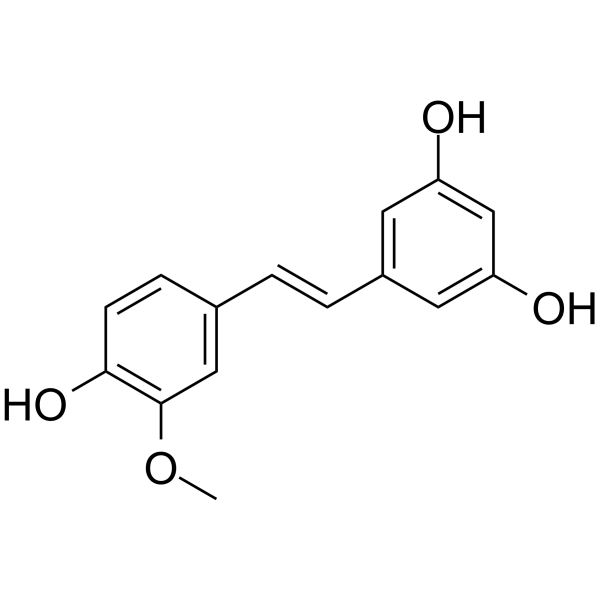
Isorhapontigenin is an orally active dietary polyphenol. Isorhapontigenin acts as a potent antioxidant that reduces the production of reactive oxygen species (ROS). Isorhapontigenin promotes the binding of JUN to the AP-1 site on the SESN2 promoter, induces SESN2 transcription, triggers MAPK8-dependent JUN activation, and upregulates the expression of PPAR-α, PGC-1α and CPT-1A to facilitate fatty acid oxidation. Isorhapontigenin induces autophagy, apoptosis and preadipocyte differentiation; it inhibits tumor growth, cell invasion, NF-κB transcriptional activity, the PI3K/Akt signaling pathway, STAT1 phosphorylation and MMP-2 expression. Isorhapontigenin alleviates oxidative stress, inflammatory cytokine release and triglyceride accumulation; it increases intracellular ATP levels and promotes Nrf2 nuclear translocation. Isorhapontigenin improves insulin sensitivity in adipose tissue and glucose tolerance, and reduces postprandial blood glucose, insulin and free fatty acid levels. Isorhapontigenin is applicable to research on bladder cancer, liver injury, chronic obstructive pulmonary disease, acute lung injury and type 2 diabetes .
|
-
-
- HY-N6263
-
|
AcEGCG; Peracetylated (-)-ePIgallocatechin-3-gallate
|
Bacterial
PI3K
Akt
NF-κB
|
Infection
Inflammation/Immunology
Cancer
|
|
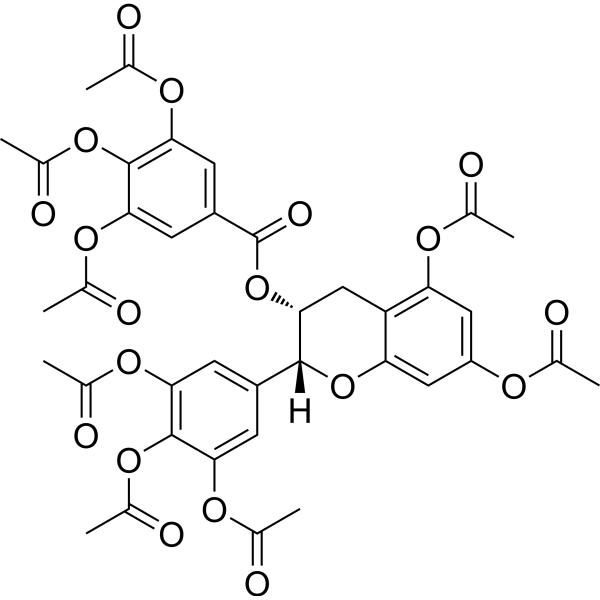
EGCG Octaacetate (AcEGCG) is a proagent of Green tea epigallocatechin-3-gallate (EGCG). EGCG Octaacetate decreases the proinflammatory mediator levels by down-regulating of PI3K/Akt/NFκB phosphorylation and p65 acetylation. EGCG octaacetate is the potential antibacterial compound for gram-positive bacteria (GPB) and gram-negative bacteria (GNB). EGCG Octaacetate exhibits antioxidant, anti-angiogenesis, anti-inflammatory and antitumor activities .
|
-
-
- HY-N0696
-
|
Imperialine
|
PI3K
NF-κB
Akt
NOD-like Receptor (NLR)
Pyroptosis
Ferroptosis
|
Inflammation/Immunology
|
|
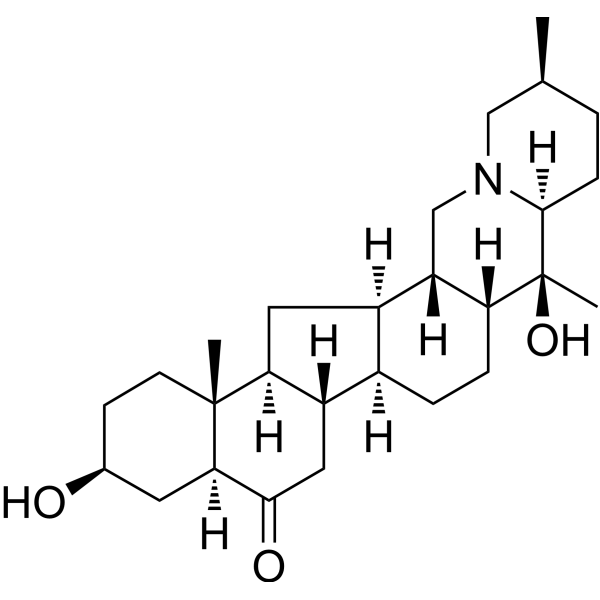
Sipeimine (Imperialine) is an inhibitor targeting the PI3K/AKT/NF-κB pathway and NLRP3 inflammasome, which can competitively bind to PI3K and p65. Sipeimine inhibits PI3K/AKT phosphorylation, blocks NF-κB nuclear translocation and NLRP3 inflammasome activation. Sipeimine exerts anti-inflammatory activities, inhibits pyroptosis and ferroptosis, and protects the extracellular matrix. Sipeimine can reduce cartilage degradation and synovial inflammation in osteoarthritis and improve PM2.5-induced lung injury. Sipeimine is mainly used in the study of anti-inflammatory and degenerative diseases .
|
-
-
- HY-N0493
-
|
|
COX
Lipoxygenase
NF-κB
p38 MAPK
ERK
HIF/HIF Prolyl-Hydroxylase
Keap1-Nrf2
PI3K
Apoptosis
Autophagy
|
Neurological Disease
Inflammation/Immunology
Cancer
|
|
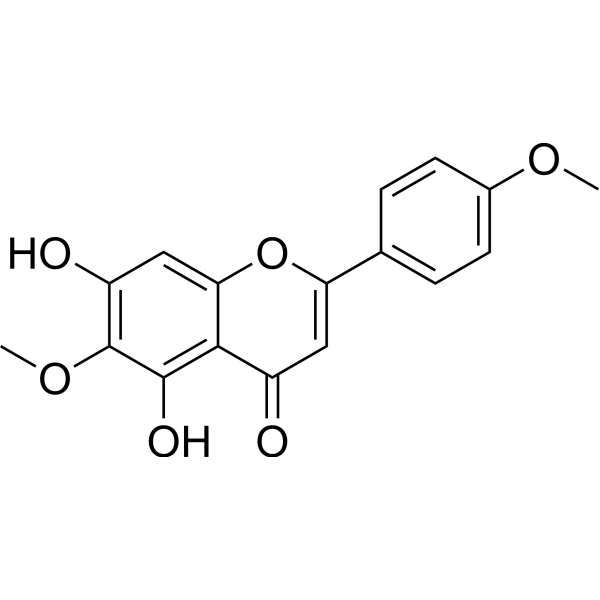
Pectolinarigenin is an orally active dual inhibitor of COX-2/5-LOX with anti-inflammatory, antioxidant, antitumor and neuroprotective activities. Pectolinarigenin exerts neuroprotective and anti-inflammatory effects on astrocyte inflammation via the NFκB and MAPK pathways. Pectolinarigenin inhibits LPS-induced phosphorylation of ERK1/2, N-FκB and p38MAPK, directly inhibits the enzymatic activity or binding of COX-2, 5-LOX and HIF-1α, and reduces the level of XIAP. Pectolinarigenin modifies Keap1 to promote nuclear accumulation of Nrf2, induces ARE-mediated antioxidant enzyme expression, and possesses direct free radical scavenging activity. Pectolinarigenin reduces the release of NO, proinflammatory mediators and leukotrienes, and increases the level of IL-10. Pectolinarigenin induces G2/M cell cycle arrest, apoptosis (Apoptosis) and autophagy (Autophagy) via the PI3K/AKT/mTOR signaling pathway. Pectolinarigenin reduces renal crystal deposition and inhibits melanin synthesis. Pectolinarigenin inhibits inflammation and alleviates allergy in mouse models of inflammation. Pectolinarigenin alleviates renal injury, inflammation and oxidative stress in mice by inhibiting HIF-1α activity. Pectolinarigenin can be used for the research of neurodegenerative diseases, inflammatory/allergic diseases, calcium oxalate nephrocalcinosis, gastric cancer, melasma, post-inflammatory diseases and chloasma .
|
-
-
- HY-N0392
-
|
|
Toll-like Receptor (TLR)
PI3K
Akt
NF-κB
MDM-2/p53
Caspase
MEK
Bcl-2 Family
p38 MAPK
Mitophagy
Reactive Oxygen Species (ROS)
Apoptosis
Calcium Channel
|
Cardiovascular Disease
Infection
Neurological Disease
|
|
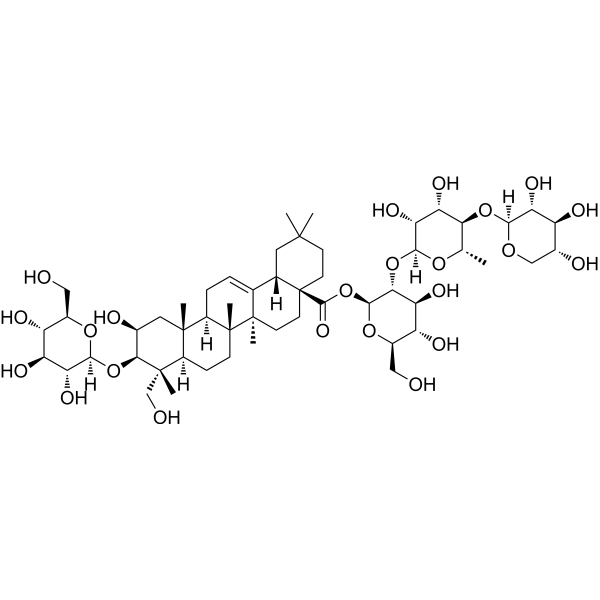
Polygalasaponin F is an orally active triterpenoid saponin monomer. Polygalasaponin F downregulates the expression of Bax, p53, caspase-3, NF-κB p65 and MEK1; restores and upregulates the expression of Bcl-2; activates the PI3K/Akt signaling pathway; inhibits the phosphorylation of p38 MAPK, nuclear translocation of NF-κB, TLR4-mediated signaling pathway, mitophagy (Mitophagy) and ROS production; enhances cell viability and suppresses apoptosis (Apoptosis). Polygalasaponin F maintains mitochondrial function, alleviates Ca 2+ overload, upregulates pCREB and BDNF, preserves cell viability and inhibits the release of inflammatory cytokines. Polygalasaponin F alleviates lung injury induced by influenza A H1N1 and cerebral ischemia-reperfusion injury. Polygalasaponin F is applicable to researches related to Parkinson's disease, cerebral ischemia, pneumonia induced by influenza A H1N1, stroke and Alzheimer's disease .
|
-
-
- HY-N2110
-
|
|
Akt
Sirtuin
Integrin
STAT
PI3K
Apoptosis
ERK
PPAR
PKC
Toll-like Receptor (TLR)
HIV
|
Inflammation/Immunology
|
|
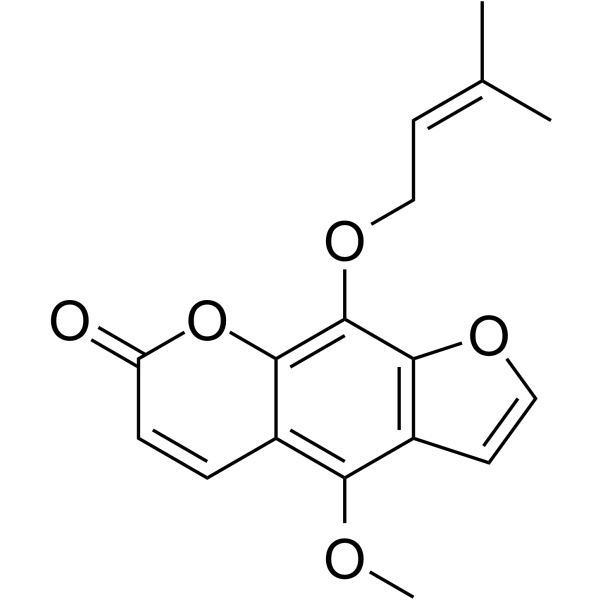
Phellopterin, an orally active furocoumarin with multiple biological activities. Phellopterin is a partial agonist of the central benzodiazepine receptors. Phellopterin exerts anti-inflammatory effects by upregulating SIRT1, downregulating ICAM-1 (reducing chronic inflammation, aiding diabetic ulcer healing), inhibiting STAT3 phosphorylation (easing atopic dermatitis inflammation), regulating Akt/PKC pathways (lowering TNF-α-induced VCAM-1 to block monocyte adhesion), and inhibiting TLR4/NF-κB pathway and macrophage M2 polarization (alleviating colitis-related cancers). Phellopterin suppresses ovarian cancer progression via inhibiting the PU.1/CLEC5A/PI3K-AKT loop (inducing cell cycle arrest, apoptosis, DNA damage). Phellopterin alleviates murine diabetes by promoting adipocyte differentiation and increasing PPARγ. Phellopterin also has anti-HSV-1 activity. Phellopterin can be used for studying anti-inflammation, anti-cancer (e.g., ovarian cancer, colitis cancer), blood glucose lowering, anti-diabetes, and anti-virus .
|
-
-
- HY-N4205
-
|
|
Cytochrome P450
|
Cancer
|
|
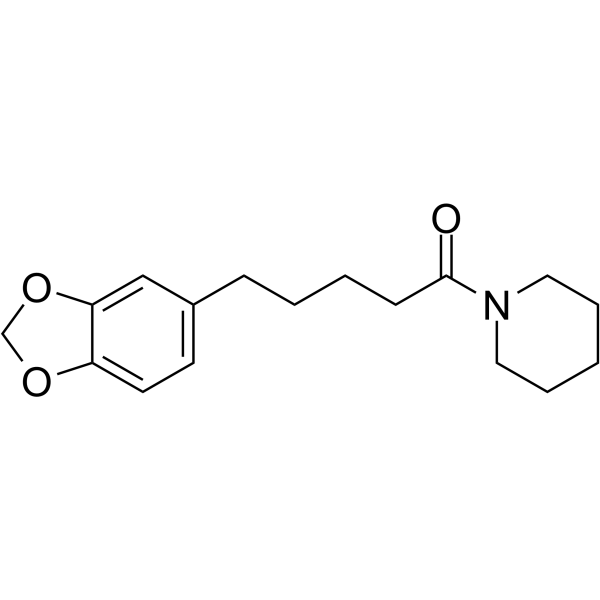
Tetrahydropiperine is an orally effective, selective inhibitor of NF-κB and MAPKs<、b>, and an activator of the PI3K/Akt/mTOR<、b> pathway. Tetrahydropiperine reduces the production of pro-inflammatory cytokines such as TNF-α, IL-6, and nitric oxide (NO) by inhibiting the nuclear translocation of NF-κB and the phosphorylation of MAPKs such as ERK, JNK, and p38. At the same time, Tetrahydropiperine inhibits excessive autophagy by activating the PI3K/Akt/mTOR pathway, protecting neurons from oxidative damage. Tetrahydropiperine has anti-inflammatory, anti-apoptotic, and neuroprotective effects, and is mainly used in the study of inflammatory diseases (such as endotoxemia, arthritis) and neurological diseases such as ischemic stroke .
|
-
-
- HY-N3312
-
|
|
p38 MAPK
JNK
NF-κB
|
Metabolic Disease
Inflammation/Immunology
Cancer
|
|
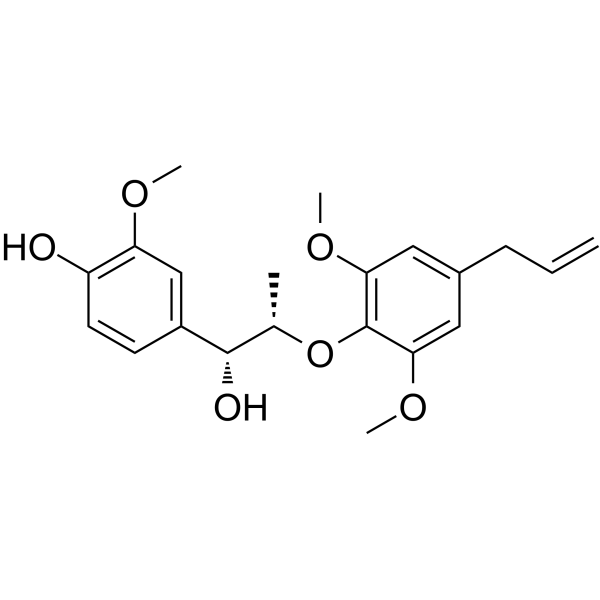
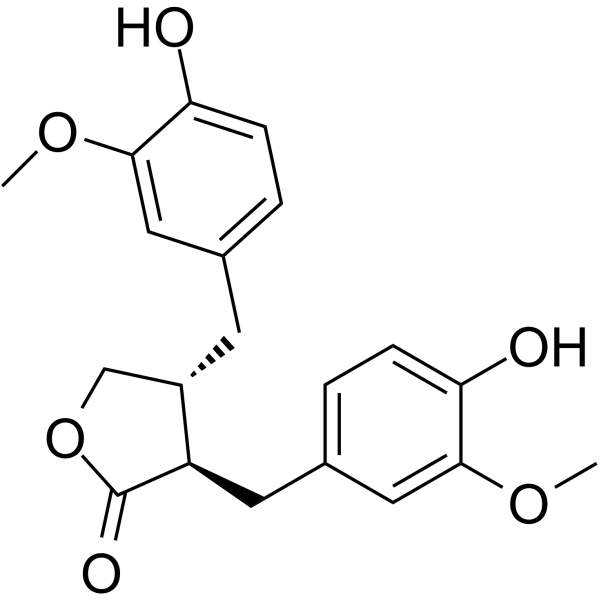
Matairesinol is an orally active bioactive compound with anti-inflammatory, antioxidant and anticancer activities. Matairesinol inhibits the phosphorylation of MAPK, JNK and NF-κB, downregulates RANKL-induced NFATc1 expression and activity, and suppresses the activation of the PI3K/AKT/FOXO1 pathway. Matairesinol can be used in research related to sepsis-mediated brain injury, osteoporosis, heart failure, atopic dermatitis and cancer .
|
-
-
- HY-N8884
-
|
|
PTEN
Akt
NF-κB
Interleukin Related
TNF Receptor
|
Inflammation/Immunology
|
|
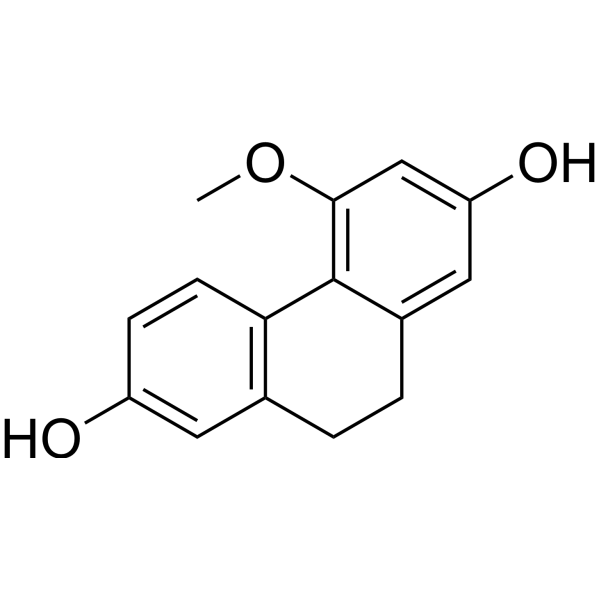
Coelonin is a dihydrophenanthrene with anti-inflammation activity. Coelonin inhibits LPS-induced PTEN phosphorylation. Coelonin inhibits NF-κB activation and p27Kip1 degradation by regulating the PI3K/AKT pathway negatively. Coelonin can inhibit IκBα phosphorylation and degradation and increases the expression of IκBα protein .
|
-
-
- HY-112440
-
|
Methuosis inducer 1
|
Microtubule/Tubulin
NF-κB
MDM-2/p53
PI3K
Akt
c-Myc
|
Cancer
|
|
HZX-02-059 is a potent methuosis inducer and dual-target PIKfyve/tubulin inhibitor with anticancer activity. Methuosis mainly disrupts the balance of endocytosis and exocytosis, forming a large number of vesicles and inducing cell death. HZX-02-059 also induces cell vacuolization, promotes apoptosis, downregulates the p53 pathway, inhibits PI3K/AKT phosphorylation, and inhibits c-Myc and NF-κB transcription .
|
-
-
- HY-N0103A
-
|
|
Autophagy
Apoptosis
NF-κB
PI3K
Akt
MEK
ERK
|
Cardiovascular Disease
Inflammation/Immunology
Cancer
|
|
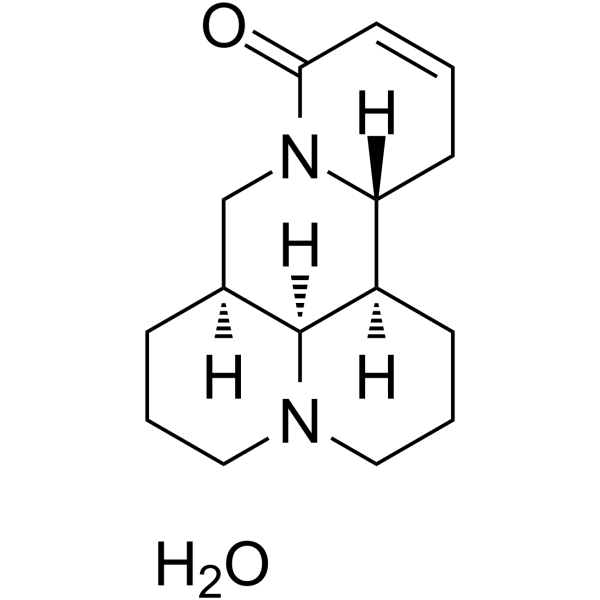
Sophocarpine monohydrate is a PTEN activator and an inhibitor of PI3K/Akt, MEK/ERK, and NF-κB signaling pathways. Sophocarpine monohydrate upregulates PTEN expression and inhibits PI3K/Akt phosphorylation, arrests tumor cell cycle and induces apoptosis. Sophocarpine monohydrate inhibits MEK/ERK phosphorylation and VEGF secretion, reducing tumor cell migration. Sophocarpine monohydrate can also inhibit NF-κB activation and p38 and JNK phosphorylation, reduce the expression of inflammatory factors such as iNOS and COX-2, and activate the Nrf2/HO-1 pathway to reduce oxidative stress. Sophocarpine monohydrate has anti-tumor, anti-inflammatory, antioxidant and anti-apoptotic effects, and can be used in the research of cancers such as glioblastoma and colorectal cancer, inflammation-related diseases, and Doxorubicin (HY-15142A)-induced cardiac damage .
|
-
-
- HY-N10133
-
|
3′-Prenylnaringenin
|
Bacterial
mTOR
Akt
PI3K
NF-κB
Caspase
JNK
ERK
COX
NO Synthase
Apoptosis
|
Others
|
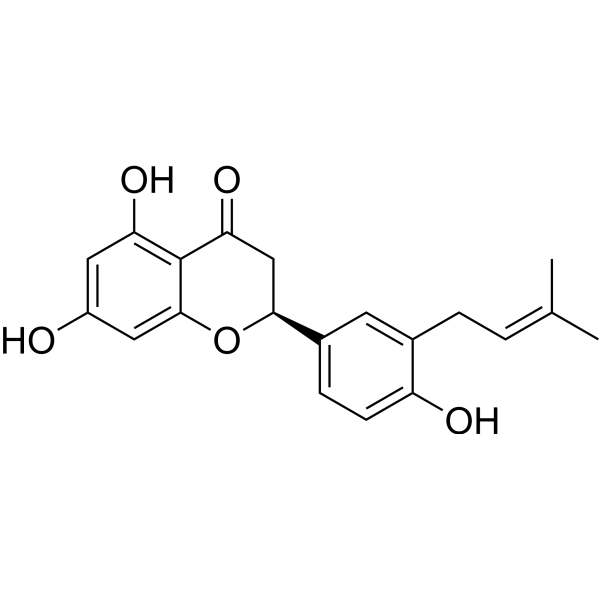
Licoflavanone (3′-Prenylnaringenin) is a flavanone with antioxidant, anti-inflammatory and anticancer activities. Licoflavanone can be isolated from the leaf extract of Glycyrrhiza glabra. Licoflavanone downregulates the mTOR/PI3K/AKT signaling pathway to inhibit the proliferation, migration and invasion of cancer cells, while activates Bax, Bad and multiple caspase enzymes to induce apoptosis. Its anti-inflammatory effect is manifested by reducing the nuclear translocation of NF-κB, decreasing the phosphorylation levels of p38, JNK and ERK1/2, thereby inhibiting the expression of nitric oxide, proinflammatory cytokines, COX-2 and iNOS. Licoflavanone is used in studies on nasopharyngeal carcinoma and related mechanisms .
|
-
-
- HY-N2110R
-
|
|
Reference Standards
Akt
Sirtuin
Integrin
STAT
PI3K
Apoptosis
ERK
PPAR
PKC
Toll-like Receptor (TLR)
HIV
|
Infection
Cardiovascular Disease
Neurological Disease
Metabolic Disease
Inflammation/Immunology
Cancer
|
|
Phellopterin (Standard) is the analytical standard of Phellopterin. Phellopterin, an orally active furocoumarin with multiple biological activities. Phellopterin is a partial agonist of the central benzodiazepine receptors. Phellopterin exerts anti-inflammatory effects by upregulating SIRT1, downregulating ICAM-1 (reducing chronic inflammation, aiding diabetic ulcer healing), inhibiting STAT3 phosphorylation (easing atopic dermatitis inflammation), regulating Akt/PKC pathways (lowering TNF-α-induced VCAM-1 to block monocyte adhesion), and inhibiting TLR4/NF-κB pathway and macrophage M2 polarization (alleviating colitis-related cancers). Phellopterin suppresses ovarian cancer progression via inhibiting the PU.1/CLEC5A/PI3K-AKT loop (inducing cell cycle arrest, apoptosis, DNA damage). Phellopterin alleviates murine diabetes by promoting adipocyte differentiation and increasing PPARγ. Phellopterin also has anti-HSV-1 activity. Phellopterin can be used for studying anti-inflammation, anti-cancer (e.g., ovarian cancer, colitis cancer), blood glucose lowering, anti-diabetes, and anti-virus.
|
-
-
- HY-N0696R
-
|
Imperialine (Standard)
|
Reference Standards
PI3K
NF-κB
Akt
NOD-like Receptor (NLR)
Pyroptosis
Ferroptosis
|
Inflammation/Immunology
|
|
Sipeimine (Standard) is the analytical standard of Sipeimine (HY-N0696R). Sipeimine (Imperialine) is an inhibitor targeting the PI3K/AKT/NF-κB pathway and NLRP3 inflammasome, which can competitively bind to PI3K and p65. Sipeimine inhibits PI3K/AKT phosphorylation, blocks NF-κB nuclear translocation and NLRP3 inflammasome activation. Sipeimine exerts anti-inflammatory activities, inhibits pyroptosis and ferroptosis, and protects the extracellular matrix. Sipeimine can reduce cartilage degradation and synovial inflammation in osteoarthritis and improve PM2.5-induced lung injury. Sipeimine is mainly used in the study of anti-inflammatory and degenerative diseases .
|
-
-
- HY-111172
-
|
|
MMP
NF-κB
|
Cancer
|
|
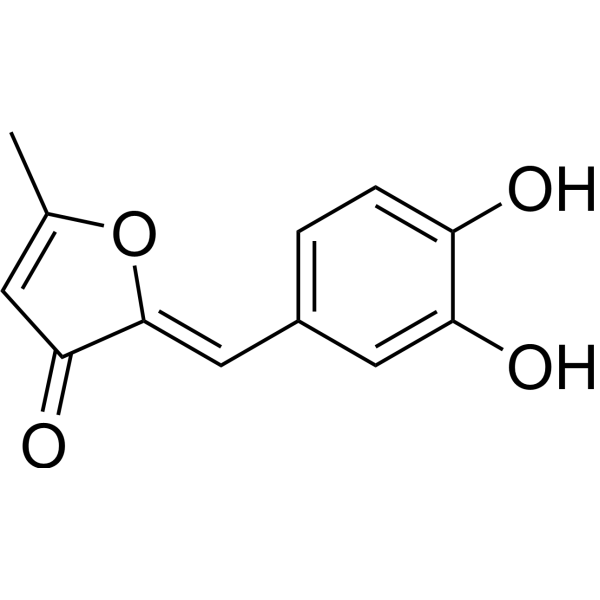
Inotilone is an inhibitor of matrix metalloproteinase MMP-2 and MMP-9, to against metastatic in lung cancer cells. Inotilone enhances the activity of the antioxidant enzymes to support its anti-metastatic activity. Inotilone also inhibits IκBα phosphorylation and NFκB p65 nuclear translocation, involving in FAK, PI3K/AKT, MAPKs and NFκB pathways .
|
-
-
- HY-N0103R
-
|
|
Reference Standards
Autophagy
Apoptosis
NF-κB
PI3K
Akt
MEK
ERK
|
Cardiovascular Disease
Inflammation/Immunology
Cancer
|
|
Sophocarpine (Standard) is the analytical standard of Sophocarpine (HY-N0103). This product is intended for research and analytical applications. Sophocarpine is a PTEN activator and an inhibitor of PI3K/Akt, MEK/ERK, and NF-κB signaling pathways. Sophocarpine upregulates PTEN expression and inhibits PI3K/Akt phosphorylation, arrests tumor cell cycle and induces apoptosis. Sophocarpine inhibits MEK/ERK phosphorylation and VEGF secretion, reducing tumor cell migration. Sophocarpine can also inhibit NF-κB activation and p38 and JNK phosphorylation, reduce the expression of inflammatory factors such as iNOS and COX-2, and activate the Nrf2/HO-1 pathway to reduce oxidative stress. Sophocarpine has anti-tumor, anti-inflammatory, antioxidant and anti-apoptotic effects, and can be used in the research of cancers such as glioblastoma and colorectal cancer, inflammation-related diseases, and Doxorubicin (HY-15142A)-induced cardiac damage .
|
-
-
- HY-N13200
-
|
|
Bacterial
NF-κB
Caspase
Apoptosis
PI3K
Akt
Fungal
|
Infection
Cancer
|
|
Cranberry Extract is the extract of Cranberry, with content of 25% -50% Proanthocyanidins. Cranberry Extract exhibits anti-virus and antimicrbiol activity. Cranberry Extract suppresses fungal growth and biofilm formation. Cranberry Extract reduces NF-κB p65 phosphorylation, and PI3K/AKT signaling; increases caspase-8/9 activity to induce apoptosis, modulates oxidative stress, inflammation, and lipid profiles. Cranberry Extract exerts antiproliferative effects and induces cell cycle arrest. Cranberry Extract can be used for the research of infection and cancers .
|
-
-
- HY-N0392R
-
|
|
Reference Standards
Toll-like Receptor (TLR)
PI3K
Akt
NF-κB
|
Inflammation/Immunology
Cancer
|
|
Polygalasaponin F (Standard) is the analytical standard of Polygalasaponin F. This product is intended for research and analytical applications. Polygalasaponin F is an orally active triterpenoid saponin monomer. Polygalasaponin F downregulates the expression of Bax, p53, caspase-3, NF-κB p65 and MEK1; restores and upregulates the expression of Bcl-2; activates the PI3K/Akt signaling pathway; inhibits the phosphorylation of p38 MAPK, nuclear translocation of NF-κB, TLR4-mediated signaling pathway, mitophagy (Mitophagy) and ROS production; enhances cell viability and suppresses apoptosis (Apoptosis). Polygalasaponin F maintains mitochondrial function, alleviates Ca 2+ overload, upregulates pCREB and BDNF, preserves cell viability and inhibits the release of inflammatory cytokines. Polygalasaponin F alleviates lung injury induced by influenza A H1N1 and cerebral ischemia-reperfusion injury. Polygalasaponin F is applicable to researches related to Parkinson's disease, cerebral ischemia, pneumonia induced by influenza A H1N1, stroke and Alzheimer's disease.
|
-
-
- HY-N0493R
-
|
|
Reference Standards
COX
Lipoxygenase
NF-κB
p38 MAPK
ERK
HIF/HIF Prolyl-Hydroxylase
Keap1-Nrf2
PI3K
Apoptosis
Autophagy
|
Inflammation/Immunology
|
|
Pectolinarigenin (Standard) is the analytical standard of Pectolinarigenin. This product is intended for research and analytical applications. Pectolinarigenin is an orally active dual inhibitor of COX-2/5-LOX with anti-inflammatory, antioxidant, antitumor and neuroprotective activities. Pectolinarigenin exerts neuroprotective and anti-inflammatory effects on astrocyte inflammation via the NFκB and MAPK pathways. Pectolinarigenin inhibits LPS-induced phosphorylation of ERK1/2, N-FκB and p38MAPK, directly inhibits the enzymatic activity or binding of COX-2, 5-LOX and HIF-1α, and reduces the level of XIAP. Pectolinarigenin modifies Keap1 to promote nuclear accumulation of Nrf2, induces ARE-mediated antioxidant enzyme expression, and possesses direct free radical scavenging activity. Pectolinarigenin reduces the release of NO, proinflammatory mediators and leukotrienes, and increases the level of IL-10. Pectolinarigenin induces G2/M cell cycle arrest, apoptosis (Apoptosis) and autophagy (Autophagy) via the PI3K/AKT/mTOR signaling pathway. Pectolinarigenin reduces renal crystal deposition and inhibits melanin synthesis. Pectolinarigenin inhibits inflammation and alleviates allergy in mouse models of inflammation. Pectolinarigenin alleviates renal injury, inflammation and oxidative stress in mice by inhibiting HIF-1α activity. Pectolinarigenin can be used for the research of neurodegenerative diseases, inflammatory/allergic diseases, calcium oxalate nephrocalcinosis, gastric cancer, melasma, post-inflammatory diseases and chloasma.
|
-
-
- HY-N2593R
-
|
|
Reference Standards
Carnitine Palmitoyltransferase (CPT)
Reactive Oxygen Species (ROS)
Autophagy
Apoptosis
NF-κB
PI3K
Akt
MMP
Keap1-Nrf2
|
Inflammation/Immunology
Cancer
|
|
Isorhapontigenin (Standard) is the analytical standard of Isorhapontigenin (HY-N2593). This product is intended for research and analytical applications. Isorhapontigenin is an orally active dietary polyphenol. Isorhapontigenin acts as a potent antioxidant that reduces the production of reactive oxygen species (ROS). Isorhapontigenin promotes the binding of JUN to the AP-1 site on the SESN2 promoter, induces SESN2 transcription, triggers MAPK8-dependent JUN activation, and upregulates the expression of PPAR-α, PGC-1α and CPT-1A to facilitate fatty acid oxidation. Isorhapontigenin induces autophagy, apoptosis and preadipocyte differentiation; it inhibits tumor growth, cell invasion, NF-κB transcriptional activity, the PI3K/Akt signaling pathway, STAT1 phosphorylation and MMP-2 expression. Isorhapontigenin alleviates oxidative stress, inflammatory cytokine release and triglyceride accumulation; it increases intracellular ATP levels and promotes Nrf2 nuclear translocation. Isorhapontigenin improves insulin sensitivity in adipose tissue and glucose tolerance, and reduces postprandial blood glucose, insulin and free fatty acid levels. Isorhapontigenin is applicable to research on bladder cancer, liver injury, chronic obstructive pulmonary disease, acute lung injury and type 2 diabetes.
|
-
-
- HY-W714214
-
|
|
Herbicide
Microtubule/Tubulin
PI3K
Akt
Apoptosis
Autophagy
Reactive Oxygen Species (ROS)
NF-κB
p38 MAPK
|
Infection
|
|
Ethalfluralin is a dinitroaniline herbicide and microtubule inhibitor. Ethalfluralin blocks nuclear division and cytokinesis of parasites by inhibiting intranuclear spindle formation. Ethalfluralin activates the phosphorylation levels of NF-κB and P38 MAPK, inhibits the PI3K/AKT signaling pathway, impairs mitochondrial function, and induces apoptosis, endoplasmic reticulum stress, autophagy, and ROS production. Ethalfluralin is applicable to research related to toxoplasmosis .
|
-
-
- HY-N10342
-
|
|
Apoptosis
Bcl-2 Family
Caspase
PARP
Reactive Oxygen Species (ROS)
Bacterial
PI3K
Akt
NF-κB
P-glycoprotein
|
Infection
Cancer
|
|
Cajanol is an isoflavanone that can be isolated from the roots of Cajanus cajan (L.) Millsp. . Cajanol inhibits cancer cell proliferation and induces cancer cell apoptosis. Cajanol promotes the expression of Bax, inhibits the expression of Bcl-2, activates caspase-9 and caspase-3, induces PARP cleavage, arrests the cell cycle at the G2/M phase, generates ROS, disrupts mitochondrial membrane potential and triggers cytochrome c release. Cajanol induces bacterial DNA damage, disrupts bacterial cell membranes, and exerts antibacterial activity in vitro. Cajanol reduces the expression of PI3K, inhibits the phosphorylation of Akt and NF-κB, downregulates the expression and transport function of P-gp, restores the sensitivity of drug-resistant cancer cells to Paclitaxel, and inhibits the growth of Paclitaxel-resistant metastatic ovarian tumors. Cajanol is applicable to research related to breast cancer, ovarian cancer and bacterial infections .
|
-
| Cat. No. |
Product Name |
Category |
Target |
Chemical Structure |
-
- HY-N0103
-
Sophocarpine
Maximum Cited Publications
11 Publications Verification
|
Infection
Alkaloids
Piperidine Alkaloids
Classification of Application Fields
Leguminosae
Sophora flavescens Aiton
Plants
Inflammation/Immunology
Disease Research Fields
Source Classification
|
Autophagy
Apoptosis
NF-κB
PI3K
Akt
MEK
ERK
PTEN
|
|
Sophocarpine is a PTEN activator and an inhibitor of PI3K/Akt, MEK/ERK, and NF-κB signaling pathways. Sophocarpine upregulates PTEN expression and inhibits PI3K/Akt phosphorylation, arrests tumor cell cycle and induces apoptosis. Sophocarpine inhibits MEK/ERK phosphorylation and VEGF secretion, reducing tumor cell migration. Sophocarpine can also inhibit NF-κB activation and p38 and JNK phosphorylation, reduce the expression of inflammatory factors such as iNOS and COX-2, and activate the Nrf2/HO-1 pathway to reduce oxidative stress. Sophocarpine has anti-tumor, anti-inflammatory, antioxidant and anti-apoptotic effects, and can be used in the research of cancers such as glioblastoma and colorectal cancer, inflammation-related diseases, and Doxorubicin (HY-15142A)-induced cardiac damage .
|
-
-
- HY-N2593
-
|
|
Structural Classification
Stilbenes
Classification of Application Fields
Gnetum cleistostachyum C. Y. Cheng
Phenols
Polyphenols
Gnetaceae
Plants
Inflammation/Immunology
Disease Research Fields
Source Classification
|
Carnitine Palmitoyltransferase (CPT)
Reactive Oxygen Species (ROS)
Autophagy
Apoptosis
NF-κB
PI3K
Akt
MMP
Keap1-Nrf2
|
|
Isorhapontigenin is an orally active dietary polyphenol. Isorhapontigenin acts as a potent antioxidant that reduces the production of reactive oxygen species (ROS). Isorhapontigenin promotes the binding of JUN to the AP-1 site on the SESN2 promoter, induces SESN2 transcription, triggers MAPK8-dependent JUN activation, and upregulates the expression of PPAR-α, PGC-1α and CPT-1A to facilitate fatty acid oxidation. Isorhapontigenin induces autophagy, apoptosis and preadipocyte differentiation; it inhibits tumor growth, cell invasion, NF-κB transcriptional activity, the PI3K/Akt signaling pathway, STAT1 phosphorylation and MMP-2 expression. Isorhapontigenin alleviates oxidative stress, inflammatory cytokine release and triglyceride accumulation; it increases intracellular ATP levels and promotes Nrf2 nuclear translocation. Isorhapontigenin improves insulin sensitivity in adipose tissue and glucose tolerance, and reduces postprandial blood glucose, insulin and free fatty acid levels. Isorhapontigenin is applicable to research on bladder cancer, liver injury, chronic obstructive pulmonary disease, acute lung injury and type 2 diabetes .
|
-
-
- HY-N0696
-
-
-
- HY-N0493
-
|
|
Structural Classification
Flavonoids
Classification of Application Fields
Flavones
Campylotropis hirtella (Franch.) Schindl.
Phenols
Polyphenols
Plants
Compositae
Inflammation/Immunology
Disease Research Fields
Source Classification
|
COX
Lipoxygenase
NF-κB
p38 MAPK
ERK
HIF/HIF Prolyl-Hydroxylase
Keap1-Nrf2
PI3K
Apoptosis
Autophagy
|
|
Pectolinarigenin is an orally active dual inhibitor of COX-2/5-LOX with anti-inflammatory, antioxidant, antitumor and neuroprotective activities. Pectolinarigenin exerts neuroprotective and anti-inflammatory effects on astrocyte inflammation via the NFκB and MAPK pathways. Pectolinarigenin inhibits LPS-induced phosphorylation of ERK1/2, N-FκB and p38MAPK, directly inhibits the enzymatic activity or binding of COX-2, 5-LOX and HIF-1α, and reduces the level of XIAP. Pectolinarigenin modifies Keap1 to promote nuclear accumulation of Nrf2, induces ARE-mediated antioxidant enzyme expression, and possesses direct free radical scavenging activity. Pectolinarigenin reduces the release of NO, proinflammatory mediators and leukotrienes, and increases the level of IL-10. Pectolinarigenin induces G2/M cell cycle arrest, apoptosis (Apoptosis) and autophagy (Autophagy) via the PI3K/AKT/mTOR signaling pathway. Pectolinarigenin reduces renal crystal deposition and inhibits melanin synthesis. Pectolinarigenin inhibits inflammation and alleviates allergy in mouse models of inflammation. Pectolinarigenin alleviates renal injury, inflammation and oxidative stress in mice by inhibiting HIF-1α activity. Pectolinarigenin can be used for the research of neurodegenerative diseases, inflammatory/allergic diseases, calcium oxalate nephrocalcinosis, gastric cancer, melasma, post-inflammatory diseases and chloasma .
|
-
-
- HY-N0392
-
|
|
Triterpenes
Structural Classification
Classification of Application Fields
Terpenoids
Polygalaceae
Polygala japonica Houtt.
Plants
Inflammation/Immunology
Disease Research Fields
Source Classification
|
Toll-like Receptor (TLR)
PI3K
Akt
NF-κB
MDM-2/p53
Caspase
MEK
Bcl-2 Family
p38 MAPK
Mitophagy
Reactive Oxygen Species (ROS)
Apoptosis
Calcium Channel
|
|
Polygalasaponin F is an orally active triterpenoid saponin monomer. Polygalasaponin F downregulates the expression of Bax, p53, caspase-3, NF-κB p65 and MEK1; restores and upregulates the expression of Bcl-2; activates the PI3K/Akt signaling pathway; inhibits the phosphorylation of p38 MAPK, nuclear translocation of NF-κB, TLR4-mediated signaling pathway, mitophagy (Mitophagy) and ROS production; enhances cell viability and suppresses apoptosis (Apoptosis). Polygalasaponin F maintains mitochondrial function, alleviates Ca 2+ overload, upregulates pCREB and BDNF, preserves cell viability and inhibits the release of inflammatory cytokines. Polygalasaponin F alleviates lung injury induced by influenza A H1N1 and cerebral ischemia-reperfusion injury. Polygalasaponin F is applicable to researches related to Parkinson's disease, cerebral ischemia, pneumonia induced by influenza A H1N1, stroke and Alzheimer's disease .
|
-
-
- HY-N2110
-
|
|
Structural Classification
Classification of Application Fields
Coumarins
Phenylpropanoids
Umbelliferae
Helogyne apaloidea Nutt.
Plants
Inflammation/Immunology
Disease Research Fields
Source Classification
|
Akt
Sirtuin
Integrin
STAT
PI3K
Apoptosis
ERK
PPAR
PKC
Toll-like Receptor (TLR)
HIV
|
|
Phellopterin, an orally active furocoumarin with multiple biological activities. Phellopterin is a partial agonist of the central benzodiazepine receptors. Phellopterin exerts anti-inflammatory effects by upregulating SIRT1, downregulating ICAM-1 (reducing chronic inflammation, aiding diabetic ulcer healing), inhibiting STAT3 phosphorylation (easing atopic dermatitis inflammation), regulating Akt/PKC pathways (lowering TNF-α-induced VCAM-1 to block monocyte adhesion), and inhibiting TLR4/NF-κB pathway and macrophage M2 polarization (alleviating colitis-related cancers). Phellopterin suppresses ovarian cancer progression via inhibiting the PU.1/CLEC5A/PI3K-AKT loop (inducing cell cycle arrest, apoptosis, DNA damage). Phellopterin alleviates murine diabetes by promoting adipocyte differentiation and increasing PPARγ. Phellopterin also has anti-HSV-1 activity. Phellopterin can be used for studying anti-inflammation, anti-cancer (e.g., ovarian cancer, colitis cancer), blood glucose lowering, anti-diabetes, and anti-virus .
|
-
-
- HY-N4205
-
|
|
Alkaloids
Piperidine Alkaloids
Classification of Application Fields
Piperaceae
Plants
Disease Research Fields
Piper nigrum Linn.
Source Classification
Cancer
|
Cytochrome P450
|
|
Tetrahydropiperine is an orally effective, selective inhibitor of NF-κB and MAPKs<、b>, and an activator of the PI3K/Akt/mTOR<、b> pathway. Tetrahydropiperine reduces the production of pro-inflammatory cytokines such as TNF-α, IL-6, and nitric oxide (NO) by inhibiting the nuclear translocation of NF-κB and the phosphorylation of MAPKs such as ERK, JNK, and p38. At the same time, Tetrahydropiperine inhibits excessive autophagy by activating the PI3K/Akt/mTOR pathway, protecting neurons from oxidative damage. Tetrahydropiperine has anti-inflammatory, anti-apoptotic, and neuroprotective effects, and is mainly used in the study of inflammatory diseases (such as endotoxemia, arthritis) and neurological diseases such as ischemic stroke .
|
-
-
- HY-N3312
-
-
-
- HY-N8884
-
-
-
- HY-N0103A
-
|
|
Infection
Alkaloids
Piperidine Alkaloids
Classification of Application Fields
Leguminosae
Sophora japonica L.
Plants
Inflammation/Immunology
Disease Research Fields
Source Classification
|
Autophagy
Apoptosis
NF-κB
PI3K
Akt
MEK
ERK
|
|
Sophocarpine monohydrate is a PTEN activator and an inhibitor of PI3K/Akt, MEK/ERK, and NF-κB signaling pathways. Sophocarpine monohydrate upregulates PTEN expression and inhibits PI3K/Akt phosphorylation, arrests tumor cell cycle and induces apoptosis. Sophocarpine monohydrate inhibits MEK/ERK phosphorylation and VEGF secretion, reducing tumor cell migration. Sophocarpine monohydrate can also inhibit NF-κB activation and p38 and JNK phosphorylation, reduce the expression of inflammatory factors such as iNOS and COX-2, and activate the Nrf2/HO-1 pathway to reduce oxidative stress. Sophocarpine monohydrate has anti-tumor, anti-inflammatory, antioxidant and anti-apoptotic effects, and can be used in the research of cancers such as glioblastoma and colorectal cancer, inflammation-related diseases, and Doxorubicin (HY-15142A)-induced cardiac damage .
|
-
-
- HY-N10133
-
|
3′-Prenylnaringenin
|
Structural Classification
Glycyrrhiza glabra Linn.
Flavonoids
Leguminosae
Flavonones
Plants
Source Classification
|
Bacterial
mTOR
Akt
PI3K
NF-κB
Caspase
JNK
ERK
COX
NO Synthase
Apoptosis
|
Licoflavanone (3′-Prenylnaringenin) is a flavanone with antioxidant, anti-inflammatory and anticancer activities. Licoflavanone can be isolated from the leaf extract of Glycyrrhiza glabra. Licoflavanone downregulates the mTOR/PI3K/AKT signaling pathway to inhibit the proliferation, migration and invasion of cancer cells, while activates Bax, Bad and multiple caspase enzymes to induce apoptosis. Its anti-inflammatory effect is manifested by reducing the nuclear translocation of NF-κB, decreasing the phosphorylation levels of p38, JNK and ERK1/2, thereby inhibiting the expression of nitric oxide, proinflammatory cytokines, COX-2 and iNOS. Licoflavanone is used in studies on nasopharyngeal carcinoma and related mechanisms .
|
-
-
- HY-N2110R
-
|
|
Structural Classification
Coumarins
Phenylpropanoids
Umbelliferae
Helogyne apaloidea Nutt.
Plants
Source Classification
|
Reference Standards
Akt
Sirtuin
Integrin
STAT
PI3K
Apoptosis
ERK
PPAR
PKC
Toll-like Receptor (TLR)
HIV
|
|
Phellopterin (Standard) is the analytical standard of Phellopterin. Phellopterin, an orally active furocoumarin with multiple biological activities. Phellopterin is a partial agonist of the central benzodiazepine receptors. Phellopterin exerts anti-inflammatory effects by upregulating SIRT1, downregulating ICAM-1 (reducing chronic inflammation, aiding diabetic ulcer healing), inhibiting STAT3 phosphorylation (easing atopic dermatitis inflammation), regulating Akt/PKC pathways (lowering TNF-α-induced VCAM-1 to block monocyte adhesion), and inhibiting TLR4/NF-κB pathway and macrophage M2 polarization (alleviating colitis-related cancers). Phellopterin suppresses ovarian cancer progression via inhibiting the PU.1/CLEC5A/PI3K-AKT loop (inducing cell cycle arrest, apoptosis, DNA damage). Phellopterin alleviates murine diabetes by promoting adipocyte differentiation and increasing PPARγ. Phellopterin also has anti-HSV-1 activity. Phellopterin can be used for studying anti-inflammation, anti-cancer (e.g., ovarian cancer, colitis cancer), blood glucose lowering, anti-diabetes, and anti-virus.
|
-
-
- HY-N0696R
-
-
-
- HY-N0103R
-
|
|
Alkaloids
Piperidine Alkaloids
Structural Classification
Leguminosae
Sophora flavescens Aiton
Plants
Source Classification
|
Reference Standards
Autophagy
Apoptosis
NF-κB
PI3K
Akt
MEK
ERK
|
|
Sophocarpine (Standard) is the analytical standard of Sophocarpine (HY-N0103). This product is intended for research and analytical applications. Sophocarpine is a PTEN activator and an inhibitor of PI3K/Akt, MEK/ERK, and NF-κB signaling pathways. Sophocarpine upregulates PTEN expression and inhibits PI3K/Akt phosphorylation, arrests tumor cell cycle and induces apoptosis. Sophocarpine inhibits MEK/ERK phosphorylation and VEGF secretion, reducing tumor cell migration. Sophocarpine can also inhibit NF-κB activation and p38 and JNK phosphorylation, reduce the expression of inflammatory factors such as iNOS and COX-2, and activate the Nrf2/HO-1 pathway to reduce oxidative stress. Sophocarpine has anti-tumor, anti-inflammatory, antioxidant and anti-apoptotic effects, and can be used in the research of cancers such as glioblastoma and colorectal cancer, inflammation-related diseases, and Doxorubicin (HY-15142A)-induced cardiac damage .
|
-
-
- HY-N0392R
-
|
|
Triterpenes
Structural Classification
Terpenoids
Polygalaceae
Polygala japonica Houtt.
Plants
Source Classification
|
Reference Standards
Toll-like Receptor (TLR)
PI3K
Akt
NF-κB
|
|
Polygalasaponin F (Standard) is the analytical standard of Polygalasaponin F. This product is intended for research and analytical applications. Polygalasaponin F is an orally active triterpenoid saponin monomer. Polygalasaponin F downregulates the expression of Bax, p53, caspase-3, NF-κB p65 and MEK1; restores and upregulates the expression of Bcl-2; activates the PI3K/Akt signaling pathway; inhibits the phosphorylation of p38 MAPK, nuclear translocation of NF-κB, TLR4-mediated signaling pathway, mitophagy (Mitophagy) and ROS production; enhances cell viability and suppresses apoptosis (Apoptosis). Polygalasaponin F maintains mitochondrial function, alleviates Ca 2+ overload, upregulates pCREB and BDNF, preserves cell viability and inhibits the release of inflammatory cytokines. Polygalasaponin F alleviates lung injury induced by influenza A H1N1 and cerebral ischemia-reperfusion injury. Polygalasaponin F is applicable to researches related to Parkinson's disease, cerebral ischemia, pneumonia induced by influenza A H1N1, stroke and Alzheimer's disease.
|
-
-
- HY-N0493R
-
|
|
Structural Classification
Flavonoids
Flavones
Campylotropis hirtella (Franch.) Schindl.
Phenols
Polyphenols
Plants
Compositae
Source Classification
|
Reference Standards
COX
Lipoxygenase
NF-κB
p38 MAPK
ERK
HIF/HIF Prolyl-Hydroxylase
Keap1-Nrf2
PI3K
Apoptosis
Autophagy
|
|
Pectolinarigenin (Standard) is the analytical standard of Pectolinarigenin. This product is intended for research and analytical applications. Pectolinarigenin is an orally active dual inhibitor of COX-2/5-LOX with anti-inflammatory, antioxidant, antitumor and neuroprotective activities. Pectolinarigenin exerts neuroprotective and anti-inflammatory effects on astrocyte inflammation via the NFκB and MAPK pathways. Pectolinarigenin inhibits LPS-induced phosphorylation of ERK1/2, N-FκB and p38MAPK, directly inhibits the enzymatic activity or binding of COX-2, 5-LOX and HIF-1α, and reduces the level of XIAP. Pectolinarigenin modifies Keap1 to promote nuclear accumulation of Nrf2, induces ARE-mediated antioxidant enzyme expression, and possesses direct free radical scavenging activity. Pectolinarigenin reduces the release of NO, proinflammatory mediators and leukotrienes, and increases the level of IL-10. Pectolinarigenin induces G2/M cell cycle arrest, apoptosis (Apoptosis) and autophagy (Autophagy) via the PI3K/AKT/mTOR signaling pathway. Pectolinarigenin reduces renal crystal deposition and inhibits melanin synthesis. Pectolinarigenin inhibits inflammation and alleviates allergy in mouse models of inflammation. Pectolinarigenin alleviates renal injury, inflammation and oxidative stress in mice by inhibiting HIF-1α activity. Pectolinarigenin can be used for the research of neurodegenerative diseases, inflammatory/allergic diseases, calcium oxalate nephrocalcinosis, gastric cancer, melasma, post-inflammatory diseases and chloasma.
|
-
-
- HY-N2593R
-
|
|
Structural Classification
Stilbenes
Gnetum cleistostachyum C. Y. Cheng
Phenols
Polyphenols
Gnetaceae
Plants
Source Classification
|
Reference Standards
Carnitine Palmitoyltransferase (CPT)
Reactive Oxygen Species (ROS)
Autophagy
Apoptosis
NF-κB
PI3K
Akt
MMP
Keap1-Nrf2
|
|
Isorhapontigenin (Standard) is the analytical standard of Isorhapontigenin (HY-N2593). This product is intended for research and analytical applications. Isorhapontigenin is an orally active dietary polyphenol. Isorhapontigenin acts as a potent antioxidant that reduces the production of reactive oxygen species (ROS). Isorhapontigenin promotes the binding of JUN to the AP-1 site on the SESN2 promoter, induces SESN2 transcription, triggers MAPK8-dependent JUN activation, and upregulates the expression of PPAR-α, PGC-1α and CPT-1A to facilitate fatty acid oxidation. Isorhapontigenin induces autophagy, apoptosis and preadipocyte differentiation; it inhibits tumor growth, cell invasion, NF-κB transcriptional activity, the PI3K/Akt signaling pathway, STAT1 phosphorylation and MMP-2 expression. Isorhapontigenin alleviates oxidative stress, inflammatory cytokine release and triglyceride accumulation; it increases intracellular ATP levels and promotes Nrf2 nuclear translocation. Isorhapontigenin improves insulin sensitivity in adipose tissue and glucose tolerance, and reduces postprandial blood glucose, insulin and free fatty acid levels. Isorhapontigenin is applicable to research on bladder cancer, liver injury, chronic obstructive pulmonary disease, acute lung injury and type 2 diabetes.
|
-
-
- HY-N10342
-
|
|
Structural Classification
Flavonoids
Leguminosae
Phenols
Polyphenols
Plants
Isoflavones
Cajanus cajan (L.) Millsp.
Source Classification
|
Apoptosis
Bcl-2 Family
Caspase
PARP
Reactive Oxygen Species (ROS)
Bacterial
PI3K
Akt
NF-κB
P-glycoprotein
|
|
Cajanol is an isoflavanone that can be isolated from the roots of Cajanus cajan (L.) Millsp. . Cajanol inhibits cancer cell proliferation and induces cancer cell apoptosis. Cajanol promotes the expression of Bax, inhibits the expression of Bcl-2, activates caspase-9 and caspase-3, induces PARP cleavage, arrests the cell cycle at the G2/M phase, generates ROS, disrupts mitochondrial membrane potential and triggers cytochrome c release. Cajanol induces bacterial DNA damage, disrupts bacterial cell membranes, and exerts antibacterial activity in vitro. Cajanol reduces the expression of PI3K, inhibits the phosphorylation of Akt and NF-κB, downregulates the expression and transport function of P-gp, restores the sensitivity of drug-resistant cancer cells to Paclitaxel, and inhibits the growth of Paclitaxel-resistant metastatic ovarian tumors. Cajanol is applicable to research related to breast cancer, ovarian cancer and bacterial infections .
|
-
Your information is safe with us. * Required Fields.
Inquiry Information
- Product Name:
- Cat. No.:
- Quantity:
- MCE Japan Authorized Agent:

