

1. Search Result
Search Result
Results for "

Thrombin receptors

" in MedChemExpress (MCE) Product Catalog:

51

Inhibitors & Agonists

1

Biochemical Assay Reagents

24

Peptides

1

Natural
Products

1

Isotope-Labeled Compounds

Cat. No. Nombre del producto Target Áreas de investigación Chemical Structure
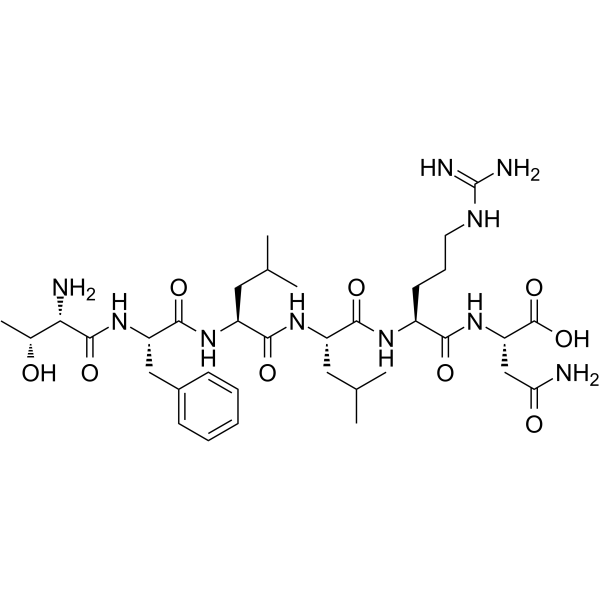
  • HY-P0078
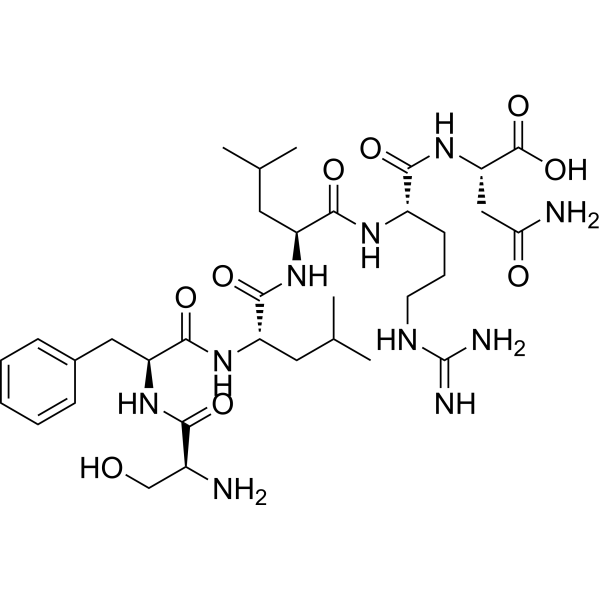
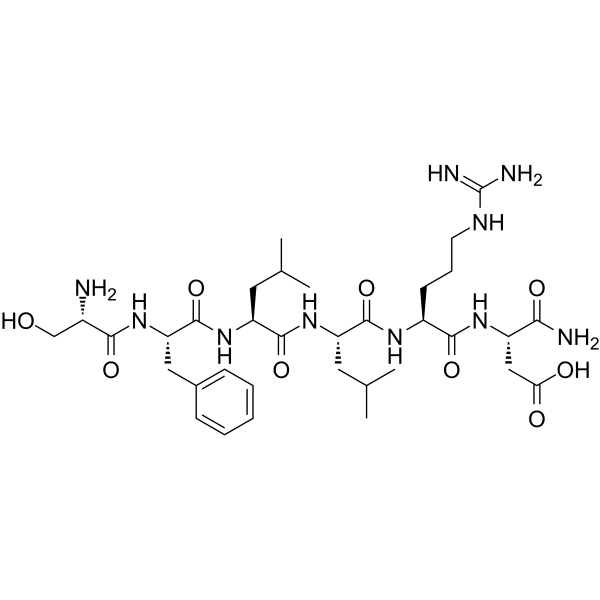
    TRAP-6
    5+ Cited Publications

    PAR-1 agonist peptide; Thrombin Receptor Activator Peptide 6

    Protease Activated Receptor (PAR) Inflammation/Immunology
    TRAP-6 (PAR-1 agonist peptide), a peptide fragment, is a selective protease activating receptor 1 (PAR1) agonist. TRAP-6 activates human platelets via the thrombin receptor. TRAP-6 shows no activity at PAR4 .
    TRAP-6
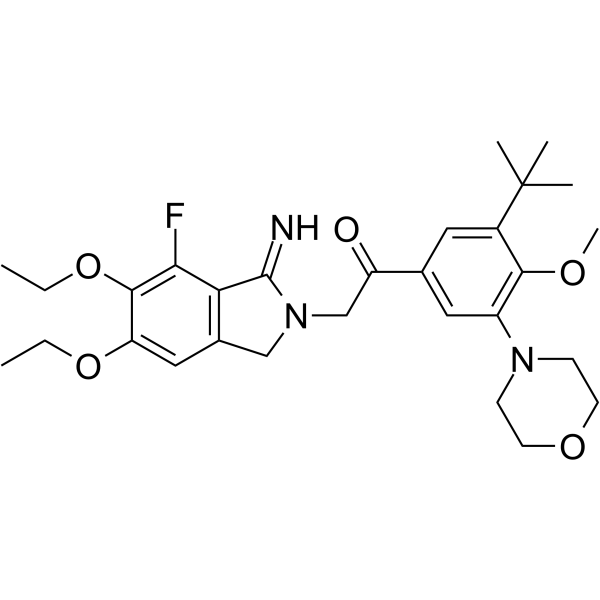
  • HY-10119
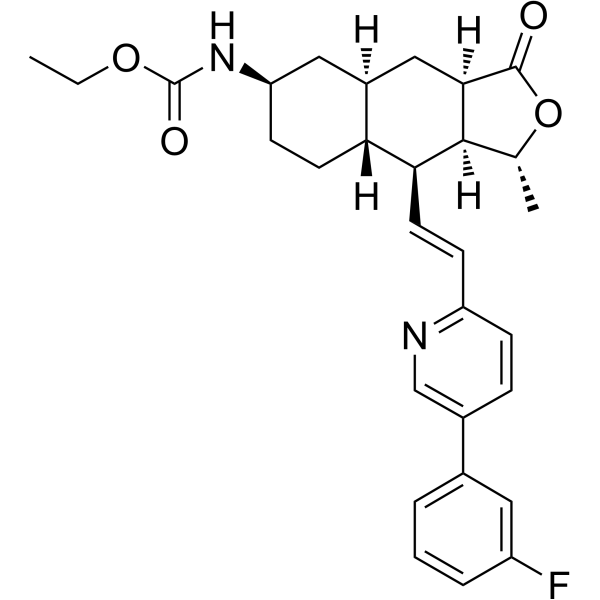
    Vorapaxar
    Maximum Cited Publications
    12 Publications Verification

    SCH 530348

    Protease Activated Receptor (PAR) Cardiovascular Disease
    Vorapaxar (SCH 530348), an antiplatelet agent, is a selective, orally active, and competitive thrombin receptor protease-activated receptor (PAR-1) antagonist (Ki=8.1 nM). Vorapaxar (SCH 530348) inhibits thrombin receptor-activating peptide (TRAP)-induced platelet aggregation in a dose-dependent manner .
    Vorapaxar
  • HY-P3267
    Holo-Bovine Transferrin
    2 Publications Verification

    Transferrin Receptor Others
    Holo-Bovine Transferrin, a blood-plasma glycoprotein, is a target ligand for transferrin receptor. Holo-Bovine Transferrin can bind to and mediate the transport of iron .
    Holo-Bovine Transferrin
  • HY-14993
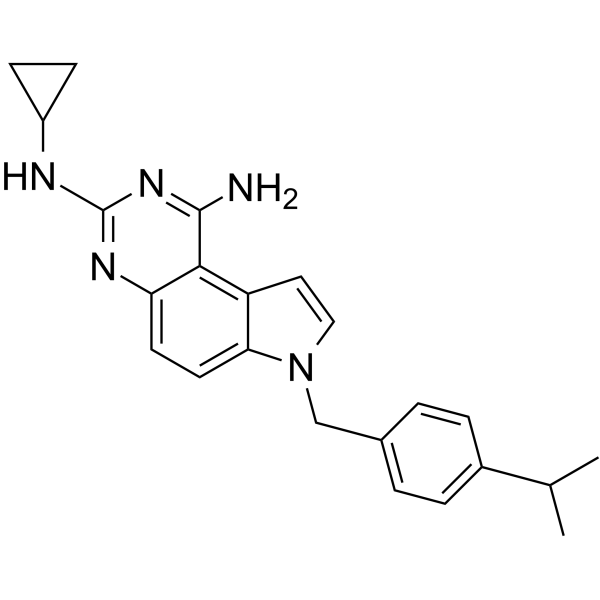
    SCH79797
    5 Publications Verification

    Protease Activated Receptor (PAR) Apoptosis Cardiovascular Disease
    SCH79797 is a highly potent, selective nonpeptide protease activated receptor 1 (PAR1) antagonist. SCH79797 inhibits binding of a high-affinity thrombin receptor-activating peptide to PAR1 with an IC50 of 70 nM and a Ki of 35 nM. SCH79797 inhibits thrombin-induced platelet aggregation with an IC50 of 3 μM. SCH79797 has antiproliferative and pro-apoptotic effects, and limits myocardial ischemia/reperfusion injury in rat hearts. SCH79797 also potently prevents PAR1 activation in vascular smooth muscle cells, endothelial cells, and astrocytes .
    SCH79797
  • HY-10119A
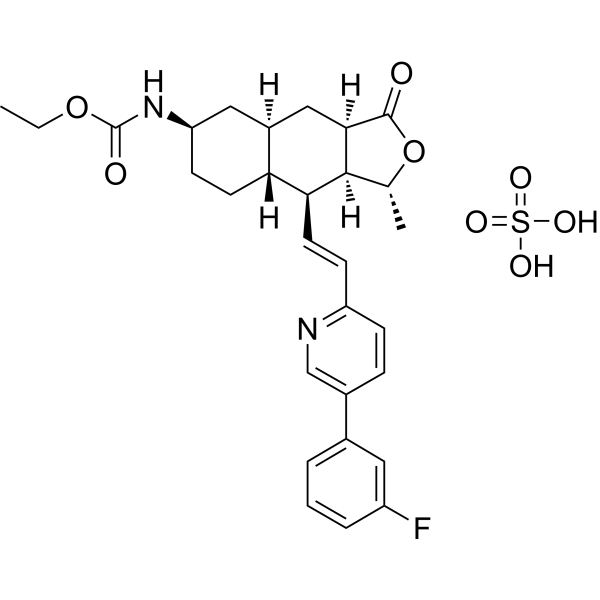
    Vorapaxar sulfate
    Maximum Cited Publications
    12 Publications Verification

    SCH 530348 sulfate

    Protease Activated Receptor (PAR) Cardiovascular Disease
    Vorapaxar sulfate (SCH 530348 sulfate), an antiplatelet agent, is a selective, orally active, and competitive thrombin receptor protease-activated receptor (PAR-1) antagonist (Ki=8.1 nM). Vorapaxar sulfate inhibits thrombin receptor-activating peptide (TRAP)-induced platelet aggregation in a dose-dependent manner .
    Vorapaxar sulfate
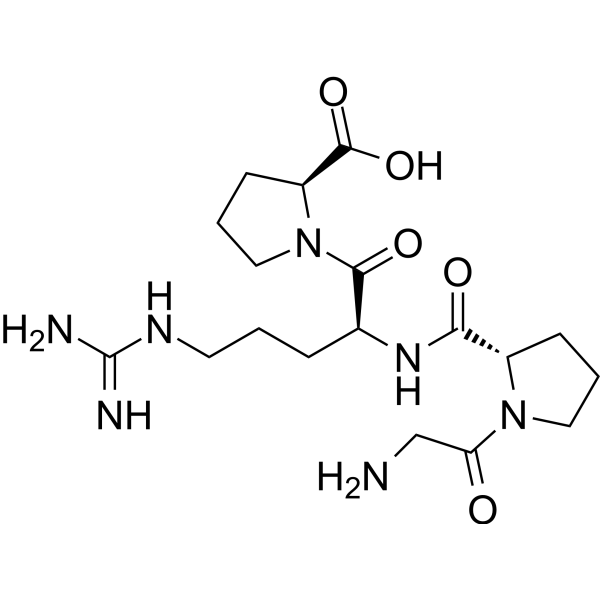
  • HY-P0074
    GPRP
    3 Publications Verification

    Gly-Pro-Arg-Pro; Pefa 6003

    Thrombin Cardiovascular Disease
    GPRP (Gly-Pro-Arg-Pro; Pefa 6003) is a fibrin polymerization inhibitor that inhibits the interaction between fibrinogen and the platelet membrane glycoprotein Ⅱb/IIIa complex (glycoprotein IIb/IIIa receptor) . GPRP increases the level of free thrombin in activated platelet-rich plasma by reducing the adsorption of thrombin onto fibrin. GPRP inhibits platelet aggregation and prolongs the thrombin-initiated clotting time in plasma. GPRP is applicable for research related to thrombosis and thrombotic diseases .
    GPRP
  • HY-107613
    R 59-022
    2 Publications Verification

    DKGI-I; Diacylglycerol kinase inhibitor I

    PKC 5-HT Receptor Inflammation/Immunology
    R 59-022 (DKGI-I) is a DGK inhibitor (IC50: 2.8 µM). R 59-022 inhibits the phosphorylation of OAG to OAPA. R 59-022 is a 5-HT Receptor antagonist, and activates protein kinase C (PKC). R 59-022 potentiates thrombin-induced diacylglycerol production in platelets and inhibits phosphatidic acid production in neutrophils .
    R 59-022
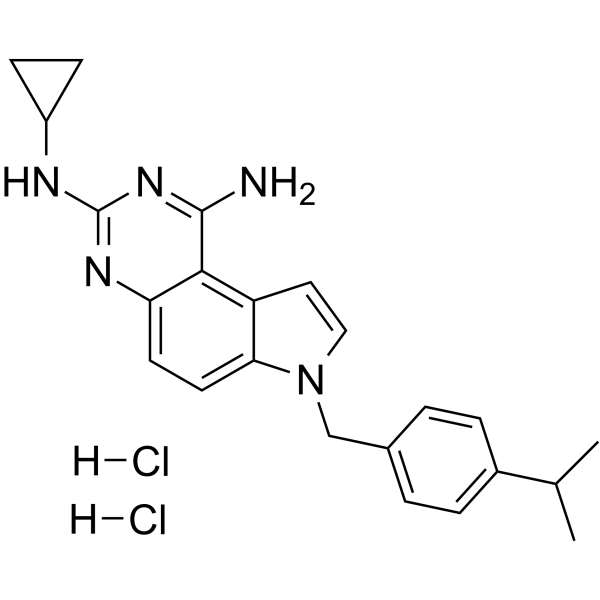
  • HY-14994
    SCH79797 dihydrochloride
    5 Publications Verification

    Protease Activated Receptor (PAR) Apoptosis Cardiovascular Disease
    SCH79797 dihydrochloride is a highly potent, selective nonpeptide protease activated receptor 1 (PAR1) antagonist. SCH79797 dihydrochloride inhibits binding of a high-affinity thrombin receptor-activating peptide to PAR1 with an IC50 of 70 nM and a Ki of 35 nM. SCH79797 dihydrochloride inhibits thrombin-induced platelet aggregation with an IC50 of 3 μM. SCH79797 dihydrochloride has antiproliferative and pro-apoptotic effects, and limits myocardial ischemia/reperfusion injury in rat hearts. SCH79797 dihydrochloride also potently prevents PAR1 activation in vascular smooth muscle cells, endothelial cells, and astrocytes .
    SCH79797 dihydrochloride
  • HY-P2518

    Protease Activated Receptor (PAR) Inflammation/Immunology
    Protease-Activated Receptor-1, PAR-1 Agonist is a selective proteinase-activated receptor1 (PAR-1) agonist peptide. Protease-Activated Receptor-1, PAR-1 Agonist corresponds to PAR1 tethered ligand and which can selectively mimic theactions of thrombin via this receptor .
    Protease-Activated Receptor-1, PAR-1 Agonist
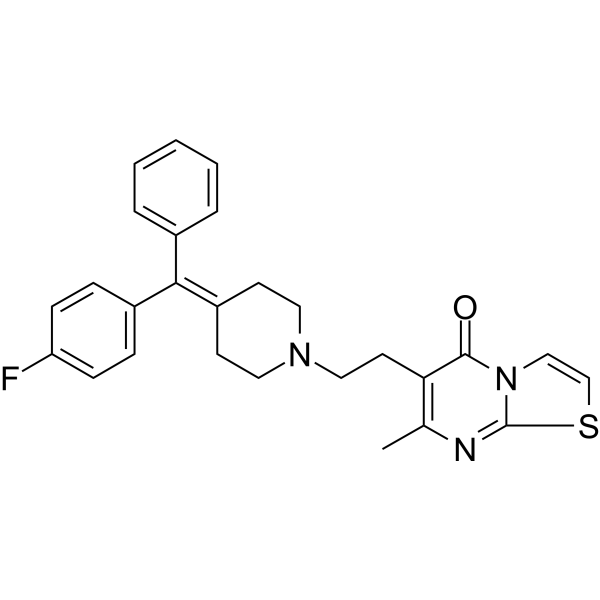
  • HY-18200

    E5555; ER-172594-00

    Protease Activated Receptor (PAR) JAK Apoptosis Cardiovascular Disease Cancer
    Atopaxar (E5555) is a potent, orally active, selective and reversible thrombin receptor protease-activated receptor-1 (PAR-1) antagonist. Atopaxar, an antiplatelet agent, interferes with platelet signaling. Atopaxar can be used for the research of atherothrombotic disease .
    Atopaxar
  • HY-P1000

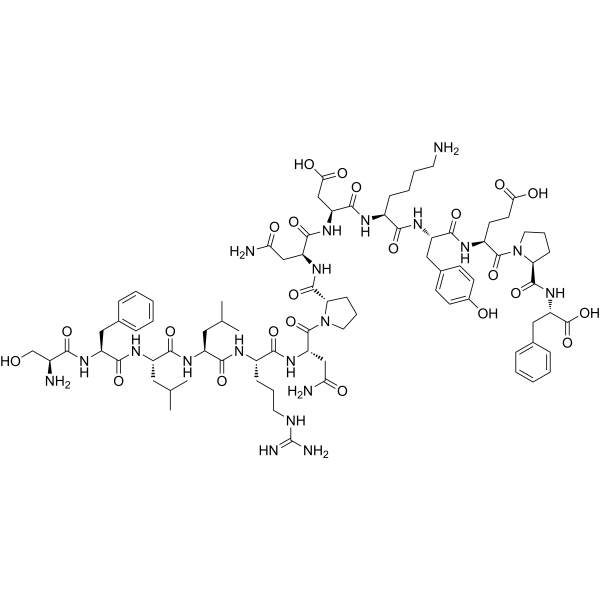
    SFLLRNPNDKYEPF

    Thrombin Cardiovascular Disease
    TRAP-14 (SFLLRNPNDKYEPF) is a synthetic thrombin receptor agonist peptide.
    TRAP-14
  • HY-150790

    Protease Activated Receptor (PAR) Cardiovascular Disease
    BMS-98614 is an orally active, selective thrombin receptor protease-activated receptor-4 (PAR-4) antagonist with an IC50 value of 0.4 nM. BMS-98614 has excellent antithrombotic effect .
    BMS-986141
  • HY-P2321

    Protease Activated Receptor (PAR) Inflammation/Immunology
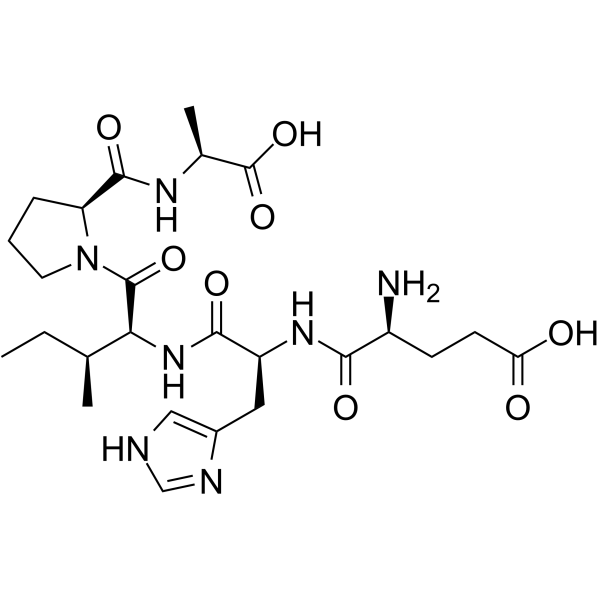
    TRAP-6 amide is a PAR-1 thrombin receptor agonist peptide .
    TRAP-6 amide
  • HY-P5372A

    Protease Activated Receptor (PAR) Cancer
    Ala-parafluoroPhe-Arg-Cha-Cit-Tyr-NH2 TFA, a bioactive peptide, is a selective Protease activating receptor 1 (PAR-1) agonist over PAR-2. PAR-1 belongs to a subfamily of G-protein coupled receptors and is known to mediate the cellular effects of thrombin. In addition to its varied cellular effects of thrombin, PAR-1 has also been shown to coordinate with PAR-4 and regulate thrombin-induced hepatocellular carcinoma harboring thrombin formation within the tumor environment classified as 'coagulation type' .
    Ala-parafluoroPhe-Arg-Cha-Cit-Tyr-NH2 TFA
  • HY-P0316

    Thrombin NO Synthase Cardiovascular Disease
    TP508 is a 23-amino acid nonproteolytic thrombin peptide that represents a portion of the receptor-binding domain of thrombin molecule. TP508 activates endothelial NO synthase (eNOS) and stimulates production of NO in human endothelial cells. TP508 activates endothelial cells and stem cells to revascularize and regenerate tissues .
    TP508
  • HY-P4987

    Protease Activated Receptor (PAR) Cardiovascular Disease
    TRAP-7 is a thrombin receptor (PAR) activating peptide. TRAP-7 stimulates total inositol phosphate (IP) accumulation and phosphorylation of a specific endogenous substrate for activated PKC. TRAP-7 can be used in cardiovascular disease research .
    TRAP-7
  • HY-107613A
    R 59-022 hydrochloride
    2 Publications Verification

    DKGI-I hydrochloride; Diacylglycerol kinase inhibitor I hydrochloride

    PKC 5-HT Receptor Infection Inflammation/Immunology Cancer
    R 59-022 (DKGI-I) hydrochloride is a DGK inhibitor (IC50: 2.8 µM). R 59-022 hydrochloride inhibits the phosphorylation of OAG to OAPA. R 59-022 hydrochloride is a 5-HT Receptor antagonist, and activates protein kinase C (PKC). R 59-022 hydrochloride potentiates thrombin-induced diacylglycerol production in platelets and inhibits phosphatidic acid production in neutrophils .
    R 59-022 hydrochloride
  • HY-P5875A

    Protease Activated Receptor (PAR) Cardiovascular Disease Inflammation/Immunology
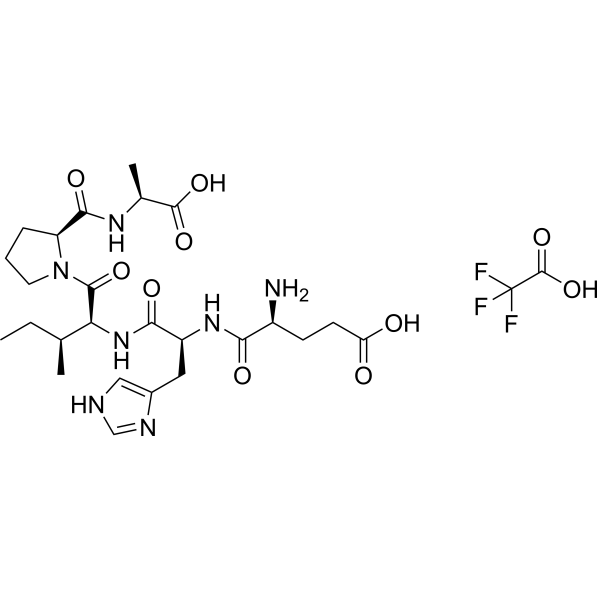
    P4pal10 TFA is the TFA salt form of P4pal10 (HY-P5875). P4pal10 TFA is an antagonist for protease-activated receptor 4 (PAR4). P4pal10 TFA inhibits the platelet aggregation, inhibits tissue factor (TF)-induced thrombin generation, and exhibits anticoagulant and antithrombotic activities. P4pal10 TFA reduces the oedema and the granulocyte infiltration induced by Carrageenan (HY-125474). P4pal10 TFA ameliorates the injury in rats myocardial ischemia/reperfusion (I/R) models .
    P4pal10 TFA
  • HY-P0316A

    Thrombin NO Synthase Cardiovascular Disease
    TP508 TFA is a 23-amino acid nonproteolytic thrombin peptide that represents a portion of the receptor-binding domain of thrombin molecule. TP508 TFA activates endothelial NO synthase (eNOS) and stimulates production of NO in human endothelial cells. TP508 TFA activates endothelial cells and stem cells to revascularize and regenerate tissues .
    TP508 TFA
  • HY-P5372

    Protease Activated Receptor (PAR) Cancer
    Ala-parafluoroPhe-Arg-Cha-Cit-Tyr-NH2, a bioactive peptide, is a selective Protease activating receptor 1 (PAR-1) agonist over PAR-2. PAR-1 belongs to a subfamily of G-protein coupled receptors and is known to mediate the cellular effects of thrombin. In addition to its varied cellular effects of thrombin, PAR-1 has also been shown to coordinate with PAR-4 and regulate thrombin-induced hepatocellular carcinoma harboring thrombin formation within the tumor environment classified as 'coagulation type' .
    Ala-parafluoroPhe-Arg-Cha-Cit-Tyr-NH2
  • HY-18200B

    E5555 hydrobromide; ER 172594-06

    Protease Activated Receptor (PAR) JAK Apoptosis Cardiovascular Disease Cancer
    Atopaxar (E5555) hydrobromide is a potent, orally active, selective and reversible thrombin receptor protease-activated receptor-1 (PAR-1) antagonist. Atopaxar hydrobromide, an antiplatelet agent, interferes with platelet signaling. Atopaxar hydrobromide can be used for the research of atherothrombotic disease .
    Atopaxar hydrobromide
  • HY-P1536

    Protease Activated Receptor (PAR) Cardiovascular Disease
    Thrombin Receptor Activator for Peptide 5 (TRAP-5) is also called Coagulation Factor II Receptor (1-5) or Proteinase Activated Receptor 1 (1-5), used in the research of coronary heart disease (CHD).
    Thrombin Receptor Activator for Peptide 5 (TRAP-5)
  • HY-14993R

    Protease Activated Receptor (PAR) Apoptosis Cardiovascular Disease
    SCH79797 (Standard) is the analytical standard of SCH79797. This product is intended for research and analytical applications. SCH79797 is a highly potent, selective nonpeptide protease activated receptor 1 (PAR1) antagonist. SCH79797 inhibits binding of a high-affinity thrombin receptor-activating peptide to PAR1 with an IC50 of 70 nM and a Ki of 35 nM. SCH79797 inhibits thrombin-induced platelet aggregation with an IC50 of 3 μM. SCH79797 has antiproliferative and pro-apoptotic effects, and limits myocardial ischemia/reperfusion injury in rat hearts. SCH79797 also potently prevents PAR1 activation in vascular smooth muscle cells, endothelial cells, and astrocytes .
    SCH79797 (Standard)
  • HY-163341

    Protease Activated Receptor (PAR) Cardiovascular Disease
    PAR4 antagonist 1 (Compound 48) is a protease activated receptor 4 (PAR4) antagonist with an IC50 of 1.8 nM. PAR4 antagonist 1 has an IC50 of 2 nM against γ-thrombin-activated PAR4 in platelet-rich plasma (PRP). PAR4 antagonist 1 can be used in antithrombotic research .
    PAR4 antagonist 1
  • HY-128345

    Protease Activated Receptor (PAR) Cardiovascular Disease
    UDM-001651 is a potent, selective, and orally bioavailable protease-activated receptor 4 (PAR4) antagonist (IC50=4 nM; Kd=1.4 nM). UDM-001651 shows antiplatelet potency (IC50=25 nM) in a γ-thrombin-induced platelet-rich plasma aggregation assay (γ-Thr PRP) .
    UDM-001651
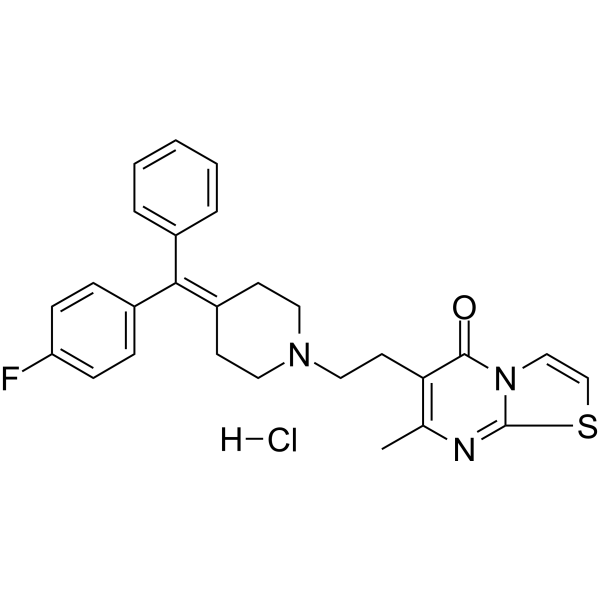
  • HY-18200A

    E5555 hydrochloride; ER-172594-00 hydrochloride

    Protease Activated Receptor (PAR) JAK Apoptosis Cardiovascular Disease Cancer
    Atopaxar hydrochloride (E5555 hydrochloride) is the hydrochloride salt form of Atopaxar (HY-18200). Atopaxar hydrochloride is an orally active, selective and reversible antagonist for thrombin receptor protease-activated receptor-1 (PAR-1). Atopaxar hydrochloride is the inhibitor for Janus kinase 1 (JAK1) and JAK2, which inhibits the JAK-STAT with EC50 of 5.90 μM in A549. Atopaxar hydrochloride inhibits the cell viability of A549 (IC50=7.02 μM), arrests the cell cycle at G1 phase and induces apoptosis. Atopaxar hydrochloride exhibits antiplatelet and antitumor activities. Atopaxar hydrochloride can be used for the research of atherothrombotic disease .
    Atopaxar hydrochloride
  • HY-P5889

    Thrombin Cardiovascular Disease
    Thrombin receptor peptide ligand is a thrombin receptor antagonist peptide that can be used as an antithrombotic agent .
    Thrombin receptor peptide ligand
  • HY-P5371

    Thrombin Others
    TFLLRNPNDK-NH2 is a biological active peptide. (This peptide is a thrombin receptor activating peptide. This PAR-1 agonist peptide reversibly binds to PAR-1 mimicking the 'tethered ligand' that thrombin makes available through proteolytic cleavage of substrate. It is also known to cause increase in liquid and protein permeability much like thrombin.)
    TFLLRNPNDK-NH2
  • HY-P2321A

    Protease Activated Receptor (PAR) Inflammation/Immunology
    TRAP-6 amide TFA is a PAR-1 thrombin receptor agonist peptide .
    TRAP-6 amide TFA
  • HY-10119R

    SCH 530348 (Standard)

    Reference Standards Protease Activated Receptor (PAR) Cardiovascular Disease
    Vorapaxar (Standard) is the analytical standard of Vorapaxar. This product is intended for research and analytical applications. Vorapaxar (SCH 530348), an antiplatelet agent, is a selective, orally active, and competitive thrombin receptor protease-activated receptor (PAR-1) antagonist (Ki=8.1 nM). Vorapaxar (SCH 530348) inhibits thrombin receptor-activating peptide (TRAP)-induced platelet aggregation in a dose-dependent manner .
    Vorapaxar (Standard)
  • HY-10119S

    SCH 530348-d5

    Protease Activated Receptor (PAR) Isotope-Labeled Compounds Cardiovascular Disease
    Vorapaxar-d5 is deuterated labeled Vorapaxar (HY-10119). Vorapaxar (SCH 530348), an antiplatelet agent, is a selective, orally active, and competitive thrombin receptor protease-activated receptor (PAR-1) antagonist (Ki=8.1 nM). Vorapaxar (SCH 530348) inhibits thrombin receptor-activating peptide (TRAP)-induced platelet aggregation in a dose-dependent manner .
    Vorapaxar-d5
  • HY-108555

    Protease Activated Receptor (PAR) Cardiovascular Disease
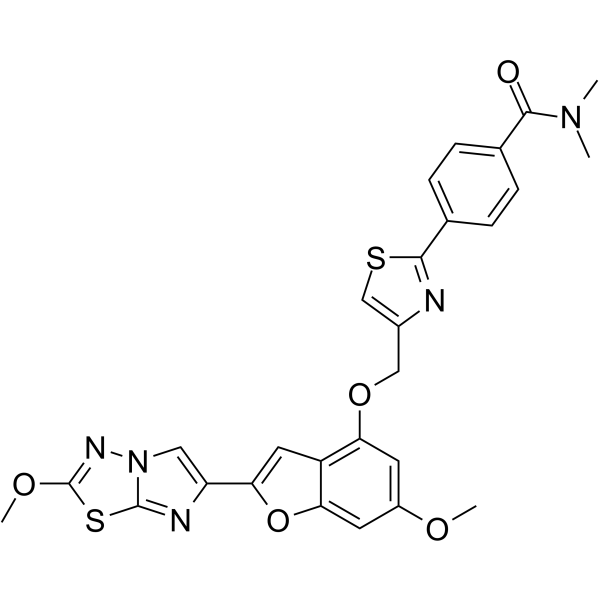
    FR171113 is a specific and non-peptide thrombin receptor antagonist. FR171113 exhibits the antithrombotic effects of a PAR1 antagonist. FR171113 inhibits thrombin-induced platelet aggregation with an IC50 of 0.29 μM. .
    FR-171113
  • HY-10119AR

    SCH 530348 sulfate (Standard)

    Reference Standards Protease Activated Receptor (PAR) Cardiovascular Disease
    Vorapaxar (sulfate) (Standard) is the analytical standard of Vorapaxar (sulfate). This product is intended for research and analytical applications. Vorapaxar sulfate (SCH 530348 sulfate), an antiplatelet agent, is a selective, orally active, and competitive thrombin receptor protease-activated receptor (PAR-1) antagonist (Ki=8.1 nM). Vorapaxar sulfate inhibits thrombin receptor-activating peptide (TRAP)-induced platelet aggregation in a dose-dependent manner .
    Vorapaxar sulfate (Standard)
  • HY-P1261

    Protease Activated Receptor (PAR) Cardiovascular Disease Inflammation/Immunology
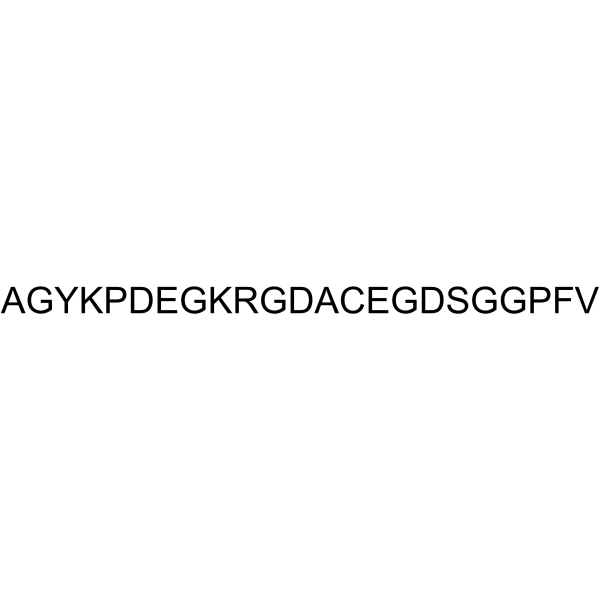
    Parstatin(mouse), a cell-penetrating PAR-1 thrombin receptor agonist peptide, is a potent inhibitor of angiogenesis .
    Parstatin(mouse)
  • HY-P1262

    Protease Activated Receptor (PAR) Cardiovascular Disease Inflammation/Immunology
    Parstatin(human), a cell-penetrating PAR-1 thrombin receptor agonist peptide, is a potent inhibitor of angiogenesis .
    Parstatin(human)
  • HY-P1261A

    Protease Activated Receptor (PAR) Cardiovascular Disease Inflammation/Immunology
    Parstatin(mouse) TFA, a cell-penetrating PAR-1 thrombin receptor agonist peptide, is a potent inhibitor of angiogenesis .
    Parstatin(mouse) TFA
  • HY-P1262A

    Protease Activated Receptor (PAR) Cardiovascular Disease Inflammation/Immunology
    Parstatin(human) TFA, a cell-penetrating PAR-1 thrombin receptor agonist peptide, is a potent inhibitor of angiogenesis .
    Parstatin(human) TFA
  • HY-P2518A

    Protease Activated Receptor (PAR) Cancer
    Protease-Activated Receptor-1, PAR-1 Agonist TFA is a selective proteinase-activated receptor1 (PAR-1) agonist peptide. Protease-Activated Receptor-1, PAR-1 Agonist TFA corresponds to PAR1 tethered ligand and which can selectively mimic theactions of thrombin via this receptor .
    Protease-Activated Receptor-1, PAR-1 Agonist TFA
  • HY-14994R

    Protease Activated Receptor (PAR) Apoptosis Cardiovascular Disease
    SCH79797 (dihydrochloride) (Standard) is the analytical standard of SCH79797 (dihydrochloride). This product is intended for research and analytical applications. SCH79797 dihydrochloride is a highly potent, selective nonpeptide protease activated receptor 1 (PAR1) antagonist. SCH79797 dihydrochloride inhibits binding of a high-affinity thrombin receptor-activating peptide to PAR1 with an IC50 of 70 nM and a Ki of 35 nM. SCH79797 dihydrochloride inhibits thrombin-induced platelet aggregation with an IC50 of 3 μM. SCH79797 dihydrochloride has antiproliferative and pro-apoptotic effects, and limits myocardial ischemia/reperfusion injury in rat hearts. SCH79797 dihydrochloride also potently prevents PAR1 activation in vascular smooth muscle cells, endothelial cells, and astrocytes .
    SCH79797 dihydrochloride (Standard)
  • HY-P5357

    Protease Activated Receptor (PAR) Others
    SFNGGP-NH2 is a biological active peptide. (PAR-3 is a high-affinity thrombin receptor. PAR-3 mRNA is expressed in the cutaneous mast cells of humans. Protease-Activated Receptors (PARs) have been studied for their roles in itch and their itch-associated response through histamine-dependent/independent pathways have been reported. PAR-3 has been shown not to induce itching alone but possibly in conjunction with PAR-4. Co-expression of PAR-3 and PAR-4 enhances thrombin action suggesting that PAR-3 alone does not mediate transmembrane signaling but instead functions as a cofactor to activate PAR-4.)
    SFNGGP-NH2
  • HY-W006069

    Protease Activated Receptor (PAR) Others
    H-Phe(3,5-DiF)-OH is a difluorophenylalanines in the L-configuration [L-(F2)Phe]. H-Phe(3,5-DiF)-OH can be incorporated into the thrombin receptor-tethered ligand peptide SFLLRNP to identify the phenyl hydrogens of the Phe-2 residue involved in the CH/π receptor interaction .
    H-Phe(3,5-DiF)-OH
  • HY-18201

    Protease Activated Receptor (PAR) Cardiovascular Disease
    SCH-602539 is a selective PAR-1 antagonist. SCH-602539 inhibits platelet aggregation in response to PAR-1-selective high-affinity thrombin receptor agonist peptide. SCH-602539 exhibits synergistic antithrombotic effects when used in combination with Cangrelor (HY-19638) .
    SCH-602539
  • HY-161401

    Protease Activated Receptor (PAR) Cardiovascular Disease
    PAR4 antagonist 2 (Compound 31) is a protease activated receptor 4 (PAR4) antagonist, with IC50 values of 95 nM and 367 nM for human PAR4 and mouse PAR4. PAR4 antagonist 2 is active against PAR4 activation by the native protease thrombin cleavage but not the synthetic PAR4 agonist peptide AYPGKF .
    PAR4 antagonist 2
  • HY-115911

    Glycoprotein VI Cardiovascular Disease
    GPVI antagonist 2 (Compound 1) is a potential antagonist of Glycoprotein VI (GPVI). IC50 values of GPVI antagonist 2 are, respectively, 0.35 μM for collagen, 0.80 μM for CRP, 195.2 μM for convulxin and 81.38 μM for thrombin. Glycoprotein VI (GPVI) is a platelet major collagen receptor and a target for potent and safe antithrombotic research. GPVI antagonist 2 is a promising antiplatelet agent .
    GPVI antagonist 2
  • HY-115912

    Glycoprotein VI Cardiovascular Disease
    GPVI antagonist 3 (Compound 2) is a potential antagonist of Glycoprotein VI (GPVI). IC50 values of GPVI antagonist 3 are, respectively, 1.01 μM for collagen, 1.92 μM for CRP, 7.24 μM for convulxin and 51.74 μM for thrombin. Glycoprotein VI (GPVI) is a platelet major collagen receptor and a target for potent and safe antithrombotic research. GPVI antagonist 3 is a promising antiplatelet agent .
    GPVI antagonist 3
  • HY-167686

    Homopisatin

    Integrin Cardiovascular Disease
    Variabilin (Homopisatin) is a potent RGD-containing antagonist of glycoprotein IIb-IIIa and platelet aggregation inhibitor from the hard tick Dermacentor variabilis. Variabilin potently inhibits platelet aggregation induced by the platelet agonists ADP, collagen, and thrombin receptor peptide SFLLRNP. Variabilin also blocks platelet adhesion to immobilized Fg. In addition, Variabilin inhibits binding of purified human GPIIb-IIIa to immobilized Fg .
    Variabilin
  • HY-P5875

    Protease Activated Receptor (PAR) Cardiovascular Disease Inflammation/Immunology
    P4pal10 is an antagonist for protease-activated receptor 4 (PAR4). P4pal10 inhibits the platelet aggregation, inhibits tissue factor (TF)-induced thrombin generation, and exhibits anticoagulant and antithrombotic activities. P4pal10 reduces the oedema and the granulocyte infiltration induced by Carrageenan (HY-125474). P4pal10 ameliorates the injury in mice myocardial ischemia/reperfusion (I/R) models .
    P4pal10
  • HY-107613R

    DKGI-I (Standard); Diacylglycerol kinase inhibitor I (Standard)

    PKC 5-HT Receptor Reference Standards Inflammation/Immunology
    R 59-022 (Standard) is the analytical standard of R 59-022. This product is intended for research and analytical applications. R 59-022 (DKGI-I) is a DGK inhibitor (IC50: 2.8 µM). R 59-022 inhibits the phosphorylation of OAG to OAPA. R 59-022 is a 5-HT Receptor antagonist, and activates protein kinase C (PKC). R 59-022 potentiates thrombin-induced diacylglycerol production in platelets and inhibits phosphatidic acid production in neutrophils .
    R 59-022 (Standard)
  • HY-182434

    Phosphatase FAP Inflammation/Immunology
    CL 118326 is a potent, selective, competitive inhibitor of mammalian pancreatic phospholipase A2 (PLA2) and a weak antagonist of platelet-activating factor receptor (PAF receptor). CL 118326 competitively inhibits mammalian pancreatic PLA2 (porcine: IC50 = 1.55 μg/mL), and shows no activity against snake venom or bee venom PLA2. CL 118326 inhibits PAF-induced and thrombin-induced platelet aggregation, as well as the release of leukotriene (LTC4) and histamine from basophil-enriched leukocytes. CL 118326 can be used for research on inflammation and allergic reactions .
    CL 118326
  • HY-19175

    FR-144633

    Thrombin Integrin Cardiovascular Disease
    FK 633 (FR-144633) is a fibrinogen inhibitor and peptide mimetic GPⅡbⅡa receptor antagonist. FK 633 has anti-platelet and anti-thrombotic effects. FK 633 inhibits ADP-, collagen-, thrombin-, and PAF-induced platelet aggregation with IC50 values of 103, 87, 98, and 239 nM, respectively .
    FK 633

Consulta en línea

Your information is safe with us. * Required Fields.

Saludo


Country or Region *

Nombre del solicitante *


Nombre de la Organizaciòn *

Department *


Direcciòn del E-mail *


Nombre del producto *

Cat. No.


Requested quantity *

Número de teléfono *


Observaciones

Consulta en línea

Inquiry Information

Nombre del producto:
Cat. No.:
Cantidad:
MCE Japan Authorized Agent:

