



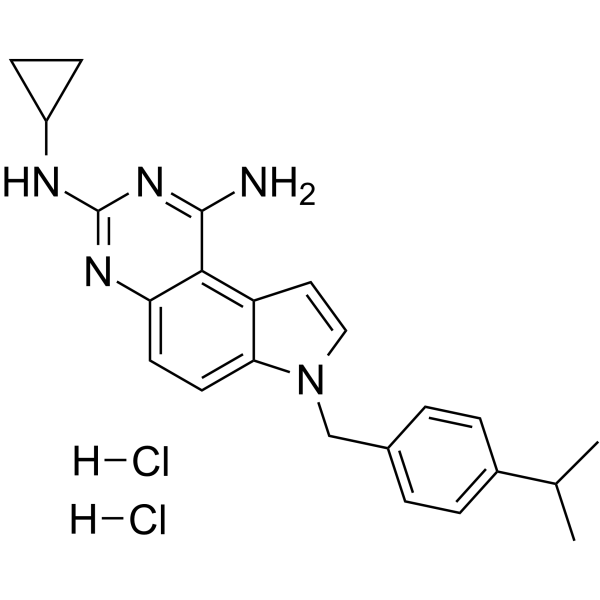
SCH79797 dihydrochloride
Based on 5 publication(s) in Google Scholar
SCH79797 dihydrochloride is a highly potent, selective nonpeptide protease activated receptor 1 (PAR1) antagonist. SCH79797 dihydrochloride inhibits binding of a high-affinity thrombin receptor-activating peptide to PAR1 with an IC50 of 70 nM and a Ki of 35 nM. SCH79797 dihydrochloride inhibits thrombin-induced platelet aggregation with an IC50 of 3 μM. SCH79797 dihydrochloride has antiproliferative and pro-apoptotic effects, and limits myocardial ischemia/reperfusion injury in rat hearts. SCH79797 dihydrochloride also potently prevents PAR1 activation in vascular smooth muscle cells, endothelial cells, and astrocytes.
For research use only. We do not sell to patients.
- Purity : 99.91%
- CAS No.: 1216720-69-2
- Formula: C23H27Cl2N5
- Molecular Weight:444.40
-
Storage:
4°C, sealed storage, away from moisture
* In solvent : -80°C, 6 months; -20°C, 1 month (sealed storage, away from moisture)

To place orders, for customer services and technical support, please contact: MedChemExpress USA
Tel: 609-228-6898 E-mail: [email protected] [email protected]


-
 Biological Activity
-
Chemical Information
-
Solvent & Solubility
- Protocols
- Purity & Documentation
- References
-
 Help & FAQs


-
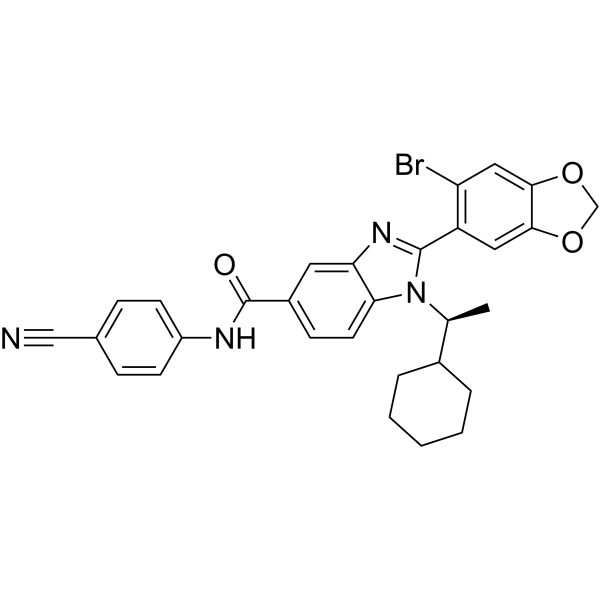
HY-112558
AZ3451PAR2 Antagonist -
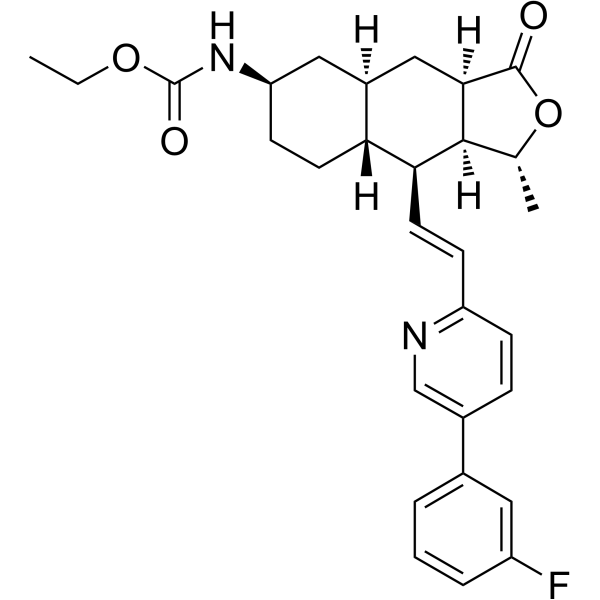
HY-10119
VorapaxarPAR-1 Antagonist -
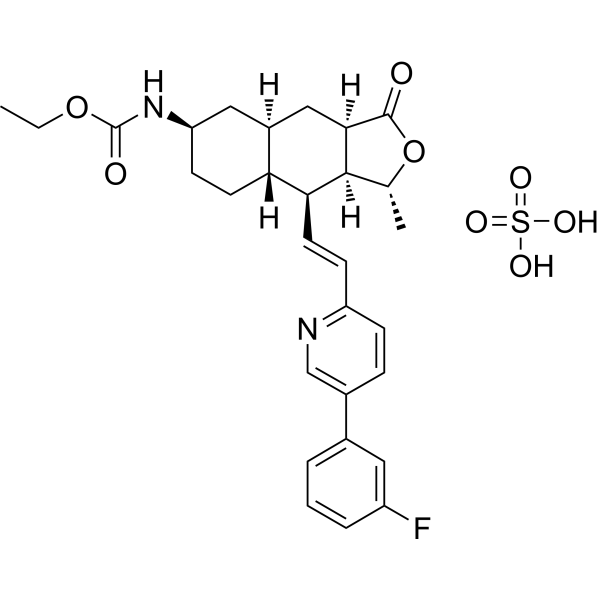
HY-10119A
Vorapaxar sulfatePAR-1 Antagonist -

HY-14994R
SCH79797 dihydrochloride (Standard)PAR1 Antagonist -
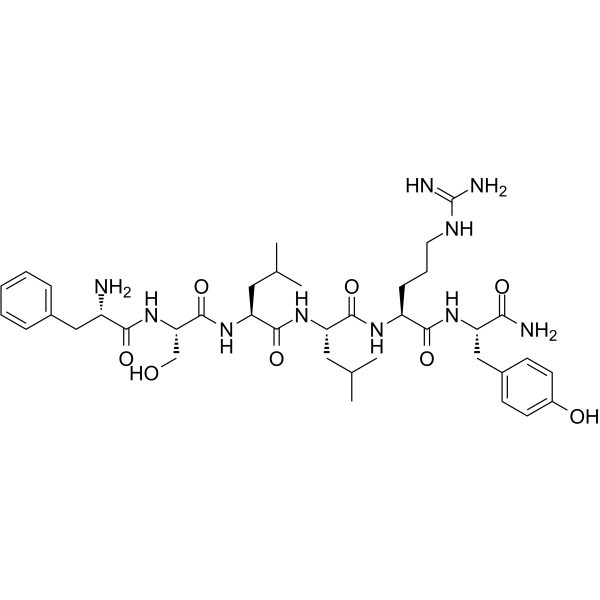
HY-P1260
FSLLRY-NH2PAR2 Inhibitor -
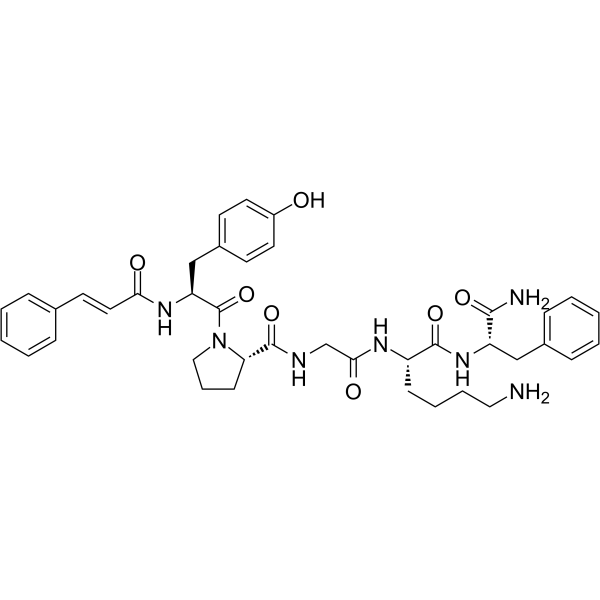
HY-P1263
tcY-NH2PAR4 Antagonist -
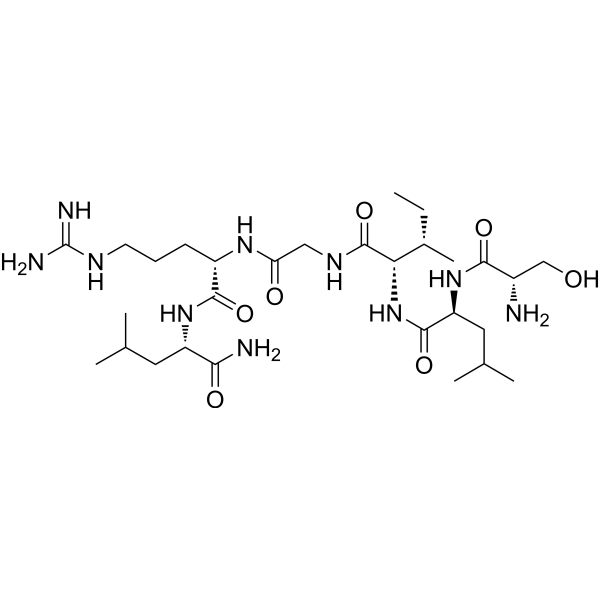
HY-P1308
SLIGRL-NH2PAR-2 Agonist -
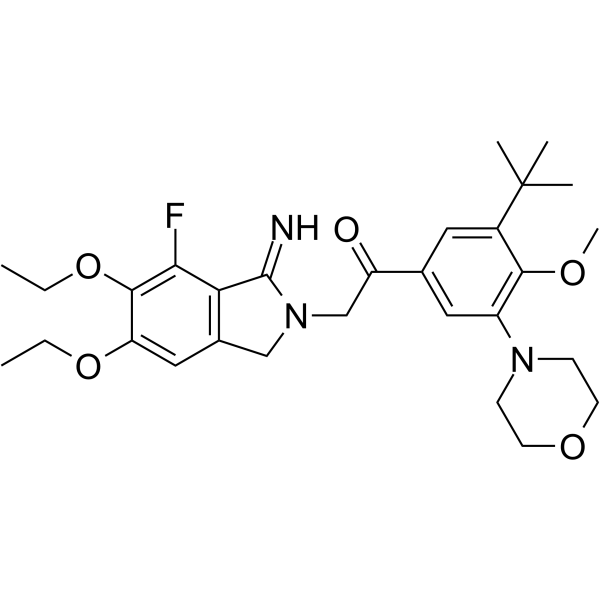
HY-18200
AtopaxarPAR-1 Antagonist -
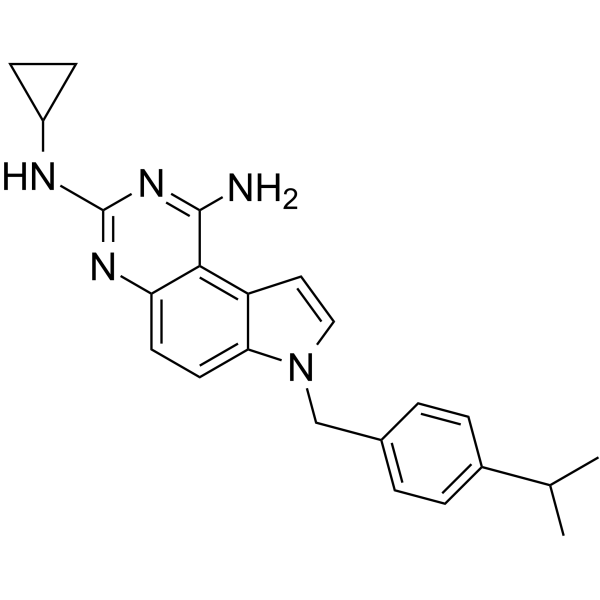
HY-14993
SCH79797PAR1 Antagonist -
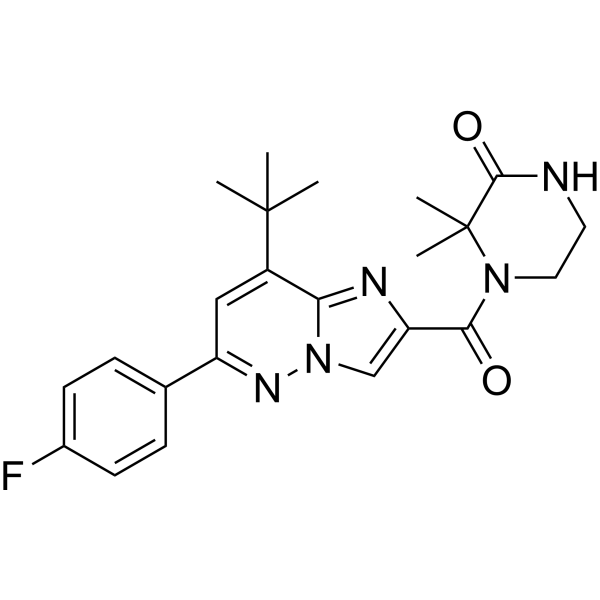
HY-117793
I-191PAR2 Antagonist -
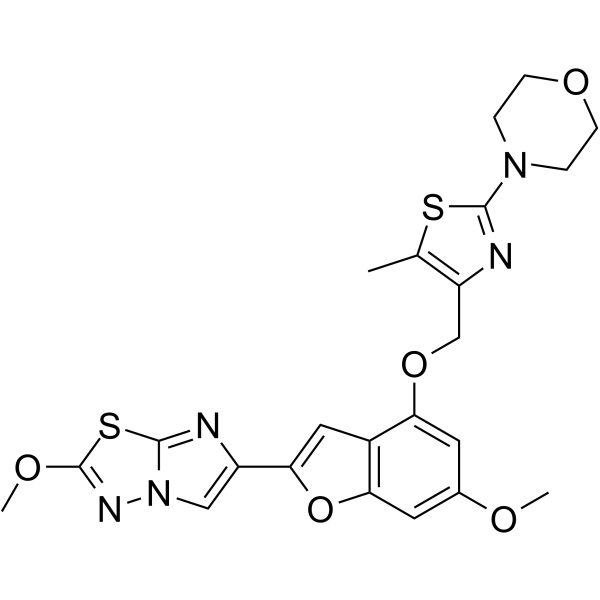
HY-19837
BMS-986120PAR4 Antagonist -
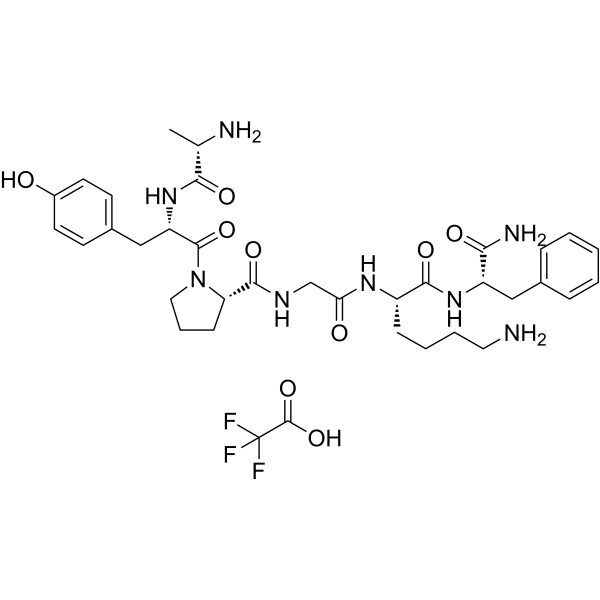
HY-P1309A
PAR-4 Agonist Peptide, amide TFAPAR-4 Agonist
Publications Citing Use of MedChemExpress (MCE) SCH79797 dihydrochloride
More

Biological Activity
Description
IC50 & Target
|
PAR1 |
In Vitro
SCH79797 inhibits high-affinity thrombin receptor-activating peptide ([3H]haTRAP) binding in a competitive manner. SCH79797 inhibits α-thrombin- and haTRAP-induced aggregation of human platelets, but does not inhibit human platelet aggregation induced by the tethered ligand agonist for protease-activated receptor-4 (PAR-4), γ-thrombin, ADP, or collagen. Thrombin produces transient increases in cytosolic free Ca2+ concentration ([Ca2+]i) in hCASMC. SCH79797 effectively inhibits this increase in [Ca2+]i. SCH79797 completely inhibits Thrombin- and TK-stimulated [3H]thymidine incorporation [1].
SCH79797 is able to interfere with the growth of several human and mouse cell lines, in a concentration-dependent manner. The ED50 for growth inhibition iss 75 nM, 81 nM and 116 nM for NIH 3T3, HEK 293 and A375 cells, respectively. In NIH 3T3 cells, SCH79797 inhibits serum-stimulated activation of p44/p42 mitogen-activated protein kinases (MAPK) at low concentrations and induces apoptosis at higher concentrations[2].
MedChemExpress (MCE) has not independently confirmed the accuracy of these methods. They are for reference only. Further protocols information, click here.
In Vivo
MedChemExpress (MCE) has not independently confirmed the accuracy of these methods. They are for reference only.
-
Animal Model:Male Sprague Dawley rats (8 weeks of age) with myocardial I/R injury[4]
-
Dosage:2.5 μg/kg, 10 μg/kg, 25 μg/kg, 50 μg/kg, 100 μg/kg, and 250 μg/kg
-
Administration:Intravenous injection
-
Result:Immediately before or during ischemia reduced myocardial necrosis following I/R in the intact rat heart.


Chemical Information
-
CAS No. 1216720-69-2
-
Appearance Solid
-
Molecular Weight 444.40
-
Formula C23H27Cl2N5
-
Color White to yellow
-
SMILES
Cl[H].Cl[H].NC1=NC(NC2CC2)=NC3=CC=C(N(CC4=CC=C(C(C)C)C=C4)C=C5)C5=C31
-
Shipping
Room temperature in continental US; may vary elsewhere.
-
Storage
4°C, sealed storage, away from moisture
* In solvent : -80°C, 6 months; -20°C, 1 month (sealed storage, away from moisture)


Publications (5)
-
Journal Impact Factor
-
Most Recent
-
Exp Mol Med
Distribution and impact of p16INK4A+ senescent cells in elderly tissues: a focus on senescent immune cell and epithelial dysfunction. [Abstract]2024 Dec;56(12):2631-2641. PMID: 39617789 -
J Immunother Cancer
Unveiling the mechanisms of CEBPD-orchestrated TAM polarization through RGS2/PAR2 pathway and its impact on ICB efficacy in clear cell renal cell carcinoma. [Abstract]2025 Jul 13;13(7):e010898. PMID: 40659446 -
iScience
Noncanonical protease-activated receptor 1 regulates lymphatic differentiation in zebrafish. [Abstract]2021 Oct 30;24(11):103386. PMID: 34816109 -
J Appl Toxicol
Deinagkistrodon acutus Venom Promotes Apoptosis of Vascular Tissue Cells Through PAR1, Leading To Mesenteric Vascular Damage. [Abstract]2025 Sep 1. PMID: 40891103 -


Solvent & Solubility
In Vitro:
DMSO : 22 mg/mL (49.50 mM; Need ultrasonic and warming; Hygroscopic DMSO has a significant impact on the solubility of product, please use newly opened DMSO)
Ethanol : 11 mg/mL (24.75 mM; Need ultrasonic and warming)
Please refer to the solubility information to select the appropriate solvent. Once prepared, please aliquot and store the solution to prevent product inactivation from repeated freeze-thaw cycles.
Storage method and period of stock solution: -80°C, 6 months; -20°C, 1 month (sealed storage, away from moisture). When stored at -80°C, please use it within 6 months. When stored at -20°C, please use it within 1 month.
Please refer to the solubility information to select the appropriate solvent. Once prepared, please aliquot and store the solution to prevent product inactivation from repeated freeze-thaw cycles.
Storage method and period of stock solution: -80°C, 6 months; -20°C, 1 month (sealed storage, away from moisture). When stored at -80°C, please use it within 6 months. When stored at -20°C, please use it within 1 month.
Concentration (start) × Volume (start) = Concentration (final) × Volume (final)

Protocols
-
Apoptosis
Apoptosis, also called programmed cell death, is generally characterized by distinct morphological characteristics.
-
Cell Cytotoxicity Assay
Cytotoxicity assays are usually based on the assessment of cell membrane damage, which can also be indirectly detected by measuring cell viability. Detection methods include MTT assay, CKK-8 assay, LDH assay and ATP assay, etc.
-
Endothelial Tube Formation Assay
Endothelial tube formation assay evaluates the ability of endothelial cells to attach, migrate, align, and organize into capillary-like networks when cultured on gelled basement membrane extract or Matrigel; the readout is the morphology and quantity of tube-like networks, which reflects an in vitro endothelial morphogenesis step related to angiogenesis. Basement membrane extract/Matrigel provides laminin-rich extracellular matrix cues that support endothelial differentiation into capillary-like structures, but it can contain biologically active growth factors, so growth-factor-reduced matrix is preferred when testing defined angiogenic stimulators or inhibitors.
-
Apoptosis Solutions
Apoptosis is a regulated, generally non-lytic cell-death pathway that removes unwanted, damaged, infected, or abnormal cells through coordinated morphological changes, caspase activation, DNA fragmentation, and membrane remodeling. The intrinsic apoptosis pathway is controlled mainly by mitochondrial outer membrane permeabilization, BCL-2 family proteins, cytochrome c release, apoptosome formation, caspase-9 activation, and downstream executioner caspase-3/7 activation. The extrinsic apoptosis pathway is initiated by death receptors such as Fas, TNFR, and TRAIL receptors, which recruit adaptor proteins and activate caspase-8 before engaging executioner caspases or mitochondrial amplification through BID cleavage. Apoptosis is linked to many phenotypes, including cancer cell killing, tissue homeostasis, immune regulation, neurodegeneration, infection response, and treatment-induced cytotoxicity; unresolved questions include how apoptosis interacts with necroptosis, pyroptosis, ferroptos
-
Cell Viability Determination by MTT Colorimetric Assay
The following protocol uses the MTT colorimetric assay as a classic literature-established method for assessing cell viability/metabolic activity in cultured mammalian cells. MTT[3-(4,5-dimethylthiazol-2-yl)-2,5-diphenyltetrazolium bromide] is reduced by metabolically active cells to a colored formazan product; the amount of formazan is quantified spectrophotometrically and provides an indirect measure of metabolically active viable cells. Importantly, MTT reduction reflects cellular oxidoreductase/metabolic activity rather than an absolute direct count of living cells, so changes in cellular metabolism can alter the signal independently of cell number.


Purity & Documentation
-
Data Sheet (279 KB)
-
SDS (252 KB)
- English - EN (252 KB)
- Français - FR (252 KB)
- Deutsch - DE (252 KB)
- Norwegian - NO (252 KB)
- Español - ES (252 KB)
- Swedish - SV (252 KB)
- Italian - IT (252 KB)
- Korean - KR (252 KB)
- Portuguese - PT (252 KB)
-
Handling Instructions (2659 KB)
References
[1]. Ahn HS, et al. Inhibition of cellular action of thrombin by N3-cyclopropyl-7-[[4-(1-methylethyl)phenyl]methyl]-7H-pyrrolo[3, 2-f]quinazoline-1,3-diamine (SCH 79797), a nonpeptide thrombin receptor antagonist. Biochem Pharmacol. 2000 Nov 15;60(10):1425-34. [Content Brief]
[2]. Di Serio C, et al. Protease-activated receptor 1-selective antagonist SCH79797 inhibits cell proliferation and induces apoptosis by a protease-activated receptor 1-independent mechanism. Basic Clin Pharmacol Toxicol. 2007 Jul;101(1):63-9. [Content Brief]
[3]. Sokolova E, et al. A novel therapeutic target in various lung diseases: airway proteases and protease-activated receptors. Pharmacol Ther. 2007 Jul;115(1):70-83. [Content Brief]
[4]. Strande JL, et al. SCH 79797, a selective PAR1 antagonist, limits myocardial ischemia/reperfusion injury in rat hearts. Basic Res Cardiol. 2007 Jul;102(4):350-8. [Content Brief]


Complete Stock Solution Preparation Table
Please refer to the solubility information to select the appropriate solvent. Once prepared, please aliquot and store the solution to prevent product inactivation from repeated freeze-thaw cycles.
Storage method and period of stock solution: -80°C, 6 months; -20°C, 1 month (sealed storage, away from moisture). When stored at -80°C, please use it within 6 months. When stored at -20°C, please use it within 1 month.
| Optional Solvent | Concentration Solvent Mass | 1 mg | 5 mg | 10 mg | 25 mg |
|---|---|---|---|---|---|
| Ethanol / DMSO | 1 mM | 2.2502 mL | 11.2511 mL | 22.5023 mL | 56.2556 mL |
| 5 mM | 0.4500 mL | 2.2502 mL | 4.5005 mL | 11.2511 mL | |
| 10 mM | 0.2250 mL | 1.1251 mL | 2.2502 mL | 5.6256 mL | |
| 15 mM | 0.1500 mL | 0.7501 mL | 1.5002 mL | 3.7504 mL | |
| 20 mM | 0.1125 mL | 0.5626 mL | 1.1251 mL | 2.8128 mL | |
| DMSO | 25 mM | 0.0900 mL | 0.4500 mL | 0.9001 mL | 2.2502 mL |
| 30 mM | 0.0750 mL | 0.3750 mL | 0.7501 mL | 1.8752 mL | |
| 40 mM | 0.0563 mL | 0.2813 mL | 0.5626 mL | 1.4064 mL |


SCH79797 dihydrochloride Related Classifications
HY-14994 Related Classifications
 Powered by Bioz