Search Result
Results for "
advanced+solid+tumors
" in MedChemExpress (MCE) Product Catalog:
2
Isotope-Labeled Compounds
| Cat. No. |
Product Name |
Target |
Research Areas |
Chemical Structure |
-
- HY-136173
-
|
TNO155
|
SHP2
Phosphatase
|
Cancer
|
|
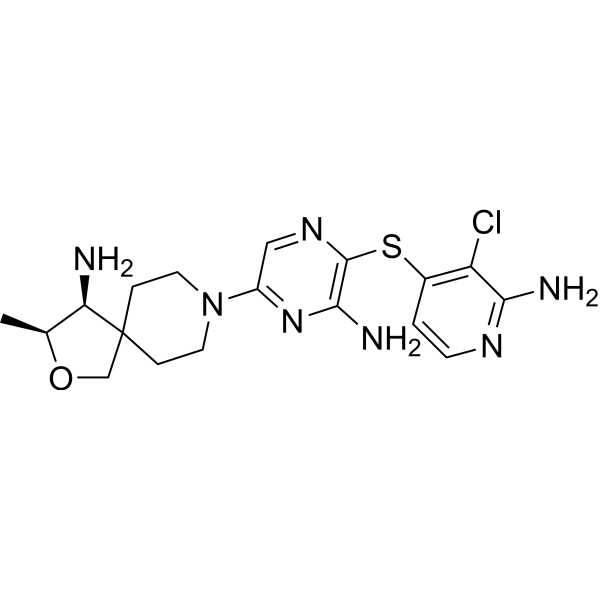
Batoprotafib (TNO155) is a potent selective and orally active allosteric inhibitor of wild-type SHP2 (IC50=0.011 µM). Batoprotafib has the potential for the study of RTK-dependent malignancies, especially advanced solid tumors .
|
-
-
- HY-171945
-
|
ABBV-400; Temab-A
|
Antibody-Drug Conjugates (ADCs)
Topoisomerase
c-Met/HGFR
|
Cancer
|
|
Telisotuzumab Adizutecan (ABBV-400) is an anti-c-Met antibody-drug conjugate (ADC). Telisotuzumab Adizutecan is composed of the humanized anti-c-Met antibody Telisotuzumab (HY-P99391) and the topoisomerase 1 inhibitor (7-MAD-MDCPT) (HY-132162). Telisotuzumab Adizutecan exhibits significant anti-tumor activity against advanced solid tumors such as colorectal cancer, gastric cancer, and non-small cell lung cancer .
|
-

-
- HY-159641
-
|
BAY-3605349
|
Molecular Glues
Keap1-Nrf2
|
Metabolic Disease
Inflammation/Immunology
Cancer
|
|
VVD-130037 (BAY-3605349) is a covalent molecular glue and allosteric NRF2 degrader. VVD-130037 covalently binds to KEAP1 and allosterically enhances the affinity of KEAP1-CUL3, promotes the formation of the active KEAP1-CUL3 E3 ligase complex, and thereby enhances the ubiquitination and degradation of NRF2. VVD-130037 exhibits KEAP1 target-binding activity both in in vitro systems and mouse models, and it can be used in research related to NRF2-dependent cancers, solid tumors harboring KEAP1 nonsense mutations and frameshift mutations, as well as advanced solid tumors .
|
-

-
- HY-400902
-
|
|
YAP
VEGFR
Hippo (MST)
|
Cancer
|
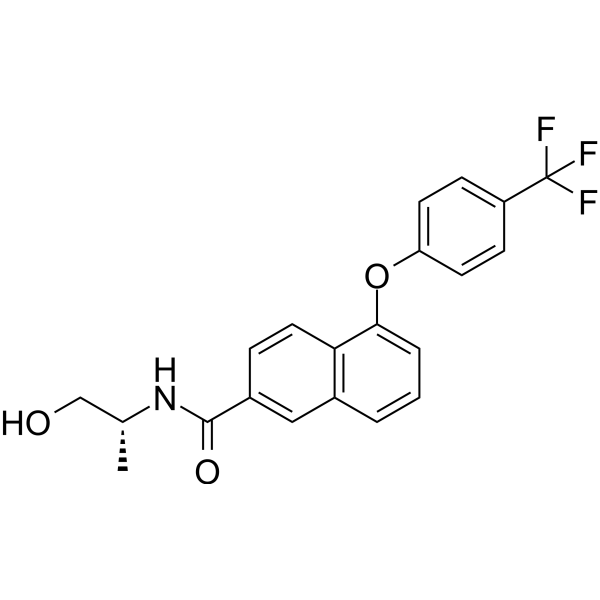
VT3989 is an orally active pan-TEAD autopalmitoylation inhibitor that modulates the Hippo signaling pathway. VT3989 directly binds to TEAD transcription factors to block their palmitoylation modification, thereby disrupting the formation of YAP/TAZ-TEAD complexes and inhibiting downstream oncogenic transcriptional activity. VT3989 effectively inhibits the growth of NF2-deficient schwannoma and meningioma cells and reverses the Schwann cell phenotype. In addition, VT3989 exerts a synergistic effect when combined with Osimtinib (HY-15772) in EGFR-mutant non-small cell lung cancer models, significantly delaying tumor recurrence and prolonging survival. VT3989 can be used for the research of epithelioid hemangioendothelioma, malignant pleural mesothelioma, type 2 neurofibromatosis and related advanced solid tumors .
|
-
-
- HY-177434
-
|
Precem-TcT; M 9140
|
Antibody-Drug Conjugates (ADCs)
Transmembrane Glycoprotein
Topoisomerase
|
Cancer
|
|
Precemtabart tocentecan (Precem-TcT; M 9140) is an anti-CEACAM5 (carcinoembryonic antigen-related cell adhesion molecule 5) antibody-drug conjugate (ADC). Precemtabart tocentecan consists of a tumor-specific anti-CEACAM5 monoclonal antibody Precemtabart (HY-P990940), a highly hydrophilic and stable cleavable β-glucuronide linker, and a topoisomerase 1 inhibitor payload Exatecan (HY-13631), and the drug-linker conjugate for ADC is Mal-Gly-PAB-Exatecan-D-glucuronic acid (HY-153179). Precemtabart tocentecan inhibits the growth of CEACAM5-positive cancer cells. Precemtabart tocentecan exhibits significant antitumor activity in CEACAM5-expressing xenograft models. Precemtabart tocentecan can be used for the study of CEACAM5-expressing advanced solid tumors, especially mCRC .
|
-

-
- HY-13582
-
Carbendazim
Maximum Cited Publications
6 Publications Verification
|
Environmental Pollutants
Fungal
Parasite
|
Infection
Cancer
|
|
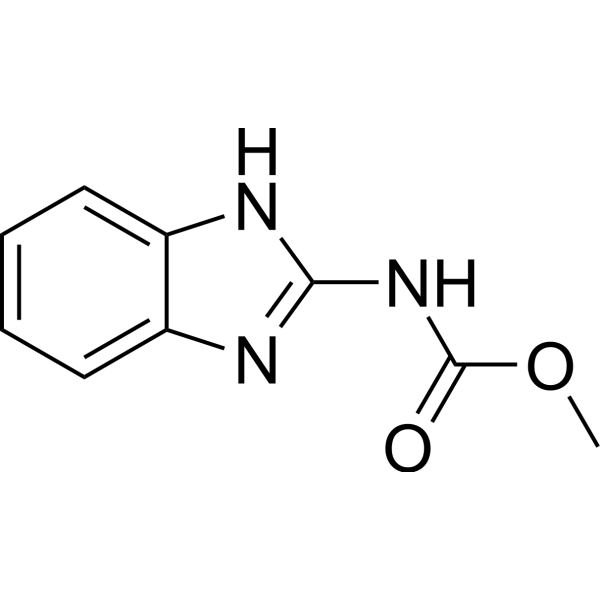
Carbendazim is a potent and orally active broad-spectrum benzimidazole fungicide and can be acts as a pesticide for fungal diseases research, such as Seproria, Fusarium and Sclerotina . Carbendazim is a benzimidazole (HY-Y1825) derivative with antitumor activity and used for cancer research, especially advanced solid tumors and lymphoma .
|
-
-
- HY-177442
-
|
DS-3939
|
Antibody-Drug Conjugates (ADCs)
Mucin
Topoisomerase
Apoptosis
|
Cancer
|
|
DS-3939a (DS-3939) is an anti-TA-MUC1 (tumor-associated mucin-1) antibody-drug conjugate (ADC). DS-3939a consists of a humanized anti-TA-MUC1 IgG1 monoclonal antibody Gatipotuzumab ( HY-P99634), a stable and cleavable tetrapeptide-based linker (Gly-Gly-Phe-Gly), and a DNA topoisomerase I inhibitor payload (DXd) (HY-13631D), and the drug-linker conjugate for ADC is Deruxtecan (HY-13631E). DS-3939a inhibits the growth of TA-MUC1-positive cancer cells (CFPAC-1, NCI-H2110) by inducing DNA damage and apoptosis. DS-3939a exhibits significant antitumor activity in a variety of TA-MUC1-expressing advanced solid tumors. DS-3939a can be used for the study of TA-MUC1-expressing advanced cancers .
|
-

-
- HY-137573
-
|
CC-90010
|
Epigenetic Reader Domain
|
Cancer
|
|
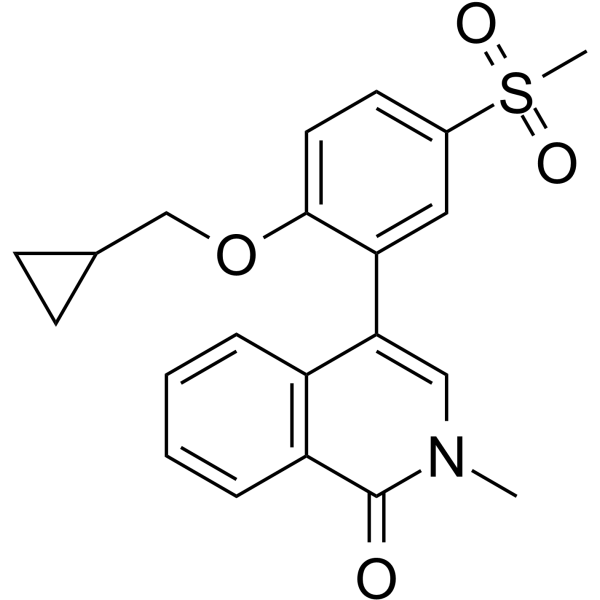
CC-90010 (compound 1) is a reversible and orally active BET inhibitor. CC-90010 is applied in the study for advanced solid tumors .
|
-
-
- HY-P990957
-
|
BCA-101; FMAB2
|
EGFR
TGF-beta/Smad
|
Inflammation/Immunology
Cancer
|
|
Ficerafusp alfa (BCA-101) is a bispecific antibody targeting EGFR and TGFβ, with a Kd of 2.58 nM against EGFR and a Kd of 61.3 nM against TGFβ1. Ficerafusp alfa binds to EGFR, inhibits EGFR phosphorylation, blocks EGF-dependent cell proliferation, and mediates antibody-dependent cellular cytotoxicity against EGFR-positive tumor cells. Ficerafusp alfa sequesters TGFβ via its TGFβRII ECD domain, neutralizes the activity of TGFβ and TGFβ1, and blocks TGFβ-dependent processes, including epithelial-mesenchymal transition, cell invasion, and differentiation of inducible regulatory T cells. Ficerafusp alfa is applicable to research related to head and neck squamous cell carcinoma, advanced solid tumors, squamous non-small cell lung cancer, anal squamous cell carcinoma, colorectal cancer, and pancreatic cancer .
|
-

-
- HY-145584
-
|
JPI-547/OCN-201
|
PARP
Wnt
β-catenin
|
Neurological Disease
Cancer
|
|
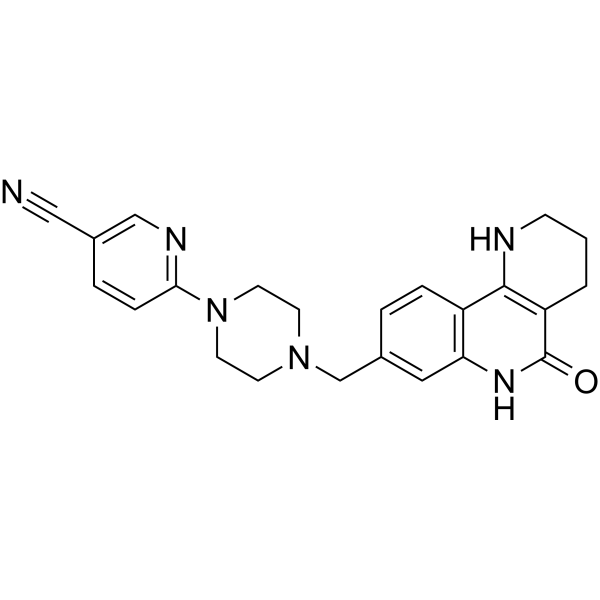
Nesuparib (JPI-547) is the orally active inhibitor for PARP 1/2 and Tankyrase 1/2 that inhibits tankyrases 1, tankyrases 2, and PARP 1 with IC50s of 5, 1 and 2 nM, respectively. Nesuparib exhibits antitumor activity and can be used in research of advanced solid tumor .
|
-
-
- HY-P991537
-
|
HS-20093 Antibody; GSK5764227 Antibody
|
ADC Antibody
CD276/B7-H3
|
Cancer
|
|
HS-20093 Antibody (GSK5764227 Antibody) is an antibody targeting B7-H3, which can be used to synthesize the ADC HS-20093. HS-20093 Antibody exhibits anti-tumor activity. HS-20093 Antibody can be studied in research for small cell lung cancer, relapsed or refractory osteosarcoma, and advanced solid tumors .
|
-

-
- HY-141600
-
|
BAY 1187982
|
Antibody-Drug Conjugates (ADCs)
FGFR
Microtubule/Tubulin
Apoptosis
|
Cancer
|
|
Aprutumab ixadotin (BAY 1187982) is the first antibody-drug conjugate (ADC) to target FGFR2 and the first to use Auristatin-based payload. Aprutumab ixadotin contains a fully human anti-FGFR2 monoclonal antibody (Aprutumab) (HY-P99007) conjugated by lysine side chains to a non-cleavable linker and via this an innovative Auristatin W derivative. Aprutumab ixadotin can be used for the study of advanced solid tumors, such as FGFR2-positive gastric cancer and triple-negative breast cancer .
|
-

-
- HY-P10762
-
|
CBP-1008; LDC 10B
|
Peptide-Drug Conjugates (PDCs)
Folate Receptor (FR)
TRP Channel
|
Cancer
|
|
Ricorfotide vedotin (CBP-1008) is a dual-ligand peptide-drug conjugate (PDC) conjugated to MMAE (HY-15162), targeting Folate receptor α (FRα) and TRPV6. Ricorfotide vedotin binds to FRα with high affinity and TRPV6 with low affinity. Ricorfotide vedotin has antitumor activity, and can be used in advanced solid tumor research (eg: colorectal cancer, breast cancer, non-small cell lung cancer, ovarian cancer, adrenocortical carcinoma and follicular dendritic cell sarcoma) .
|
-

-
- HY-173630
-
|
|
Molecular Glues
IKZF Family
|
Cancer
|
|
BMS-986449 is a potent and orally active CELMoD molecular glue and an IKZF2/IKZF4 degrader. BMS-986449 targets the degradation of transcription factors Helios (IKZF2) and Eos (IKZF4) in regulatory T (Treg) cells. BMS-986449 redirects the E3 ubiquitin ligase Cereblon to induce the degradation of Helios and Eos, reprogramming Treg cells and enhancing antitumor immunity. BMS-986449 is promising for research of advanced solid tumors .
|
-

-
- HY-P99943
-
|
KN-046
|
PD-1/PD-L1
CTLA-4
|
Cancer
|
|
Erfonrilimab (KN-046) is a monoclonal antibody targeting PD-L1/CTLA-4. Erfonrilimab blocks the PD-L1 and CTLA-4 pathways, thereby regulating T cell function. Erfonrilimab enhances the secretion of IL-2 in superantigen-stimulated peripheral blood mononuclear cells. Erfonrilimab inhibits tumor growth in xenograft and double gene knock-in mouse models. Erfonrilimab can be used in research related to a variety of advanced solid tumors, including non-small cell lung cancer and nasopharyngeal carcinoma.
|
-

-
- HY-160406
-
|
|
STING
IFNAR
Interleukin Related
|
Inflammation/Immunology
Cancer
|
|
SNX281 is a selective STING agonist, with IC50 values of 4.1, 4.5, 10.7, and 3.7 μM against human, mouse, rat, and monkey STING, respectively. SNX281 undergoes homodimerization at the STING binding site, triggering a conformational shift of STING from an inactive open state to an active closed state, thereby driving downstream STING-dependent signaling pathways. SNX281 induces type I interferons, IFN-β, TNF-α, IL-6, cytokine release, T cell responses, and long-lasting immune memory. SNX281 exhibits anti-tumor activity and is applicable to research related to colorectal cancer, melanoma, advanced solid tumors, lymphoma, and ovarian cancer .
|
-

-
- HY-P99291
-
|
LM609; MEDI-522
|
Integrin
Apoptosis
Akt
|
Cancer
|
|
Etaracizumab (LM 609) is an αvβ3 integrin IgG mAb. Etaracizumab is developed to target αvβ3+ cancer cells via NK cell-mediated cytotoxicity. Etaracizumab sterically hinders access of large ligands to the RGD-binding pocket, without obstructing it. Etaracizumab decreases p-Akt in vitro. Etaracizumab can decrease cancer proliferation and invasion. Etaracizumab induces tumor cell apoptosis, and inhibition ofαvβ3-mediated cell adhesion, endothelial cell migration and osteoclast-mediated bone resorption. Etaracizumab can be studied in anti-tumor research against cancers such as ovarian cancer, metastatic melanoma as well as advanced solid tumors. Recommend Isotype Control: Human IgG1 kappa, Isotype Control (HY-P99001) .
|
-

-
- HY-P99852
-
|
ABT165; PR1283233
|
VEGFR
Notch
|
Cancer
|
|
Dilpacimab (ABT165) is a bispecific variable domain immunoglobulin. Dilpacimab binds to and inhibits DLL4 and VEGF and acts as a tumor growth inhibitor. Dilpacimab can be used in research related to metastatic colorectal cancer and advanced solid tumors .
|
-

-
- HY-139300
-
|
HMPL-813
|
EGFR
|
Cancer
|
|
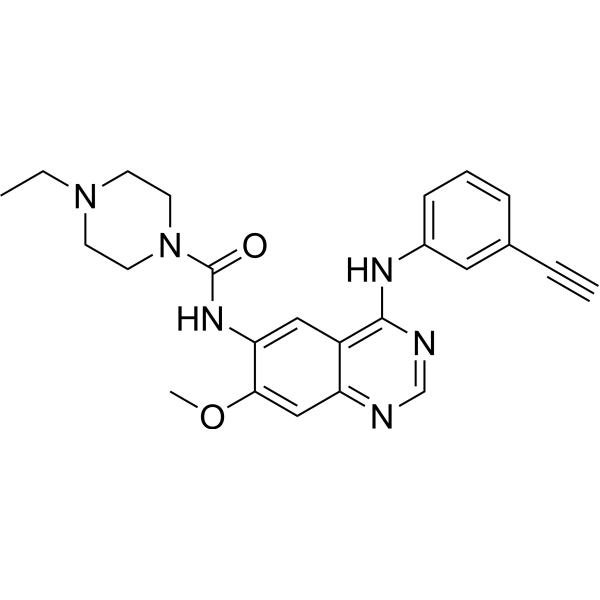
Epitinib (HMPL-813) is a selective, orally active, blood-brain barrier-permeable EGFR tyrosine kinase inhibitor. Epitinib is applicable to research on EGFR T790M-positive non-small cell lung cancer with brain metastasis and advanced solid tumors .
|
-
-
- HY-P991588
-
|
AC101
|
EGFR
Apoptosis
|
Cancer
|
|
HLX-22 is a humanized monoclonal antibody targeting HER2. HLX-22 induces apoptosis in HER2-overexpressing breast and gastric cancer cells combined with Trastuzumab (HY-P9907). HLX-22 has potent antitumor activity against advanced solid tumors .
|
-

-
- HY-P990651
-
|
|
TREM receptor
|
Cancer
|
|
PY314 is a humanized antibody targeting TREM2. PY314 binds TREM2 on tumor-associated macrophages, depletes TREM2-high tumor-associated macrophages, reduces pro-tumorigenic M2 macrophage infiltration, increases CD8 + T cell, NK cell, and M1 macrophage infiltration, creates a proinflammatory tumor microenvironment, and promotes antitumor immune responseS. PY314 can be used for the research of platinum-resistant ovarian cancer, advanced solid tumors, breast cancer, and advanced refractory solid tumors .
|
-

-
- HY-P991444
-
|
|
NTPDase
ATP Synthase
|
Inflammation/Immunology
Cancer
|
|
IPH5201 is a selective CD39 inhibitor and a humanized IgG1 monoclonal antibody. IPH5201 selectively binds to and inhibits the enzymatic activity of both membrane-bound and soluble CD39, blocking ATP hydrolysis. IPH5201 enhances the phenotypic maturation and activation of dendritic cells and macrophages. IPH5201 potentiates the anti-tumor effect of Oxaliplatin (HY-17371). IPH5201 shows preliminary evidence of disease stabilization in advanced solid tumor models when used as a single agent or in combination with Durvalumab (HY-P9919). IPH5201 can be used for the research of advanced solid tumors .
|
-

-
- HY-164493
-
|
|
Ras
|
Cancer
|
|
KRASG12C IN-13 (LY3499446) is a potent KRAS G12C inhibitor. KRASG12C IN-13 is promising for research of advanced solid tumors including non-small cell lung cancer and colorectal cancer .
|
-

-
- HY-156712
-
|
|
Antibody-Drug Conjugates (ADCs)
EGFR
|
Cancer
|
|
Depatuxizumab MMAE is an antibody-drug conjugate (ADC) comprising an anti EGFR monoclonal antibody (Depatuxizumab) (HY-P99849) and the cytotoxic agent Monomethyl auristatin E (MMAE) (HY-15162). Depatuxizumab MMAE can be used for the study of EGFR-expressing advanced solid tumors.
|
-

-
- HY-P991449
-
|
|
PD-1/PD-L1
Tim3
|
Cancer
|
|
LY3415244 is a human bispecific antibody (bsAb) targeting B7-H1/PD-L1/CD274 & TIM-3/HAVCR2/CD366. LY3415244 can be used in advanced solid tumors research .
|
-

-
- HY-13582R
-
|
|
Parasite
Fungal
Reference Standards
|
Infection
Cancer
|
|
Carbendazim (Standard) is the analytical standard of Carbendazim. This product is intended for research and analytical applications. Carbendazim is a potent and orally active broad-spectrum benzimidazole fungicide and can be acts as a pesticide for fungal diseases research, such as Seproria, Fusarium and Sclerotina . Carbendazim is a benzimidazole (HY-Y1825) derivative with antitumor activity and used for cancer research, especially advanced solid tumors and lymphoma .
|
-

-
- HY-175743
-
|
|
FGFR
|
Cancer
|
|
TYRA-200 is a potent and orally active FGFR2 inhibitor. TYRA-200 inhibits the kinase activity of wild-type FGFR2 and its mutants. TYRA-200 induces significant tumor regression in FGFR2-driven cancer models. TYRA-200 can be used for the research of FGFR2-altered advanced solid tumors, intrahepatic cholangiocarcinoma, and endometrial cancer .
|
-

-
- HY-173630A
-
|
|
Molecular Glues
IKZF Family
|
Cancer
|
|
(R)-BMS-986449 is the racemic mixture of BMS-986449 (HY-173630). BMS-986449 is a CELMoD molecular glue and an IKZF2/IKZF4 degrader. BMS-986449 targets the degradation of transcription factors Helios (IKZF2) and Eos (IKZF4) in regulatory T (Treg) cells. BMS-986449 redirects the E3 ubiquitin ligase Cereblon to induce the degradation of Helios and Eos, reprogramming Treg cells and enhancing antitumor immunity. BMS-986449 is promising for research of advanced solid tumors .
|
-

-
- HY-P991481
-
|
|
CCR
|
Inflammation/Immunology
Cancer
|
|
S-531011 is a high-affinity, selective, and reversible CCR8 ligand with antibody-dependent cellular cytotoxicity (ADCC) against CCR8-expressing cells. S-531011 induces the death of tumor-infiltrating CCR8 + regulatory T cells while preserving regulatory T cells in peripheral blood, thereby reinvigorating anti-tumor immunity. The combination of S-531011 with anti-PD-1 antibody effectively inhibits tumor growth, and S-531011 can be used for research on advanced solid tumors and various cancers including non-small cell lung cancer, ovarian cancer, colon cancer, breast cancer, and pancreatic ductal adenocarcinoma .
|
-

-
- HY-P99475
-
|
MSB-2311
|
PD-1/PD-L1
|
Cancer
|
|
Betifisolimab (MSB-2311) is a humanized monoclonal antibody directed against the immunosuppressive ligand PD-L1. Betifisolimab has the potential for advanced solid tumors and hematological malignancies research .
|
-

-
- HY-P991052
-
|
|
TNF Receptor
|
Cancer
|
|
GSK-3174998 is a humanized IgG1 OX40/TNFRSF4 agonistic monoclonal antibody. GSK-3174998 has the potential for the study of advanced solid tumors. The isotype control for GSK-3174998 can refer to Human IgG1 kappa, Isotype Control (HY-P99001) .
|
-

-
- HY-118953
-
|
|
MetAP
Drug Intermediate
|
Cancer
|
|
LAF389, a prodrug of LAF153 (HY-183876), is a methionine aminopeptidase (MetAps) inhibitor with an IC50 of 800 nM against MetAp2, and exhibits a maximum inhibition rate of 20% against MetAp1 at 300 nM. LAF389 possesses antiproliferative, antiangiogenic and cytotoxic activities. LAF389 can be used in research related to cancers such as advanced solid tumors .
|
-

-
- HY-P990650
-
|
|
TREM receptor
|
Cancer
|
|
PY159 is a humanized antibody targeting TREM1/CD354. PY159 reprograms immunosuppressive intratumoral myeloid cells towards an inflammatory, anti-tumor phenotype, promotes anti-tumor immune responses, upregulates monocyte activation markers, and induces proinflammatory cytokines. PY159 can be used for the research of platinum-resistant ovarian cancer, advanced solid tumors, and advanced refractory solid tumors .
|
-

-
- HY-177542
-
|
Emi-Le; XMT-1660
|
|
Cancer
|
|
Emiltatug ledadotin (Emi-Le; XMT-1660) is a B7-H4-targeted antibody-drug conjugate (ADC). Emiltatug ledadotin consists of the tumor-specific anti-B7-H4 monoclonal antibody Emiltatug (HY-P990918) and the linker-payload system Ledadotin (HY-177541), with site-specific conjugation achieved via GlycoConnect click chemistry. Emiltatug ledadotin inhibits the growth of B7-H4-positive cancer cells. Emiltatug ledadotin can be used to study advanced solid tumors with B7-H4 overexpression, particularly breast cancer, ovarian cancer, and endometrial cancer .
|
-

-
- HY-P991178
-
|
|
TNF Receptor
|
Cancer
|
|
BMS-986156 is a fully humanized IgG1 agonist monoclonal antibody agonist corticosteroid-induced tumor necrosis factor receptor-related protein (GITR). BMS-986156 binds to GITR and promotes activation of T effector cells and inactivates T regulatory cells. BMS-986156 is indicated for use in advanced solid tumor studies .
|
-

-
- HY-13582S
-
|
|
Isotope-Labeled Compounds
Fungal
|
Infection
Cancer
|
|
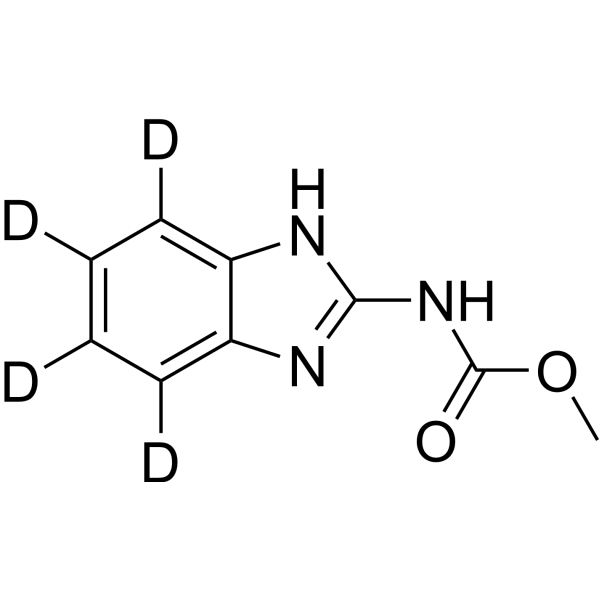
Carbendazim-d4 is the deuterium labeled Carbendazim. Carbendazim is a potent and orally active broad-spectrum?benzimidazole fungicide and can be acts as a pesticide for fungal diseases research, such as Seproria,?Fusarium?and?Sclerotina . Carbendazim is a benzimidazole (HY-Y1825) derivative with antitumor activity and used for cancer research, especially advanced solid tumors and lymphoma .
|
-
-
- HY-P99027
-
|
LAG525; IMP701; Hu5A8
|
LAG-3
|
Cancer
|
|
Ieramilimab (LAG525; IMP701) is a humanized IgG4 monoclonal antibody that binds to LAG-3, resulting in inhibition of LAG-3 interaction with MHC-II molecules. Ieramilimab restores T-cell and NK-cell-mediated antileukemic immunity by reducing exhaustion and augmenting cytokine output and cytotoxicity. Ieramilimab increases the infiltration of cytotoxic T lymphocytes and reduces baseline densities of regulatory T cells (Tregs) and ADAM10-expressing tumor cells. Ieramilimab can be used for the study of various malignancies including melanoma, RCC, and advanced solid tumors .
|
-

-
- HY-174974
-
|
|
FGFR
|
Cancer
|
|
ISM7594 is an orally active FGFR2/3 inhibitor. ISM7594 shows broad-spectrum antiproliferative potency in
FGFR2- or FGFR3-altered cancer cell panels, including FGFR2/3 amplification, fusion, and mutation (BaF3-TEL-FGFR2-V564F (IC50 = 0.067 nM), BaF3-TEL-FGFR2-V564I (IC50 = 2 nM)) types. ISM7594 inhibits tumor growth in a dose-dependent manner. ISM7594 can be used for the study of advanced solid tumors with FGFR2/3 aberrations .
|
-

-
- HY-153243
-
|
|
c-Fms
|
Cancer
|
|
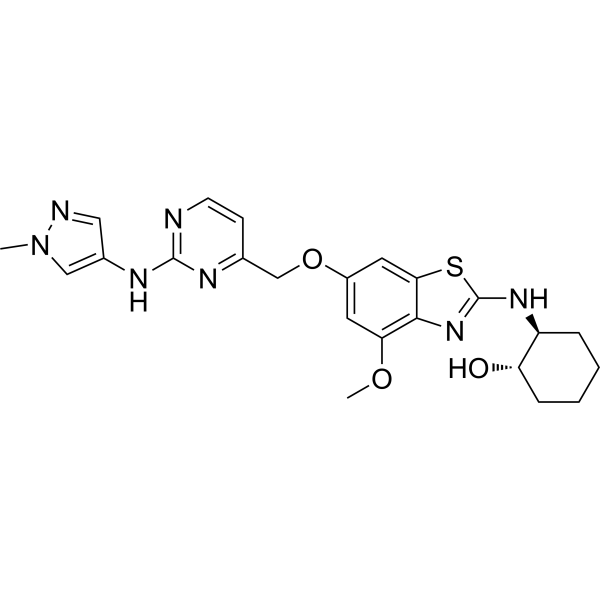
IACS-9439 is a potent, selective, and orally active CSF1R inhibitor with a Ki value of 1 nM inhibitor. IACS-9439 can be used for advanced solid tumors research .
|
-
-
- HY-P991612
-
|
Sym024
|
CD73
|
Inflammation/Immunology
Cancer
|
|
S095024 is a humanized IgG1 monoclonal antibody inhibitor targeting CD73. S095024 can be used to study acute respiratory distress syndrome (ARDS), non-small cell lung cancer (NSCLC) and advanced solid tumor malignancies .
|
-

-
- HY-P991330
-
|
|
CD73
|
Cancer
|
|
BMS-986179 is a human monoclonal antibody (mAb) targeting NT5E/CD73. BMS-986179 inhibits CD73 enzymatic activity in tumor vasculature and tumor cells. BMS-986179 can be used in advanced solid tumors research .
|
-

-
- HY-P991393
-
|
|
Transmembrane Glycoprotein
IFNAR
TNF Receptor
|
Cancer
|
|
ASP8374 is a human IgG4 monoclonal antibody (mAb) targeting TIGIT. ASP8374 increases IL-2 production in Jurkat cells and IFN-γ and TNF-α production in human PBMCs. ASP8374 can be used in advanced solid tumors research. Recommended isotype control: Human IgG4 kappa, Isotype Control (HY-P99003) .
|
-

-
- HY-P991297
-
|
|
LAG-3
|
Cancer
|
|
AM0003 is a human monoclonal antibody (mAb) targeting CD223/LAG3. AM0003 can be used in the study of advanced solid tumors .
|
-

-
- HY-P991404
-
|
|
TNF Receptor
|
Cancer
|
|
AMG-228 is a human IgG1 monoclonal antibody (mAb) targeting TNFRSF18/GITR/CD357. AMG-228 can be used in advanced solid tumors research .
|
-

-
- HY-P991394
-
|
|
Transmembrane Glycoprotein
|
Cancer
|
|
SEA-TGT is a human monoclonal antibody (mAb) targeting TIGIT. SEA-TGT enhances binding to the activating FcγRIIIA while reducing binding to the inhibitory FcγRIIb. SEA-TGT can be used in advanced solid tumors and Lymphoma research .
|
-

-
- HY-P991556
-
|
|
TNF Receptor
|
Cancer
|
|
TQB2916 is a humanized IgG2 monoclonal antibody agonist targeting CD40. TQB2916 has a significant antitumor activity with CD40 occupancy and immune activation. TQB2916 can be used for advanced solid tumors and lymphomas research .
|
-

-
- HY-13582A
-
|
|
Fungal
Parasite
|
Infection
Cancer
|
|
Carbendazim hydrochloride is a potent and orally active broad-spectrum?benzimidazole fungicide and can be acts as a pesticide for fungal diseases research, such as Seproria,?Fusarium?and?Sclerotina . Carbendazim hydrochloride is a benzimidazole (HY-Y1825) derivative with antitumor activity and used for cancer research, especially advanced solid tumors and lymphoma .
|
-

-
- HY-13582S1
-
|
|
Isotope-Labeled Compounds
Fungal
Parasite
|
Others
|
|
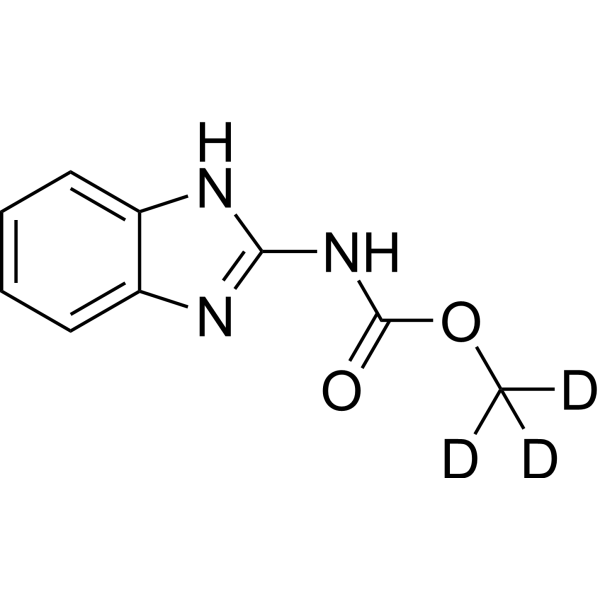
Carbendazimb-d3 is the deuterium labeled Carbendazimb (HY-13582). Carbendazim is a potent and orally active broad-spectrum?benzimidazole fungicide and can be acts as a pesticide for fungal diseases research, such as Seproria,?Fusarium?and?Sclerotina . Carbendazim is a benzimidazole (HY-Y1825) derivative with antitumor activity and used for cancer research, especially advanced solid tumors and lymphoma .
|
-
-
- HY-P991419
-
|
|
VEGFR
|
Cancer
|
|
MSB-0254 is a human monoclonal antibody (mAb) targeting VEGFR2/KDR/CD309. MSB-0254 inhibits the invasion, migration, and vascular mimetic (VM) formation of U251 and primary glioma cells. MSB-0254 inhibits the growth of U251 and GL261 cell transplanted tumors. MSB-0254 reduces the expression of CD34, VEGFR2, Ki67, MMP2, MMP9, and CD34/PAS. MSB-0254 can be used in advanced solid tumors research .
|
-

-
- HY-P992442
-
|
|
CD73
|
Cancer
|
|
PM-1015 is a specific antibody targeting CD73. PM-1015 can be used for the research of advanced solid tumor.
|
-

- HY-P992371
-
|
|
VEGFR
|
Cancer
|
|
hPV19 is a humanized inhibitory monoclonal antibody targeting vascular endothelial growth factor (VEGF) with a unique binding site. hPV19 can be used for the research of advanced solid tumors .
|
-

- HY-P992344
-
|
|
Transmembrane Glycoprotein
|
Cancer
|
|
DNP002 is a humanized IgG1 monoclonal antibody targeting tumor-associated CEACAM6. DNP002 binds to CEACAM1, CEACAM5 and CEACAM6, and exhibits antibody-dependent cellular cytotoxicity against tumor cells overexpressing these targets. DNP002 binds to CEACAM6 on the surface of tumor-associated neutrophils (including MDSCs) to reverse the immunosuppressive effect in the tumor microenvironment. DNP002 shows anti-tumor activity in advanced solid tumors. DNP002 can be used for the research of advanced solid tumors. The recommended isotype control is human IgG1 kappa (HY-P99001) .
|
-

- HY-P992377
-
|
|
C-type Lectin-like Receptors (CTLRs)
|
Cancer
|
|
HY-0102 is a humanized IgG anti-NKG2A monoclonal antibody and immune checkpoint inhibitor targeting the NKG2A/HLA-E axis. HY-0102 is applicable for the research of advanced solid tumors .
|
-

- HY-P992363
-
|
|
CD276/B7-H3
|
Cancer
|
|
HBM1020 is a fully human monoclonal antibody targeting B7H7. HBM1020 binds to B7H7 and enhances the anti-tumor response of T cells. HBM1020 can be used in research related to advanced solid tumors .
|
-

- HY-P992337
-
|
|
ROR
|
Cancer
|
|
CS5001 Antibody is an IgG1 human monoclonal antibody targeting ROR1. CS5001 Antibody can be used for the synthesis of the ADC CS5001. It is applicable to research related to advanced solid tumors and lymphomas. The recommended isotype control is human IgG1 kappa (HY-P99001) .
|
-

- HY-145584A
-
|
JPI-547/OCN-201 hydrochloride
|
PARP
Wnt
β-catenin
|
Cancer
|
|
Nesuparib (JPI-547) hydrochloride is the orally active inhibitor for PARP 1/2 and Tankyrase 1/2 that inhibits tankyrases 1, tankyrases 2, and PARP 1 with IC50s of 5, 1 and 2 nM, respectively. Nesuparib hydrochloride exhibits antitumor activity and can be used in research of advanced solid tumor .
|
-

- HY-185280
-
|
HS-20089; GSK5733584
|
Antibody-Drug Conjugates (ADCs)
|
Cancer
|
|
Mocertatug rezetecan (HS-20089; GSK5733584) is an antibody-drug conjugate (ADC) targeting B7-H4. Mocertatug rezetecan exhibits activity against platinum-resistant ovarian cancer. Mocertatug rezetecan is used for the research of advanced solid tumors, especially ovarian cancer and triple-negative breast cancer .
|
-

- HY-182467
-
|
|
Molecular Glues
IKZF Family
E1/E2/E3 Enzyme
|
Cancer
|
|
BMS-986482 is a CELMoD, CRBN-mediated, selective IKZF1-4 Molecular Glue degrader. The activity of BMS-986482 is driven by a non-traditional CELMoD core that selectively degrades the IKZF protein family. BMS-986482 inhibits tumor growth in preclinical mouse models. BMS-986482 can be used for the research of advanced solid tumors .
.
|
-

- HY-P992412
-
|
|
Claudin
|
Cancer
|
|
MIL93 is a humanized defucosylated IgG1 monoclonal antibody targeting Claudin18.2 (CLDN18.2) with enhanced antibody-dependent cellular cytotoxicity (ADCC) activity. MIL93 can be used for research on advanced solid tumors and gastric cancer. The recommended isotype control is human IgG1 kappa (HY-P99001) .
|
-

- HY-P992438
-
|
Anti-Notch3 mAb hu28
|
Notch
|
Cancer
|
|
PF-06650808 Antibody (Anti-NOTCH3 mAb hu28) is an IgG1-kappa Notch3-targeting antibody. PF-06650808 Antibody is the antibody component of the antibody-drug conjugate (ADC) PF-06650808. PF-06650808 Antibody can be used for the research of advanced breast cancer, advanced solid tumors .
|
-

- HY-183186
-
|
|
METTL3
Cytochrome P450
|
Cancer
|
|
EP102 is an orally active, selective inhibitor of the METTL3/METTL14 complex with an IC50 of 2 nM. EP102 reduces intracellular N6-methyladenosine levels, inhibits cancer cell proliferation, and thereby suppresses tumor growth in mouse models. EP102 is applicable for the research of acute myeloid leukemia, ovarian solid tumors and advanced solid tumors .
|
-

- HY-P992461
-
|
|
LAG-3
|
Cancer
|
|
SHR-1802 is a humanized anti-LAG-3 monoclonal antibody.SHR-1802 specifically binds to LAG-3 and inhibits its binding to major histocompatibility complex class II (MHC-II), fibrinogen-like protein 1 (FGL1), galectin-3, and liver sinusoidal endothelial cell lectin.SHR-1802 can be used for the research of advanced solid tumors .
|
-

- HY-P992043
-
|
ANK-101
|
Interleukin Related
PD-1/PD-L1
|
Inflammation/Immunology
Cancer
|
|
Tolododekin alfa (ANK-101) is a drug conjugate that anchors and combines IL-12 with Aluminum Hydroxide (HY-B1521). Tolododekin alfa promotes the recruitment of effector CD8 + T cells to tumor sites, enhances the production of γ-interferon, upregulates the expression of PD-L1, and induces sustained pro-inflammatory gene expression in mouse tumor models. Tolododekin alfa can be used for research related to advanced solid tumors .
|
-

- HY-183845
-
|
|
Prostaglandin Receptor
|
Cancer
|
|
HTL0039732 is an orally active antagonist of the prostaglandin EP4 receptor (Prostaglandin E2 Receptor EP4). HTL0039732 reverses PGE2-induced differentiation toward M2-like macrophages. HTL0039732 exhibits efficacy in syngeneic tumor models and acts synergistically with PD-1/PD-L1 pathway blockers. HTL0039732 can be used for the research of advanced solid tumors .
|
-

- HY-P992473
-
|
|
TNF Receptor
|
Inflammation/Immunology
Cancer
|
|
TAS266 is a tetrameric nanobody agonist targeting DR5. TAS266 selectively induces cancer cell death. TAS266 triggers sustained tumor regression in xenograft models and also elicits immunogenic responses including antibody binding. TAS266 exhibits superior anti-tumor efficacy compared with traditional DR5-targeting strategies. TAS266 can be used in research related to pancreatic cancer and advanced solid tumors .
|
-

- HY-P991960
-
|
|
CTLA-4
Interleukin Related
|
Cancer
|
|
JS007 is a humanized IgG1 monoclonal antibody and also a CTLA-4 binder, with a Kd of 0.21 nM for CTLA-4. JS007 blocks the interaction between CTLA-4 and B7-1. JS007 activates T cells, promotes increased IL-2 secretion, and inhibits tumor growth in CTLA-4 knock-in mouse syngeneic tumor models. JS007 is applicable to research related to cancer and advanced solid tumors.
|
-

- HY-P992408
-
|
|
TNF Receptor
NF-κB
MHC
IFNAR
|
Cancer
|
|
MEDI-5083 is an Fc fusion protein that targets CD40 and is a CD40 agonist. MEDI-5083 stimulates CD40 signaling via NF-κB activation. MEDI-5083 upregulates MHCII, CD80, and CD86 expression, induces pro-inflammatory cytokine secretion, and enhances IFN-γ secretion by memory CD8+ T cells. MEDI-5083 can be used for the research of melanoma, colon carcinoma, and advanced solid tumors[1][2].
|
-

- HY-183631
-
|
|
β-catenin
Wnt
mTOR
c-Myc
Apoptosis
|
Cancer
|
|
PM54 is an antitumor agent with activity across multiple cancer types. PM54 acts as a transcription and WNT/β-catenin signaling pathway inhibitor. PM54 suppresses oncogenic transcriptional programs, and key malignant pathways, while inducing DNA double-strand breaks, S-phase cell cycle arrest and apoptosis. PM54 enhances innate immune recognition, remodels the tumor microenvironment. PM54 exhibits antitumor activity as monotherapy or in combination in xenograft models. PM54 is applicable to research on various cancers and advanced solid tumors .
|
-

- HY-183596
-
|
|
Drug Intermediate
|
Cancer
|
|
L-His-BPA is a prodrug of L-p-Boronophenylalanine (L-BPA) (HY-W087830), formed by the peptide bond linkage of L-histidine (L-His) (HY-N0832) and L-BPA. L-His-BPA is rapidly cleaved by endogenous proteases to de novo release L-BPA in the systemic circulation. When used in combination with neutron irradiation, L-His-BPA induces complete and durable tumor regression, elicits cancer vaccine responses, and produces abscopal inhibitory effects on unirradiated distant tumors. L-His-BPA can be used in studies of boron neutron capture therapy (BNCT) for relapsed/advanced solid tumors .
|
-

- HY-P992361
-
|
|
Transmembrane Glycoprotein
|
Cancer
|
|
HB0030 is a TIGIT inhibitor with antibody-dependent cellular cytotoxicity (ADCC) and complement-dependent cytotoxicity (CDC) activities. HB0030 enhances the expression of activation markers in natural killer (NK) cells, promotes the killing of regulatory T cells (Tregs), and reduces the proportion of FoxP3 + Treg in tumor-infiltrating lymphocytes. The combination of HB0030 with the anti-PD-L1/VEGF bispecific antibody HB0025 further enhances tumor suppression efficacy. HB0030 can be used in studies related to colorectal cancer, pancreatic adenocarcinoma, hepatocellular carcinoma, bladder cancer, breast cancer, non-small cell lung cancer, and advanced solid tumors .
|
-

- HY-185075
-
|
LY4050784
|
SWI/SNF Complex
|
Cancer
|
|
FHD-909 (LY4050784) is an orally active and selective SMARCA2 (BRM) ATPase inhibitor. FHD-909 potently inhibits purified BRM ATPase with an IC50 of 0.0025 μM and exhibits 35.69-fold selectivity for BRM over purified SMARCA4 (BRG1) ATPase. FHD-909 induces synthetic lethality, suppresses cell proliferation, modulates target gene expression, and achieves remarkable tumor growth inhibition and regression in SMARCA4-mutant cancer cells and xenograft models. FHD-909 can be used for the research of SMARCA4/BRG1-mutant cancers, advanced solid tumors, and BAF complex-related disorders .
|
-

- HY-P992511
-
|
|
PD-1/PD-L1
CTLA-4
VEGFR
|
Cancer
|
|
CS2009 is a trispecific antibody targeting PD-1, CTLA-4 and VEGFA. CS2009 blocks the interactions of PD-1/PD-L1, CTLA-4/CD80 and VEGFA/VEGFR2, mediates checkpoint inhibition, and suppresses tumor angiogenesis. CS2009 reactivates PD-1/CTLA-4 double-positive tumor-infiltrating T lymphocytes, induces T cell activation, enhances tumor growth inhibition, promotes vascular normalization, improves T lymphocyte infiltration, and converts the immunosuppressive tumor microenvironment into an immunocompetent one. CS2009 can be used for the research of various advanced solid tumors .
|
-

- HY-P992353
-
|
|
LILRB
|
Cancer
|
|
ES009 is a high-affinity LILRB2 antagonist, with IC50 values of 14.07 nM and 18.61 nM for inhibiting hLILRB2-huANGPTL3 and hLILRB2-huANGPTL4, respectively. ES009 specifically blocks the interactions between LILRB2 and MHC class I as well as non-MHC ligands, thereby effectively inhibiting receptor activation. ES009 can reprogram anti-inflammatory myeloid cells and induce their conversion to a pro-inflammatory phenotype, and also reverse the T cell suppression mediated by macrophages. When combined with anti-PD-1 blockade therapy, ES009 synergistically enhances T cell activation. ES009 can be used in research related to advanced solid tumors and ovarian cancer .
|
-

- HY-183118
-
|
|
CDK
Apoptosis
|
Neurological Disease
Cancer
|
|
CID-078 is an orally active macrocyclic cyclin A and cyclin B inhibitor. CID-078 binds cyclin hydrophobic patches, disrupting interactions of cyclin A-Cdk2 with E2F1 and cyclin B-Cdk1 with Myt1, and selectively targets RxL binding motifs to block complex-substrate interactions. CID-078 induces DNA damage, G2/M cell cycle arrest, apoptosis, mitotic catastrophe, spindle assembly checkpoint activation, and neomorphic cyclin B-CDK2 complex formation, driving synthetic lethality in E2F-driven cancer cells. CID-078 can be used for the research of small cell lung cancer, non-small cell lung cancer, triple negative breast cancer, advanced solid tumors, luminal HR +/HER 2- breast cancer, RB1-altered solid tumors, and neuroblastoma .
|
-

| Cat. No. |
Product Name |
Type |
-
- HY-171945
-
|
ABBV-400; Temab-A
|
Fluorescent Dyes
|
|
Telisotuzumab Adizutecan (ABBV-400) is an anti-c-Met antibody-drug conjugate (ADC). Telisotuzumab Adizutecan is composed of the humanized anti-c-Met antibody Telisotuzumab (HY-P99391) and the topoisomerase 1 inhibitor (7-MAD-MDCPT) (HY-132162). Telisotuzumab Adizutecan exhibits significant anti-tumor activity against advanced solid tumors such as colorectal cancer, gastric cancer, and non-small cell lung cancer .
|
-
- HY-177434
-
|
Precem-TcT; M 9140
|
Fluorescent Dyes
|
|
Precemtabart tocentecan (Precem-TcT; M 9140) is an anti-CEACAM5 (carcinoembryonic antigen-related cell adhesion molecule 5) antibody-drug conjugate (ADC). Precemtabart tocentecan consists of a tumor-specific anti-CEACAM5 monoclonal antibody Precemtabart (HY-P990940), a highly hydrophilic and stable cleavable β-glucuronide linker, and a topoisomerase 1 inhibitor payload Exatecan (HY-13631), and the drug-linker conjugate for ADC is Mal-Gly-PAB-Exatecan-D-glucuronic acid (HY-153179). Precemtabart tocentecan inhibits the growth of CEACAM5-positive cancer cells. Precemtabart tocentecan exhibits significant antitumor activity in CEACAM5-expressing xenograft models. Precemtabart tocentecan can be used for the study of CEACAM5-expressing advanced solid tumors, especially mCRC .
|
-
- HY-177442
-
|
DS-3939
|
Fluorescent Dyes
|
|
DS-3939a (DS-3939) is an anti-TA-MUC1 (tumor-associated mucin-1) antibody-drug conjugate (ADC). DS-3939a consists of a humanized anti-TA-MUC1 IgG1 monoclonal antibody Gatipotuzumab ( HY-P99634), a stable and cleavable tetrapeptide-based linker (Gly-Gly-Phe-Gly), and a DNA topoisomerase I inhibitor payload (DXd) (HY-13631D), and the drug-linker conjugate for ADC is Deruxtecan (HY-13631E). DS-3939a inhibits the growth of TA-MUC1-positive cancer cells (CFPAC-1, NCI-H2110) by inducing DNA damage and apoptosis. DS-3939a exhibits significant antitumor activity in a variety of TA-MUC1-expressing advanced solid tumors. DS-3939a can be used for the study of TA-MUC1-expressing advanced cancers .
|
-
- HY-156712
-
|
|
Fluorescent Dyes
|
|
Depatuxizumab MMAE is an antibody-drug conjugate (ADC) comprising an anti EGFR monoclonal antibody (Depatuxizumab) (HY-P99849) and the cytotoxic agent Monomethyl auristatin E (MMAE) (HY-15162). Depatuxizumab MMAE can be used for the study of EGFR-expressing advanced solid tumors.
|
| Cat. No. |
Product Name |
Target |
Research Area |
-
- HY-P10762
-
|
CBP-1008; LDC 10B
|
Peptide-Drug Conjugates (PDCs)
Folate Receptor (FR)
TRP Channel
|
Cancer
|
|
Ricorfotide vedotin (CBP-1008) is a dual-ligand peptide-drug conjugate (PDC) conjugated to MMAE (HY-15162), targeting Folate receptor α (FRα) and TRPV6. Ricorfotide vedotin binds to FRα with high affinity and TRPV6 with low affinity. Ricorfotide vedotin has antitumor activity, and can be used in advanced solid tumor research (eg: colorectal cancer, breast cancer, non-small cell lung cancer, ovarian cancer, adrenocortical carcinoma and follicular dendritic cell sarcoma) .
|
| Cat. No. |
Product Name |
Target |
Research Area |
Image |
-
- HY-P990957
-
|
BCA-101; FMAB2
|
EGFR
TGF-beta/Smad
|
Inflammation/Immunology
Cancer
|
|
Ficerafusp alfa (BCA-101) is a bispecific antibody targeting EGFR and TGFβ, with a Kd of 2.58 nM against EGFR and a Kd of 61.3 nM against TGFβ1. Ficerafusp alfa binds to EGFR, inhibits EGFR phosphorylation, blocks EGF-dependent cell proliferation, and mediates antibody-dependent cellular cytotoxicity against EGFR-positive tumor cells. Ficerafusp alfa sequesters TGFβ via its TGFβRII ECD domain, neutralizes the activity of TGFβ and TGFβ1, and blocks TGFβ-dependent processes, including epithelial-mesenchymal transition, cell invasion, and differentiation of inducible regulatory T cells. Ficerafusp alfa is applicable to research related to head and neck squamous cell carcinoma, advanced solid tumors, squamous non-small cell lung cancer, anal squamous cell carcinoma, colorectal cancer, and pancreatic cancer .
|
-

(5)
-
- HY-P991537
-
|
HS-20093 Antibody; GSK5764227 Antibody
|
ADC Antibody
CD276/B7-H3
|
Cancer
|
|
HS-20093 Antibody (GSK5764227 Antibody) is an antibody targeting B7-H3, which can be used to synthesize the ADC HS-20093. HS-20093 Antibody exhibits anti-tumor activity. HS-20093 Antibody can be studied in research for small cell lung cancer, relapsed or refractory osteosarcoma, and advanced solid tumors .
|
-
(5)
-
- HY-141600
-
|
BAY 1187982
|
Antibody-Drug Conjugates (ADCs)
FGFR
Microtubule/Tubulin
Apoptosis
|
Cancer
|
|
Aprutumab ixadotin (BAY 1187982) is the first antibody-drug conjugate (ADC) to target FGFR2 and the first to use Auristatin-based payload. Aprutumab ixadotin contains a fully human anti-FGFR2 monoclonal antibody (Aprutumab) (HY-P99007) conjugated by lysine side chains to a non-cleavable linker and via this an innovative Auristatin W derivative. Aprutumab ixadotin can be used for the study of advanced solid tumors, such as FGFR2-positive gastric cancer and triple-negative breast cancer .
|
-
(5)
-
- HY-P99943
-
|
KN-046
|
PD-1/PD-L1
CTLA-4
|
Cancer
|
|
Erfonrilimab (KN-046) is a monoclonal antibody targeting PD-L1/CTLA-4. Erfonrilimab blocks the PD-L1 and CTLA-4 pathways, thereby regulating T cell function. Erfonrilimab enhances the secretion of IL-2 in superantigen-stimulated peripheral blood mononuclear cells. Erfonrilimab inhibits tumor growth in xenograft and double gene knock-in mouse models. Erfonrilimab can be used in research related to a variety of advanced solid tumors, including non-small cell lung cancer and nasopharyngeal carcinoma.
|
-
(5)
-
- HY-P99291
-
|
LM609; MEDI-522
|
Integrin
Apoptosis
Akt
|
Cancer
|
|
Etaracizumab (LM 609) is an αvβ3 integrin IgG mAb. Etaracizumab is developed to target αvβ3+ cancer cells via NK cell-mediated cytotoxicity. Etaracizumab sterically hinders access of large ligands to the RGD-binding pocket, without obstructing it. Etaracizumab decreases p-Akt in vitro. Etaracizumab can decrease cancer proliferation and invasion. Etaracizumab induces tumor cell apoptosis, and inhibition ofαvβ3-mediated cell adhesion, endothelial cell migration and osteoclast-mediated bone resorption. Etaracizumab can be studied in anti-tumor research against cancers such as ovarian cancer, metastatic melanoma as well as advanced solid tumors. Recommend Isotype Control: Human IgG1 kappa, Isotype Control (HY-P99001) .
|
-
(5)
-
- HY-P99852
-
|
ABT165; PR1283233
|
VEGFR
Notch
|
Cancer
|
|
Dilpacimab (ABT165) is a bispecific variable domain immunoglobulin. Dilpacimab binds to and inhibits DLL4 and VEGF and acts as a tumor growth inhibitor. Dilpacimab can be used in research related to metastatic colorectal cancer and advanced solid tumors .
|
-
(5)
-
- HY-P991588
-
|
AC101
|
EGFR
Apoptosis
|
Cancer
|
|
HLX-22 is a humanized monoclonal antibody targeting HER2. HLX-22 induces apoptosis in HER2-overexpressing breast and gastric cancer cells combined with Trastuzumab (HY-P9907). HLX-22 has potent antitumor activity against advanced solid tumors .
|
-
(5)
-
- HY-P990651
-
|
|
TREM receptor
|
Cancer
|
|
PY314 is a humanized antibody targeting TREM2. PY314 binds TREM2 on tumor-associated macrophages, depletes TREM2-high tumor-associated macrophages, reduces pro-tumorigenic M2 macrophage infiltration, increases CD8 + T cell, NK cell, and M1 macrophage infiltration, creates a proinflammatory tumor microenvironment, and promotes antitumor immune responseS. PY314 can be used for the research of platinum-resistant ovarian cancer, advanced solid tumors, breast cancer, and advanced refractory solid tumors .
|
-
(5)
-
- HY-P991444
-
|
|
NTPDase
ATP Synthase
|
Inflammation/Immunology
Cancer
|
|
IPH5201 is a selective CD39 inhibitor and a humanized IgG1 monoclonal antibody. IPH5201 selectively binds to and inhibits the enzymatic activity of both membrane-bound and soluble CD39, blocking ATP hydrolysis. IPH5201 enhances the phenotypic maturation and activation of dendritic cells and macrophages. IPH5201 potentiates the anti-tumor effect of Oxaliplatin (HY-17371). IPH5201 shows preliminary evidence of disease stabilization in advanced solid tumor models when used as a single agent or in combination with Durvalumab (HY-P9919). IPH5201 can be used for the research of advanced solid tumors .
|
-
(5)
-
- HY-P991449
-
|
|
PD-1/PD-L1
Tim3
|
Cancer
|
|
LY3415244 is a human bispecific antibody (bsAb) targeting B7-H1/PD-L1/CD274 & TIM-3/HAVCR2/CD366. LY3415244 can be used in advanced solid tumors research .
|
-
(5)
-
- HY-P991481
-
|
|
CCR
|
Inflammation/Immunology
Cancer
|
|
S-531011 is a high-affinity, selective, and reversible CCR8 ligand with antibody-dependent cellular cytotoxicity (ADCC) against CCR8-expressing cells. S-531011 induces the death of tumor-infiltrating CCR8 + regulatory T cells while preserving regulatory T cells in peripheral blood, thereby reinvigorating anti-tumor immunity. The combination of S-531011 with anti-PD-1 antibody effectively inhibits tumor growth, and S-531011 can be used for research on advanced solid tumors and various cancers including non-small cell lung cancer, ovarian cancer, colon cancer, breast cancer, and pancreatic ductal adenocarcinoma .
|
-
(5)
-
- HY-P99475
-
|
MSB-2311
|
PD-1/PD-L1
|
Cancer
|
|
Betifisolimab (MSB-2311) is a humanized monoclonal antibody directed against the immunosuppressive ligand PD-L1. Betifisolimab has the potential for advanced solid tumors and hematological malignancies research .
|
-
(5)
-
- HY-P991052
-
|
|
TNF Receptor
|
Cancer
|
|
GSK-3174998 is a humanized IgG1 OX40/TNFRSF4 agonistic monoclonal antibody. GSK-3174998 has the potential for the study of advanced solid tumors. The isotype control for GSK-3174998 can refer to Human IgG1 kappa, Isotype Control (HY-P99001) .
|
-
(5)
-
- HY-P990650
-
|
|
TREM receptor
|
Cancer
|
|
PY159 is a humanized antibody targeting TREM1/CD354. PY159 reprograms immunosuppressive intratumoral myeloid cells towards an inflammatory, anti-tumor phenotype, promotes anti-tumor immune responses, upregulates monocyte activation markers, and induces proinflammatory cytokines. PY159 can be used for the research of platinum-resistant ovarian cancer, advanced solid tumors, and advanced refractory solid tumors .
|
-
(5)
-
- HY-P991178
-
|
|
TNF Receptor
|
Cancer
|
|
BMS-986156 is a fully humanized IgG1 agonist monoclonal antibody agonist corticosteroid-induced tumor necrosis factor receptor-related protein (GITR). BMS-986156 binds to GITR and promotes activation of T effector cells and inactivates T regulatory cells. BMS-986156 is indicated for use in advanced solid tumor studies .
|
-
(5)
-
- HY-P99027
-
|
LAG525; IMP701; Hu5A8
|
LAG-3
|
Cancer
|
|
Ieramilimab (LAG525; IMP701) is a humanized IgG4 monoclonal antibody that binds to LAG-3, resulting in inhibition of LAG-3 interaction with MHC-II molecules. Ieramilimab restores T-cell and NK-cell-mediated antileukemic immunity by reducing exhaustion and augmenting cytokine output and cytotoxicity. Ieramilimab increases the infiltration of cytotoxic T lymphocytes and reduces baseline densities of regulatory T cells (Tregs) and ADAM10-expressing tumor cells. Ieramilimab can be used for the study of various malignancies including melanoma, RCC, and advanced solid tumors .
|
-
(5)
-
- HY-P99867
-
|
MEDI 573
|
Inhibitory Antibodies
|
Cancer
|
|
Dusigitumab is a fully human IgG2λ monoclonal antibody that targets IGF-1 and IGF-2 with picomolar binding affinity. Dusigitumab blocks IGF-1 and IGF-2-induced phosphorylation of IGF-1R as well as activation of IR-A, thereby inhibiting the activation of downstream signaling pathways. Dusigitumab is applicable to research related to advanced solid tumors and hormone receptor-positive metastatic breast cancer .
|
-

(5)
-
- HY-P991612
-
|
Sym024
|
CD73
|
Inflammation/Immunology
Cancer
|
|
S095024 is a humanized IgG1 monoclonal antibody inhibitor targeting CD73. S095024 can be used to study acute respiratory distress syndrome (ARDS), non-small cell lung cancer (NSCLC) and advanced solid tumor malignancies .
|
-
(5)
-
- HY-P991330
-
|
|
CD73
|
Cancer
|
|
BMS-986179 is a human monoclonal antibody (mAb) targeting NT5E/CD73. BMS-986179 inhibits CD73 enzymatic activity in tumor vasculature and tumor cells. BMS-986179 can be used in advanced solid tumors research .
|
-
(5)
-
- HY-P991393
-
|
|
Transmembrane Glycoprotein
IFNAR
TNF Receptor
|
Cancer
|
|
ASP8374 is a human IgG4 monoclonal antibody (mAb) targeting TIGIT. ASP8374 increases IL-2 production in Jurkat cells and IFN-γ and TNF-α production in human PBMCs. ASP8374 can be used in advanced solid tumors research. Recommended isotype control: Human IgG4 kappa, Isotype Control (HY-P99003) .
|
-
(5)
-
- HY-P991297
-
|
|
LAG-3
|
Cancer
|
|
AM0003 is a human monoclonal antibody (mAb) targeting CD223/LAG3. AM0003 can be used in the study of advanced solid tumors .
|
-
(5)
-
- HY-P991404
-
|
|
TNF Receptor
|
Cancer
|
|
AMG-228 is a human IgG1 monoclonal antibody (mAb) targeting TNFRSF18/GITR/CD357. AMG-228 can be used in advanced solid tumors research .
|
-
(5)
-
- HY-P991394
-
|
|
Transmembrane Glycoprotein
|
Cancer
|
|
SEA-TGT is a human monoclonal antibody (mAb) targeting TIGIT. SEA-TGT enhances binding to the activating FcγRIIIA while reducing binding to the inhibitory FcγRIIb. SEA-TGT can be used in advanced solid tumors and Lymphoma research .
|
-
(5)
-
- HY-P991556
-
|
|
TNF Receptor
|
Cancer
|
|
TQB2916 is a humanized IgG2 monoclonal antibody agonist targeting CD40. TQB2916 has a significant antitumor activity with CD40 occupancy and immune activation. TQB2916 can be used for advanced solid tumors and lymphomas research .
|
-
(5)
-
- HY-P991419
-
|
|
VEGFR
|
Cancer
|
|
MSB-0254 is a human monoclonal antibody (mAb) targeting VEGFR2/KDR/CD309. MSB-0254 inhibits the invasion, migration, and vascular mimetic (VM) formation of U251 and primary glioma cells. MSB-0254 inhibits the growth of U251 and GL261 cell transplanted tumors. MSB-0254 reduces the expression of CD34, VEGFR2, Ki67, MMP2, MMP9, and CD34/PAS. MSB-0254 can be used in advanced solid tumors research .
|
-
(5)
-
- HY-P992442
-
|
|
CD73
|
Cancer
|
|
PM-1015 is a specific antibody targeting CD73. PM-1015 can be used for the research of advanced solid tumor.
|
-
(5)
-
- HY-P992371
-
|
|
VEGFR
|
Cancer
|
|
hPV19 is a humanized inhibitory monoclonal antibody targeting vascular endothelial growth factor (VEGF) with a unique binding site. hPV19 can be used for the research of advanced solid tumors .
|
-
(5)
-
- HY-P992344
-
|
|
Transmembrane Glycoprotein
|
Cancer
|
|
DNP002 is a humanized IgG1 monoclonal antibody targeting tumor-associated CEACAM6. DNP002 binds to CEACAM1, CEACAM5 and CEACAM6, and exhibits antibody-dependent cellular cytotoxicity against tumor cells overexpressing these targets. DNP002 binds to CEACAM6 on the surface of tumor-associated neutrophils (including MDSCs) to reverse the immunosuppressive effect in the tumor microenvironment. DNP002 shows anti-tumor activity in advanced solid tumors. DNP002 can be used for the research of advanced solid tumors. The recommended isotype control is human IgG1 kappa (HY-P99001) .
|
-
(5)
-
- HY-P992377
-
|
|
C-type Lectin-like Receptors (CTLRs)
|
Cancer
|
|
HY-0102 is a humanized IgG anti-NKG2A monoclonal antibody and immune checkpoint inhibitor targeting the NKG2A/HLA-E axis. HY-0102 is applicable for the research of advanced solid tumors .
|
-
(5)
-
- HY-P992363
-
|
|
CD276/B7-H3
|
Cancer
|
|
HBM1020 is a fully human monoclonal antibody targeting B7H7. HBM1020 binds to B7H7 and enhances the anti-tumor response of T cells. HBM1020 can be used in research related to advanced solid tumors .
|
-
(5)
-
- HY-P992337
-
|
|
ROR
|
Cancer
|
|
CS5001 Antibody is an IgG1 human monoclonal antibody targeting ROR1. CS5001 Antibody can be used for the synthesis of the ADC CS5001. It is applicable to research related to advanced solid tumors and lymphomas. The recommended isotype control is human IgG1 kappa (HY-P99001) .
|
-
(5)
-
- HY-P992412
-
|
|
Claudin
|
Cancer
|
|
MIL93 is a humanized defucosylated IgG1 monoclonal antibody targeting Claudin18.2 (CLDN18.2) with enhanced antibody-dependent cellular cytotoxicity (ADCC) activity. MIL93 can be used for research on advanced solid tumors and gastric cancer. The recommended isotype control is human IgG1 kappa (HY-P99001) .
|
-
(5)
-
- HY-P992438
-
|
Anti-Notch3 mAb hu28
|
Notch
|
Cancer
|
|
PF-06650808 Antibody (Anti-NOTCH3 mAb hu28) is an IgG1-kappa Notch3-targeting antibody. PF-06650808 Antibody is the antibody component of the antibody-drug conjugate (ADC) PF-06650808. PF-06650808 Antibody can be used for the research of advanced breast cancer, advanced solid tumors .
|
-
(5)
-
- HY-P992461
-
|
|
LAG-3
|
Cancer
|
|
SHR-1802 is a humanized anti-LAG-3 monoclonal antibody.SHR-1802 specifically binds to LAG-3 and inhibits its binding to major histocompatibility complex class II (MHC-II), fibrinogen-like protein 1 (FGL1), galectin-3, and liver sinusoidal endothelial cell lectin.SHR-1802 can be used for the research of advanced solid tumors .
|
-
(5)
-
- HY-P992043
-
|
ANK-101
|
Interleukin Related
PD-1/PD-L1
|
Inflammation/Immunology
Cancer
|
|
Tolododekin alfa (ANK-101) is a drug conjugate that anchors and combines IL-12 with Aluminum Hydroxide (HY-B1521). Tolododekin alfa promotes the recruitment of effector CD8 + T cells to tumor sites, enhances the production of γ-interferon, upregulates the expression of PD-L1, and induces sustained pro-inflammatory gene expression in mouse tumor models. Tolododekin alfa can be used for research related to advanced solid tumors .
|
-
(5)
-
- HY-P992473
-
|
|
TNF Receptor
|
Inflammation/Immunology
Cancer
|
|
TAS266 is a tetrameric nanobody agonist targeting DR5. TAS266 selectively induces cancer cell death. TAS266 triggers sustained tumor regression in xenograft models and also elicits immunogenic responses including antibody binding. TAS266 exhibits superior anti-tumor efficacy compared with traditional DR5-targeting strategies. TAS266 can be used in research related to pancreatic cancer and advanced solid tumors .
|
-
(5)
-
- HY-P991960
-
|
|
CTLA-4
Interleukin Related
|
Cancer
|
|
JS007 is a humanized IgG1 monoclonal antibody and also a CTLA-4 binder, with a Kd of 0.21 nM for CTLA-4. JS007 blocks the interaction between CTLA-4 and B7-1. JS007 activates T cells, promotes increased IL-2 secretion, and inhibits tumor growth in CTLA-4 knock-in mouse syngeneic tumor models. JS007 is applicable to research related to cancer and advanced solid tumors.
|
-
(5)
-
- HY-P992408
-
|
|
TNF Receptor
NF-κB
MHC
IFNAR
|
Cancer
|
|
MEDI-5083 is an Fc fusion protein that targets CD40 and is a CD40 agonist. MEDI-5083 stimulates CD40 signaling via NF-κB activation. MEDI-5083 upregulates MHCII, CD80, and CD86 expression, induces pro-inflammatory cytokine secretion, and enhances IFN-γ secretion by memory CD8+ T cells. MEDI-5083 can be used for the research of melanoma, colon carcinoma, and advanced solid tumors[1][2].
|
-
(5)
-
- HY-P992361
-
|
|
Transmembrane Glycoprotein
|
Cancer
|
|
HB0030 is a TIGIT inhibitor with antibody-dependent cellular cytotoxicity (ADCC) and complement-dependent cytotoxicity (CDC) activities. HB0030 enhances the expression of activation markers in natural killer (NK) cells, promotes the killing of regulatory T cells (Tregs), and reduces the proportion of FoxP3 + Treg in tumor-infiltrating lymphocytes. The combination of HB0030 with the anti-PD-L1/VEGF bispecific antibody HB0025 further enhances tumor suppression efficacy. HB0030 can be used in studies related to colorectal cancer, pancreatic adenocarcinoma, hepatocellular carcinoma, bladder cancer, breast cancer, non-small cell lung cancer, and advanced solid tumors .
|
-
(5)
-
- HY-P992511
-
|
|
PD-1/PD-L1
CTLA-4
VEGFR
|
Cancer
|
|
CS2009 is a trispecific antibody targeting PD-1, CTLA-4 and VEGFA. CS2009 blocks the interactions of PD-1/PD-L1, CTLA-4/CD80 and VEGFA/VEGFR2, mediates checkpoint inhibition, and suppresses tumor angiogenesis. CS2009 reactivates PD-1/CTLA-4 double-positive tumor-infiltrating T lymphocytes, induces T cell activation, enhances tumor growth inhibition, promotes vascular normalization, improves T lymphocyte infiltration, and converts the immunosuppressive tumor microenvironment into an immunocompetent one. CS2009 can be used for the research of various advanced solid tumors .
|
-
(5)
-
- HY-P992353
-
|
|
LILRB
|
Cancer
|
|
ES009 is a high-affinity LILRB2 antagonist, with IC50 values of 14.07 nM and 18.61 nM for inhibiting hLILRB2-huANGPTL3 and hLILRB2-huANGPTL4, respectively. ES009 specifically blocks the interactions between LILRB2 and MHC class I as well as non-MHC ligands, thereby effectively inhibiting receptor activation. ES009 can reprogram anti-inflammatory myeloid cells and induce their conversion to a pro-inflammatory phenotype, and also reverse the T cell suppression mediated by macrophages. When combined with anti-PD-1 blockade therapy, ES009 synergistically enhances T cell activation. ES009 can be used in research related to advanced solid tumors and ovarian cancer .
|
-
(5)
| Cat. No. |
Product Name |
Chemical Structure |
-
- HY-13582S
-
|
|
|
Carbendazim-d4 is the deuterium labeled Carbendazim. Carbendazim is a potent and orally active broad-spectrum?benzimidazole fungicide and can be acts as a pesticide for fungal diseases research, such as Seproria,?Fusarium?and?Sclerotina . Carbendazim is a benzimidazole (HY-Y1825) derivative with antitumor activity and used for cancer research, especially advanced solid tumors and lymphoma .
|
-
-
- HY-13582S1
-
|
|
|
Carbendazimb-d3 is the deuterium labeled Carbendazimb (HY-13582). Carbendazim is a potent and orally active broad-spectrum?benzimidazole fungicide and can be acts as a pesticide for fungal diseases research, such as Seproria,?Fusarium?and?Sclerotina . Carbendazim is a benzimidazole (HY-Y1825) derivative with antitumor activity and used for cancer research, especially advanced solid tumors and lymphoma .
|
-
| Cat. No. |
Product Name |
|
Classification |
-
- HY-139300
-
|
HMPL-813
|
|
Alkynes
|
|
Epitinib (HMPL-813) is a selective, orally active, blood-brain barrier-permeable EGFR tyrosine kinase inhibitor. Epitinib is applicable to research on EGFR T790M-positive non-small cell lung cancer with brain metastasis and advanced solid tumors .
|
| Cat. No. |
Product Name |
|
Classification |
-
- HY-177571
-
|
Sgc8c-VcMMAE
|
|
Aptamers
|
|
Sgc8c-M is a PTK7-targeted aptamer-drug conjugate (ApDC). Sgc8c-M is composed of the classic PTK7-specific aptamer Sgc8c, a cathepsin B (CTSB)-cleavable valine-citrulline (VC)-based linker, and the potent antimitotic agent Monomethyl auristatin E (MMAE) (HY-15162) as the payload. Sgc8c-M inhibits the growth of PTK7-overexpressing cancer cells. Sgc8c-M can be used for the study of PTK7-expressing advanced solid tumors .
|
Your information is safe with us. * Required Fields.
Inquiry Information
- Product Name:
- Cat. No.:
- Quantity:
- MCE Japan Authorized Agent:








