1. Search Result
Search Result
Pathways Recommended: Antibody-drug Conjugate/ADC Related
Results for "

anti-PD1 antibody

" in MedChemExpress (MCE) Product Catalog:

50

Inhibitors & Agonists

1

Fluorescent Dyes

1

Peptides

31

Inhibitory Antibodies

2

Natural
Products

2

Oligonucleotides

Cat. No. Product Name Target Research Areas Chemical Structure
  • HY-P9902A
    Pembrolizumab (anti-PD-1)
    5 Publications Verification

    MK-3475 (anti-PD-1); Lambrolizumab (anti-PD-1)

    PD-1/PD-L1 Cancer
    Pembrolizumab (anti-PD-1) is a humanized IgG4 antibody and PD-1 inhibitor. Pembrolizumab produces PD-1 blockade, preventing PD-L1 and PD-L2 from connecting to PD-1. This avoids the uncontrolled regulation of T cells on cells that normally express PD-1 .
    Pembrolizumab (anti-PD-1)
  • HY-P99100
    Visugromab
    2 Publications Verification

    CTL-002

    TGF-beta/Smad PD-1/PD-L1 Cancer
    Visugromab (CTL-002) is a GDF-15 neutralizing IgG4 mAb. Visugromab has synergistic anticancer activity with the anti-PD1 antibody Nivolumab (HY-P9903) and can effectively act on PD-1/PD-L1 relapsed/refractory metastatic solid tumors. Recommend Isotype Controls: Human IgG4 (S228P) kappa, Isotype Control (HY-P99003) .
    Visugromab
  • HY-164992
    Trastuzumab vedotin
    2 Publications Verification

    MRG002; Trastuzumab MMAE

    Antibody-Drug Conjugates (ADCs) EGFR Microtubule/Tubulin Cancer
    Trastuzumab vedotin (MRG002; Trastuzumab MMAE) is an antibody-drug conjugate and cytotoxin targeting HER2, with a Kd of 7.50E-11 M for human HER2. After binding to HER2, Trastuzumab vedotin undergoes internalization and lysosomal trafficking, delivering a cytotoxic payload to HER2-expressing cells and inducing tumor regression in in vivo xenograft models with HER2-expressing tumors. The anti-tumor activity of Trastuzumab vedotin is enhanced when used in combination with anti-PD-1 antibodies, and it exhibits preclinical anti-tumor activity in drug-resistant breast cancer, gastric cancer, and urothelial carcinoma PDX models. Trastuzumab vedotin has low antibody-dependent cellular cytotoxicity activity and can be used in studies related to HER2-positive breast cancer, HER2-positive gastric cancer, and unresectable locally advanced or metastatic HER2-positive urothelial carcinoma .
    Trastuzumab vedotin
  • HY-119024

    SHP1 STAT Cancer
    BCI-137 is a Argonaute 2 (AGO2) inhibitor. By inhibiting AGO2 function, reducing PTPN6/SHP-1 protein levels and enhancing STAT1 phosphorylation, BCI-137 restores the sensitivity of tumor cells to IFN-γ. BCI-137 effectively enhances the recruitment, activation and cytotoxicity of CD8 + T cells. BCI-137 exerts a synergistic effect with anti-PD-1 antibodies and significantly reduces tumor volume in preclinical mouse models. BCI-137 exhibits favorable safety profiles and does not cause significant weight loss or death in mice. BCI-137 can be used in research related to bladder cancer, colorectal cancer, melanoma and other related fields .
    BCI-137
  • HY-P99758

    CS1003

    PD-1/PD-L1 Cancer
    Nofazinlimab (CS1003) is a humanised IgG4 anti-PD-1 monoclonal antibody. Nofazinlimab shows antitumor activity and can be used for the research of unresectable or metastatic hepatocellular carcinoma .
    Nofazinlimab
  • HY-128481

    STING Inflammation/Immunology Cancer
    SB24011 is a STING modulator and a TRIM29-STING protein-protein interaction inhibitor. SB24011 blocks TRIM29-induced K48-linked specific ubiquitination by binding to STING, thereby upregulating intracellular STING protein levels. SB24011 enhances inflammatory cytokine expression and STING-mediated immune responses, and exhibits abscopal antitumor activity that promotes tumor regression and activates T cell infiltration. When combined with STING agonists or anti-PD1 antibodies, SB24011 synergistically enhances antitumor responses. SB24011 is suitable for research related to colon cancer and melanoma .
    SB24011
  • HY-160041A

    NOX-A12 sodium

    CXCR Cancer
    Olaptesed pegol (NOX-A12) sodium is a L-oligoribonucleotide aptamer targeting CXCL12 based on a pegylated structure. Olaptesed pegol sodium neutralizes CXCL12, and CXCL12 inhibition mobilizes chronic lymphocytic leukemia cells into the circulation and prevents their homing into the protective microenvironment. Olaptesed pegol sodium can enhances the infiltration of human primary T cells and NK cells and inhibit tumor growth companied with anti-PD-1 antibody. Olaptesed pegol sodium can be used for researches of colon cancer and lymphocytic leukemia .
    Olaptesed pegol sodium
  • HY-160041

    NOX-A12

    CXCR Cancer
    Olaptesed pegol (NOX-A12) is a L-oligoribonucleotide aptamer targeting CXCL12 based on a pegylated structure. Olaptesed pegol neutralizes CXCL12, and CXCL12 inhibition mobilizes chronic lymphocytic leukemia cells into the circulation and prevents their homing into the protective microenvironment. Olaptesed pegol can enhances the infiltration of human primary T cells and NK cells and inhibit tumor growth companied with anti-PD-1 antibody. Olaptesed pegol can be used for researches of colon cancer and lymphocytic leukemia .
    Olaptesed pegol
  • HY-P991621

    EOS-215

    TREM receptor Cancer
    EOS006215 (EOS-215) is a humanized monoclonal antibody targeting TREM-2. EOS006215 competes with TREM2 ligands, prevents TREM2 multimerization, and blocks downstream signaling. EOS006215 inhibits efferocytosis, reprograms transcriptomic profiles of monocyte-derived macrophages, alters metabolism and immune response genes, and increases pro-inflammatory marker secretion. EOS006215 reduces metastasis burden, delays tumor growth, and reprograms the tumor microenvironment to overcome anti-PD-1 resistance. EOS006215 can be used for the research of triple negative breast cancer and colorectal cancer .
    EOS006215
  • HY-P991149

    YH32367; ABL105

    TNF Receptor Cancer
    Nesfrotamig (YH32367; ABL105) is a bispecific activator targeting HER2 and 4-1BB. The Kd values of Nesfrotamig for human HER2 and human 4-1BB are 0.48 nM and 3.36 nM, respectively. By blocking tumor cell growth signals, activating HER2-dependent local 4-1BB in tumors to maintain T cell survival, and inducing NK cell-mediated antibody-dependent cellular cytotoxicity, Nesfrotamig enhances the cytotoxicity and tumor infiltration ability of immune cells. Nesfrotamig promotes the generation of tumor-specific memory T cells, drives T cell-mediated tumor lysis, exhibits significant anti-tumor efficacy against both HER2-positive and HER2-low-expressing tumors, and shows synergistic activity when combined with anti-PD-1 antibodies. In cynomolgus monkey studies, Nesfrotamig demonstrates good safety and is suitable for research related to HER2-positive and HER2-low-expressing tumors .
    Nesfrotamig
  • HY-N0819
    Raddeanin A
    1 Publications Verification

    Apoptosis PI3K Akt ERK mTOR Wnt β-catenin Wee1 JNK VEGFR CDK Neurological Disease Inflammation/Immunology Cancer
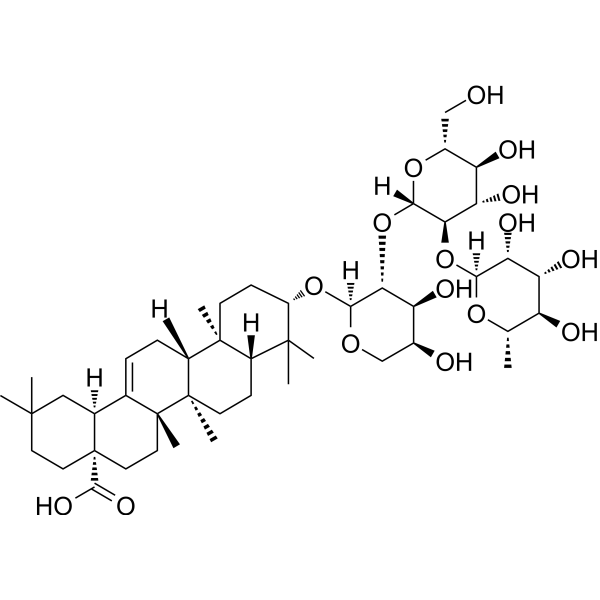
    Raddeanin A is an oleanane-type triterpenoid saponin with oral activity. Raddeanin A inhibits SRC, mTOR, JNK, VEGFR2, NLRP3 inflammasome, Wnt/β-catenin, Wee1, PI3K/AKT signaling pathway, MAPK/ERK signaling pathway, AR-FL, AR-Vs, and downregulates the expression of p-PI3K and p-AKT. Raddeanin A inhibits osteoclast formation, bone resorption, osteolysis, cancer cell invasion, migration, proliferation, angiogenesis and epithelial-mesenchymal transition, while induces apoptosis, cell cycle arrest, ROS production, immunogenic cell death and dendritic cell maturation. Raddeanin A improves blood-retinal barrier function, alleviates inflammation, regulates the tumor microenvironment, and enhances the activity of anti-PD-1 antibody. Raddeanin A is applicable to the research of breast cancer-associated osteolysis, human osteosarcoma, colorectal cancer, glioblastoma, Alzheimer's disease, cholangiocarcinoma, melanoma, non-small cell lung cancer, castration-resistant prostate cancer and multiple myeloma .
    Raddeanin A
  • HY-P9971
    Camrelizumab
    4 Publications Verification

    SHR-1210; INCSHR1210

    PD-1/PD-L1 Cancer
    Camrelizumab (SHR-1210) is a potent humanied high-affinity IgG4-κ monoclonal antibody (mAb) to PD-1. Camrelizumab binds PD-1 at a high affinity of 3 nM and inhibits the binding interaction of PD-1 and PD-L1 with an IC50 of 0.70 nM. Camrelizumab acts as anti-PD-1/PD-L1 agent and can be used for cancer research, including NSCLC, ESCC, Hodgkin lymphoma, and advanced HCC et,al .
    Camrelizumab
  • HY-P99108
    Penpulimab
    1 Publications Verification

    AK-105

    PD-1/PD-L1 Inflammation/Immunology Cancer
    Penpulimab is an IgG1 backbone anti-PD-1 monoclonal antibody with antitumor activities .
    Penpulimab
  • HY-P99807

    BCD-100

    PD-1/PD-L1 Cancer
    Prolgolimab (BCD-100) is a human IgG1 anti-PD-1 monoclonal antibody containing the Fc-silencing 'LALA' mutation. Prolgolimab can be used for the research of advanced melanoma .
    Prolgolimab
  • HY-P99118

    HLX 10

    PD-1/PD-L1 Akt STAT Cancer
    Serplulimab (HLX 10) is a humanized anti-PD-1 monoclonal antibody. Serplulimab can inhibit tumor growth, regulate the tumor microenvironment, and has anti-tumor activity. Serplulimab can be used in the research of cancer such as lung cancer and colon cancer .
    Serplulimab
  • HY-P99345

    TSR-042; ANB-011; WBP-285

    PD-1/PD-L1 Cancer
    Dostarlimab (TSR-042) is a humanized anti-PD-1 monoclonal antibody. Dostarlimab binds with high affinity to human PD-1 and competitively inhibits its interaction with its ligands, PD-L1 and PD-L2, with IC50s of 1.8 and 1.5 nM, respectively .
    Dostarlimab
  • HY-P99941

    INCMGA-00012; MGA-012

    PD-1/PD-L1 Cancer
    Retifanlimab is an anti-programmed cell death protein 1 (anti-PD-1) monoclonal antibody (mAb). Retifanlimab can be used for the research of gastroesophageal adenocarcinoma (GEA) .
    Retifanlimab
  • HY-P99641

    PD-1/PD-L1 Cancer
    Gilvetmab is a potent caninized anti-PD-1 monoclonal antibody. Gilvetmab blocks the interaction between PD-1 and its ligand PD-L1/L2. Gilvetmab can be used in malignant melanoma and mast cell tumor research .
    Gilvetmab
  • HY-P99744

    TAK-573

    CD38 Inflammation/Immunology Cancer
    Modakafusp alfa (TAK-573) is a humanized, anti-CD38 IgG4 monoclonal antibody fused to 2 attenuated IFNα2b molecules, which delivers interferon-alpha to CD38-expressing cells. Modakafusp alfa has direct anti-proliferative activity on multiple myeloma (MM) cancer cells in vitro and induces robust and durable antitumor responses in MM xenograft tumor models. Modakafusp alfa in combination with anti-PD-1 antibodies induces immunomodulation and antitumor responses with good tolerance in mice .
    Modakafusp alfa
  • HY-P99884

    PF-06801591

    PD-1/PD-L1 Inflammation/Immunology Cancer
    Sasanlimab is a humanized IgG4 isotype anti-PD-1 antibody. Sasanlimab blocks PD-1 interaction with PD-L1/PD-L2, reverses PD-1-mediated inhibitory T-cell signaling, augments T-cell proliferation and cytokine production. Sasanlimab inhibits colon adenocarcinoma tumor growth, and accelerates graft-versus-host disease incidence via enhanced T-cell activity. Sasanlimab can be used for the research of cancer, such as bladder cancer and colon adenocarcinoma .
    Sasanlimab
  • HY-159838

    EI‐1071

    c-Fms Amyloid-β Neurological Disease Cancer
    Enrupatinib (EI‐1071) is a potent, orally active, CNS-penetrant and selective CSF1R inhibitor. Enrupatinib inhibits macrophage proliferation and osteoclast differentiation in vitro. Enrupatinib preserves microglia distal to plaques. Enrupatinib mitigates Alzheimer's disease (AD)-related pathologies by reducing neuroinflammation, preserving neuronal integrity, lowering disease-associated microglia gene expression, and enhancing cognitive function in 5xFAD and J20 mouse models. Enrupatinib reduces tumor-associated macrophage infiltration and enhances antitumor activity of anti-PD-1 antibody in murine colorectal cancer and breast cancer models. Enrupatinib can be used for the research of AD, colorectal cancer, and breast cancer .
    Enrupatinib
  • HY-P99922

    LAG-3 Cancer
    Encelimab is an anti-LAG3 antibody. Encelimab blocks the interaction between LAG-3 and MHC II, and enhances T-cell activation. Encelimab alone or in combination with an anti-PD-1 antibody reduces tumor size in a lymphoma mice model (A20 cell xenograft) .
    Encelimab
  • HY-P991481

    CCR Inflammation/Immunology Cancer
    S-531011 is a high-affinity, selective, and reversible CCR8 ligand with antibody-dependent cellular cytotoxicity (ADCC) against CCR8-expressing cells. S-531011 induces the death of tumor-infiltrating CCR8 + regulatory T cells while preserving regulatory T cells in peripheral blood, thereby reinvigorating anti-tumor immunity. The combination of S-531011 with anti-PD-1 antibody effectively inhibits tumor growth, and S-531011 can be used for research on advanced solid tumors and various cancers including non-small cell lung cancer, ovarian cancer, colon cancer, breast cancer, and pancreatic ductal adenocarcinoma .
    S-531011
  • HY-P99938

    HX008

    PD-1/PD-L1 Cancer
    Pucotenlimab (HX008) is a humanized immunoglobulin G4 (IgG4) anti programmed cell death protein 1 (anti-PD-1) monoclonal antibody. Pucotenlimab can be used for the research of tumor .
    Pucotenlimab
  • HY-P990067

    ATOR-1017

    TNF Receptor Cancer
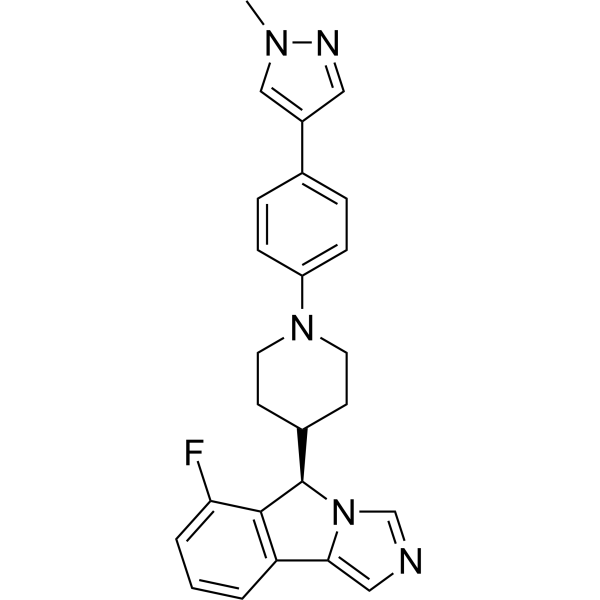
    Evunzekibart (ATOR-1017) is an Fc-γ receptor conditional 4-1BB agonist and IgG4-type antibody. Evunzekibart can be used as monotherapy or in combination with anti-PD1 to exert anticancer activity.
    Evunzekibart
  • HY-P99109

    GLS-010; AB-122; WBP-3055

    PD-1/PD-L1 Cancer
    Zimberelimab (GLS-010) is a fully human IgG4 anti-PD-1 monoclonal antibody with an EC50 of 210 pM for human PD-1. Zimberelimab effectively blocks the binding of PD-L1 and PD-L2 to cell-surface PD-1 in CHO-S cells, with IC50 values of 580 pM and 670 pM, respectively. Zimberelimab shows antitumor activities, and can be used for various cancers research, including cervical cancer, non-small cell lung cancer and classical Hodgkin’s lymphoma .
    Zimberelimab
  • HY-159643

    MAP4K IFNAR Interleukin Related Inflammation/Immunology Cancer
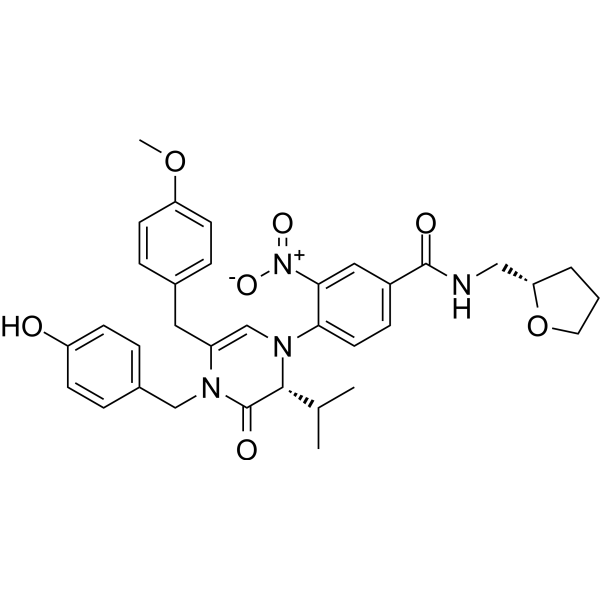
    NDI-101150 is an orally active, potent and selective hematopoietic progenitor cell kinase 1 (HPK1) inhibitor with an IC50 of 0.7 nM. NDI-101150 blocks HPK1-mediated negative regulation of immune receptor signaling, inhibits immunosuppression of T cell activation, enhances antigen-specific antibody production and augments B-cell activation. NDI-101150 inhibits tumor growth in syngeneic tumor models, establishes durable antitumor immune memory, and synergizes with anti-PD1 to enhance exhausted T cell activity and drive tumor regressions. NDI-101150 can be used for the research of cancer, such as breast cancer and colon cancer .
    NDI-101150
  • HY-P99709

    LY3300054

    PD-1/PD-L1 Cancer
    Lodapolimab (LY3300054) is an IgGλ anti-PD-1 monoclonal antibody .
    Lodapolimab
  • HY-P990077

    CT-011; MDV9300

    PD-1/PD-L1 Cancer
    Pidilizumab (CT-011) is a humanized IgG1k anti-PD-1 monoclonal antibody. Pidilizumab acts as a DLL1 antagonist. Pidilizumab has the potential for hematologic malignancies research .
    Pidilizumab
  • HY-168528
    WS-917
    1 Publications Verification

    P-glycoprotein Cancer
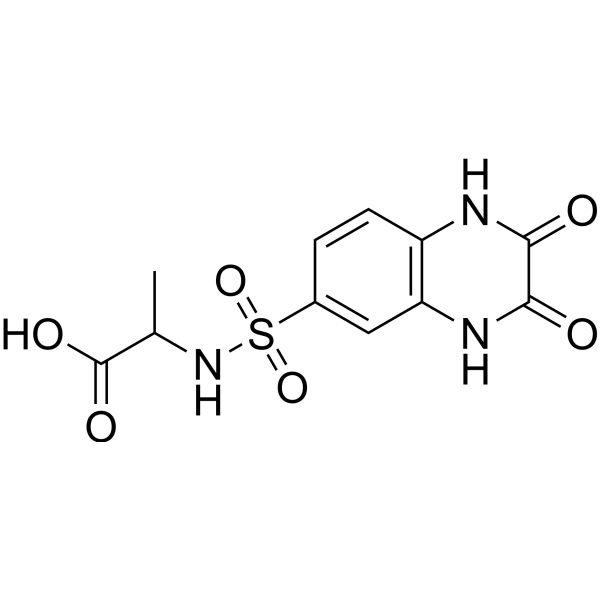
    WS-917 is a potent and orally active ABCB1 modulator. WS-917 enhances ABCB1 ATPase activity. WS-917 significantly enhances the antitumor effect of paclitaxel combined with anti-PD-1 antibody. WS-917 promotes CD8 + T-cell activation .
    WS-917
  • HY-156574

    DGK Cancer
    DGKζ-IN-4 is a DGK-zeta inhibitor. DGKζ-IN-4 can be used as an active component of pharmaceutical compositions. DGKζ-IN-4 is used to treat cancers associated with immune cell activation or cancers resistant to anti-PD-1 antibody/anti-PD-11 antibody research .
    DGKζ-IN-4
  • HY-P991395

    Tim3 Cancer
    TQB2618 is a human IgG4 monoclonal antibody (mAb) targeting TIM-3/HAVCR2/CD366. TQB2618 activates immune cell function and induces significant anti-tumor activity when used in combination with anti-PD-1 agents .
    TQB2618
  • HY-178716

    Phosphatase IFNAR STAT JAK Cancer
    PTPN2/1-IN-4 (Compound WS35) is an orally active, dual-functional inhibitor of PTPN1 and PTPN2 with IC50s of 12.8 and 5.8 nM for PTPN1 and PTPN2, respectively. PTPN2/1-IN-4 modulates the IFNγ-JAK-STAT signaling pathway and significantly augments CD8+ T-cell tumor infiltration. PTPN2/1-IN-4 has potent anticancer activity, robustly inhibiting tumor growth both as a monotherapy and in combination with an anti-PD-1 antibody in B16-OVA syngeneic mouse models .
    PTPN2/1-IN-4
  • HY-169859

    Prostaglandin Receptor Interleukin Related Inflammation/Immunology Cancer
    EP4 receptor antagonist 7 (Compound 14) is an antagonist of the prostaglandin E2 (PGE2) receptor subtype EP4 with an IC50 value of 1.1 nM. EP4 receptor antagonist 7 inhibits PGE2-induced β-arrestin recruitment in HEK293 cells with an IC50 value of 0.9 nM. EP4 receptor antagonist 7 decreases PGE2-induced expression of mRNA encoding IL-4, macrophage mannose receptor 1 (Mrc1), chitinase-like protein 3 (Chil3), chemokine (C-X-C) motif ligand 1 (Cxcl1), triggering receptor expressed on myeloid cells 2 (Trem2), and arginase-1 (Arg1), in RAW 264.7 macrophages. EP4 receptor antagonist 7 combined with an anti-PD-1 antibody inhibits tumor growth and increases infiltration of CD 8+ T cells into tumors in a CT26 murine colon cancer model .
    EP4 receptor antagonist 7
  • HY-P99048A

    IBI308 (anti-PD-1)

    PD-1/PD-L1 Inflammation/Immunology Cancer
    Sintilimab (Anti-PD-1) (IBI308 (Anti-PD-1)) is a safe and effectivel humanized IgG4 monoclonal antibody that binds to PD-1 with a KD value of 74 pM. Sintilimab (Anti-PD-1) blocks the interaction of PD-1 with its ligands (PD-L1 and PL-L2), consequently helping to restore the endogenous antitumour T-cell response. Sintilimab (Anti-PD-1) combined with prebiotics inhibits tumor volume and regulates immune cell subpopulation balance in lung adenocarcinoma mice. Sintilimab (Anti-PD-1) can be used for the research of classical Hodgkin's lymphoma, non-small cell lung cancer and oesophageal cancer .
    Sintilimab (Anti-PD-1)
  • HY-P991738

    PD-1/PD-L1 VEGFR Cancer
    LM-299 is a PD-1/VEGF bispecific antibody. LM-299 achieves its dual binding activity through the effective binding of the anti-VEGF-A antibody at the fab end to human VEGF-A, coupled with the blockade of the PD-1/PD-L1 pathway by the anti-PD-1 antibody at the-Fc end. LM-299 can be used for the study of non-small cell lung cancer (NSCLC).
    LM-299
  • HY-P99100A

    CLT-002 (Powder)

    TGF-beta/Smad PD-1/PD-L1 Cancer
    Visugromab (CTL-002) (Powder) is a GDF-15 neutralizing IgG4 mAb. Visugromab (Powder) has synergistic anticancer activity with the anti-PD1 antibody Nivolumab (HY-P9903) and can effectively act on PD-1/PD-L1 relapsed/refractory metastatic solid tumors. Recommend Isotype Controls: Human IgG4 (S228P) kappa, Isotype Control (HY-P99003) .
    Visugromab (Powder)
  • HY-168147

    Phosphodiesterase (PDE) Cancer
    Enpp-1-IN-24 (compund 7) is an ENPP1 inhibitor that, in combination with anti-PD-1 antibodies, achieves 77.7% tumor growth inhibition and improves survival in mouse models .
    Enpp-1-IN-24
  • HY-128355A

    Indoleamine 2,3-Dioxygenase (IDO) Others Cancer
    (R)-IDO/TDO-IN-1 (compound 25) is an indoleamine-2,3-dioxygenase (IDO) inhibitor, with good pharmacokinetic properties. (R)-IDO/TDO-IN-1 exhibits anti-tumor activity in MC38 xenograft model. (R)-IDO/TDO-IN-1 shows synergistic effect with anti-PD-1 monoclonal antibody (SHR-1210) .
    (R)-IDO/TDO-IN-1
  • HY-172107

    MAP4K Interleukin Related Inflammation/Immunology Cancer
    HPK1-IN-56 (Compound A29) is a HPK1 inhibitor (IC50: 2.70 nM). HPK1-IN-56 inhibits downstream p-SLP76 (IC50: 8.1 nM in Jurkat T cells). HPK1-IN-56 induces the production of IL-2 in human PBMCs. HPK1-IN-56 has anticancer effect, enhances T-cell killing ability and the antitumor efficacy of anti-PD-1 antibody .
    HPK1-IN-56
  • HY-P990716

    AZD7789

    PD-1/PD-L1 Tim3 Inflammation/Immunology
    Sabestomig (AZD7789) is a monovalent bispecific antibody targeting PD-1 and TIM-3. Sabestomig binds to PD-1 and an epitope in the TIM-3 IgV domain outside the phosphatidylserine-binding cleft, thereby precisely regulating immune responses. Sabestomig promotes IL-2 production, efferocytosis and cross-presentation of tumor antigens, and enhances the release of anti-tumor T cell cytokines, cytotoxicity, and secretion of IFN-γ. Sabestomig inhibits the growth of solid tumors, prolongs the duration of tumor suppression, and significantly enhances anti-tumor responses following anti-PD-1 therapy. Sabestomig has been used in studies related to non-small cell lung cancer and classical Hodgkin lymphoma .
    Sabestomig
  • HY-N0819R

    Reference Standards Apoptosis PI3K Akt ERK mTOR Wnt β-catenin Wee1 JNK VEGFR CDK Neurological Disease Inflammation/Immunology Cancer
    Raddeanin A (Standard) is the analytical standard of Raddeanin A (HY-N0819). This product is intended for research and analytical applications. Raddeanin A is an oleanane-type triterpenoid saponin with oral activity. Raddeanin A inhibits SRC, mTOR, JNK, VEGFR2, NLRP3 inflammasome, Wnt/β-catenin, Wee1, PI3K/AKT signaling pathway, MAPK/ERK signaling pathway, AR-FL, AR-Vs, and downregulates the expression of p-PI3K and p-AKT. Raddeanin A inhibits osteoclast formation, bone resorption, osteolysis, cancer cell invasion, migration, proliferation, angiogenesis and epithelial-mesenchymal transition, while induces apoptosis, cell cycle arrest, ROS production, immunogenic cell death and dendritic cell maturation. Raddeanin A improves blood-retinal barrier function, alleviates inflammation, regulates the tumor microenvironment, and enhances the activity of anti-PD-1 antibody. Raddeanin A is applicable to the research of breast cancer-associated osteolysis, human osteosarcoma, colorectal cancer, glioblastoma, Alzheimer's disease, cholangiocarcinoma, melanoma, non-small cell lung cancer, castration-resistant prostate cancer and multiple myeloma.
    Raddeanin A (Standard)
  • HY-P992177

    PD-1/PD-L1 Inflammation/Immunology Cancer
    AI-025 is an anti-PD-1 antibody. AI-061, a combination formulation of AI-025 and ONC-392 (HY-P990042), inhibits the downregulation of cell activation and proliferation mediated by PD-1 and CTLA-4, thereby restoring immune function and activating cytotoxic T lymphocyte-mediated immune responses against tumor cells. AI-025 can be used in cancer research .
    AI-025
  • HY-P991918

    IgG2-AAS

    Transmembrane Glycoprotein Interleukin Related Inflammation/Immunology Cancer
    KHK2840 is a potent CD40 agonist with a Kd value of 0.485 nM for hCD40. KHK2840 delivers agonistic signals in tumor-bearing hCD40 transgenic mice and human peripheral blood B cells. KHK2840 upregulates CD80, CD86, CD95 and IL-12p70 expression. KHK2840 enhances antitumor efficacy of anti-PD-1 antibody and Paclitaxel (HY-B0015). KHK2840 can be used for the research of cancer, such as colon cancer and melanoma .
    KHK2840
  • HY-P991944

    CCR Cancer
    ZL-1218 is a selective humanized IgG1 antibody, targeting CCR8. ZL-1218 induces antibody-dependent cellular cytotoxicity (ADCC), leading to NK cell-mediated depletion of CCR8-expressing regulatory T cells (Tregs). ZL-1218 blocks the binding of the CCR8 ligand CCL1 to CCR8 and reduces Treg recruitment by inhibiting the chemotaxis of CCR8 + cells. ZL-1218 reduces intratumoral Treg levels in a dose-dependent manner. ZL-1218 exerts enhanced antitumor activity when combined with the anti-PD-1 antibody. ZL-1218 can be used for solid tumour research .
    ZL-1218
  • HY-182899

    PERK Ras COX PD-1/PD-L1 Apoptosis DNA/RNA Synthesis Mitochondrial Metabolism Cancer
    DPAP is a p-ERK1/2 inhibitor with an IC50 of 7.85 μM against p-ERK1/2. DPAP inhibits the expression of p-MEK1/2 and disrupts the Ras-ERK signaling pathway. DPAP inhibits the expression of COX-2 in nerve cells. DPAP damages DNA and mitochondria, induces Apoptosis via the mitochondrial pathway, and upregulates PD-L1. DPAP inhibits melanoma metastasis and angiogenesis, and inactivates spinal microglia and astrocytes. DPAP exhibits anti-melanoma activity and can be combined with anti-PD-1 monoclonal antibodies to modify anti-tumor effects. DPAP is applicable for the research of melanoma .
    DPAP
  • HY-P992454

    Tim3 Cancer
    S095018 (Sym023) is a human IgG2-type inhibitor targeting T cell immunoglobulin and TIM-3. S095018 competitively blocks the binding of multiple ligands such as Gal-9 and phosphatidylserine to TIM-3. S095018 stimulates the anti-tumor activity of T cells, dendritic cells and macrophages, and exhibits good safety both as a monotherapy and in combination with the anti-PD-1 antibody Sym021. S095018 also induces an increase in the density of CD8 + T cells in the tumor microenvironment, and upregulates gene signatures associated with IFN-γ signaling, antigen presentation and T cell activation. S095018 can be used for the research of advanced/metastatic recurrent biliary tract cancer .
    S095018
  • HY-P11490

    MDM-2/p53 Inflammation/Immunology Cancer
    DPMI-ω is a dual-specificity d-peptide antagonist of oncogenic proteins MDM2 and MDMX. DPMI-ω, upon fabrication on gold nanoparticles, efficiently traverses tumor cells and kills them by reactivating the p53 signaling pathway. DPMI-ω can disrupte the p53-MDM2/MDMX complex. DPMI-ω can inhibit B16 melanoma growth and induce cells G0/G1 phase arrest. DPMI-ω can augment the efficacy of immunotherapy by expanding CD3 +/CD8 + cytotoxic T cells and suppressing CD4 +/CD25 + regulatory T cells companied with anti-PD1 antibody. DPMI-ω can be used for research of melanoma .
    DPMI-ω
  • HY-181420A

    Ras Phosphatase ERK Apoptosis Cancer
    BBO-11818 is an orally active, highly selective (relative to NRAS and HRAS), non-covalent pan-KRAS inhibitor (IC50=28-120 nM). BBO-11818 specifically binds to the Switch-II/Helix 3 pocket, disrupts the KRAS:RAF1 interaction by inducing conformational changes, and blocks the MAPK signaling pathway. BBO-11818 exhibits significant anti-tumor activity, which not only inhibits cell proliferation and induces apoptosis, but also drives tumor regression in xenograft models. BBO-11818 produces synergistic effects when combined with Cetuximab (HY-P9905), anti-PD-1 antibody or PI3Kα inhibitor. BBO-11818 is used in the research of KRAS mutation-related malignancies such as pancreatic cancer, non-small cell lung cancer and colorectal cancer .
    BBO-11818
  • HY-181420

    ERK Apoptosis Phosphatase Ras Cancer
    (S,R,S)-BBO-11818 is an orally active, highly selective (relative to NRAS and HRAS), non-covalent pan-KRAS inhibitor (IC50=28-120 nM). (S,R,S)-BBO-11818 specifically binds to the Switch-II/Helix 3 pocket, disrupts the KRAS:RAF1 interaction by inducing conformational changes, and blocks the MAPK signaling pathway. (S,R,S)-BBO-11818 exhibits significant anti-tumor activity, which not only inhibits cell proliferation and induces apoptosis, but also drives tumor regression in xenograft models. (S,R,S)-BBO-11818 produces synergistic effects when combined with Cetuximab (HY-P9905), anti-PD-1 antibody or PI3Kα inhibitor. (S,R,S)-BBO-11818 is used in the research of KRAS mutation-related malignancies such as pancreatic cancer, non-small cell lung cancer and colorectal cancer .
    (S,R,S)-BBO-11818

Inquiry Online

Your information is safe with us. * Required Fields.

Salutation


Country or Region *

Applicant Name *


Organization Name *

Department *


Email Address *


Product Name *

Cat. No.


Requested quantity *

Phone Number *


Remarks

Inquiry Online

Inquiry Information

Product Name:
Cat. No.:
Quantity:
MCE Japan Authorized Agent: