



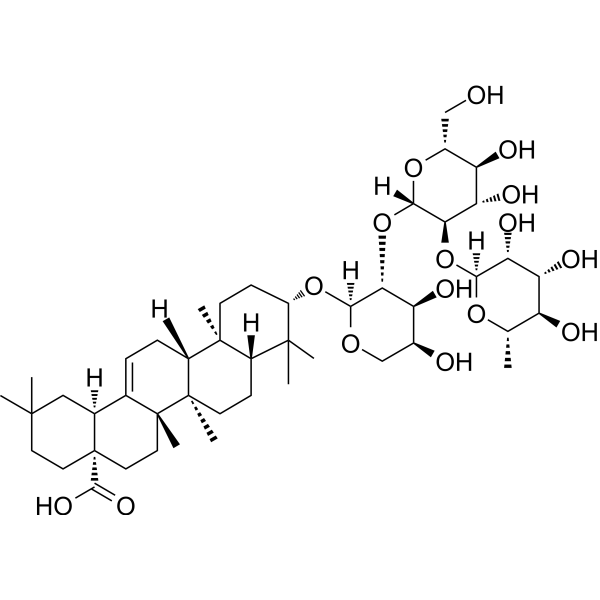
Raddeanin A
Based on 1 publication(s) in Google Scholar
Raddeanin A is an oleanane-type triterpenoid saponin with oral activity. Raddeanin A inhibits SRC, mTOR, JNK, VEGFR2, NLRP3 inflammasome, Wnt/β-catenin, Wee1, PI3K/AKT signaling pathway, MAPK/ERK signaling pathway, AR-FL, AR-Vs, and downregulates the expression of p-PI3K and p-AKT. Raddeanin A inhibits osteoclast formation, bone resorption, osteolysis, cancer cell invasion, migration, proliferation, angiogenesis and epithelial-mesenchymal transition, while induces apoptosis, cell cycle arrest, ROS production, immunogenic cell death and dendritic cell maturation. Raddeanin A improves blood-retinal barrier function, alleviates inflammation, regulates the tumor microenvironment, and enhances the activity of anti-PD-1 antibody. Raddeanin A is applicable to the research of breast cancer-associated osteolysis, human osteosarcoma, colorectal cancer, glioblastoma, Alzheimer's disease, cholangiocarcinoma, melanoma, non-small cell lung cancer, castration-resistant prostate cancer and multiple myeloma.
For research use only. We do not sell to patients.
- Purity : 99.79%
- CAS No.: 89412-79-3
- Formula: C47H76O16
- Molecular Weight:897.10
-
Storage:
4°C, protect from light
* In solvent : -80°C, 6 months; -20°C, 1 month (protect from light)

To place orders, for customer services and technical support, please contact: MedChemExpress USA
Tel: 609-228-6898 E-mail: [email protected] [email protected]


-
 Biological Activity
-
Chemical Information
-
Solvent & Solubility
- Protocols
- Purity & Documentation
- References
-
 Help & FAQs


-
HY-18749
SC79Akt Activator -
HY-W013032A
Oxamic acid sodiumLDH-A Inhibitor -
HY-B0234
EstroneEndogenous Metabolite -
HY-N0022
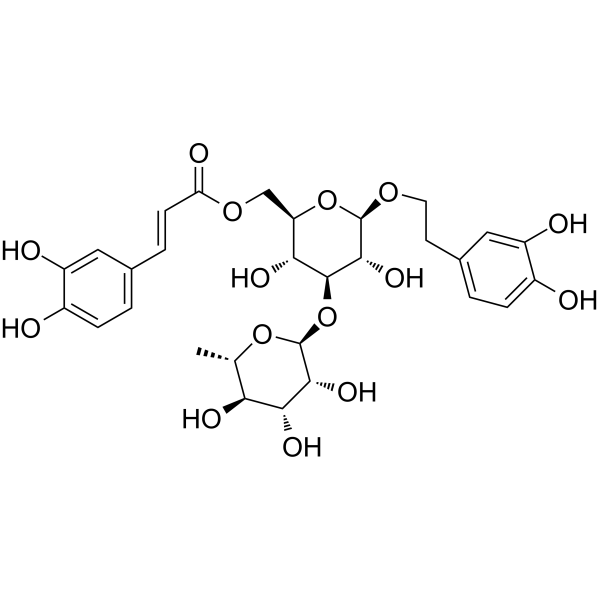
IsoacteosideNatural Product -

HY-N0819R
Raddeanin A (Standard)Analytical Standard -
HY-10585
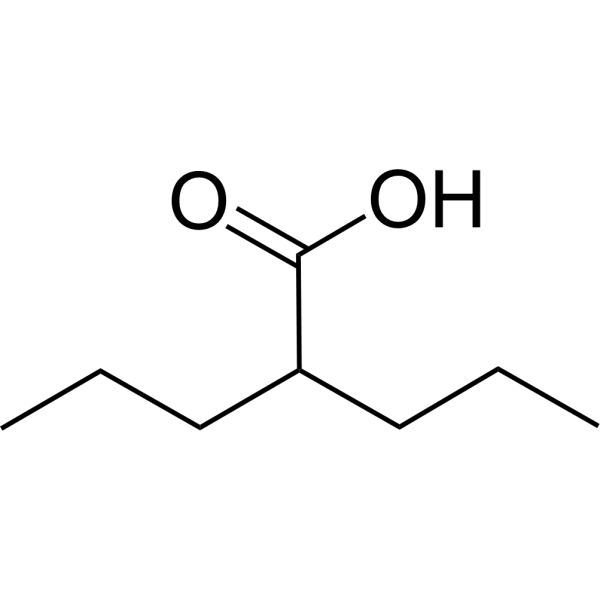
Valproic acidHDAC Inhibitor -
HY-10224
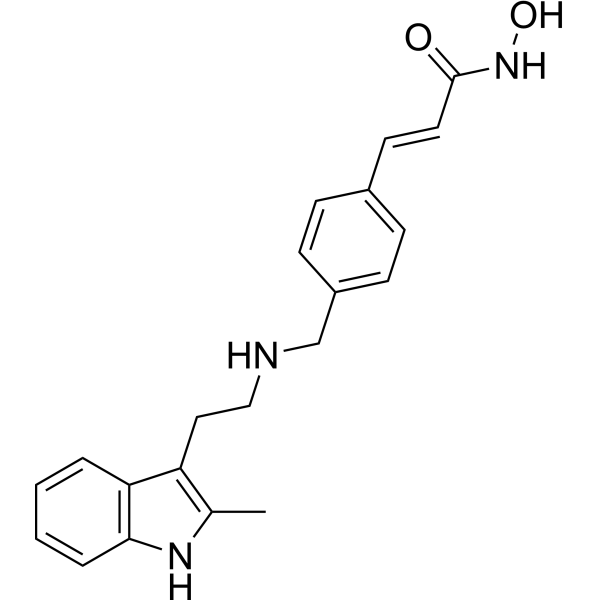
PanobinostatHDAC Inhibitor -
HY-B0350A
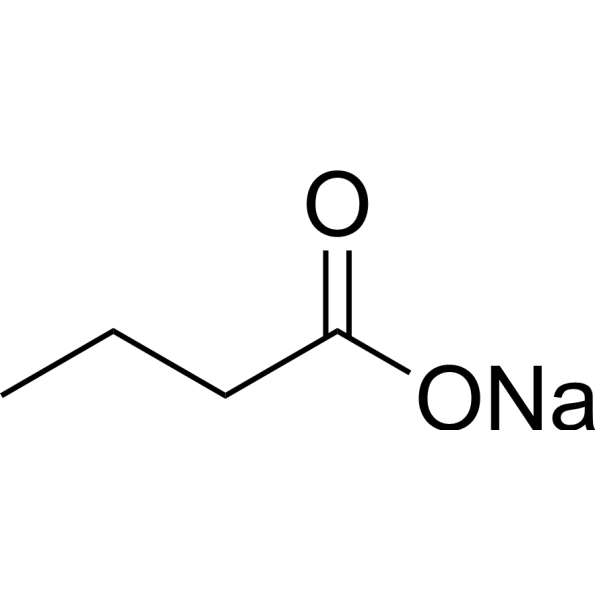
Sodium butyrateHDAC Inhibitor -
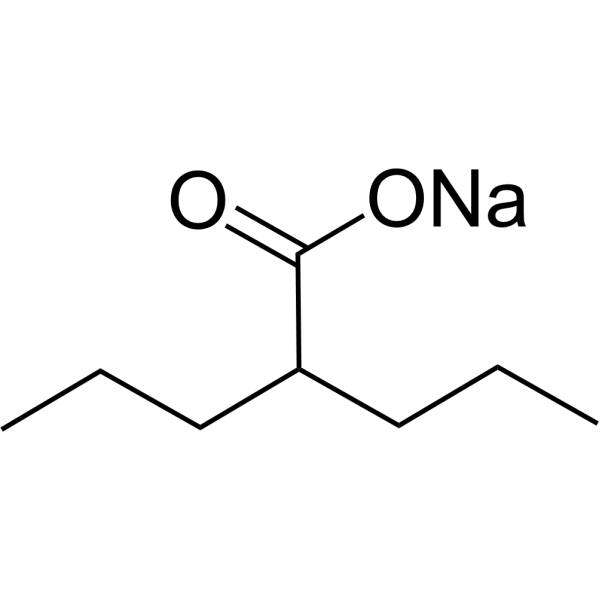
HY-10585A
Valproic acid sodiumHDAC Inhibitor -
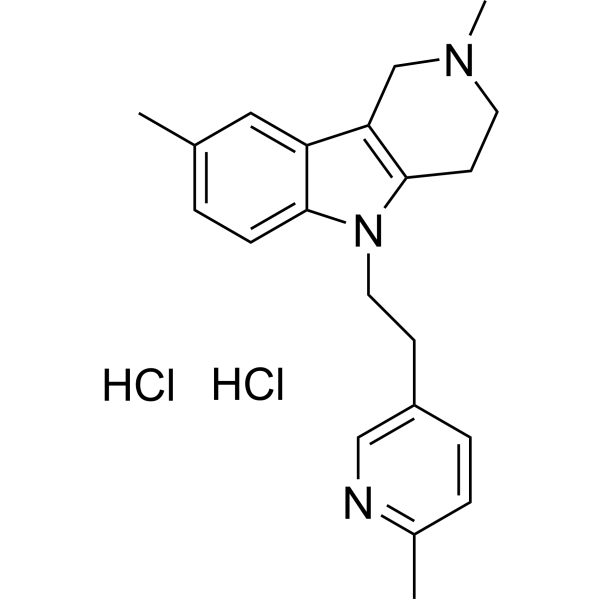
HY-14537
Latrepirdine dihydrochlorideAutophagy Inducer -
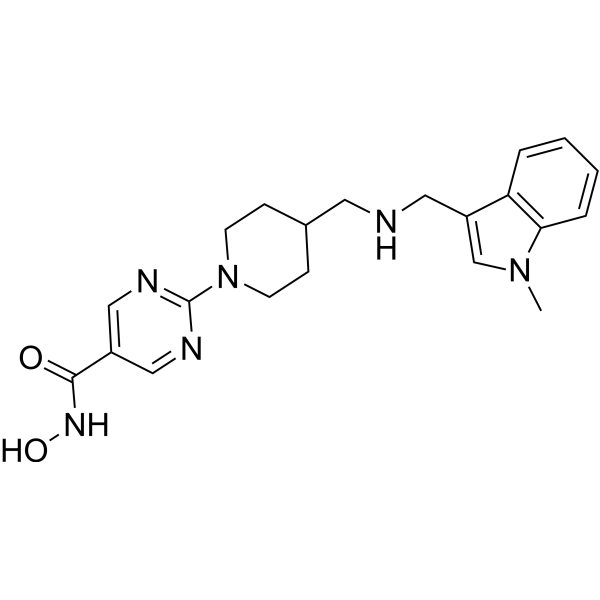
HY-15433
QuisinostatPan-HDAC Inhibitor -
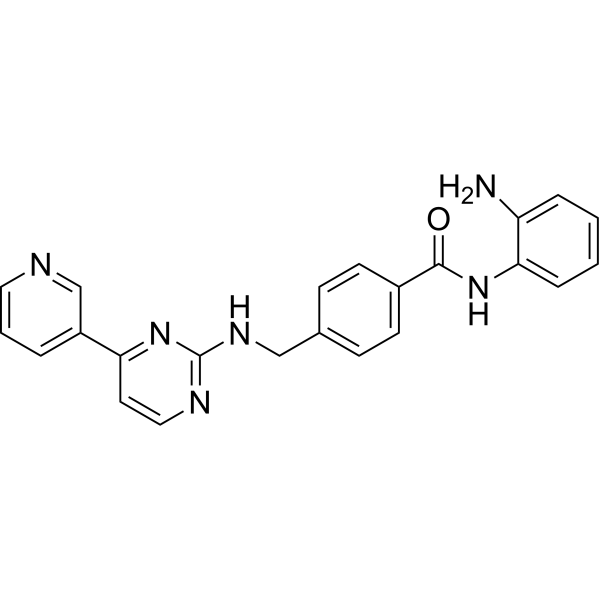
HY-12164
MocetinostatAutophagy Inducer
Publications Citing Use of MedChemExpress (MCE) Raddeanin A
More Customer Validation & Images

-
Cell Proliferation/Viability Assay

-
Apoptosis Analysis
-
IF

-
WB
-
Histological Imaging/Staining
All VEGFR Isoforms
More

Biological Activity
Description
In Vitro
Raddeanin A (0.2-0.8 μM; 3-7 days) potently inhibits RANKL-induced osteoclast formation in BMMs, with a 72-hour cytotoxicity IC50 of 2.91 μM, and suppresses osteoclast survival in a concentration-dependent manner[1].
Raddeanin A (0.4 μM; 5-7 days) downregulates key osteoclastogenic markers CTSK and NFATc1 at both the gene and protein levels in RANKL-stimulated BMMs[1].
Raddeanin A (0.2-0.8 μM; 7-21 days), at concentrations up to 0.8 μM, does not inhibit osteoblast differentiation in MC3T3-E1 cells, and at 0.2 μM enhances mineralization and increases SPARC gene expression[1].
Raddeanin A (6.25-50 μM; 24-96 h) inhibits viability, proliferation, and invasion of MDA-MB-231 breast cancer cells, and induces apoptosis, with a 96-hour cytotoxicity IC50 of 15.77 μM[1].
Raddeanin A (3 μM; 6-12 h) inhibits AKT/mTOR signaling in MDA-MB-231 cells by reducing p-AKT and mTOR protein levels[1].
Raddeanin A (0.2-50 μM; 24-48 h) dose- and time-dependently inhibits the viability of human osteosarcoma MG-63, HOS, U-2 OS, Saos-2, and 143B cells, with MG-63 and HOS cells showing the highest sensitivity (IC50 values of 1.60 μM and 2.57 μM at 48 h, respectively)[2].
Raddeanin A (1-4 μM; 24 h) dose-dependently modulates mitochondrial apoptotic pathway proteins (reducing Bcl-2/Bax ratio, increasing cleaved caspase-3 and cleaved PARP) in human osteosarcoma MG-63 and HOS cells[2].
Raddeanin A (1-4 μM; 12 h) dose-dependently inhibits IκBα phosphorylation in human osteosarcoma MG-63 and HOS cells after 12 h of treatment[2].
Raddeanin A (1-4 μM; 2 μM, 6 h) dose-dependently suppresses p65 nuclear translocation in human osteosarcoma MG-63 and HOS cells, with 2 μM treatment for 6 h visibly reducing nuclear p65 localization[2].
Raddeanin A (100-800 nM; 48 h) dose-dependently reduces the viability of U87, U251, T98G, and LN299 human glioblastoma cells, with greater potency in U87 and U251 cells[4].
Raddeanin A (100-200 nM; 48 h) dose-dependently reduces the mRNA and protein expression of β-catenin and EMT-related biomarkers (N-cadherin, vimentin, snail) in U87 and U251 human glioblastoma cells[4].
Raddeanin A (100 nM) inhibits viability, migration, invasion, and EMT biomarker expression in β-catenin-overexpressing U87 and U251 human glioblastoma cells, but these effects are reversed by β-catenin overexpression[4].
Raddeanin A (0.125-0.5 μM; 24 h) inhibits Aβ1-42-induced activation of the NLRP3 inflammasome and secretion of inflammatory cytokines in MIO-M1 cells[5].
Raddeanin A (0-160 μg/mL; 24 h) reduces cell viability in a dose-dependent manner in RBE, LIPF155C, LIPF178C, and LICCF cholangiocarcinoma cell lines (EC50: 50.95-64.76 μg/mL; LC50: 34.65-49.47 μg/mL) with lower toxicity to normal HIBEpiC biliary epithelial cells[6].
Raddeanin A (1-5 μM; 20 h) dose-dependently increases HMGB1-Gluc activity, a marker of immunogenic cell death, in B16 and MC38 cells[7].
Raddeanin A (1-5 μM; 6-8 h) dose-dependently increases mitochondrial ROS production in MC38 cells[7].
Raddeanin A (1-4 μM; 24 h) dose-dependently inhibits the migration and invasion of H1299, A549, and PC-9 NSCLC cells after 24 h of treatment[8].
Raddeanin A (1-4 μM; 24 h) modulates EMT-related protein expression and specifically inhibits CDK6 expression and Rb phosphorylation in H1299, A549, and PC-9 NSCLC cells after 24 h of treatment[8].
Raddeanin A (1-4 μM; 24 h) dose-dependently induces G1 phase cell cycle arrest in H1299, A549, and PC-9 NSCLC cells after 24 h of treatment[8].
Raddeanin A (1-16 μM; 12 h) potently inhibits proliferation of human colorectal cancer HCT116 cells in a dose-dependent manner, with a 12 h IC50 of 2.61 μM[9].
Raddeanin A (2-4 μM; 12 h) dose-dependently downregulates the mRNA expression of apoptosis-related genes (caspase-3, PARP) and cell cycle-related genes (cyclinD1, cyclinE) in human colorectal cancer HCT116 cells[9].
Raddeanin A (2-4 μM; 12 h) modulates protein expression in human colorectal cancer HCT116 cells by increasing pro-apoptotic proteins, decreasing anti-apoptotic and cell cycle-related proteins, and suppressing the PI3K/AKT signaling pathway via reduced p-PI3K and p-AKT expression[9].
Raddeanin A (1.5-6 μM; 12-72 h) dose- and/or time-dependently inhibits the growth of AR-positive 22Rv1, C4-2, C4-2B, and LNCaP95 CRPC cells, with no effect on AR-null PC-3 and DU145 prostate cancer cells[10].
Raddeanin A (3 μM; 6-24 h) time-dependently downregulates mRNA levels of AR target genes PSA (in C4-2 and LNCaP95 cells) and UBE2C (in LNCaP95 cells)[10].
Raddeanin A (0.125-8 μM; 24-48 h) inhibits the proliferation of MM.1S, MM.1R, and RPMI 8226 multiple myeloma cells in a time-dependent and concentration-dependent manner, with IC50 values ranging from 1.058 μM (MM.1S, 48 h) to 6.091 μM (RPMI 8226, 24 h)[11].
MedChemExpress (MCE) has not independently confirmed the accuracy of these methods. They are for reference only.
-
Cell Line:RANKL-induced mouse bone marrow-derived macrophages (BMMs)
-
Concentration:0.4 μM
-
Incubation Time:5 days; 7 days
-
Result:Dramatically suppressed mRNA expression of cathepsin k (CTSK) and nuclear factor of activated T cells 1 (NFATc1). Reduced protein expression levels of CTSK and NFATc1.
-
Cell Line:MC3T3-E1 preosteoblast cells
-
Concentration:0.2-0.8 μM; 0.781 μM
-
Incubation Time:7, 14, 21 days
-
Result:Showed no significant difference in ALP activity between control and treated groups at day 7. Resulted in a larger total mineralized area compared to the control group at 0.2 μM at day 21. Significantly increased secreted protein acidic and rich in cysteine (SPARC) mRNA expression after 14 days of treatment. Showed no significant cytotoxic effect on MC3T3-E1 cells at doses below 0.781 μM.
-
Cell Line:MDA-MB-231 breast cancer cells
-
Concentration:3 μM
-
Incubation Time:6, 12 h
-
Result:Significantly downregulated both p-AKT phosphorylation and mTOR protein expression in a time-dependent manner.
-
Cell Line:human osteosarcoma MG-63 and HOS cells
-
Concentration:1-4 μM
-
Incubation Time:12 h
-
Result:Increased nuclear fragmentation and apoptotic body formation in a dose-dependent manner in both MG-63 and HOS cells.
-
Cell Line:human osteosarcoma MG-63 and HOS cells
-
Concentration:1-4 μM
-
Incubation Time:24 h
-
Result:Caused a dose-dependent increase in the percentage of both early and late apoptotic cells in MG-63 and HOS cells.
In Vivo
Raddeanin A (100 μg/kg; i.p.; every other day; 28 days) significantly inhibits breast cancer-induced osteolysis in female BALB/c nu/nu mice by preserving bone structure and increasing tumor cell apoptosis, as evidenced by higher BV/TV, reduced Tb. Sp, intact bone cortex, and increased TUNEL-positive cells[1].
Raddeanin A (1.25-5 mg/kg; i.p.; every other day; 20 consecutive days) dose-dependently inhibits the growth of HOS osteosarcoma xenografts in nude mice, while inducing tumor cell apoptosis and demonstrating low systemic toxicity[2].
Raddeanin A (0.4 μM; continuous immersion; 30 h) inhibits zebrafish intersegmental vessel formation by 67.64%[3].
Raddeanin A (5 mg/kg; i.p.; once every 2 days; 11 injections) reduces HCT-15 colorectal xenograft tumor volume and weight, increases tumor apoptosis and necrosis, and decreases intratumoral microvessel density without obvious toxicity[3].
Raddeanin A (100 mg/kg; i.p.; daily) inhibits glioblastoma tumor growth, reduces tumor vessel density, downregulates β-catenin-mediated EMT and angiogenesis, and increases survival rate to ~80% at day 30 in an intracranial U87 xenograft mouse model[4].
Raddeanin A (10 mg/kg; p.o.; daily; 9 weeks) protects the blood-retinal barrier and improves Alzheimer's disease-related retinopathy in 3×Tg-AD mice by inhibiting NLRP3-mediated inflammation, suppressing Wnt/β-catenin pathway-mediated apoptosis, and restoring retinal structural and vascular integrity[5].
Raddeanin A (1-4 mg/kg; i.p., i.t.; four times at indicated time points) inhibits MC38 colon adenocarcinoma growth in a DC and CD8+ T cell-dependent manner in C57BL/6J mice, and induces 60% tumor-free survival in a tumor rechallenge model[7].
Raddeanin A (4 mg/kg; i.t.; four times at indicated time points)'s antitumor activity against MC38 colon adenocarcinoma in C57BL/6J mice is dependent on CD8+ T cells and DCs, and combining it with anti-PD-1 antibody enhances therapeutic efficacy by reprogramming the tumor immune microenvironment[7].
Raddeanin A (0.5-1.0 mg/kg; i.p.; once every 2 days; 7 total doses over 30 days) exerts dose-dependent anti-NSCLC efficacy in BALB/c nude mouse xenografts, with the 1.0 mg/kg dose significantly reducing tumor volume and weight while showing no detectable organ toxicity[8].
Raddeanin A (4 mg/kg; injected; 2 weeks) significantly inhibits colorectal cancer xenograft tumor growth in BALB/c nude mice, reduces tumor volume and weight, induces tumor cell apoptosis at a rate of 43.6%, modulates apoptosis- and cell cycle-related proteins, and regulates the PI3K/AKT signaling pathway without causing liver toxicity[9].
MedChemExpress (MCE) has not independently confirmed the accuracy of these methods. They are for reference only.
-
Animal Model:C57BL/6 (8-week-old male; Ti-particle-induced calvarial osteolysis model)[1]
-
Dosage:50 μg/kg; 100 μg/kg
-
Administration:daily; 14 days
-
Result:Increased bone volume to total volume (BV/TV) ratio compared to vehicle group.
Decreased percentage of total porosity compared to vehicle group.
Reduced number of tartrate-resistant acid phosphatase (TRAP)-positive multinucleated osteoclasts compared to vehicle group.
Reduced number of cathepsin K (CTSK)-positive multinucleated osteoclasts compared to vehicle group.
-
Animal Model:BALB/c nu/nu (5-week-old female; breast cancer-induced osteolysis model)[1]
-
Dosage:100 μg/kg
-
Administration:i.p.; every other day; 28 days
-
Result:Increased trabecular bone volume to total volume (BV/TV) ratio compared to vehicle group.
Reduced trabecular separation (Tb. Sp) compared to vehicle group.
Preserved intact bone cortex (versus extensive trabecular bone resorption and discrete cortical bone in vehicle controls).
Increased apoptosis in the treated group, as shown by TUNEL assay.
-
Animal Model:BALB/c nude (male, 4 weeks old, 20 ± 2 g, subcutaneous osteosarcoma xenograft model)[2]
-
Dosage:1.25 mg/kg; 2.5 mg/kg; 5 mg/kg
-
Administration:i.p.; every other day; 20 consecutive days
-
Result:Significantly decelerated tumor growth in a dose-dependent manner.
Reduced tumor volumes in all treatment groups.
Induced significant apoptosis in tumor tissues via TUNEL staining.
Increased p-JNK protein expression and decreased p65 protein expression in tumor tissues via immunohistochemistry analysis. Caused no significant body weight loss during treatment.
-
Animal Model:BALB/c nude (5-week-old female, subcutaneous xenograft model)[3]
-
Dosage:5 mg/kg
-
Administration:i.p.; once every 2 days; 11 injections
-
Result:Reduced mean tumor volume to 765.3 mm3. Reduced mean tumor weight to 1.2 g. Decreased intratumoral microvessel density to ~20 vessels/mm2. Increased the percentage of TUNEL-positive apoptotic cells to ~60%. Increased tumor necrosis area to ~70%. Caused no significant body weight loss.
-
Animal Model:B6;129-APPswe/Psen1/tau-P301L (3×Tg-AD) (male, female, Alzheimer's disease transgenic model)[5]
-
Dosage:10 mg/kg
-
Administration:p.o.; daily; 9 weeks
-
Result:Significantly reduced the number of degenerated retinal capillaries compared to untreated 3×Tg-AD mice.
Increased retinal expression of tight junction proteins ZO-1, Occludin, and Claudin 5.
Ameliorated retinal structural abnormalities: restored total retinal thickness, ganglion cell layer + inner plexiform layer thickness, inner nuclear layer thickness, and outer nuclear layer thickness; improved disorganization of retinal cell layers.
Increased the Bcl-2/Bax protein expression ratio in retinal tissue.
Reduced retinal expression of NLRP3 inflammasome components (NLRP3, pro-Caspase-1, Caspase-1, ASC) and pro-inflammatory cytokines (IL-1β, IL-18).
Decreased retinal expression of β-catenin and phosphorylated LRP5/6, and increased retinal expression of GSK-3β, indicating inhibition of the Wnt/β-catenin pathway.
-
Animal Model:C57BL/6J (female, 6-8 weeks old, subcutaneous inoculation of 7×10⁶ MC38 tumor cells)[7]
-
Dosage:1 mg/kg; 2 mg/kg; 4 mg/kg
-
Administration:i.p., four times at indicated time points; i.t., four times at indicated time points
-
Result:Caused considerable inhibition of tumor volume and tumor weight.
Induced 60% tumor-free survival 30 days after rechallenge with live MC38 cells.
Markedly elevated the population of tumor-infiltrating CD8+ T cells and CD103+CD11c+ DCs, and increased levels of CD8+ T cell effector molecules GZMB and IFN-γ within the tumor microenvironment.
Upregulated CD40, CD80, CD86, and MHC-II expression on tumor-infiltrating CD103+CD11c+ DCs.
-
Animal Model:C57BL/6J (female, 6-8 weeks old, subcutaneous inoculation of 7×10⁶ MC38 tumor cells)[7]
-
Dosage:4 mg/kg
-
Administration:i.t., four times at indicated time points
-
Result:Had its MC38 tumor inhibition attenuated by anti-CD8 depletion antibody.
Had its MC38 tumor growth inhibition abolished by DC depletion via cytochrome c.
When combined with anti-PD-1 antibody, achieved greater tumor growth inhibition than either treatment alone, increased populations of tumor-infiltrating CD8+ T cells and CD103+CD11c+ DCs, increased cleaved caspase 3 levels, decreased populations of regulatory T cells and monocytic MDSCs, and upregulated CD40, CD80, CD86, and MHC-II expression on tumor-infiltrating CD103+CD11c+ DCs.
- RNA extraction experimental
- Multiplex immunofluorescence IHC
- Human pluripotent stem cell endothelial-cell differentiation
- Cell migration
- Breast Cancer Modeling
- Alzheimer’s Disease Modeling
- Detection of Apoptosis
- TUNEL staining for apoptotic DNA fragmentation
- Flow cytometric DNA-content cell-cycle staining
- Cell Cytotoxicity Assay
- Endothelial Tube Formation Assay
- Organotypic 3D Invasion Assay
- Apoptosis Solutions
- Cell invasion
- Matrigel/ECM Transwell Invasion Assay
- Endothelial Cell Migration/Angiogenic Sprouting Assay
- Pyroptosis Solutions
- 3D Collagen/Hydrogel Matrix Invasion Assay
- Spheroid/Tumor Organoid Invasion Assay
- Ex Vivo Tissue Slice/Explant Invasion Assay
- Patient-Derived Organoid Invasion Assay
- Vascular/Branching Fractal Analysis
- Mammalian live/dead viability and cytotoxicity staining
- Annexin V plus membrane-impermeant dye apoptosis staining
- BrdU Incorporation Assay
- ROS/oxidative-stress fluorescent staining
- Multiplex immunohistochemistry
- Protocol for Cell Cycle
- Research Protocol for Inflammation-related Diseases
- 3D Tumor Spheroid Invasion Assay
- Research Protocol for Cancer Immunology
- Matrigel Transwell/Boyden Chamber Invasion Assay
- Cell Viability Determination by MTT Colorimetric Assay
- Invadopodia/Fluorescent Gelatin Degradation Assay
- Osteoclast differentiation from monocyte/macrophage precursors


Chemical Information
-
CAS No. 89412-79-3
-
Appearance Solid
-
Molecular Weight 897.10
-
Formula C47H76O16
-
Color White to off-white
-
SMILES
C[C@@]1(CC[C@]2(C(O)=O)[C@@]3([H])CC(C)(C)CC2)C3=CC[C@@]4([H])[C@]1(CC[C@]5([H])[C@@]4(CC[C@H](O[C@@](OC[C@H](O)[C@@H]6O)([H])[C@@H]6O[C@@](O[C@H](CO)[C@@H](O)[C@@H]7O)([H])[C@@H]7O[C@@](O[C@@H](C)[C@H](O)[C@H]8O)([H])[C@@H]8O)C5(C)C)C)C
-
Structure Classification
-
Initial Source
-
Shipping
Room temperature in continental US; may vary elsewhere.
-
Storage
4°C, protect from light
* In solvent : -80°C, 6 months; -20°C, 1 month (protect from light)


Publications (1)
-
Journal Impact Factor
-
Most Recent
-
J Tradit Complement Med
Raddeanin A promotes the apoptosis of gastric cancer in conjunction with autophagy inhibitor Hydroxychloroquine via MAPK signaling pathway. [Abstract]2024 Jul 20;15(2):161-169. PMID: 40060151
Raddeanin A purchased from MedChemExpress. Usage Cited in: J Tradit Complement Med. 2024 Jul 20;15(2):161-169. [Abstract]
Effects of Raddeanin A (RA) (2, 4, 8, 16 μM) on cell proliferation.
Raddeanin A purchased from MedChemExpress. Usage Cited in: J Tradit Complement Med. 2024 Jul 20;15(2):161-169. [Abstract]
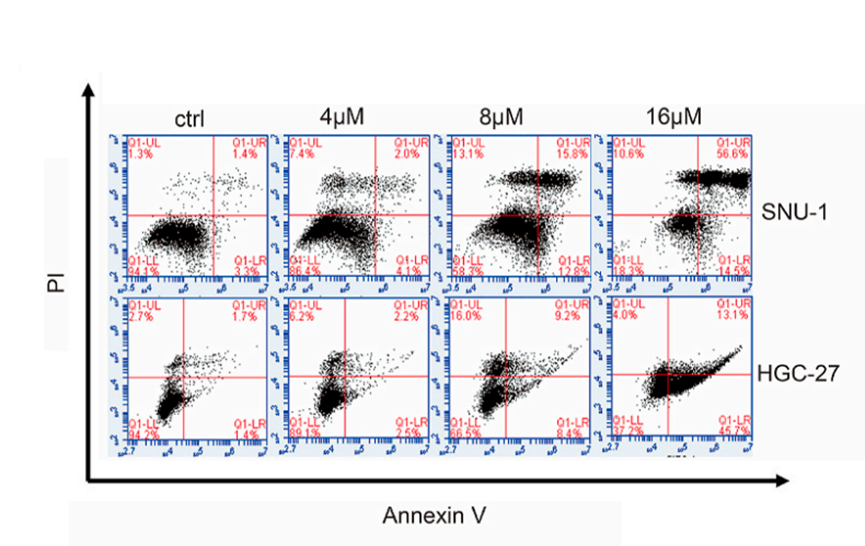
Effects of Raddeanin A (RA) (0, 4, 8, 16 μM) on cell apoptosis.
Raddeanin A purchased from MedChemExpress. Usage Cited in: J Tradit Complement Med. 2024 Jul 20;15(2):161-169. [Abstract]
Morphologic changes assessed by fluorescence microscopy treated with Raddeanin A (RA) (0, 4, 8, 16 μM).
Raddeanin A purchased from MedChemExpress. Usage Cited in: J Tradit Complement Med. 2024 Jul 20;15(2):161-169. [Abstract]
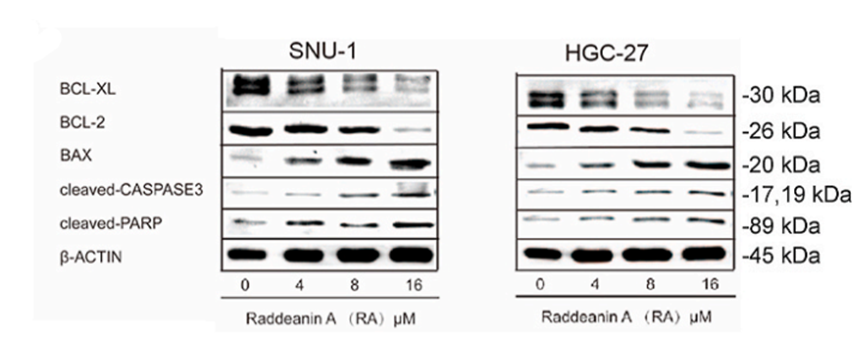
Levels of apoptosis-related proteins according to western blotting analysis treated with Raddeanin A (RA) (0, 4, 8, 16 μM).
Raddeanin A purchased from MedChemExpress. Usage Cited in: J Tradit Complement Med. 2024 Jul 20;15(2):161-169. [Abstract]
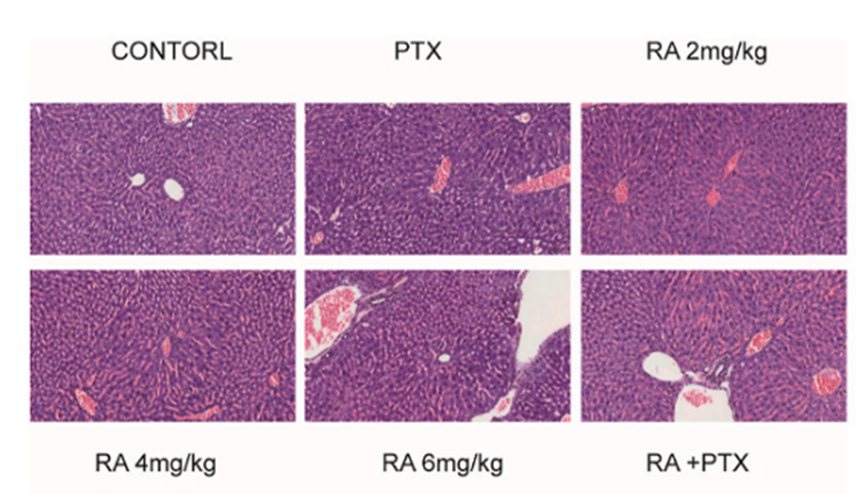
HE staining was performed on the livers of nude mice treated with Raddeanin A (RA) (2, 4, 6 mg/kg, i.p.).

Raddeanin A purchased from MedChemExpress. Usage Cited in: J Tradit Complement Med. 2024 Jul 20;15(2):161-169. [Abstract]
Tumor volume in mice that received subcutaneous injections treated with Raddeanin A (RA) (2, 4, 6 mg/kg, i.p.).


Solvent & Solubility
In Vitro:
DMSO : 50 mg/mL (55.74 mM; Need ultrasonic; Hygroscopic DMSO has a significant impact on the solubility of product, please use newly opened DMSO)
Please refer to the solubility information to select the appropriate solvent. Once prepared, please aliquot and store the solution to prevent product inactivation from repeated freeze-thaw cycles.
Storage method and period of stock solution: -80°C, 6 months; -20°C, 1 month (protect from light). When stored at -80°C, please use it within 6 months. When stored at -20°C, please use it within 1 month.
Please refer to the solubility information to select the appropriate solvent. Once prepared, please aliquot and store the solution to prevent product inactivation from repeated freeze-thaw cycles.
Storage method and period of stock solution: -80°C, 6 months; -20°C, 1 month (protect from light). When stored at -80°C, please use it within 6 months. When stored at -20°C, please use it within 1 month.
Concentration (start) × Volume (start) = Concentration (final) × Volume (final)
In Vivo:
Select the appropriate dissolution method based on your experimental animal and administration route.
- For the following dissolution methods, please ensure to first prepare a clear stock solution using an In Vitro approach and then sequentially add co-solvents:
- To ensure reliable experimental results, the clarified stock solution can be appropriately stored based on storage conditions. As for the working solution for In Vivo experiments, it is recommended to prepare freshly and use it on the same day.
- The percentages shown for the solvents indicate their volumetric ratio in the final prepared solution. If precipitation or phase separation occurs during preparation, heat and/or sonication can be used to aid dissolution.
Add each solvent one by one: 10% DMSO 40% PEG300 5% Tween-80 45% Saline
Solubility: ≥ 2.5 mg/mL (2.79 mM); Clear solution
This protocol yields a clear solution of ≥ 2.5 mg/mL (saturation unknown).
Taking 1 mL working solution as an example, add 100 μL DMSO stock solution (25.0 mg/mL) to 400 μL PEG300, and mix evenly; then add 50 μL Tween-80 and mix evenly; then add 450 μL Saline to adjust the volume to 1 mL.
Preparation of Saline: Dissolve 0.9 g sodium chloride in ddH₂O and dilute to 100 mL to obtain a clear Saline solution.
Add each solvent one by one: 10% DMSO 90% (20% SBE-β-CD in Saline)
Solubility: ≥ 2.5 mg/mL (2.79 mM); Clear solution
This protocol yields a clear solution of ≥ 2.5 mg/mL (saturation unknown).
Taking 1 mL working solution as an example, add 100 μL DMSO stock solution (25.0 mg/mL) to 900 μL 20% SBE-β-CD in Saline, and mix evenly.
Preparation of 20% SBE-β-CD in Saline (4°C, storage for one week): 2 g SBE-β-CD powder is dissolved in 10 mL Saline, completely dissolve until clear.
In Vivo Dissolution Calculator
Please enter the basic information of animal experiments:
-
-
-
-
Recommended: Prepare an additional quantity of animals to account for potential losses during experiments.
Please enter your animal formula composition:
-
%DMSO +
Recommended: Keep the proportion of DMSO in working solution below 2% if your animal is weak.
-
%+
-
+%Tween-80 + +
-
%Saline +
The co-solvents required include: DMSO, . All of co-solvents are available by MedChemExpress (MCE). , Tween 80. All of co-solvents are available by MedChemExpress (MCE).
Working solution concentration: 0.22 mg/mL
Method for preparing stock solution: mg drug dissolved in μL DMSO. Stock solution concentration: mg/mL. * In solvent : -80°C, 6 months; -20°C, 1 month (protect from light)
1. Take μL DMSO stock solution;
2. Add μL .
μL , mix evenly;
3. Then add μL Tween 80, mix evenly;
4. Then add μL
Please ensure that the stock solution in the first step is dissolved to a clear state, and add co-solvents in sequence. You can use ultrasonic heating (ultrasonic cleaner, recommended frequency 20-40 kHz), vortexing, etc. to assist dissolution.


Purity & Documentation
-
Data Sheet (308 KB)
-
SDS (393 KB)
- English - EN (393 KB)
- Français - FR (393 KB)
- Deutsch - DE (393 KB)
- Norwegian - NO (393 KB)
- Español - ES (393 KB)
- Swedish - SV (393 KB)
- Italian - IT (393 KB)
- Korean - KR (393 KB)
- Portuguese - PT (393 KB)
-
Handling Instructions (2659 KB)
References
[1]. Wang Q, et al. Raddeanin A suppresses breast cancer-associated osteolysis through inhibiting osteoclasts and breast cancer cells. Cell Death Dis. 2018 Mar 7;9(3):376. [Content Brief]
[2]. Ma B, et al. Raddeanin A, a natural triterpenoid saponin compound, exerts anticancer effect on human osteosarcoma via the ROS/JNK and NF-κB signal pathway. Toxicol Appl Pharmacol. 2018;353:87-101. [Content Brief]
[3]. Guan YY, et al. Raddeanin A, a triterpenoid saponin isolated from Anemone raddeana, suppresses the angiogenesis and growth of human colorectal tumor by inhibiting VEGFR2 signaling. Phytomedicine. 2015;22(1):103-110. [Content Brief]
[4]. Wu B, et al. Raddeanin A inhibited epithelial-mesenchymal transition (EMT) and angiogenesis in glioblastoma by downregulating β-catenin expression. Int J Med Sci. 2021;18(7):1609-1617. Published 2021 Feb 4. [Content Brief]
[5]. Wang XF, et al. Raddeanin A Protects the BRB Through Inhibiting Inflammation and Apoptosis in the Retina of Alzheimer's Disease. Neurochem Res. 2024;49(8):2197-2214. [Content Brief]
[6]. Guo SS, et al. Raddeanin A promotes apoptosis and ameliorates 5-fluorouracil resistance in cholangiocarcinoma cells. World J Gastroenterol. 2019;25(26):3380-3391. [Content Brief]
[7]. Yin M, et al. Raddeanin A Enhances Mitochondrial DNA-cGAS/STING Axis-Mediated Antitumor Immunity by Targeting Transactive Responsive DNA-Binding Protein 43. Adv Sci (Weinh). 2023;10(13):e2206737. [Content Brief]
[8]. Wang X, et al. Raddeanin A exerts potent efficacy against non-small cell lung cancer by inhibiting cyclin-dependent kinase 6. Transl Oncol. 2025;56:102382. [Content Brief]
[9]. Meng C, et al. Raddeanin A Induces Apoptosis and Cycle Arrest in Human HCT116 Cells through PI3K/AKT Pathway Regulation In Vitro and In Vivo. Evid Based Complement Alternat Med. 2019;2019:7457105. Published 2019 May 26. [Content Brief]
[10]. Xia H, et al. Raddeanin A down-regulates androgen receptor and its splice variants in prostate cancer. J Cell Mol Med. 2019;23(5):3656-3664. [Content Brief]
[11]. Jiang MZ, et al. The MAPK/ERK signaling pathway involved in Raddeanin A induces apoptosis via the mitochondrial pathway and G2 phase arrest in multiple myeloma. Sci Rep. 2024;14(1):29061. Published 2024 Nov 23. [Content Brief]


Complete Stock Solution Preparation Table
Please refer to the solubility information to select the appropriate solvent. Once prepared, please aliquot and store the solution to prevent product inactivation from repeated freeze-thaw cycles.
Storage method and period of stock solution: -80°C, 6 months; -20°C, 1 month (protect from light). When stored at -80°C, please use it within 6 months. When stored at -20°C, please use it within 1 month.
| Optional Solvent | Concentration Solvent Mass | 1 mg | 5 mg | 10 mg | 25 mg |
|---|---|---|---|---|---|
| DMSO | 1 mM | 1.1147 mL | 5.5735 mL | 11.1470 mL | 27.8676 mL |
| 5 mM | 0.2229 mL | 1.1147 mL | 2.2294 mL | 5.5735 mL | |
| 10 mM | 0.1115 mL | 0.5574 mL | 1.1147 mL | 2.7868 mL | |
| 15 mM | 0.0743 mL | 0.3716 mL | 0.7431 mL | 1.8578 mL | |
| 20 mM | 0.0557 mL | 0.2787 mL | 0.5574 mL | 1.3934 mL | |
| 25 mM | 0.0446 mL | 0.2229 mL | 0.4459 mL | 1.1147 mL | |
| 30 mM | 0.0372 mL | 0.1858 mL | 0.3716 mL | 0.9289 mL | |
| 40 mM | 0.0279 mL | 0.1393 mL | 0.2787 mL | 0.6967 mL | |
| 50 mM | 0.0223 mL | 0.1115 mL | 0.2229 mL | 0.5574 mL |


Raddeanin A Related Classifications
HY-N0819 Related Classifications
 Powered by Bioz