Search Result
Results for "
bacterial+biofilm
" in MedChemExpress (MCE) Product Catalog:
2
Biochemical Assay Reagents
6
Isotope-Labeled Compounds
| Cat. No. |
Product Name |
Target |
Research Areas |
Chemical Structure |
-
- HY-W133898
-
|
|
Environmental Pollutants
Biochemical Assay Reagents
|
Others
|
|
Tryptone is a peptide-rich bacterial culture medium component that can regulate bacterial cell surface proteins and biofilm-related genes. Tryptone promotes the expression and assembly of bacterial adhesion proteins (such as LapA and LapF) by providing peptide substances as structural factors, enhancing cell surface hydrophobicity and intercellular adhesion, thereby stabilizing the biofilm matrix and supporting the maturation and maintenance of bacterial biofilms. The peptide mixture contained in Tryptone can specifically regulate the transcription of bacterial adhesion-related genes (such as activating LapA and inhibiting LapF), affecting the synthesis and localization of biofilm structural proteins .
|
-

-
- HY-Y0079
-
|
|
Endogenous Metabolite
|
Infection
|
|
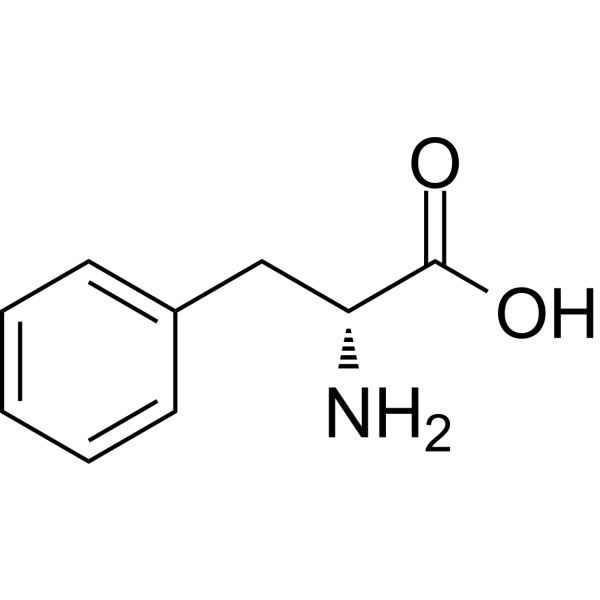
D-Phenylalanine is an atypical D-amino acid and an inhibitor of bacterial biofilm formation. D-Phenylalanine mainly replaces D-alanine (D-Ala) by incorporating into the fourth and fifth positions of bacterial peptidoglycan (PG), changing the cell wall structure, enhancing bacterial acid resistance and affecting biofilm formation. D-Phenylalanine may promote the secretion of peptide tyrosine tyrosine (PYY) in mammals by activating the intestinal GPR109B receptor. D-Phenylalanine can inhibit the maturation of microbial biofilms and promote the release of specific hormones. It can be used for antibacterial preservation, improving the yield of probiotics in the food industry, and studying appetite regulation and blood sugar control in metabolic diseases such as diabetes .
|
-
-
- HY-Y1093
-
|
Ethyl acetylacetate; EAA
|
Environmental Pollutants
Antibiotic
Bacterial
|
Infection
|
|
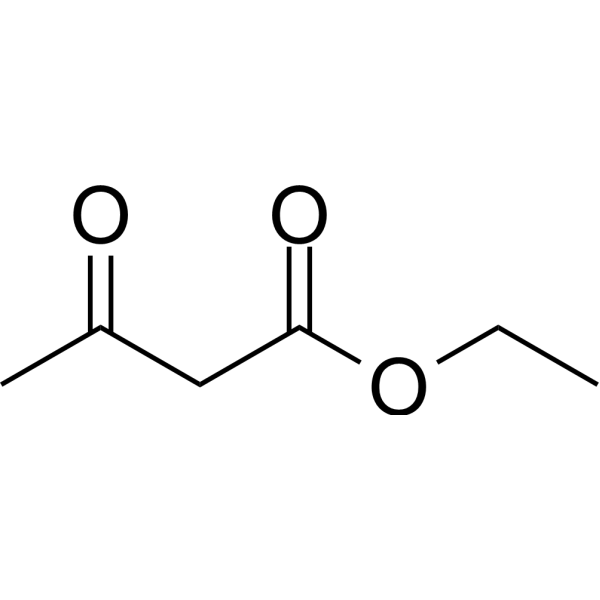
Ethyl acetoacetate (Ethyl acetylacetate) is an ester widely used as an intermediate in the synthesis of many varieties of compounds . Ethyl acetoacetate is an inhibitor of bacterial biofilm .
|
-
-
- HY-131011
-
|
|
Bacterial
|
Infection
|
|
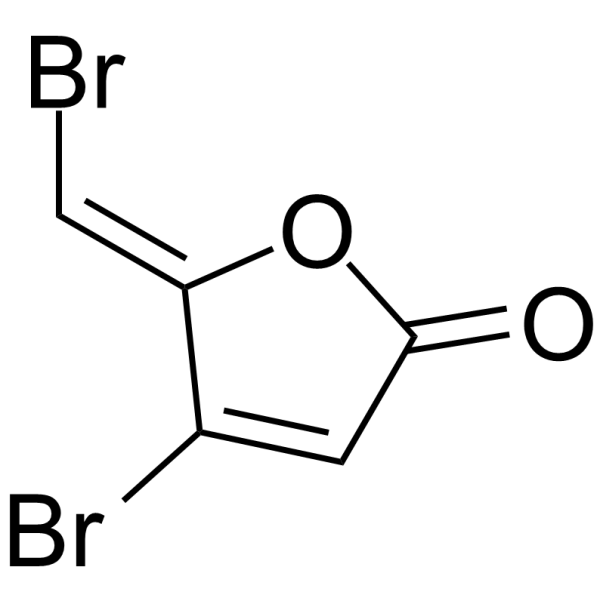
Furanone C-30 is a quorum sensing inhibitor. Furanone C-30 can effectively inhibit bacterial biofilm formation by S. mutans and its luxSmutant strain .
|
-
-
- HY-N6082
-
|
|
Apoptosis
Bcl-2 Family
Caspase
TGF-beta/Smad
Bacterial
|
Infection
Metabolic Disease
Inflammation/Immunology
|
|
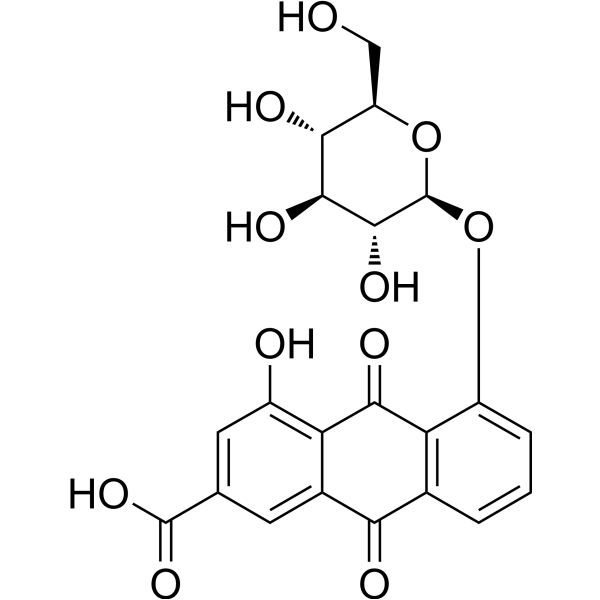
Rhein 8-O-β-D-Glucopyranoside is an orally active glycoside found in Rhubarb. Rhein 8-O-β-D-Glucopyranoside attenuates high glucose-induced apoptosis, recovers altered lincRNA ANRIL and let-7a expression, reverses high glucose-altered Bcl-2 and cleaved caspase-3 protein expression, and inhibits TGF-β1/Smad signaling. Rhein 8-O-β-D-Glucopyranoside accelerates Sennoside A (HY-N0365) metabolism, stimulates sennoside A purgative activity. Rhein 8-O-β-D-Glucopyranoside inhibits bacterial biofilm formation, suppresses its virulence gene expression, and exerts antibacterial activity. Rhein 8-O-β-D-Glucopyranoside can be used for the research of diabetic nephropathy, constipation, and infection .
|
-
-
- HY-121310
-
|
|
MOFs
Bacterial
|
Infection
Cancer
|
Phthalocyanine is a photosensitizer. Phthalocyanine has a light-killing effect on bacterial biofilms, effectively inactivating bacteria. Phthalocyanine can be linked to anticancer drugs to target cancer. Phthalocyanine can also be used to develop chemical sensors for studying microbial infections and tumors .
|
-

-
- HY-W012572
-
|
|
Mitochondrial Metabolism
Bacterial
|
Infection
Metabolic Disease
|
|
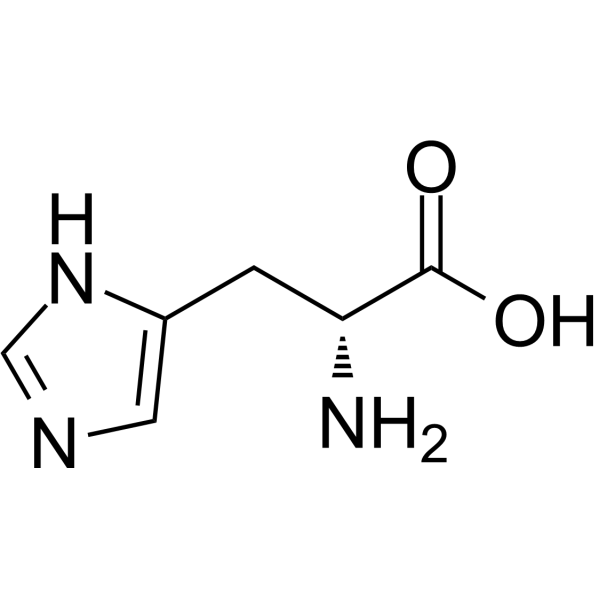
D-Histidine is an anti-biofilm agent that targets bacterial quorum sensing systems (such as RhlI/RhlR pathway) and has antibacterial activity. D-Histidine works by non-covalently binding to bacterial regulatory factors or copper ion complexes, selectively inhibiting bacterial biofilm formation and motility. D-Histidine downregulates quorum sensing-related gene expression, reduces the synthesis of virulence factors (such as alginate and proteases), and interferes with bacterial membrane stability, inhibiting biofilm formation, promoting the disintegration of mature biofilms, and enhancing antibiotic sensitivity. D-Histidine is also an efficient catalyst for the salt-induced peptide formation (SIPF) reaction, which promotes the condensation of amino acids to form dipeptides (such as dialanine and dilysine) by forming a complex with copper ions (Cu 2+) .
|
-
-
- HY-20349
-
|
|
Bacterial
|
Infection
|
|
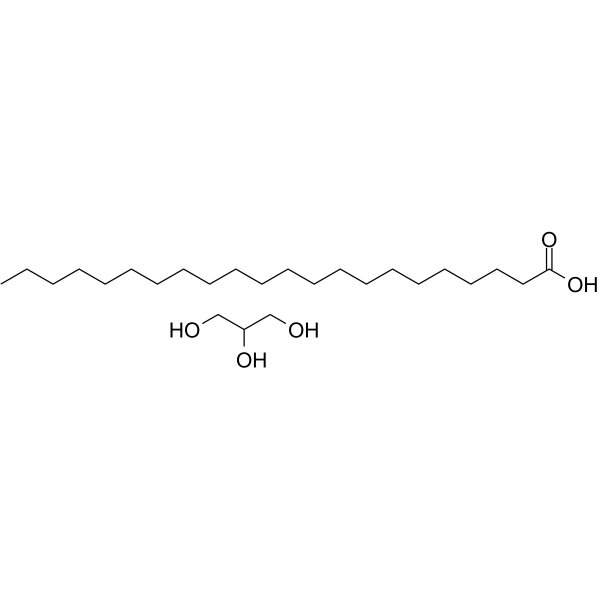
Monobehenin, an bacterial biofilm formation inhibitor, has strong inhibitory activity toward bacterial biofilm formation of S. mutans, X. oryzae, and Y. enterocolitica in a strain specific manner .
|
-
-
- HY-Y1093S4
-
|
|
Bacterial
|
Infection
Inflammation/Immunology
|
|
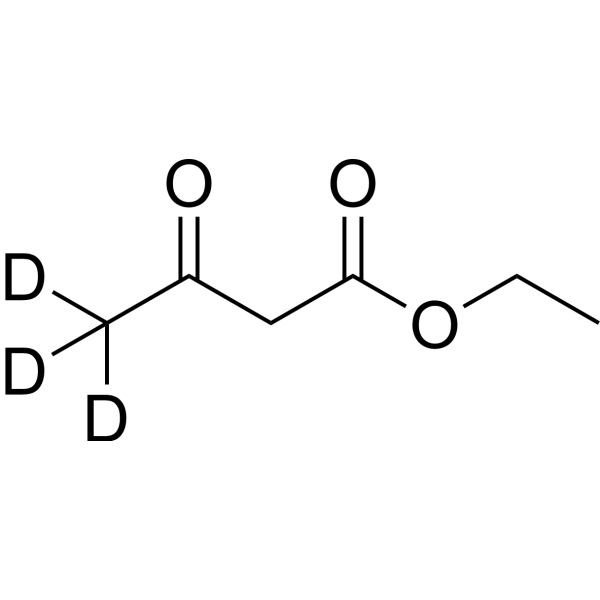
Ethyl acetoacetate-d3 is the deuterium labeled Ethyl acetoacetate. Ethyl acetoacetate (Ethyl acetylacetate) is an ester widely used as an intermediate in the synthesis of many varieties of compounds . Ethyl acetoacetate is an inhibitor of bacterial biofilm .
|
-
-
- HY-Y1093S1
-
|
|
Bacterial
|
Others
|
|
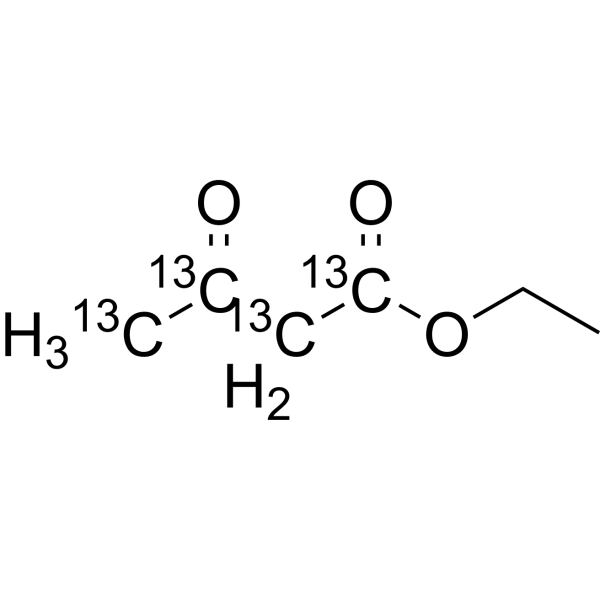
Ethyl acetoacetate- 13C4 is the 13C labeled Ethyl acetoacetate . Ethyl acetoacetate (Ethyl acetylacetate) is an ester widely used as an intermediate in the synthesis of many varieties of compounds . Ethyl acetoacetate is an inhibitor of bacterial biofilm .
|
-
-
- HY-149734
-
|
|
Bacterial
|
Infection
|
|
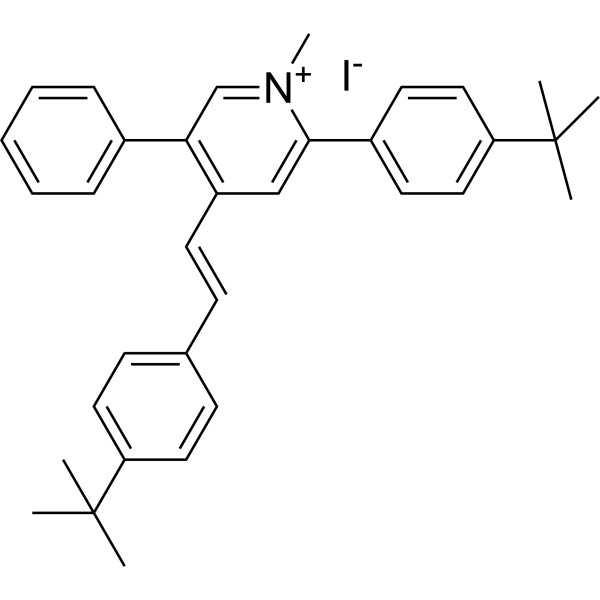
MA220607 is a FtsZ protein inhibitor with activity against both Gram-positive and Gram-negative bacteria. MA220607 inhibits bacterial growth and shows low bacterial resistance frequency. MA220607 increases bacterial membrane permeability and alters proton gradients. MA220607 blocks the formation of bacterial biofilms. MA220607 can be used in studies of bacterial infections .
|
-
-
- HY-P5641
-
|
|
Bacterial
p38 MAPK
NF-κB
NADH Dehydrogenase
Antibiotic
|
Infection
Inflammation/Immunology
|
|
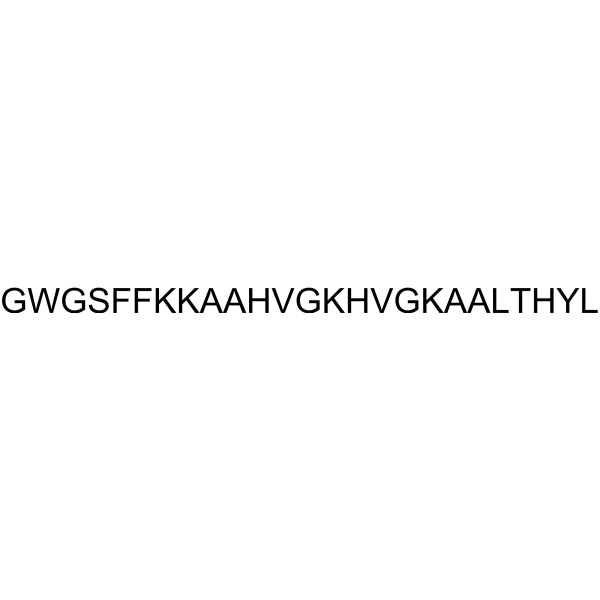
Pleurocidin is an Antimicrobial peptide. Pleurocidin is derived from the skin mucosa or intestinal secretions of Pseudopleuronectes americanus. Pleurocidin inhibits the expression of key proteins in the MAPK and NF-κB inflammatory signaling pathways. Pleurocidin alters serum inflammatory and immune cytokine levels, regulates the down-regulation of tight junction proteins, and modulates the intestinal flora. Pleurocidin exerts antibacterial activity by inducing bacterial membrane damage, hydroxyl radical formation, and NADH depletion, and also produces a synergistic effect with Antibiotics. Pleurocidin alleviates DSS-induced ulcerative colitis. Pleurocidin can be used for research on ulcerative colitis, bacterial infections, and bacterial biofilm-related infections .
|
-
-
- HY-W243002
-
|
|
Bacterial
|
Infection
|
|
Acetyl-L-homoserine lactone is a member of the family of N-acylated homoserine lactones (HSLs). Acetyl-L-homoserine lactone is a polar mediator of cell-cell interactions in bacterial biofilms .
|
-

-
- HY-W012572A
-
|
|
Mitochondrial Metabolism
Bacterial
|
Infection
Metabolic Disease
|
|
D-Histidine hydrochloride hydrate is an anti-biofilm agent that targets bacterial quorum sensing systems (such as RhlI/RhlR pathway) and has antibacterial activity. D-Histidine hydrochloride hydrate works by non-covalently binding to bacterial regulatory factors or copper ion complexes, selectively inhibiting bacterial biofilm formation and motility. D-Histidine hydrochloride hydrate downregulates quorum sensing-related gene expression, reduces the synthesis of virulence factors (such as alginate and proteases), and interferes with bacterial membrane stability, inhibiting biofilm formation, promoting the disintegration of mature biofilms, and enhancing antibiotic sensitivity. D-Histidine hydrochloride hydrate is also an efficient catalyst for the salt-induced peptide formation (SIPF) reaction, which promotes the condensation of amino acids to form dipeptides (such as dialanine and dilysine) by forming a complex with copper ions (Cu 2+) .
|
-

-
- HY-Y1093S3
-
|
EAA-13C
|
Bacterial
|
Others
|
|
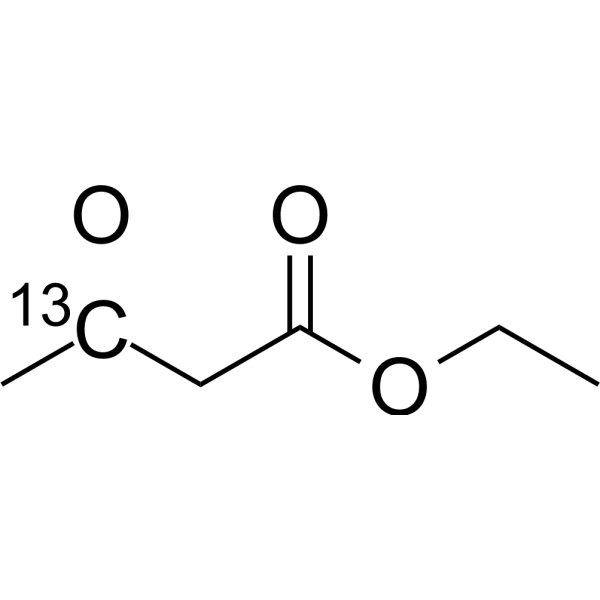
Ethyl acetoacetate- 13C is the 13C labeled Ethyl acetoacetate . Ethyl acetoacetate (Ethyl acetylacetate) is an ester widely used as an intermediate in the synthesis of many varieties of compounds . Ethyl acetoacetate is an inhibitor of bacterial biofilm .
|
-
-
- HY-Y1093R
-
|
Ethyl acetylacetate (Standard); EAA (Standard)
|
Reference Standards
Bacterial
|
Others
|
|
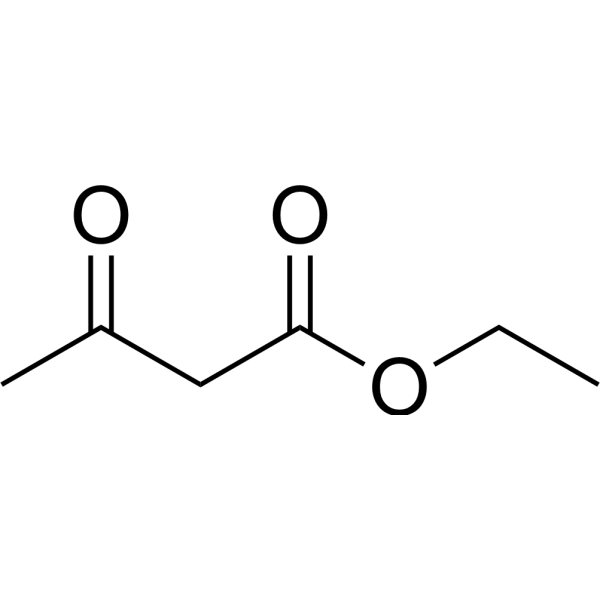
Ethyl acetoacetate (Standard) is the analytical standard of Ethyl acetoacetate. This product is intended for research and analytical applications. Ethyl acetoacetate (Ethyl acetylacetate) is an ester widely used as an intermediate in the synthesis of many varieties of compounds . Ethyl acetoacetate is an inhibitor of bacterial biofilm .
|
-
-
- HY-P5704
-
|
|
Bacterial
|
Infection
|
|
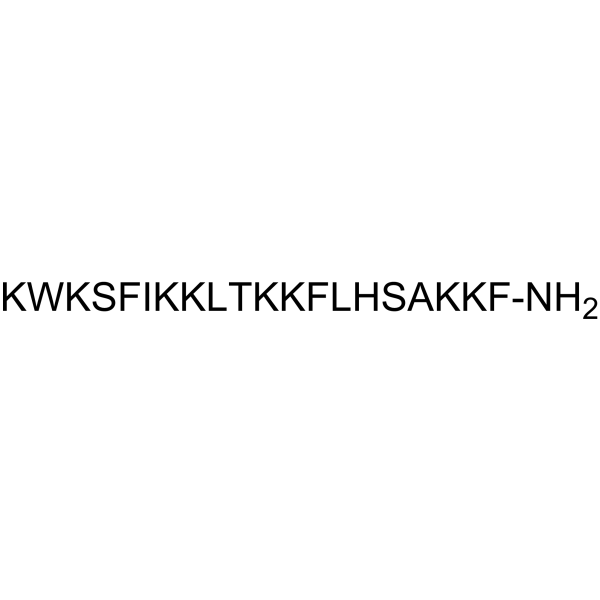
K11 is an antimicrobial peptide. K11 is active against MDR/XDR K. pneumoniae isolates (MIC: 8-512 μg/mL), and inhibits bacterial biofilm formation. K11 can act synergistically with antibiotics (Chloramphenicol (HY-B0239), Meropenem (HY-13678), Rifampicin (HY-B0272), etc.) against drug-resistant K. pneumoniae. K11 has high thermal and wide pH stability .
|
-
-
- HY-173054
-
|
|
Bacterial
|
Infection
|
|
FtsZ-IN-12 (Compound 16e) is the inhibitor for filamentous temperature-sensitive mutant Z (FtsZ) that promotes the polymerization of FtsZ protein, inhibits its GTPase activity, thereby interfering with bacterial cell division process. FtsZ-IN-12 exhibits boardspectrum antibacterial activity that inhibits B. subtilis ATCC9372, B. pumilus CMCC63202, S. aureus ATCC25923, E. coli BW25113 and A. baumannii ATCC19606 with MIC of 0.062-1 μg/mL. FtsZ-IN-12 inhibits the formation of bacterial biofilms and exhibits a clearing effect on mature biofilms. FtsZ-IN-12 exhibits bactericidal activity without hemolytic toxicity to mammalian red blood cells (15 mg/kg) .
|
-

-
- HY-W013429
-
|
|
Bacterial
|
Infection
|
|
4-Glycidyloxycarbazole (compound 8) is an antimicrobial agent that disrupts bacterial biofilm formation .
|
-

-
- HY-N7788
-
|
|
Bacterial
|
Infection
|
|
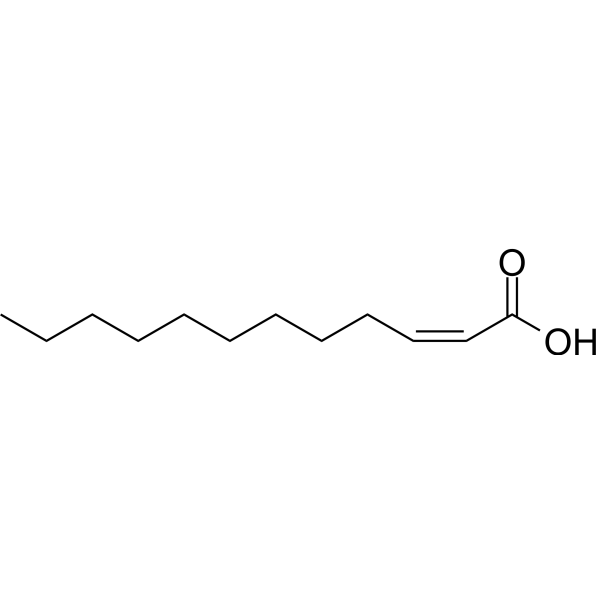
cis-2-Dodecenoic acid, originally discovered in Burkholderia cenocepacia, can interfere with the bacterial quorum sensing system and inhibit bacterial biofilm formation and virulence factor production .
|
-
-
- HY-W744147
-
|
|
Isotope-Labeled Compounds
Bacterial
|
Infection
|
|
4-Glycidyloxycarbazole-d5 is the deuterium labeled 4-Glycidyloxycarbazole (HY-W013429). 4-Glycidyloxycarbazole (compound 8) is an antimicrobial agent that disrupts bacterial biofilm formation .
|
-

-
- HY-155357
-
|
|
Bacterial
|
Infection
|
|
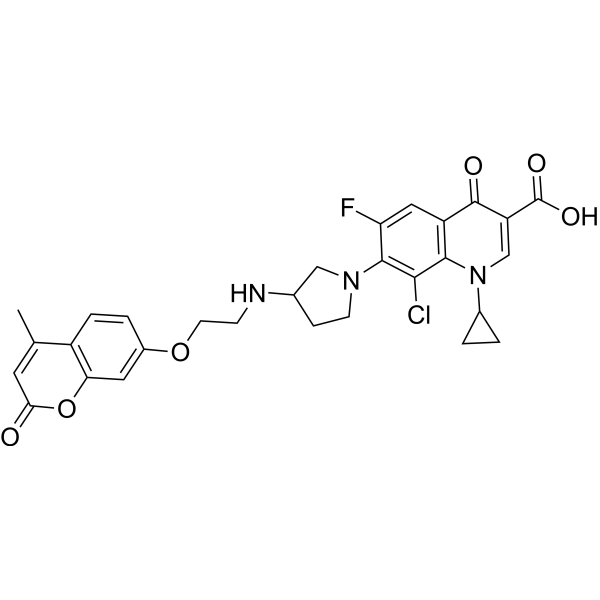
Antibacterial agent 160 is a potent antibacterial agents. Antibacterial agent 160 can rapidly kill bacterial and inhibits bacterial biofilm formation. Antibacterial agent 160 affects the normal function of DNA and leads cell death .
|
-
-
- HY-Y1093S2
-
|
Ethyl acetylacetate-d5; EAA-d5
|
Bacterial
|
Others
|
|
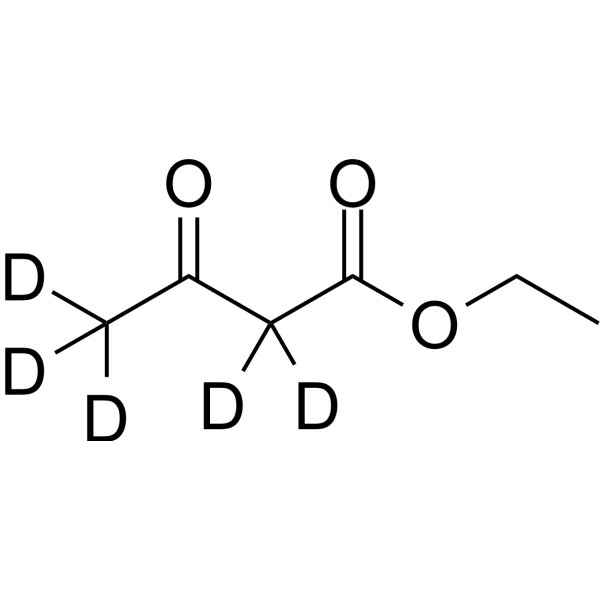
Ethyl acetoacetate-d5 is the deuterium labeled Ethyl acetoacetate . Ethyl acetoacetate (Ethyl acetylacetate) is an ester widely used as an intermediate in the synthesis of many varieties of compounds . Ethyl acetoacetate is an inhibitor of bacterial biofilm .
|
-
-
- HY-142695
-
|
|
Bacterial
|
Infection
|
|
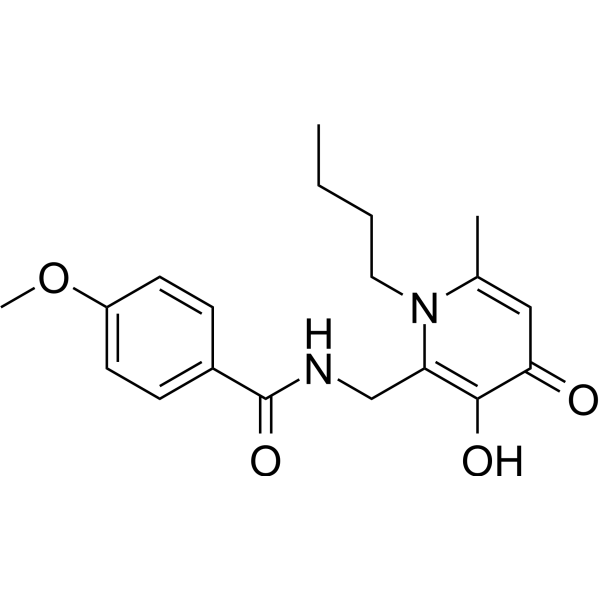
Antibacterial synergist 1 (compound 20P) is a bacterial biofilm inhibitor. Antibacterial synergist 1 inhibits the production of pyocyanin and biofilm formation with IC50s of 8.6 and 4.5 μM, respectively. Antibacterial synergist 1 has the potential for the research of P. aeruginosa infections .
|
-
-
- HY-147814
-
|
|
Bacterial
Fungal
|
Infection
|
|
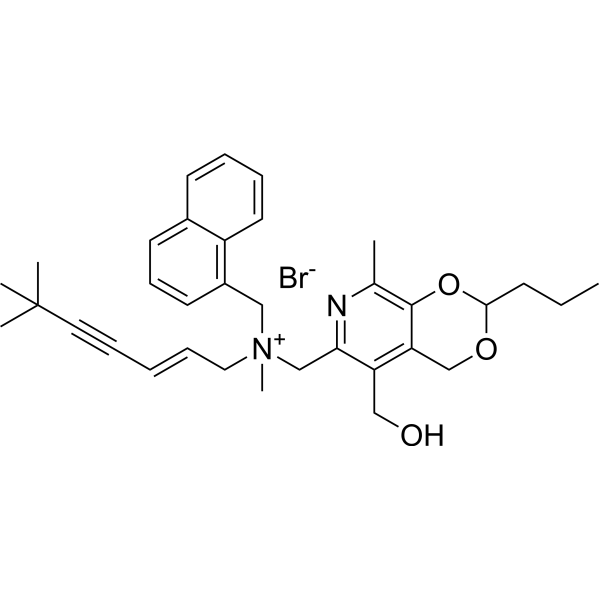
KFU-127 (Compound 6b) is a broad spectrum topical antimicrobial capable of one-shot targeting of bacterial and fungal-bacterial biofilms. KFU-127 is considerably toxic for eukaryotic cells . KFU-127 is a click chemistry reagent, it contains an Alkyne group and can undergo copper-catalyzed azide-alkyne cycloaddition (CuAAc) with molecules containing Azide groups.
|
-
-
- HY-155479
-
|
|
Bacterial
|
Infection
|
|
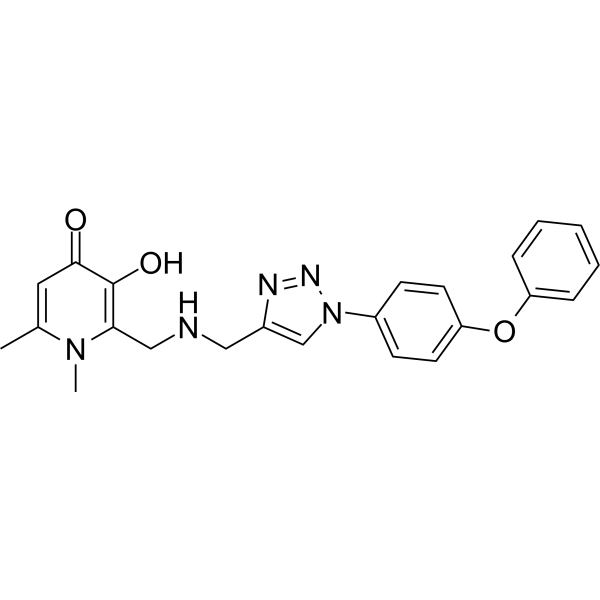
PqsR-IN-3 (compound 16e) is a selective inhibitor of the pqs system (IC50=3.7 μM) and its associated virulence factor pyocyanin (IC50=2.7 μM). PqsR-IN-3 inhibits bacterial biofilm synthesis and is significantly cytotoxic against Pseudomonas aeruginosa. PqsR-IN-3 has synergistic effects with several antibiotics, such as Ciprofloxacin (HY-B0356) and Tobramycin (HY-B0441) .
|
-
-
- HY-W012572R
-
|
|
Reference Standards
Mitochondrial Metabolism
Bacterial
|
Infection
Metabolic Disease
|
|
D-Histidine (Standard) is the analytical standard of D-Histidine (HY-W012572). This product is intended for research and analytical applications. D-Histidine is an anti-biofilm agent that targets bacterial quorum sensing systems (such as RhlI/RhlR pathway) and has antibacterial activity. D-Histidine works by non-covalently binding to bacterial regulatory factors or copper ion complexes, selectively inhibiting bacterial biofilm formation and motility. D-Histidine downregulates quorum sensing-related gene expression, reduces the synthesis of virulence factors (such as alginate and proteases), and interferes with bacterial membrane stability, inhibiting biofilm formation, promoting the disintegration of mature biofilms, and enhancing antibiotic sensitivity. D-Histidine is also an efficient catalyst for the salt-induced peptide formation (SIPF) reaction, which promotes the condensation of amino acids to form dipeptides (such as dialanine and dilysine) by forming a complex with copper ions (Cu 2+) .
|
-

-
- HY-N6082R
-
|
|
Reference Standards
Apoptosis
Bacterial
Bcl-2 Family
Caspase
TGF-beta/Smad
|
Infection
Metabolic Disease
Inflammation/Immunology
|
|
Rhein 8-O-β-D-Glucopyranoside (Standard) is the analytical standard of Rhein 8-O-β-D-Glucopyranoside (HY-N6083). This product is intended for research and analytical applications. Rhein 8-O-β-D-Glucopyranoside is an orally active glycoside found in Rhubarb. Rhein 8-O-β-D-Glucopyranoside attenuates high glucose-induced apoptosis, recovers altered lincRNA ANRIL and let-7a expression, reverses high glucose-altered Bcl-2 and cleaved caspase-3 protein expression, and inhibits TGF-β1/Smad signaling. Rhein 8-O-β-D-Glucopyranoside accelerates Sennoside A (HY-N0365) metabolism, stimulates sennoside A purgative activity. Rhein 8-O-β-D-Glucopyranoside inhibits bacterial biofilm formation, suppresses its virulence gene expression, and exerts antibacterial activity. Rhein 8-O-β-D-Glucopyranoside can be used for the research of diabetic nephropathy, constipation, and infection .
|
-

-
- HY-135223
-
|
|
Bacterial
|
Infection
|
|
Chondrillasterol is a sterol that can be isolated from Vernonia adoensis. Chondrillasterol exhibits antibacterial activity. Chondrillasterol inhibits growth of Staphylococcus aureus, Klebsiella pneumoniae, and Pseudomonas aeruginosa. Chondrillasterol inhibits formation of bacterial biofilms. Chondrillasterol can be used for the research of bacterial infections .
|
-

-
- HY-W1125030S
-
|
EAA-13C2-1
|
Isotope-Labeled Compounds
Environmental Pollutants
Bacterial
|
Infection
|
|
Ethyl acetoacetate- 13C2-1 (EAA- 13C2-1) is the 13C-labeled Ethyl acetoacetate (HY-Y1093). Ethyl acetoacetate (Ethyl acetylacetate) is an ester widely used as an intermediate in the synthesis of many varieties of compounds. Ethyl acetoacetate is an inhibitor of bacterial biofilm.
|
-

-
- HY-183712
-
|
|
Bacterial
DNA/RNA Synthesis
Drug Derivative
|
Infection
|
|
Antibacterial agent 345 is a Ciprofloxacin (HY-B0356)-lipophilic derivative and is an antibacterial agent. Antibacterial agent 345 inhibits DNA gyrase and inhibits bacterial DNA replication and transcription. Antibacterial agent 345 inhibits bacterial biofilm formation. Antibacterial agent 345 can be used for the research of bacterial infections, such as Pseudomonas aeruginosa infection .
|
-

-
- HY-P11592
-
|
|
Bacterial
|
Infection
|
|
KIKIKPWWWPKIKIK-NH2 is a β-turn antimicrobial peptide. KIKIKPWWWPKIKIK-NH2 can inhibit bacterial biofilm formation and bind to lipopolysaccharid. KIKIKPWWWPKIKIK-NH2 shows wound-healing ability in mice bacteria-infected full-thickness wound models. KIKIKPWWWPKIKIK-NH2 can be used for the research of bacterial infection .
|
-

-
- HY-183275
-
|
|
DNA/RNA Synthesis
Bacterial
Reactive Oxygen Species (ROS)
|
Infection
|
|
Antibacterial agent 340 is a DNA gyrase inhibitor. Antibacterial agent 340 exhibits broad-spectrum bactericidal activity against Gram-positive and Gram-negative bacteria. Antibacterial agent 340 disrupts bacterial cell membrane integrity, induces reactive oxygen species (ROS) accumulation, and inhibits and eradicates bacterial biofilms. Antibacterial agent 340 can be used for the research of bacterial infections .
|
-

-
- HY-D3195
-
|
|
Fluorescent Dye
Bacterial
|
Infection
|
|
CDr15 is a deep-red fluorescent probe (Ex=733 nm) that can selectively intercalate into and label bacterial extracellular DNA (eDNA). CDr15 exhibits extremely high specificity for biofilm imaging and cannot effectively bind to mammalian nuclear DNA. CDr15 enables real-time visualization of the microcolony structure and developmental process of three-dimensional *Pseudomonas aeruginosa* biofilms, and accurately localizes biofilm-forming regions of microorganisms in a mouse corneal infection model. With low background interference signals, CDr15 serves as an ideal diagnostic tool for research fields including bacterial biofilms and corneal infections .
|
-

-
- HY-182798
-
|
|
Bacterial
Reactive Oxygen Species (ROS)
|
Infection
|
|
Antibacterial agent 337 is an antibacterial agent. Antibacterial agent 337 specifically interacts with PG in bacterial cell membranes, triggering membrane disruption, membrane depolarization, increased permeability, cytoplasmic leakage, ROS accumulation and rapid bacterial death. Antibacterial agent 337 inhibits biofilm formation and disrupts mature biofilms. Antibacterial agent 337 exhibits potent in vivo antibacterial efficacy in a mouse model of Staphylococcus aureus skin abscess. Antibacterial agent 337 can be used in studies of Gram-positive bacterial infections, including methicillin-resistant Staphylococcus aureus infections, vancomycin-resistant Enterococcus faecalis infections and bacterial biofilm infections .
|
-

-
- HY-D3192
-
|
|
Fluorescent Dye
Bacterial
Amyloid-β
|
Infection
|
|
CDy11 is a fluorescent probe and amyloid-binding dye (λex=590 nm; λem=612 nm), with a Ka of 29 μM for Pseudomonas aeruginosa Fap. CDy11 specifically recognizes amyloid fibrils in bacterial biofilms and exhibits significantly enhanced fluorescence upon binding to the target. CDy11 shows no staining effect on amyloid-deficient mutant strains, planktonic cells or protein monomers. CDy11 supports in vivo imaging of Pseudomonas aeruginosa biofilms in mouse implant and corneal infection models. CDy11 is widely used in studies of Staphylococcus aureus biofilm infections, dental caries, and Pseudomonas aeruginosa-associated implant and corneal infections .
|
-

-
- HY-181075
-
|
|
Bacterial
Reactive Oxygen Species (ROS)
|
Infection
|
|
Antibacterial agent 318 is an antibacterial agent that binds to bacterial DNA, blocks its replication, and forms supramolecular complexes. Antibacterial agent 318 acts as an oxidative stress inducer, elevating intracellular reactive oxygen species (ROS) levels, oxidizing glutathione (GSH) to glutathione disulfide (GSSG), depleting cellular GSH reserves, and inducing bacterial cell death through oxidative damage. Antibacterial agent 318 disrupts the bacterial cell membrane and reduces bacterial metabolic activity. Antibacterial agent 318 exhibits rapid bactericidal activity, inhibits bacterial biofilm formation, and displays minimal cytotoxicity toward non-cancerous mammalian cells. Antibacterial agent 318 is applicable in research on drug-resistant bacterial infections .
|
-

-
- HY-P11582
-
|
|
Bacterial
|
Infection
|
|
CyLip-20 is a cyclic lipopeptide antimicrobial peptide that targets Gram-positive and Gram-negative bacteria. CyLip-20 exhibits low hemolytic activity and mild in vivo toxicity. CyLip-20 disrupts the integrity of bacterial outer membrane, inner membrane and cytoplasmic membrane by binding to bacterial lipopolysaccharide (LPS), triggering membrane permeabilization, depolarization and leakage of intracellular contents, and inhibits bacterial biofilm formation. In animal models, CyLip-20 reduces the bacterial load in skin wounds of mice infected with MRSA, promotes wound healing, decreases the levels of inflammatory cytokines and reduces inflammatory cell infiltration. CyLip-20 can be used in research related to MRSA skin wound infections .
|
-

-
- HY-P11471
-
|
|
Bacterial
Reactive Oxygen Species (ROS)
|
Infection
|
|
(K(C10)GGGRrRPC)2 (Compound (C-C10)C-C) is a dimeric lipopeptide and antibacterial agent. (K(C10)GGGRrRPC)2 enhances the accumulation of ROS, inhibits the bacterial respiratory chain dehydrogenase activity. (K(C10)GGGRrRPC)2 exhibits significant inhibition of bacterial biofilm formation. (K(C10)GGGRrRPC)2 exhibits antimicrobial activity against Acinetobacter baumannii AB1901, A. baumannii AB1902, Pseudomonas aeruginosa 25349, Staphylococcus aureus 11011, with MICs of 4 μM, 8 μM, 4 μM, and 8 μM, respectively. (K(C10)GGGRrRPC)2 shows antimicrobial efficacy against E. coli ATCC 25922 .
|
-

| Cat. No. |
Product Name |
Type |
-
- HY-D3195
-
|
|
Fluorescent Dyes
|
|
CDr15 is a deep-red fluorescent probe (Ex=733 nm) that can selectively intercalate into and label bacterial extracellular DNA (eDNA). CDr15 exhibits extremely high specificity for biofilm imaging and cannot effectively bind to mammalian nuclear DNA. CDr15 enables real-time visualization of the microcolony structure and developmental process of three-dimensional *Pseudomonas aeruginosa* biofilms, and accurately localizes biofilm-forming regions of microorganisms in a mouse corneal infection model. With low background interference signals, CDr15 serves as an ideal diagnostic tool for research fields including bacterial biofilms and corneal infections .
|
-
- HY-D3192
-
|
|
Fluorescent Dyes
|
|
CDy11 is a fluorescent probe and amyloid-binding dye (λex=590 nm; λem=612 nm), with a Ka of 29 μM for Pseudomonas aeruginosa Fap. CDy11 specifically recognizes amyloid fibrils in bacterial biofilms and exhibits significantly enhanced fluorescence upon binding to the target. CDy11 shows no staining effect on amyloid-deficient mutant strains, planktonic cells or protein monomers. CDy11 supports in vivo imaging of Pseudomonas aeruginosa biofilms in mouse implant and corneal infection models. CDy11 is widely used in studies of Staphylococcus aureus biofilm infections, dental caries, and Pseudomonas aeruginosa-associated implant and corneal infections .
|
| Cat. No. |
Product Name |
Type |
-
- HY-W133898
-
|
|
Biochemical Assay Reagents
|
|
Tryptone is a peptide-rich bacterial culture medium component that can regulate bacterial cell surface proteins and biofilm-related genes. Tryptone promotes the expression and assembly of bacterial adhesion proteins (such as LapA and LapF) by providing peptide substances as structural factors, enhancing cell surface hydrophobicity and intercellular adhesion, thereby stabilizing the biofilm matrix and supporting the maturation and maintenance of bacterial biofilms. The peptide mixture contained in Tryptone can specifically regulate the transcription of bacterial adhesion-related genes (such as activating LapA and inhibiting LapF), affecting the synthesis and localization of biofilm structural proteins .
|
-
- HY-121310
-
|
|
Biochemical Assay Reagents
|
Phthalocyanine is a photosensitizer. Phthalocyanine has a light-killing effect on bacterial biofilms, effectively inactivating bacteria. Phthalocyanine can be linked to anticancer drugs to target cancer. Phthalocyanine can also be used to develop chemical sensors for studying microbial infections and tumors .
|
| Cat. No. |
Product Name |
Target |
Research Area |
-
- HY-P5641
-
|
|
Bacterial
p38 MAPK
NF-κB
NADH Dehydrogenase
Antibiotic
|
Infection
Inflammation/Immunology
|
|
Pleurocidin is an Antimicrobial peptide. Pleurocidin is derived from the skin mucosa or intestinal secretions of Pseudopleuronectes americanus. Pleurocidin inhibits the expression of key proteins in the MAPK and NF-κB inflammatory signaling pathways. Pleurocidin alters serum inflammatory and immune cytokine levels, regulates the down-regulation of tight junction proteins, and modulates the intestinal flora. Pleurocidin exerts antibacterial activity by inducing bacterial membrane damage, hydroxyl radical formation, and NADH depletion, and also produces a synergistic effect with Antibiotics. Pleurocidin alleviates DSS-induced ulcerative colitis. Pleurocidin can be used for research on ulcerative colitis, bacterial infections, and bacterial biofilm-related infections .
|
-
- HY-W012572A
-
|
|
Mitochondrial Metabolism
Bacterial
|
Infection
Metabolic Disease
|
|
D-Histidine hydrochloride hydrate is an anti-biofilm agent that targets bacterial quorum sensing systems (such as RhlI/RhlR pathway) and has antibacterial activity. D-Histidine hydrochloride hydrate works by non-covalently binding to bacterial regulatory factors or copper ion complexes, selectively inhibiting bacterial biofilm formation and motility. D-Histidine hydrochloride hydrate downregulates quorum sensing-related gene expression, reduces the synthesis of virulence factors (such as alginate and proteases), and interferes with bacterial membrane stability, inhibiting biofilm formation, promoting the disintegration of mature biofilms, and enhancing antibiotic sensitivity. D-Histidine hydrochloride hydrate is also an efficient catalyst for the salt-induced peptide formation (SIPF) reaction, which promotes the condensation of amino acids to form dipeptides (such as dialanine and dilysine) by forming a complex with copper ions (Cu 2+) .
|
-
- HY-P5704
-
|
|
Bacterial
|
Infection
|
|
K11 is an antimicrobial peptide. K11 is active against MDR/XDR K. pneumoniae isolates (MIC: 8-512 μg/mL), and inhibits bacterial biofilm formation. K11 can act synergistically with antibiotics (Chloramphenicol (HY-B0239), Meropenem (HY-13678), Rifampicin (HY-B0272), etc.) against drug-resistant K. pneumoniae. K11 has high thermal and wide pH stability .
|
-
- HY-P11592
-
|
|
Bacterial
|
Infection
|
|
KIKIKPWWWPKIKIK-NH2 is a β-turn antimicrobial peptide. KIKIKPWWWPKIKIK-NH2 can inhibit bacterial biofilm formation and bind to lipopolysaccharid. KIKIKPWWWPKIKIK-NH2 shows wound-healing ability in mice bacteria-infected full-thickness wound models. KIKIKPWWWPKIKIK-NH2 can be used for the research of bacterial infection .
|
-
- HY-P11582
-
|
|
Bacterial
|
Infection
|
|
CyLip-20 is a cyclic lipopeptide antimicrobial peptide that targets Gram-positive and Gram-negative bacteria. CyLip-20 exhibits low hemolytic activity and mild in vivo toxicity. CyLip-20 disrupts the integrity of bacterial outer membrane, inner membrane and cytoplasmic membrane by binding to bacterial lipopolysaccharide (LPS), triggering membrane permeabilization, depolarization and leakage of intracellular contents, and inhibits bacterial biofilm formation. In animal models, CyLip-20 reduces the bacterial load in skin wounds of mice infected with MRSA, promotes wound healing, decreases the levels of inflammatory cytokines and reduces inflammatory cell infiltration. CyLip-20 can be used in research related to MRSA skin wound infections .
|
-
- HY-P11471
-
|
|
Bacterial
Reactive Oxygen Species (ROS)
|
Infection
|
|
(K(C10)GGGRrRPC)2 (Compound (C-C10)C-C) is a dimeric lipopeptide and antibacterial agent. (K(C10)GGGRrRPC)2 enhances the accumulation of ROS, inhibits the bacterial respiratory chain dehydrogenase activity. (K(C10)GGGRrRPC)2 exhibits significant inhibition of bacterial biofilm formation. (K(C10)GGGRrRPC)2 exhibits antimicrobial activity against Acinetobacter baumannii AB1901, A. baumannii AB1902, Pseudomonas aeruginosa 25349, Staphylococcus aureus 11011, with MICs of 4 μM, 8 μM, 4 μM, and 8 μM, respectively. (K(C10)GGGRrRPC)2 shows antimicrobial efficacy against E. coli ATCC 25922 .
|
| Cat. No. |
Product Name |
Category |
Target |
Chemical Structure |
-
- HY-Y0079
-
|
|
Microorganisms
Classification of Application Fields
Ketones, Aldehydes, Acids
Other Diseases
Endogenous metabolite
Disease Research Fields
Source Classification
|
Endogenous Metabolite
|
|
D-Phenylalanine is an atypical D-amino acid and an inhibitor of bacterial biofilm formation. D-Phenylalanine mainly replaces D-alanine (D-Ala) by incorporating into the fourth and fifth positions of bacterial peptidoglycan (PG), changing the cell wall structure, enhancing bacterial acid resistance and affecting biofilm formation. D-Phenylalanine may promote the secretion of peptide tyrosine tyrosine (PYY) in mammals by activating the intestinal GPR109B receptor. D-Phenylalanine can inhibit the maturation of microbial biofilms and promote the release of specific hormones. It can be used for antibacterial preservation, improving the yield of probiotics in the food industry, and studying appetite regulation and blood sugar control in metabolic diseases such as diabetes .
|
-
-
- HY-N6082
-
-
-
- HY-W012572
-
|
|
Microorganisms
Source Classification
|
Mitochondrial Metabolism
Bacterial
|
|
D-Histidine is an anti-biofilm agent that targets bacterial quorum sensing systems (such as RhlI/RhlR pathway) and has antibacterial activity. D-Histidine works by non-covalently binding to bacterial regulatory factors or copper ion complexes, selectively inhibiting bacterial biofilm formation and motility. D-Histidine downregulates quorum sensing-related gene expression, reduces the synthesis of virulence factors (such as alginate and proteases), and interferes with bacterial membrane stability, inhibiting biofilm formation, promoting the disintegration of mature biofilms, and enhancing antibiotic sensitivity. D-Histidine is also an efficient catalyst for the salt-induced peptide formation (SIPF) reaction, which promotes the condensation of amino acids to form dipeptides (such as dialanine and dilysine) by forming a complex with copper ions (Cu 2+) .
|
-
-
- HY-N7788
-
-
-
- HY-W012572R
-
|
|
Microorganisms
Source Classification
|
Reference Standards
Mitochondrial Metabolism
Bacterial
|
|
D-Histidine (Standard) is the analytical standard of D-Histidine (HY-W012572). This product is intended for research and analytical applications. D-Histidine is an anti-biofilm agent that targets bacterial quorum sensing systems (such as RhlI/RhlR pathway) and has antibacterial activity. D-Histidine works by non-covalently binding to bacterial regulatory factors or copper ion complexes, selectively inhibiting bacterial biofilm formation and motility. D-Histidine downregulates quorum sensing-related gene expression, reduces the synthesis of virulence factors (such as alginate and proteases), and interferes with bacterial membrane stability, inhibiting biofilm formation, promoting the disintegration of mature biofilms, and enhancing antibiotic sensitivity. D-Histidine is also an efficient catalyst for the salt-induced peptide formation (SIPF) reaction, which promotes the condensation of amino acids to form dipeptides (such as dialanine and dilysine) by forming a complex with copper ions (Cu 2+) .
|
-
-
- HY-N6082R
-
|
|
Quinones
Structural Classification
Monophenols
Rheum palmatum L.
Anthraquinones
Polygonaceae
Phenols
Plants
Source Classification
|
Reference Standards
Apoptosis
Bacterial
Bcl-2 Family
Caspase
TGF-beta/Smad
|
|
Rhein 8-O-β-D-Glucopyranoside (Standard) is the analytical standard of Rhein 8-O-β-D-Glucopyranoside (HY-N6083). This product is intended for research and analytical applications. Rhein 8-O-β-D-Glucopyranoside is an orally active glycoside found in Rhubarb. Rhein 8-O-β-D-Glucopyranoside attenuates high glucose-induced apoptosis, recovers altered lincRNA ANRIL and let-7a expression, reverses high glucose-altered Bcl-2 and cleaved caspase-3 protein expression, and inhibits TGF-β1/Smad signaling. Rhein 8-O-β-D-Glucopyranoside accelerates Sennoside A (HY-N0365) metabolism, stimulates sennoside A purgative activity. Rhein 8-O-β-D-Glucopyranoside inhibits bacterial biofilm formation, suppresses its virulence gene expression, and exerts antibacterial activity. Rhein 8-O-β-D-Glucopyranoside can be used for the research of diabetic nephropathy, constipation, and infection .
|
-
-
- HY-135223
-
-
| Cat. No. |
Product Name |
Chemical Structure |
Your information is safe with us. * Required Fields.
Inquiry Information
- Product Name:
- Cat. No.:
- Quantity:
- MCE Japan Authorized Agent:








