
Search Result
Results for "
bacterial viruses
" in MedChemExpress (MCE) Product Catalog:
6
Isotope-Labeled Compounds
| Cat. No. |
Product Name |
Target |
Research Areas |
Chemical Structure |
-
- HY-B0272
-
-
-
- HY-108357
-
|
L-6-Diazo-5-oxonorleucine; DON
|
Glutaminase
Bacterial
Influenza Virus
Antibiotic
|
Infection
Cancer
|
|
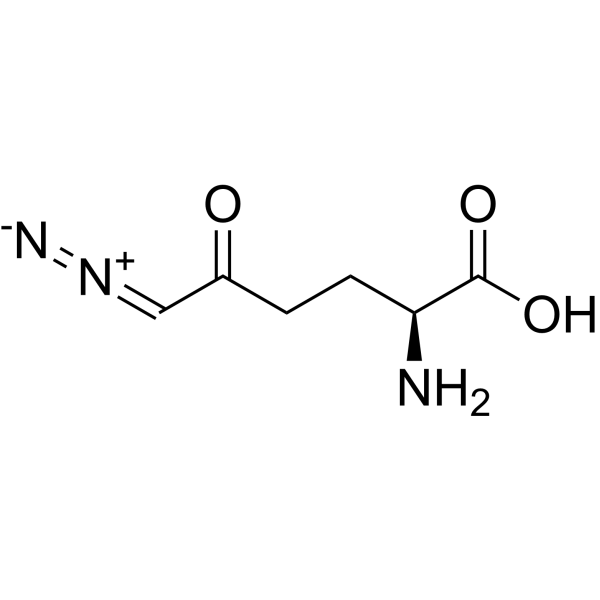
6-Diazo-5-oxo-L-nor-Leucine (L-6-Diazo-5-oxonorleucine; DON) is a glutamine antagonist that irreversibly inhibits the catabolic effect of glutamine. 6-Diazo-5-oxo-L-nor-Leucine shows good anticancer activity (especially in pancreatic cancer) and reduces the self-renewal potential and metastatic capacity of tumour cells. 6-Diazo-5-oxo-L-nor-Leucine also possesses antibacterial and antiviral activity .
|
-
-
- HY-B1367
-
|
|
Gap Junction Protein
Orthopoxvirus
11β-HSD
|
Infection
Inflammation/Immunology
|
|
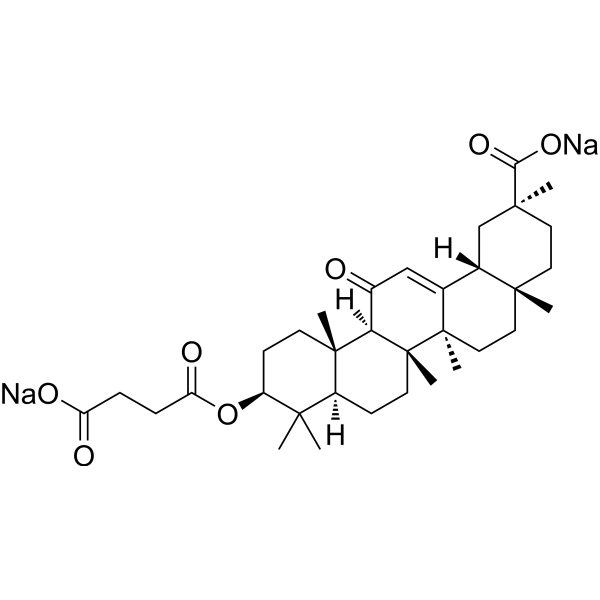
Carbenoxolone disodium is the active metabolite of Glycyrrhizic acid (HY-N0184) and the inhibitor of human 11β-HSD and bacterial 3α, 20β-HSD . Carbenoxolone disodium is an uncoupling agent for gap junctions and a potent inhibitor of Vaccinia virus replication . Carbenoxolone disodium is used for the study of peptic, esophageal and oral ulceration and inflammation. Carbenoxolone disodium inhibits Vaccinia virus replication.
|
-
-
- HY-B0125
-
-
-
- HY-129555
-
|
|
Bacterial
HSV
Antibiotic
|
Infection
|
|
Surfactin is a potent cyclic lipopeptide biosurfactants consists of four isomers (Surfactin A, B, C and D), which mediates flux of mono-and divalent cations, such as calcium, across lipid bilayer membranes. Surfactin can act as an antimicrobial adjuvant with anti-bacterial, anti-fungal, antimycoplasma and hemolytic effects . Surfactin also has antiviral activity against a variety of enveloped viruses .
|
-
-
- HY-B1422
-
|
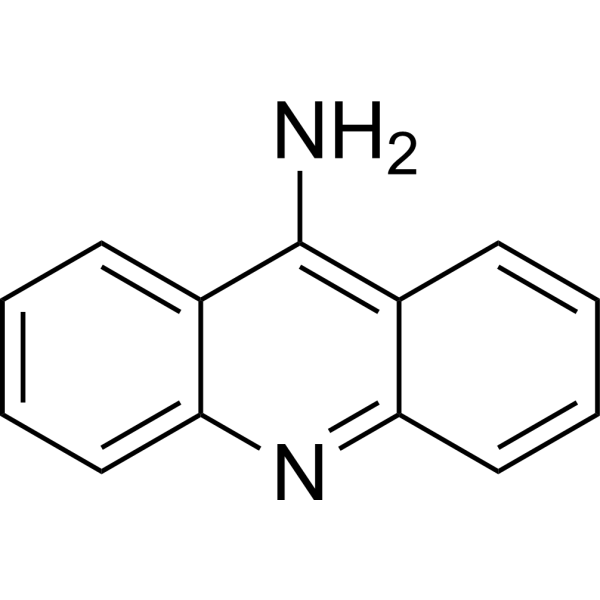
Aminacrine
|
Bacterial
HIV
|
Infection
|
|
9-Aminoacridine, a fluorescent probe, acts as an indicator of pH for quantitative determination of transmembrane pH gradients (inside acidic). 9-Aminoacridine is an antimicrobial. 9-Aminoacridine exerts its antimicrobial activity by interacting with specific bacterial DNA and disrupting the proton motive force in K. pneumoniae. 9-Aminoacridine is a HIV-1 inhibitor and inhibits HIV LTR transcription highly dependent on the presence and location of the amino moiety. 9-Aminoacridine inhibits virus replication in HIV-1 infected cell lines. 9-Aminoacridine is used as a Rifampin (RIF; HY-B0272) adjuvant for the multidrug-resistant K. pneumoniae infections .
|
-
-
- HY-P1934
-
|
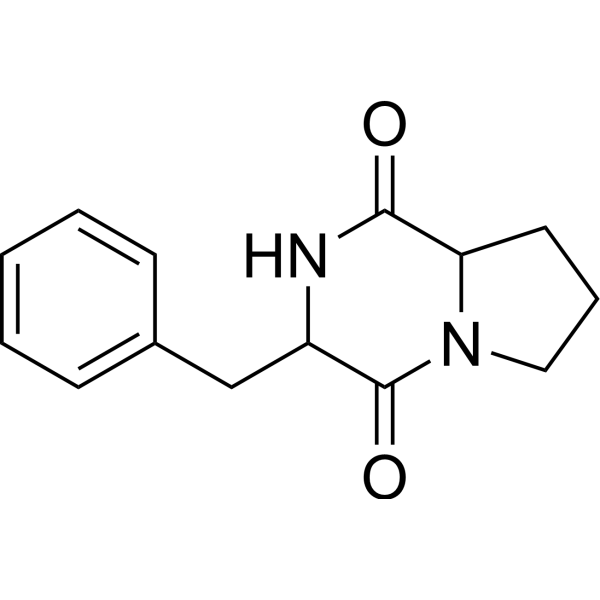
Cyclo(phenylalanylprolyl); A-64863
|
HCV
Bacterial
Antibiotic
Reactive Oxygen Species (ROS)
|
Infection
|
|
Cyclo(Phe-Pro) (Cyclo(phenylalanylprolyl)) is a quorum-sensing molecule of Vibrio vulnificus that specifically interacts with RIG-I, inhibiting RIG-I polyubiquitination, suppressing IRF-3 activation, and reducing type I interferon production. Cyclo(Phe-Pro) enhances susceptibility to HCV and influenza virus and also alleviates plant aluminum toxicity stress. The mechanism of Cyclo(Phe-Pro) involves the regulation of host immune signaling pathways, bacterial virulence gene expression, and plant antioxidant systems, making it a promising candidate for research in viral infections, bacterial virulence regulation, and agricultural stress resistance .
|
-
-
- HY-W039897
-
|
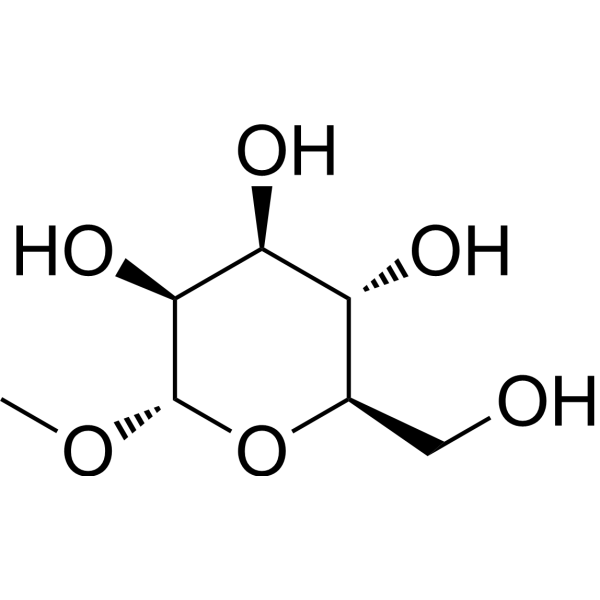
α-Methyl-D-mannoside
|
Environmental Pollutants
Bacterial
|
Infection
|
|
Methyl α-D-mannopyranoside (α-Methyl-D-mannoside) is a methyl glycoside derivative and conformational stabilizer of α-D-mannopyranose. The glycosidic bond conformation of Methyl α-D-mannopyranoside is significantly affected by the environment. In aqueous solution, Methyl α-D-mannopyranoside stabilizes into a trans conformation via intermolecular hydrogen bonds; in the gas phase, however, steric interactions drive Methyl α-D-mannopyranoside to prefer a clockwise gauche conformation. Methyl α-D-mannopyranoside also serves as a major component of secondary cell wall polymers in some bacteria and an active precursor site for virus-targeted glycoproteins. Methyl α-D-mannopyranoside acts as an acceptor substrate for alternansucrase, mediating the transfer of D-glucopyranosyl groups to generate a variety of glycosylated oligosaccharide products, with methyl α-D-glucopyranosyl-(1→6)-α-D-mannopyranoside as the main component. Methyl α-D-mannopyranoside is applicable to studies on bacterial pathogenic mechanisms associated with mannose-specific fimbrial lectins .
|
-
-
- HY-N0444
-
|
|
Reactive Oxygen Species (ROS)
|
Inflammation/Immunology
|
|
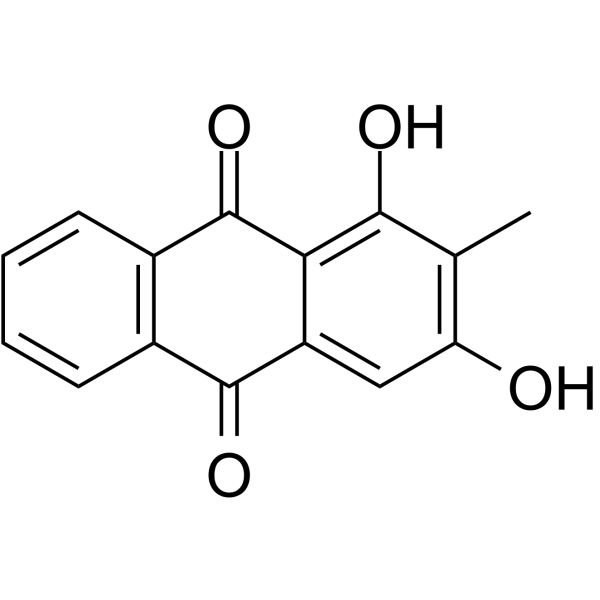
Rubiadin is an orally active polyketide-derived compound and free radical scavenger that inhibits the activation of the NF-κB pathway. Rubiadin inhibits osteoclast formation, bone resorption, lipid peroxidation, HBV DNA replication and cancer cell proliferation; reduces pro-inflammatory cytokine levels; induces cancer cell apoptosis; and possesses antifungal, antimalarial, antibacterial and anticonvulsant activities. Rubiadin can be used in the research of osteoporosis, acute inflammation, chronic inflammation, carbon tetrachloride-induced liver injury, Alzheimer's disease, breast cancer, iron overload disorders, hepatitis B virus infection, colon cancer, liver cancer, T-lymphocytic leukemia, cervical cancer, diabetic nephropathy, epileptic seizures, fungal infections, malaria and bacterial infections .
|
-
-
- HY-18257
-
|
|
Antibiotic
Bacterial
Dengue Virus
Amyloid-β
HIV Integrase
|
Infection
Neurological Disease
Inflammation/Immunology
|
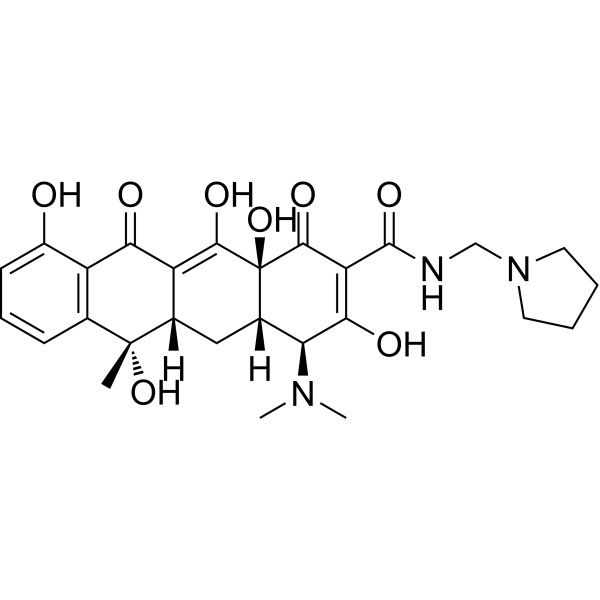
Rolitetracycline is a highly soluble, broad-spectrum antibiotic derived from tetracycline. Rolitetracycline binds to and stabilizes bovine serum albumin, and also inhibits HIV-1 integrase, blocks Aβ fibril formation and suppresses dengue virus proliferation. Rolitetracycline mediates the inhibition of Aβ fibrils via a specific three-dimensional pharmacophore conformation, and exerts bacteriostatic and bactericidal activities. Rolitetracycline acts synergistically with Penicillin G (HY-N7139) or Cephalothin (HY-B1275A) to alter the effects on microbial growth. Rolitetracycline serves as an important tool compound for the study of bacterial infections (urinary tract infections, sepsis), HIV-1 and dengue virus infections, as well as Alzheimer's disease .
|
-
-
- HY-B0272R
-
|
Rifampin (Standard); Rifamycin AMP (Standard)
|
Reference Standards
Bacterial
Influenza Virus
Antibiotic
Orthopoxvirus
|
Infection
Cancer
|
|
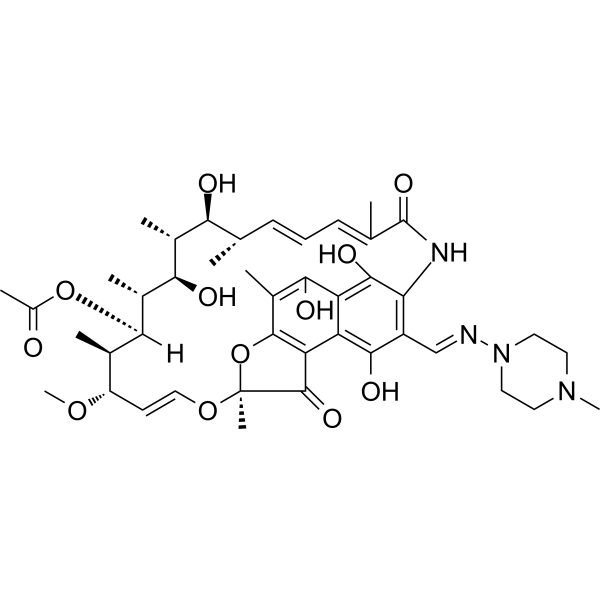
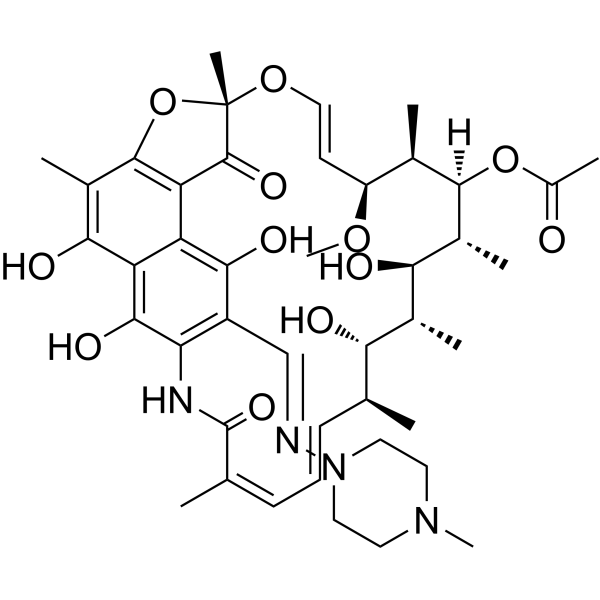
Rifampicin (Standard) is the analytical standard of Rifampicin. This product is intended for research and analytical applications. Rifampicin is a potent and broad spectrum antibiotic against bacterial pathogens. Rifampicin has anti-influenza virus activities. Rifampicin shows anti-orthopoxvirus activity.
|
-
-
- HY-13718
-
|
H-Glu-Trp-OH; L-Glutamyl-L-tryptophan
|
VEGFR
HCV
Endogenous Metabolite
|
Infection
Cardiovascular Disease
Inflammation/Immunology
Cancer
|
|
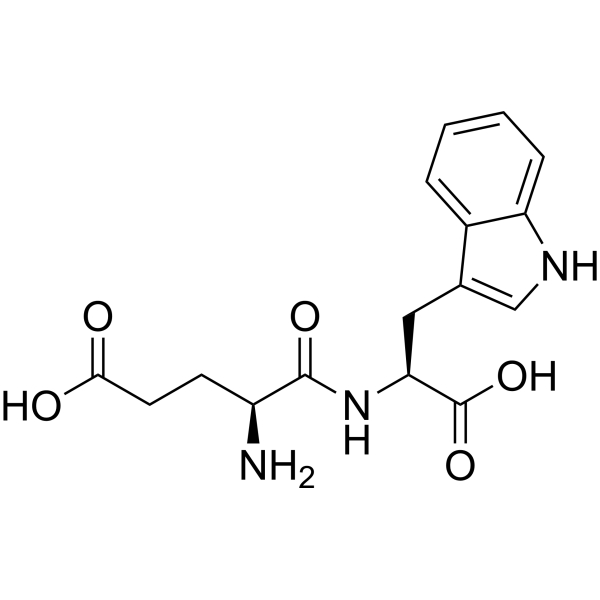
Oglufanide (H-Glu-Trp-OH) is a dipeptide immunomodulator isolated from calf thymus. Oglufanide inhibits vascular endothelial growth factor (VEGF). Oglufanide can stimulate the immune response to hepatitic C virus (HCV) and intracellular bacterial infections. Oglufanide shows antitumor and anti-angiogenesis activities .
|
-
-
- HY-125728
-
|
|
Bacterial
Parasite
HCV
|
Infection
|
|
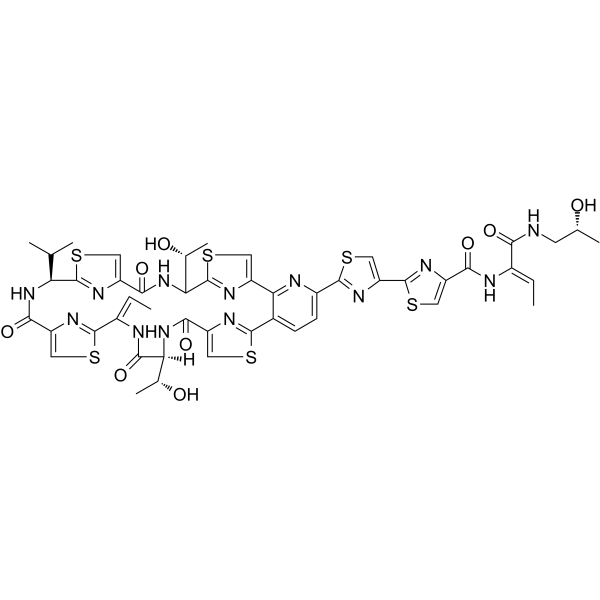
Micrococcin P1 is a macrocyclic peptide antibiotic and is a potent hepatitis C virus (HCV) inhibitor with an EC50 range of 0.1-0.5 μM . Micrococcin P1 has in vitro antibacterial activity against Gram-positive bacterial strains. The MIC values of Micrococcin P1 against S. aureus 1974149, E. faecalis 1674621 and S. pyogenes 1744264 are 2 μg/mL, 1 μg/mL and 1 μg/mL, respectively . Micrococcin P1 is also a potent inhibitor of the malaria parasite Plasmodium falciparum .
|
-
-
- HY-125168
-
EGA
2 Publications Verification
|
EGFR
|
Infection
Inflammation/Immunology
|
|
EGA is an inhibitor that selectively targets the endosomal trafficking pathways. EGA targets the proteins involved in the endosomal trafficking pathways through which multiple toxins and viruses enter cells. EGA exerts its activity by inhibiting the trafficking from early endosomes to late endosomes, blocking the entry of multiple acid-dependent bacterial toxins and viruses into mammalian cells and delaying the lysosomal targeting and degradation of EGFR .
|
-
-
- HY-W039454
-
|
|
Environmental Pollutants
Bacterial
SARS-CoV
|
Infection
|
|
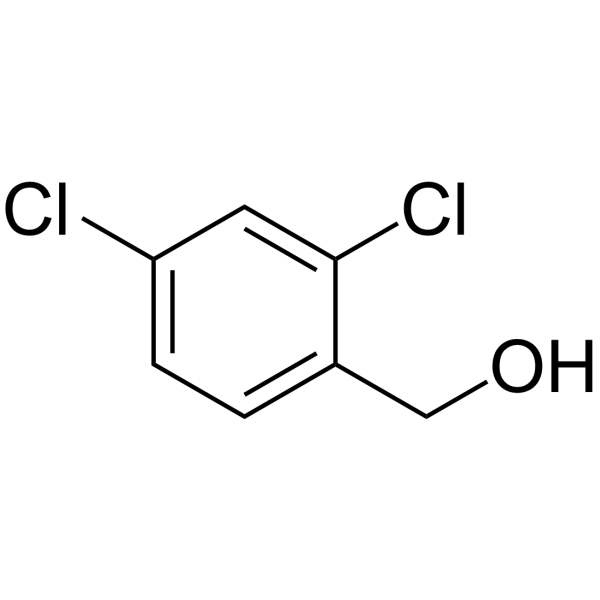
2,4-Dichlorobenzyl alcohol is an orally active mild antiseptic, with a broad spectrum for bacterial and virus associated with mouth and throat infections. 2,4-Dichlorobenzyl alcohol exhibits prenatal developmental toxicity.2,4-Dichlorobenzyl alcohol can be used in the study of SARS-CoV .
|
-
-
- HY-17422S1
-
|
Aciclovir-d4; Acycloguanosine-d4
|
Isotope-Labeled Compounds
HSV
Bacterial
Apoptosis
Antibiotic
|
Infection
Cancer
|
|
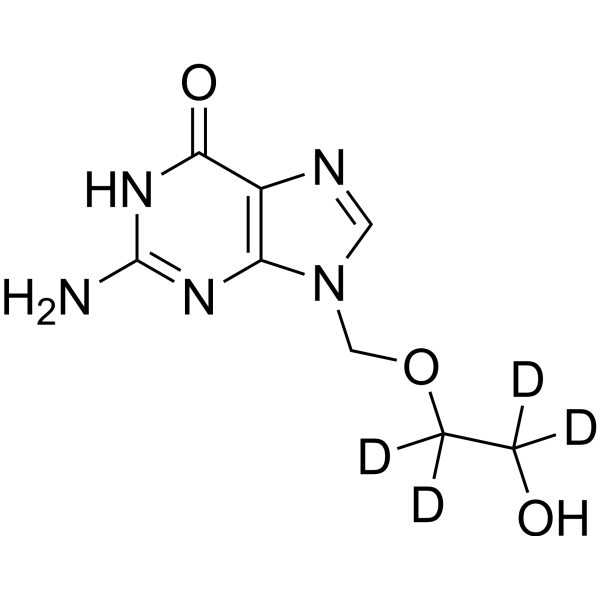
Acyclovir-d4 is the deuterium labeled Acyclovir. Acyclovir (Aciclovir) is a guanosine analogue and an orally active antiviral agent. Acyclovir inhibits HSV-1 (IC50 of 0.85 μM), HSV-2 (IC50 of 0.86 μM) and varicella-zoster virus. Acyclovir can be phosphorylated by viral thymidine kinase (TK), and Acyclovir triphosphate interferes with viral DNA polymerization through competitive inhibition with guanosine triphosphate and obligatory chain termination . Acyclovir prevents bacterial infections during induction therapy for acute leukaemia .
|
-
-
- HY-B0272S2
-
|
Rifampin-d4; Rifamycin AMP-d4
|
Bacterial
Influenza Virus
Antibiotic
|
Infection
|
|
Rifampicin-d4 is the deuterium labeled Rifampicin. Rifampicin is a potent and broad spectrum antibiotic against bacterial pathogens. Rifampicin has anti-influenza virus activities.
|
-
-
- HY-B0272S1
-
|
Rifampin-d8; Rifamycin AMP-d8
|
Bacterial
Influenza Virus
Antibiotic
|
Infection
|
|
Rifampicin-d8 (Rifampin-d8) is the deuterium labeled Rifampicin. Rifampicin is a potent and broad spectrum antibiotic against bacterial pathogens. Rifampicin has anti-influenza virus activities.
|
-
-
- HY-121473
-
|
|
Antibiotic
Bacterial
Fungal
Parasite
|
Infection
|
|
Aklavin is a structural analog of Aclacinomycin A (HY-N2306) produced by Streptomyces strain A 1165. Aklavin possesses Z-DNA-inducing and stabilizing activities, along with antibiotic, anti-phage and broad-spectrum antimicrobial activities. Aklavin inhibits the proliferation of various viruses (such as influenza virus and poliovirus) and interferes with their nucleoprotein synthesis, while also exhibiting inhibitory effects on staphylococci, mycobacteria and specific fungi. Aklavin blocks phage-induced bacterial lysis by regulating host-parasite interactions. Aklavin shows specific toxicity to fertilized eggs and mice, and does not alter the splicing of the SMN2 gene .
|
-
-
- HY-135319
-
|
|
Bacterial
Antibiotic
ERK
JNK
NF-κB
ROR
Apoptosis
Caspase
GSK-3
Akt
PI3K
|
Infection
Metabolic Disease
Inflammation/Immunology
Cancer
|
|
Strictinin is an orally active phenolic compound. Strictinin reduces xanthine oxidase activity, uric acid production, and the activation of ERK1/2, JNK, NF-κB, and NLRP3 inflammasome components in hepatocytes treated with Xanthine (HY-W017389). Strictinin decreases elevated serum uric acid levels and enhanced xanthine oxidase activity in mice treated with potassium oxonate. Strictinin acts as a ROR1 inhibitor and exhibits anticancer activity against highly aggressive non-androgen-dependent prostate cancer. Strictinin induces cancer cell apoptosis (apoptosis), arrests cell cycle, and inhibits cancer cell migration, invasion, and epithelial-mesenchymal transition. Strictinin modulates gut microbiota, inhibits bacterial growth and biofilm formation, accelerates small intestinal transit, and blocks viral entry and replication. Strictinin can be used in research related to hyperuricemia, androgen receptor-negative non-androgen-dependent prostate cancer, triple-negative breast cancer, bacterial infections, constipation, coronavirus infections, dental caries, and infections caused by influenza A, influenza B, and human parainfluenza virus type 1 .
|
-
-
- HY-B0125R
-
|
Hoe-280 (Standard)
|
Reference Standards
Bacterial
Antibiotic
Endogenous Metabolite
Orthopoxvirus
|
Infection
|
|
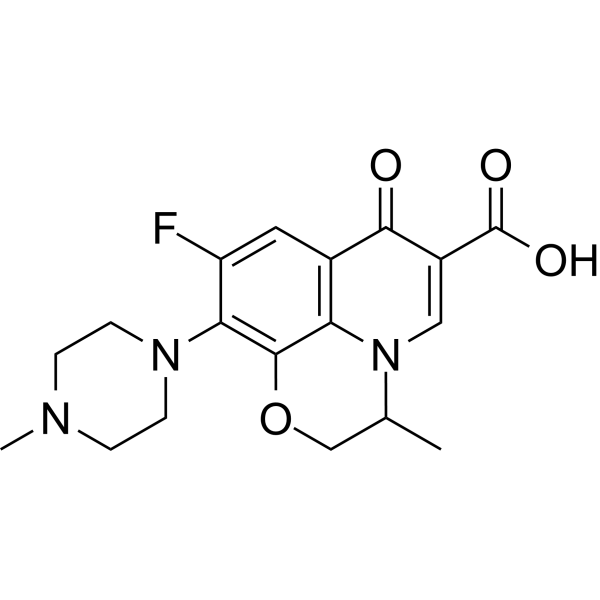
Ofloxacin (Standard) is the analytical standard of Ofloxacin. This product is intended for research and analytical applications. Ofloxacin (Hoe-280) is a fluoroquinolone whose primary mechanism of action is inhibition of bacterial DNA gyrase. Ofloxacin shows inhibitory activity against vaccinia virus (VV).
|
-
-
- HY-N0855
-
|
Alisol-G; 25-Anhydroalisol A
|
Carboxylesterase (CES)
Bacterial
HBV
|
Infection
Cancer
|
|
Alisol G (25-Anhydroalisol A) is a human carboxylesterase 2 (hCES2) inhibitor with an IC50 of 3.85 μM. Alisol G exhibits cytotoxic activity against human cancer cells, antibacterial activity against Gram-positive strains, and anti-hepatitis B virus activity. Alisol G can be used in research related to lung cancer, breast cancer, prostate cancer, bacterial infections, and HBV infections .
|
-
-
- HY-B0272S
-
|
Rifampin-d3; Rifamycin AMP-d3
|
Bacterial
Influenza Virus
Antibiotic
|
Infection
|
|
Rifampicin-d3 is the deuterium labeled Rifampicin. Rifampicin is a potent and broad spectrum antibiotic against bacterial pathogens. Rifampicin has anti-influenza virus activities .
|
-
-
- HY-B0272S3
-
|
Rifampin-d11; Rifamycin AMP-d11
|
Isotope-Labeled Compounds
Antibiotic
Bacterial
Influenza Virus
Orthopoxvirus
|
Others
|
|
Rifampicin-d11 (Rifampin-d11; Rifamycin AMP-d11) is the deuterium labeled Rifampicin (HY-B0272) . Rifampicin is a potent and broad spectrum antibiotic against bacterial pathogens. Rifampicin has anti-influenza virus activities. Rifampicin shows anti-orthopoxvirus activity .
|
-
-
- HY-108357R
-
|
L-6-Diazo-5-oxonorleucine (Standard); DON (Standard)
|
Reference Standards
Glutaminase
Bacterial
Influenza Virus
Antibiotic
|
Infection
Cancer
|
|
6-Diazo-5-oxo-L-nor-Leucine (Standard) is the analytical standard of 6-Diazo-5-oxo-L-nor-Leucine. This product is intended for research and analytical applications. 6-Diazo-5-oxo-L-nor-Leucine (L-6-Diazo-5-oxonorleucine; DON) is a glutamine antagonist that irreversibly inhibits the catabolic effect of glutamine. 6-Diazo-5-oxo-L-nor-Leucine shows good anticancer activity (especially in pancreatic cancer) and reduces the self-renewal potential and metastatic capacity of tumour cells. 6-Diazo-5-oxo-L-nor-Leucine also possesses antibacterial and antiviral activity[1][2][3].
|
-
-
- HY-P10497
-
|
|
Bacterial
|
Infection
Inflammation/Immunology
|
|
EBV BZLF1 (190-197) is an immunodominant CEF-controlling peptide derived from Epstein-Barr virus (EBV). EBV BZLF1 (190-197) is a suitable epitope for CD8+ T cells to stimulate the release of IFNg. CTL responses to EBV BZLF1 (190-197) are diverse and cross-recognize similar peptides from both host self-proteins and bacterial proteins. EBV BZLF1 (190-197) can be used to study autoimmune diseases .
|
-
-
- HY-P10497A
-
|
|
Bacterial
|
Infection
Inflammation/Immunology
|
|
EBV BZLF1 (190-197) TFA is an immunodominant CEF-controlling peptide derived from Epstein-Barr virus (EBV). EBV BZLF1 (190-197) TFA is a suitable epitope for CD8+ T cells to stimulate the release of IFNg. CTL responses to EBV BZLF1 (190-197) TFA are diverse and cross-recognize similar peptides from both host self-proteins and bacterial proteins. EBV BZLF1 (190-197) TFA can be used to study autoimmune diseases .
|
-
-
- HY-W039454R
-
|
|
Reference Standards
Bacterial
SARS-CoV
|
Infection
|
|
2,4-Dichlorobenzyl alcohol (Standard) is the analytical standard of 2,4-Dichlorobenzyl alcohol (HY-W039454). This product is intended for research and analytical applications. 2,4-Dichlorobenzyl alcohol is an orally active mild antiseptic, with a broad spectrum for bacterial and virus associated with mouth and throat infections. 2,4-Dichlorobenzyl alcohol exhibits prenatal developmental toxicity.2,4-Dichlorobenzyl alcohol can be used in the study of SARS-CoV .
|
-
-
- HY-112944A
-
|
CMP-NeuNAz sodium
|
Sialyltransferase
|
Infection
|
|
CMP-SiaNAz (CMP-NeuNAz) sodium is a sialic acid nucleotide sugar derivative. CMP-SiaNAz sodium is integrated into the glycosidic chain through the action of STs in the Golgi apparatus, forming SiaNAz substances. CMP-SiaNAz sodium can serve as a substrate for bacterial-derived sialic acid transferases and is used for chemical enzymatic labeling and imaging of cell surface glycosides .
|
-
-
- HY-P5626
-
|
|
Bacterial
|
Infection
|
|
Seabream hepcidin is an antimicrobial peptide with anti-bacterial (V.anguillarum), fungal (S.cerevisiae) and viral hemorrhagic septicemia virus activity .
|
-
-
- HY-N14264
-
|
|
Influenza Virus
Bacterial
|
Infection
|
|
Kistamicin A has antiviral effect, and its ID50s against influenza virus MDCK cells and herpes simplex virus are respectively 3.6 μg/mL and 44 μg/mL. Kistamicin A also has anti-Gram-positive bacterial effects .
|
-
-
- HY-126867
-
-
-
- HY-N14563
-
|
|
Bacterial
HSV
|
Infection
|
|
Cycloviracin B1 has anti-herpes simplex virus Type I (HSV-1) activity and has weak anti-Gram-positive bacterial activity .
|
-
-
- HY-13718A
-
|
H-Glu-Trp-OH disodium; L-Glutamyl-L-tryptophan disodium
|
VEGFR
HCV
Endogenous Metabolite
|
Infection
Cardiovascular Disease
Inflammation/Immunology
Cancer
|
|
Oglufanide (H-Glu-Trp-OH) disodium is a dipeptide immunomodulator isolated from calf thymus. Oglufanide disodium inhibits vascular endothelial growth factor (VEGF). Oglufanide disodium can stimulate the immune response to hepatitic C virus (HCV) and intracellular bacterial infections. Oglufanide disodium shows antitumor and anti-angiogenesis activities .
|
-
-
- HY-119728
-
|
|
Influenza Virus
|
Infection
|
|
FR198248 is an anti-influenza agent and peptide deformylase (PDF) inhibitor. FR198248 can be isolated from Aspergillus flavipes. FR198248 potently inhibits the PDF of Staphylococcus aureus with an IC50 of 3.6 µM. FR198248 can be used for antiviral and antibacterial research .
|
-
-
- HY-127020
-
|
|
Bacterial
|
Infection
|
|
Deoxyenterocin is a bacterial metabolite originally isolated from Streptomyces that has diverse biological activities, including antibiotic, antiviral, and antioxidant properties. It inhibits the growth of S. lutea, S. aureus, K. pneumoniae, and V. percolans in vitro when used at a concentration of 500 μg/mL. Deoxyenterocin (50 μg/mL) inhibits the cytopathic effect of influenza A H1N1 virus by 60.6% in vitro. It also prevents hydrogen peroxide-induced decreases in glutathione (GSH) levels and in the mitochondrial membrane potential in mouse primary cortical neuronal cultures when used at a concentration of 1 μM.
|
-
-
- HY-B1422R
-
|
Aminacrine (Standard)
|
Reference Standards
Bacterial
HIV
|
Infection
|
|
9-Aminoacridine (Standard) is the analytical standard of 9-Aminoacridine. This product is intended for research and analytical applications. 9-Aminoacridine, a fluorescent probe, acts as an indicator of pH for quantitative determination of transmembrane pH gradients (inside acidic). 9-Aminoacridine is an antimicrobial. 9-Aminoacridine exerts its antimicrobial activity by interacting with specific bacterial DNA and disrupting the proton motive force in K. pneumoniae. 9-Aminoacridine is a HIV-1 inhibitor and inhibits HIV LTR transcription highly dependent on the presence and location of the amino moiety. 9-Aminoacridine inhibits virus replication in HIV-1 infected cell lines. 9-Aminoacridine is used as a Rifampin (RIF; HY-B0272) adjuvant for the multidrug-resistant K. pneumoniae infections .
|
-
-
- HY-B1422S
-
|
Aminacrine-13C6
|
Bacterial
HIV
Isotope-Labeled Compounds
|
Infection
|
|
9-Aminoacridine-13C6 is the 13C-labeled 9-Aminoacridine(HY-B1422). 9-Aminoacridine, a fluorescent probe, acts as an indicator of pH for quantitative determination of transmembrane pH gradients (inside acidic). 9-Aminoacridine is an antimicrobial. 9-Aminoacridine exerts its antimicrobial activity by interacting with specific bacterial DNA and disrupting the proton motive force in K. pneumoniae. 9-Aminoacridine is a HIV-1 inhibitor and inhibits HIV LTR transcription highly dependent on the presence and location of the amino moiety. 9-Aminoacridine inhibits virus replication in HIV-1 infected cell lines. 9-Aminoacridine is used as a Rifampin (RIF; HY-B0272) adjuvant for the multidrug-resistant K. pneumoniae infections .
|
-
-
- HY-P11399
-
|
|
Bacterial
Fungal
|
Infection
|
|
Tachyplesin-3 is a broad-spectrum cationic antimicrobial peptide. Tachyplesin-3 has inhibitory activity against Gram-positive bacteria, Gram-negative bacteria, fungi and enveloped viruses. Tachyplesin-3 binds to bacterial membrane lipopolysaccharides through positive charges, disrupting membrane integrity and causing leakage of cellular contents. Tachyplesin-3 interferes with bacterial adhesion and aggregation, prevents biofilm formation, and has a synergistic effect when used in combination with Piperacillin (HY-B1923) - Tazobactam (HY-B1418) (TZP) .
|
-
-
- HY-B2180
-
|
|
Environmental Pollutants
Bacterial
Insecticide
|
Infection
|
|
Dichloroisocyanurate sodium is a synthetic organochlorine compound belonging to triazine derivatives, and is commonly used as a disinfectant and biocide. Dichloroisocyanurate sodium can release hypochlorous acid to inactivate waterborne bacteria, viruses, helminths and protozoa, and can act as a hypochlorous acid reservoir to provide sustained biocidal protection .
|
-
-
- HY-126929
-
|
TXN-B
|
DNA Alkylator/Crosslinker
Apoptosis
Bacterial
Parasite
Fungal
|
Infection
Cancer
|
|
Trioxacarcin B (TXN-B) is a potent cytotoxic agent and DNA-targeted inhibitor. Trioxacarcin B disrupts DNA function and induces apoptosis in cancer cells. Trioxacarcin B not only effectively inhibits the growth of various Gram-positive and Gram-negative bacteria as well as Plasmodium falciparum, but also blocks the colony formation of cancer stem cells, significantly reduces tumor volume and prolongs survival in preclinical in vivo models. The activity of Trioxacarcin B is highly dependent on its intact spiro-epoxide structure; it loses efficacy once this moiety undergoes hydrolysis, and Trioxacarcin B shows no activity against fungi, microalgae and small RNA viruses. Trioxacarcin B can be used for research on bacterial infections, malaria, and various cancers including colon cancer and melanoma .
|
-
-
-
HY-L067
-
|
|
752 compounds
|
|
Antibiotics are types of antimicrobial products used for the treatment and prevention of bacterial infections. Antibiotics can kill or inhibit bacterial growth. Although the target of an antibiotic is bacteria, some antibiotics also attack fungi and protozoans. However, antibiotics rarely have an effect on viruses. The major mechanism underlying antibiotics is the inhibition or regulation of enzymes involved in cell wall biosynthesis, nucleic acid metabolism and repair, protein synthesis, or disruption of membrane structure. Many of these cellular functions targeted by antibiotics are most active in multiplying cells. Since there is often overlap in these functions between prokaryotic bacterial cells and eukaryotic mammalian cells, it is not surprising that some antibiotics have also been found to be useful as anticancer agents.
MCE supplies a unique collection of 752 antibiotics, including penicillins, cephalosporins, tetracyclines, macrolides, etc. MCE Antibiotics Library is a useful tool for anti-bacterial or anti-cancer drugs discovery.
|
-
-
HY-L002
-
|
|
4,310 compounds
|
|
An infection occurs when another organism enters a person’s body and causes disease. The organisms that cause infections are very diverse and can include things like viruses, bacteria, fungi, and parasites. The immune system is an effective barrier against infectious agents.
MCE provides a unique collection of 4,310 anti-infective compounds with anti-bacterial, anti-viral, anti-fungal and anti-parasite activities that can be used for drug screening and other research in anti-microbial area.
|
| Cat. No. |
Product Name |
Type |
-
- HY-B1422
-
|
Aminacrine
|
Fluorescent Dyes
|
|
9-Aminoacridine, a fluorescent probe, acts as an indicator of pH for quantitative determination of transmembrane pH gradients (inside acidic). 9-Aminoacridine is an antimicrobial. 9-Aminoacridine exerts its antimicrobial activity by interacting with specific bacterial DNA and disrupting the proton motive force in K. pneumoniae. 9-Aminoacridine is a HIV-1 inhibitor and inhibits HIV LTR transcription highly dependent on the presence and location of the amino moiety. 9-Aminoacridine inhibits virus replication in HIV-1 infected cell lines. 9-Aminoacridine is used as a Rifampin (RIF; HY-B0272) adjuvant for the multidrug-resistant K. pneumoniae infections .
|
-
- HY-B1422R
-
|
Aminacrine (Standard)
|
Fluorescent Dyes
|
|
9-Aminoacridine (Standard) is the analytical standard of 9-Aminoacridine. This product is intended for research and analytical applications. 9-Aminoacridine, a fluorescent probe, acts as an indicator of pH for quantitative determination of transmembrane pH gradients (inside acidic). 9-Aminoacridine is an antimicrobial. 9-Aminoacridine exerts its antimicrobial activity by interacting with specific bacterial DNA and disrupting the proton motive force in K. pneumoniae. 9-Aminoacridine is a HIV-1 inhibitor and inhibits HIV LTR transcription highly dependent on the presence and location of the amino moiety. 9-Aminoacridine inhibits virus replication in HIV-1 infected cell lines. 9-Aminoacridine is used as a Rifampin (RIF; HY-B0272) adjuvant for the multidrug-resistant K. pneumoniae infections .
|
| Cat. No. |
Product Name |
Target |
Research Area |
-
- HY-P1934
-
|
Cyclo(phenylalanylprolyl); A-64863
|
HCV
Bacterial
Antibiotic
Reactive Oxygen Species (ROS)
|
Infection
|
|
Cyclo(Phe-Pro) (Cyclo(phenylalanylprolyl)) is a quorum-sensing molecule of Vibrio vulnificus that specifically interacts with RIG-I, inhibiting RIG-I polyubiquitination, suppressing IRF-3 activation, and reducing type I interferon production. Cyclo(Phe-Pro) enhances susceptibility to HCV and influenza virus and also alleviates plant aluminum toxicity stress. The mechanism of Cyclo(Phe-Pro) involves the regulation of host immune signaling pathways, bacterial virulence gene expression, and plant antioxidant systems, making it a promising candidate for research in viral infections, bacterial virulence regulation, and agricultural stress resistance .
|
-
- HY-13718
-
|
H-Glu-Trp-OH; L-Glutamyl-L-tryptophan
|
VEGFR
HCV
Endogenous Metabolite
|
Infection
Cardiovascular Disease
Inflammation/Immunology
Cancer
|
|
Oglufanide (H-Glu-Trp-OH) is a dipeptide immunomodulator isolated from calf thymus. Oglufanide inhibits vascular endothelial growth factor (VEGF). Oglufanide can stimulate the immune response to hepatitic C virus (HCV) and intracellular bacterial infections. Oglufanide shows antitumor and anti-angiogenesis activities .
|
-
- HY-P10497
-
|
|
Bacterial
|
Infection
Inflammation/Immunology
|
|
EBV BZLF1 (190-197) is an immunodominant CEF-controlling peptide derived from Epstein-Barr virus (EBV). EBV BZLF1 (190-197) is a suitable epitope for CD8+ T cells to stimulate the release of IFNg. CTL responses to EBV BZLF1 (190-197) are diverse and cross-recognize similar peptides from both host self-proteins and bacterial proteins. EBV BZLF1 (190-197) can be used to study autoimmune diseases .
|
-
- HY-P10497A
-
|
|
Bacterial
|
Infection
Inflammation/Immunology
|
|
EBV BZLF1 (190-197) TFA is an immunodominant CEF-controlling peptide derived from Epstein-Barr virus (EBV). EBV BZLF1 (190-197) TFA is a suitable epitope for CD8+ T cells to stimulate the release of IFNg. CTL responses to EBV BZLF1 (190-197) TFA are diverse and cross-recognize similar peptides from both host self-proteins and bacterial proteins. EBV BZLF1 (190-197) TFA can be used to study autoimmune diseases .
|
-
- HY-P5626
-
|
|
Bacterial
|
Infection
|
|
Seabream hepcidin is an antimicrobial peptide with anti-bacterial (V.anguillarum), fungal (S.cerevisiae) and viral hemorrhagic septicemia virus activity .
|
-
- HY-P11399
-
|
|
Bacterial
Fungal
|
Infection
|
|
Tachyplesin-3 is a broad-spectrum cationic antimicrobial peptide. Tachyplesin-3 has inhibitory activity against Gram-positive bacteria, Gram-negative bacteria, fungi and enveloped viruses. Tachyplesin-3 binds to bacterial membrane lipopolysaccharides through positive charges, disrupting membrane integrity and causing leakage of cellular contents. Tachyplesin-3 interferes with bacterial adhesion and aggregation, prevents biofilm formation, and has a synergistic effect when used in combination with Piperacillin (HY-B1923) - Tazobactam (HY-B1418) (TZP) .
|
| Cat. No. |
Product Name |
Category |
Target |
Chemical Structure |
-
- HY-B0125
-
-
-
- HY-129555
-
-
-
- HY-N0444
-
|
|
Quinones
Structural Classification
Classification of Application Fields
Anthraquinones
Rubiaceae
Phenols
Polyphenols
Plants
Morinda officinalis How
Inflammation/Immunology
Disease Research Fields
Source Classification
|
Reactive Oxygen Species (ROS)
|
|
Rubiadin is an orally active polyketide-derived compound and free radical scavenger that inhibits the activation of the NF-κB pathway. Rubiadin inhibits osteoclast formation, bone resorption, lipid peroxidation, HBV DNA replication and cancer cell proliferation; reduces pro-inflammatory cytokine levels; induces cancer cell apoptosis; and possesses antifungal, antimalarial, antibacterial and anticonvulsant activities. Rubiadin can be used in the research of osteoporosis, acute inflammation, chronic inflammation, carbon tetrachloride-induced liver injury, Alzheimer's disease, breast cancer, iron overload disorders, hepatitis B virus infection, colon cancer, liver cancer, T-lymphocytic leukemia, cervical cancer, diabetic nephropathy, epileptic seizures, fungal infections, malaria and bacterial infections .
|
-
-
- HY-13718
-
-
-
- HY-135319
-
|
|
Structural Classification
Phenols
Polyphenols
Camellia sinensis (L.) O. Ktze.
Plants
Source Classification
Theaceae
|
Bacterial
Antibiotic
ERK
JNK
NF-κB
ROR
Apoptosis
Caspase
GSK-3
Akt
PI3K
|
|
Strictinin is an orally active phenolic compound. Strictinin reduces xanthine oxidase activity, uric acid production, and the activation of ERK1/2, JNK, NF-κB, and NLRP3 inflammasome components in hepatocytes treated with Xanthine (HY-W017389). Strictinin decreases elevated serum uric acid levels and enhanced xanthine oxidase activity in mice treated with potassium oxonate. Strictinin acts as a ROR1 inhibitor and exhibits anticancer activity against highly aggressive non-androgen-dependent prostate cancer. Strictinin induces cancer cell apoptosis (apoptosis), arrests cell cycle, and inhibits cancer cell migration, invasion, and epithelial-mesenchymal transition. Strictinin modulates gut microbiota, inhibits bacterial growth and biofilm formation, accelerates small intestinal transit, and blocks viral entry and replication. Strictinin can be used in research related to hyperuricemia, androgen receptor-negative non-androgen-dependent prostate cancer, triple-negative breast cancer, bacterial infections, constipation, coronavirus infections, dental caries, and infections caused by influenza A, influenza B, and human parainfluenza virus type 1 .
|
-
-
- HY-B0125R
-
-
-
- HY-N0855
-
-
-
- HY-N14264
-
-
-
- HY-126867
-
-
-
- HY-N14563
-
-
-
- HY-119728
-
|
|
Microorganisms
Phenols
Polyphenols
Source Classification
|
Influenza Virus
|
|
FR198248 is an anti-influenza agent and peptide deformylase (PDF) inhibitor. FR198248 can be isolated from Aspergillus flavipes. FR198248 potently inhibits the PDF of Staphylococcus aureus with an IC50 of 3.6 µM. FR198248 can be used for antiviral and antibacterial research .
|
-
| Cat. No. |
Product Name |
Chemical Structure |
-
- HY-17422S1
-
|
|
|
Acyclovir-d4 is the deuterium labeled Acyclovir. Acyclovir (Aciclovir) is a guanosine analogue and an orally active antiviral agent. Acyclovir inhibits HSV-1 (IC50 of 0.85 μM), HSV-2 (IC50 of 0.86 μM) and varicella-zoster virus. Acyclovir can be phosphorylated by viral thymidine kinase (TK), and Acyclovir triphosphate interferes with viral DNA polymerization through competitive inhibition with guanosine triphosphate and obligatory chain termination . Acyclovir prevents bacterial infections during induction therapy for acute leukaemia .
|
-
-
- HY-B0272S2
-
|
|
|
Rifampicin-d4 is the deuterium labeled Rifampicin. Rifampicin is a potent and broad spectrum antibiotic against bacterial pathogens. Rifampicin has anti-influenza virus activities.
|
-
-
- HY-B0272S1
-
|
|
|
Rifampicin-d8 (Rifampin-d8) is the deuterium labeled Rifampicin. Rifampicin is a potent and broad spectrum antibiotic against bacterial pathogens. Rifampicin has anti-influenza virus activities.
|
-
-
- HY-B0272S
-
|
|
|
Rifampicin-d3 is the deuterium labeled Rifampicin. Rifampicin is a potent and broad spectrum antibiotic against bacterial pathogens. Rifampicin has anti-influenza virus activities .
|
-
-
- HY-B0272S3
-
|
|
|
Rifampicin-d11 (Rifampin-d11; Rifamycin AMP-d11) is the deuterium labeled Rifampicin (HY-B0272) . Rifampicin is a potent and broad spectrum antibiotic against bacterial pathogens. Rifampicin has anti-influenza virus activities. Rifampicin shows anti-orthopoxvirus activity .
|
-
-
- HY-B1422S
-
|
|
|
9-Aminoacridine-13C6 is the 13C-labeled 9-Aminoacridine(HY-B1422). 9-Aminoacridine, a fluorescent probe, acts as an indicator of pH for quantitative determination of transmembrane pH gradients (inside acidic). 9-Aminoacridine is an antimicrobial. 9-Aminoacridine exerts its antimicrobial activity by interacting with specific bacterial DNA and disrupting the proton motive force in K. pneumoniae. 9-Aminoacridine is a HIV-1 inhibitor and inhibits HIV LTR transcription highly dependent on the presence and location of the amino moiety. 9-Aminoacridine inhibits virus replication in HIV-1 infected cell lines. 9-Aminoacridine is used as a Rifampin (RIF; HY-B0272) adjuvant for the multidrug-resistant K. pneumoniae infections .
|
-
Your information is safe with us. * Required Fields.
Inquiry Information
- Product Name:
- Cat. No.:
- Quantity:
- MCE Japan Authorized Agent:

