

Search Result
Results for "
calcium flux
" in MedChemExpress (MCE) Product Catalog:
| Cat. No. |
Product Name |
Target |
Research Areas |
Chemical Structure |
-
- HY-129555
-
|
|
Bacterial
HSV
Antibiotic
|
Infection
|
|
Surfactin is a potent cyclic lipopeptide biosurfactants consists of four isomers (Surfactin A, B, C and D), which mediates flux of mono-and divalent cations, such as calcium, across lipid bilayer membranes. Surfactin can act as an antimicrobial adjuvant with anti-bacterial, anti-fungal, antimycoplasma and hemolytic effects . Surfactin also has antiviral activity against a variety of enveloped viruses .
|
-
-
- HY-16039
-
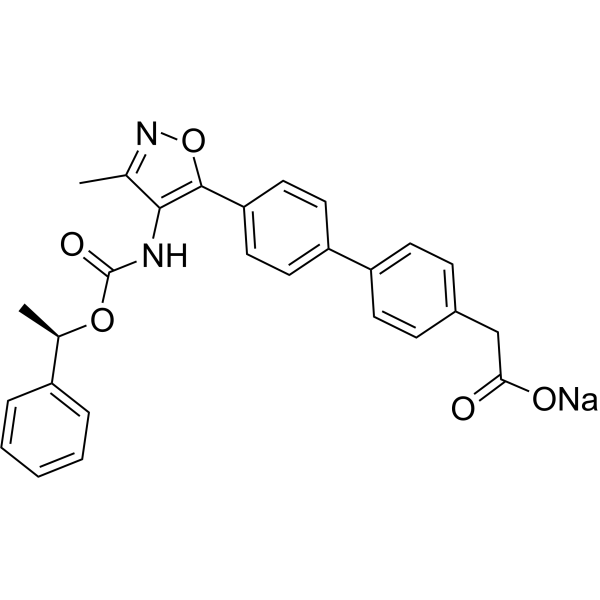
AM095
Maximum Cited Publications
13 Publications Verification
|
LPL Receptor
|
Inflammation/Immunology
|
|
AM095 is a selective LPA1 receptor antagonist. The IC50 for AM095 antagonism of LPA-induced calcium flux of human or mouse LPA1-transfected CHO cells is 0.025 and 0.023 μM, respectively.
|
-
-
- HY-15568
-
|
|
P2X Receptor
|
Neurological Disease
Inflammation/Immunology
|
|
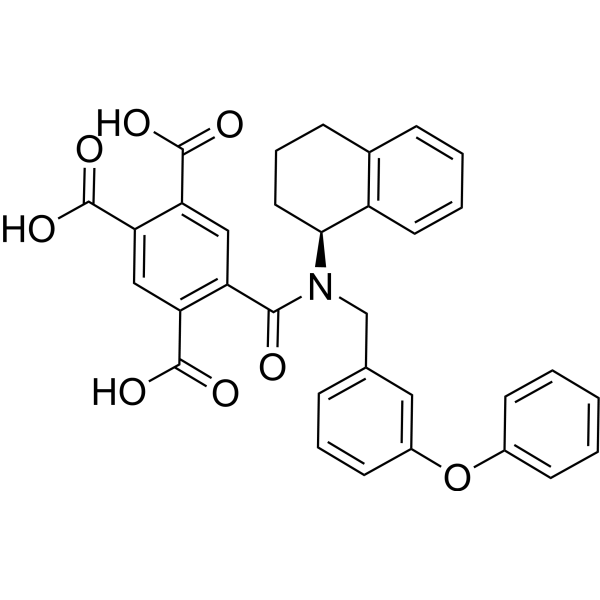
A-317491 is a potent, selective and non-nucleotide antagonist of P2X3 and P2X2/3 receptors, with Kis of 22, 22, 9, and 92 nM for hP2X3, rP2X3, hP2X2/3, and rP2X2/3, respectively. A-317491 is highly selective (IC50>10 μM) over other P2 receptors and other neurotransmitter receptors, ion channels, and enzymes. A-317491 reduces inflammatory and neuropathic pain by blocking P2X3 and P2X2/3 receptor-mediated calcium flux .
|
-
-
- HY-101908
-
|
|
CCR
|
Inflammation/Immunology
Endocrinology
|
|
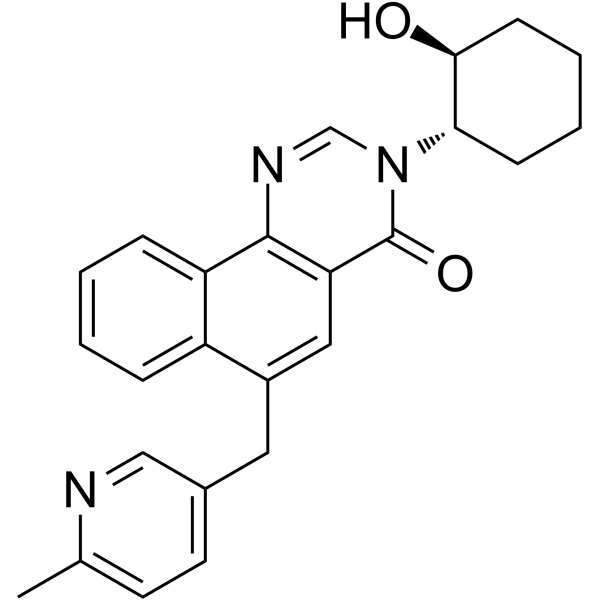
BMS CCR2 22 is a potent, specific and high affinity CC-type chemokine receptor 2 (CCR2) antagonist with excellent binding affinity (binding IC50 of 5.1 nM) and potent functional antagonism (calcium flux IC50 of 18 nM and chemotaxis IC50 of 1 nM) .
|
-
-
- HY-15297
-
|
OPC-8212
|
Phosphodiesterase (PDE)
|
Infection
Cardiovascular Disease
|
|
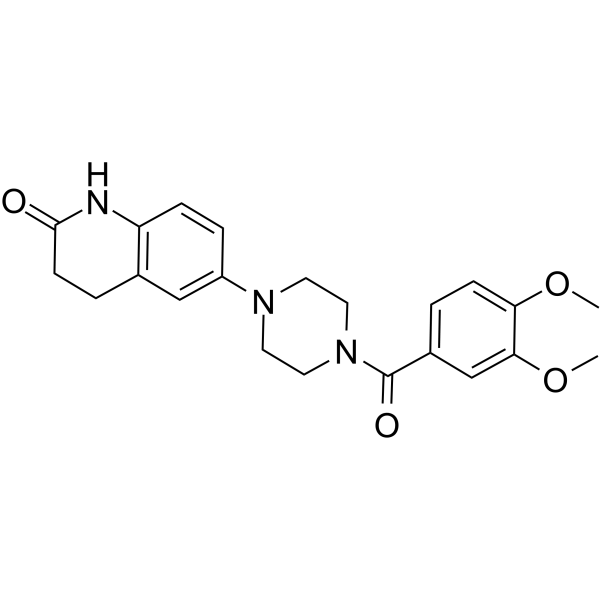
Vesnarinone (OPC-8212) is an orally active phosphodiesterase 3 (PDE3) inhibitor. Vesnarinone can increase in calcium flux and decrease in potassium flux. Vesnarinone shows dose-dependent positive inotropic activity. Vesnarinone can be used in heart failure research .
|
-
-
- HY-15618
-
|
M1 receptor modulator
|
mAChR
Calcium Channel
|
Neurological Disease
|
|
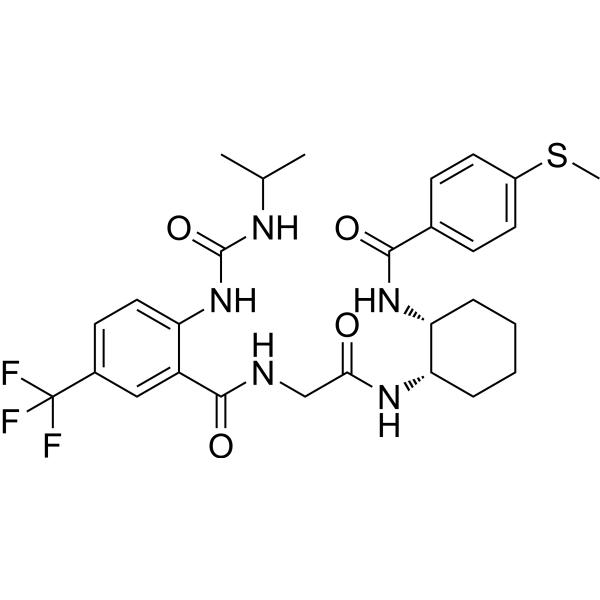
MK-7622 (M1 receptor modulator) is an orally active positive allosteric modulator of muscarinic M1 acetylcholine receptors (mAChRs). MK-7622 enhances ACh-induced calcium flux in CHO cells expressing human M1 receptors (EC50 = 21 nM) and shows robust agonist activity in rat M1-expressing CHO cells, increasing intracellular calcium. MK-7622 reverses Scopolamine (HY-N0296)-induced cognitive deficits in rhesus macaques in an object retrieval detour task. MK-7622 can be used for the study of Alzheimer's disease (AD) .
|
-
-
- HY-P1682A
-
|
POL6326 TFA
|
CXCR
Arrestin
|
Cancer
|
|
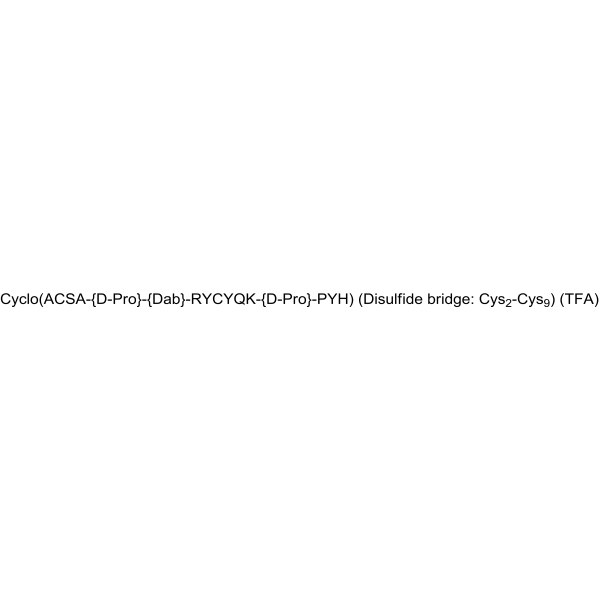
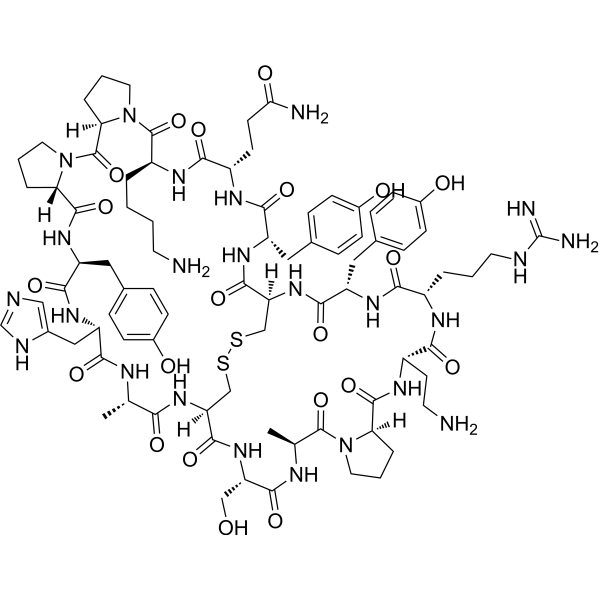
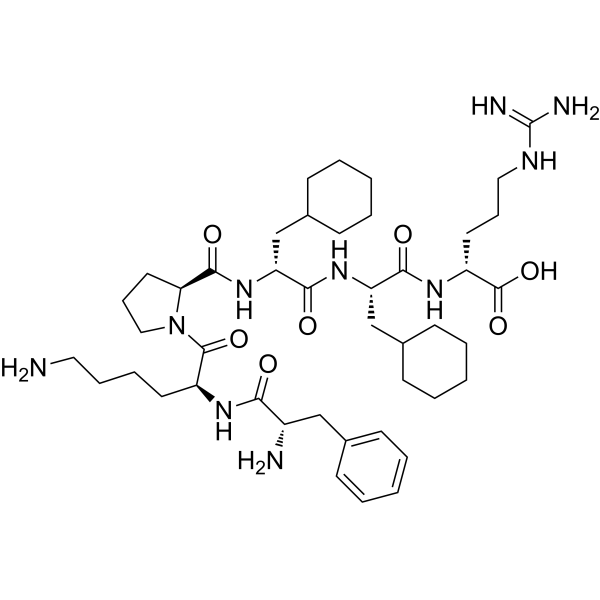
Balixafortide TFA (POL6326 TFA) is a potent, selective, well-tolerated peptidic CXCR4 antagonist with an IC50 < 10 nM. Balixafortide TFA shows 1000-fold selective for CXCR4 than a large panel of receptors including CXCR7. Balixafortide TFA blocks β-arrestin recruitment and calcium flux with IC50s < 10 nM. Balixafortide TFA is also a potent hematopoietic stem and progenitor cell (HSPC) mobilizing agent. Anti-cancer effects .
|
-
-
- HY-P99190
-
|
BMS-936557; MDX-1100
|
CXCR
|
Inflammation/Immunology
|
|
Eldelumab (BMS-936557) is a human anti-CXCL10 (IP-10) monoclonal antibody (IgG1 type). Eldelumab selectively binds to CXCL10 and blocks CXCL10-induced calcium flux and cell migration. Eldelumab can be used in studies of autoimmune and auto-inflammatory diseases such as rheumatoid arthritis, ulcerative colitis and crohn's disease .
|
-
-
- HY-P1682
-
|
POL6326
|
CXCR
Arrestin
|
Cancer
|
|
Balixafortide (POL6326) is a potent, selective, well-tolerated peptidic CXCR4 antagonist with an IC50 < 10 nM. Balixafortide shows 1000-fold selective for CXCR4 than a large panel of receptors including CXCR7. Balixafortide blocks β-arrestin recruitment and calcium flux with IC50s < 10 nM. Balixafortide is also a potent hematopoietic stem and progenitor cell (HSPC) mobilizing agent. Anti-cancer effects .
|
-
-
- HY-N0805A
-
|
|
Epoxide Hydrolase
CaMK
Autophagy
Apoptosis
|
Metabolic Disease
Inflammation/Immunology
Cancer
|
|
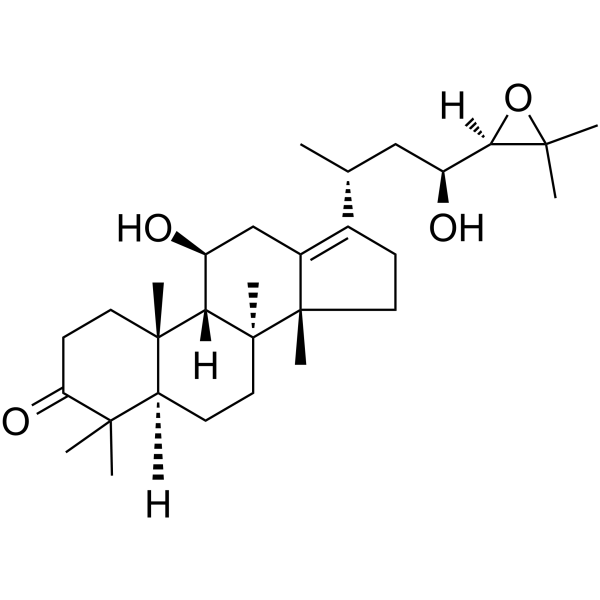
Alisol B is a triterpene with diverse biological activities. Alisol B binds human soluble epoxide hydrolase (sEH) with a Ki of 5.97 μM and reduces sEH activity. Alisol B inhibits RANKL-induced JNK phosphorylation, NFATc1 and c-Fos expression, osteoclast formation, mature osteoclast pit-forming and actin ring activity, and SERCA pump activity. Alisol B induces calcium mobilization, CaMKK-AMPK-mTOR pathway activation, autophagic flux, autophagosome formation, G1 phase cell cycle arrest, endoplasmic reticulum stress, unfolded protein responses, and cancer cell apoptosis. Alisol B can be used for the research of hypercalcemia, osteoporosis, rheumatoid arthritis, periodontitis, acute kidney injury, and breast cancer .
|
-
-
- HY-148129
-
|
TRPC6-IN-3
|
TRP Channel
|
Cardiovascular Disease
|
|
Apecotrep (TRPC6-IN-3) (compound 17) is a potent, orally active transient receptor potential C6 ion channel (TRPC6) inhibitor. Apecotrep modulates not only intracellular calcium concentration, but also membrane potential by modulating the flux of cations including calcium and sodium ions. Apecotrep can be used in research of respiratory system .
|
-
-
- HY-131349
-
|
|
CCR
|
Cancer
|
|
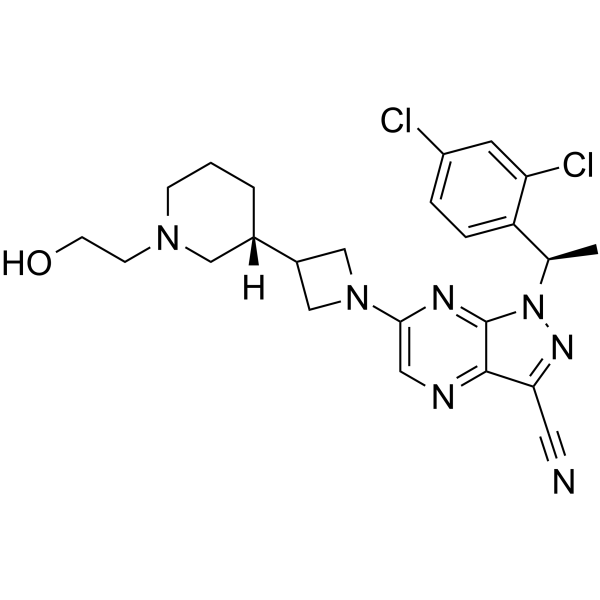
CCR4-351 is an orally active, potent and selective CCR4 antagonist. CCR4-351, featuring a novel piperidinyl-azetidine motif, has IC50s of 22 nM and 50 nM in the calcium flux and CTX assay. CCR4-351 has antitumor activity .
|
-
-
- HY-172458
-
Z-3578
1 Publications Verification
|
Mas-related G-protein-coupled Receptor (MRGPR)
TNF Receptor
|
Inflammation/Immunology
|
|
Z-3578 is an orally active small-molecule antagonist of MrgX2 with potent antipseudoallergic activity, exhibiting a KD value of 729 nM. Z-3578 effectively inhibits mast cell degranulation induced by substance P (SP) and C48/80, suppresses the release of β-hexosaminidase, significantly reduces the release of histamine and TNF-α, and decreases intracellular calcium flux. In a mouse pseudoallergy model, Z-3578 significantly alleviates paw swelling and dye extravasation, and reduces serum histamine levels. Z-3578 can be used for the study of pseudoallergic reactions .
|
-
-
- HY-15568A
-
|
|
P2X Receptor
|
Neurological Disease
Inflammation/Immunology
|
|
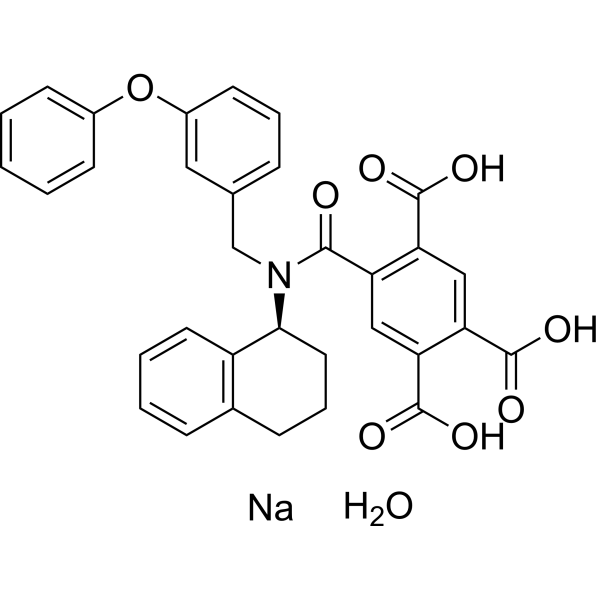
A-317491 sodium salt hydrate is a potent, selective and non-nucleotide antagonist of P2X3 and P2X2/3 receptors, with Kis of 22, 22, 9, and 92 nM for hP2X3, rP2X3, hP2X2/3, and rP2X2/3, respectively. A-317491 sodium salt hydrate is highly selective (IC50>10 μM) over other P2 receptors and other neurotransmitter receptors, ion channels, and enzymes. A-317491 sodium salt hydrate reduces inflammatory and neuropathic pain by blocking P2X3 and P2X2/3 receptor-mediated calcium flux .
|
-
-
- HY-124759
-
|
|
CCR
|
Inflammation/Immunology
|
|
CCR1 antagonist 9 is a potent and selective CCR1 antagonist with an IC50 of 6.8 nM in calcium flux assay .
|
-
-
- HY-116082
-
|
|
Dopamine Receptor
|
Neurological Disease
|
|
CP 226269 is a potent dopamine D4 receptor agonist that induces calcium flux with EC50 of 32 nM. CP 226269 stimulates phospholipid methylation (PLM) in SK-N-MC neuroblastoma cells with an EC50 of 2.9 nM. CP 226269 can be used in the research of schizophrenia and other related diseases .
|
-
-
- HY-146401
-
|
|
CXCR
|
Cancer
|
|
CXCR4 antagonist 6 (compound 46) is a potent CXCR4 antagonist with an IC50 value of 79 nM. CXCR4 antagonist 6 inhibits CXCL12 induced cytosolic calcium flux (IC50 = 0.25 nM). CXCR4 antagonist 6 significantly mitigates CXCL12/CXCR4 mediated cell migration. CXCR4 antagonist 6 exhibits marked efficacy in a cancer metastasis model in mice .
|
-
-
- HY-143312D
-
|
|
GLP Receptor
|
Metabolic Disease
|
|
(R)-V-0219 hydrochloride is an enantiomer of V-0219 (HY-143312). V-0219 is an orally active and positive allosteric modulator (PAM) of the GLP Receptor-1 (GLP-1R). (R)-V-0219 hydrochloride activates calcium fluxes in HEK cells stably expressing hGLP-1R .
|
-
-
- HY-143312E
-
|
|
GLP Receptor
|
Metabolic Disease
|
|
(S)-V-0219 hydrochloride is an enantiomer of V-0219 (HY-143312). V-0219 is an orally active and positive allosteric modulator (PAM) of the GLP Receptor-1 (GLP-1R). (S)-V-0219 hydrochloride activates calcium fluxes in HEK cells stably expressing hGLP-1R. (S)-V-0219 hydrochloride is orally active and ameliorates high glucose levels in mice and inhibits feeding behavior in fasted mice .
|
-
-
- HY-131349A
-
|
|
CCR
|
Metabolic Disease
Cancer
|
|
CCR4-351 hydrochloride is an orally active, potent and selective CCR4 antagonist. CCR4-351 hydrochloride, featuring a novel piperidinyl-azetidine motif, has IC50s of 22 nM and 50 nM in the calcium flux and CTX assay. CCR4-351 hydrochloride has antitumor activity .
|
-
-
- HY-114865
-
|
|
RGS Protein
Calcium Channel
|
Neurological Disease
|
|
BMS-192364 is targeting the Gα-RGS interaction to produce an inactive Gα-RGS complex. BMS-192364 reduces urinary bladder contraction and exert RGS-agonist properties by increasing the action of GAPs on Gq proteins. BMS-192364 inhibits calcium flux .
|
-
-
- HY-137610A
-
|
|
P2X Receptor
P2Y Receptor
|
Neurological Disease
|
|
TNP-ATP is an antagonist of purinergic P2Y1, P2X3, and P2X2/3 receptors (IC50 = 6, 0.9, and 7 nM, respectively, in HEK293 cells expressing human receptors). TNP-ATP reduces acetate-induced calcium flux in 1321N1 cells expressing P2X3 and P2X2/3 receptors (IC50 = 100 and 62 nM, respectively). TNP-ATP dose-dependently attenuates acetate-induced abdominal contractions in a mouse visceral pain model (ED50 = 6.35 µmol/kg) [1][2].
|
-
-
- HY-120620
-
|
|
Calcium Channel
|
Others
|
|
BMS-195270 is a small molecule that inhibits Carbachol (HY-B1208)-evoked tonicity of isolated rat bladder strips. BMS-195270 inhibits calcium flux .
|
-
-
- HY-W714513
-
|
|
mGluR
|
Neurological Disease
|
|
VU0469650 hydrochloride is a brain-penetrant negative allosteric modulator of metabotropic glutamate receptor 1 (mGluR1). VU0469650 hydrochloride inhibits glutamate-induced calcium flux in cells expressing human mGluR1 (IC50= 99 nM). VU0469650 hydrochloride is promising for research of central nervous system diseases such as anxiety, addiction, and epilepsy .
|
-
-
- HY-121366
-
|
RU-15525
|
Calcium Channel
|
Others
|
Kadethrin is a synthetic pyrethroid that acts as an insecticide. Kadethrin can affect the binding of [3H] full-histamine toxin ([3H]H12-HTX) to the nicotinic acetylcholine (Ach) receptor/channel binding sites, and it inhibits the Ca 2+ flux through the receptor ion channels .
|
-
-
- HY-P3041
-
|
|
Calcium Channel
|
Endocrinology
|
|
Chromostatin bovine is a chromogranin A (CGA) derivative peptide, which inhibits postassium or carbamoylcholine induced catecholamine release with an ID50 of 5 nM. Chromostatin bovine reduces calcium flux, enhances the desensitization process of the cholinergic-evoked secretory response and modulates the endocrine response associated with catecholamine .
|
-
-
- HY-169791
-
|
|
5-HT Receptor
|
Neurological Disease
|
|
ECPLA, a lysergamide lysergic acid diethylamidean (LSD) analog, is a potent 5-HT2A agonist (EC50 of 14.6 nM) for Gq-mediated calcium flux. ECPLA has high affinity for most serotonin receptors, α2-adrenoceptors, and D2-like dopamine receptors .
|
-
-
- HY-122536
-
|
|
Leukotriene Receptor
Calcium Channel
Endogenous Metabolite
|
Inflammation/Immunology
|
|
Ricinelaidic acid, a 12-hydroxy fatty acid,is a leukotriene B4 (LTB4) receptor antagonist with the Ki of 2 μM in porcine neutrophil membranes. Ricinelaidic acid inhibits chemotaxis and calcium flux induced by LTB4 in isolated human neutrophils (IC50=10 and 7 μM, respectively). Ricinelaidic acid inhibits bronchoconstriction induced by LTB4 in rats .
|
-
-
- HY-143312B
-
|
|
GLP Receptor
|
Metabolic Disease
|
|
(R)-V-0219 is an enantiomer of V-0219 (HY-143312). V-0219 is an orally active and positive allosteric modulator (PAM) of the GLP Receptor-1 (GLP-1R). (R)-V-0219 activates calcium fluxes in HEK cells stably expressing hGLP-1R .
|
-
-
- HY-143312C
-
|
|
GLP Receptor
|
Metabolic Disease
|
|
(S)-V-0219 is an enantiomer of V-0219 (HY-143312). V-0219 is an orally active and positive allosteric modulator (PAM) of the GLP Receptor-1 (GLP-1R). (S)-V-0219 activates calcium fluxes in HEK cells stably expressing hGLP-1R. (S)-V-0219 is orally active and ameliorates high glucose levels in mice and inhibits feeding behavior in fasted mice .
|
-
-
- HY-N0805AR
-
|
|
Reference Standards
Epoxide Hydrolase
CaMK
Autophagy
Apoptosis
|
Metabolic Disease
Inflammation/Immunology
Cancer
|
|
Alisol B (Standard) is the analytical standard of Alisol B (HY-N0805A). This product is intended for research and analytical applications. Alisol B is a triterpene with diverse biological activities. Alisol B binds human soluble epoxide hydrolase (sEH) with a Ki of 5.97 μM and reduces sEH activity. Alisol B inhibits RANKL-induced JNK phosphorylation, NFATc1 and c-Fos expression, osteoclast formation, mature osteoclast pit-forming and actin ring activity, and SERCA pump activity. Alisol B induces calcium mobilization, CaMKK-AMPK-mTOR pathway activation, autophagic flux, autophagosome formation, G1 phase cell cycle arrest, endoplasmic reticulum stress, unfolded protein responses, and cancer cell apoptosis. Alisol B can be used for the research of hypercalcemia, osteoporosis, rheumatoid arthritis, periodontitis, acute kidney injury, and breast cancer.
|
-
-
- HY-182850
-
|
|
CXCR
|
Metabolic Disease
|
|
UCUF-965 is a CXCR4 positive allosteric modulator. UCUF-965 potentiates CXCL12-induced β-arrestin recruitment and cAMP signaling, activates lymphoblast migration, induces calcium flux, and does not bind CXCR4’s orthosteric CXCL12 site. UCUF-965 reduces miR-15b and miR-29a levels, increases miR-146a levels in fibroblasts. UCUF-965 enhances angiogenesis and reduces wound healing time in diabetic mice. UCUF-965 can be used for the research of diabetic wound healing impairment .
|
-
-
- HY-15297R
-
|
OPC-8212 (Standard)
|
Phosphodiesterase (PDE)
Reference Standards
|
Infection
Cardiovascular Disease
|
|
Vesnarinone (Standard) is the analytical standard of Vesnarinone. This product is intended for research and analytical applications. Vesnarinone (OPC-8212) is an orally active phosphodiesterase 3 (PDE3) inhibitor. Vesnarinone can increase in calcium flux and decrease in potassium flux. Vesnarinone shows dose-dependent positive inotropic activity. Vesnarinone can be used in heart failure research .
|
-
-
- HY-101908R
-
|
|
Reference Standards
CCR
|
Inflammation/Immunology
Endocrinology
|
|
BMS CCR2 22 (Standard) is the analytical standard of BMS CCR2 22 (HY-101908). This product is intended for research and analytical applications. BMS CCR2 22 is a potent, specific and high affinity CC-type chemokine receptor 2 (CCR2) antagonist with excellent binding affinity (binding IC50 of 5.1 nM) and potent functional antagonism (calcium flux IC50 of 18 nM and chemotaxis IC50 of 1 nM) .
|
-
-
- HY-P992439
-
|
|
CXCR
|
Cancer
|
|
PF-06747143 is recombinant anti-human antibody targeting CXCR4. PF-06747143 blocks CXCL12-induced calcium flux, F-actin polymerization, chemotaxis, cell migration, and leukemic cell bone marrow homing. PF-06747143 reduces tumor burden and improves survival in mouse models of hematologic malignancies. PF-06747143 can be used for the research of chronic lymphocytic leukemia, acute myeloid leukemia, and hematologic malignancies .
|
-
-
- HY-183734
-
-
-
- HY-P1345C
-
|
|
Drug Derivative
Complement System
|
Neurological Disease
Metabolic Disease
Inflammation/Immunology
|
|
[DArg10, Aib20] TLQP-21, TLQP-21 (HY-P1345) analogue, is a C3aRpartial agonist, C3aR functional antagonist (EC50: 854 nM for β-arrestin recruitment). [DArg10, Aib20] TLQP-21 shows no significant calcium flux activity. [DArg10, Aib20] TLQP-21 shows no activity in potentiating adrenergic-induced lipolysis. [DArg10, Aib20] TLQP-21 can be used in the research of inflammatory diseases, metabolic disorders, and neurological conditions .
|
-
-
- HY-P992061
-
|
|
CD3
Calcium Channel
|
Inflammation/Immunology
|
|
Anti-Mouse CD3E Antibody (500A2) is an antibody targeting mouse CD3ε, which specifically binds to the region on CD3ε adjacent to the T cell receptor binding site. Anti-Mouse CD3E Antibody (500A2) triggers functional signal transduction in immature T cells and activates naive T cells. When cross-linked, Anti-Mouse CD3E Antibody (500A2) induces a rapid, robust and transient increase in cytoplasmic calcium concentration, acting as a potent calcium flux inducer. Anti-Mouse CD3E Antibody (500A2) is suitable for multiple experimental techniques such as flow cytometry, immunoprecipitation and EMARS reactions. It can be used to detect CD3E expression on thymocytes, mature T lymphocytes and NK-T cells from different mouse strains, or to identify membrane cluster components of the TCR complex, and shows no cross-reactivity with rat leukocytes .
|
-
| Cat. No. |
Product Name |
Target |
Research Area |
-
- HY-P1682A
-
|
POL6326 TFA
|
CXCR
Arrestin
|
Cancer
|
|
Balixafortide TFA (POL6326 TFA) is a potent, selective, well-tolerated peptidic CXCR4 antagonist with an IC50 < 10 nM. Balixafortide TFA shows 1000-fold selective for CXCR4 than a large panel of receptors including CXCR7. Balixafortide TFA blocks β-arrestin recruitment and calcium flux with IC50s < 10 nM. Balixafortide TFA is also a potent hematopoietic stem and progenitor cell (HSPC) mobilizing agent. Anti-cancer effects .
|
-
- HY-P1682
-
|
POL6326
|
CXCR
Arrestin
|
Cancer
|
|
Balixafortide (POL6326) is a potent, selective, well-tolerated peptidic CXCR4 antagonist with an IC50 < 10 nM. Balixafortide shows 1000-fold selective for CXCR4 than a large panel of receptors including CXCR7. Balixafortide blocks β-arrestin recruitment and calcium flux with IC50s < 10 nM. Balixafortide is also a potent hematopoietic stem and progenitor cell (HSPC) mobilizing agent. Anti-cancer effects .
|
-
- HY-P3041
-
|
|
Calcium Channel
|
Endocrinology
|
|
Chromostatin bovine is a chromogranin A (CGA) derivative peptide, which inhibits postassium or carbamoylcholine induced catecholamine release with an ID50 of 5 nM. Chromostatin bovine reduces calcium flux, enhances the desensitization process of the cholinergic-evoked secretory response and modulates the endocrine response associated with catecholamine .
|
-
- HY-P1345C
-
|
|
Drug Derivative
Complement System
|
Neurological Disease
Metabolic Disease
Inflammation/Immunology
|
|
[DArg10, Aib20] TLQP-21, TLQP-21 (HY-P1345) analogue, is a C3aRpartial agonist, C3aR functional antagonist (EC50: 854 nM for β-arrestin recruitment). [DArg10, Aib20] TLQP-21 shows no significant calcium flux activity. [DArg10, Aib20] TLQP-21 shows no activity in potentiating adrenergic-induced lipolysis. [DArg10, Aib20] TLQP-21 can be used in the research of inflammatory diseases, metabolic disorders, and neurological conditions .
|
| Cat. No. |
Product Name |
Target |
Research Area |
Image |
-
- HY-P99190
-
|
BMS-936557; MDX-1100
|
CXCR
|
Inflammation/Immunology
|
|
Eldelumab (BMS-936557) is a human anti-CXCL10 (IP-10) monoclonal antibody (IgG1 type). Eldelumab selectively binds to CXCL10 and blocks CXCL10-induced calcium flux and cell migration. Eldelumab can be used in studies of autoimmune and auto-inflammatory diseases such as rheumatoid arthritis, ulcerative colitis and crohn's disease .
|
-
(5)
-
- HY-P992439
-
|
|
CXCR
|
Cancer
|
|
PF-06747143 is recombinant anti-human antibody targeting CXCR4. PF-06747143 blocks CXCL12-induced calcium flux, F-actin polymerization, chemotaxis, cell migration, and leukemic cell bone marrow homing. PF-06747143 reduces tumor burden and improves survival in mouse models of hematologic malignancies. PF-06747143 can be used for the research of chronic lymphocytic leukemia, acute myeloid leukemia, and hematologic malignancies .
|
-
(5)
-
- HY-P992061
-
|
|
CD3
Calcium Channel
|
Inflammation/Immunology
|
|
Anti-Mouse CD3E Antibody (500A2) is an antibody targeting mouse CD3ε, which specifically binds to the region on CD3ε adjacent to the T cell receptor binding site. Anti-Mouse CD3E Antibody (500A2) triggers functional signal transduction in immature T cells and activates naive T cells. When cross-linked, Anti-Mouse CD3E Antibody (500A2) induces a rapid, robust and transient increase in cytoplasmic calcium concentration, acting as a potent calcium flux inducer. Anti-Mouse CD3E Antibody (500A2) is suitable for multiple experimental techniques such as flow cytometry, immunoprecipitation and EMARS reactions. It can be used to detect CD3E expression on thymocytes, mature T lymphocytes and NK-T cells from different mouse strains, or to identify membrane cluster components of the TCR complex, and shows no cross-reactivity with rat leukocytes .
|
-
(5)
| Cat. No. |
Product Name |
Category |
Target |
Chemical Structure |
-
- HY-129555
-
-
-
- HY-N0805A
-
|
|
Triterpenes
Structural Classification
Alisma plantago-aquatica Linn.
Classification of Application Fields
Terpenoids
Metabolic Disease
Alismataceae
Plants
Disease Research Fields
Source Classification
|
Epoxide Hydrolase
CaMK
Autophagy
Apoptosis
|
|
Alisol B is a triterpene with diverse biological activities. Alisol B binds human soluble epoxide hydrolase (sEH) with a Ki of 5.97 μM and reduces sEH activity. Alisol B inhibits RANKL-induced JNK phosphorylation, NFATc1 and c-Fos expression, osteoclast formation, mature osteoclast pit-forming and actin ring activity, and SERCA pump activity. Alisol B induces calcium mobilization, CaMKK-AMPK-mTOR pathway activation, autophagic flux, autophagosome formation, G1 phase cell cycle arrest, endoplasmic reticulum stress, unfolded protein responses, and cancer cell apoptosis. Alisol B can be used for the research of hypercalcemia, osteoporosis, rheumatoid arthritis, periodontitis, acute kidney injury, and breast cancer .
|
-
-
- HY-N0805AR
-
|
|
Triterpenes
Structural Classification
Alisma plantago-aquatica Linn.
Terpenoids
Alismataceae
Plants
Source Classification
|
Reference Standards
Epoxide Hydrolase
CaMK
Autophagy
Apoptosis
|
|
Alisol B (Standard) is the analytical standard of Alisol B (HY-N0805A). This product is intended for research and analytical applications. Alisol B is a triterpene with diverse biological activities. Alisol B binds human soluble epoxide hydrolase (sEH) with a Ki of 5.97 μM and reduces sEH activity. Alisol B inhibits RANKL-induced JNK phosphorylation, NFATc1 and c-Fos expression, osteoclast formation, mature osteoclast pit-forming and actin ring activity, and SERCA pump activity. Alisol B induces calcium mobilization, CaMKK-AMPK-mTOR pathway activation, autophagic flux, autophagosome formation, G1 phase cell cycle arrest, endoplasmic reticulum stress, unfolded protein responses, and cancer cell apoptosis. Alisol B can be used for the research of hypercalcemia, osteoporosis, rheumatoid arthritis, periodontitis, acute kidney injury, and breast cancer.
|
-
Your information is safe with us. * Required Fields.
Inquiry Information
- Product Name:
- Cat. No.:
- Quantity:
- MCE Japan Authorized Agent:

