1. Search Result
Search Result
Results for "

cardiac contractility

" in MedChemExpress (MCE) Product Catalog:

43

Inhibitors & Agonists

2

Biochemical Assay Reagents

4

Peptides

5

Natural
Products

Cat. No. Product Name Target Research Areas Chemical Structure
  • HY-P0084

    SRIF-14; Somatostatin-14

    Endogenous Metabolite Cardiovascular Disease Neurological Disease
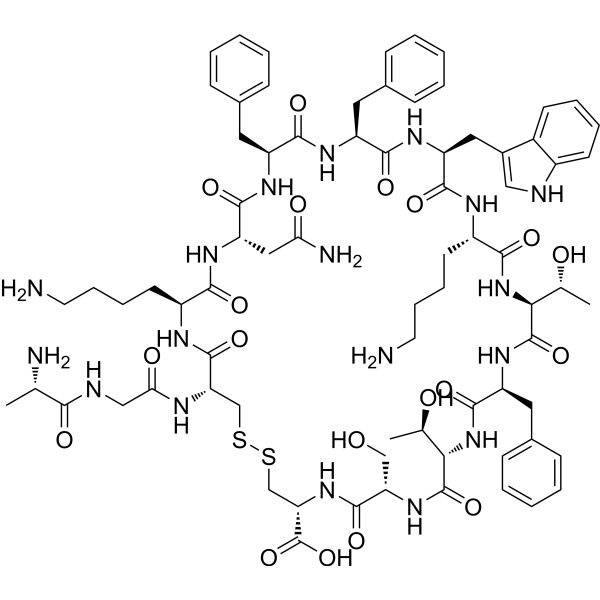
    Cyclic somatostatin (SRIF-14) is a growth hormone-release inhibiting factor used in the research of severe, acute hemorrhages of gastroduodenal ulcers. Cyclic somatostatin is a neuropeptide co-stored with acetylcholine in the cardiac parasympathetic innervation, exerts influences directly on contraction of ventricular cardiomyocytes. Cyclic somatostatin inhibits the contractile response of isoprenaline with an IC50 value of 13 nM. Cyclic somatostatin can be used for the research of cardiovascular disease .
    Cyclic somatostatin
  • HY-111098
    GSK1702934A
    2 Publications Verification

    TRP Channel Cardiovascular Disease
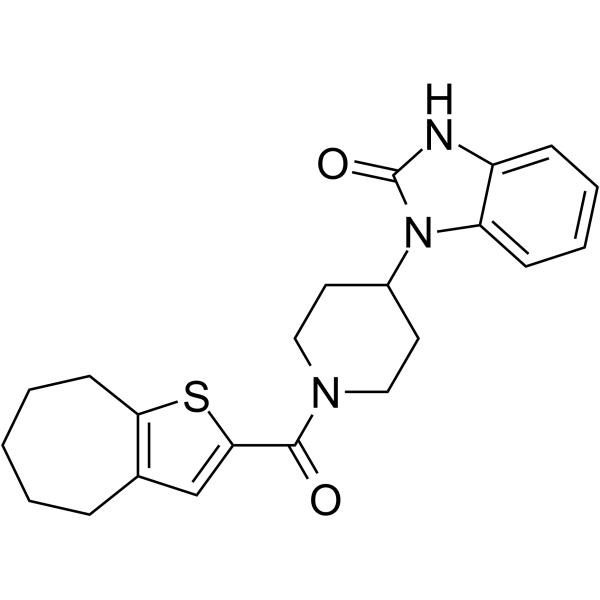
    GSK1702934A is a selective TRPC3 agonist. GSK1702934A modulates cardiac contractility and f arrhythmogenesis by activation of TRPC3 .
    GSK1702934A
  • HY-W016733

    H-D-Cit-OH

    Endogenous Metabolite Cardiovascular Disease
    D-Citrulline (H-D-Cit-OH) is a stereoisomer of L-citrulline (HY-N0391). D-Citrulline significantly attenuates polymorphonuclear leukocyte (PMN)-induced cardiac contractile dysfunction in the isolated perfused rat heart subjected to ischemia/reperfusion via a non-NO-mediated mechanism .
    D-Citrulline
  • HY-159821

    CK-4021586; CK-586

    Myosin Cardiovascular Disease
    Ulacamten (CK-4021586; CK-586) is an orally active cardiac myosin inhibitor and an inhibitor of the double-headed cardiac heavy meromyosin (HMM)ATPase (excluding single-headed myosin subfragment-1), with an EC50 of 2.9 μM. Ulacamten regulates cardiac myosin, reduces excessive myocardial contractility, and alleviates left ventricular outflow tract obstruction. Ulacamten increases the left ventricular short-axis systolic internal diameter, inhibits dobutamine-induced exacerbation of obstruction, and exerts only a mild reducing effect on left ventricular systolic function. Ulacamten also inhibits the fractional shortening of the short axis without altering calcium transients. Ulacamten shows good safety and tolerability in purpose-bred cats with naturally occurring obstructive hypertrophic cardiomyopathy .
    Ulacamten
  • HY-W005255

    Endogenous Metabolite Cardiovascular Disease
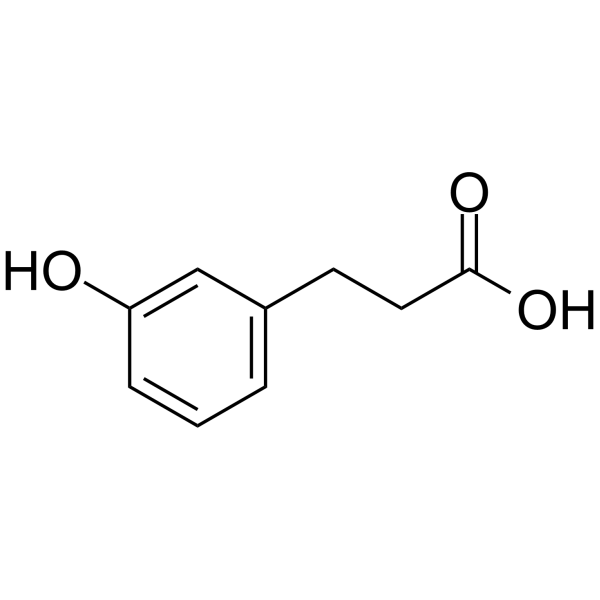
    3-(3-Hydroxyphenyl)propionic acid (3HPPA) is an endothelium-dependent nitric oxide (NO) release promoter and endothelial nitric oxide synthase (eNOS) activator. 3-(3-Hydroxyphenyl)propionic acid activates eNOS to mediate vascular smooth muscle relaxation and enhances endothelial cell NO synthesis, inducing vasodilation and reducing peripheral vascular resistance. 3-(3-Hydroxyphenyl)propionic acid can dose-dependently reduce systolic and diastolic blood pressure in spontaneously hypertensive rats (SHR) without affecting cardiac contractility or heart rate. 3-(3-Hydroxyphenyl)propionic acid has antihypertensive and vascular protective effects and can be used in the prevention and treatment of cardiovascular diseases .
    3-(3-Hydroxyphenyl)propionic acid
  • HY-106844A

    Phosphodiesterase (PDE) Cardiovascular Disease
    (+)-EMD 57033 is a cardiac troponin C (cTnC) activator, is a dominant Ca 2+ sensitizer. (+)-EMD 57033 binds the cardiac/slow skeletal troponin C isoform and exerts myocardial contractile promotion function .
    (+)-EMD 57033
  • HY-147292

    CK-136

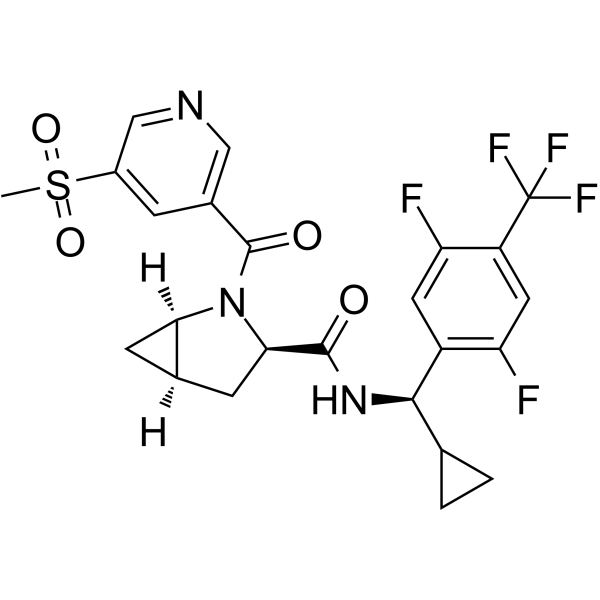
    Calcium Channel Cardiovascular Disease
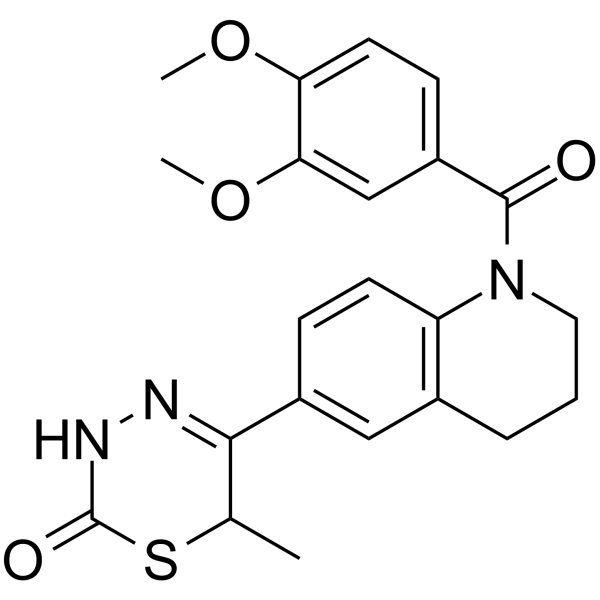
    Nelutroctiv (CK-136) is an orally active and selective cardiac troponin activator. Nelutroctiv activates cardiac sarcomeres by enhancing the sensitivity of troponin to calcium ions and promoting the interaction between actin and myosin. Nelutroctiv enhances cardiac contractility. Nelutroctiv can be used in the researches for cardiovascular diseases with impaired cardiac contractile function .
    Nelutroctiv
  • HY-100634

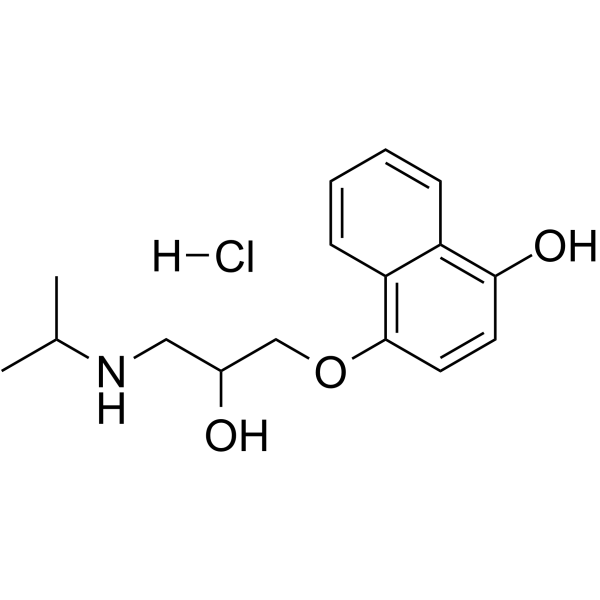
    (±)-4-hydroxy Propranolol hydrochloride

    Adrenergic Receptor Cardiovascular Disease
    4-Hydroxypropranolol hydrochloride is a non-cardiac selective β-adrenergic receptor antagonist and a metabolite produced after oral administration of Propranolol (HY-B0573B). 4-Hydroxypropranolol hydrochloride also acts as a membrane stabilizer and possesses intrinsic sympathomimetic inhibitory activity. 4-Hydroxypropranolol hydrochloride blocks β-adrenergic receptors to antagonize the effects of catecholamines, acts as a partial β-adrenergic receptor agonist, and induces membrane stabilization. 4-Hydroxypropranolol hydrochloride alters heart rate, left ventricular contractility, and atrioventricular conduction time. 4-Hydroxypropranolol hydrochloride can be used in research related to cardiovascular and cerebrovascular diseases .
    4-Hydroxypropranolol hydrochloride
  • HY-119926

    Hydroxylupanine

    Integrin Cardiovascular Disease Neurological Disease
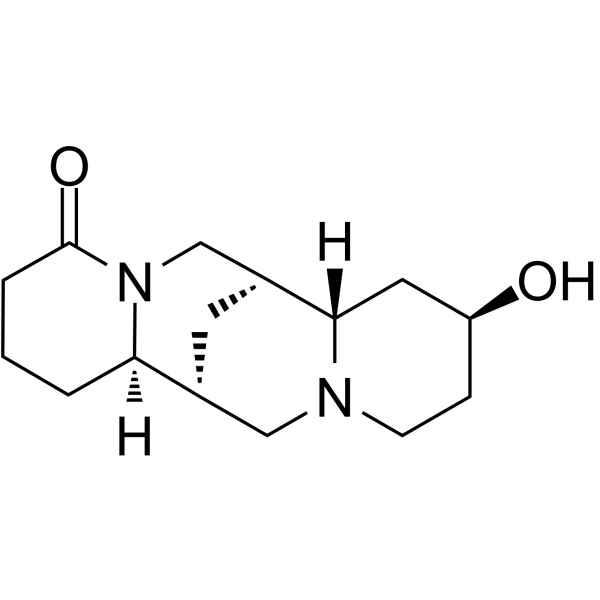
    13-Hydroxylupanine (Hydroxylupanine) is the typical alkaloid profile of sweet lupins.13-Hydroxylupanine blocks ganglionic transmission, decreases cardiac contractility and contracts uterine smooth muscle .
    13-Hydroxylupanine
  • HY-B1233

    2-Amino-6-methylheptane; 1,5-Dimethylhexylamine; 6-Methyl-2-heptylamine

    Dopamine Receptor Others
    Octodrine (2-Amino-6-methylheptane) is a central nervous stimulant that increases the uptake of dopamine and noradrenaline. Octodrine is found to increase the pain threshold, cardiac rate (positive chronotropic effect) and myocardial contractility (positive inotropic effect) .
    Octodrine
  • HY-118960

    ATP Synthase Cardiovascular Disease
    BMS-199264 hydrochloride is an inhibitor of F1F0 ATP hydrolase (IC50=0.5 μM) without inhibitory effect on F1F0 ATP synthase. BMS-199264 hydrochloride selectively inhibits ATP decline during ischemia to reduces cardiac necrosis. BMS-199264 hydrochloride also enhances the recovery of contractile function following reperfusion .
    BMS-199264 hydrochloride
  • HY-A0144A

    Adrenergic Receptor AMPK Akt Cardiovascular Disease
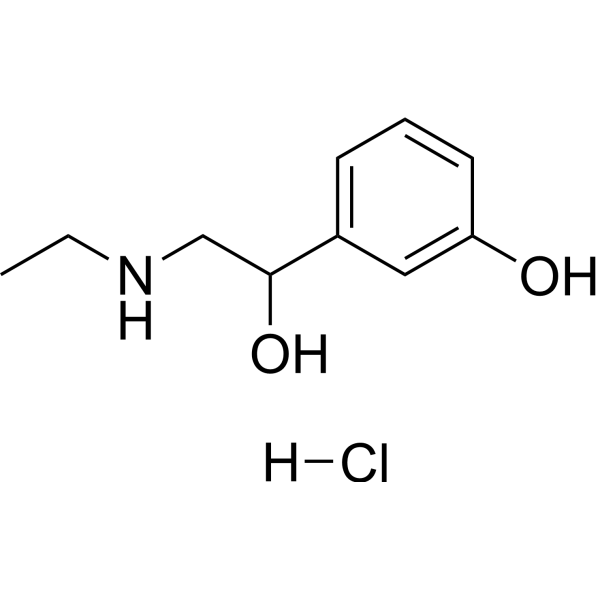
    Etilefrine hydrochloride is a sympathetic nerve agonist and AMPK activator that selectively targets α1/β1 adrenergic receptors. Etilefrine hydrochloride stimulates α1 adrenergic receptors, leading to contraction of vascular smooth muscle and increased peripheral resistance. Etilefrine hydrochloride also stimulates β1 receptors to enhance myocardial contractility and increase heart rate, thereby increasing blood pressure and improving cardiac output. Etilefrine hydrochloride also bidirectionally regulates the AMPK/Akt pathway and modulates the phosphorylation levels. Etilefrine hydrochloride can be used in cardiovascular research, such as postural hypotension, chylothorax, and improving low cardiac output .
    Etilefrine hydrochloride
  • HY-A0144

    Adrenergic Receptor AMPK Akt Cardiovascular Disease
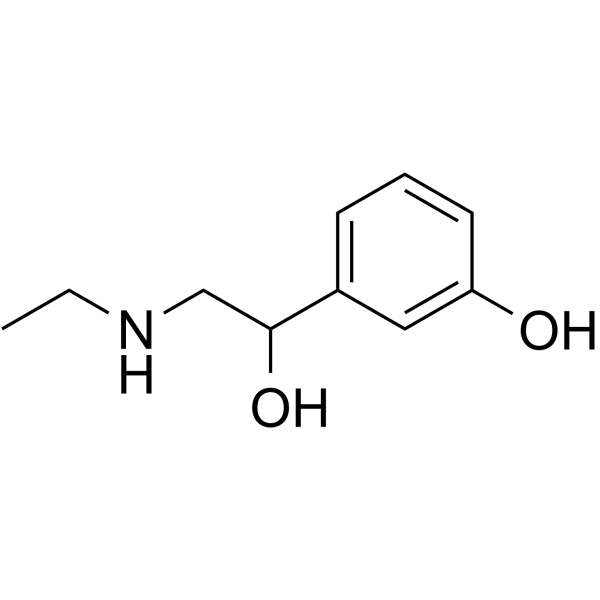
    Etilefrine is a sympathetic nerve agonist and AMPK activator that selectively targets α1/β1 adrenergic receptors. Etilefrine stimulates α1 adrenergic receptors, leading to contraction of vascular smooth muscle and increased peripheral resistance. Etilefrine also stimulates β1 receptors to enhance myocardial contractility and increase heart rate, thereby increasing blood pressure and improving cardiac output. Etilefrine also bidirectionally regulates the AMPK/Akt pathway and modulates the phosphorylation levels. Etilefrine can be used in cardiovascular research, such as postural hypotension, chylothorax, and improving low cardiac output .
    Etilefrine
  • HY-162345

    Calcium Channel Cardiovascular Disease
    CK-963 is an activator for cardiac troponin (cTnC) with Ki of 11.5 μM. CK-963 exhibits activity in enhancing cardiac contractility in Sprague-Dawley rats .
    CK-963
  • HY-14825A

    SVT-40776 D-tartrate

    mAChR Inflammation/Immunology
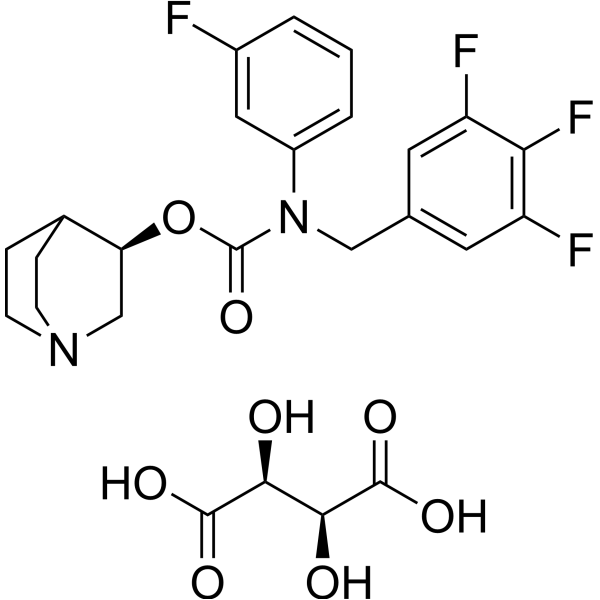
    Tarafenacin (SVT-40776) (D-tartrate) is an orally active, selective M3 muscarinic receptor (M3 muscarinic receptor) antagonist with 203-fold selectivity over the M2 muscarinic receptor. Tarafenacin (D-tartrate) does not affect atrial contraction, arterial blood pressure or arterial pressure at high doses. Tarafenacin (D-tartrate) can be used in the research of overactive bladder .
    Tarafenacin D-tartrate
  • HY-B1233A

    2-Amino-6-methylheptane hydrochloride; 1,5-Dimethylhexylamine hydrochloride; 6-Methyl-2-heptylamine hydrochloride

    Dopamine Receptor Neurological Disease
    Octodrine (2-Amino-6-methylheptane) is a central nervous activator that increases the uptake of dopamine and noradrenaline. Octodrine is found to increase the pain threshold, cardiac rate (positive chronotropic effect) and myocardial contractility (positive inotropic effect) .
    Octodrine hydrochloride
  • HY-16056

    Adrenergic Receptor Cardiovascular Disease
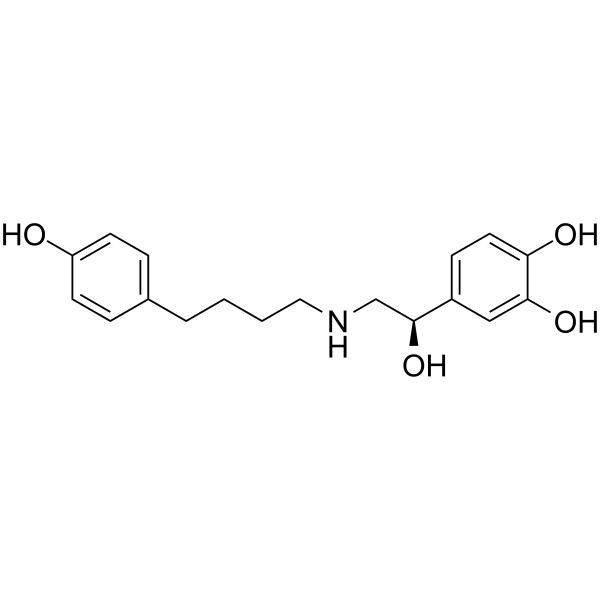
    Arbutamine is a short-acting, potent and nonselective β-adrenoceptor agonist. Arbutamine stimulates cardiac β1-, tracheal β2-, and adiopocyte β3- adrenergic receptors. Arbutamine provides cardiac stress increases heart rate, cardiac contractility, and systolic blood pressure. Arbutamine can be used for cardiac stress agent .
    Arbutamine
  • HY-16056A

    Adrenergic Receptor Cardiovascular Disease
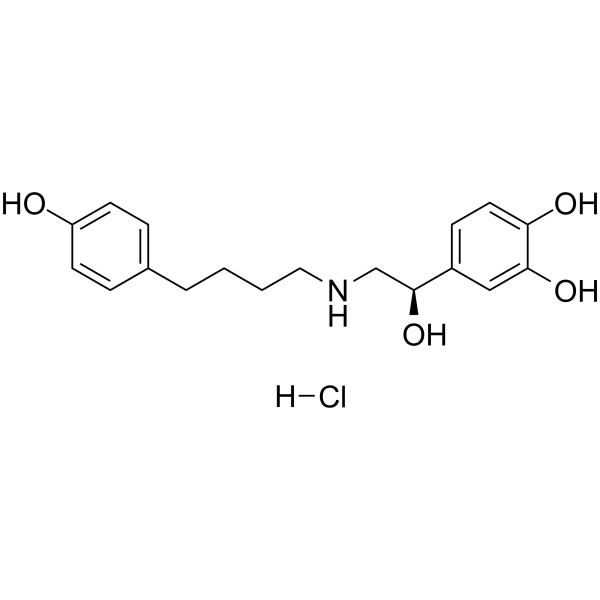
    Arbutamine hydrochloride is a short-acting, potent and nonselective β-adrenoceptor agonist. Arbutamine hydrochloride stimulates cardiac β1-, tracheal β2-, and adiopocyte β3- adrenergic receptors. Arbutamine hydrochloride provides cardiac stress increases heart rate, cardiac contractility, and systolic blood pressure. Arbutamine hydrochloride can be used for cardiac stress agent .
    Arbutamine hydrochloride
  • HY-160076

    Apelin Receptor (APJ) Cardiovascular Disease
    APJ receptor agonist 8 (compound 99) is an agonist of APJ receptor. APJ receptor agonist 8 increases the load independent cardiac contractility of isolated perfused rat hearts .
    APJ receptor agonist 8
  • HY-19020

    Leukotriene Receptor Cardiovascular Disease
    FK-664 is a leukotriene inhibitor. FK-664 enhances ventricular contractility and shortens the time to peak tension in cardiac cells. FK-664 reduces mean circulating pressure (MCP) in a canine model of heart failure. FK-664 can be used in research on cardiovascular diseases such as heart failure .
    FK-664
  • HY-N13747

    Myosin PKC Calcium Channel Cardiovascular Disease
    Chrysosplenol C is a type of flavonoid compound. Chrysosplenol C selectively activates cardiac myosin ATPase, with its EC50 being 45 µM. Chrysosplenol C enhances the release of intracellular calcium ions by activating protein kinase C (PKC), thereby increasing the contractility of rat ventricular muscle cells. Chrysosplenol C can be used in the research of heart failure .
    Chrysosplenol C
  • HY-118960A

    ATP Synthase Cardiovascular Disease
    BMS-199264 is an inhibitor of F1F0 ATP hydrolase (IC50=0.5 μM) without inhibitory effect on F1F0 ATP synthase. BMS-199264 selectively inhibits ATP decline during ischemia to reduces cardiac necrosis. BMS-199264 also enhances the recovery of contractile function following reperfusion .
    BMS-199264
  • HY-P0084A

    SRIF-14 acetate; Somatostatin-14 acetate

    Endogenous Metabolite Cardiovascular Disease Metabolic Disease
    Cyclic somatostatin (SRIF-14) acetate is a growth hormone-release inhibiting factor used in the research of severe, acute hemorrhages of gastroduodenal ulcers. Cyclic somatostatin acetate is a neuropeptide co-stored with acetylcholine in the cardiac parasympathetic innervation, exerts influences directly on contraction of ventricular cardiomyocytes. Cyclic somatostatin acetate inhibits the contractile response of isoprenaline with an IC50 value of 13 nM. Cyclic somatostatin acetate can be used for the research of cardiovascular disease .
    Cyclic somatostatin acetate
  • HY-105431

    Na+/K+ ATPase Cardiovascular Disease
    ASI-222 is an aminosugar cardiac glycoside. ASI-222 can inhibit Na+/K+ ATPase and show positive inotropic effect. ASI-222 can be used for the research of cardiovascular disease .
    ASI-222
  • HY-123659

    Na+/H+ Exchanger (NHE) Apoptosis Cardiovascular Disease Cancer
    KR-33028 is a selective NHE1 inhibitor. KR-33028 reduces hypoxia-induced necrosis and apoptosis in H9c2 cells. KR-33028 inhibits hypoxia-induced increases in cytoplasmic and mitochondrial Ca 2+ levels and cytochrome c release. KR-33028 improves cardiac contractility, reduces lactate dehydrogenase release, and increases tissue ATP, creatine phosphate, and glycogen levels. KR-33028 can be used in research on cancers such as cardioblastoma and cardiovascular diseases such as ischemic stroke .
    KR-33028
  • HY-106049

    Endogenous Metabolite Cardiovascular Disease
    Acrihellin is a type of cardiac-active steroid. Acrihellin can increase the contractility of the left atrium in guinea pigs .
    Acrihellin
  • HY-111018

    Calcium Channel Cardiovascular Disease
    FPL 62129 is an antagonist for calcium channel. FPL 62129 reduces blood pressure and total peripheral resistance, increases the cardiac contractility and cardiac output in anarsthetised beagle model. FPL 62129 also serves as a vasodilator and a direct decelerator .
    FPL 62129
  • HY-120926

    Calcium Channel Others
    BBR 2160 is a compound with cardiac electrophysiological effects and is a dihydropyridine calcium antagonist that can reduce myocardial contractility and action potential duration and has calcium antagonist properties.
    BBR 2160
  • HY-119926A

    Hydroxylupanine hydrochloride

    Others Cardiovascular Disease Neurological Disease
    13-Hydroxylupanine Hydroxylupanine is the typical alkaloid profile of sweet lupins. 13-Hydroxylupanine Hydroxylupanine blocks ganglionic transmission, decreases cardiac contractility and contracts uterine smooth muscle .
    13-Hydroxylupanine hydrochloride
  • HY-P1428A

    Neuropeptide Y Receptor Cardiovascular Disease
    RFRP-1(human) TFA is a potent endogenous NPFF receptor agonist (EC50 values are 0.0011 and 29 nM for NPFF2 and NPFF1, respectively). Attenuates contractile function of isolated rat and rabbit cardiac myocytes. Reduces heart rate, stroke volume, ejection fraction and cardiac output, and increases plasma prolactin levels in rats.
    RFRP-1(human) TFA
  • HY-126763

    Phosphodiesterase (PDE) Calcium Channel Others
    ATI22-107 is a dual-pharmacophore compound designed to simultaneously inhibit cardiac phosphodiesterase (PDE-III) and L-type calcium channels (LTCC), with activity that has specific effects on calcium cycling and contractility in cat ventricular myocytes and trabeculae.
    ATI22-107
  • HY-122364

    Adrenergic Receptor Cardiovascular Disease
    Bucumolol hydrochloride is a β-adrenergic receptor antagonist that can slow heart rate (negative chronotropic effect) and reduce cardiac contractility (negative inotropic effect). Bucumolol hydrochloride has antiarrhythmic and local anesthetic activity and can be used in the study of cardiovascular diseases .
    Bucumolol hydrochloride
  • HY-165045

    DG(15:0/15:0/0:0); 1,2-Dipentadecanoin

    Endogenous Metabolite Others
    1,2-Dipentadecanoyl-rac-glycerol (DG(15:0/15:0/0:0)) is a compound mentioned in the study of the effects of insulin on 1,2-diacylglycerol in rat hearts. Insulin can increase the content of 1,2-diacylglycerol with a specific fatty acid composition in the heart, which may be related to cardiac contractility.
    1,2-Dipentadecanoyl-rac-glycerol
  • HY-106761

    Calcium Channel Cardiovascular Disease Others
    Oxodipine, a dihydropyridine-type calcium antagonist, inhibits KCl-induced aortic contraction in rabbits and reduces cardiac force in less potent rat ventricular test-paper contractions. In rat cultured neonatal ventricular myocytes, Oxodipine reduces L-type Ca currents (I) with an IC50 of 0.24 μM, and against T-type Ca currents (I) with an IC50 of 0.41 μM. Oxodipine causes constipation in mice and gingival hyperplasia in dogs .
    Oxodipine
  • HY-B1116A

    (-)-Metaraminol; (-)-erythro-Metaraminol; (-)-m-Hydroxynorephedrine

    Adrenergic Receptor Neurological Disease
    Metaraminol ((-)-Metaraminol) is a sympathomimetic compound with activity that acts primarily at alpha-1 adrenergic receptors. Metaraminol is used to inhibit hypotension due to vasodilation, particularly in critically ill patients who do not respond well to volume resuscitation. Metaraminol may also be used as an adjunct to help improve cardiac contractility. The use of metaraminol may be supported by less evidence, but its effectiveness in specific situations remains of interest .
    Metaraminol
  • HY-178082

    Others Cardiovascular Disease
    MK-251 is an orally active anti-arrhythmic agent. MK-251 prevents or modifies ventricular arrhythmias induced in dogs and baboons by tetrafluorethylbutylamine. MK-251 antagonizes the arrhythmias caused by Digoxin (HY-B1049) in cats. MK-251 at effective doses has little effect on basic cardiovascular parameters such as blood pressure, cardiac output, myocardial contractility and ventricular conduction, thus demonstrating its unique advantages .
    MK-251
  • HY-A0144AR

    Reference Standards AMPK Adrenergic Receptor Akt Cardiovascular Disease
    Etilefrine hydrochloride (Standard) is the analytical standard of Etilefrine hydrochloride (HY-A0144A). This product is intended for research and analytical applications. Etilefrine hydrochloride is a sympathetic nerve agonist and AMPK activator that selectively targets α1/β1 adrenergic receptors. Etilefrine hydrochloride stimulates α1 adrenergic receptors, leading to contraction of vascular smooth muscle and increased peripheral resistance. Etilefrine hydrochloride also stimulates β1 receptors to enhance myocardial contractility and increase heart rate, thereby increasing blood pressure and improving cardiac output. Etilefrine hydrochloride also bidirectionally regulates the AMPK/Akt pathway and modulates the phosphorylation levels. Etilefrine hydrochloride can be used in cardiovascular research, such as postural hypotension, chylothorax, and improving low cardiac output .
    Etilefrine hydrochloride (Standard)
  • HY-A0144R

    Adrenergic Receptor AMPK Akt Reference Standards Cardiovascular Disease
    Etilefrine (Standard) is the analytical standard of Etilefrine. This product is intended for research and analytical applications. Etilefrine is a sympathetic nerve agonist and AMPK activator that selectively targets α1/β1 adrenergic receptors. Etilefrine stimulates α1 adrenergic receptors, leading to contraction of vascular smooth muscle and increased peripheral resistance. Etilefrine also stimulates β1 receptors to enhance myocardial contractility and increase heart rate, thereby increasing blood pressure and improving cardiac output. Etilefrine also bidirectionally regulates the AMPK/Akt pathway and modulates the phosphorylation levels. Etilefrine can be used in cardiovascular research, such as postural hypotension, chylothorax, and improving low cardiac output .
    Etilefrine (Standard)
  • HY-14825

    SVT-40776

    mAChR Inflammation/Immunology
    Tarafenacin (SVT-40776) is an orally active, selective M3 muscarinic receptor (M3 muscarinic receptor) antagonist with 203-fold selectivity over the M2 muscarinic receptor. Tarafenacin does not affect atrial contraction, arterial blood pressure or arterial pressure at high doses. Tarafenacin can be used in the research of overactive bladder .
    Tarafenacin
  • HY-19091

    Adrenergic Receptor Cardiovascular Disease
    ICI-170777 is an orally active cardiotonic agent. ICI-170777 enhances cardiac contractility and induces arteriovenous dilation in animal models of congestive heart failure. ICI-170777 can be used in research on cardiovascular and cerebrovascular diseases such as heart failure .
    ICI-170777
  • HY-N8421

    Potassium Channel Cardiovascular Disease
    Tabernanthine is a negative chronotropic and negative inotropic agent that selectively acts on sinoatrial node receptors, regulating heart rhythm and myocardial contractility. Tabernanthine exhibits atropine resistance and direct non-cholinergic binding properties, acting directly on the sinoatrial node rather than relying on vagal nerve or cholinergic pathways to exert its key activity of slowing heart rate and weakening myocardial contractility. Tabernanthine is useful in cardiovascular pharmacology research, particularly in the areas of sinoatrial node function regulation, mechanisms related to bradycardia, and studies of cardiac receptor subtype differences .
    Tabernanthine
  • HY-182252

    Na+/Ca2+ Exchanger Cardiovascular Disease
    SAR296968 is a Na +/Ca 2+ exchanger (NCX) subtype inhibitor with an IC50 value of 74 nM against hNCX1. SAR296968 inhibits both forward and reverse modes of NCX current. SAR296968 enhances cardiac contractility and stroke volume. SAR296968 exerts antiarrhythmic effects. SAR296968 is applicable to research related to heart failure .
    SAR296968
  • HY-182599

    Calcium Channel mAChR Neurological Disease
    RCC-36 hydrochloride is an L-type calcium channel inhibitor and competitive muscarinic receptor antagonist. RCC-36 hydrochloride inhibits L-type calcium currents in voltage- and concentration-dependent fashion with no effect on cardiac K + currents. RCC-36 hydrochloride suppresses maximum acetylcholine-induced contractile responses, inhibits detrusor muscle contractions induced by potassium chloride, calcium chloride, and electric field stimulation, including atropine-resistant contractions. RCC-36 hydrochloride can be used for the research of urinary frequency, urinary incontinence, and bladder overactivity .
    RCC-36 hydrochloride

Inquiry Online

Your information is safe with us. * Required Fields.

Salutation


Country or Region *

Applicant Name *


Organization Name *

Department *


Email Address *


Product Name *

Cat. No.


Requested quantity *

Phone Number *


Remarks

Inquiry Online

Inquiry Information

Product Name:
Cat. No.:
Quantity:
MCE Japan Authorized Agent:

