
1. Search Result
Search Result
Pathways Recommended: Stem Cell/Wnt Cell Cycle/DNA Damage
Results for "

cell proliferation assay

" in MedChemExpress (MCE) Product Catalog:

44

Inhibitors & Agonists

1

Screening Libraries

4

Fluorescent Dyes

13

Biochemical Assay Reagents

1

MCE Kits

2

Inhibitory Antibodies

3

Natural
Products

Cat. No. Product Name Target Research Areas Chemical Structure
  • HY-15924
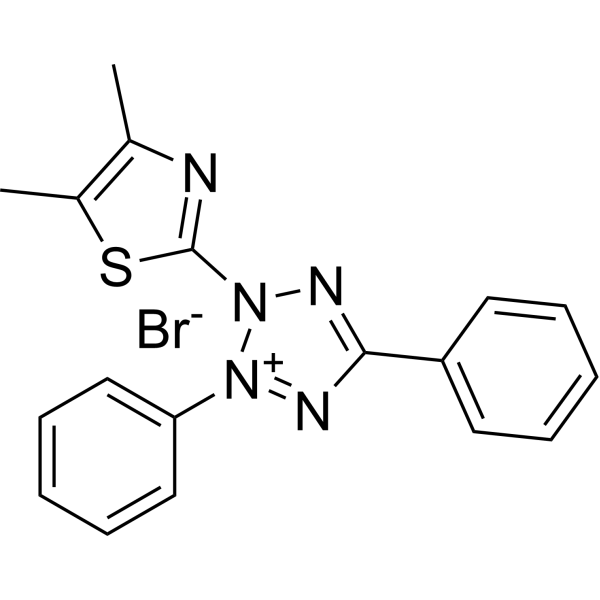
    Thiazolyl Blue
    180+ Cited Publications

    MTT; Thiazolyl Blue Tetrazolium bromide; Methylthiazolyldiphenyl-tetrazolium bromide

    Fluorescent Dye Others
    Thiazolyl Blue (MTT) is a cell-permeable and positively charged tetrazolium dye that is used to detect reductive metabolism in cells. Thiazolyl Blue is taken up by cells through the plasma membrane and then reduced to formazan by intracellular NAD (P) H-oxidoreductases. Thiazolyl Blue is frequently used in colorimetric assays to measure cell proliferation, cytotoxicity, and apoptosis .
    Thiazolyl Blue
  • HY-114778
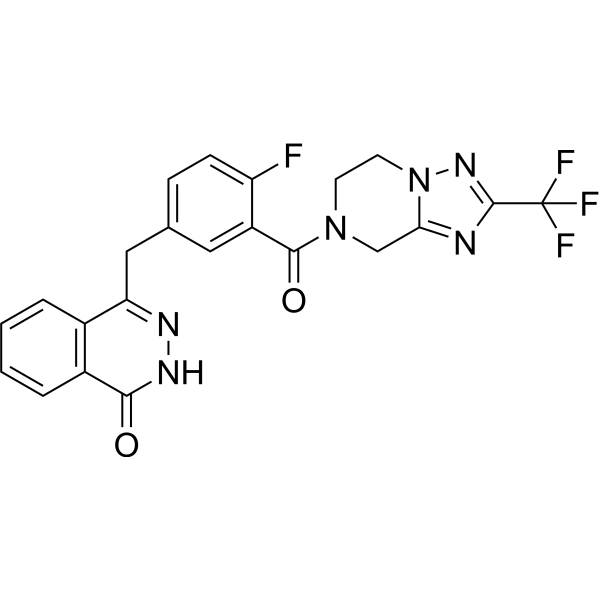
    Fluzoparib
    4 Publications Verification

    SHR3162; Fuzuloparib

    PARP Cancer
    Fluzoparib (SHR3162) is a potent and orally active PARP1 inhibitor (IC50=1.46±0.72 nM, a cell-free enzymatic assay) with superior antitumor activity. Fluzoparib selectively inhibits the proliferation of homologous recombination repair (HR)-deficient cells, and sensitizes both HR-deficient and HR-proficient cells to cytotoxic agents. Fluzoparib exhibits good pharmacokinetic properties in vivo and can be used for BRCA1/2-mutant relapsed ovarian cancer research .
    Fluzoparib
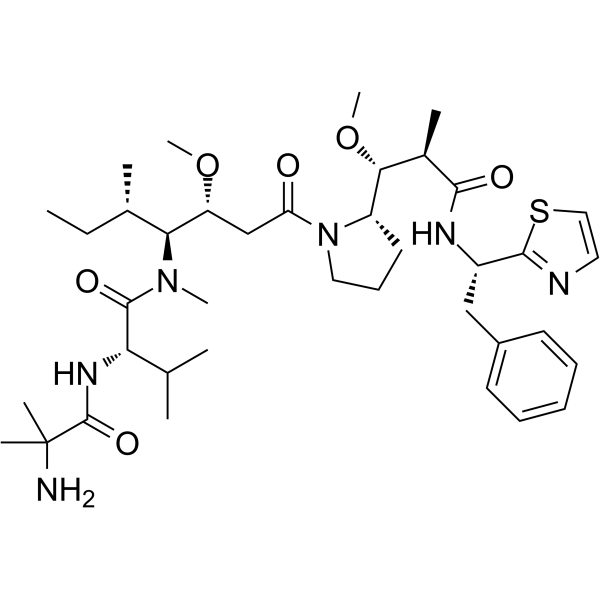
  • HY-12522

    Aur0101; Auristatin-0101

    Microtubule/Tubulin ADC Payload Cancer
    PF-06380101 (Aur0101), an auristatin microtubule inhibitor, is a cytotoxic Dolastatin 10 analogue. PF-06380101 (Aur0101) shows excellent potencies in tumor cell proliferation assays and differential ADME properties when compared to other synthetic auristatin analogues that are used in the preparation of ADCs.
    PF-06380101
  • HY-137006

    Fluorescent Dye Others
    MTT Formazan is a purple water-insoluble product formed by the reduction of yellow soluble MTT by succinate dehydrogenase in the mitochondria of viable cells. The amount of MTT Formazan produced is proportional to cellular metabolic activity, and it can serve as an indicator for evaluating cell viability and proliferation. MTT Formazan exhibits solvent-dependent solubility properties, and its absorbance value can be measured by spectrophotometry to reflect cellular status. MTT Formazan also supports the assessment of cell viability in bacterial MTT assays. MTT Formazan can be used in photoacoustic microscopy to enhance the imaging effect of viable cells, especially in applications in the fields of three-dimensional cell culture and tissue engineering .
    MTT Formazan
  • HY-130254
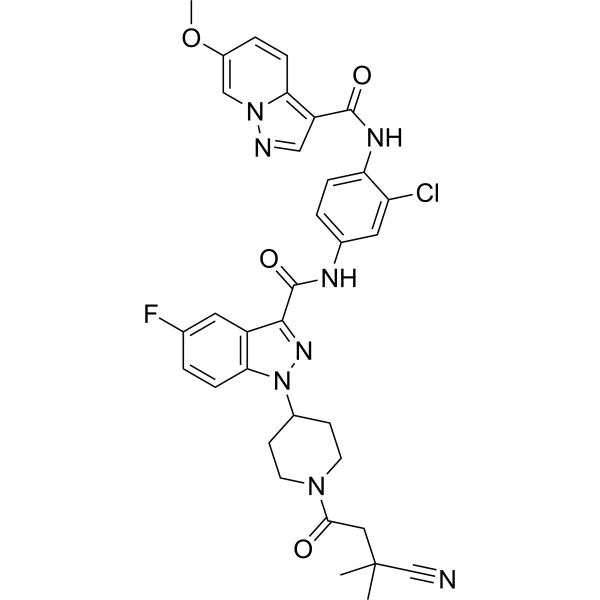
    CSK-IN-1
    3 Publications Verification

    Src Inflammation/Immunology Cancer
    CSK-IN-1 (compound 13) is a potent, orally active c-terminal Src kinase (CSK) with IC50 values below 3 nM and 4 nM in CSK HTRF and Caliper assay, respectively. CSK-IN-1 shows the ability to increase T cell proliferation induced by T cell receptor signaling .
    CSK-IN-1
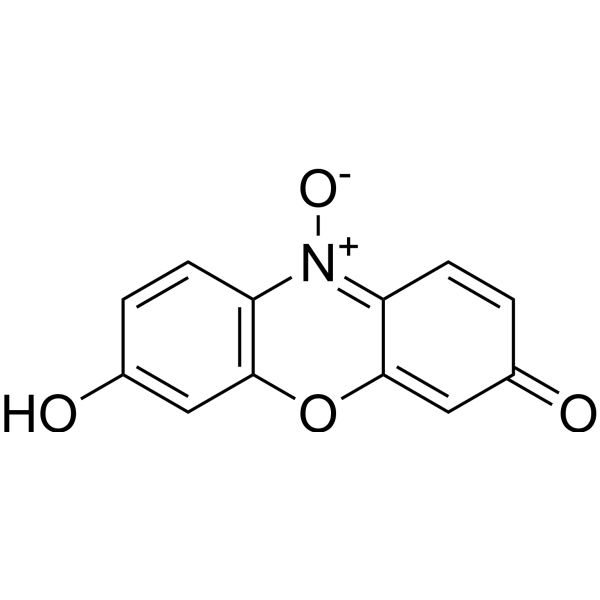
  • HY-118540

    Diazoresorcinol

    Fluorescent Dye Bacterial Infection
    Resazurin (Diazoresorcinol) is a water-soluble, non-toxic, stable, membrane-permeable blue non-fluorescent dye (faintly fluorescent). Resazurin is used as a redox indicator, can be reduced to pink, highly fluorescent Resorufin (Ex=530-560 nm, Em=590 nm) in living cells. Resazurin can be used for the detection of cell viability, toxicity, proliferation, migration and invasion in cells (human, plant and animal, bacterial and fungal) .
    Resazurin
  • HY-119443

    Phosphatase Metabolic Disease
    Neridronate is an aminobisphosphonate. Neridronate induces osteoblast differentiation, enhances alkaline phosphatase activity and mineralized nodule formation. Neridronate inhibits endothelial cell proliferation, fibroblast growth factor-2-induced capillary-like tube formation, and angiogenesis. Neridronate can be used for osteogenesis imperfecta and Paget’s disease of bone .
    Neridronate
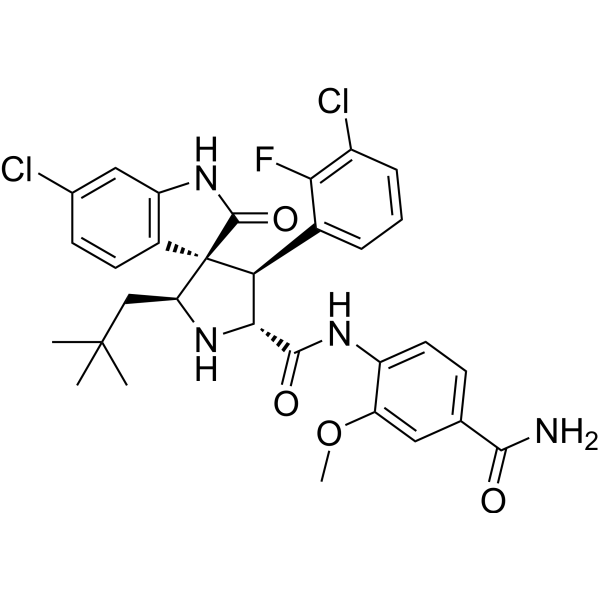
  • HY-16999

    MDM-2/p53 E1/E2/E3 Enzyme Apoptosis Cancer
    RO8994 (Compound 4) is an orally active, highly potent and selective spiroindolinone p53-MDM2 inhibitor with an IC50 value of 5 nM (HTRF binding assays) and 20 nM (MTT proliferation assays). RO8994 induces up-regulation of p53 expression and Apoptosis in wild-type p53 cancer cells. RO8994 also inhibits tumor growth in the tumor xenograft model .
    RO8994
  • HY-147832

    Eukaryotic Initiation Factor (eIF) Cancer
    EIF2α activator 2 (Compound 1) is an activator of eukaryotic initiation factor 2 alpha (eIF2α) phosphorylation. EIF2α activator 2 exhibits high potency in SRB cell proliferation assays (IC50=0.46 μM). EIF2α activator 2 exhibits antiproliferative activity againist K562 and PBMC cells with IC50s of 4.79 and 10.52 μM, respectively .
    EIF2α activator 2
  • HY-155193

    Interleukin Related Inflammation/Immunology
    XY-52 (Compound 32) is a Stimulation-2 (ST2) inhibitor, with an IC50 value of 5.68 μM in AlphaLISA assay, and 4.59 μM in HEK-Blue assay. XY-52 increases proinflammatory T-cell proliferation. XY-52 reduces the plasma sST2 and IFNγ biomarkers in the graft versus host disease (GVHD) mice model .
    XY-52
  • HY-W016582

    Biochemical Assay Reagents Cancer
    Methyl 2-(bromomethyl)acrylate is a biochemical Assay Reagents .Methyl 2-(bromomethyl)acrylate inhibits cell proliferation in breast cancer and pancreatic cancer cells. Methyl 2-(bromomethyl)acrylate can be used for the research of breast cancer and pancreatic cancer .
    Methyl 2-(bromomethyl)acrylate
  • HY-148443

    Eukaryotic Initiation Factor (eIF) Cancer
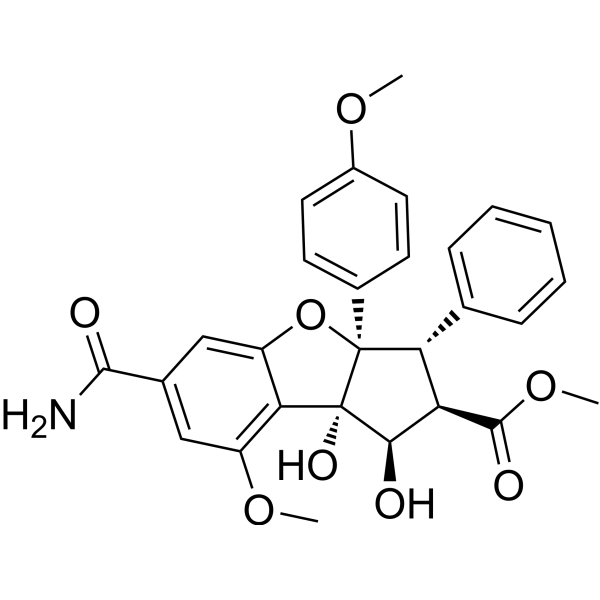
    eIF4A3-IN-9 is a Rocaglate analog. eIF4A3-IN-9 interferes with the assembly of the eIF4F translation complex, with EC50 values of 29 and 450 nM against myc-LUC and tub-LUC, respectively. eIF4A3-IN-9 can be used for the research of tumor pathogenesis .
    eIF4A3-IN-9
  • HY-N8502

    Fluorescent Dye Cancer
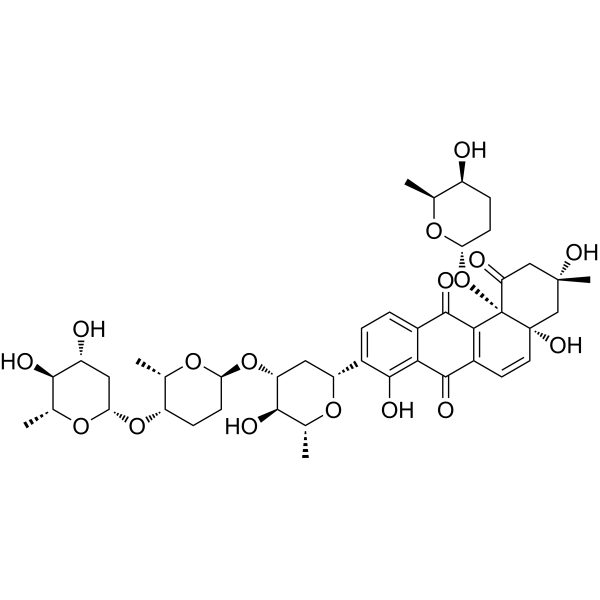
    Urdamycin A (Compound 3b) is an angucycline antibiotic that can be isolated from Streptomyces fradiae. Urdamycin A is an orange indicator with a change of the color to ultramarine blue at pH 7.7. Urdamycin A has anticancer activity with IC50s of 2.4 and 0.55 μg/mL in proliferation and stem cell assays, respectively .
    Urdamycin A
  • HY-169311

    Ras Cancer
    KRAS inhibitor-37 (compound 2) is a potent KRAS inhibitor with KDs of 0.004 nM, 0.041 nM, 0.019 nM and 0.144 nM for KRAS wild type, KRAS G12D, KRAS G12C and KRAS G12V by SPR binding assay, respectively. KRAS inhibitor-37 inhibits cell proliferation with IC50s of <2 nM-14 nM for H358, SW620, PANC08.13 cells, respectively. KRAS inhibitor-37 has the potential for cancer research .
    KRAS inhibitor-37
  • HY-125209A

    Apoptosis PARP DNA/RNA Synthesis Cancer
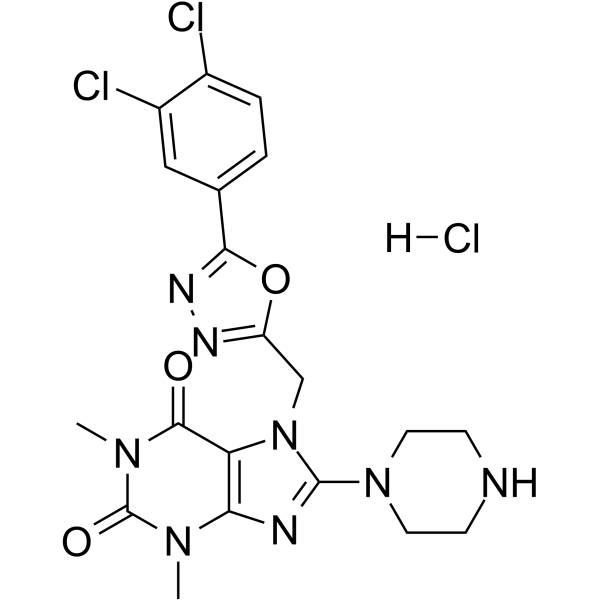
    TH5427 hydrochloride is a NUDT5 inhibitor with a human target IC50 of 29 nM, ~690-fold selectivity over MTH1 in vitro, and selective functional inhibition over other NUDIX hydrolases including NUDT9 .TH5427 hydrochloride binds to the active site of NUDT5, blocking enzymatic activity related to ADP-ribose metabolism and PAR-derived ATP synthesis .TH5427 hydrochloride blocks progestin-dependent nuclear ATP synthesis, impairs progestin-induced chromatin remodeling, inhibits histone H1 displacement, disrupts progestin-dependent gene regulation, and abrogates progestin-dependent proliferation in breast cancer cells .TH5427 hydrochloride functions as a versatile probe to study nuclear ATP dynamics and ADP-ribose-related metabolism in cells .TH5427 hydrochloride engages NUDT5 at physiological temperatures, as demonstrated by Drug Affinity Responsive Target Stability (DARTS) assay .TH5427 hydrochloride stabilizes NUDT5 against thermal denaturation in cell lysates and intact cells, as shown by cellular thermal shift assay (CETSA) .TH5427 hydrochloride functionally inhibits NUDT5 activity, leading to downstream effects on oxidative DNA damage and DNA replication in triple-negative breast cancer (TNBC) cells .TH5427 hydrochloride suppresses proliferation of TNBC cells without inducing cell death or apoptosis, slows DNA replication in TNBC cells, promotes accumulation of oxidative DNA lesions, and triggers DNA damage response in TNBC cells .TH5427 hydrochloride suppresses growth of TNBC cells in vitro, inhibits growth of TNBC xenograft tumors in nude mice in vivo, and shows greater potency against TNBC cell lines compared to ER-positive and normal-like breast cell lines .TH5427 hydrochloride can be used for the research of breast cancer and triple-negative breast cancer .
    TH5427 hydrochloride
  • HY-162360

    Apoptosis EGFR Caspase Bcl-2 Family Cancer
    EGFR-IN-109 (compound 4) is an EGFR inhibitor, with the IC50 values of 25.8 and 182.3 nM for EGFR WT and EGFR T790M, respectively. EGFR-IN-109 arrests the cancer cells’ growth at the G2/M phase and induces both early and late apoptosis. EGFR-IN-109 can be used in cancer research .
    EGFR-IN-109
  • HY-145499

    Fluorescent Dye Others
    XTT is a cell-impermeable, negatively charged tetrazolium dye that produces a water-soluble formazan when reduced at the cell surface by cellular-derived NADH and an electron mediator. It is frequently used in colorimetric assays to measure cell proliferation, cytotoxicity, and apoptosis.
    XTT sodium hydrate
  • HY-155149

    Methionine Adenosyltransferase (MAT) Cancer
    MAT2A Allosteric inhibitor 2 is a potent and selective MAT2A allosteric inhibitor with an IC50 of 5 nM. MAT2A Allosteric inhibitor 2 shows nanomolar activity (IC50=5 μM) in the the proliferation assay (MTAP -/- cell line) .
    MAT2A-IN-12
  • HY-149005

    Histone Methyltransferase Cancer
    PRMT5-IN-19 (Compound 41) is an selective orally active non-nucleoside PRMT5 inhibitor with IC50 values of 23.9 nM (radioactive biochemical assay) and 47 nM (AlphaLISA assay). PRMT5-IN-19 can occupy the SAM-binding pocket in PRMT5 and block methyltransferase activity, which displays good selectivity over other PRMTs and PKMTs. PRMT5-IN-19 inhibits cell proliferation by inducing cell apoptosis, and can be used for cancer-related research .
    PRMT5-IN-19
  • HY-115747

    Histone Demethylase Cancer
    Namoline, a γ-pyrone, is a selective and reversible Lysine-specific demethylase 1 (LSD1) inhibitor with an IC50 of 51 μM in a HRP-coupled enzymatic assay. Namoline impairs LSD1 demethylase activity and blocks cell proliferation. Namoline has the potential for androgen-dependent prostate cancer research .
    Namoline
  • HY-NP0241D

    Chick cyanogen bromide digested peptide 12

    Biochemical Assay Reagents Inflammation/Immunology
    Chick CB12 of type II collagen (Chick cyanogen bromide digested peptide 12) is a cyanobromide digested peptide (CB-peptide) fragment of type II collagen, which can be used to study B cell and T cell epitopes of type II collagen. This product is pepsin-free, making it ideal for studying T cell epitope specificity through proliferation assays. Chick CB12 of type II collagen can also be used as an antigen for analyzing antibody epitope specificity via ELISA .
    Chick CB12 of type II collagen
  • HY-134997

    4-oxo DHA

    PPAR Cancer
    4-oxo Docosahexaenoic acid (4-oxo DHA) is a putative metabolite of Docosahexaenoic acid (HY-B2167) with antiproliferative and PPARγ agonist activity. It inhibits the growth of several triple negative breast cancer cell lines (MCF-10F, trMCF, bsMCF, MDA-MB-231, and BT549) at 50-100 μM, however it increased proliferation of MCF-7 cells. 4-oxo DHA binds covalently to PPARγ and activates gene transcription in luciferase reporter assays and in dendritic cells with EC50 values of approximately 8-16 μM.
    4-Oxo Docosahexaenoic Acid
  • HY-153259

    TNK1 PARP Cancer
    TNKS1/2-IN-2 (Compound 21) is a potent and selective tankyrases inhibitor. TNKS1/2-IN-2 exhibits IC50 values of 4 nM and 63 nM against TNK1 and TNK2 in the enzymatic assay, respectively. TNKS1/2-IN-2 inhibits proliferation of A549 and H292 cell lines with IC50 values of 39.5 nM and 12.8 nM, respectively. TNKS1/2-IN-2 can be used for the research of cancer .
    TNKS1/2-IN-2
  • HY-162103

    TAM Receptor Apoptosis Cancer
    Axl-IN-18 (compound 25c) is a potent and selective type II AXL inhibitor. Axl-IN-18 shows excellent AXL inhibitory activity (IC50=1.1 nM) and 343-fold selectivity over the highly homologous kinase MET in biochemical assays (IC50=377 nM). Axl-IN-18 significantly inhibits AXL-driven cell proliferation, dose-dependently suppresses 4T1 cell migration and invasion, and induces apoptosis. Axl-IN-18 shows noticeable antitumor efficacy in a BaF3/TEL-AXL xenograft model .
    Axl-IN-18
  • HY-175326

    SOS1 Cancer
    SOS1-IN-21 is an orally active inhibitor of son of Sevenless 1 (SOS1) with an IC50 of 15 nM. SOS1 is a guanine nucleotide exchange factor (GEF) that activates KRAS by facilitating the exchange of GDP for GTP. SOS1-IN-21 exhibits potent antiproliferative activity, with IC50 values of 16 nM in NCI-H358 and 17 nM in Mia Paca-2 cell proliferation assays. SOS1-IN-21 exhibits significant antitumor activity in the Mia Paca-2 xenograft model. SOS1-IN-21 can be used for the study of KRAS mutant tumors, such as pancreatic cancer .
    SOS1-IN-21
  • HY-16964

    Lactate Dehydrogenase Cancer
    LDHA-IN-1 (Compound 1j) is a selective, competitive LDH-A inhibitor, with Ki values of 8.9 μM (NADH assay) and 4.7 μM (Pyruvate assay) against hLDH-A. LDHA-IN-1 inhibits cancer cell proliferation under hypoxic conditions. LDHA-IN-1 can be used in the research of ovarian cancer, colorectal cancer, mesothelioma and pancreatic cancer .
    LDHA-IN-1
  • HY-DY1086

    MTT (solution); Thiazolyl Blue Tetrazolium bromide (solution); Methylthiazolyldiphenyl-tetrazolium bromide (solution)

    Fluorescent Dye Others
    Thiazolyl Blue (solution) (MTT (solution)) is a cell-permeable and positively charged tetrazolium dye that is used to detect reductive metabolism in cells. Thiazolyl Blue is taken up by cells through the plasma membrane and then reduced to formazan by intracellular NAD (P) H-oxidoreductases. Thiazolyl Blue is frequently used in colorimetric assays to measure cell proliferation, cytotoxicity, and apoptosis .
    Solvent and concentration: PBS: 5 mg/mL
    Thiazolyl Blue (solution)
  • HY-N19296

    Drug Derivative Cancer
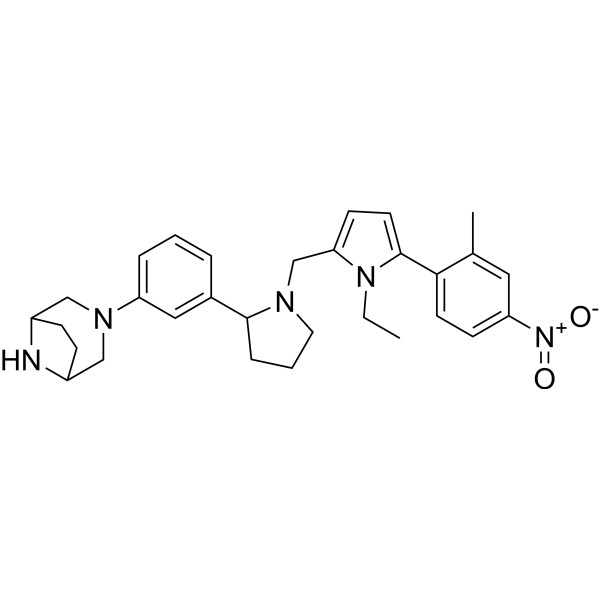
    Blapsin B is a potent 14-3-3 inhibitor and a naturally occurring compound from Blaps japanensis. Blapsin B potently inhibits 14-3-3 protein-protein interactions (PPIs) with an IC50 value of 10.0 μM in the ELISA assay and 2.5 μM in the FP assay, respectively. Blapsin B modulates signaling pathways involved in cell proliferation and transformation. Blapsin B can be used for cancer research .
    Blapsin B
  • HY-N0990

    Others Cancer
    1,5,15-Trimethylmorindol is an anthraquinone isolated from the leaves of Morinda citrifolia. 1,5,15- trimethylmorindol (25 μg/mL) does not show significant cytotoxic activity on the human T-cell leukemia cell line, Jurkat, by itself but it shows cytotoxicity (IC50 14.5-15.0 μg/mL) when combined with 0.5-1.5 μg/mL of TRAIL in the cell proliferation assay .
    1,5,15-Trimethylmorindol
  • HY-NP0243

    Mouse cyanogen bromide digested peptide 8

    Biochemical Assay Reagents Inflammation/Immunology
    Mouse CB8 of type II collagen (Mouse cyanogen bromide digested peptide 8) is a cyanobromide digested peptide (CB-peptide) fragment of type II collagen, which can be used to study B cell and T cell epitopes of type II collagen. This product is pepsin-free, making it ideal for studying T cell epitope specificity through proliferation assays. Mouse CB8 of type II collagen can also be used as an antigen for analyzing antibody epitope specificity via ELISA .
    Mouse CB8 of type II collagen
  • HY-NP0243B

    Mouse cyanogen bromide digested peptide 11

    Biochemical Assay Reagents Inflammation/Immunology
    Mouse CB11 of type II collagen (Mouse cyanogen bromide digested peptide 11) is a cyanobromide digested peptide (CB-peptide) fragment of type II collagen, which can be used to study B cell and T cell epitopes of type II collagen. This product is pepsin-free, making it ideal for studying T cell epitope specificity through proliferation assays. Mouse CB11 of type II collagen can also be used as an antigen for analyzing antibody epitope specificity via ELISA .
    Mouse CB11 of type II collagen
  • HY-NP0241B

    Chick cyanogen bromide digested peptide 10

    Biochemical Assay Reagents Inflammation/Immunology
    Chick CB10 of type II collagen (Chick cyanogen bromide digested peptide 10) is a cyanobromide digested peptide (CB-peptide) fragment of type II collagen, which can be used to study B cell and T cell epitopes of type II collagen. This product is pepsin-free, making it ideal for studying T cell epitope specificity through proliferation assays. Chick CB10 of type II collagen can also be used as an antigen for analyzing antibody epitope specificity via ELISA .
    Chick CB10 of type II collagen
  • HY-NP0240

    Bovine cyanogen bromide digested peptide 8

    Biochemical Assay Reagents Inflammation/Immunology
    Bovine CB8 of type II collagen (Bovine cyanogen bromide digested peptide 8) is a cyanobromide digested peptide (CB-peptide) fragment of type II collagen, which can be used to study B cell and T cell epitopes of type II collagen. This product is pepsin-free, making it ideal for studying T cell epitope specificity through proliferation assays. Bovine CB8 of type II collagen can also be used as an antigen for analyzing antibody epitope specificity via ELISA .
    Bovine CB8 of type II collagen
  • HY-NP0240D

    Bovine cyanogen bromide digested peptide 12

    Biochemical Assay Reagents Inflammation/Immunology
    Bovine CB12 of type II collagen (Bovine cyanogen bromide digested peptide 12) is a cyanobromide digested peptide (CB-peptide) fragment of type II collagen, which can be used to study B cell and T cell epitopes of type II collagen. This product is pepsin-free, making it ideal for studying T cell epitope specificity through proliferation assays. Bovine CB12 of type II collagen can also be used as an antigen for analyzing antibody epitope specificity via ELISA .
    Bovine CB12 of type II collagen
  • HY-NP0241C

    Chick Cyanogen bromide digested peptide 11

    Biochemical Assay Reagents Inflammation/Immunology
    Chick CB11 of type II collagen (Chick cyanogen bromide digested peptide 11) is a cyanobromide digested peptide (CB-peptide) fragment of type II collagen, which can be used to study B cell and T cell epitopes of type II collagen. This product is pepsin-free, making it ideal for studying T cell epitope specificity through proliferation assays. Chick CB11 of type II collagen can also be used as an antigen for analyzing antibody epitope specificity via ELISA .
    Chick CB11 of type II collagen
  • HY-NP0243A

    Mouse cyanogen bromide digested peptide 10

    Biochemical Assay Reagents Inflammation/Immunology
    Mouse CB10 of type II collagen (Mouse cyanogen bromide digested peptide 10) is a cyanobromide digested peptide (CB-peptide) fragment of type II collagen, which can be used to study B cell and T cell epitopes of type II collagen. This product is pepsin-free, making it ideal for studying T cell epitope specificity through proliferation assays. Mouse CB10 of type II collagen can also be used as an antigen for analyzing antibody epitope specificity via ELISA .
    Mouse CB10 of type II collagen
  • HY-NP0241A

    Chick cyanogen bromide digested peptide 9

    Biochemical Assay Reagents Inflammation/Immunology
    Chick CB9 of type II collagen (Chick cyanogen bromide digested peptide 9) is a cyanobromide digested peptide (CB-peptide) fragment of type II collagen, which can be used to study B cell and T cell epitopes of type II collagen. This product is pepsin-free, making it ideal for studying T cell epitope specificity through proliferation assays. Chick CB9 of type II collagen can also be used as an antigen for analyzing antibody epitope specificity via ELISA .
    Chick CB9 of type II collagen
  • HY-NP0241

    Chick cyanogen bromide digested peptide 8

    Biochemical Assay Reagents Inflammation/Immunology
    Chick CB8 of type II collagen (Chick cyanogen bromide digested peptide 8) is a cyanobromide digested peptide (CB-peptide) fragment of type II collagen, which can be used to study B cell and T cell epitopes of type II collagen. This product is pepsin-free, making it ideal for studying T cell epitope specificity through proliferation assays. Chick CB8 of type II collagen can also be used as an antigen for analyzing antibody epitope specificity via ELISA .
    Chick CB8 of type II collagen
  • HY-NP0240B

    Bovine cyanogen bromide digested peptide 10

    Biochemical Assay Reagents Inflammation/Immunology
    Bovine CB10 of type II collagen (Bovine cyanogen bromide digested peptide 10) is a cyanobromide digested peptide (CB-peptide) fragment of type II collagen, which can be used to study B cell and T cell epitopes of type II collagen. This product is pepsin-free, making it ideal for studying T cell epitope specificity through proliferation assays. Bovine CB10 of type II collagen can also be used as an antigen for analyzing antibody epitope specificity via ELISA .
    Bovine CB10 of type II collagen
  • HY-NP0240C

    Bovine cyanogen bromide digested peptide 11

    Biochemical Assay Reagents Inflammation/Immunology
    Bovine CB11 of type II collagen (Bovine cyanogen bromide digested peptide 11) is a cyanobromide digested peptide (CB-peptide) fragment of type II collagen, which can be used to study B cell and T cell epitopes of type II collagen. This product is pepsin-free, making it ideal for studying T cell epitope specificity through proliferation assays. Bovine CB11 of type II collagen can also be used as an antigen for analyzing antibody epitope specificity via ELISA .
    Bovine CB11 of type II collagen
  • HY-NP0240A

    Bovine cyanogen bromide digested peptide 9.7

    Biochemical Assay Reagents Inflammation/Immunology
    Bovine CB9.7 of type II collagen (Bovine cyanogen bromide digested peptide 9.7) is a cyanobromide digested peptide (CB-peptide) fragment of type II collagen, which can be used to study B cell and T cell epitopes of type II collagen. This product is pepsin-free, making it ideal for studying T cell epitope specificity through proliferation assays. Bovine CB9.7 of type II collagen can also be used as an antigen for analyzing antibody epitope specificity via ELISA .
    Bovine CB9.7 of type II collagen
  • HY-181776

    c-Met/HGFR VEGFR EGFR Cancer
    c-Met-IN-31 is a c-Met inhibitor with an IC50 value of 0.021 μM. c-Met-IN-31 also inhibits VEGFR-2 and EGFR activities, with IC50 values ​​of 0.32 μM and 9.3 μM, respectively. c-Met-IN-31 inhibits cancer cell proliferation. c-Met-IN-31 suppresses neovascularization in the chick chorioallantoic membrane (CAM) assay, exhibiting in vivo anti-angiogenic activity. c-Met-IN-31 can be used in research related to breast cancer and lung cancer .
    c-Met-IN-31
  • HY-P992372

    Drug Derivative Transmembrane Glycoprotein Cancer
    huAA98 is a humanized monoclonal antibody and also a CD146 inhibitor. huAA98 binds to human CD146, regulates its activity and inhibits cancer-related angiogenesis, as well as tube formation, motility, proliferation and migration of endothelial cells. huAA98 inhibits angiogenesis in the chick chorioallantoic membrane assay and reduces microvessel density in human tumor xenograft models. huAA98 shows immunoreactivity only to neovascular vessels within tumors and inhibits the growth of tumor xenograft models. huAA98 can be used in studies related to cancer-related angiogenesis, liver cancer, leiomyosarcoma and pancreatic cancer .
    huAA98
  • HY-182355

    Methylenetetrahydrofolate Dehydrogenase (MTHFD) Cancer
    MTHFD2-IN-7 is an orally active, selective MTHFD2 inhibitor with IC50 values of 0.038 μM and 7.44 μM against human hMTHFD1 and hMTHFD2, respectively. MTHFD2-IN-7 exerts its function by binding to the substrate-binding site of MTHFD2 and maintaining interactions with NAD+. Verified by TSA and DARTS assays, MTHFD2-IN-7 not only binds effectively to the target protein, but also possesses Caco-2 permeability and liver microsomal metabolic stability. MTHFD2-IN-7 exhibits favorable pharmacokinetic properties in mice. MTHFD2-IN-7 also significantly inhibits cancer cell proliferation and reduces tumor volume, and serves as a promising small-molecule tool for acute myeloid leukemia research .
    MTHFD2-IN-7

Inquiry Online

Your information is safe with us. * Required Fields.

Salutation


Country or Region *

Applicant Name *


Organization Name *

Department *


Email Address *


Product Name *

Cat. No.


Requested quantity *

Phone Number *


Remarks

Inquiry Online

Inquiry Information

Product Name:
Cat. No.:
Quantity:
MCE Japan Authorized Agent:

