
1. Search Result
Search Result
Results for "

cholangiocarcinoma

" in MedChemExpress (MCE) Product Catalog:

48

Inhibitors & Agonists

1

Biochemical Assay Reagents

1

MCE Kits

3

Inhibitory Antibodies

10

Natural
Products

4

Isotope-Labeled Compounds

Cat. No. Product Name Target Research Areas Chemical Structure
  • HY-109099
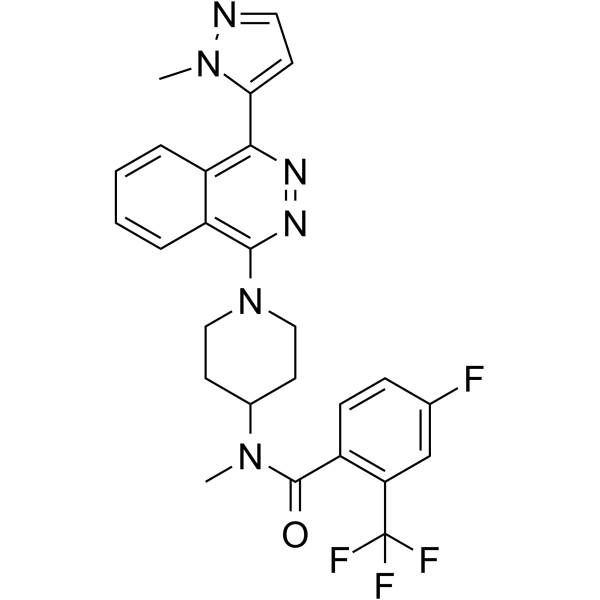
    Pemigatinib
    Maximum Cited Publications
    21 Publications Verification

    INCB054828

    FGFR Cancer
    Pemigatinib (INCB054828) is an orally active, selective FGFR inhibitor with IC50s of 0.4 nM, 0.5 nM, 1.2 nM, 30 nM for FGFR1, FGFR2, FGFR3, FGFR4, respectively. Pemigatinib has the potential for cholangiocarcinoma .
    Pemigatinib
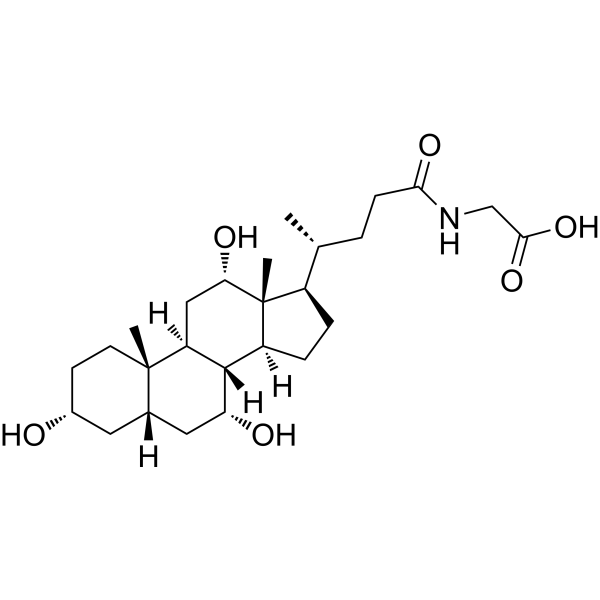
  • HY-N1423
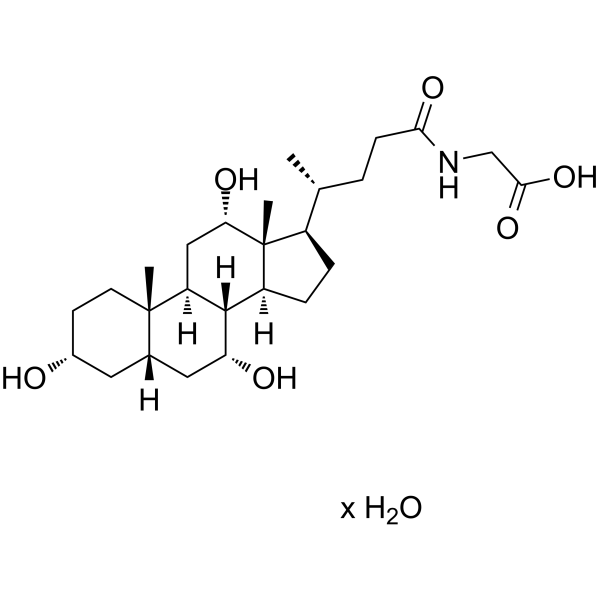
    Glycocholic acid
    3 Publications Verification

    P-glycoprotein Bcl-2 Family G protein-coupled Bile Acid Receptor 1 Endogenous Metabolite Bacterial Apoptosis FXR Caspase MDM-2/p53 LPL Receptor Metabolic Disease Inflammation/Immunology Cancer
    Glycocholic acid is a bile acid derivative. Glycocholic acid downregulates MDR1, Bcl-2, MRP1, MRP2 and FXR, upregulates Bax, p53, caspase-9, caspase-3, TGR5 and S1PR2. Glycocholic acid inhibits multidrug resistance and efflux pumps, induces mitochondrial apoptosis, and enhances chemosensitivity. Glycocholic acid modulates related bile acid receptor signaling. Glycocholic acid suppresses growth and conjugation of Enterobacteriaceae and increases their antibiotic susceptibility. Glycocholic acid can be used for the research of colon adenocarcinoma and cholangiocarcinoma (CCA) .
    Glycocholic acid
  • HY-W040129
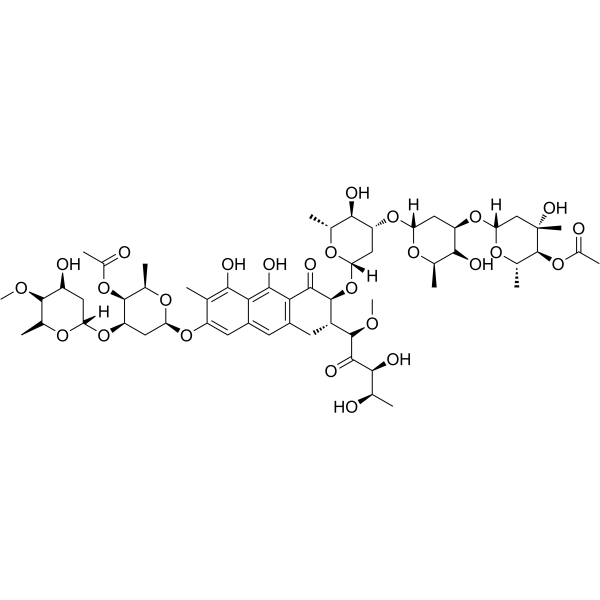
    Chromomycin A3
    1 Publications Verification

    DNA Alkylator/Crosslinker DNA/RNA Synthesis Apoptosis Caspase Infection Neurological Disease Cancer
    Chromomycin A3 is an inhibitor that selectively binds to GC-rich DNA sequences. Chromomycin A3 targets the DNA minor groove after forming a dimer with Mg 2+. Chromomycin A3 inhibits DNA replication and transcription, blocks the binding of Sp1 transcription factor to target gene promoters, downregulates the expression of anti-apoptotic proteins such as FLIP, Mcl-1, and XIAP, and induces S-phase cycle arrest and caspase-dependent apoptosis in tumor cells. Chromomycin A3 can antagonize oxidative stress induced by glutathione depletion and neuronal apoptosis induced by Camptothecin (HY-15660). Chromomycin A3 can be used in basic research on malignant tumors such as cholangiocarcinoma, and is a potential chemosensitizer and GC-rich region probe .
    Chromomycin A3
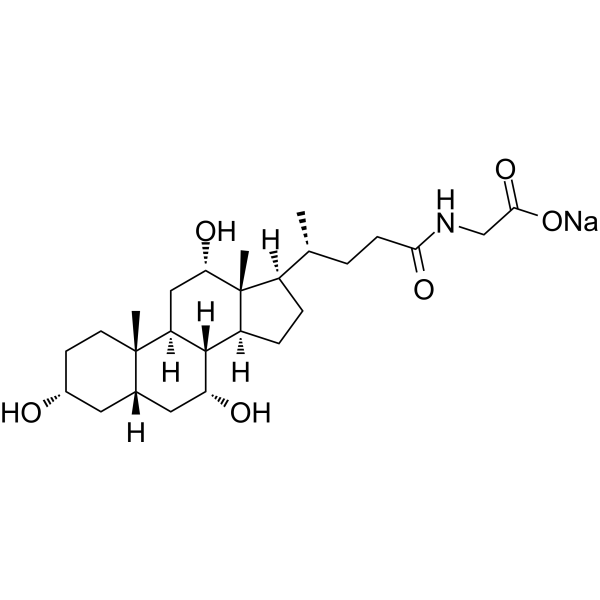
  • HY-N1423A
    Glycocholic acid sodium
    3 Publications Verification

    P-glycoprotein Bcl-2 Family G protein-coupled Bile Acid Receptor 1 Bacterial Apoptosis FXR Caspase MDM-2/p53 LPL Receptor Endogenous Metabolite Metabolic Disease Cancer
    Glycocholic acid sodium is a bile acid derivative. Glycocholic acid downregulates MDR1, Bcl-2, MRP1, MRP2 and FXR, upregulates Bax, p53, caspase-9, caspase-3, TGR5 and S1PR2. Glycocholic acid sodium inhibits multidrug resistance and efflux pumps, induces mitochondrial apoptosis, and enhances chemosensitivity. Glycocholic acid sodium modulates related bile acid receptor signaling. Glycocholic acid sodium suppresses growth and conjugation of Enterobacteriaceae and increases their antibiotic susceptibility. Glycocholic acid sodium can be used for the research of colon adenocarcinoma and cholangiocarcinoma (CCA) .
    Glycocholic acid sodium
  • HY-N1423S

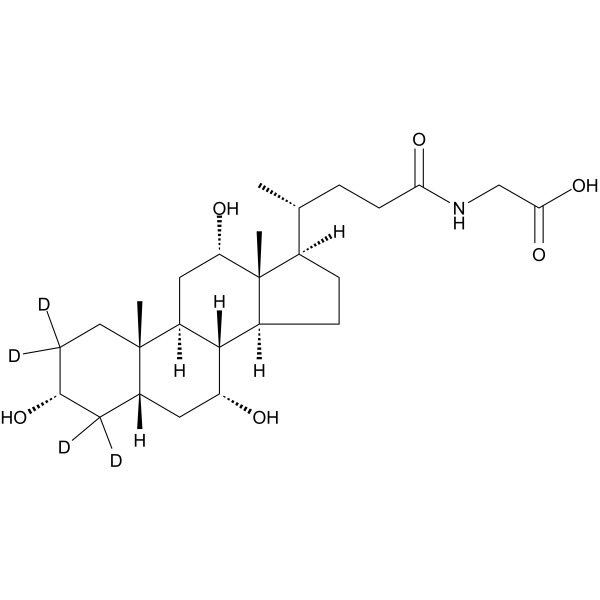
    Isotope-Labeled Compounds P-glycoprotein Bcl-2 Family G protein-coupled Bile Acid Receptor 1 Endogenous Metabolite Bacterial Apoptosis FXR Caspase MDM-2/p53 LPL Receptor Metabolic Disease Cancer
    Glycocholic acid-d4 is the deuterium labeled Glycocholic acid (HY-N1423). Glycocholic acid is a bile acid derivative. Glycocholic acid downregulates MDR1, Bcl-2, MRP1, MRP2 and FXR, upregulates Bax, p53, caspase-9, caspase-3, TGR5 and S1PR2. Glycocholic acid inhibits multidrug resistance and efflux pumps, induces mitochondrial apoptosis, and enhances chemosensitivity. Glycocholic acid modulates related bile acid receptor signaling. Glycocholic acid suppresses growth and conjugation of Enterobacteriaceae and increases their antibiotic susceptibility. Glycocholic acid can be used for the research of colon adenocarcinoma and cholangiocarcinoma (CCA).
    Glycocholic acid-d4
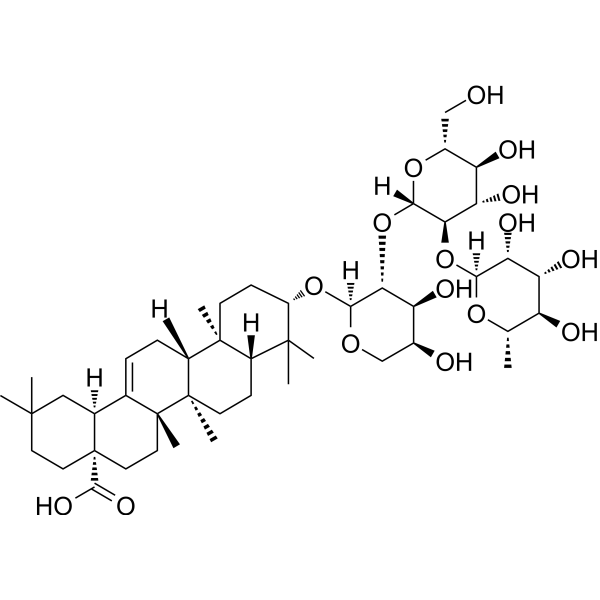
  • HY-N0819
    Raddeanin A
    1 Publications Verification

    Apoptosis PI3K Akt ERK mTOR Wnt β-catenin Wee1 JNK VEGFR CDK Neurological Disease Inflammation/Immunology Cancer
    Raddeanin A is an oleanane-type triterpenoid saponin with oral activity. Raddeanin A inhibits SRC, mTOR, JNK, VEGFR2, NLRP3 inflammasome, Wnt/β-catenin, Wee1, PI3K/AKT signaling pathway, MAPK/ERK signaling pathway, AR-FL, AR-Vs, and downregulates the expression of p-PI3K and p-AKT. Raddeanin A inhibits osteoclast formation, bone resorption, osteolysis, cancer cell invasion, migration, proliferation, angiogenesis and epithelial-mesenchymal transition, while induces apoptosis, cell cycle arrest, ROS production, immunogenic cell death and dendritic cell maturation. Raddeanin A improves blood-retinal barrier function, alleviates inflammation, regulates the tumor microenvironment, and enhances the activity of anti-PD-1 antibody. Raddeanin A is applicable to the research of breast cancer-associated osteolysis, human osteosarcoma, colorectal cancer, glioblastoma, Alzheimer's disease, cholangiocarcinoma, melanoma, non-small cell lung cancer, castration-resistant prostate cancer and multiple myeloma .
    Raddeanin A
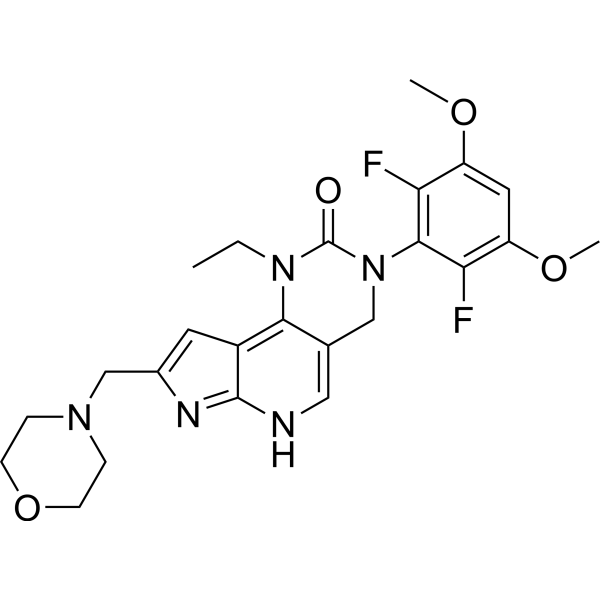
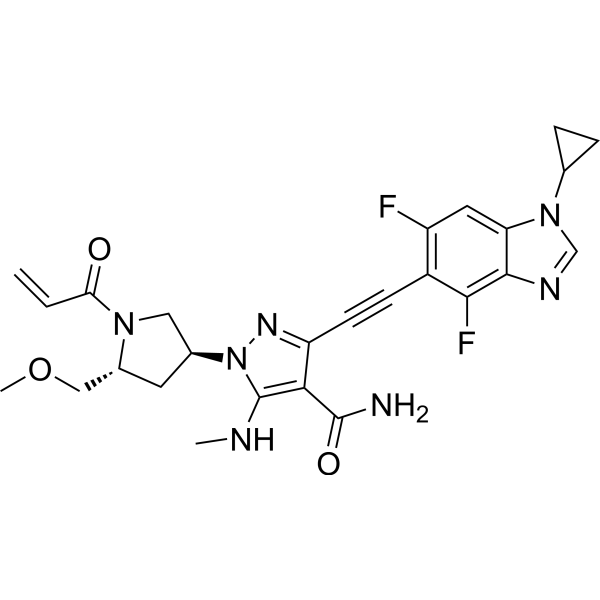
  • HY-156632

    KIN-3248

    FGFR Cancer
    Resigratinib (KIN-3248) is an irreversible and orally active covalent inhibitor of FGFR1-4 that effectively inhibits wild-type and drug-resistant mutations (such as FGFR2 V565F, FGFR3 V555M). Resigratinib covalently binds to the Cys492 site of FGFR, blocks the FGFR signaling pathway, inhibits tumor cell proliferation and induces apoptosis. Resigratinib can be used for the study of FGFR2/3-driven solid tumors (such as cholangiocarcinoma and bladder cancer) .
    Resigratinib
  • HY-W013105

    N-Cholylglycine sodium salt, 98%

    Bcl-2 Family Caspase Endogenous Metabolite Bacterial MDM-2/p53 P-glycoprotein LPL Receptor FXR G protein-coupled Bile Acid Receptor 1 Apoptosis Others
    Sodium glycocholate hydrate, 98% is a bile acid derivative. Sodium glycocholate hydrate, 98% downregulates MDR1, Bcl-2, MRP1, MRP2 and FXR, upregulates Bax, p53, caspase-9, caspase-3, TGR5 and S1PR2. Sodium glycocholate hydrate, 98% inhibits multidrug resistance and efflux pumps, induces mitochondrial apoptosis, and enhances chemosensitivity. Sodium glycocholate hydrate, 98% modulates related bile acid receptor signaling. Sodium glycocholate hydrate, 98% suppresses growth and conjugation of Enterobacteriaceae and increases their antibiotic susceptibility. Sodium glycocholate hydrate, 98% can be used for the research of colon adenocarcinoma and cholangiocarcinoma (CCA) .
    Sodium glycocholate hydrate, 98%
  • HY-P99463
    Batiraxcept
    2 Publications Verification

    AVB-500; AVB-S6-500

    TAM Receptor PI3K Akt p38 MAPK Cancer
    Batiraxcept (AVB-500; AVB-S6-500) is a selective, soluble AXL receptor and GAS6 inhibitor that targets the GAS6-AXL signaling axis. Batiraxcept is orally inactive and does not cross the blood-brain barrier. Batiraxcept competitively binds to GAS6 ((KD <1 nM), preventing its interaction with the AXL receptor tyrosine kinase, thereby inhibiting downstream PI3K/AKT and MAPK signaling pathways, reducing tumor cell glycolysis, angiogenesis, and metastatic potential. Batiraxcept has demonstrated antitumor activity in preclinical models of endometrial, cholangiocarcinoma, and ovarian cancer by inhibiting tumor growth, invasion, and metastasis .
    Batiraxcept
  • HY-P991703

    GSK5733584 antibody; HS-20089 antibody; hu2F7

    CD276/B7-H3 Cancer
    Mocertatug (GSK5733584 antibody) is a humanized IgG1κ antibody targeting B7-H4/VTCN1. Mocertatug can be used to construct ADCs, such as Mocertatug Rezetecan (HY-185280) .
    Mocertatug
  • HY-N1423B
    Glycocholic acid hydrate
    3 Publications Verification

    Endogenous Metabolite Caspase G protein-coupled Bile Acid Receptor 1 LPL Receptor MDM-2/p53 Bcl-2 Family P-glycoprotein FXR Bacterial Apoptosis Metabolic Disease Inflammation/Immunology Cancer
    Glycocholic acid hydrate is a bile acid derivative. Glycocholic acid hydrate downregulates MDR1, Bcl-2, MRP1, MRP2 and FXR, upregulates Bax, p53, caspase-9, caspase-3, TGR5 and S1PR2. Glycocholic acid hydrate inhibits multidrug resistance and efflux pumps, induces mitochondrial apoptosis, and enhances chemosensitivity. Glycocholic acid hydrate modulates related bile acid receptor signaling. Glycocholic acid hydrate suppresses growth and conjugation of Enterobacteriaceae and increases their antibiotic susceptibility. Glycocholic acid hydrate can be used for the research of colon adenocarcinoma and cholangiocarcinoma (CCA) .
    Glycocholic acid hydrate
  • HY-175743

    FGFR Cancer
    TYRA-200 is a potent and orally active FGFR2 inhibitor. TYRA-200 inhibits the kinase activity of wild-type FGFR2 and its mutants. TYRA-200 induces significant tumor regression in FGFR2-driven cancer models. TYRA-200 can be used for the research of FGFR2-altered advanced solid tumors, intrahepatic cholangiocarcinoma, and endometrial cancer .
    TYRA-200
  • HY-P99134
    Anti-Mouse GM-CSF Antibody (MP1-22E9)
    1 Publications Verification

    c-Fms Infection Inflammation/Immunology Cancer
    Anti-Mouse GM-CSF Antibody (MP1-22E9) is a rat-derived anti-mouse GM-CSF IgG2a antibody inhibitor. Anti-Mouse GM-CSF Antibody (MP1-22E9) can neutralize GM-CSF. Anti-Mouse GM-CSF Antibody (MP1-22E9) can be used for the researches of cancer, infection inflammation and immunology, such as cholangiocarcinoma and arthritis .
    Anti-Mouse GM-CSF Antibody (MP1-22E9)
  • HY-16138

    CG-200745

    HDAC MDM-2/p53 Apoptosis Cancer
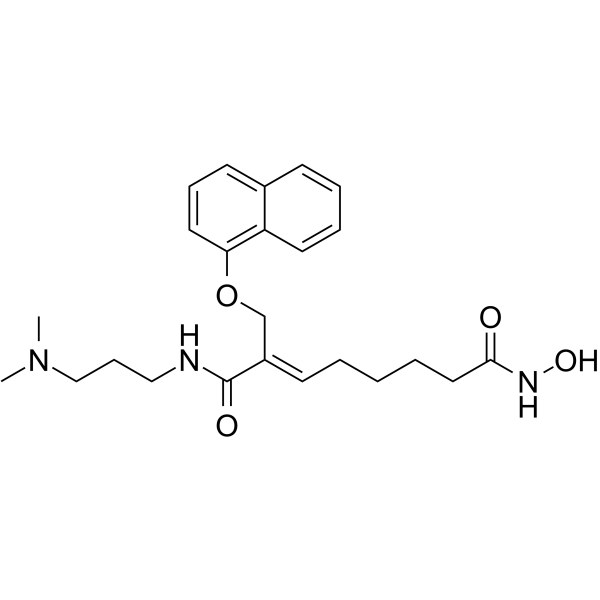
    Ivaltinostat (CG-200745) is an orally active, potent pan-HDAC inhibitor which has the hydroxamic acid moiety to bind zinc at the bottom of catalytic pocket. Ivaltinostat inhibits deacetylation of histone H3 and tubulin. Ivaltinostat induces the accumulation of p53, promotes p53-dependent transactivation, and enhances the expression of MDM2 and p21 (Waf1/Cip1) proteins. Ivaltinostat enhances the sensitivity of Gemcitabine-resistant cells to Gemcitabine (HY-16138) and 5-Fluorouracil (5-FU; HY-90006). Ivaltinostat induces apoptosis and has anti-tumour effects .
    Ivaltinostat
  • HY-16138A

    CG-200745 formic

    HDAC MDM-2/p53 Apoptosis Inflammation/Immunology Endocrinology Cancer
    Ivaltinostat (CG-200745) formic is an orally active, potent pan-HDAC inhibitor which has the hydroxamic acid moiety to bind zinc at the bottom of catalytic pocket. Ivaltinostat formic inhibits deacetylation of histone H3 and tubulin. Ivaltinostat formic induces the accumulation of p53, promotes p53-dependent transactivation, and enhances the expression of MDM2 and p21 (Waf1/Cip1) proteins. Ivaltinostat formic enhances the sensitivity of Gemcitabine-resistant cells to Gemcitabine (HY-16138) and 5-Fluorouracil (5-FU; HY-90006). Ivaltinostat formic induces apoptosis and has anti-tumour effects .
    Ivaltinostat formic
  • HY-14570

    Apoptosis Cancer
    Triphen diol is a phenol diol derivative, which has excellent anticancer activity against pancreatic cancer and cholangiocarcinoma, and can induce pancreatic cell apoptosis through two mechanisms, caspase-mediated and caspase-independent .
    Triphen diol
  • HY-178120

    Src Apoptosis Cancer
    Lck-IN-4 (Compound A-1) is a protein tyrosine kinase Lck inhibitor with an IC50 of 2  nM. Lck-IN-4 significantly inhibits YAP tyrosine phosphorylation and activity and induces apoptosis in cholangiocarcinoma CCA cells. Lck-IN-4 is cytotoxic in CCA tumor-derived organoids with elevated YAP activity Lck-IN-4 can be used for cancers like cholangiocarcinoma (CCA) research .
    Lck-IN-4
  • HY-N16403

    Cytochrome P450 Endogenous Metabolite Bacterial Insecticide Fungal Infection Cancer
    Aspergillusidone F is a Depsidone and antibacterial agent. Aspergillusidone F can be isolated from a marine fungus Aspergillus unguis. Aspergillusidone F potently inhibits Aromatase with an IC50 of 0.5 μM. Aspergillusidone F exhibits antibacterial activity against Pseudomonas aeruginosa and Methicillin (HY-121544)-resistant Staphylococcus aureus. Aspergillusidone F exhibits potent larvicidal activity against Artemia salina larvae, with an LC50 value of 12.8 μM. Aspergillusidone F exhibits anticancer activity against intrahepatic cholangiocarcinoma, non-small cell lung cancer, and acute lymphoblastic leukemia .
    Aspergillusidone F
  • HY-175700

    Topoisomerase Apoptosis Cancer
    YCJ-02 is a selective Topoisomerase I (Top I) inhibitor. YCJ-02 can inhibit cell proliferation and induce apoptosis and G2/M phase arrest. YCJ-02 can induce DNA damage and increaseγ-H2AX levels. YCJ-02 can promote Top I deqradation via a ubiquitin/26S proteasome pathway. YCJ-02 increases the expressions of pro-apoptotic proteins Bad, Bax, and cleaved caspase-3. YCJ-02 shows broad-spectrum antitumor activity. YCJ-02 can be used for the research of cancer, such as intrahepatic cholangiocarcinoma (ICC) .
    YCJ-02
  • HY-174154

    FGFR Cancer
    INCB126503 is an orally activeM, selective FGFR2/3 Inhibitor with IC50 values of 70 nM (FGFR1), 2.1 nM (FGFR2), 1.2 nM (FGFR3), 0.92 nM (FGFR3-V555L), 0.85 nM (FGFR3-V555M) and 64 nM (FGFR4). INCB126503 suppresses FGFR signaling in vivo without causing hyperphosphatemia and shows antitumor efficacy in xenograft models harboring FGFR3 genetic alterations .
    INCB126503
  • HY-E70823

    FGFR Cancer
    FGFR2 is a receptor tyrosine kinase that is involved in many human cancers such as intrahepatic cholangiocarcinomas and hepatocellular carcinomas. FGFR2 N549K is a mutant of FGFR3. FGFR2 N549K Recombinant Human Active Protein Kinase is a recombinant FGFR4 N535K protein that can be used to study FGFR4 N535K-related functions .
    FGFR2 N549K Recombinant Human Active Protein Kinase
  • HY-N1423S1

    Isotope-Labeled Compounds P-glycoprotein Bcl-2 Family G protein-coupled Bile Acid Receptor 1 Endogenous Metabolite Bacterial Apoptosis FXR Caspase MDM-2/p53 LPL Receptor Metabolic Disease Cancer
    Glycocholic acid-d5 is the deuterium labeled Glycocholic acid (HY-N1423). Glycocholic acid is a bile acid derivative. Glycocholic acid downregulates MDR1, Bcl-2, MRP1, MRP2 and FXR, upregulates Bax, p53, caspase-9, caspase-3, TGR5 and S1PR2. Glycocholic acid inhibits multidrug resistance and efflux pumps, induces mitochondrial apoptosis, and enhances chemosensitivity. Glycocholic acid modulates related bile acid receptor signaling. Glycocholic acid suppresses growth and conjugation of Enterobacteriaceae and increases their antibiotic susceptibility. Glycocholic acid can be used for the research of colon adenocarcinoma and cholangiocarcinoma (CCA).
    Glycocholic acid-d5
  • HY-109099R

    INCB054828 (Standard)

    Reference Standards FGFR Cancer
    Pemigatinib (Standard) is the analytical standard of Pemigatinib. This product is intended for research and analytical applications. Pemigatinib (INCB054828) is an orally active, selective FGFR inhibitor with IC50s of 0.4 nM, 0.5 nM, 1.2 nM, 30 nM for FGFR1, FGFR2, FGFR3, FGFR4, respectively. Pemigatinib has the potential for cholangiocarcinoma .
    Pemigatinib (Standard)
  • HY-N0819R

    Reference Standards Apoptosis PI3K Akt ERK mTOR Wnt β-catenin Wee1 JNK VEGFR CDK Neurological Disease Inflammation/Immunology Cancer
    Raddeanin A (Standard) is the analytical standard of Raddeanin A (HY-N0819). This product is intended for research and analytical applications. Raddeanin A is an oleanane-type triterpenoid saponin with oral activity. Raddeanin A inhibits SRC, mTOR, JNK, VEGFR2, NLRP3 inflammasome, Wnt/β-catenin, Wee1, PI3K/AKT signaling pathway, MAPK/ERK signaling pathway, AR-FL, AR-Vs, and downregulates the expression of p-PI3K and p-AKT. Raddeanin A inhibits osteoclast formation, bone resorption, osteolysis, cancer cell invasion, migration, proliferation, angiogenesis and epithelial-mesenchymal transition, while induces apoptosis, cell cycle arrest, ROS production, immunogenic cell death and dendritic cell maturation. Raddeanin A improves blood-retinal barrier function, alleviates inflammation, regulates the tumor microenvironment, and enhances the activity of anti-PD-1 antibody. Raddeanin A is applicable to the research of breast cancer-associated osteolysis, human osteosarcoma, colorectal cancer, glioblastoma, Alzheimer's disease, cholangiocarcinoma, melanoma, non-small cell lung cancer, castration-resistant prostate cancer and multiple myeloma.
    Raddeanin A (Standard)
  • HY-E70827

    FGFR Cancer
    FGFR2 is a receptor tyrosine kinase that is involved in many human cancers such as intrahepatic cholangiocarcinomas and hepatocellular carcinomas. FGFR2 V564L is a mutant of FGFR3. FGFR2 V564L Recombinant Human Active Protein Kinase is a recombinant FGFR2 V564L protein that can be used to study FGFR2 V564L-related functions .
    FGFR2 V564L Recombinant Human Active Protein Kinase
  • HY-W754878

    INCB054828-d6

    Isotope-Labeled Compounds FGFR Cancer
    Pemigatinib-d6 (INCB054828-d6) is deuterium labeled Pemigatinib. Pemigatinib (INCB054828) is an orally active, selective FGFR inhibitor with IC50s of 0.4 nM, 0.5 nM, 1.2 nM, 30 nM for FGFR1, FGFR2, FGFR3, FGFR4, respectively. Pemigatinib has the potential for cholangiocarcinoma .
    Pemigatinib-d6
  • HY-E70818

    FGFR Cancer
    FGFR2 is a receptor tyrosine kinase that is involved in many human cancers such as intrahepatic cholangiocarcinomas and hepatocellular carcinomas. FGFR2 K659M is a mutant of FGFR3. FGFR2 K659M Recombinant Human Active Protein Kinase is a recombinant FGFR2 K659M protein that can be used to study FGFR2 K659M-related functions .
    FGFR2 K659M Recombinant Human Active Protein Kinase
  • HY-E70815

    FGFR Cancer
    FGFR2 is a receptor tyrosine kinase that is involved in many human cancers such as intrahepatic cholangiocarcinomas and hepatocellular carcinomas. FGFR2 K526E is a mutant of FGFR3. FGFR2 K526E Recombinant Human Active Protein Kinase is a recombinant FGFR2 K526E protein that can be used to study FGFR2 K526E-related functions .
    FGFR2 K526E Recombinant Human Active Protein Kinase
  • HY-E70825

    FGFR Cancer
    FGFR2 is a receptor tyrosine kinase that is involved in many human cancers such as intrahepatic cholangiocarcinomas and hepatocellular carcinomas. FGFR2 V564F is a mutant of FGFR3. FGFR2 V564F Recombinant Human Active Protein Kinase is a recombinant FGFR2 V564F protein that can be used to study FGFR2 V564F-related functions .
    FGFR2 V564F Recombinant Human Active Protein Kinase
  • HY-E70826

    FGFR Cancer
    FGFR2 is a receptor tyrosine kinase that is involved in many human cancers such as intrahepatic cholangiocarcinomas and hepatocellular carcinomas. FGFR2 V564I is a mutant of FGFR3. FGFR2 V564I Recombinant Human Active Protein Kinase is a recombinant FGFR2 V564I protein that can be used to study FGFR2 V564I-related functions .
    FGFR2 V564I Recombinant Human Active Protein Kinase
  • HY-E70814

    FGFR Cancer
    FGFR2 is a receptor tyrosine kinase that is involved in many human cancers such as intrahepatic cholangiocarcinomas and hepatocellular carcinomas. FGFR2 C491S is a mutant of FGFR3. FGFR2 C491S Recombinant Human Active Protein Kinase is a recombinant FGFR2 C491S protein that can be used to study FGFR2 C491S-related functions .
    FGFR2 C491S Recombinant Human Active Protein Kinase
  • HY-E70822

    FGFR Cancer
    FGFR2 is a receptor tyrosine kinase that is involved in many human cancers such as intrahepatic cholangiocarcinomas and hepatocellular carcinomas. FGFR2 N549H is a mutant of FGFR3. FGFR2 N549H Recombinant Human Active Protein Kinase is a recombinant FGFR4 N535H protein that can be used to study FGFR4 N535H-related functions .
    FGFR2 N549H Recombinant Human Active Protein Kinase
  • HY-E70821

    FGFR Cancer
    FGFR2 is a receptor tyrosine kinase that is involved in many human cancers such as intrahepatic cholangiocarcinomas and hepatocellular carcinomas. FGFR2 M537I is a mutant of FGFR3. FGFR2 M537I Recombinant Human Active Protein Kinase is a recombinant FGFR2 M537I protein that can be used to study FGFR2 M537I-related functions .
    FGFR2 M537I Recombinant Human Active Protein Kinase
  • HY-E70819

    FGFR Cancer
    FGFR2 is a receptor tyrosine kinase that is involved in many human cancers such as intrahepatic cholangiocarcinomas and hepatocellular carcinomas. FGFR2 K659N is a mutant of FGFR3. FGFR2 K659N Recombinant Human Active Protein Kinase is a recombinant FGFR2 K659N protein that can be used to study FGFR2 K659N-related functions .
    FGFR2 K659N Recombinant Human Active Protein Kinase
  • HY-E70816

    FGFR Cancer
    FGFR2 is a receptor tyrosine kinase that is involved in many human cancers such as intrahepatic cholangiocarcinomas and hepatocellular carcinomas. FGFR2 K641N is a mutant of FGFR3. FGFR2 K641N Recombinant Human Active Protein Kinase is a recombinant FGFR2 K641N protein that can be used to study FGFR2 K641N-related functions .
    FGFR2 K641N Recombinant Human Active Protein Kinase
  • HY-E70618

    E1/E2/E3 Enzyme Cancer
    Ubiquitin Conjugating enzyme E2C (EC 2.3.2.24) is a member of the E2 ubiquitin-conjugating enzyme family, and it is the principal regulator of pathways for protein degradation in eukaryotes. Ubiquitin Conjugating enzyme E2C is involved in the tumorigenesis of various malignancies. Ubiquitin Conjugating enzyme E2C is also involved in mitotic cyclin disruption, affecting cell cycle progression. Ubiquitin Conjugating enzyme E2C is a prognostic indicator for cholangiocarcinoma .
    Ubiquitin Conjugating enzyme E2C
  • HY-N1423AR

    Reference Standards P-glycoprotein Bcl-2 Family G protein-coupled Bile Acid Receptor 1 Bacterial Apoptosis FXR Caspase MDM-2/p53 LPL Receptor Endogenous Metabolite Metabolic Disease Cancer
    Glycocholic acid (sodium) (Standard) is the analytical standard of Glycocholic acid sodium (HY-N1423A). This product is intended for research and analytical applications. Glycocholic acid sodium is a bile acid derivative. Glycocholic acid downregulates MDR1, Bcl-2, MRP1, MRP2 and FXR, upregulates Bax, p53, caspase-9, caspase-3, TGR5 and S1PR2. Glycocholic acid sodium inhibits multidrug resistance and efflux pumps, induces mitochondrial apoptosis, and enhances chemosensitivity. Glycocholic acid sodium modulates related bile acid receptor signaling. Glycocholic acid sodium suppresses growth and conjugation of Enterobacteriaceae and increases their antibiotic susceptibility. Glycocholic acid sodium can be used for the research of colon adenocarcinoma and cholangiocarcinoma (CCA).
    Glycocholic acid sodium (Standard)
  • HY-W754548

    Isotope-Labeled Compounds Endogenous Metabolite P-glycoprotein Bcl-2 Family G protein-coupled Bile Acid Receptor 1 Bacterial Apoptosis FXR Caspase MDM-2/p53 LPL Receptor Metabolic Disease Cancer
    Glycocholic acid- 13C2,d4 is the deuterium labeled and 13C-labeled Glycocholic acid (HY-N1423). Glycocholic acid is a bile acid derivative. Glycocholic acid downregulates MDR1, Bcl-2, MRP1, MRP2 and FXR, upregulates Bax, p53, caspase-9, caspase-3, TGR5 and S1PR2. Glycocholic acid inhibits multidrug resistance and efflux pumps, induces mitochondrial apoptosis, and enhances chemosensitivity. Glycocholic acid modulates related bile acid receptor signaling. Glycocholic acid suppresses growth and conjugation of Enterobacteriaceae and increases their antibiotic susceptibility. Glycocholic acid can be used for the research of colon adenocarcinoma and cholangiocarcinoma (CCA).
    Glycocholic acid-13C2,d4
  • HY-W040129R

    Reference Standards Bacterial Fungal Apoptosis Antibiotic Infection Neurological Disease Cancer
    Chromomycin A3 (Standard) is the analytical standard of Chromomycin A3 (HY-W040129). This product is intended for research and analytical applications. Chromomycin A3 is an inhibitor that selectively binds to GC-rich DNA sequences. Chromomycin A3 targets the DNA minor groove after forming a dimer with Mg 2+. Chromomycin A3 inhibits DNA replication and transcription, blocks the binding of Sp1 transcription factor to target gene promoters, downregulates the expression of anti-apoptotic proteins such as FLIP, Mcl-1, and XIAP, and induces S-phase cycle arrest and caspase-dependent apoptosis in tumor cells. Chromomycin A3 can antagonize oxidative stress induced by glutathione depletion and neuronal apoptosis induced by Camptothecin (HY-15660). Chromomycin A3 can be used in basic research on malignant tumors such as cholangiocarcinoma, and is a potential chemosensitizer and GC-rich region probe .
    Chromomycin A3 (Standard)
  • HY-149486

    FGFR Cancer
    FGFR1 inhibitor 7 (compound 5) is an inhibitor of FGFR1 Tyrosine Kinase with IC50 value of 0.33 nM. FGFR1 inhibitor 7 shows broad-spectrum cytotoxicity agasinst human cancer cell lines, and inhibits MOLT3 cells with IC50 of 2.1 μM .
    FGFR1 inhibitor 7
  • HY-N15136

    Apoptosis Cancer
    Isomorellinol is a xanthone with an anticancer potency. Isomorellinol induces apoptosis in cholangiocarcinoma cells. Isomorellinol increases the Bax/Bcl-2 protein expression ratio and decreases survivin protein expression in cholangiocarcinoma cells .
    Isomorellinol
  • HY-180324

    Bcl-2 Family Caspase p38 MAPK MMP Apoptosis Bacterial DNA/RNA Synthesis Survivin Infection Cancer
    Candidone is a type of flavanone phenolic compound with anti-cancer and antibacterial activities. Candidone inhibits the proliferation of hepatoblastoma and cholangiocarcinoma cells and induces their apoptosis by up-regulating p21, Bax, and caspase 3/9, and down-regulating Bcl-2 and survivin. It reduces the metastatic ability of cancer cells by inhibiting the expression of phosphorylated p38 and matrix metalloproteinase MMP-9. Candidone has inhibitory effects on multidrug-resistant bacterial strains. Candidone binds to the base pairs of DNA in a groove-binding manner, thereby slightly altering the conformation of DNA .
    Candidone
  • HY-160720

    MMP Cancer
    ASPH-IN-1 (Compound 14c) is an orally active ASPH inhibitor. ASPH-IN-1 down-regulates MMP2 and MMP14 protein expression. ASPH-IN-1 exhibits anti-cancer activity against cholangiocarcinoma .
    ASPH-IN-1
  • HY-E70817

    FGFR Cancer
    FGFR2 is a receptor tyrosine kinase that is involved in many human cancers such as intrahepatic cholangiocarcinomas and hepatocellular carcinomas. FGFR2 K641R is a mutant of FGFR3. FGFR2 K641R Recombinant Human Active Protein Kinase is a recombinant FGFR2 K641R protein that can be used to study FGFR2 K641R-related functions .
    FGFR2 K641R Recombinant Human Active Protein Kinase
  • HY-E70820

    FGFR Cancer
    FGFR2 is a receptor tyrosine kinase that is involved in many human cancers such as intrahepatic cholangiocarcinomas and hepatocellular carcinomas. FGFR2 L617V is a mutant of FGFR3. FGFR2 L617V Recombinant Human Active Protein Kinase is a recombinant FGFR2 L617V protein that can be used to study FGFR2 L617V-related functions .
    FGFR2 L617V Recombinant Human Active Protein Kinase
  • HY-E70824

    FGFR Cancer
    FGFR2 is a receptor tyrosine kinase that is involved in many human cancers such as intrahepatic cholangiocarcinomas and hepatocellular carcinomas. FGFR2 R612T is a mutant of FGFR3. FGFR2 R612T Recombinant Human Active Protein Kinase is a recombinant FGFR2 R612T protein that can be used to study FGFR2 R612T-related functions .
    FGFR2 R612T Recombinant Human Active Protein Kinase
  • HY-178724

    Fungal Bacterial Parasite Infection Cancer
    Mollicellin K is a depsidone that can be isolated from the fungus Chaetomium brasiliense. Mollicellin K exhibits antimicrobial activity against Myobacterium tuberculosis, antimalarial activity (IC50 = 1.2 μM) against Plasmodium falciparum as well as antifungal property (IC50 = 1.2 μM) against Candida albicans. Mollicellin K is cytotoxic against KB (IC50 = 1.9 μM), BC1 (IC50 = 6.8 μM), NCI-H187 (IC50 = 0.35 μM), and five cholangiocarcinoma cell lines. Mollicellin K also has an MIC of 12.5 μM for tuberculosis .
    Mollicellin K
  • HY-182915

    FGFR Cancer
    FGFR-IN-26 is an orally active FGFR inhibitor. FGFR-IN-26 inhibits FGFR2 wild-type and clinically relevant resistance mutations. FGFR-IN-26 inhibits tumor growth in FGFR2-amplified xenograft mouse models. FGFR-IN-26 can be used for the research of cancer, suah as gastric carcinoma .
    FGFR-IN-26

Inquiry Online

Your information is safe with us. * Required Fields.

Salutation


Country or Region *

Applicant Name *


Organization Name *

Department *


Email Address *


Product Name *

Cat. No.


Requested quantity *

Phone Number *


Remarks

Inquiry Online

Inquiry Information

Product Name:
Cat. No.:
Quantity:
MCE Japan Authorized Agent:

