


1. Search Result
Search Result
Results for "

food intake inhibitor

" in MedChemExpress (MCE) Product Catalog:

48

Inhibitors & Agonists

16

Peptides

4

Natural
Products

1

Isotope-Labeled Compounds

Cat. No. Product Name Target Research Areas Chemical Structure
  • HY-P3463
    Beinaglutide
    1 Publications Verification

    GLP-1 (human)

    GCGR Metabolic Disease Inflammation/Immunology
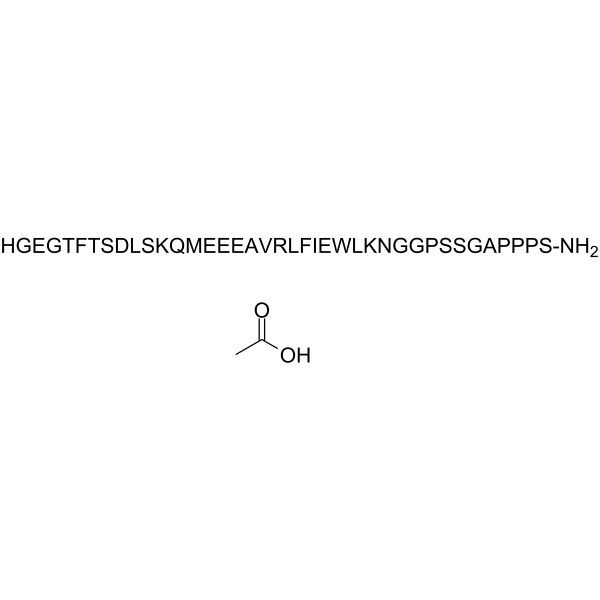
    Beinaglutide is a human GLP-1 polypeptide that shares almost 100% homology with human GLP-1 (7–36). Beinaglutide displays does-dependent effects in glycemic control, inhibiting food intake and gastric empty and promoting weight loss. Beinaglutide has the potential for the research of overweight/obesity and nonalcoholic steatohepatitis (NASH) .
    Beinaglutide
  • HY-124529

    11β-HSD Endogenous Metabolite Metabolic Disease Inflammation/Immunology Cancer
    Lunularin is an inhibitor of 11β-hydroxysteroid dehydrogenase 1, with an IC50 of 45.44 μM and a Ki of 35.8 μM against human 11β-HSD1, and an IC50 of 17.39 μM and a Ki of 10.31 μM against rat 11β-HSD1. Lunularin upregulates the transcription levels of Sirt1 and Hmox1 genes in the liver. Lunularin reduces food intake and body weight gain, and decreases blood glucose levels in mice fed a high-fat diet. Lunularin inhibits LPS-induced TLR4-mediated NF-κB pathway activation and nitric oxide production. Lunularin inhibits the proliferation and colony formation of renal cancer and colon cancer cells, and exhibits cancer cell-specific cytotoxicity. Lunularin binds to the steroid-binding site of human 11β-HSD1 and the steroid/NADPH-binding region of rat 11β-HSD1, but does not inhibit 11β-HSD2 or mouse 11β-HSD1. Lunularin can be used in research related to diet-induced obesity, renal cancer, colorectal cancer, inflammatory diseases and metabolic syndrome .
    Lunularin
  • HY-120619
    BMS-193885
    1 Publications Verification

    Neuropeptide Y Receptor Neurological Disease Endocrinology
    BMS-193885 is a selective neuropeptide Y1 receptor antagonist (Ki=3.3 nM) that competitively blocks the receptor to inhibit NPY-mediated appetite regulation signaling pathways, reduce food intake and inhibit weight gain. BMS-193885 has good blood-brain barrier penetration and is mainly used in the study of obesity and related metabolic diseases .
    BMS-193885
  • HY-14342
    MK-5046
    2 Publications Verification

    Bombesin Receptor Metabolic Disease
    MK-5046 is a potent, selective and orally active Bombesin receptor subtype-3 (BRS-3) allosteric agonist with an IC50 and an EC50 value of 27 and 25 nM for hBRS-3, respectively. MK-5046 inhibits food intake and reduces body weight of diet-induced obese (DIO) mouse models. MK-5046 can be used for the research of obesity .
    MK-5046
  • HY-W002116

    TRP Channel COX Phosphatase Bacterial Infection Metabolic Disease Inflammation/Immunology Cancer
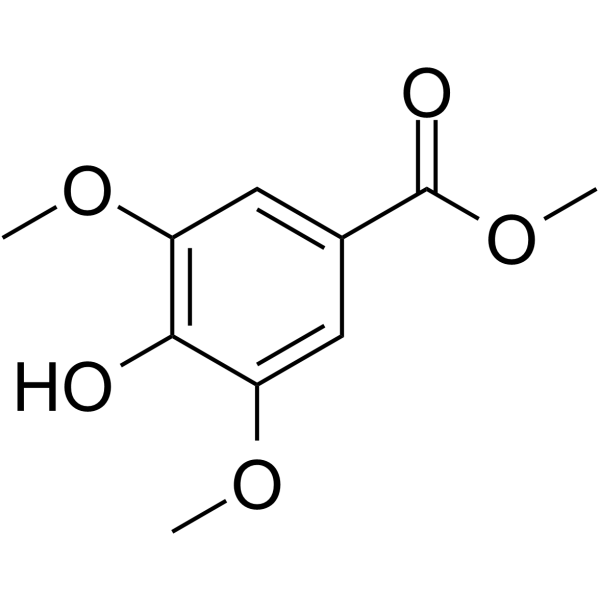
    Methyl syringate is a selective TRPA1 agonist. Methyl syringate regulates food intake and gastric emptying through a TRPA1-mediated pathway. Methyl syringate is an efficient phenolic mediator for bacterial and fungal laccases. Methyl syringate is a chemical marker of Asphodel monofloral honey. Methyl syringate contributes to the antibacterial activity of honey. Methyl syringate inhibits aflatoxin production. Methyl syringate can contribute to weight suppression. Methyl syringate can be studies for cancer prevention (e.g. lung cancer), suppression of hypoxia-induced inflammatory response and tumorigenesis .
    Methyl syringate
  • HY-P10302A

    GLP Receptor Metabolic Disease Inflammation/Immunology
    GLP-1R/GIPR agonist-1 sodium is a dual GLP-1/GIP receptor agonist, with an EC50 of 0.57 nM for GLP-1R and an EC50 of 0.75 nM for GIPR. GLP-1R/GIPR agonist-1 sodium reduces food intake, inhibits weight gain, repairs islet damage, improves glucose tolerance, regulates serum lipid and liver enzyme levels, ameliorates hepatic vacuolization, reduces hepatic fat accumulation, delays the progression of hepatic fibrosis, and exhibits long-lasting hypoglycemic activity. GLP-1R/GIPR agonist-1 sodium can be used in research related to type 2 diabetes, obesity, and non-alcoholic steatohepatitis .
    GLP-1R/GIPR agonist-1 (soduim)
  • HY-P2932
    Cholecystokinin
    1 Publications Verification

    Cholecystokinin-33(human); CCK-33(human)

    Cholecystokinin Receptor Metabolic Disease
    Cholecystokinin is a peptide hormone. Cholecystokinin, as a hunger suppressant, inhibits food intake and stimulates the digestion of fat and protein. Cholecystokinin can be used for the research of gastrointestinal system .
    Cholecystokinin
  • HY-110206

    Cannabinoid Receptor Metabolic Disease
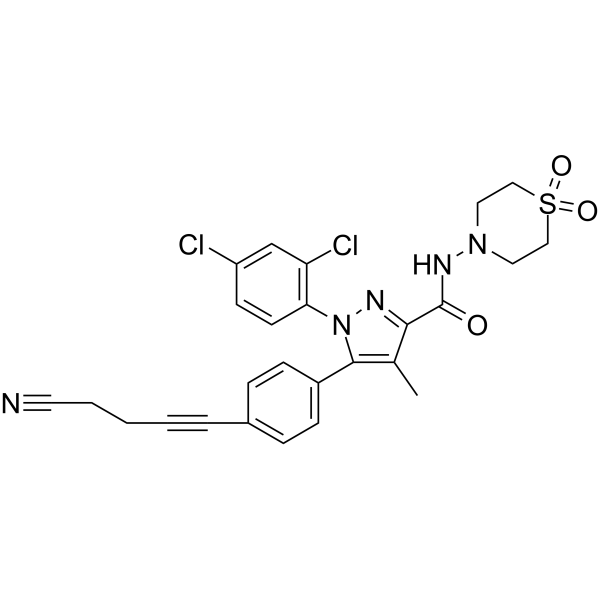
    AM6545 is a highly selective, brain-free (peripherally active) CB1 receptor antagonist (Ki=1.7 nM). AM6545 inhibits endocannabinoid signaling by competitively antagonizing CB1 receptors, inhibiting CB1-mediated appetite stimulation and inflammatory responses without affecting cAMP levels. AM6545 significantly reduces food intake and body weight in mice, while improving metabolic syndrome-related renal impairment (such as proteinuria, fibrosis) and insulin resistance. AM6545 can be used in the study of obesity and its complications .
    AM6545
  • HY-N0046

    Notoginseng triterpenes; Ginsenoside Mb

    Apoptosis Src Neurological Disease Metabolic Disease Cancer
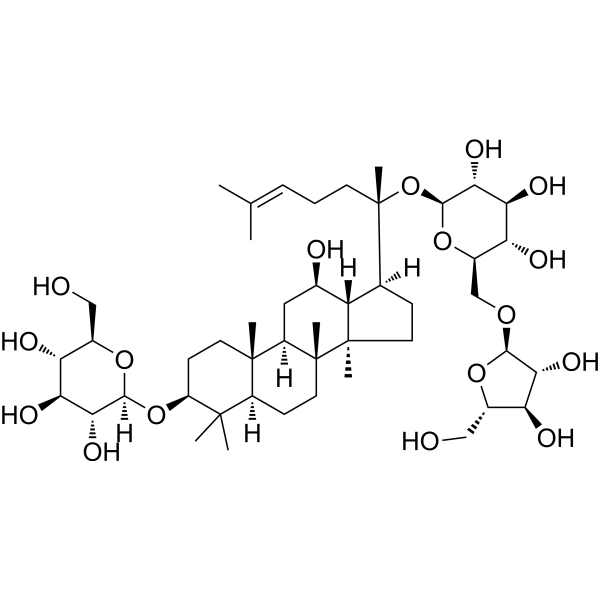
    Notoginsenoside Fe (Notoginseng triterpenes; Ginsenoside Mb) is a saponin with anti-obesity and anti-neuroblastoma activities. Notoginsenoside Fe can be isolated from leaves of Panax notoginseng. Notoginsenoside Fe specifically activates paraventricular nucleus neurons in the hypothalamus, effectively reducing body weight, improving fasting blood glucose and protecting liver function by decreasing food intake, increasing resting metabolic rate and enhancing energy expenditure. Notoginsenoside Fe also inhibits the c-Src signaling pathway, blocks the proliferation and viability of human neuroblastoma cells, while improving mitochondrial dysfunction and alleviating apoptosis. Notoginsenoside Fe can be used in studies related to diet-induced obesity and neuroblastoma .
    Notoginsenoside Fe
  • HY-14811

    ZGN-440; CKD-732 free base

    MetAP NF-κB Metabolic Disease
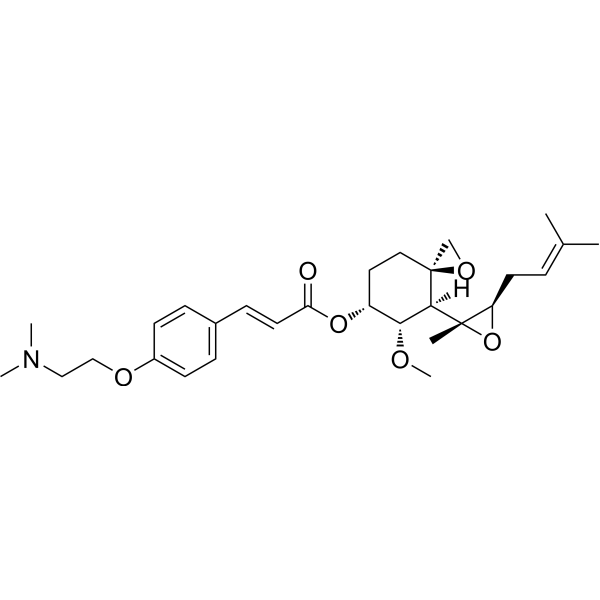
    Beloranib (ZGN-440; CKD-732 free base) is a selective, irreversible inhibitor of methionine aminopeptidase MetAP2 that suppresses appetite and increases energy expenditure. Beloranib blocks the enzymatic cleavage of N-terminal methionine from nascent proteins by forming a covalent bond with MetAP2, thereby regulating fatty acid metabolism, adrenergic signaling, and hypothalamic NF-κB expression. Beloranib significantly reduces food intake, body weight, and fat accumulation, while improving glucose tolerance, insulin sensitivity, and lipid metabolism. Beloranib also elevates energy expenditure and fat oxidation levels, without affecting body temperature, spontaneous activity, or the inflammatory cytokine IL-1β. Beloranib can be used in research on obesity and hypothalamic obesity .
    Beloranib
  • HY-153798

    GLP Receptor Metabolic Disease
    GLP-1 receptor agonist 10 (compound 42) is an agonist of GLP Receptor. GLP-1 receptor agonist 10 inhibits food intake and reduces glucose excursion in mice. GLP-1 receptor agonist 10 can be used in the study of type 2 diabetes (T2DM) and obesity .
    GLP-1 receptor agonist 10
  • HY-163996

    GLP Receptor Potassium Channel Cytochrome P450 Metabolic Disease
    DD202-114 is a potent and selective GLP1R agonist. DD202-114 inhibits hERG with an IC50 of 15.9 μM. DD202-114 exhibits strong CYP2C8 inhibition with an IC50 of 0.22 μM. DD202-114 promotes cAMP accumulation. DD202-114 reduces blood glucose levels and food intake. DD202-114 has the potential to be used in the study of type 2 diabetes mellitus (T2DM) and obesity .
    DD202-114
  • HY-P11320

    Amylin Receptor CGRP Receptor Metabolic Disease
    Davalintide is an Amylin (HY-P1464)-mimetic peptide with greater potency and longer-lasting effects. Davalintide is a potent agonist of amylin receptor (IC50 = 0.04 nM), calcitonin receptor (IC50 = 0.06 nM) and calcitonin related peptide receptor (CGRP receptor) (IC50 = 3.1 nM). Davalintide shows stronger potency to Amylin to activate cyclic AMP production through the calcitonin receptor (EC50 = 1.4 nM). Davalintide regulates blood sugar and weight through various mechanisms such as delaying gastric emptying, inhibiting glucagon secretion, and reducing food intake. Davalintide can be used for the studies of anti-obesity and anti-diabetes .
    Davalintide
  • HY-P11291A

    Neuropeptide Y Receptor Metabolic Disease
    NNC0165-1273 (TFA) is the trifluoroacetic acid of NNC0165-1273 (HY-P11291). NNC0165-1273 is an analog of gut hormone peptide YY (PYY3-36). NNC0165-1273 has a superior affinity for Y2 receptor over Y1, Y4, and Y5 receptor. NNC0165-1273 has a potent anorectic effect and significantly reduces nighttime and ghrelin-induced food intake by producing early satiety. NNC0165-1273 inhibits ghrelin-induced cFos expression in NPY/AgRP neurons. NNC0165-1273 can be used for antiobesity therapies research .
    NNC0165-1273 TFA
  • HY-14811A

    ZGN-440 hemioxalate; ZGN-433 hemioxalate; CDK732 hemioxalate

    NF-κB MetAP Metabolic Disease
    Beloranib (ZGN-440; CKD-732 free base) hemioxalate is a selective, irreversible inhibitor of methionine aminopeptidase MetAP2 that suppresses appetite and increases energy expenditure. Beloranib hemioxalate blocks the enzymatic cleavage of N-terminal methionine from nascent proteins by forming a covalent bond with MetAP2, thereby regulating fatty acid metabolism, adrenergic signaling, and hypothalamic NF-κB expression. Beloranib hemioxalate significantly reduces food intake, body weight, and fat accumulation, while improving glucose tolerance, insulin sensitivity, and lipid metabolism. Beloranib hemioxalate also elevates energy expenditure and fat oxidation levels, without affecting body temperature, spontaneous activity, or the inflammatory cytokine IL-1β. Beloranib hemioxalate can be used in research on obesity and hypothalamic obesity .
    Beloranib hemioxalate
  • HY-P2210A

    GPR171 Neurological Disease
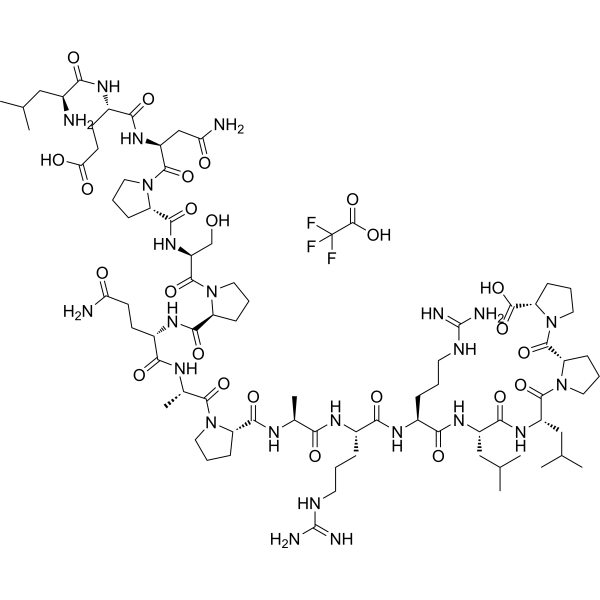
    BigLEN(mouse) TFA is a GPR171 agonist. BigLEN(mouse) TFA is a proSAAS-derived neuropeptide. BigLEN(mouse) TFA regulates food intake in mice. BigLEN(mouse) inhibits the release of glutamate onto parvocellular neurons of the paraventricular nucleus in a process dependent upon activation of postsynaptic G proteins.
    BigLEN(mouse) TFA
  • HY-149663

    Acyltransferase Metabolic Disease
    BMS-986172 is an orally active and selective Monoacylglycerol acyltransferase 2 (MGAT2) inhibitor with an IC50 of 4.6 nM and 20 nM for hMGAT2 and mMGAT2, respectively. BMS-986172 reduces food intake and body weight. BMS-986172 can be used for the researches of metabolic diseases, such as obesity .
    BMS-986172
  • HY-103327

    Cannabinoid Receptor Metabolic Disease
    MJ15 is a potent and selective CB1 receptor antagonist with a Ki of 27.2 pM and an IC50 of 118.9 pM for rat CB1 receptors. MJ15 exhibits potency in obesity and hyperlipidemia models. MJ15 inhibits food intake and increases in body weight in diet-induced obese rats and mice .
    MJ15
  • HY-100546

    Histone Demethylase Infection Metabolic Disease Cancer
    GSK-LSD1, a chemical probe, is a LSD1 inhibitor. GSK-LSD1 reduces food intake and body weight, and improves insulin sensitivity and glycemic control in mouse models of obesity. GSK-LSD1 also ameliorates NAFLD. GSK-LSD1 inhibits SARS-CoV-2-triggered cytokine release in COVID-19 PBMCs. GSK-LSD1 also inhibits cancer growth and metastasis .
    GSK-LSD1
  • HY-14342A

    Bombesin Receptor Metabolic Disease
    (R)-MK-5046 is the isomer of MK-5046 (HY-14342), and can be used as an experimental control. MK-5046 is a potent, selective and orally active Bombesin receptor subtype-3 (BRS-3) allosteric agonist with an IC50 and an EC50 value of 27 and 25 nM for hBRS-3, respectively. MK-5046 inhibits food intake and reduces body weight of diet-induced obese (DIO) mouse models. MK-5046 can be used for the research of obesity .
    (R)-MK-5046
  • HY-W002116S

    TRP Channel COX Phosphatase Bacterial Infection Metabolic Disease Inflammation/Immunology Cancer
    Methyl syringate-d6 is the deuterium labeled Methyl syringate. Methyl syringate is a selective TRPA1 agonist. Methyl syringate regulates food intake and gastric emptying through a TRPA1-mediated pathway. Methyl syringate is an efficient phenolic mediator for bacterial and fungal laccases. Methyl syringate is a chemical marker of Asphodel monofloral honey. Methyl syringate contributes to the antibacterial activity of honey. Methyl syringate inhibits aflatoxin production. Methyl syringate can contribute to weight suppression. Methyl syringate can be studies for cancer prevention (e.g. lung cancer), suppression of hypoxia-induced inflammatory response and tumorigenesis .
    Methyl syringate-d6
  • HY-121827
    LH21
    1 Publications Verification

    Cannabinoid Receptor Metabolic Disease
    LH-21 is a potent in vivo neutral cannabinoid CB1 receptor antagonist. LH-21 reduces food intake and body weight gain in obese Zucker rats. , and displays efficacy as a feeding inhibitor .
    LH21
  • HY-129207

    GHSR Endocrinology
    Ghrelin is an endogenous ligand for the growth hormone secretagogue receptor that stimulates food intake and transduces signals to hypothalamic regulatory nuclei that control energy homeostasis. JMV3002 is a potent ghrelin receptor antagonist with an IC50 value of 1.1 nM in vitro. 80 μg/kg, JMV3002 inhibits hexarelin-stimulated food intake by as much as 98% in rats. JMV3002 alone does not elicit growth hormone release nor does it inhibit hexarelin-stimulated growth hormone secretion when tested in infant rats at a dose of 160 μg/kg.
    JMV 3002
  • HY-P1306

    GHSR Cardiovascular Disease Inflammation/Immunology
    Obestatin(rat), encoded by the Ghrelin gene, is a cpeptide, comprised of 23 amino acids. Obestatin(rat) suppresses food intake, inhibits jejunal contraction, and decreases body-weight gain. Obestatin is an endogenous ligand of G-protein coupled receptor 39 (GPR39). Obestatin(rat) has anti-inflammatory, anti-myocardial infarction and antioxidant activities .
    Obestatin(rat)
  • HY-120096

    Neuropeptide Y Receptor Neurological Disease
    BIBO3304 free base is a nonpeptide neuropeptide Y Y1 receptor antagonist. BIBO3304 free base displays subnanomolar affinity for both the human and the rat Y1 receptor, with IC50 values of 0.38 nM and 0.72 nM, respectively. BIBO3304 free base significantly inhibits food intake induced by application of NPY or by fasting .
    BIBO3304 free base
  • HY-158014

    Dopamine Transporter Neurological Disease
    JJC8-089 is a dopamine transporter (DAT) inhibitor that may improve motivational dysfunction and increase effortful behavior in goal-directed activities. JJC8-089 significantly reversed the low-effort effects induced by the VMAT-2 inhibitor Tetrabenazine (HY-B0590) in rats and increased the choice of high-effort fixed-ratio 5-bar presses versus food intake. .
    JJC8-089
  • HY-117158

    Adrenergic Receptor Others
    SKF 89748 is an α1-adrenergic receptor agonist with the activity of inhibiting food and water intake. SKF 89748 inhibits food and water intake in adult male rats with an ED50 of 0.37mg/kg for inhibiting food intake.
    SKF 89748
  • HY-113896

    Cholecystokinin Receptor Others
    U-67827E is a cholecystokinin (CCK) agonist that decreases food intake over a prolonged period of time in baboons. U-67827E may affect the latency to food by inhibiting the movement of food in the stomach and magnifying a gastric distention signal .
    U-67827E
  • HY-110107

    Neuropeptide Y Receptor Metabolic Disease
    GW438014A is a potent and selective NPY-Y5 receptor antagonist. GW438014A inhibits food intake and reduces body weight gain in obese rodents .
    GW438014A
  • HY-111131

    Melanocortin Receptor Metabolic Disease
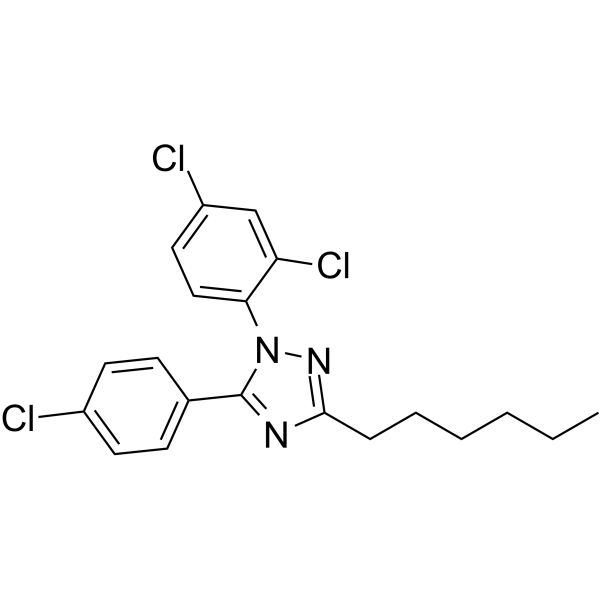
    RY746 is a selective MC4R agonist, with an EC50 of 10 nM. RY764 effectively inhibits food intake and reduces body weight gain in diet-induced obese (DIO) rat models. RY764 can be used for the study of obesity .
    RY764
  • HY-19656

    Biochemical Assay Reagents Metabolic Disease
    HMR1426 is an orally active, potent gastric emptying inhibitor. HMR1426 reduces food intake and the rate of gastric emptying, decreases body weight and fat mass and shows an anorectic potential in rats. HMR1426 has the potential for obesity research .
    HMR1426
  • HY-124399

    Endogenous Metabolite PPAR Metabolic Disease
    Peroxisome proliferator-activated receptors (PPARs) play an important role in regulating lipid and glucose metabolism, and oleoylethanolamide (OEA) is a natural ligand for PPARα. N-Octadecyl-N'-propyl-sulfamide is an analog of OEA and a potent activator of PPARα, with selective binding affinity for PPARα (EC50=100 nM, compared to 120 nM for OEA). N-Octadecyl-N'-propyl-sulfamide (10 mg/kg; ip) inhibits food intake and reduces body weight gain in rats. At a dose of 1 mg/kg, N-Octadecyl-N'-propyl-sulfamide induces satiety, thereby reducing food intake, body weight, and plasma triglyceride concentrations in free-feeding Wistar rats and obese Zucker (fa/fa) rats.
    N-Octadecyl-N'-propyl-sulfamide
  • HY-P1306A

    GHSR Cardiovascular Disease Inflammation/Immunology
    Obestatin(rat) TFA, encoded by the Ghrelin gene, is a cpeptide, comprised of 23 amino acids. Obestatin(rat) TFA suppresses food intake, inhibits jejunal contraction, and decreases body-weight gain. Obestatin is an endogenous ligand of G-protein coupled receptor 39 (GPR39). Obestatin(rat) TFA has anti-inflammatory, anti-myocardial infarction and antioxidant activities .
    Obestatin(rat) TFA
  • HY-162703

    AMPK Metabolic Disease
    Lipid-lowering agent-2 (Compound 14d) is an orally active lipid-lowering agent with an EC50 of 0.06 μM. Lipid-lowering agent-2 inhibits the lipid synthesis, activates the AMPK signaling pathway, and exhibits anti-obesity effect. Lipid-lowering agent-2 inhibits food intake, improves the glucose metabolism, and reduces the body weight and adipose tissue in high-fat diet (HFD)-induced obese mice .
    Lipid-lowering agent-2
  • HY-P11291

    Neuropeptide Y Receptor Endocrinology
    NNC0165-1273 is an analog of gut hormone peptide YY (PYY3-36). NNC0165-1273 has a superior affinity for Y2 receptor over Y1, Y4, and Y5 receptor. NNC0165-1273 has a potent anorectic effect and significantly reduces nighttime and ghrelin-induced food intake by producing early satiety. NNC0165-1273 inhibits ghrelin-induced cFos expression in NPY/AgRP neurons. NNC0165-1273 can be used for antiobesity therapies research .
    NNC0165-1273
  • HY-171069

    Free Fatty Acid Receptor Metabolic Disease
    FFA2 agonist-1 (Compound 4) is the agonist for Free fatty acid receptor 2 (FFA2/GPR43) with an EC50 of 81 nM. FFA2 agonist-1 exhibits activity in β-arrestin-2 recruitment assay and cAMP inhibition assay with EC50 of 1.2 μM and 0.53 μM. FFA2 agonist-1 leads to appetite regulating peptide YY (PYY) mucosal responses, inhibits the fat accumulation, intestinal functions and food intake, and can be used for obesity research .
    FFA2 agonist-1
  • HY-W002116R

    Reference Standards TRP Channel COX Phosphatase Bacterial Infection Metabolic Disease Inflammation/Immunology Cancer
    Methyl syringate is a selective TRPA1 agonist. Methyl syringate regulates food intake and gastric emptying through a TRPA1-mediated pathway. Methyl syringate is an efficient phenolic mediator for bacterial and fungal laccases. Methyl syringate is a chemical marker of Asphodel monofloral honey. Methyl syringate contributes to the antibacterial activity of honey. Methyl syringate inhibits aflatoxin production. Methyl syringate can contribute to weight suppression. Methyl syringate can be studies for cancer prevention (e.g. lung cancer), suppression of hypoxia-induced inflammatory response and tumorigenesis .
    Methyl syringate (Standard)
  • HY-12191

    Histamine Receptor Metabolic Disease
    A-331440 is a potent and selective histamine H3 receptor antagonist that regulates neurotransmitter release by inhibiting presynaptic H3 receptors. In preclinical studies involving mice on a high-fat diet, A-331440 demonstrated dose-dependent effects on weight reduction and fat loss. At 5 mg/kg, it effectively decreased body weight comparable to dexfenfluramine, while at 15 mg/kg, it significantly reduced body fat and improved insulin tolerance, similar to mice on a low-fat diet. These findings suggest that A-331440 holds promise as an antiobesity agent by modulating histaminergic pathways involved in food intake and metabolic regulation .
    A-331440
  • HY-185478

    MCHR1 (GPR24) Metabolic Disease
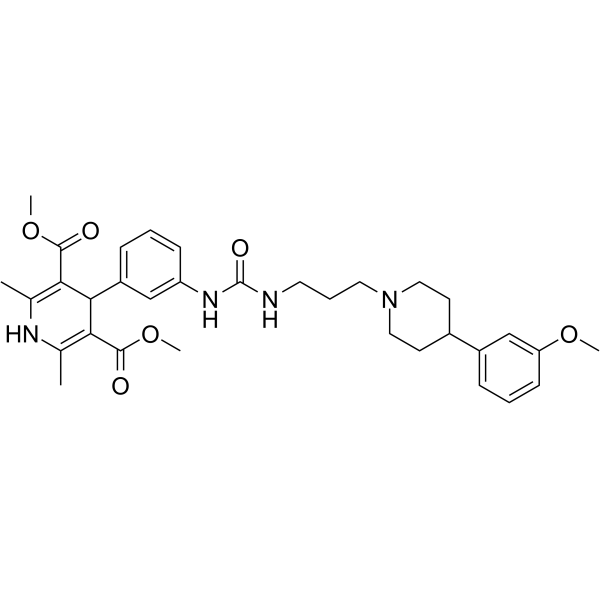
    NGD-4715 is an orally effective melanin-concentrating hormone receptor 1 (MCHR1) antagonist with IC50 and Ki values of 10.6 nM and 5.9 nM, respectively. NGD-4715 acts as an inhibitor of food intake, a body weight regulator and a metabolic regulator, and reduces food intake, body weight gain and blood glucose levels in diet-induced obese rats. NGD-4715 is applicable to obesity-related research .
    NGD-4715
  • HY-185341

    HDAC Metabolic Disease
    PTERi is a selective inhibitor of PTER with selectivity towards HDACs. PTERi increases the level of N-acetyltaurine in both lean and obese mice, and reduces food intake in obese mice. PTERi can be used in the research of obesity .
    PTERi
  • HY-182262

    Lipase Metabolic Disease
    Ro 20-0083 is an orally active pancreatic lipase inhibitor. Ro 20-0083 inhibits hPancreatic lipase activity, reduces lipid absorption and de novo fatty acid synthesis. Ro 20-0083 decreases food intake in Zucker rats. Ro 20-0083 can be used in obesity-related research .
    Ro 20-0083
  • HY-P11810

    GnRH Receptor Neuropeptide FF Receptor Metabolic Disease
    GUB08248 is a full GPR10 agonist and a partial NPFF2R agonist, with EC50 values of 0.5 nM and 2.5 nM, respectively. GUB08248 inhibits food intake and induces sustained weight loss. GUB08248 can be used in obesity-related research .
    GUB08248
  • HY-103327R

    Reference Standards Cannabinoid Receptor Metabolic Disease
    MJ15 (Standard) is the analytical standard of MJ15 (HY-103327). This product is intended for research and analytical applications. MJ15 is a potent and selective CB1 receptor antagonist with a Ki of 27.2 pM and an IC50 of 118.9 pM for rat CB1 receptors. MJ15 exhibits potency in obesity and hyperlipidemia models. MJ15 inhibits food intake and increases in body weight in diet-induced obese rats and mice .
    MJ15 (Standard)
  • HY-P11487

    GLP Receptor GCGR Cardiovascular Disease Metabolic Disease
    UTG-4 is a GLP-1R, GIPR, and GCGR agonist with EC50 values of 126.3 pM, 29.2 pM, and 250.2 pM, respectively. UTG-4 binds to HSA (Kd = 14.6 μM). UTG-4 effectively alleviates endothelial-mesenchymal transition. UTG-4 promotes weight loss, inhibits food intake, improves glucose tolerance, and has a significant anti-atherosclerotic effect .
    UTG-4
  • HY-182485

    Dopamine β-hydroxylase Others
    U-11634 is an orally active dopamine β-hydroxylase noncompetitive inhibitor, with rat LD50 values of 1197 mg/kg (subcutaneous) and 524 mg/kg (oral). U-11634 blocks conversion of dopamine to norepinephrine and reduces norepinephrine levels in brain. U-11634 decreases food intake and spontaneous motor activity via dietary inclusion. U-11634 induces thyroid toxicity and inhibits pregnancy. U-11634 inhibits deciduomata formation in intact and steroid-treated rats, with no reversal by progesterone or oestradiol. U-11634 can be used for pregnancy .
    U-11634
  • HY-186096

    ACSL Family GLP Receptor Metabolic Disease
    LP-856866 is an orally active ACSL5 inhibitor, with IC50 values of 8 nM and 4 nM against mouse and human ACSL5, respectively, and IC50 values of 6 nM and 17 nM against mouse and human ACSL1, respectively. LP-856866 induces delayed gastric emptying, promotes GLP-1 release, reduces food intake, decreases body weight and body fat mass, preserves lean body mass, improves glucose homeostasis, enhances insulin sensitivity, reduces hepatic lipid accumulation, and lowers serum triglyceride and total cholesterol levels. LP-856866 is applicable to research on diet-induced obesity .
    LP-856866
  • HY-182300

    Dipeptidyl Peptidase GLP Receptor Metabolic Disease
    FE 999011 is an orally active dipeptidyl peptidase IV (DPP-IV) inhibitor with IC50 values of 7 nM and 3 nM against human and rat sources, respectively. FE 999011 acts as a glucose tolerance-improving agent and a GLP-1 receptor activator, which reduces blood glucose fluctuation, promotes GLP-1 release and decreases the insulin-glucose ratio. FE 999011 regulates lipid metabolism, delays the onset of diabetes, stabilizes food and water intake, reduces hypertriglyceridemia, prevents the elevation of free fatty acids, and delays the progression of impaired glucose tolerance to disease. FE 999011 can be used in relevant studies of type 2 diabetes .
    FE 999011
  • HY-182271

    Orphan GPCR GABA Receptor Phosphodiesterase (PDE) Metabolic Disease
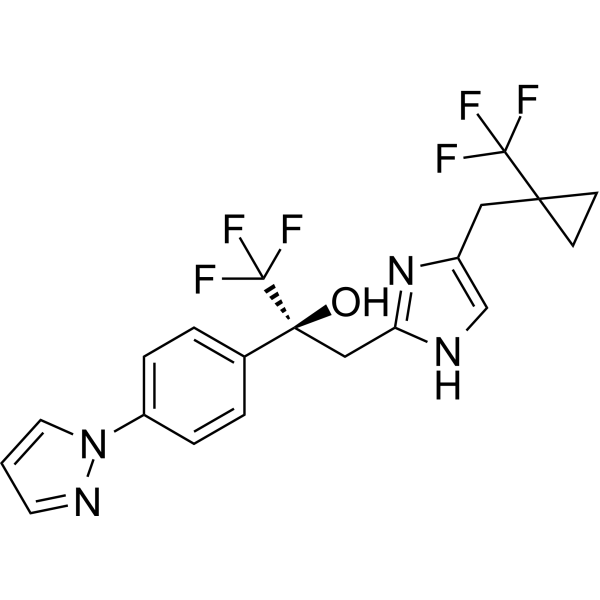
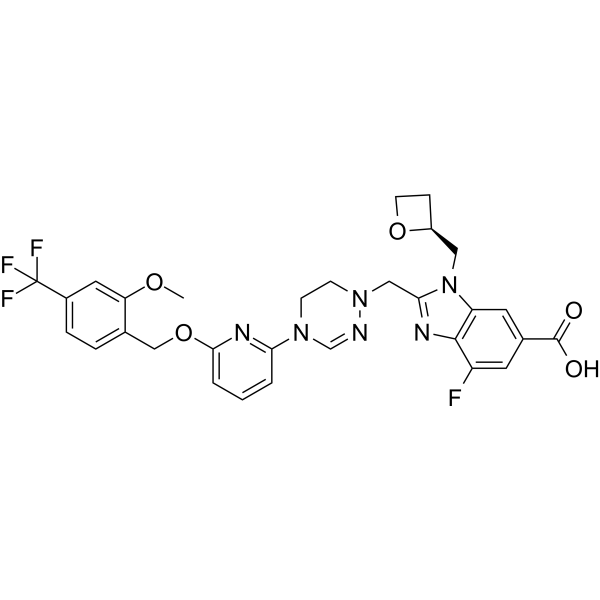
    GPR61 Inverse agonist 3 is a selective and brain-penetrant GPR61 inverse agonist with human IC50 of 4.0 nM, mouse IC50 of 8.8 nM, human Ki of 0.34 nM, mouse Ki of 1.1 nM. GPR61 Inverse agonist 3 disrupts GPR61-Gαs protein interactions to abolish GPR61 constitutive activity. GPR61 Inverse agonist 3 moderately inhibits GABAA chloride channel and PDE3A1 with IC50 values of 4.6 and 8.9 μM. GPR61 Inverse agonist 3 shows no functional effect on food intake in adult mice co-administered with a pan-CYP inhibitor. GPR61 Inverse agonist 3 can be used for the research of cachexia/sarcopenia .
    GPR61 Inverse agonist 3

Inquiry Online

Your information is safe with us. * Required Fields.

Salutation


Country or Region *

Applicant Name *


Organization Name *

Department *


Email Address *


Product Name *

Cat. No.


Requested quantity *

Phone Number *


Remarks

Inquiry Online

Inquiry Information

Product Name:
Cat. No.:
Quantity:
MCE Japan Authorized Agent:

