1. Search Result
Search Result
Results for "

infected mouse model

" in MedChemExpress (MCE) Product Catalog:

38

Inhibitors & Agonists

1

Peptides

3

Natural
Products

Cat. No. Product Name Target Research Areas Chemical Structure
  • HY-B0217
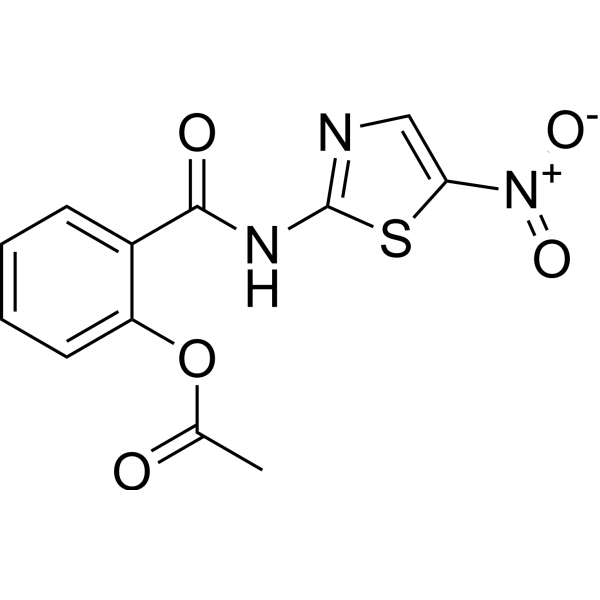
    Nitazoxanide
    Maximum Cited Publications
    15 Publications Verification

    NTZ; NSC 697855

    Parasite Influenza Virus Autophagy Infection Cancer
    Nitazoxanide (NTZ), an anthelmintic agent, exhibits a broad spectrum of activities against a wide variety of helminths, protozoa, and enteric bacteria infecting animals and humans. Nitazoxanide inhibits Giardia lamblia trophozoite proliferation in axenic culture with an IC50 of 2.4 μM . Nitazoxanide can be used for the research of parasitic gastroenteritis. Nitazoxanide shows anti-Japanese encephalitis virus (JEV) activity in a mouse model .
    Nitazoxanide
  • HY-B1864A
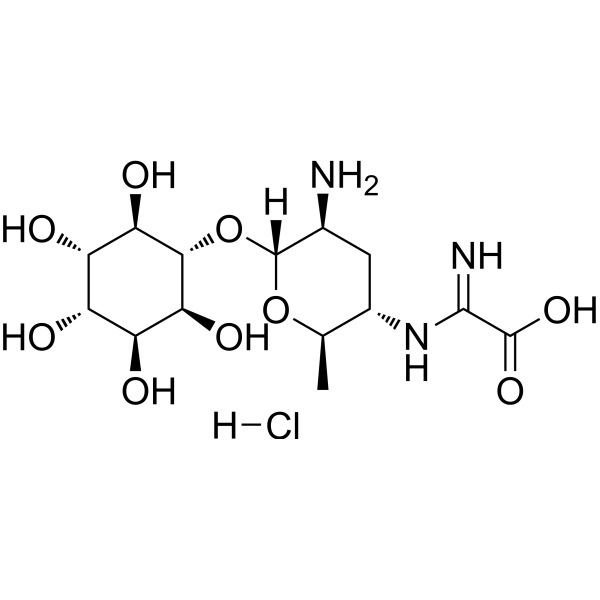
    Kasugamycin hydrochloride
    1 Publications Verification

    Ksg hydrochloride

    Environmental Pollutants Antibiotic Bacterial Infection
    Kasugamycin (Ksg) hydrochloride hydrate is an antibiotic that binds to 30s and 70s ribosomes but not to the 50s subunit, and has anti-infective activity. Kasugamycin hydrochloride hydrate mimics mRNA nucleotides, disrupts tRNA binding and inhibits canonical translation initiation. Kasugamycin hydrochloride hydrate increases the sensitivity of mycobacteria to Rifampicin (HY-B0272) in vitro and in mouse infection models .
    Kasugamycin hydrochloride
  • HY-W725179

    EBV Cancer
    VK-2019 is an orally bioavailable selective inhibitor of EBNA1. By binding to the protein-DNA interface to interfere with the recruitment and anchoring of the viral DNA replication machinery, VK-2019 effectively blocks the replication and proliferation of EBV in latently infected cells. VK-2019 reduces the copy number and gene expression level of Epstein-Barr virus in tumor cells, decreases the number of EBER-positive cells, and exhibits significant antiviral, immunomodulatory and antiproliferative activities. VK-2019 successfully inhibits tumor growth in EBV-dependent xenograft models. VK-2019 has favorable systemic exposure and acceptable safety profiles, and is widely used in research on advanced nasopharyngeal carcinoma and various EBV-associated cancers .
    VK-2019
  • HY-145119

    SARS-CoV Infection
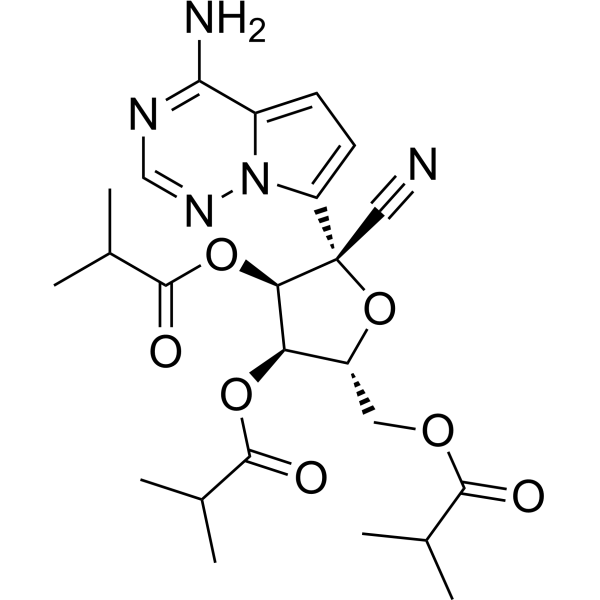
    GS-621763 is an orally available precursor to GS-441524 that exhibits anti-SARS-CoV-2 viral activity in mice. GS-621763 reduces viral load to undetectable levels in ferrets infected with SARS-CoV-2 .
    GS-621763
  • HY-B1864B
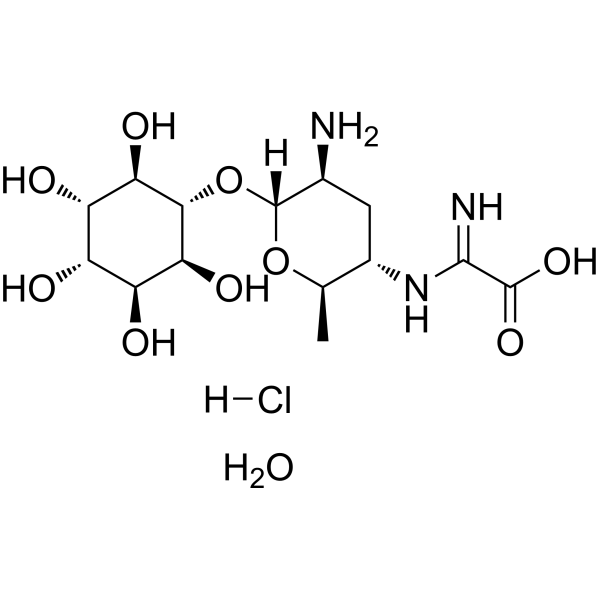
    Kasugamycin hydrochloride hydrate
    1 Publications Verification

    Ksg hydrochloride hydrate

    Antibiotic Bacterial Infection
    Kasugamycin (Ksg) hydrochloride hydrate is an antibiotic that binds to 30s and 70s ribosomes but not to the 50s subunit, and has anti-infective activity. Kasugamycin hydrochloride hydrate mimics mRNA nucleotides, disrupts tRNA binding and inhibits canonical translation initiation. Kasugamycin hydrochloride hydrate increases the sensitivity of mycobacteria to Rifampicin (HY-B0272) in vitro and in mouse infection models .
    Kasugamycin hydrochloride hydrate
  • HY-156959

    JAK TRP Channel MetAP Infection Inflammation/Immunology
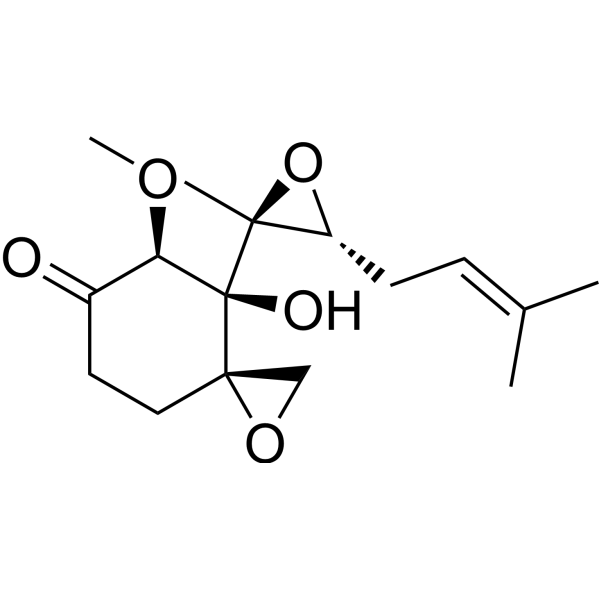
    Ovalicin is a multi-target inhibitor that targets MetAP2, HRH2, JAK2 and TRPV1, with anti-inflammatory and anti-atopic dermatitis activities. Ovalicin covalently binds to MetAP2 to inhibit its function, thereby blocking the replication of Enterocytozoon bieneusi and Vittaforma corneae. Ovalicin alleviates intestinal injury and prolongs survival in infected mouse models, without showing obvious hepatorenal toxicity. Ovalicin attenuates LPS-induced calcium influx, reduces the infiltration of macrophages and mast cells in the skin, and regulates the expression of inflammation-related genes such as IL-31, effectively relieving allergic symptoms in mouse models. Ovalicin can be used for the research of microsporidiosis and atopic dermatitis .
    Ovalicin
  • HY-14849

    Razupenem; SM 216601; SMP 601

    Antibiotic Bacterial Others
    PTZ601 (SMP 601) is an antibiotic, which inhibits the gram-positive bacteria, including the Vancomycin (HY-B0671)-resistant Enterococcus faecium (VREF) and Methicillin (HY-121544)-resistant Staphylococcus aureus (MRSA). PTZ601 exhibits antimicrobial activity in infected mouse models .
    PTZ601
  • HY-178690

    MyD88 IFNAR Infection Inflammation/Immunology
    MyD88-IN-4 is a MyD88 inhibitor. MyD88-IN-4 exerts antiviral effects by up-regulating IFN-β, and anti-inflammatory effects by inhibiting pro-inflammatory cytokine production. MyD88-IN-4 prevents MyD88 homodimer formation and its interaction with IRF3/IRF7. MyD88-IN-4 demonstrates efficacy against encephalitic alphavirus infections by reducing viral replication and improving survival in VEEV TC-83-infected mouse models. MyD88-IN-4 can be used for the study of alphavirus infections, bacterial toxin-related diseases, and sepsis .
    MyD88-IN-4
  • HY-159925

    Cyclic GMP-AMP Synthase Infection Inflammation/Immunology
    QKY-613 is a prodrug that enhances immune surveillance by targeting nucleic acid modification pathways. QKY-613 promotes the selective incorporation of 6mdA (N6-methyldeoxyadenosine) into viral DNA, enhancing the phase separation potential of DNA, thereby increasing the activation of cGAS and strengthening host immune surveillance. In virus-infected mouse models, QKY-613 significantly reduced mortality in aged mice. QKY-613 holds promise for research on nucleic acid modification-based immune surveillance mechanisms .
    QKY-613
  • HY-170799

    DNA/RNA Synthesis SARS-CoV Arenavirus Infection
    HNC-1664 is the orally active inhibitor for RNA-dependent RNA polymerase (RdRP). HNC-1664 exhibits broad-spectrum antiviral activity against coronavirus (SARS-CoV-2 wildtype and its mutants XBB.1.18, HK.3.1, BF.7.14, BA.1HCoV-229E, HCoV-OC43) and arenavirus. HNC-1664 exhibits anti-infectious activity in SARS-CoV-2 Delta infected mouse models .
    HNC-1664
  • HY-178952

    Bacterial Infection
    Anti-infective agent 12 (Compound A09) is a competitive inhibitor of type I signal peptidease (SPase I), with an IC50 of 4.475 μM and a Kd of 16.3 μM. Anti-infective agent 12 has the ability to disrupt bacterial membranes and remove biofilms. Anti-infective agent 12 exhibits potent bactericidal activity against Gram-positive bacteria, with MIC values of 4, 4, 8, and 8 μg/mL for Staphylococcus aureus, Enterococcus faecalis, Enterococcus faecium, and Streptococcus suis, respectively. Anti-infective agent 12 remains effective against multi-drug resistant strains, but has weaker activity against Gram-negative bacteria (such as Escherichia coli and Salmonella), with MIC values > 64 μg/mL. Anti-infective agent 12 has low hemolytic activity and shows significant efficacy in mouse skin infection models .
    Anti-infective agent 12
  • HY-172350

    SARS-CoV Virus Protease Interleukin Related Infection
    WEHI-P8 is an orally active SARS-CoV-2 papain-like protease (PLpro) inhibitor with an IC50 of 12 nM and a Kd of 9.0 nM. WEHI-P8 reduces viral load, body weight loss, pulmonary inflammation, immune cell infiltration and pro-inflammatory mediator levels in SARS-CoV-2-infected mice. WEHI-P8 prevents pulmonary hemorrhage, immune cell infiltration, fibrotic remodeling and neuroinflammation, and improves cognitive function in a mouse model of post-acute sequelae of SARS-CoV-2 infection (PASC). WEHI-P8 is applicable for the research of COVID-19 and PASC .
    WEHI-P8
  • HY-B0217R

    NTZ (Standard); NSC 697855 (Standard)

    Reference Standards Parasite Influenza Virus Autophagy Infection Cancer
    Nitazoxanide (Standard) is the analytical standard of Nitazoxanide. This product is intended for research and analytical applications. Nitazoxanide (NTZ), an anthelmintic agent, exhibits a broad spectrum of activities against a wide variety of helminths, protozoa, and enteric bacteria infecting animals and humans. Nitazoxanide inhibits Giardia lamblia trophozoite proliferation in axenic culture with an IC50 of 2.4 μM . Nitazoxanide can be used for the research of parasitic gastroenteritis. Nitazoxanide shows anti-Japanese encephalitis virus (JEV) activity in a mouse model .
    Nitazoxanide (Standard)
  • HY-157892

    Parasite Infection
    Antimalarial agent 38 is an orally active antimalarial agent, which inhibits Plasmodium falciparum D6 strain, Chloroquine (HY-17589A)-sensitive Thai strain and Chloroquine-resistant FcB1 strain and K1 strain, with IC50s of 0.5, 13, 1 and 13 μM, respectively. Antimalarial agent 38 is non-cytotoxic for mammalian cells MCR58 (IC50 >140 μM). Antimalarial agent 38 improves the survival rate of Plasmodium yoelii nigeriensis infected mouse model .
    Antimalarial agent 38
  • HY-175165

    Enterovirus Infection
    Jun6504 is an enterovirus 2C inhibitor. Jun6504 shows potent and broad-spectrum antiviral activity against multiple strains of EV-D68 (EC50 = 250 nM), EV-A71 (EC50 = 502.4 nM), and CVB3 (EC50 = 1049 nM). Jun6504 improves paralysis score and weight gain in a neonatal mouse model of EV-D68 infection. Jun6504 reduces viral titers in the spinal cord and the infected quadriceps muscle. Jun6504 can be used for EV-D68 antiviral research .
    Jun6504
  • HY-175732

    PI4K Parasite Infection
    PI4Kβ-IN-1 is an orally active and selective PI4Kβ inhibitor, with an IC50 of 0.9 nM. PI4Kβ-IN-1 exhibits inhibitory activity against all stages of the P. falciparum life cycle, including blood, liver, and transmission stages. PI4Kβ-IN-1 demonstrates potent antimalarial efficacy in the mouse model infected with Plasmodium falciparum. PI4Kβ-IN-1 can be used for the study of malaria caused by Plasmodium falciparum .
    PI4Kβ-IN-1
  • HY-162790

    SARS-CoV Virus Protease Infection
    SARS-CoV-2-IN-95 (Compound 10) is an inhibitor for SARS-CoV-2 PLpro with an IC50 of 0.39 μM. SARS-CoV-2-IN-95 exhibits antiviral activity in mouse SARS-CoV-2-infected model .
    SARS-CoV-2-IN-95
  • HY-173080

    Bacterial Infection
    Antibacterial agent 267 (Compound h19) is a pleuromutilin derivative with a potent antibacterial activity on Gram-positive bacteria. Antibacterial agent 267 shows an antibacterial activity in methicillin-resistant Staphylococcus aureus (MRSA)-infected mouse models .
    Antibacterial agent 267
  • HY-174433

    Influenza Virus Infection
    PAN endonuclease-IN-4 (Compound 41) is an inhibitor of PAN endonuclease with antiviral properties. PAN endonuclease-IN-4 is the prodrug of 39-(S). PAN endonuclease-IN-4 can significantly suppress viral replication in an A/WSN/33 infected mouse model .
    PAN endonuclease-IN-4
  • HY-18956A

    (E/Z)-Sephin1 hydrochloride; (E/Z)-IFB-088 hydrochloride

    Phosphatase Neurological Disease
    (E/Z)-Icerguastat hydrochloride ((E/Z)-Sephin1 hydrochloride) is a selective inhibitor with activity that prolongs the phosphorylation effects of eIF2α. (E/Z)-Icerguastat hydrochloride protects cells from defects in proteostasis. (E/Z)-Icerguastat hydrochloride was shown to significantly extend the survival of infected prion mice in a mouse model. (E/Z)-Icerguastat hydrochloride effectively reduces PrPSc expression and prion sequence activity in various neuronal cell lines persistently infected with different prion strains .
    (E/Z)-Icerguastat hydrochloride
  • HY-B1864C

    Ksg sulfate

    Antibiotic Bacterial Infection
    Kasugamycin (Ksg) hydrochloride hydrate is an antibiotic that binds to 30s and 70s ribosomes but not to the 50s subunit, and has anti-infective activity. Kasugamycin hydrochloride hydrate mimics mRNA nucleotides, disrupts tRNA binding and inhibits canonical translation initiation. Kasugamycin hydrochloride hydrate increases the sensitivity of mycobacteria to Rifampicin (HY-B0272) in vitro and in mouse infection models .
    Kasugamycin sulfate
  • HY-156123

    Dihydrofolate reductase (DHFR) Bacterial Infection Cancer
    DHFR-IN-9 (compound 8A) is a dihydrofolate reductase (DHFR) inhibitor that affects purine and thymidylate biosynthesis in cell proliferation and growth. DHFR-IN-9 inhibits methicillin-resistant Staphylococcus aureus (MRSA) ATCC 43300 (IC50=0.25 μg/mL) and has anti-infective effects in mouse models of systemic infection and thigh infection caused by it (dose: 2.5 mg /kg, 5 mg/kg; ip). DHFR-IN-9 has stronger anticancer activity than paclitaxel (Y-B0015) in a mouse model of breast cancer (dose: 2.5 mg/kg; ip; once every 3 days) .
    DHFR-IN-9
  • HY-174431

    Endonuclease Influenza Virus Infection
    PAN endonuclease-IN-3 is a potent PAN endonuclease inhibitor that against influenza virus polymerase complexes with an IC50 of 17.4 nM. PAN endonuclease-IN-3 demonstrates potent inhibitory activities against PAN endonuclease. PAN endonuclease-IN-3 demonstrates robust antiviral activities against multiple current and different influenza virus strains while showing minimal cytotoxicity in MDCK cells. PAN endonuclease-IN-3 significantly suppresses viral replication in an A/WSN/33 infected mouse model.
    PAN endonuclease-IN-3
  • HY-N14354

    Antibiotic Bacterial Infection
    Ferrocin B is an iron-containing cyclic decapeptide antibiotic found in the bacterium Pseudomonas fluorescens YK-310, exhibiting strong antibacterial activity primarily against Gram-negative bacteria, with particularly potent inhibitory effects on Pseudomonas aeruginosa. In a mouse infection model, Ferrocin B shows a half effective dose (ED50) of 0.593 mg/kg against P. aeruginosa. Ferrocin B holds potential for research in the field of anti-infective therapies .
    Ferrocin B
  • HY-B1864AR

    Ksg hydrochloride (Standard)

    Reference Standards Antibiotic Bacterial Infection
    Kasugamycin (Ksg) hydrochloride (Standard) is the analytical standard of Kasugamycin hydrochloride (HY-B1864A). This product is intended for research and analytical applications. Kasugamycin (Ksg) hydrochloride hydrate is an antibiotic that binds to 30s and 70s ribosomes but not to the 50s subunit, and has anti-infective activity. Kasugamycin hydrochloride hydrate mimics mRNA nucleotides, disrupts tRNA binding and inhibits canonical translation initiation. Kasugamycin hydrochloride hydrate increases the sensitivity of mycobacteria to Rifampicin (HY-B0272) in vitro and in mouse infection models .
    Kasugamycin hydrochloride (Standard)
  • HY-B1864BR

    Ksg hydrochloride hydrate (Standard)

    Reference Standards Antibiotic Bacterial Infection
    Kasugamycin (Ksg) hydrochloride hydrate (Standard) is the analytical standard of Kasugamycin hydrochloride hydrate (HY-B1864B). This product is intended for research and analytical applications. Kasugamycin (Ksg) hydrochloride hydrate is an antibiotic that binds to 30s and 70s ribosomes but not to the 50s subunit, and has anti-infective activity. Kasugamycin hydrochloride hydrate mimics mRNA nucleotides, disrupts tRNA binding and inhibits canonical translation initiation. Kasugamycin hydrochloride hydrate increases the sensitivity of mycobacteria to Rifampicin (HY-B0272) in vitro and in mouse infection models .
    Kasugamycin hydrochloride hydrate (Standard)
  • HY-163481

    Bacterial Infection
    Antibiofilm agent-6 (Compound 26c) is a quorum sensing inhibitor with strong antibiofilm effects that can inhibit the fluorescence intensity of PAO1-lasB-gfp and PAO1-pqsA-gfp in a concentration-dependent manner. Antibiofilm agent-6 can inhibit the production of pyocyanin and rhamnolipid. Antibiofilm agent-6 aids helps ciprofloxacin (HY-B0356) effectively eliminate the living bacteria in a mouse model infected with P. aeruginosa PAO1 .
    Antibiofilm agent-6
  • HY-111817A

    Parasite Infection
    (Rac)-ACT-451840 is an isomer of ACT-451840 that exhibits significant antimalarial effects. (Rac)-ACT-451840 exhibits significant antimalarial activity against P. berghei-infected mice at a dose of 20 mg/kg (ED90=13 mg/kg), and has an inhibitory effect at a dose of 300 mg/kg. The ED90 of (Rac)-ACT-451840 in the P. falciparum humanized immunodeficient mouse model is 3.7 mg/kg. (Rac)-ACT-451840 is similar to artemisinin, with a rapid onset of action but requires repeated high doses.
    (Rac)-ACT-451840
  • HY-161988

    Bacterial Infection Inflammation/Immunology
    Antimicrobial agent-34 (compound 4h) is an antibacterial agent (MIC = 1–4 μg/mL), with a clogP value of 9.14. Antimicrobial agent-34 has good plasma stability (HC50 of 131.1 μg/mL) and good membrane selectivity (HC50/MIC is 65.6), with rapid sterilization capability. Antimicrobial agent-34 destroys the integrity of bacterial cell membranes, induces an increase in intracellular reactive oxygen species, and leaks protein and DNA, ultimately leading to bacterial death. Antimicrobial agent-34 demonstrates significant in vivo antibacterial potency in a mouse sepsis model infected with Staphylococcus aureus ATCC43300 .
    Antimicrobial agent-34
  • HY-P11242

    Bacterial NF-κB p38 MAPK JNK ERK TNF Receptor Interleukin Related Infection
    Cm-CATH2 is an antimicrobial peptide discovered from Chelonia mydas. Cm-CATH2 has a potent, broad-spectrum and rapid bactericidal ability by rapidly destroying the integrity of bacterial cell membranes. It shows strong activity against Gram-positive bacteria (such as VREF, Staphylococcus aureus), Gram-negative bacteria (such as Escherichia coli, Klebsiella pneumoniae), and fungi (such as Candida albicans) with MICs ranges from 1.17 to 18.75 μg/mL. Cm-CATH2 is also effective against various aquatic pathogenic bacteria. Cm-CATH2 not only inhibits biofilm formation but can also remove the formed biofilms. Cm-CATH2 has immunomodulatory functions and chemotactic effects on immune cells, and can inhibit the production of pro-inflammatory cytokines by macrophages stimulated by LPS (HY-D1056). Cm-CATH2 prevents the activation of NF-κB by inhibiting the degradation of IκBα, and also inhibits the phosphorylation of MAPK signaling pathways (p38, JNK, ERK). Cm-CATH2 demonstrates strong anti-infective ability in mouse peritonitis models and pneumonia models .
    Cm-CATH2
  • HY-173077

    PD-1/PD-L1 Bacterial Infection Inflammation/Immunology
    PD-L1/LpxC-IN-1 (Conpound 12b) is the inhibitor for PD-L1 and LpxC with IC50 of 5.2 μM and 0.081 μM. PD-L1/LpxC-IN-1 inhibits the biosynthesis of bacterial lipopolysaccharide, causes the lysis and death of bacterial cells. PD-L1/LpxC-IN-1 inhibits Gram-negative bacteria, MIC for K. pneumoniae ATCC 13883, E. coli ATCC 8739, S. typhimurium ATCC 14028 and P. aeruginosa ATCC 9027 is 0.25-0.5 μg/mL. PD-L1/LpxC-IN-1 downregulates the expression of inflammatory factors IL-2 and IFN-γ, upregulates the expression of CD4+ and CD8+ cells, thereby activating the immune system and inhibiting excessive inflammatory responses. PD-L1/LpxC-IN-1 exhibits antibacterial activity in K. pneumoniae ATCC 13883 infected mouse models .
    PD-L1/LpxC-IN-1
  • HY-183668

    Bacterial Carbonic Anhydrase Infection
    Carbonic anhydrase-IN-39 is a bacterial carbonic anhydrase inhibitor with oral bioavailability. Carbonic anhydrase-IN-39 inhibits α-NgCA and β-NgCA from Neisseria gonorrhoeae, as well as human hCA I and hCA II. Carbonic anhydrase-IN-39 exhibits bactericidal activity against Neisseria gonorrhoeae and reduces gonococcal burden in infected mouse models. Carbonic anhydrase-IN-39 can be used in the research of gonorrhea .
    Carbonic anhydrase-IN-39
  • HY-182056

    Bacterial Infection
    Antibacterial agent 331 is an antibacterial agent with anti-biofilm activity. Antibacterial agent 331 exhibits activity against a variety of Gram-positive and Gram-negative bacteria. Antibacterial agent 331 eliminates MRSE 62 and promotes the repair of infected wounds in mouse models. Antibacterial agent 331 can be used for research on infections .
    Antibacterial agent 331
  • HY-170993

    Antibiotic Bacterial Infection Inflammation/Immunology
    Antimicrobial agent-39 (Compound 8i) is an antibiotic that targets 50S ribosomal subunit and inhibits bacterial protein synthesis. Antimicrobial agent-39 disrupts bacterial cell membranes, leads to leakage of cell contents, thereby exhibiting board-spectrum actibacterial activity. Antimicrobial agent-39 targets organic cation transporters (OCTs), accumulates in infected kidneys, thereby ameliorating pyelonephritis in mouse models .
    Antimicrobial agent-39
  • HY-183313

    Influenza Virus Apoptosis NF-κB Interleukin Related NO Synthase Toll-like Receptor (TLR) Infection
    IAV-IN-5 is an orally active inhibitor of influenza A virus (IAV). IAV-IN-5 inhibits viral replication, blocks virus-induced apoptosis, oxidative stress and cytokine storm, and regulates host immune signaling pathways. IAV-IN-5 reduces viral load and inflammatory cytokine levels in lung tissues of IAV-infected mouse models, alleviates body weight loss and pulmonary pathological damage. IAV-IN-5 can be used in studies related to influenza A virus infection .
    IAV-IN-5
  • HY-182033

    Bacterial ClpP Infection
    ClpP agonist 1 is a Staphylococcus aureus ClpP (SaClpP) agonist with an EC50 of 1.44 μM, Kd values of 2.95 μM (isothermal titration calorimetry) and 18 μM (bio-layer interferometry), and a low drug resistance frequency. ClpP agonist 1 reduces bacterial load, shrinks infected area and improves histopathological outcomes in a mouse skin infection model. ClpP agonist 1 can be used for the research of Methicillin (HY-121544)-resistant Staphylococcus aureus (MRSA) skin infections .
    ClpP agonist 1
  • HY-175987

    Bacterial Infection
    Antimycobacterial agent-12 (Compound Ec42), a derivative of Platensimycin (HY-127146), is a dual-functional inhibitor KasA and KasB. Antimycobacterial agent-12 has antibacterial activity with a MICs of 2, 2 and 4 μg/mL against Staphylococcus aureus ATCC 29213, Mycobacterium smegmatis and its Isoniazid (HY-B0329)-resistant strain, respectively. Antimycobacterial agent-12 has a superior antimycobacterial activity in M. smegmatis-infected mouse models. Antimycobacterial agent-12 can be used for tuberculosis research .
    Antimycobacterial agent-12
  • HY-183708

    Arenavirus Infection
    Antiviral agent 85 is a broad-spectrum arenavirus entry inhibitor with an EC90 of 0.13 µM against Junín virus (JUNV). Antiviral agent 85 blocks the entry of various arenaviruses through both hTfR1-dependent and hTfR1-independent pathways, acting on the early and early post-entry stages of infection. Antiviral agent 85 exhibits antiviral activity against a variety of arenaviruses, is well tolerated in hTfR1-expressing JUNV-infected mouse models, but fails to provide protective effects. Antiviral agent 85 can be used in studies related to arenavirus hemorrhagic fevers .
    Antiviral agent 85

Inquiry Online

Your information is safe with us. * Required Fields.

Salutation


Country or Region *

Applicant Name *


Organization Name *

Department *


Email Address *


Product Name *

Cat. No.


Requested quantity *

Phone Number *


Remarks

Inquiry Online

Inquiry Information

Product Name:
Cat. No.:
Quantity:
MCE Japan Authorized Agent:

