

1. Search Result
Search Result
Results for "

inflammatory airway diseases

" in MedChemExpress (MCE) Product Catalog:

36

阻害剤およびアゴニスト

1

生化学アッセイ試薬

1

ペプチド

3

阻害性抗体

7

天然物

2

同位体標識化合物

製品番号 製品名 Target 研究分野 構造式
  • HY-B0809
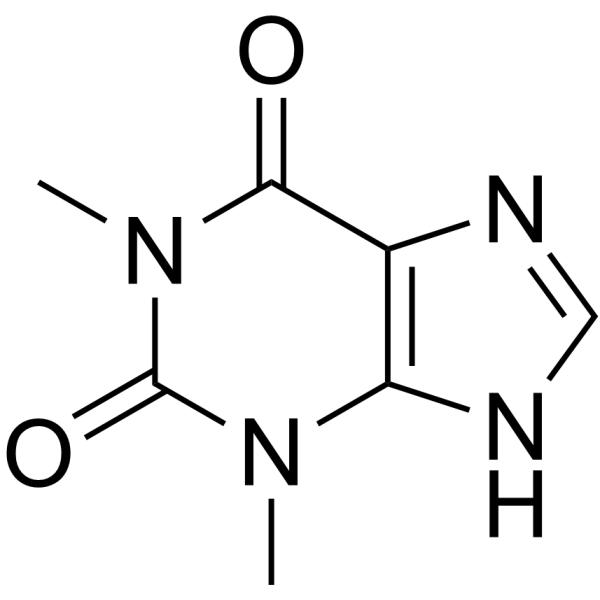
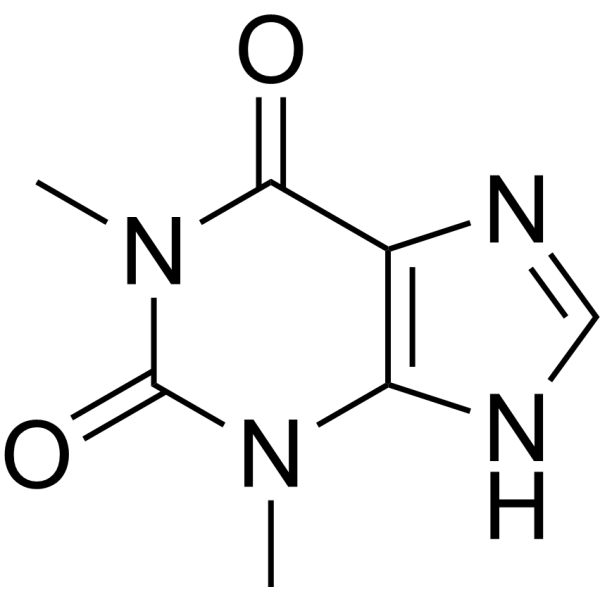
    Theophylline
    Maximum Cited Publications
    12 Publications Verification

    1,3-Dimethylxanthine; Theo-24

    Phosphodiesterase (PDE) Adenosine Receptor HDAC Apoptosis Interleukin Related TNF Receptor Endogenous Metabolite Infection Neurological Disease Inflammation/Immunology Cancer
    Theophylline (1,3-Dimethylxanthine) is a potent phosphodiesterase (PDE) inhibitor, adenosine receptor antagonist, and histone deacetylase (HDAC) activator. Theophylline (1,3-Dimethylxanthine) inhibits PDE3 activity to relax airway smooth muscle. Theophylline (1,3-Dimethylxanthine) has anti-inflammatory activity by increase IL-10 and inhibit NF-κB into the nucleus. Theophylline (1,3-Dimethylxanthine) induces apoptosis. Theophylline (1,3-Dimethylxanthine) can be used for asthma and chronic obstructive pulmonary disease (COPD) research .
    Theophylline
  • HY-156963

    FP-025

    MMP Inflammation/Immunology
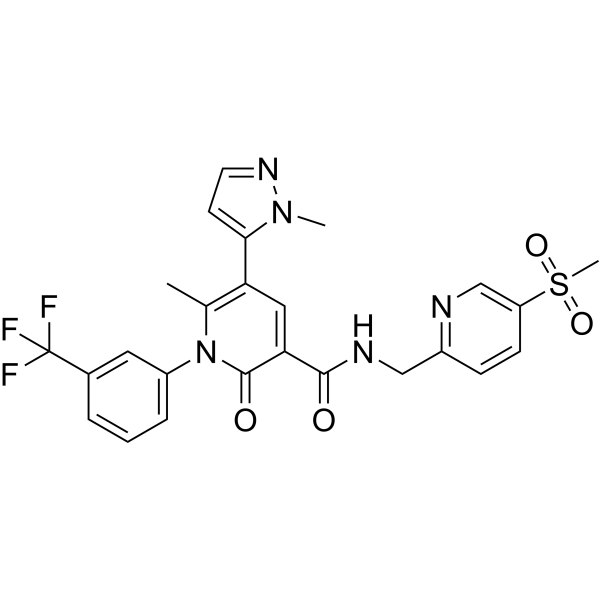
    Aderamastat (FP-025) is an orally active, selective MMP-12 inhibitor. Aderamastat provides protection against house dust mite (HDM)-sensitized allergic asthma. Aderamastat can be used in the research of respiratory diseases, including chronic inflammatory airway diseases and pulmonary fibrosis .
    Aderamastat
  • HY-N3519
    Platycodin D3
    1 Publications Verification

    HCV Branched Chain Amino Acid Transaminase (BCAT) Interleukin Related NF-κB ERK p38 MAPK JNK Infection Inflammation/Immunology
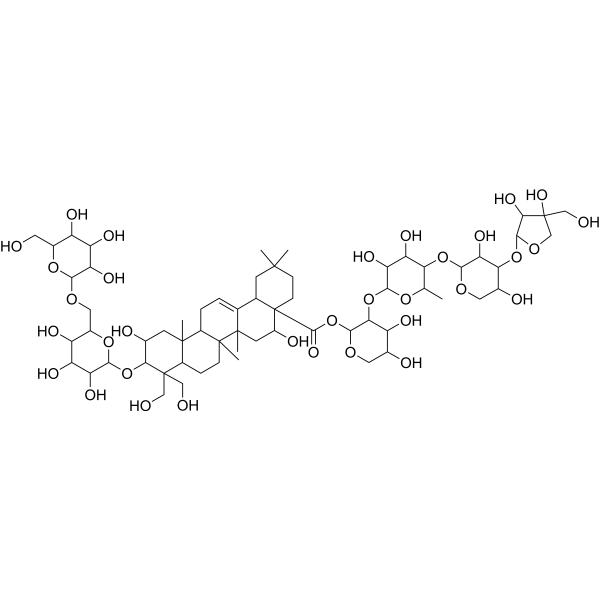
    Platycodin D3 is a triterpenoid saponin that can be found in Platycodon grandiflorum. Platycodin D3 exhibits multiple activities including anti-inflammation, regulation of airway mucus secretion, improvement of asthmatic airway inflammation and remodeling, and inhibition of hepatitis C virus (HCV) replication. The IC50 value of Platycodin D3 against HCV NS5B RNA-dependent RNA polymerase is 8 μg/mL. Platycodin D3 can be used in studies related to asthma, hepatitis C virus infection and inflammatory diseases .
    Platycodin D3
  • HY-N0863

    NSC-698790; Smilax saponin B

    Bcl-2 Family Apoptosis Akt c-Myc ERK p38 MAPK JNK FOXO Cancer
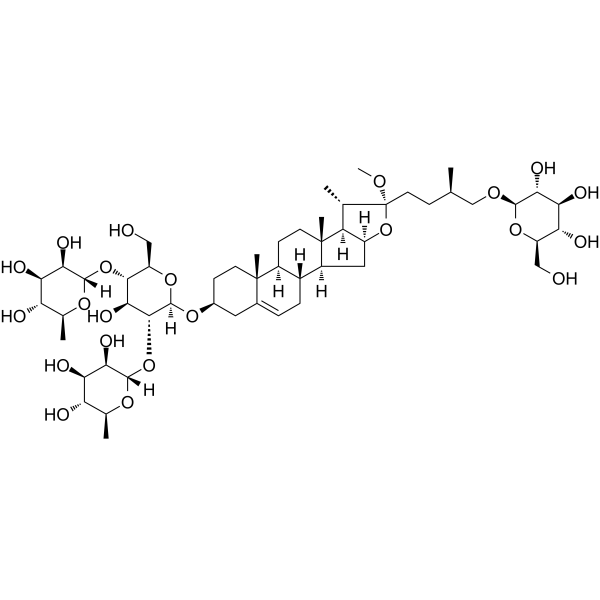
    Methyl protodioscin (NSC-698790; Smilax saponin B) is a multi-target, selective, steroidal diglycoside inhibitor with antitumor activity that induces cell cycle arrest. The mechanism of action of Methyl protodioscin is complex, involving the induction of G2/M cell cycle arrest, regulation of the Bcl-2/Bax apoptotic pathway, inhibition of the Akt1/c-Myc axis and MAPK/ERK signaling, while simultaneously downregulating ADAM15 and inducing FOXO1 to reduce cholesterol synthesis. It also inhibits the JNK/c-Jun pathway, reducing the production of inflammatory factors (IL-6, TNF-α). Methyl protodioscin exhibits significant antitumor (inhibiting proliferation, migration, invasion, and inducing apoptosis), anti-inflammatory, and anti-restenosis activities. Methyl protodioscin can be used in research on lung cancer, prostate cancer, pancreatic cancer, and other tumors, as well as inflammatory diseases such as airway inflammation and enteritis .
    Methyl protodioscin
  • HY-P99244

    ILV 094

    Interleukin Related JAK STAT Caspase Bcl-2 Family Inflammation/Immunology
    Fezakinumab (ILV 094) is an anti-IL-22 monoclonal antibody. Fezakinumab inhibits IL-22 signal transduction, and regulates the JAK1/STAT3 pathway as well as apoptotic proteins. Fezakinumab alleviates airway remodeling, alveolar enlargement and inflammatory cell infiltration in lung tissues. Fezakinumab reduces the levels of neutrophils, lymphocytes, eosinophils and macrophages in lung tissues. Fezakinumab can be used in the research of chronic obstructive pulmonary disease and skin diseases .
    Fezakinumab
  • HY-P990094

    CSL311

    c-Fms Inflammation/Immunology
    Trabikibart (CSL311) is a specific inhibitor targeting the βc receptor (CSF2RB) that inhibits signal transduction mediated by GM-CSF, IL-5, and IL-3. Trabikibart exhibits significant anti-inflammatory and anti-edema effects, reduces myeloid cell infiltration, and inhibits inflammatory cell survival. Trabikibart also possesses antiviral immune functions, which alleviate pulmonary inflammation, reverse airway dysfunction and fibrosis, and thereby restore impaired pulmonary function. Trabikibart can be used in research on related diseases such as acute respiratory distress syndrome, viral pneumonia, asthma, and chronic rhinosinusitis with nasal polyps .
    Trabikibart
  • HY-19393

    Phosphodiesterase (PDE) Cardiovascular Disease Inflammation/Immunology Cancer
    SCH 351591 is a highly selective, orally active PDE4 inhibitor, with IC50 values of 58 nM and 153 nM in humans and rats, respectively. SCH 351591 effectively inhibits pathological processes such as cytokine production, eosinophilia, airway hyperresponsiveness and bronchospasm. SCH 351591 also induces microvascular injury, activates mast cells and endothelial cells, and causes increases in serum histamine and various inflammatory factors, leading to early vascular damage. SCH 351591 has been widely used in studies related to asthma, chronic obstructive pulmonary disease and drug-induced vascular injury .
    SCH 351591
  • HY-15178

    GRC 3886

    Phosphodiesterase (PDE) Inflammation/Immunology
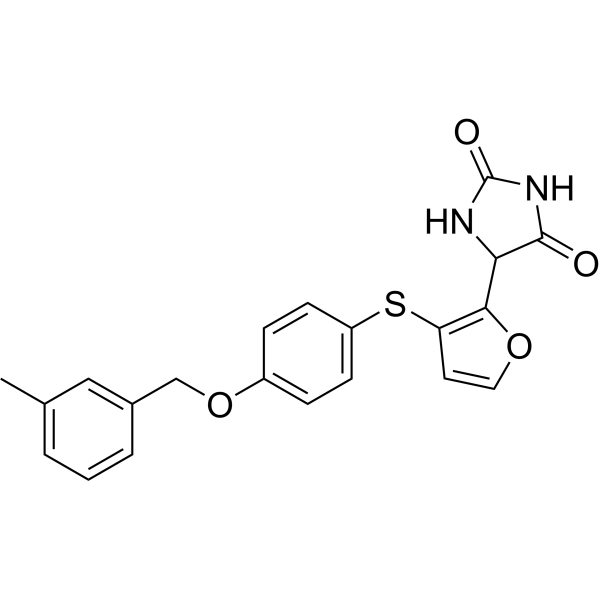
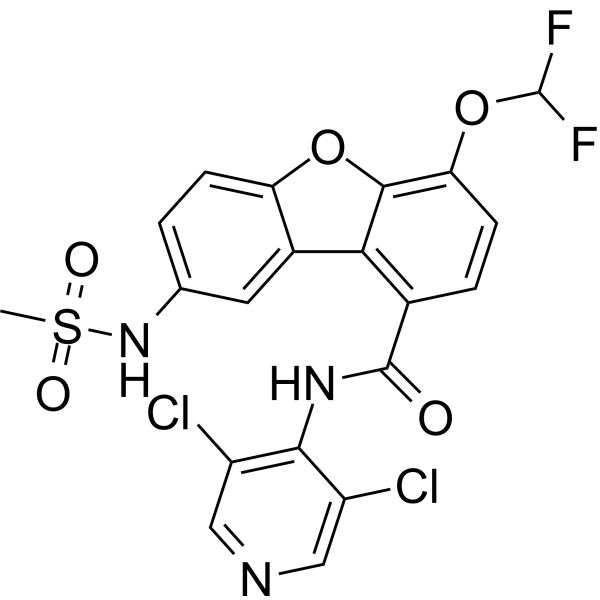
    Oglemilast (GRC 3886) is a potent and orally active phosphodiesterase-4 (PDE4) inhibitor with an IC50 of 0.5 nM for PDE4D3. Oglemilast inhibits pulmonary cell infiltration, including eosinophilia and neutrophilia in vitro and in vivo. Oglemilast has the potential for inflammatory airway diseases .
    Oglemilast
  • HY-149478

    NOD-like Receptor (NLR) Pyroptosis Inflammation/Immunology
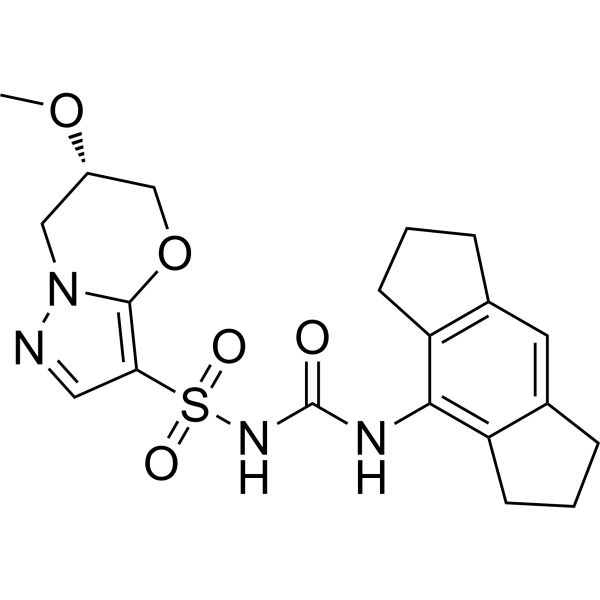
    JT002 is an orally active and selective NLRP3 inflammasome assembly inhibitor. JT002 reduces NLRP3-dependent proinflammatory cytokine (such as IL-1β, IL-1α, IL-18) production and pyroptosis. JT002 blocks NLRP3 inflammasome complex formation. JT002 reduces airway hyperresponsiveness and airway neutrophilia in mice. JT002 can be used for the study of a variety of inflammatory diseases, such as Muckle-Wells syndrome (MWS) .
    JT002
  • HY-18263C

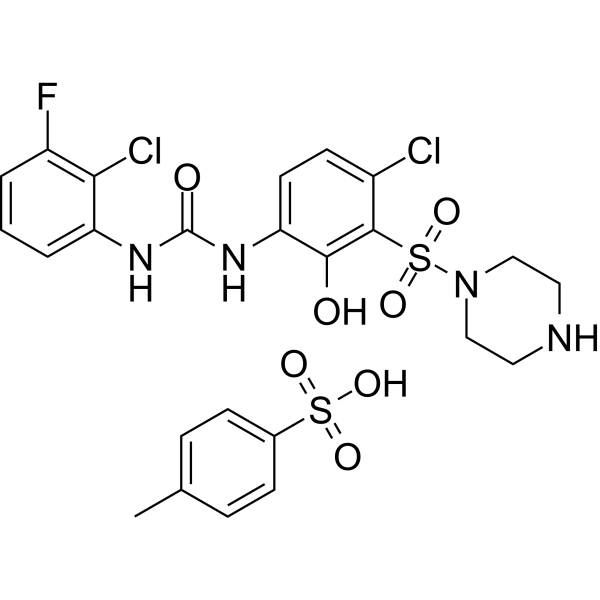
    SB-656933 tosylate

    CXCR Interleukin Related Inflammation/Immunology
    Elubrixin tosylate (SB-656933 tosylate) is a potent, selective, competitive, reversible and orally active CXCR2 antagonist and an IL-8 receptor antagonist. Elubrixin tosylate inhibits neutrophil CD11b upregulation (IC50 of 260.7 nM) and shape change (IC50 of 310.5 nM). Elubrixin tosylate has the potential for inflammatory diseases research, such as inflammatory bowel disease and airway inflammation .
    Elubrixin tosylate
  • HY-B0809A
    Theophylline monohydrate
    5+ Cited Publications

    1,3-Dimethylxanthine monohydrate; Theo-24 monohydrate

    Phosphodiesterase (PDE) Adenosine Receptor HDAC Apoptosis Interleukin Related TNF Receptor Cancer
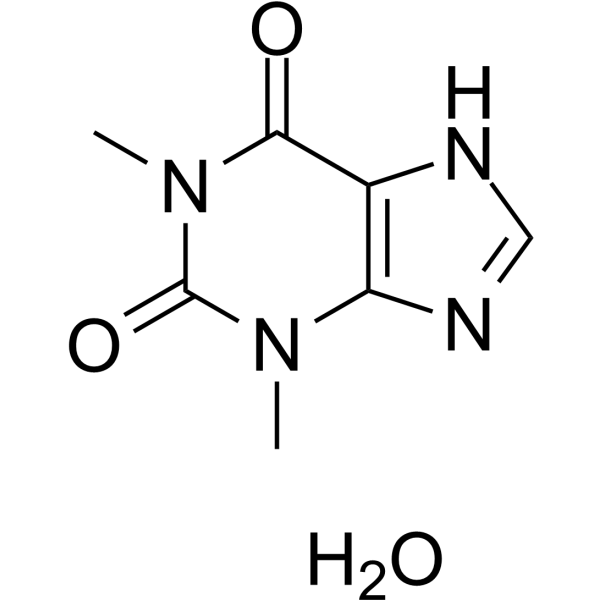
    Theophylline (1,3-Dimethylxanthine) monohydrate is a potent phosphodiesterase (PDE) inhibitor, adenosine receptor antagonist, and histone deacetylase (HDAC) activator. Theophylline (1,3-Dimethylxanthine) monohydrate inhibits PDE3 activity to relax airway smooth muscle. Theophylline (1,3-Dimethylxanthine) monohydrate has anti-inflammatory activity by increase IL-10 and inhibit NF-κB into the nucleus. Theophylline (1,3-Dimethylxanthine) monohydrate induces apoptosis. Theophylline (1,3-Dimethylxanthine) monohydrate can be used for asthma and chronic obstructive pulmonary disease (COPD) research .
    Theophylline monohydrate
  • HY-P991278

    Interleukin Related Inflammation/Immunology
    ABM-125 is a IL-25 neutralizer and immune response modulator. ABM-125 neutralizes human and mouse IL-25 and blocks type 2 immune activation function. ABM-125 regulates virus-induced inflammatory cytokine expression and increases the expression level of antiviral interferons in rhinovirus-infected asthmatic bronchial epithelial cells. For the isotype control of ABM-125, refer to Human IgG1 kappa, Isotype Control (HY-P99001). ABM-125 is applicable to research related to virus-induced acute asthma exacerbations .
    ABM-125
  • HY-108047

    Phosphodiesterase (PDE) Metabolic Disease Inflammation/Immunology
    MK-0873 is a selective phosphodiesterase-4 (PDE4) inhibitor. MK-0873 increases intracellular levels of cyclic adenosine phosphate (cAMP) by inhibiting the activity of the PDE4 enzyme and subsequently activates protein kinase A (PKA). Activated PKA inhibits the activity of inflammatory cells and leads to direct relaxation of airway smooth muscle. MK-0873 can be used in studies of chronic obstructive pulmonary disease (COPD) .
    MK-0873
  • HY-B0809R
    Theophylline (Standard)
    5+ Cited Publications

    1,3-Dimethylxanthine(Standard); Theo-24 (Standard)

    Reference Standards Phosphodiesterase (PDE) Adenosine Receptor HDAC Apoptosis Interleukin Related TNF Receptor Endogenous Metabolite Cancer
    Theophylline (Standard) is the analytical standard of Theophylline. This product is intended for research and analytical applications. Theophylline (1,3-Dimethylxanthine) is a potent phosphodiesterase (PDE) inhibitor, adenosine receptor antagonist, and histone deacetylase (HDAC) activator. Theophylline (1,3-Dimethylxanthine) inhibits PDE3 activity to relax airway smooth muscle. Theophylline (1,3-Dimethylxanthine) has anti-inflammatory activity by increase IL-10 and inhibit NF-κB into the nucleus. Theophylline (1,3-Dimethylxanthine) induces apoptosis. Theophylline (1,3-Dimethylxanthine) can be used for asthma and chronic obstructive pulmonary disease (COPD) research .
    Theophylline (Standard)
  • HY-Y1269D

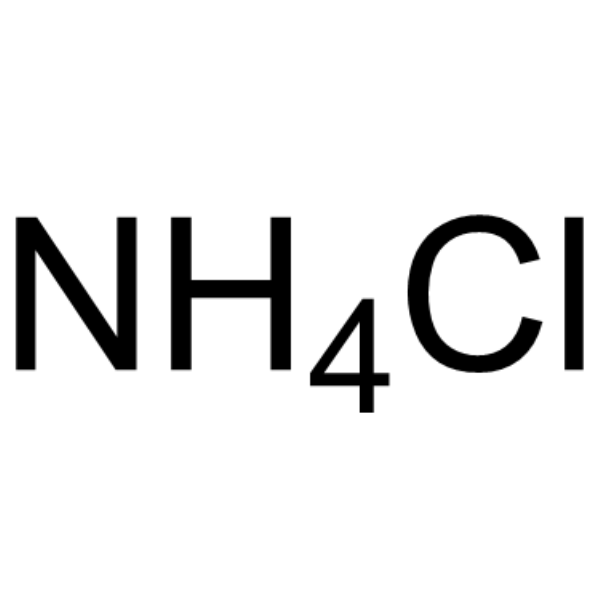
    Salmiac, for molecular biology

    TGF-beta/Smad Apoptosis Chloride Channel Neurological Disease Cancer
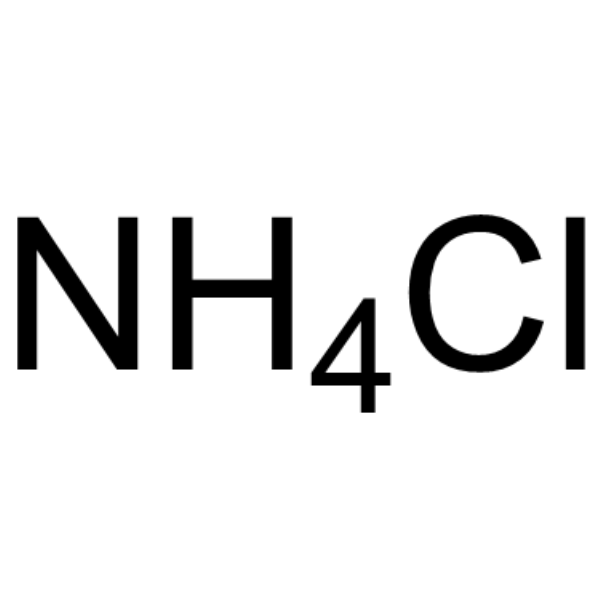
    Ammonium chloride (Salmiac), for molecular biology is an inhibitor of Slc26a4 and SMAD2. Ammonium chloride, for molecular biology reduces the protein expression level of Slc26a4 in lung tissue, and attenuates ozone-induced increases in proinflammatory cytokines, inflammatory cells, pulmonary resistance, goblet cell hyperplasia, peribronchial inflammation and thiocyanate levels in mouse tissues and bronchoalveolar lavage fluid. Ammonium chloride, for molecular biology decreases the level of phosphorylated SMAD2, inhibits autophagy by reducing autophagy-related proteins, and enhances Cisplatin (HY-17394)-induced cancer cell apoptosis and DNA double-strand breaks. Ammonium chloride, for molecular biology also inhibits the TCA cycle, reduces ATP production, increases glucose utilization, regulates the levels of lactic acid, glutamic acid and ATP, and induces morphological degeneration of neuroblastoma cells. Ammonium chloride, for molecular biology can be used in studies related to ozone-induced airway injury, hepatocellular carcinoma, human cervical cancer, hepatic encephalopathy, Reye syndrome, epilepsy and neurodegenerative diseases .
    Ammonium chloride, for molecular biology
  • HY-155300

    Leukotriene Receptor Inflammation/Immunology
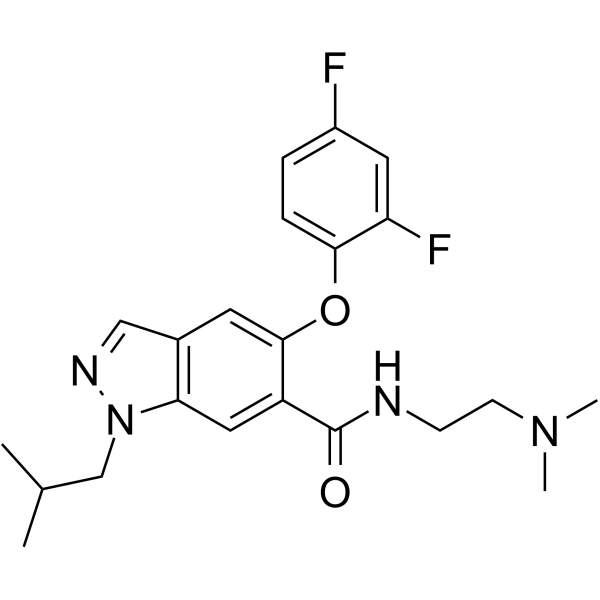
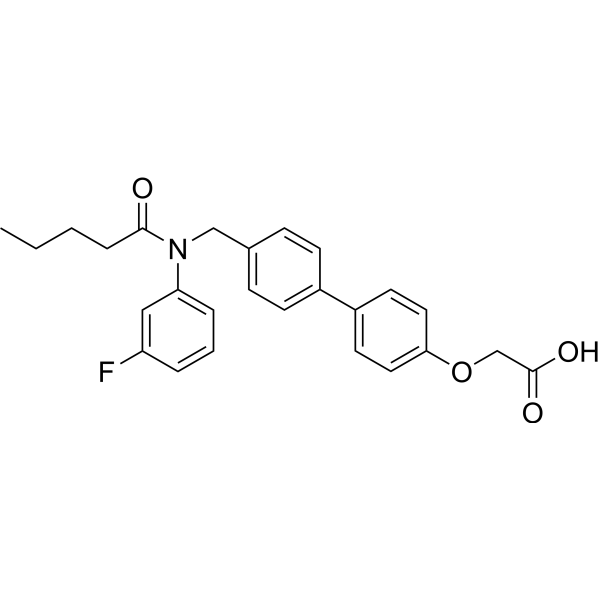
    BLT2 antagonist-1 (compound 15b) is a selective BLT2 antagonist that inhibits the chemotaxis of CHO-BLT2 cells with an IC50 of 224 nM. BLT2 antagonist-1 does not inhibits the chemotaxis of CHO-BLT1 cells. BLT2 antagonist-1 also inhibits the binding of LTB4 and BLT2 with a Ki value of 132 nM. BLT2 antagonist-1 can be used for the research of the inflammatory airway diseases such as asthma and chronic obstructive pulmonary disease .
    BLT2 antagonist-1
  • HY-18263A

    SB-656933

    CXCR Interleukin Related Inflammation/Immunology
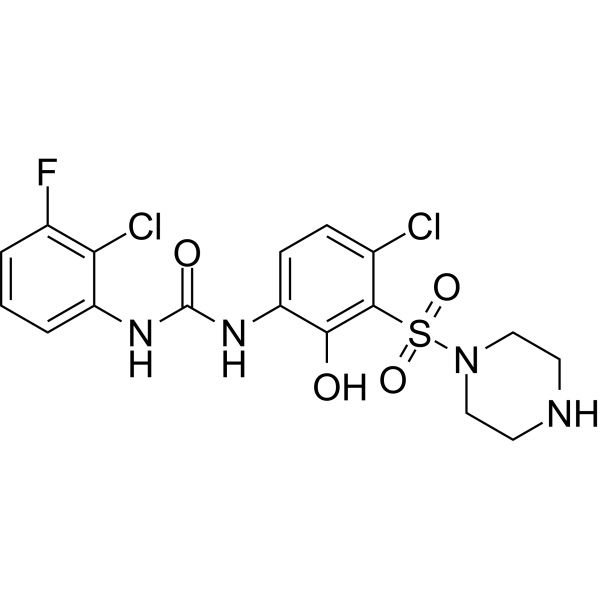
    Elubrixin (SB-656933) is a potent, selective, competitive, reversible and orally active CXCR2 antagonist and an IL-8 receptor antagonist. Elubrixin inhibits neutrophil CD11b upregulation (IC50 of 260.7 nM) and shape change (IC50 of 310.5 nM). Elubrixin has the potential for inflammatory diseases research, such as inflammatory bowel disease and airway inflammation .
    Elubrixin
  • HY-107909

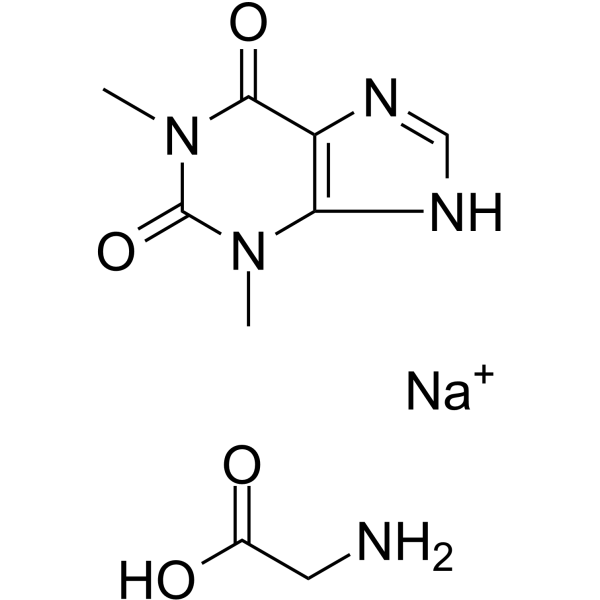
    1,3-Dimethylxanthine sodium glycinate; Theo-24 sodium glycinate

    Adenosine Receptor HDAC Apoptosis Interleukin Related TNF Receptor Cancer
    Theophylline (1,3-Dimethylxanthine) sodium glycinate is a potent phosphodiesterase (PDE) inhibitor, adenosine receptor antagonist, and histone deacetylase (HDAC) activator. Theophylline sodium glycinate inhibits PDE3 activity to relax airway smooth muscle. Theophylline sodium glycinate has anti-inflammatory activity by increase IL-10 and inhibit NF-κB into the nucleus. Theophylline sodium glycinate induces apoptosis. Theophylline sodium glycinate can be used for asthma and chronic obstructive pulmonary disease (COPD) research .
    Theophylline sodium glycinate
  • HY-P3648

    AAPV-CMK

    Elastase Inflammation/Immunology
    Ala-Ala-Pro-Val-chloromethylketone is an irreversible human neutrophil elastase (NE) inhibitor for use in the study of chronic inflammatory airway diseases .
    Ala-Ala-Pro-Val-chloromethylketone
  • HY-177309

    mAChR Neurological Disease
    Muscarinic M3 receptor antagonist-1 (Example 4) is a muscarinic acetylcholine receptor M3 antagonist. Muscarinic M3 receptor antagonist-1 can be used to study inflammatory and obstructive airway diseases .
    Muscarinic M3 receptor antagonist-1
  • HY-177312

    CCR Inflammation/Immunology
    CCR3 antagonist 2 (example 66) is a CCR3 antagonist that can be used for the study of inflammatory or allergic condition, particularly an inflammatory or obstructive airways disease .
    CCR3 antagonist 2
  • HY-106215

    BNP 166; Etiprednol dichloroacetate

    TNF Receptor Inflammation/Immunology
    Etiprednol dicloacetate (BNP 166) is an anti-inflammatory agent. Etiprednol dicloacetate inhibits eosinophil accumulation. Etiprednol dicloacetate can be used in the research of inflammatory airway diseases, such as asthma .
    Etiprednol dicloacetate
  • HY-150060

    Phosphodiesterase (PDE) Inflammation/Immunology
    PDE4-IN-11 is an inhibitor of phosphodiesterase isoenzyme 4 (PDE4). PDE4-IN-11 displays highly effective bronchodilatory and anti-inflammatory properties, can be used for obstructive or inflammatory airway diseases research .
    PDE4-IN-11
  • HY-18263

    SB-656933 hydrochloride

    CXCR Interleukin Related Inflammation/Immunology
    Elubrixin (SB-656933) hydrochloride is a potent, selective, competitive, reversible and orally active CXCR2 antagonist and an IL-8 receptor antagonist. Elubrixin hydrochloride inhibits neutrophil CD11b upregulation (IC50 of 260.7 nM) and shape change (IC50 of 310.5 nM). Elubrixin hydrochloride has the potential for inflammatory diseases research, such as inflammatory bowel disease and airway inflammation .
    Elubrixin hydrochloride
  • HY-123461

    NF-κB Inflammation/Immunology
    Sul-121 hydrochloride is a novel compound with anti-oxidative capacity that effectively inhibits airway inflammation and hyperresponsiveness (AHR) in experimental models of chronic obstructive pulmonary disease (COPD). Sul-121 hydrochloride prevents lipopolysaccharide-induced airway neutrophilia and AHR in a dose-dependent manner. Sul-121 hydrochloride also demonstrates the ability to reduce oxidative stress markers in human airway smooth muscle cells. Sul-121 hydrochloride inhibits nuclear translocation of the NF-κB subunit, p65, thereby diminishing pro-inflammatory cytokine release.
    Sul-121 hydrochloride
  • HY-18263CR

    SB-656933 tosylate (Standard)

    CXCR Interleukin Related Reference Standards Inflammation/Immunology
    Elubrixin (tosylate) (Standard) is the analytical standard of Elubrixin (tosylate). This product is intended for research and analytical applications. Elubrixin tosylate (SB-656933 tosylate) is a potent, selective, competitive, reversible and orally active CXCR2 antagonist and an IL-8 receptor antagonist. Elubrixin tosylate inhibits neutrophil CD11b upregulation (IC50 of 260.7 nM) and shape change (IC50 of 310.5 nM). Elubrixin tosylate has the potential for inflammatory diseases research, such as inflammatory bowel disease and airway inflammation .
    Elubrixin tosylate (Standard)
  • HY-123008

    Adrenergic Receptor Phosphodiesterase (PDE) Others
    Reproterol hydrochloride is a dual-acting beta2-adrenoceptor agonist and phosphodiesterase inhibitor. Reproterol hydrochloride is more potent than albuterol and feterol in stimulating cAMP production in human monocytes, demonstrating its potential in enhancing airway function. Furthermore, Reproterol significantly inhibited the production of LTB4, indicating its anti-inflammatory properties. Reproterol hydrochloride may have inhibitory effects in respiratory diseases such as asthma and COPD .
    Reproterol hydrochloride
  • HY-119142

    Integrin Inflammation/Immunology
    CP-664511 is an orally active and potent α4β1 integrin antagonist with anti-inflammatory effects (IC50=0.52 nM). CP-664511 inhibits the interaction between α4β1 and vascular cell adhesion molecule-1 (VCAM-1), significantly reducing eosinophil infiltration into lung tissue. CP-664511 is promising for research of asthma and allergic airway diseases .
    CP-664511
  • HY-123008R

    Phosphodiesterase (PDE) Adrenergic Receptor Reference Standards Others
    Reproterol (hydrochloride) (Standard) is the analytical standard of Reproterol (hydrochloride). This product is intended for research and analytical applications. Reproterol hydrochloride is a dual-acting beta2-adrenoceptor agonist and phosphodiesterase inhibitor. Reproterol hydrochloride is more potent than albuterol and feterol in stimulating cAMP production in human monocytes, demonstrating its potential in enhancing airway function. Furthermore, Reproterol significantly inhibited the production of LTB4, indicating its anti-inflammatory properties. Reproterol hydrochloride may have inhibitory effects in respiratory diseases such as asthma and COPD .
    Reproterol hydrochloride (Standard)
  • HY-N8268R

    3α,12α-Dihydroxynorcholanic acid (Standard)

    Drug Metabolite Reference Standards Metabolic Disease
    Reproterol (hydrochloride) (Standard) is the analytical standard of Reproterol (hydrochloride). This product is intended for research and analytical applications. Reproterol hydrochloride is a dual-acting beta2-adrenoceptor agonist and phosphodiesterase inhibitor. Reproterol hydrochloride is more potent than albuterol and feterol in stimulating cAMP production in human monocytes, demonstrating its potential in enhancing airway function. Furthermore, Reproterol significantly inhibited the production of LTB4, indicating its anti-inflammatory properties. Reproterol hydrochloride may have inhibitory effects in respiratory diseases such as asthma and COPD .
    Nordeoxycholic acid (Standard)
  • HY-130054

    Lysine theophyllinate

    Phosphodiesterase (PDE) Adenosine Receptor HDAC Apoptosis Interleukin Related TNF Receptor Inflammation/Immunology
    Theophylline L-lysine (Lysine theophyllinate) is a soluble derivative of Theophylline (HY-B0809). Theophylline L-lysine is a potent phosphodiesterase (PDE) inhibitor, adenosine receptor antagonist, and histone deacetylase (HDAC) activator. Theophylline L-lysine inhibits PDE3 activity to relax airway smooth muscle. Theophylline L-lysine has anti-inflammatory activity by increasing IL-10 and inhibiting NF-κB into the nucleus. Theophylline L-lysine induces apoptosis. Theophylline L-lysine can be used for asthma and chronic obstructive pulmonary disease (COPD) research .
    Theophylline L-lysine
  • HY-B0809B

    1,3-Dimethylxanthine sodium acetate; Theo-24 sodium acetate

    Endogenous Metabolite Phosphodiesterase (PDE) Adenosine Receptor HDAC Apoptosis Interleukin Related TNF Receptor Cancer
    Theophylline (1,3-Dimethylxanthine) sodium acetate is a potent phosphodiesterase (PDE) inhibitor, adenosine receptor antagonist, and histone deacetylase (HDAC) activator. Theophylline (1,3-Dimethylxanthine) sodium acetate inhibits PDE3 activity to relax airway smooth muscle. Theophylline (1,3-Dimethylxanthine) sodium acetate has anti-inflammatory activity by increase IL-10 and inhibit NF-κB into the nucleus. Theophylline (1,3-Dimethylxanthine) sodium acetate induces apoptosis. Theophylline (1,3-Dimethylxanthine) sodium acetate can be used for asthma and chronic obstructive pulmonary disease (COPD) research .
    Theophylline sodium acetate
  • HY-B0809S1

    1,3-Dimethylxanthine-d3; Theo-24-d3

    Endogenous Metabolite Adenosine Receptor HDAC TNF Receptor Interleukin Related Phosphodiesterase (PDE) Apoptosis Isotope-Labeled Compounds Cancer
    Theophylline-d3 is deuterated labeled Theophylline (HY-B0809). Theophylline (1,3-Dimethylxanthine) is a potent phosphodiesterase (PDE) inhibitor, adenosine receptor antagonist, and histone deacetylase (HDAC) activator. Theophylline (1,3-Dimethylxanthine) inhibits PDE3 activity to relax airway smooth muscle. Theophylline (1,3-Dimethylxanthine) has anti-inflammatory activity by increase IL-10 and inhibit NF-κB into the nucleus. Theophylline (1,3-Dimethylxanthine) induces apoptosis. Theophylline (1,3-Dimethylxanthine) can be used for asthma and chronic obstructive pulmonary disease (COPD) research .
    Theophylline-d3
  • HY-143683S

    1,3-Dimethylxanthine-13C2,d6; Theo-24-13C2,d6

    Isotope-Labeled Compounds Phosphodiesterase (PDE) Interleukin Related Adenosine Receptor Apoptosis HDAC TNF Receptor Endogenous Metabolite Cancer
    Theophylline- 13C2,d6 (1,3-Dimethylxanthine- 13C2,d6) is the deuterium labeled and 13C-labeled Theophylline (HY-B0809). Theophylline (1,3-Dimethylxanthine) is a potent phosphodiesterase (PDE) inhibitor, adenosine receptor antagonist, and histone deacetylase (HDAC) activator. Theophylline (1,3-Dimethylxanthine) inhibits PDE3 activity to relax airway smooth muscle. Theophylline (1,3-Dimethylxanthine) has anti-inflammatory activity by increase IL-10 and inhibit NF-κB into the nucleus. Theophylline (1,3-Dimethylxanthine) induces apoptosis. Theophylline (1,3-Dimethylxanthine) can be used for asthma and chronic obstructive pulmonary disease (COPD) research .
    Theophylline-13C2,d6
  • HY-115314

    LG 30435

    Histamine Receptor Inflammation/Immunology
    Mequitamium iodide (LG 30435) is an antihistamine drug with antiallergic and bronchodilatory activity. Mequitamium iodide can effectively antagonize airway contraction and inflammatory responses induced by histamine and antigens. Mequitamium iodide has nanomolar affinity for the H1 and smooth muscle receptors of histamine and mequitin. Mequitamium iodide, when administered in aerosol form, significantly inhibits histamine- and antigen-induced increases in airway pressure in allergic mice. Mequitamium iodide reduces antigen-induced eosinophil accumulation in the airways. Mequitamium iodide also exhibits inhibitory effects on PAF-induced platelet aggregation and bronchoconstriction, and can be used in the study of allergic diseases such as rhinitis and asthma .
    Mequitamium iodide
  • HY-16362

    PG 490-88Na

    Apoptosis TGF-β Receptor NF-κB Interleukin Related IFNAR TNF Receptor Inflammation/Immunology
    Omtriptolide sodium (PG490-88Na) is a derivative of Triptolide (HY-32735). Omtriptolide sodium exhibits significant immunosuppressive, anti-fibrotic and anti-inflammatory properties. The mechanism of action of Omtriptolide sodium is diverse, including inhibiting T cell activation and proliferation, inducing T cell apoptosis (apoptosis), blocking fibroblast maturation/proliferation, inhibiting TGF-β mRNA expression, and suppressing pro-inflammatory cytokines (such as IL-2, IFN-γ, TNF-α) by blocking transcription factors such as NF-κB. Omtriptolide sodium can be used for research on obstructive airway diseases, pulmonary fibrosis and graft-versus-host disease .
    Omtriptolide sodium

オンラインお問い合わせ

入力情報は安全に管理されます. 必須入力項目.

タイトル


国或いは地域 *

お名前 *


組纖名 *

デパートメント *


メールアドレス *


製品名 *

製品番号


カスタマ需要量 *

電話番号 *


必ず会社名を記載ください。個人への返信は行いません。

備考

バルクお問い合わせ

Inquiry Information

製品名:
製品番号:
数量:
MCE 日本正規代理店:

