
1. Search Result
Search Result
Results for "

intracellular labeling

" in MedChemExpress (MCE) Product Catalog:

78

Inhibitors & Agonists

11

Fluorescent Dyes

1

Biochemical Assay Reagents

2

Peptides

57

Isotope-Labeled Compounds

2

Click Chemistry

1

Oligonucleotides

Cat. No. Product Name Target Research Areas Chemical Structure
  • HY-D1913
    Fe2Orange
    20+ Cited Publications

    Fluorescent Dye Others
    Fe2Orange is a Fe 2+ selective probe with an excitation wavelength of 543 nm and an emission wavelength of 580 nm. Fe2Orange emits fluorescence after binding to intracellular Fe 2+, thereby achieving specific labeling of Fe 2+. Fe2Orange is used to detect the content and distribution of Fe 2+ in cells .
    Fe2Orange
  • HY-Y1269S

    Autophagy Isotope-Labeled Compounds Cancer
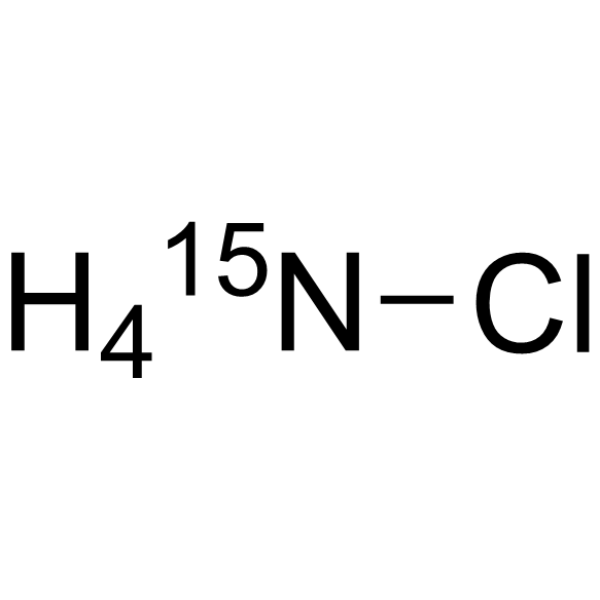
    Ammonium chloride- 15N is the 15N labeled Ammonium chloride (HY-Y1269). Ammonium chloride, as a heteropolar compound with pH value regulation, can cause intracellular alkalization and metabolic acidosis thus effecting enzymatic activity and influencing the process of biological system. Ammonium chloride is an autophagy inhibitor. Ammonium chloride is also a lysosome inhibitor .
    Ammonium chloride-15N
  • HY-D1736

    Fluorescent Dye Others
    BODIPY FL-C16 is a BODIPY-labeled analog of Palmitic acid (HY-N0830), which serves as a fluorescent lipid tracer. BODIPY FL-C16 also acts as a ligand for liver fatty acid-binding protein (L-FABP) and intestinal fatty acid-binding protein (I-FABP) , with Kd values of 270 nM and 330 nM, respectively. BODIPY FL-C16 is rapidly taken up by cells, and after metabolic conversion to phospholipids, it is incorporated into the membrane structures of intracellular organelles and extracellular vesicles .
    BODIPY FL-C16
  • HY-B1371
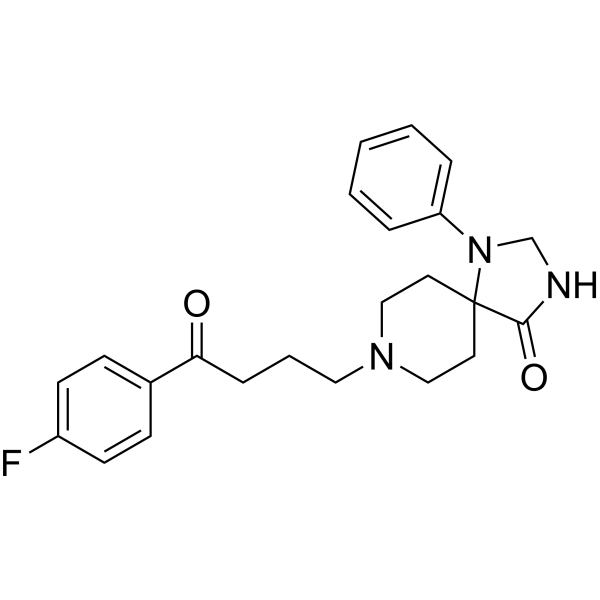
    Spiperone
    2 Publications Verification

    Spiroperidol

    Dopamine Receptor 5-HT Receptor Wnt Neurological Disease
    Spiperone (Spiroperidol) is a potent dopamine D2, serotonin 5-HT1A, and serotonin 5-HT2A antagonist. Spiperone is also a labelled ligand for neuroleptic receptors. Spiperone enhances intracellular calcium level and inhibits the Wnt signaling pathway. Spiperone has the potential for the research of neurology diseases .
    Spiperone
  • HY-W011727S

    Pyridoxal 5'-phosphate-d3

    Endogenous Metabolite Amyloid-β ERK Neurological Disease Metabolic Disease Cancer
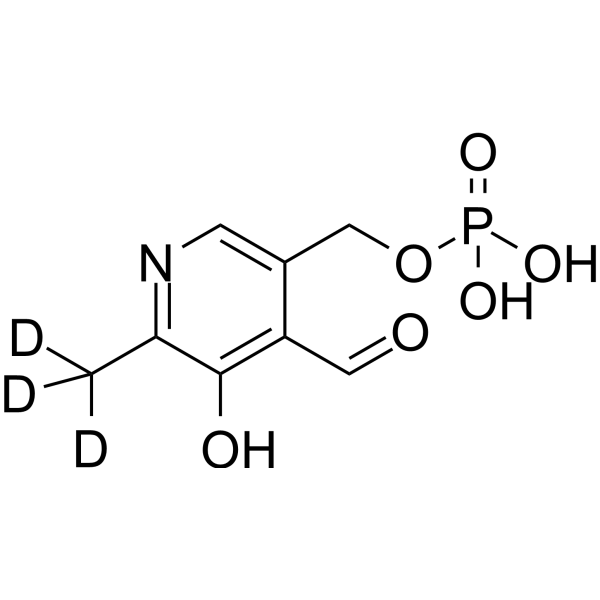
    Pyridoxal Phosphate-d3 is the deuterium labeled Pyridoxal 5'-phosphate. Pyridoxal 5'-phosphate, the active form of vitamin B6, is an essential cofactor for multiple enzymes, including aromatic l-amino acid decarboxylase that catalyzes the final stage in the production of the neurotransmitters dopamine and serotonin. Pyridoxal 5'-phosphate is the most important coenzyme variant in the process of vitamin B6 intracellular phosphorylation and is interconvertible with other variants, including pyridoxine 5′‐phosphate (PNP) and pyridoxamine 5′-phosphate (PMP) .
    Pyridoxal Phosphate-d3
  • HY-D0056

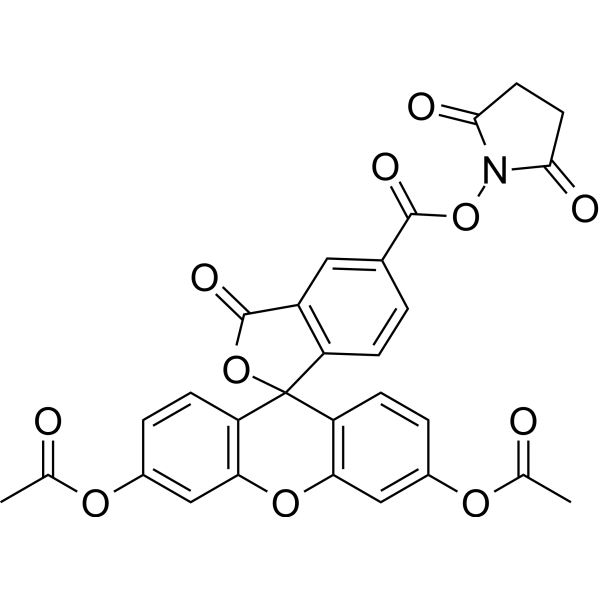
    Fluorescent Dye Others
    5-Carboxyfluorescein diacetate N-succinimidyl ester is a cell permeable dye (Ex=492 nm, Em=517 nm). 5-Carboxyfluorescein diacetate N-succinimidyl ester can label cells by covalently binding to intracellular molecules. 5-Carboxyfluorescein diacetate N-succinimidyl ester is used to track lymphocyte migration and proliferation .
    5-Carboxyfluorescein diacetate N-succinimidyl ester
  • HY-B0351S
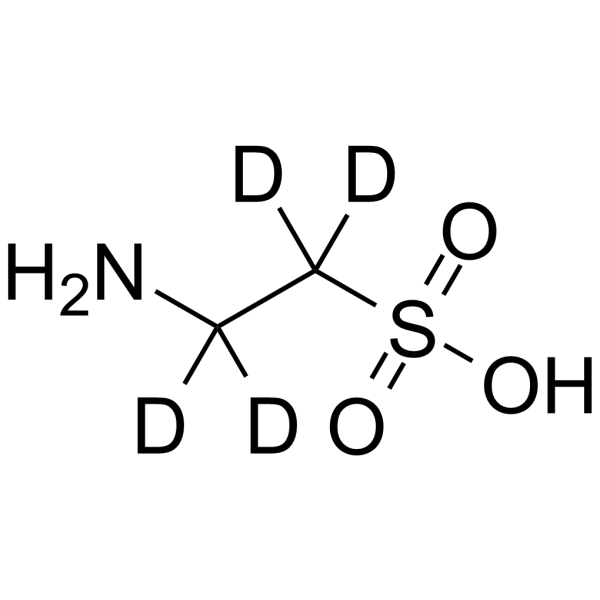
    Taurine-d4
    1 Publications Verification

    2-Aminoethanesulfonic acid-d4

    Autophagy Endogenous Metabolite Metabolic Disease
    Taurine-d4 is the deuterium labeled Taurine. Taurine, a sulphur-containing amino acid and an organic osmolyte involved in cell volume regulation, provides a substrate for the formation of bile salts, and plays a role in the modulation of intracellular free calcium concentration. Taurine has the ability to activate autophagy in adipocytes .
    Taurine-d4
  • HY-16992A
    W-54011
    5+ Cited Publications

    Complement System Reactive Oxygen Species (ROS) Inflammation/Immunology
    W-54011 is a potent and orally active non-peptide C5a receptor antagonist. W-54011 inhibits the binding of 125I-labeled C5a to human neutrophils with a Ki value of 2.2 nM. W-54011 also inhibits C5a-induced intracellular Ca 2+ mobilization, chemotaxis, and generation of ROS in human neutrophils with IC50s of 3.1 nM, 2.7 nM, and 1.6 nM, respectively .
    W-54011
  • HY-P11306

    Proteasome NF-κB Inflammation/Immunology
    Biotin-(Oaa)3-epoxomicin is a biotin-labeled form of Epoxomicin (HY-13821), prepared by conjugating Epoxomicin with biotin via three hydrophilic oxaacetyl amino acid (Oaa) linkers. Biotin-(Oaa)3-epoxomicin is primarily used in proteomic studies for the capture, identification and target validation of proteasome complexes, to determine the intracellular targets of epoxomicin. Epoxomicin acts as a proteasome inhibitor and NF-κB inhibitor, which effectively blocks inflammatory responses in mouse ear edema assays. It inhibits proteasome activity via covalent binding to catalytic subunits including LMP7, X, MECL1 and Z, with the strongest inhibitory effect on chymotrypsin-like activity, and does not interfere with non-proteasomal proteases such as trypsin and papain .
    Biotin-(Oaa)3-epoxomicin
  • HY-N0394S1
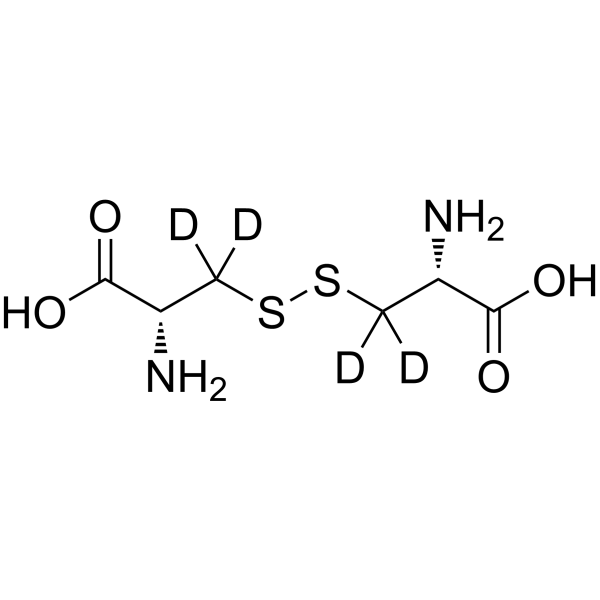
    L-Cystine-d4
    1 Publications Verification

    Isotope-Labeled Compounds Endogenous Metabolite Ferroptosis Others
    L-Cystine-d4 is the deuterium labeled L-Cystine. L-Cystine is an amino acid and intracellular thiol, which plays a critical role in the regulation of cellular processes.
    L-Cystine-d4
  • HY-119437
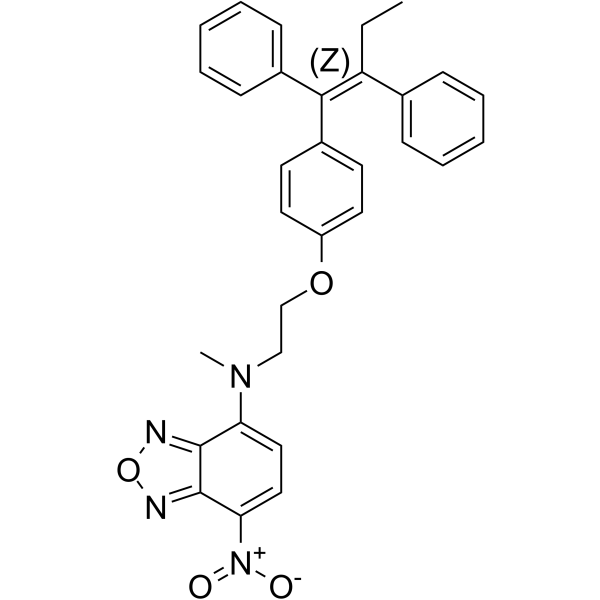
    FLTX1
    2 Publications Verification

    Estrogen Receptor/ERR Cancer
    FLTX1 is a fluorescent Tamoxifen derivative that can specifically label intracellular Tamoxifen-binding sites (estrogen receptors) under permeabilized and non-permeabilized conditions. FLTX1 exhibits the potent antiestrogenic properties of Tamoxifen in breast cancer cells. FLTX1 is devoid of the estrogenic agonistic effect on the uterus .
    FLTX1
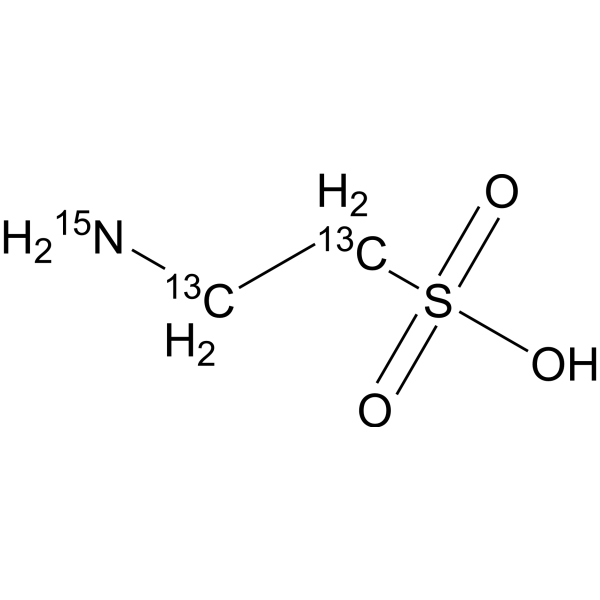
  • HY-B0351S2

    2-Aminoethanesulfonic acid-13C2,15N

    Isotope-Labeled Compounds Autophagy Endogenous Metabolite Metabolic Disease
    Taurine- 13C2, 15N is the 13C- and 15N- labeled Taurine. Taurine, a sulphur-containing amino acid and an organic osmolyte involved in cell volume regulation, provides a substrate for the formation of bile salts, and plays a role in the modulation of intracellular free calcium concentration. Taurine has the ability to activate autophagy in adipocytes .
    Taurine-13C2,15N
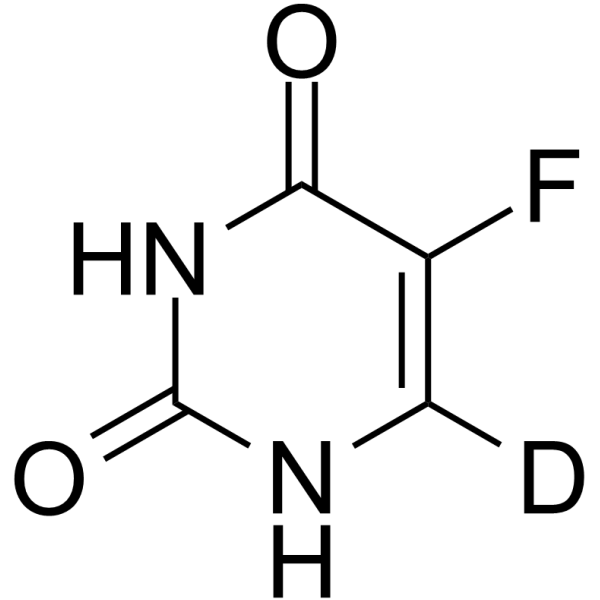
  • HY-90006S

    5-FU-d1

    Isotope-Labeled Compounds Exosomes Nucleoside Antimetabolite/Analog HIV Apoptosis Endogenous Metabolite Cancer
    5-Fluorouracil-d is the deuterium labeled 5-Fluorouracil. 5-Fluorouracil (5-FU) is an analogue of uracil and a potent antitumor agent. 5-Fluorouracil affects pyrimidine synthesis by inhibiting thymidylate synthetase thus depleting intracellular dTTP pools. 5-Fluorouracil induces apoptosis and can be used as a chemical sensitizer . 5-Fluorouracil also inhibits HIV .
    5-Fluorouracil-d1
  • HY-114354

    BOD FL alkyne

    Fluorescent Dye Inflammation/Immunology
    BODIPY (BOD) FL alkyne is an alkyne-containing BODIPY fluorophore derivative. BODIPY FL alkyne is a bioorthogonal labeling reagent with low toxicity and extremely low non-specific reactivity, and it is widely used in fluorescent bioimaging. BODIPY FL alkyne specifically labels azide groups on intracellular glycoconjugates mainly via strain-promoted azide-alkyne cycloaddition (SPAAC), or mediates site-specific conjugation with proteins such as IL-33, and supports positive cross-linking with other probes (e.g., DBCO-SCy5) for dual labeling. With the advantages of high specificity and low background interference, BODIPY FL alkyne can be used in the research of related diseases such as asthma, atopic dermatitis and inflammatory bowel disease .
    BODIPY FL alkyne
  • HY-108496S

    S1P-d7

    Endogenous Metabolite LPL Receptor Endocrinology
    Sphingosine-1-phosphate-d7 is the deuterium labeled Sphingosine-1-phosphate. Sphingosine-1-phosphate (S1P) is an agonist of S1P1-5 receptors and a ligand of GPR3, GPR6 and GPR12.?Sphingosine-1-phosphate is an intracellular second messenger and mobilizes Ca2+ as an extracellular ligand for G protein-coupled receptors . Sphingosine-1-phosphate is an important lipid mediator generated from Sphingomyelin (HY-113498) or other membrane phospholipids .
    Sphingosine-1-phosphate-d7
  • HY-N0394S4
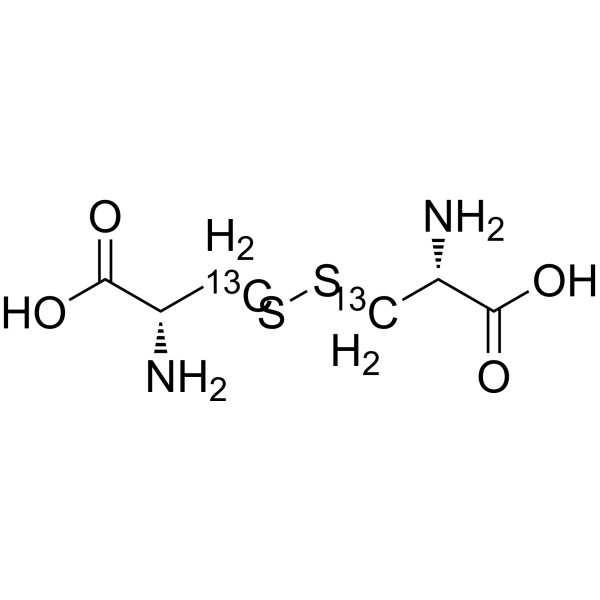
    L-Cystine-3,3'-13C2
    1 Publications Verification

    Ferroptosis Endogenous Metabolite Others
    L-Cystine-3,3'- 13C2 is the 13C labeled L-Cystine . L-Cystine is an amino acid and intracellular thiol, which plays a critical role in the regulation of cellular processes .
    L-Cystine-3,3'-13C2
  • HY-N0230S

    2-Carboxyethylamine-13C3,15N; 3-Aminopropanoic acid-13C3,15N

    Isotope-Labeled Compounds Endogenous Metabolite Metabolic Disease
    β-Alanine- 13C3, 15N is the 13C- and 15N-labeled β-Alanine. β-Alanine is a non-essential amino acid that is shown to be metabolized into carnosine, which functions as an intracellular buffer.
    β-Alanine-13C3,15N
  • HY-B0351S1

    2-Aminoethanesulfonic acid-13C2

    Autophagy Endogenous Metabolite Metabolic Disease
    Taurine- 13C2 is the 13C-labeled Taurine. Taurine, a sulphur-containing amino acid and an organic osmolyte involved in cell volume regulation, provides a substrate for the formation of bile salts, and plays a role in the modulation of intracellular free calcium concentration. Taurine has the ability to activate autophagy in adipocytes .
    Taurine-13C2
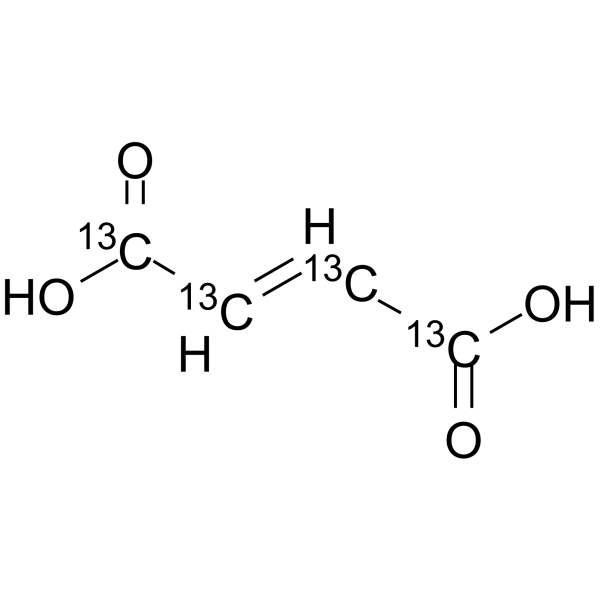
  • HY-W015883S1

    Isotope-Labeled Compounds Endogenous Metabolite NF-κB p38 MAPK Cardiovascular Disease Metabolic Disease Inflammation/Immunology
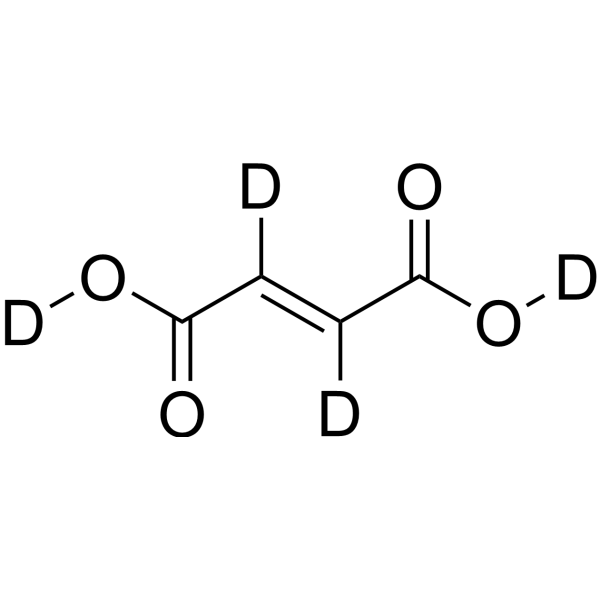
    Fumaric acid- 13C2 is the 13C-labeled Fumaric acid (HY-W015883). Fumaric acid is an unsaturated dicarbonic acid, an intermediate product of the citric acid cycle that provides intracellular energy in the form of ATP. Fumaric acid exerts anti-inflammatory effects by inhibiting the NF-κB signaling pathway dependent on p38 MAPK. Fumaric acid can be used in the study of pregnancy-induced hypertension .
    Fumaric acid-13C2
  • HY-90006S1

    5-FU-13C,15N2

    Exosomes Apoptosis Nucleoside Antimetabolite/Analog HIV Endogenous Metabolite Cancer
    5-Fluorouracil- 13C, 15N2 is the 13C and 15N labeled 5-Fluorouracil . 5-Fluorouracil (5-FU) is an analogue of uracil and a potent antitumor agent. 5-Fluorouracil affects pyrimidine synthesis by inhibiting thymidylate synthetase thus depleting intracellular dTTP pools. 5-Fluorouracil induces apoptosis and can be used as a chemical sensitizer . 5-Fluorouracil also inhibits HIV .
    5-Fluorouracil-13C,15N2
  • HY-N5060S

    4-Allylanisole-d4

    Parasite Isotope-Labeled Compounds Neurological Disease
    Estragole-d4 is deuterated labeled Estragole (HY-N5060). Estragole (4-Allylanisole) is a relatively nontoxic volatile terpenoid ether and major component of the essential oil from many plants. Estragole significantly triggers Apoptosis, suppresses LPS-induced intracellular ROS production. Estragole activats Nrf-2 and regulates NF-κB. Estragole has anti-toxoplasma, anti-inflammatory, anti-edema, antioxidant and immunomodulatory properties. Estragole blocks DRG neuron excitability. Estragole has improves gastric ulcer activity [10] .
    Estragole-d4
  • HY-N0394S2

    Endogenous Metabolite Ferroptosis Others
    L-Cystine- 15N2 is the 15N-labeled L-Cystine. L-Cystine is an amino acid and intracellular thiol, which plays a critical role in the regulation of cellular processes.
    L-Cystine-15N2
  • HY-Y1269AS

    Isotope-Labeled Compounds Autophagy Cancer
    Ammonium chloride-d4 is the deuterium labeled Ammonium chloride. Ammonium chloride, as a heteropolar compound with pH value regulation, can cause intracellular alkalization and metabolic acidosis thus effecting enzymatic activity and influencing the process of biological system. Ammonium chloride is an autophagy inhibitor. Ammonium chloride is also a lysosome inhibitor .
    Ammonium chloride-d4
  • HY-90006S2

    Exosomes Nucleoside Antimetabolite/Analog HIV Apoptosis Endogenous Metabolite Cancer
    5-Fluorouracil- 15N2 is the 15N-labeled 5-Fluorouracil. 5-Fluorouracil (5-FU) is an analogue of uracil and a potent antitumor agent. 5-Fluorouracil affects pyrimidine synthesis by inhibiting thymidylate synthetase thus depleting intracellular dTTP pools. 5-Fluorouracil induces apoptosis and can be used as a chemical sensitizer . 5-Fluorouracil also inhibits HIV .
    5-Fluorouracil-15N2
  • HY-W048513

    DNA/RNA Synthesis Cancer
    7-Deaza-2'-deoxyadenosine is an isosteric dATP analog of 2'-deoxyadenosine. 7-Deaza-2'-deoxyadenosine is recognized by various DNA polymerases and incorporated into DNA strands as a substrate. 7-Deaza-2'-deoxyadenosine undergoes a bioorthogonal inverse electron demand Diels-Alder reaction with tetrazine-modified molecules, enabling site-specific labeling of DNA, surface antibody immobilization and intracellular fluorescent labeling. 7-Deaza-2'-deoxyadenosine reduces the DNA curvature of d(A6)·d(T6) fragments and the stability of DNA/RNA double helices, and leads to decreased antisense activity against SV40 T Antigen. 7-Deaza-2'-deoxyadenosine finds application in the research field of SV40 T Antigen-related cancers .
    7-Deaza-2'-deoxyadenosine
  • HY-N0230S2

    2-Carboxyethylamine-d4; 3-Aminopropanoic acid-d4

    Isotope-Labeled Compounds Endogenous Metabolite Metabolic Disease
    β-Alanine-d4 is the deuterium labeled β-Alanine. β-Alanine is a non-essential amino acid that is shown to be metabolized into carnosine, which functions as an intracellular buffer.
    β-Alanine-d4
  • HY-116429S

    Isotope-Labeled Compounds Reactive Oxygen Species (ROS) Inflammation/Immunology
    Maresin 1-d5 is the deuterium labeled Maresin 1. Maresin 1, produced by human Mφs from endogenous docosahexaenoic acid (DHA) and a specialized proresolving mediator, stimulates intracellular [Ca2+] and secretion. Maresin 1 possesses anti-inflammatory activity .
    Maresin 1-d5
  • HY-177764

    Amino Acid Derivatives Others
    Tet-v2.0-ethyl is a tetrazine non-canonical amino acid. Tet-v2.0-ethyl can stably exist within living cells without being degraded, enabling in situ labeling of intracellular biomolecules. Tet-v2.0-ethyl is mainly used as a bioorthogonal labeling tool compound .
    Tet-v2.0-ethyl
  • HY-W015600S

    Orthocetamol-d3

    Isotope-Labeled Compounds Ferroptosis Glutathione Peroxidase Reactive Oxygen Species (ROS) LDLR Cardiovascular Disease Inflammation/Immunology
    2-Acetamidophenol-d3 (Orthocetamol-d3) is the deuterium labeled 2-Acetamidophenol (HY-W015600). 2-Acetamidophenol (Orthocetamol) is a regulator that targets ferroptosis and glutathione metabolic pathways, is the ortho-regioisomer of Paracetamol (HY-66005). 2-Acetamidophenol has anti-atherosclerotic activity, and inhibiting total cholesterol (TC) and triglyceride (TG) in a zebrafish hyperlipidemia model with IC50s for 30 μM and 40 μM, respectively. 2-Acetamidophenol upregulates the expression of glutathione synthesis-related genes (such as GCLC, GCLM, GSS) and iron ion transport genes (such as FPN1, FTH), reduces the accumulation of intracellular reactive oxygen species (ROS) and ferrous ions (Fe2+), and enhances the activity of glutathione peroxidase GPX4, thereby inhibiting macrophage phagocytosis of oxidized low-density lipoprotein (ox-LDL) and foam cell formation .
    2-Acetamidophenol-d3
  • HY-N0230S1

    2-Carboxyethylamine-15N; 3-Aminopropanoic acid-15N

    Endogenous Metabolite Metabolic Disease
    β-Alanine- 15N is the 15N-labeled β-Alanine. β-Alanine is a non-essential amino acid that is shown to be metabolized into carnosine, which functions as an intracellular buffer.
    β-Alanine-15N
  • HY-W654078

    BPAF-13C12; 4,4'-(Perfluoropropane-2,2-diyl)diphenol-13C12

    Isotope-Labeled Compounds Others
    Bisphenol AF- 13C12 is an isotopic label of Bisphenol AF. Bisphenol AF is used in polycarbonate plastic and epoxy resin manufacturing. Bisphenol AF can significantly increase intracellular ROS levels .
    Bisphenol AF-13C12
  • HY-D1671

    Fluorescent Dye Others
    TRITC-DHPE is a rhodamine-labeled glycerophosphate ethanolamine lipid, with head groups marked with bright red fluorescent TRITC dye (λEx/λEm=514/580 nm). TRITC-DHPE can be used for membrane fusion assay to trace lipid processing in intracellular phagocytosis. TRITC-DHPE can serves as an energy transfer receptor for NBD, BODIPY and fluorescein lipid probes .
    TRITC-DHPE
  • HY-107372S2

    UTP-13C9 dilithium; Uridine 5'-triphosphate-13C9 dilithium

    Isotope-Labeled Compounds Endogenous Metabolite DNA/RNA Synthesis Cardiovascular Disease Inflammation/Immunology Cancer
    Uridine triphosphate- 13C9 (UTP- 13C9 dilithium; Uridine 5'-triphosphate- 13C9) dilithium is 13C-labeled Uridine triphosphate (HY-107372). Uridine triphosphate (UTP;Uridine 5'-triphosphate) is a nucleotide that regulates the functions of the pancreas in endocrine and exocrine secretion, proliferation, channels, transporters, and intracellular signaling under normal and disease states.
    Uridine triphosphate-13C9 dilithium
  • HY-158614

    16:0-12-PAHSA-18:1-TG; TG(16:0/12-PAHSA/18:1)

    Endogenous Metabolite Others
    1-Palmitoyl-2-12-PAHSA-3-oleoyl-sn-glycerol (16:0-12-PAHSA-18:1-TG) is a FAHFAs-containing triglyceride that can be synthesized from isotope-labeled FAHFAs, whose decomposition can regulate intracellular FAHFAs levels, and is the major reservoir of FAHFAs in cells and tissues, revealing the activity of a new branch of TG and FAHFAs metabolism.
    1-Palmitoyl-2-12-PAHSA-3-oleoyl-sn-glycerol
  • HY-138642S

    ARV-471-d5

    Isotope-Labeled Compounds Cancer
    Vepdegestrant-d5 (ARV-471-d5) is the deuterium labeled Vepdegestrant (HY-138642). Vepdegestrant (ARV-471) is an orally active PROTAC estrogen receptor degrader against breast cancer. Vepdegestrant is a hetero-bifunctional molecule that facilitates the interactions between estrogen receptor alpha and an intracellular E3 ligase complex. Vepdegestrant leads to the ubiquitylation and subsequent degradation of estrogen receptors via the proteasome. Vepdegestrant robustly degrades ER in ER-positive breast cancer cell lines with a DC50 of about 2 nM .
    Vepdegestrant-d5
  • HY-14805S

    ST-246-d4

    Isotope-Labeled Compounds Orthopoxvirus Arenavirus Infection
    Tecovirimat-d4 (ST-246-d4) is a deuterium-labelled Tecovirimat (HY-14805). Tecovirimat is an orally bioavailable and selective compound against orthopoxviruses [including vaccinia, monkeypox, camelpox, cowpox, ectromelia (mousepox), smallpox and variola viruses]. Tecovirimat is evaluated against vaccinia, cowpox virus, ectromelia virus with EC50 values of 0.01 μM, 0.48 μM and 0.05 μM, respectively. Tecovirimat targets the orthopoxvirus protein VP37 which is necessary for membrane envelopment of intracellular mature virus particles to form enveloped virus. Tecovirimat exerts antiviral activity on the target of the cowpox virus V061 gene, which is homologous to vaccinia virus F13L, encoding a major envelope protein (p37) required for production of extracellular virus. Tecovirimat could be used in the study for orthopoxvirus-induced diseases .
    Tecovirimat-d4
  • HY-D2926

    BG-Tz; SNAP-Tetrazine

    Biochemical Assay Reagents Others
    BG-Tetrazine (BG-Tz; SNAP-Tetrazine) is a SNAP tag substrate that contains a methyl tetrazine group. BG-Tetrazine can specifically covalently label the target protein of the intracellular SNAP-tag fusion. The tetrazine group it carries can rapidly and efficiently undergo a bioorthogonal reaction with functional groups such as trans cyclooctene (TCO), thereby enabling multiple labeling, functionalization or enrichment of proteins. BG-Tetrazine can be applied in click chemistry .
    BG-Tetrazine
  • HY-13463BS

    AKR-501-d8 hydrochloride; E5501-d8 hydrochloride; YM477-d8 hydrochloride

    Isotope-Labeled Compounds Thrombopoietin Receptor Cardiovascular Disease
    Avatrombopag-d8 (hydrochloride) is deuterium labeled Avatrombopag (hydrochloride). Avatrombopag (AKR-501) hydrochloride is an orally active, nonpeptide thrombopoietin (TPO) receptor agonist (EC50=3.3 nM). Avatrombopag hydrochloride mimics the biological activities of TPO. Avatrombopag hydrochloride increases platelet production by activating the intracellular signaling system, and promotes production of platelets and megakaryocytes from hemopoietic precursor cells. Avatrombopag hydrochloride is a substrate of cytochrome P450 (CYP) 2C9 and CYP3A .
    Avatrombopag-d8 hydrochloride
  • HY-P0036S4

    SMS 201-995-d8 acetate

    Isotope-Labeled Compounds Cardiovascular Disease Inflammation/Immunology Endocrinology Cancer
    Octreotide-d8 (acetate) (SMS 201-995-d8 (acetate)) is deuterium labeled Octreotide. Octreotide (SMS 201-995) is a somatostatin receptor agonist and synthetic octapeptide endogenous somatostatin analogue. Octreotide (SMS 201-995) can bind to the somatostatin receptor and mainly subtypes 2, 3, and 5, increases Gi activity, and reduces intracellular cAMP production. Octreotide (SMS 201-995) has antitumor activity, mediates apoptosis and may also be used in disease studies in acromegaly .
    Octreotide-d8 acetate
  • HY-131606S

    Isotope-Labeled Compounds Orthopoxvirus Drug Metabolite CMV DNA/RNA Synthesis Infection
    Cidofovir diphosphate- 13C3 is the 13C-labeled Cidofovir diphosphate (HY-131606). Cidofovir diphosphate is the intracellular active metabolite of Cidofovir (HY-17438) and its oral prodrug Brincidofovir (HY-14532). By inhibiting viral DNA polymerase (Ki ≈ 76.3 μM), cidofovir diphosphate is widely used in studies on double-stranded DNA virus infections, including cytomegalovirus (CMV), adenovirus (AdV), and poxviruses (such as monkeypox and molluscum contagiosum virus, MCV) .
    Cidofovir diphosphate-13C3
  • HY-13690S1

    2,4′-DDD-13C6; o,p'-DDD-13C6

    Apoptosis Cancer
    Mitotane- 13C6 is the 13C labeled Mitotane . Mitotane (2,4′-DDD), an isomer of DDD and derivative of dichlorodiphenyltrichloroethane (DDT), is an antineoplastic agent, can be used to research adrenocortical carcinoma. Mitotane exert its adrenocorticolytic effect at least in part through lipotoxicity induced by intracellular free cholesterol (FC) accumulation. Mitotane can have direct pituitary effects on corticotroph cells. Mitotane can induce CYP3A4 gene expression via steroid and xenobiotic receptor (SXR) activation, and has agent-agent interactions .
    Mitotane-13C6
  • HY-13690S3

    2,4′-DDD-13C12; o,p'-DDD-13C12

    Isotope-Labeled Compounds Apoptosis Cancer
    Mitotane- 13C12 (2,4′-DDD- 13C12) is 13C labeled Mitotane. Mitotane (2,4′-DDD), an isomer of DDD and derivative of dichlorodiphenyltrichloroethane (DDT), is an antineoplastic agent, can be used to research adrenocortical carcinoma. Mitotane exert its adrenocorticolytic effect at least in part through lipotoxicity induced by intracellular free cholesterol (FC) accumulation. Mitotane can have direct pituitary effects on corticotroph cells. Mitotane can induce CYP3A4 gene expression via steroid and xenobiotic receptor (SXR) activation, and has agent-agent interactions .
    Mitotane-13C12
  • HY-W767865

    Isotope-Labeled Compounds Endogenous Metabolite Infection Cardiovascular Disease Inflammation/Immunology
    Cyclic GMP sodium- 13C5 is the 13C-labeled Cyclic GMP sodium (HY-113469A). Cyclic GMP (cGMP) sodium, an important second messenger, is a major intracellular mediator of extracellular signals such as nitric oxide (NO) and natriuretic peptides (NPs). Effects of Cyclic GMP sodium occur through three main groups of cellular targets: cGMP-dependent protein kinases (PKGs), cGMP-gated cation channels, and PDEs. Cyclic GMP can inhibit both platelet adhesion and aggregation. cGAMP (Cyclic-GMP-AMP) (HY-12512), a conjugate of Cyclic GMP and AMP, can induce IRF3 phosphorylation and nuclear translocation, enhancing antiviral immune responses .
    Cyclic GMP sodium-13C5
  • HY-159771

    FAP Cancer
    FAP6-19 is a fibroblast activation protein (FAP) targeting radioligand with a Kd of 18.2 nM. FAP6-19 selectively delivers therapeutic radioactive nuclides (such as 177Lu) to the tumor site by targeting the overexpressed FAP protein in the tumor microenvironment, achieving precise killing of cancer cells while minimizing radiation damage to healthy tissues. FAP6-19 exhibits extremely high total cellular uptake and good intracellular retention ability in HT1080 cells. After being labeled with 111In, FAP6-19 produced extremely high tumor/kidney and tumor/liver dose ratios in the mouse model with 4T1 tumors. FAP6-19 can be used in the research of solid tumors expressing FAP.
    FAP6-19
  • HY-N0230S5

    2-Carboxyethylamine-13C; 3-Aminopropanoic acid-13C

    Isotope-Labeled Compounds Endogenous Metabolite Metabolic Disease
    β-Alanine- 13C (2-Carboxyethylamine- 13C) is 13C labeled β-Alanine. β-Alanine is a non-essential amino acid that is shown to be metabolized into carnosine, which functions as an intracellular buffer.
    β-Alanine-13C
  • HY-D2984

    SNAP-PEG-NH2

    Fluorescent Dye Others
    BG-PEG-NH2 is an amine terminated phenylguanine derivative with a polyethylene glycol (PEG) chain. BG-PEG-NH2 is an important building block for synthesizing SNAP tag labeled probes. BG-PEG-NH2 is suitable for coupling reactions in aqueous or buffer solutions, coupling of markers, and labeling of intracellular or cell surface proteins .
    BG-PEG-NH2
  • HY-W013186S

    AG-1777-d4

    Proton Pump Bacterial Inflammation/Immunology
    Lansoprazole sulfide-d4 is a deuterium labeled Lansoprazole Sulfide. Lansoprazole Sulfide is an active metabolite of the proton pump inhibitor Lansoprazole. Lansoprazole Sulfide is an orally active anti-TB (Mycobacterium tuberculosis) agent with IC50 values of 0.59 μM intracellularly and 0.46 μM in broth .
    Lansoprazole sulfide-d4
  • HY-W752476

    N6-Succinyl adenosine-13C4

    Isotope-Labeled Compounds Endogenous Metabolite Metabolic Disease
    Succinyladenosine- 13C4 (N6-Succinyl adenosine- 13C4) is the 13C-labeled Succinyladenosine (HY-113284). Succinyladenosine, the metabolic product of dephosphorylation of intracellular adenylosuccinic acid (S-AMP) by cytosolic 5-nucleotidase, is a biochemical marker of adenylosuccinase (ASL) deficiency .
    Succinyladenosine-13C4
  • HY-W727893

    2-Aminoethanesulfonic acid-15N

    Isotope-Labeled Compounds Endogenous Metabolite Autophagy Metabolic Disease Cancer
    Taurine- 15N (2-Aminoethanesulfonic acid- 15N) is 15N labeled Taurine. Taurine, a sulphur-containing amino acid and an organic osmolyte involved in cell volume regulation, provides a substrate for the formation of bile salts, and plays a role in the modulation of intracellular free calcium concentration. Taurine has the ability to activate autophagy in adipocytes .
    Taurine-15N
  • HY-107372S4

    UTP-15N2 dilithium; Uridine 5'-triphosphate-15N2 dilithium

    Isotope-Labeled Compounds Endogenous Metabolite DNA/RNA Synthesis Cardiovascular Disease Inflammation/Immunology Cancer
    Uridine triphosphate- 15N2 (UTP- 15N2 dilithium; Uridine 5'-triphosphate- 15N2) dilithium is 15N labeled Uridine triphosphate (HY-107372). Uridine triphosphate (UTP;Uridine 5'-triphosphate) is a nucleotide that regulates the functions of the pancreas in endocrine and exocrine secretion, proliferation, channels, transporters, and intracellular signaling under normal and disease states.
    Uridine triphosphate-15N2 dilithium

Inquiry Online

Your information is safe with us. * Required Fields.

Salutation


Country or Region *

Applicant Name *


Organization Name *

Department *


Email Address *


Product Name *

Cat. No.


Requested quantity *

Phone Number *


Remarks

Inquiry Online

Inquiry Information

Product Name:
Cat. No.:
Quantity:
MCE Japan Authorized Agent:

