



Fe2Orange
Based on 37 publication(s) in Google Scholar
Fe2Orange is a Fe2+ selective probe with an excitation wavelength of 543 nm and an emission wavelength of 580 nm. Fe2Orange emits fluorescence after binding to intracellular Fe2+, thereby achieving specific labeling of Fe2+. Fe2Orange is used to detect the content and distribution of Fe2+ in cells.
Nur für Forschungszwecke. Wir verkaufen nicht an Patienten.
- Reinheit : 98.0%
-
Speicherung:
4°C, protect from light
* In solvent : -80°C, 6 months; -20°C, 1 month (protect from light)


To place orders, for customer services and technical support, please contact: MedChemExpress USA
Tel: 609-228-6898 E-mail: [email protected] [email protected]


-
 Biologische Aktivität
-
Chemical Information
- Reinheit & Dokumentation
- Verweise
-
 Help & FAQs


-
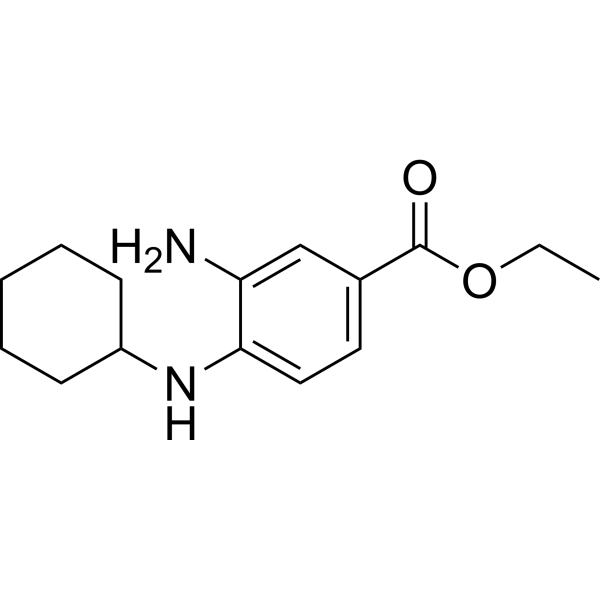
HY-100579
Ferrostatin-1Ferroptosis Inhibitor -
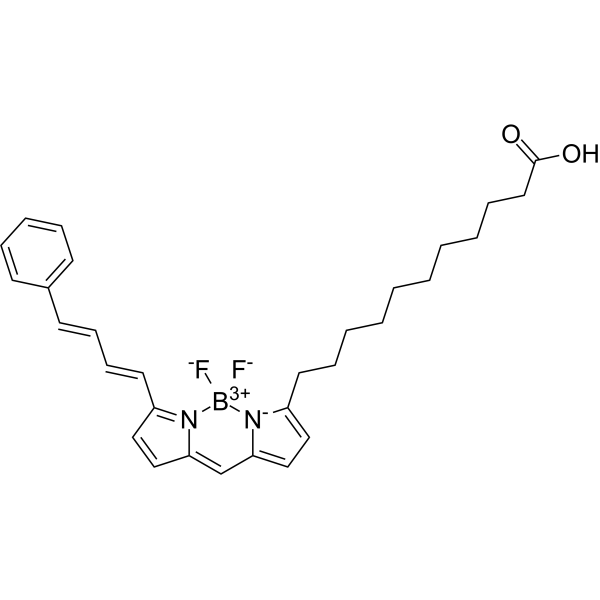
HY-D1301
BODIPY 581/591 C11Fluorescent Dye -
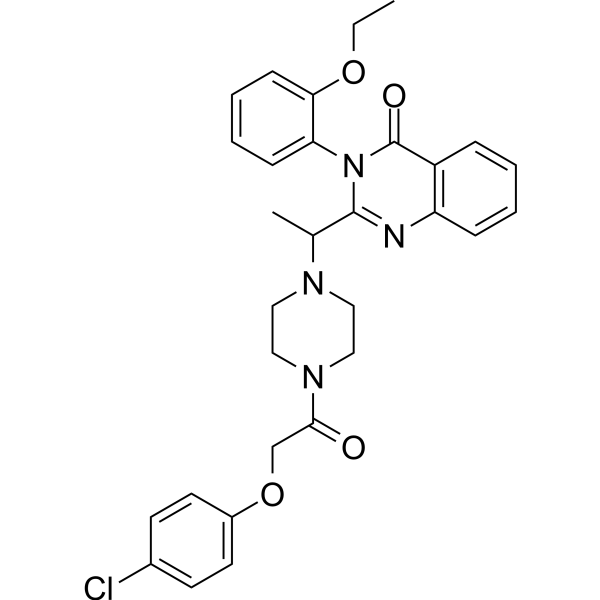
HY-15763
ErastinFerroptosis Inducer -
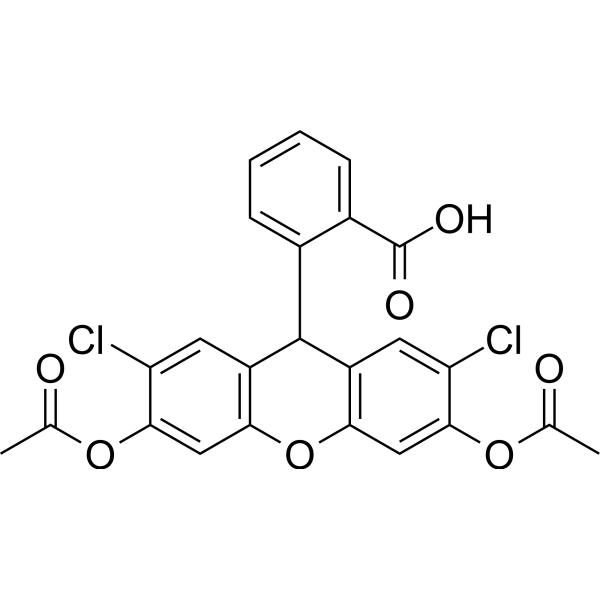
HY-D0940
H2DCFDAROS-Sensitive Probe -
HY-10583
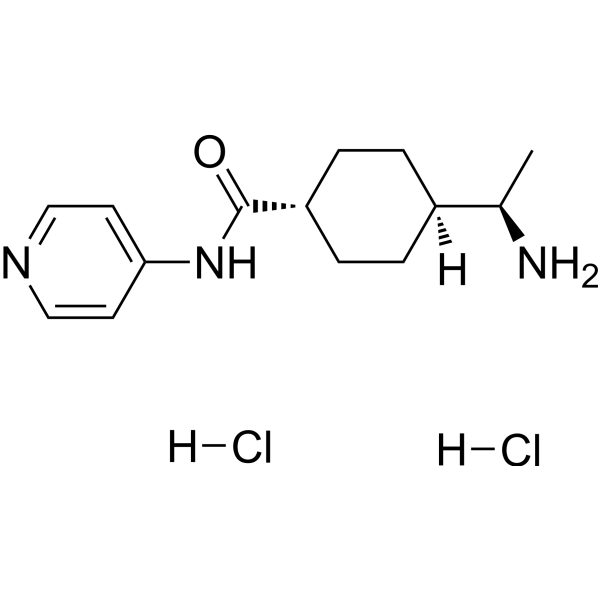
Y-27632 dihydrochlorideROCK Inhibitor -
HY-18739
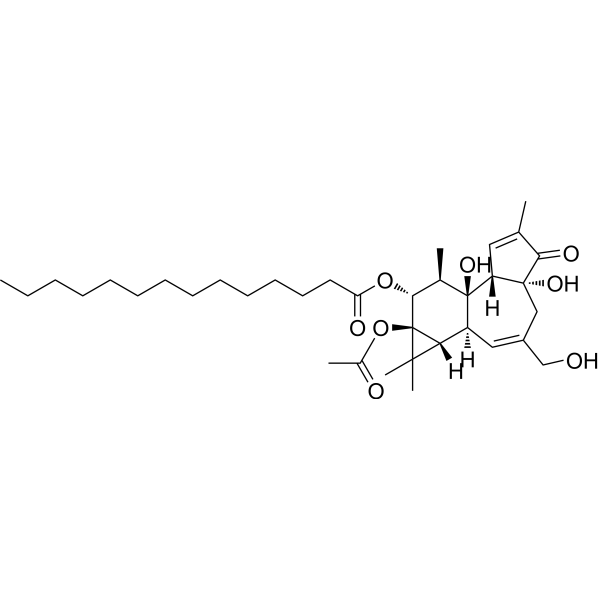
Phorbol 12-myristate 13-acetatePKC Activator -
HY-10108
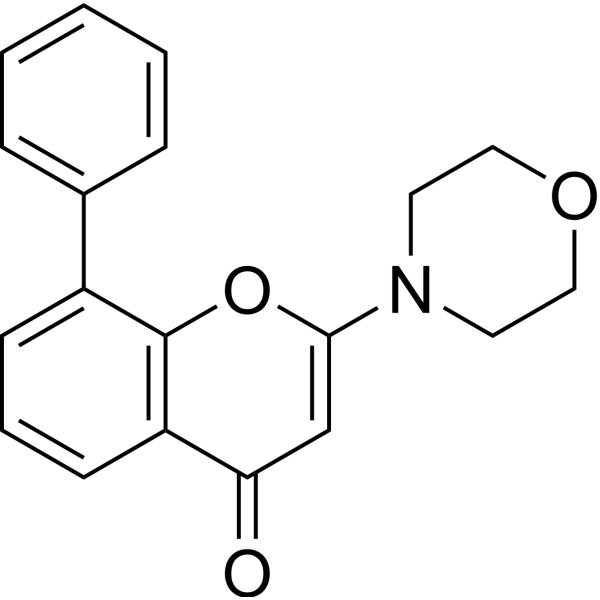
LY294002PI3K Inhibitor -
HY-100218A
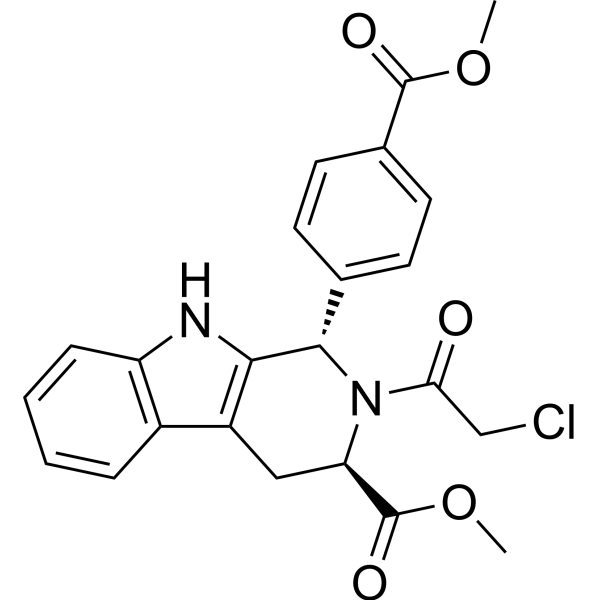
RSL3GPX4 Inhibitor -
HY-B1645
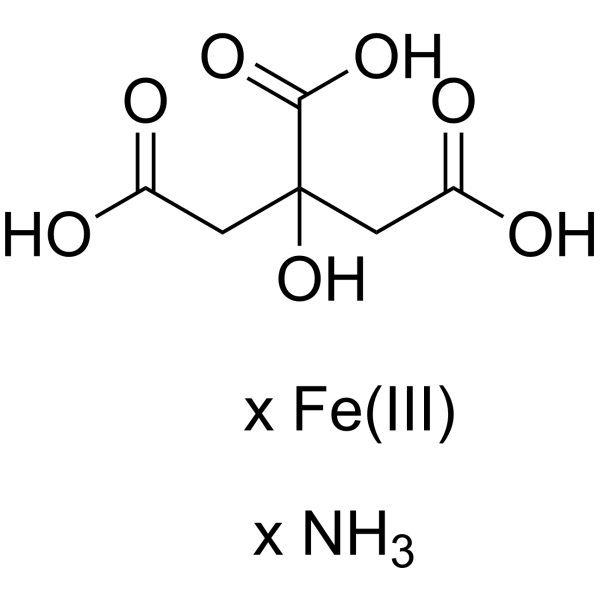
Ammonium iron(III) citrateFerroptosis Activator -
HY-P1410
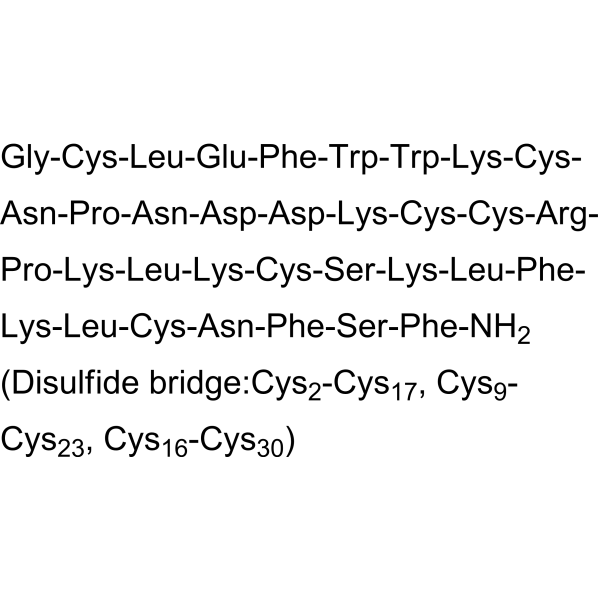
GsMTx4MSCs Inhibitor -
HY-17394
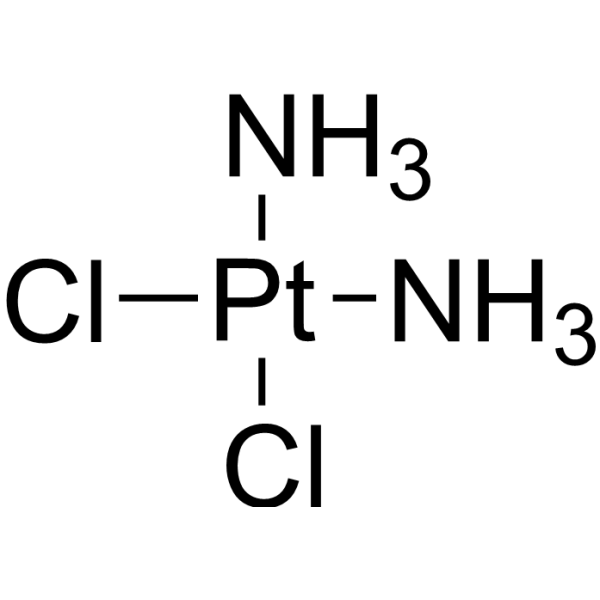
CisplatinDNA Alkylator -
HY-15531
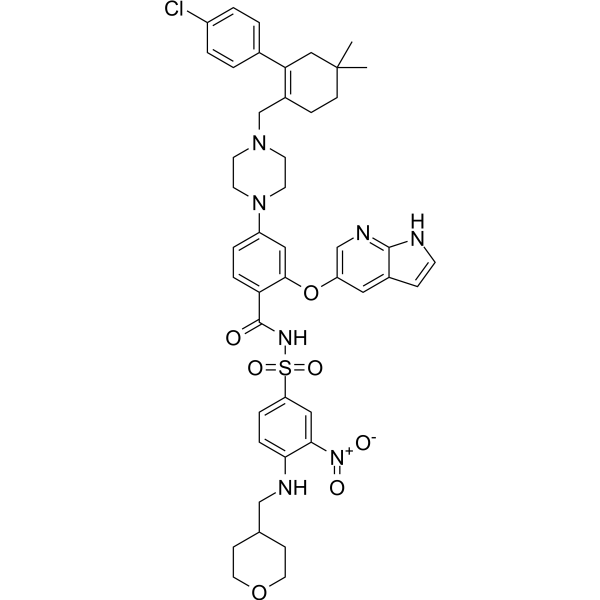
VenetoclaxBCL-2 Inhibitor
Publications Citing Use of MedChemExpress (MCE) Fe2Orange
More- Redox Biol. 2026 Apr:91:104099. [Abstract]
- Redox Biol. 2026 May:92:104086. [Abstract]
- Redox Biol. 2024 Jul:73:103143. [Abstract]
- Theranostics. 2025 Aug 16;15(17):9131-9158. [Abstract]
- J Exp Clin Cancer Res. 2025 Sep 30;44(1):272. [Abstract]
- Adv Sci (Weinh). 2026 Jul 13:e76424.
- Phytomedicine. 2025 May:140:156612. [Abstract]
- Basic Res Cardiol. 2026 Oct;121(5):837-862.
- Antioxidants (Basel). 2026 Jul 29;15(8):941.
- Phytother Res. 2025 Aug 25. [Abstract]
- Free Radic Biol Med. 2026 Jul 4:S0891-5849(26)00930-5.
- J Ethnopharmacol. 2024 Oct 28:333:118465. [Abstract]
- J Agric Food Chem. 2026 Jun 10;74(22):17405-17422. [Abstract]
- Can J Cardiol. 2026 Apr 24:S0828-282X(26)00372-7. [Abstract]
- Eur J Pharmacol. 2026 Jan 10:1010:178402. [Abstract]
- Int Immunopharmacol. 2026 Mar 15:173:116318. [Abstract]
- Int Immunopharmacol. 2025 Nov 14:165:115420. [Abstract]
- Mol Med Rep. 2026 Jan;33(1):24. [Abstract]
- Eur J Med Res. 2025 Jul 2;30(1):558. [Abstract]
- J Cell Mol Med. 2026 Jun;30(12):e71255. [Abstract]
- Aquat Toxicol. 2026 Jul 21:299:107947.
- Comp Biochem Physiol C Toxicol Pharmacol. 2026 Feb:300:110380. [Abstract]
- Fish Shellfish Immunol. 2026 Sep:176:111501. [Abstract]
- Naunyn Schmiedebergs Arch Pharmacol. 2026 Jul 28. [Abstract]
- J Neurooncol. 2025 Apr;172(2):377-386. [Abstract]
- Arch Physiol Biochem. 2025 Nov 24:1-19. [Abstract]
- Tissue Cell. 2026 Jun 28:103:103743. [Abstract]
- Mol Cell Biol. 2025 Dec 8:1-20. [Abstract]
- Toxicon. 2025 Feb:255:108233. [Abstract]
- Biochem Biophys Res Commun. 2024 Nov 12:733:150716. [Abstract]
- Biochem Biophys Res Commun. 2024 Jan 22:693:149324. [Abstract]
- Oncol Lett. 2026 Mar 30;31(5):203. [Abstract]
- In Vitro Cell Dev Biol Anim. 2025 Dec 22. [Abstract]
- Pak J Pharm Sci. 2026 Jan;39(1):102-116. [Abstract]
- Res Sq. 2026 Mar 12.
- bioRxiv. 2026 Feb 26.
- Res Sq. 2025 Oct 28.
 Customer Validation & Images

-
Flow Cytometry
-
Cell Imaging/Staining
-
Cell Imaging/Staining
-
Cell Imaging/Staining
-
Cell Imaging/Staining


Biologische Aktivität
Beschreibung
In Vitro
Guide (The following is our recommended protocol. This protocol is only a guide and should be modified according to your specific needs).
1. Solution preparation
1.1 Preparation of stock solution
Solvent: DMSO
Concentration: 1 mM
1.2 Preparation of working solution
Dilute to 1 μM with HBSS or cell culture medium (optimized according to the experiment).
Note: The working solution should be prepared and used immediately. Keep it away from light.
2. Cell staining
2.1 Cells are plated in 96-well microplates.
2.2 Discard the cell culture medium and wash the cells three times with HBSS or serum-free medium.
2.3 Add the 1 μM FerroOrange working solution and incubate for 30 minutes at 37°C
2.4 Using fluorescence microscopy at Ex/Em = 540/585 nm.
MedChemExpress (MCE) has not independently confirmed the accuracy of these methods. They are for reference only.


Chemical Information
-
Appearance Solid
-
Color White to off-white
-
SMILES
[Fe2Orange]
-
Versand
Room temperature in continental US; may vary elsewhere.
-
Speicherung
4°C, protect from light
* In solvent : -80°C, 6 months; -20°C, 1 month (protect from light)


Publications (37)
-
Journal Impact Factor
-
Most Recent
-
Redox Biol
Identification of Pinostilbene as a natural STING agonist that triggers FTH1 degradation via K48-ubiquitination to induce ferroptosis in non-small cell lung cancer. [Abstract]2026 Apr:91:104099. PMID: 41723905 -
Redox Biol
USP20 governs tyrosine kinase inhibitors resistance through ferroptosis evasion by targeting GPX4 in cancers. [Abstract]2026 May:92:104086. PMID: 41844497 -
Redox Biol
Lipoxin A4 ameliorates knee osteoarthritis progression in rats by antagonizing ferroptosis through activation of the ESR2/LPAR3/Nrf2 axis in synovial fibroblast-like synoviocytes. [Abstract]2024 Jul:73:103143. PMID: 38754271
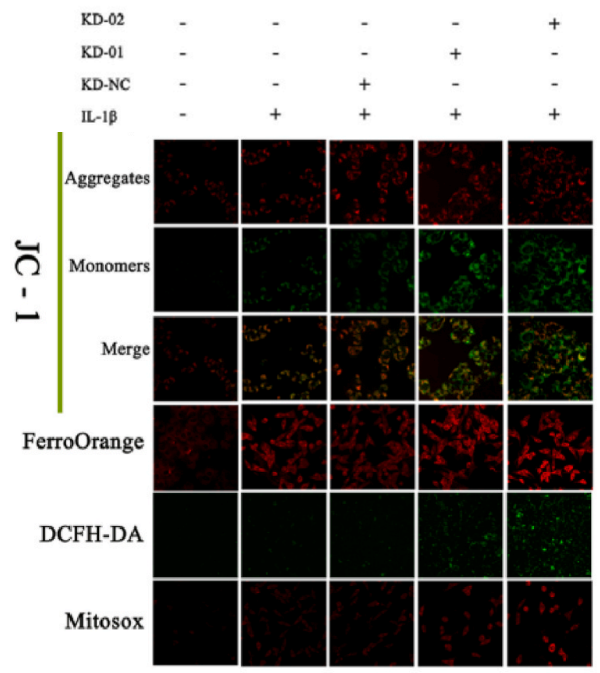
Fe2Orange purchased from MedChemExpress. Usage Cited in: Redox Biol. 2024 Jul:73:103143. [Abstract]
Results of incubation with the JC-1 fluorescent probe, FerroOrange probe, DCFH-DA, MitoSOX Red (5 μM; 30 min).
-
Theranostics
Nanotuner targeting mitochondrial redox and iron homeostasis imbalance for the treatment of acute liver injury. [Abstract]2025 Aug 16;15(17):9131-9158. PMID: 40963901
Fe2Orange purchased from MedChemExpress. Usage Cited in: Theranostics. 2025 Aug 16;15(17):9131-9158. [Abstract]
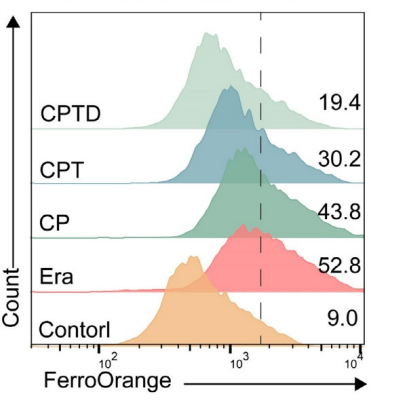
FerroOrange (1 μM/mL; 30 min) staining in each treatment group was analyzed by flow cytometry.
Fe2Orange purchased from MedChemExpress. Usage Cited in: Theranostics. 2025 Aug 16;15(17):9131-9158. [Abstract]
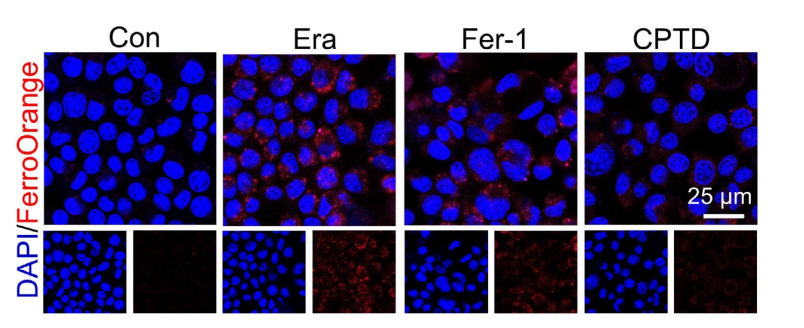
Fe2+ levels were detected by FerroOrange staining (1 μM/mL; 30 min).
-
J Exp Clin Cancer Res
PSMA-targeted theranostic nanoplatform achieves spatiotemporally precise therapy and triggers ferroptosis in prostate cancer treatment. [Abstract]2025 Sep 30;44(1):272. PMID: 41029459
Fe2Orange purchased from MedChemExpress. Usage Cited in: J Exp Clin Cancer Res. 2025 Sep 30;44(1):272. [Abstract]
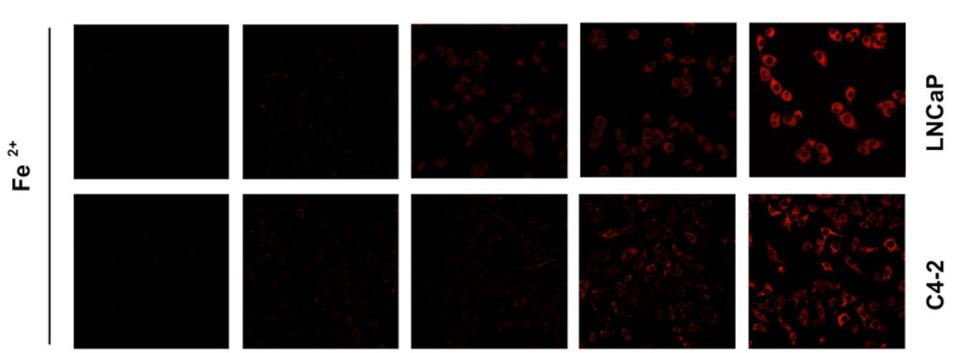
FerroOrange (1 μM; 30 min) was used to image LNCaP and C4-2 cells using confocal laser scanning microscopy (CLSM).
-
-
Phytomedicine
Schisandra total lignans ameliorate neuronal ferroptosis in 3xTg-AD mice via regulating NADK/NADPH/GSH pathway. [Abstract]2025 May:140:156612. PMID: 40088743 -
-
-
Phytother Res
4'-Hydroxychalcone Induces Ferroptosis in Glioblastoma Through the xCT/GSH/GPX4 Axis Under the Regulation of the AKT/mTORC1/4EBP1 Pathway. [Abstract]2025 Aug 25. PMID: 40855403
Fe2Orange purchased from MedChemExpress. Usage Cited in: Phytother Res. 2025 Aug 25. [Abstract]
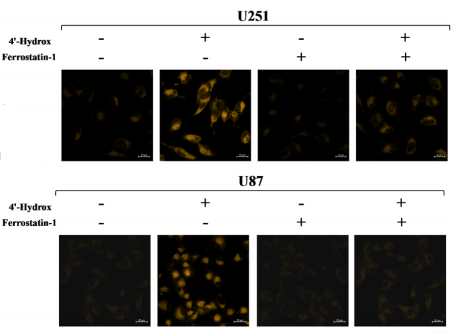
Fe2Orange (1 μM; 30 min). Intracellular chelated iron levels were analyzed in U87 and U251 cells after treatment with 4′-hydroxychalcone for 48 h with or without Fer-1 (25 μM).
-
-
J Ethnopharmacol
Ferroptosis pathways: Unveiling the neuroprotective power of cistache deserticola phenylethanoid glycosides. [Abstract]2024 Oct 28:333:118465. PMID: 38944360 -
J Agric Food Chem
Deoxynivalenol Impairs Ovarian Function by Triggering Ferroptosis in Granulosa Cells through GPX2 Inhibition and Oxidative Stress. [Abstract]2026 Jun 10;74(22):17405-17422. PMID: 42210900 -
Can J Cardiol
Canagliflozin Alleviates Pressure Overload-Induced Cardiac Dysfunction via PINK1 Regulation by Inhibiting Mitophagy-Driven Ferroptosis. [Abstract]2026 Apr 24:S0828-282X(26)00372-7. PMID: 42035950 -
Eur J Pharmacol
Protective role of Oxyresveratrol against NaIO3-induced oxidative stress in RPE cells via targeting NRF2-mediated ferroptosis in vitro and in vivo. [Abstract]2026 Jan 10:1010:178402. PMID: 41308856 -
Int Immunopharmacol
GDF11 protects against sepsis-induced myocardial injury and cardiac dysfunction by targeting the Nrf2 signaling pathway-dependent ferroptosis. [Abstract]2026 Mar 15:173:116318. PMID: 41637825 -
Int Immunopharmacol
Piceatannol alleviates oxidative stress and ferroptosis in alcohol-induced liver injury by activation of Nrf2/GPX4 signaling. [Abstract]2025 Nov 14:165:115420. PMID: 40885093 -
Mol Med Rep
Schisantherin A induces ferroptosis in non‑small cell lung cancer through activation of the YAP/ACSL4/TfR signaling pathway. [Abstract]2026 Jan;33(1):24. PMID: 41201015 -
Eur J Med Res
Low doses of ozone alleviate cardiomyocyte ferroptosis induced by hypoxia-reoxygenation injury via the AMPK-mTOR pathway. [Abstract]2025 Jul 2;30(1):558. PMID: 40604957 -
J Cell Mol Med
Anti-HMGB1 Antibody Therapy Ameliorates Depression Following Spinal Cord Injury in Rats by Inhibiting Ferroptosis. [Abstract]2026 Jun;30(12):e71255. PMID: 42337999 -
-
Comp Biochem Physiol C Toxicol Pharmacol
Prothioconazole induced stereoselective developmental toxicity and liver injury in zebrafish embryos via ferroptosis. [Abstract]2026 Feb:300:110380. PMID: 41177498 -
Fish Shellfish Immunol
Hemocyanin modulates ferroptosis through a HSP90-dependent antioxidant function in shrimp. [Abstract]2026 Sep:176:111501. PMID: 42296727 -
Naunyn Schmiedebergs Arch Pharmacol
Salvianolic acid B suppresses non-small cell lung cancer growth by promoting Nrf2 proteasomal degradation and triggering autophagy-dependent ferroptosis. [Abstract]2026 Jul 28. PMID: 42509425 -
J Neurooncol
Mifepristone achieves tumor suppression and ferroptosis through PR/p53/HO1/GPX4 axis in meningioma cells. [Abstract]2025 Apr;172(2):377-386. PMID: 39751705 -
Arch Physiol Biochem
Verbascoside attenuates angiotensin-induced hypertension by inhibiting endoplasmic reticulum stress via the Nur77/GFPT2/CHOP pathway. [Abstract]2025 Nov 24:1-19. PMID: 41284022 -
Tissue Cell
Single-cell transcriptomic profiling identifies TIMP1 as a diagnostic marker linked to macrophage ferroptosis in ulcerative colitis. [Abstract]2026 Jun 28:103:103743. PMID: 42385606 -
Mol Cell Biol
Silybin Improves Acute Kidney Injury by Regulating HDAC6/NF-κB/NLRP3 Signaling to Reduce Inflammation and Ferroptosis. [Abstract]2025 Dec 8:1-20. PMID: 41358532 -
Toxicon
Ursolic acid enhances radiosensitivity in esophageal squamous cell carcinoma by modulating p53/SLC7A11/GPX4 pathway-mediated ferroptosis. [Abstract]2025 Feb:255:108233. PMID: 39788329 -
Biochem Biophys Res Commun
Icariin alleviates cellular injury induced by cardiac ischemia-reperfusion injury by inhibiting IRE1/JNK-induced ferroptosis. [Abstract]2024 Nov 12:733:150716. PMID: 39321486 -
Biochem Biophys Res Commun
Puerarin reduces cell damage from cerebral ischemia-reperfusion by inhibiting ferroptosis. [Abstract]2024 Jan 22:693:149324. PMID: 38101001 -
Oncol Lett
Lung squamous cell carcinoma downregulates haptoglobin expression to inhibit M2 macrophage ferroptosis via the hemoglobin-dependent CD163/HO-1 pathway. [Abstract]2026 Mar 30;31(5):203. PMID: 41987865 -
In Vitro Cell Dev Biol Anim
Icariside II inhibits ferroptosis and improves high-glucose-induced podocytes injury by downregulating DNMT1. [Abstract]2025 Dec 22. PMID: 41428160 -
Pak J Pharm Sci
Syringaresinol inhibits ferroptosis and ameliorates glucocorticoid-induced MC3T3-E1 osteoporosis by modulating the Nrf2/SLC7A11/GPX4 pathway. [Abstract]2026 Jan;39(1):102-116. PMID: 41482780 -
-
-


Reinheit & Dokumentation
-
Data Sheet (272 KB)
-
SDS (251 KB)
- English - EN (251 KB)
- Français - FR (251 KB)
- Deutsch - DE (251 KB)
- Norwegian - NO (251 KB)
- Español - ES (251 KB)
- Swedish - SV (251 KB)
- Italian - IT (251 KB)
- Korean - KR (251 KB)
- Portuguese - PT (251 KB)
-
Handling Instructions (2659 KB)
Verweise

Calculators
Konzentration (Stammlösung) × Volumen (Stammlösung) = Konzentration (Ziellösung) × Volumen (Ziellösung)


Fe2Orange Related Classifications
HY-D1913 Related Classifications
 Powered by Bioz