1. Search Result
Search Result
Results for "

kinase inhibitor resistance

" in MedChemExpress (MCE) Product Catalog:

56

Inhibitors & Agonists

3

Screening Libraries

1

Biochemical Assay Reagents

1

Natural
Products

1

Isotope-Labeled Compounds

1

GMP Molecules

Targets Recommended:
Cat. No. Product Name Target Research Areas Chemical Structure
  • HY-101570
    Nedisertib
    Maximum Cited Publications
    27 Publications Verification

    Peposertib; M3814

    DNA-PK BCRP Cancer
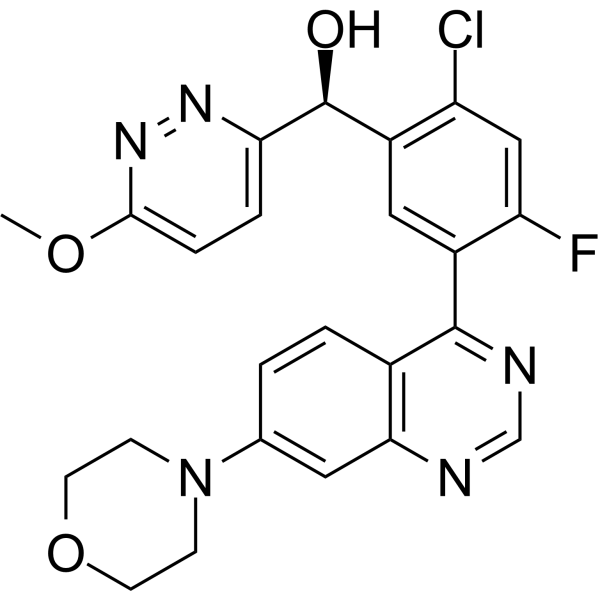
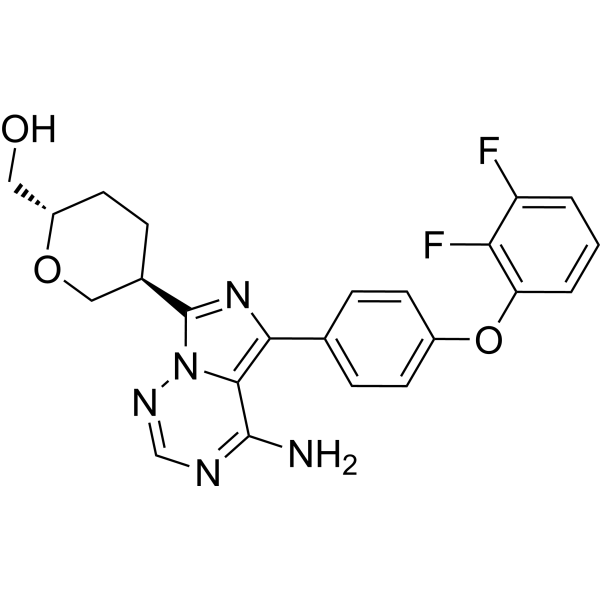
    Nedisertib (Peposertib) is an orally active selective DNA-dependent protein kinase (DNA-PK) inhibitor with an IC50 value of less than 3 nM. Nedisertib also acts as a modulator of ABCG2, capable of reversing ABCG2-mediated multidrug resistance (MDR), thus providing new strategies for combination therapy. By inhibiting DNA double-strand break repair, Nedisertib can enhance the efficacy of chemotherapy and radiotherapy. Nedisertib exhibits antitumor activity .
    Nedisertib
  • HY-W145521
    β-1,3-Glucan
    1 Publications Verification

    β Glucan

    Biochemical Assay Reagents IKK NO Synthase Bacterial Infection Inflammation/Immunology Cancer
    β-1,3-Glucan (β Glucan) is an orally active polysaccharide composed of glucose polymers. β-1,3-Glucan increase the activity of IKKβ kinase, enhances the production of nitric oxide. β-1,3-Glucan improves resistance to Vibrio harveyi infection. β-1,3-Glucan enhances immune response, promotes blood pressure recovery, reduces lung, kidney and liver damage, inhibits the growth of syngeneic tumors .
    β-1,3-Glucan
  • HY-109061
    Lazertinib
    3 Publications Verification

    YH25448; GNS-1480

    Apoptosis Akt TRP Channel EGFR ERK Infection Neurological Disease Metabolic Disease Cancer
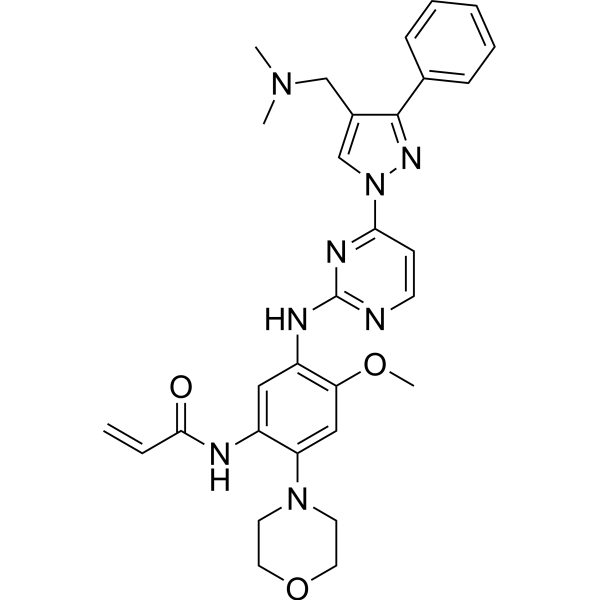
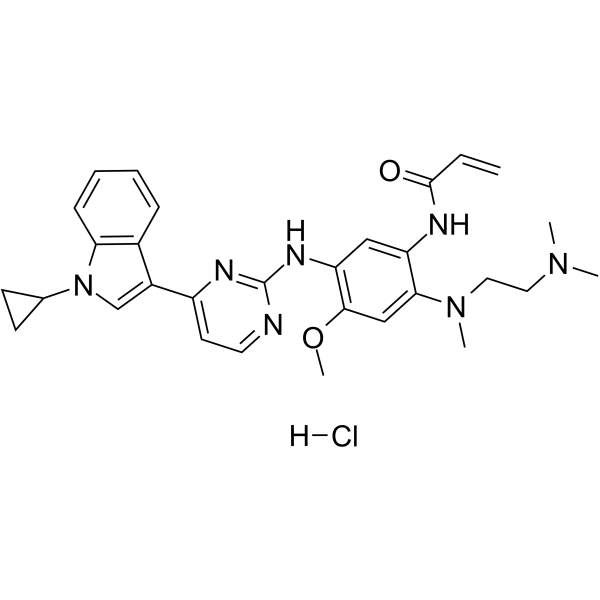
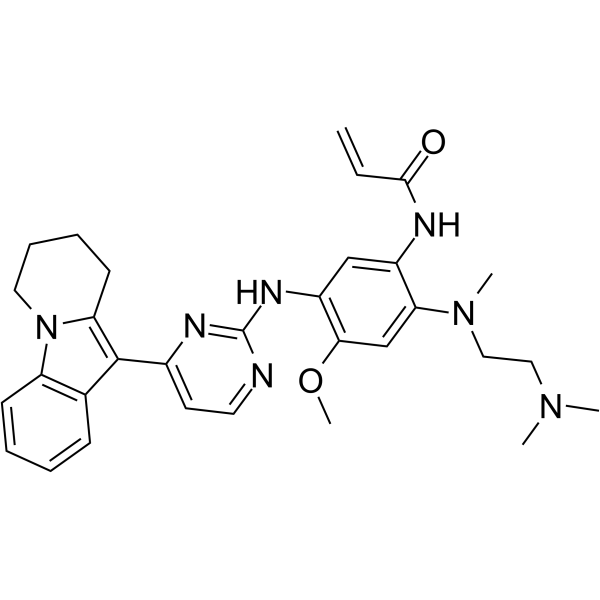
    Lazertinib (YH25448; GNS-1480) is an orally active, blood-brain barrier permeable third-generation EGFR tyrosine kinase inhibitor, as well as an ABCB1/ABCG2 inhibitor and a TRPA1 activator. Lazertinib exhibits IC50 values of 0.4 mM and 0.2 mM against human ABCB1 and ABCG2, respectively. By inhibiting mutant EGFR signaling, EGFR phosphorylation and the downstream ERK/AKT pathway, as well as upregulating surface expression of EGFR/MET, Lazertinib induces cell cycle arrest, apoptosis, spontaneous calcium responses, hyperexcitability of dorsal root ganglion (DRG) neurons, and TRPA1-dependent pain-like behaviors. Lazertinib competitively binds to the substrate-binding sites of ABCB1/ABCG2, stimulates their ATPase activity without altering their expression or plasma membrane localization, thereby enhancing ADCC activity, acting as a chemosensitizer, and reversing ABCB1-mediated multidrug resistance. It exerts antitumor activity as a single agent or in combination with other drugs. Lazertinib is applicable to research related to non-small cell lung cancer, multidrug-resistant cancers, and paresthesia .
    Lazertinib
  • HY-112823
    Almonertinib
    5+ Cited Publications

    HS-10296

    EGFR Cancer
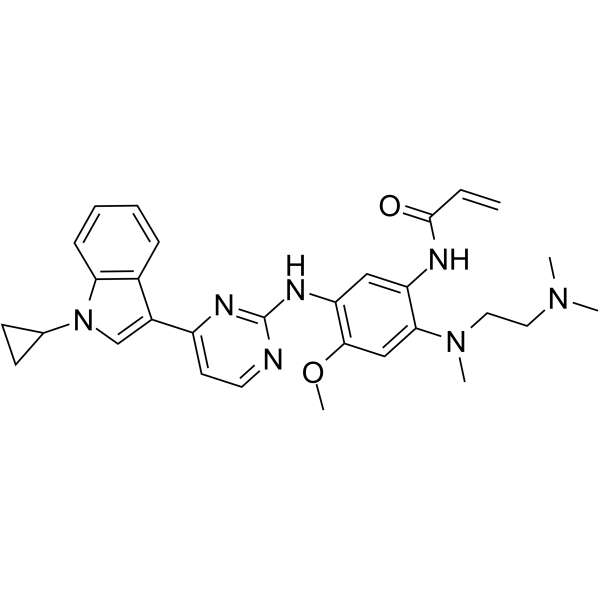
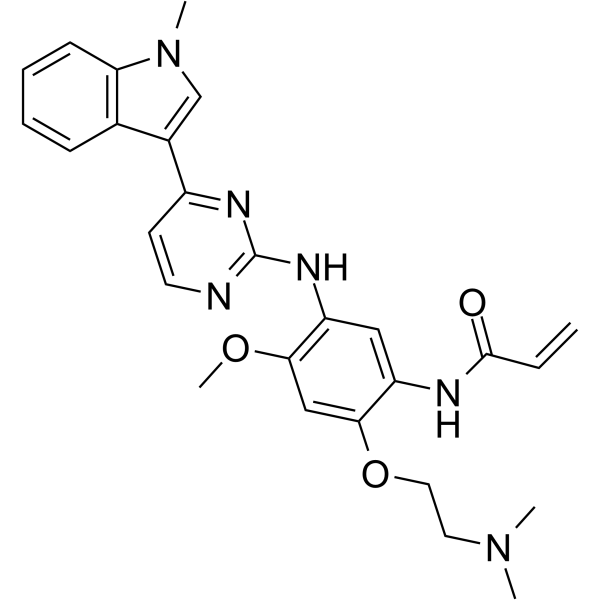
    Almonertinib (HS-10296) is an orally available, irreversible, third-generation EGFR tyrosine kinase inhibitor with high selectivity for EGFR-sensitizing and T790M resistance mutations. Almonertinib shows great inhibitory activity against T790M, T790M/L858R and T790M/Del19 (IC50: 0.37, 0.29 and 0.21 nM, respectively), and is less effective against wild type (3.39 nM). Almonertinib is used for the research of the non-small cell lung cancer .
    Almonertinib
  • HY-148811

    ICP-723

    c-Met/HGFR Trk Receptor Cancer
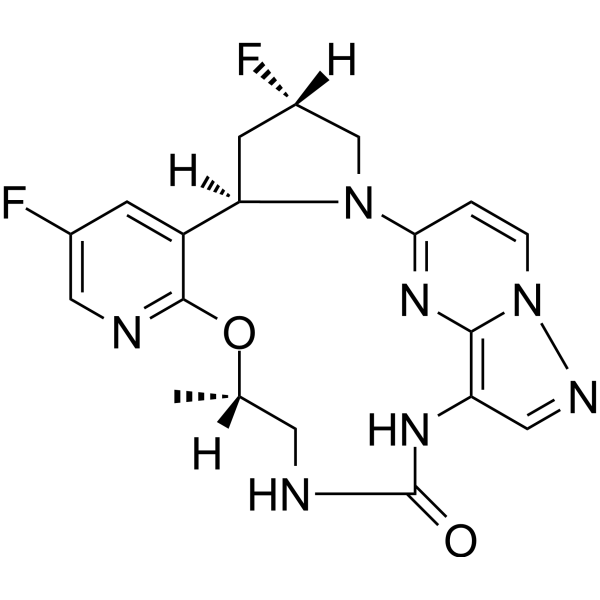
    Zurletrectinib is a brain-penetrant, orally active TRK inhibitor (TRKA IC50 = 0.81 nM; TRKB IC50 = 0.145 nM; TRKC IC50 = 0.184 nM). Zurletrectinib exhibits stronger activity as a consequence of its augmented binding affinity for TRK kinases. Zurletrectinib exhibits higher activity against most TRK inhibitor resistance mutations (13 out of 18 mutations). Zurletrectinib can be used for the study of glioma .
    Zurletrectinib
  • HY-19815

    CK-101; RX518

    EGFR Cancer
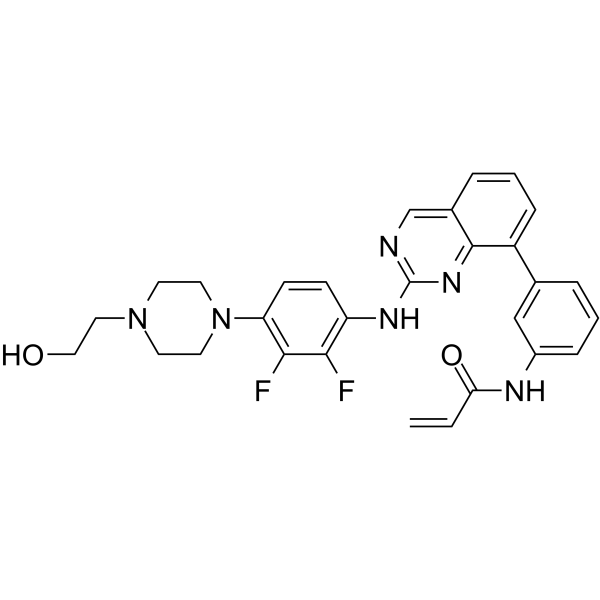
    Olafertinib (CK-101) is an orally available, third generation and irreversible epidermal growth factor receptor tyrosine kinase inhibitor (EGFR-TKI). Olafertinib selectively inhibits both EGFR-TKI-sensitizing and resistance mutations with minimal activity on wild-type EGFR. Olafertinib can be used in research for non-small cell lung cancer (NSCLC) with EGFR mutations and other advanced malignancies .
    Olafertinib
  • HY-153268
    Silevertinib
    2 Publications Verification

    BDTX-1535; EGFR-IN-76

    EGFR Infection Neurological Disease Metabolic Disease Cancer
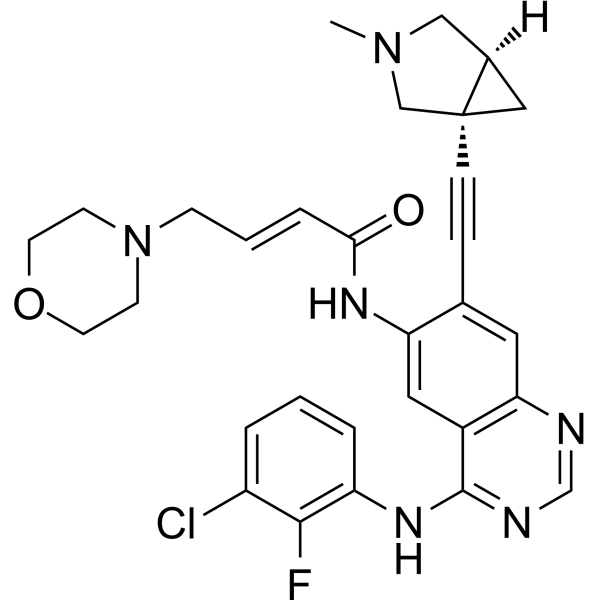
    Silevertinib (BDTX-1535) is an irreversible, brain-penetrant, selective and orally active EGFR inhibitor with wild-type EGFR-sparing. Silevertinib targets key EGFR resistance mutations, including the kinase domain (C797S, L718Q, G724S, S768I), extracellular domain (EGFRvIII, A289X), and EGFR amplification. Silevertinib exerts anti-tumor activity with well tolerated in vivo. Silevertinib can be used for non-small cell lung cancer (NSCLC) and glioblastoma (GBM) research .
    Silevertinib
  • HY-109061B
    Lazertinib mesylate
    3 Publications Verification

    YH25448 mesylate; GNS-1480 mesylate

    TRP Channel EGFR Akt ERK Apoptosis Cancer
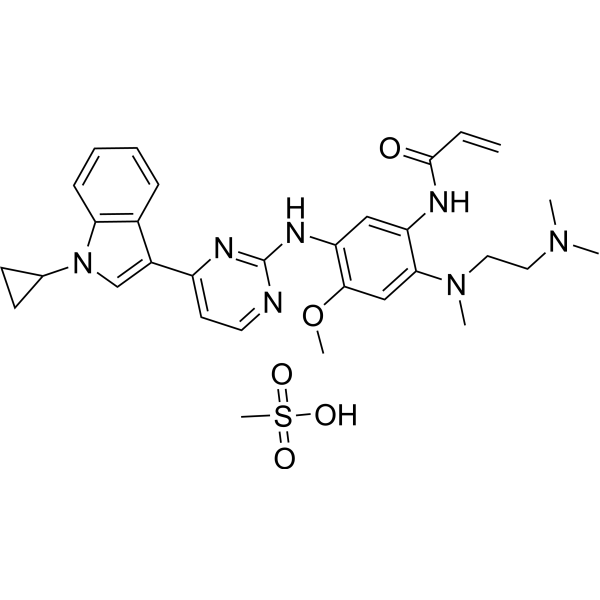
    Lazertinib (YH25448; GNS-1480) mesylate is an orally active, blood-brain barrier permeable third-generation EGFR tyrosine kinase inhibitor, as well as an ABCB1/ABCG2 inhibitor and a TRPA1 activator. Lazertinib mesylate exhibits IC50 values of 0.4 mM and 0.2 mM against human ABCB1 and ABCG2, respectively. By inhibiting mutant EGFR signaling, EGFR phosphorylation and the downstream ERK/AKT pathway, as well as upregulating surface expression of EGFR/MET, Lazertinib mesylate induces cell cycle arrest, apoptosis, spontaneous calcium responses, hyperexcitability of dorsal root ganglion (DRG) neurons, and TRPA1-dependent pain-like behaviors. Lazertinib mesylate competitively binds to the substrate-binding sites of ABCB1/ABCG2, stimulates their ATPase activity without altering their expression or plasma membrane localization, thereby enhancing ADCC activity, acting as a chemosensitizer, and reversing ABCB1-mediated multidrug resistance. It exerts antitumor activity as a single agent or in combination with other drugs. Lazertinib mesylate is applicable to research related to non-small cell lung cancer, multidrug-resistant cancers, and paresthesia .
    Lazertinib mesylate
  • HY-19642A
    Glesatinib hydrochloride
    2 Publications Verification

    MGCD265 hydrochloride

    TAM Receptor c-Met/HGFR Cancer
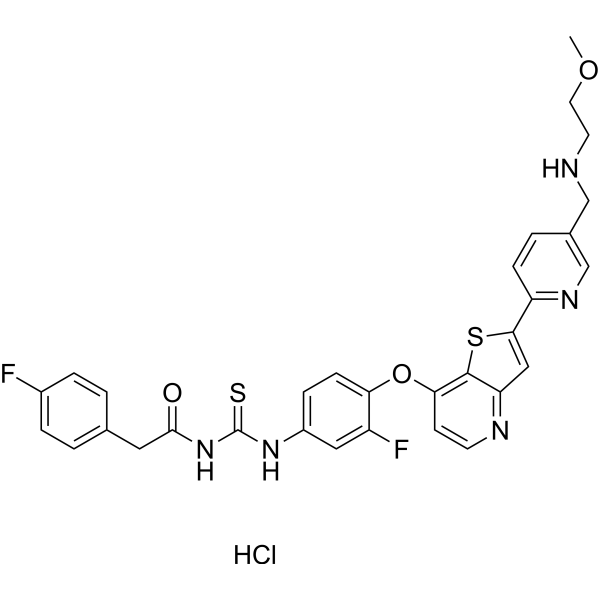
    Glesatinib hydrochloride (MGCD265 hydrochloride) is an orally active, potent MET/SMO dual inhibitor. Glesatinib hydrochloride, a tyrosine kinase inhibitor, antagonizes P-glycoprotein (P-gp) mediated multidrug resistance (MDR) in non-small cell lung cancer (NSCLC) .
    Glesatinib hydrochloride
  • HY-123159

    Aurora Kinase Cancer
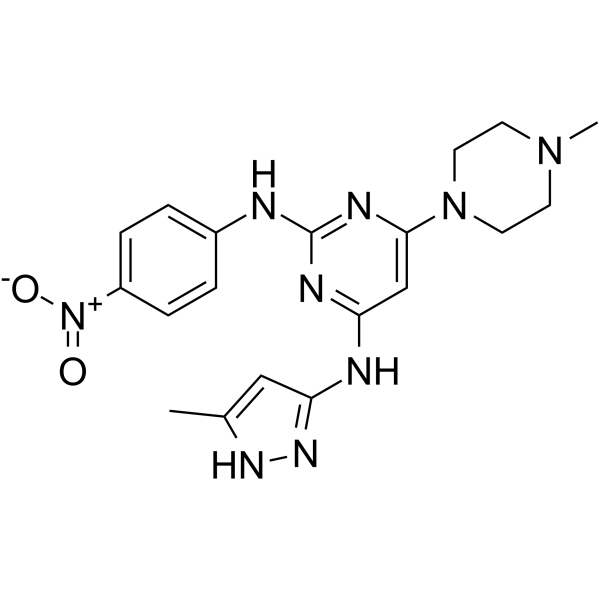
    AKI603 is an inhibitor of Aurora kinase A (AurA), with an IC50 of 12.3 nM. AKI603 is developed to overcome resistance mediated by BCR-ABL-T315I mutation. AKI603 exhibits strong anti-proliferative activity in leukemic cells .
    AKI603
  • HY-109189
    Rezivertinib
    1 Publications Verification

    BPI-7711

    EGFR Cancer
    Rezivertinib (BPI-7711) is an orally active, highly selective and irreversible third-generation EGFR tyrosine kinase inhibitor (TKI). Rezivertinib exhibits high potency against the common activation EGFR and the resistance T790M mutations. Rezivertinib has excellent central nervous system (CNS) penetration and has antitumor activity .
    Rezivertinib
  • HY-112823B
    Almonertinib hydrochloride
    5+ Cited Publications

    HS-10296 hydrochloride

    EGFR Cancer
    Almonertinib (HS-10296) hydrochloride is an orally available, irreversible, third-generation EGFR tyrosine kinase inhibitor with high selectivity for EGFR-sensitizing and T790M resistance mutations. Almonertinib hydrochloride shows great inhibitory activity against T790M, T790M/L858R and T790M/Del19 (IC50: 0.37, 0.29 and 0.21 nM, respectively), and is less effective against wild type (3.39 nM). Almonertinib hydrochloride is used for the research of the non-small cell lung cancer .
    Almonertinib hydrochloride
  • HY-112823A
    Almonertinib mesylate
    5+ Cited Publications

    HS-10296 mesylate

    EGFR Cancer
    Almonertinib (HS-10296) mesylate is an orally available, irreversible, third-generation EGFR tyrosine kinase inhibitor with high selectivity for EGFR-sensitizing and T790M resistance mutations. Almonertinib mesylate shows great inhibitory activity against T790M, T790M/L858R and T790M/Del19 (IC50: 0.37, 0.29 and 0.21 nM, respectively), and is less effective against wild type (3.39 nM). Almonertinib mesylate is used for the research of the non-small cell lung cancer .
    Almonertinib mesylate
  • HY-160167

    DZD8586

    Src Btk Inflammation/Immunology Cancer
    Birelentinib (DZD8586) is an orally effective, selective, non-covalent inhibitor targeting LYN tyrosine kinase and BTK tyrosine kinase, capable of penetrating the blood-brain barrier. Birelentinib exhibits concentration-dependent antiproliferative effects in RI-1 cells and diffuse large B-cell lymphoma (DLBCL) cell lines carrying BTK resistance mutations (such as C481X, V416L, etc.). Birelentinib blocks both BTK-dependent and independent signaling of the B-cell receptor (BCR), thereby inhibiting tumor cell proliferation and inducing cell death. Birelentinib can be used in research to overcome resistance to existing covalent and non-covalent BTK inhibitors in B-cell non-Hodgkin lymphoma (B-NHL) .
    Birelentinib
  • HY-145723
    MAX-40279
    1 Publications Verification

    FLT3 FGFR Inflammation/Immunology Cancer
    MAX-40279 is a dual and orally active inhibitor of FLT3 kinase and FGFR kinase. MAX-40279 is also effective against the FLT3 mutants such as FLT3 D835Y, suggesting that it can overcome resistance to Quizartinib (HY-13001) and Sorafenib (HY-10201). MAX-40279 inhibits NDRG1 phosphorylation at Ser330 and suppresses endothelial-to-mesenchymal transition (EndMT). MAX-40279 can be used for the research of acute myelogenous leukemia (AML) .
    MAX-40279
  • HY-139920
    Oritinib
    1 Publications Verification

    SH-1028

    EGFR Cancer
    Oritinib (SH-1028), an irreversible third-generation EGFR TKI, overcomes T790M-mediated resistance in non-small cell lung cancer. Oritinib (SH-1028), a mutant-selective inhibitor of EGFR kinase activity, inhibits EGFR WT, EGFR L858R, EGFR L861Q, EGFR L858R/T790M, EGFR d746-750 and EGFR d746-750/T790M kinases, with IC50s of 18, 0.7, 4, 0.1, 1.4 and 0.89 nM, respectively .
    Oritinib
  • HY-148062

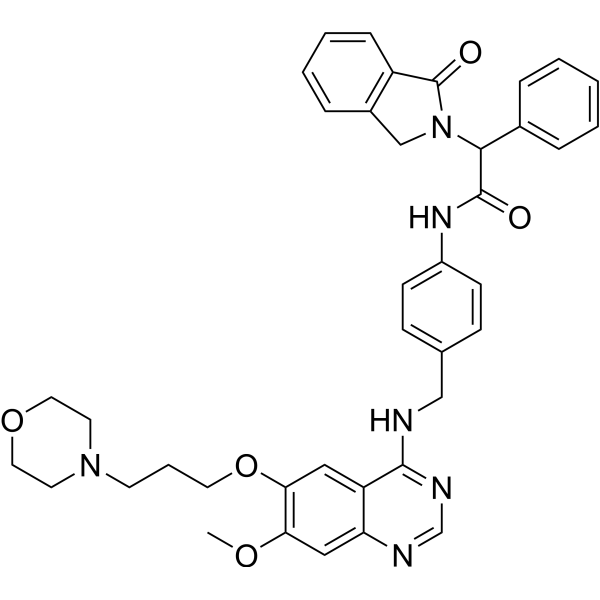
    PROTACs CDK AAK1 Cyclin G-associated Kinase (GAK) Salt-inducible Kinase (SIK) LIM Kinase (LIMK) Wee1 SnRK Others
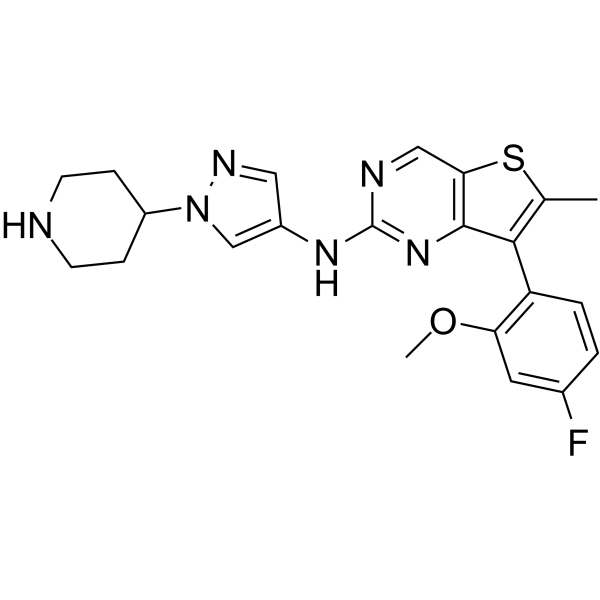
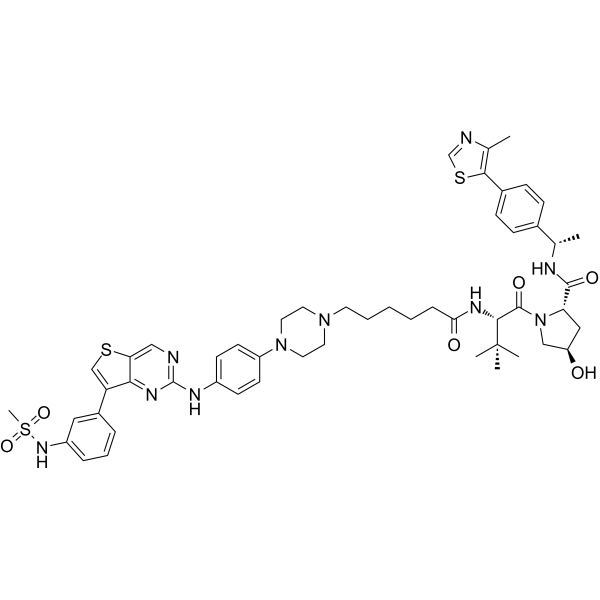
    RSS0680 is a small noncoding RNA (sRNA) targeting the mRNA ribosome binding site (RBS) and a PROTAC with protein kinase degradation activity (Pink: FLT3-IN-17 (HY-148070); Black: Linker (HY-W041970); Blue: E3 ligase Ligand (HY-112078)). RSS0680 competitively binds to RBS through the conserved CCUCCUCCC anti-Shine-Dalgarno (aSD) sequence and inhibits the translation initiation of target genes. RSS0680 can interact with the DUF1127 protein CcaF1, regulate its own stability and participate in bacterial oxidative stress defense, enhancing the host's resistance to heat shock and oxidative damage by affecting pathways such as C1 metabolism and pyruvate dehydrogenase complex. RSS0680 degrades AAK1, CDK1, CDK16, CDK2, CDK4, CDK6, EIF2AK4, GAK, LATSl, LIMK2, MAPK6, MAPKAPK5, MARK2, MARK4, MKNK2, NEK9, RPS6KB1, SIK2, SNRK, STK17A, STK17B, STK35, and WEEl. RSS0680 can be used to study diseases or disorders mediated by aberrant kinase activity and regulatory mechanisms of noncoding RNAs in α-proteobacteria[1][2].
    RSS0680
  • HY-19642

    MGCD265

    TAM Receptor c-Met/HGFR Cancer
    Glesatinib (MGCD265) is an orally active, potent MET/SMO dual inhibitor. Glesatinib, a tyrosine kinase inhibitor, antagonizes P-glycoprotein (P-gp) mediated multidrug resistance (MDR) in non-small cell lung cancer (NSCLC) .
    Glesatinib
  • HY-N12726

    p38 MAPK MMP Infection Inflammation/Immunology Cancer
    Halociline, a derivative of alkaloids, that can be isolated from the marine fungus Penicillium griseofulvum. Halociline targets MAPK1, MMP-9, and PIK3CA in gastric cancer cells, potentially mediated by diverse pathways including cancer, lipid metabolism, atherosclerosis, and EGFR tyrosine kinase inhibitor resistance. Halociline possesses antimicrobial, antioxidant and biofilm inhibitory activities .
    Halociline
  • HY-174387

    c-Met/HGFR Cancer
    KIN-8741 is a highly selective Type IIb c-Met inhibitor. KIN-8741 has broad activity against c-Met kinase mutations. KIN-8741 shows antitumor activity in MET gene amplified and exon 14 deleted non-small cell lung cancer models. KIN-8741 can be used in the research of c-Met driven cancers, especially advanced tumors carrying MET exon 14 jump mutations, acquired drug resistance mutations, etc .
    KIN-8741
  • HY-101570G

    Peposertib; M3814

    DNA-PK BCRP Cancer
    Nedisertib (GMP) (Peposertib (GMP)) is Nedisertib (HY-101570) produced by using GMP guidelines. GMP small molecules works appropriately as an auxiliary reagent for cell therapy manufacture. Nedisertib is an orally active selective DNA-dependent protein kinase (DNA-PK) inhibitor with an IC50 value of less than 3 nM. Nedisertib also acts as a modulator of ABCG2, capable of reversing ABCG2-mediated multidrug resistance (MDR), thus providing new strategies for combination therapy. By inhibiting DNA double-strand break repair, Nedisertib can enhance the efficacy of chemotherapy and radiotherapy. Nedisertib exhibits antitumor activity .
    Nedisertib
  • HY-145723C
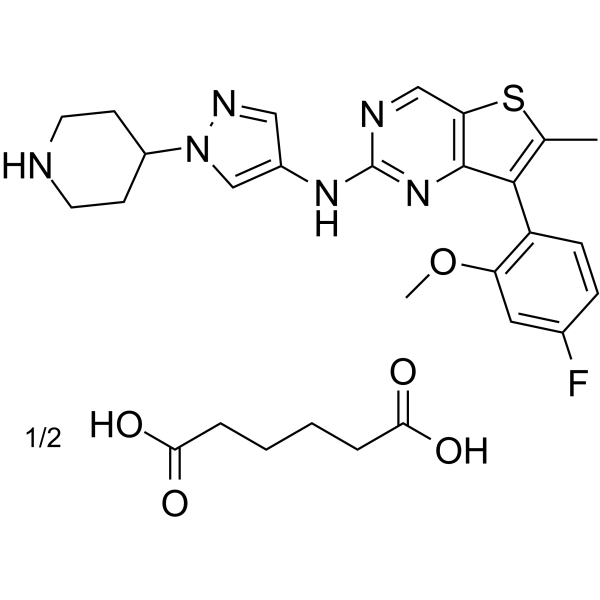
    MAX-40279 hemiadipate
    1 Publications Verification

    FLT3 FGFR Inflammation/Immunology Cancer
    MAX-40279 hemiadipate is a dual and orally active inhibitor of FLT3 kinase and FGFR kinase. MAX-40279 hemiadipate is also effective against the FLT3 mutants such as FLT3 D835Y, suggesting that it can overcome resistance to Quizartinib (HY-13001) and Sorafenib (HY-10201). MAX-40279 hemiadipate inhibits NDRG1 phosphorylation at Ser330 and suppresses endothelial-to-mesenchymal transition (EndMT). MAX-40279 hemiadipate can be used for the research of acute myelogenous leukemia (AML) .
    MAX-40279 hemiadipate
  • HY-174826

    EGFR c-Kit Cancer
    EGFR-IN-164 (Compound 4) is a selective and covalent allosteric EGFR inhibitor. EGFR-IN-164 significantly inhibits the activity of EGFR L858R/T790M/C797S kinase (IC50: 48.1 nM) and proliferation of of EGFR-mutant cells. EGFR-IN-164 can be used for drug resistance of cancer research .
    EGFR-IN-164
  • HY-116497

    FAK Cancer
    PH11 is a novel focal adhesion kinase (FAK) inhibitor that rapidly induces apoptosis in TRAIL-resistant PANC-1 cells when combined with TRAIL, but has no effect on normal human fibroblasts. The study found that PH11 downregulates c-FLIP through inhibition of FAK and phosphatidylinositol-3-kinase (PI3K)/AKT pathways, thereby restoring the TRAIL apoptotic pathway, suggesting that this combination therapy may provide an attractive therapeutic strategy for the safe and effective treatment of pancreatic cancer. PH11 selectively inhibits c-FLIP expression by modulating upstream signaling pathways and may represent an innovative therapeutic strategy. Although further work is needed to fully elucidate the mechanism of PH11-induced TRAIL sensitization, we believe that our results will provide a new approach to target c-FLIP without the risk of interfering with caspase-8 processing, which could potentially lead to TRAIL resistance. This study also suggests a role for the FAK/AKT signaling pathway in regulating c-FLIP expression in TRAIL-induced apoptosis, and this understanding will provide important clues to control the resistance mechanism to optimize the potential of TRAIL-based pancreatic cancer treatment.
    PH11
  • HY-10320G

    BIRB 796 (GMP)

    p38 MAPK Cancer
    Doramapimod GMP (BIRB 796 GMP) is an orally active inhibitor for p38 MAPK, with IC50s of 38, 65, 200 and 520 nM, for p38α, p38β, p38γ, p38δ. Doramapimod exhibits cytotoxicity and antitumor activity against multiple myeloma, synergizes with multidrug resistance protein 1 (ABCB1) and aurora kinase inhibitor VX680, promoting their antitumor efficacy against oral epidermoid carcinoma and cervical cancer. Doramapimod also exhibits anti-inflammatory activity .
    Doramapimod (GMP)
  • HY-175273

    PROTACs FLT3 HSP ERK STAT Akt Apoptosis Cancer
    MA191 is a FLT3 PROTAC degrader. MA191 abrogates FLT3 inhibitor resistance from rebound activation of mitogen-activated kinases. MA191 mediates rapid FLT3-ITD degradation through a mechanism requiring VHL, neddylation, and BIM. MA191 reduces FLT3-ITD levels before inducing apoptosis. MA191 halts AML cell proliferation in Danio rerio. MA191 can be used for the study of acute myeloid leukemia (AML) (Pink: FLT3 ligand: (HY-175311), Blue: E3 ligase CRBN Ligand (HY-112078), Black: Linker, E3 ligase ligand-linker conjugate (HY-175312)) .
    MA191
  • HY-172771

    PI3K DNA-PK P-glycoprotein Cancer
    Multi-target kinase inhibitor 4 (Compound 2) is a PI3K/DNA-PK inhibitor and potent chemosensitizer that can increase the amount of DNA double strand breaks induced by Doxorubicin (HY-15142A). Multi-target kinase inhibitor 4, is an efficient inhibitor of multidrug resistance (MDR) that exhibits inhibitory activity toward P-glycoprotein-mediated drug efflux. Multi-target kinase inhibitor 4 can be loaded into PEG-coated LNPs .
    Multi-target kinase inhibitor 4
  • HY-E70828

    FGFR Cancer
    FGFR3 kinase mutations are associated with a variety of malignancies. FGFR3 V555L mutation leads to resistance to FGFR inhibitors. FGFR3 V555L Recombinant Human Active Protein Kinase is a recombinant FGFR3 V555L protein that can be used to study FGFR3 V555L-related functions .
    FGFR3 V555L Recombinant Human Active Protein Kinase
  • HY-120393

    Trk Receptor Cancer
    GZ-389988 is a potent pan-TRK inhibitor with IC50 values ​​of 0.3, 0.1, and 0.5 nM for TRKA, TRKB, and TRKC, respectively. GZ-389988 can be used to study NTRK fusion-positive tumors .
    GZ-389988
  • HY-161847

    Ser/Thr Protease Cancer
    HZ1 is an orally active first-in-class cyclin-dependent kinase like 3 (CDKL3)-specific inhibitor. HZ1 shows a strong tumor-suppressing effect, and has the potential to overcome the resistance of CDK4/6 inhibitor .
    HZ1
  • HY-164464

    EGFR Cancer
    BPI-15086 an orally active, potent, irreversible mutant-selective inhibitor of both EGFR and T790M resistance mutations tyrosine kinase. BPI-15086 can be used for the research of non-small-cell lung cancer .
    BPI-15086
  • HY-E70829

    FGFR Cancer
    FGFR3 kinase mutations are associated with a variety of malignancies. FGFR3 V555M mutation leads to resistance to FGFR inhibitors. FGFR3 V555M Recombinant Human Active Protein Kinase is a recombinant FGFR3 V555M protein that can be used to study FGFR3 V555M-related functions .
    FGFR3 V555M Recombinant Human Active Protein Kinase
  • HY-157166

    EGFR Cancer
    EGFR kinase inhibitor 2 (compound A-7) is a potent EGFR inhibitor targeting EGFRL858R/T790M/C797S and EGFRDel19/T790M/C797S mutants. EGFR kinase inhibitor 2 has the potential to address acquired resistance in the treatment of non-small cell lung cancer .
    EGFR kinase inhibitor 2
  • HY-175302

    Trk Receptor Apoptosis Cancer
    TRK-IN-32 is a potent TRK inhibitor. TRK-IN-32 potently inhibits TRK WT, TRK G595R and TRK G667C with IC50 values of 0.08 nM, 2.14 nM and 0.68 nM, respectively. TRK-IN-32 also demonstrates antiproliferative activity against a panel of Ba/F3 cell lines transformed with wild type, xDFG, solvent-front as well as gatekeeper mutant TRK fusion proteins. TRK-IN-32 induces apoptosis of Ba/F3-TRKA WT and Ba/F3-TRKA G667C cells.TRK-IN-32 can be used for the study of various cancers (such as thyroid cancer, secretory breast carcinoma) .
    TRK-IN-32
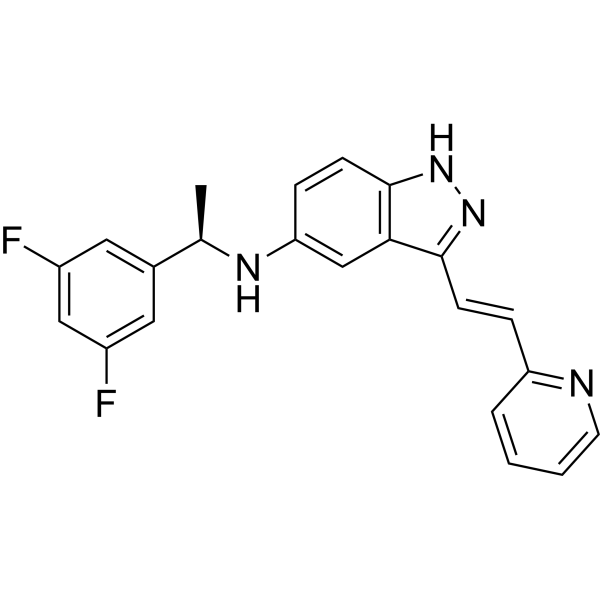
  • HY-150561

    Trk Receptor Cancer
    Trk-IN-20 is a kind of 3-vinylindazole derivatives. Trk-IN-20 suppresses Trk kinases functions by phosphorylation inhibition of TrkA/B/C with IC50 values of 1.6 nM, 2.9 nM and 2.0 nM, respectively .
    Trk-IN-20
  • HY-145723A

    FLT3 FGFR Inflammation/Immunology Cancer
    MAX-40279 hydrochloride is a dual and orally active inhibitor of FLT3 kinase and FGFR kinase. MAX-40279 hydrochloride is also effective against the FLT3 mutants such as FLT3 D835Y, suggesting that it can overcome resistance to Quizartinib (HY-13001) and Sorafenib (HY-10201). MAX-40279 hydrochloride inhibits NDRG1 phosphorylation at Ser330 and suppresses endothelial-to-mesenchymal transition (EndMT). MAX-40279 hydrochloride can be used for the research of acute myelogenous leukemia (AML) .
    MAX-40279 hydrochloride
  • HY-145723B
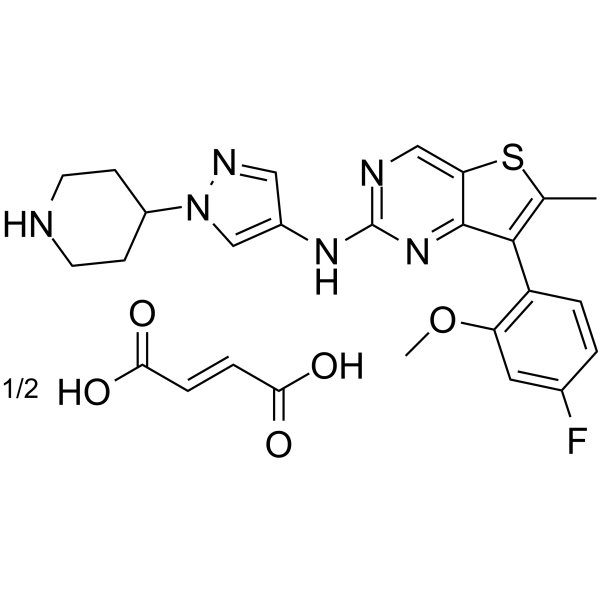
    MAX-40279 hemifumarate
    1 Publications Verification

    FLT3 FGFR Inflammation/Immunology Cancer
    MAX-40279 hemifumarate is a dual and orally active inhibitor of FLT3 kinase and FGFR kinase. MAX-40279 hemifumarate is also effective against the FLT3 mutants such as FLT3 D835Y, suggesting that it can overcome resistance to Quizartinib (HY-13001) and Sorafenib (HY-10201). MAX-40279 hemifumarate inhibits NDRG1 phosphorylation at Ser330 and suppresses endothelial-to-mesenchymal transition (EndMT). MAX-40279 hemifumarate can be used for the research of acute myelogenous leukemia (AML) .
    MAX-40279 hemifumarate
  • HY-12965B

    TAM Receptor Cancer
    (Z)-S49076 hydrochloride is an orally active inhibitor of MET and AXL that blocks the downstream signaling of these receptors both in vitro and in vivo, inhibiting the proliferation and migration of tumor cells and suppressing tumor growth in xenograft models. (Z)-S49076 hydrochloride is capable of overcoming the resistance to epidermal growth factor receptor (EGFR) tyrosine kinase inhibitors (TKIs) due to MET amplification in Erlotinib (HY-50896)-resistant cell lines both in vitro and in vivo. (Z)-S49076 hydrochloride can be used for research in non-small cell lung cancer (NSCLC) .
    (Z)-S49076 hydrochloride
  • HY-120152

    SphK Interleukin Related TNF Receptor Cardiovascular Disease Inflammation/Immunology
    SLP7111228 is a selective sphingosine kinase 1 (SphK1) inhibitor and anti-inflammatory agent. SLP7111228 selectively inhibits SphK1 and reduces the production of sphingosine-1-phosphate. SLP7111228 decreases lipopolysaccharide-induced TNFα and IL-1β levels. SLP7111228 alleviates obliterative pulmonary arteriopathy, increases cardiac index and decreases total pulmonary vascular resistance index. SLP7111228 can be used in research related to neuroinflammatory diseases and pulmonary hypertension .
    SLP7111228
  • HY-162499

    Phosphatase Metabolic Disease
    MY17 is an inhibitor of protein tyrosine phosphatase 1B (PTP1B) (IC50=0.41±0.05 μM). MY17 alleviates palmitic acid (PA) -induced insulin resistance by up-regulating the expression of phosphorylated insulin receptor substrate (IRS1) and protein kinase B (AKT). By binding with PTP1B, MY17 can inhibit the activity of PTP1B, thereby improving insulin signaling and having anti-diabetic activity. MY17 can be used in the study of type 2 diabetes .
    MY17
  • HY-112823R

    HS-10296 (Standard)

    Reference Standards EGFR Cancer
    Almonertinib (Standard) is the analytical standard of Almonertinib. This product is intended for research and analytical applications. Almonertinib (HS-10296) is an orally available, irreversible, third-generation EGFR tyrosine kinase inhibitor with high selectivity for EGFR-sensitizing and T790M resistance mutations. Almonertinib shows great inhibitory activity against T790M, T790M/L858R and T790M/Del19 (IC50: 0.37, 0.29 and 0.21 nM, respectively), and is less effective against wild type (3.39 nM). Almonertinib is used for the research of the non-small cell lung cancer .
    Almonertinib (Standard)
  • HY-174324

    VEGFR P-glycoprotein Apoptosis Cancer
    VEGFR-2/P-gp-IN-1, a Licochalcone A (HY-N0372) derivative, is an orally active VEGFR-2 (IC50 = 0.885 μM) and P-gp inhibitor. VEGFR-2/P-gp-IN-1 achieves anti-tumor proliferation and overcomes chemotherapy resistance by synchronously inhibiting VEGFR-2 kinase activity and P-gp drug efflux pump function. VEGFR-2/P-gp-IN-1 inhibits phosphorylation of VEGFR-2 and downstream PI3K/AKT signaling pathway proteins, induces apoptosis, blocks cells in the S phase, and inhibits invasive migration. VEGFR-2/P-gp-IN-1 exerts potent in vivo anti-tumor effects in the HeLa/DDP cell xenograft tumor model. VEGFR-2/P-gp-IN-1 is used in cervical cancer research.
    VEGFR-2/P-gp-IN-1
  • HY-180574

    DYRK Cancer
    TSL2109 is an orally active and selective DYRK2 and CDK4/6 inhibitor with an IC50 value of 22 nM for DYRK2. TSL2109 exhibits high kinase selectivity over 93%. TSL2109 arrests cell cycle and induces apoptosis in virto. TSL2109 effectively overcomes Enzalutamide (HY-70002) resistance by suppressing tumor growth in vivo and virto. TSL2109 also shows CDK4/6 inhibitor resistance.TSL2109 demonstrates safety profile. TSL2109 can be used for prostate cancer research and breast cancer [1][2].
    TSL2109
  • HY-183611

    Bacterial Interleukin Related TNF Receptor Infection
    LPZ-51 is a Vibrio β-lactam resistance sensor kinase (VbrK) inhibitor with a Ki value of 1.09 μM. LPZ-51 inhibits blaA gene expression at the transcriptional level by blocking the kinase activity of VbrK, reduces β-lactamase synthesis, and does not affect bacterial growth. LPZ-51 acts synergistically with β-lactam antibiotics. LPZ-51 decreases bacterial load, alleviates intestinal inflammation, and improves survival rate in zebrafish infection models. LPZ-51 can be used in studies related to Vibrio parahaemolyticus infection .
    LPZ-51
  • HY-109189A

    BPI-7711 hydrochloride

    EGFR Cancer
    Rezivertinib (BPI-7711) hydrochloride is an orally active, highly selective and irreversible third-generation EGFR tyrosine kinase inhibitor (TKI). Rezivertinib hydrochloride exhibits high potency against the common activation EGFR and the resistance T790M mutations. Rezivertinib hydrochloride has excellent central nervous system (CNS) penetration and has antitumor activity, such as non-small cell lung cancer (NSCLC) .
    Rezivertinib hydrochloride
  • HY-181050

    PROTACs Src Btk Apoptosis Cancer
    DFCI-002-06 is an orally active dual-target HCK/BTK PROTAC degrader with DC₅₀ values for HCK and BTK of 1.3 and 4.5 nM respectively. DFCI-002-06 retains higher anti-tumor activity than the HCK/BTK dual-target inhibitor (HY-15805), inducing apoptosis in cancer cells. DFCI-002-06 can be used for the study of MYD88 mutant B-cell malignancies .
    DFCI-002-06
  • HY-120152A

    SphK Interleukin Related TNF Receptor Cardiovascular Disease Inflammation/Immunology
    SLP7111228 hydrochloride is a selective sphingosine kinase 1 (SphK1) inhibitor and anti-inflammatory agent. SLP7111228 hydrochloride selectively inhibits SphK1 and reduces the production of sphingosine-1-phosphate. SLP7111228 hydrochloride decreases lipopolysaccharide-induced TNFα and IL-1β levels. SLP7111228 hydrochloride alleviates obliterative pulmonary arteriopathy, increases cardiac index and decreases total pulmonary vascular resistance index. SLP7111228 hydrochloride can be used in research related to neuroinflammatory diseases and pulmonary hypertension .
    SLP7111228 hydrochloride
  • HY-109061R

    YH25448 (Standard); GNS-1480 (Standard)

    Apoptosis Akt TRP Channel EGFR ERK Reference Standards Infection Neurological Disease Metabolic Disease Cancer
    Lazertinib (Standard) is the analytical standard of Lazertinib (HY-109061). This product is intended for research and analytical applications. Lazertinib (YH25448) is a potent, selective, CNS-penetrant, orally available and irreversible EGFR tyrosine Kinase inhibitor, exhibiting high selectivity for activating (EGFRm) and T790M resistance mutations. Lazertinib inhibits phosphorylation of EGFR, AKT and ERK, leading to apoptosis and suppression of tumor growth in mouse H1975-luc brain metastasis xenograft models. Lazertinib can be used in the study of non-small cell lung cancer .
    Lazertinib (Standard)
  • HY-109061BR

    YH25448 mesylate (Standard); GNS-1480 mesylate (Standard)

    Reference Standards Cancer
    Lazertinib mesylate (Standard) is the analytical standard of Lazertinib (mesylate) (HY-109061B). This product is intended for research and analytical applications. Lazertinib (YH25448) mesylate is a potent, selective, CNS-penetrant, orally available and irreversible EGFR tyrosine Kinase inhibitor, exhibiting high selectivity for activating (EGFRm) and T790M resistance mutations. Lazertinib mesylate inhibits phosphorylation of EGFR, AKT and ERK, leading to apoptosis and suppression of tumor growth in mouse H1975-luc brain metastasis xenograft models. Lazertinib mesylate can be used in the study of non-small cell lung cancer .
    Lazertinib mesylate (Standard)
  • HY-101570R

    Peposertib (Standard); M3814 (Standard)

    DNA-PK Reference Standards BCRP Cancer
    Nedisertib (Standard) is the analytical standard of Nedisertib (HY-101570). This product is intended for research and analytical applications. Nedisertib (Peposertib) is an orally active selective DNA-dependent protein kinase (DNA-PK) inhibitor with an IC50 value of less than 3 nM. Nedisertib also acts as a modulator of ABCG2, capable of reversing ABCG2-mediated multidrug resistance (MDR), thus providing new strategies for combination therapy. By inhibiting DNA double-strand break repair, Nedisertib can enhance the efficacy of chemotherapy and radiotherapy. Nedisertib exhibits antitumor activity .
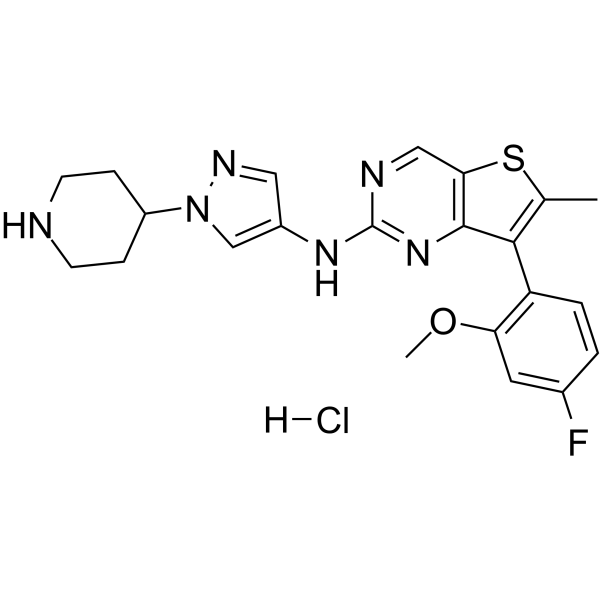
    Nedisertib (Standard)

Inquiry Online

Your information is safe with us. * Required Fields.

Salutation


Country or Region *

Applicant Name *


Organization Name *

Department *


Email Address *


Product Name *

Cat. No.


Requested quantity *

Phone Number *


Remarks

Inquiry Online

Inquiry Information

Product Name:
Cat. No.:
Quantity:
MCE Japan Authorized Agent: